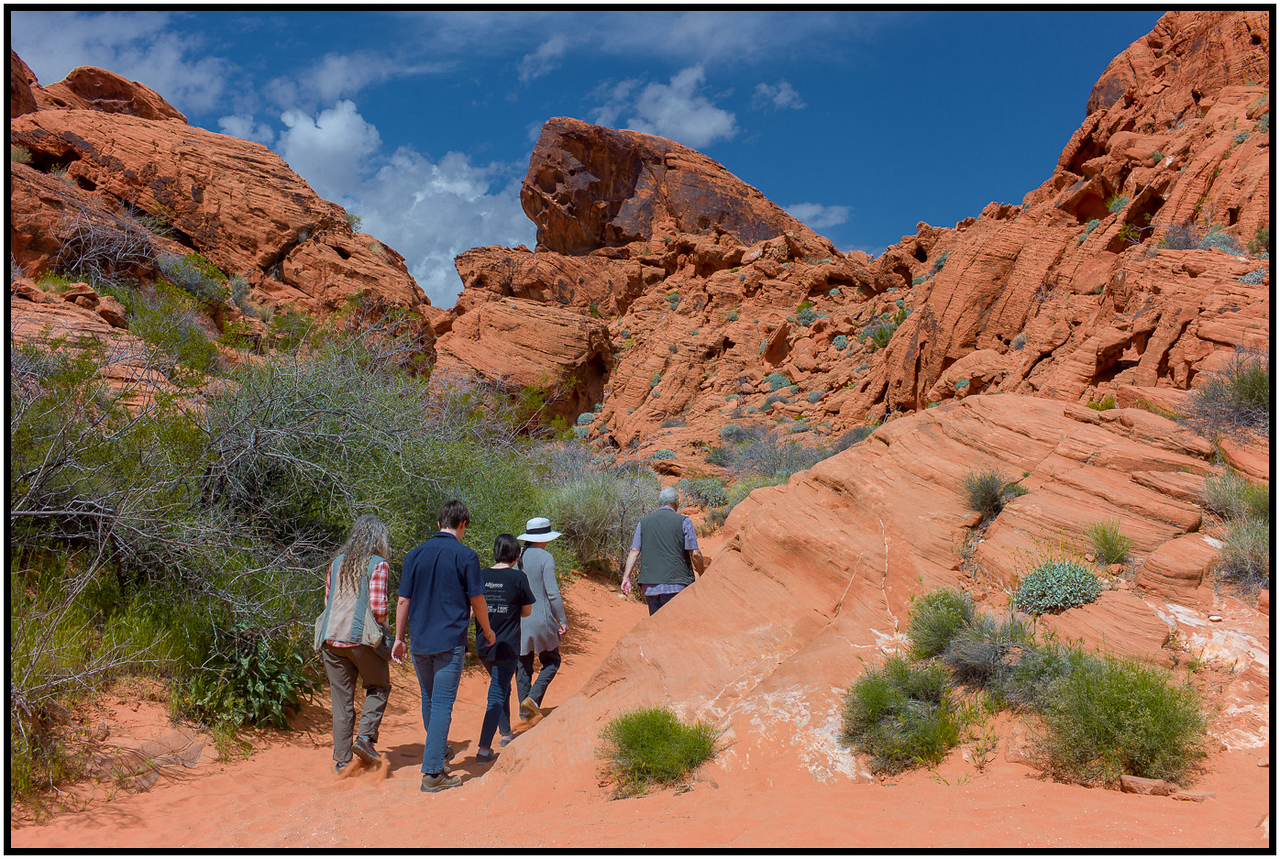
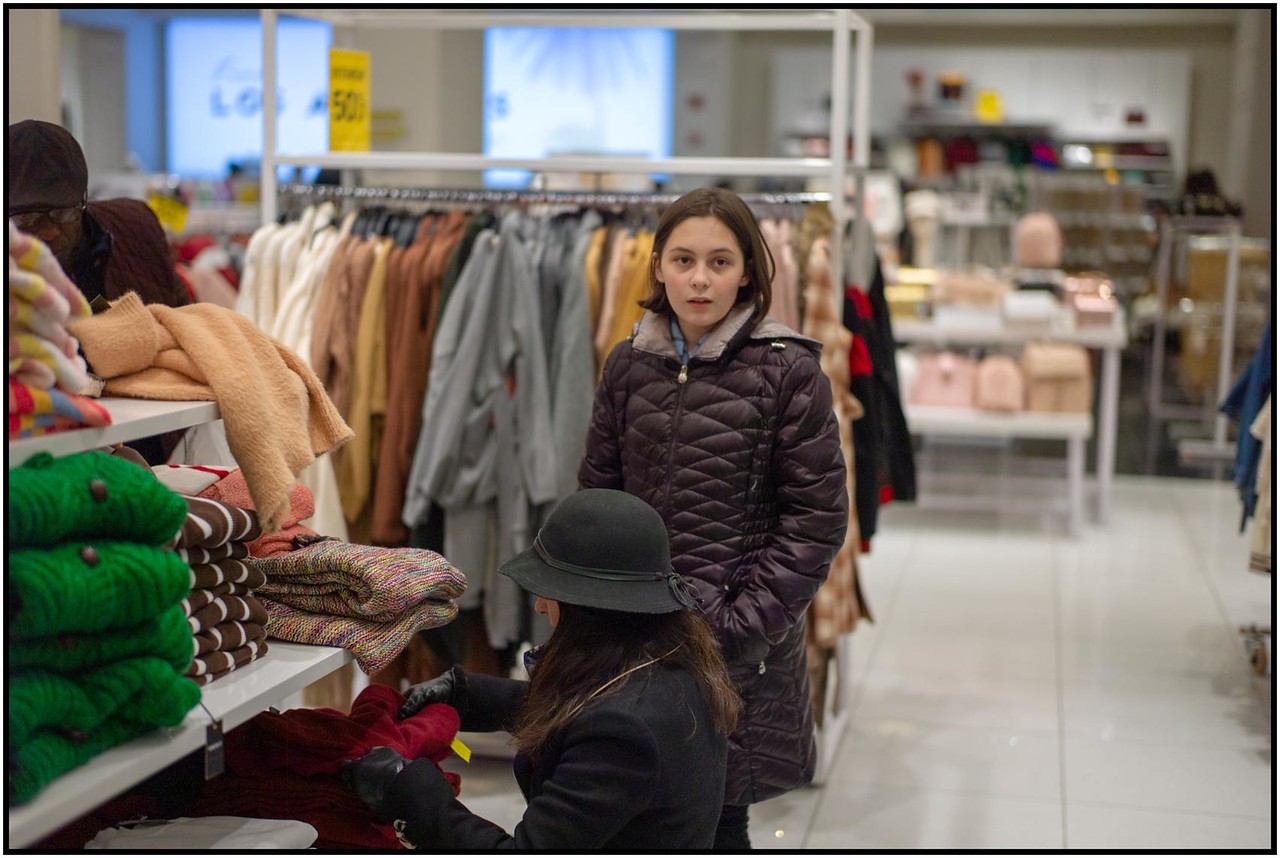
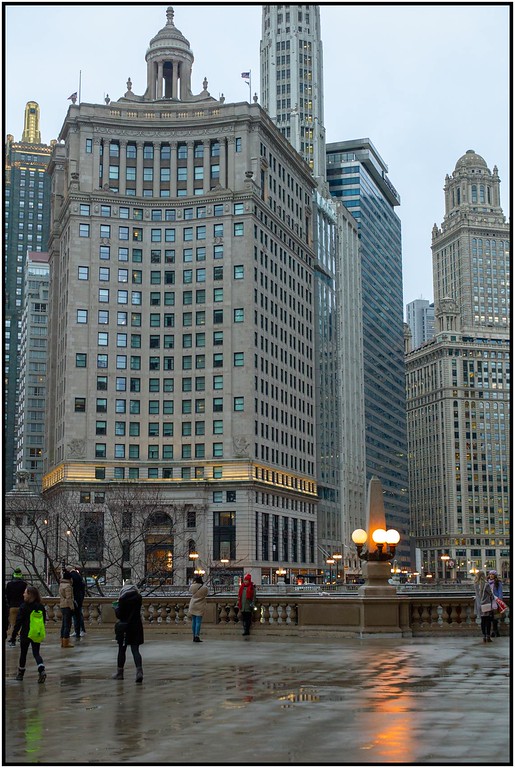
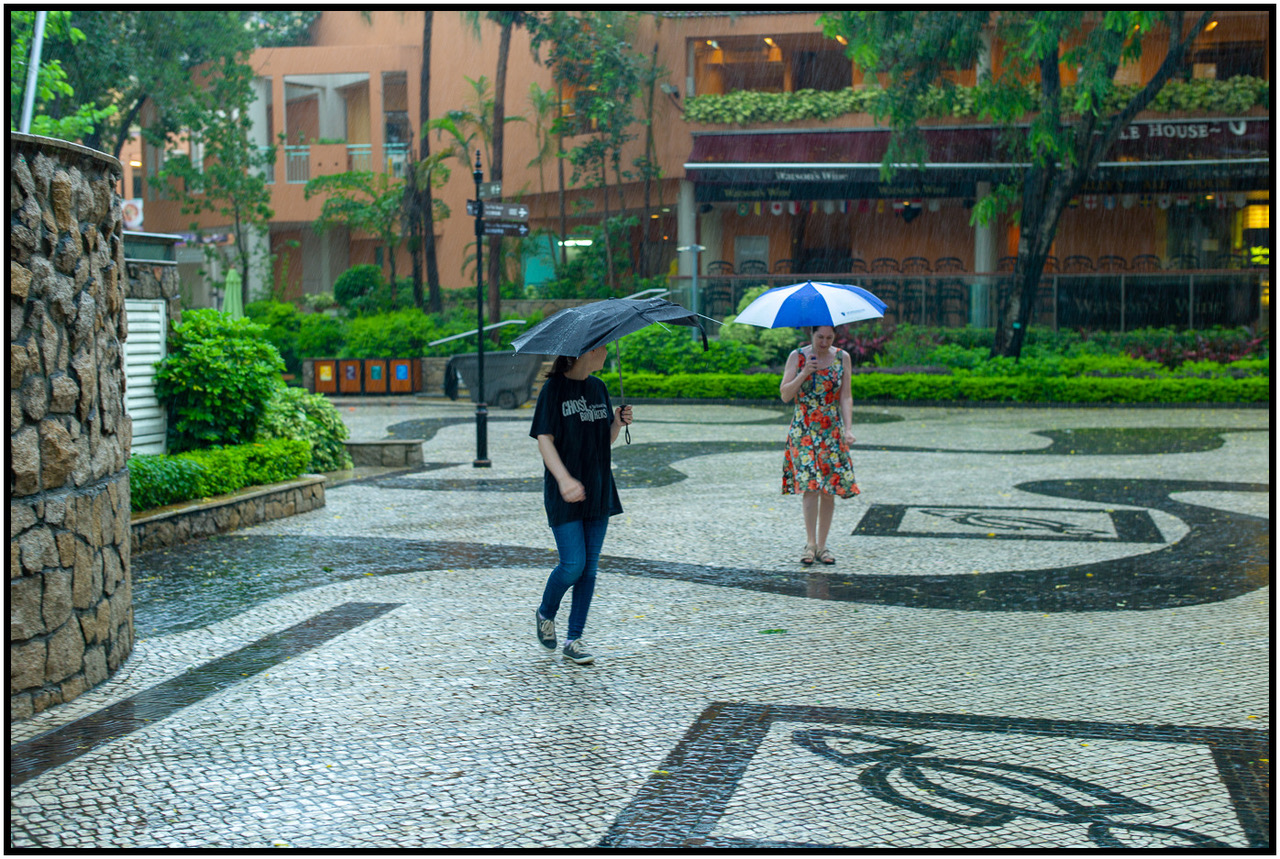
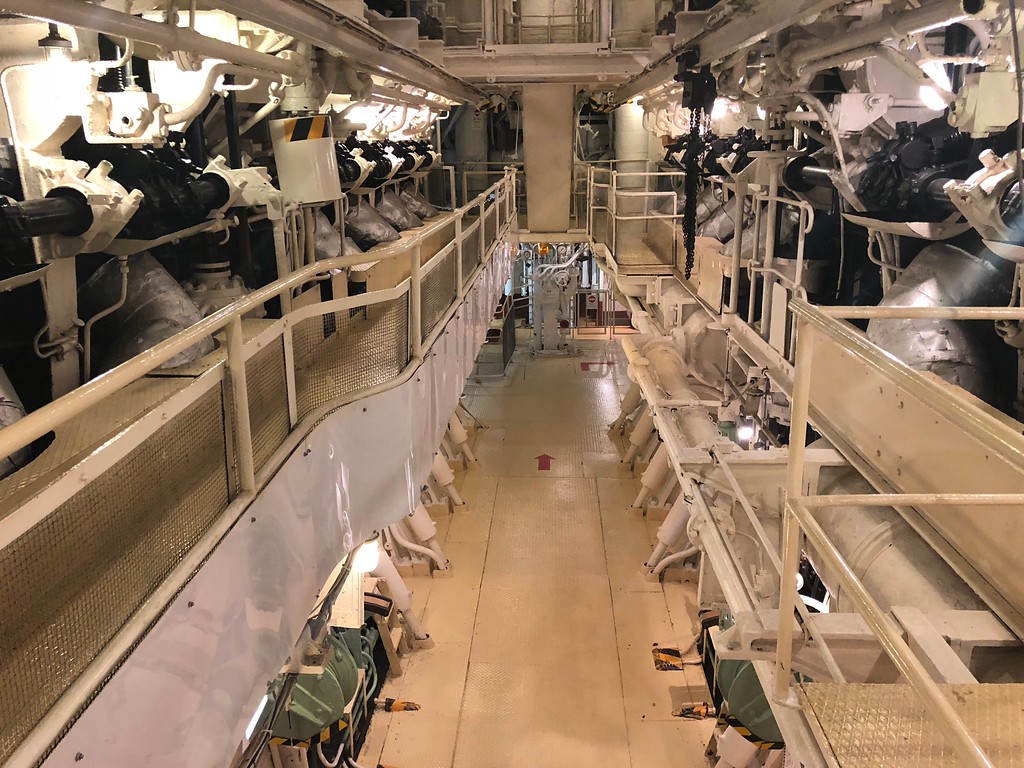
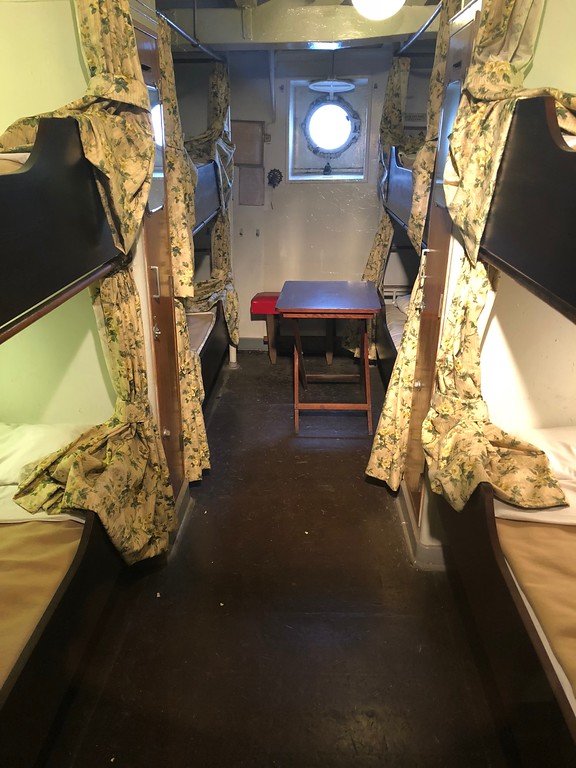
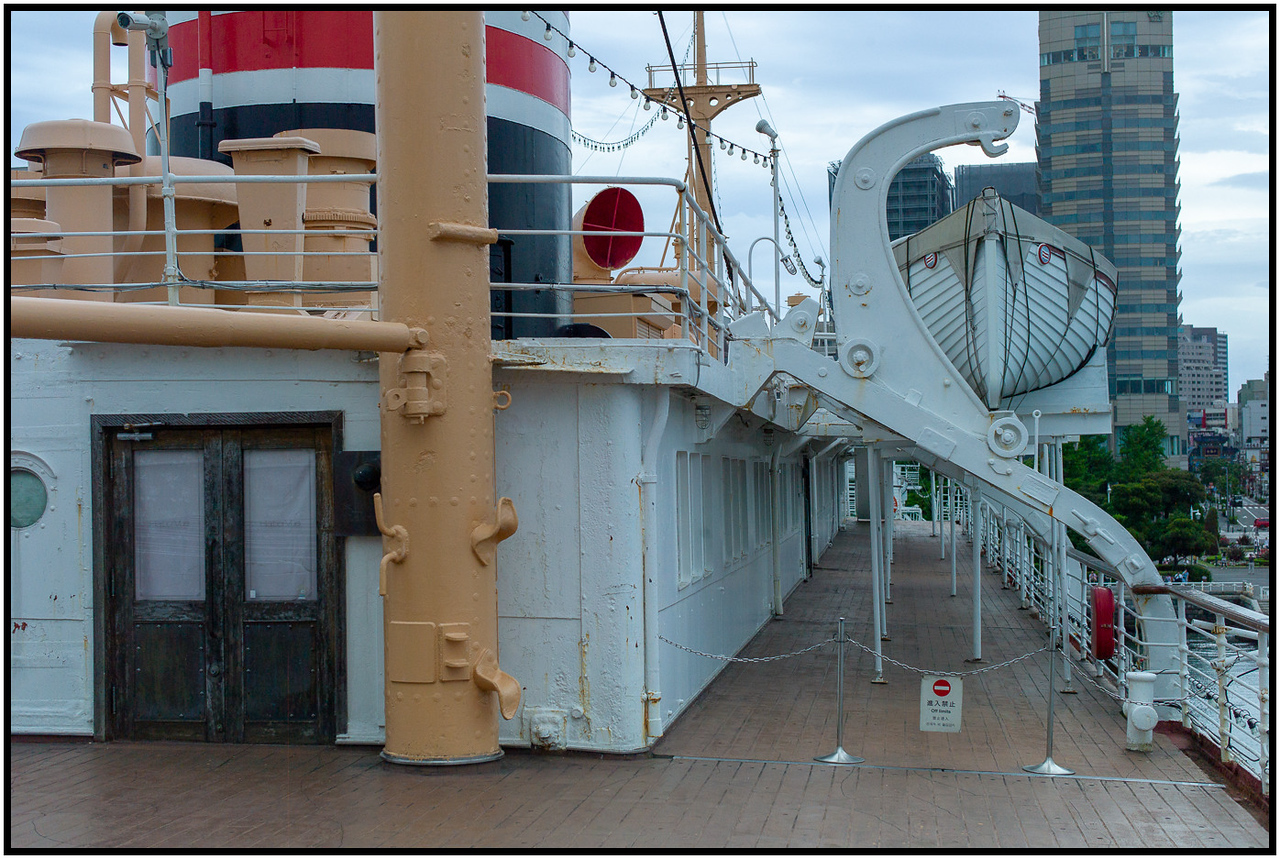
St. Simons Island, GA 021923

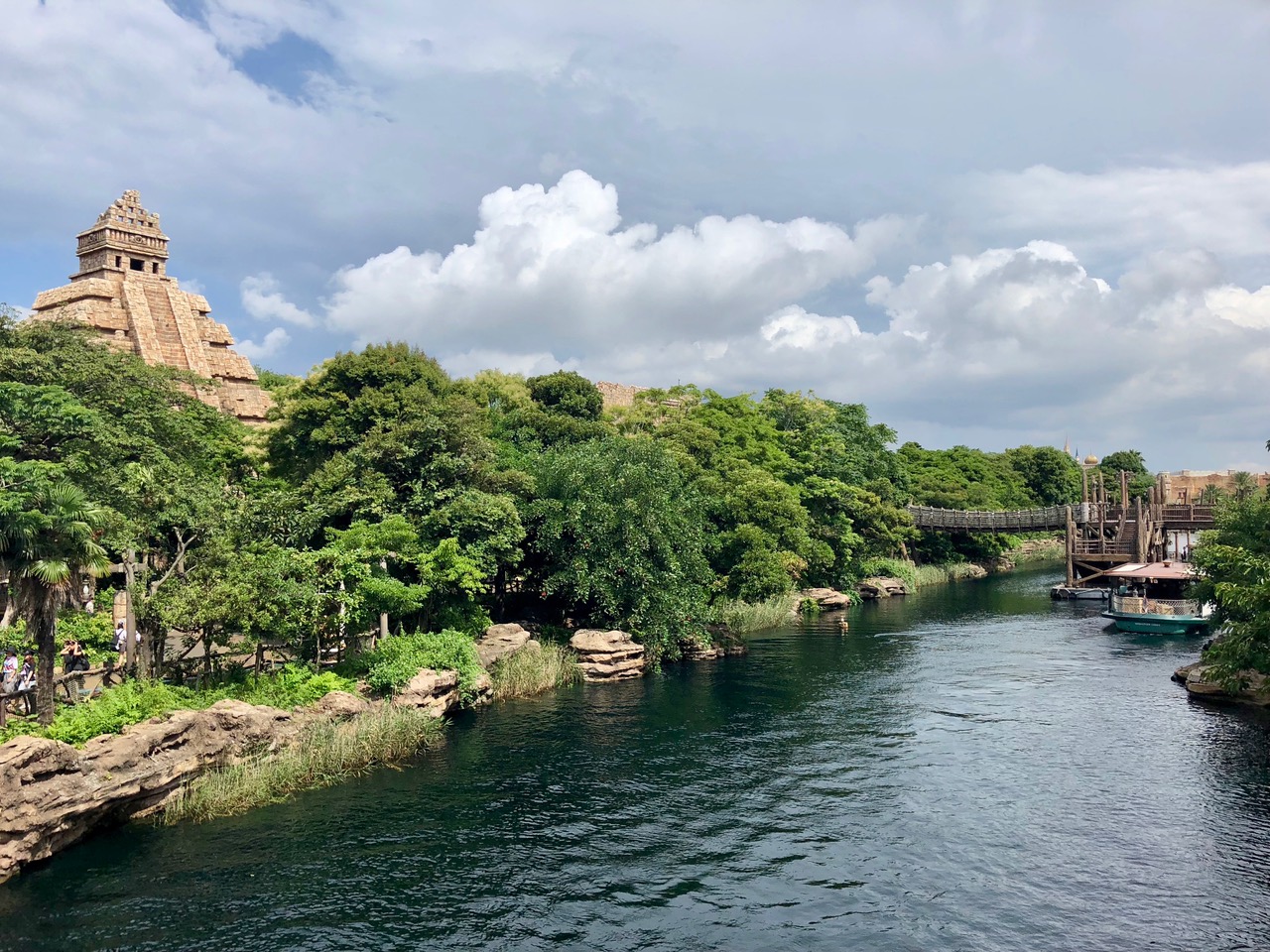
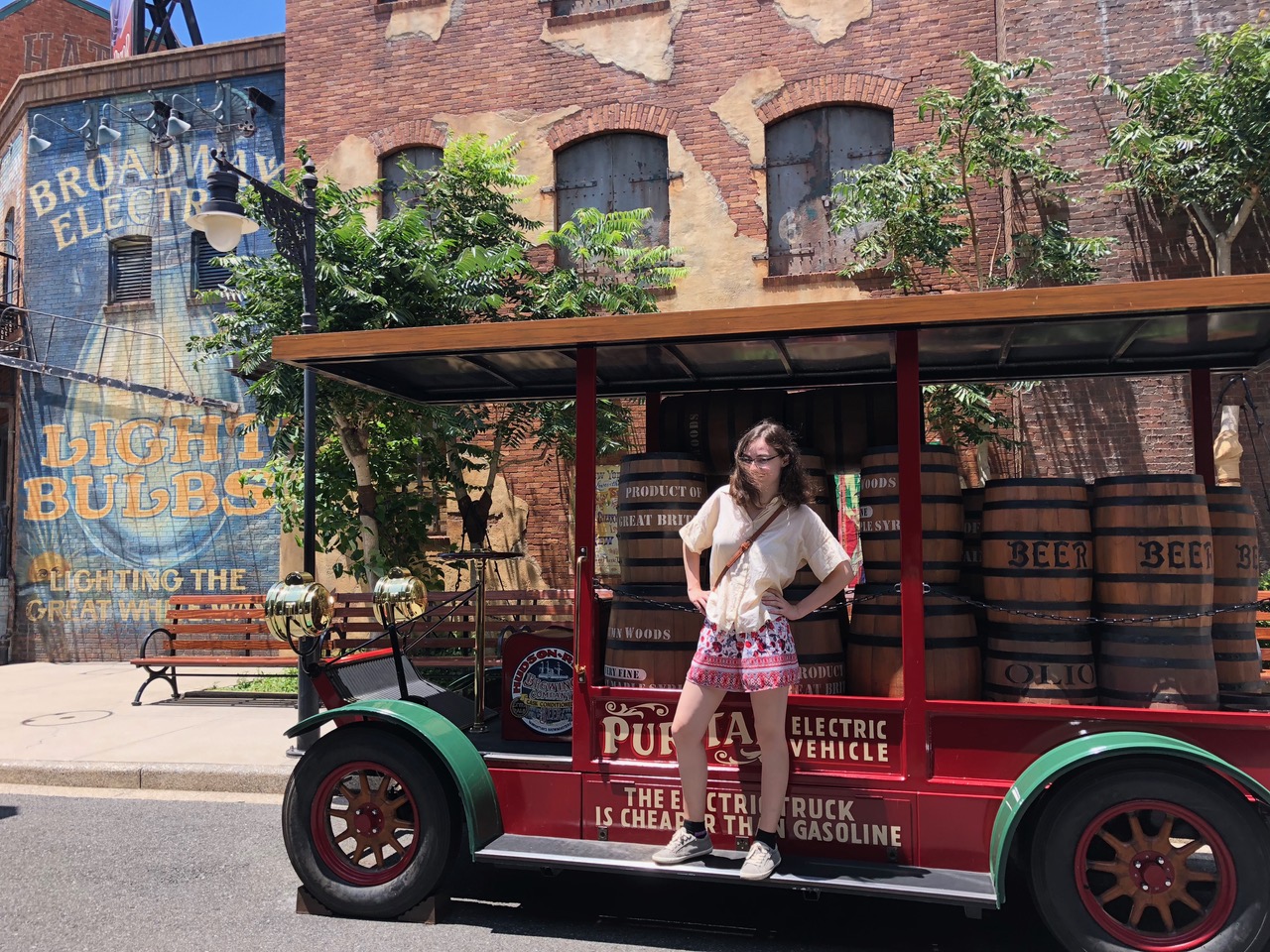
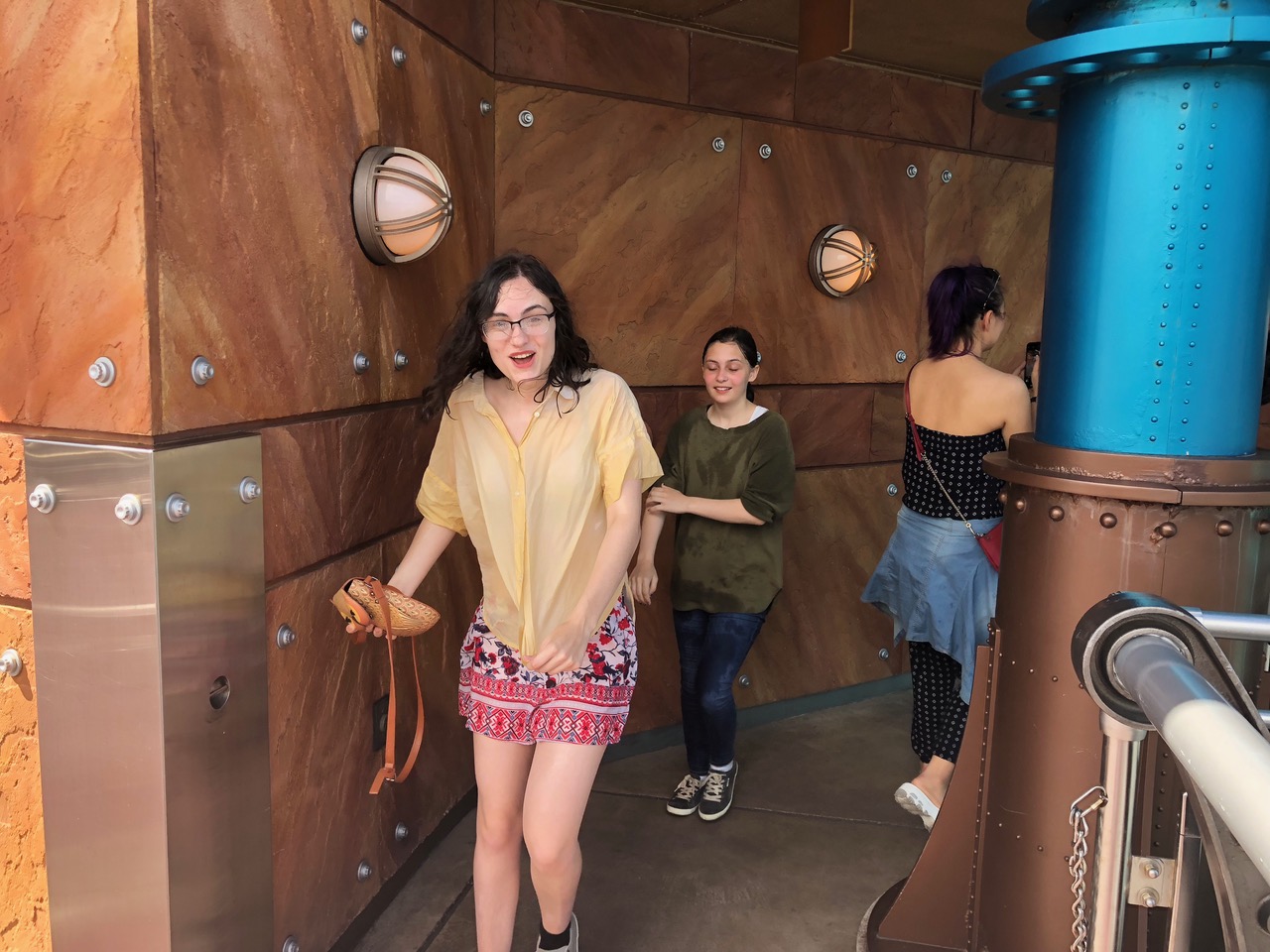
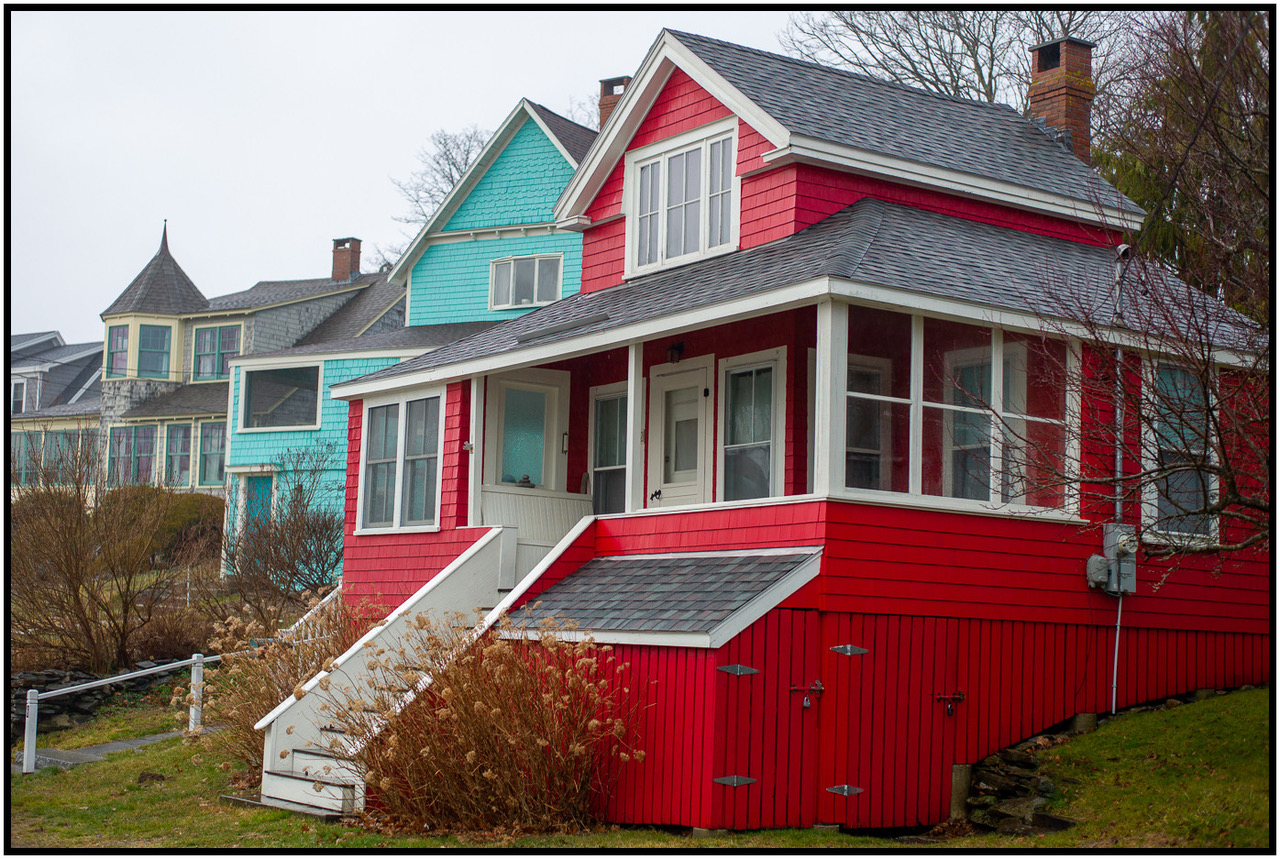
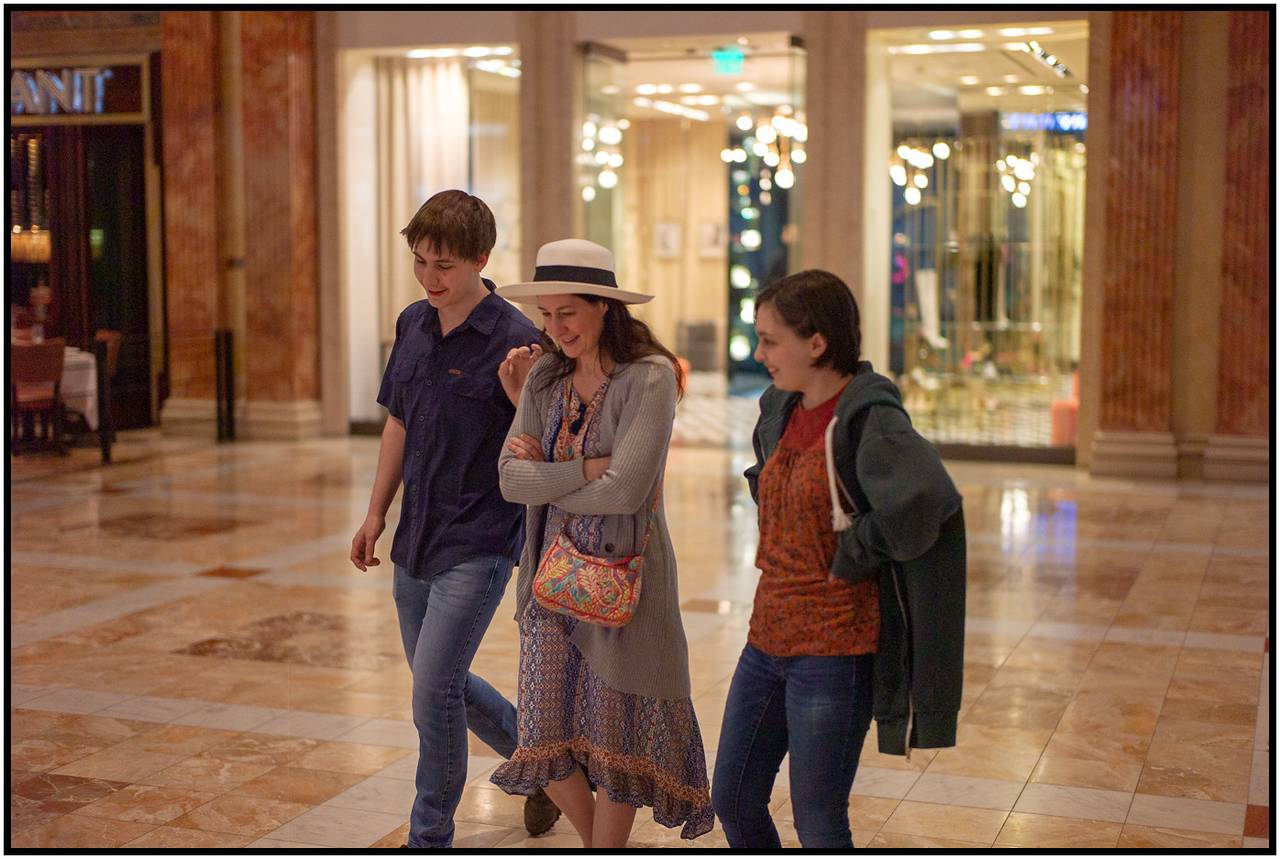
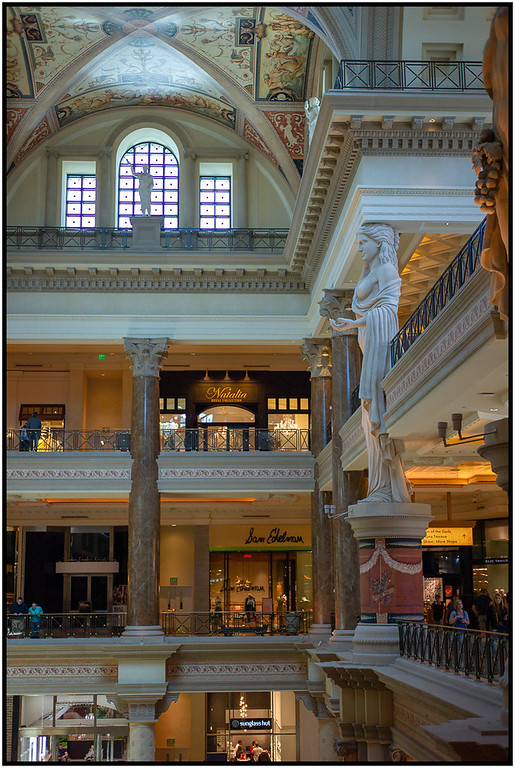
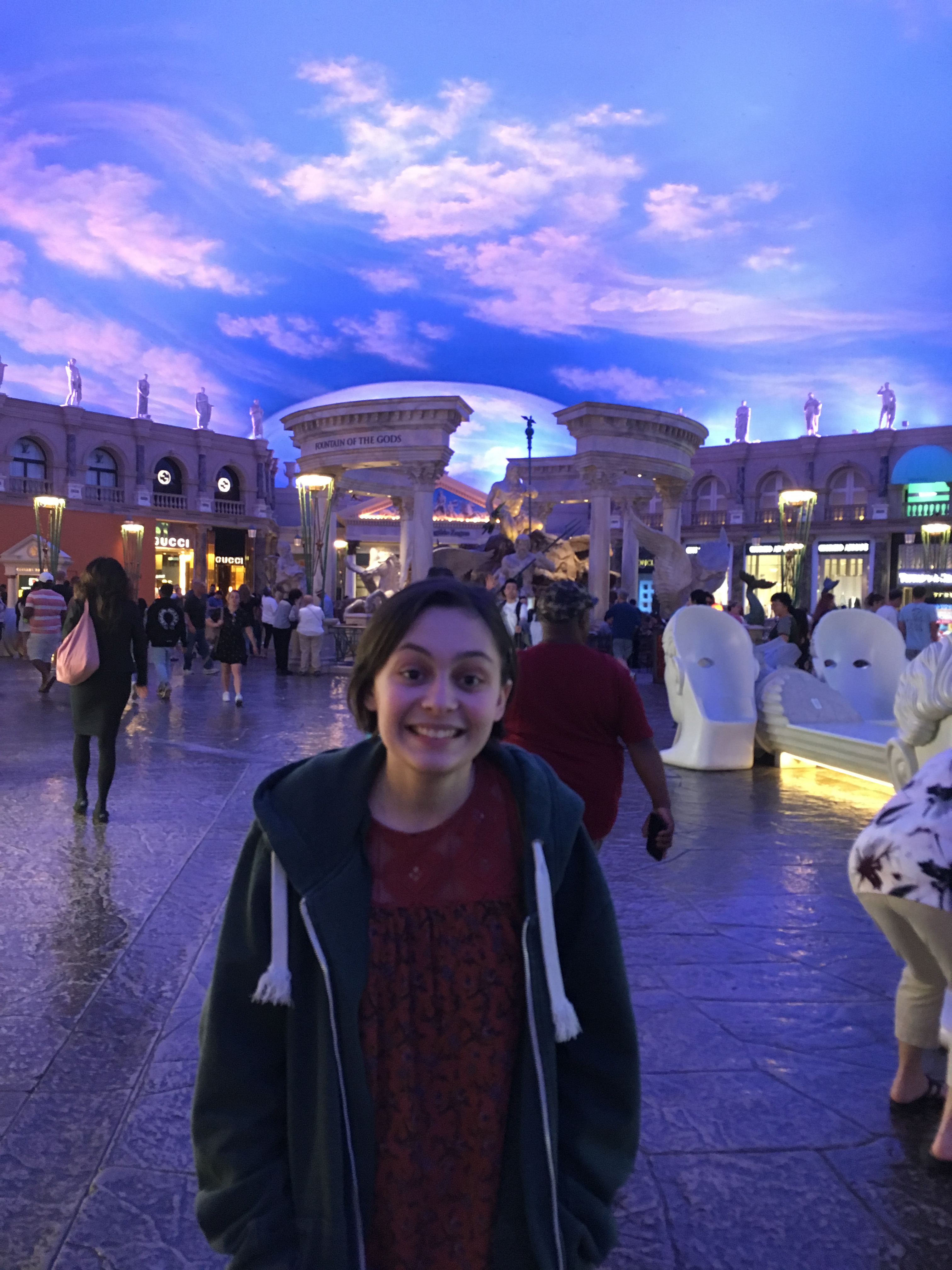
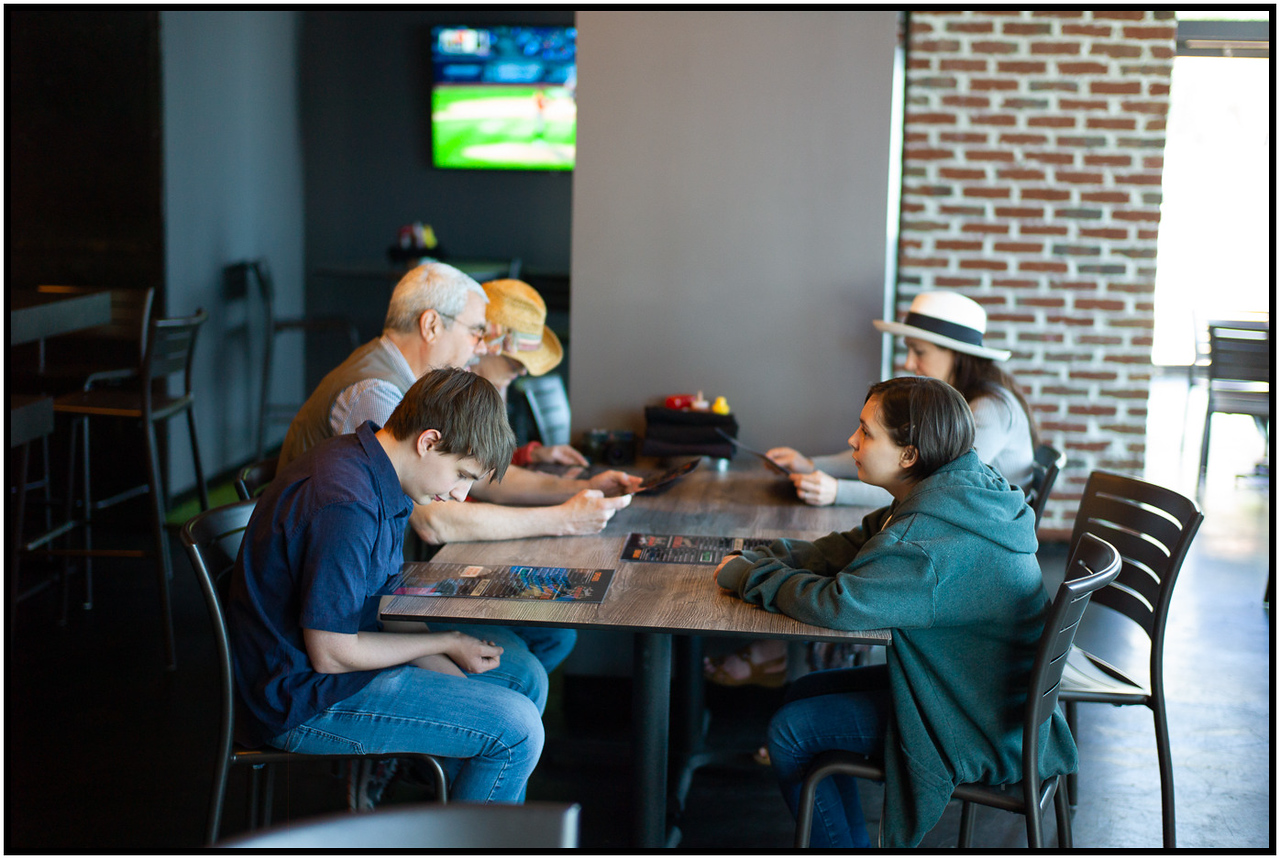
Here are some photos from the first couple days of our Spring Break trip down to the “Golden Islands” – a series of barrier islands along the south Georgia border.

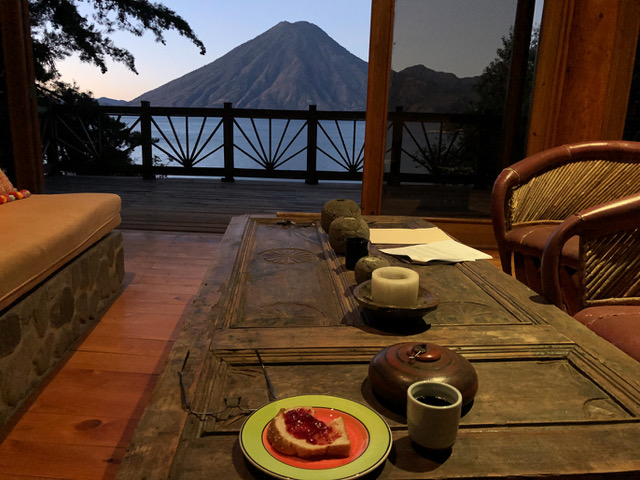
Before reaching our first destination, we drove to Savannah to meet up with Isabella.  We dropped off some new furniture for her.. the coffee table (above) was just completed by John.  She also has a new, matching side table.  The computer desk top is also new – a piece of marble that Bella picked out over Xmas break.

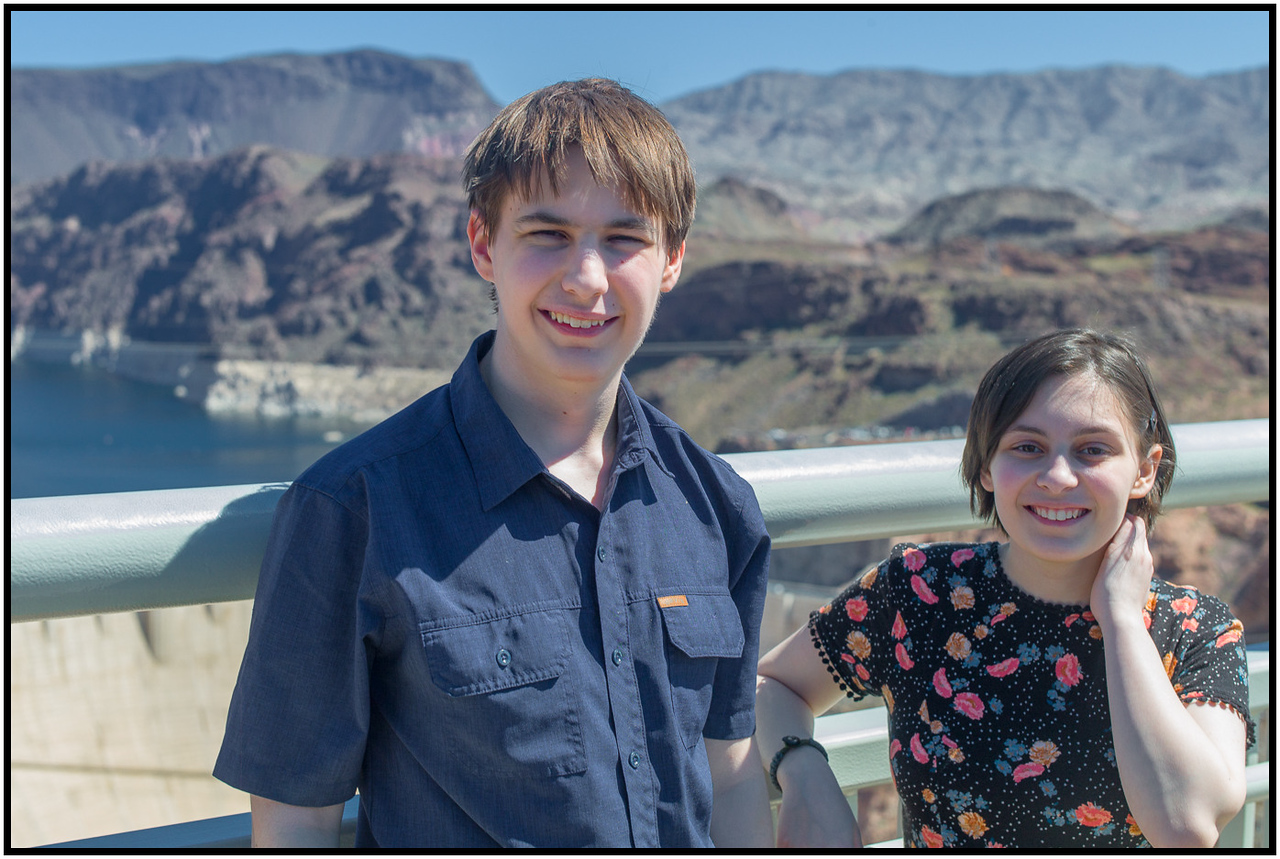
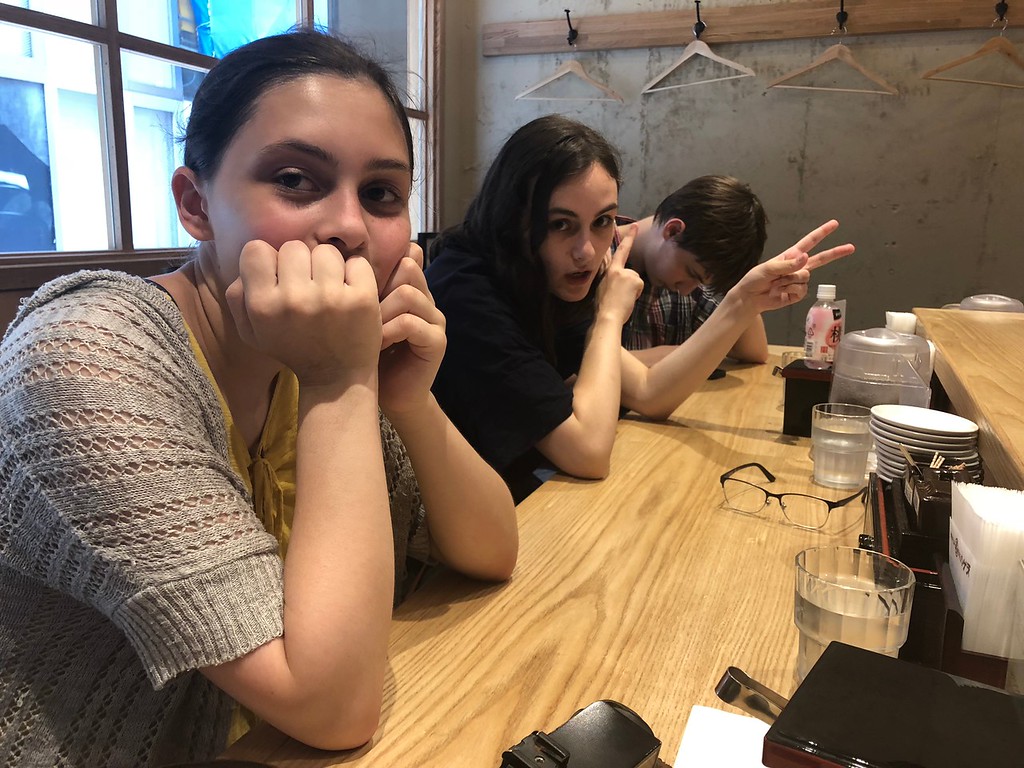
Foster got off work and we met up at a local Chipotle to stuff our faces before resuming our journey south to St. Simons Island.  Josie is with her two friends (Aiden, Alyssa).  We have Rita and Randy with Bella and Foster top right.

Saying our goodbyes in Savannah, doing a car exchange (long story) and then heading out.

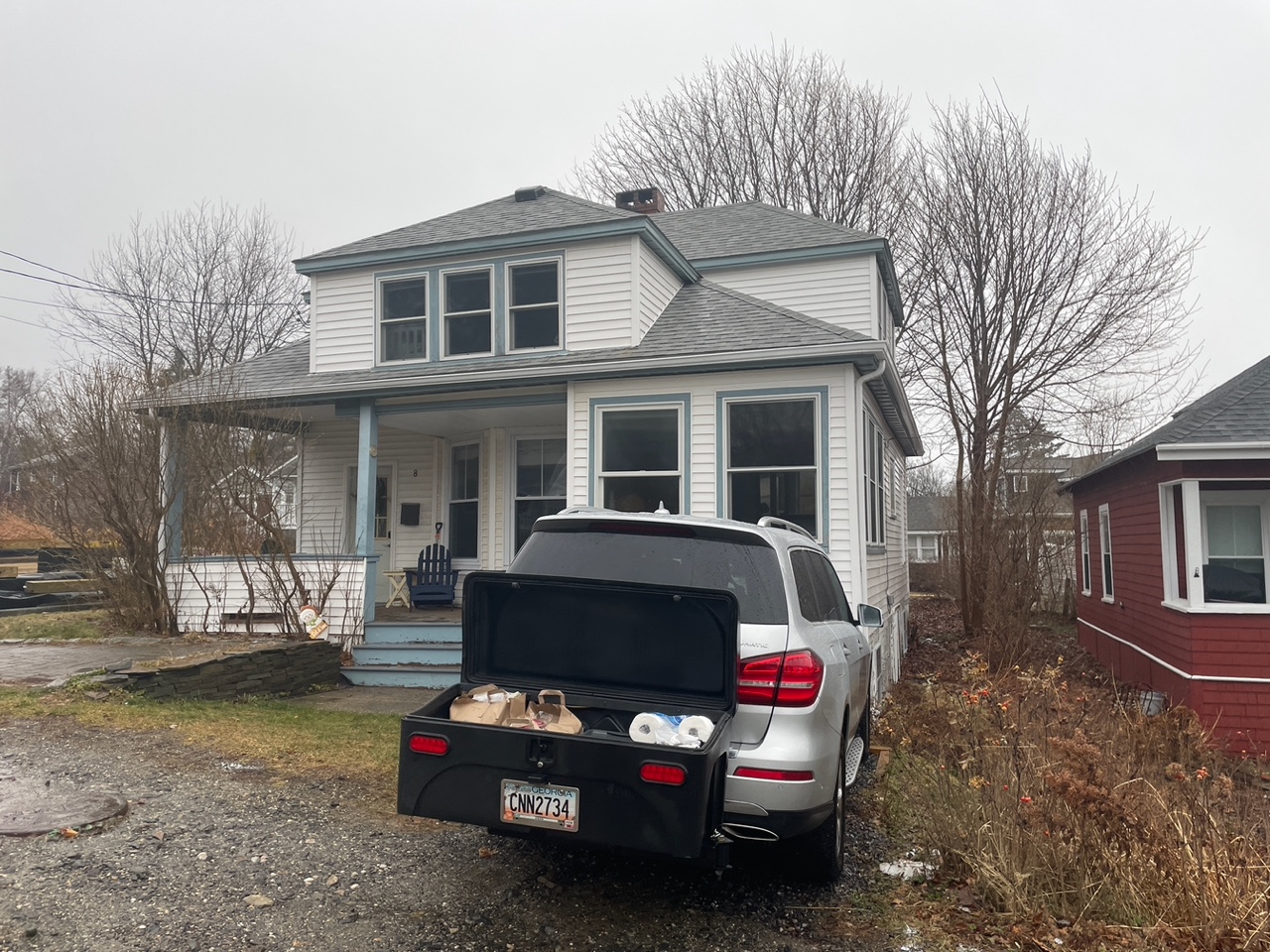
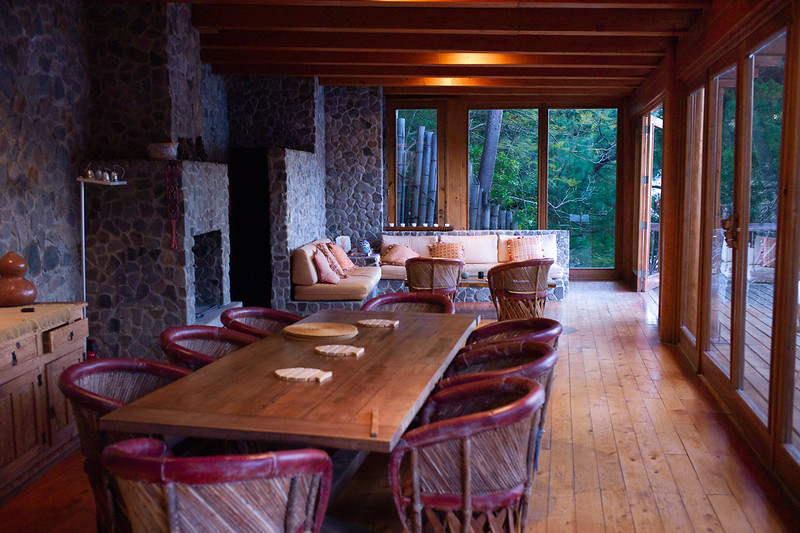
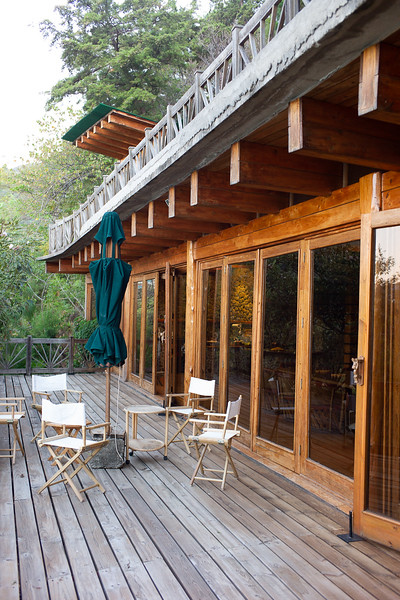
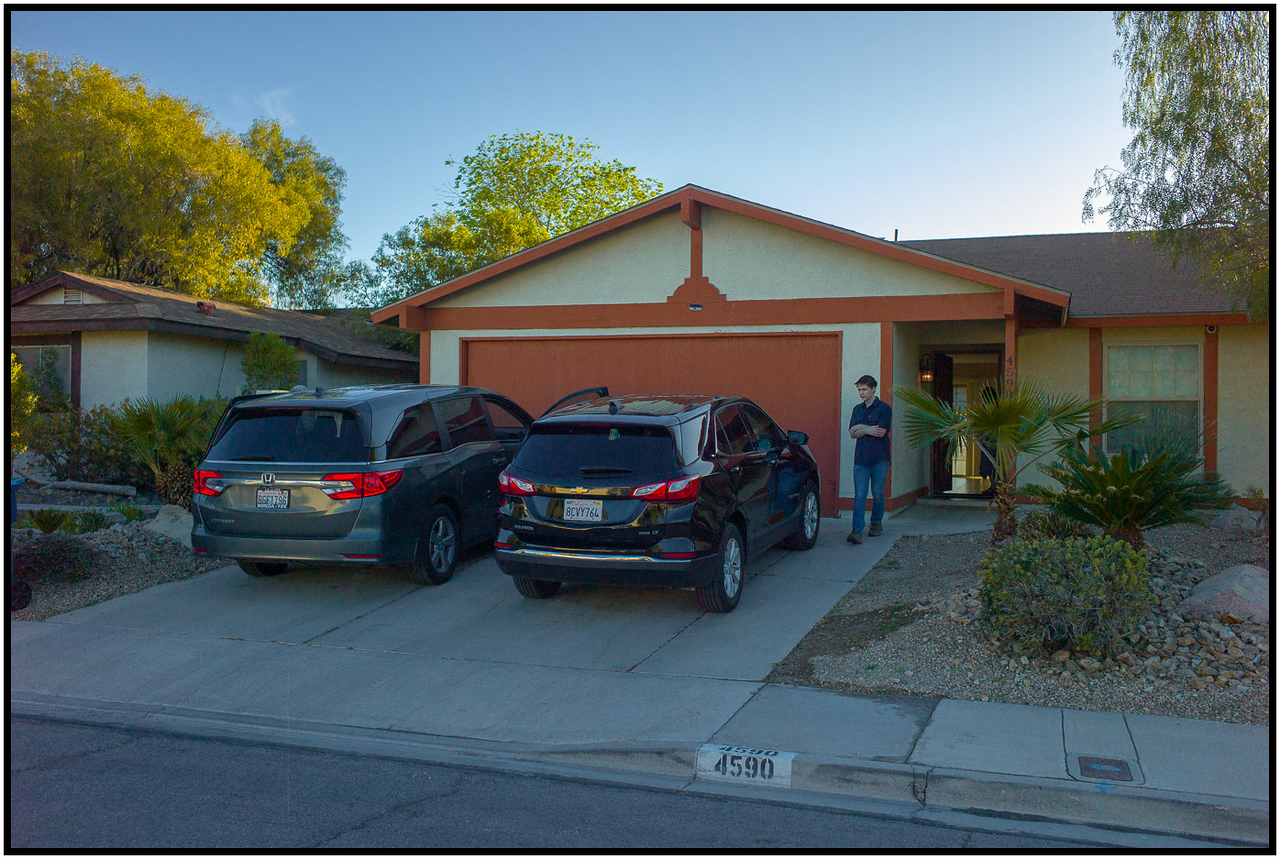
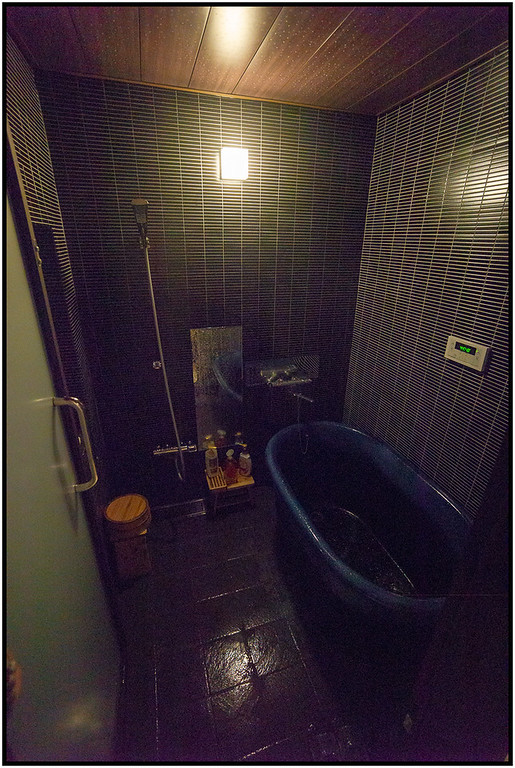
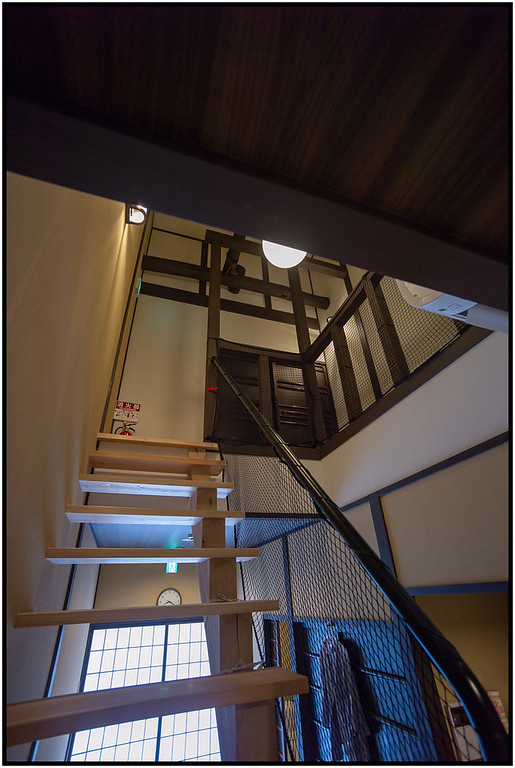
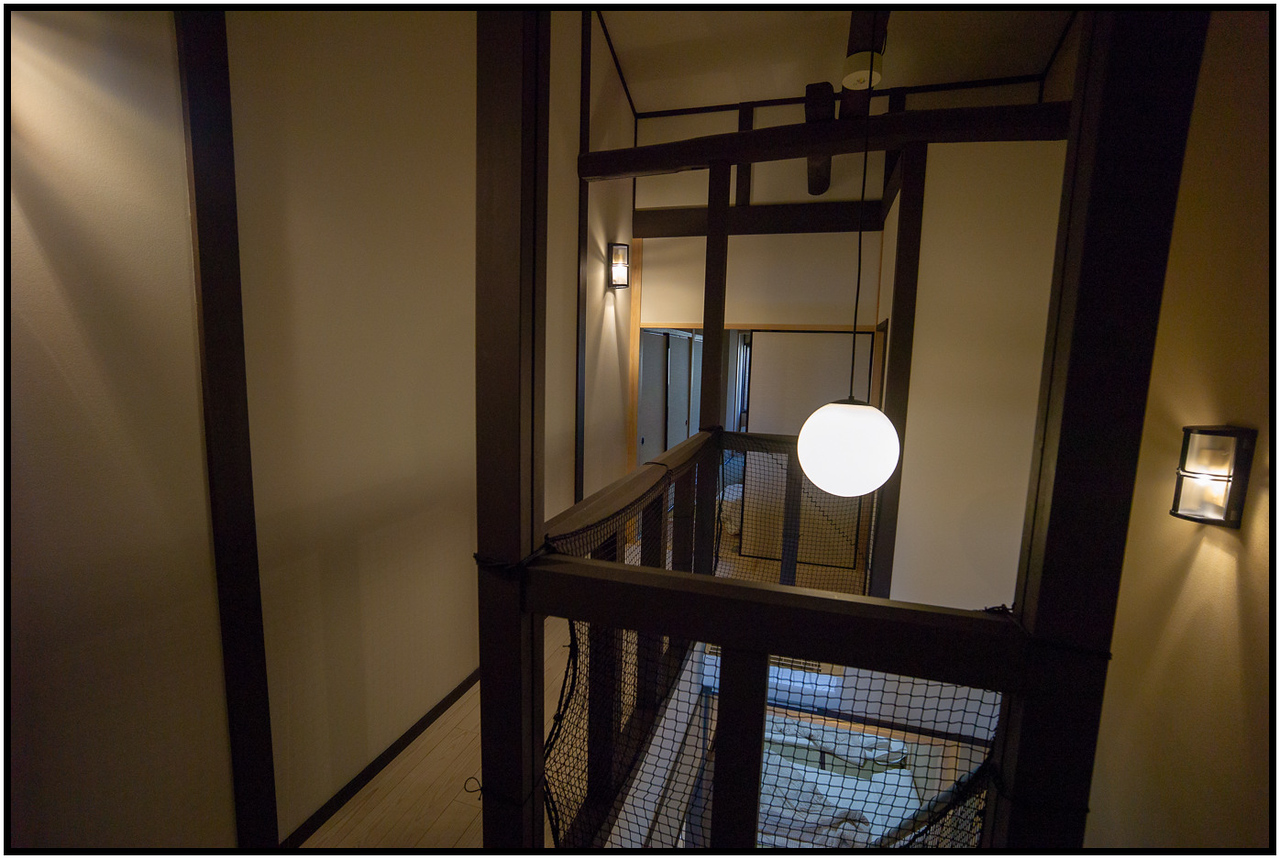
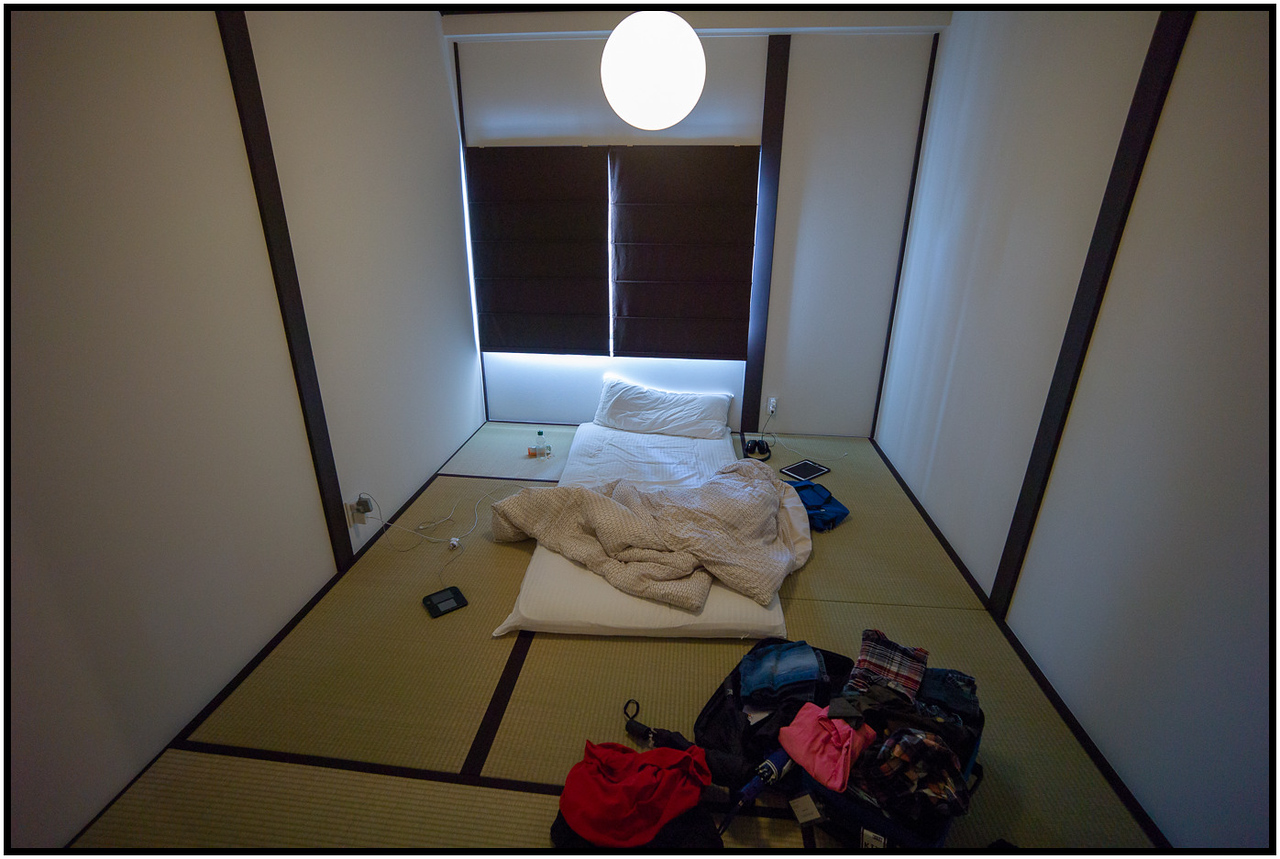
On St. Simons Island – this is the house we rented for the 7 of us.  Very large and a great, fenced back yard to allow Winston a lot of room to roam and burn off excess energy.

An elementary kid’s four-square ball that is no more.

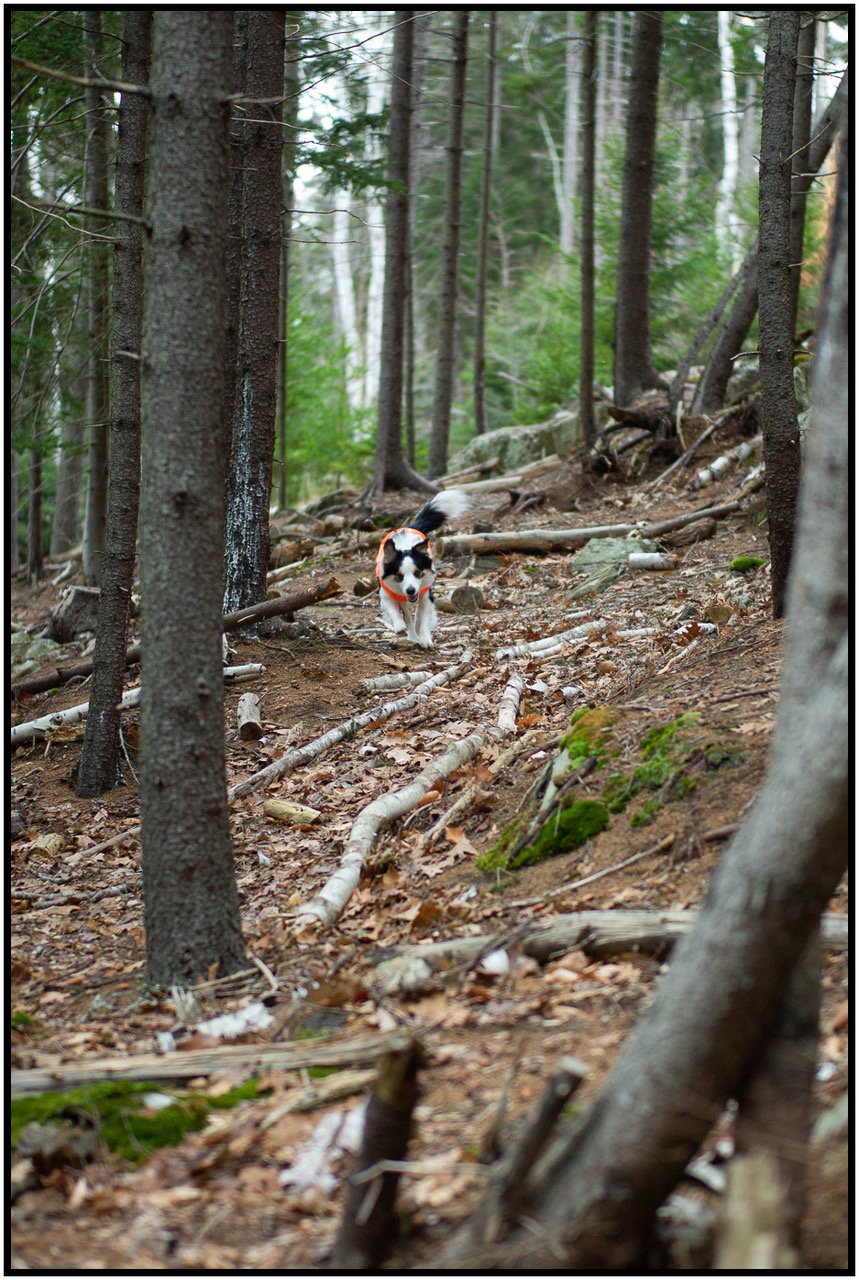
Hiking the next day.

Visiting Fort Frederica.. this once marked the southern border between England (to the north) and Spain (to the south).  Fort Frederica was once a bustling town – the third largest in Georgia – but disappeared after the Spanish and Indian threats died away in the 1750’s.

Throughout this region there remain a lot of buildings and paths made from “Tabby” – a type of concrete made from burning oyster shells to create lime, then mixing it with water, sand, ash and broken oyster shells.  They hold up many hundreds of years later.

We had absolutely perfect weather all week.. partly sunny and highs in the 70’s.

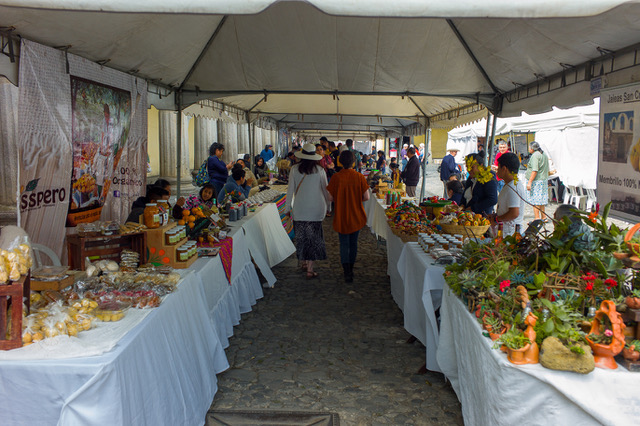
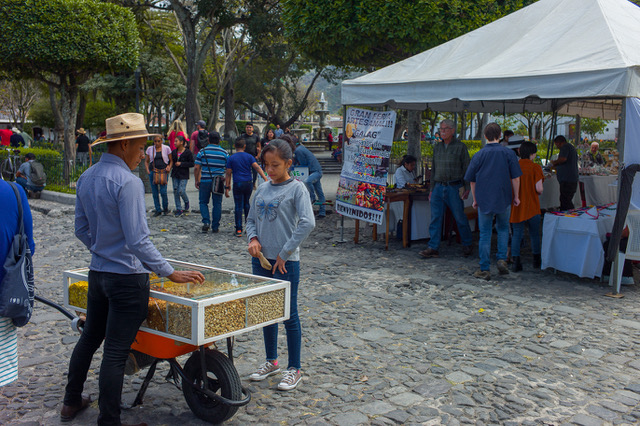
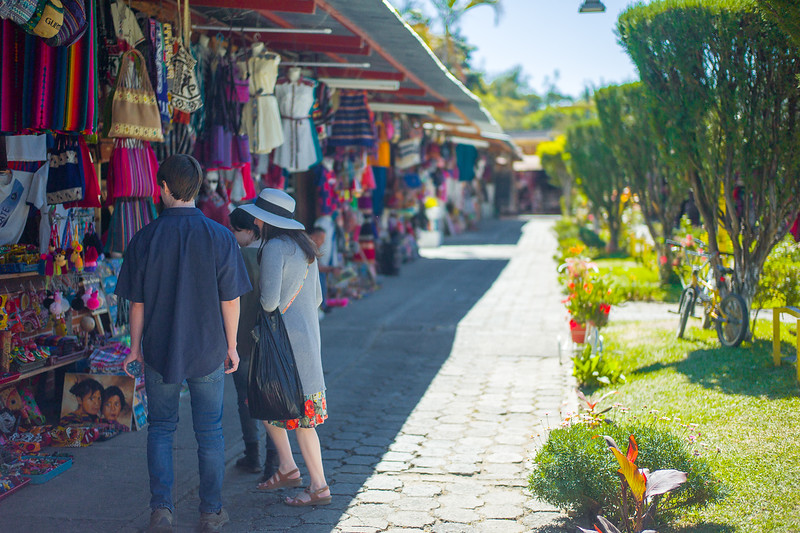
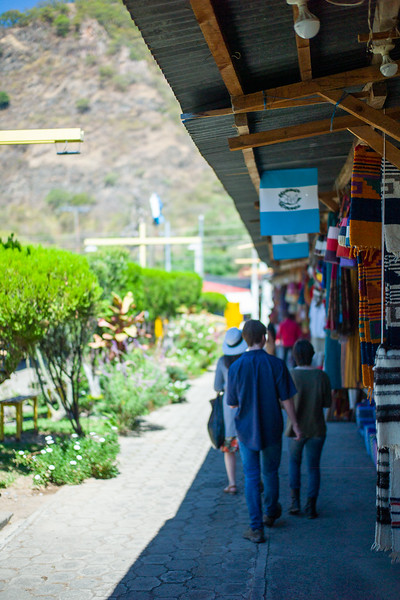
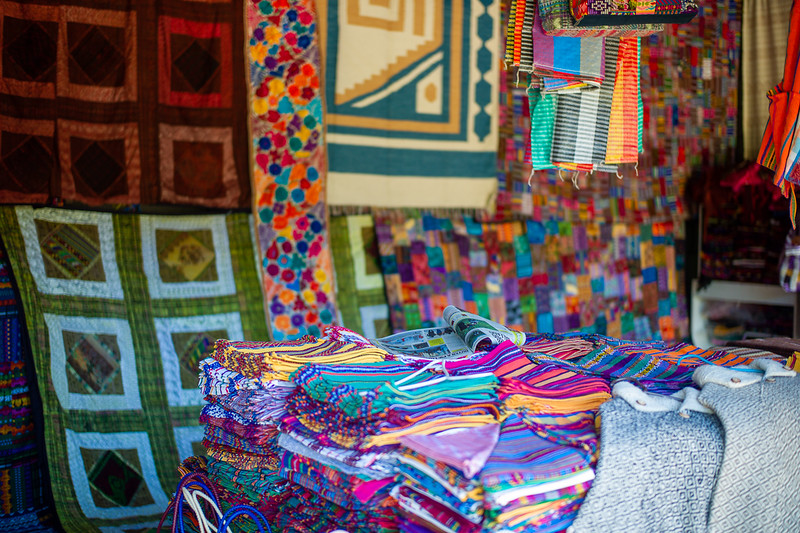
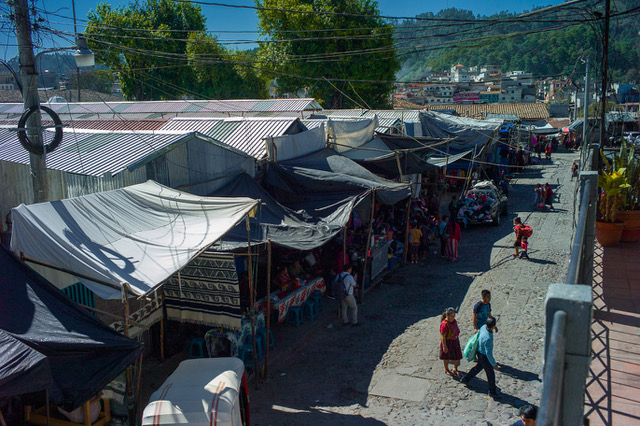
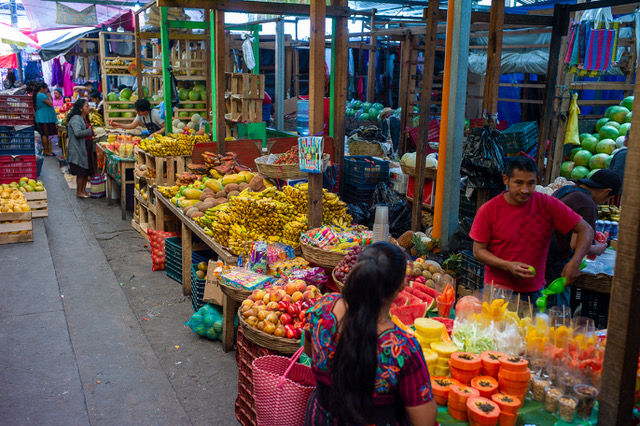
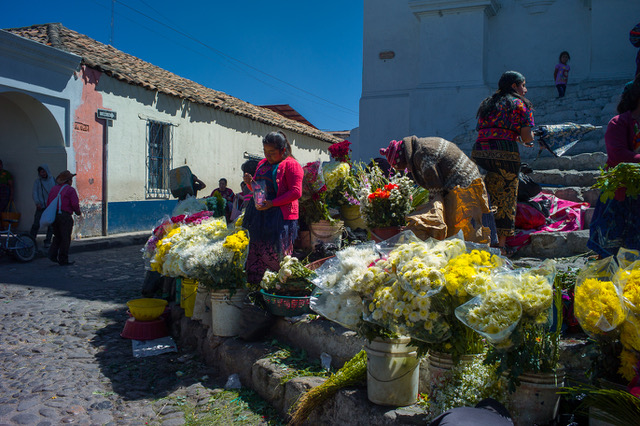
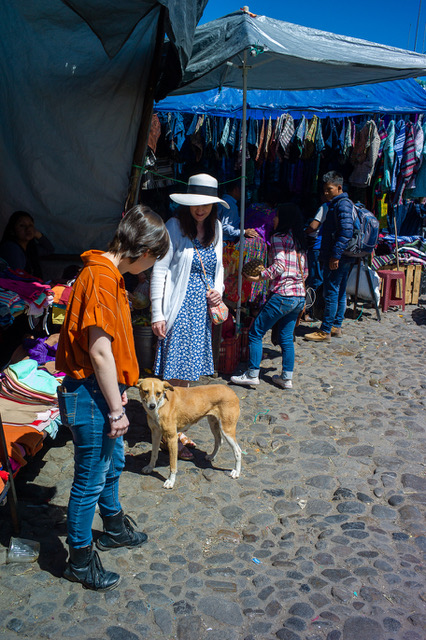
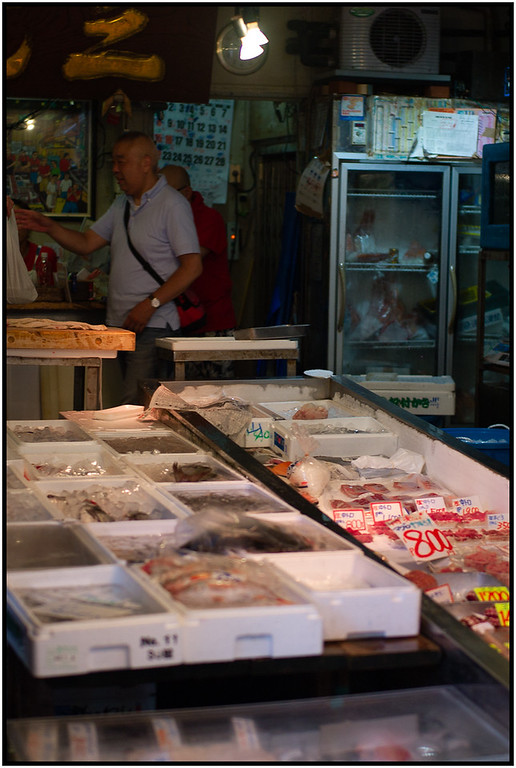
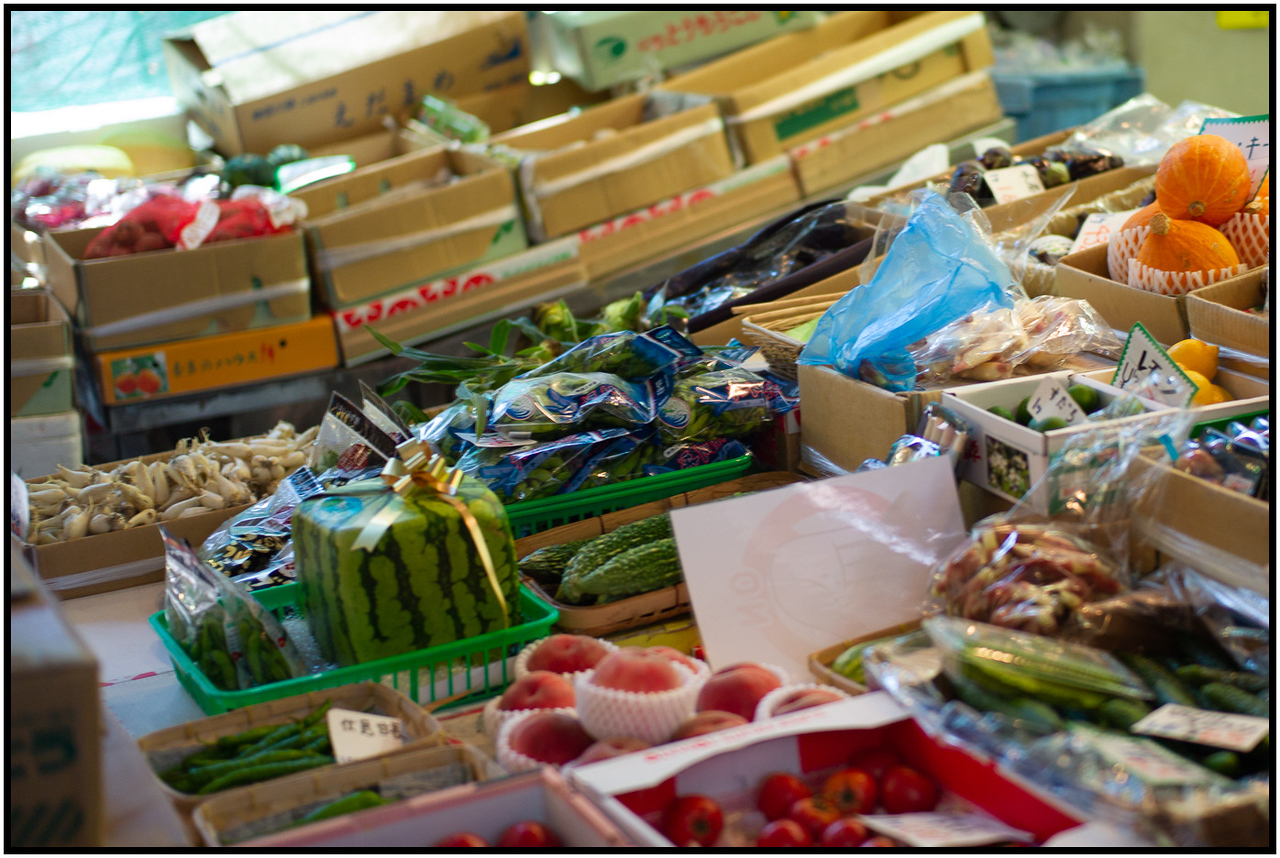
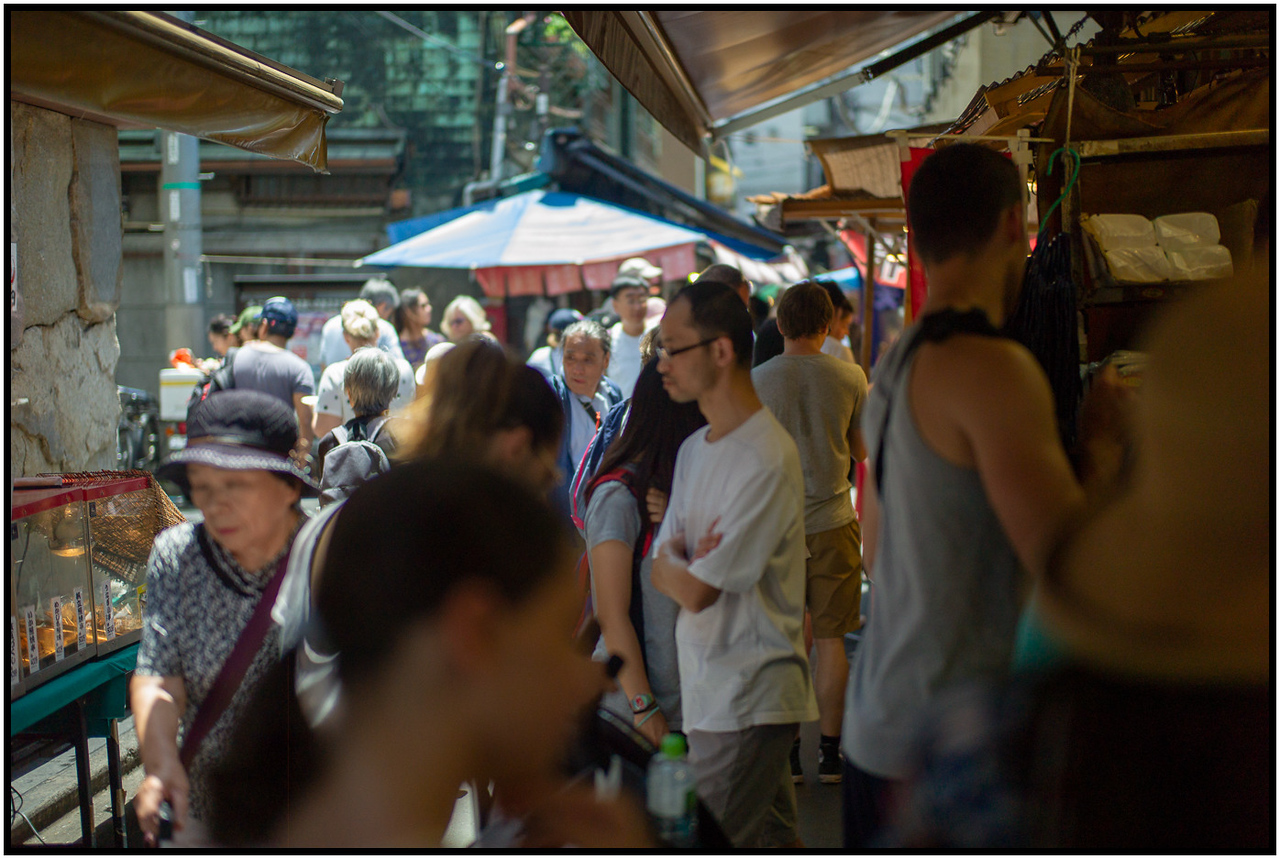
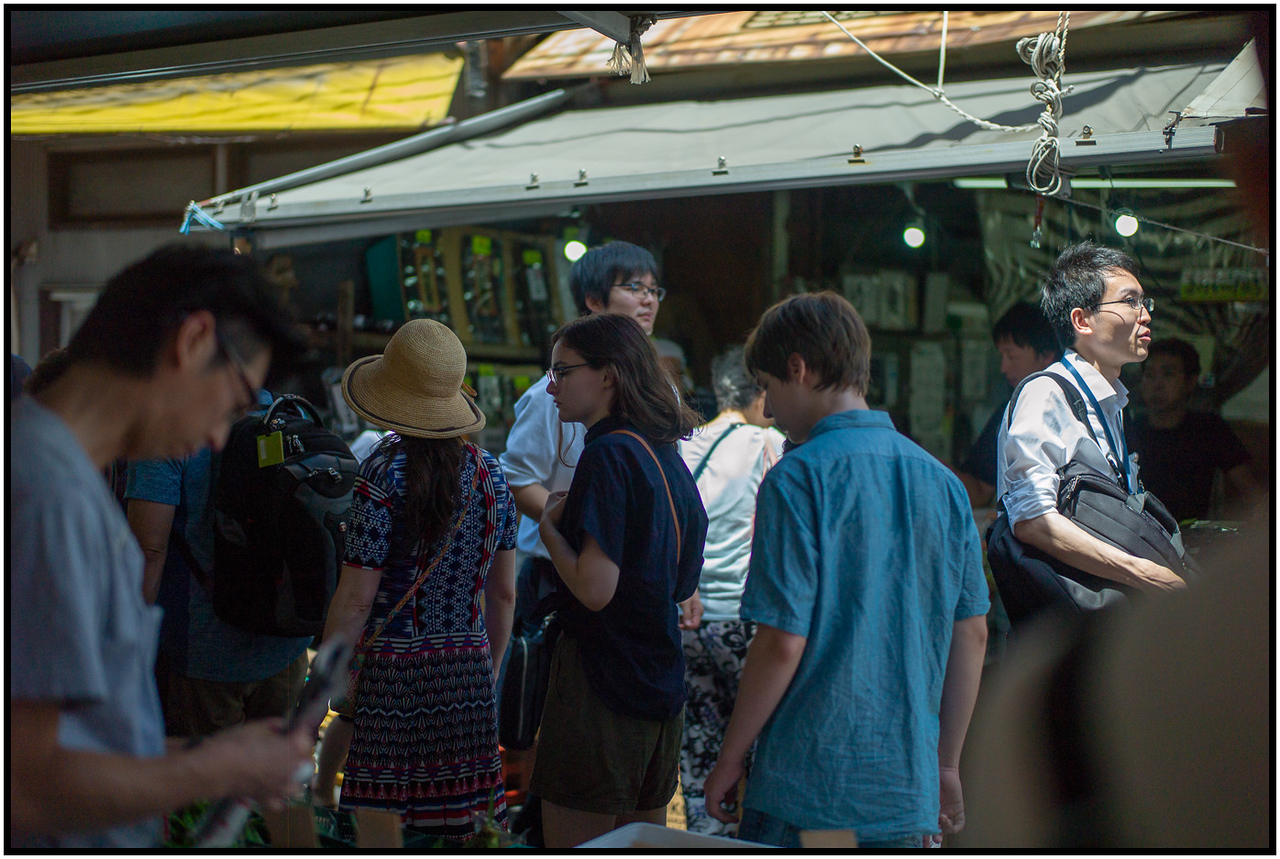
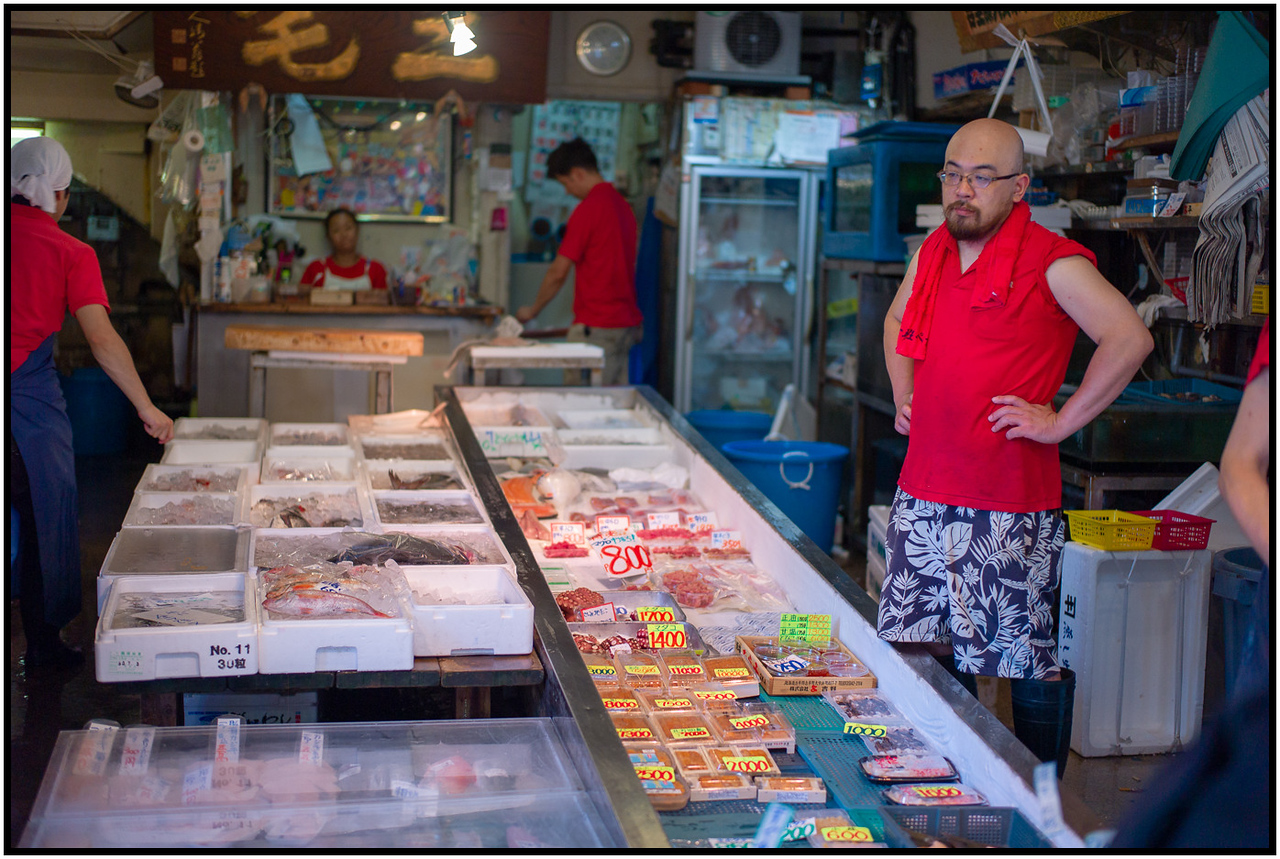
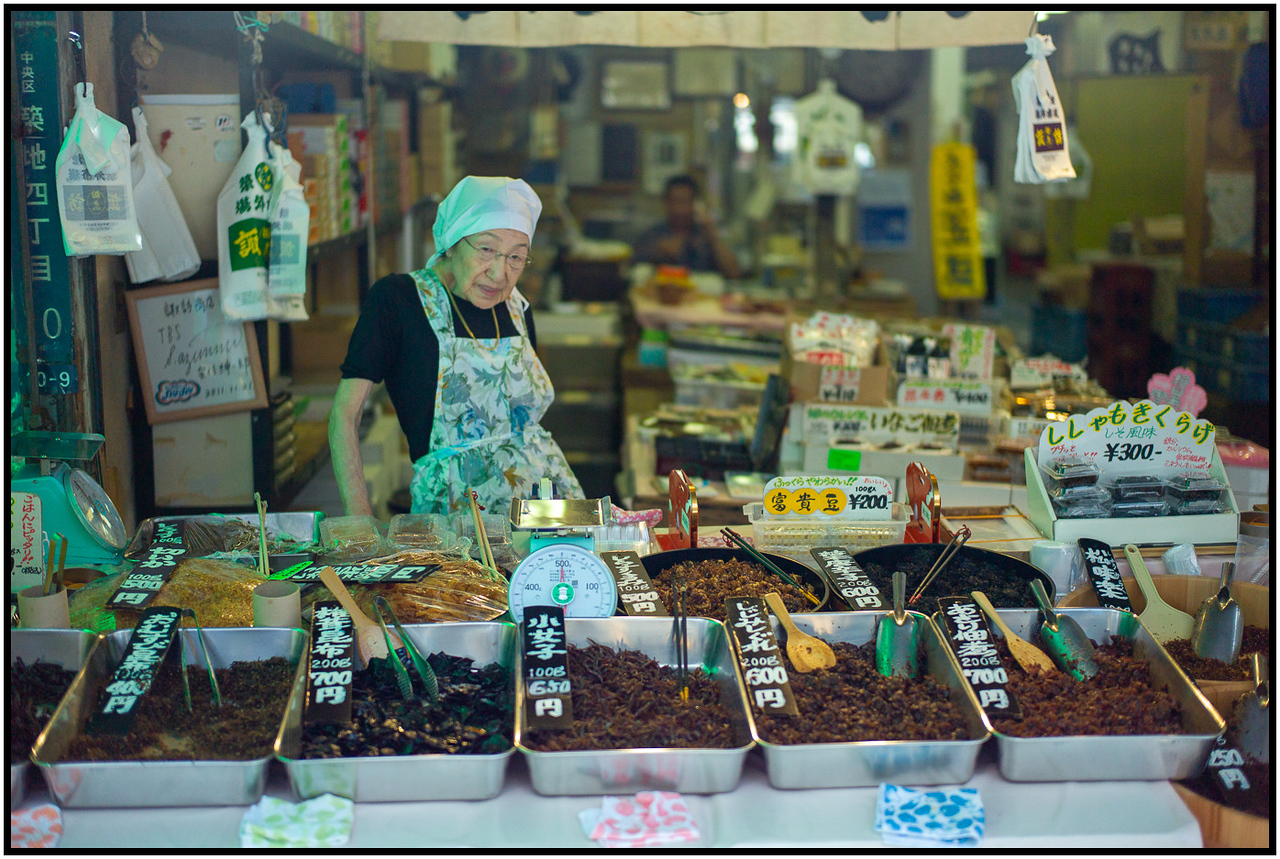
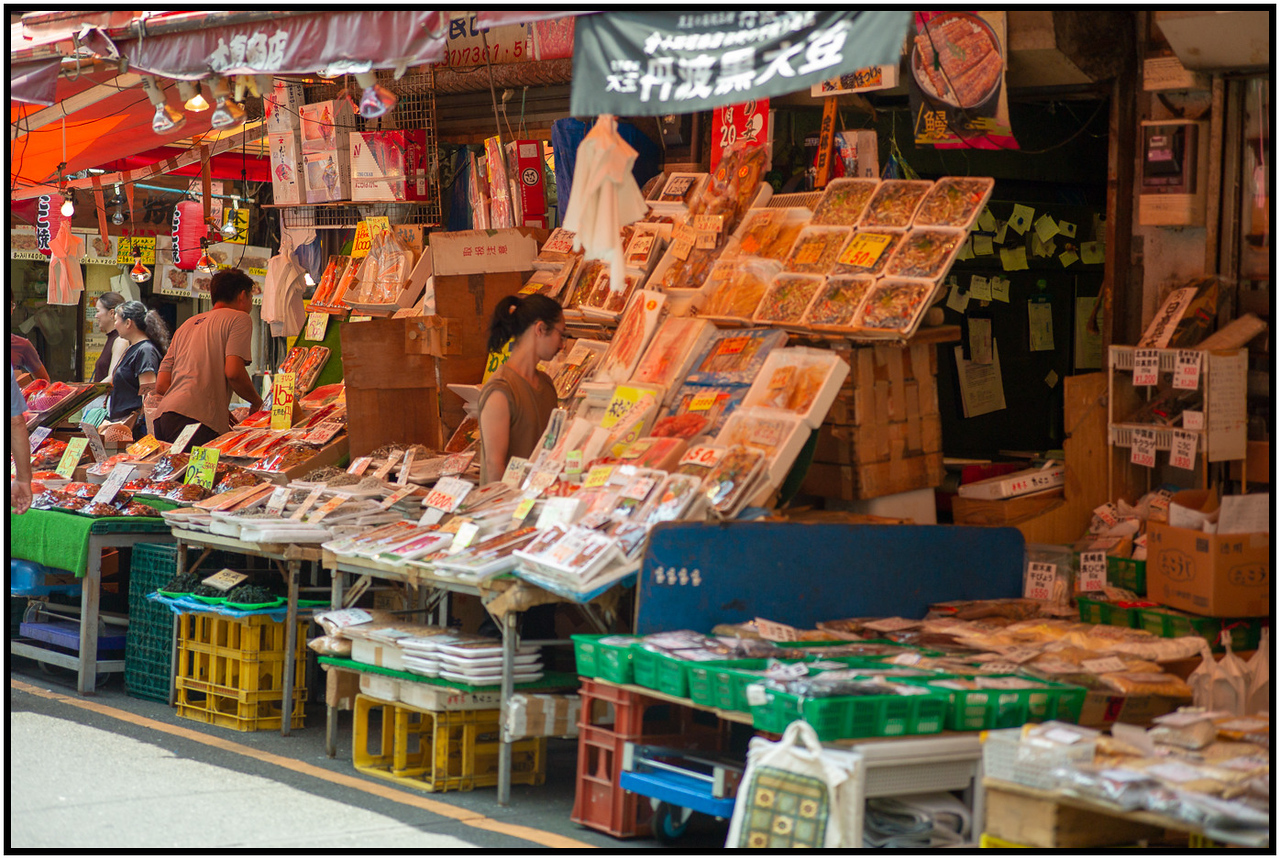
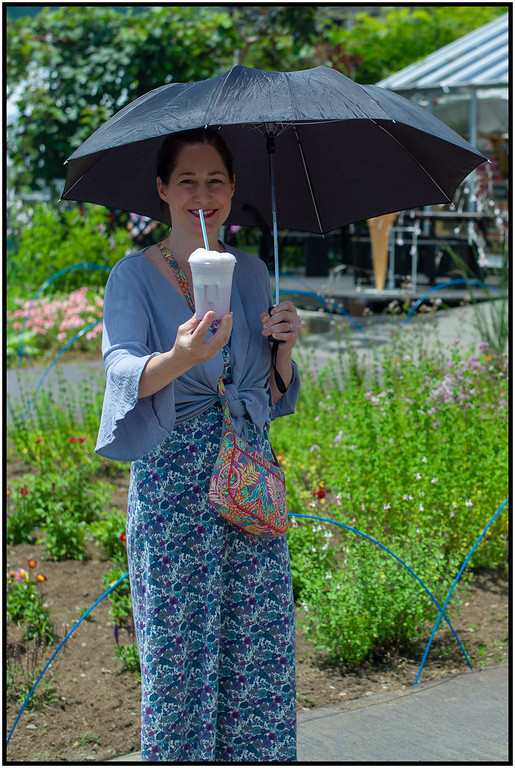
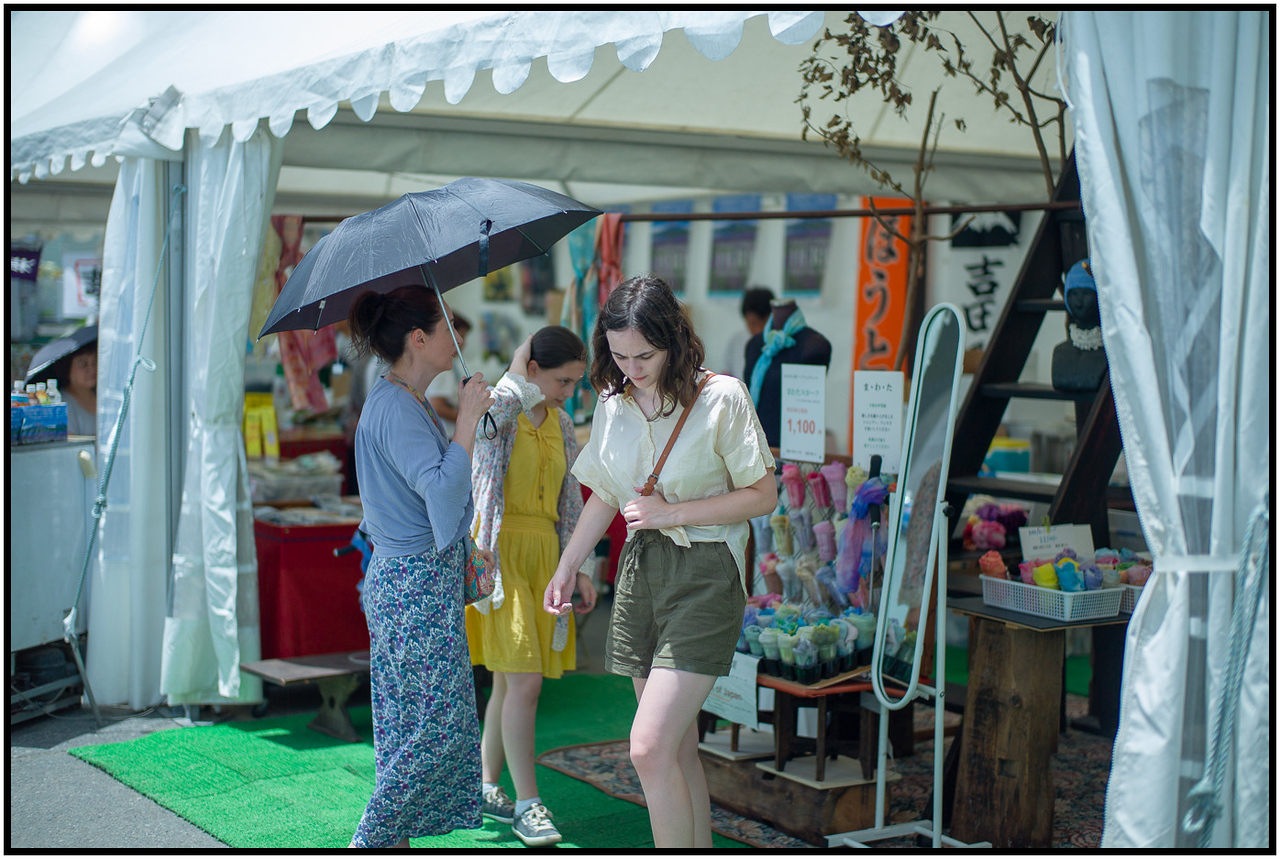
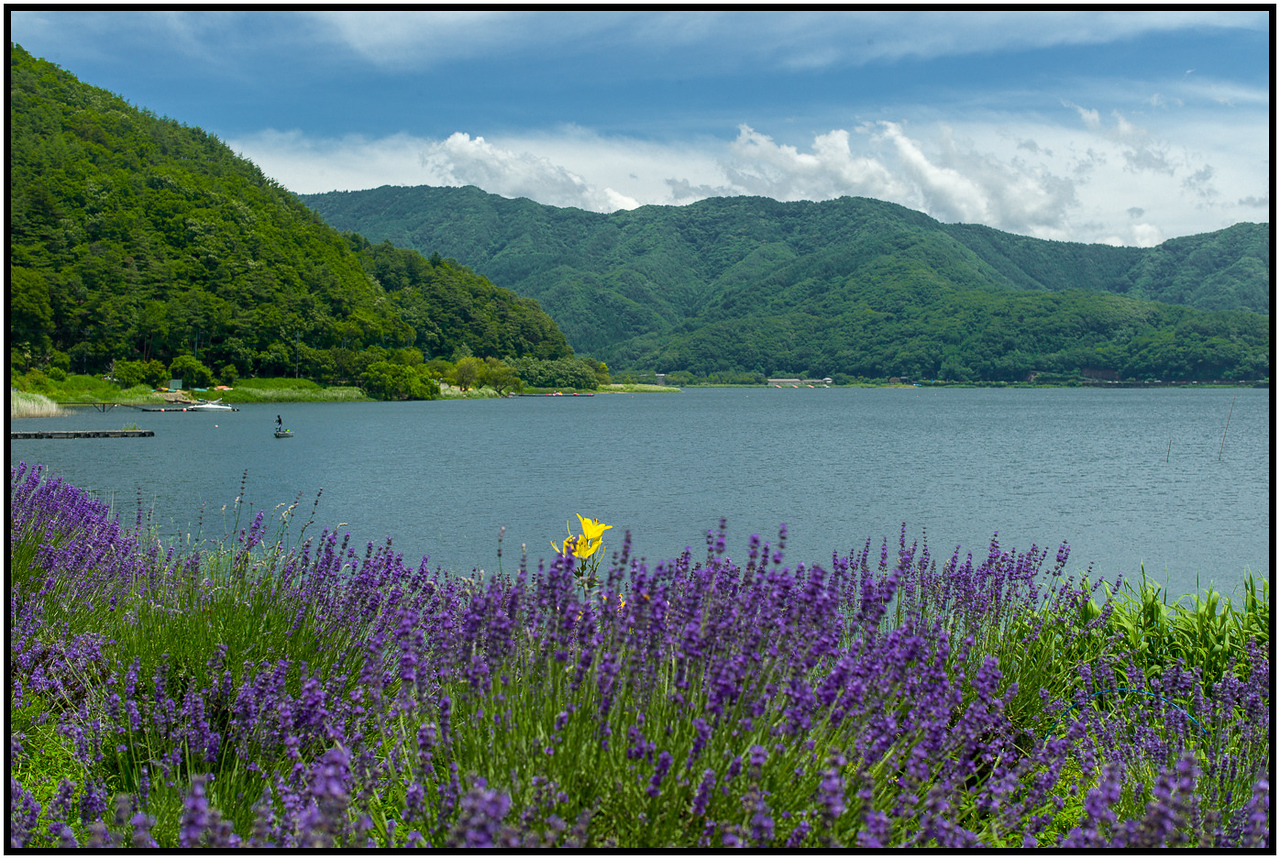
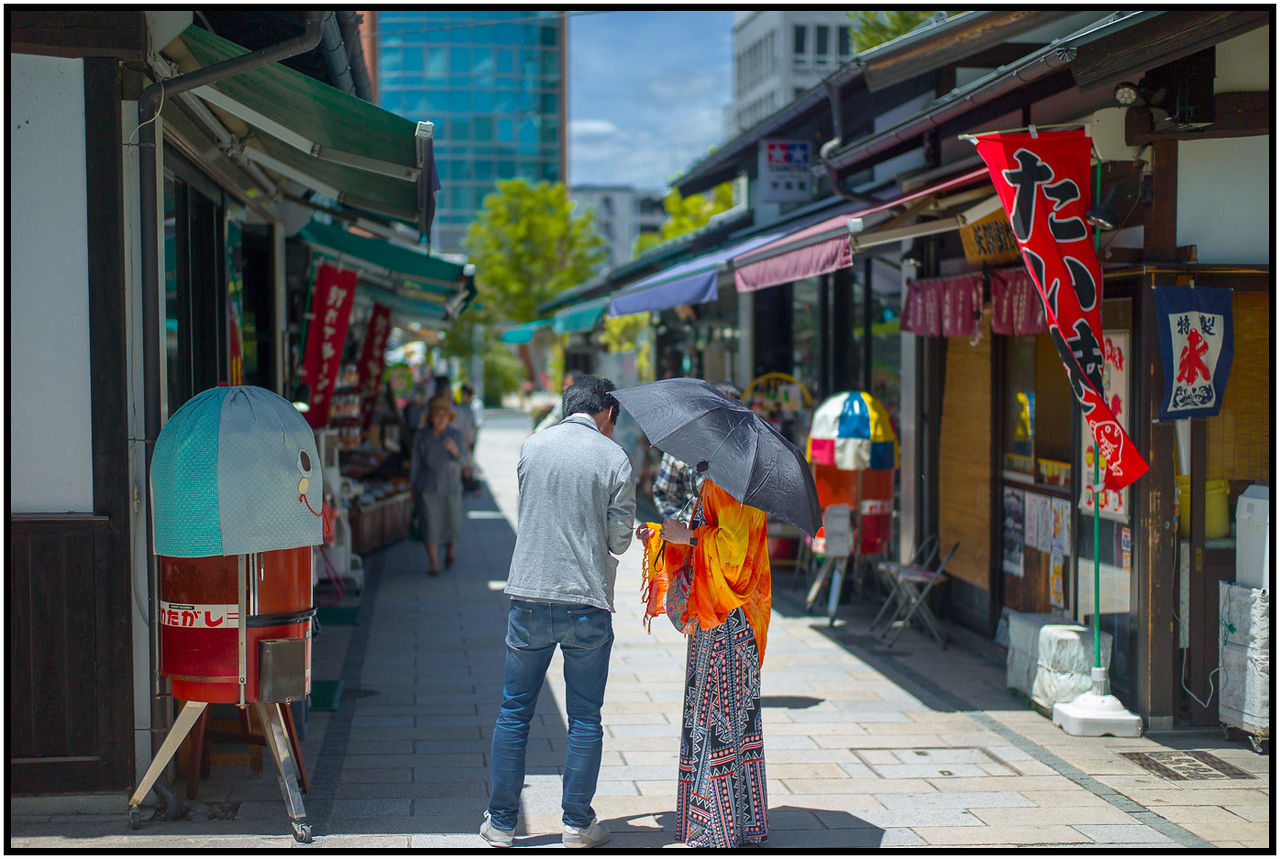
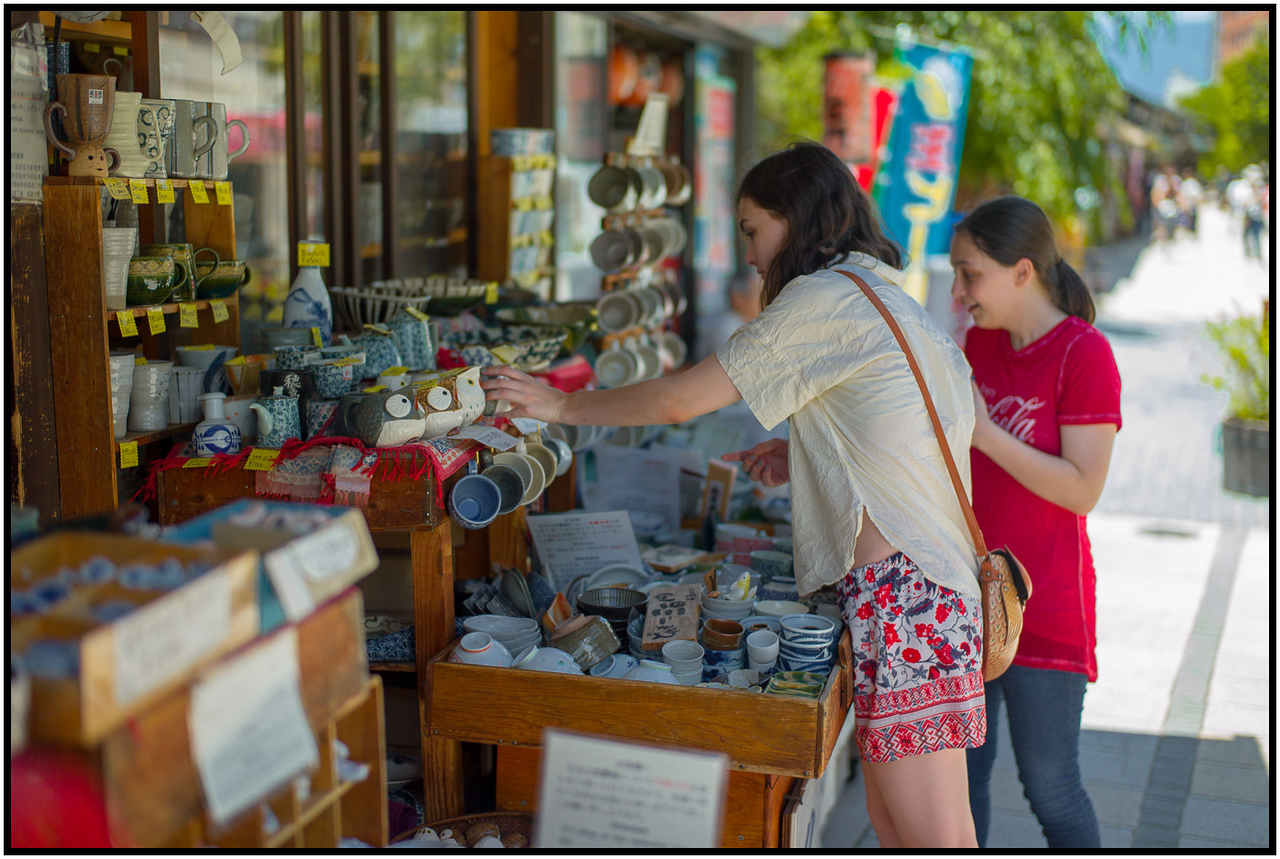
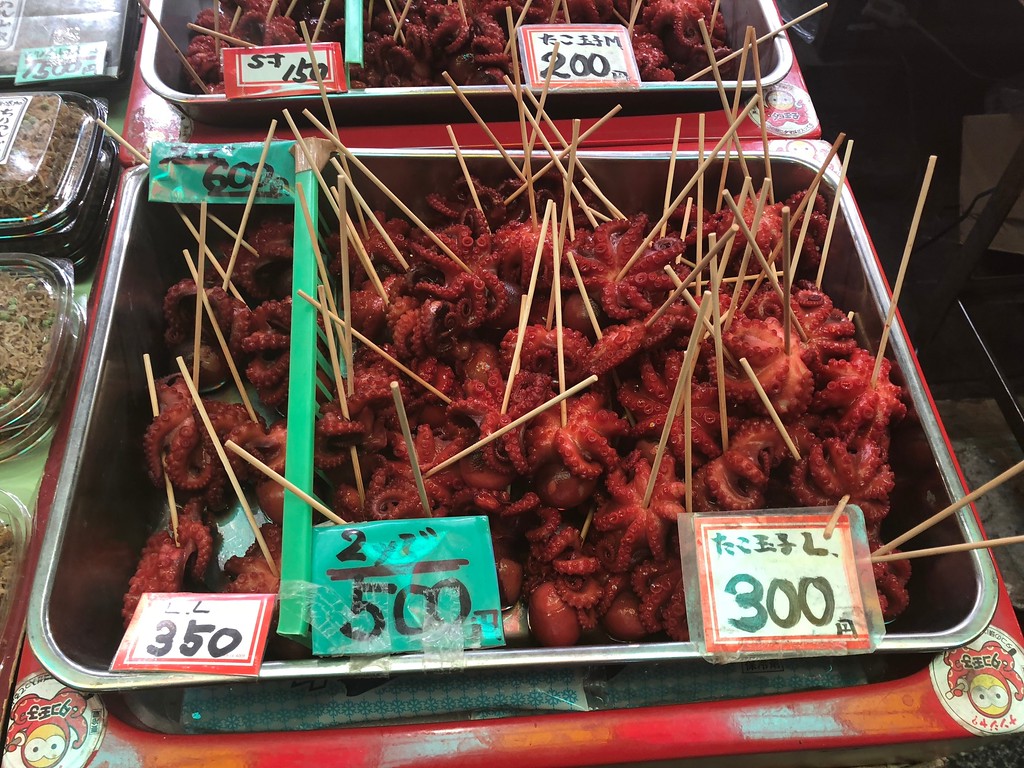
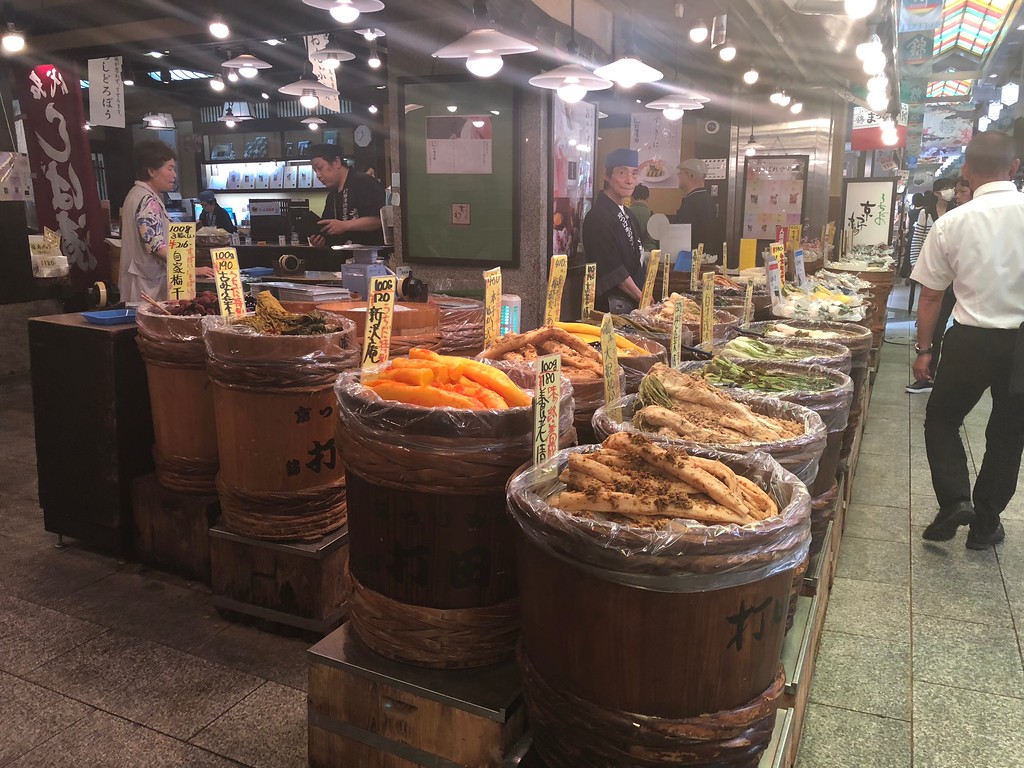
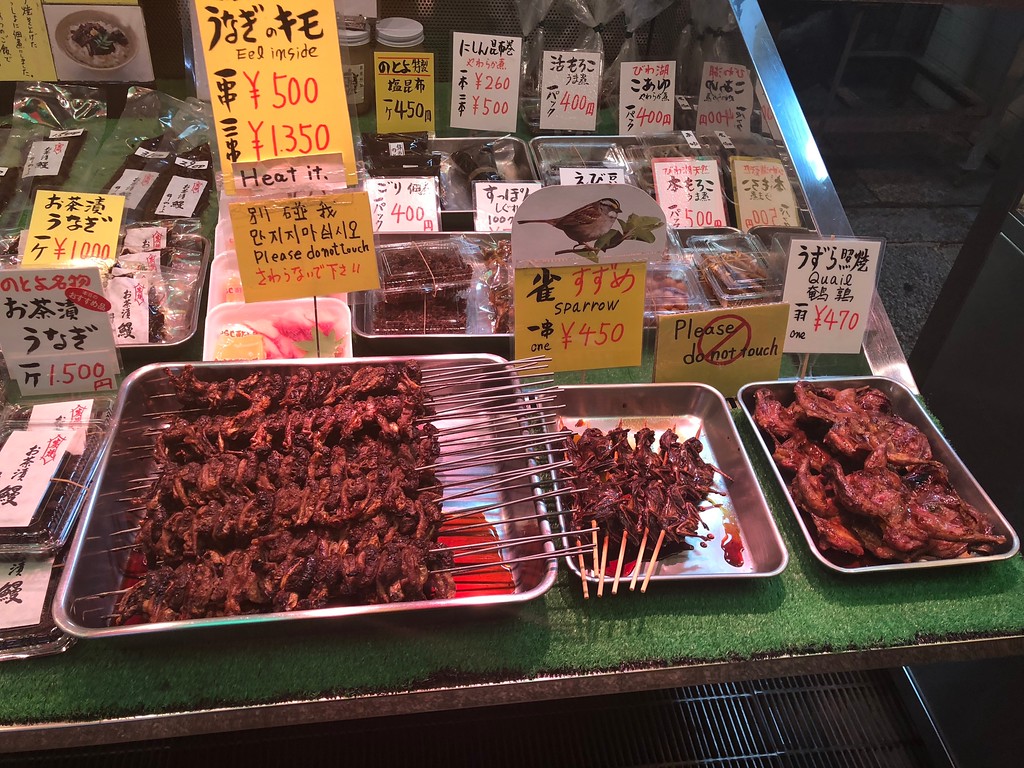
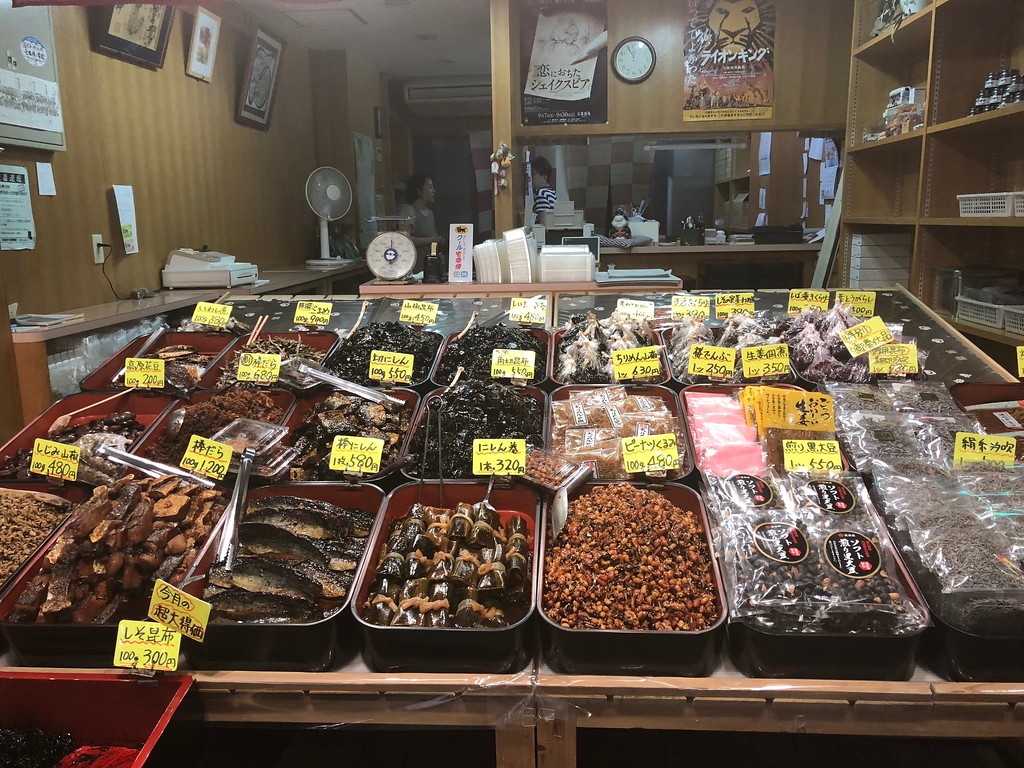
Weekend market downtown St. Simons.

Posted in 2023 | Tagged , , , , | Leave a comment

Richmond, VA 122822

Our final day of rest/play this trip was in Richmond, VA.  There is quite a bit to see and do here; we could easily have spent several more days here if we weren’t also kind of anxious to get back home.
You will note a marked lack of Civil War photos below.. The rest of the family vetoed all of my great suggestions – and there is NO shortage of great CW things to see and do in and around Richmond.  That will have to be saved for another trip.

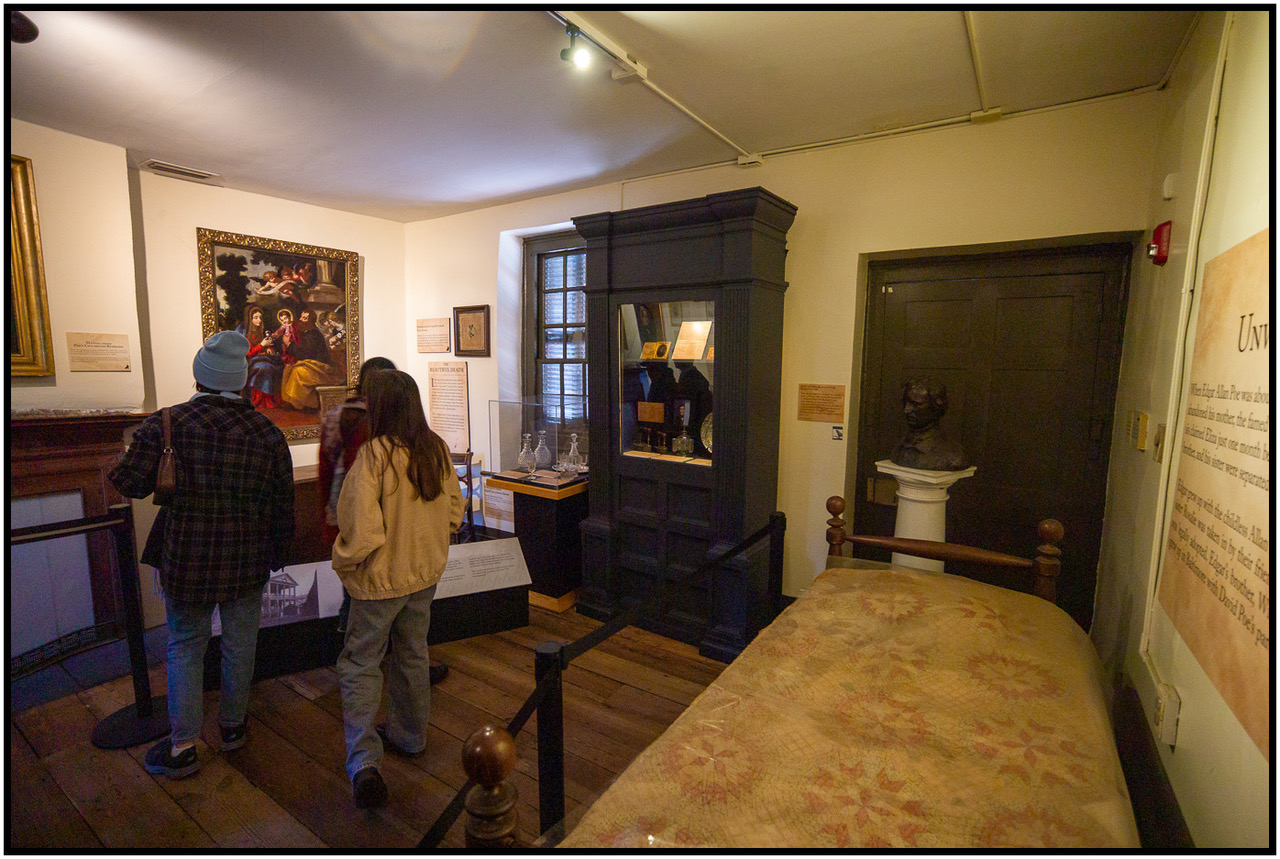
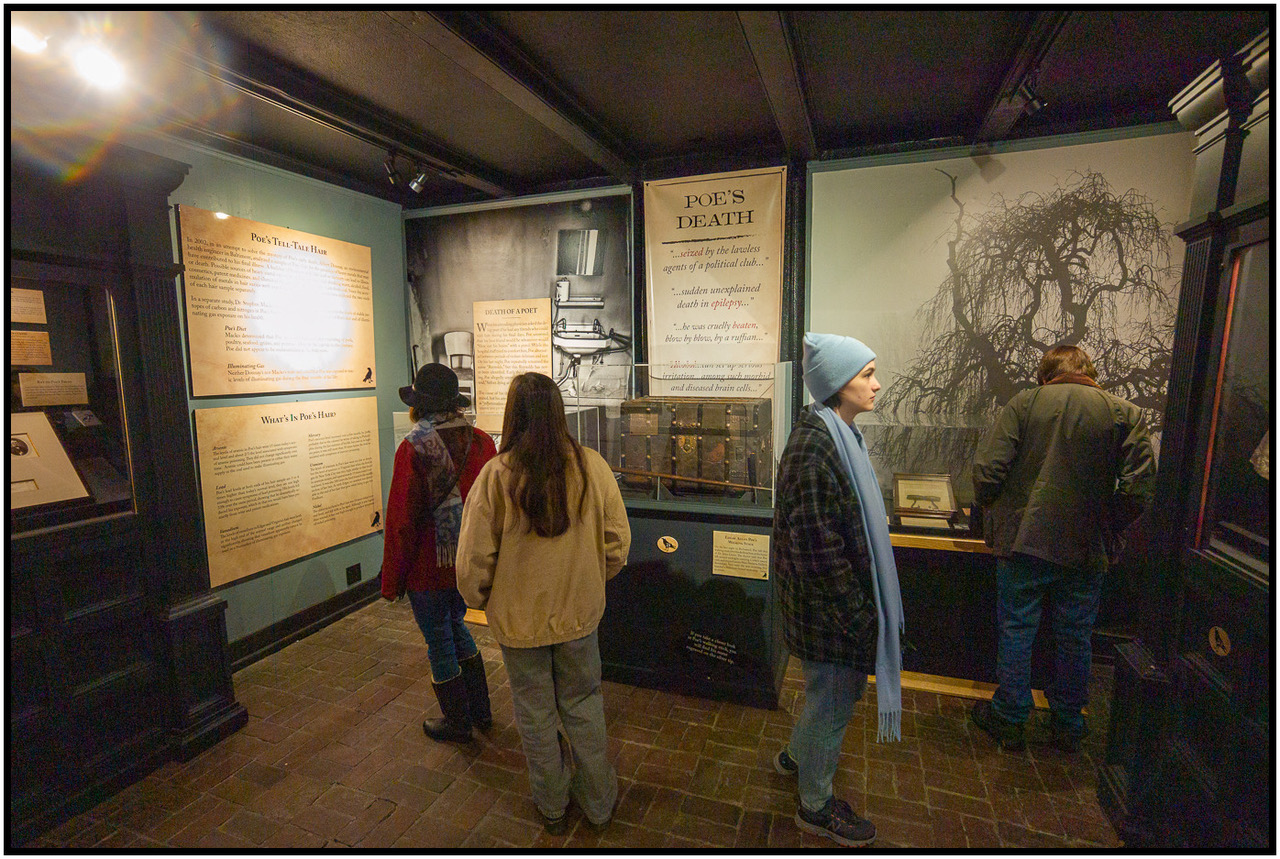
We did visit the Edgar Allan Poe museum – for some reason I always thought he was from Baltimore (that’s where he died), but Poe grew up in Richmond and lived here on four separate occasions throughout his brief, 40 year life.

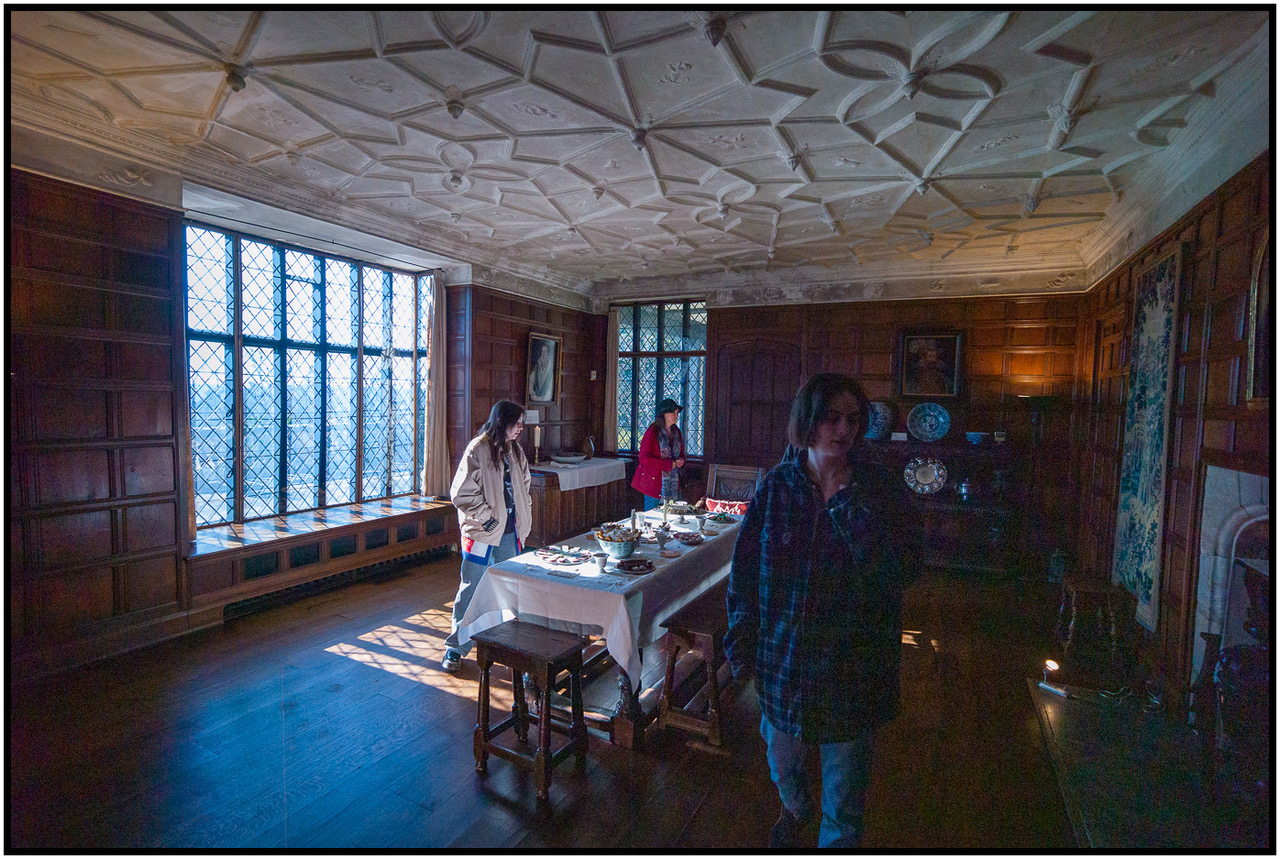
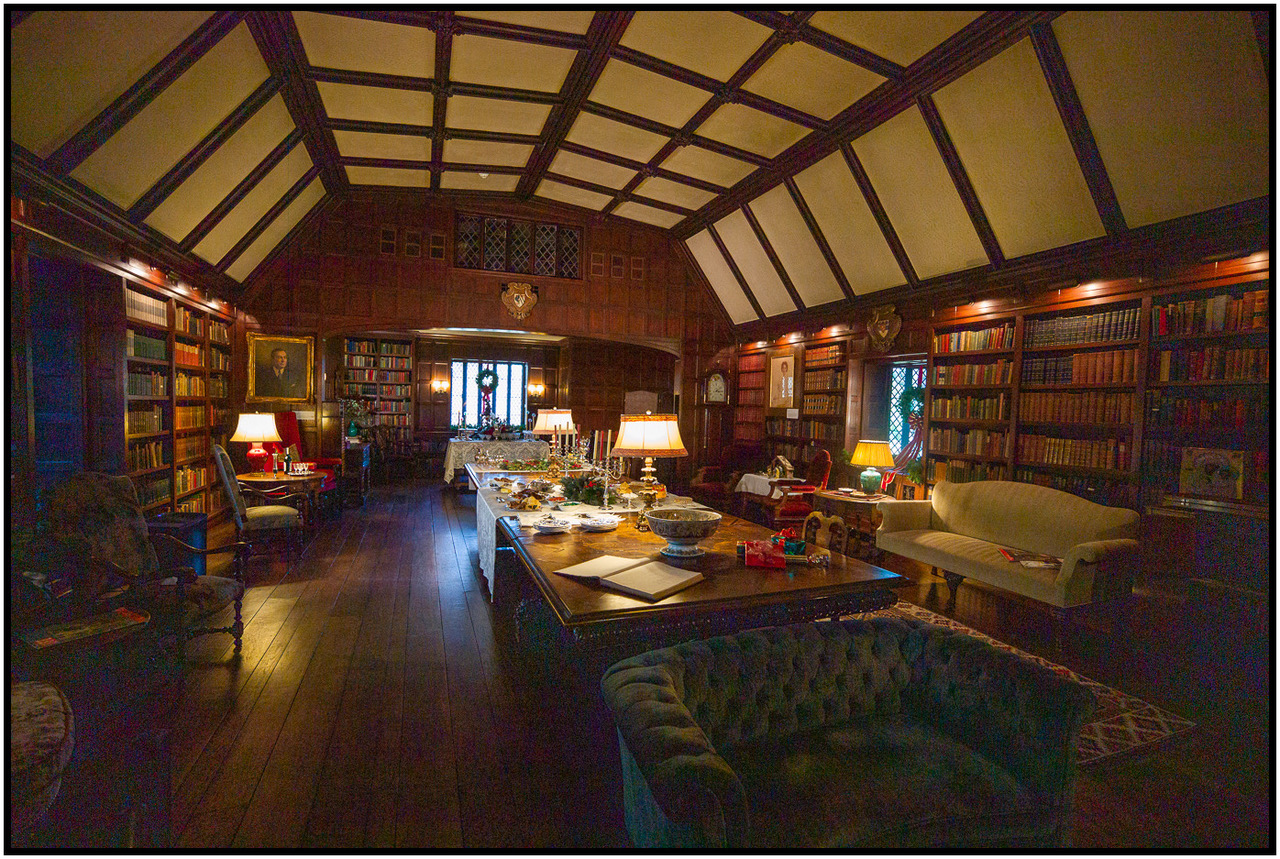
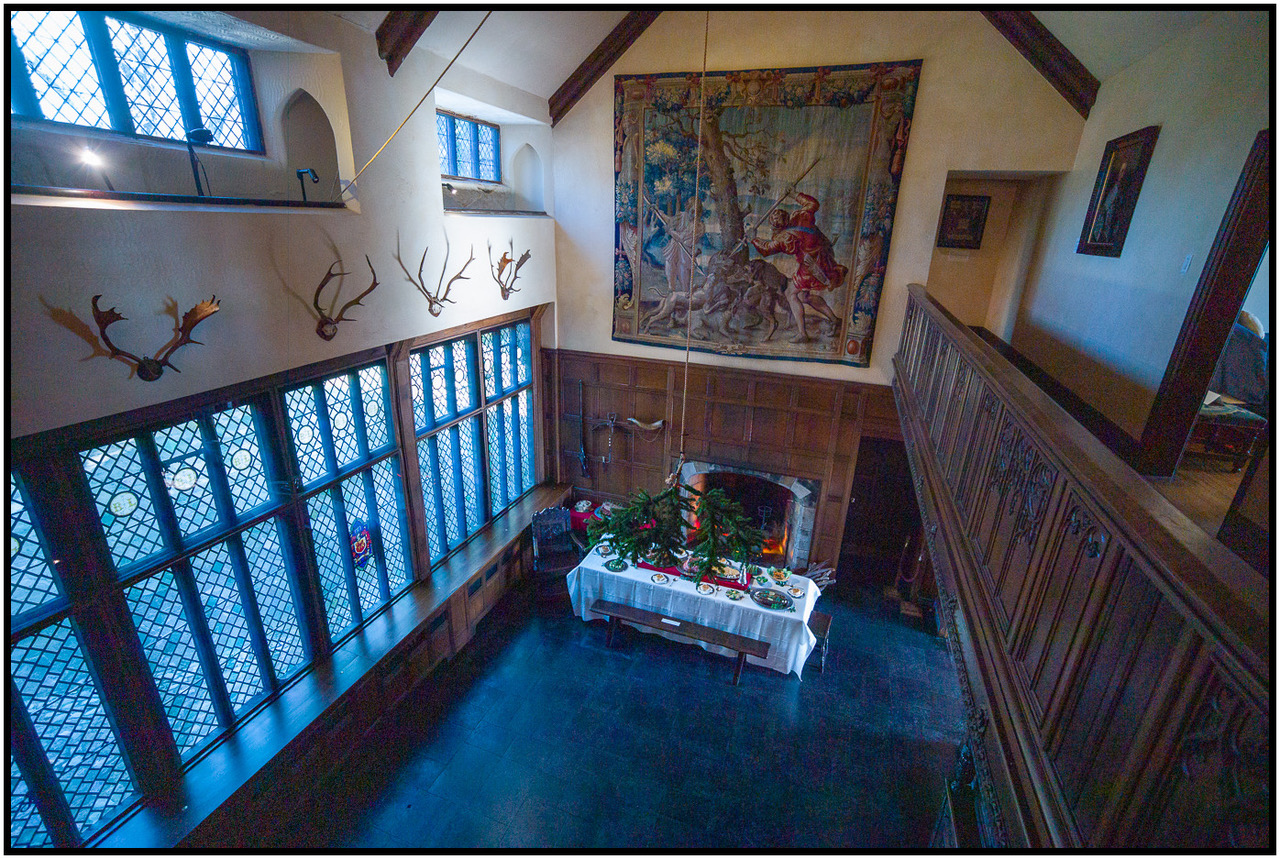
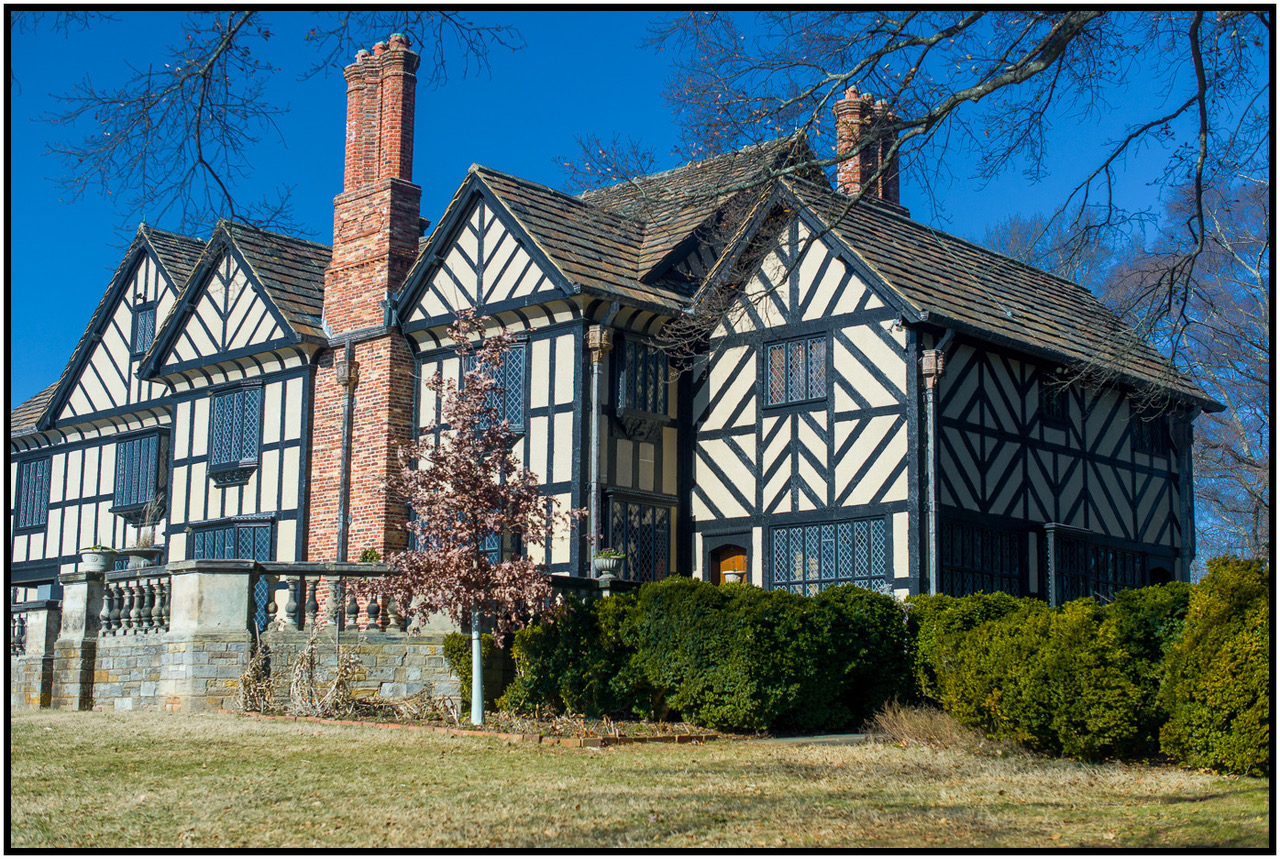
We then toured Agecroft Hall – a tudor manor house first built in the late 1200s in Lancashire, England and expanded over the next 600 years.  By the 1920s it sat derelict but was then purchased by a rich Richmondite who packed it up and shipped it to here, brick by brick.

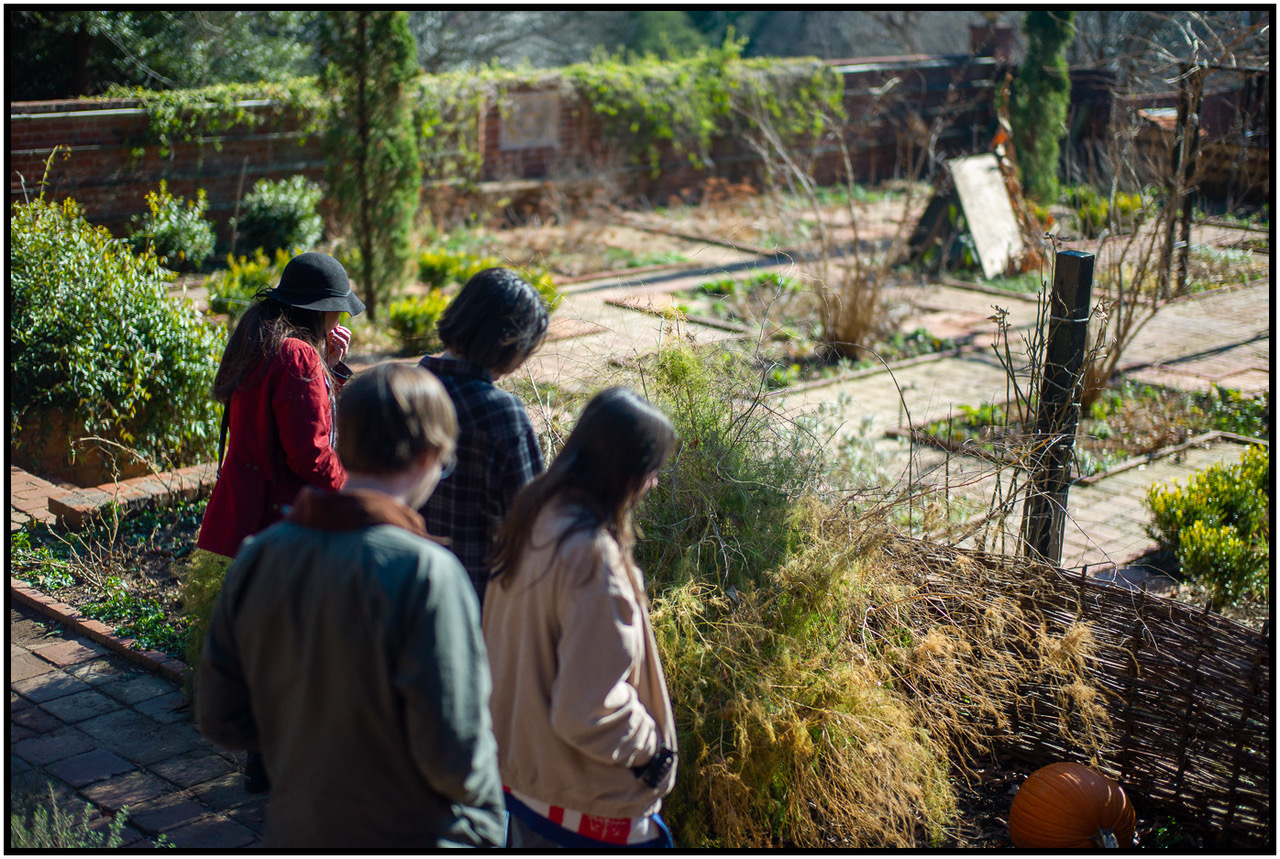
Brenda smelling herbs in the nearby garden.

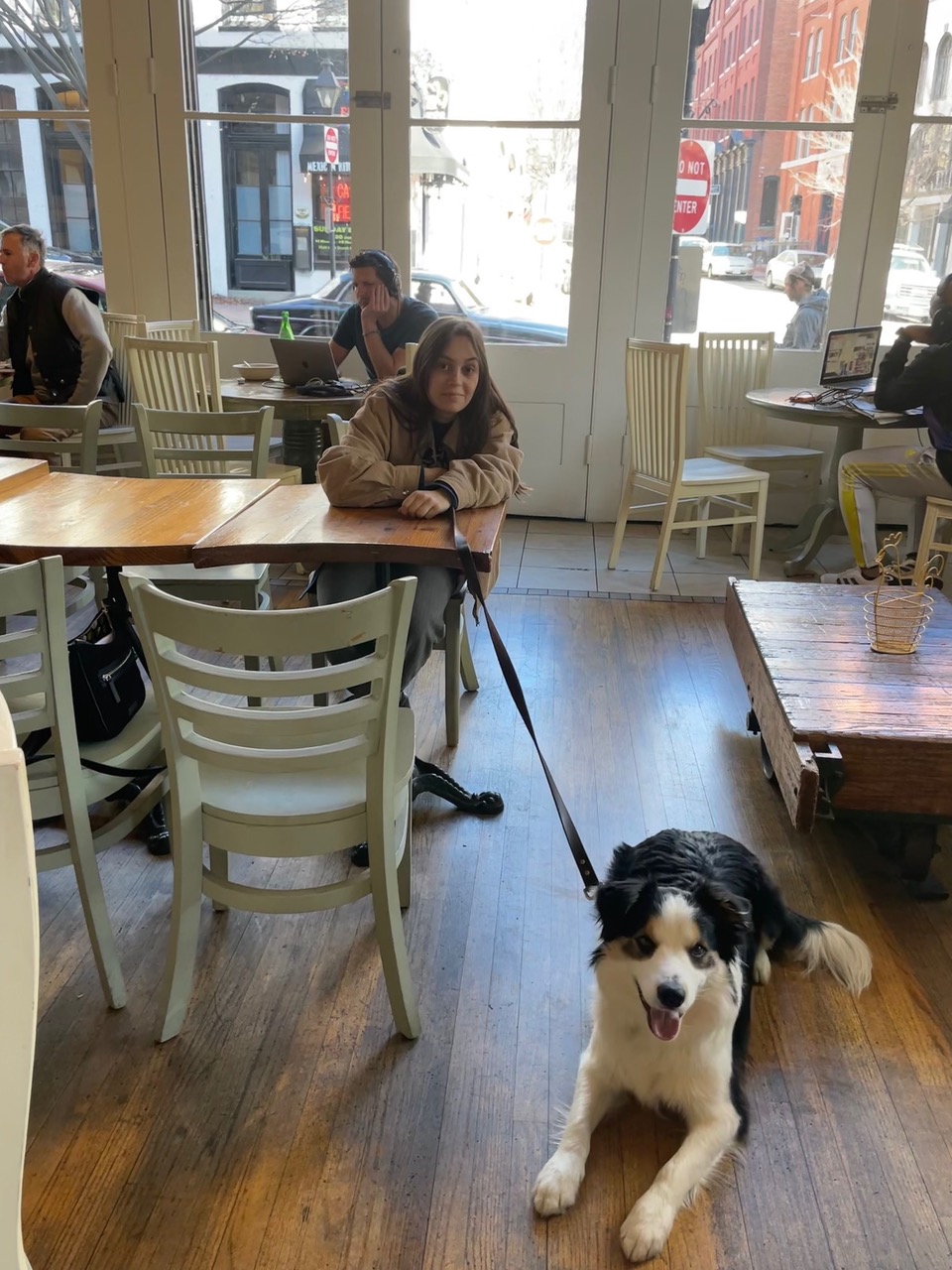
We got a lunch downtown in a restaurant that was dog friendly.

After lunch we shopped in the Carytown urban retail district.. over 200 quirky shops full of used clothes, antiques and small restaurants.  We then returned for an early turn in.

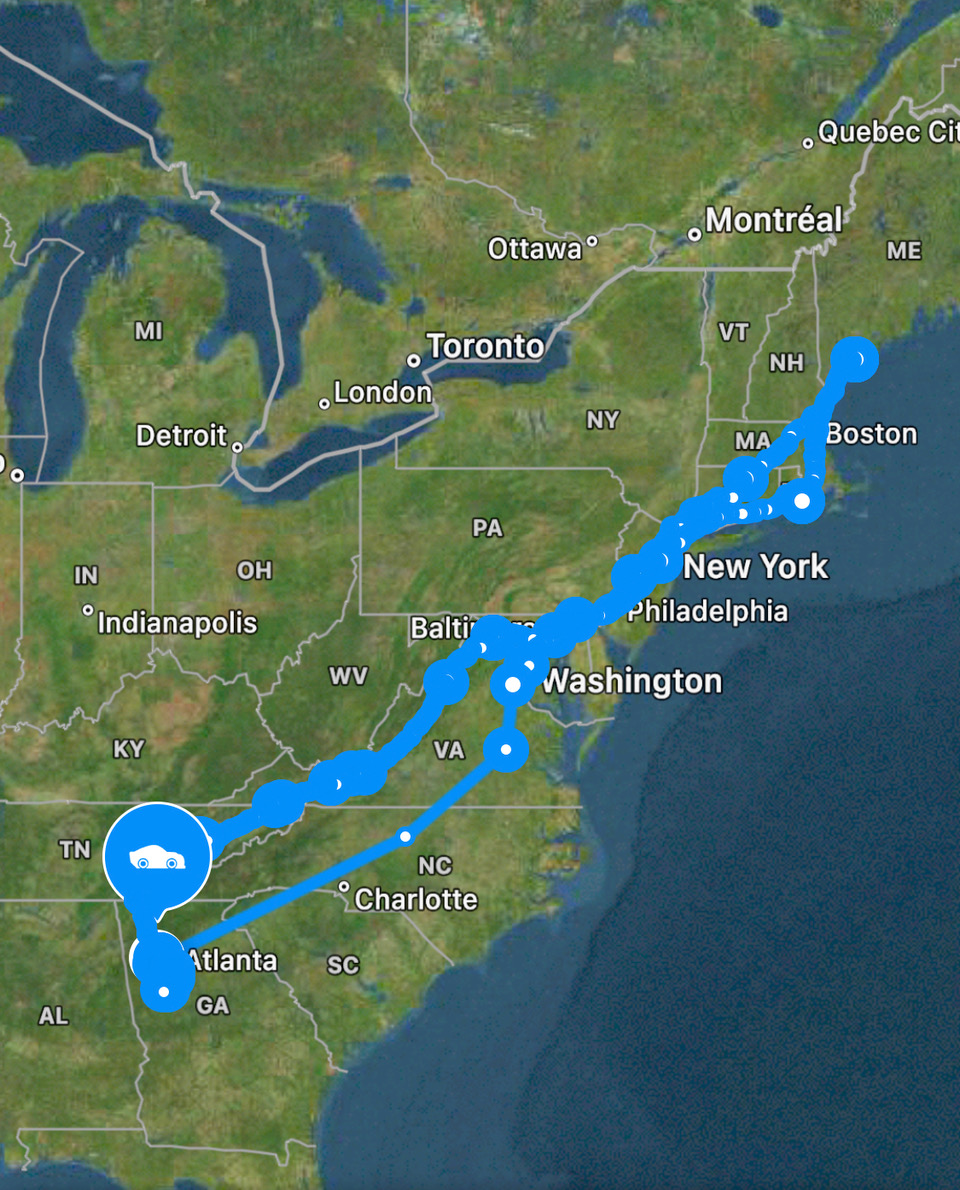
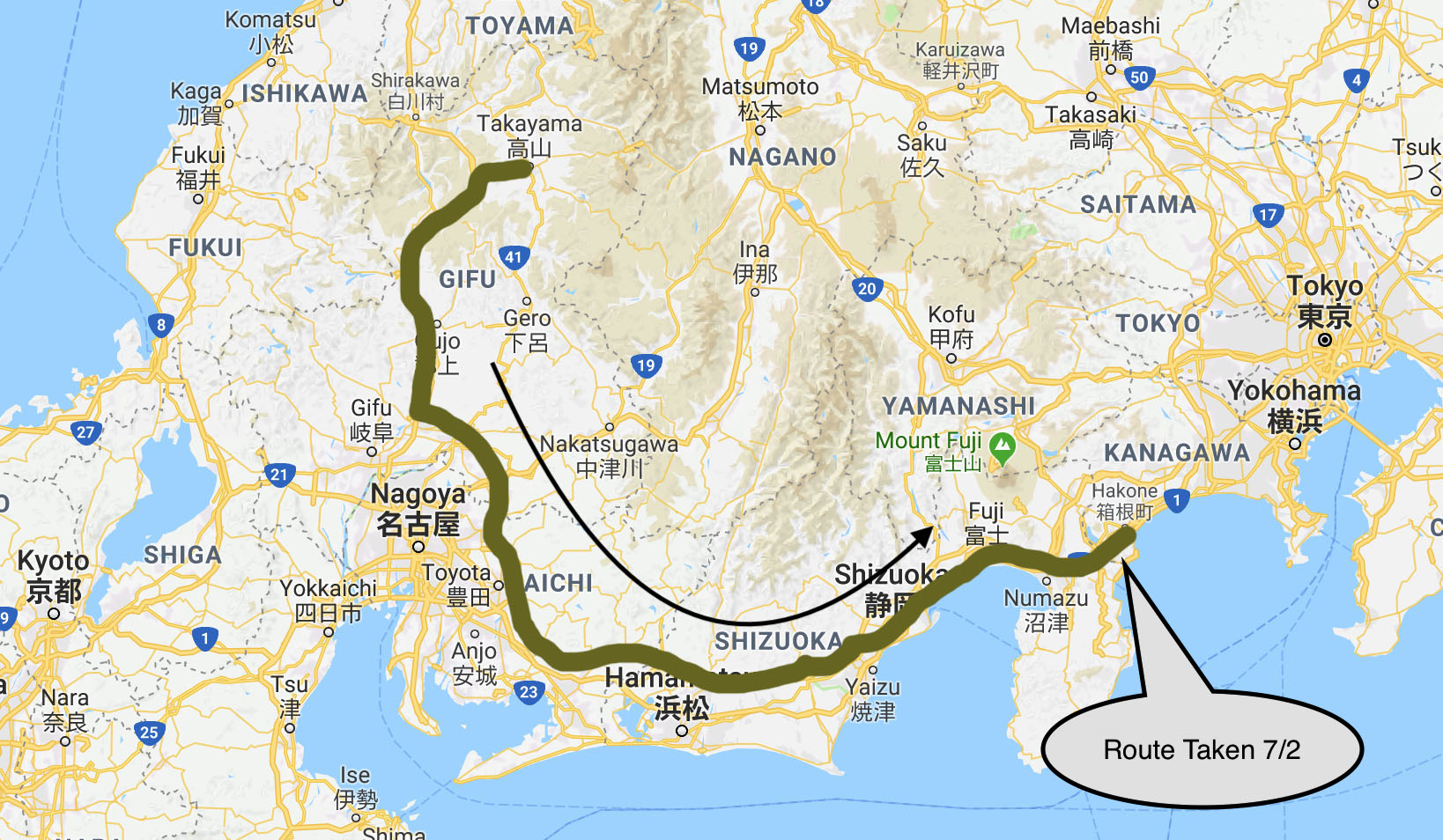
The long drive home from Virginia.. We left at 4:00am and got in just before 1:00pm yesterday.

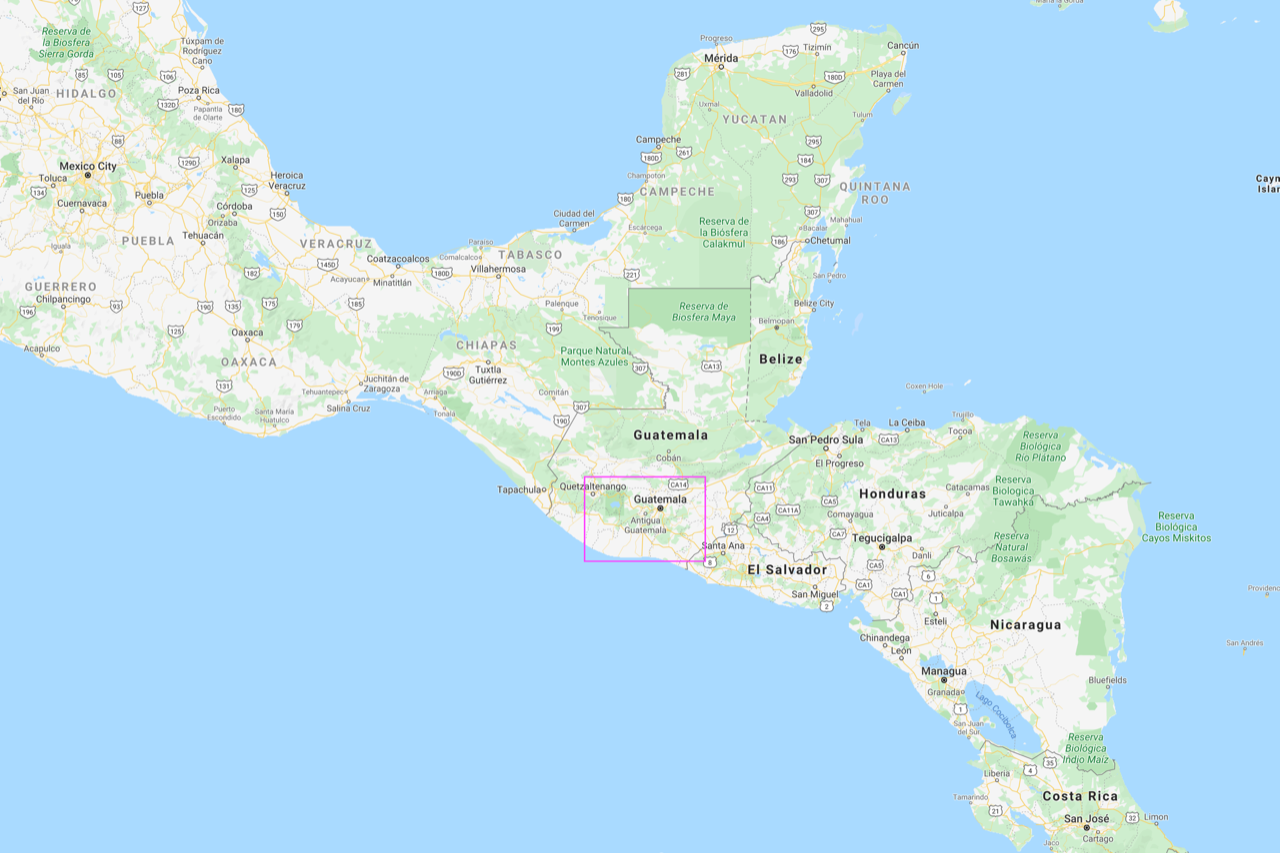
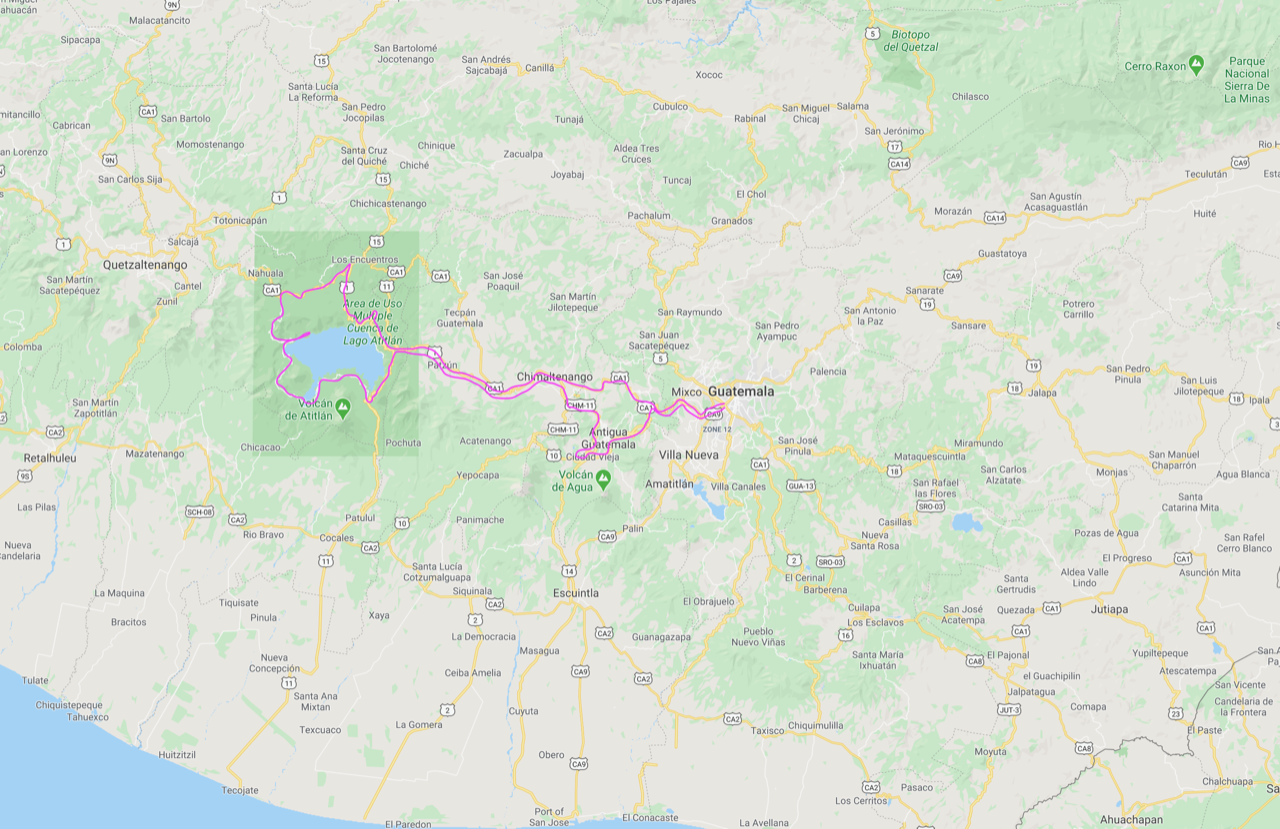
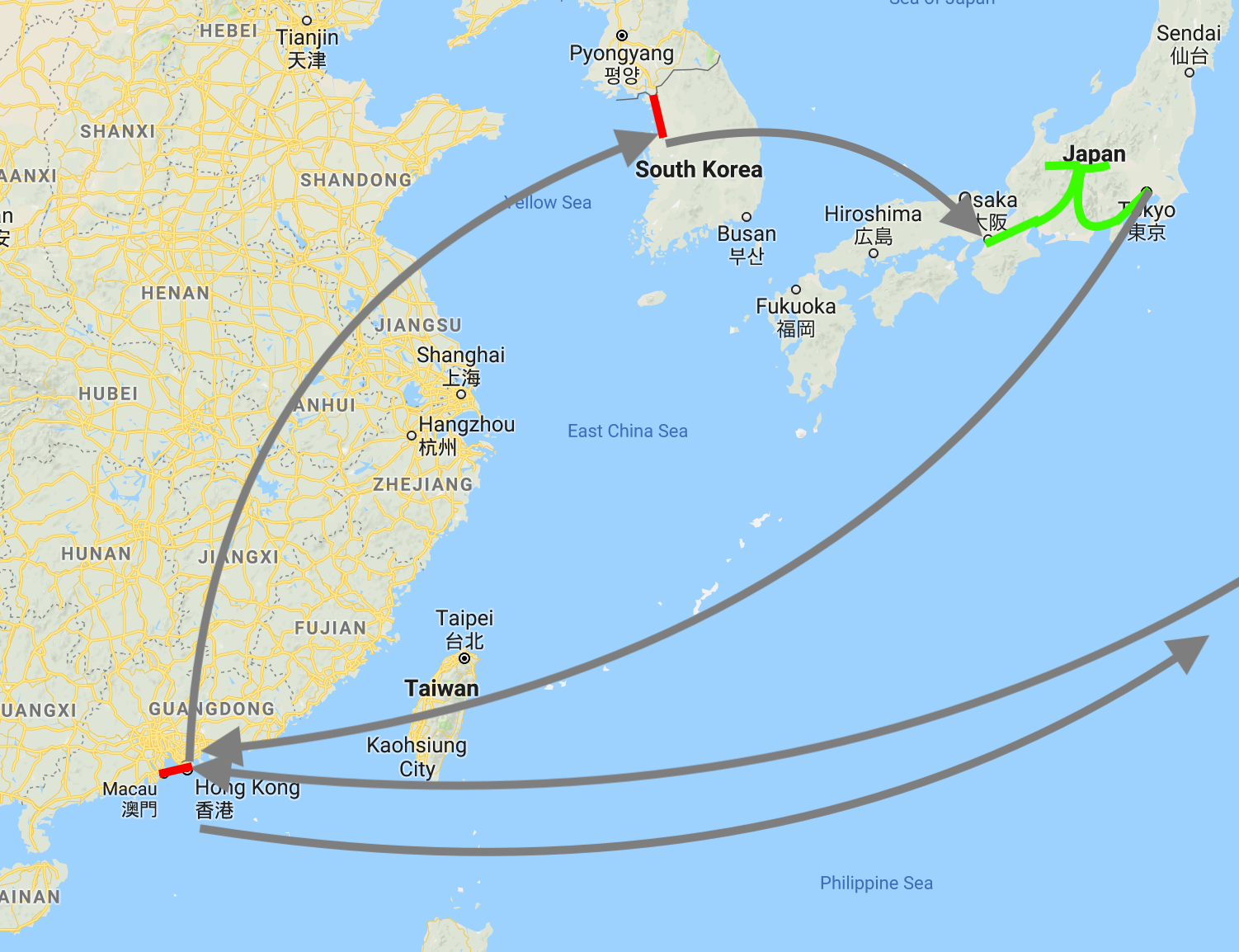
Map of our path.

All of us went to John and Elaine’s this morning for waffle breakfast and a review of our events.  Isabella drove home to Savannah this afternoon.  Josie goes back to school on the 5th and Holden on the 9th. 

Posted in 2022 | Tagged , , , , | Leave a comment

Washington, DC 122722

Our travels today began in Trenton, NJ and finished up in Richmond, VA.  We had to navigate through Philadelphia, Wilmington, Baltimore and DC traffic.. but the worst stretch of all was between DC and Richmond where 4 accidents on the Interstate.  It took us longer to make the 100 miles to Richmond than it did McClellan.

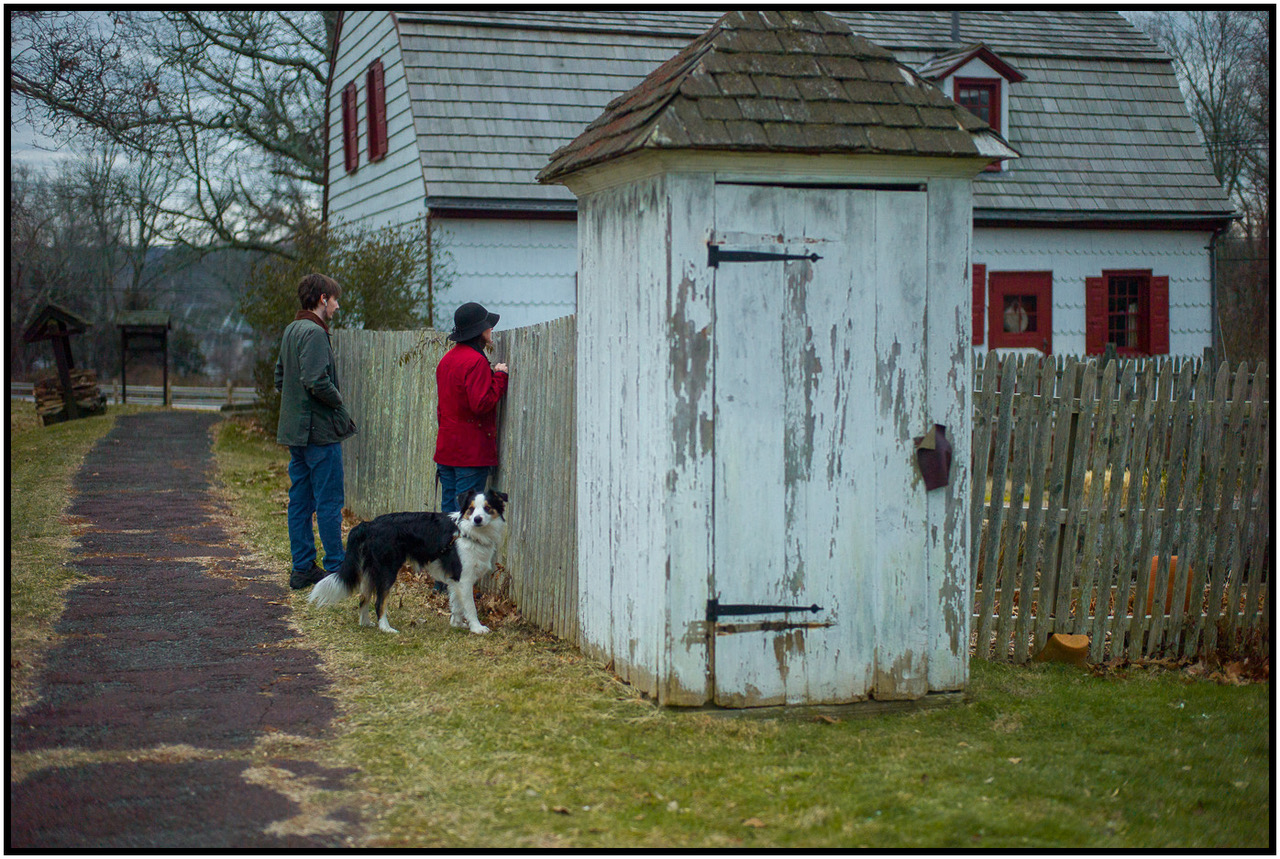
This is near the location where Washington crossed the Delaware on December 25, 1776.  We’re on the New Jersey side, near Trenton.  This is the Johnson Ferry house; it waas used briefly by General Washington and other officers at the time of the Christmas night crossing.  Brenda is checking out their frozen vegetable garden.

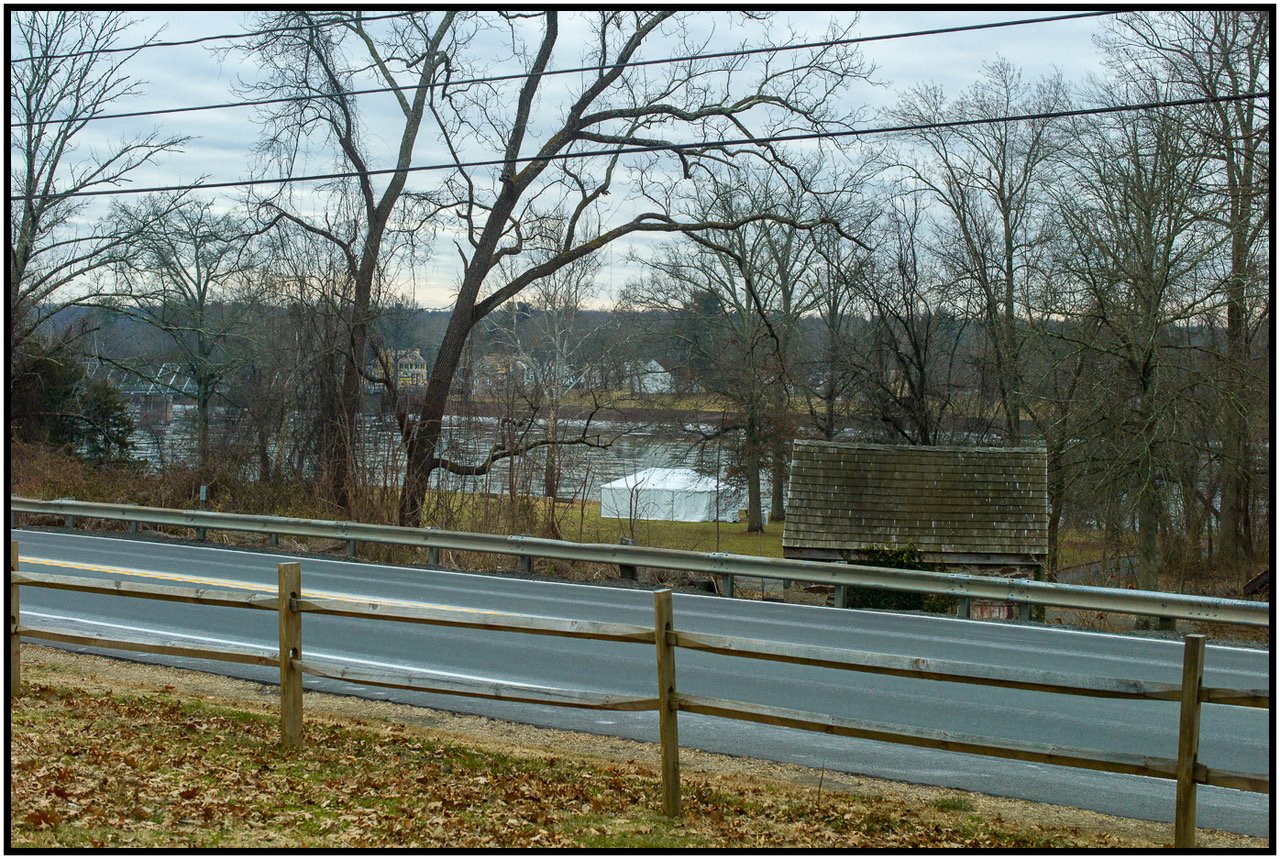
The location where Washington & Co crossed the river.  The kids were unimpressed – no where near as wide and dramatic as seen in the famous Leutze painting, but we did see some ice floes.  I guess you had to be there.  Josie wondered why Washington didn’t just take the bridge shown in the far left of the photo above.

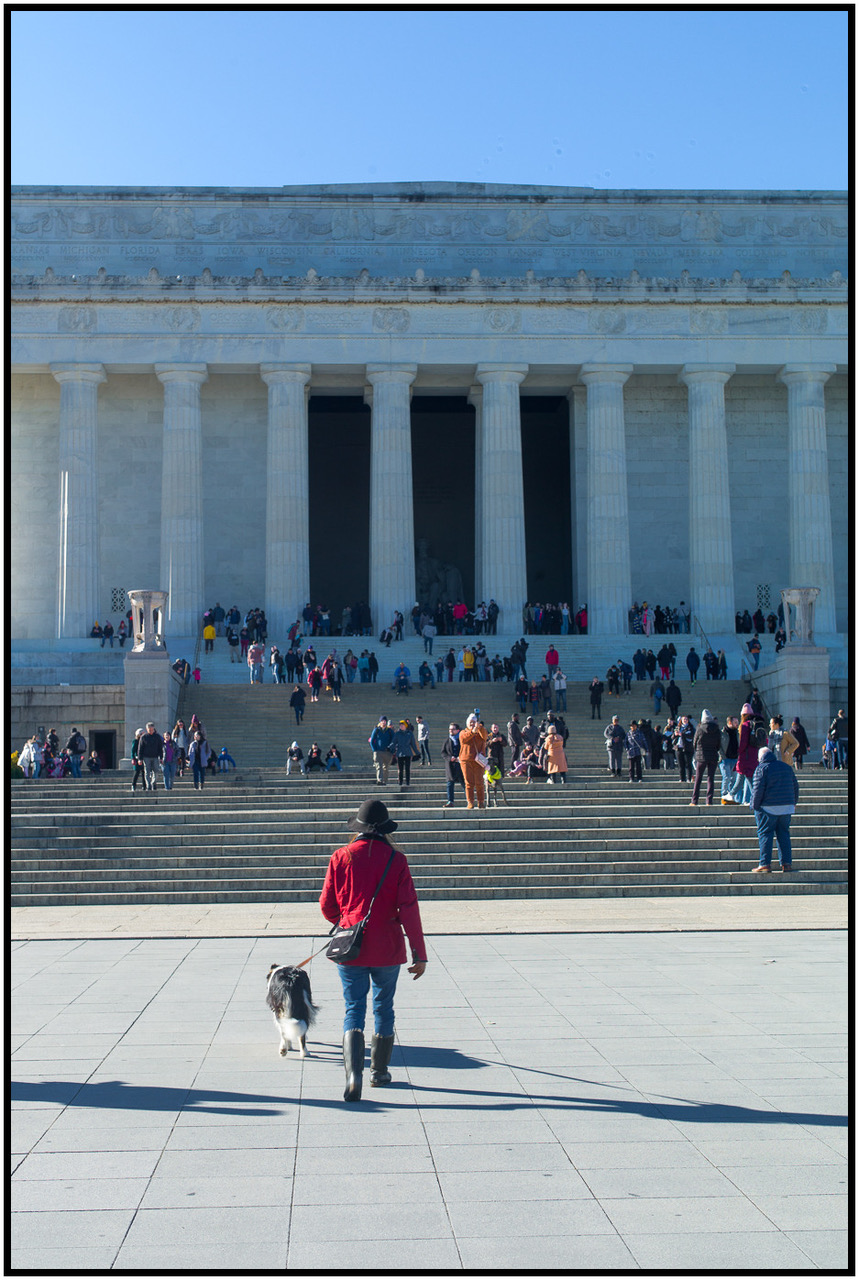
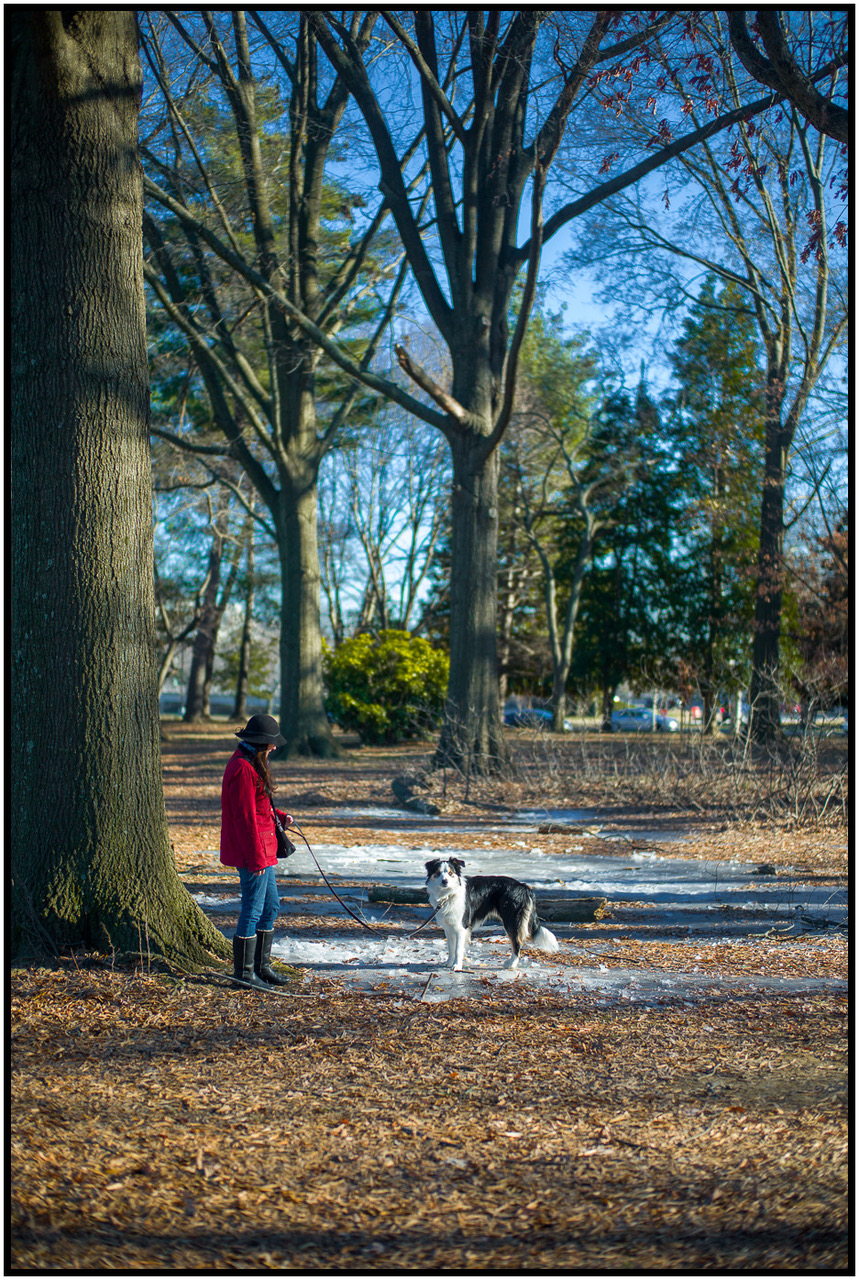
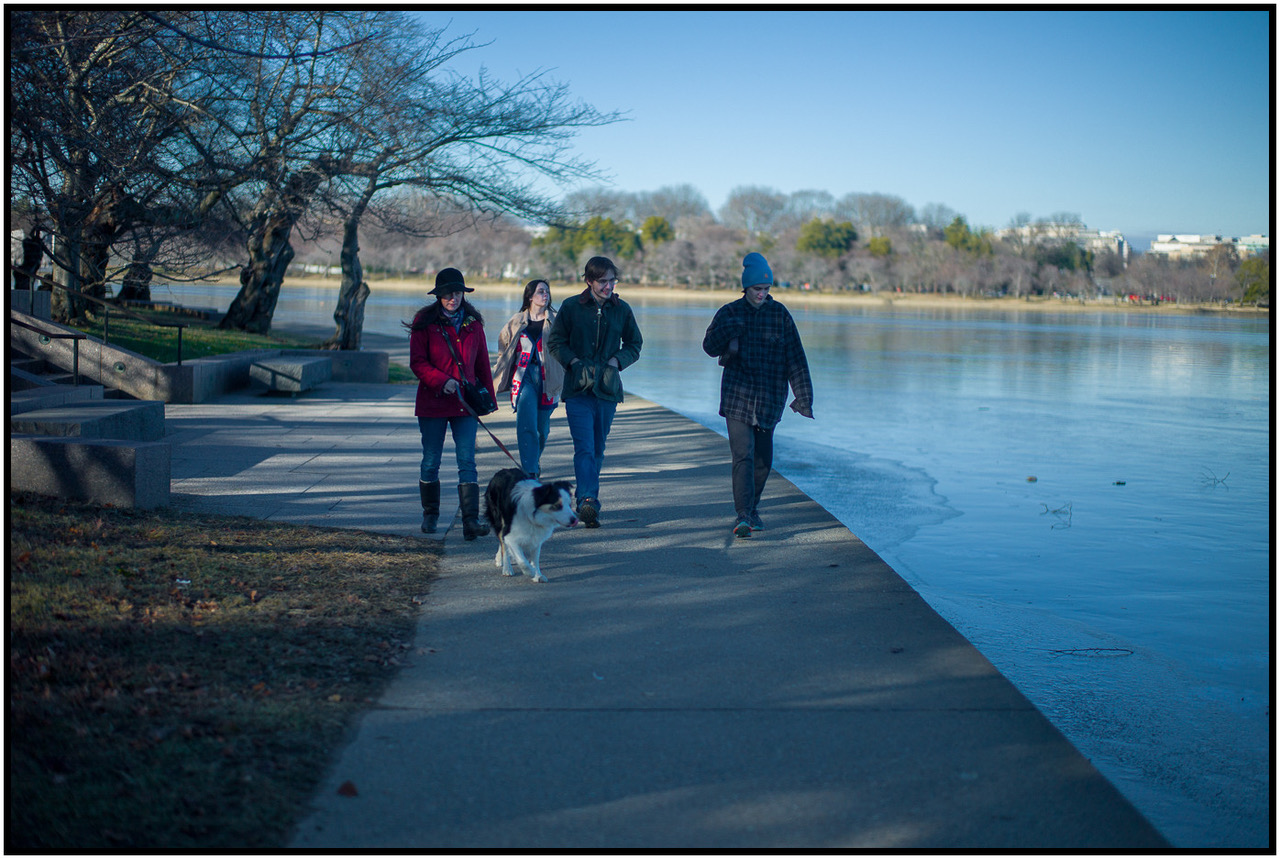
On the previous travel day, we did little but drive and make occasional pit stops.  Winston never got a chance to stretch his legs and it showed in his behavior later that night.  With the weather improving and an ideal place to hike, we stopped in DC to do a walk around the National Mall. 

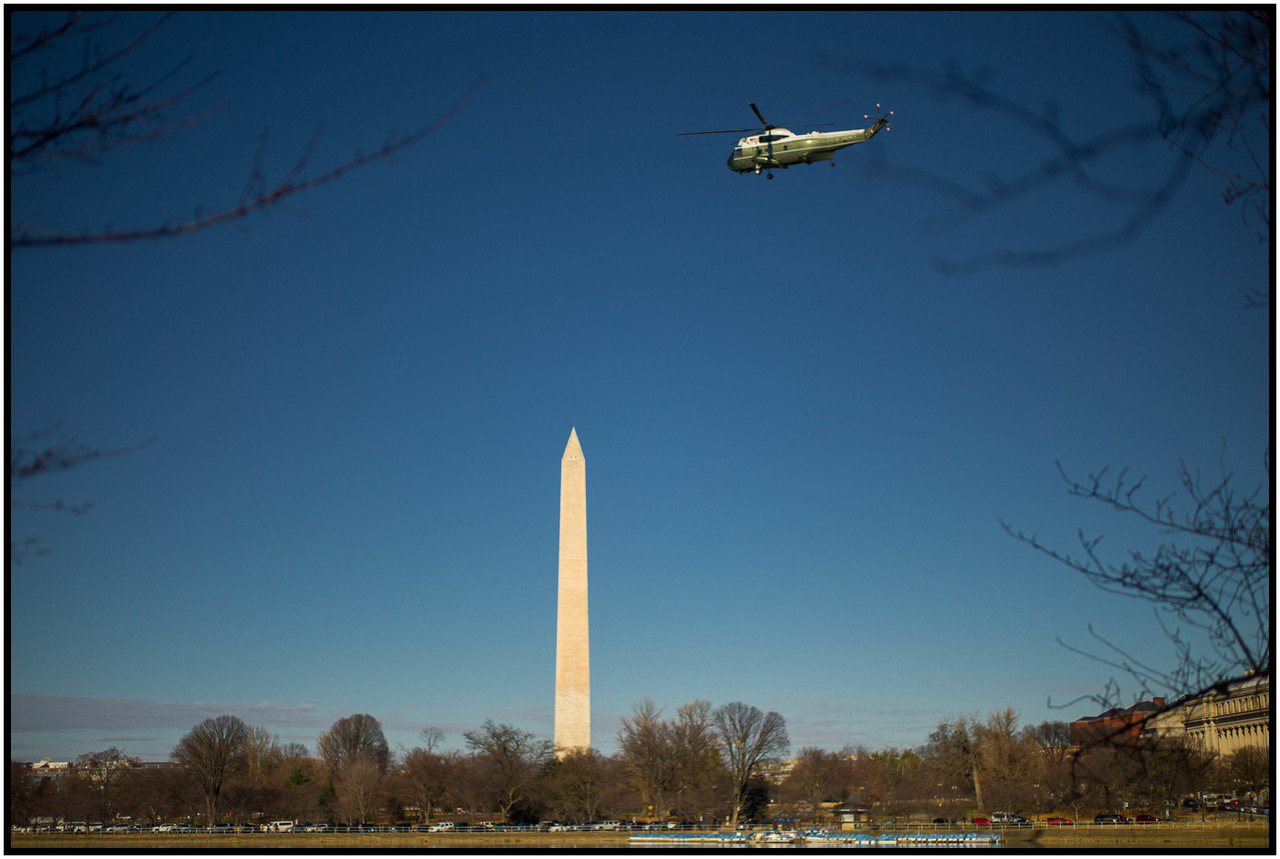
Of course, as soon as we arrive, President Biden boards Marine One and heads off for Edwards Air Force Base.  The town isn’t big enough for the both of us.

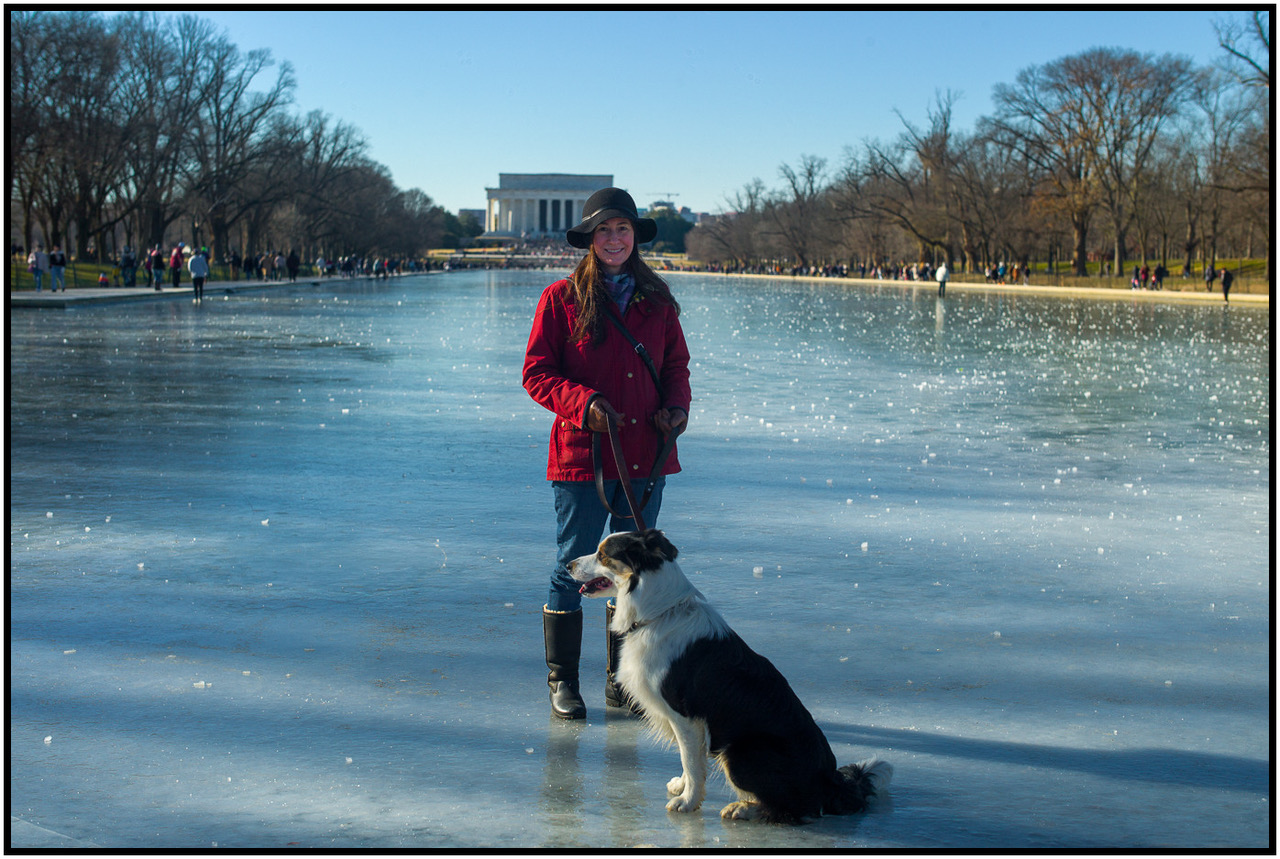
On the Lincoln Reflecting Pool.. frozen over.  This shot took a bit of work as Winston is not a fan of the ice.

This amount of ice is more his speed.

In all we got in 4.5 miles of hiking which did a world of good for everyone.  Subway sandwiches for dinner.. we got in after dark.  Only enough time to sort out the beds and watch a little TV before bedtime.

Posted in 2022 | Tagged , , , , | Leave a comment

Portland, ME 122522

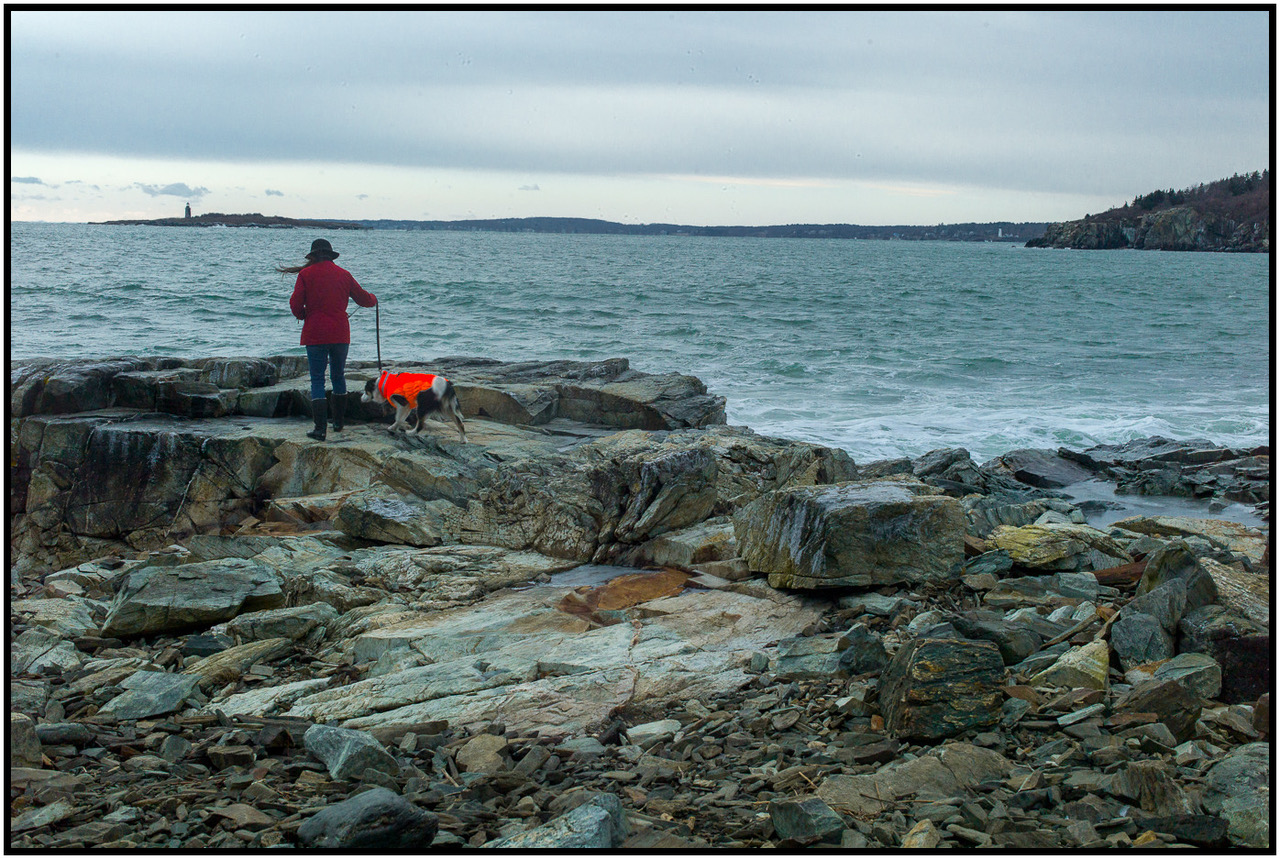
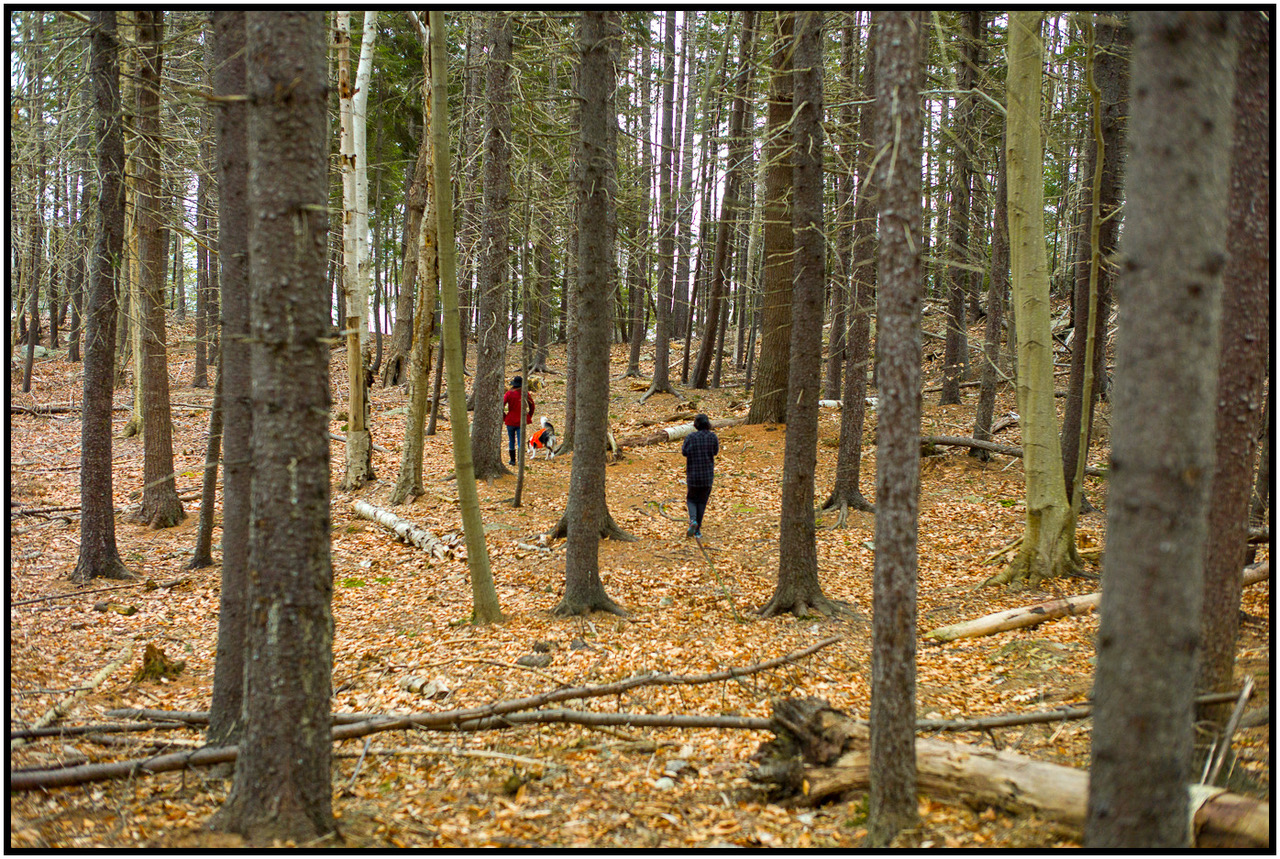
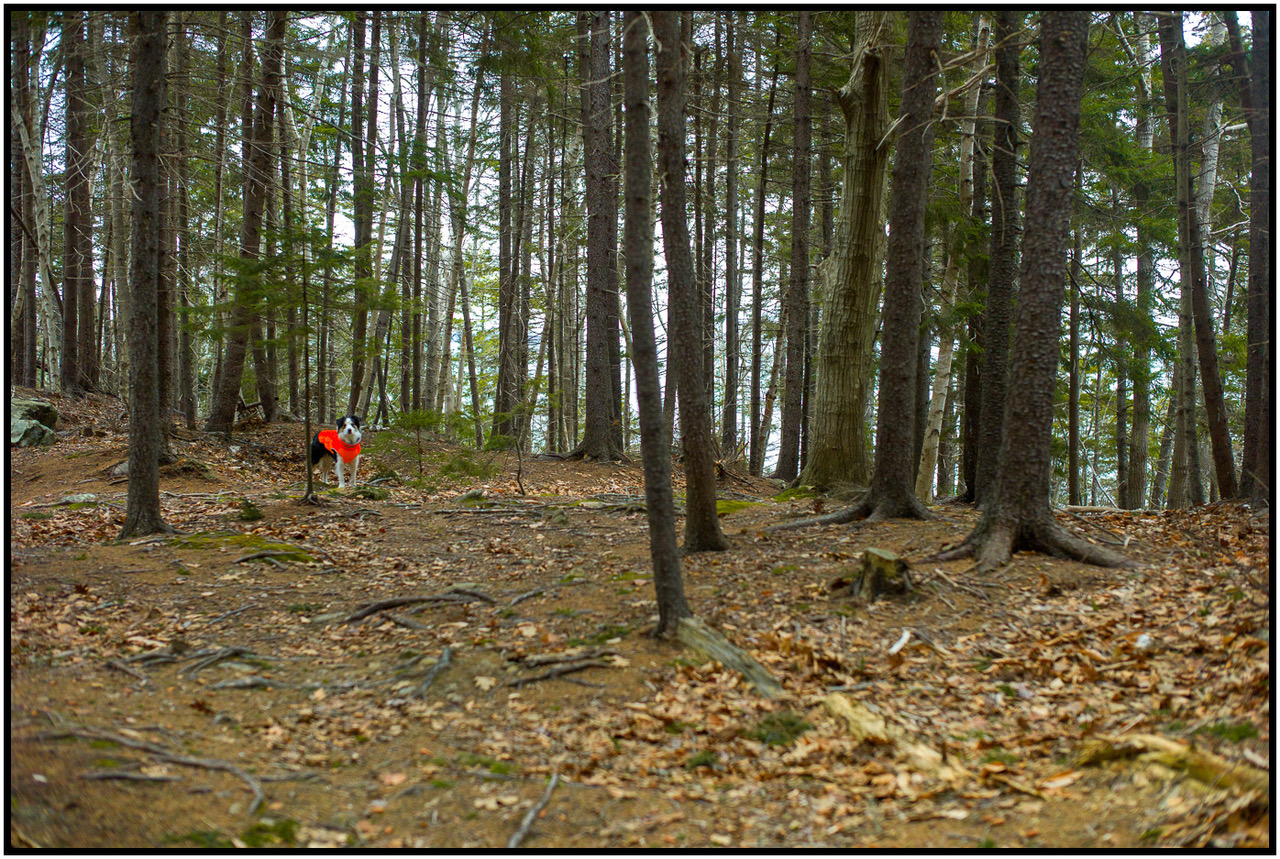
A quiet day that went by way too fast.  Everyone got to sleep in a bit longer than usual.  We watched some TV in the morning and then explored the island.  The highlight (for Winston) was our time in the woods near the center of the island.  We could take him off leash and let him loose for awhile to burn off some excess energy. 

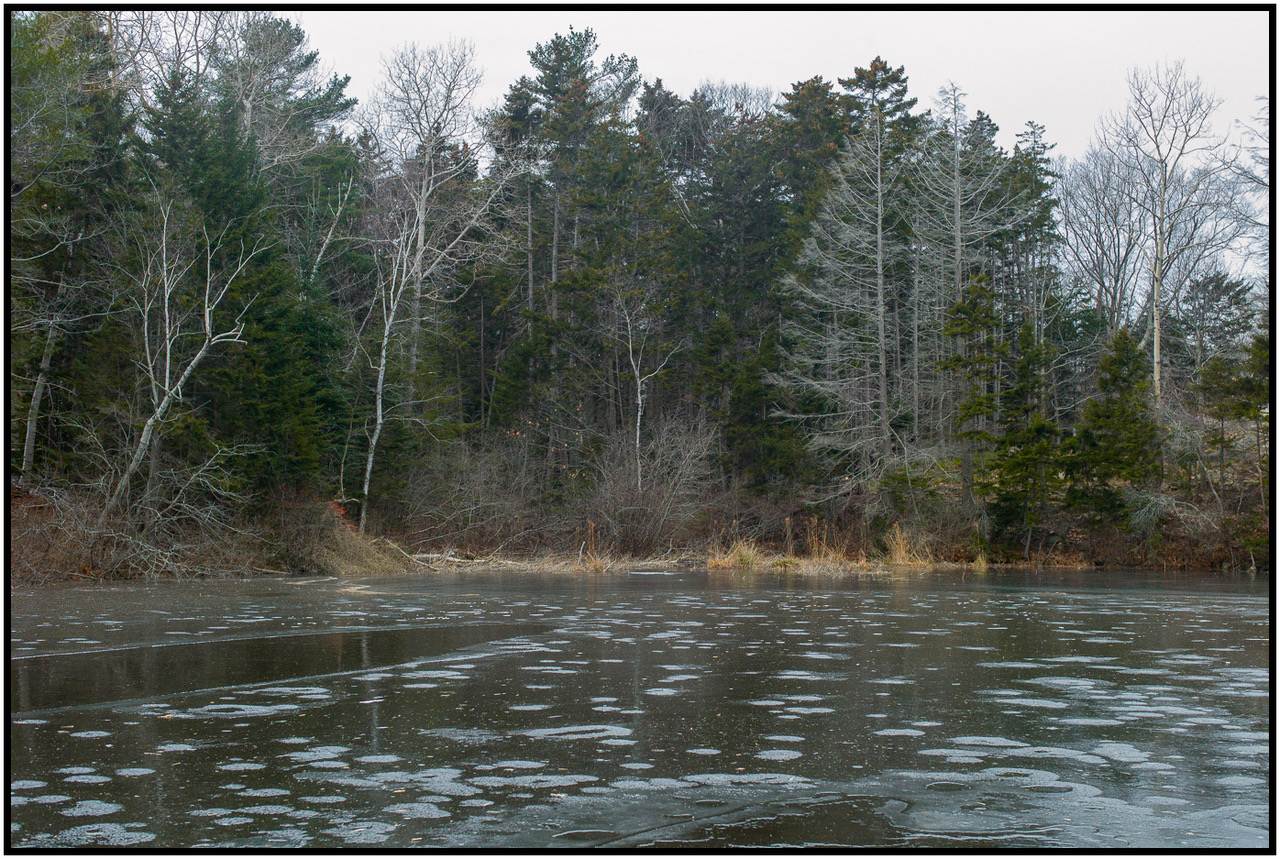
Frozen pond

Brenda and Isabella going for a walk.

Before we left on the trip, Brenda purchased a dog coat and booties – in case we encountered ice or snow.  Winston tolerates the coat but hates the booties.  Fortunately, we didn’t need the latter on this trip.

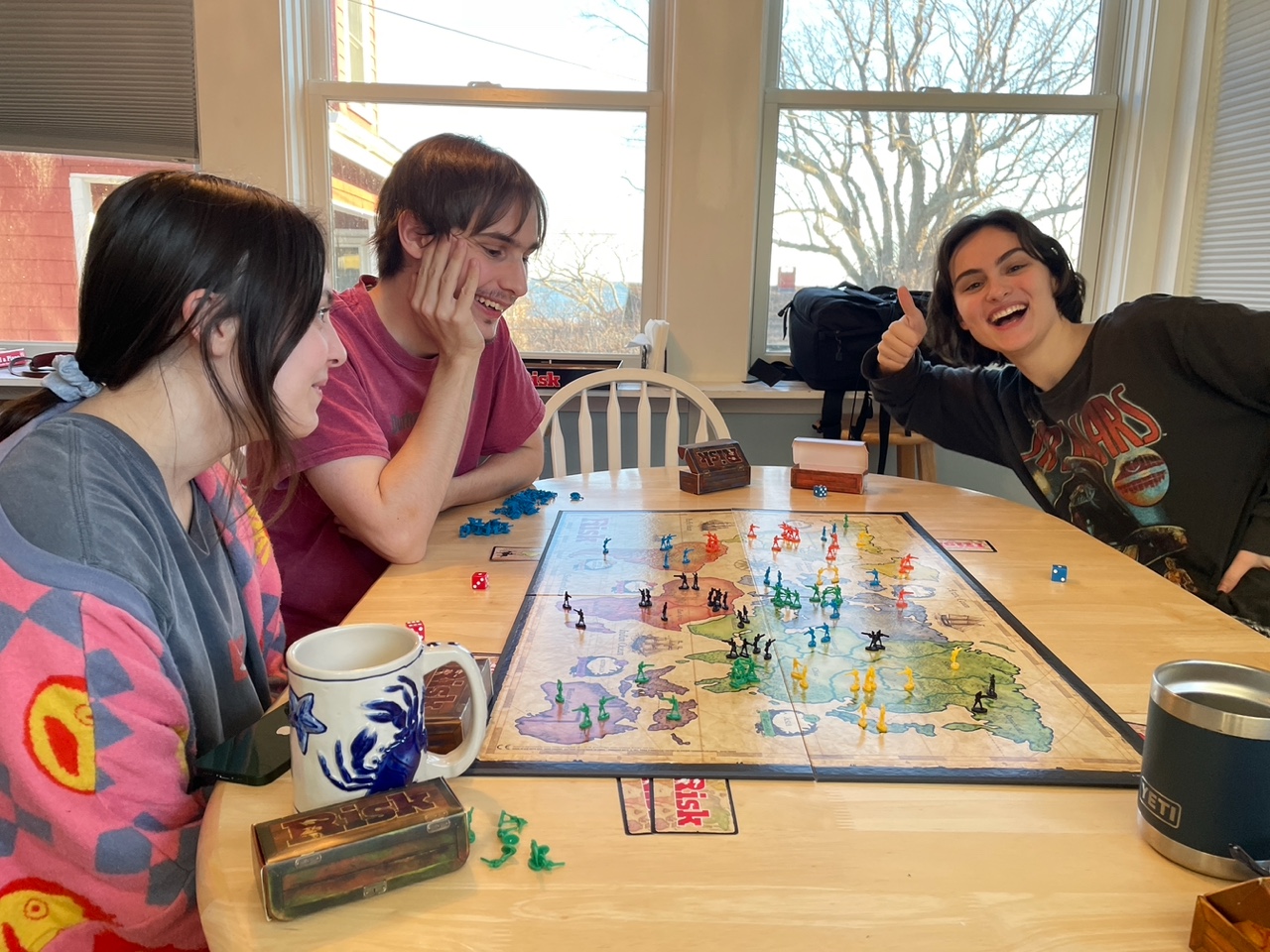
For Xmas dinner, Brenda made Jambalaya.  After that we burned away the afternoon with a calm, quiet game of Risk.  Bella won and won’t let any of us forget that.

We leave Maine this morning and begin our return trip South.  We will take 4 days on the return trip to have time to see some fun things on the way back.

Posted in 2022 | Leave a comment

Portland, ME 122422

It is cold here now.  Sunny but windy with wind chills below 0.

Early morning dog walk.  Winston doesn’t seem to mind the cold.

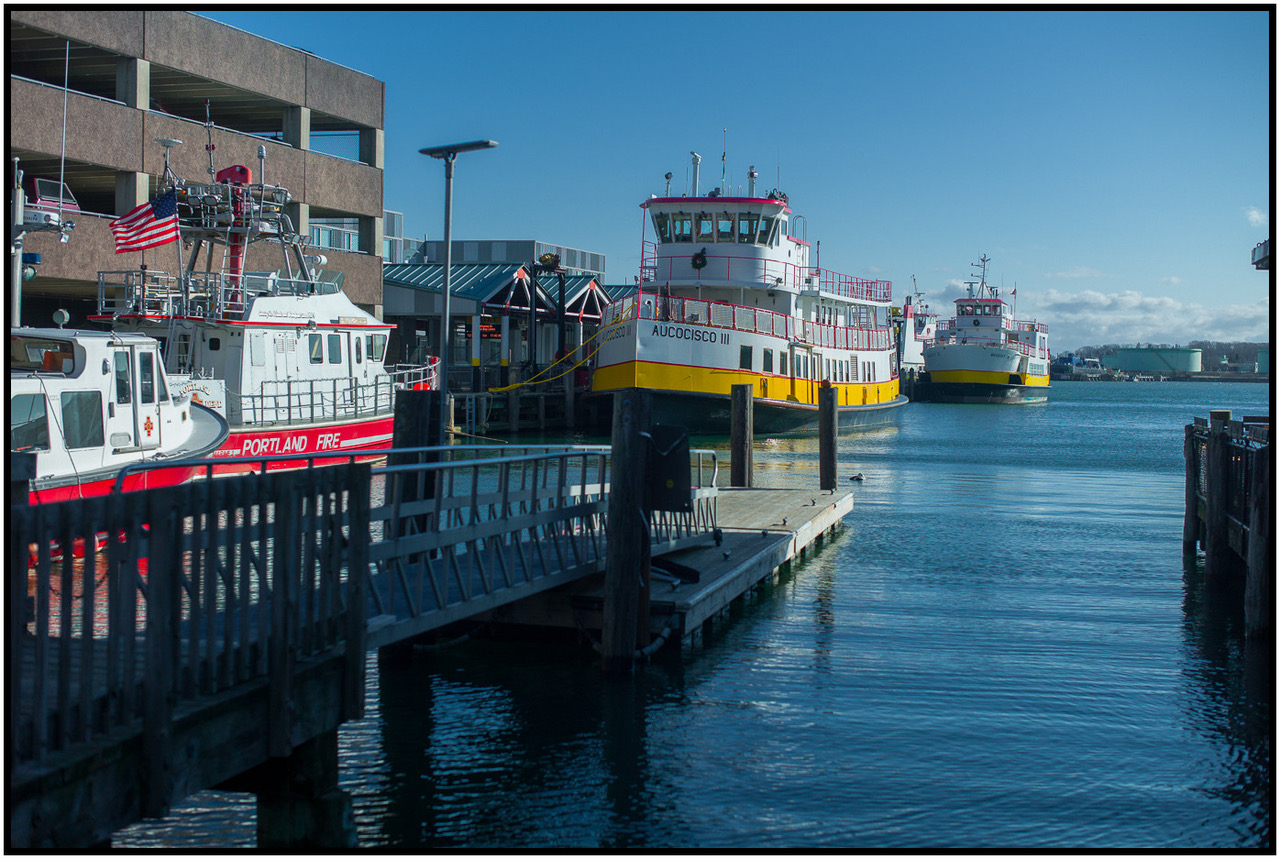
Today we took the ferry back to Portland ME to get our Xmas Eve lunch and do some shopping.

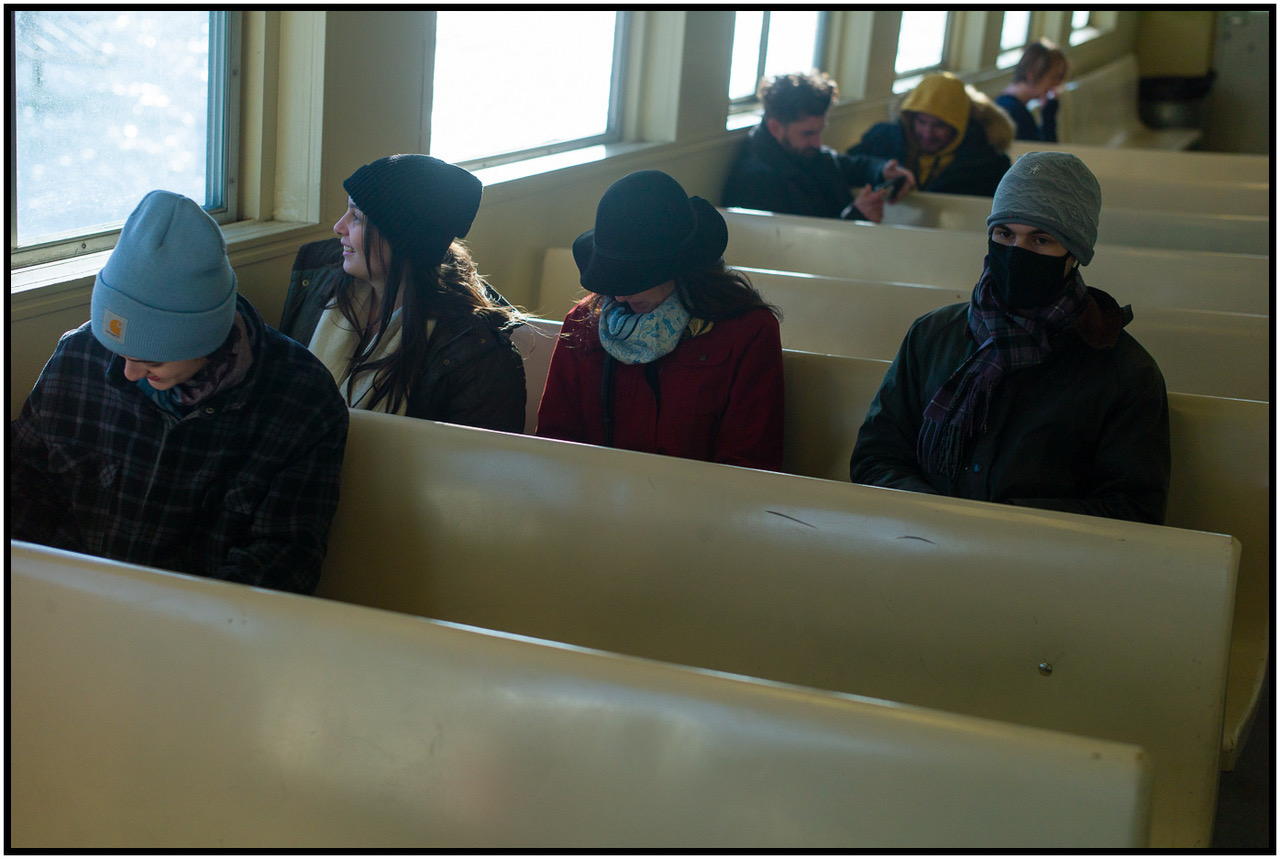
Ready to brave the elements. It’s about a 30 minute trip to the mainland.

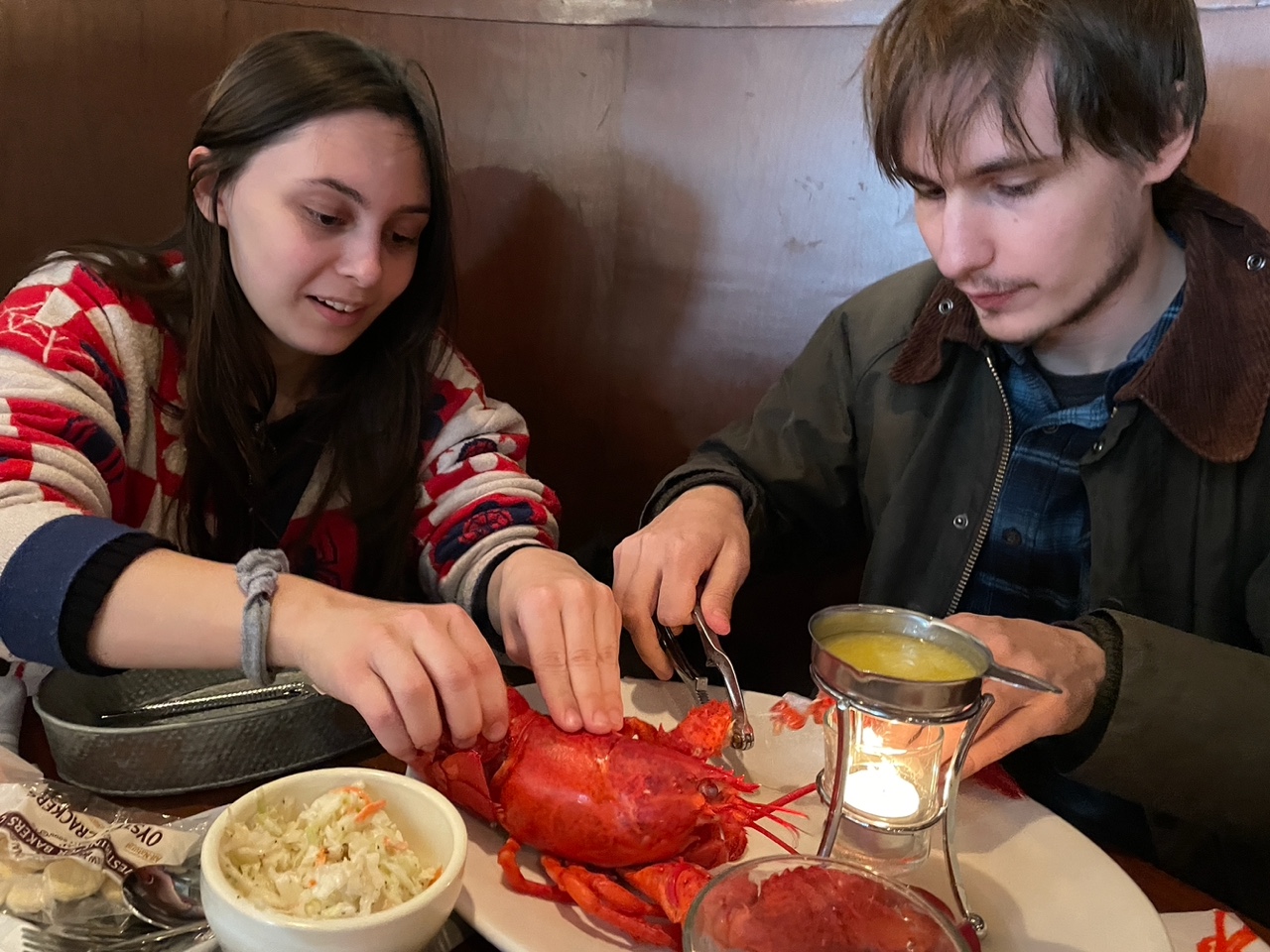
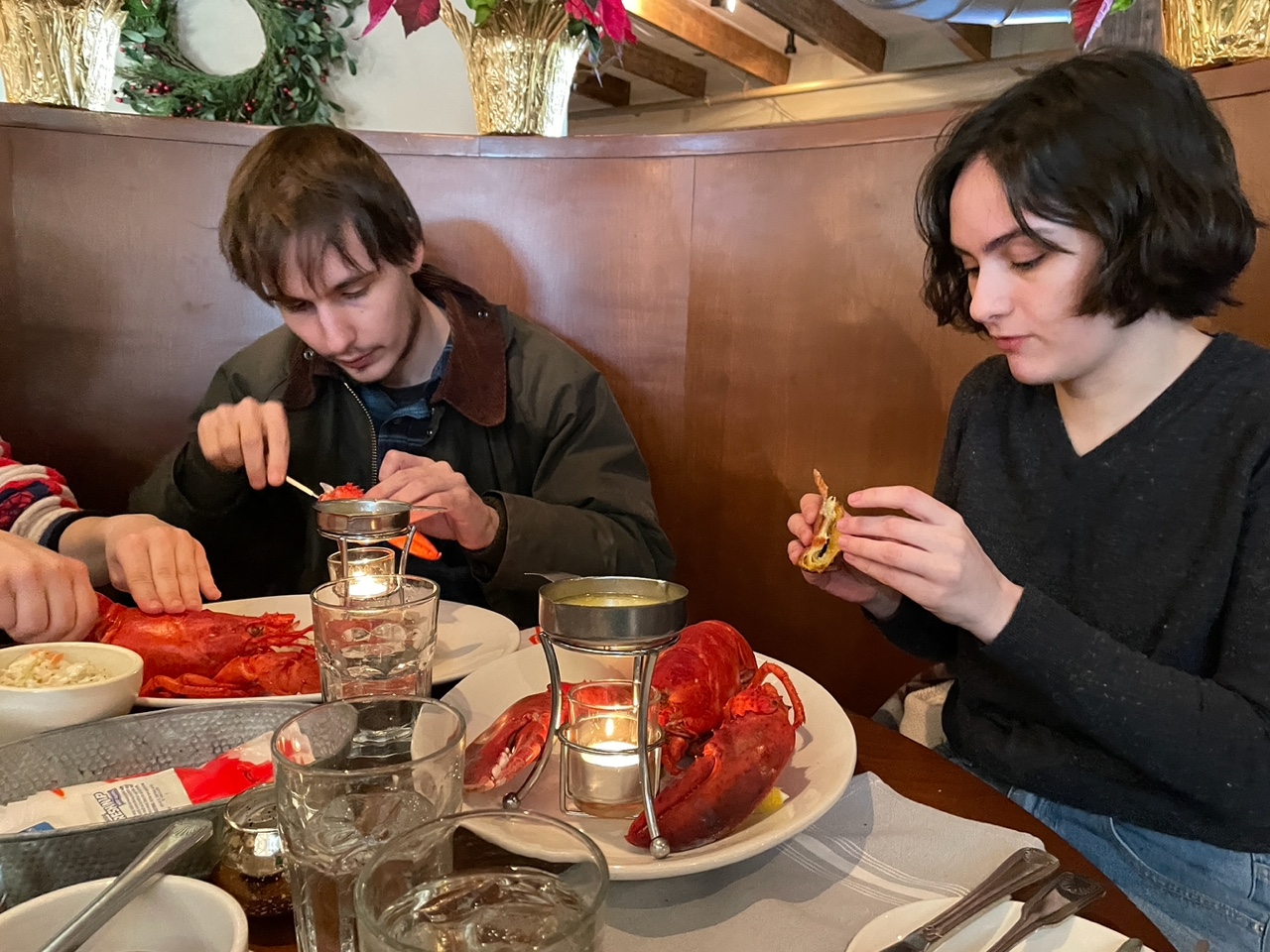
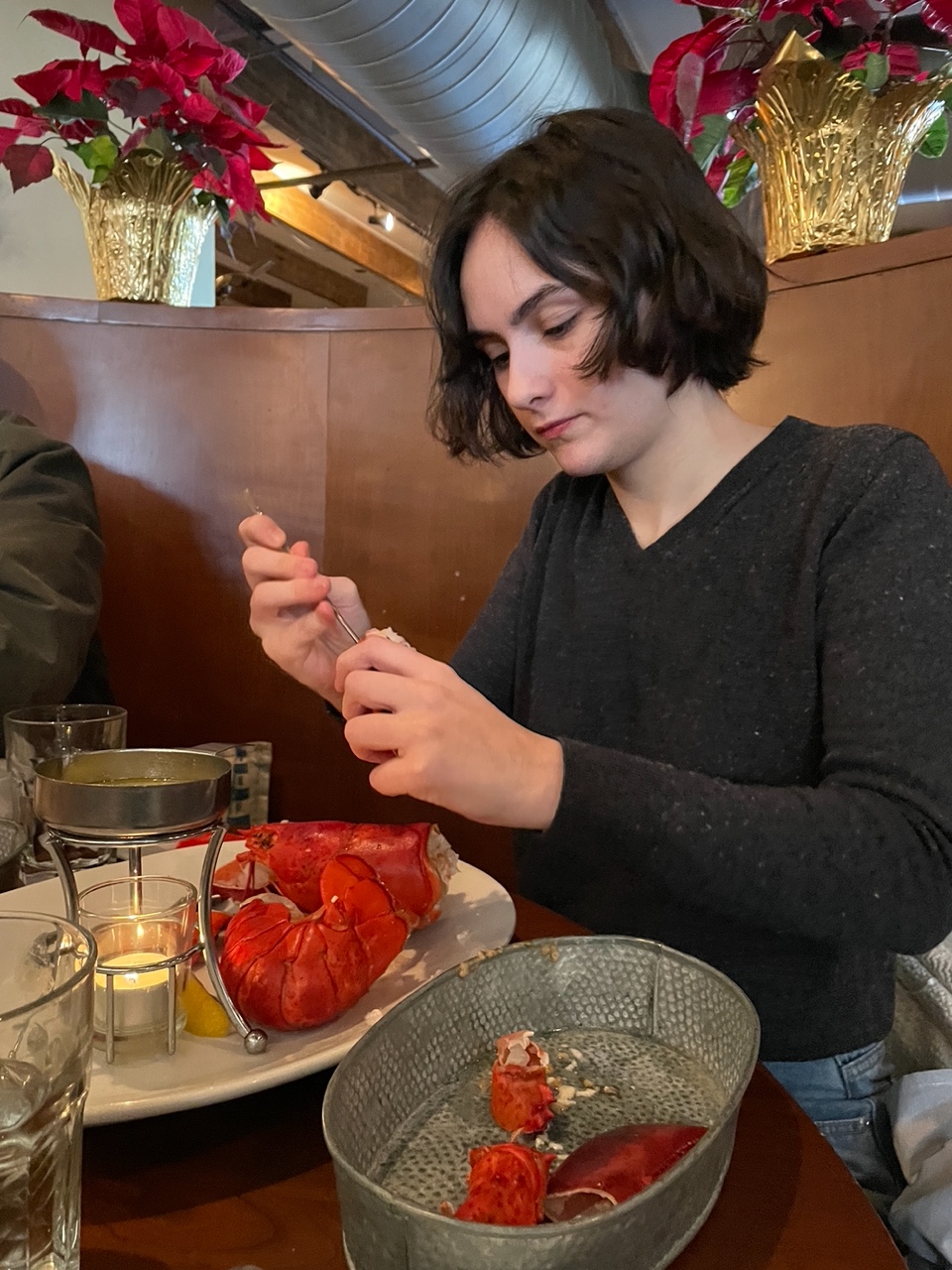
A bit of background here.  Usually we try to build our vacations around some theme or principal goal.  This fall when we asked the kids what they wanted to do, Josie said she wanted to go somewhere cold.  Check.  Holden said he wanted lobsters in Maine.  Check.  This was our big meal of the trip.. the kids just love the things.  I don’t but was happy to let them dig in.

I don’t like to have chores just to get fed.  Getting at all of the yummy bits takes a lot of effort.

Back home and hunkered down for the next day.  Everything is closed today; our larder is full, the heat is on and we have games and cable TV.

Merry Christmas!

Posted in 2022 | Leave a comment

Portland, ME 122322

A comfortably short 3.5 hour drive from Newport up to Maine.  The winter storm finally arrived, but the narrow strip of land along the seaboard managed to stay warm.  We drove through Boston with temps in the upper 50’s.

We saw our first snow after entering Maine (from a former storm) and made it to Portland by early afternoon.

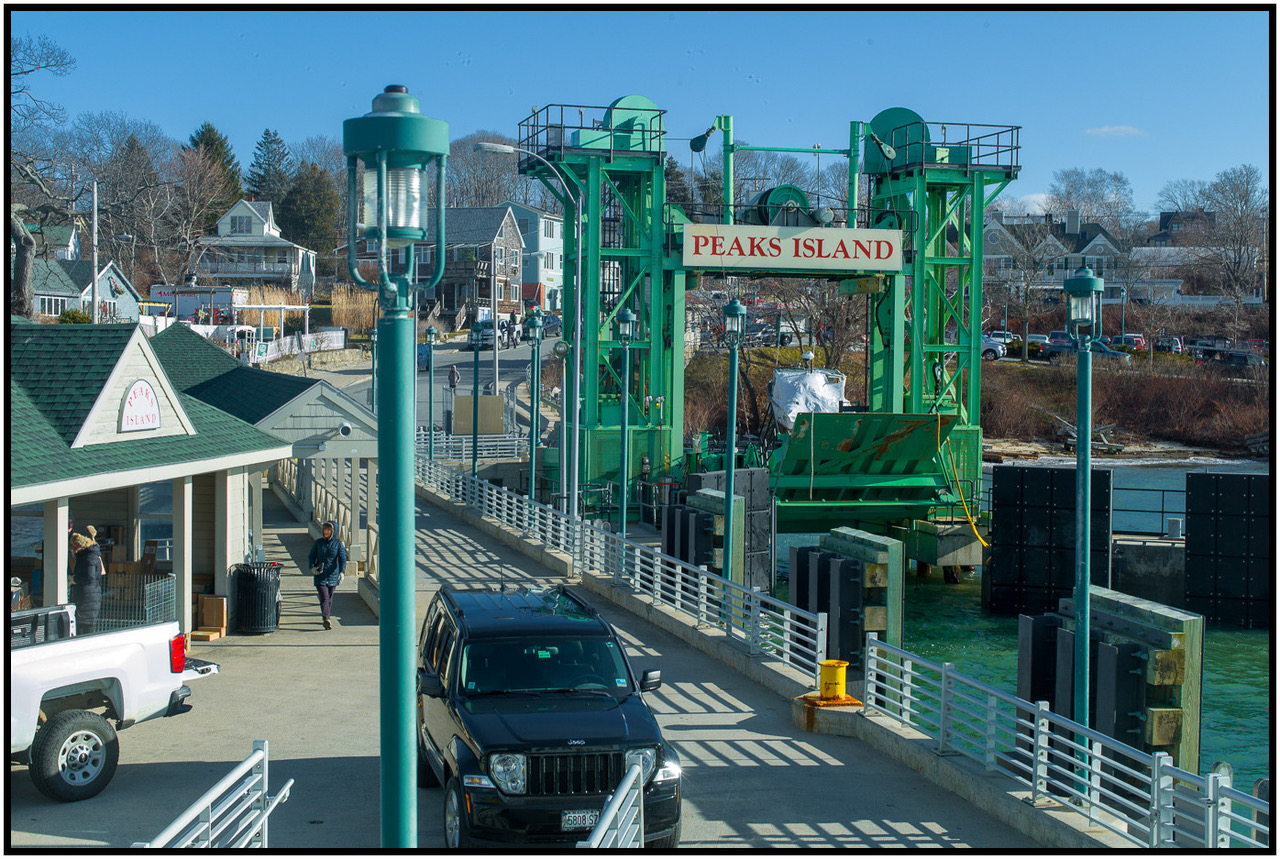
Over Xmas we are staying on an island (Peaks Island) off the coast of Portland.  We arrived at the Ferry terminal by 2:00pm and were the first and only vehicle to make the crossing.  I learned later that the ferry service had been closed all morning due to the extremely high winds.  After a choppy 20 minute boat ride, we made it to Peaks Island and on to our house for the next three nights.

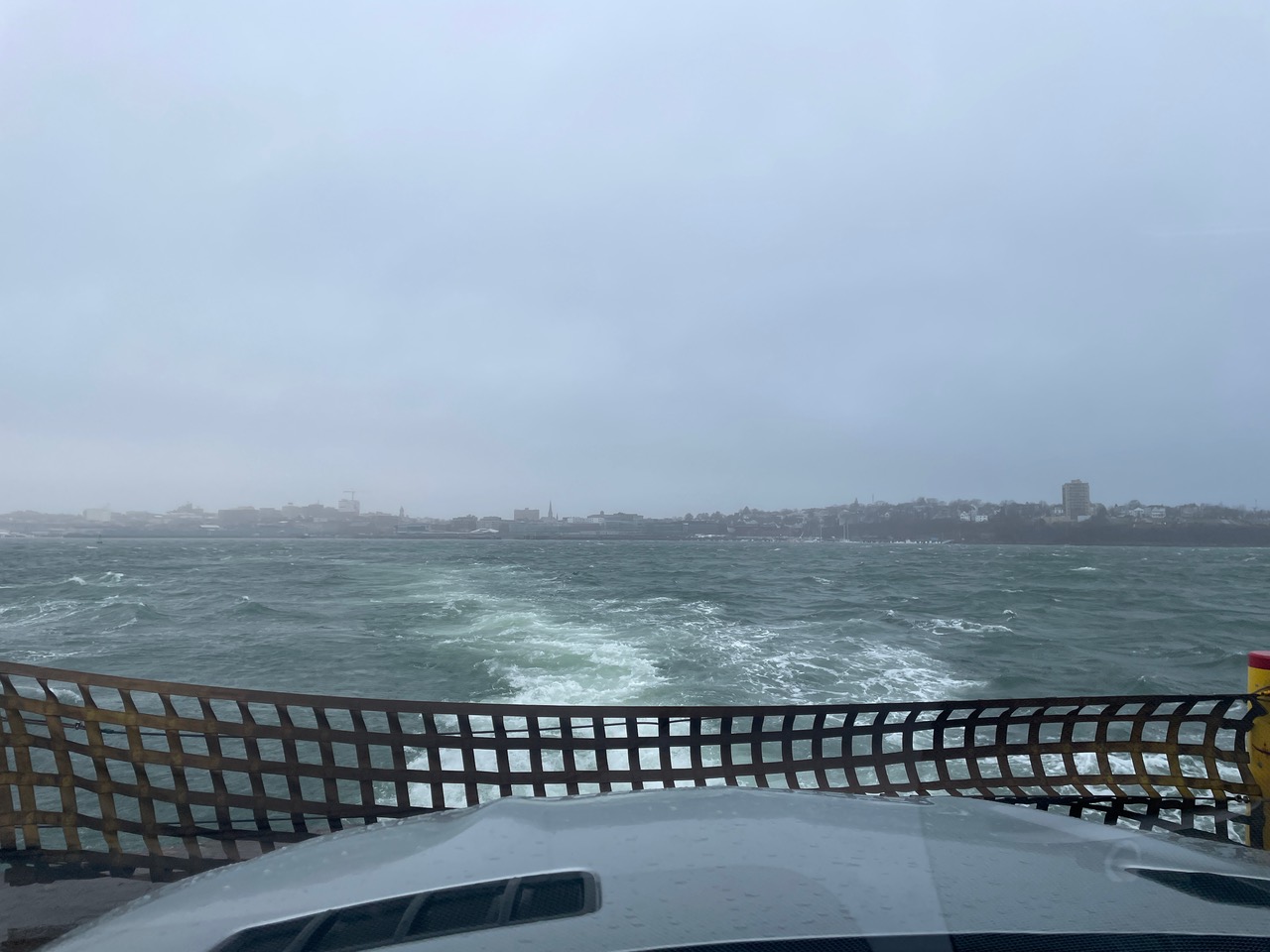
View of Portland from the cozy confines of our car during the ferry crossing.

It was warm all day but very windy.  The news that evening reported sustained winds at 30-40 miles per hour and gusts over 65.

Our house.  Built in 1914 as a summer cottage.  It has 4 bedrooms and 2 baths.. very well modernized and appointed inside.  After unloading our gear we went to the island’s only grocery store to get food.  All of the restaurants and other stores are already closed for the weekend.

Typical houses.  Based on my dog walks I would guess that only about 1 in 5 are currently occupied.

This morning (the 24th) most of the storm has already passed by.  The temperature is now 14F with windchill at -2F.  The weather will dictate much of what we can and can’t do over the next several days, but we have a great place to hunker down for Xmas day.

Posted in 2022 | Leave a comment

Rhode Island 122222

Brenda was ill today (stomach bug) and so we adjusted to a more mellow schedule.  (She’s getting better now..)

Starting out in Newport, RI again..

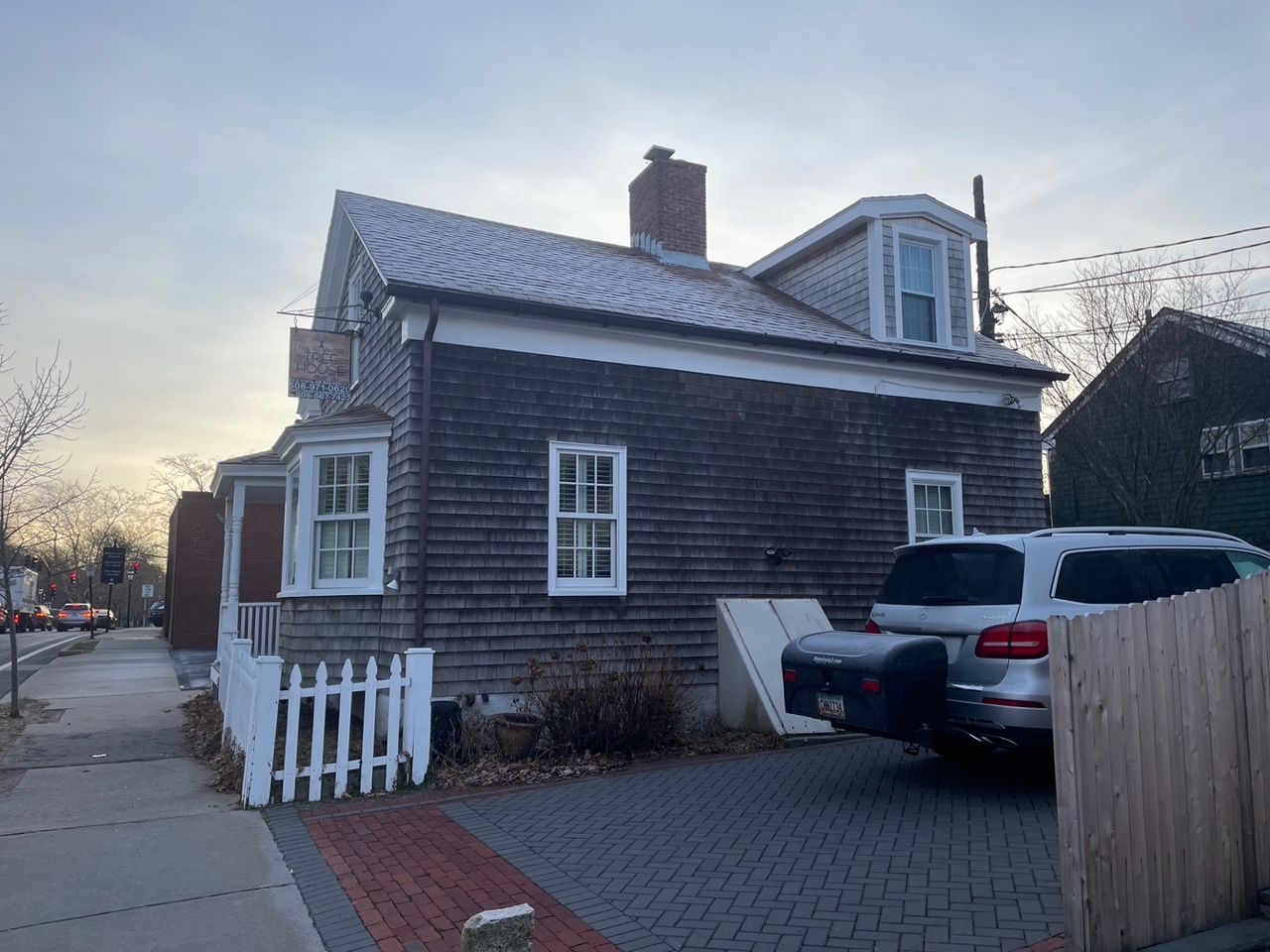
Picture of the house where we are staying.

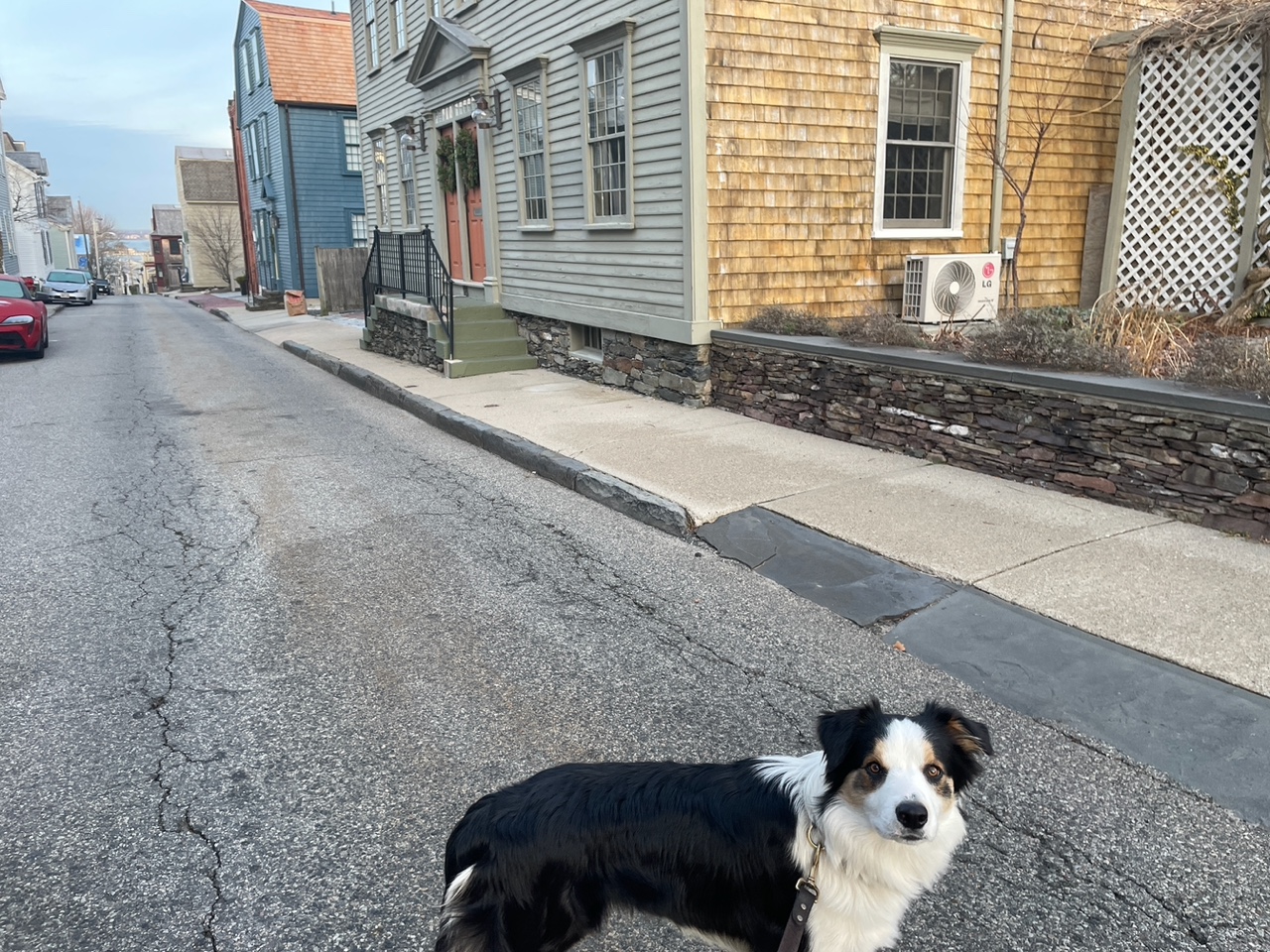
Taking the dog on a morning walk.

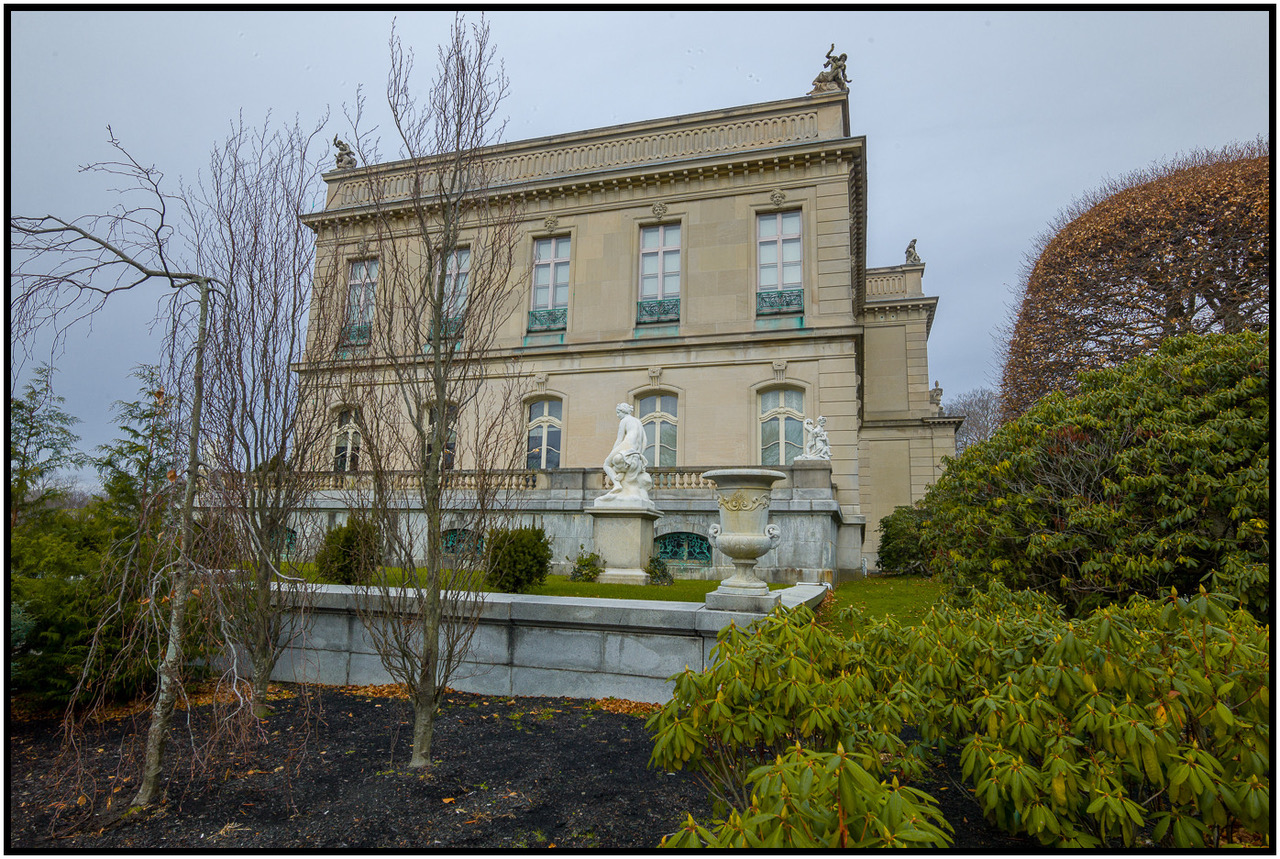
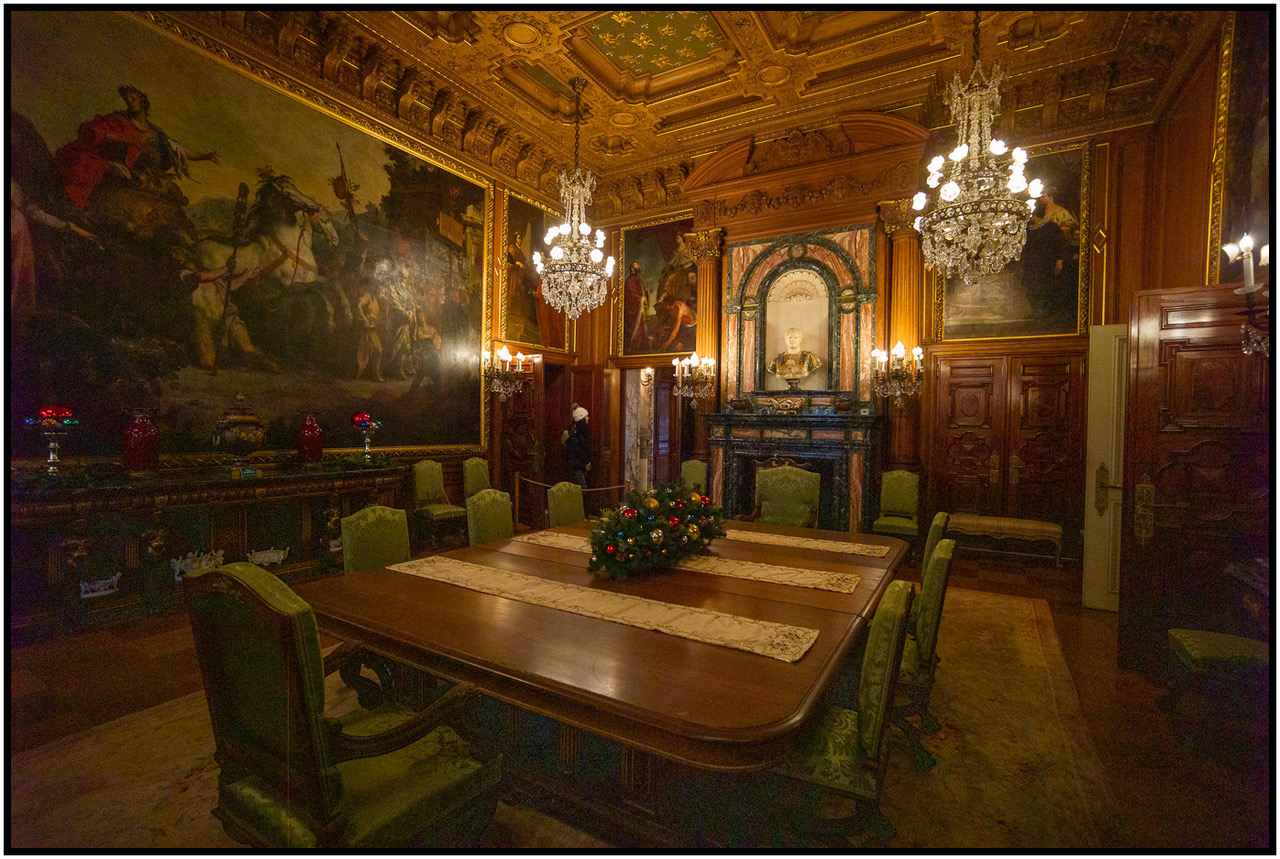
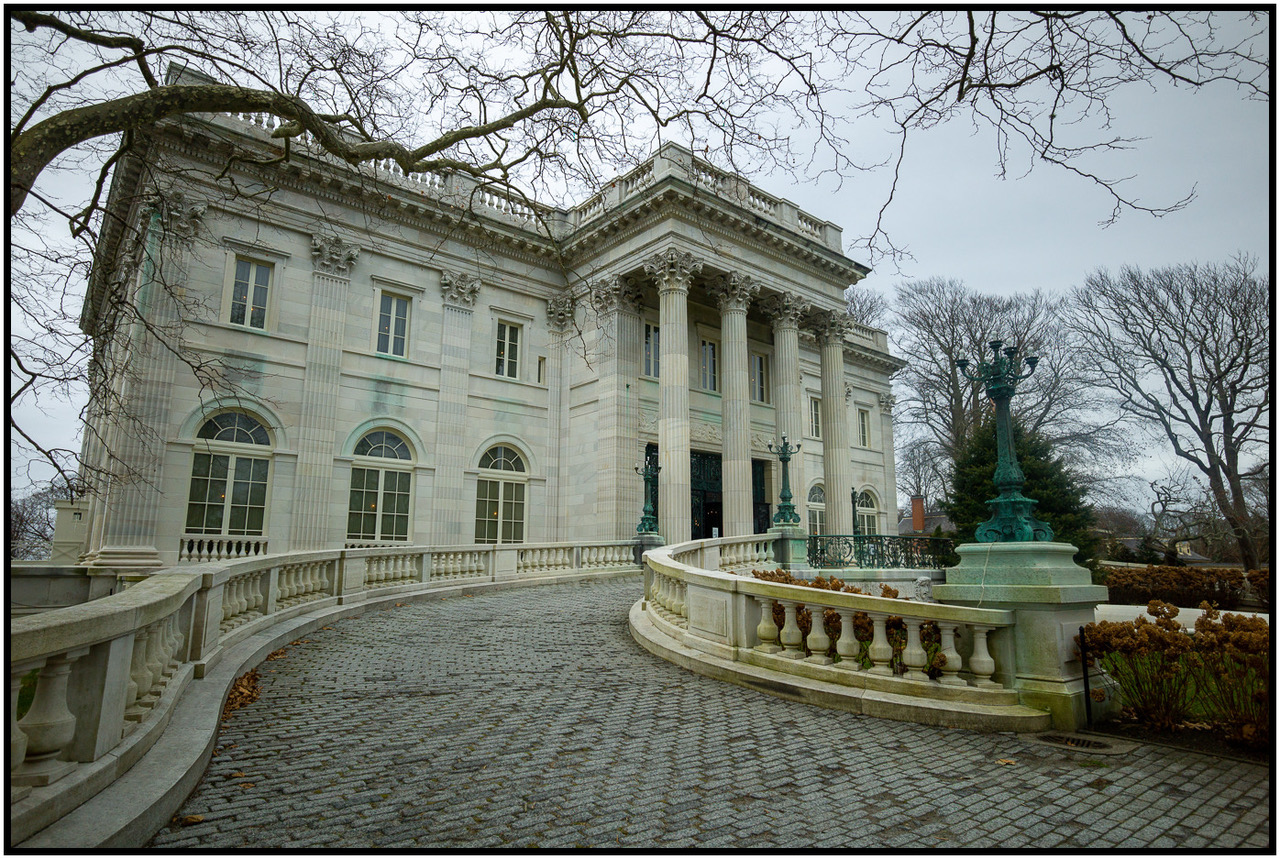
The four of us (less Brenda) toured “The Elms” – another late 19th century summer “cottage” built for the Berwind family – he was Big Coal.

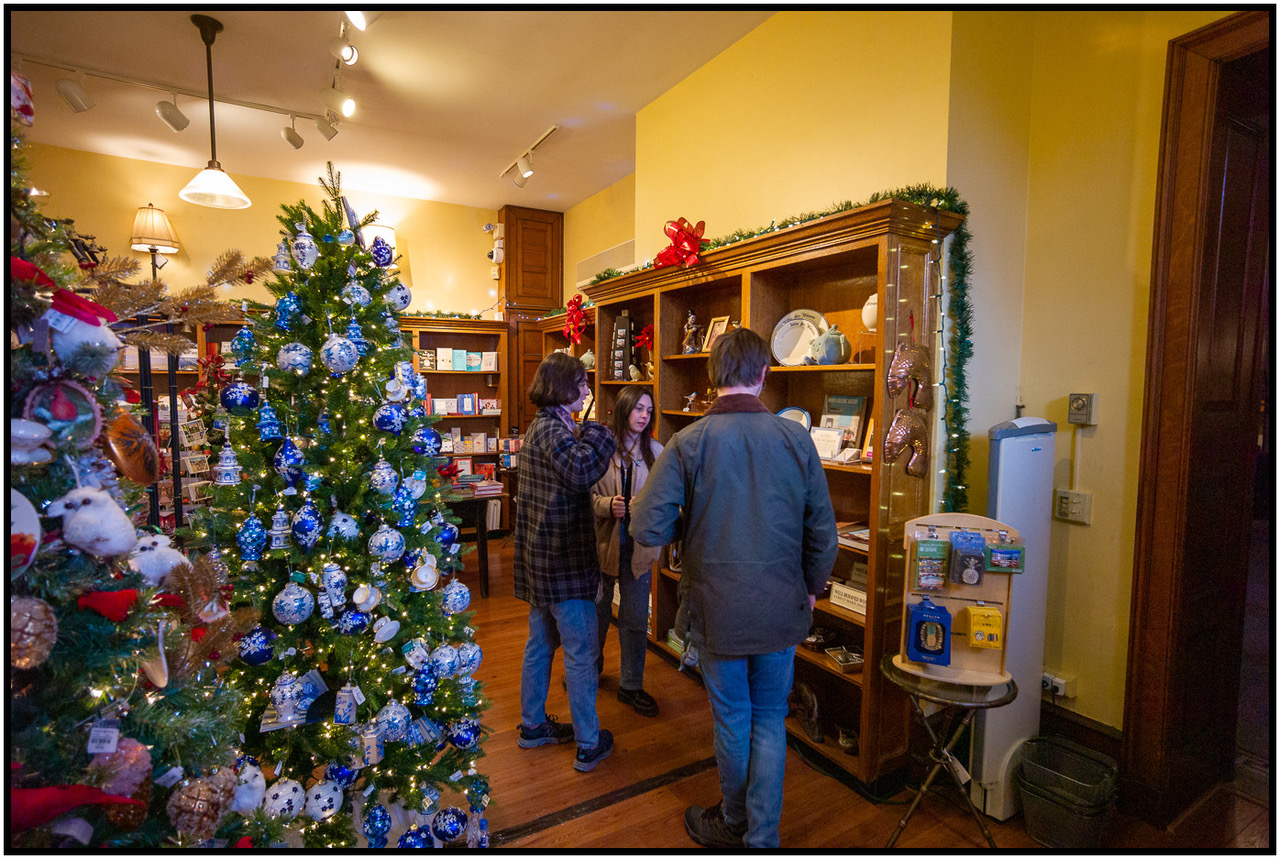
The kids like the gift shops the best.. the only things they can touch.

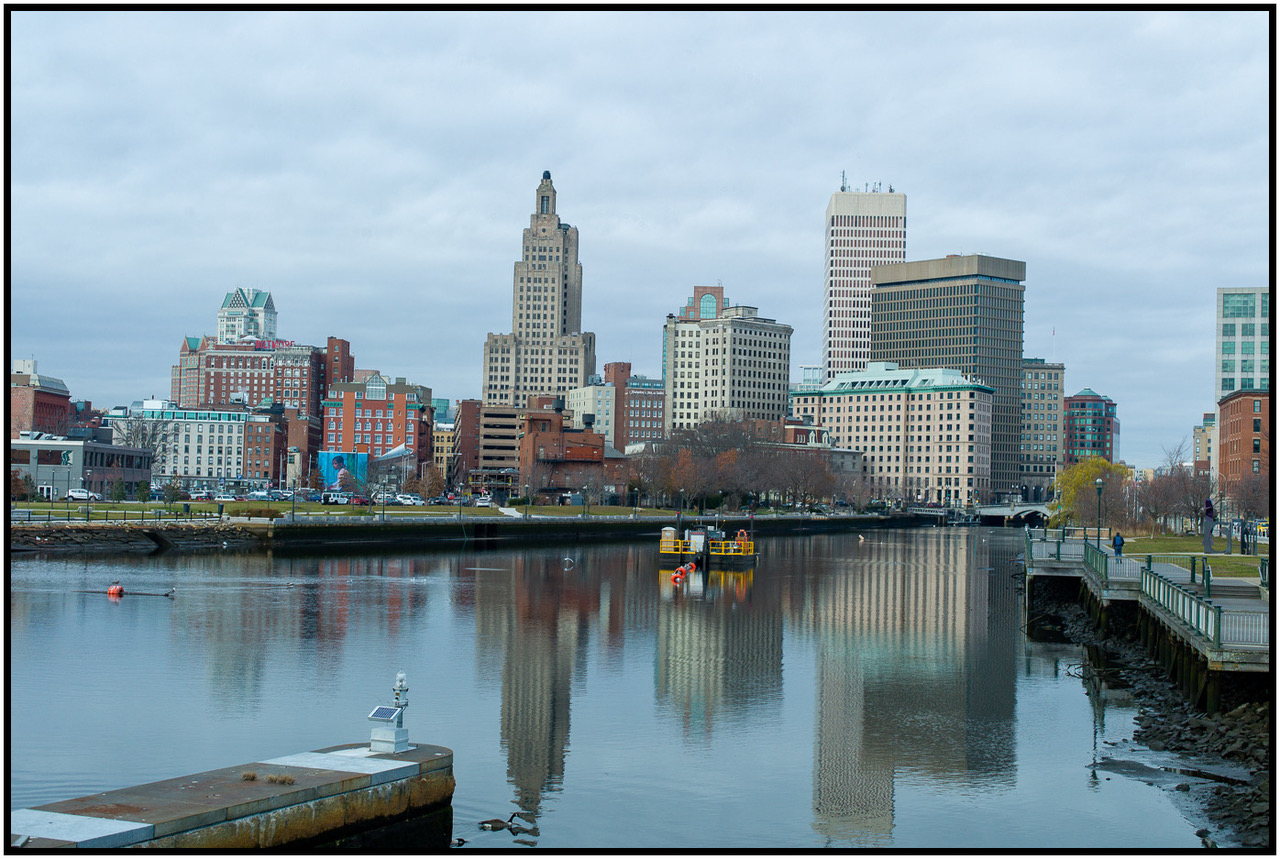
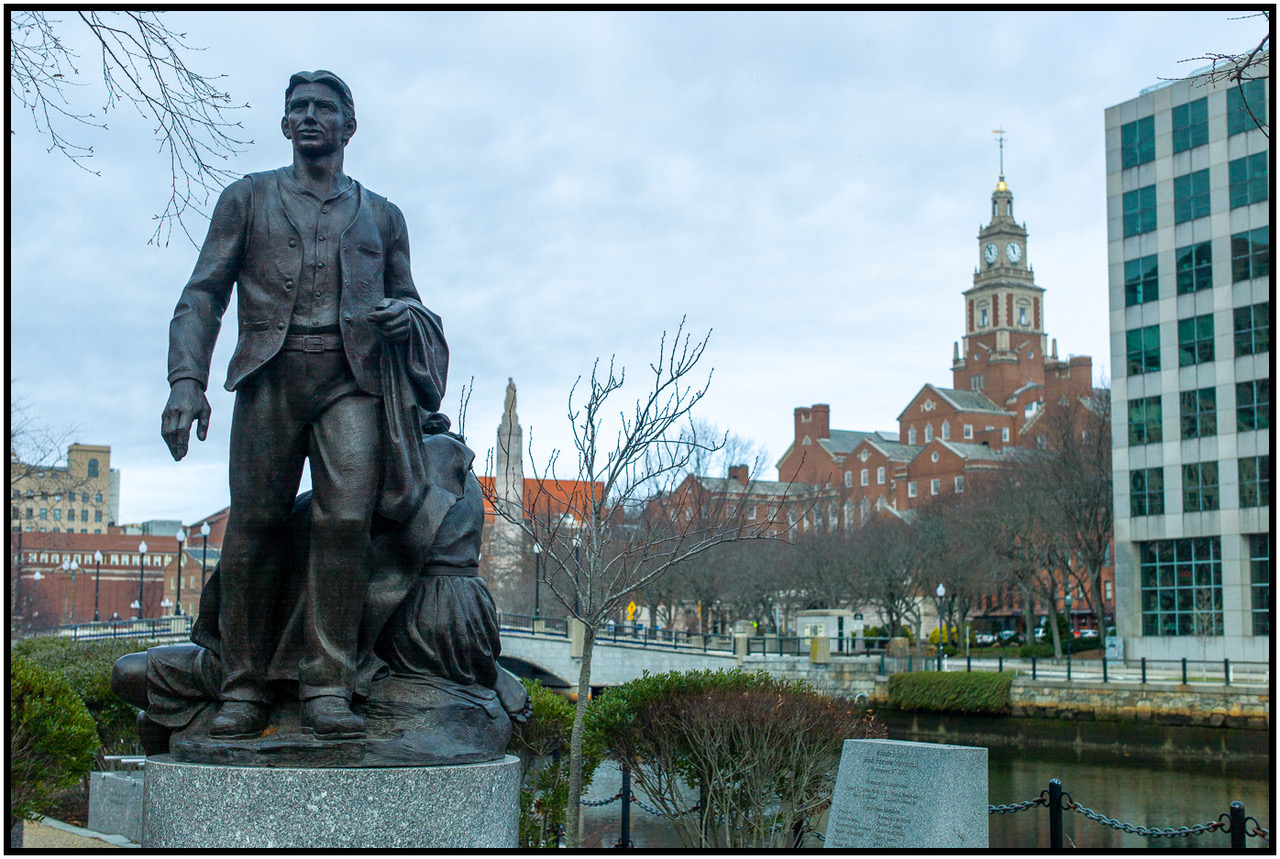
After that, we decided to drive up to Providence, RI on a lark.  Bella wanted to find some places to shop.  Josie wanted to see RISD (Rhode Island School of Design) where one of her friends is hoping to attend.  We parked in downtown and just wandered about.

We found a nice bookstore.  Bella bought a couple of books for her job.  Next door was a Korean place and the kids wanted to have lunch.  Providence is about 35 minutes away from Newport.

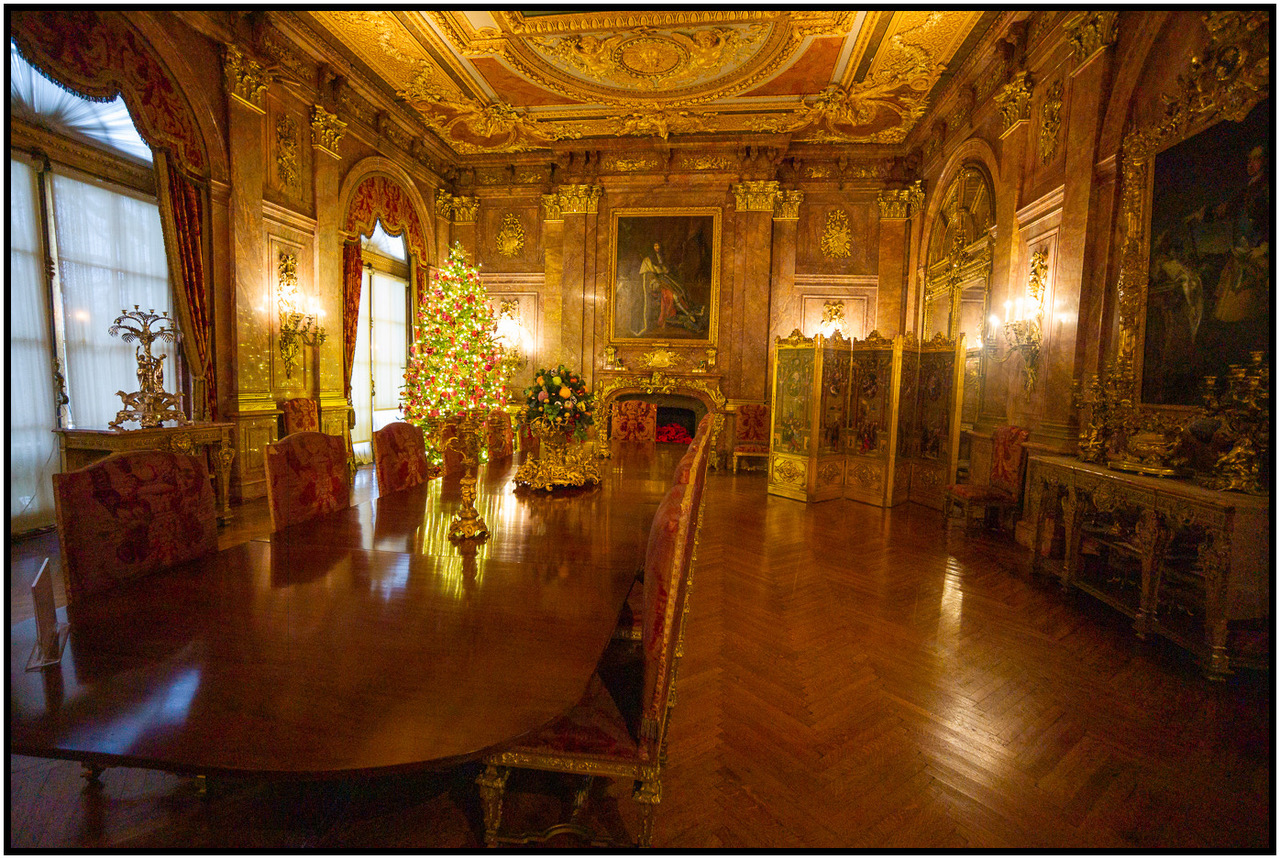
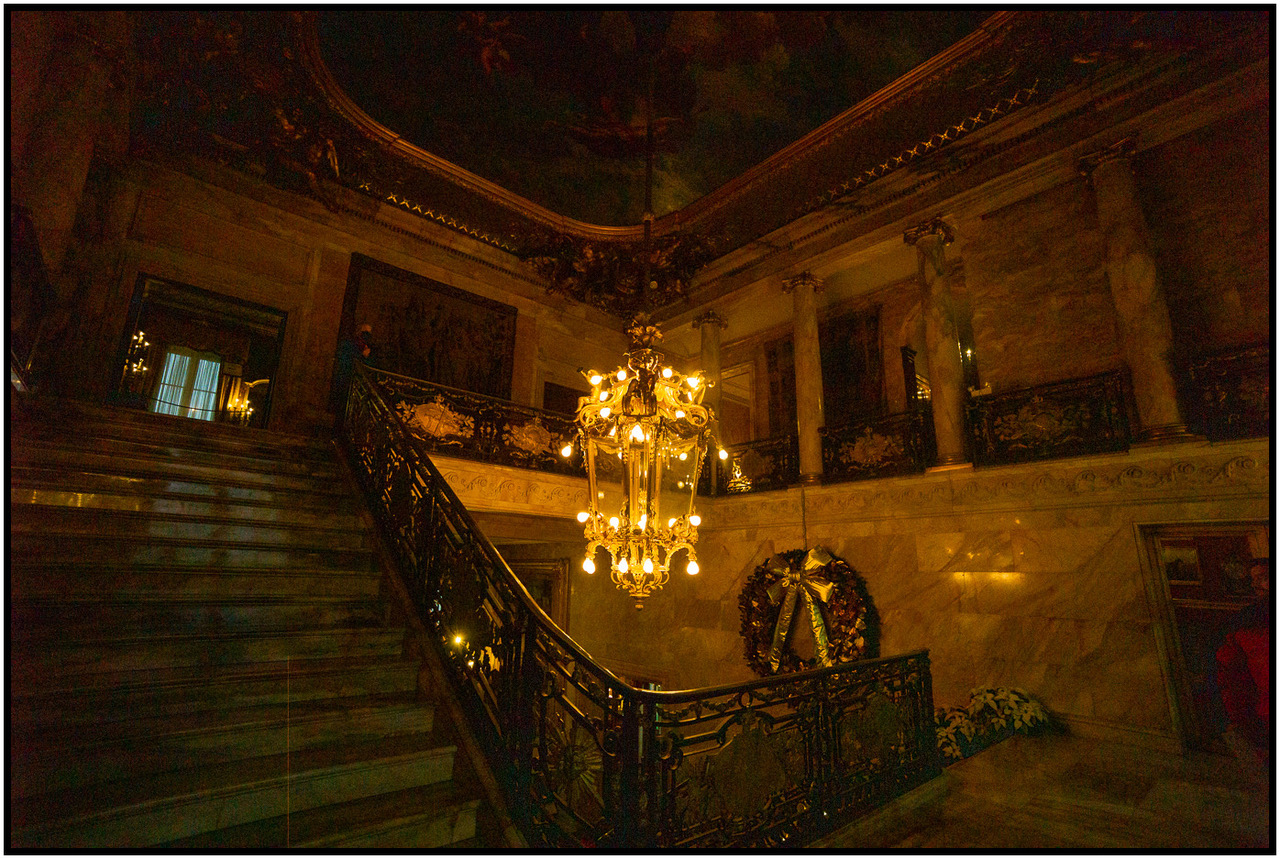
That afternoon, we toured the 3rd and final mansion open this time of year.  Brenda was feeling better and really wanted to see “Marble House” and so she joined us.  This was another Vanderbilt house – different brother or cousin or such.  It’s hard to keep track of them all.

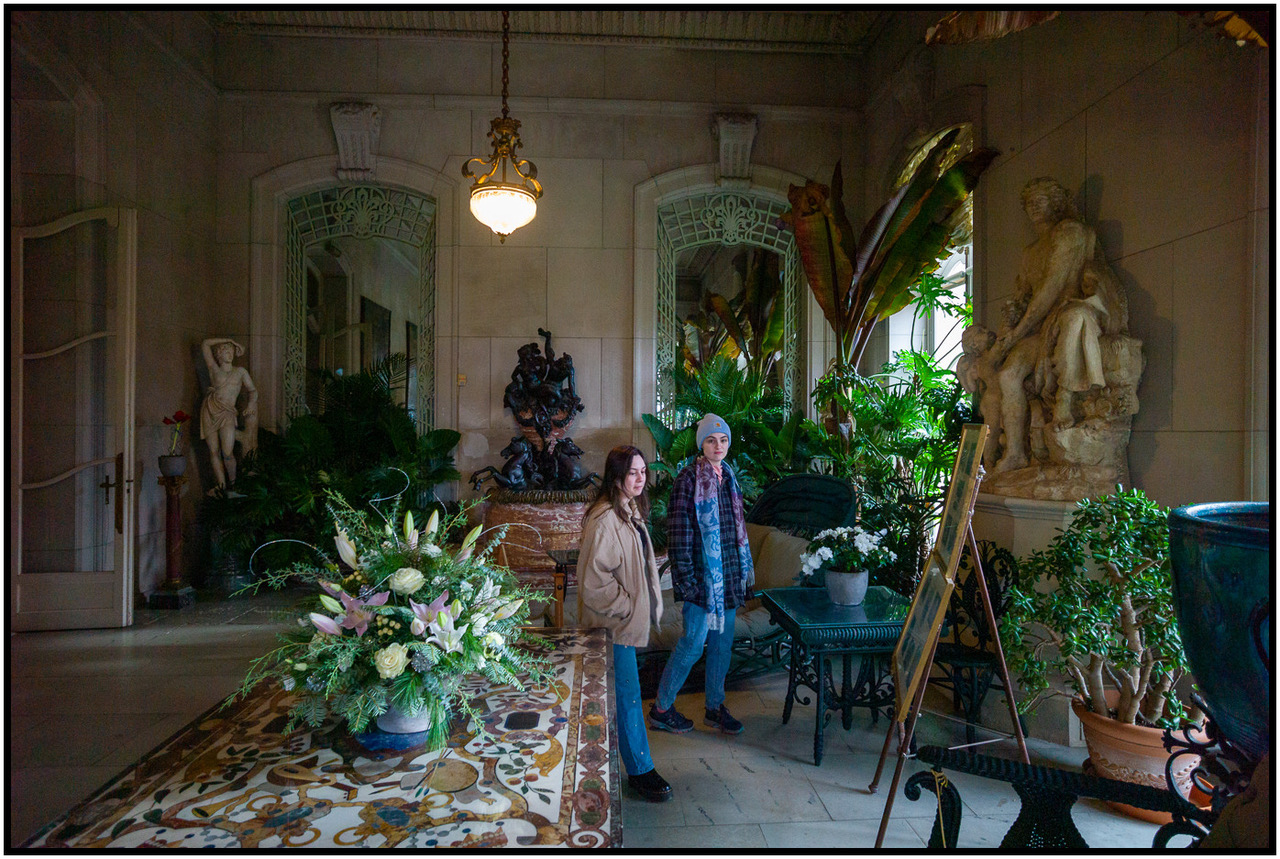
More really fancy rooms.

It gets dark here about 4:00pm; after that it’s wine time.  We got take out pizza from a place a block away and watched “Four Christmases” on the tube.

This morning we pack up and head for Maine.
It is VERY warm this morning (53 degrees) but very windy and wet.  We’re going to miss all of the winter snow and ice just by hugging the seaboard all the way north.  The temps drop sharply over Xmas weekend, though.  We’ll hopefully be safely ensconced in our next place for the next 3 nights.

Posted in 2022 | Tagged , , , , | Leave a comment

Newport, RI 122122

Our first, full day in Newport.  We are staying here for three nights before continuing on to Maine.
We have another AirBnB house with plenty of room for 5 + dog and within walking distance to the main, touristy part of the town.

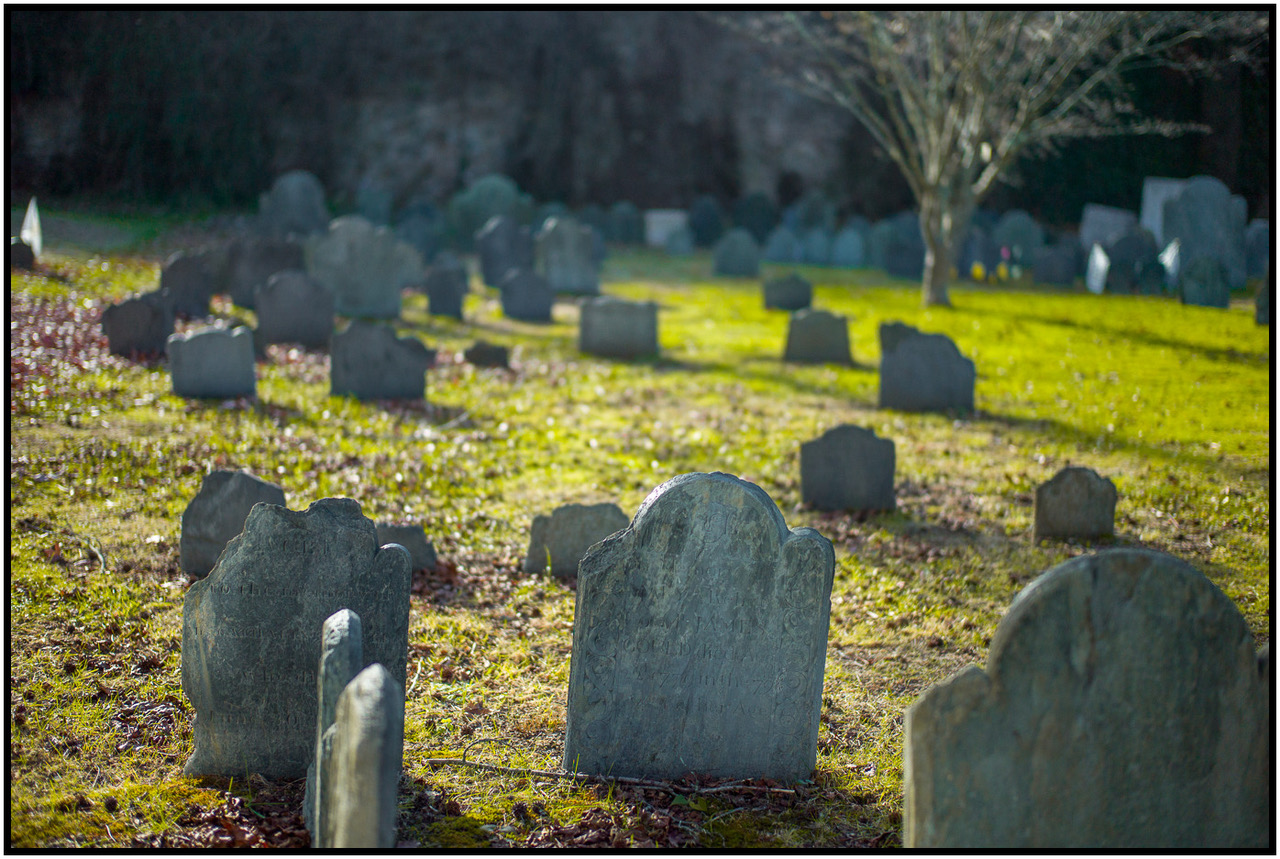
Morning walk; this graveyard is a block away from where we’re staying.

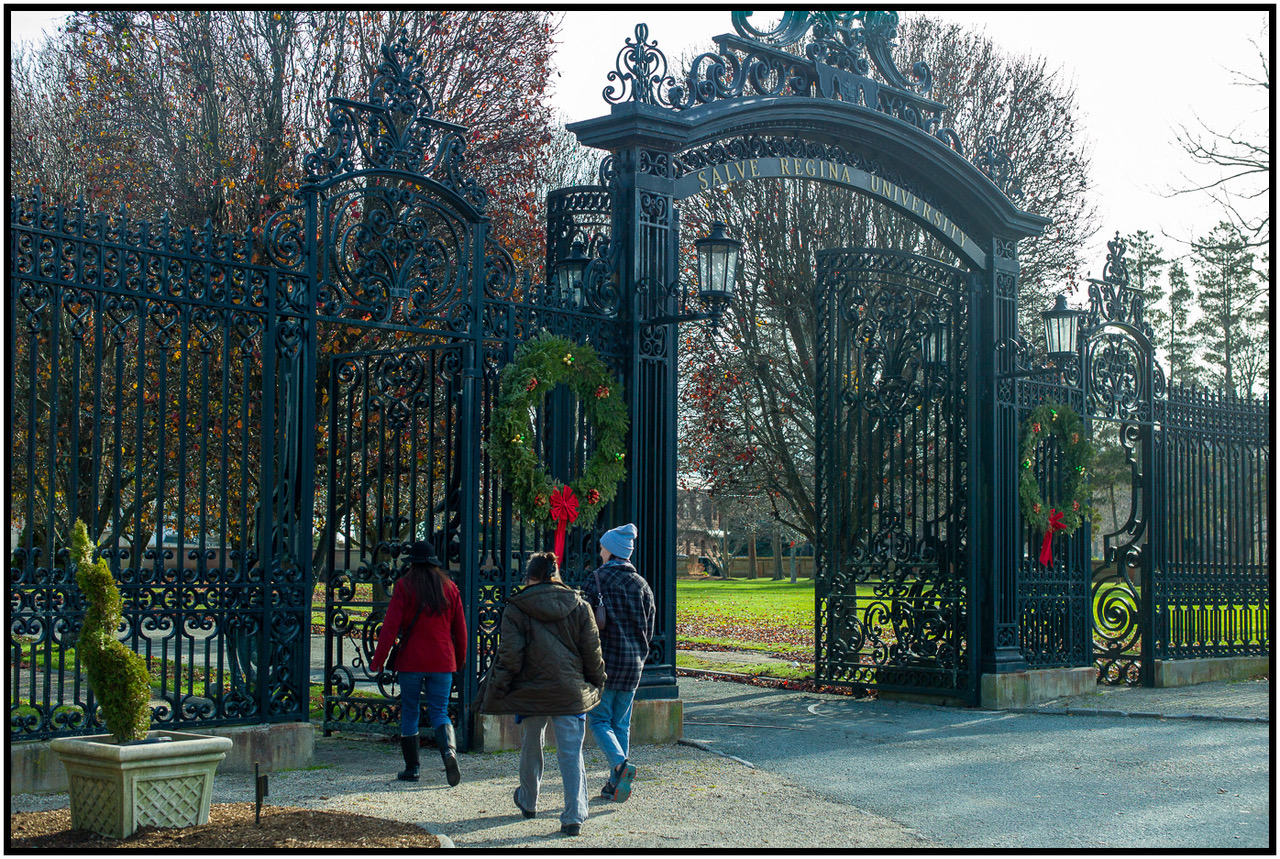
One of the main purposes of this stop is to tour Salve Regina University (in Newport).  Josie has been accepted here and been offered a very generous scholarship.  Even so, it’s still a bit of a stretch, financially.
In addition to a campus tour, we visited with the Financial Aid office and (in a reasonably-well-off, white family way) begged for more money.  We walked away fairly encouraged and will be looking for more letters and information coming from them in January.  Salve is small (2100 students) liberal arts university that has a good Education program (Josie’s intended major) – a Catholic school that takes in all types.

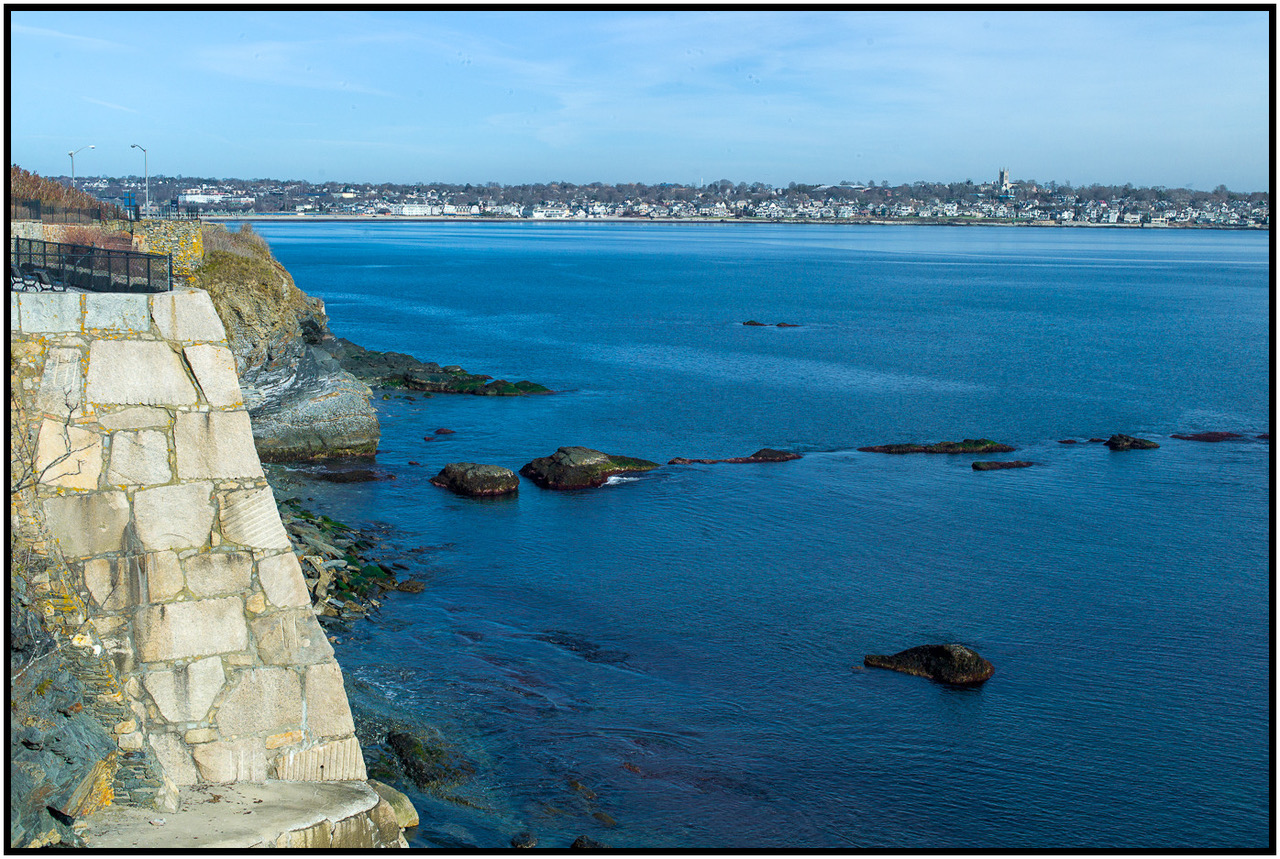
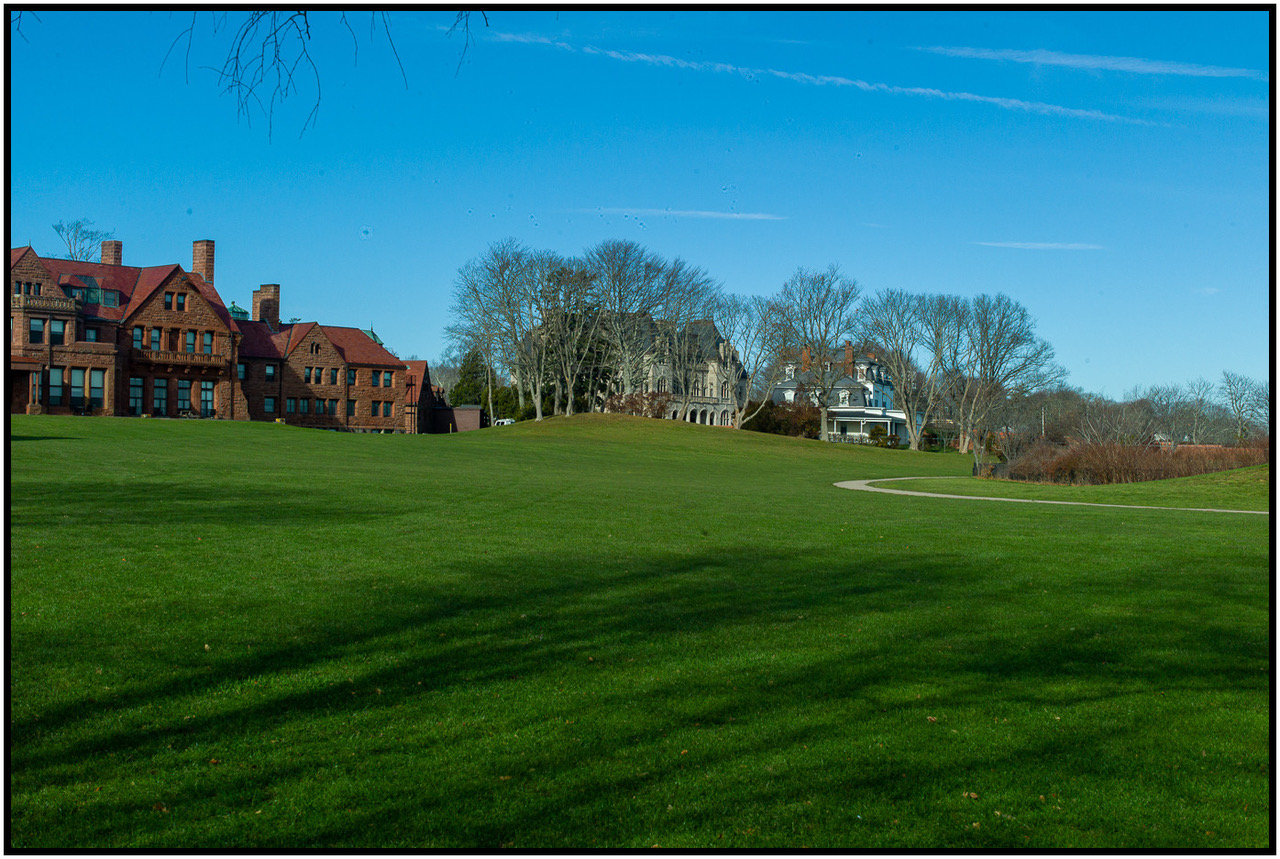
View from the campus green behind the admin building.

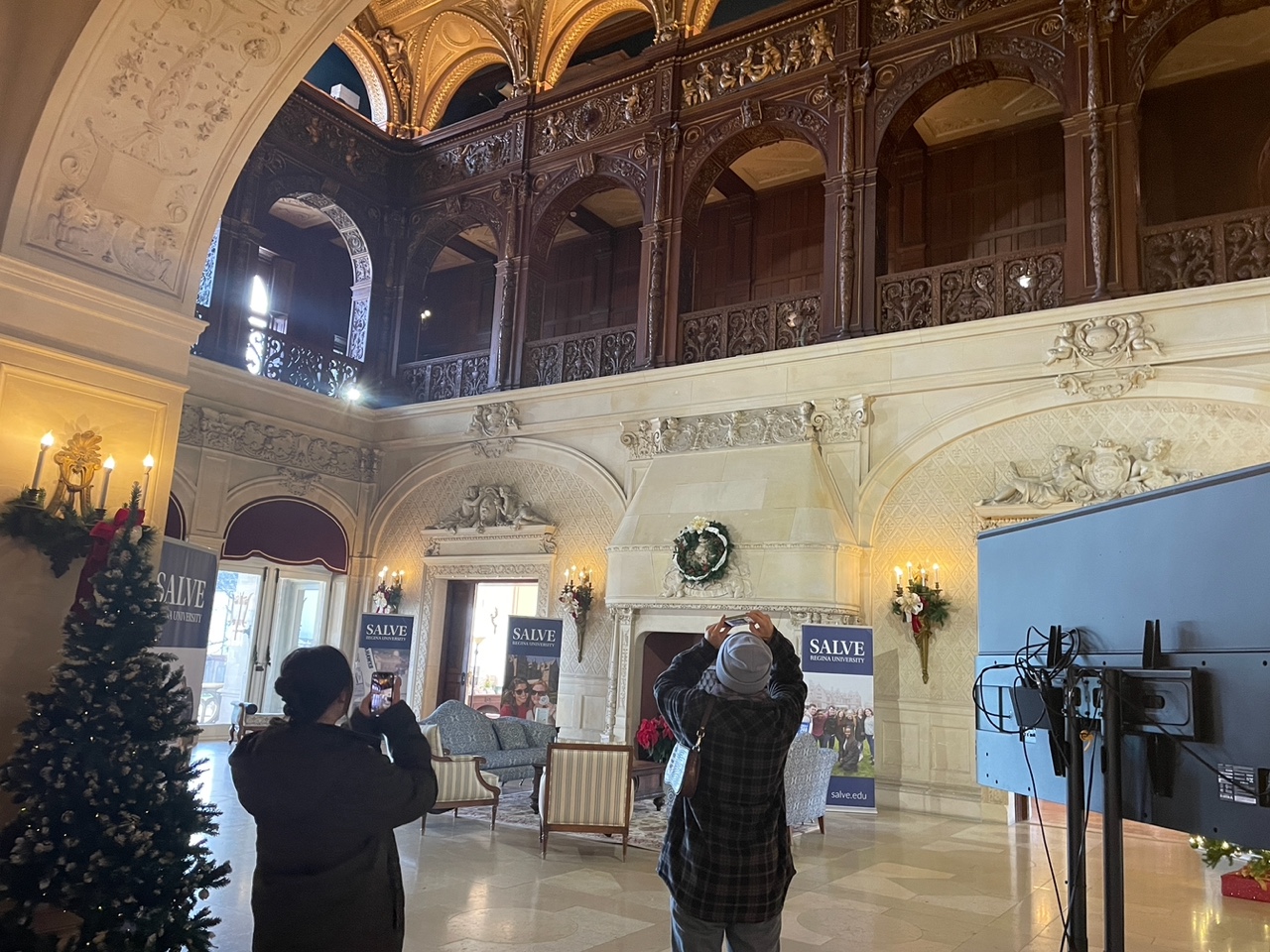
The girls impressed with the admin main hall.

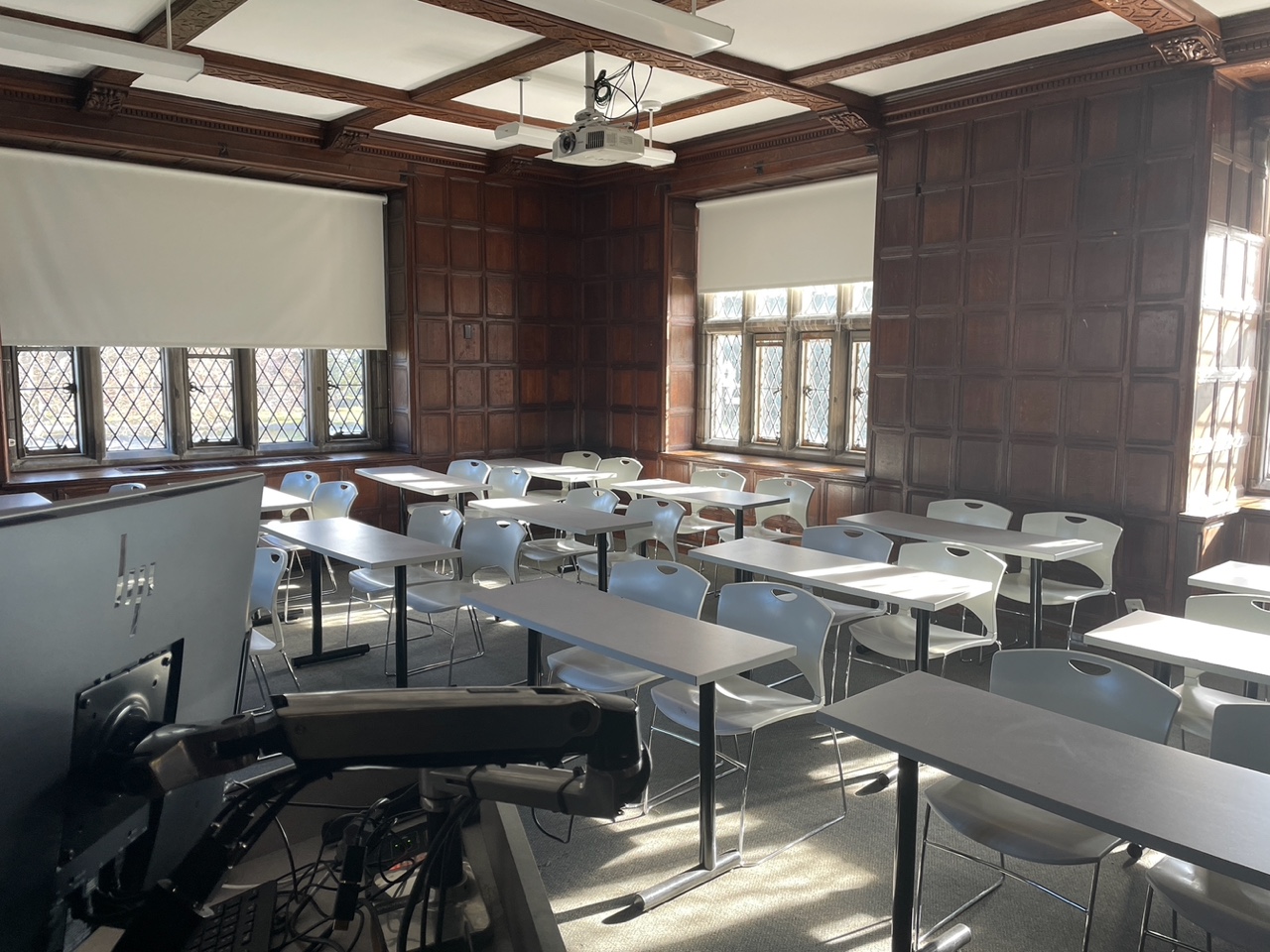
Typical classroom we found that was open.

More campus buildings.

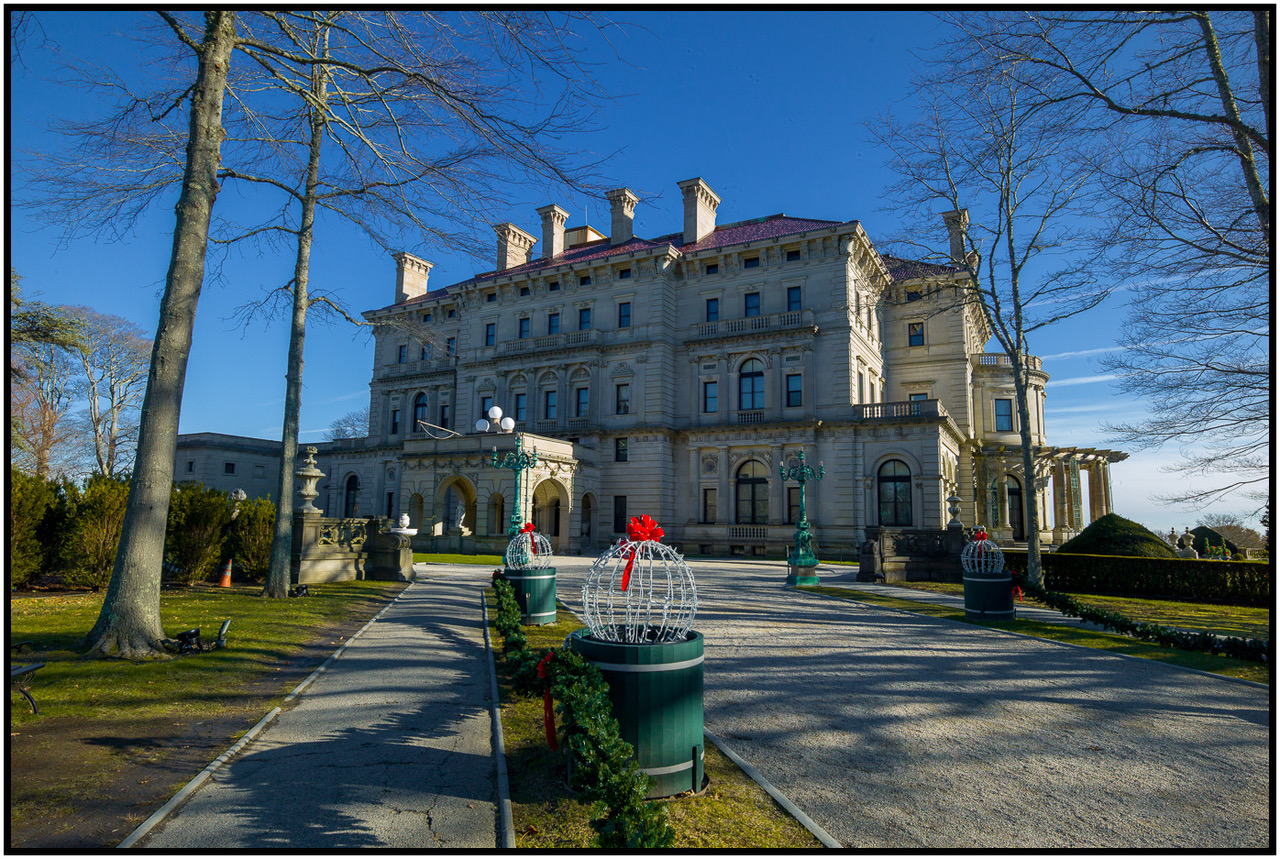
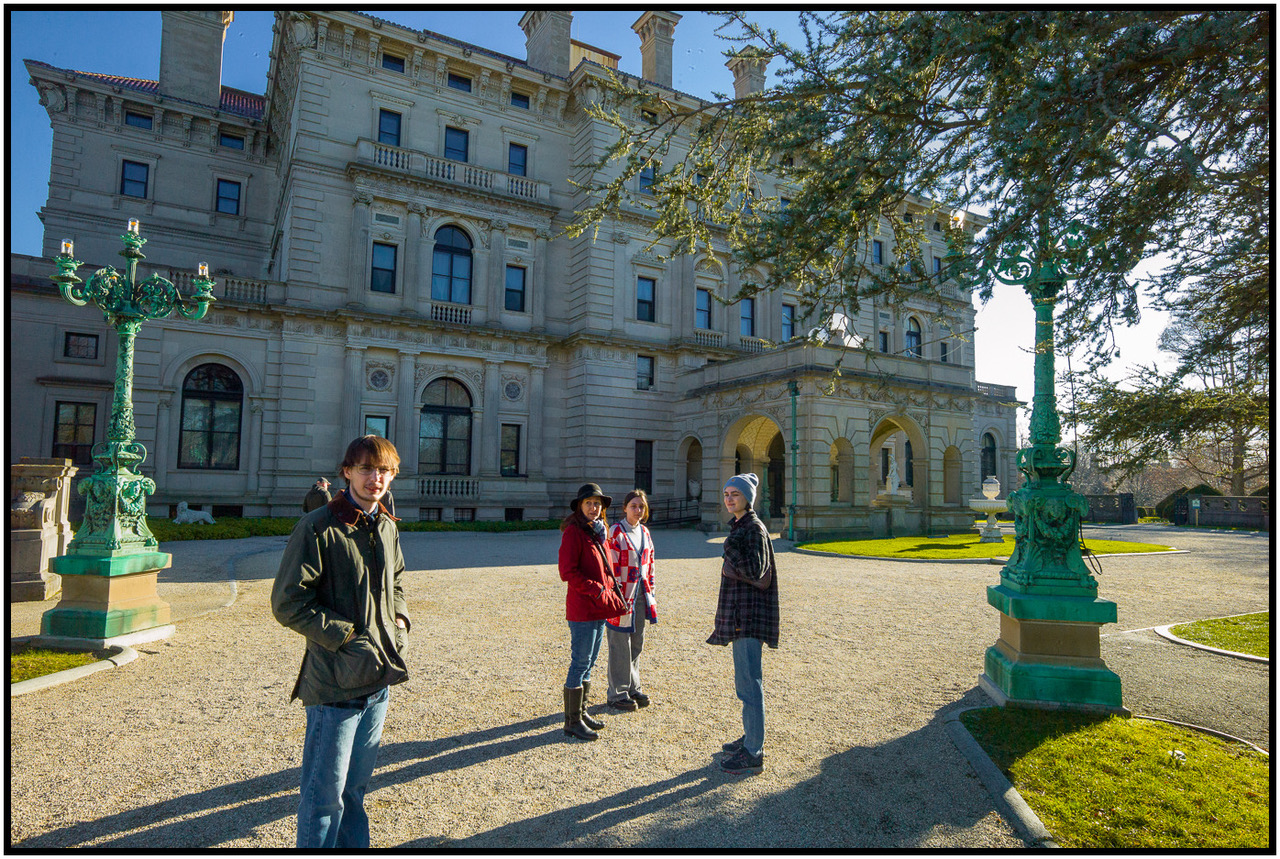
On to even fancier stuff… The Breakers – summer residence for the Vanderbilts.  Built in the 1890’s.  I think most of you have toured this place, no?

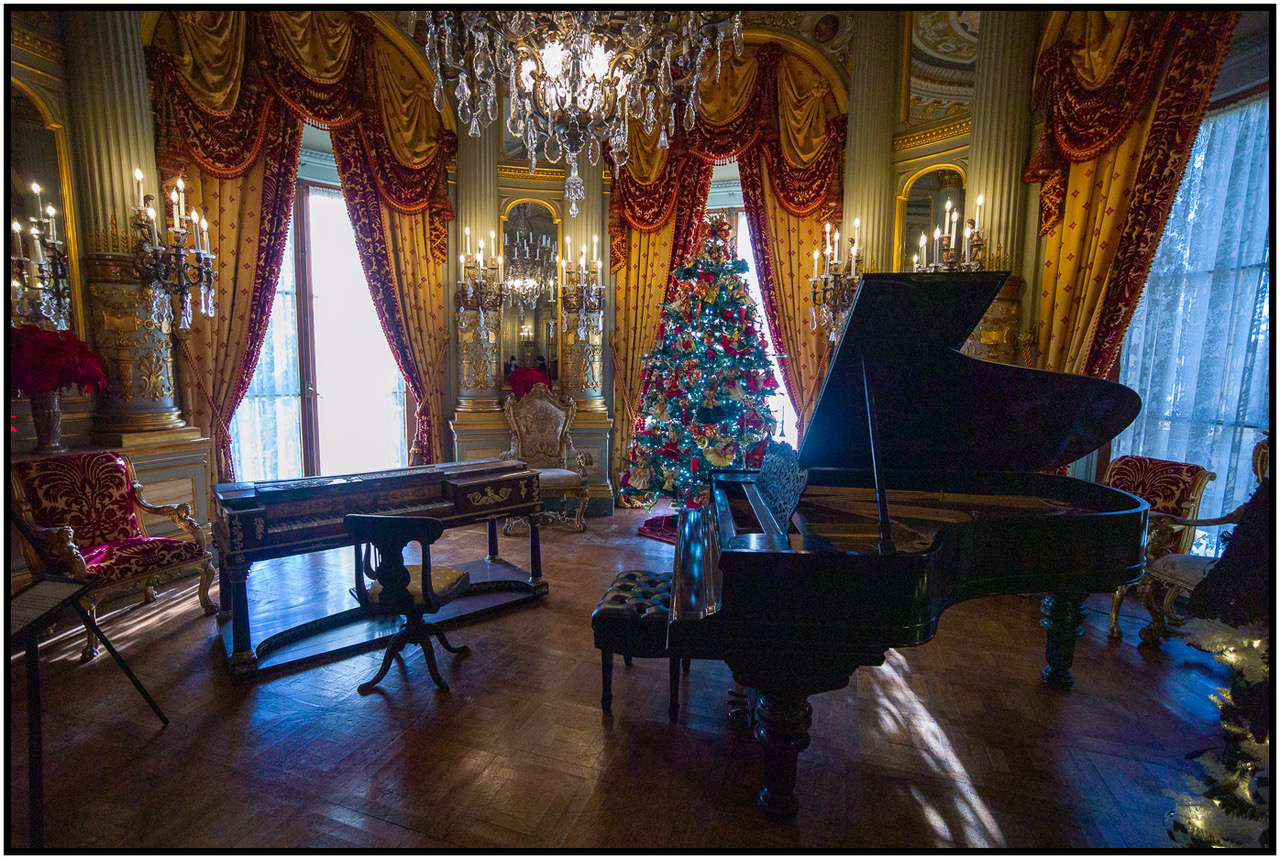
The music room all fixed up for Xmas performances.

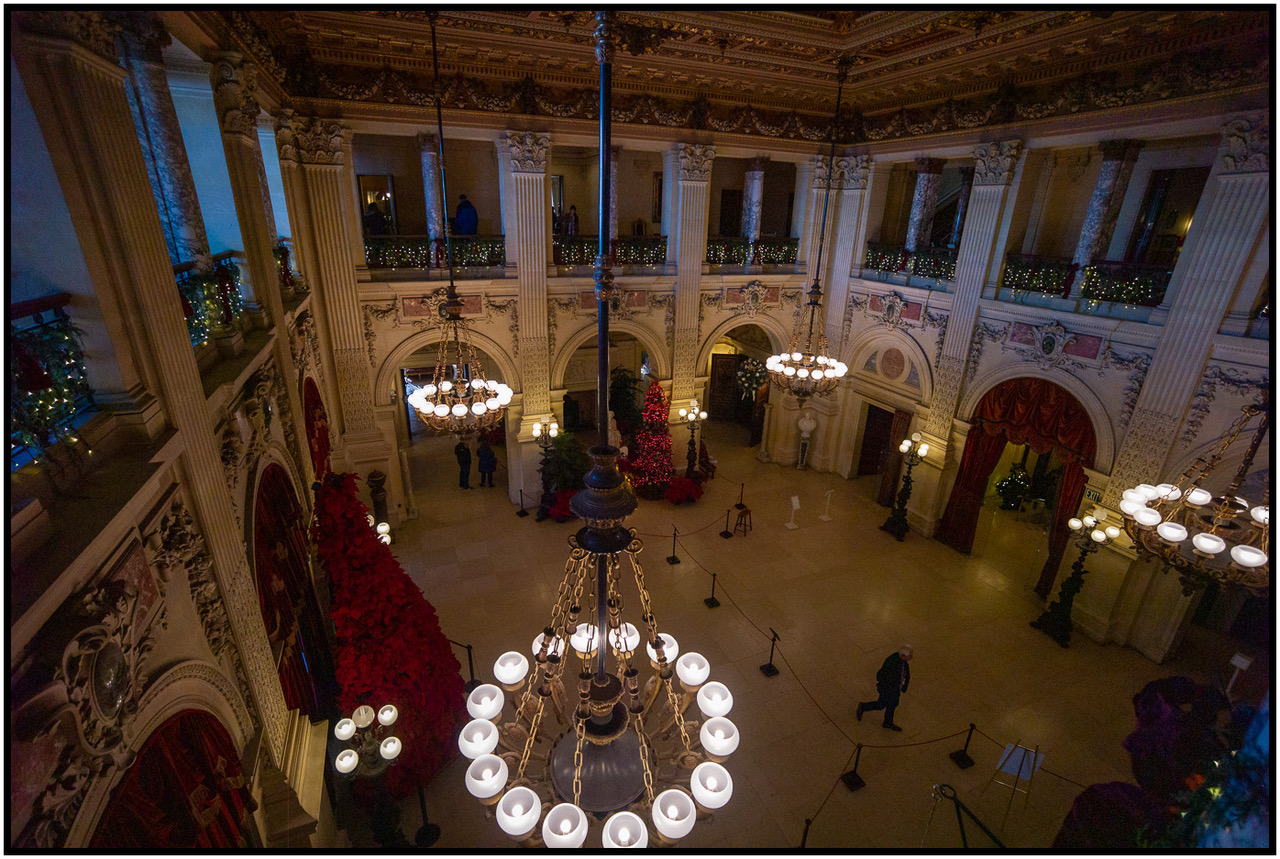
Main hall.  We purchased a package that will get us into three mansions.. The Breakers today and two more (Marble House, The Elms) tomorrow.

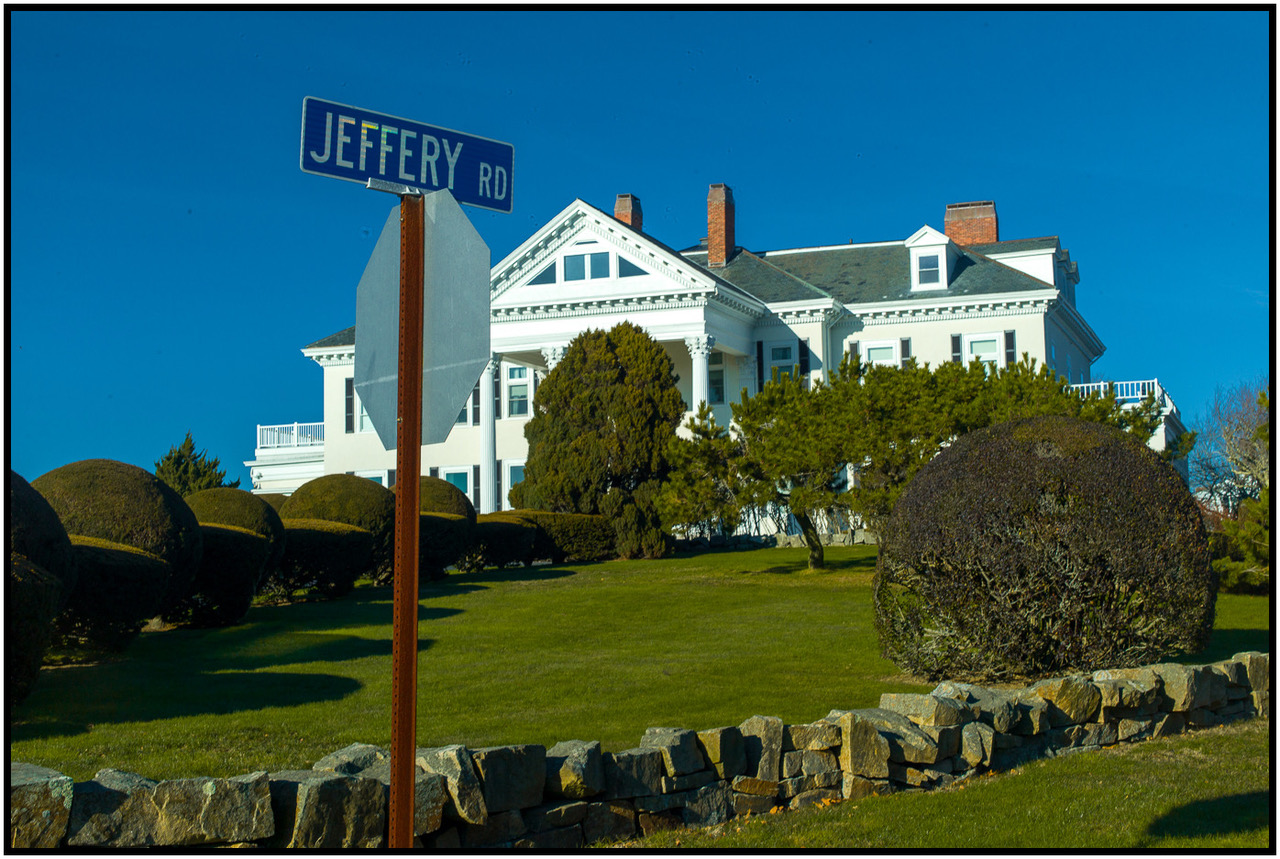
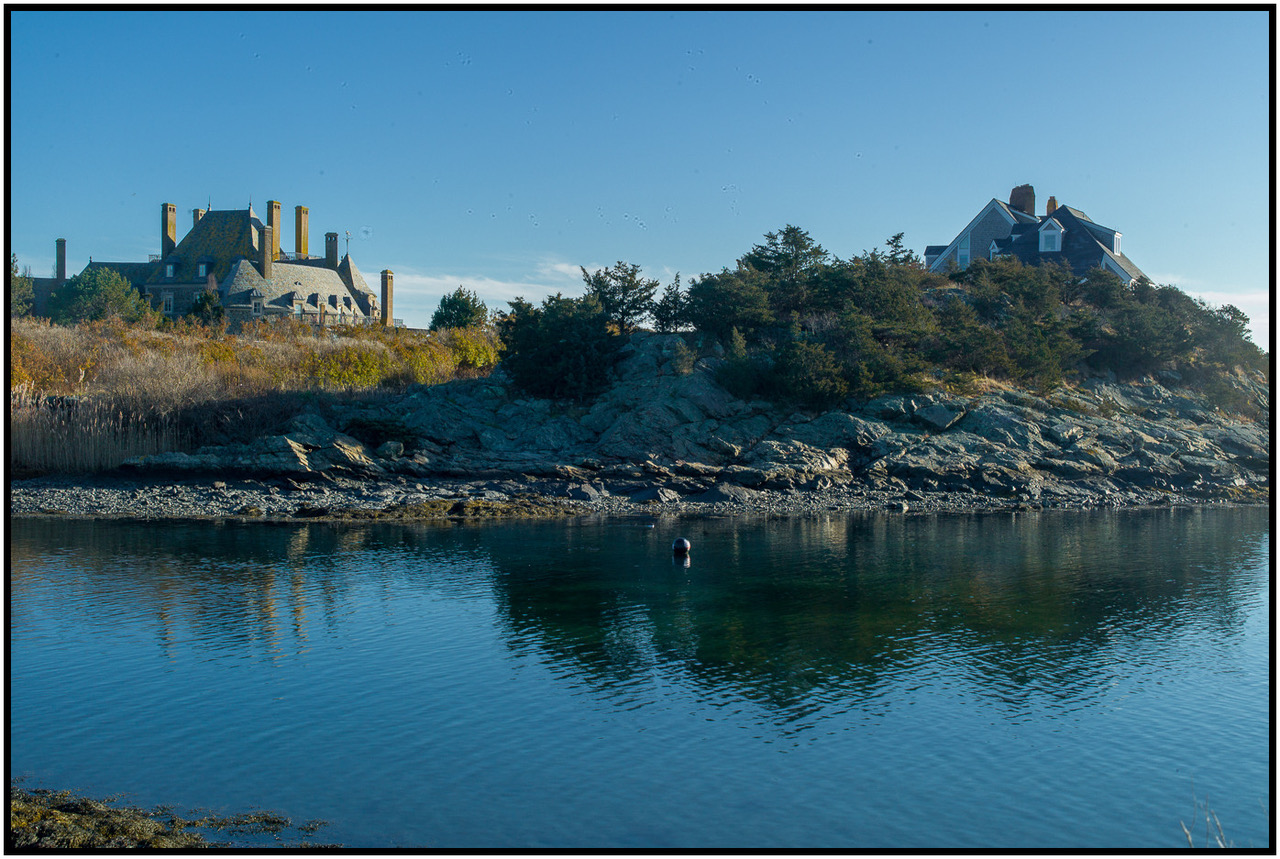
Driving around Aquidneck island.  Apparently we come from the less well-healed branch of the Jeffery family tree.  These folks would not allow us to crash like a group of Cousin Eddys.

Typical houses in the area.  My co-worker, Alan, who has lived in the area for many years tells me that even if we won the lottery, we still couldn’t afford to buy these places.

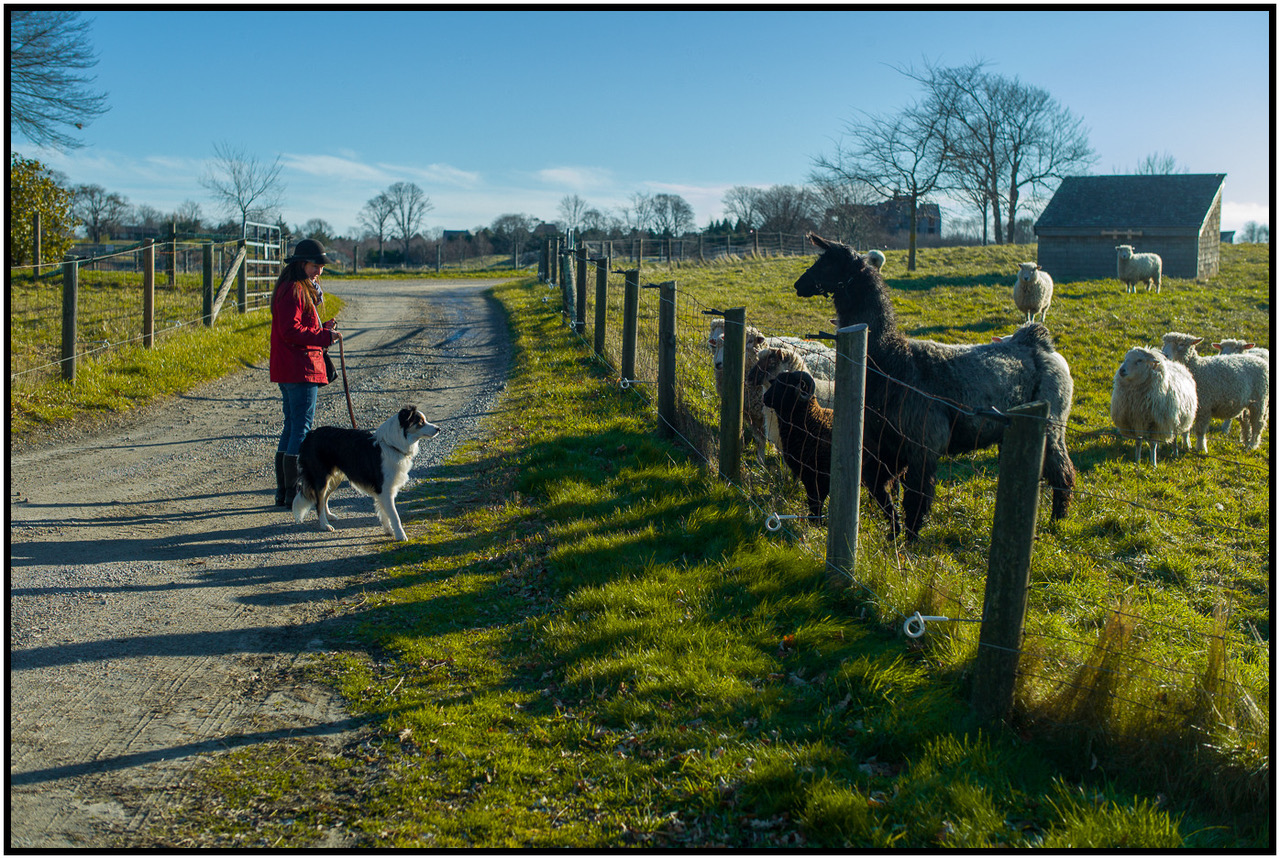
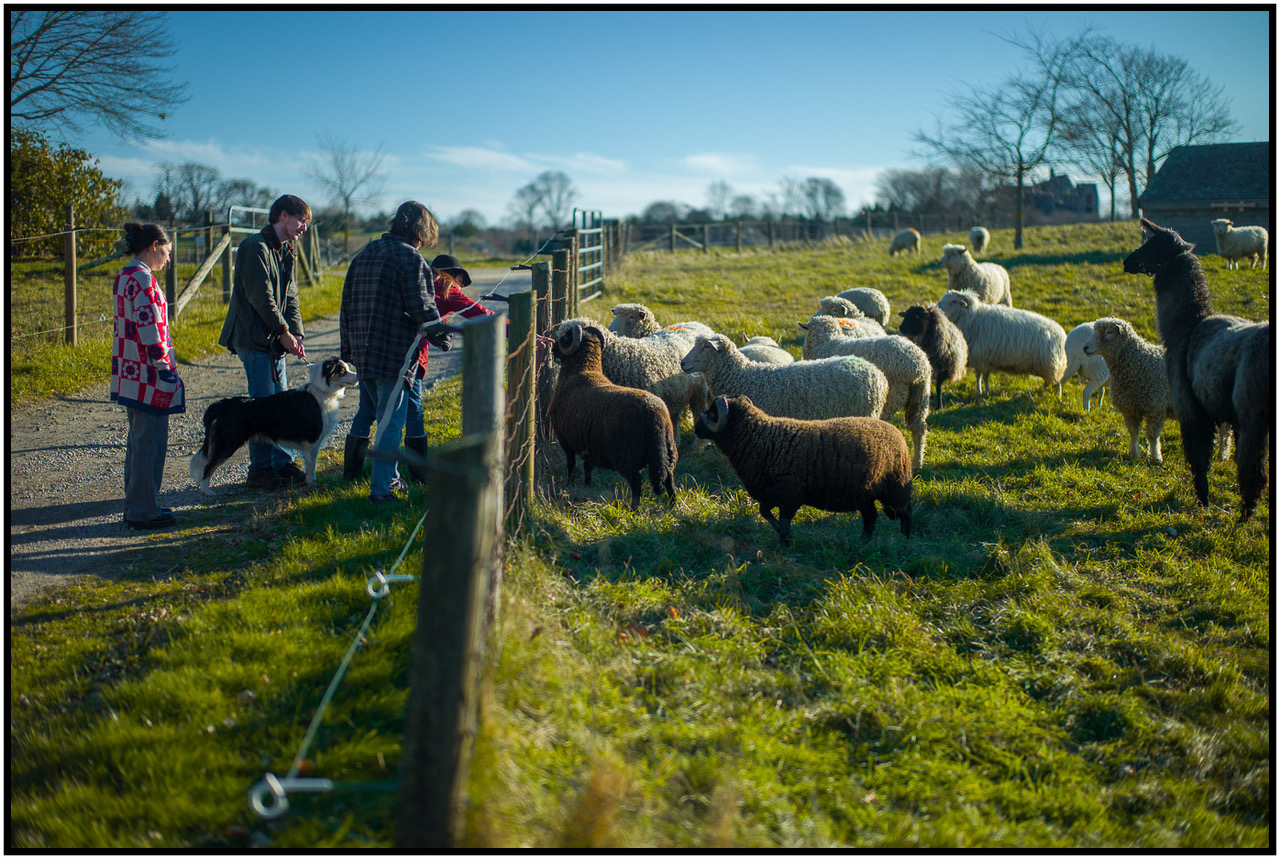
Brenda was anxious to see if Winston took to sheep like fish to water.  He did not.  I think we bought a dud in the sheep herder department.

Brenda, however, always has an ability to get the animals to do her bidding.

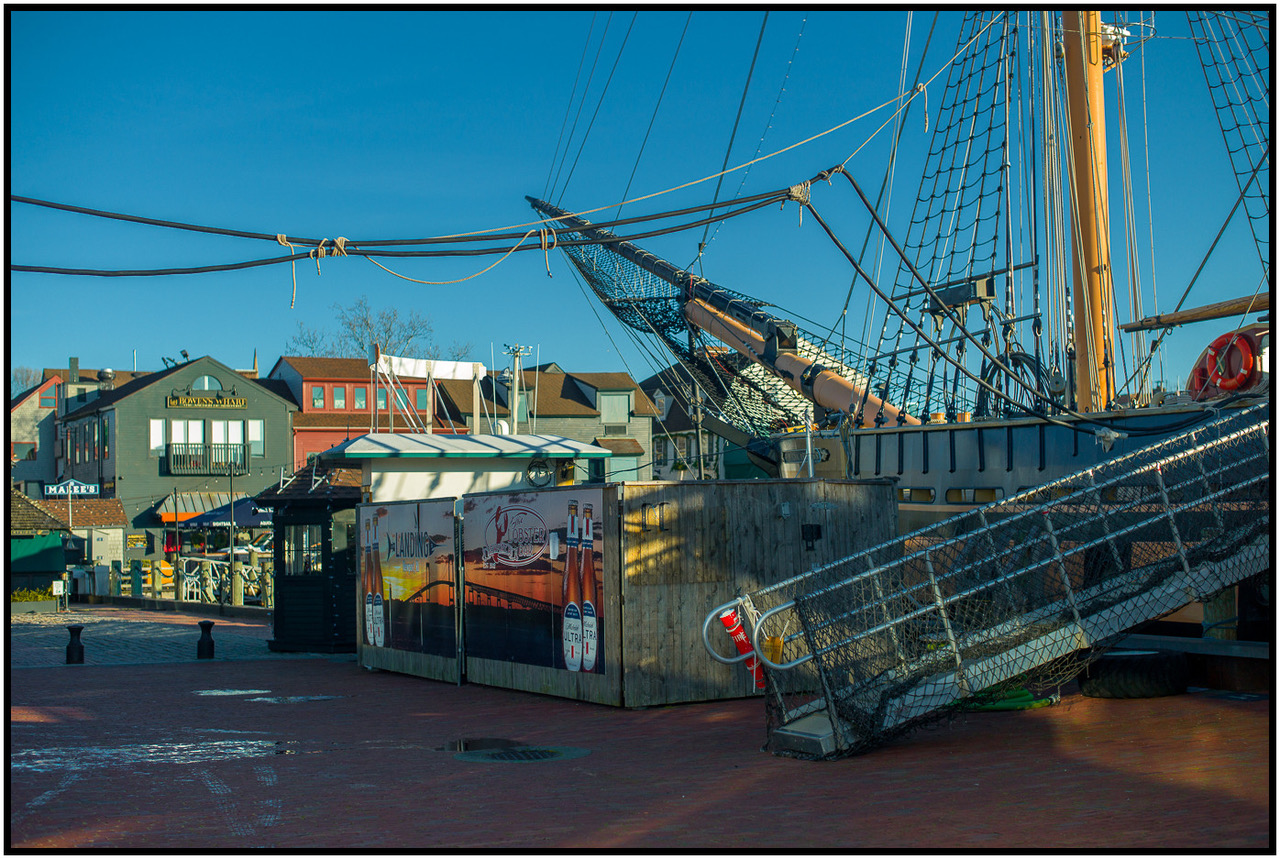
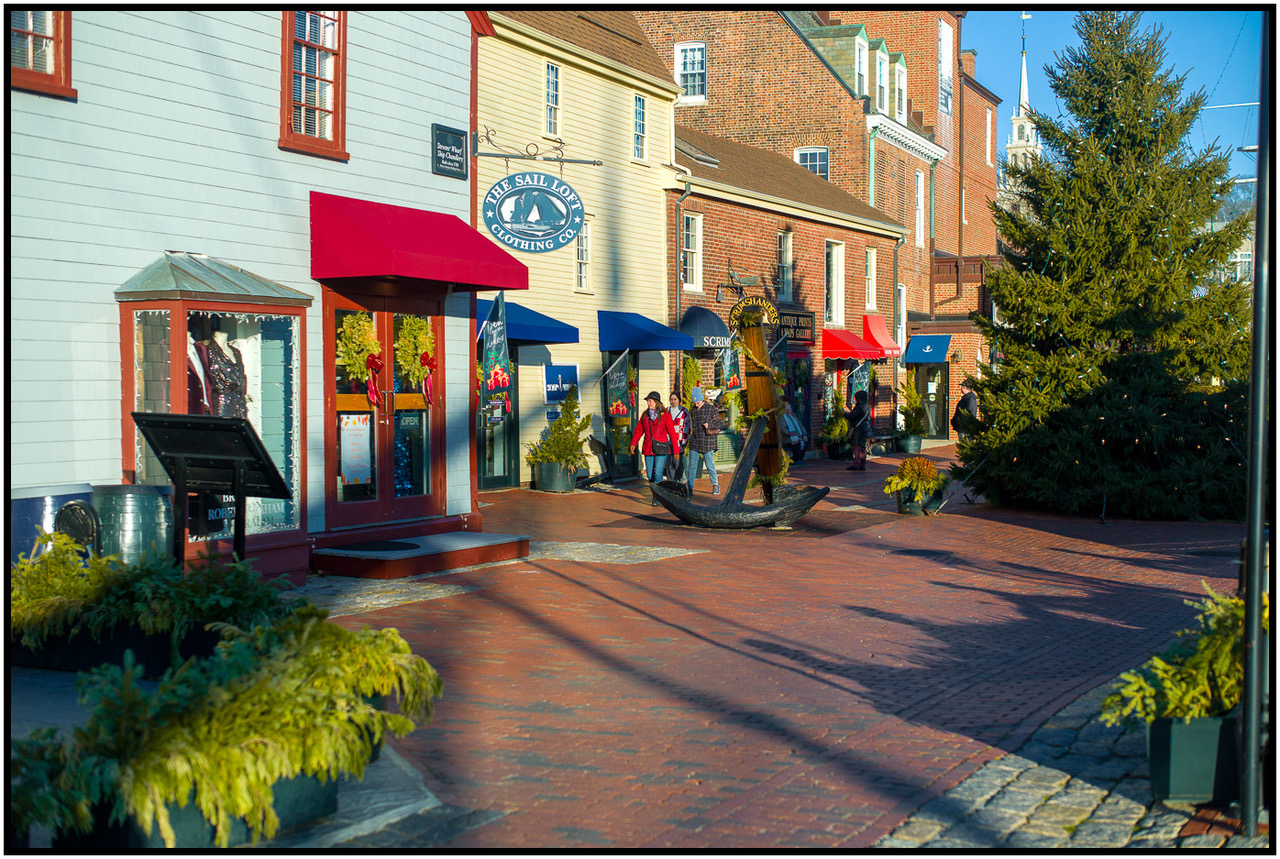
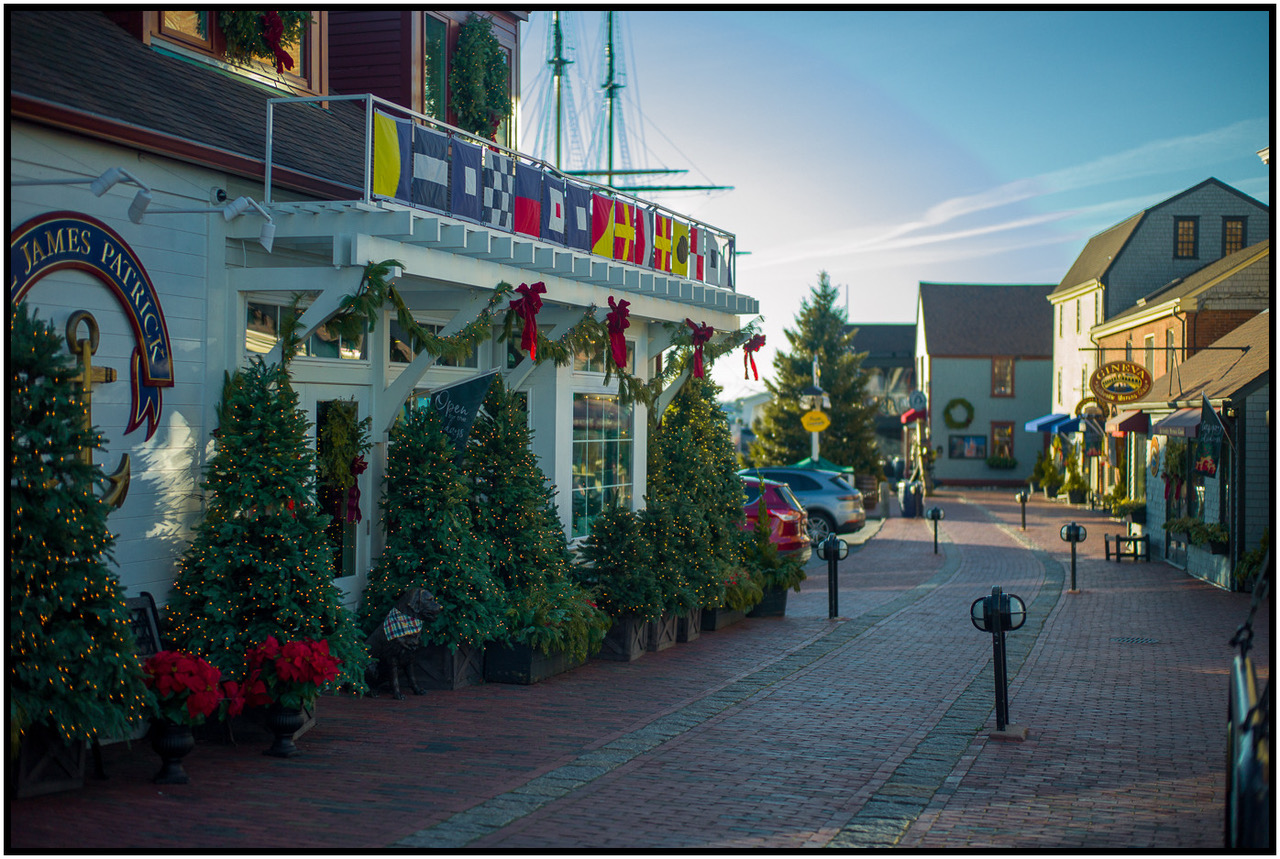
Doing some Xmas shopping along the waterfront in Newport.

As the day progressed, Brenda has begun to feel worse and worse – likely food poisoning.   The day before, she bought a veggie wrap at a New Jersey Turnpike truck stop.  Who knew that might carry risks??!!

The kids and I went out to a seafood dinner and we turned in early to watch Christmas movies and South Park re-runs. 

Posted in 2022 | Tagged , , , , , | Leave a comment

Harpers Ferry, WV 121922

We have arrived to Harper’s Ferry, West Virginia on our first full day of fun.  This is a special trip for us – all 3 kids are with us as well as our younger dog, Winston.  Max is too old, deaf and grumpy to travel anymore.  John and Elaine are babysitting him at home while we are away.

We left home on Saturday afternoon and drove the first three hours to Knoxville, TN.  On Sunday we slept in, took a leisurely breakfast and drove the rest of the way to HF – arriving her around 4pm.  Just enough time to get settled and unpacked, find dinner and begin hard core relaxing.

Our house was built in 1830 and overlooks the Potomac river.  The building served as a hospital for both the US and Confederate troops during the civil war.  HF was changed hands 8 times from 1861-1865.  HF is also the site of the famous John Brown raid and failed black uprising.

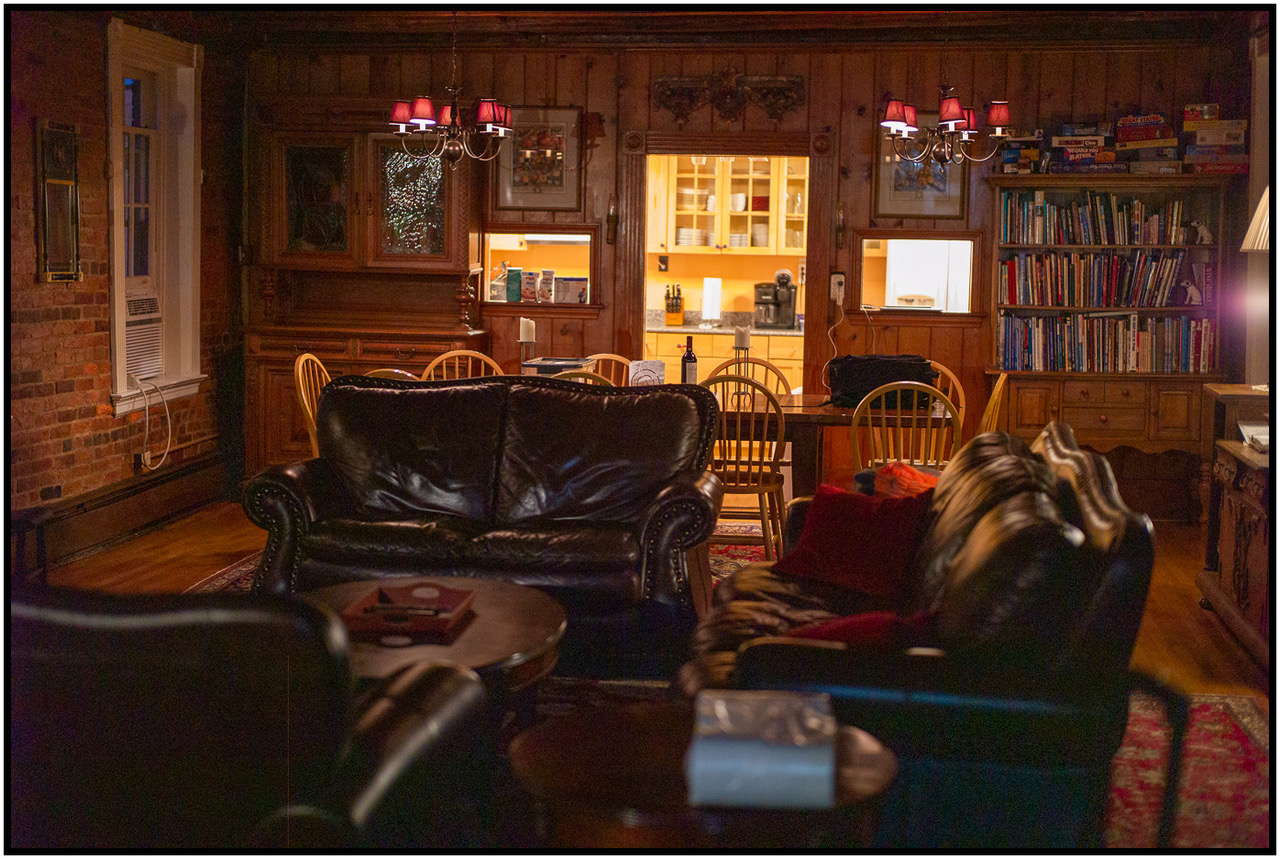
View of our front room.

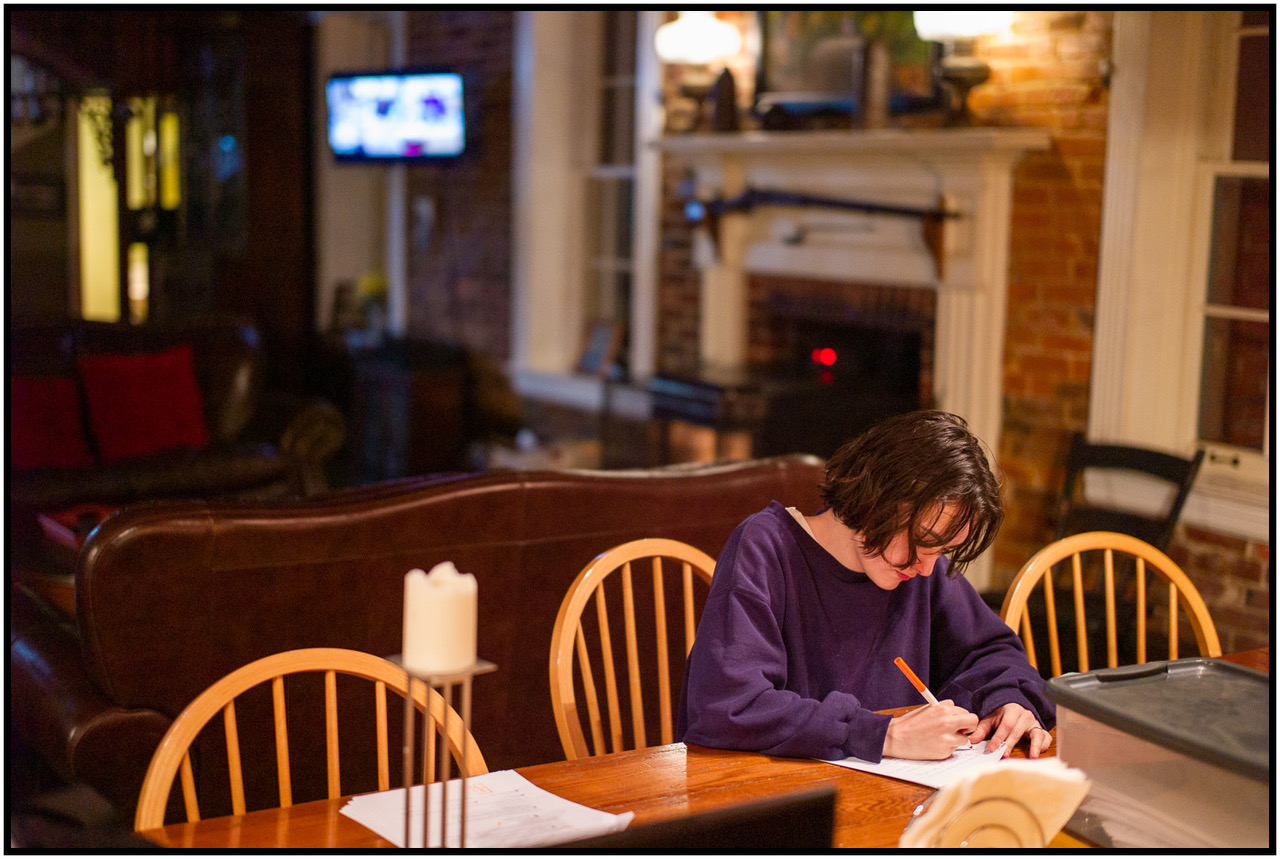
Isabella is grading papers. Finals week is over, but she has to get all papers graded and into the computer by 5:00pm today.  She hasn’t yet been able to relax on this trip.

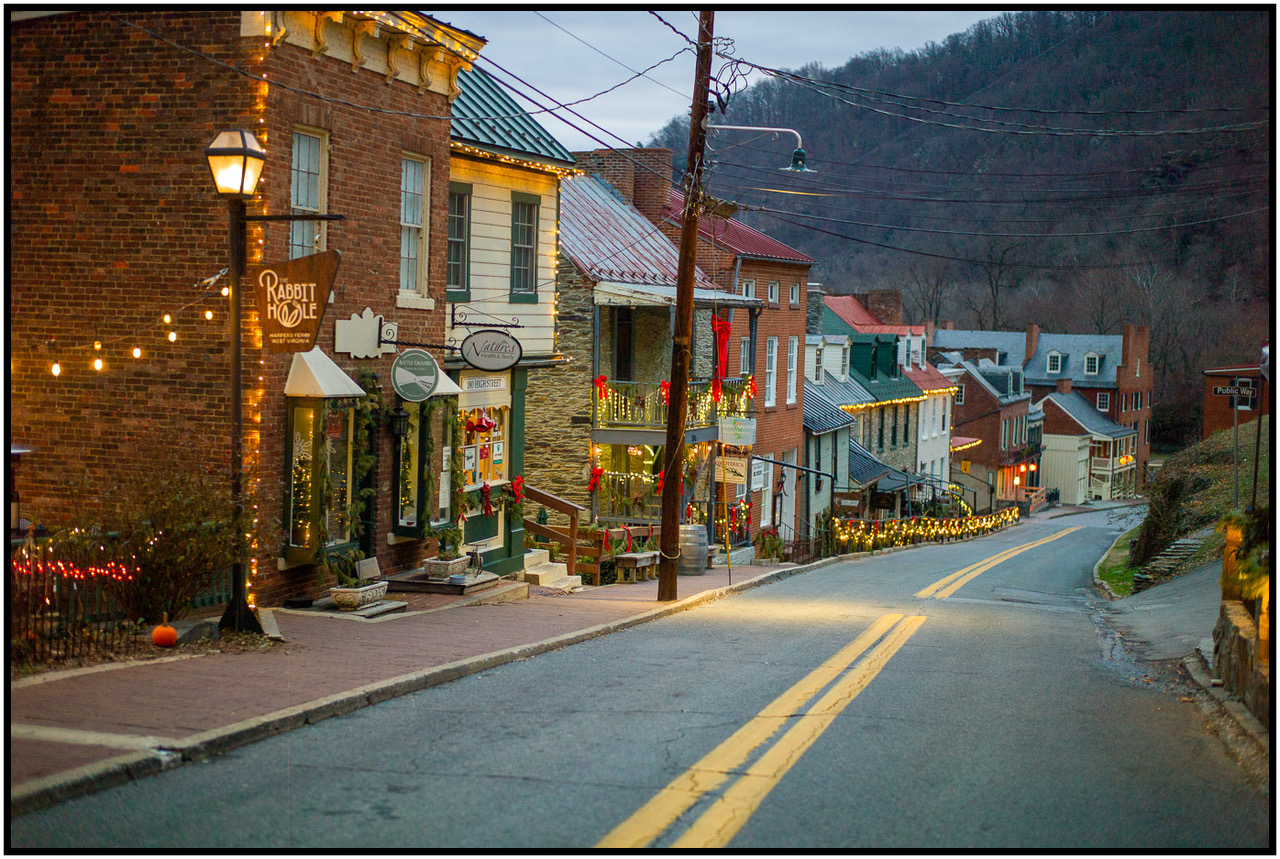
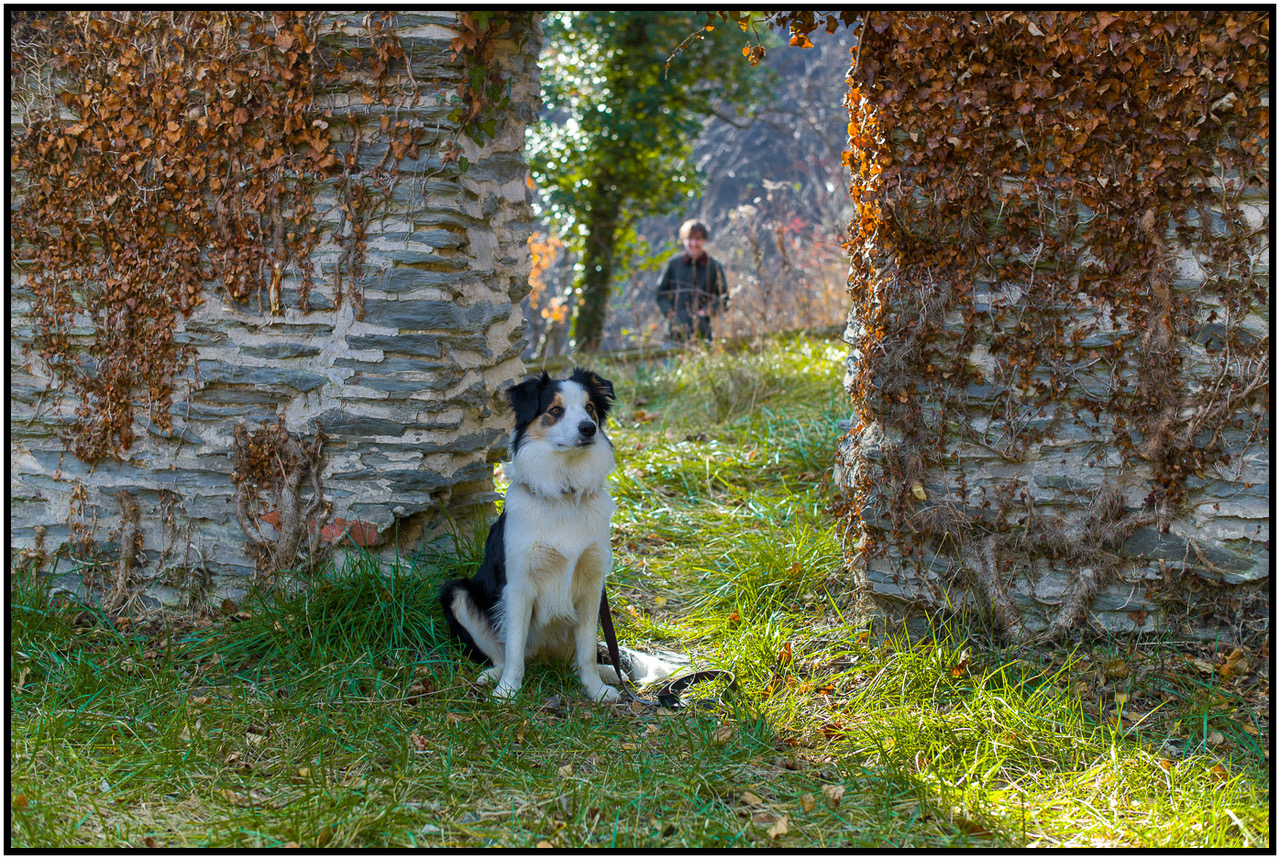
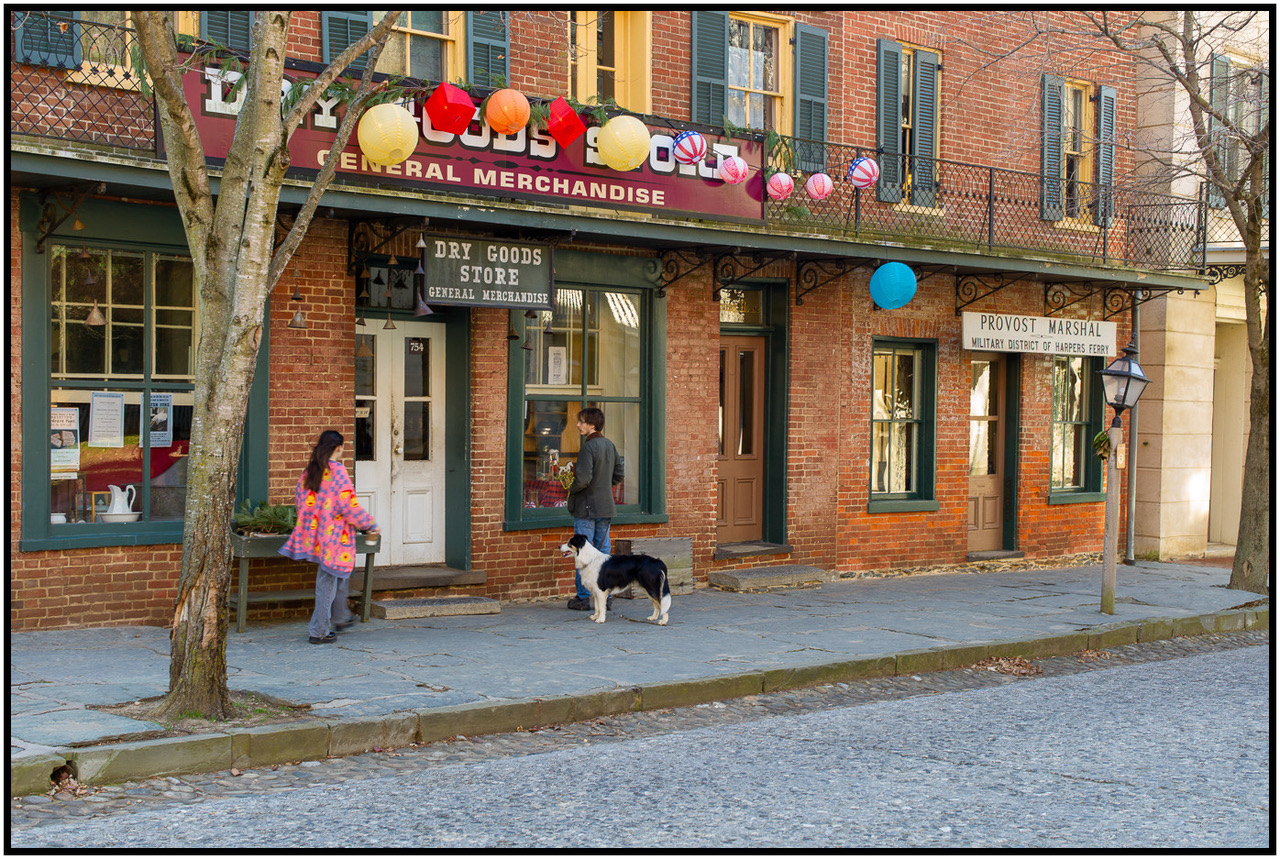
Down one of the main streets near our house. 

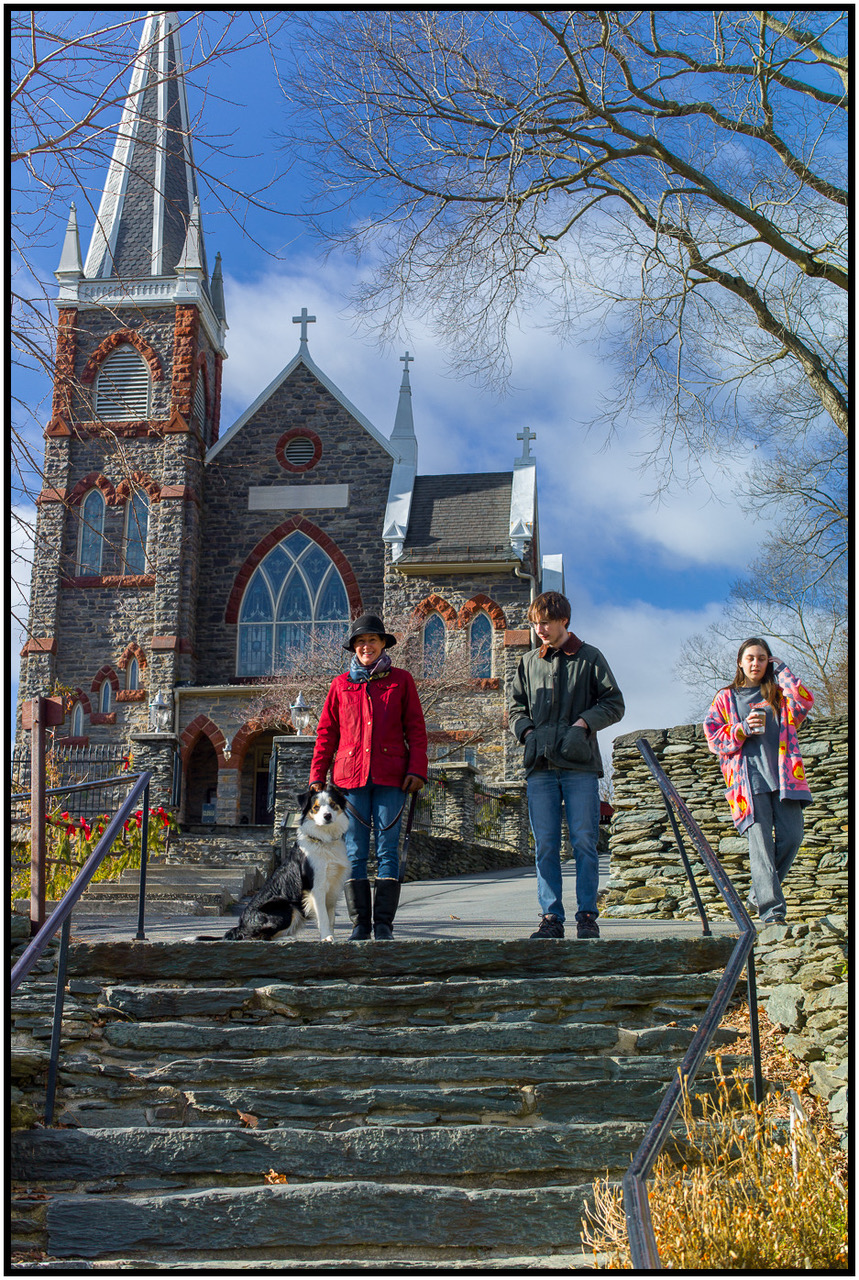
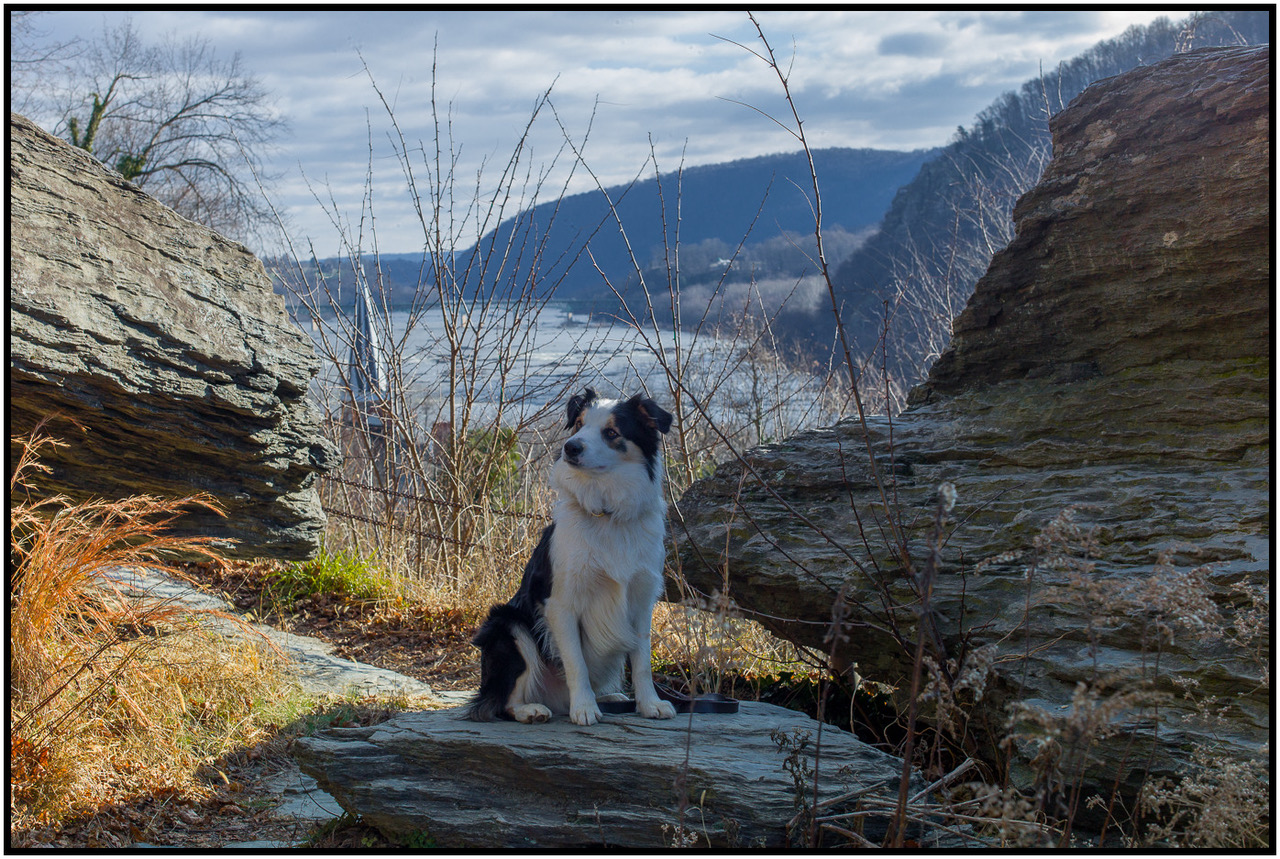
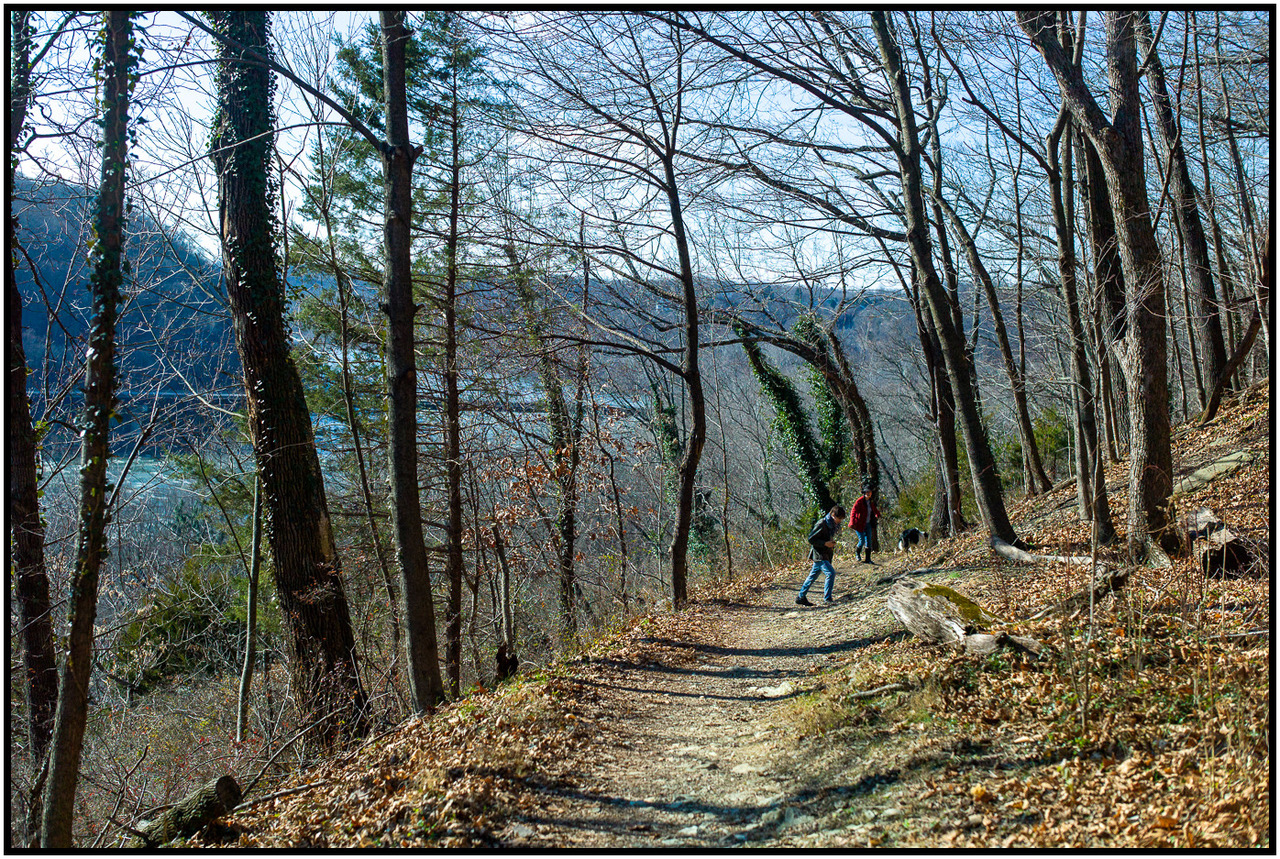
Out on our first hike of the day.  Cold (38 degrees) but sunny and not much wind.

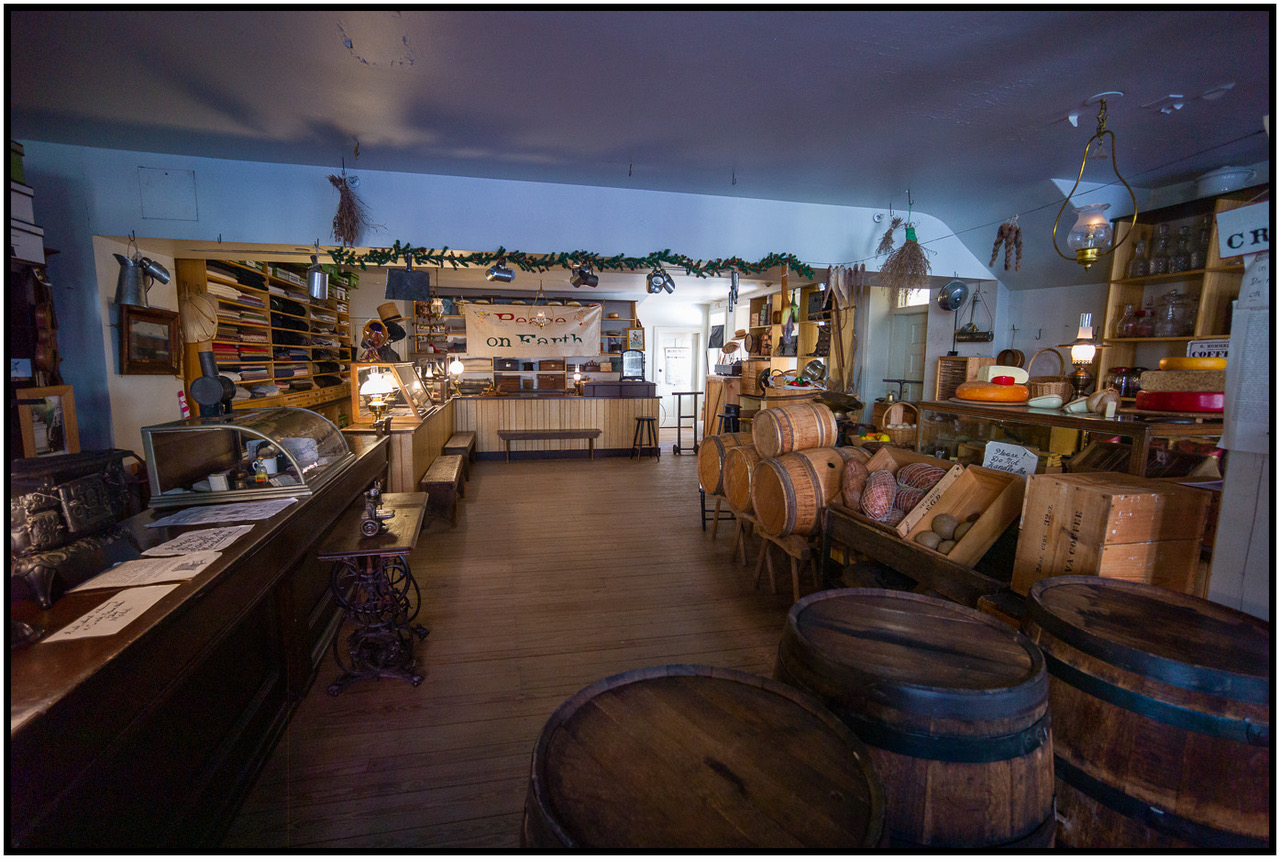
Much of the town is preserved as a national park; most of the buildings have been restored/renovated.  Many are re-done just as they were in the 1860’s.

Interior of dry goods store, as an example.

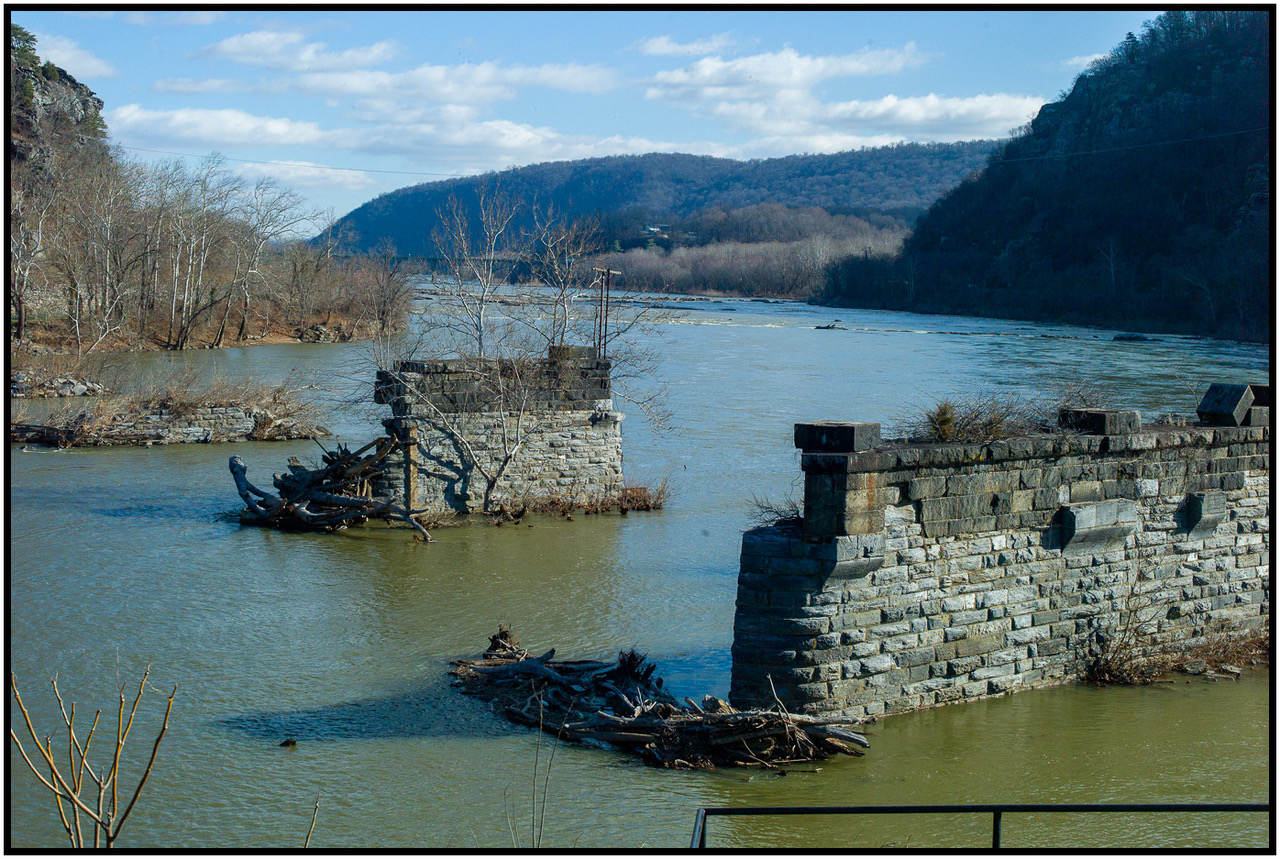
Abandoned railroad bridge piers.  They were built in the 1830s for the B&O railroad.  The Confederates blew up the bridge in 1861 and it was rebuilt and destroyed numerous times throughout the war, sometimes being replaced by a temporary pontoon bridge. 

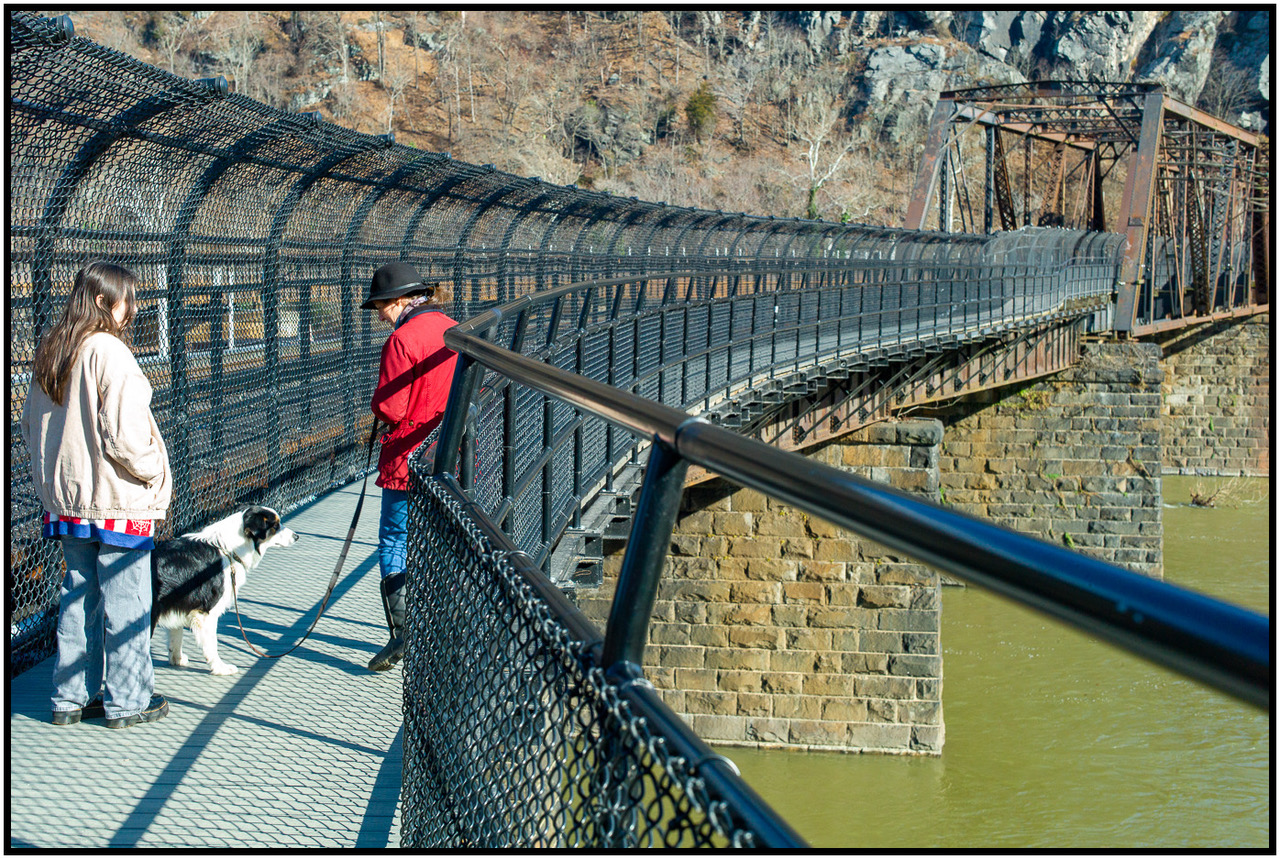
We attempted another hike across the Potomac into Maryland to walk up the Maryland Heights.  Winston was NOT happy about this walkway and when we got to the far end, there were several steep series of open grate stair steps.  We could not get him to walk the gratings and could not carry him.  He got into a full, wiggly panic and could not be comforted.  We had to abandon our hiking plans and turn back.

We found another hike more to his liking; along the Shenandoah river.. this is part of the Appalachian Trail.  HF is just about halfway between the starting point in Georgia and the end point in Maine.

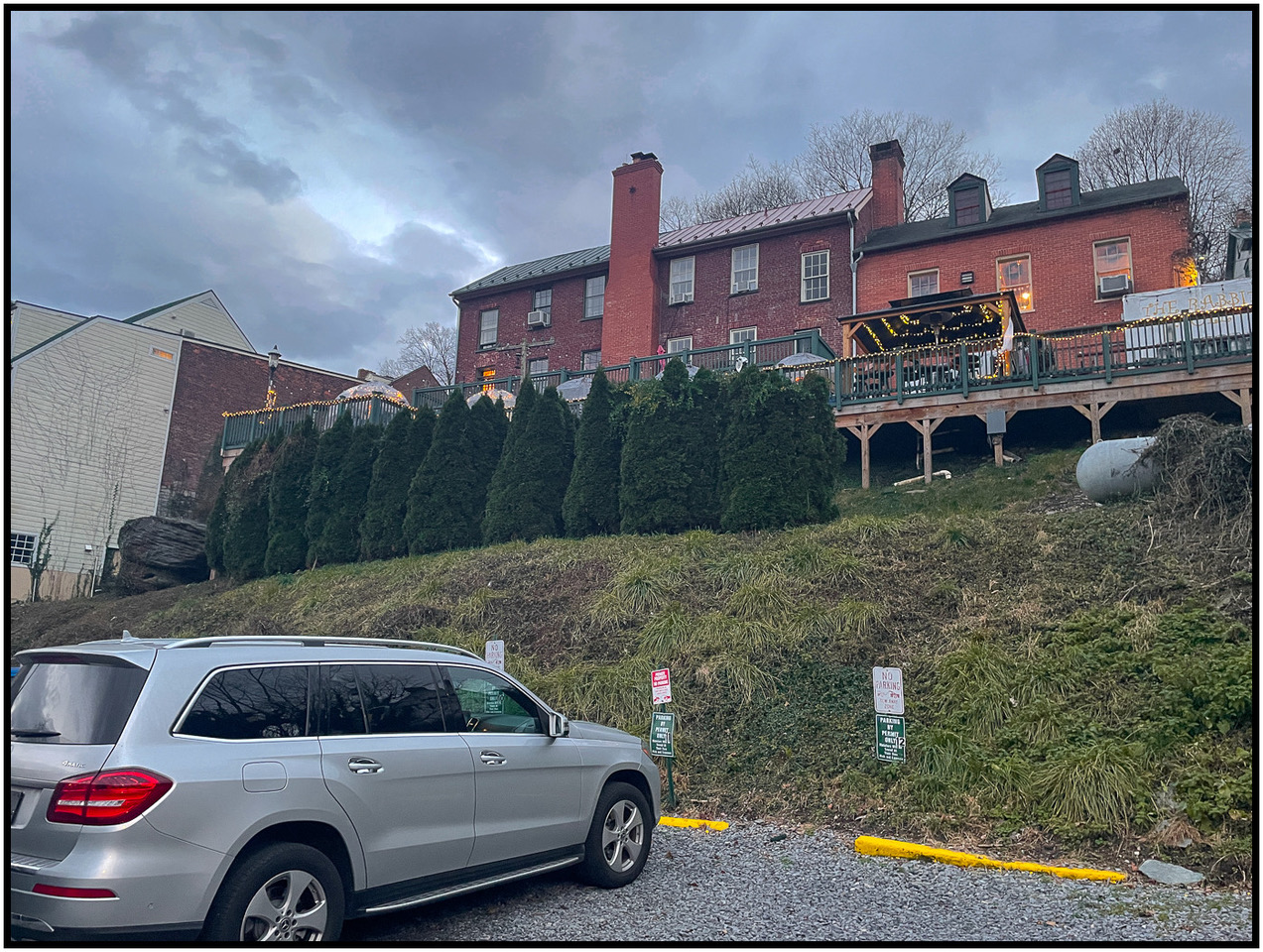
Our parking spot and rented house – it’s the brick place on the left with the large, central fireplace.

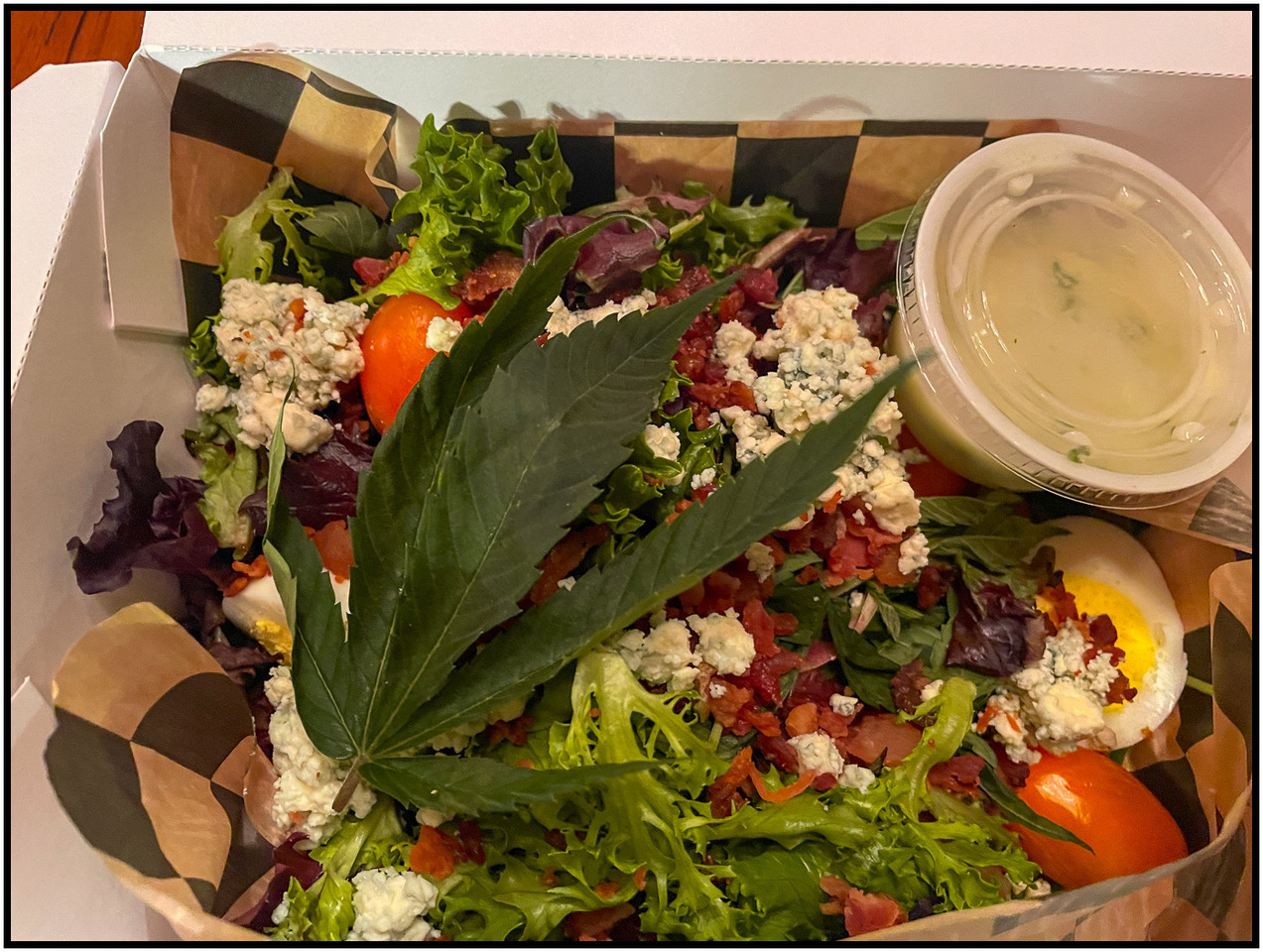
Brenda’s dinner – CBD salad full of marijuana leaves.  She did NOT expect that.  The leaves don’t have any of the THC, smell a bit like mint and did not taste good.

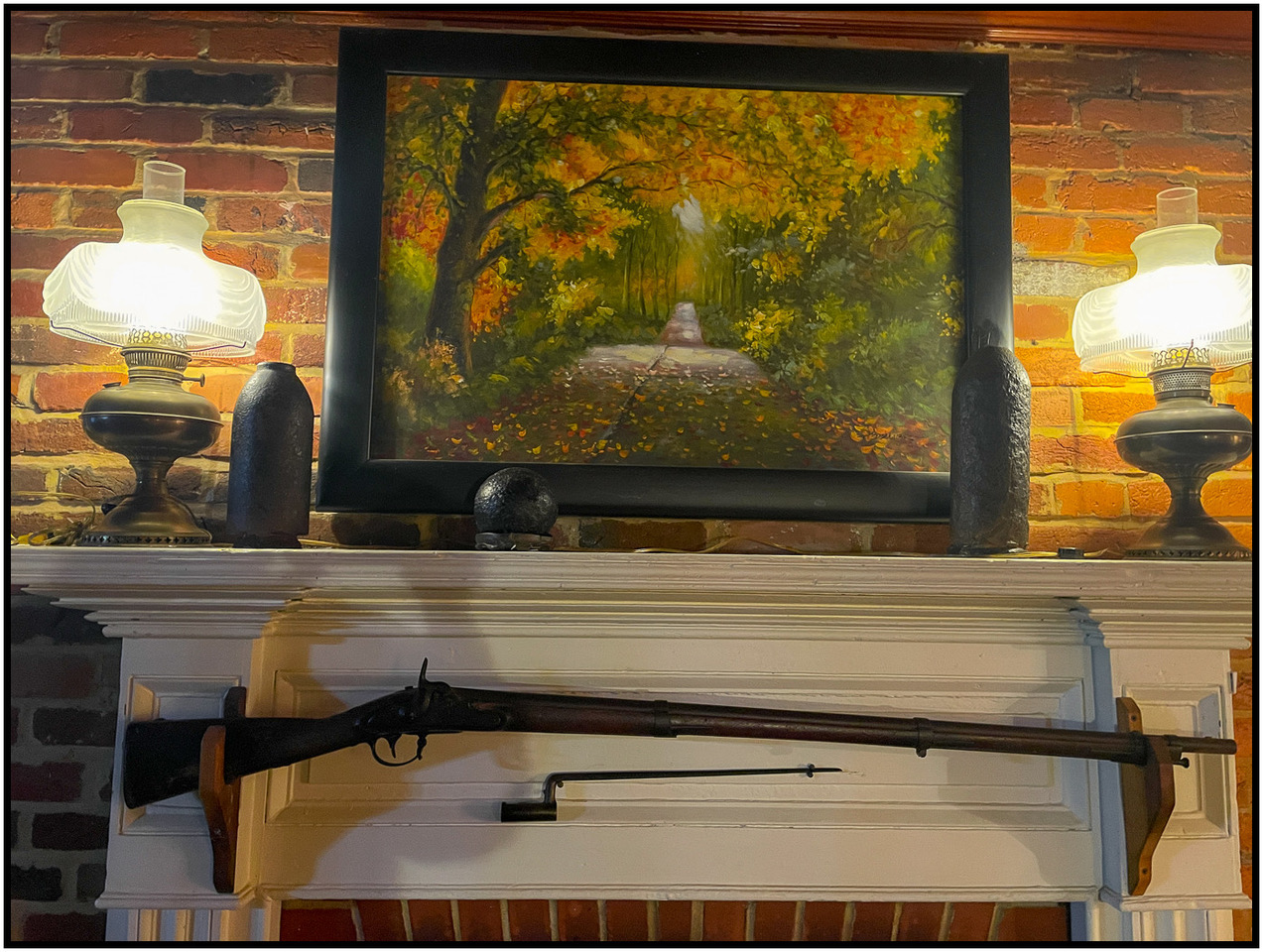
Our houses mantelpiece – with cap lock rifle and real cannon ball and shells.

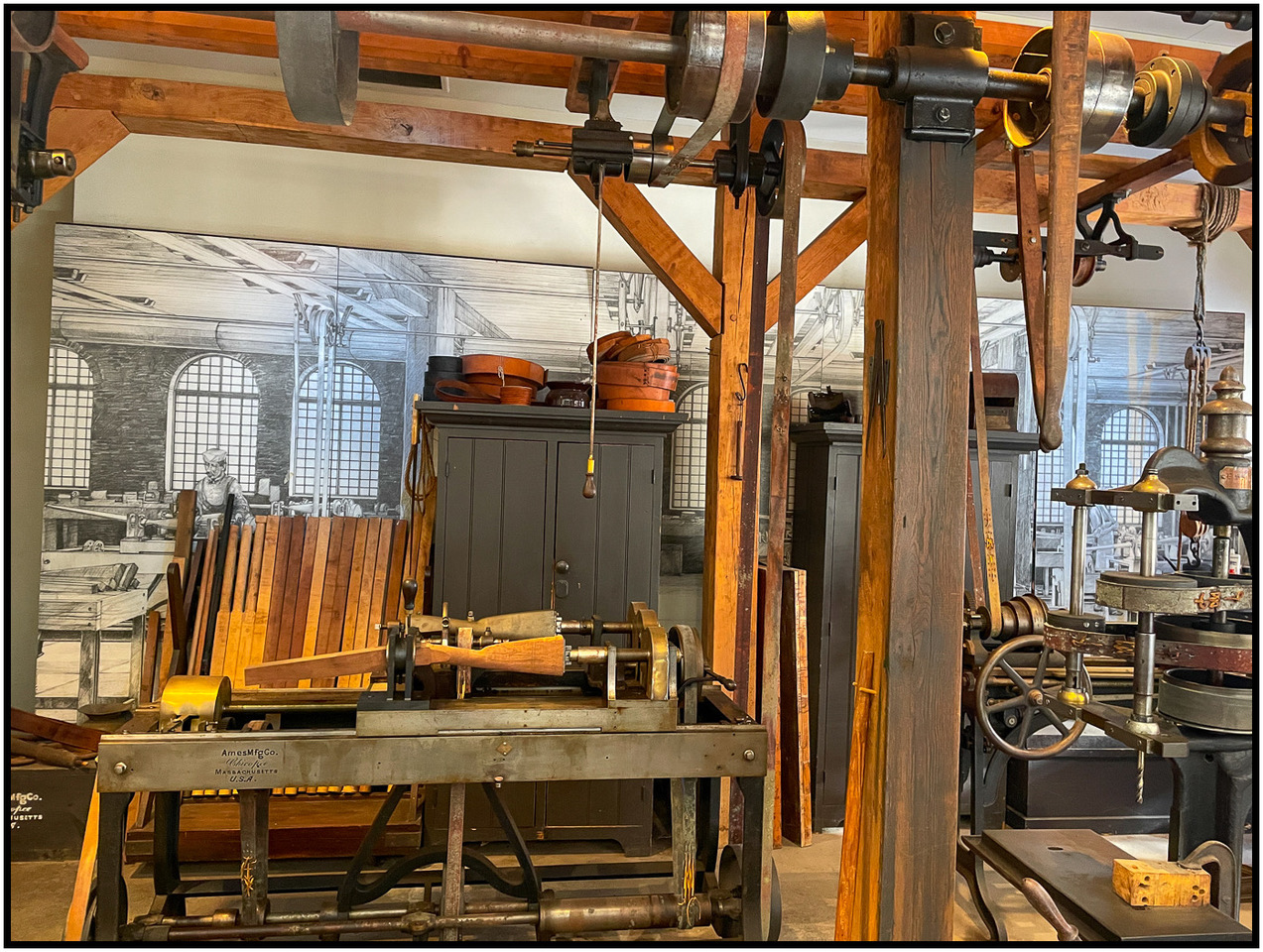
Left over equipment from the 18th and 19th century armories – HF was ground zero for the nation’s arsenal and factories that produced much of our countries arms and armor.  These lathes were turning gun stocks and rifle barrels.

Posted in 2022 | Tagged , , , , | Leave a comment

Vicksburg, MS 022322

We spent two days in Hot Springs, AR but the weather turned foul.  What’s worse, freezing rain was forecast at our next intended destination in eastern Oklahoma.  We decided to change up our plans and head south toward warmer weather.  Randy picked Vicksburg and I readily agreed.

This is where Brenda, Josie, I and our two dogs stayed in Vicksburg – the Duff Green Mansion.  Built in 1856 by a prosperous cotton merchant, it is now both a BnB and museum.  More on this later.

The dogs needed to get out and about so we headed to the Vicksburg National Military Park.  This is the location where a 47-day siege took place in 1863.. The Union had surrounded the town, both by land and along the river.. The Confederate defenders held out for about a month-and-a-half before running out of food, water and supplies.  This battle is significant because it marked the turning point in the West – after Vicksburg, the Union owned the Mississippi at all points and cleaved the Confederate states in two.

The park is a combination of natural rolling hills and great man-made ramparts where both sides fought at close quarters in what would be known later as “trench warfare”, then a fairly unusual battle strategy.

“Surrender Tree” where Pemberton (CSA) formally agreed to U.S. Grant’s terms and yielded.

View from one of the bluffs in the park.

Riverboat casino on the Mississippi.

Posted in 2022 | Leave a comment

Hot Springs, AR 022222

We had one full day in Hot Springs.. weather has turned south on us, getting cold and stormy.

We did drive through Hot Springs National Park, but didn’t get out and hike for fear of getting hit with a downpour.

Josie taking some photos of the view atop the mountain in the national park.

Hot Springs is eponymously famous – it’s heyday was from 1870-1930s.. people would come from all over the world to take in the springs and attend one of the numerous bath houses along the main street.  Only one bathhouse still accepts visitors; the others have been shut down or taken over as museums.

There are still several spots in the city where the springs bubble up from far below.  The water that comes up now is from rainfall approximately 4000 years ago.  As the water percolates down through the earth, it is heated up by several radioactive isotopes in the ground.

Gymnasium at one of the bathhouses.  Hot Springs is also the birthplace of baseball spring training.  Starting in 1886, as many as 9 professional teams did their training here.  However, too much drinking, gambling and whoring (all of which were legal here at the time) forced the owners to find alternative locations – not enough exercising and training was taking place.  Every big name from the 1890s through the 1930s played exhibition games in town.  The photo above is an exercise room that was used by several teams.

Front view of one of the bathhouses that is still accessible.  

Posted in 2022 | Leave a comment

Memphis, TN 022122

Tuesday was mostly a travel day.. and the weather turned wet.

We continued to head west with Hot Springs, Arkansas as our final destination.

The route took us through Memphis.  We used this as an opportunity to hit a Target to get some forgotten supplies and to stock up on Starbucks coffee and tea before heading across the Mississippi into Arkansas.

We also headed back down to Beale street to have lunch at one of our favorite places – B.B. King’s Blues Club.  There are no performances at lunch time, but you can get the same huge plate of greasy food any time of day.

Brenda and Josie with the empty performance stage behind them.

Walking the dogs down an empty Beale street.  No tourists here on a wet, Monday afternoon in February.

Keeping with our W.C. Handy theme, Memphis has preserved the home where he lived most of his life.

Lots of icky things to sniff on these streets.

Final destination – a great cabin in the woods, just outside of Hot Springs National Park.

Our route so far.

Posted in 2022 | Leave a comment

Shiloh, TN 022022

Fantastic weather day.. started in the high 30’s but made it quickly up into the 60’s.

We left Florence, AL and made the short drive to the area around Savannah, TN.

Shoe tree somewhere in the middle of nowhere in north western Alabama. (which is redundant..)

Brenda wrestling the two dogs out of the brush.

Stopover in Iuka, Mississippi. There is a natural mineral springs under the city that comes to surface at several points in their city park.  We went there to give the dogs a potty break and let them drink from the fountains.

Josie enjoying the firepit at Rita and Randy’s camp site at Pickwick Landing State park in TN.

We got in a 2 mile hike that morning at the state park – and could let the dogs run free.

Josie getting some shots of the Tennessee River.  There are tons of fresh water mussels here and so the girls went shell hunting.

Waiting for the rest of us to catch up.

Quick snack before we headed off to today’s main event.

We did the full tour of Shiloh National Battlefield Park.  This was the location of a 2-day battle in April of 1862 that put U.S. Grant on the map.

Shiloh church, where the battle gets it name.

We also visited the Shiloh Indian Mounds – site of a civilization 800 years ago. 

View of the Tennessee R from atop the largest of the Indian mounds.

Final stop before turning in was to see Savannah, TN.  This house (Cherry Mansion) was where Grant kept his HQ prior to the battle at Shiloh.  It remains a private residence.

Posted in 2022 | Leave a comment

Muscle Shoals, AL 021922

Today is the first day of Josie’s spring break.  We are with Rita and Randy and doing a road trip across the south to see some sites we’ve not previously visited.

We’ve stopped in Muscle Shoals, Alabama which hosts a lot more history and interest than you might think.

We’re staying at a Marriott, but Rita and Randy have a great camping spot along the Tennessee River.

We got parked in time for a hotdog lunch at the camp site.

Next is the Rosenbaum house – a Frank Llloyd Wright creation from 1940 and only 1 of 2 houses of his in the south.

This was one of his early Usonian style houses – supposedly built for the middle classes; the concept never took off – they were far too expensive to build and not-livable by real families.

But his houses are works of art with roofs on them.

Josie and Brenda walking the backyard.  Josie is taking a photography class this semester and has her own camera.  One of her assignments this week was to take some photos of architecture to share with the class.  I daresay some photos from a FLW house should fit the bill.

And so will this one – the birthplace of W.C. Handy – father of the blues.  He was born here in this cabin in 1873.

Next stop is Ivy Green – a 640 acre antebellum plantation and also birthplace of Helen Keller.  

Brenda touring the house.  Stay off of the rugs!

The actual water pump where Anne Sullivan and Helen Keller first made the communication breakthrough.. the deaf and blind 7 year old girl learned the word for water and was then off to the races.

Rita, Brenda and Josie exploring more of the plantation.

Leashed Max is missing out on the fun.

The Muscle Shoals Sound Studios – home of ’The Swampers’ and where hundreds of top 40 songs from the 1960’s through to the 90’s were recorded and produced.

Here is one site’s “Top 20” list of the best songs recorded at this tiny building:  https://www.al.com/entertainment/2016/12/the_20_best_songs_ever_recorde.html

Brenda and Winston ready to head off to the next adventure.

Posted in 2022 | Tagged , , , | Leave a comment

Tumbling Waters Trail – Ellijay, GA 122321

Yesterday the 5 of us (+2 dogs) headed up into the Appalachian foothills to visit Mercier Orchards – 200 acres of apple trees & and old market that sells baked apple pies by the dozen as well as gallon-sized jugs of apple cider.  We’ve re-stocked our freezer so that there will be no fear of somehow losing weight over Winter.

On the way back home we stopped off at a new trail – Tumbling Waters – to give the dogs a break and for Brenda to test out Winston’s behavior “off leash” on hikes.  He did really quite well – we just about had the whole park to ourselves which made things much easier.

Isabella is looking for and identifying mushrooms.

Posted in 2021 | Leave a comment

San Juan, Puerto Rico 102521

This past week Josie, Brenda and I spent 4 nights in Old San Juan, Puerto Rico.

I had one day’s worth of business to deal with and a couple of days to play.  We stayed in an AirBnB right in Old San Juan, so that everything was accessible by foot.

Checking out the view from the town’s walled fortifications.

Plant life that won’t grow in Georgia.

We got caught in a deluge downpour and sought shelter in a tunnel.  It rained every day we were there, but never for more than about 10 minutes.

The U.S.’s narrowest house.  Only 5 feet wide.

Feeding the pigeons.

And then feeding the feral cats of San Juan. The girls bought 3 bags of cat foot on the trip and fed hundreds of them.

Josie picking out her own hand made Panama hat.

Posted in 2021 | Leave a comment

Tacoma, WA 071121

Brenda and I spent the week in Washington, doing a little business but mostly play.  We stayed at Rita’s and Randy’s house in Tacoma.

For two nights and three days, we went camping.  We stayed at Lewis and Clark state park near Chehalis.  We had perfect weather.. mild in the mornings (mid 50s) with lots of sunshine and temps in the 80’s by the afternoons.

Here is Rita figuring out how to set up their tent.  They’ve done this many times before, but always has to start over with these things if its been awhile since the last installation.

Drone view of our camping spot.  R&R graciously allowed Brenda and I to stay in their trailer.  We also had three dogs with us to camp, so one of the dogs stayed with us in the trailer, the other two slept in the tent.

Brenda and the pack.

Visiting Coldwater Lake near Mt. St. Helens.

View of Mt. St. Helens.. a lot of clouds at this altitude.  You had to be patient and time your shots to get any of the peak (or what’s left of it..).

Randy waiting for the clouds to break.

Brenda checking out the returning plant life.

Overhead view of Rita and Randy’s house.  Their red Ford pickup is in the center of the photo.  To the left is the trailer (with solar panels) and their house is to the left of the trailer.

We spent one day touring Gig Harbor.. this allowed us to give the dogs a good walking, while also visiting small shops and getting a lunch at the most recommended place in town.

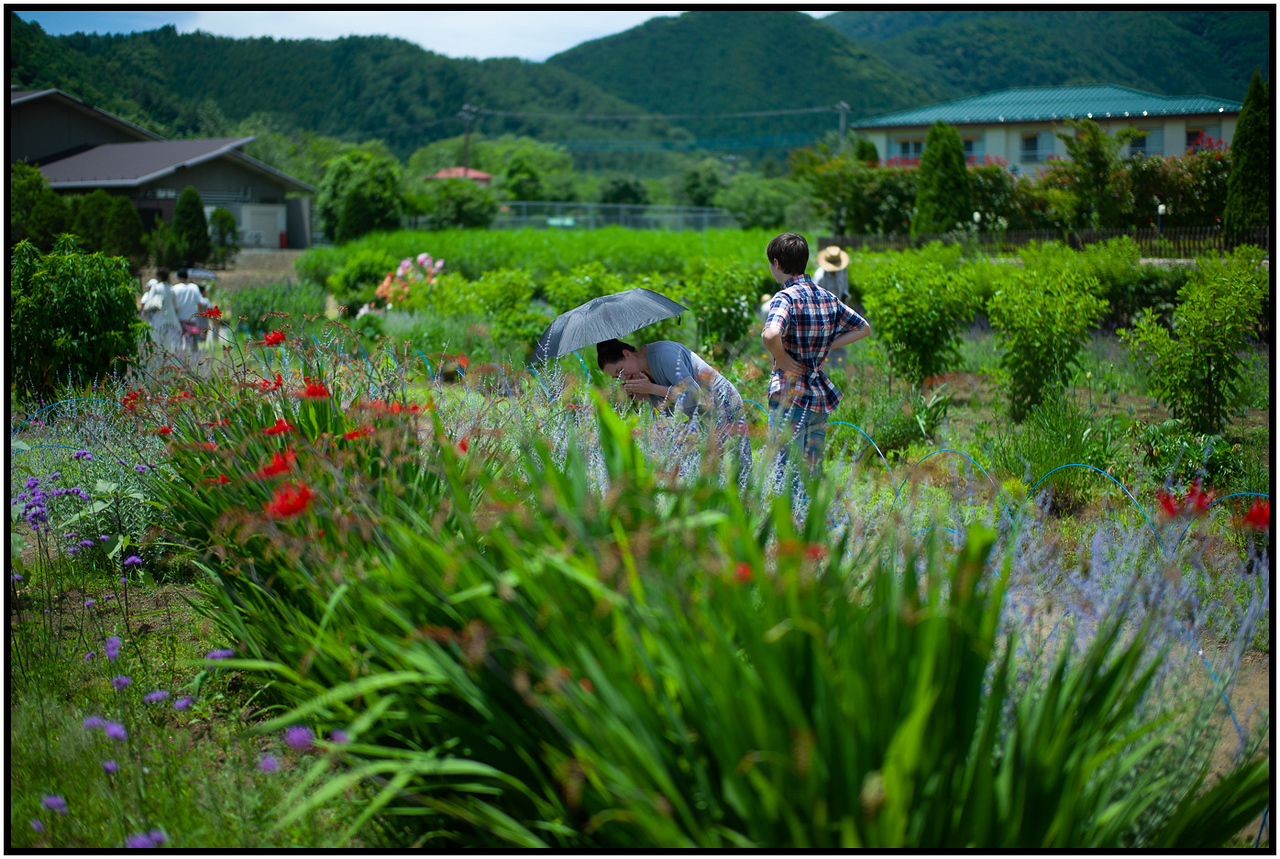
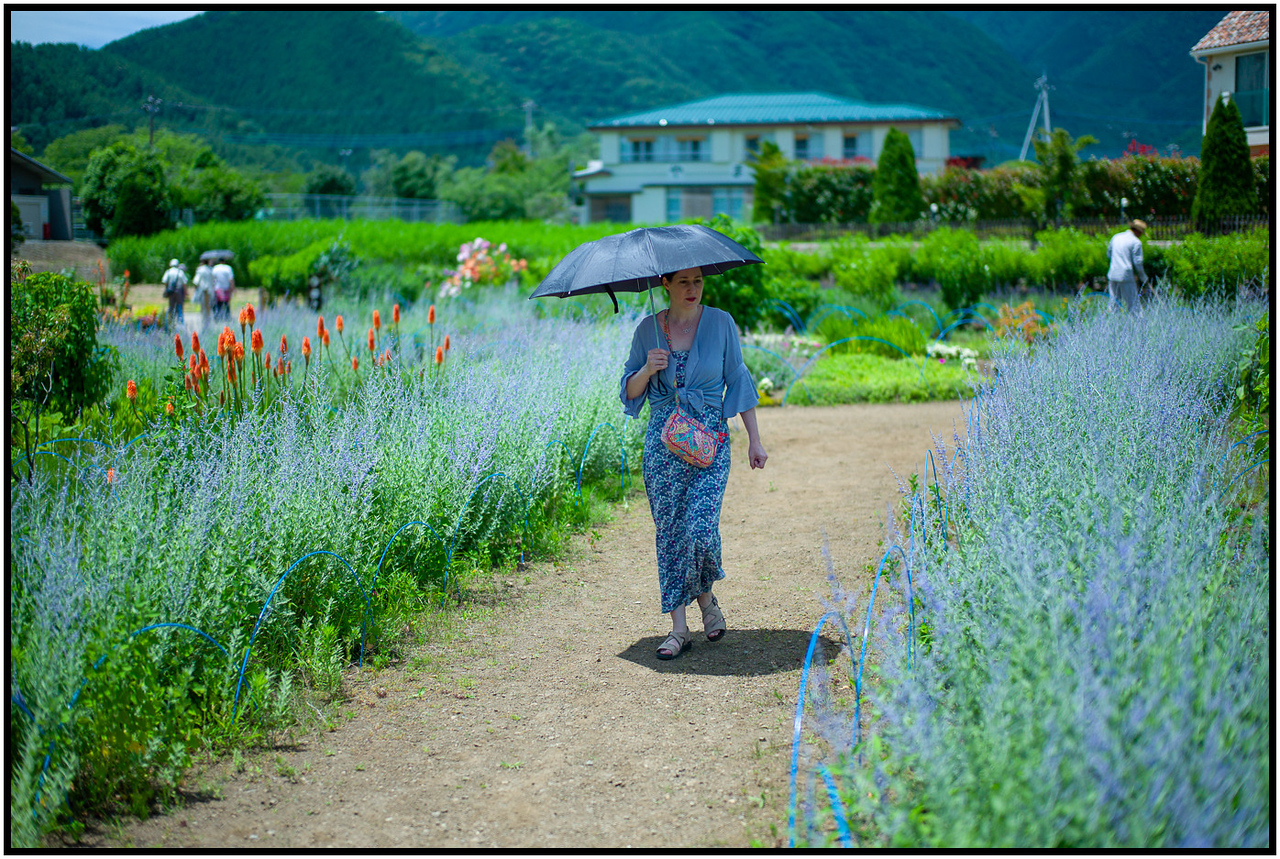
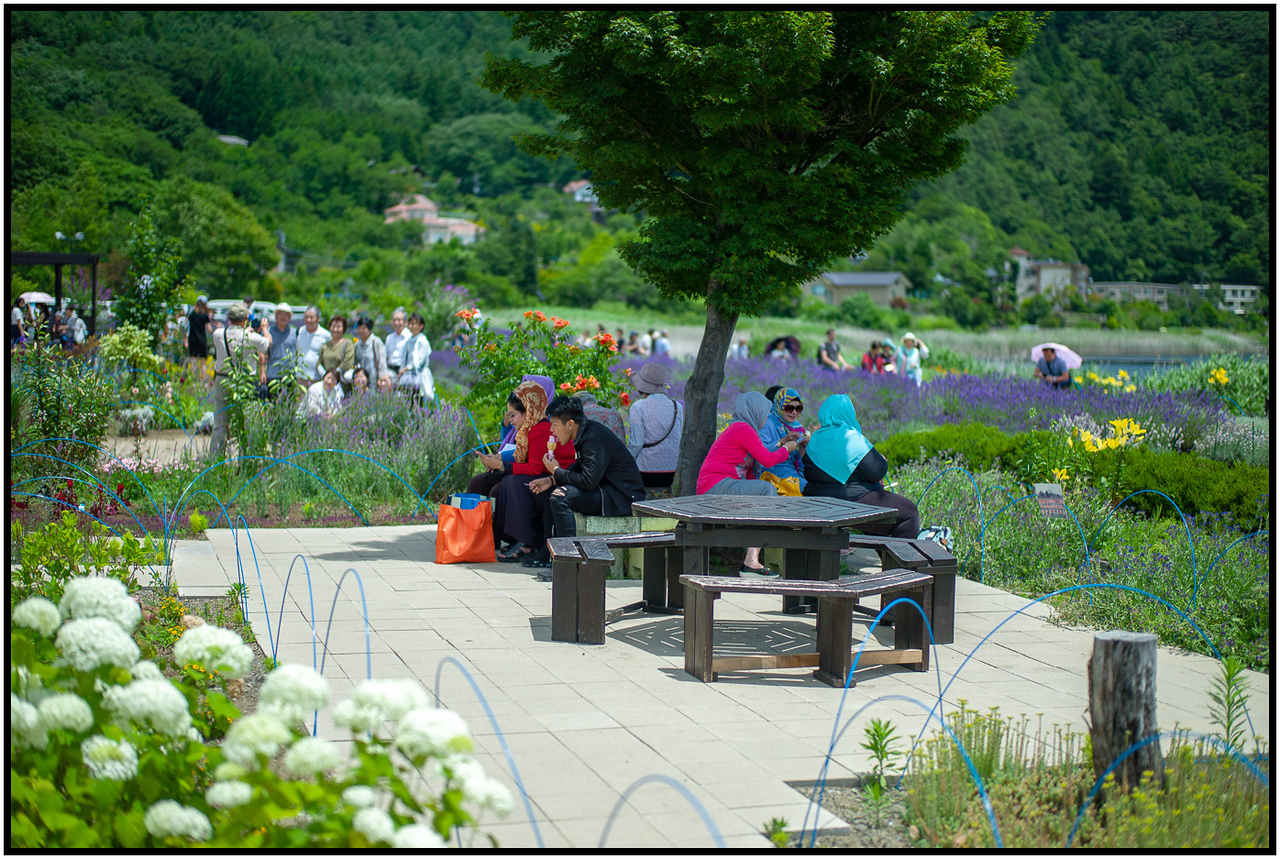
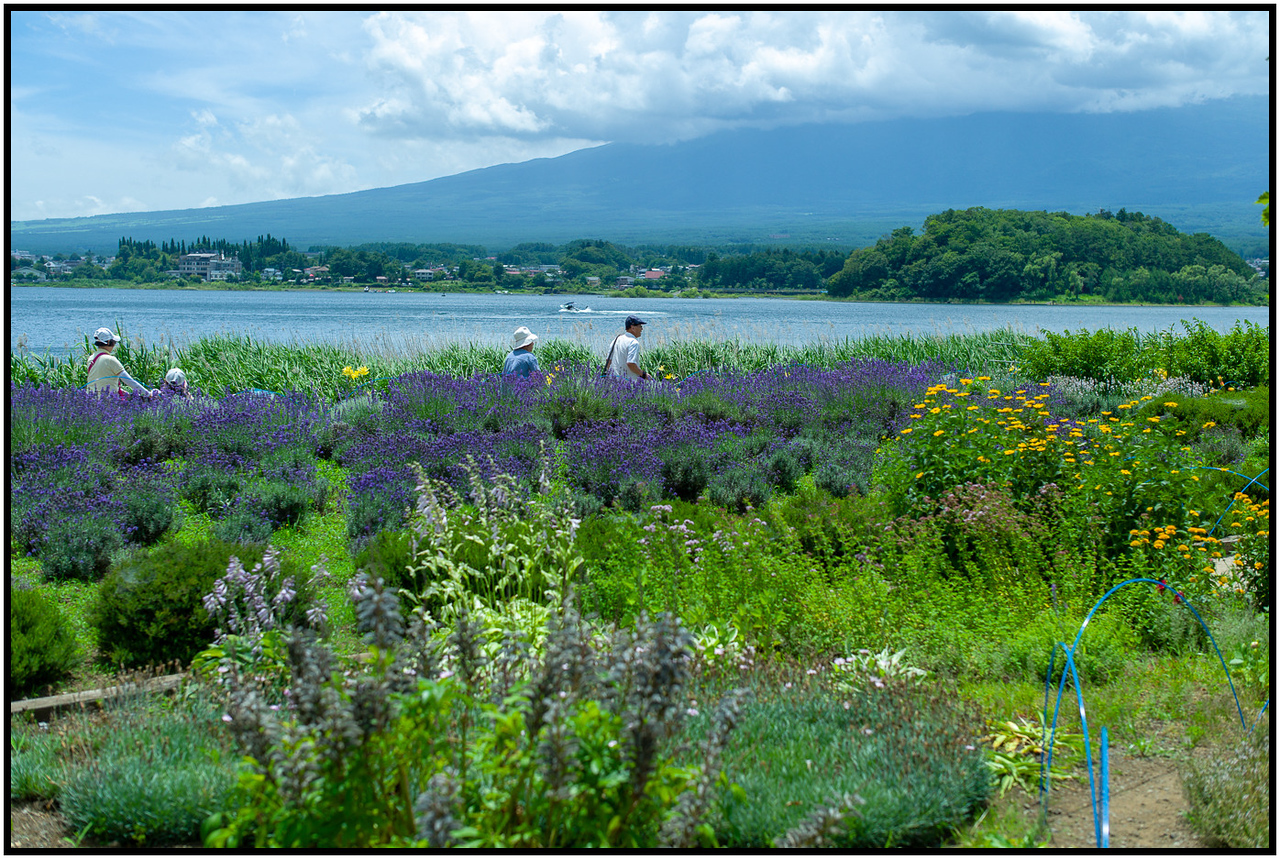
We also visited a lavender farm; Brenda wanted to review the many varieties that can grow here (but won’t grow well in GA).

Gondola in Gig Harbor.

View of Mt. Rainier from the drone over Randy’s house.

Randy figuring out how to work the controls on the drone.  I don’t think he’ll go too many days without owning one himself.

Posted in 2021 | Tagged , , , , | Leave a comment

San Juan, Puerto Rico 061721

This week I was in Puerto Rico on business, but had some time to myself early one morning to wander the streets of Old San Juan.

Posted in 2021 | Leave a comment

Tacoma, WA 030521

Brenda and I flew up to Tacoma this past week to spend 3 days visiting our friends Rita and Randy.  They finished their second round of shots several weeks ago and we have all been behaving ourselves such that we could get together again.

On the first afternoon we went on a walk in a neighborhood near where they live to see the various plants and planting techniques.  Brenda was looking for ideas to get ready for our spring in Georgia.

R&R’s dogs:  Dali and Dharma – sisters from the same litter.

This is where we stayed during the visit – R&R’s trailer – which is a lot more comfy than you might imagine.  We had full heat and air, bathroom, kitchen, internet, tv & etc.

Wine time in their back yard.

One lunchtime in Seattle.  Almost everything is still closed down here – much more restrictive than what we’re now used to in the South.  What restaurants that were open were only serving out of doors – so we made do.

Walking through Washington Park Arboretum with Angela, R&R’s daughter.

Both Angela and Mary (R&R’s daughters) came by one afternoon for a visit.  Angela lives with her family in Seattle.  Mary with her’s in Portland.  The girls have not seen each other since last summer and this was the first time R&R had their kids together at their house in more than a year.

Angela’s dog, Ranger.

… so there was much taking of pictures after a long, dry spell of visits.

Watching TV later that night.  

Brenda all tuckered out after three hard days of partying.  We got upgraded to Delta One one one of their large, international style planes.  We could lower our seats into beds and sleep away the flight home.

Posted in 2021 | Tagged , , , , | Leave a comment

Huntsville, AL 123120

We had opportunity and motive to squeeze in one more trip before the end of the year.  We spent two days in Huntsville, Alabama – about 160 miles NW of Acworth.  Bella’s boyfriend Foster accompanied us (6 in the car!) as his independent travel plans were changed.  Foster was scheduled to fly up to visit his father in CT, but learned that Dad tested C19 positive.  So, Foster remains in GA and his father goes into Isolation for a couple of weeks.

Our first stop was to Burritt Mansion and Park on top of Monte Sano just outside of Hunstville.  From the top, you get a clear view of downtown.

Entering the Burritt mansion – finished in 1938.  Dr. Burrit made his money first by marrying a very wealthy widow and then using some of those funds to develop several pneumatic tire patents in the 1910-1925 time period.

He built his Xanado on top of the mountain; this house was the very first to be electrified in Huntsville in 1938.

We were the only visitors to the house and got an extra special tour from the bored Docent.  He let us past the normal roped off areas and gave us an extra special tour of the neat things in the house.

The rest of the property is used as a farm to show up planting and animal techniques.  They have relocated and restored a dozen 19th century houses and other buildings from all over northern Alabama.  They are all open to be explored.

But of course, everyone just heads over to the pigs to give them a good scratching.

Waiting for lunch at the steakhouse.

Our next stop was to the U.S. Space and Rocket Center.  Huntsville is known as “Rocket City” due to the location of the HQ for Rocket development and testing in the 1950’s and 1960’s.

Saturn V rocket – used for all NASA missions from 1967 to 1973.  To date, still the tallest, heaviest and most powerful rocket ever made.

Eisenhower moved Herr. Werner von Braun and his formerly-teutonic minded cohorts to Huntsville to focus on rocket engine and missile development.  The Museum shows the design, development, prototypes and remaining bits from all significant NASA programs.. Jupiter through the Apollo missions.  They have been involved also with Skylab, the Space Shuttle and the Space Station programs.

Outdoor junkyard with left over Saturn I test rocket, Saturn V rockets, various missile launchers, radar stations & etc.

Space Shuttle Pathfinder and the complete Shuttle Stack – the only one in the world.

We finished our visit with a trip to the US Veterans Memorial Museum.  This is less a museum and more of a huge warehouse packed to the rafters with “Stuff”.  It is run by three old former military men who lovingly look over the enormous collection of artifacts.  Most items are from WWII, but they have displays from the Revolutionary War up through Desert Storm.  These guys need about 10x the amount of space allotted to be able to see everything they have accumulated.

Once again, we were the only visitors there that morning.  Those guys got all excited about 4 “kids” seeing their collection and we got extra personal (too much, Bella would say) attention as we wandered down the corridors.  Jim, this is another place you simply must visit.  Those old guys even had deck chairs set up in the middle of the building so that the folks can just sit and shoot the breeze for hours about any military subject you choose to quiz them on.

*************************

Posted in 2020 | Tagged , , , , | Leave a comment

Columbus, GA 122020

This week, with all 5 of us home for the next several weeks, we decided to get out of the house and explore some more untraveled bits of Georgia.

About 130 miles to the south of us lies Columbus, GA.  It is on the border with Alabama and is home to Fort Benning, the US Army’s main infantry training grounds.

Columbus hosts the National Civil War Naval Museum – which is really a Confederate naval museum.   Here, Brenda is inspecting what remains of the CSS Jackson – an ironclad that was patrolling the Chattahoochee but was destroyed during the Battle of Columbus in April of 1865.

Speaking of which… you may be able to recite the first conflict of the Civil War – everyone has heard of Fort Sumter in South Carolina.  However, Columbus was the site of the very last Civil War conflict..a full week after the termination of the battle at Appomattox Court House in Virginia.

Nice weather – sunny and getting into the 60’s.

Here’s a view of the shoreline of Columbus.  Across the bridge is Phenix City, Alabama.

This picture is from the 1860’s showing the town of Columbus north of the ‘Hooch.  The city’s commercial importance increased in the 1850s with the arrival of the railroad. In addition, textile mills were developed along the river, bringing industry to an area reliant upon agriculture. By 1860, the city was one of the more important industrial centers of the South, earning it the nickname “the Lowell of the South”, referring to an important textile mill town in Massachusetts.

Many of those Mill buildings still exist.. some are in need of repair; many others have been re-done and serve as new, high end condominium and shopping spaces along the river.

Located in rural Seale, AL the Museum of Wonder collects painting, taxidermy, found objects, and just about any piece of junk one can imagine into a cacophony of folk art and architecture.  It proudly boasts to be the “World’s Largest Drive-Thru Art and Antique Gallery.”

One is supposed to drive by and look at all of the oddities through the windows, but without a soul in sight, we decided to park and walk through the park.

*****************************

Merry Christmas, Y’all!

Posted in 2020 | Tagged , , , | Leave a comment

Kennesaw Mountain, GA 121220

With the weather improving (sunny skies, mid 60’s temps) we decided to go on a hike to the top of Kennesaw Mountain.

Rita hiking, walking the talk and talking on the phone.

Taking a break midway up the mountain.  Atlanta skyline in the distance.

Isabella and her new kitty “Morty”.  He’s also with us at home over the Xmas break.

Wine time in the back yard.

We had one lunch in Atlanta at R. Thomas (the parrot place).  We’ve been eating here for more than 25 years.

Brenda giving one of the outdoor parrots a neck scratching.

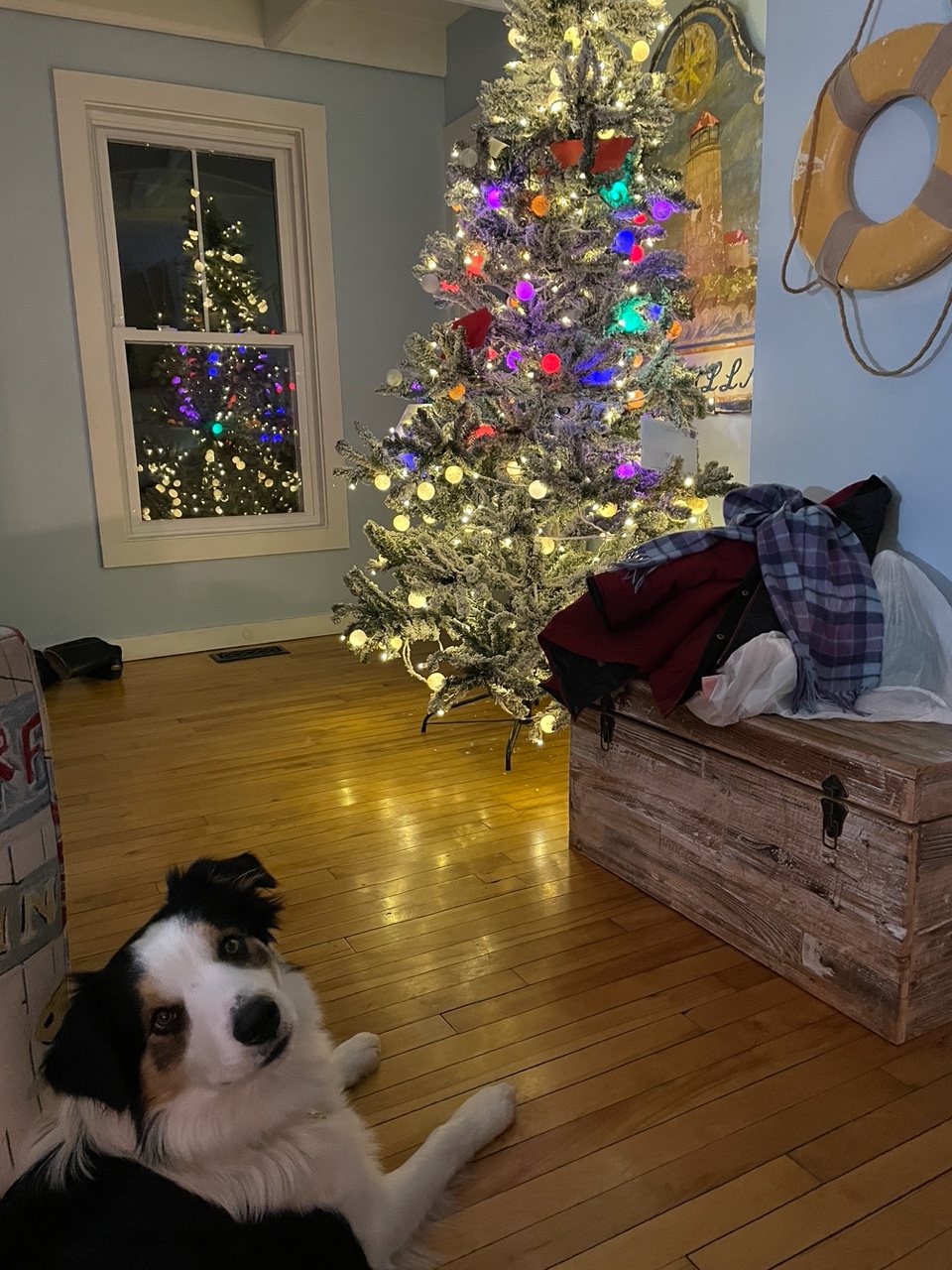
Kids decorating the Christmas tree.

______________

Posted in 2020 | Leave a comment

Atlanta, GA 121120

Here are a few final photos of Rita’s and Randy’s visit this week.  Shots are in and around the Atlanta History Center.

They returned home yesterday and now we go back to our usual routine.  Holden and Josie have 2 more days of face-to-face classes and then will be home until after New Years.

We can hunker down and get ready to see John and Elaine for Xmas festivities in a couple of weeks.

Brenda is looking at garden plantings to see what thrives and stays green in the winter – ideas for our back yard.

______________

Posted in 2020 | Leave a comment

Tallulah Gorge, GA 120920

Today we visited Tallulah Gorge state park, in far eastern Georgia, near both the SC and NC borders.  The gorge is nearly 2 miles long and over 1000 feet deep.

We didn’t have enough time to do proper hikes down to the base of the gorge – several hikes are 2-3 miles in length – but there are ample camping spots; Rita and Randy want to return here with their trailer and spend several days in this area to fully explore what the area offers.

We then continued to Toccoa to visit the newly re-constructed Camp Toccoa and Currahee mountain.

This was a WWII paratroop training center from 1942 to 1945.  It has been made famous as the training grounds for several parachute infantry regiments that were part of the 101st Airborne division.. highlighted in the book and mini-series “Band of Brothers” by Stephen Ambrose.

This base is only now being re-constructed to become a more formal tourist destination in the future.  In front you can see a Douglas C-47 Skytrain that is being restored – this was a typical airplane that was used to drop paratroops.

The most prominent local landmark is Currahee Mountain. Paratroopers in training ran from the camp up the mountain and back with the shout “three miles up, three miles down.” Members of the 506th Parachute Infantry Regiment still refer to themselves as “Currahees”, derived from the Cherokee word meaning “standing alone”.

We managed to make the drive in our SUV three miles up, three miles down without breaking a sweat.

For those who may worry about Rita’s health on this trip, here she is balancing on a rock over the face of a cliff to get the right shot.

Kids come to the top and spray paint all over the rock faces.  There is a new organization (part of the Camp Toccoa effort) to come up here and clean things up for good and restrict access to vandalism won’t be possible.  There are a lot of people now who make the pilgrimage to this site to honor the 101st Airborne troops who led the invasion of D-Day, liberated Holland, defended Bastogne in the Battle of the Bulge, and made it all the way to Hitler’s “Eagle’s Nest” in Berchtesgaden, Bavaria.

________

Posted in 2020 | Tagged , , , , | Leave a comment

Dahlonega, GA 120820

We are continuing our day trips to places not too far from home.

Our first stop is to Dahlonega.. this was the site of the first US gold rush when it was discovered on Cherokee land in 1828.  Within 10 years, several boom towns were constructed and thousands of people moved in to seek their fortune.

Dahlonega gold is the purest gold in the world in it’s natural state; lodes can run >99% pure when other sites (in California or Canada, as example) run at 75-80%.  However, the easy money was made only the first 10 years.  Once gold was discovered near Sutter’s Mill in CA 20 years later, most folks moved west to seek new fortunes.  Gold mines did continue right up until the beginning of World War II.

Dahlonega is now a tourist town; the town square has buildings from the 19th century that are renovated and transformed into ice cream shops, boutique stores and the like.

Randy waiting for an educational movie to start at the Dahlonega Gold Museum.

Complete set of US gold coins pulled from Dahlonega mines and minted in Dahlonega.  The US had a federal mint here from 1838 until the beginning of the Civil War.

We then moved on to Helen, GA… another tourist town in the north east Georgia mountains.  We’ve been to Helen many times in the past with the kids.  We would come here each spring to eat German food, candy and get an “old timey” photo taken of the kids.  They aged out of this some years back and we stopped coming.  It was a first visit for Rita and Randy, though, and we wanted to see the Christmas get up and get a meal full of wurst, sauerkraut, pretzels and beer.

Even the local signs are in Georgia redneck German (see above).

Late afternoon walk along the Chattahoochee river.

Brenda at night after dinner.  Temps up here were in the 20’s.

Posted in 2020 | Tagged , , , , | Leave a comment

Tunnel Hill, GA 120720

For the first time in nearly a year, we have some visitors. 

Rita and Randy decided to come down for a week.  Great deliberation, care and preparation went into their visit planning.  Everyone has been behaving themselves over the past couple of weeks so we’re as clean as we can get.  

Once together, we decided to hit the road for a series of day trips since everyone has been suffering from some form of cabin fever.

We start our fun with a visit to the Western and Atlantic Railroad Tunnel museum near the Tennessee border.

There is a small museum showing relevant Civil War and 18th Century Railroad equipment and ephemera.

Examples of some preserved “Sherman Neckties”.  These were were a railway-destruction tactic used in the American Civil War. Named after Maj. Gen.  Sherman, the neckties were railway rails destroyed by heating them until they were malleable and twisting them into loops resembling neckties, often around trees. Since the Confederacy had limited supplies of iron, and few foundries to roll the rails, this destruction was very difficult to repair. 

Brenda demanding that her photo be taken.

In the background is the Clisby House.  It was constructed in 1848 alongside the tunnel that passes through the Chetoogeta Mountain. Originally named “Meadowlawn”, it was built by Reverend Clisby Austin as a farmhouse that grew to include 320 acres.
After Austin left the house during the Civil War, the house was used as an army field hospital. Officers and generals both John Bell Hood (CSA) and William T. Sherman (USA) – slept and planned in the second floor bedrooms while doctors treated wounded soldiers and performed amputations in the kitchen and in outdoor tents.

The Western & Atlantic Railroad was founded in 1836 to connect the Tennessee and Chattahoochee Rivers, however one barrier stood in northwest Georgia: Chetoogeta Mountain.   Construction on the tunnel began in the summer of 1848 and spans 1,477 feet.  It was completed in less than 22 months and on May 9, 1850, the first Western and Atlantic locomotive passed through the tunnel and the connection between Chattanooga, Tennessee and the new town of Atlanta, Georgia was complete.

While in operation, the tunnel was controlled by both the Union and Confederate Armies at various times throughout the Civil War and even witnessed the “Great Locomotive Chase” in April of 1862.
As the demand for more railways grew, so did the trains themselves and by 1926, so many train cars were getting stuck in the tunnel that the decision was made to build a larger parallel tunnel through the mountain, ending the use of the W&A tunnel in 1928.

Brenda and I walked through the tunnel to the far end, looked around and then walked back.  It is dark and very windy inside.

Near the tunnel is the revered burial site of Confederate General John Bell Hood right leg.   He served with Robert E. Lee and James Longstreet in the Civil War, but his left arm was badly wounded at the Battle of Gettysburg. He moved south with his troops and was injured again at the Battle of Chickamauga in Georgia, this time with a leg wound that needed to be amputated.

The wound was so severe that after the amputation four inches below the hip the surgeon placed his leg in the ambulance so that leg and man would be buried together in the likely event they did not survive.  The amputation was done nearby at the Clisby house.

But Hood did survive and returned to active duty, fighting in the Atlanta Campaign of 1864 and other skirmishes until he was defeated at the Battle of Nashville. Legless and with a useless arm, the general spent the rest of his life working as a cotton broker in Louisiana until he, along with his wife and oldest child, died of yellow fever in New Orleans.

Clisby Austin was businessman as well as a farmer and minister, operating a two story hotel and a general store close to the train depot. 
The main room was used to display merchandise with shelves and counters holding everything for sale – from meat and produce to hardware and specialty items like paint, coffee, kerosene, and much more. In many cases, the general store was also the post office with the owner serving as the town’s postmaster.

Much to our disappointment, the Clisby house wasn’t open to us today.   They do open it up for guided tours, but one has to make a reservation for that in advance (Covid stuff) and we didn’t prep ourselves well enough.  This is worth returning to again if we can get it and explore more.

The Clisby Austin House also served as the headquarters for General Sherman while he made his plans for attacks against nearby Dalton and Resaca, which became the opening battles of what would later be known as the Atlanta Campaign. The area hosted many engagements and camps throughout the course of the war. In and around Tunnel Hill, there were small conflicts in Sept 1863, Feb 1864 and March 1865.

It was soon lunch time.  We found a restaurant that met R&R’s standards for social distancing.  They wanted this picture taken to send to their daughters so they wouldn’t worry quite so much.

We then went to the Etowah Indian Mounds in Cartersville.  

The Etowah are named (now) for their settlements that ran along the Etowah river.  This 54 acre site was their largest and most sacred site.  Evidence shows that this pre-Columbian (Early Mississippian) tribe have lived in this region for nearly 10,000 years.  

This town was occupied in three distinct archaeological phases that ran from about 1000-1550 AD. It was at its peak roughly from 1325–1375 AD

Archaeology suggests that from 3000-5000 people lived here.

Etowah has three main platform mounds and three lesser mounds. The Temple Mound, Mound A, is 63 feet high, taller than a six-story building, and covers 3 acres at its base.

Modern Muscogee, Creek and Cherokee tribes all claim to be descendants of the Etowah.

Ascending to the top of the largest mound.

View from the top.. Rita, Randy and the Museum  in the distance.

One of the lesser mounds and the Etowah river.

Rita and Randy at the top.

Re-created waddle and daub hut.. Evidence suggests that there were nearly 1000 of these at the site at any given time.

Posted in 2020 | Leave a comment

Harpers Ferry, WV 111520

This is my final entry for the traveling done this past week.

Links to all photos taken

Spending a morning in Harper’s Ferry was the highlight of my week.  The entire town is a time capsule, preserved at right around the 1860-1870s in a fashion similar to what they do at Colonial Williamsburg.

The “park” wasn’t officially open until 10:00am, but I got there at first light and (once again) had the place to myself.  Folks normally park at the visitor’s center and then take a bus that runs a little less than a mile to the things worth seeing.   Since I was there so early, there was no bus and I just walked.

HF played a much more prominent role in 18th and 19th century America.  The town was one of the most significant trading and transportation hubs in the east.  The town lies at the confluence of the Shenandoah River and Potomac River.  It was the junction of several different rail lines and sits right along the Chesapeake and Ohio Canal.  Goods shipping to and from the “west” (i.e. Ohio, Illinois, Michigan..) all ran right by Harper’s Ferry.  It was also the location of the 2nd largest federal armory – this is where the government manufactured pistols, rifles, cannon and related arms and armament.  I had originally thought that the armory was just a couple of larger buildings, but at the time of the Civil War, the armory was a full six acres of buildings that sat along the Potomac side of town.

This is a place to visit, folks, if you haven’t done so before.  It’s a beautiful setting and a lot to see and do.

Deer across the C&O Canal.

Downtown Harper’s Ferry

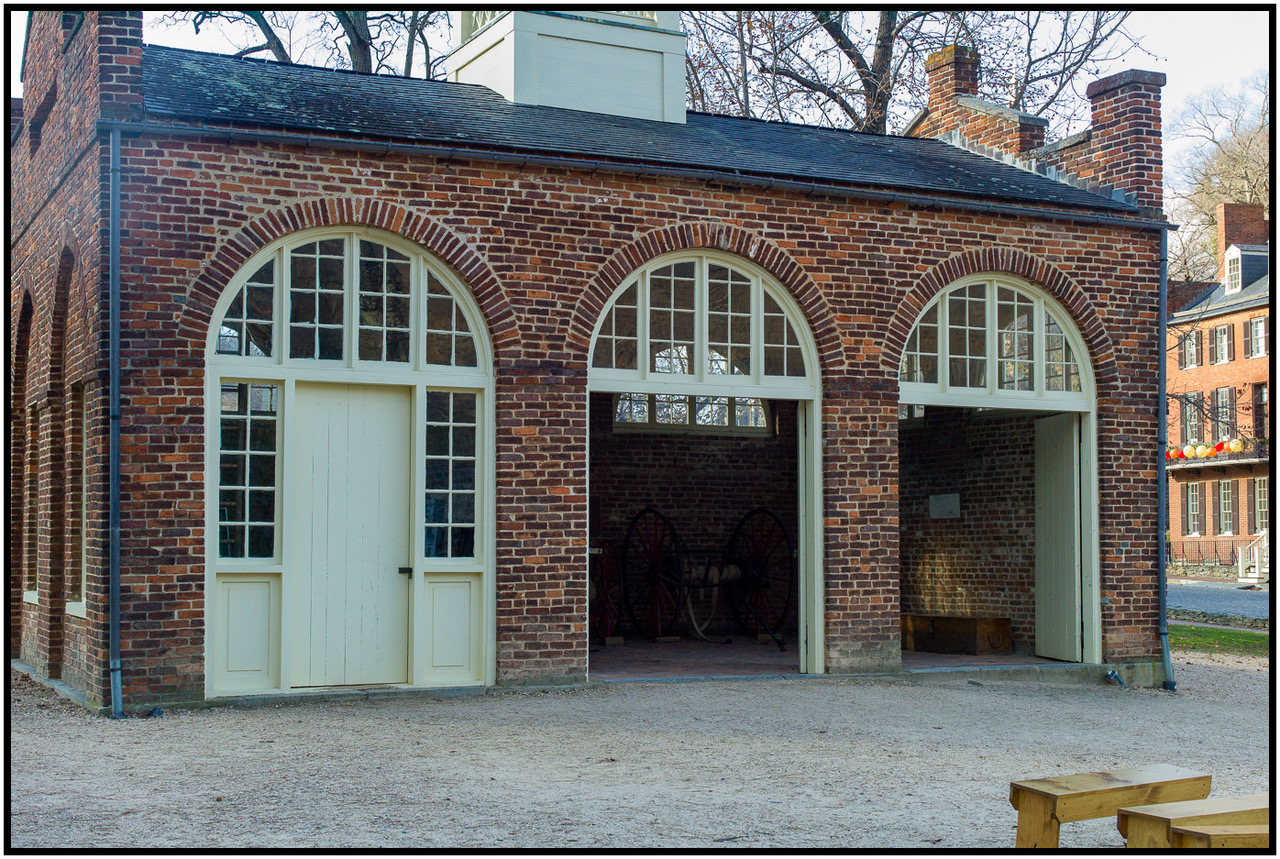
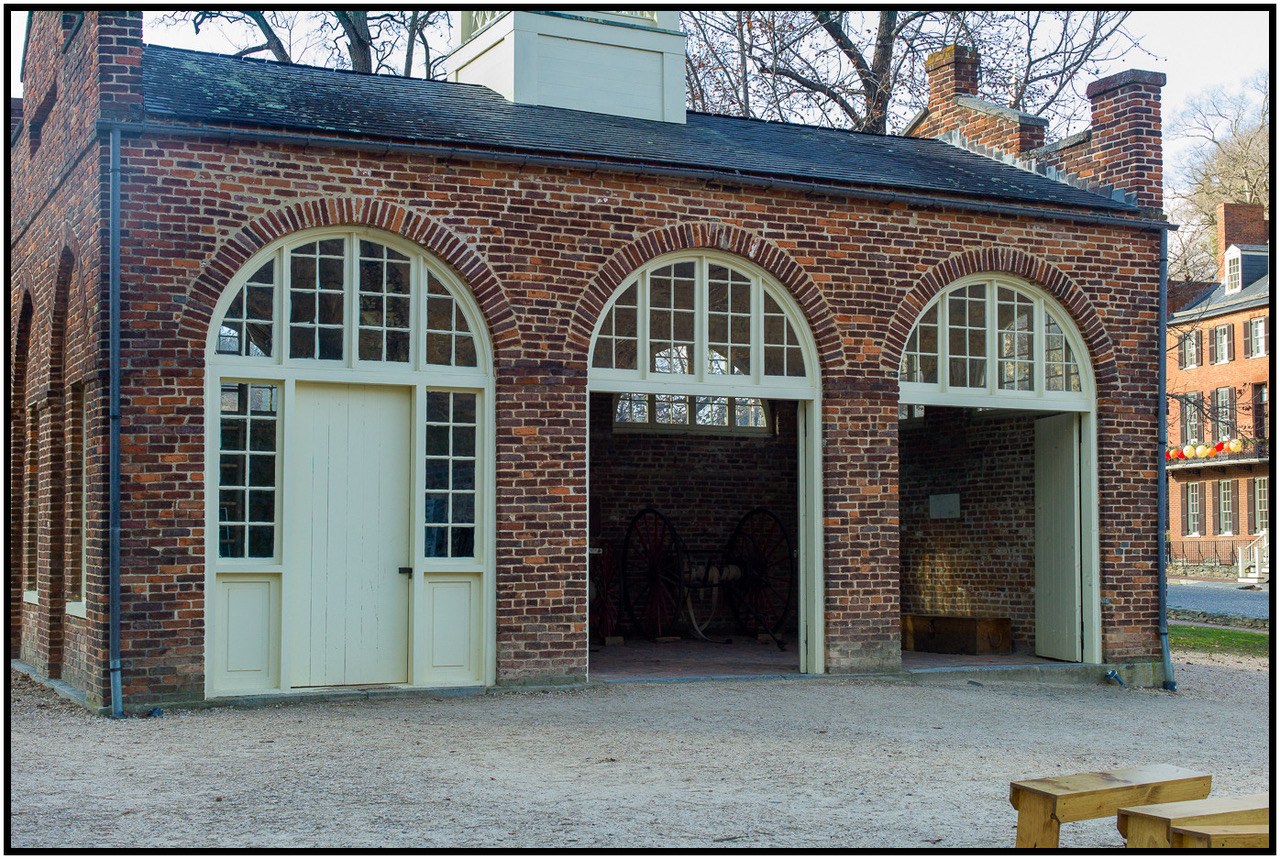
HF is probably most famous now for the Raid of John Brown in 1859.  Brown and 22 other hard core abolitionists attacked the armory and briefly took over the town for a couple of days.  The aim was to take over the arsenal and provide guns and ammo to thousands of slaves, who would rise up, kill their southern masters and proclaim a revolution of freedom for all blacks.  The US military showed up and eventually cornered Brown and the other survivors in the Engine House (shown above).  10 raiders were killed, 6 escaped and 7 (including Brown) were captured, tried for Treason and hanged.

Brown inside the Engine House.  A little known Colonel Robert E. Lee led the Federal marines that quelled the rebellion and captured Brown.  Stonewall Jackson and Jeb Stuart were part of the troops guarding the arrested Brown.

Time for some recommendations..

Book:  I read this several years ago… it’s sort of a tongue in cheek historical novel about John Brown and his start in Kansas through to his hanging.  “The Good Lord Bird” by James McBride.  A good read.

As it happens, Showtime took this book and made a 7-part mini series this year.  It’s very well done and entertaining.  

These steps, leading up to St. Peters Catholic church (built 1830’s) is the official halfway point of the Appalachian trail.  You continue up these steps to Maine or walk down the steps to Georgia.

Pathway up to Jefferson Rock.

Several large masses of shale, piled one upon the other, comprise Jefferson Rock. The name of this landmark derives from Thomas Jefferson, who stood here on October 25, 1783. 

Quote Jefferson:  “The passage of the Patowmac through the Blue Ridge is perhaps one of the most stupendous scenes in Nature. You stand on a very high point of land. On your right comes up the Shenandoah, having ranged along the foot of the mountain a hundred miles to seek a vent. On your left approaches the Patowmac in quest of a passage also. In the moment of their junction they rush together against the mountain, rend it asunder and pass off to the sea…..This scene is worth a voyage across the Atlantic.”

The uppermost slab of Jefferson Rock originally rested on a natural stone foundation so narrow that one was able to sway the rock back and forth with a gentle push. Because this natural foundation had “dwindled to very unsafe dimensions by the action of the weather, and still more, by the devastations of tourists and curiosity-hunters,” four stone pillars were placed under each corner of the uppermost slab sometime between 1855 and 1860.  Now they don’t even let any curiosity-hunters (like me) get up there at all.

There’s still a lot of coal left to take out of West Virginia..

Posted in 2020 | Leave a comment

Leesburg, VA and Ball’s Bluff 111420

Another stop I made was to visit a park near Leesburg, VA where the Civil War Battle of Ball’s Bluff took place.

The fighting took place not long after the 1st Battle of Bull Run.. and was yet another victory for the rebels.  In 1861, the CSA won nearly every engagement and after the unnecessary loss at Ball’s Bluff, the press and the public were driven to outrage and concern about the incompetent performance of the Union fighting force.

The battle of Balls’ Bluff was a disaster for the North, not for its casualties, which were slight compared to the bloodlettings that were to come, or because of the battle’s strategic effects, which were minimal, but rather because the Congress of the United States was prompted by the disaster to institute a Joint Committee on the Conduct of the War.  Anyone at all conversant with the ways of the U.S. Congress will not be in the least surprised that the committee became one of the most obstructive, ill-informed, and inefficient institutions of the northern government.  

Very briefly, the Union troops in Maryland crossed the Potomac river and entered Virginia via a steep path on their way to (they hoped) take over Leesburg, VA about 10 miles inland.

They were met with stiff resistance and through a series of poor decisions and un-coordinated attacks, were pushed back to the banks of the river.  Where the fighting took place, the bluff (really just a cliff down to the river) is more than 100’ above the river level.

The Union troops were routed and got into panicked traffic jams trying to get to boats awaiting their retreat.  Soldiers drowned, other fell from the heights to their death.  Those that could swim were picked off one-by-one by Rebel sharpshooters firing down from above into the river.

Here’s me parked to enter the grounds.  Where are the crowds?

The open fields where the Union forces set up their defensive fronts.

Location of the smallest National Cemetery in the U.S.  54 men are buried here, 53 of whom are unknown.

View from the bluff, over the Potomac and into Maryland.

Edward Baker was an interesting character.  Born to Quaker parents in England, he emigrated to Illinois and eventually became a lawyer.  He was a Representative in the US Congress for Illinois for several years.  He met and befriended Abraham Lincoln in the 40’s and 50’s.  They became so close that, when Lincoln’s second son was born, they named him Edward Baker Lincoln.

Baker fought in the Mexican war and later was in Panama and was part of the consortium that attempted (and failed) to get a canal built there in the 1850’s.  Afterwards he moved to California at the height of the gold rush to practice law and make a fortune in land speculation.  He ran for Congress in California as a Free Soil Party candidate but lost.  Frustrated by his lack of success, he moved to Salem, OR (having just become a state in 1859), set up a law practice, politicked hard and ultimately became one of Oregon’s first 2 US Senators.

When Fort Sumpter was attacked in 1861, he volunteered and was named a Colonel of the 1st California Regiment (comprised almost entirely of Pennsylvanian’s but called the CA Regiment because he lived there for so many years and wanted to see that CA was represented in the fighting).

His performance at Ball’s Bluff wasn’t good and history isn’t too kind to him based on a number of rookie mistakes he made that day that led to a lot of casualties in his regiment.

Baker is famous now for being the only US Senator ever killed in action.  Baker, OR is obviously named for him.

Upon learning that Baker died the next day, his BFF Lincoln publicly burst into tears.  “With bowed head, and tears rolling down his furrowed cheeks, his face pale and wan, his heart heaving with emotion, he almost fell as he stepped into the street.”  It was about this time that both sides finally realized that the war wouldn’t be over in 3 months, as everyone had confidently predicted, and that nothing but a long, bloody slog laid ahead.

Obligatory battlefield canons.

These photos fail to capture the steep setting.. I’m at the edge of the land and there is a 100+ foot drop just in front of me down to the river.

Pretty, though.  It started to rain a bit so I hightailed it back to the car.  The nearest Starbucks is about 5 minutes away so I could get a coffee and muffin and continue on down the road.

Posted in 2020 | Tagged , , , , | Leave a comment

Winchester, VA 110920

Here is the first of several emails that show some of my recent goings on.

First stop is Winchester, VA.

Some years ago when we were on a road trip up to Boston and Montreal, we stopped one night in Winchester.  It’s pretty much “one full day’s drive” from our house.  Winchester is the main town in the lower Shenandoah Valley and is dripping with charm and history.

This hole in the wall is “Sweet Nola’s” and Brenda thinks they serve the best Cajun food she’s ever had.  Good enough that she’s willing to make a drive back to Winchester sometime JUST to try their shrimp and grits plate again.

This week I made the visit alone.  I pulled up for dinner only to find that they are closed over the next couple of weeks for remodeling.

Those who know a bit about the Civil War know about the Battle of Bull Run.  To get to the next level of proficiency, you have to know that there were two battles there and that they go by two different names (Manassas, Bull Run)

However, it’s only the true CW Geek that can tell you that Winchester was host to THREE separate battles.  In fact, the town of Winchester traded hands between Union and Rebel forces no fewer than 72 times over the four years.

The Shenandoah Valley is beautiful (especially this time of year with the leaves) and there is a lot to see and do here.  One could spend several weeks traversing up and down the valley – and it’s not just Civil War battlefields.

The house above was built in 1854 and served as Stonewall Jackson’s HQ in 1861-1862.

That afternoon I took a walk through the restored downtown area.

Winchester played an important role in George Washington’s early adult life; his military and political career began here. As a young man of sixteen, he came to the area to begin what he thought would be his life’s profession, surveying. With the earnings from his surveying business he was able to buy a number of acres around Frederick County and also a lot in downtown Winchester.  He used a little log building, now the middle room of George Washington Office Museum, as a military office from September 1755 to December of 1756 while Fort Loudoun was being constructed at the north end of town. 

Union general Nathanial Banks’ HQ in 1862-1863.. but locals don’t like to talk about this shameful history.

Open ground north of town and location for part of the fighting during the Third Battle of Winchester in September, 1864.  There’s not much to see here, but they have developed a series of walking trails.  I stopped here and bought a book on Winchester from the Ranger’s station.

Continuing north… Elk in Central Pennsylvania.  I needed to visit two manufacturing facilities in North, Central PA… and there is not much out there.  There are a number of national parks that you must drive through to get anywhere and the place was thick with Elk.  I saw at least 40 one morning, all in groups of 3-5 in numerous areas.

Morgan Advanced Materials in St Marys.  This is a 7 story building, the oldest part of which was built in 1894.  They are big in thermal ceramics, carbon seals and bearings, carbon brush rings and linear transfer systems.

I was there to help complete a lighting system (1500 fixtures in St Marys, 1060 more in Coudersport) with advanced controls.

Photos of our lighting system in deep, dank dungeons of the old buildings.

Posted in 2020 | Tagged , , , , | Leave a comment

Rockport, MA 102020

This week I had more projects/meetings in the Boston area.

For extra fun, Josie came along with me.  Since she is still “going to school” online, she was able to set up her area in our hotel and attend classes during the day when I was away.  In the afternoons, we were both free to do some exploring around, shopping & etc.

Josie wanted to see an authentic New England seaside village.. the kind you see as a stereotype in the movies.  We picked Rockport, located north of Boston and near the New Hampshire state line as our destination.

The place was pretty quiet… It’s late Tuesday afternoon in October.. so much of the village has already shut down for the winter.  Add some Corona-plague to the mix and we just about had the place to ourselves.

The original bell tower was destroyed by British cannonballs during the war of 1812.  The bell was ringing to alert the town (then called Cape Ann) of an incoming British frigate the Nymphe.

From the bay, the British took shots at the clocktower to silence the bell and eventually hit it.

On our drive through a scenic area on a peninsula.  Josie has decided that this is the part of the world where she wants to set up stakes.

Posted in 2020 | Leave a comment

Boston, MA 081820

I finish up this series with my third and final day in Boston.

This is the a research laboratory in downtown Boston.  We are upgrading the lighting and controls in the entire building.. it’s a 14-week project and the installers are about 1/3 of the way done.

Gaining access to the building is a long process. They do not want any C-19 being brought into the lab.  I had to submit documents, including a recent negative C-19 test result, to get pre-approval just to enter some of the rooms where the lighting upgrades are taking place.

In addition to the regular mask, we had to put on scrubs, gloves and safety glasses.

Inside one of the laboratories – we designed and built those hanging pendent fixtures in the Tijuana factory.  They were completed and shipped last fall, but some administrative delays, and then C-19 delays, pushed the project out to now.

Different styles of light fixtures, but the same basic work going on.  The folks at the lab are limiting each room to more than 3 people, and that includes current employees.  It is making things very difficult for the installers.  That portion of the project is outside my purview and I’m well glad of it.

Lots of machines with robotics.. making Lord knows what.

I returned to Concord for one, final day.  This area is also famous as the birthplace of Transcendentalism.  I remember being exposed to the philosophy of 19th century hippies in HS and, after returning home, I was heartened to see that both Holden and Josie have received the same education.

My first stop was to Concord’s Sleepy Hollow Cemetery.  This is not THE Sleepy Hollow Cemetery where Washington Irving is buried.. that’s in NY, but this site was opened in 1855 and is yet “active”.  Mr. Irving isn’t here, but there is a larger cast of famous writers that are buried here.

I’ve been dragging my family all over the world to see various cemeteries where all sorts of renowned folks are laid to rest.. Sleepy Hollow, much like at Westminster Abbey, conveniently places the (never rich) and famous in one particularly appealing knoll.

The Thoreau family grave site.  Henry David Thoreau is rear, right with the simple tombstone label “Henry”.  I learned later that during Henry’s time, his last name was pronounced “THO’ ROW”.. rhymes with Go-Pro with accent on the first syllable.

If I said it like that now, people would just think I’m uneducated so I’ll continue to pronounce just like you’re hearing it said in your head.

Nathaniel Hawthorne and family.

Louisa May Alcott and family.  Her house is right downtown, just a couple of blocks away from Henry’s.

The father of the movement – Ralph Waldo Emerson.  There are several houses and museums in town that focus on their lives and Transcendentalism.  I didn’t have time to get to these on this trip, but gives me incentive to return.

My final destination on this trip was to see Walden Pond – where Henry David Thorough spent two years, two months and two days in a small self-built house like the above (that is a re-creation).  He spent his days thinking deep thoughts, fighting off lice and chiggers, and wrote Walden.

When I got back to my hotel that evening, I re-read Walden’s first (and longest) chapter that laid out his main points.  In brief, he thought folks need to simplify, quit trying to keep up with the Jones’es, get back to nature, don’t worry — be happy.  Henry also espoused vegetarianism, never smoked nor drank, and there is no evidence that he enjoyed (ahem) the company of either woman, man or beast in all his life.

I am reminded of an old Johnny Carson joke.. “I know a man who gave up smoking, drinking, sex and rich foods.  He was healthy right up to the time he killed himself.”  Thoreau died at age 44 of TB, so I guess we never get to find out of his lifestyle choices were to work out for him in the long run.

Ahh, this is how I pictured Walden Pond in my head.  A place for quiet contemplation.

This is also Walden pond.  There are several large beaches and the place was hopping.  Now I know where all the Republicans (all 60 of them!) in Maskachusetts are congregating.  The Democrats are all holing up in their houses, looking out the front windows with visible scowls at anyone out and about.  Sorry, couldn’t resist the political cheap shot.

There is a lovely trail of 1.7 miles around the full circumference of the lake and I walked it.  About halfway through the hike, you can get off the trail and find the original site of Thoreau’s cabin.  The area was actually closed by the state park agency at this time.. it looks like they had some sort of erosion damage over the winter. 

Access to the site was cordoned and then ribboned off, but I was not going to hobble almost 2 miles and be deterred.  I snuck up the hill and spent some time exploring.. and had the place to myself.  Jim, this is where I was sitting when you called me that afternoon.

With that, I made my way back to the car, to the hotel, to the rental car agency, to the airport and returned to home to continue my “life of quiet desperation” in Georgia.

Posted in 2020 | Tagged , , , , | Leave a comment

Concord, MA 081720

My travels continue in and around the Boston area.

I start with some photos of one current project.. called “Bernardi”.  It is actually five different car dealerships in Boston… one Toyota, Acura, Honda, Audi and some management offices.  In all cases, we’re upgrading their interior lighting to fixtures with advanced controls so that one person can control all lighting from one iPad throughout the dealership’s multiple sites.

Work just started two days ago and will take about 2 months to do everything.  I just need to check in by phone once a day and return every 3 weeks or so to be sure nothing goes wonky.

And now back on “Battle road” between Lexington and Concord.  I returned the next day to continue my journey west to Concord.

History aside, Concord is a neat, little village.  I want to return there with Brenda sometime just to wander around.  It has a quaint central village with preserved 18th and 19th century villages; little shops, nice greens.

This is the location where Paul Revere and William Dawes were captured by a British Army patrol nearby during the “Midnight Ride” to Concord of April 18.  I didn’t know he was capture.  It wasn’t Paul who alerted Concord of the British regulars, but Dr. Samuel Prescott who was also riding with them. He escaped by jumping his horse over a wall and into the woods.

You tell me why Paul gets the credit, then.  Fake news.  Revere was released the next day.

I chose to walk several miles of the journey, which was rather dumb since I had sprained my ankle about 10 days earlier.  I hobbled along slowly, but didn’t want to pass up the opportunity.

Because then you would occasionally arrive at places like this along the way..This is Hartwell Tavern – built in 1690.  Soldiers passed by the tavern on their way to Concord, and again on their way back to Boston. Three of the Ephraim Hartwells’ children — Samuel, John and Isaac — fought at Old North Bridge and on the battle road. All three later served in the Revolutionary War.

Prescott (mentioned above) arrived at the Hartwell Tavern, awakened Ephraim and informed him of the pending arrival of the British soldiers. Ephraim sent his black slave, Violet, down the road to alert his parents. Mary then relayed the message to Captain William Smith, commanding officer of the Lincoln minutemen, who lived a little to the west and whose home still stands along Battle Road. The minutemen received the noticed in time, and arrived at Old North Bridge before their enemy.

The road is dotted with lots of still existing houses, farms and taverns that played a role during this event.

The Old North bridge (not the original)..

“By the rude bridge that arched the flood,
Their flag to April’s breeze unfurled,
Here once the embattled farmers stood,
And fired the shot heard round the world.”

One the far side of the bridge, provincial minutemen and militia companies numbering approximately 400 engaged roughly 90 British Army troops at this location. The battle was the first instance in which American forces advanced in formation on the British regulars, inflicted casualties, and routed their opponents. 

Very pretty countryside and lots of room to wander around.  Coronavirus is keeping all the tourists away.

Posted in 2020 | Tagged , , , , | Leave a comment

Lexington, MA 081620

I am up in the Boston area for several days to look in on a couple of ongoing projects – lighting and advanced controls installations.  Between meetings, I did find time to get some play in.

This was my first airline flight since C-19 showed up;  The plane was less than 50% full and I was bumped up to 1st class seats on both legs of the trip.  Not so you would know – the above is what they serve now for your 1st class meal.

Want to know what operating under bankruptcy protection looks like?  I have usually rented my cars with Hertz.  I received an automated email that I could walk immediately to Zone 3 and “choose any car in your zone and go…”  Guess which car I picked…

I am in Lexington, MA.  On April 19, 1775 the Revolutionary War started right here in the Lexington green. 

“On the night of April 18, the British Army had sent out 800 grenadiers and light infantry soldiers on foot from Boston, with the intention of destroying Colonial gunpowder and cannons that were being stored in Concord, as well as capturing two leaders of the Sons of Liberty, John Hancock and Samuel Adams, who were staying in Lexington. Hancock and Adams were warned of the danger by two alarm riders, Paul Revere and William Dawes, who alerted the countryside of the British movements. When the British soldiers arrived on the Lexington Common not long after sunrise, they faced 77 men of the Lexington militia, commanded by Captain John Parker. Someone-still unknown to this day—fired a shot, provoking an exchange of musket fire between the two sides. Eight Lexington militia men were killed, dozens more wounded. After the rout, the British marched on toward Concord. There, several hundred militia and minute men from nearby towns assembled near the Old North Bridge to turn back the British and prevent them from capturing and destroying the Colony’s stores of gunpowder and military equipment.”

This is Buckman’s Tavern – where the locals were having a pint or two when they got word of the arriving British regulars.  They spilled out that main door and assembled across the street to greet the oncoming troops.

Memorial that commemorates the six different U.S. naval vessels that have carried the name Lexington.  

Of particular interest to me are two of the 6:

The third Lexington was a timberclad gunboat used during the Civil War – it fought in the battle of Belmont and Shiloh, among other locations.  We’re hoping to see these locations later this fall.

The fifth Lexington (aircraft carrier) was sunk by the Japs in the Battle of the Coral Sea in May of 1942.

The final Lexington (also aircraft carrier) was decommissioned in 1991 and is now a museum in Corpus Christi, TX.

The pyramidal obelisk and base indicate there the 8 colonial casualties were buried.

After the brief road bump in Lexington, the British regulars continued their journey toward Concord.  It’s about a 7 mile hike.  There is a national park between both towns that has, in some areas, restored the “road” to what it looked like in 1775.

Posted in 2020 | Tagged , , , , | Leave a comment

Gibbs Gardens – Ball Ground, GA 080520

Today the four of us (John, Elaine, Brenda, Adam) visited Gibbs Gardens.  This is a privately owned 220 acre property that is open to the public 8-9 months of the year.  It is located about an hour north and east of us.

The grounds and manor were started in 1980 by Jim Gibbs, owner of the huge (in the south) Gibbs Landscape company.

Brenda was most interested in the 24 ponds on the grounds to get ideas about lily varieties and other water plants.

The property is big enough that you need a map to find your way around.

Grounds crew mucking out one of the pools.

Brenda is already making plans to return in the fall when the colors are changing.  After leaving, we stopped at an Olive Garden for lunch.. the first time the four of us have been out and eating in many months.  Josie stayed home to babysit the dogs.

Posted in 2020 | Leave a comment

Gettysburg, PA 071820

This week (M-F) I was up in Eastern Pennsylvania for a series of meetings and plant visits.  This was my first road trip trip since late February.

I chose to drive up from Atlanta, partly because of C-19 and partly because the schedule was rather fluid and I needed to visit multiple locations throughout the week with a constantly changing schedule.  I was also then able to come and go as I pleased.

Just as Duke Ellington wrote, I don’t get around much anymore.  This boring business trip review will have to serve for what would otherwise be a narrative of us all crawling through the jungles of Central America or describing what new, horrible thing we just ate in Asia.

I did manage to sneak in some fun… I’ve already given a full trip report to Arge; I’ll keep it brief for the rest of you who really don’t care who was shooting at whom and where they stood and fell..

The first visit was to a power center in Hazleton, PA.  Those lights in the ceiling are ours; we were there to finish what is called “Commissioning”.  All of the lights in the building have small bluetooth transmitters/receivers installed in them.  They can all communicate with each other and we are able to control all lighting aspects (on/off/dim/when/where,etc) using a simple laptop for iPad control App.  All fixtures have sensors in them to track motion and light.  For advanced users, we can also write special applications that use the bluetooth capabilities to track motion and location of any asset they want tracked.. The fixtures were purchased and then sent to my plant in Tijuana to have all of the special electronics installed in them and set up in “the cloud” prior to shipment.  They are then sent to the location and installed.  The final bit on the site is to make sure they all work and to set them up in groups and/or zones so that the facilities manager can control and monitor all activity.  

These lights are hanging from an 80’ ceiling.

The next day I drove to a PPL center in Allentown, PA.  It seems neither Jason nor I managed to avoid doing work in the energy/electricity business.

Same procedures as the day before.. doing the final work, bringing everything on line, training the facilities managers on how the system works and then closing out the project.

Yes, we all had to wear masks all day long.  In PA, every building, restaurant, etc requires masks and they all check temperatures at the entrance and require folks to sign in.  That this particular location (Allentown), they just had one employee come down with C-19 so they were extra paranoid and we had to sign a waiver both exempting them and us from any legal rights if we wanted to enter and do the work required.

There were some people working, but most places were empty.  Those able to work from home, do.

Final location was at Pride Mobility (motorized scooters, wheelchairs, other medical equipment) in Duryea, PA.  I also spent time in Bethlehem and Scranton, but no photos there.

This is photo of Paul, a guy who works for me as a project manager.  This shows one of the screens where he is identifying specific lighting fixtures and sensors and getting everything set up.

I did manage to steal away and spend a wonderful morning at Gettysburg.. my first visit to the site.

I was there on a Tuesday; the visitor’s center is closed on that day and, what with C-19, I practically had the park to myself from 08:00 until around 11:00.  Even afterwards, it was not busy. 

Gettysburg is the largest battle to have taken place in the Western Hemisphere.  More than 170,000 soldiers participated – with 53,000 total casualties after 3 days’ fighting.  Mid-way through the battle is considered the high water mark of the Confederate’s success; historical distance shows this was the turning point of the War.  There were so many back and forths and close calls during these 3 days that create endless speculation and “what if’s” that would have dramatically altered the future course of the U.S.  Want to know more?  Go look it up.

Lots of monuments set up on Cemetery Ridge

Polishing the statue of Major General Meade (the horse’s hoof, at any rate..).  He was the head of the Union Army of the Potomac at Gettysburg.  Even though Meade won the day, he wasn’t aggressive in following up and hounding Robert E. Lee and his routed and retreating Army of Northern Virginia.  This pissed off Lincoln who ultimately brought in U.S. Grant from the West to take over command of the entire Union Army.  Another big what if about how things would be very different if Meade had only chased after Lee for awhile on day #4.

Union canon pointing west from Cemetery Ridge toward Seminary Ridge.  The park has done a wonderful job of keeping the terrain almost unchanged from those 3 days in July, 1963.

Gettysburg National Cemetery; individually numbered granite blocks serve as tombstones.  The large monument is placed where Lincoln gave his (famous now) Address 4 months after the battle.

The Devil’s Den.  Many books have been written just about this fighting that took place on Day #2 among these boulders.

View from the top of the Devil’s Den toward Little Round Top.  That’s my black buggy down in the parking area.

The Wheatfield.

View of “The Cut” back toward the center of Gettysburg.

Rebel canon from great defensive positions on Seminary Ridge.

This is where George Pickett’s Charge originated on day #3.  It’s about 3/4 mile from where I stand to the line of trees in the distance (heading east) on Cemetery Hill.  With a rebel yell, nearly 12,500 Confederates headed across this open ground and up the hill toward the entrenched union troops.

The union lost about 1500 killed and wounded; the Confederate casualty rate exceeded 50%.  This last ditch effort failed and what eventually forced the rebels to realize the loss and begin retreating that evening.

View from Little Round Top to the west; The Devil’s Den is on the left.  Here, Union repulsed another very unique uphill attack on Day #2 which is the focus of the movie “Gettysburg” about the defense and subsequent downhill bayonet charge of Union officer Joshua Lawrence Chamberlain.

After around 11:00 more people started arriving.  There were guides giving tours, but the group sizes were small and everyone was masked up.  The Gettysburg park is huge and one could spend several days there and not see anything.  I downloaded an app for my phone that uses GPS to automatically play little sound bits and videos as you drive around.  Everything is accessible and it’s well worth the visit even for folks who can’t walk miles.  The new technology and good roads allow you to get around and see everything from your car.  I sure hope to return again someday; I was only there for about 4 hours and had to rush through lots of things that merited more time.

Posted in 2020 | Tagged , , , , | Leave a comment

Guatemala, 14-19 February 2020

Friday and Saturday, 14 & 15 February, 2020

The four of us are in Guatemala for a bit less than a week.  It’s Holden’s and Josie’s first of two spring breaks they get this year so we made a quick trip to the land of humming birds and volcanos for some adventure. This is our first international family adventure without Isabella … her college (UGA) spring break isn’t for another two weeks.  We felt awful about going without her, but then she ended up organizing a trip to Disney World with her boyfriend for her spring break and then we felt less bad.  She’ll get to have fun on a different trip a couple of weeks from now.

Map showing Guatemala relative to Mexico and rest of Central America.  Rectange on map is zoomed in below.

Map showing our planned route/destinations.

We flew to Guatemala City (the Capital) on Friday night and stayed at a hotel near the airport. The next morning, after breakfast, we got our rental car and started loading.

The white Kia (below) is our clown car HQ for the trip.  There’s barely enough room for 4 of us plus luggage and it’s not exactly the lifted 4wd vehicle we really need where we’re going.

On the way to Lake Atitlán, where we’ll spend 3 nights, we decided we had some time to stop in Antigua and see the sights.

Antigua is known for its preserved Spanish Baroque-influenced architecture as well as a number of ruins of colonial churches. It served as the capital of the Kingdom of Guatemala until too many earthquakes drove the settlers to move toward calmer ground – now known as Ciudad de Guatemala or Guatemala City. The entire town of Antigua has been designated a UNESCO World Heritage site.

We don’t know if this is a daily thing or just because we were there on a Saturday morning, but folks had set up scores of tables and booths in the town square to show off their wares. Brenda bought several pieces of art, Josie bought an amethyst and jade bracelet and Holden bought chocolate.

More weekend markets.

We then continued our journey toward the house we rented on the lake. This drive took FAR more time than we had figured. This part of Guatemala is very mountainous. We spent our time going up and down switchback roads ranging from 5000ft to 7000ft elevation. Even though we spent most of our drive on the Panamerican Highway, we found that we could not rely on any form of decent roadways. There were many traffic jams and roads partially to fully blocked with landslides. At one point we were driving along when a sign read “Puente destruido. Pasar por el rio.”   (Bridge destroyed. Go through the river.)  We figured that couldn’t possibly be true.

It did turn out to be true.

We came up to a ford in the river, but couldn’t tell how deep it was. Mind you, we have this clown car with no clearance and weak front wheel drive power. We stopped and tried to figure out what to do next. There was no other way to continue. We waited until some other car came (similar in size to ours) and watched them do it. After that, we loaded up and just followed them, hoping for the best.

(Little blue car in distance drove through with no trouble.)

All turned out well, but who knows that this poor rental car will look like when we get it back.

Heading toward the lake, we had to descend several thousand feet to the lakeshore down miles of switchbacks. I managed to start overheating our breaks and the car began acting strange and making unpleasant noises. I had to slow down to about 5 miles and hour and keep it in first gear (manual transmission) down the rest of the way.

We finally arrived to our rental house (miles of dirt roads in at 5mph to keep from destroying the tires and suspension) in a small indigenous mayan village called Tzununá. We made it several hours late, but got there safe and before sunset. You do not find this place by accident.

After figuring out where to park and finally getting down all the stairs to the front door of the house, we could go no further because a dog was standing by the front door growling at us.  He wasn’t barking and frantically hopping around like most dogs do to announce a visitor … this guy had his shoulders squared and nose crinkled up ever-so-slightly to show his teeth and that low grow deep in his throat.  We stopped on the stairs not sure what to do next because this dog clearly meant business, but right then the groundskeeper, Pascual, came out of the house and told the dog to stop it.  (After that, the dog spent the remainder of our visit with this expression of pure contempt every time he caught sight of us. He loathed us.)

I had previously made arrangements for a local woman to come there and cook us dinner. We were tired, hungry and cranky but could sit down immediately to a great meal of chicken stew, rice, platanos, and some other funky (but yummy) traditional Guatemalan dishes that we never quite caught on what was in it.

Views of the lake during wine time from the deck of our house. Lake Atitlán and two volcanos.

Sunday, 16 Feb 2020

For the next three days, we’re staying at a rented house on the shore of Lake Atitlán.

The lake is about 50 sq. miles in size and located at an elevation just shy of a mile high. Our house is at 5,240 feet, so we’ve been huffing and puffing anywhere we go. Lake Atitlán is renowned as one of the most beautiful lakes in the world, and is Guatemala’s most important national and international tourist attraction. German explorer and naturalist Alexander von Humboldt called it “the most beautiful lake in the world,” and Aldous Huxley famously wrote of it in his 1934 travel book “Lake Como, it seems to me, touches on the limit of permissibly picturesque, but Atitlán is Como with additional embellishments of several immense volcanoes. It really is too much of a good thing.”

Our view when having breakfast.

The house is built into a cliff (as they all are).  The wall facing the lake is one long expanse of glass doors that open to the deck.

Very serviceable kitchen.

Two sets of decks, one on the main floor and one on the bedroom level above.

The parking spot is way above the house.  You park here then walk down a long, winding stone path/staircase to get to the house.

Lake Atitlán’s most prominent attractions are two (still) active volcanos. The rest of the lake is ringed by steep cliffs. It is impossible to travel around the lake at lake level; the main form of transportation are water taxis that constantly go to and fro from one village to another. Transportation is cheap if a little spotty.

We are staying near a tiny Kaqchiquel Mayan village of Tzununá.  The locals (according to the internet) speak K’iche rather than Spanish.  Tzununa either means “hummingbirds of the lake” or “land of the sparrows.”  Either description fits the place really well, so I guess it doesn’t matter which of the translations is the correct one.

From our house we walked the half mile or so into the village to look around; mostly we just got stared at. Never have we felt more obvious. Josie observed that we stand out here more than we did even in Japan and Korea.  She observed: “Our culture is a lot more similar to Japan’s than to Guatemala’s.”

View of Tzununá from our house deck. The boat dock at the left-most collection of white buildings.

Fisherman in what looks like a hand-hewn wooden boat.

Most of the housing looks like this. Some have electricity, most do not. The weather is always spring-like here, so no heating nor A/c is required. Everyone uses wood for cooking and heating.

Coffee cherries drying in the sun.

Sunday morning laundry day.

This must be the best view from a laundry facility in the world.  It sure beats rinsing stuff out in a bathroom sink (which is what I’ve been doing.)  The water is probably pretty clean; we’re at a very high elevation here with nothing up-stream to contaminate it.

A collection of Tuk-Tuks crossing the bridge. This is the primary mode of transportation. They’re all taxis and are cheap to use. There are almost no cars in any of the lakes villages – no one can afford them, they’re practically useless for getting from village to village, the roads are terrible and small and almost also too steep to be safe to navigate.

Tzununá dock from where we caught a boat to San Pedro La Laguna, across the lake. More on that later.

Street scene in Tzununá.

On the boat ride to San Pedro, you can see in the distance a smaller, active volcano with a steady puff of smoke coming out. The two volcanos right next to us (Volcan San Pedro and Volcan de Atitlan) haven’t erupted since the 1850s. They were quite active from the 1400s to the 1800s, but have been quiet since. Nobody seems to know when/if they will wake up again. The entire lake is a result of a huge eruption of the entire region about 84,000 years ago.

Boats in San Pedro. This is a larger town and is better suited for some tourist time – there are a few restaurants and bars. We went there on a Sunday and the place was crowded with locals selling all sorts of food and clothing. Brenda bought an aluminum pot in order to cook eggs and hot dogs back at our house. I bought a couple bottles of cheap wine before heading home.

Street scene in San Pedro.

At a restaurant right near the dock, we ordered garlic fish.  It came with head, tail, bones and all — which I should have expected but forgot that it’s usually served like this in a lot of countries.  In 2011 (when Holden was 8 years old) we ordered fish off the kid’s menu at a restaurant in Tobago.  It arrived looking just like this and Holden burst into tears.  He got down from the table and refused to even sit until we’d taken the head and tail off, removed them to another plate and covered them with a napkin.  I remember him saying “I thought it was going to be fish sticks.”  We told him that fish sticks were the same, just with the heads cut off and the meat cut into strips.  He looked horrified and yelled “FISH STICKS USED TO BE ALIVE?!” Today, we were reminiscing about that story and Holden joked, “Well, get ready, because I think all that’s about to happen again.”

Local outdoor market.  We don’t know if this was an every-day market or something set up just on Sundays.  It was packed with people selling food products …  very much for the locals and not for tourists.  We’ve noticed that most families in this area seem to have gardens and are using traditional growing methods.  A lot of people have chickens, too.  We’ve seen a couple of cows, but fruits, vegetables and chicken (meat and eggs) seem to be the dietary staples.  This market had a few stalls selling fish, as well, but not as much as I expected considering how prominent the lake is.

No shortage of avocados.

The ice cream cart was popular.

La Igleasia Catolica de San Pedro la Laguna.  This church has some really pretty gardens and a park-like area in front of it.  People were hanging out, enjoying the afternoon.

Most of the buses appear to be imported decommissioned school buses from the United States.  Most of them are blinged out like this one, but the plainer ones are still yellow and have ” ____ County School District” written on the side, with the name of the county blacked out with spray paint.

Back at our house. After lunch and some exploring in San Pedro, we caught a boat that headed back to our village. Late in the afternoon, we started wine time with some lounging on the lake and then leftovers of what Maria cooked for us the night before.

Holden enjoying the late evening atmosphere while the internet works.  (It’s been a bit spotty.)

Monday, 17 Feb 2020

Today we took a number of water taxis to towns along the Lake Atitlan shore.

Josie waiting for everyone else to get ready for the day to start.

Panoramic view from the upper deck of our house.

The path from the house’s dock up to the house.

View of our house from the water taxi.

People walking into the village in the morning.  This little baby watched us the entire time we were behind them.

Another family of morning commuters.

Houses along the way.

At the Tzununa docks waiting for the next water taxi to Panajachel, the biggest town on Lake Atitlan.

On the boat, we got stared at by another baby.

Arriving at Panajachel docks.

There was a small photography museum in town; this building used to be a hotel called El Cakchiquel.  It was built in the 1940s and hosted movie stars and dignitaries. Che Guevara spent a lot of time here. So did Ingrid Bergman.

The photography exhibit is mostly photos from the early 1900s of life in the Atitlan towns. It was interesting to see that not much has changed since the 1910s and 1920s.

Panajachel has lots of markets selling goods aimed at tourists.  The most common items are textiles.  This town also has lots of items made from glass beads that have been strung together.  At first I thought they were mass-produced (in spite of vendors assuring us “my wife made this”) but as I got to looking at each individual booth, the beaded items were, indeed, different from each other.  The themes were common to all (little hummingbirds, lizards, necklaces and bracelets) but each vendor had a slightly different style.

Textiles were by far the most prevalent.  In a different town, we saw women weaving these on big looms.

According to people on the internet, the best restaurant in town is a Japanese place, so we decided to have lunch there.  Unfortunately, when we arrived they were still serving breakfast.  We wandered around a little more and decided to get a snack and drink at a little cafe while we waited for it to be lunchtime.

We had virgin pina coladas and ordered a couple plates of crepes to share.  The portions turned out to be very large, so after our “snack” we weren’t hungry anymore.  Below: Holden finally talked Josie into tasting his.  She kept saying, “No thanks, I’m good with mine” but eventually she caved in and have his a try.  (It reminded me of that Seinfeld episode where Jerry is miffed after his girlfriend refuses to try a bite of his apple pie.)  But then Adam emailed this picture to people with the caption Josie grabbing more than her fair share in Panajachel.  Poor Josie!

Leaving Panajachel.  The boat was overloaded and I ended up getting stuck in the prow.

Dock at Santa Cruz.

View heading up the hill. We got a lunch at a restaurant near the water and decided to walk to the top of the village. We didn’t get half way up before our huffing and puffing and sweating was too much. We turned around and headed back to the docks.

Poster (and kitty cat) in the restaurant.

After Santa Cruz, we got another boat back to Tzununa and our house and called it a day.  The views during sunset are stunning and we’ve really enjoyed spending our evenings in.

Fisherman out on the lake right before sunset.

Tuesday, 18 February 2020

We packed up our things and left the house on the lake. Getting out was easier that getting in and soon we were on our way. We had enough time to make a side trip to the north to a Mayan town called Chichicastenango. Even though it was only 17 miles as the crow flies from our lake house, it took us 2 hours to get there – such are the roads.

One last view from our house.

One of the first things we did when we arrived in “Chichi” was to hit a pharmacy to restock our supply of Amoxicillin.  You don’t need a prescription and a complete 10-day series only costs about US$15.00.

Chichicastenango hosts huge market days on Thursdays and Sundays (we were here on a Tuesday, so the vibe of the town was considerably more calm). Vendors sell handicrafts, food, flowers, pottery, wooden boxes, condiments, medicinal plants, candles, pom and copal (traditional incense), cal (lime stones for preparing tortillas), grindstones, pigs and chickens, machetes, and other tools.

We were just about the only tourists in town and the markets were clearly set up to serve locals only.  There wasn’t anything for us to buy, but it was fun to watch everyone else doing their daily shopping.

Getting a late breakfast – empty restaurant.  It was starting to fill up by the time we left.

Every marketplace we’ve seen is bursting with fresh fruits and veggies.

The flower markets are gorgeous, too.

This stray dog adopted us and followed us all through the town – all the way back to the car to continue on with our trip. Josie was really trying to figure out a way to bring a Guatemalan stray back home to the United States.

The 400-year-old church of Santo Tomás. It is built atop a Pre-Columbian temple platform, and the steps originally leading to a temple of the pre-Hispanic Maya civilization remain venerated. K’iche’ Maya priests still use the church for their rituals, burning incense and candles. In special cases, they burn a chicken for the gods. Each of the 18 stairs that lead up to the church stands for one month of the Maya calendar year.

We continued on back to Antigua – about 2 hours away from Chichicastenango. We’re staying here one more night at a bed and breakfast called “Casa Bella”.

In the late afternoon, we visited an artist’s workshop where paintings are made and sold. It is a cooperative of 35 artists, some of them working right there on site.  Both Josie and I are bringing something home from this place. (Josie is beginning to curate her own art collection.)  This is one of the better artist co-ops I’ve seen, anywhere in the world.  Almost all of the works were original paintings (just a few prints), very affordable, and there were a nice variety of artistic styles to choose from.  We spent a lot of time in here — way more, in fact, that Holden could stand.

We arrived in the afternoon and had some time to walk around and do some end-of-the-trip shopping. We then met up with Sal and Ana (they live in Guatemala City) who joined us for dinner in one of the many fantastic restaurants in Antigua. Sal is retired now, but I’ve worked with Sal since the late 90s and we still do some projects together in Central America.

Dinner at Los Tres Tiempos, a restaurant Sal & Ana picked out.  It was by far the best meal we’ve had on the whole trip — everything was excellent and the outdoor courtyard setting was beautiful.

Wednesday, 19 February 2020

Most shots below are from a couple of “walkies” around town this morning. Antigua is a photographer’s dream location.  We had about an hour to wander the streets before we needed to head out.

We then drove back to the airport in Guatemala City and boarded a plane back home.  The plane wasn’t full on a Wednesday afternoon, so we got $10 upgrades to Comfort Class.  Leg room!  Our seats were also right by the toilet, which turned out to be a blessing because Holden got a touch of Montezuma’s Revenge and was grateful for the easy bathroom access.  He wasn’t the only one, either … one guy was so desperate he cut the line and banged on the door until the person in there came out, then he dropped trou and hit the seat without closing the door.  The lady next in line was horrified but trying to react in such a way as to preserve what was left of the man’s dignity.

Until next time!

Posted in 2020 | Leave a comment

Las Vegas, 30 March – 04 April 2019

30 March, Saturday

Las Vegas

Quick stop at Adam’s new office.

On to explore Caesars Palace.

Josie and Bella both love the fake painted sky in the pedestrian mall here.  This was another pic snapped on my phone for Bella.

Lunch at a BBQ place.

Seasonal display at The Bellagio. The theme this time is Japanese Garden.

31 March, Sunday

Hoover Dam

Dinner at wood fired pizza kitchen

01 April, Monday

shopping for boots and sunglasses, dinner at Royal India and Penn & Teller

Josie shopping in Hot Topic.  We took this photo to send Bella to make her jealous, but instead of being jealous she gave us a shopping list.  We ended up buying her a T-shirt.

Penn & Teller allow fans to go onstage prior to the performance.  Penn (behind the kids) plays the bass as his own opening act.

Fans are encouraged to check out some of the magic tricks.

02 April, Tuesday

hiking Valley of Fire, dinner Hell’s Kitchen

03 April, Wednesday

breakfast at Eat, old Las Vegas downtown, Pawn Stars, Neon Museum, botanical gardens

04 April, Thursday

Bonnyie and Clyde’s car

This saloon is featured in the video game Fallout:New Vegas and Holden was excited to visit.

Holden taking a picture to show his friends.


Posted in 2019-04, Las Vegas (spring break) | Leave a comment

Boston, MA 123119

The five of us flew up to Boston to enjoy some time together over the New Year’s break.

We’re staying in a Residence Inn in Cambridge, right on the MIT campus.

No snow at this time, but plenty (too much) cold, blustery weather – mixture of rain and hail have made walking around a bit inconvenient.

We bought 5 umbrellas after to start our first day out – and lost 2 of them due to wind gusts within the first 20 minutes.

After that, you just get wet.

We visited the Boston Museum of Science.  These are the world’s largest Van Der Graaff generators.

We also caught a show at the Charles Hayden planetarium where Neil de Grasse Tyson is known to hang out.

After lunch, we hit a local mall – indoors, mind you, to spend the afternoon allowing the girls to do some clothes shopping.

The next day we headed to the sight of the Boston Tea party.  They have a museum there and allow folks to tour a remake of one of the 3 ships that was boarded by the rabble-rousing colonialists.

We didn’t get to dress up like Indians, but we did all get a feather.

Bella and Holden throwing bundles of tea off of the ship.

We then went to a nearby Tea Shop where the girls got to sample each of the 5 different blends of tea that was thrown overboard in 1773.

Playing an 18th century sailors dice game.

More shopping on famous Newbury Street in the Back Bay.

This is pretty optimistic for the Socialist People’s Republik of Cambridge.

Josie waiting to try out a pair of Doc Martins.

New Year’s performances already begun at First Night Boston 2020.  There will be fireworks in the harbor at midnight, but I’ll sleep right through it.

Happy New Years!

Posted in 2019 | Tagged , , , , | Leave a comment

Atlanta, GA 061919

Today we visited the Atlanta Historic Center with Arge.  There are 33 acres of gardens and houses right in the center of Atlanta.

Getting ready to walk the grounds.

The Tullie Smith house and grounds.  Originally from the 1830s.

Getting a tour of the Cyclorama – depicting the Civil War Battle of Atlanta.  Painted in the 1880’s, it is 358 feet long and almost 50’ high.

The Swan House – next door.  Build in 1924, it was owned by the Inman family, one of the storied family names of ante-bellum Atlanta.

Posted in 2019 | Leave a comment

Las Vegas, NV 041319

Some shots of just Josie and Holden during our visit to Las Vegas last week.

What he usually does during restaurant meal time.

Chatting in front of the Bellagio on The Strip.

Hoover Dam tour

Arguing her point at another restaurant.

On a hike in the Valley of Fire.

Hot but enjoying the stiff breeze near the top of a mountain.

Figuring out what to order at “Hell’s Kitchen”.

Waiting for Randy and Rita to finish up their purchase inside the “Pawn Stars” pawn shop.  (Brenda somehow got in this photo..)

Trying to get butterflies to land on them at nature preserve.

Ordering Sarsparilla at the haunted Pioneer Saloon in Goodsprings, NV.

Posted in 2019 | Leave a comment

Chicago, 01-03 Jan, 2019

The five of us drove up to Chicago and rented an apartment downtown to ring in the New Year.  It was cold, with only a little sprinkling of snow.

Our apartment was in a fantastic location (our front door: right between the sushi place and the ramen place, below) within walking distance of almost everything neat about downtown Chicago. We were on the first floor, the bay window immediately on top of the Friends Ramen restaurant.

While the location was perfect and the apartment was very clean and nice inside, they were having problems with their heating system.  It is an old building with lots of architectural charm, but the radiator heat is controlled somewhere in the bowels of the building and not from the individual apartments.  The boiler failed and our place was freezing cold.  The owner/super (not sure who?) managed to get it fixed by the middle of the second day, but our first night and the following morning were so cold we had to wear our coats and boots inside the house.  When you’re on vacation it’s easy to start fantasizing about leaving life in the ‘burbs for a little apartment in one of the world’s great cities. This was a good reminder that apartment living in a big city has some downsides and isn’t all fun and magical romance.

The other reminder:  the kitchen window looked out over an alley where dozens of garbage bins were located.  We saw enormous rats scurrying around down there … they looked cat-sized.  (HUGE bodies, at least a foot long not including the tail?) They could jump from a sitting position on the ground to the top of an 8 ft. fence like they were teleporting.  It was actually rather impressive.  But watching rats dumpster-dive while you’re preparing food in your kitchen isn’t the most appetizing view.

Wandering up and down Michigan Avenue – the Miracle Mile.

Hot chocolates at our favorite shop – Leonidas Chocolate Cafe. We always return to this store when we’re in town.

I tried their Mexican hot chocolate: Extreme dark hot chocolate with added cinnamon and a hint of chili powder.  It was fantastic. I liked that it wasn’t quite as sweet as the regular hot chocolate the kids ordered.

Dark and short days, foggy with light snow sprinkles.

Dinner tonight was at RAMEN-SAN.  They served the best ramen we’ve had outside of Japan.  Unfortunately we didn’t get any photos, but this place is well worth visiting.

We went to the Garfield Park Conservatory – built in 1907 and has more than 2 acres of plants inside WARM glass buildings. A great place to get out of the weather. (Also, admission is FREE.)

The Palm House (below). From their website: “At 65 ft high and 90 ft wide, this is the largest room in the Conservatory. It is designed as an idealized tropical landscape, featuring more than 70 graceful palms, as well as other plants from warm habitats all around the world.”

Brenda imagining what she wants her own backyard to look like (below.)  This is the Fern Room. “Jens Jensen, who designed the Conservatory in 1906, wanted to give visitors a glimpse of what Illinois might have looked like millions of years ago. Lush ferns, rocky outcroppings and an indoor lagoon evoke the swampy landscape of prehistoric Chicago.”

Our next stop was lunch at The Cheesecake Factory. Here is Holden rushing to catch up with us as we were leaving.  It takes him a long time to get his hat and gloves on.

Shots of Chicago on the first days of 2019.

Navy Pier Winter Wonderland – all indoors; this wasn’t as great as we had hoped – it was geared more toward little kids. Still, our jaded teenagers managed to find some fun.

Our kids are just left of center frame:  you can see Isabella’s orange jacket.  Holden is the one with his arms out; Josie is next to him in her green sweatshirt.

Inner tube slide, the indoor version of sledding.

Back outside – on our way to ride the Centennial Ferris Wheel after a stop for lunch at Bubba Gump’s.

View of the city from the top.

A little shopping at Forever 21’s after-Christmas blowout sale.

This was a quick 3-day trip, just to get out of the house a bit and be together as a family while we still have all three kids willing to go.  Now that we’re into the college years, these opportunities will come less and less frequently as “real life” consumes our kids.  I am grateful for every moment we get!

Posted in 2019-01, Chicago | Leave a comment

Hong Kong/Seattle; 15-16 June 2018

Sunday, 15 June 2018

Adam: Our final full day of this Asia trip is back in Hong Kong. We’re staying in Discovery Bay on Lantau Island – a small, isolated expat community a ferry ride out from the center of town.

Tomorrow (Monday) we leave HKG in the morning and arrive into Sea-Tac a couple of hours before we left. Then, another flight will get us back to ATL before midnight tomorrow.

That’s it for me and my posts. Thanks for reading this summer.

Brenda’s working hard to get her blogs written and updated while everything is still fresh. The memories fade quickly.. we were reviewing photos from the beginning of the trip and it already seemed like a lifetime ago.

Everyone had a wonderful time, but we’re all ready to get home and burrow in for awhile. This summer, like many of our previous trips, was “too much of a good thing” and now we need to get home and recover!  The kids start back to school just 15 days after we get home.

Final trip map:

Josie, Brenda, and I walking to breakfast in the rain. Hong Kong has continued with its rainy season the entire time we were away. The kids appreciated the cooler temperatures, though.

Sunday breakfast at a cafe. Everything is in walking distance in Discovery Bay. In fact, private vehicles are banned from the village.

The community has capped the number of licensed golf carts available to 500. As a result, the cost of these golf carts now exceeds US$255,000.  For those on a smaller budget, you can rent one for about $9,000/month. See, this is what I hate about HK (a place I really like..).. it’s impossible to actually live here.

As I said, everything is in walking distance and we walked.

Public bus routes are plentiful and cheap. We left Discovery Bay and went to a fishing village, Tai O, on the far western part of Lantau.

Tai O is known as the “Venice of Hong Kong” – and has become a tourist spot.  Many of the buildings are on stilts to allow for the tides.  Most traffic through the town is managed via boat.  The day we arrived, after so much rain, many of the streets were flooded.

We walked around as much as possible, but often our routes were blocked by standing water, forcing us to double back and find other routes.

The village is full of shabby looking seafood restaurants and small shops selling all sorts of un-identifiable (to us) items and creatures drawn up from the depths.

Mahjong game in session.

Flooded street emptying into one of the canals.

Discovery Bay has a beach, ritzy waterfront shopping district with many al fresco dining restaurants, and a direct ferry link back to HK Island.
Rich (is there any other?) foreigners live here and commute by ferry to downtown.

View of our condo building. Most are ugly on the outside and not all that great on the inside, either.  Even so, 600sq.ft. apartments typically rent here for about US$3k/month. Buying that same condo starts at US$3.3MM and goes up from there.

Monday, 16 June 2018

We flew from Hong Kong to Seattle, where we had a 7 hour layover before our connecting flight to Atlanta.  Fortunately for us, our good friends Rita and Randy live in Tacoma.  They agreed to pick us up, take us to see their new house, and have a lunch together before we had to return to the airport for our last flight.

We five were exhausted after a 12-hour flight and a severe time-zone change but were thrilled we got an opportunity to see Rita and Randy.  When we walked into their house, Rita had a huge bowl full of grapes and another bowl full of blueberries and strawberries set out for us. She knew we’d been fruit-deprived and that Josie, in particular, had been craving grapes.  Josie fell on the grapes like a thirsty man finding water in the desert.  Rita also had put out towels so we could take showers and refresh ourselves.  It was heavenly and so thoughtful.

We loved their new house and got to see all of the home improvement projects they’ve been working on. Their daughter Angela and her two children were able to come over, as well, for a really nice lunch and we got to meet her son for the first time.  (Her kids are so cute!!!)

When Rita and Randy dropped us back off at the airport, we realized that not ONE of us had thought to take even a single picture.  We were all so excited about seeing each other and visiting that we just didn’t think to get out the cameras.  So — Rita, Randy, Angela THANK YOU for giving up your day to spend a few hours with us.  We love you guys.

We arrived home without too much trouble.  Those 24-hour travel days are really hard, but when we get to feeling sorry for ourselves, we make sure to remember just how special it is that travel like this is even possible.  In Japan, we visited the ship Hikawa Maru — it took 13 days of notoriously rough seas to get from Japan to Seattle as recently as 1960 and cost a fortune.  Today we made an even longer journey than that, with a combined air time of a mere 16 hours. (12 hour flight from HK to Seattle, 4 from Seattle to Atlanta.) What a luxury jet lag is in comparison to two solid weeks of sea sickness!

Until next time!!

Brenda

Posted in 2018-06/07, Asia | Leave a comment

Tokyo, 10-13 July 2018

Tuesday, 10 July 2018

Adam: Today we visited the Tsujiki Fish market (pronounced skee-jee). It is the largest wholesale fish and seafoodmarket in the world. Some 60,000+ workers are employed plying 700,000 metric tons of seafood annually – 400+ different types of seafood from cheap seaweed to the most expensive caviar, and from tiny sardines to 300 kg tuna and various whale species.

But Brenda was only looking for a knife. On our last visit, we purchased a chef’s knife at the market that Brenda says is the best knife she’s ever owned/used. She loves it so much that she’s afraid to use it for fear that it will break.

The knife doesn’t have a brand (that we can read, anyway). We decided to search the many acres of booths and stalls to see if we can find the vendor again.

Note the gift-wrapped square watermelon.

Today was unbearably hot.  The market was so crowded it was hard to maneuver or even see anything.

Fruit in Japan tends to be very expensive so we haven’t been eating much of it.  Josie has been craving grapes lately and finally found some … but they came with a nearly $30 price tag for one pack.

I thoroughly searched this knife store, but it wasn’t “the one.”

The market has many food stalls. People were lined up to buy various delicacies on sticks, which they had to eat standing out in the blazing sun, battling the crowds.  It didn’t look like fun to us so we didn’t end up trying any of the foods.

This area is famous for it’s small sushi restaurants. People line up and wait a long time for the opportunity to sit down and enjoy the freshest, most “authentic” sushi in the world. Most of these places at least have counters.  You have to wait for a seat, but you get to eat your food sitting in the shade once it’s your turn.

Some of the stalls sell weird things that seem unrelated to fish.

But mostly it’s stall after stall of seafood and kitchen equipment.

A glimpse of the loading docks.

This warehouse is where fish shipments come in and get packed for distribution.  The general public is allowed to wander through some of the aisles but it’s pretty clear they don’t really want looky-loos hanging around getting in the way.


I insisted on taking one last pass though the selling area before leaving, dragging my hot sweaty family behind me.  The kids were desperate to get out of there.  BUT …. success!  I couldn’t believe I finally found the same knife.  It was in the very last store I checked just as we were about to leave the market.

It’s the second one from the left on the top row.  I briefly thought about getting one that was a little different than the one I have at home, but ultimately decided to just get an identical one.  I already know I love it, and this way I will have a replacement lined up for when my old one inevitably gets ruined.  This type of knife is made from a harder steel than Western-style knives, which means it has a sharper, thinner blade but is more brittle. Last time I was here, the guy warned me never to cut meat on the bone or something that might have frozen spots — hitting something hard can chip the blade.  I use mine every day, but am very careful not to cut anything but vegetables with it.  Nevertheless, I just know that someday it will get dropped on the floor and the tip will break off or something. For three years now I’ve been babying that knife because I couldn’t replace it …. now I have a back-up!  This was a treasure hunt well worth the effort.  I am giddy!

For lunch we found a little hole-in-the-wall place across from the fish market.  It was the type of restaurant where you order from a vending machine, which spits out a ticket that you hand to the chef.  It was yet another spectacular meal.  In this case, each bowl came with 3 or 4 sheets of that dried seaweed.  Holden loves that stuff and after he ate all his, begged more off the rest of us.

Josie was happy because they had a (mostly) vegetarian option.  This meal came with a single medallion of pork placed on top, which was easy to pick off and give to someone else.  This was called “dipping noodles.”  The soup ingredients are served in a separate bowl and alongside you get a smaller bowl of soup/sauce.  It was thicker than regular broth and coated the noodles sort of like a marinara sauce — although it wasn’t made of tomatoes.

We all got slightly sunburned yesterday at Disney in spite of copious sunscreen applications, shade-seeking, and (for me) carrying an umbrella around.  Today is even hotter and sunnier.

Conditions have gone from unpleasant to literally sickening.  During lunch, we were trying to decide what to do next and Isabella said, “Actually, I don’t feel very good.  I kinda want to just go back to the apartment for the day.”  Holden said, “Me, too” and then Josie said, “Me three.”

We decided to go back for siestas, and made plans to return to the Shibuya district after sundown to take in the night life and get some night photos for Adam.  Once he and I were sitting on our beds at 1:30 p.m., he said “Who are we kidding?  Nobody is going back out today.”  And we didn’t.

Later that evening, while making himself a peanut butter sandwich in our little kitchenette, Holden said, “I’m just loving being at home for awhile.  It’s so relaxing after more than a month of doing so much stuff every day.”

Wednesday, 11 July 2018

Before we left Georgia this summer, I went to Target and loaded up on sunscreen because I’ve found that it can be very expensive in other countries.  I bought so much of it that Isabella and Josie were embarrassed to be seen with me, and the girl at the checkout counter said, “Wow … are you taking a vacation on the surface of the sun?”

We went through ALL of that sunscreen three weeks into the trip … I had to buy a bunch more in Korea.  Today we used up most of what was left of the Korean batch and I had to buy even more this afternoon.  Nevertheless, we are all battling sunburn now.  It just keeps getting a bit worse, a bit pinker, a bit more itchy and stingy, each day.  I was unhappy that a single bottle of a sunscreen brand I recognised (La Roche Posey) was $40 but paid up anyway because we NEED it.

When we got back to the apartment, I decided to research Japanese sunscreen brands and discovered that most of them are far superior to American and European sunscreens, and also (in Japan, anyway) much cheaper.  Japan is a world leader in sunscreen technology, largely because they so highly prize pale, unfreckled skin and there is an enormous demand for ever better options.  The Japanese developed a rating system for measuring UVA protection, called the PA rate.  PA stands for protection grade of UVA and is based on the Persistent Pigment Darkening (PPD) reaction reading at 2-4 hours of sun exposure. PA is a protective level of strength, ranging from PA+ to PA++++.

Other countries are slowly adopting this measurement and rating system, so maybe we’ll be seeing it in US stores one of these days.  Anyway, I am now armed with a couple of brand names and will try those tomorrow.  If we like them, I can load up before we go home.

Adam: Today we made plans to visit the Imperial Palace and then finish up with the Tokyo Science Center. They are near to each other and both (we felt) were within walking distance of our apartment.  We started out fairly early and hit a Starbucks for breakfast and drinks.. and then got to walking.

Adam: In Hibiya Park – a unit of currency from Yap Island. I remember as a kid reading about different currencies of the world – and they always mentioned the Yap Islanders and their large, round limestone disks.

This stone was donated to Japan in 1924 and, at the time, was supposedly worth the equivalent of about US$500 (in 1924 dollars). I have no idea what you could buy with $500 on Yap Island in the 20s, but it’s apparently not worth enough now to be worth appropriating.

On the way to the Imperial Palace. We visited here the last time we were in Tokyo and we remembered fondly touring the castle and walking up 6-7 floors to get good views. We thought we would check this out again.

Classic view of part of the Imperial Palace buildings. Looking across Nijūbashi bridge.

Same spot, three years apart:  June 9, 2015 and July 11, 2018.

In the picture taken today, Josie is standing on a curb because she’s tired of always being the shortest one in the pictures.

Adam: We tried to enter the grounds, but the gates were blocked off with guards. I thought I remembered we needed to sweep around clockwise around the moat to find the proper entrance.

We walked for miles, circumnavigating the entire 300 acres.. but each time we found an access point, they were blocked off.

We decided that the Palace was closed for the day and pretty much gave up. It was hot and humid and we were all dripping wet with sweat. Going to plan B, we decided to walk to the Science Center. It would be inside (a/c) and would surely have some drinks.

Holden finding a fountain on the way.

Adam: When we got to the Science Center a guard told us that, being a Wednesday, this place was closed. We’ve just learned that all that walking was for naught. I’ve emptied my change pocked buying drinks for everyone.

We sat down in defeat to reapply sunscreen and suck down cold drinks.

We continued our walk through the gardens of the Imperial Palace – they were at least open.

A hill of tea plants.

Even the crows are sick of this heat.  They just sat at the water’s edge panting like dogs.

There were about a dozen people standing around looking at the crows, which were all of 2 feet away because they were too heat exhausted to move.  I was standing right in front of the one in the above photo, making little cooing noises at him (as I am prone to doing when I see birds.)  A man standing next to me enthusiastically poked me on the shoulder, gestured at the crow, and said, “Do you see that huge bird?!”  Um, yeah Buddy.  I see it.

Adam: Brenda spoke to a police officer at the front gate and he confirmed that the Palace wasn’t open. It wouldn’t be open tomorrow, either. 

We did a little research after lunch and learned that the Palace is NEVER open. It is, of course, the current home of the Emperor (Akihito, son of Hirohito) and his family.  It is as if we walked all around Buckingham Palace and never found a way to get in, all the while wondering why these guards keep preventing us from wandering around the palace.

After we got back to our apartment, we re-read the blog from 2015 and learned that we KNEW it was closed back then – the false memory I had turned out to be a different castle that we toured in Osaka.

In the end, we put in about 7 miles of walking and had yet to find any indoor activities. Got some good photos, though.

We took the subway to Ginza, a popular, high end shopping district. We got lunch and figured out our strategy for the afternoon.

This restaurant was called “Casual Tempura Restaurant.”  Here we are at the counter casually waiting for our tempura.

Isabella couldn’t resist teasing Adam a bit.

In Ginza, there was a store called Tokyu Hands that Josie discovered online. They have an entire floor dedicated to stationery, pens and other art supplies. Both Isabella and Josie left with their wallets lightened a bit.

More cheap Copic markers!

Tokyo is already getting ready for hosting the Olympics in 2020.  These posters are all over the city.

Our total mileage today was 9.4 walked.  Exhausted by 2:00 p.m., we bought some groceries and turned in for the rest of the day.  We found a specialty store in the subway station that sold imported foods … mostly French, but that didn’t stop them from blaring Mexican mariachi music over their sound system.  The only “Mexican” food I found were little packets of Old El Paso taco seasoning. They were on a shelf next to Spam and some kosher pickles.  I also got excited over what I thought was hummus but turned out to be “4 type pork paste.”  Thank goodness for the translator app! We loaded up with olives, camembert cheese, crackers, garlic pickles, wine with a real cork instead of a screw cap, a baguette and several French pastries. Holden remarked, “This looks exactly like what we ate for dinner every night in Paris last summer.”

Thursday, 12 July 2018

Adam: We started the day with a return to Shibuya – without much of a plan. Brenda wanted to revisit some of the high end, second-hand stores that dot the city.  I had convinced the kids that we ought to try out Karaoke in Tokyo.

Adam: Karaoke turned out to be the highlight of the day. I had to twist Holden’s and Josie’s arms to participate, but once we got into the room, they took over and had a blast.
I picked (purposefully) the same location as the Karaoke scene in the movie “Lost in Translation” with Bill Murray and Scarlet Johansson. We did better (less sexy, more goofy and screechy) than them.

The Scarlett Johansson / Bill Murray scene was filmed in rooms 601 and 602.  We were in room 604 at the end of the hall.

Holden and Josie figuring out how to search for songs on the playlist.  Holden chose Tom Jones “It’s Not Unusual.”  Then the kids made me sing “Bohemian Rhapsody,” Adam sang Billy Joel’s “Scenes from an Italian Restaurant” and then the kids took over completely.  They quickly discovered that Disney songs were the most fun and ended up spending most of the hour singing different tunes from Alladin, The Little Mermaid, etc.

The Disney songs are easy to do silly — they already knew the lyrics by heart so they could stand up and dance around without having to look at the words on the TV screen for help, and best of all they could sing as characters (e.g., do voices and accents.) They had such a great time they want to come back and do it again tomorrow, but for longer than just one hour.

After karaoke, we ran into another location of the Mexican restaurant Guzman y Gomez and decided to give it a try this time.  (We saw one at Disney Ikspiari a few days ago.)  The food was far more authentic than we would have guessed … they even used corn tortillas instead of flour.  As with almost all Mexican meals, I had to dodge bits of cilantro that ruined the experience for me, so that added to the authenticity as well.  We were impressed.

Then we hit another huge stationary store.  The girls loaded up on some more of the unbelievably cheap Copic markers.

We finished the day’s outing with a return to Harajuku and the crepe vendor.

Below is a picture of the giant cotton candy you can buy.  Holden wanted to try this, but it was more than $9 and Adam and I refused to pay it.  Holden decided he didn’t want it bad enough to spend his own $9 and was satisfied watching other people walking around with theirs.  We figured we all knew what cotton candy tasted like already and the only thing special about this one was the size.

Adam: For the first time on the trip, Brenda and I actually went out on a date in the evening. Within walking distance of our apartment, there was a restaurant that focuses entirely on Gyoza. We bought a plate to share, some pickled vegetable appetizers and we each had a small glass of Sake.

The gyoza on this trip has been amazing, and this place that specializes in it was the best of all.  We didn’t get any photos, sadly.  I’m going to try making gyoza at home along with the ramen soups.

Friday, 13 July 2018

Another blazing hot day.  We decided to visit the Ueno Zoo, thinking that if we went right when they opened, we could beat the worst of the heat.  The zoo is in a neighborhood we’ve never been, so we went a little early to get in some wandering around time.

This area is full of markets and seems to be the unofficial Second-Hand Clothes district.

Holden already needing a break.

The park in front of the zoo entrance has an enormous swampy area filled with lotus.  They are finally starting to bloom here and are probably only a few days away from being spectacular. They are already impressive.

We’re already sweaty.

We arrived at the zoo entrance about 10 minutes before they opened, so we wandered over to this nearby shrine.

Some old guys had packed the nooks and crannies in this tree with birdseed.  We sat in the shade and watched the chickadees for awhile.

This guy had a baby turtle that he offered to let the kids play with.  It was such a cute and curious little creature!

In front of the shrine.

After entering the zoo grounds, this is the first animal we encountered.  He is a Steller’s Sea Eagle.  They typically spend their winters in Japan, then migrate elsewhere during the summer.  This guy had been severely injured on some power lines a few years back and can’t fly.  He is a permanent resident of the zoo now.  He has his own little island that is sort of not really a part of the zoo … it’s the area near the entrance adjacent to the public park.  He is not in a cage.  The zoo feeds him and has provided a shelter for him on the ground.

We read a sign saying that the panda exhibit is first-come first-served and that when the lines get too long, they will turn people away.  Since we were practically the only visitors in the zoo, we decided to head over there before it got crowded, but took our time looking at animals along the way.

North American prairie dogs.  These were pretty much the only animals in the zoo who weren’t acting too hot.  In fact, the prairie dogs were basking in the sun even when they could have chosen shade.

We should have hustled. By the time we got to the panda area 15 minutes into our visit, the line was already 80 minutes long! We couldn’t believe it.  Where did all these people come from?  We never saw anyone else enter the gates.

We’ve seen pandas before, so we opted to skip the pandas and take advantage of the fact that practically every other person in the entire zoo was standing in that line.  It gave us the rest of the zoo to ourselves.

Indian elephants.  Even the elephants were acting over-heated.

Misters!  It was already so humid that the misters didn’t provide much relief.

Mama gorilla ….

…. and her new baby, Riki.  He is only about 9 months old.  Here he is chewing on a stalk of celery.

Meanwhile, the panda line is now even longer.  People are hoping to get a glimpse of the female giant panda cub Xiang Xiang, born on June 2, 2017.  She’s just a tad over 1 year old now. Note all the people standing under umbrellas, trying to provide just a little relief from the heat.

After the zoo (which is quite a nice one, although would be better if it was about 10F cooler) we checked out another video game parlor.

On to lunch.  We love these noodle restaurants all over Tokyo.

Table setting commonly seen at the Udon noodle shops.  Jugs of ice water, chopsticks, and the little pots and dishes containing all the condiments — soy sauce, vinegar, grated garlic paste, chilli powder (Shichimi tougarashi), some green stuff that we never identified, pickled ginger, sesame oil, etc. (Edit: I later learned that the green stuff was probably Yuzukosho — a paste made from fermented red or green chili peppers, salt, and peelings of the Japanese citrus fruit yuzu.)

Kids gulping down glass after glass of ice water.

Udon noodles, and they even had a vegetarian option for Josie.

Walking through Ameyoko market on our way back to the train station.  It’s “a bustling shopping street where the distinctive calls of market sellers can be heard selling everything and anything from clothes, spices, cosmetics and fresh fish.”

For all your seaweed needs.

Back at karaoke!  Different location, same chain. This time we booked the room for 90 minutes.  This is the only place we’ve found where you can be LOUD in Tokyo without consequence. The kids took full advantage.

They had a fantastic time, but when we left Holden said, “That was fun, but I don’t think I need to do it ever again.”  They got it out of their systems.

That’s it for Tokyo!  Tomorrow we catch a flight back to Hong Kong in preparation for our long flight home to Georgia on Monday.


Posted in 2018-06/07, Asia | Leave a comment

Tokyo: 06-09 July 2018

Friday, 06 July 2018

Today sucked.  We left our little house in Kamakura and drove 30 miles to Tokyo.  The plan was to return the rental car at Tokyo Station (one of the main train depots), take the subway to our hotel, and spend the majority of the day having fun.  Instead, we had an all-day affair of frustration and expense.

I don’t recommend driving in Japan.  For one thing, Japan requires foreigners to have an International driver’s license, which you have to get before you leave your home country.  Adam went thought the process months ago during the planning stages of our trip.

Secondly, driving in Japan is stressful.  They have some strange road rules and the roads themselves are narrow — they seem too narrow for two-way traffic, but that’s how they are used anyway.  The country doesn’t seem to be set up for cars well; parking is hard to find, expensive, and they have a lot of indecipherable rules about it.  We were constantly afraid we’d return to our parking spot and find our car booted or towed.  It also made finding Airbnb’s more difficult because we had to get places with parking spots.  (In the case of Kamakura, our designated parking spot was nearly 1/2 mile from the house.)  And the rental car agent in Kyoto stressed to us that every time a car is involved in any kind of problem, the police MUST BE CALLED.  She repeated this probably 8 times.  We were worried about what on earth we’d do if we had to deal with police when we can’t speak Japanese.

And lastly, many of the roads are toll roads, and the tolls are really steep.  One was US$70, another was $US50.  Most were in the $13 – $20 range, to go just a few kilometres.  Gas was nearly $6 gallon.

In short: driving in Japan is frustrating, inconvenient, and expensive.

We had the address of the Toyota rental agency in Tokyo, the place we were required to return the car.  We keyed it into our GPS; and then found ourselves driving around in Hell.  It kept saying “You have arrived at your destination” when we clearly hadn’t.  It was like a video game when you’re standing right on the map dot, but the thing you’re looking for is. not. there.  At least with a video game there is a great online community that gives detailed instructions on how to fix your problem.  In this case, each time the GPS told us we were at our destination, we were inside a tunnel. There was no online walk-through to help us out (and believe me, we looked for one!)

This particular tunnel had a toll booth near the entrance with a $13 fee each time you drove through.  The first time, the guard let us through without paying since we’d gone such a short distance (like 100 feet or so).  We didn’t find the Toyota Rental Agency inside the tunnel (You have arrived at your destination — “What the hell?!?”) , and the GPS re-routed us 5km through the city — back to the exact same tunnel.  This time we didn’t even have a toll ticket because the on-ramp didn’t take us back onto the highway where the tickets were issued.  The guard looked annoyed, but wrote something down on a clip-board and let us through again.

This time we saw a dingy little off-ramp midway through the tunnel that looked like a maintenance access area for authorised personnel only, but it was for an underground parking garage.  We drove by, looking for another off-ramp, and ended up outside the tunnel again, and again were re-routed 5km through the city (which in traffic took around 30 minutes each time).  Adam quit using the car’s GPS and switched to the one in his phone.

Now we were sent to a different location, but the result was more or less the same:  we weren’t in a tunnel this time, but the thing said you have arrived at your destination with no sign of a Toyota Rental Agency.  Adam pulled over and tried to call the number on our rental agreement, but it took several calls to get an actual human, and when we did, he barely spoke English and had no idea where the Tokyo Station rental agency was located.  He just gave us the same address we already had.

By this time, we’d been driving the same 5km loop in Tokyo for nearly 3 hours.  We finally had the idea that maybe the rental return was inside that parking garage back in the tunnel.  Back we went; this time the guard was none too pleased and made us pay the $13.  We pulled into the parking structure and found several rental car agencies (success!!) which turned sour when none of them were for Toyota.  I finally got out and asked at a different agency, and the girl (who spoke no English at all) understood “Toyota” at least, and gave me a little map — all in Japanese.  We spent some time deciphering that, and realised we had to take an exit from inside the parking garage into a different part of the city and drive to a different parking garage to find Toyota.  That cost us another US$3 to drive though the first garage. In total, $16 to drive through a parking garage we never parked in.

At last we found the correct rental return agency.  We were frustrated, stressed out, hungry, and now hauling all of our luggage through the city.  (As we walked away, shed of the car we now hated, Adam muttered “That was a total clusterfuck.” All three kids wide-eyed and open-mouthed: “What did you just say?!”)

It was after 1:00 p.m. by then and all the nearby restaurants had lines out the door, so we couldn’t even get food.  We headed to the train station to go to our hotel.

Our hotel is another frustrating issue:  unbeknownst to us, Tokyo instituted some new licensing rules for Airbnb that took effect about 3 weeks ago, and more than 50,000 places were shut down while they waded through the bureaucratic red tape to get their license renewed.  A couple days ago we discovered this highly unpleasant surprise when we could only find ONE place to stay in all of Tokyo and surrounding areas, and that place was over US$2,000 per night.  We finally found a regular hotel out by Disney that could take us, but could only get 3 days there.

As far as hotels go, this one is actually pretty nice.  It’s connected to the train station and the ride into the city is only about 20 minutes, so hopefully it won’t be too inconvenient.

Anyway, the whole ordeal killed an entire day and left us in terrible moods.  We turned in fairly early and hope that tomorrow is much better.

(Below) On the train to our hotel.  Holden now travels the trains like a local.
Our hotel: Urayasu Brighton Hotel Tokyo Bay.
View from our window.  That’s the train station, so it’s really convenient for getting around.
Adam’s take on the day:

We’re finally in Tokyo – and will be here for about a week.

The origins of this trip are based on Isabella’s graduation from high school. Although this trip isn’t her graduation present, we did allow her to have a strong say in where we spent this final summer before she heads off to college.  She wanted to return to Japan and, specifically, Tokyo.

We have kept our travel itinerary pretty loose on this trip. We wanted the freedom to wander as it pleased us and determine the amount of time we stay in any location based on our feelings at the time. The week in Korea was a last minute side trip just because we found ridiculously cheap airline tickets to Seoul, for example.

It never occurred to me that we might have problems finding lodging in Tokyo. It is the world’s largest city and has a robust AirBnB community. However, what I didn’t know was that a new law went into effect on June 15 in Tokyo that essentially shut down AirBnB for awhile. All landlords must now go through a new process to register their locations. The new law’s backers are a combination of the Hotel Industry (which hates the competition) and the residents of local neighborhoods (who hate having an endless string of foreign lodgers come and go).

The result of this was that more than 80% of eligible AirBnB locations were shut down and there was NOWHERE in all of Tokyo for us to stay. We had to start having discussions on avoiding Tokyo altogether or fly off to some other country & etc. In the end, we found a hotel outside of town (20 minute train ride) near Tokyo Disneyworld that could accommodate the 5 of us. We decided to stay here for 3 nights and then see what else might come available…

****

Friday was a travel day, and a lousy one.. probably the low point of our vacation. It took far too long to get into Tokyo (bumper to bumper) and finding the Toyota-Rent-A-Car location in downtown Tokyo, in some underground garage that wasn’t marked, was a real stress builder. By the time we got to our hotel and got some food in us, it was already 2:00pm. It was raining and a bit cold. Everyone (mostly me) was testy. By the time we got to our room, all we wanted to do was shower and hunker down in our beds and watch TV.

I did manage to drive successfully through Japan without any incidents (that I’ll admit to). 1400km driven, including several hours in downtown Tokyo. I earned my merit badge.
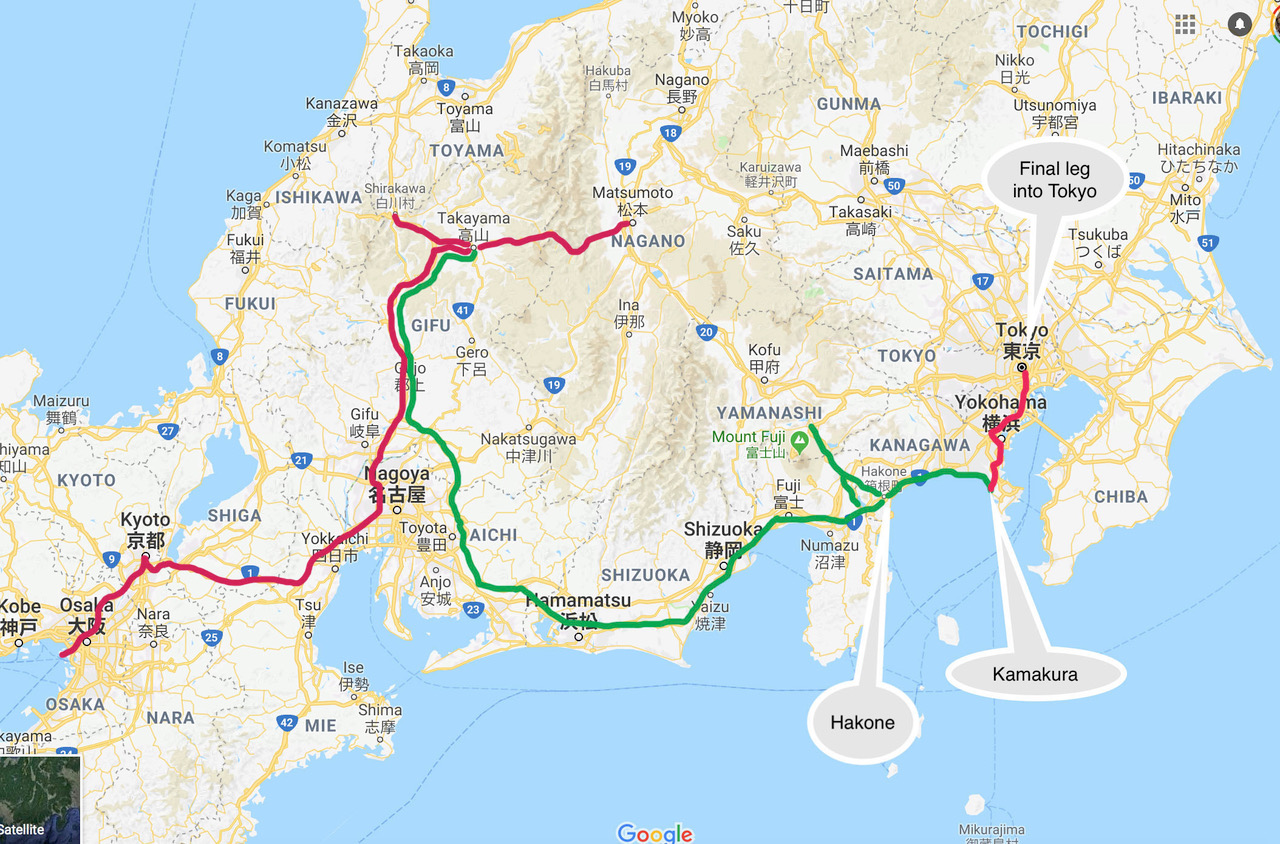
Some good news, we have found an AirBnB for us to stay MON-FRI nights of this week.. it just came back online after having been registered and I grabbed it the minute it came available. These apartments are not only cheaper than hotels, but we get several rooms (the 5 of us in one hotel room really tests the love we have for each other..), a kitchen, fridge and can do laundry. This is a huge upgrade and has saved the final week of our trip.

Saturday, 07 July 2018

Adam: I told the kids that we don’t have any agendas or “must see” places this time.. so they’re going to get to decide the majority of the itinerary. Isabella and Josie wanted to return to Harajuku and the famed Takeshita Street (pronounced “talk-esh-ta”, not like it reads…)

Harajuku is known internationally as a center of Japanese youth culture and fashion. This is where all the freaks let their flags fly. Shopping and dining options include many small, youth-oriented, independent boutiques and cafés.

We got their early in the day (a common complaint from my family) and it was too soon to get real crazy.

On the way: Holden putting on sunscreen, me copying what the Asians do to avoid the sun.
There is practically no graffiti in Japan.  The only place we’ve seen it had a sign posted reading No! Graffiti  Any violation is punishable by law. It seems that passive-aggressive notes are not appreciated in any culture.
Harajuku is known for their creperies and there is no shortage of options.
The streets when it’s “too early” to be crowded.  A lot of the shops weren’t even open yet.
This little shop, CalbeePlus, specialised in potato chips, cut and fried right in front of you. We chose “pizza taste with melted cheese.”  They were pretty good.  They tasted a lot like nachos.
People in costumes are starting to come out.
We just happened to stumble upon a restaurant specialising in tonkotsu ramen: Kyushu Jangara Ramen Harajuku.  They had room for 5 at a counter, so we took it.  Best of all, they offered a bowl of vegan ramen for Josie.  Finally something for everyone!
Adam ordered a spicy version called Budo-Karabon.  — Menu description:  I put a spicy in rich soup “Bonchan”.  I just pursued “the depth of taste” not just painful.  As a result, we decided to blend ten kinds of spices. People who are “regulars who love to spice” are regularly “bunny” straight lines. A moderate spicy leaves a faint and lingering finish in the mouth. Please try by all means once.
I ordered Kobonshan, a garlic variety.  Menu description — Please enjoy the sense of unity of “Homemade Mercer Oil (Garlic Burning Oil)” and “Mild Tonkotsu Soup Boiled Crisply”. The material is Tonkotsu, License. “Kumamoto ramen” is the roots. Especially it is rammed with a characteristic flavor/sweetness. If you sip a soup, you will find “fragrant garlic fragrance” in your mouth. Its mellow richness is captivating the people of “Gobon Mania” throughout the country.
This meal was a treat for all of us.  It was one of the best meals we’ve had on the whole trip.  We also got really lucky to find seats; after we’d ordered but before we’d been served, the place filled up and people were being turned away.  I am going to try my best to recreate this type of ramen dish at home.  (All the food close-ups from now on are because I want to remember how they are supposed to look.)

After lunch we walked back through Takeshita Street going the other way so we could see some of the shops that had still been closed on our first pass. Now it’s starting to get crowded.
Holden (on balcony, greenish shirt) signaling to Adam that Mom and sisters need him inside the store.  Adam is the keeper of all the yen.
Adam: After lunch, we traveled to another part of town for one of Josie’s choices – a return to the largest Pokemon themed store in the world. This place was also crowded – People can’t get enough of this stuff and it rivals the cult-like-fervor for Disney gear that we sometimes see in the U.S. The kids didn’t buy anything – they said that everything was low quality and too high priced. Since all of their purchases on this trip come out of THEIR pockets, they’re much more discriminating. With regards to Pokemon gear, I think they’ve all just outgrown the interest – what was cooler 3 years ago when we were last here is now not as interesting.
Inside the Pokemon store.
The kids’ chief complaint was that most of the merchandise was Generation 7 (whatever that means) and they don’t know any of the characters.  Our kids were into Pokemon during Generations 1 thru 4, and apparently the Pokemon people aren’t making merch for Gen 1-4 anymore.  “We can’t be expected to pay money for something that isn’t nostalgic” Isabella declared.  Josie said, “That was kind of a letdown.  I was really looking forward to this and I’m disappointed.”

It was too early to go back to the hotel for the day, but we were all getting tired of being out.  We decided to visit Tokyo’s version of Disney Springs, in Orlando — Disney Ikspiari.  It’s the free part of the Disney complex where you can shop or go to restaurants without buying a park ticket.  Ikspiari is only one train stop from our hotel, so when we were done it was a quick trip back home.

People like to dress up here at Disney, too.
They have a Mexican restaurant!  Guzman y Gomez.  This display of plastic food is sitting outside the door so people can see what they might be served.  We thought about eating here just to see what the Japanese take on Mexican food is like, because we’ve found that other countries typically butcher Mexican food.  America does a pretty good job, especially if you’re fairly close to the Mexico border, but even in the US you usually get TexMex instead of authentic Mexican dishes.  It was too early for dinner, though, and we ended up deciding not to. We were also a little afraid that we’d end up paying a lot of money for not-very-good food.
More people all dressed up.
Adam: We have not suffered from the huge rainstorms in Southern Japan. All of the deaths and destruction are taking place well to the south of us. Saturday was a very pleasant day in Tokyo and the weather looks to hold fairly well.. slight chances of rain each day, but we won’t get socked in.

We did, however, “enjoy” an earthquake last night. It hit about 8:20pm and rocked our high-rise hotel building for about 30 seconds. The kids have never experienced an earthquake and THAT got them jabbering well into the night.

Richter 5.9 earthquake. No recorded damage. I know well that the buildings in Tokyo are designed for this, but it’s still always a bit unsettling.  My last earthquake experience was in a high-rise in San Pedro Sula, Honduras, and I do NOT know how well their buildings are constructed.
Sunday, 08 July 2018

Today we walked around some of the kids’ favorite locations, Shibuya and Akihabara.
Adam (below): Inside one of the video game parlors in Shibuya – an active neighborhood in Tokyo.  The kids are always eager to see these… “They don’t have THIS in the U.S!”  

These places are loud, dark, overwhelming, and filled with smoke.  They may be one of the last places left in the world where people can smoke indoors.  Whenever I walk into one of these parlors, I am brutally yanked back to my childhood.  This is what the late 70s smelled like.
Shibuya is famous for its scramble crossing. Three large TV screens mounted on nearby buildings overlook the crossing, as well as many advertising signs.  This is the busiest pedestrian crossing in the world. Its heavy traffic and inundation of advertising has led to it being compared to the Times Square intersection in New York City.
This is what the street looks like when the crosswalk signal goes green.
All of us were getting a little tired of noodle dishes, so for today’s lunch we chose a place inside Shibuya Mark City mall called BiKiNi TAPA, a Catalan Spanish restaurant.  Adam and I shared some paella, Josie found a grilled vegetable platter, and Holden & Isabella both ordered a pork chop with rice.  The food here was quite good.

Isabella picked up Adam’s camera while he was in the men’s room and started snapping pictures even though she doesn’t know how to work his Leica.  This was the best shot she got, and the only picture we have of the restaurant.
Below: Interior shot of Shibuya Mark City. It’s like a mall, only bigger and has more stuff.  One entire floor is dedicated to restaurants (good ones!), it has a huge train station, a hotel, and Toyota Noren-Gai (Foods) — “opened in 1951.  It is a very famous food shopping street with its long history. We’re offering genuine articles and high quality food for the gifts, providing with nice taste and Omotenashi, perfect service.”  The place is so big they have little kiosks with map booklets in multiple languages peppered throughout the complex.
The kids found a pet store with the most adorable Shiba Inu puppy we’ve ever seen, with a US$2,000 price tag. The door to the left is for some seedy sex-parlor thing. You can see the signs showing “18” as minimum age.  (Oddly, “Baby Doll” is the pet store, not the sex store.)
Adam: An eight-storey guitar store… Great place to wander, but the rest of the family was bored.
We didn’t have any agenda this afternoon.  We just wandered from street to street, up and down alleys. There is more than enough to see and every once in awhile we find something crazy or new that keeps us interested.
Adam: Like gay boy singers with two horse-headed accompanying dancers. The sign says “Spread with Asobi virus and Horses!” Does that help?  

I looked up Asobi virus when we got home because I thought maybe it was a public warning about something like Mad Cow disease.  Nope.  Asobi Virus is the name of this band and apparently they are kind of a big deal here.  They have a large online presence and you can download their albums on iTunes.  Their webpage, as translated by Google, says “A boy running around the country with my short blond freckles blonde lives in my head.” Is that more helpful than “Spread with Asobi Virus and Horses!”?
These three guys were doing something, but we couldn’t figure out what.  They were dressed like Native Americans — sort of, in what looked like repurposed bed sheets and flip-flops, along with the feather headdresses — but had heavy black-face makeup on.  It was really weird and probably wildly racist, but we couldn’t tell which race of people were supposed to be offended. (Or honored?)
On to Akihabara. This neighborhood has dozens of stores specializing in anime, manga, retro video games, figurines, card games and other collectibles. It plays to the “Otaku” culture – the nerds/geeks that come here for electronics, games, books & etc.
Inside the Mandarake store – 8 more storeys of toys, collectible items, books, DVD’s & etc. Each floor is packed with cases and full of people.
Our kids are looking at collectible Pokemon cards. Some of these go for more than $1000 each.  Isabella could hardly believe it when she saw a Charizard card from the initial Japanese release in 1996.  These cards weren’t released in the US until 1999.  They wanted ¥120,000 for it.
For all your toy car needs.
Narrow staircases between each floor.
Adam: Endless Manga books. In this store, each floor had a specialty. For example, a floor of books for girls, another floor for boys, another floor just for girl-on-girl love books, another one with sex themes and other strange, naughty habits. These books are definitely for adults and we skipped a number of floors altogether, but not without loud and chattery observations from our 3 kids.
Below: This floor made the least sense to me.  It was all about these dolls.  They were incredibly creepy, partly because they didn’t have eyes.  There was a bin filled with eyeballs by the cash register. The deal is you pick out your body, eyes, hair, outfit, face shape, etc. to create your own character.  The bodies were all female, but they ranged from the ones in this photo with small boobs to the ones around the corner (not in the photo) with boobs so big the dolls couldn’t sit up without a special back brace.  They all had nipples.  It was gross and creepy and definitely had a fetish vibe, but was also weirdly innocent.  What are you supposed to do with these things?  They are too small to be sex dolls, but too sexual to be anything else.   The straight-up porn floors are easier to handle just because they at least make sense.  I don’t like porn, but I understand porn.  These dolls, though.  They’re fucked up.
Back outside, a restaurant specialising in caviar.   The Beluga course will run you ¥63,000 — about $570 per person.
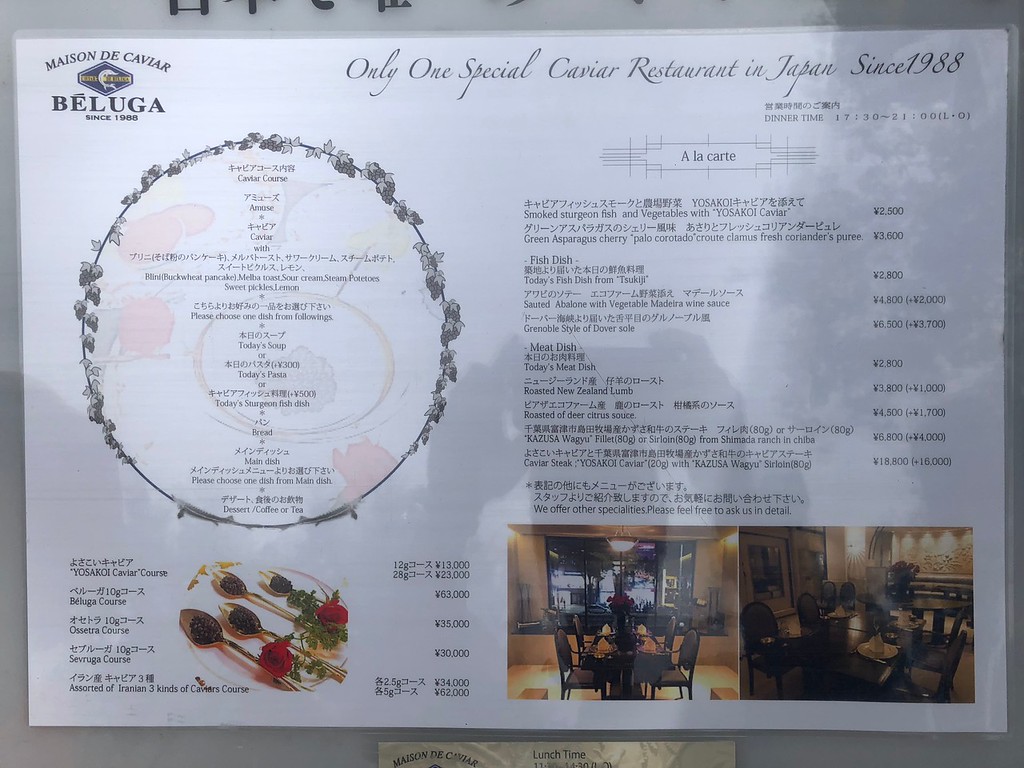
Monday, 09 July 2018

Today we visited the Tokyo DisneySea.  This park is unique in design and rides and has received strong reviews from folks who travel all over the world to enjoy theme parks.  The tickets are reasonable (about half what you pay in Orlando) and the weather held up.

We ended up having a great day. We didn’t stay too late because we still needed to return to our hotel, pick up our luggage (which they were storing for us), and take several trains back into Tokyo downtown to find our next apartment.

Adam didn’t want to lug his good camera around all day, so these are all iPhone photos.

The biggest impression we had of the park was how beautiful and well designed it was. Here are some shots of the views..
20,000 Leagues Under the Sea ride.
Of course there were lines.
Many of the rides were set up to let people do their waiting inside air conditioned buildings with lots to look at.  It was so hot outside you didn’t mind getting into a long line because it meant you could stand inside where it was cool.  This is the line for Indiana Jones Adventure: Temple of the Crystal Skull.
It got so hot in the afternoon — nearly 90°F, 79% humidity– that they started making safety announcements over the loud speaker system urging people to drink enough water, stand under umbrellas, and take frequent rest breaks to avoid heat stroke.

Standing in front of the roller coaster Raging Spirits.  It is the only coaster in the park with a 360° loop.
The only real disappointment of the day was that the park’s most popular ride, Journey to the Center of the Earth, was closed for repairs.  It’s underneath that volcano in the background.
Venetian canal rides.
One of the highlights of the afternoon was going popcorn hunting. Throughout the park they had small stands selling various flavors of popcorn. The kids walked all over looking for new styles.  In total, we sampled: Curry, Strawberry, Milk Chocolate, and Garlic Shrimp. We’d buy a small box at each stand and all share.
The small container (in Holden’s hand, above) was ¥350.  For between ¥2500 – ¥3100 (US$22-$27, depending on how fancy they were) you could buy a souvenir popcorn bucket.  They were elaborate affairs with different themes depending on where in the park you bought them.  We initially thought you could get free refills all day with the purchase of a bucket, but then found out that each refill was another ¥500.  (The refills were more than 2x the volume of the small container above, but still!)  Holden spent quite a bit of time doing the math to figure out how much popcorn you’d have to eat to come out ahead on the purchase of a souvenir bucket.  When we thought the refills were free, he figured you’d need to eat the equivalent of 7 or more small boxes.  When we found out the refills actually cost money, he gave up.  He couldn’t do the calculations in his head.

Below:
Adam:  Here the kids are coming off one of the rides where you get real wet, Aquatopia. I wanted to go and the kids actually balked for awhile, but finally relented. I told them that they wouldn’t get THAT wet … but we all did.  They were mad for about 30 seconds until they realized how nice they felt after a good soaking.
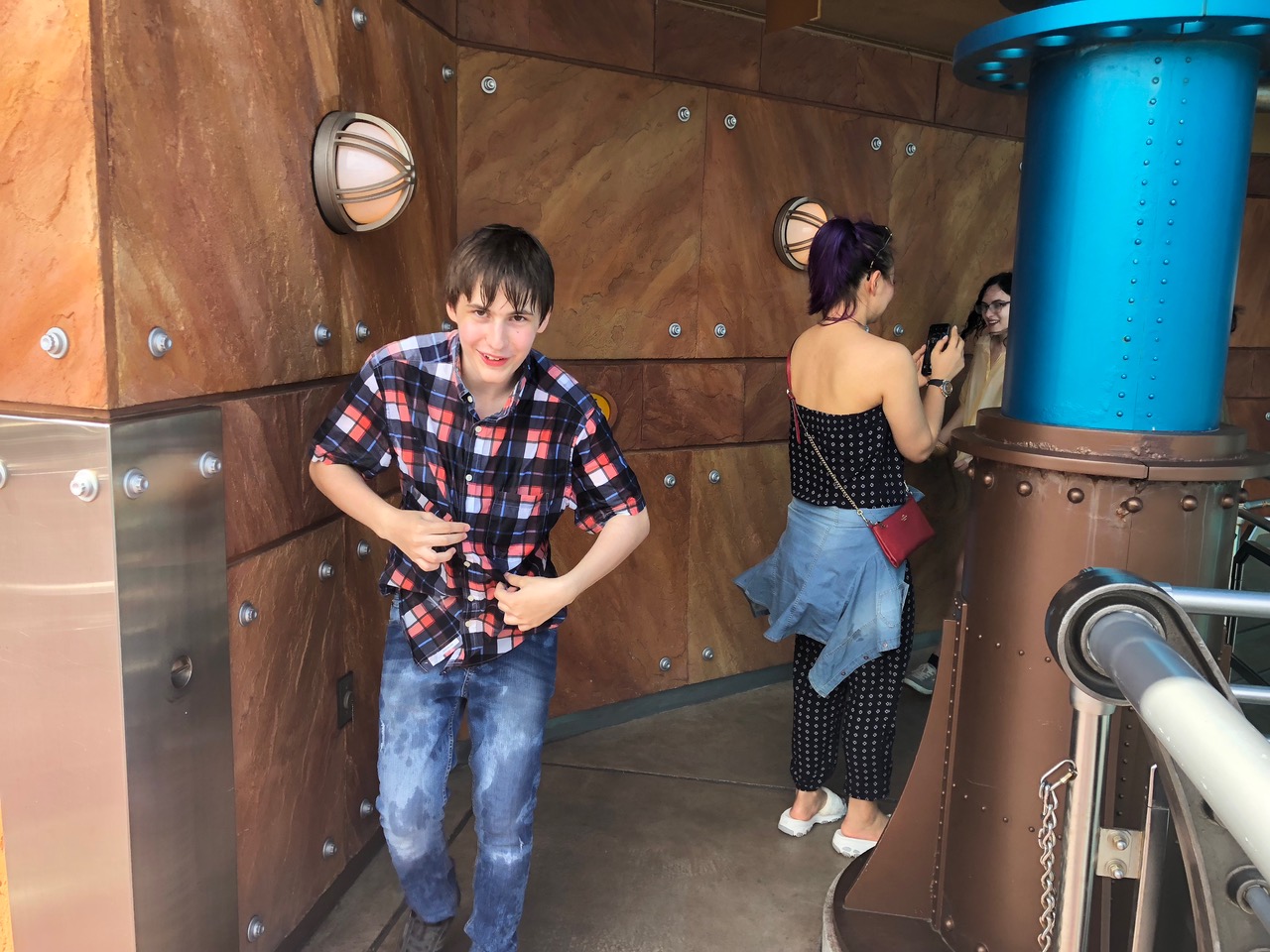
We had a fantastic time and got to ride on almost every attraction we wanted.  By 3:30, we were hot and getting tired, and still had a couple hours of train travel ahead of us — with all our luggage — in order to move from our current hotel to our new Airbnb in a neighborhood more centrally located in Tokyo.  We stopped for this one last photo before heading out to the train station.
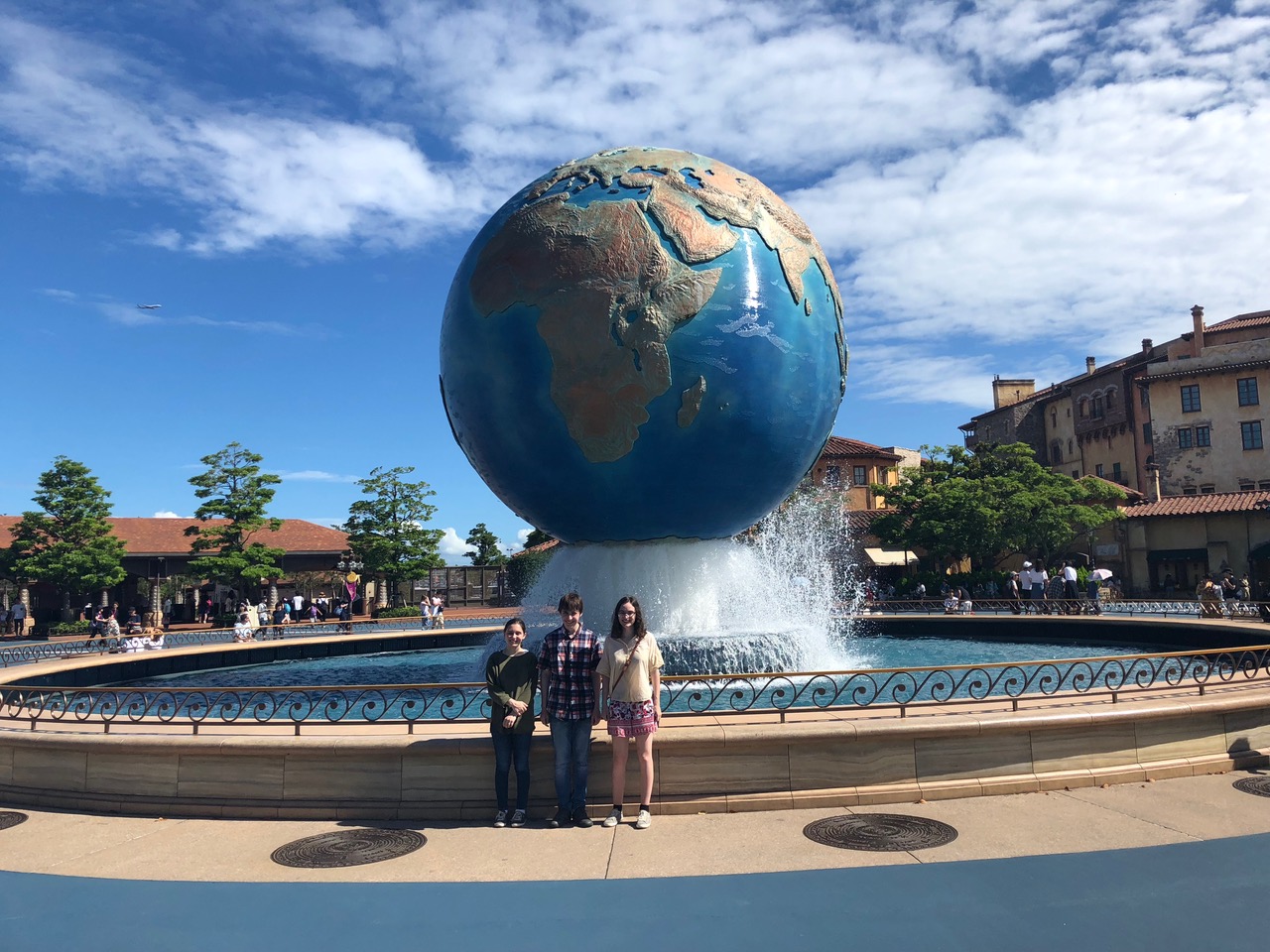
More later!


Posted in 2018-06/07, Asia | Leave a comment

Kamakura & Yokohama, Japan: 04-05 July 2018

Wednesday, 04 July 2018

Today was short travel day, driving from Hakone to Kamakura. It’s a slow, 50km drive along the ocean. They call the highway “1” and it travels much like US1 in California.

Loaded up for another trip down the road.

Adam: From all of our driving, we can see that Japan has plenty of room, they just don’t have very much level space. If you must build, you’re going to have to build on steep inclines.

Kamakura is another resort town, on the beach. It gets a lot of Tokyo weekend crowds. All beach towns sort of look the same wherever you area. The same surf shops and salt-water worn buildings, a lot of wind, and even the normally uptight Japanese here have a relaxed look to them.

Our place while we’re here.

Another hot, humid day.

Lunchtime!

Adam: We couldn’t check into our house until the afternoon, so we parked downtown and visited one of the recommended sights – Hase-dera Temple. This place boasts a massive collection of hydrangea plans of all varieties.

It was a large letdown for Brenda – almost all of the hydrangea plants had recently had their flowers clipped. There were a lot of green plants, but no flowers.

There are three sets of these impossibly cute Jizo statues at Hasedera Temple.  If you can find them all and take pictures, good luck will come to you. We didn’t know about the “take pictures” part until afterwards … and we only found two sets anyway.  I guess it was not our lucky day. (Edit: I could only find one reference to these guys being lucky, so I don’t know how accurate it is. Everything else I read about them was actually pretty tragic and depressing.)

Along the flights of steps leading to the Main Hall are countless Jizo statuettes made of stone. They are called Sentai Jizo, meaning literally ‘one thousand Jizo’. Historically, parents came to Hasedera to set up these statues in hopes the deity would protect and watch over their children.  More recently, they have come to represent miscarried, aborted and deceased children.  Jizo Bosatsu is the god who will comfort the souls of these children and guide them to Paradise.  According to Japanese Buddhist stories, children who face judgement in the afterlife are doomed to stack rocks on the riverbed of souls in purgatory because they didn’t have a chance to build up good karma on earth. Jizo helps these children to cross the river in the sleeves of his robe.

Kannon-do Hall.

Nice views of the town from up here.

This area has posted signs warning people about the kites.  (This photo came from the internet; we didn’t think to get our own photo while we were there.)

Isabella said, “I kinda would like to be injured by a kite.  Can you imagine how cool of a story that would be?  People would say How did you get that huge scar on your arm? and you’d say, ‘I was attacked by a falcon at a Buddhist Temple in Japan.’ Then when they said, Wait … WHAT?! you could get all mysterious about it and say, ‘It’s not something I like to talk about.’  You’d be a legend.”

These slopes were covered in hundreds of hydrangeas, almost all of which had recently been pruned.  There weren’t very many flowers to see.

This is the area where the second set of three cute Jizo statues were, but we didn’t get a photo of them.

I asked Adam to get this photo because I loved this guy.  I don’t know who he is, but with his fire and sword and mad fist and grouchy eyebrows, he’s awesome. This is a dude to be reckoned with. He doesn’t even need to get out of his cross-legged sitting position to let you know he means business.

Going into a Benten-kutsu Cave filled with carvings of the sea goddess Benzaiten and her 16 children. These carvings are an unusual style that’s not typical of Japanese sculpture. Benzaiten is the Goddess of water and wealth, and the only female among the Seven Japanese Gods of Fortune.  When she was adapted from Buddhism, she was given the attributes of talent, beauty and music among others.  She is the patron of artists, writers, dancers, and geisha, among others.

It’s very dark in here, but Adam got a couple of shots.

Just a short walk away, there is another Buddha at the Kōtoku-in buddhist temple. What is significant is the age (constructed in 1252) and the “high tech” bronze casting and construction techniques they used. They allow visitors to go inside the hollow Buddha and see from the inside how he was built. (More on that below.)

Some stats on the Buddha.

The copper-colored part is added reinforcement to help support the head from inside.

That his robes look like from the inside.

Josie in front of some huge obelisk that is old and has a lot to say, but there wasn’t any sign to help us understand the significance.

Another purification station.

Thursday, 05 July 2018

Adam:  Today we drove to nearby Yokohama – one of Japan’s major ports. Almost 2/3 of Yokohama was destroyed by US bombing during WWII, starting with the Doolittle raid and running right up to Japan’s surrender.  Japan invested heavily in the rebuilding and growth of this port. Yokohama and Tokyo are rivals. That is to say, if you ask anyone from Yokohama they’ll tell you that Yokohama is better than Tokyo.

Yokohama’s population of about 4 million people is big enough to make it a major world city on its own. Yokohama and its massive port are the industrial heartland of Japan. In the 1960s, Yokohama came up with a bold plan to transform its industrial cityscape into a futuristic city to rival Tokyo. Train lines were built, warehouses torn down and man-made islands were created. Attractive architecture and parks filled the Yokohama port area.

We got a late start (by Mayse standards) and were already hungry by the time we arrived. Our visit started with the Shinyokohama Raumen Museum. The top floor has signs and displays that lay out the history and significance of Ramen to the Japanese. But it’s 2 downstairs floors that draw the crowds.

We were able to explore a 1:1 replica of some streets and houses of Shitamachi, part of old town of 1958 Tokyo, when the popularity of ramen was rapidly increasing. Nine ramen restaurants can be found there, each featuring a ramen dish from a different region of Japan.

Ramen is the fusion of Chinese noodle dishes and Japanese food culture. Undoubtedly, the root of ramen is Chinese.  Cuisine from many different countries entered Japan after 1859, when its ports were opened. The father of ramen is Chinese noodle dishes, and the mother is Japanese food ingredients, such as dashi (Japanese-style soup stock) and shoyu (soy sauce), which have been used in Japanese traditional noodle dishes like soba and udon.

You can walk from restaurant to restaurant and try out their specialties. A guide helps you decide what type of Ramen they serve (different bases, different noodles, different spices, etc). The restaurants also sell 1/2 servings of their dishes so that you can eat at one and then move on.

We chose one of the restaurants equipped to seat 5 people, Komurasaki.  It turned out to be fantastic.  It was the only restaurant featuring tonkotsu-based broth — the others were either soy or salt based, and one was pescatarian-based (the only one with fish broth.)

“Founded in 1954, this historic ramen restaurant serves a mild-flavoured soup that combines chicken bone and vegetable broth over a tonkotsu (pork bone) base. The soup includes its own specially-flavoured garlic oil, and home-roasted, crumbled garlic chips scattered on top; whose fragrance really piques your appetite.”

The kids slurping away.

It was VERY good.  I spent quite some time trying to identify flavors and ingredients so I can try to make it myself at home.  The recipes I’ve found online in the past mostly use miso-based broth, but we liked this one a lot better.

Unfortunately, after all of us had our 1/2 service (with a side of Gyoza), we were already full.  We wanted to try another of the restaurants, but it had gotten crowded while we were eating our first serving and we couldn’t find another place that could seat all of us.  We gave up and left.

The shop offers all the dishes and utensils you could ever need to properly serve ramen.

People lining up to wait for their turn, which could be 30 minutes or more.  This is what chased us out after our first (and only) serving.

Adam: On to the Yokohama waterfront – it never rained today, but was extremely windy. Holden and Brenda spent more time battling their umbrellas than enjoying them.

The ferris wheel and roller coaster weren’t running today.  We assume it was too windy to safely operate them.

Adam: We walked to the Hikawa Maru – a Japanese ocean liner built in 1930 and used until 1960. At its start, this was the only method of trans-Pacific travel. It’s now a museum and it turned out to be the highlight of our day.

There were NO visitors – we almost literally had the boat to ourselves. It allowed us to explore with complete freedom and made for a very enjoyable afternoon.

The Hikawa Maru also has some extra significance – it’s main route was from Yokohama to Seattle and back. A one-way journey took 13 days and the first class cabin rate cost the equivalent of a recent college graduate’s 7-months’ salary.

3 Ships of this class were built. During WWII, two were sunk. The Hikara Maru served as a hospital ship during the war and survived three separate incidents of mine collisions.  It was built to handle the notoriously rough seas on the Tokyo-Seattle route with extra steel plates and a stronger hull … therefore it survived three+ mine hits.

The first-class hall.

The first-class dining room.

This is the “social room” where evening dances were held for the elites to socialize with each other in a refined atmosphere.  There was no internet, so they had to make do with paying attention to each other IRL.

The kids enjoying their internet in the 1st Class Lounge area — something the fancy-pants people of yore couldn’t do.

The more seasoned a traveler was perceived to be, the better treatment s/he received. People kept luggage long past it’s best-by date just to keep the stickers.

The men’s smoking room.  Women weren’t allowed in here.

Adam’s version of a selfie.

Deluxe Cabin.  There was only one:  it had a bedroom (two twin beds) and a sitting room connected by a full bathroom. One of the Hikawa Maru’s most famous passengers was Charlie Chaplin, who sailed to Japan in 1932. We got to go into the rooms that he used and took photos of his personal bathroom. Charlie Chaplin, as well as a Princess and other assorted royalty stayed in this cabin.  It cost roughly the equivalent of US$28,000 for a one-way (13-day) trip.

The sitting room.  I loved the stained-glass window birds.

The bathroom.  Just drink in the elegance!  All kidding aside, it was much better than what everyone else got.  When you were seasick during the notoriously rough passage — and you would be — you could barf privately into your own potty or sink. Even the ship captain’s bathroom was not quite as nice. I said, “Just imagine … Charlie Chaplin peed in here!” The kids said, “Ew, Mom, why do you have to be so gross?”

But this bathroom was actually special; the furniture in the first two rooms were replicas, but the tub/sink/toilet were original to the boat.  Charlie Chaplin didn’t sleep in that exact bed, but he totally peed in that toilet and showered in that bathtub and brushed his teeth in that sink.  Charlie Chaplin!!

As lousy as that bathroom looks, the Deluxe Cabin was the only one that had a private facility (aside from the captain.)  The regular 1st class rooms just had a sink between the two twin beds.  For shower and toilet they had to use communal ones.

The Wheelhouse.

Engine Room

Third class cabin.  8 bunks per room.   You stayed with strangers, had no privacy, shared a communal bathroom down the hall, and weren’t even allowed to set foot on the upper deck where the first class cabins were.  When you got seasick, I guess you barfed into a sack right in front of everyone.  It makes me feel la wee bit queasy just to think about it.

Birds still use the ship.

Yokohama skyline from Tokyo Bay.

We spent the rest of the afternoon walking up and down the waterfront, checking out parks, the rose garden, and other shopping areas.

Adam: Getting on near dinner time, we found a large mall that had one floor dedicated to all things Hawaii, including a restaurant that served hamburgers. Holden and I have been aching for one for weeks and Brenda finally gave in.

Josie does do things besides look at that phone.. but she’s suddenly become quite camera shy and, while she won’t race out of the camera view, she will quickly look down and not pose in any other method than this one. Like Isabella before her, I now have to be much more clever to get any photos of all three girls. Holden continues not to care.

The burgers were only OK.  At the risk of sounding smug and patriotic, I’ve never had a truly good hamburger outside of the USA.  If I had to think of just one thing the United States does better than everyone else, it would be the hamburger.  There basically is no point in eating a burger in any other country.  (Well, I take it back — I’ve had a very good burger in Canada.  Not quite as good as an American burger, mind you, but still worth eating.)

Desserts, though!  Other places certainly can put together a treat.

Tomorrow it’s on to Tokyo.

Posted in 2018-06/07, Asia | Leave a comment

Hakone, Japan: 02-03 July 2018

Monday, 02 July 2018

Monday was a travel day – we packed up our stuff and left Takayama and headed south (and then east) to Hakone. About 320km (200 mile) drive.

Highlights were figuring out how to get gas (it’s all automated, different system than in US and no English) – US$5.41/gallon gas equivalent.  Adam spent some time watching youtube videos (“How to get gas in Japan”) so he’d know at least a little bit how things were supposed to work.

Hakone is a resort town up in the mountains. It is close enough to Tokyo that it gets the weekend and vacation crowds from the big city.

We arrived a bit too early to check into our house, so we parked and did some browsing, grabbed lunch and killed some time.  Almost everything in this town centres around the train station.

Adam: This is a typical coffee dispenser in Japan.. Nowhere can you get a simple “cup of Joe.” You have to have an engineering degree (lucky me) to get it to dispense.

Our car and where we’re staying (in the sunlight to the left of the car), plus a member of the local wildlife.  This neighborhood had a lot of cats and dogs, all of whom decided to make a bunch of noise around 3:00 a.m.  Cat fights, which set off several indoor dogs who clearly wanted to be outdoors and in on the action.  It wasn’t so much “woof woof woof” as it was mournful “roooooooooooooooo”ing going on until sunup.  How do people in this neighborhood sleep?

This house had enough rooms that everyone got their own … the kids had to sleep on the typical floor mats but were thrilled to have some privacy (that’s Josie, enjoying her space).

And Adam and I were more than thrilled because our room had real beds!  We’ve spent the past two+ weeks sleeping on the floor, which is all fine and dandy when you’re pre-college but not all that great when you’re within rock-throwing distance of 50 years old.

Tuesday, 03 July 2018

Adam: One of Brenda’s goals on this trip was to see Mt. Fuji. On our last trip to Japan, it was never in view. The thing is, Mt. Fuji, in all it’s majesty, can be a hard thing to view on any given day.

The mountain is only about 12,400’ high, but because it sits alone (not as part of a range) and due to it’s nearly perfect symmetry, it leaves a strong impression.  However, it also has its own climate and clouds tend to gather and clump about this protrusion. We timed our trip a bit to take advantage of some clearer weather and hoped for the best.

So, for today, we went hunting for a decent Mt. Fuji picture.

The first thing we found, though, was a little wild animal … they do exist in Japan!

He was clinging to the bathroom door leading into the men’s room in the parking lot of Chureito Pagoda (near Fujiyoshida).  I was going to move him to the nearby woods, but Isabella and Josie both freaked out and begged me not to touch him in case he was one of those frogs that exude deadly poison or hallucinogenic compounds from their skin, like Hypnotoad.  (“Seriously, I’m gonna freak out if Mom starts trippin’!”)

I’m pretty sure all those frogs are in the Amazon rain forest over in South America, but then I got to thinking that perhaps this little ribbiter was exactly where he wanted to be.  What if he’d spent the entire night getting to that spot, hoping to move into the men’s toilet where he’d be safe from birds and big fish?  In the end I left him right where he was.

[Later edit:  I think he’s a Japanese Tree Frog.]

Although nothing as poisonous as the South and Central American Poison Dart Frogs from the Dendrobatidae family, Japanese Tree frogs do have mild toxins within their skin for protection against predators and disease.
Despite this, they can be handled relatively safety without too much of a problem. Be sure to wash hands after handling any specimens and do not allow the slime from within the frogs’ skin to get in the mouth or into open cuts and wounds.
And as a final safety precaution, don’t stick frogs in your eyes… the slime causes pain and permanent blindness.

Don’t stick frogs in your eyes?!  Ummm … ok.  (But seriously; if you are the type of person who thinks “I’m gonna stick this frog in my eye” — would someone telling you NOT to stick the frog in your eye stop you?)  Whatever.  It didn’t occur to me to stick the frog in my eye, or rub it’s slime in my mouth or on my open wounds so I probably would have been ok.

Anyway …. on to Chureito Pagoda. You have to climb 398 steps to the top.  At the base of the staircase they have a little shop, snack/drinks stand, and a place to leave prayer ribbons at the Arakura Fuji Sengen Jinja shrine before you embark on your hike.

Somebody has to rake the zen garden each morning so the rest of us can find inner peace.

Up the stairs we go!  It was already nearly 90°F this morning so we took our time.  We got incredibly lucky, though, and the clouds cleared enough to give us a spectacular view of Mt. Fuji.

There it is, along with Chureito Pagoda.  This view was well worth the climb.

From a plaque at the site:  The Fujiyoshida Cenotaph Monument, also known as the Chureito Pagoda, was built by the mayor of Fujiyoshida …. in 1958 to enshrine about 960 citizens from Fujiyoshida who died in the wars which occured after 1868 (the First Sino-Japanese War, the Russo-Japanese War, World War I, and the Pacific War of World War II).

Back down at the base: the purification fountain for cleaning your hands before you enter Arakura Fuji Sengen Jinja shrine.

By the time we walked back down all those stairs, clouds had already formed to obscure the top of the mountain.  We got unbelievably lucky to see it at the exact time we were at the top.

Adam: Here’s another typical view of Mt. Fuji – we drove more than an hour north to lake Kawaguchi for this shot. This lake is the most famous of the five lakes that surround Mt. Fuji, and images of this lake are usually used in posters and commercials. A large number of hotels line its banks, as do locals providing boat rides to the tourists. We did arrive to enjoy the Herb Festival that happened to be going on at that location. 

I was thrilled at our good fortune to arrive during their Herb Festival.  The garden was packed with various types of lavender (some of which I’d never seen before) and smelled heavenly.

As luck would have it, I was even wearing the right color outfit today.

The shops were selling lavender products, including lavender ice cream and this lavender float that Adam bought.  It was a shot of lavender syrup, sprite, and a scoop of vanilla ice cream.  It was quite good; much better than we thought it would be.

Other lavender products: lavender-filled pillows, huge bags of dried flowers to make your own potpourri, perfumes, soaps, essential oils, cleaning products, etc.

Another shot of Mt. Fuji from the south, facing north, on our way to Lake Ashinoko for lunch and to look around.

Adam: Mt. Fuji is still considered an active volcano, although the last eruption was in 1707. However, the surrounding area is still quite alive. Ōwakudani is a volcanic valley with active sulphur vents and hot springs. It was created around 3000 years ago, as a result of the explosion of the Hakone volcano (about 20km away from Mt. Fuji).

Owakudani is actually inside the crater of the volcano Mount Kamiyama. Owakudani translates to “the Great Boiling Valley,” though some locals refer to it as Jigokudani, meaning “Hell Valley.” Here you can see the cable cars operating to give people a good view over the sulphur springs.

Adam: It is a popular tourist site for its scenic views, volcanic activity, and “Kuro-Tamago” — a local specialty of eggs hard-boiled in the hot springs. The eggs turn black and smell slightly sulphuric; eating one is said to add seven years to your life. The moutaintop views were great, but the place really smelled of sulfur.  Due to volcanic activity in 2015, they had to shut the place down for about a year. Even now, there is limited access to the areas and (from what I read) you used to be able to wander a good deal more up the hills and get close to the volcanic vents. Now, no longer.

Owakudani’s hot springs contain rich amounts of sulfur and iron. When the eggs are cooked in it, these elements react with calcium in the egg shells. It results in the chemical compound iron sulfide which adheres to the egg shell and turns it black. The eggs are soaked for an hour in the springs with a temperature of 80°C (176°F). Since this process doesn’t fully cook the eggs, another 15 minutes of steaming is done in a caldron.

We bought a package of five eggs, but Adam refused to eat his.  He does not like eggs and can only manage to choke them down if they’re scrambled.  I ate his for him, so maybe I’ll get an extra 14 years instead of 7?  We couldn’t decide if the eggs would add up or cancel each other out (the Japanese do not like for people to be greedy).

The only difference was in the shell.  The hard boiled eggs inside looked and tasted completely normal.

[Later edit]
The internet to the rescue again:

Each egg is believed to add seven years in a person’s life. However, eating more than 2 1/2 eggs can give you bad luck.

Phew!  I only ate 2, not 2 1/2. I’ll probably be ok.

The sulphur springs.  They weren’t too stinky … if you’ve been to Yellowstone National Park, you know exactly what it smells like.

There was quite a lot of steam coming out of the vents, but it was windy enough today that the air stayed pretty clean.

We had a very late lunch (early dinner?) at a nearby lake.  We saw the pirate ship sailing around and pulled over on a whim.  Sadly, the lunch was really expensive and not very good.  The area was far too touristy.  You can’t win them all.

Time to head back to the apartment for the evening.  Tomorrow we leave for Kamakura, a little seaside town near Tokyo.


Posted in 2018-06/07, Asia | Leave a comment

Takayama, Japan: 29 June- 01 July 2018

Friday, 29 June 2018

Adam:  We rented a car in Kyoto (Toyota Isis) and checked out of our house. All loaded up, we headed for the Gifu Prefecture and what is known as, in the tourist guides, “the Japanese Alps.”

Here is our car.  It’s just about the biggest car you can rent in Japan, and it barely fits all of us and our luggage.  We had to squeeze to make it fit, but we did get everything in.  The parking lots here are a bit strange … you park in the space and then that green barrier pops up and traps your car.  You can’t leave until you pay at the meter; paying the fee triggers the green thing to go back down, but only for a short time so you need to hustle once you’ve paid up.

Adam: We wanted to get out of the urban areas and see a bit more of Japan – what you can’t see from taking the bullet trains or airplanes.

Driving in Japan is just like in the US – except that it’s on the British side of the road, the road rules are different and I can’t read any of the signs.

Our homebase is a house in Takayama – situated in a valley amongst several ranges of mountains. Here, the elevations are not terribly high (we’re up about 2000 feet) with the highest mountains topping at around 10,000 ft. There’s no snow on them now – but we have had our fair share of rain. It poured during most of our drive to Takayama, and once we arrived, we were entertained that evening by lightning and thunderstorms.

Map of our trip from Kyoto to Takayama.. Side trip to Shirakawa-go and Ogimachi.

The terrain in these mountains is very rugged. The trails to get from one place to another must have been nearly impossible to cover. It gives these towns a somewhat isolated feel. These areas get a LOT of snow – the houses are designed to withstand more than 2m of snow cover. In modern times, the Japanese have solved the road problems by digging tunnel after tunnel right into the mountains. As an example, our side trip from Takayama to Shirakawa-go is only about 46km, but we went through 12 different tunnels, the longest of which is 11km in length. More than half of the trip to our destination was underground.

Here’s a shot of our house, with a garage space for our car.

Saturday, 30 June 2018

Adam: Our first outing was to Ogimachi, part of UNESCO’s World Heritage Site: “Historic Villages of Shirakawa-gō and Gokayama.”

These villages are well known for their clusters of farmhouses, constructed in the architectural style known as gasshō-zukuri, which are designed to easily shed snow from their roofs.  It takes the village 4 days (working together) to build a roof and, if well made, they can last up to 60 years.

The Wada House (below).  For a small fee you can go inside this one.

From the brochure:  “The Wada family had passed down the name Yaemon from generation to generation since 1573.  During the Edo period, the head of the Wada family assumed the role of village headman and was the official at the guard station.  The family also prospered in the potassium nitrate business.  During this period, potassium nitrate was an important source of cash income for the Shirakawago area. Promulgation of the organisation of municipalities in 1888 produced Shirakawa Village, and Yaemon Wada was appointed the first mayor of the village.  The Wada House is the largest of the Gassho-zukuri settlement in Shirakawa Village.  It has prestigious structure, including an entrance featuring Shikidai (steps in a Japanese entranceway), conveying the stylish, architectural culture of the early Edo Period to our day.”

They have it set up in the old manner so you can see how people would have lived in houses like these.  Here is a fireplace … they put sand pits directly in the floor in the middle of rooms.  A huge iron plate hangs from the ceiling to catch sparks, and also act as a warming shelf.

The attic area was used mostly for raising silkworms.

An example of the clothing villagers would have worn.  Most of these clothes are made of woven grasses and straw.

Silk worm cocoons.

Repairs being made to one of the thatched roofs.

Our family contemplating a rice paddy. We were looking for frogs and such, but didn’t see any animal life — not even little fish.  Most of the houses had their own vegetable gardens and paddies.  I’m very surprised about the lack of animals, though.  Our entire time in Japan so far we’ve seen only wild birds and fish (stocked in ponds, like carp and koi), plus the Snow monkeys we hiked up to see.  No squirrels, chipmunks, rabbits, deer, horses, sheep, goats, pigs, chickens … not even roadkill that would indicate animals live in the woods. We passed a “Livestock Research Station” on our drive yesterday and saw two cows — just a huge field with only two cows in it.  Where are all the animals?

I made Josie stand next to the hollyhocks to show scale; I planted a bunch of hollyhock seeds at our house before we left Georgia earlier this summer and not a single one of them sprouted.  This is how impressive they were supposed to be.

You can hike up a long hill to a viewing point.  The village looks like something from a storybook.

Holden enjoys the view, but is now getting concerned as the rain has picked up and we’re starting to get wet.

Adam:  Brenda was the only person with foresight to bring an umbrella. 

Not only did I bring my umbrella, but several of the little shops near the parking lot were selling $5 umbrellas and I urged everyone to consider buying one.  It was starting to sprinkle at the time and I said, “Don’t you guys want to buy some umbrellas?  We’re going to be walking around a lot today and it looks like it’s going to start raining a lot harder.”
“No,” said everyone … “I’m not going to spend $5 of my own money on an umbrella when I already have one at home.”
“I hope you don’t mind getting wet, then” I said. “The umbrellas at home aren’t going to do you any good right now.”

Adam: (Below) The rest of us are seeking shelter in a Buddhist shrine, while Brenda enjoys the views.  It rained off and on during the visit, but really started to come down when we were returning back to the valley floor.

At this point everyone started demanding I give up my umbrella to someone else because I had a hat.  “This is a straw hat,” I’d say.  “It’s meant for sun protection and isn’t supposed to get wet.  Water will ruin it.”
“So what?” they’d say back. “It’s better than what we have, which is nothing. We should get the umbrella.”
This started to become a testy issue, which got testier and testier as the rain intensified.

Adam: The Sho River lies in the centre of this region. It rises in the southern mountains, then flows northwards towards the Japan Sea along a deep, winding and narrow valley, surrounded by mountains rising to a height of 5000’. As a result of this steep terrain, the majority of villages in this area are situated in the narrow strips of land along the valley bottom.

Photo below: kids are still irritated that I won’t give up my umbrella.  Later in the day we were discussing economics and the ways different societies distribute goods and wealth. One of the kids (I don’t remember who, Josie or Isabella) said, “The way socialism is supposed to work is that the gulf between the haves and have nots isn’t too wide. You don’t get some people with nothing and someone else getting everything.”  Holden said snarkily, “Yeah, but then there is always that one person who has a hat and an umbrella.”

This is now apparently a new shorthand phrase to be used in our family when someone tries to take more than their fair share:  “You’re getting a hat and an umbrella!”  (I still maintain that I didn’t take anything from anyone … I planned ahead and it paid off.  Big difference!)

After lunch, we returned to Takayama. The sun came out and the heat returned.

View of the Hida mountain range.

Adam: In Takayama, we went to the “Hida no Sato” (Hida Minzoku Mura Folk Village). This is a sort of open air museum – buildings from all over the region were salvaged and brought to this park. You can walk a lazy trail from building to building – all are accessible (must take off shoes in every building, which gets pretty old after the 5th or 6th time) but have neat displays of what life was like in this region over the past 600 years.

There were also some fun things to do as well – Japanese stilt practice.

Picture postcard beauty shot.  They had free parasols for visitors to use.  (They also had free umbrellas for general use, which by this point nobody needed.  It did spark some new grumbling about how the other village was going to charge $5 when they could have offered free “rentals” like this place.)

Adam: Here is an example of a what passed for “middle class” in the 1600s. Inside are rooms for the family, sunken hearths that are constantly lit (for heating and cooking – also the smoke keeps away bugs and preserves the roofs), and your livestock.

I found it amazing that any of these wooden houses could survive for 400 years.

The horse paintings (Ema) displayed in the building below were important:

(Closer view)

View from inside the house, looking out at the kids sitting on the steps.  They didn’t want to take their shoes off.

Holden working a live well. There were signs all about begging you not to drink the water.

Close up view of the Gasshō-style thatched roof (below).

From a sign at the village:
It took all the village people 4 days to make the thatched roof, which is said to last for 40 or 60 years.  The fire at the hearth is always lighted not only because it reproduces the atmosphere of the old days, but also because the smoke is very important for preserving the house in a good state. The smoke protects it from harmful insects, keeps the ropes tight, and gives the house moderate moisture.

The fires going in all the houses added a new dimension to our understanding of what it must have been like to live back then.  I never really understood before what these old houses we tour through across the world would have really smelled like.  I’m so sensitive to smoke that I got a headache just from quickly walking though the first couple of these homes today, and so did Josie.  We both ended up needing to take an Advil about halfway though our tour.  If I’d been born back in the old days, I would have spent most of my life ill, I think.  I would have probably ended up being an outdoor cat, constantly seeking out fresh air.

Small shrine (Buddhist statue – the apron colors and type all have significance) in front of one of the Hida houses.

It’s getting late in the afternoon – hot (but dry) and promises of ice cream to keep this party going.

Adam: Holden is re-energized with any opportunity to get active and make a lot of noise.  Bonshō are large bells found in Buddhist temples throughout Japan, used to summon the monks to prayer and to demarcate periods of time. Rather than containing a clapper, bonshō are struck from the outside, using either a handheld mallet or a beam suspended on ropes.

The procedure is to bow, ring the bell, and then make your wish before the resonation fades away.

The upper floors of the bigger houses were used almost exclusively for silk worm farming. From a flyer at one of the buildings:

 “As Hida region is mountainous, the cultivable land was so limited in the past.  Although people had managed to harvest rice and vegetables, sericulture (the production of raw silk by breeding silkworms) became more important source of income than farming, particularly in North Hida area.  Grandfather & mother, father, mother and children — they all lived in the same house, worked together and helped each other. They used many tools and found efficient ways to gain as much raw silk as they could.”

Inside, a couple of women give demonstrations of how the silk was worked.

Silk worm cocoons on a rack.

In one of the homes they had some photos of people farming silkworms — feeding them mulberry leaves and showing the different stages of the silkworm life cycle.  I didn’t realise (actually, never really thought about) the silk “worm” is a caterpillar, with the adult being a little whitish moth.  I rather suddenly realised that these people lived with and worked every day with millions of caterpillars. The photos of people handling huge trays of them was kind of gross.  Even grosser, it said that people collected the worm poop (another thing I didn’t consider — worms poop), dried it, and ate it as medicine.  They call it an “herb.”   It contains chlorophyll, phytol, β-sitosterol, cholesterol, ergosterol, lupeol, amino acid, carotene, and vitamin B and C — which probably was sort of like a vitamin pill for people who didn’t get a wide variety of fresh produce during the long winters.  But still — EW.

This man (in a different house) is demonstrating how straw is beaten until it’s soft and pliable, then woven into clothing, baskets, kitchen utensils, brooms, floor mats, etc.  This work was done in the winter when they couldn’t do much outside.  Whatever they were able to make out of straw that they didn’t need for their own use was sold to help bring in extra money.

Adam: We finished our day with a visit to central Takayama – the old town Sanmachi Suji district. There are three pedestrian-only streets just to the east of the Miya-gawa River. The streets are lined with traditional merchant houses, shops selling traditional crafts, restaurants serving local specialties, and sake breweries, with many of the buildings over 400 years old.

Brenda doing some shopping.. she walked away with several new sets of chopsticks and some wooden tongs. Wood-crafted products are very big here.

Sunday, 01 July 2018

Today we headed about 50km east to Matsumoto – in the Nagano prefecture and is in the area where the 1988 Olympics were held.
.. But not in July.. the temperature hit 90 again today.
Most of the day was spent on the road – going there and back again. The views were gorgeous but the roads narrow and the Japanese don’t construct places on the sides of roads where you can stop to look around/take photos.

Matsumoto Castle – started in 1504, it is Japan’s oldest existing castle. It has 6 floors and we were able to go through the entire building, all the way to the top.

Below:  The Cherry Tree to Which Lord Kiyomasa Tied His Horses.  While stopping by at Matsumoto Castle, Kiyomasa Kato, the lord of Kumamoto Castle, received two horses from Matsumoto Castle’s Lord Yasunaga Ishikawa.  It is said that he tied the horses to this cherry tree at that time.

Standing in line inside the castle, waiting for our turn to go up the stairs.  The staircases were incredibly steep and very narrow, and had to accommodate people going both up and down.

By the time you get to the very top, the 6th floor, you’re up quite high.

A quick shot of the room. It was hot and crowded in here.  The interior of the castle has not been retrofitted with air conditioners.

View of one of the roofs from the 6th floor windows.

Castle grounds.  The 6th floor had 360° views of the surrounding area.

View of the rafters from underneath.

After we left the castle grounds, we walked around the little town.  This antique bookstore is in a very cool old building on one of the side streets.

Nawate Street is lined with cute little shops, almost all of them selling frog merchandise.  One of the vendors gave us a brochure:

The History of the “frog” on Nawate Street:

Before the Meiji ERA, Nawate St. was just a bank lying between the river and moat. After the Yohashira shrine was built in the year Meiji 12 (1879), the bank became an approach to the shrine. Horse carriages were not allowed to pass through.  The shrine began to promote various entertainments to gather visitors and prosper.  People began to start businesses there, which attracted many visitors. Because of the vehicle-free street, shop owners on the street said that visitors can buy (Kaeru= 買える) and go home (Kaeru = 帰る) safely. Since then, people started to call the street “Frog (Kaeru = frog) Street.”  So they, shop keepers, put a big frog statue at the entrance of the street to watch over us, and keep us safe.

This guy is giving me the flyer with the frog history on it that I typed above. I don’t really get it; it must be a clever play on words in Japanese that doesn’t translate well into English.

Josie fell in love with these owl mugs.  She bought a white one that reminded her of Hedwig in Harry Potter.

Holden wanted a picture of this sign (below) because it sounds like Drury Lane from the muffin man song.  We saw another street in Kyoto named Brewery Lane, too … both times we then had to listen to the kids (led by Holden) perform the scene from Shrek:

Little kids having fun in a public fountain.

Tomorrow we head over toward Mt. Fuji for a couple of days.


Posted in 2018-06/07, Asia | Leave a comment

Kyoto, 25-28 June 2018

Monday, 25 June 2018

Today was a travel day from Seoul to Kyoto:  flight to Osaka, couple of trains to Kyoto, which is actually a lot closer to Osaka than I remembered.  We were here almost exactly three years ago.

We are staying in a traditional, minimalist house (style: minshuku) that offers tatami rooms with futon bedding to sleep on. During daytime, the futons are usually stored in a closet in the room. We’re too lazy. There are photos of the place below. You’ll note that there is no furniture to speak of in the house … no chairs, cabinets, dressers, etc. This certainly is quaint, but one can sit cross-legged on the floor for only so long.

Entrance. All shoes are to be left here.

Hall to lower bedroom (which is also the living room, dining room, and pass-through to the shower which is outside in the courtyard.)

The hallway has a little nook for a tiny kitchen, and the brown doors lead to a toilet.

This kitchen is tiny but at least it has a sink!!

The master bedroom.  The white doors are a closet and the little table in the nook is the dining table.  You’re supposed to store the mattresses in the closet during the day and move the table into the middle of the room.  The little green pillows stores underneath the table are the dining room “chairs.”  The glass door at the end opens into a small courtyard, which is where laundry is put out to dry.  At the end of the courtyard is a shower room.

Master bedroom looking toward the kitchen/hall.  Those rice paper doors close for privacy.

Door at end of courtyard is shower room.

Upper floor.  This part of the house reminds me a of a ship.  The brown doors at the top open into Holden’s bedroom.

Girls room, doors at the end.

Holden’s room.

Isabella and Josie’s room. They have a tiny balcony that looks down into the courtyard.

We didn’t do much today besides get here, check in, and find groceries.  Tomorrow we’re ready to hit the town.

Tuesday, 26 June 2018

We spent some time this morning walking around our neighborhood, getting our bearings.  We found a Starbucks for breakfast.

(Starbucks across the bridge, green logo in the window.)

The guy on the bike was throwing food of some sort to the crows.  Then a hawk (eagle?) showed up and got in on the action.  He must have been throwing fish to attract a bird of prey.

A European-style bread shop.

Our main attraction for the day was a visit to the Golden Temple – Kinkaku-ji. This is a zen Buddhist temple that originally dates to 1397… however, the original structure was torched by an arsonist in 1950 and what we see now is a re-construction.

This place had the coolest tickets. They looked like works of art. I would have brought one home to frame except they were so big I couldn’t get them in my purse without creasing them.

The upper two levels are covered with pure gold leaf on lacquer panels. I learned in Korea that the lacquer (which comes from the resin of a tree) is so durable that they’ve found lacquer boxes and other furniture items in sunken ships that are still in near-perfect shape despite being buried at sea for 150 years.

Gold foil on lacquer covers the upper two levels of Kinkaku and a shining phoenix stands on top of the shingled roof.  he first level is built in the shinned style of the 11th-century imperial aristocracy; the second level is in the buke style of the warrior aristocracy; and the top level is in the Chinese zenshu-butsuden style. Overall, Kinkaku is representative of Muromachi-period architecture.

The phoenix on top.  I thought it was a rooster (like on the world’s fanciest weather vane) until I read differently later.

Little fishing dock off the back.

Some other buildings in the park.

The pond with the Golden Pavilion, and islets large and small, is the center of the garden. Rocks donated by various provincial lords of the period are placed throughout the garden. As a pond garden designed for strolling, it is typical of the Muromachi period.  The garden is listed as a National Special Historic Site and Special Place of Scenic Beauty.

People were trying to toss coins into that little cup in front of the biggest stone carving.

It was really crowded today.  Too crowded, in fact.  It was so hot and miserable to start with, and then add combat-viewing … ugh.  It made for an experience we sort of rushed through.

Taking a break to sit in the shade for a few moments.

People could try their hand at ringing a replica of the temple bells.  You had to get the timing just right in order to make a gong sound.  Most people failed.

Holden tried, too, and also failed.  Right after Holden gave up, a muscle-bound Australian guy hopped on and rang it perfectly on his first try. The entire crowd was impressed.

Our lunch restaurant.  These little hole-in-the-wall places almost always serve up great food.  Another thing that makes travel for the non-Japanese speakers easy is the Japanese tradition of putting plastic replicas of their food out on display.  In this photo you can see what looks like a deli case sitting out front:  this is filled with representations of their dishes.  You can get a real good idea about what will likely show up in front of you once you order.  They also put photos of nearly everything on their menus (on the left side of the picture) out front, too.

We took a train back toward our house, and then walked from the station to the Teramachi Kyogoku shopping arcade – something we did on our last visit. It was a chance to wander around under a covered roof and do some shopping for supplies. Both Isabella and Holden bought backpacks that they can use now as well as when they get home.

The kids were excited to find a manga store. This became the highlight of their day when …

… Isabella and Josie discovered Copic markers on the second floor of the shop that are about 1/3rd the price in the U.S.  Both of them loaded up and I can guess we might be back again before we leave.  You can also see Isabella’s new backpack.  (It was made in Korea, which we had a little laugh about.)

Our little group meandering around the shopping arcade.

There are also some pretty nice looking restaurants in here.

For all your sushi needs.

Holden and Josie skipped the raw fish and bought some candy to share instead.

A Buddist Temple right in amongst the shops.

This was a weird statue.  We never did learn what it represented.

Our house is the squished white and dark brown building directly to the right of the sign with red lettering.  It’s so nondescript it’s easy to walk by and not even see the entrance.

Once it got dark, Adam and I went back out for an evening stroll in the Gion district. Here is a guy just sitting in his jam-packed front room, reading his book.

An Irish pub.  We were still out way too early at 8:00 p.m. and nothing much was happening.

Street lamps.

Geishas on their way home.

We decided not to hang out for several more hours to see if the nightlife started hopping.  Maybe this was as busy as it was going to get — it is a Tuesday night, after all.

Wednesday, 27 June 2018

Today we took a longer train out of town to the village of Arashiyama. We had visited there 3 years ago, but Josie wanted to return to walk through the bamboo forests and to re-visit the snow monkey reserve.

Isabella on the train.

The town of Arashiyama. It’s a cute little place, although very touristy.

A river runs through the center of the town.

Fishing boats.

The monkeys are up a very, very steep hill.  It’s strenuous enough they caution people to take water with them, and then have many seating opportunities on the way up, along with vending machines filled with cold beverages.  This is not a hike for the weak.

We had to stop frequently to catch our breath and cool off.  It wouldn’t be so bad if it weren’t so darned hot.

One of the many resting places.  Even the youngsters in the bloom of peak health can’t make it up without cooling off periods.

They even have a special air-conditioned break room at the steepest point.  It was filled with gross sweaty people breathing hard and smelling bad … including us when we got there.

Finally at the top!  This baby was having fun keeping cool.

Being early summer, all the mamas were milling around for free food (apples and peanuts) with their babies.  Their birthing season is early spring, so most of the babies were between 1 and 2 months old.  A couple of females were still heavily pregnant (late bloomers.)

This was the baby seen jumping into the pool in the first photo.  He loved apples best of all.

The feed station.  The monkeys are very aggressive and are taught that humans will only give them food from inside the “cage.”  It’s a reverse zoo situation, but it seems to work.  The monkeys will grab and beg from the people inside the cage, but leave you alone once you leave.

Such a hot day.  Most of the monkeys were well into siesta mode.

The monkeys not sleeping or preening each other were taking refreshing dips in the pool.

Preening time.

Nap time.

“I’m so pregnant I’m about to pop so please give me apples” time.

View of the natural monkey habitat.

Back down by the river.

Heron.

Traditional Japanese couture.

The reason we came back to this town in the first place:  Josie wanted to see the bamboo forest again.  Bamboo is her very favorite plant.  She has several stalks of bamboo in a pot in her room at home and someday wants to have her own bamboo garden.

It is gorgeous.  Unfortunately, it’s also full of bugs.  I started getting bug-bit within minutes of entering. The photos don’t show it, but there were hundreds of people here.  I asked Adam, “Why is nobody but ME getting bug bites?”  Eventually, on our way out, I saw a little girl about 3 years old, slapping at her legs and scratching like mad at a mosquito welt the size of a grape on her arm.  I thought, “You and me, little sister!”  Why is it only such a few of us who suffer from the bugs so?  Why do the bloodsuckers choose only us?

Here is a very small example of the crowds: Adam did an artful job of timing and framing his shots to avoid most of the people.

Out of the bamboo forest and back on the river … cormorant fishing.  I never thought I’d see this in person.  We stood in the heat, battling the bugs for quite a long time watching these guys.

Egret fishing.  He caught a lot of them.

Back to the cormorant fishermen.

“How long do we have to stand here, Dad?  The sun is right in our faces.”
“Holden, stop squinting.”
“I can’t help it.  Don’t you have the picture yet?”

 Guy giving rickshaw rides.

Adam: After lunch, we split up for about an hour. Everyone but me wanted to do some shopping along the main drag. I visited the Tenryū-ji – one of two main Zen Buddhist temples in Japan.

Brenda:  I don’t know anything about these next photos.  The kids and I all combed through the tourist shops … Holden and I each bought a pair of chopsticks and all three kids bought ice cream. We met up with Adam afterwards and headed back to our house.

Thursday, 28 June 2018

Long final day in Kyoto – we covered 11.0 miles of walking. Very cloudy and always threatened to rain, but never did. Still hot has Hades, however.

We made a large, clockwise circle around Kyoto, hitting some locations we’ve never been to before.

Some shots around town …

Adam: Sign in the Gion district (below). I like how you are both instructed not to touch the Geishas as well not to hang out and hit on them, giving your best Jersey-style “how you doing?”.

AND – most significantly – no Selfie Sticks. In fact, if I was in charge, I would ban the use of all iPhones and equivalent. If you want to take photos, do it right or don’t do it at all. Things were better when all we had was film and one had to make a major economic decision with each click of the shutter.

Wonderful houses of the Nineizaka district.

Starbucks. It blends into the area so well it’s hard to find even when you know it’s there and are looking for it (which we were.) Here is Holden saying, “Are you sure this is it?”

This was our breakfast destination this morning.

Even the inside of the Starbucks keeps with the architecture of the street.

Entrance to the Buddhist Kiyomizu-dera temple (“Pure Water Temple”) and grounds (below).

The temple was founded in 778 by Sakanoue no Tamuramaro, and its present buildings were constructed in 1633, ordered by the Tokugawa Iemitsu. There is not a single nail used in the entire structure. It takes its name from the waterfall within the complex, which runs off the nearby hills. Kiyomizu means clear water, or pure water.

Ema votive tablets.  People write their prayer or wishes on the backs of these little wooden plaques.  2018 is the year of the dog, so all the pictures on the front were of various dogs.  Most of the wishes we could read in English were “to do well on my exams.”

That orange building way off in the distance is the “Easy birthing pagoda.”  Visiting the Koyasu pagoda is said to bring pregnant or prospective mothers an easy and safe childbirth.

Holden discovered you could buy a stick of incense to light for only ¥10 (about US$0.09)

Both Holden and Isabell bought some incense to make a wish/prayer at the Buddhist temple. You light the incense on a candle and then stick it in the iron pot.

Women wearing traditional yukatas, the cotton kimonos worn during summer.

Unfortunately the main temple building was under renovation.  The majority of it was covered in scaffolding and mesh cloth.

On our way to find the Easy Birthing Pagoda, we made a wrong turn and got lost in the woods.  We stumbled onto this cemetery.

Realising we were in the wrong place, we turned around and headed back the way we came.  It was a nice, relaxing stroll though … no crowds and it was cooler in the forest.

Another view of the temple all covered up for it’s restoration.

Jizo statues, the protectors of women, children and travelers. Statues were adorned with red bibs by parents who were grateful for saving a sick child or to ask for the Jizo’s protection of a child who has died in the afterlife. Red was believed to banish demons and illnesses.

The flowing Otowa Waterfall below Kiyomizudera’s main hall base. It’s actually three separate streams of sacred Otowa Water. Drinking from each stream yields different advantages which were success at school, luck in love or a long life. One must pick from the three since drinking from all of them is thought to be too greedy.

More walking around town. Our next destination is the Nishiki Fish Market.

People having fun.

Lots of tourist shops along the way.

A refreshing snack: a cucumber on a stick soaked in salt water.  This is a surprisingly refreshing snack on a very hot day.

More tourist shops.

We wandered by a temple we visited last time, the Maruyama park and the 1350+ year old Yasaka shrine.

These girls walked through this archway three times, I assume for good luck of some sort.  I didn’t ask them.  They were reading instructions on how to do it correctly on their phones.

Nishiki Fish Market.

Holden found a vendor for roasted chestnuts, which he loves. In Europe we only ever see these in winter so it was a pleasant surprise to find some here in summertime. We bought a bag.

We did not buy baby octopus on a stick.

We also didn’t buy roasted sparrow on a stick. (Sparrows — 2 on a stick, or whole quails to go. “Eel inside.. heat it.”)

A vintage clothing store — note the Idaho Meridian jacket!

After lunch we visited the Kyoto International Manga Museum. Manga are the Japanese comic books for adults. Both Isabella and Josie are interested in this sort of thing, so we visited.

While it claims to be a museum, most of the 3 floors displayed a collection of more than 40,000 rare Manga books that you could pull off the shelf and read – sort of a reference book library.  99% of it was in Japanese, but they did have a small English section.

Lastly, we visited Nijo-jo Castle. This is one of the gates leading into the Nijo Castle compound. The castle was erected in the early 1600s (started in 1601, completed in 1626) by Tokugawa Ieyasu, the founder of the Tokugawa Shogunate. It was built as the Kyoto residence of the Tokugawa Shoguns.

Visitors are allowed inside the buildings but photography is strictly prohibited. You have to take off your shoes, too.

The floors have built-in squeaks so that nobody could sneak up on anybody else in the castle. The wikipedia page about Nijo explains: One of the most striking features of the Ninomaru Palace are the “nightingale floors” (uguisubari) in the corridors. To protect the occupants from sneak attacks and assassins, the builders constructed the floors of the corridors in such a way as to squeak like birds when anyone walks on them. (It sounds funny with hundreds of people filing through … everyone shuffles along in their socks, very quiet and respectful and somber, with a background noise that sounds like dozens of cartoon mice.)

The inside of the Castle looked a lot like the rooms where Po lived and did his training at the Jade Palace in Kung Fu Panda. (Yes, I know that’s Chinese and we’re in Japan, but the style is remarkably similar — mats on the floors, no furniture, walls made of paper, etc.)

The entire building is made of wood, which is impressive because it’s so old. Wood structures generally end up being destroyed by fire or rot after a relatively short period of time. In the European castles, the stone structures are still around but most of the wooden parts are long gone. This entire thing is wood, and still in fantastic shape. (We couldn’t read the signs, so perhaps a lot of it has ben replaced or restored since the early 1600s.)

[note: I did some online research when we got back to the apartment. “The central keep, or Tenshu, was struck by lightning and burned to the ground in 1750. In 1788, the Inner was destroyed by a city-wide fire. The site remained empty until it was replaced by a prince’s residence transferred from the Kyoto Imperial Palace in 1893.” So, not all of it is original to the early 1600s.]

Best part of the way-too-hot visit:  the mist tunnel on the way out.

Time to go back to the apartment for a rest.  We walked 11 miles today and 12 the day before.  In this intense heat, we’re worn out and ready to call it day by around 3:00 p.m.  Adam and I ended up walking to McDonald’s later in the evening just to see if a Big Mac in Japan is any different from a Big Mac back in the States.  (Turns out they are almost exactly the same.)

Tomorrow morning we rent a car and head over toward Mt. Fuji.  More later!


Posted in 2018-06/07, Asia | Leave a comment

Seoul, South Korea: 22-24 June 2018

Friday, 22 June 2018

Today we took a guided tour to the DMZ – the De-militarized zone that separates North from South Korea. The zone was set up as part of the armistice of the Korean war in 1953. It runs roughly along the 38th parallel, is 160 miles long and about 2.5 miles wide.

In order to enter the DMZ, you must go as part of a tour. You are entering into military territory and so our bus was boarded on a couple of occasions; South Korean soldiers did passport checks and headcounts on all of us coming and going.

You don’t actually get to go right up to the border – that is strictly prohibited.

We got the sense that South Koreans view the North Koreans as suffering, long lost relatives that have been captive against their will in an abusive relationship — in other words, they very much want to reunite the two Koreas and blame politicians and despots for the divide rather than the people themselves. Our guide said that the North Koreans have been so effectively isolated that whenever one escapes and defects to South Korea, they are quite difficult to understand.  They are still speaking Korean, but the accent has evolved into something foreign and they use new words she’s never heard before.

The DMZ is filled with monuments brimming with hope for eventual reunification, such as the one in the photo below.

Ribbons at Imjigak Park.  Our tour guide said, “People tie ribbons on the fence with letters or hopes written on them. Most of them are sad. Many are from old people who were separated from their North Korean family and wish to see their hometown once more before they die.”

Adam:  Bridge of Freedom going north – it does actually cross the Imjin river (into North Korea) and connects with the North-South railway.  Before and during the war it was a railroad bridge which was used by repatriated POWs/soldiers returning from the north.

At present, the bridge is unused, but kept in ready condition to be used upon unification.
In general, the South Koreans are anxious for unification. I’ve seen plenty of signs in Seoul advocating for peace, love, understanding and a unified Korea.

The Bell of Peace

The Stones of Peace Wall

(For those with small screens..) “This sculpture is made from stones collected from battlefields all over the world that have witnessed the suffering and grief of war. It is my sincere wish that the bringing together of these stones collected from 86 battlefields in 64 different countries will be a stepping stone for the reconciliation of the Korean People and mark the beginning of a century of peace and harmony for all mankind.” — January 1, 2000: Lim, Chang-Yuel, Governor of Kyonggi Province

Meanwhile:

Kids goofing off.

Wrecked train.  I’ve typed out what the plaque at the site said below the photo.

This steam locomotive stopped at Jangdan Station on the Gyeongui Line on December 31, 1950.  According to Mr. Han Jun-gi, who was the last person to drive this locomotive, the train was going to Pyongyang from Gyeongui Station with a cargo of military supplies.  In the process, the train reversed direction at Han Station in Pyeongsan-gun, Hwanghae-do, and arrived at Jangdan Station, where it was damaged.  The locomotive has been left damaged and neglected for over fifty years in the DMZ, bore the traces of 1,020 bullet scars, and its wheels were bent and broken. The locomotive was recognised as a symbol of armistice condition of South and North Korea, and was listed as Registered Cultural Heritage No. 78 by the Cultural Heritage Administration on February 6, 2004.

Below: Mangbaeddan enables displaced people whose hometowns are located within North Korea to bow down to their parents or family in North Korea as a sign of respect during cultural events such as New Years and Chuseok (Korean Mid Autumn Festival, usually entails paying respect to your elders and ancestors). This memorial holds many sorrowful memories of separated families during the Korean War.

Across the rice paddies, Camp Bonifas – UN Military command post. The ROK have closer installations, but US soldiers are garrisoned here, 400m south of the demarcation line.

Our tour guide told us there are two towns for civilians in the DMZ — one for South Korea and one for North Korea.  The South Korean town has about 500 people living in it, but up until recently the North Korean town was built just for show … lots of buildings that were never lived in.  Recently N. Korea has allowed people from a nearby factory to start living in the buildings.

In the South Korean town, the civilians living there are almost all rich farmers.  They must go through military check points each time they leave and enter and have other restrictions that our guide called “very inconvenient.”  They put up with it because they have two really great perks:  they don’t have to pay any taxes, and boys don’t have to do the mandatory 21-month military enlistment.  For the rest of South Korea, all boys must serve a minimum of 21 months in the military.  Typically, they go to University for two years, then do their 21 months, then go back and finish their University degree.

Sculpture of hope for reunification near the “3rd Tunnel of Aggression”:  one side has a raised map of North Korea on the inside, the other has a map of South Korea.  If the two sides ever come together, the pieces will fit together like a puzzle.

We don’t know what these were supposed to signify.

Josie with a nice stash of gatorade and pringles from the snack kiosk at The Third Tunnel stop.

Adam: In 1978, South Korea discovered that North Korea had been quietly digging tunnels into South Korea as part of an invasion plan. When confronted with the evidence, North Korea blamed South Korea for doing the digging.  Now, one of the tunnels is open for tourists – no photos were allowed, but you can walk down a steep 1/4 mile ramp to access a mile-long tunnel about 250 feet below the ground.

Our tour guide told us a story about what they tounge-in-cheek call The Flag War.  When the DMZ towns were initially set up, South Korea hoisted a South Korean flag over their town.  North Korea responded by hoisting a North Korean flag over their own town (the fake one with no people in it) but they made sure their pole was taller and had a much bigger flag.  South Korea didn’t want to get into a pissing contest over something as stupid as the height of a flag pole, so they just let it be.  Their attitude was, “Fine. Let the baby have his bottle.”  Unfortunately I don’t think we have any photos where the flags are visible, but you could definitely tell the difference in size.  Even though the North Korean flag was further away, it was easier to see.

Adam: For what amounted to $0.40, you can use these binoculars to get a better view of what’s going on.  Time magazine has reported that North Korean artillery, located in the DMZ and within range of our view, could flatten Seoul in the first half hour of any confrontation. North Korean artillery pieces of calibers 170 millimeter and 240 millimeter could fire 10,000 rounds per minute into Seoul and its environs.

Recent polls in South Korea show a majority (53%) want their own nuclear missiles to act as a deterrent to Kim Jong-eun. The 35MM folks in Seoul are only 35 miles distant from the border.

Adam: Another sign of hope – Dorasan Station. Currently, this is the end of the line in South Korea – but was constructed to be ready for unification. If/when there is access allowed, this would be the border crossing for most and the first terminal to reach the rest of South Korea by train. They optimistically display a sign showing the route to Pyeongyang, North Korea’s capital. George Bush 43 was here as president, in 2002, to inaugurate the opening.

Barbed wire everywhere.

Back in Seoul: Changing of the Royal Guard at Deoksugung Palace. This is a re-enactment from the Joseon Dynasty (from 1392 until 1801) – royal guards were responsible for guarding and patrolling the gates of the capital city and the royal palaces. They were responsible for protecting the king by guarding the entrance gates of the primary royal palace where the king resided.

Adam: This is a photo of where we ate lunch – typical location for us. (Restaurant in center below the yellowish circle-logo) The restaurants are all small – they can usually only accommodate the 5 of us if there are few other customers. We’ve usually been eating our lunch late in the day (2 or 3 o’clock) so it hasn’t been a problem. We sit down, get a menu, and start a-pointing! Picture boards out front help us get some sort of sense as to what they serve.

Saturday, 23 June 2018

(Much of today’s post was written by Adam. His comments appear in italic font:)  Today was a day of bargaining and negotiations. I dragged my family to The War Memorial of Korea in exchange for a return to the shopping areas in the afternoon.

Half of the museum is outdoors, the other half in. Half of the museum is dedicated to their war between 1950-1953, the other half is dedicated to all of their other wars from 5000BC up to 1950.

152,000 South Korean soldiers died in the Korean war.
36,574 American soldiers died as well – and there is plenty of representation and honoring of the US marines (and the various other UN nation participants).

The monument in the photo above had plaques inside recognising every country that came to South Korea’s aid in the Korean War.  Here is the plaque for the United States.  (I absolutely LOVE that they included Alaska!! It’s not fair that Hawaii got left out, but neither Alaska nor Hawaii were states in 1953, so technically Alaska probably shouldn’t be here, either.  They were both granted state status in 1959.)

Another memorial dedicated to countries that came to South Korea’s aid.  This one had monuments to Australia, Canada, and Northern Ireland, among others.

The girls are ignoring all of that fascinating armament behind them and watching the fish in the pond.

Directly across from the fish is this battleship.  The red painted circles are holes made by artillery shells.

From a plaque at the museum:  “In the midst of the World Cup co-hosted by Korea and Japan on June 29, 2002, North Korean patrol boats crossed the Northern Limit Line.  South Korean patrol boats were immediately dispatched and warned them to turn back. Without warning the North Korean patrol boats opened fire sinking PKM 357 and killing six sailors.  South Korean patrol boats countered the attack sinking two North Korean vessels and inflicting 30 casualties on them.  The exhibited PKM 357 is a life-size replica.  The Original PKM 357 is exhibited at the park of the Second Fleet Command, ROK Navy.”

I’d like to note we aren’t the only ones watching the fish and ignoring everything else.

Now the school field trip groups begin to arrive … and just look at what what grabs their attention!  The fish were the biggest draw in the entire museum.

Adam:  I kept screeching at them “This is a B-52! These are Katyusha rockets! This is a T-34!” but I was ignored.

Entering the building, they have two halls with plaques listing out all of the Korean dead.

There was so much more at the museum – thousands of years of history, changing dynasties, kings and nations that have come and gone in this area. The names and locations are completely unfamiliar to me – so it all just sounds like gibberish. I have absolutely no knowledge of Eastern history through the ages – but stuff happened in spades.

The museum was filled with groups of school-age children.  Some were in school uniforms, some were in club uniforms, and some were in regular street clothes.  Here is a Taekwondo (karate?) club … a good number of these boys had black belts, the others were all red.  I looked up belt colors when I got home and discovered that black is the highest (which I already knew) and red is second-highest (which I did not know.)  I wonder if this trip was a reward for the boys who did really well?

Group of musicians.  They set up after this photo — band, orchestra, and choir.  We left before they performed, but if their warm-ups were any indication, these kids were GOOD.

On to the part of the museum that I found most interesting … the ancient history.

Back outside … the Taekwondo boys feeding bits of their lunch to the fish.  Again with the fish!

After the museum we headed to the Noryangjin Fisheries Wholesale Market. Brenda and the kids had got such a kick out of the Tokyo fish market that we thought it would be worth it to make a stop.  On the way, we went through an underpass with women selling all sorts of vegetables and other foodstuffs.

At one location, a woman was displaying a large bowl full of tiny, live crabs. Our kids weren’t doing anything wrong, but once the old woman decided that none of us Gringos were going to buy anything, she started hollering something that made it clear we were to get the hell away.

In the fish market. Nobody wanted us to get away. Quite the opposite – it was like the Jade market in Hong Kong. We weren’t left alone. Everyone was confrontational and thrusting live creatures in our faces and trying us to get to buy their catch. We’d only just wrestle our way from one stand to get accosted by the owner of the next. After about 5 minutes of this, Brenda had had enough and we made our escape.

Josie was appalled at what she considered fish abuse.  An octopus escaped from one of the tanks and fell into another tank … the lady running the booth grabbed it and tossed it across the aisle to another tank.  Josie wanted to buy all the octopuses (octopi? octopodes? octopuseseses?) and release them back into the ocean.

We went back to the center part of town and found another great place for lunch. Brenda has been picking small, modest looking places for lunches. Every one of them has been wonderful – and we can feed a family of 5 for $25-30, leaving food on the table.

Here is an example of the type of restaurant where we can’t eat — they are always packed and therefore probably very good, but they don’t have a menu with pictures you can point to. We are incapable of placing an order.

After lunch we returned to the Myeongdong districts for more shopping and people watching. Being Saturday afternoon, the place was packed and the food vendors had set up their rolling carts to keep the crowds fed.

Kids frolicking around Cheonggyecheon Stream.

Just this past Thursday (21 June 2018) a South Korean court ruled that killing dogs for their meat is illegal.

Excerpt from an article that came out yesterday in The Guardian:

“It is very significant in that it is the first court decision that killing dogs for dog meat is illegal itself,” said Kim Kyung-eun, a lawyer for Care.

The precedent paved the way for outlawing dog meat consumption entirely, she added.

Dog meat consumption is a grey area in South Korean law. Despite no specific ban, authorities have invoked hygiene regulations or animal protection laws that ban cruel slaughter methods to crack down on dog farms and restaurants ahead of international events such as the Pyeongchang Olympics.

A lawmaker from the ruling Democratic party introduced a bill in parliament this week that would effectively ban killing dogs for meat. There are about 17,000 dog farms in South Korea, and operators have called for the government to bring in laws explicitly to legalise dog meat consumption and license dog slaughter houses.

A survey last year found that 70% of South Koreans do not eat dog meat, but only about 40% believe the practice should be banned.

A cause I am less enthusiastic to support:  The fear-based brand of Christianity distilled down to its repugnant essence.  I was happy to note that the crowd seemed to be ignoring this booth and everyone refused to take the brochures they were trying to foist upon passersby.

We returned home to rest and get groceries for the night.  After several hours of Netflix, we headed back out into the night to get the kids some gelatos.

Holden is just trying to find a gelato flavor that he recognizes. He settled on chocolate.

We’re staying in what might be considered “the U-district”. There is a long, narrow park that fills up with the kids every evening. They buy food and beers and set up picnics. Everyone gawks and is gawked at. People are on dates, musicians are playing and everyone is having a good time.

Sunday, 24 June 2018

On our last full day in Seoul we started with a visit to the Trick Eye Museum.

The museum specializes in “Trompe l’oeil” – describing an art technique intended to create the illusion of a three-dimensional object. The Trick Eye Museum is a recreational space where visitors can interact directly with the paintings. It’s also one of the first types of museum to incorporate AR (Augmented Reality) into its exhibits, creating a whole new kind of experience for its visitors. Before we entered, we were instructed to download a special app on our phones that would sense our position and add videos and other elements to the photos we were taking.

This was a museum for kids, but the adults had a good time as well. We were all running from room to room, shrieking at each other to get into position and figure out how to react to make the best photos.

Here is a picture Adam took with his regular camera.  You can see the painting on the wall ….

… and here is a photo of the same painting taken through the app on the smartphone.  The bird comes alive and eats the person in the jar.


Next to the Trick Eye Museum is another art installation made entirely of ice.  The room is kept at -5C.

The toilet even has a frozen poo in it.

Upstairs is the Love Museum — we did not go here.  The kids were grossed out by the sign. (They deemed a museum that needed to specify “Yes, touch” and “No, sex” disgusting enough to condemn most of humanity; Isabella ranted, “Why are they devaluing the word “love?” Why don’t they just call it what it is; the Porn Museum.  Or the You Should Be Ashamed of Yourself for Coming Here Museum.  God, sometimes I just hate people.”)

At the entrance to all three museums.

On the train to our next location.

After lunch it got really hot in town.  The main road had been blocked off for a skateboarding competition.  Everyone looked wilted and miserable.

We ate lunch at a restaurant specialising in Ginseng chicken soup, a specialty of Seoul.  This restaurant ONLY served variations of Ginseng chicken soup, so Josie was stuck with no other option than to put up with being served chicken.  She figured she could just pick the chicken bits out and give them to someone else.  However, when the soup arrived, each bowl contained an entire chicken (as in a whole, intact chicken, not chopped up.)  The chickens were tiny; about half the size of a cornish game hen, and they were stuffed with rice, ginseng, and other vegetables.  There was no way to get at the main contents of the soup without dismantling the chicken with chopsticks.  The little tin garbage cans with plastic liners on the table were bone buckets. The kids were all sports, but didn’t like having to pick out hearts and livers and necks, etc from their soup. They all know where food comes from, but don’t like being reminded they’re eating something that used to be alive. (Years ago Holden had a complete meltdown in Trinidad when he was served a fish with the head still on.)  Josie really was a trooper and didn’t complain much, but her body language shows pretty clearly how she felt about this meal. (And by the way, it was delicious … probably the best chicken soup I’ve ever tasted.)

A better view of the soup itself.  (The red stuff on the plate is kimchi.) The soup was served in earthenware bowls fresh from a huge oven.  The liquid was still on a full rolling boil when it was served to us.

Korea has proven to be a tough place to get vegetarian meals.  Even dishes with names such as “vegetable rice” often show up with bits of meat in them.  They do serve kimchi and other pickled or fermented vegetables alongside almost all meals, but those tend to be very spicy (some of them really spicy) and I haven’t seen anyplace that serves those things without ordering a meat-based meal to go with it.  If you are a strict vegetarian or vegan, I’d recommend bringing some nutrition bars from home just to fill in any meal gaps.  It was even hard to find decent fruit in grocery stores, and unless you can read Korean, you’ll be unable to tell what the ingredients are in the packaged foods.  We had to do a lot of guessing based on pictures, both in grocery stores and in restaurants. Most of the time what we ended up actually getting was a bit of a surprise.  You need to approach eating in Korea with an attitude that it’s all part of an adventure.

After lunch we made our way to Gyeongbokgung Palace – another iconic location in Seoul – completed in 1395 at the beginning of the Joseon Dynasty during the reign of King Taejo.

Kids hanging out in a shady spot, ignoring the palace.

Another ornate ceiling with a dragon motif.

Dressing up isn’t just for the youngsters!

But mostly it is for the youngsters.

Changing of the guard ceremony.

Next to the palace is the National Folk Museum of Korea.  I loved this one, as it was dedicated to cultural history.  I love seeing how people lived back in the day. Most of the following pictures are just plaques from the museum explaining Korean domestic life.  I am putting them here for myself so I can remember the information later.  Most people will probably want to skip to the end.

Examples of traditional Korean home interiors.

(The bridal room was called a sinbang.  Tee hee hee!!)  An example of a typical bridal room, below.

Recreation of a 60th birthday party. Those things that look like candles were made of various foods and candies.

Funeral bier.  The biers used for conveying the corpse to the burial site resembled palanquin and had long poles on both sides to be shouldered by 12 to 24 pallbearers. Most villages had such a bier for common use, which was designed to be disassembled for storage in a house removed a short distance from the neighborhood.

(From the wall plaque below) The late 20th century was a period which demanded a new and dynamic life. Taking account of the fact that Korea’s per capita income surged to $20,000 from merely $45 in 1945, the year of liberation, the vitality of Koreans resulted in the nation’s rebuilding and development dubbed the “Miracle on the Han River.”  Along with economic development, the social atmosphere began emphasising an open and practical mentality and advances in digital culture have transformed the Korean way of life. The development of popular culture in the diversity of new and old, western and Oriental cultures has invited different kinds of the patterns.

Admidst gloomy realities under brutal Japanese occupation, changes in everyday life crystallised into remodelling and had a direct and indirect impact upon people’s lives. Trains and railways allowed modern space and time.  Hygiene and cleanliness alleviated the pains of disease.  New and strange foods and condiments converted traditional appetite. In the streets, the sound of the phonograph could be heard. Western suits, dresses, shoes and cosmetics overflowed and reorganised the life of people.

Tomorrow we are flying to Japan.  More later!
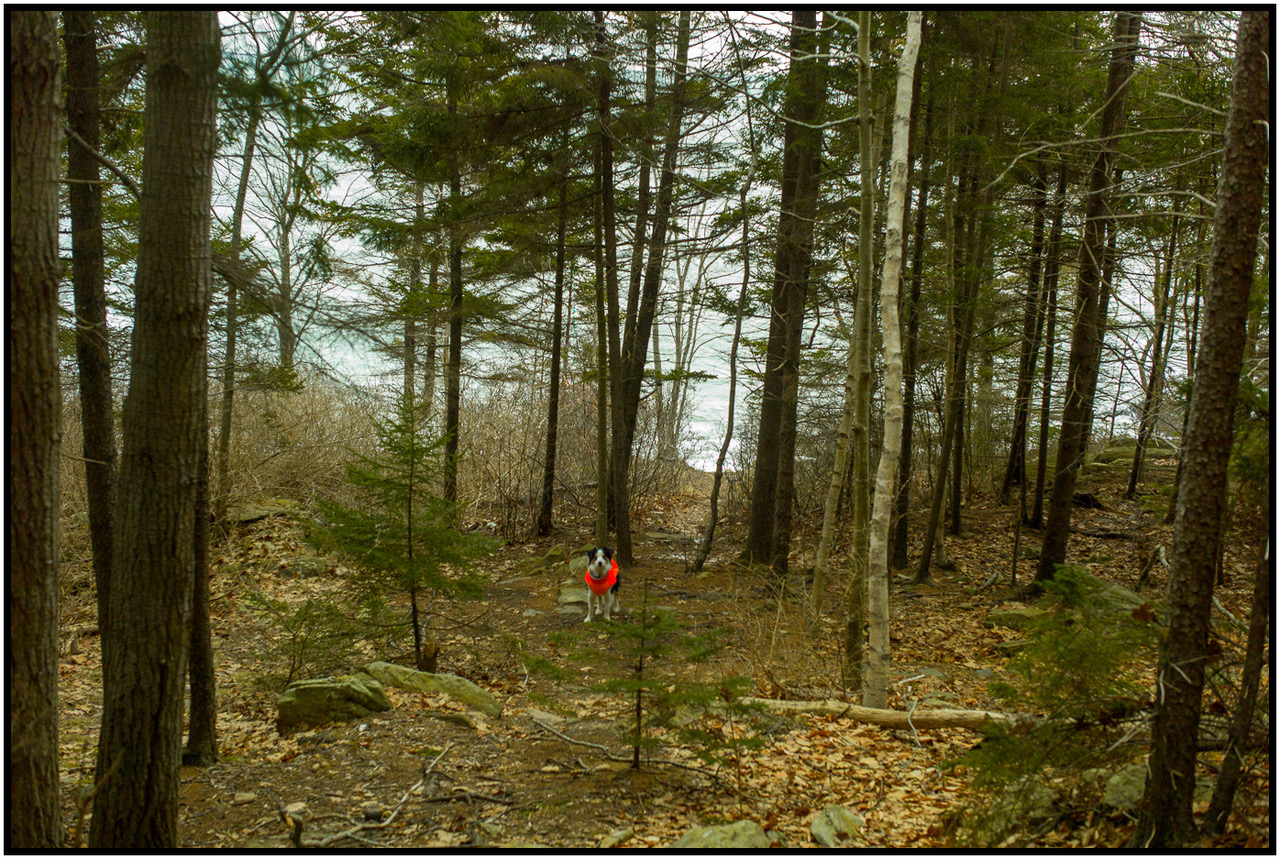
 

Posted in 2018-06/07, Asia | Leave a comment

Seoul, South Korea: 18-21 June 2018

Monday, 18 June 2018

We flew from Hong Kong to Seoul on JinAir, an airline we’ve never used before.  The one-way tickets were a mere US$58 each for a 3 hour 20 min flight.  This airline had a few idiosyncrasies … for example, when you go back to wait in the bathroom line, the steward sits you down in the flight attendant’s jump seat because they don’t want people standing.  (If more than 4 people show up, the extras are told to go back to their seats and wait a bit.) They also offer you water or tea while you wait.

Another thing: when food is served, everyone is asked to put their seats back into the upright position.  This is annoying if you want to sit reclined, but very nice if you want to eat and the person in front of you has their headrest in your face.

When the flight landed, the pilot made the usual announcement “Flight attendants prepare for landing.”
(approaches runway)
(wheels touch dow...𝄞♬ op-pan gangnum style ♫)

Isabella said, “Oh. My. GOD.  Did that just happen??!”  Indeed, it did.  The second our wheels hit the ground, they started blaring K-pop over the plane’s sound system.  Welcome to Korea!

Tuesday, 19 June 2018

Korea is the weirdest place we’ve been.  It’s certainly the most foreign.  Last night we got into our Airbnb around 8:30 p.m., tired and cranky.  The place was hotter than Hades and, despite an air conditioner in every room and a thermostat on every wall, we couldn’t figure out how to get them to turn on.  Eventually Adam found a remote control that did the trick.

Then we couldn’t get logged onto the internet.  The apartment came with a KT Egg (personal hotspot) but it’s battery was dead and we couldn’t find a charger.  Adam contacted the host and she told us, “The last guest lost it.  I can bring a new cord by in the morning.”  The kids were going nuts because being without internet for 12 hours was going to kill them, and, even worse, it had a 15 gig limit which allotted them each about 15 minutes of internet video per day for the duration of our stay. “I am really not loving Korea,” Isabella announced.  Adam emailed the host to see if we could possibly get more than that, and she said she could see about increasing it by 10 gig … and then mentioned quite off-hand, “Or you can just use the unlimited wifi in the apartment.  I can give you the name and password if you want.” Ummmm YES PLEASE!  Crisis averted, but it would have been nice if she’d given us the wifi name and password when we checked in.  It created a problem that needn’t have happened.

The washing machine is also nearly impossible to figure out.  It has a strange combination of electronic controls and old-fashioned buttons.  The phone app translated the labels with instructions such as “standard clothes dehydrator, “mild cleanliness” and “pause but go.”  I did the best I could.  (I figured out from trial and error that “dehydrator” means spin cycle, which is something you have to choose separately when the wash cycle is finished.  Not super convenient.)

Grocery shopping is also proving to be difficult.  There aren’t many grocery stores and the ones we managed to find have crap produce and very little in the way of cheeses, deli meats, hummus, fresh breads, etc.; the stuff we usually eat for Wine Time/dinner when we’re on the road.  They are basically glorified 7-11s.  Almost everything is prepackaged Top Ramen-style fare.  We found a some grapes but they were very expensive and the ones on top were moldy.  The bananas were all so overripe they were fit for nothing but banana bread.

I ruined the first “just add hot water” meal because I couldn’t understand the instructions and they were not intuitive … I’ve been making “just add hot water” meals for the better part of four decades and thought I knew what I was doing.  Nope. These were different.  The instructions, as per the translator app, said things like, “For 10 minutes enjoy heat” and “Packet of happy spices into.”  (Into what!!? The boiling water?  The drained noodles? The rice packet?) I ruined one of the meals by adding boiling water to the whole kit and caboodle.  It was a sloppy mess and I finally realised you were supposed to submerge the unopened packet of meat sauce in hot water for 10 minutes, then open it and mix it in to pre-cooked rice that sits in another hot water bath. It was more of a sous-vide situation than a Cup-A-Soup situation.  Once I got that figured out, the meals weren’t half bad. (But they weren’t good, either.)

The toilets are strange, too.  They look like those fancy Japanese toilets that double as bidets, but the instructions are all in Korean.  (The Japanese toilets at least have little cartoon icons for each button showing you what to expect, presumably for foreigners and illiterates. Not so on the Korean toilets.)  When you sit down the toilet turns on, which in itself is something that takes getting used to.  Then little green lights appear on the toilet’s arm.  Yesterday I ignored the lights because I was too tired to deal with them.  Today, I figured I might as well push the first green button because the toilet seemed like it really wanted me to.

Japanese toilets give you a warm, misty cleansing of your undercarriage, followed by a gentle blow-dry.  It’s like a relaxing spa treatment. The Korean toilet blasts a pressure washer right in your bullseye. “WOO HOO HOO!”  Instead of a spa treatment, you get a violent enema.  I figured it would stop on it’s own after a few seconds but it kept going and going.  If I stood up, it would send a water jet into the opposite wall about 18 inches below the ceiling.  I started desperately jabbing at all the buttons, trying to find the off switch. I was approaching panic mode when I finally got it stopped. I came out of the bathroom, all jittery, and Holden said, “Yeah, I made that mistake yesterday.  I stood up because I thought it would stop if there was no weight on the seat.  It didn’t. That’s why the bathroom floor was all wet last night.”

The bed in the master bedroom is also strange.  It’s the size of two queen mattresses shoved together and hard as a rock.  It’s a lot like sleeping on the floor, but boy do you have a lot of room to stretch out.  This is actually quite nice; Adam sleeps like a log, but I toss and turn so much I probably burn more calories while I’m asleep than I do when I’m awake.

Adam:  The one thing Josie wanted to do in Seoul was to visit the aquarium. She had seen (when back at home) some YouTube videos showing one shark eating another shark at this particular aquarium. We normally wouldn’t bother, but I thought it was as good a destination as any to start our week here – a good chance to sort out transportation, meals and to flex my now greatly expanding 5 word vocabulary of Korean.

A fast food restaurant that specializes in all things Octopus. It’s right outside the entrance to the aquarium, which itself is inside a mall.  The whole set-up is strange.

Feeding Koi in the aquarium.

Josie and a groundhog regarding each other.

This was a tank of Doctor Fish.  They are the little ones that eat dead skin and are sometimes used in spa treatments.

Josie taking a picture of the Doctor Fish eating the dead skin off her hand.

Pocari Sweat is popular in Korea, too.

Sparkly piranha.

Josie and an otter regarding each other.

A pre-school group getting a show at the sardine tank.  Divers performed a little skit.  The girl dressed as a clownfish (aka Nemo) didn’t get an oxygen tank and had to hold her breath the whole time.

Isabella and a manatee regarding each other.

Adam:  After the aquarium, we went to a neighborhood called “Gangnam” – known for its youthful population; a hip and modern place to see and be seen.  This area is known internationally through the annoying song that took the world by storm in 2014.  You’ve surely seen it before.  (More than 3 Billion views… Ugh. The Video has some scenes of the city and is entertaining in the “what the hell am I seeing, here?” sense.

Brenda wanted to take a picture of the kids with the statue (below) striking poses. The kids vehemently rejected the request. They even turned down offers of money just in case someone back home accidentally saw the photo, so great would be their mortification.

This city is huge and I was surprised to read later that Seoul is the 5th largest city in the world. (for context, the NYC Metro Area is down to 16th in the world). These Asians know their big cities. South Korea has a population of 50MM and about half of those live in the Seoul area.

Wednesday, 20 June 2018

The weather is much nicer here than it was in Hong Kong. It’s still getting hot (upper 80s in late afternoon) but the humidity much lower. It’s cool and welcoming in the morning. We can walk around for 15 minutes without becoming drenched.

Today we decided to hit the #1 tourist destination in Seoul – Changdeokgung and the Huwon Secret Garden.

This is a series of royal palaces – Today there are 13 buildings remaining on the palace grounds and 28 pavilions in the gardens, occupying 110 acres. The oldest was built in 1405.  It began as a secondary palace of the Joseon Dynasty.

Much of the grounds were destroyed during the Japanese invasion (1592-1598).  They rebuilt in 1610 and it served as the main Palace for 270 years.  The Japanese again took it over in 1910 … this time they didn’t destroy much, but “defaced” the grounds by adding stone walls and erecting modern (for the time) buildings.  In general, the Koreans are still pretty sore about their neighbors to the east.

These people don’t work here:  there is a costume shop nearby where people can get dressed up so they can walk over to the palace and tour it in old-timey garb.  This group was having a lot of fun and taking a lot of selfies.

This building is the only one with a blue roof.  It was the king’s office, where he held his meetings and so forth.

Meanwhile, in the mundane real world ….
Holden:  “I have a big bump on my head.  Can you feel it?”
Me:  “No.  I don’t see anything.”
Holden:  “Nevermind.  It’s gone now.”

Back to royal things:  the king’s throne.  This is where he sat while receiving officials and doing his king work.

The figures on the roof appear to be a tiger chasing a group of monkeys.  We never heard an explanation or learned of the significance.

Slate tiles (I think.)  They looked like they’d been carved rather than cast.  There were thousands of them.

Behind the palace lies the 78-acre Huwon Secret Garden. You have to purchase special tickets to see Huwon and walk through via a guided tour. It was about 75 minutes long, but well worth the expense. The tour was in English, so we got a chance to get some Cliff’s Notes history lessons on an era and culture we know absolutely nothing about.

From the brochure:  The Secret Garden was intended as a place of kings and royal family members to relax, but it was also a venue for various outdoor activities.  The early Joseon kings would join in military exercises here and archery contests were held, along with banquets for the queen dowager, prominent relatives of the king and high-ranking ministers.

These gardens were called “secret” because of the topography; there is no vantage point where you can see all of it at once.  You must meander through, with each area revealing itself as a new, separate space.  These gardens are the reason this became the main palace in the first place.  It was loved more than any other palace by the kings of the Joseon Dynasty (1392-1910).

(Brochure:) Preserving the original topography, garden areas were planted in each valley and a series of lotus ponds were built. Small pavilions were also built along the stream that flows through the rear garden. Through this, the natural quality of this Secret Garden has been enhanced.

This pond was artificial and constructed with a very sophisticated system of aqueducts to keep the water level stable at all times.  Water continuously flows through the dragon’s mouth (photo below.)

The kids can’t get too far from Adam, the keeper of the KT Egg. They lose their internet connection if he gets out of range.  It acts as both an invisible leash and a homing device.  If Adam gets too far away, you’ll hear, “Dang it!  Lost my internet.  Where’s Dad?” “I don’t know but he must be close because mine still works.” [holding phone at arm’s length] “It works here but not here … he must be that way.”

Lotus and water lily pond.  The water lilies were blooming but the guide said the lotus won’t bloom for another 4 to 6 weeks.  They are currently blooming in Hong Kong, which is quite a bit further south.

Below:  Yeongyeongdang Hall.  This was a place for the royal women to live along with all of their servants. It’s architecture and non-coloring style are close to those of gentry level even though they are part of the Royal Palace.  These unadorned buildings add to the special atmosphere of the rear garden.

And here is the obligatory photo of Holden fixing his shoe.

Adam:  After touring the grounds, we were hot and hungry. We found a Thai restaurant nearby that had room for 5 and served us a fantastic lunch. 

After this, we did some shopping along Insadong-gil. Brenda has been doing some research on the Korean hand-made lacquer boxes. She had read that there was a great location to shop for these items and admire all of the artwork.  In the end, she didn’t find what she was looking for, but the girls enjoyed a chance to look at all the strange stuff along the way.

The Korean lacquerware is gorgeous.  I found a little box at the aquarium mall the other day, but am still hoping to find another trinket or two to take home.  It’s not cheap, but also not nearly as expensive as I would have guessed.  (More on that below …)

From The Art of Korean Lacquer:  Evidence suggests that lacquer works were produced in Korea by the Neolithic period (6000–1000 BCE) as both China and Japan had lacquer by that time. Lacquerware is produced by layering the processed sap of the lacquer tree onto a core of wood, bamboo or other material to create a variety of items including furniture and other household decor. Each thin layer must dry completely before the next is applied, resulting in resistance to heat and moisture. Pigments can be mixed into the lacquer for different colors in the finished product. Because of the many layers involved and long drying times, a single piece can take months or even a year to complete.

The technique of mother-of-pearl inlay (najeon) also originated in China, and evidence suggests that the technique had reached the Korean peninsula by the eighth century. Today, this is a dominant feature of Korean lacquerware. In this technique, the thin inner layer of shells like abalone are carefully cut and inlaid on the lacquerware. Sometimes the design will be laid on top of the many base coats of lacquer and coated until submerged. Then, the top layer of lacquer is ground down until the mother-of-pearl is exposed. Alternatively, the design is carved into the surface and the material inset, and again more lacquer is applied and ground down. Occasionally other materials such as metal, tortoise shell or sharkskin, are used alongside the mother-of-pearl. Artisans in the Goryeo period (936–1392 CE) began using copper-alloy wires in their inlay designs, and this has remained unique to Korean lacquerware. 

It is gorgeous.  This enormous armoire is in our apartment.

Armoire detail:

More stunning pieces used as a TV stand. Each little panel is actually a drawer or cupboard.

TV stand detail:

Thursday, 21 June 2018

Today’s mission is to visit the “Make-up district” (for Isabella and Josie) and find a special ice cream treat that Holden scoped out.  The two areas happen to be at the same subway stop — the Myeongdong shopping area.

Below:  the exterior of our apartment, which is the yellow part of the building at the top.  It sits on top of a restaurant and is accessed by that set of stairs hidden on the left. (That’s Josie in the yellow dress.)

A lady selling handmade things outside our place.

These cupboards filled with gas masks and fire extinguishers are all over the subway stations.

Before we hit the shopping district, we took a cable car trip to the top of Namsan mountain – about 900 feet high and located centered within Seoul – which provides great 360 degree views of the city and gives you an idea of how big this place is.

On top of Namsan – love locks on the fences a la the Ponte des Arts in Paris (which are now removed).

Beacon Hill.  There are 5 stone chimneys that used torchlights at night and smoke during the day to send urgent military information from remote areas to the central government.

This form of communication was called Bongsu (bong=torchlight, su=smoke). The Bongsu system consisted of five stages: one beacon was lit on normal days; two when an enemy appeared; three when the enemy approached the border; four when an enemy invaded the border; and five when a battle with an enemy had broken out at the border.  This hill (Namsan Bongsudae) was the most important bongsudae as all it’s signals could be seen from every corner of the country.

School field trips having a picnic lunch.

The gift shop sells the love locks so you don’t have to think ahead and bring your own.  Each kit comes with a lock, a plastic tag, and a waterproof marker.

Kids obliging Adam by posing for a picture with the love locks and Seoul in the background.

I liked how the Japanese maples graduated from green to red.

Downtown Seoul.

A replica of the pagodas we saw yesterday at the Palace.

Noon – and the changing of the guard at the Namsan Bongsudae – Beacon Fire Lighting Ceremony. Note the smoke coming out of the central chimney.

Lacquerware doors!  This was an entrance to a building.

Korean lunch where we ordered a number of local plates to try: Kimchi, Bibimbap, Korean pork and some other things we never quite figured out. Most of it is spicy and that scares the kids away. They at least tried most of the dishes, but in the end ate mostly plain white rice.

Josie with her “vegetarian” buckwheat noodle soup that came with one large piece of beef in it. Holden ate the offensive beef so that Josie could enjoy the rest of it with her morals intact.

On to the make-up district!

Catholic church.  They were having some kind of fundraiser today.

Church-sponsored music for everyone to enjoy.  Josie plays clarinet and loved seeing this clarinet quartet perform a classical music piece.

More of the make-up district.  They also had a lot of clothing and accessory stores.

After stomping through street after street of cosmetics, skin care, dresses and handbags, we never ran into one of the shops selling the super-tall ice cream cones Holden wanted.  Here he is trying to find an address (Google maps) for a 32cm tall ice cream vendor, in front of policemen guarding the Chinese embassy. They look more stylish than intimidating.

Food on sticks, none of it ice cream.

And then success!!  We finally found the 32cm ice cream.

They are happier about posing for this picture.

Most subway stations have one of these booths for shoe polishing and repair. Adam managed to catch this guy on his break.

We finally found a fantastic grocery store!  It had everything under the sun, from imported foods (like actual cheese and jars of olives) to slimy, mucus-coated fish.

That monstrosity in the center (below) is bigger than you’d guess from the photo.  I think it is a monkfish but I don’t know for sure.  Anyway, it was oozing slime that froze when it hit the ice it’s packed in. It was sitting in a revolting puddle of it’s own frozen mucus.  It reminded me of a scene on The Big Bang Theory:

Amy: Isn’t that gross? I mean, a hagfish can produce enough mucus to fill a bucket in a minute.
Sheldon: I know. It makes its own gravy, it’ll slide right down.

This store is only 5 subway stops from our place so it will probably be our go-to for groceries for the remainder of our time in Seoul.  They had a fantastic selection of fresh produce, a huge salad bar full of a wide variety of additional dishes and soups (like at Whole Foods back home) and the Korean version of Ready Meals.

Tomorrow’s itinerary is a tour of the De-militarized Zone between South and North Korea.  More later!
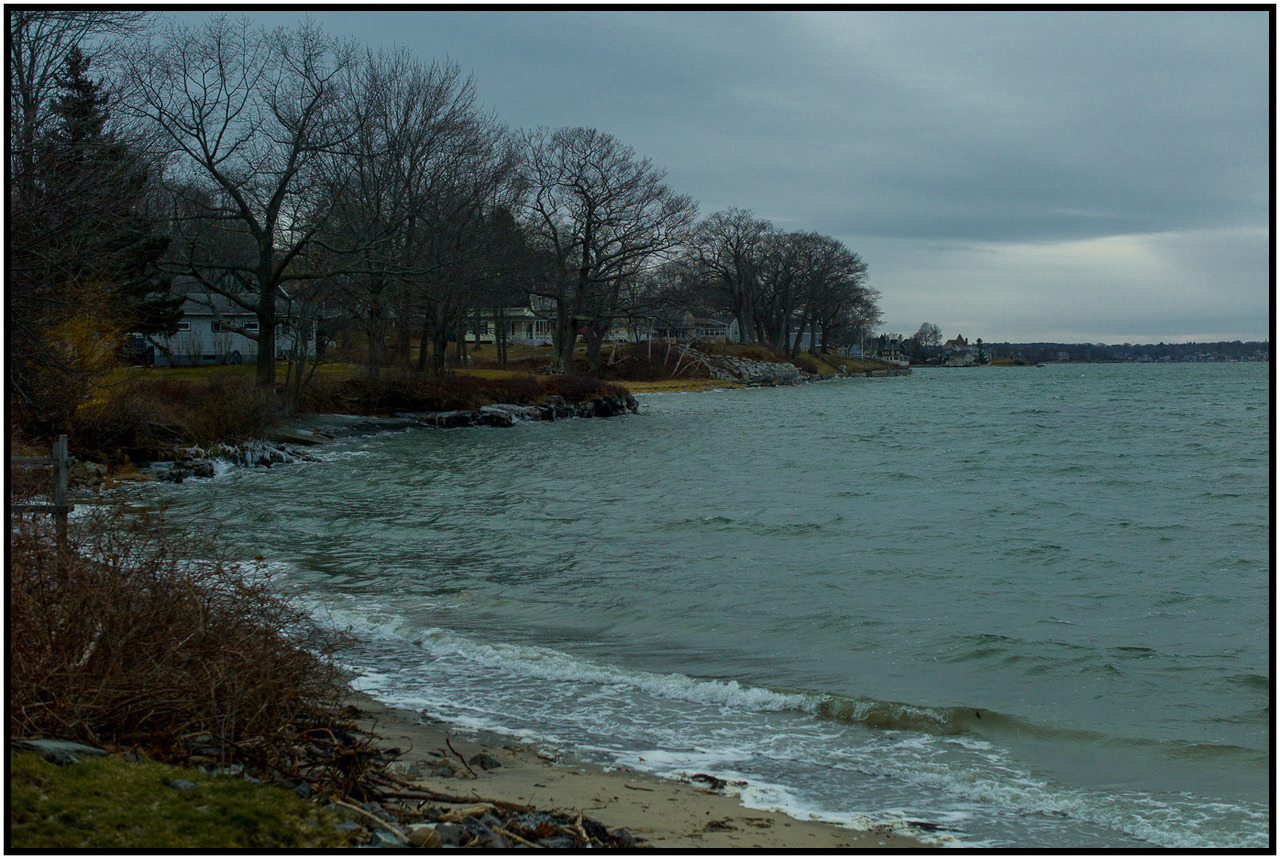
 

Posted in 2018-06/07, Asia | Leave a comment