
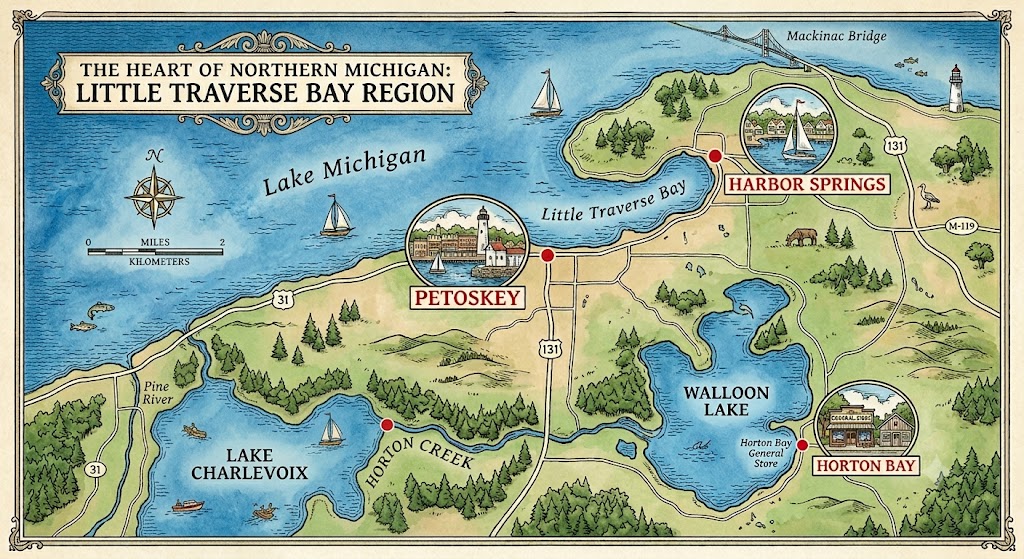
Continuing my travels in the area..
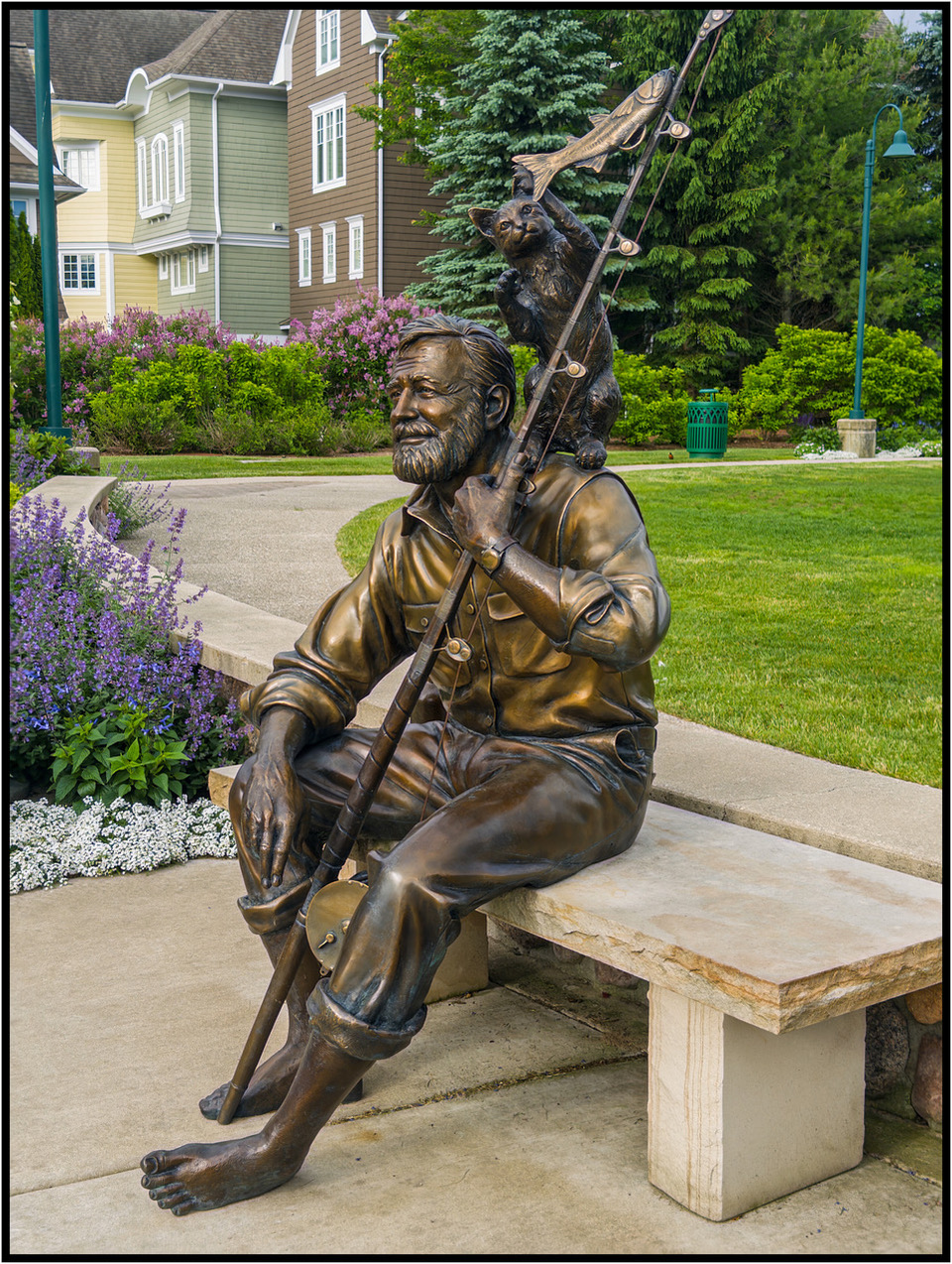
On the shores of Walloon Lake – Hemingway’s family began summering there in 1899, when he was just a few months old, and he returned nearly every year through his early twenties.
The lake and its surrounding forests, streams, and Indigenous communities provided the raw material for his Nick Adams stories, where the fictional Two-Hearted River and Horton Bay drew heavily on the real geography and people of the Walloon Lake region.
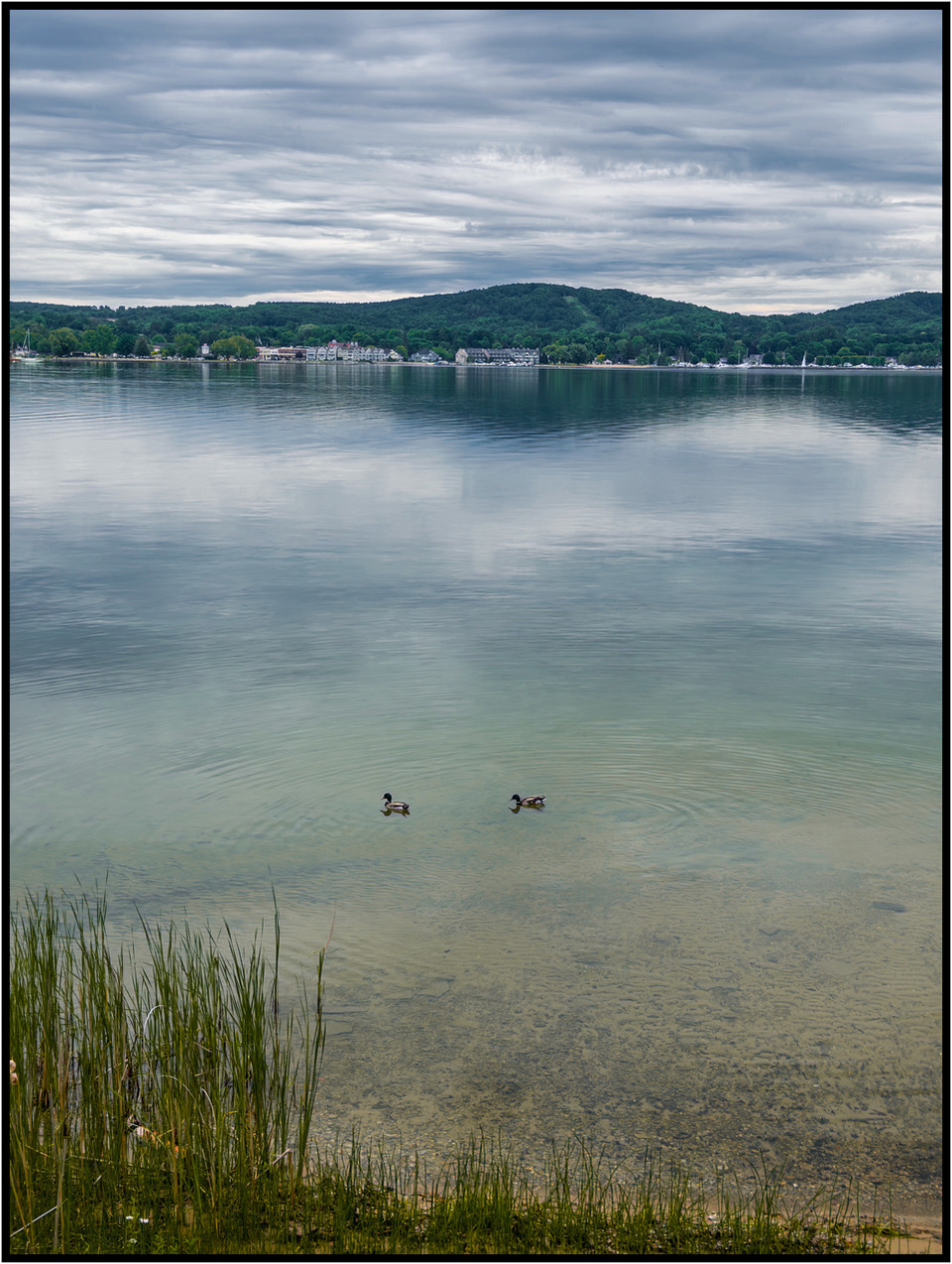
It was here that Hemingway learned to fish, hunt, and observe nature. The lake remained a kind of emotional anchor throughout his life; even as he chased wars and adventures across three continents, Walloon Lake represented an irretrievable Eden of boyhood freedom and unspoiled wilderness.
Across the way is “Windemere” – a private cottage and land still owned by the Hemingway family. Clarence Hemingway (Ernest’s father) purchased the property on the southern shore of Walloon Lake and built the original cottage, which he named Windemere. The modest but comfortable structure became the family’s summer retreat for decades. Strict no trespassing for the likes of me.
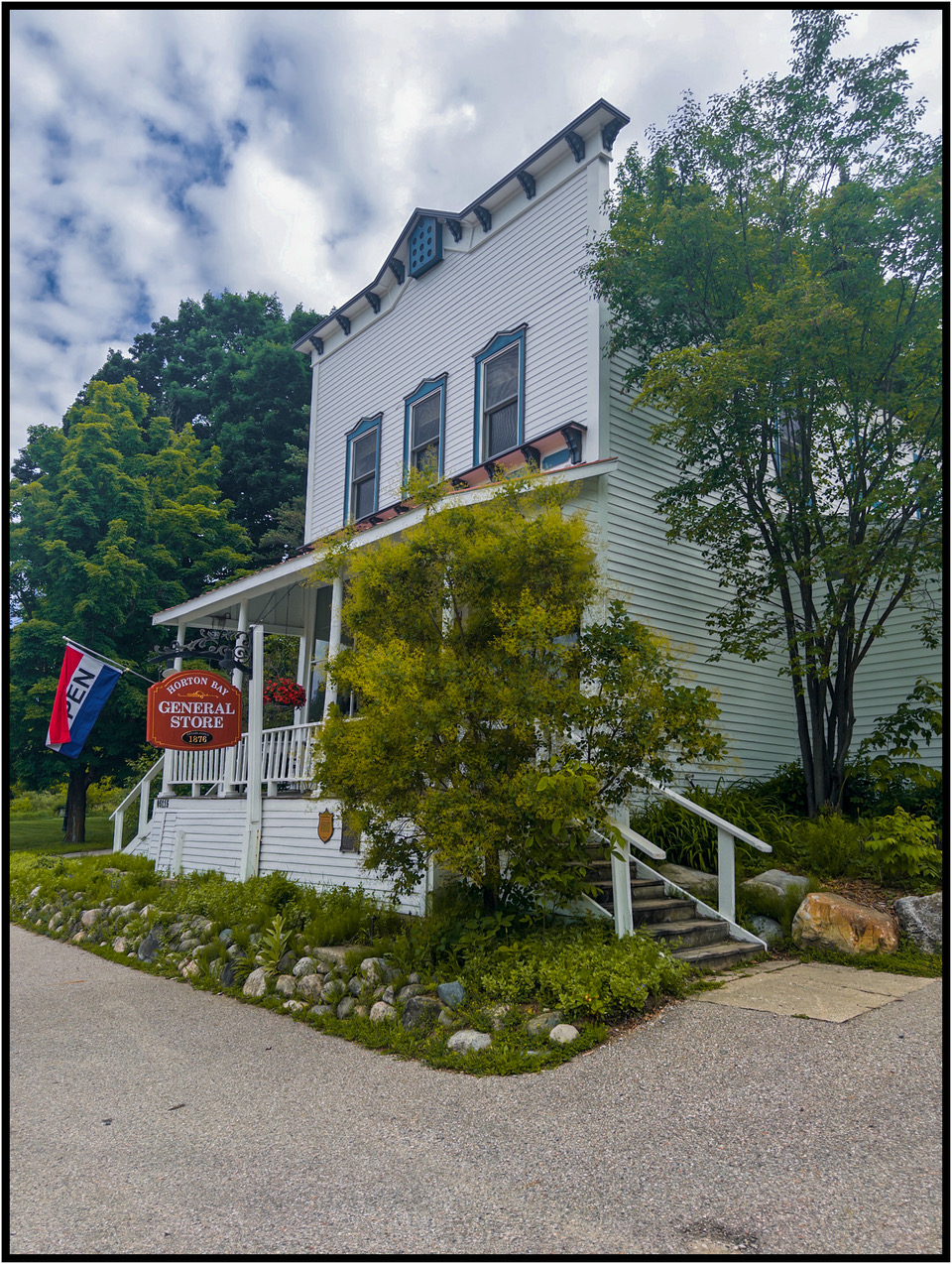
The Horton Bay General Store, erected in 1876 on the shores of Lake Charlevoix’s Horton Bay inlet, served as the social and commercial heart of the tiny village that Hemingway knew intimately during his summers in northern Michigan.
Hemingway first visited Horton Bay as a boy accompanying his father on trips from Windemere, and the village and its store became so central to his young adult life that he spent considerable time there in the years following World War I, loafing on the store’s porch, socializing with locals. The store and the Horton Bay community appear directly in his early Nick Adams stories, most notably in “Up in Michigan,” where the store’s proprietor Jim Gilmore is a thinly veiled portrait of a real Horton Bay resident.
I arrived there just after they opened and bought an espresso. Today it’s not so much General Store as tourist location to buy all sorts of locally made foods and artwork.
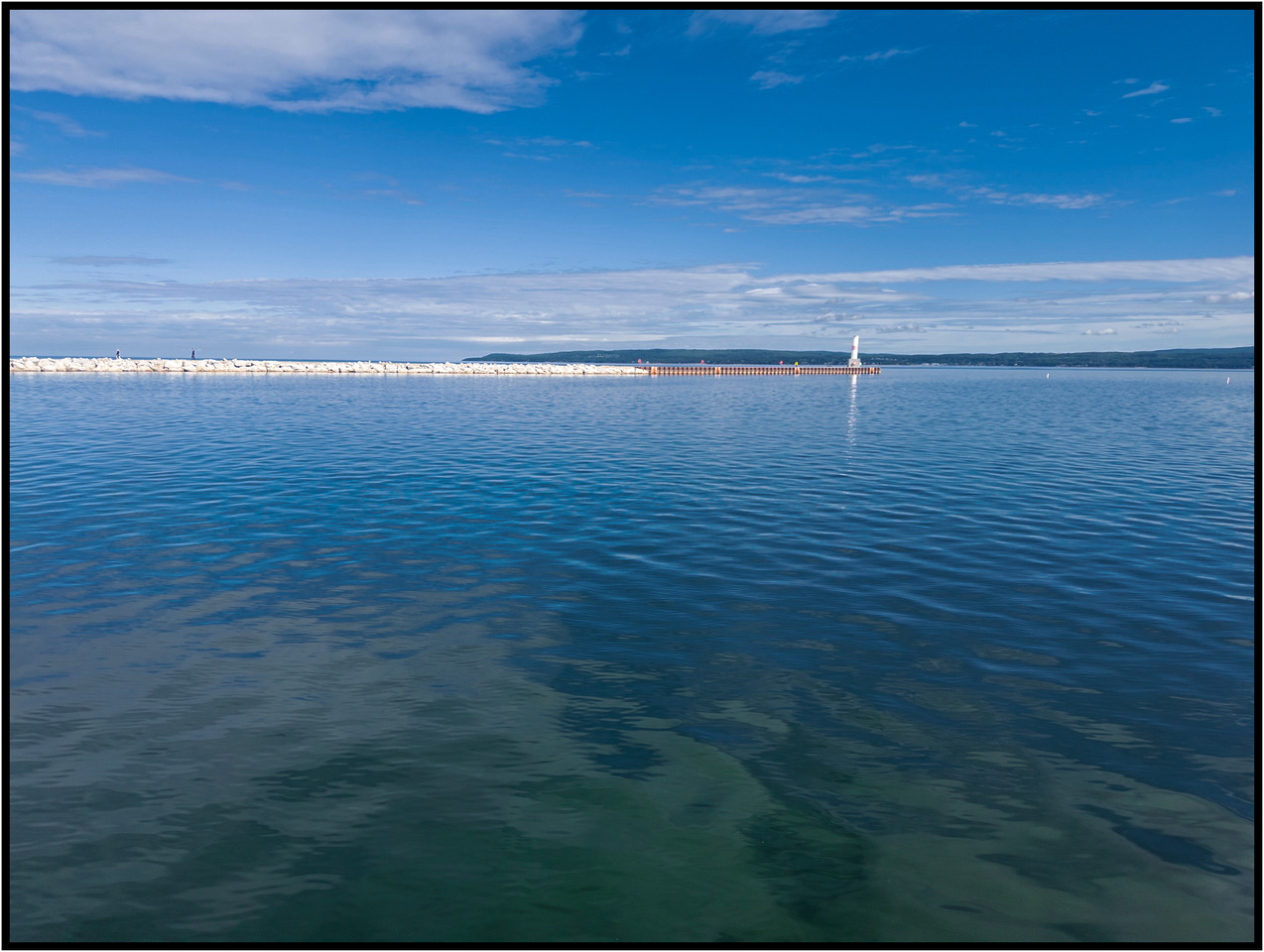
Back to Petoskey to visit their Little Traverse historical society museum.
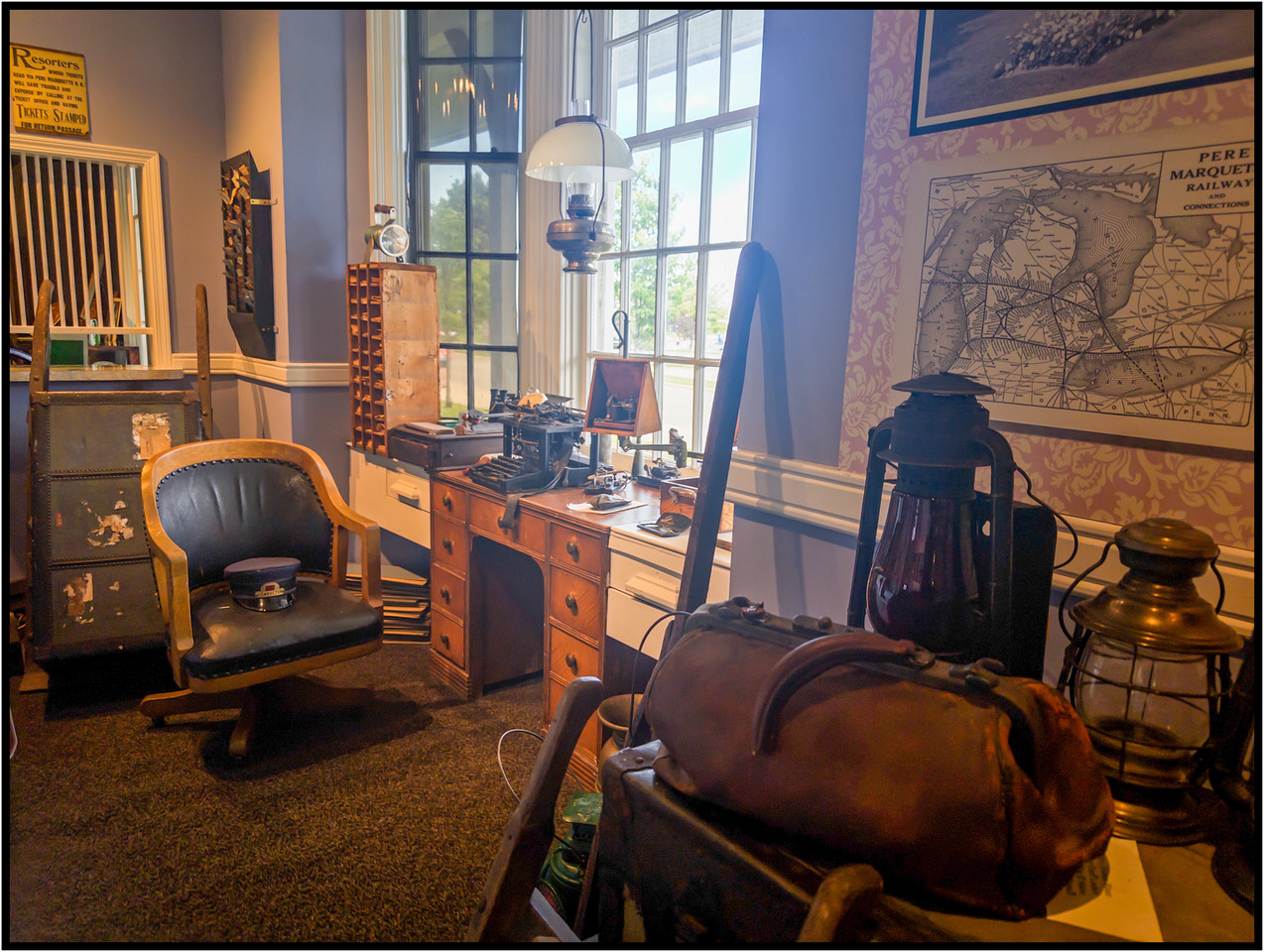
The building used to be the train terminus.
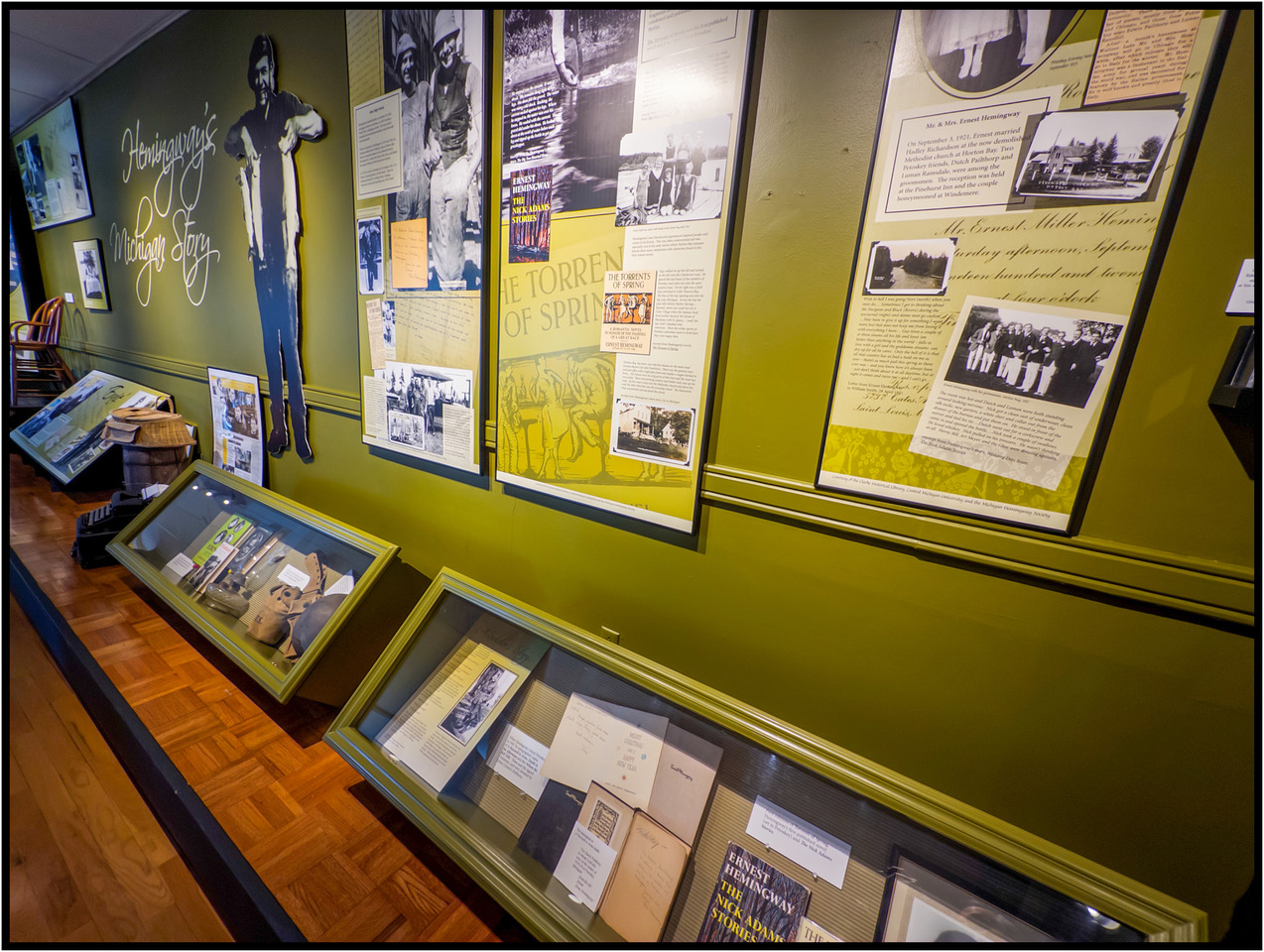
Inside they have all sorts of Hemingway relics – mostly donated by the family at Windemere.
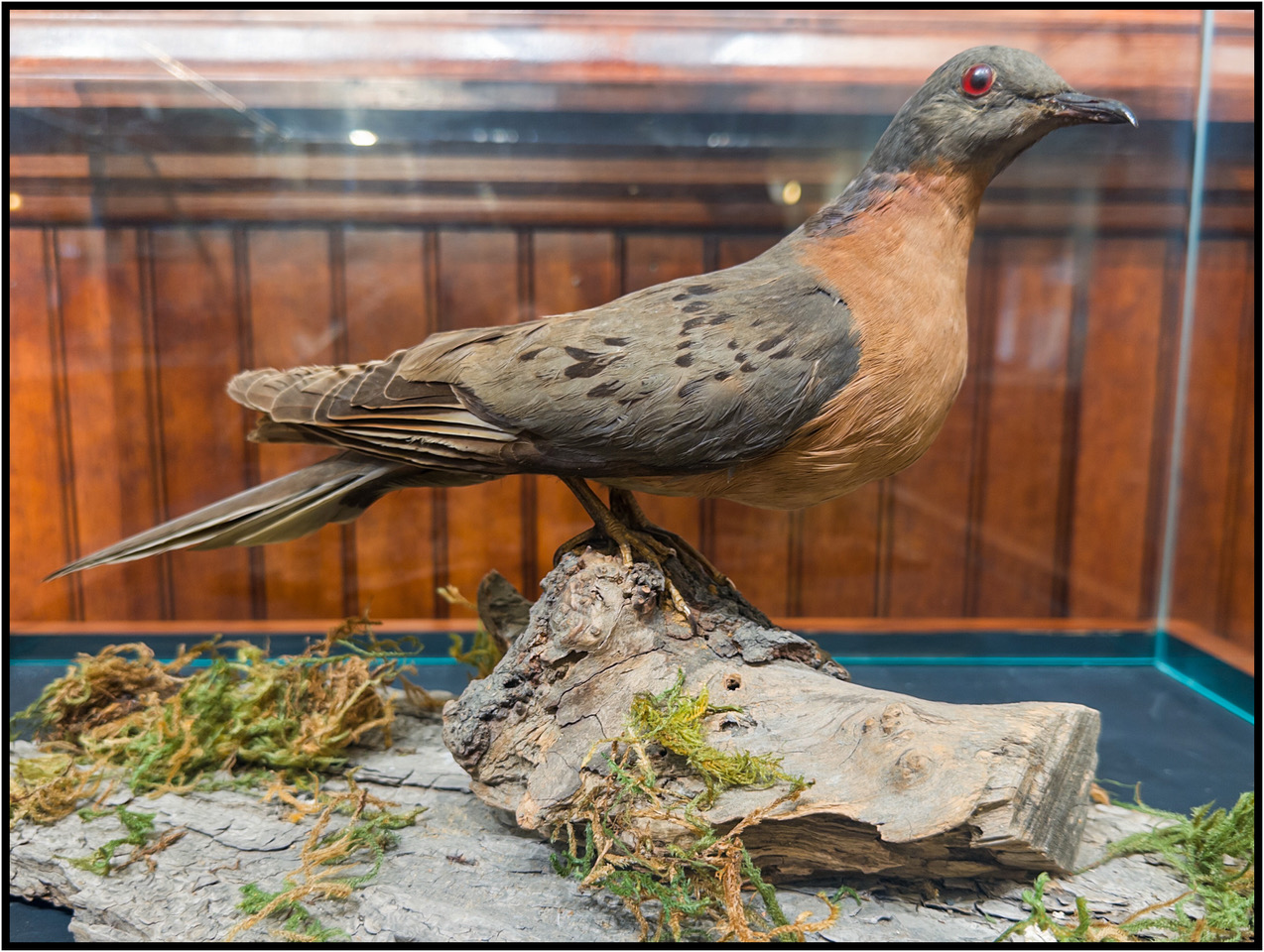
Stuffed, extinct Passenger Pigeon. This was an unexpected and interesting exhibit. The forests and shorelines around Petoskey and northern Michigan were among the species’ most critical nesting grounds, with the last truly massive nesting recorded near Petoskey in 1878 drawing an estimated 136 million birds to the region.
That 1878 nesting event became tragically historic not for its abundance but for the industrial-scale slaughter it attracted, as professional hunters and trappers descended on the area by train, killing and netting birds by the millions and shipping barrels of dead pigeons to markets in Chicago and beyond. During those last few summers, they have records of more than 50,000 pigeons were being killed EACH DAY.
The last known passenger pigeon, a female named Martha, died in the Cincinnati Zoo on September 1, 1914, transforming what had been the most numerous bird in North America — perhaps in human history — into a symbol of extinction driven entirely by human exploitation.
There is a non-profit scientific organization called “The Great Passenger Pigeon Comeback” that are using new CRISPR technology to bring back the Passenger Pigeon. Researchers hope to raise the first hatchlings in aviaries between 2029 and 2032, with behaviors similar to historic passenger pigeons, with those birds eventually released into the wild to establish stable, self-sustaining populations. If initial tests are successful, it will be in the Petoskey area where they hope to foster large nesting locations to accommodate the new implants. There are no known efforts to bring back Ernest.

