I was in northern Michigan this past week – on business visiting my company’s plant in Charlevoix. Over the weekend I had some free time before I needed to catch my flight back to Boise.
I broke the cardinal rule of photography – I failed to bring my camera with me on this business trip. Shots below are taken with iPhone, like all the other lame Point-and-Pray shutterists.
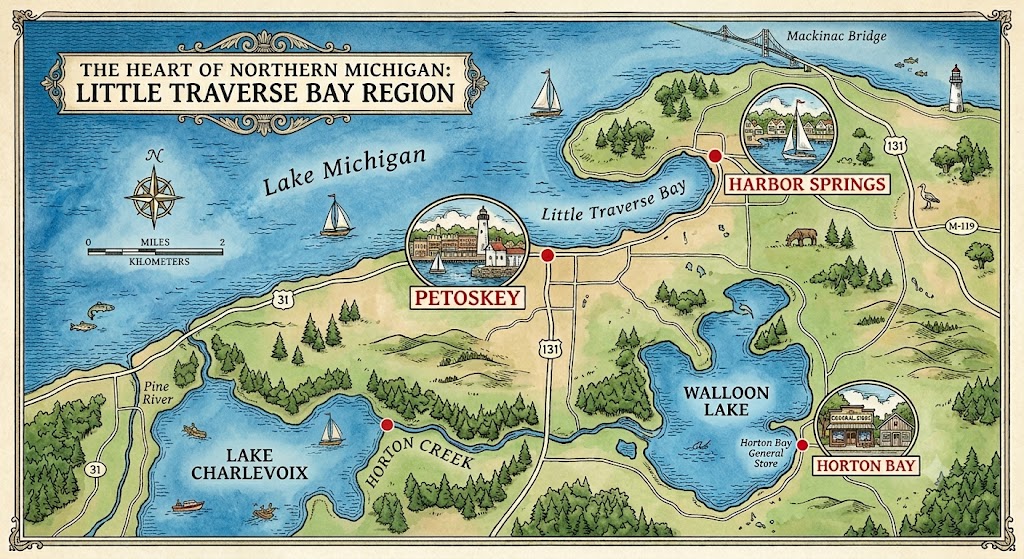
Ernest Hemingway spent a great deal of time in northern Michigan while growing up. His family came to this area every summer until Hemingway turned 22. This is where he learned to hunt and fish and boat – all enormous aspects of his future lifestyle and writing. I was able to drive around the area and do all things “Hemingway”.
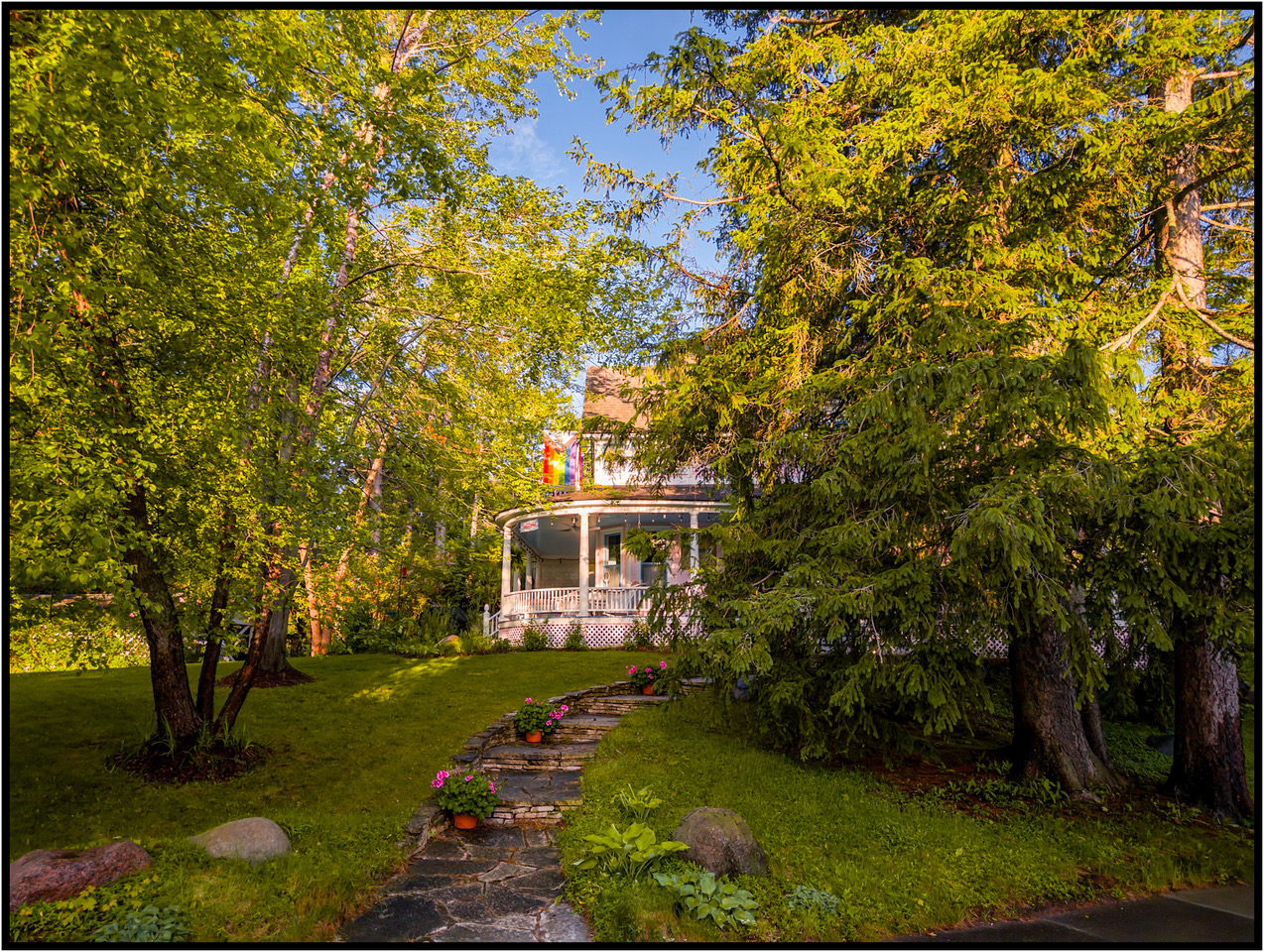
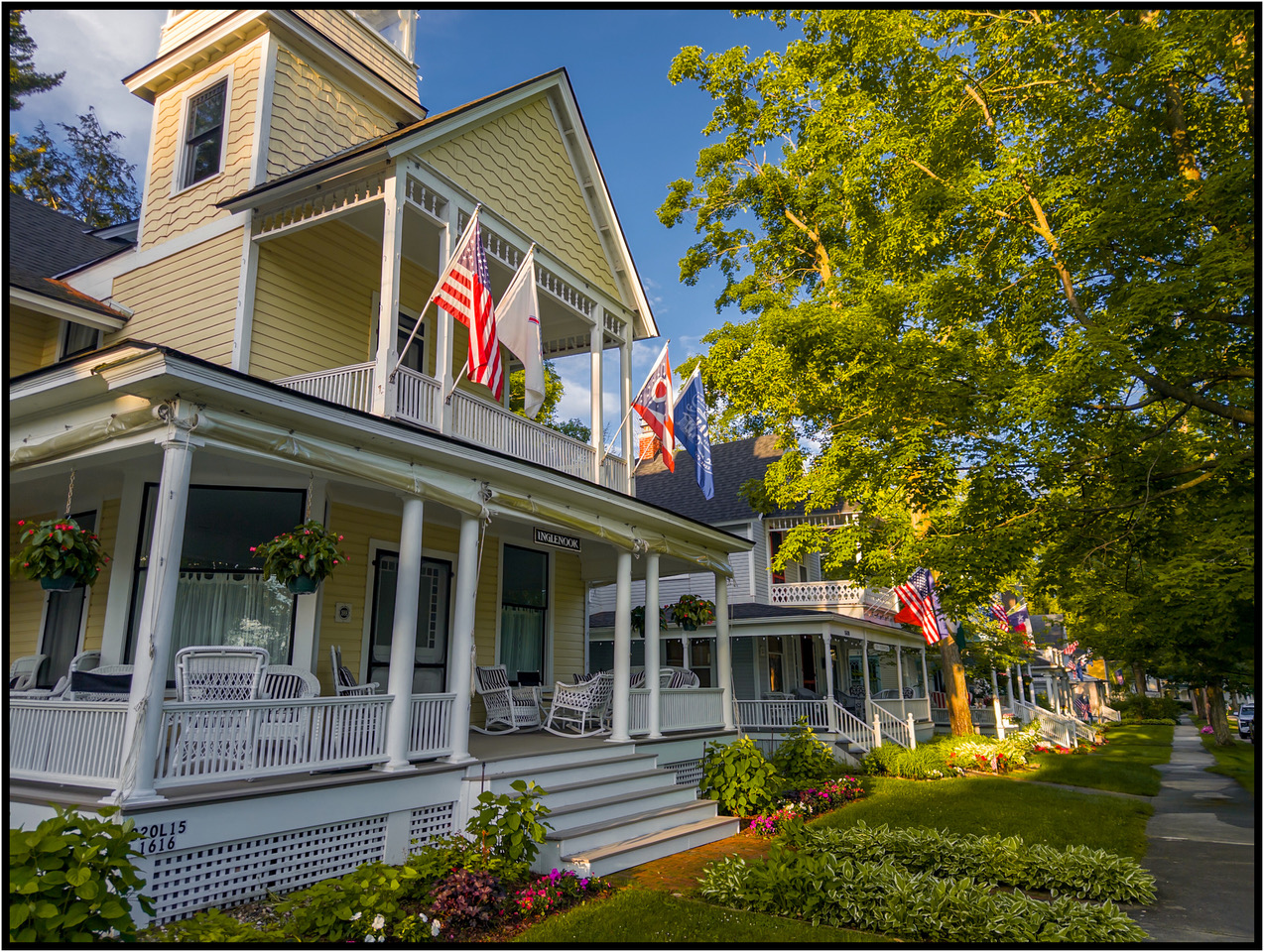
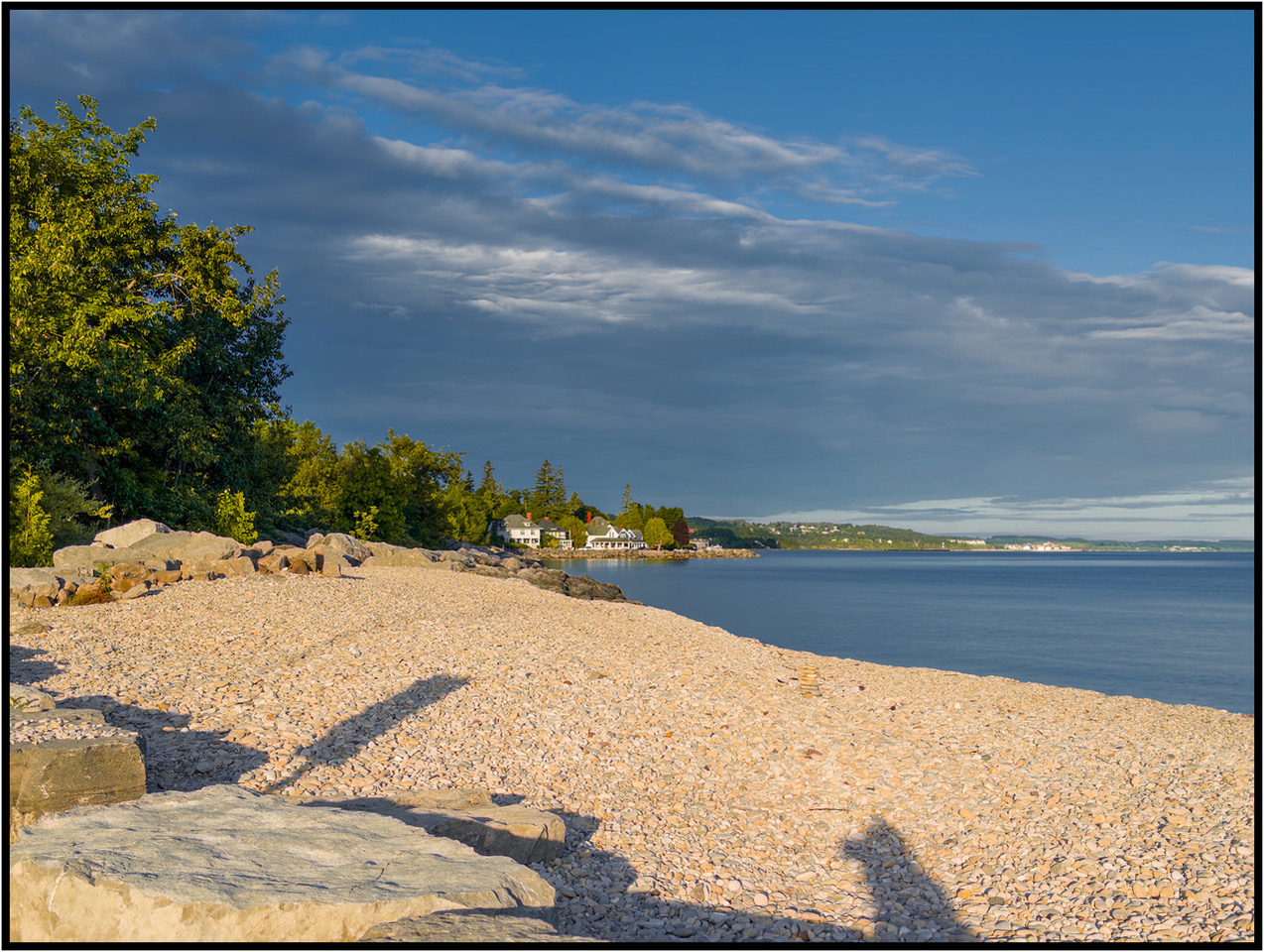
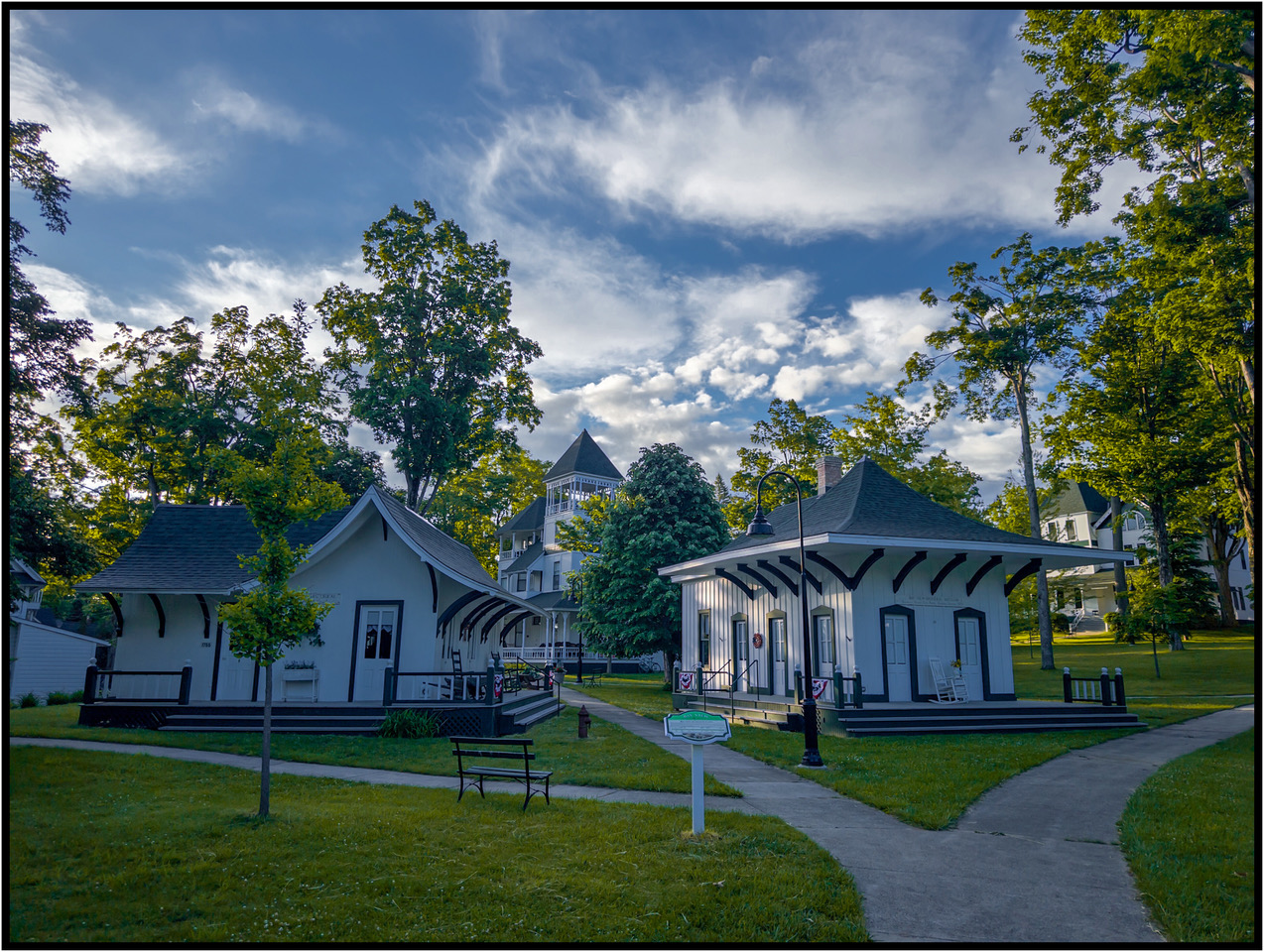
The morning started with a walking tour around the Bay View community in Petoskey. Bay View was founded in 1875 by Michigan Methodists as a camp meeting “for scientific and intellectual culture, and for the promotion of religion and morality”. By the late 1880s, the Bay View Assembly had evolved into a pioneering Chautauqua institution, adding a summer university, a home study program, and a lecture series that drew tens of thousands of visitors — while the community’s early “tent city” gave way to the Victorian cottages that stand today.
The Hemingway family’s annual rail journey from Harbor Springs (the Hemingways lived in Chicago but took a steamer ferry across Lake Michigan. The ferry docked at Harbor Springs about 10 miles north of Petoskey) to Walloon Lake passed directly through Bay View, making it a literal waypoint in young Ernest’s summers.
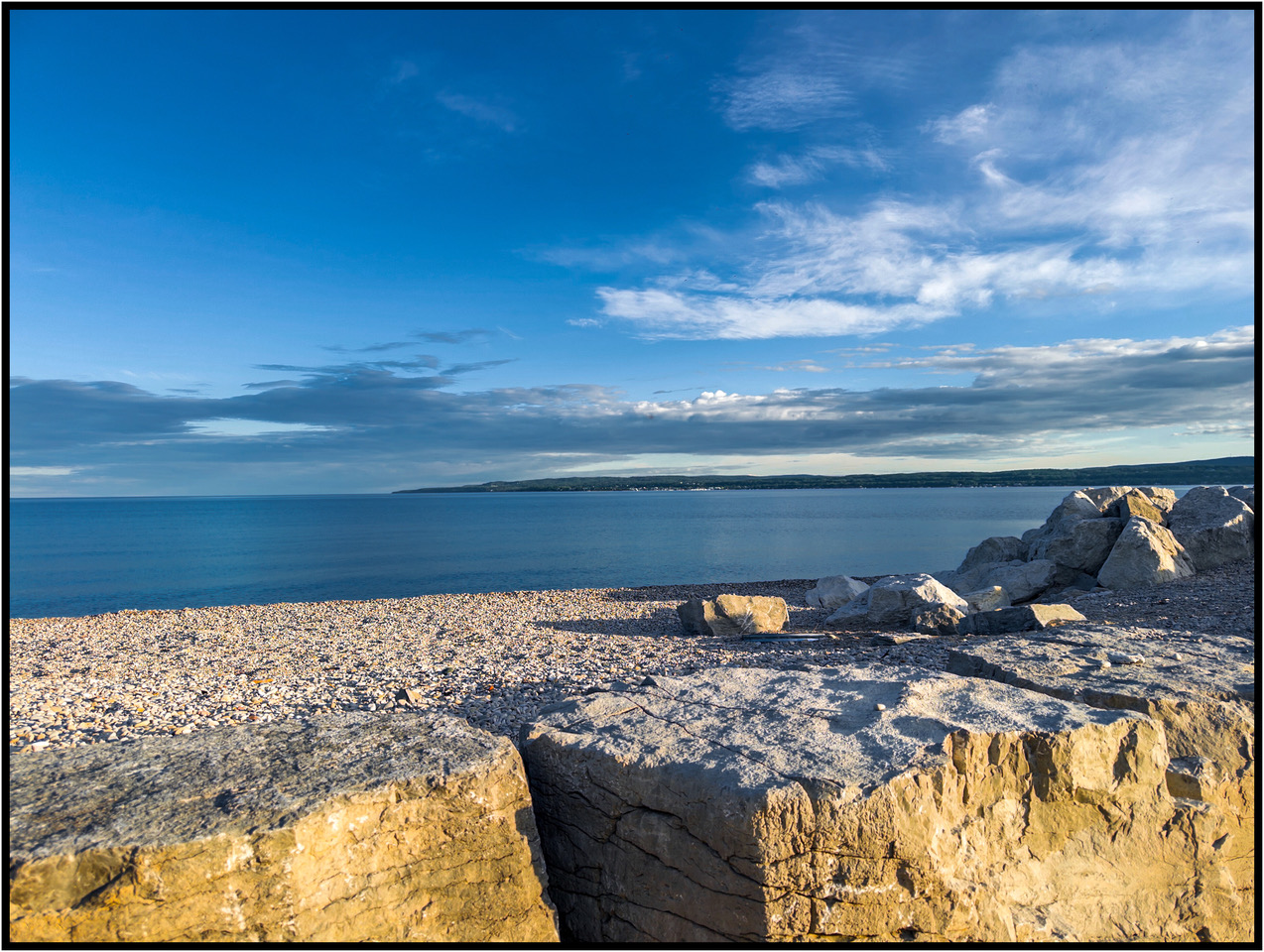
View across the Little Traverse Bay (part of Lake Michigan) to where the ferries used to dock.
-
- i d g 2 0 2 6 0 6 2 0 0 6 5 7 2 7 0 8 9
-
- i d g 2 0 2 6 0 6 2 0 0 7 0 3 1 4 7 7 6
-
- i d g 2 0 2 6 0 6 2 0 0 7 0 7 4 9 8 5 0
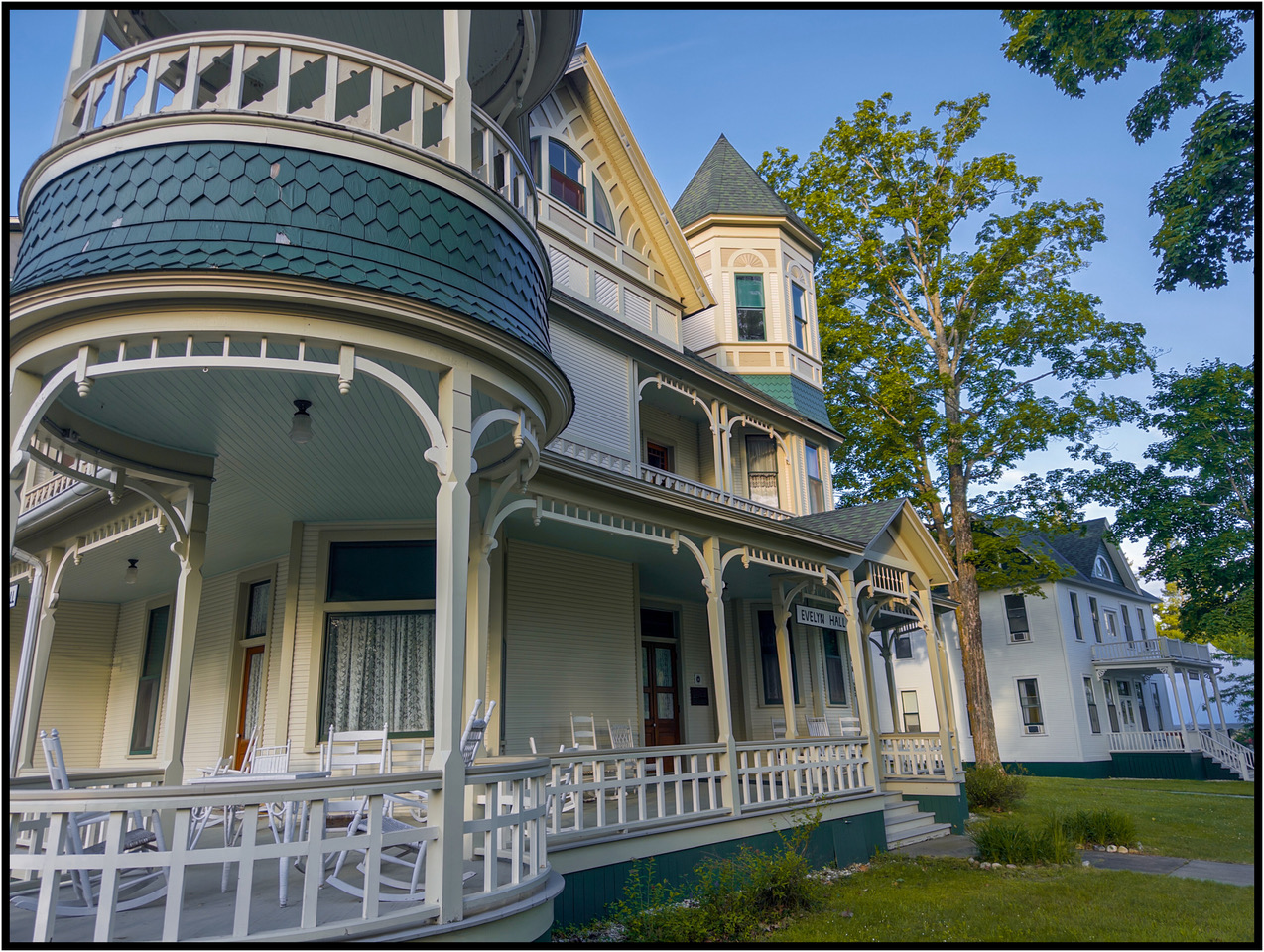
During the winter of 1919–20, when Hemingway was boarding at Eva Potter’s Rooming House in Petoskey and grinding out his earliest stories, Hemingway spent hours writing inside the Bay View Association. More specifically, he retreated to Evelyn Hall (above) , an unoccupied women’s dormitory at Bay View, to escape the distractions of friends who frequently interrupted his work — making Bay View a quiet sanctuary during what is considered a pivotal period in his writing career.
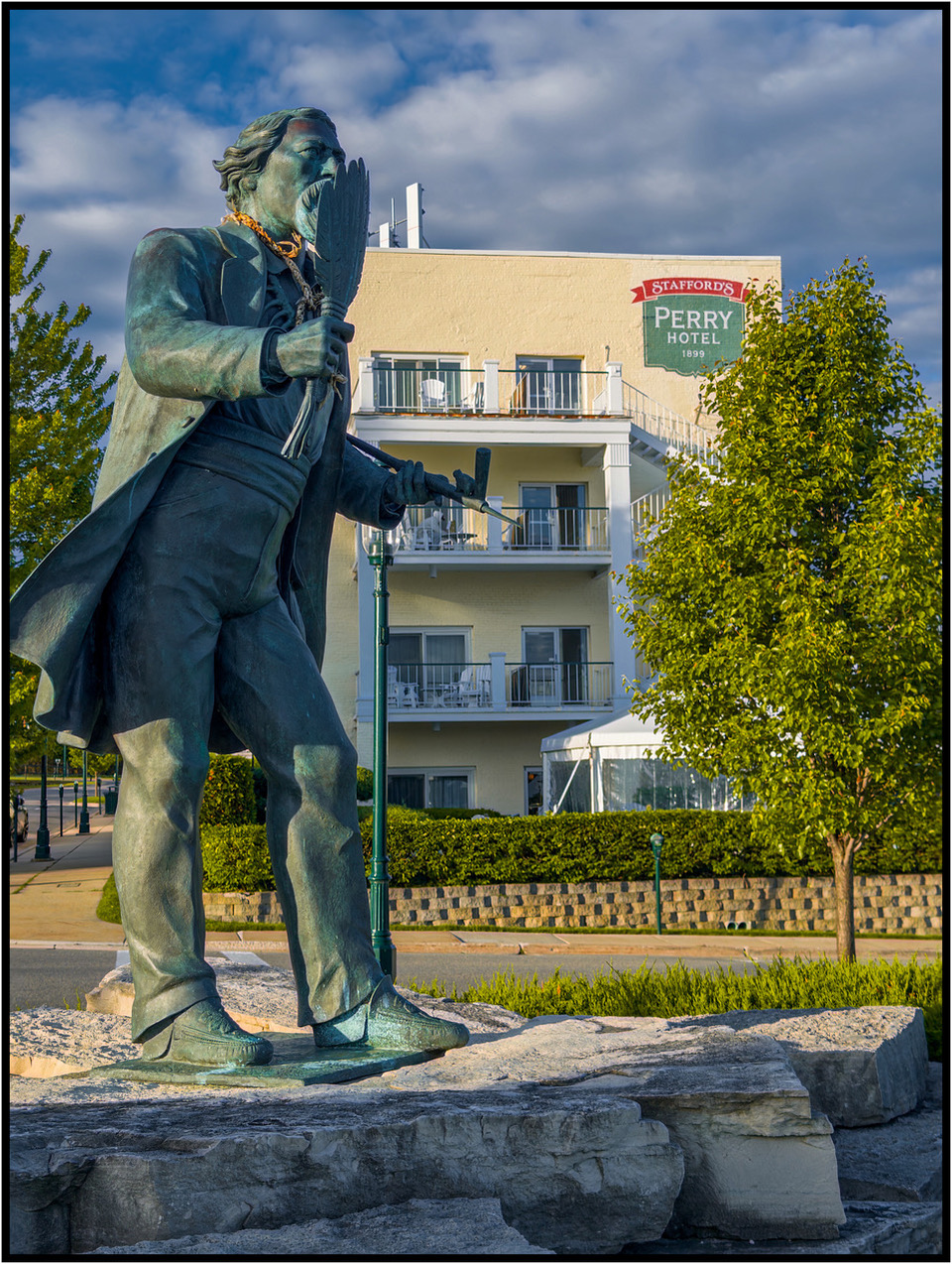
On to breakfast at the Perry Hotel. Built in 1899 by Dr. Norman J. Perry, the Perry Hotel was advertised as Petoskey’s only fireproof hotel and is the sole survivor of the roughly 20 luxury resort hotels operating in the area at the turn of the century.
After the railroad arrived in 1873, Petoskey and the Little Traverse Bay region transformed from a quiet fur-trading settlement into one of the Midwest’s premier summer resort destinations. Thousands of visitors arrived by rail and steamship from cities like Detroit, Cincinnati, and Indianapolis to escape the summer heat and seek hay-fever relief in the cool, clean air off Lake Michigan. By 1900 the boom was such that Petoskey alone had roughly 14 to 21 hotels capable of housing as many as 2,000 guests a night.
The statue in front is of Chief Ignatius Petosegay, the Odawa chief and fur trader for whom the city of Petoskey is named.
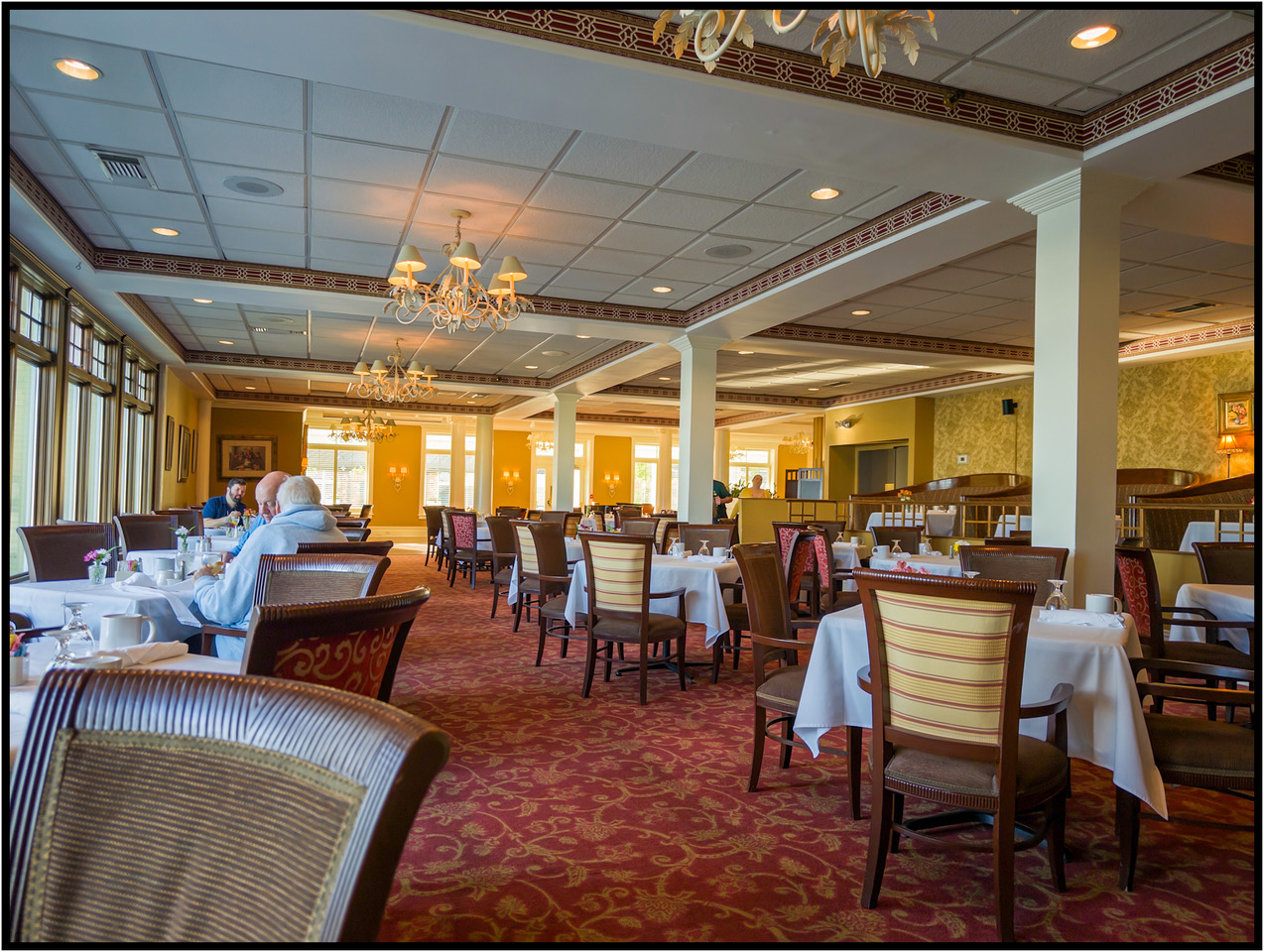
Hemingway’s documented ties to the Perry Hotel center on his early-life stays in northern Michigan, where his family summered at Walloon Lake. In 1916, after a hiking and camping trip through northwest lower Michigan with his friend Lewis Clarahan, the teenage Hemingway stayed at the Perry Hotel, reportedly paying 75 cents for his room before heading on to the family cottage. He also frequented the hotel’s bar both before and after his time in Europe as an ambulance driver during WWI.

