Friday, 29 June 2018
Adam: We rented a car in Kyoto (Toyota Isis) and checked out of our house. All loaded up, we headed for the Gifu Prefecture and what is known as, in the tourist guides, “the Japanese Alps.”
Here is our car. It’s just about the biggest car you can rent in Japan, and it barely fits all of us and our luggage. We had to squeeze to make it fit, but we did get everything in. The parking lots here are a bit strange … you park in the space and then that green barrier pops up and traps your car. You can’t leave until you pay at the meter; paying the fee triggers the green thing to go back down, but only for a short time so you need to hustle once you’ve paid up.

Adam: We wanted to get out of the urban areas and see a bit more of Japan – what you can’t see from taking the bullet trains or airplanes.
Driving in Japan is just like in the US – except that it’s on the British side of the road, the road rules are different and I can’t read any of the signs.
Our homebase is a house in Takayama – situated in a valley amongst several ranges of mountains. Here, the elevations are not terribly high (we’re up about 2000 feet) with the highest mountains topping at around 10,000 ft. There’s no snow on them now – but we have had our fair share of rain. It poured during most of our drive to Takayama, and once we arrived, we were entertained that evening by lightning and thunderstorms.
Map of our trip from Kyoto to Takayama.. Side trip to Shirakawa-go and Ogimachi.
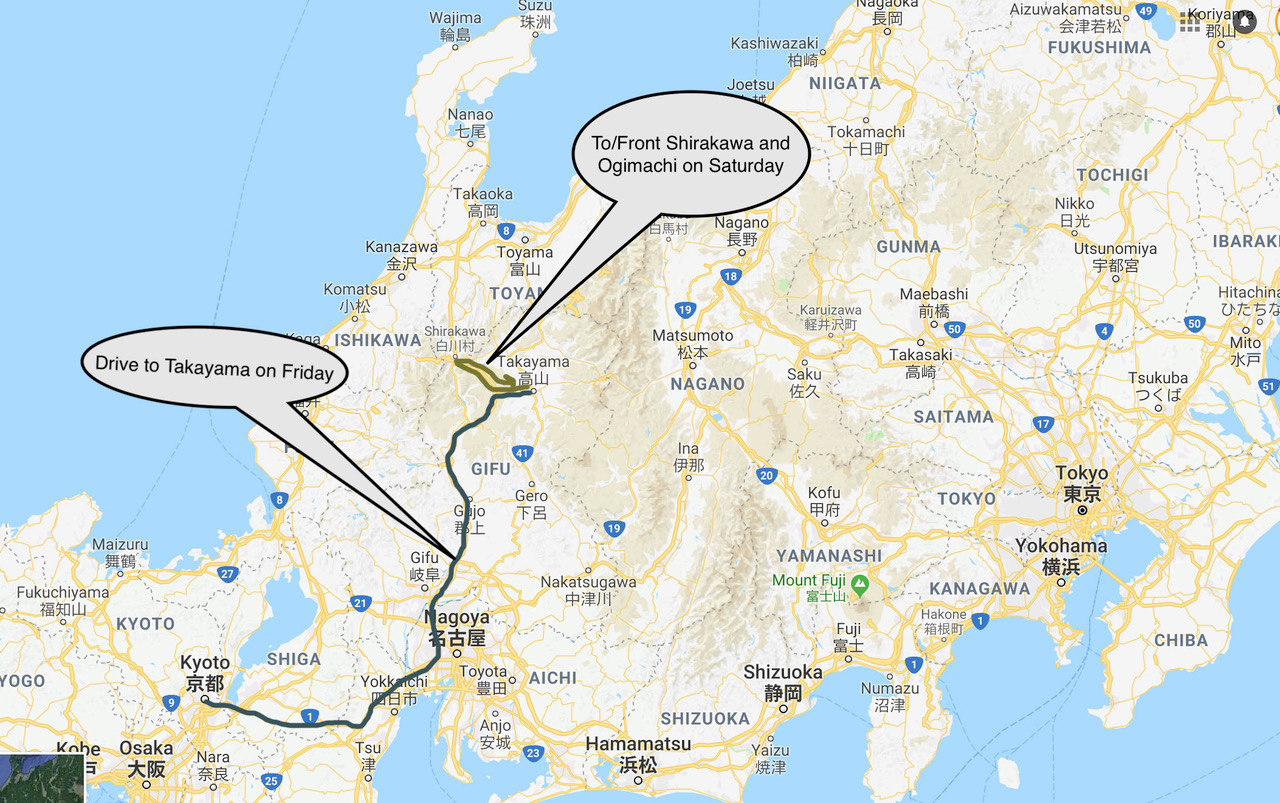
The terrain in these mountains is very rugged. The trails to get from one place to another must have been nearly impossible to cover. It gives these towns a somewhat isolated feel. These areas get a LOT of snow – the houses are designed to withstand more than 2m of snow cover. In modern times, the Japanese have solved the road problems by digging tunnel after tunnel right into the mountains. As an example, our side trip from Takayama to Shirakawa-go is only about 46km, but we went through 12 different tunnels, the longest of which is 11km in length. More than half of the trip to our destination was underground.
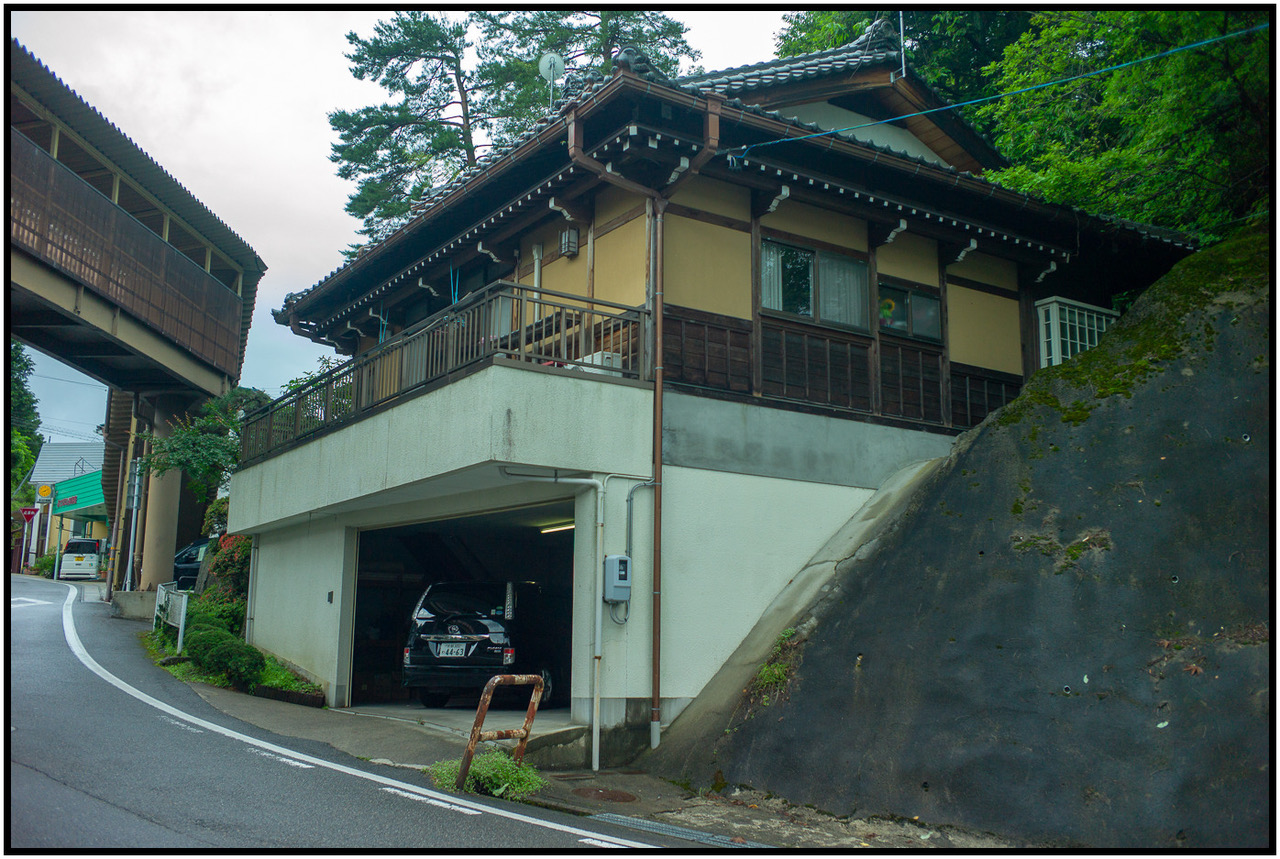
Here’s a shot of our house, with a garage space for our car.
Saturday, 30 June 2018
Adam: Our first outing was to Ogimachi, part of UNESCO’s World Heritage Site: “Historic Villages of Shirakawa-gō and Gokayama.”
These villages are well known for their clusters of farmhouses, constructed in the architectural style known as gasshō-zukuri, which are designed to easily shed snow from their roofs. It takes the village 4 days (working together) to build a roof and, if well made, they can last up to 60 years.
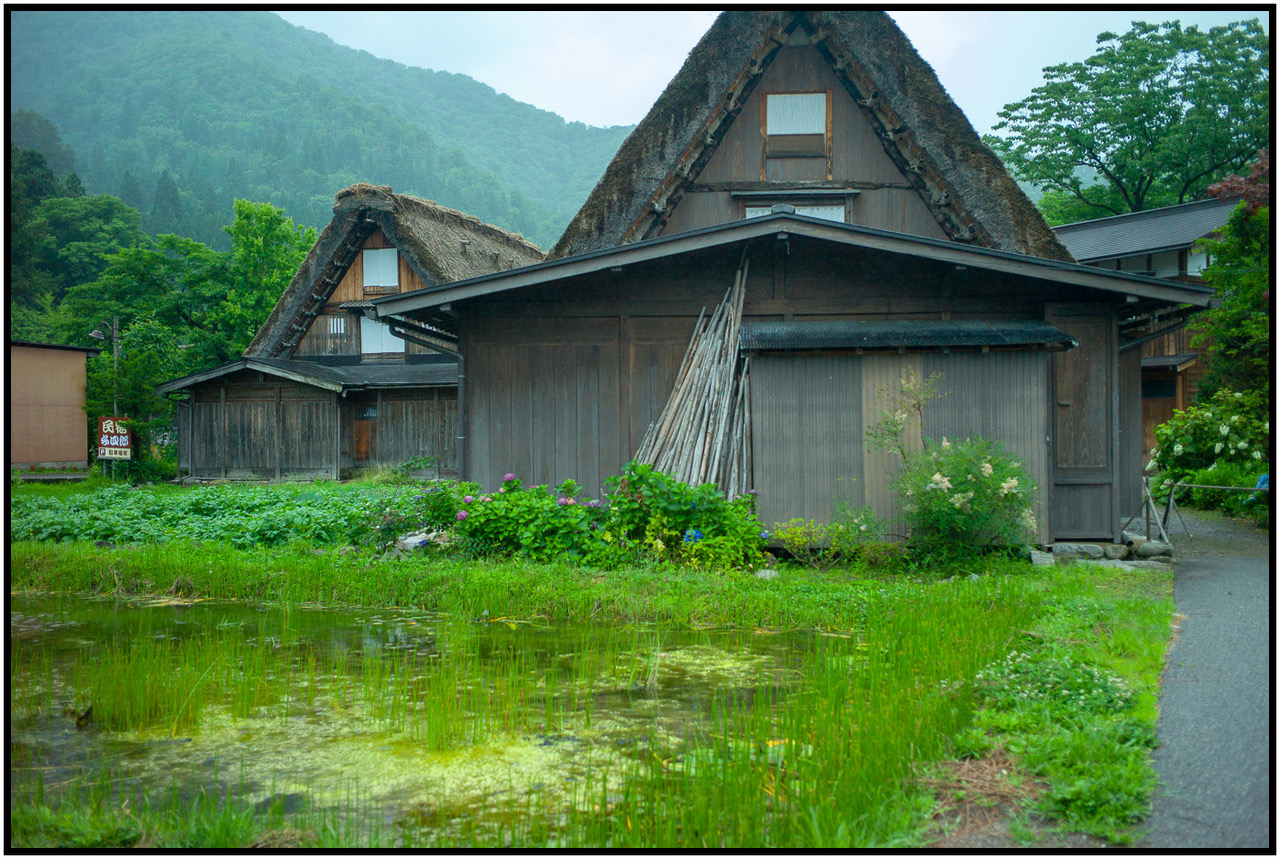
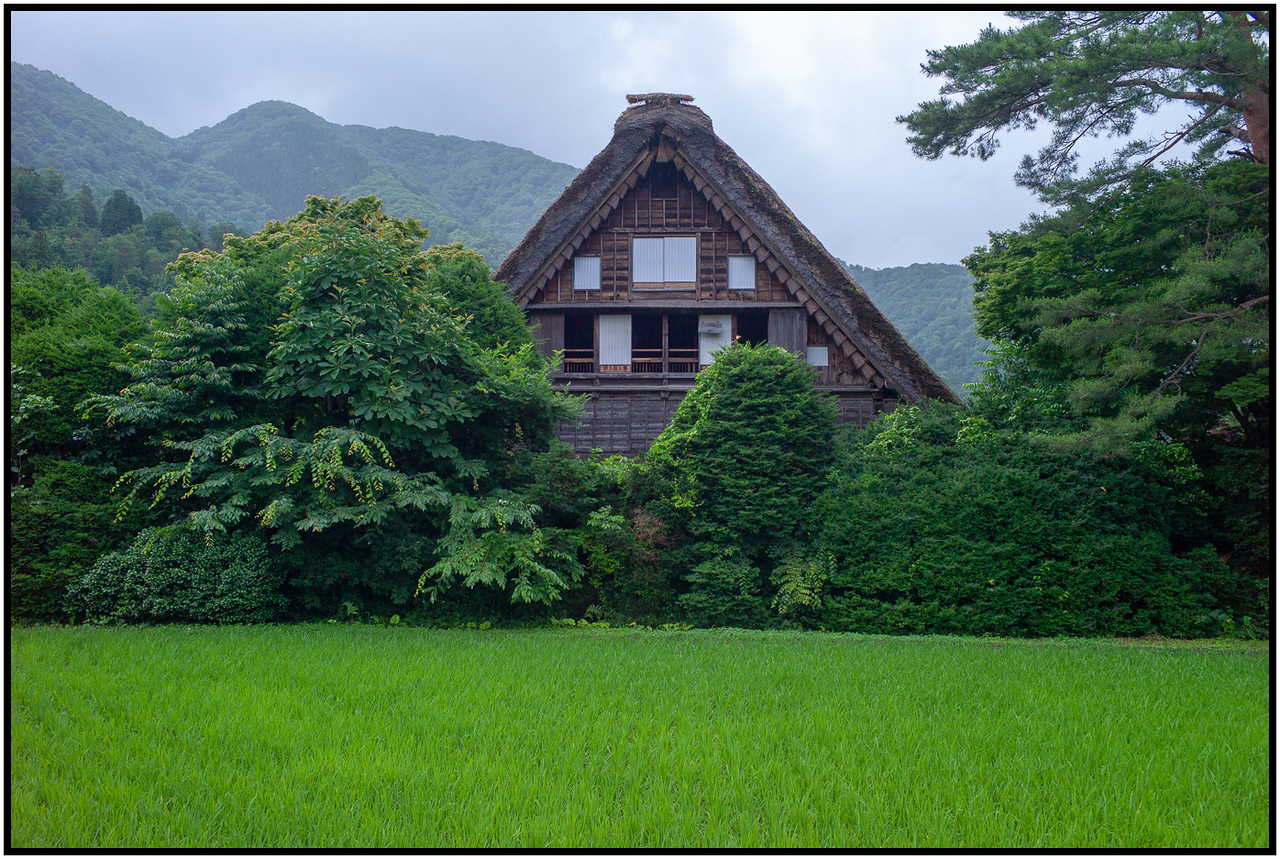
The Wada House (below). For a small fee you can go inside this one.
From the brochure: “The Wada family had passed down the name Yaemon from generation to generation since 1573. During the Edo period, the head of the Wada family assumed the role of village headman and was the official at the guard station. The family also prospered in the potassium nitrate business. During this period, potassium nitrate was an important source of cash income for the Shirakawago area. Promulgation of the organisation of municipalities in 1888 produced Shirakawa Village, and Yaemon Wada was appointed the first mayor of the village. The Wada House is the largest of the Gassho-zukuri settlement in Shirakawa Village. It has prestigious structure, including an entrance featuring Shikidai (steps in a Japanese entranceway), conveying the stylish, architectural culture of the early Edo Period to our day.”
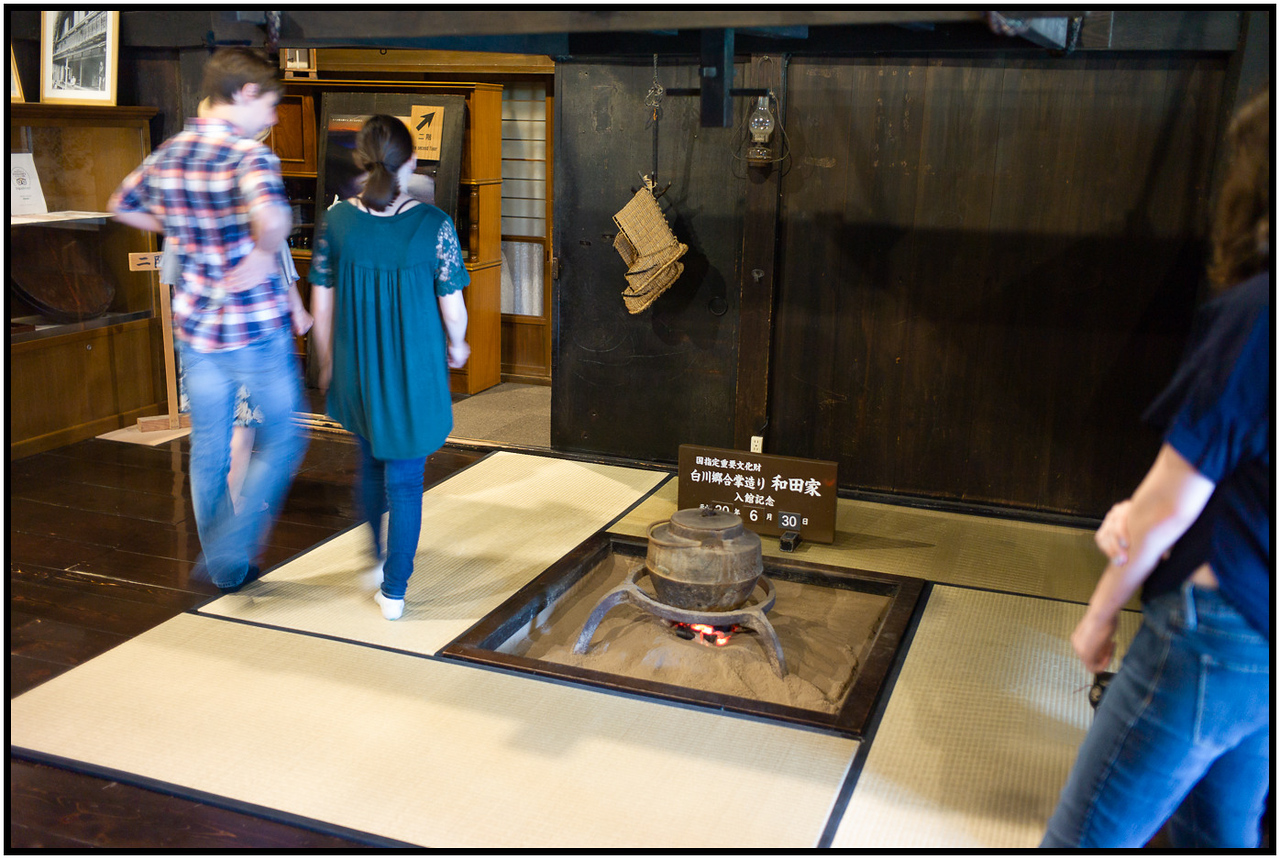
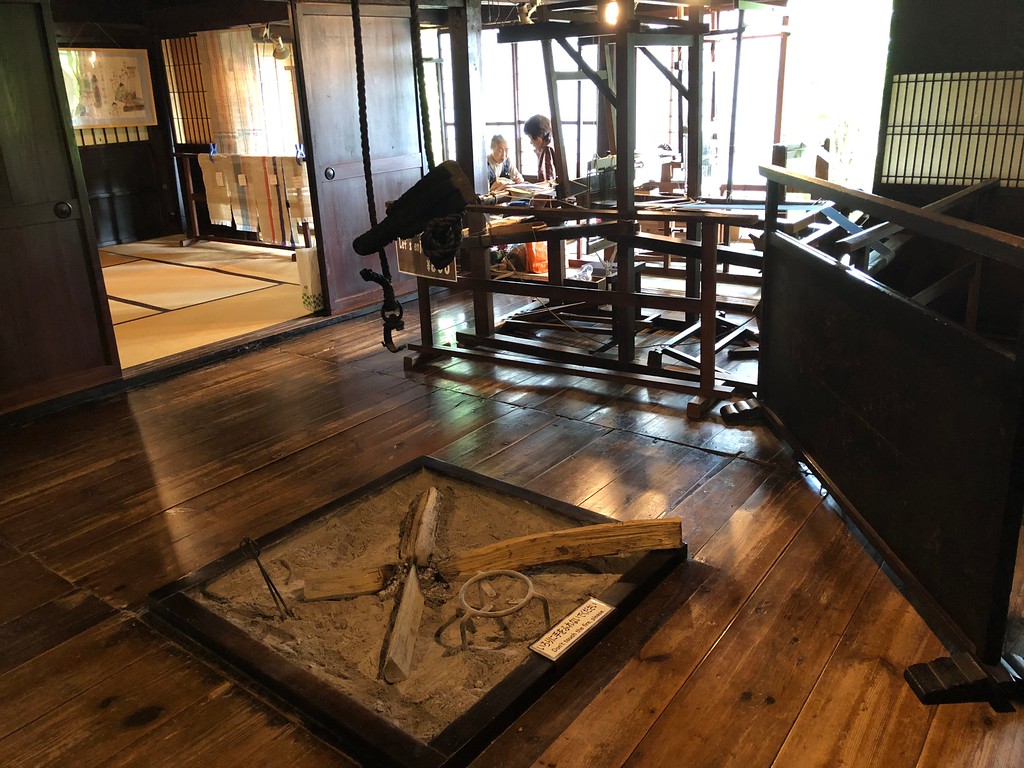
They have it set up in the old manner so you can see how people would have lived in houses like these. Here is a fireplace … they put sand pits directly in the floor in the middle of rooms. A huge iron plate hangs from the ceiling to catch sparks, and also act as a warming shelf.
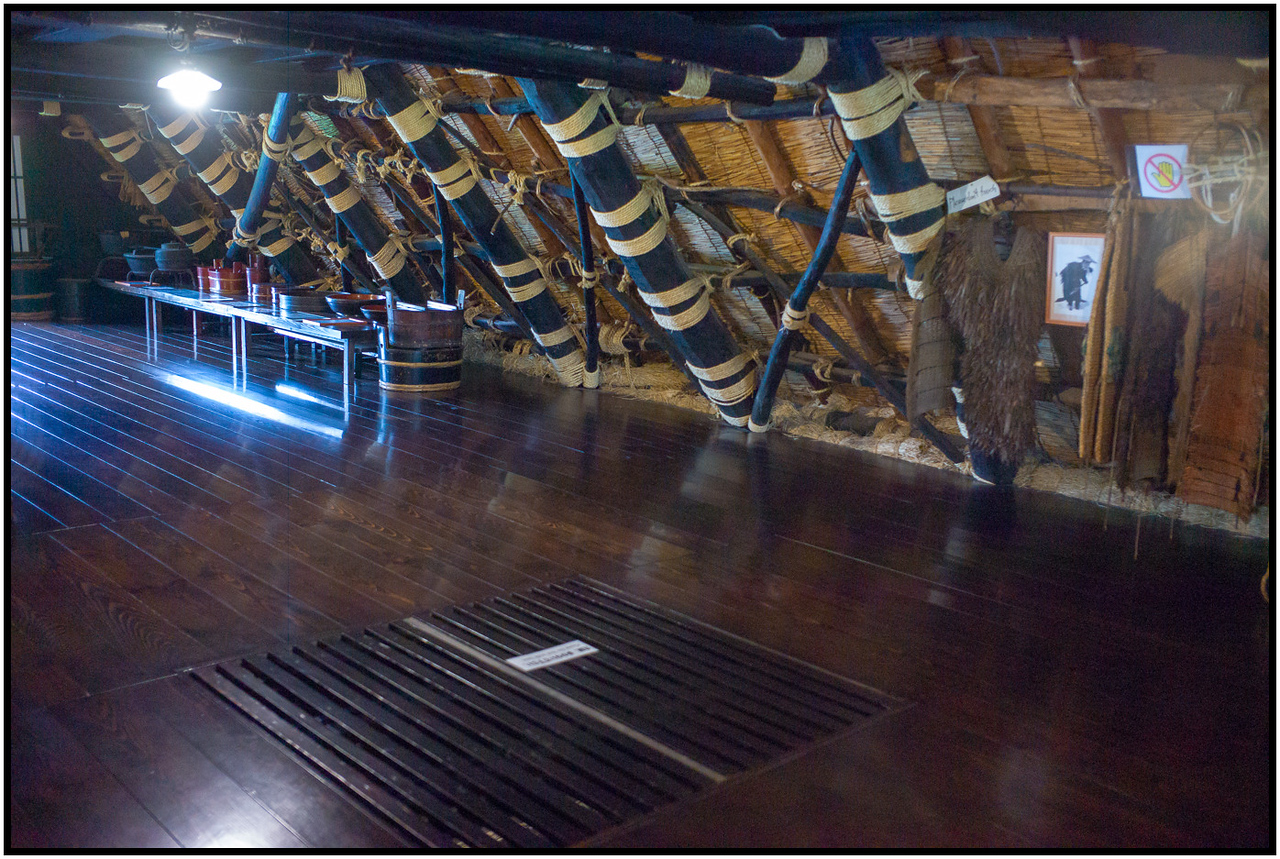
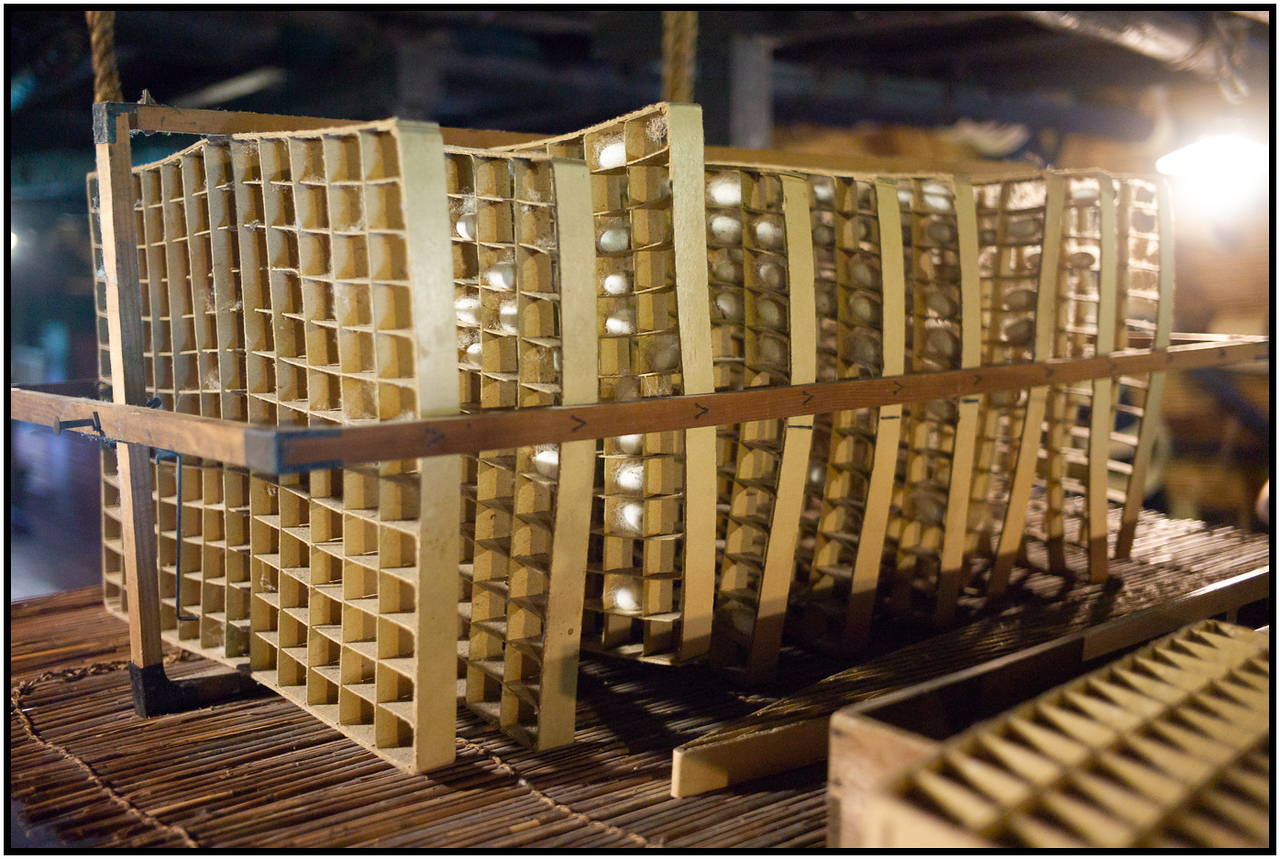
The attic area was used mostly for raising silkworms.
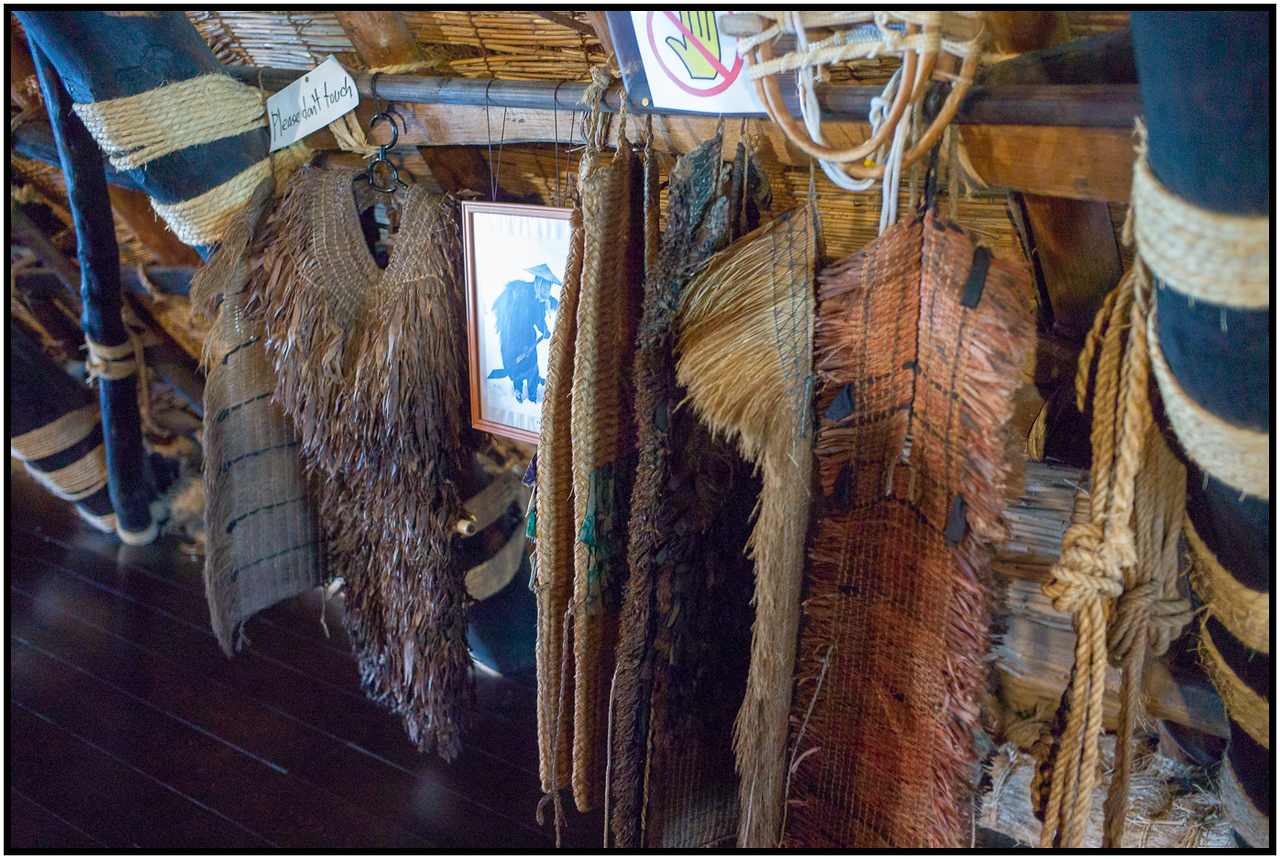
An example of the clothing villagers would have worn. Most of these clothes are made of woven grasses and straw.
Silk worm cocoons.
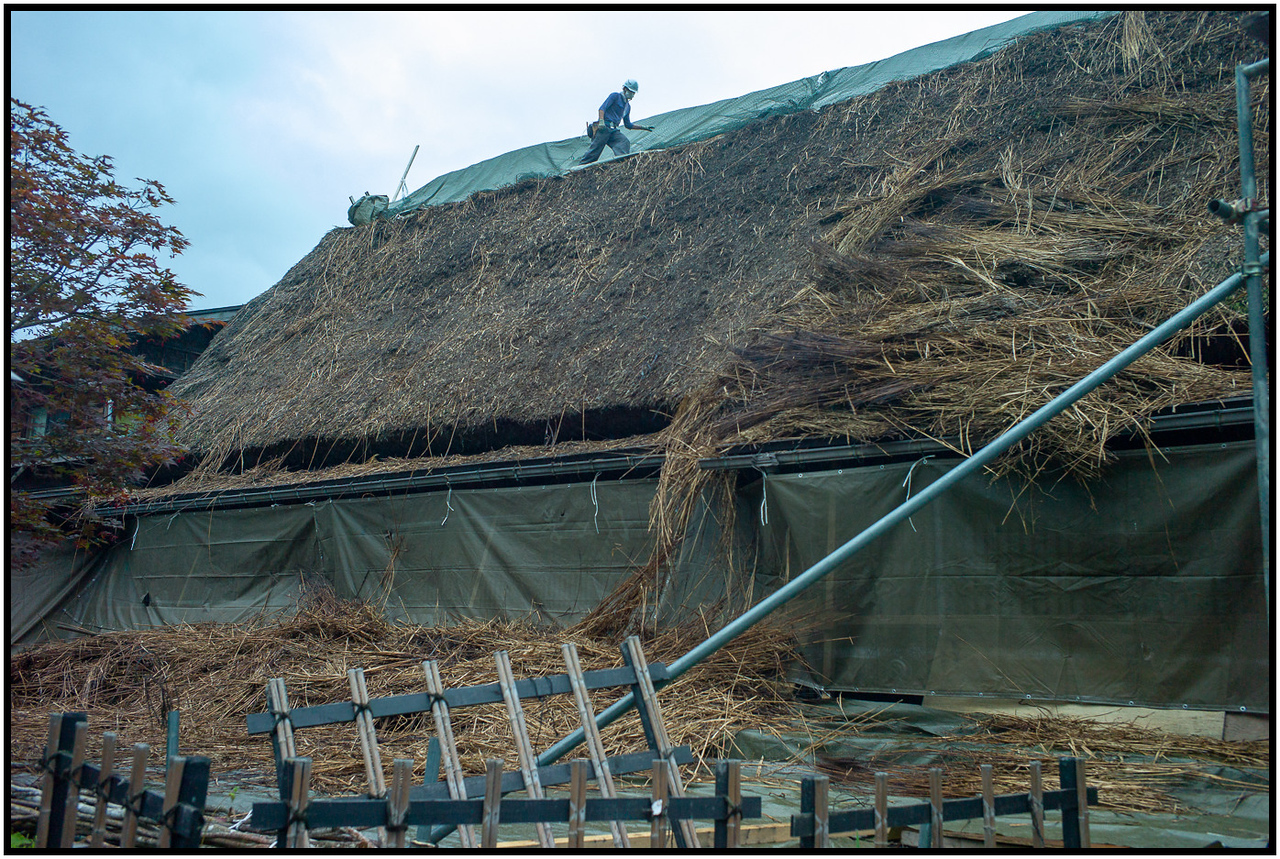
Repairs being made to one of the thatched roofs.
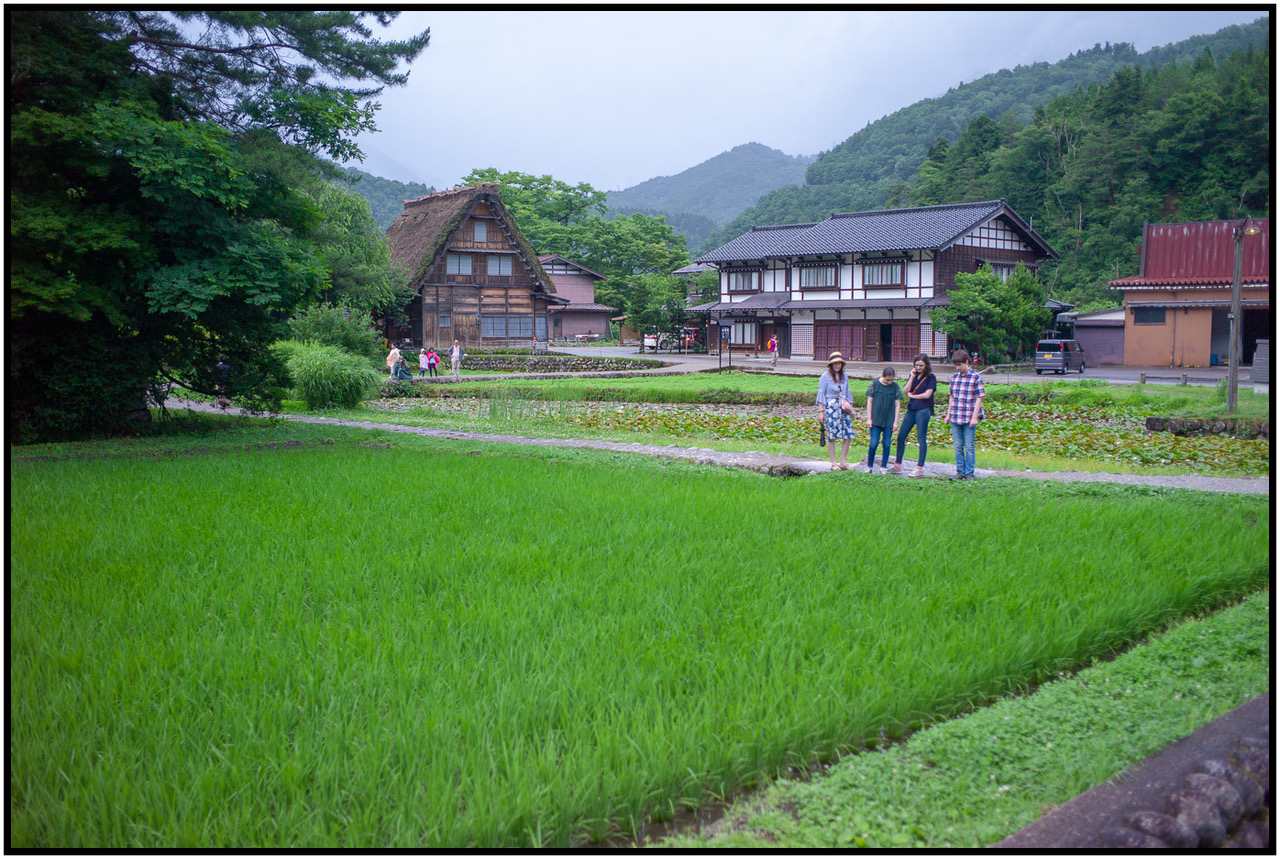
Our family contemplating a rice paddy. We were looking for frogs and such, but didn’t see any animal life — not even little fish. Most of the houses had their own vegetable gardens and paddies. I’m very surprised about the lack of animals, though. Our entire time in Japan so far we’ve seen only wild birds and fish (stocked in ponds, like carp and koi), plus the Snow monkeys we hiked up to see. No squirrels, chipmunks, rabbits, deer, horses, sheep, goats, pigs, chickens … not even roadkill that would indicate animals live in the woods. We passed a “Livestock Research Station” on our drive yesterday and saw two cows — just a huge field with only two cows in it. Where are all the animals?
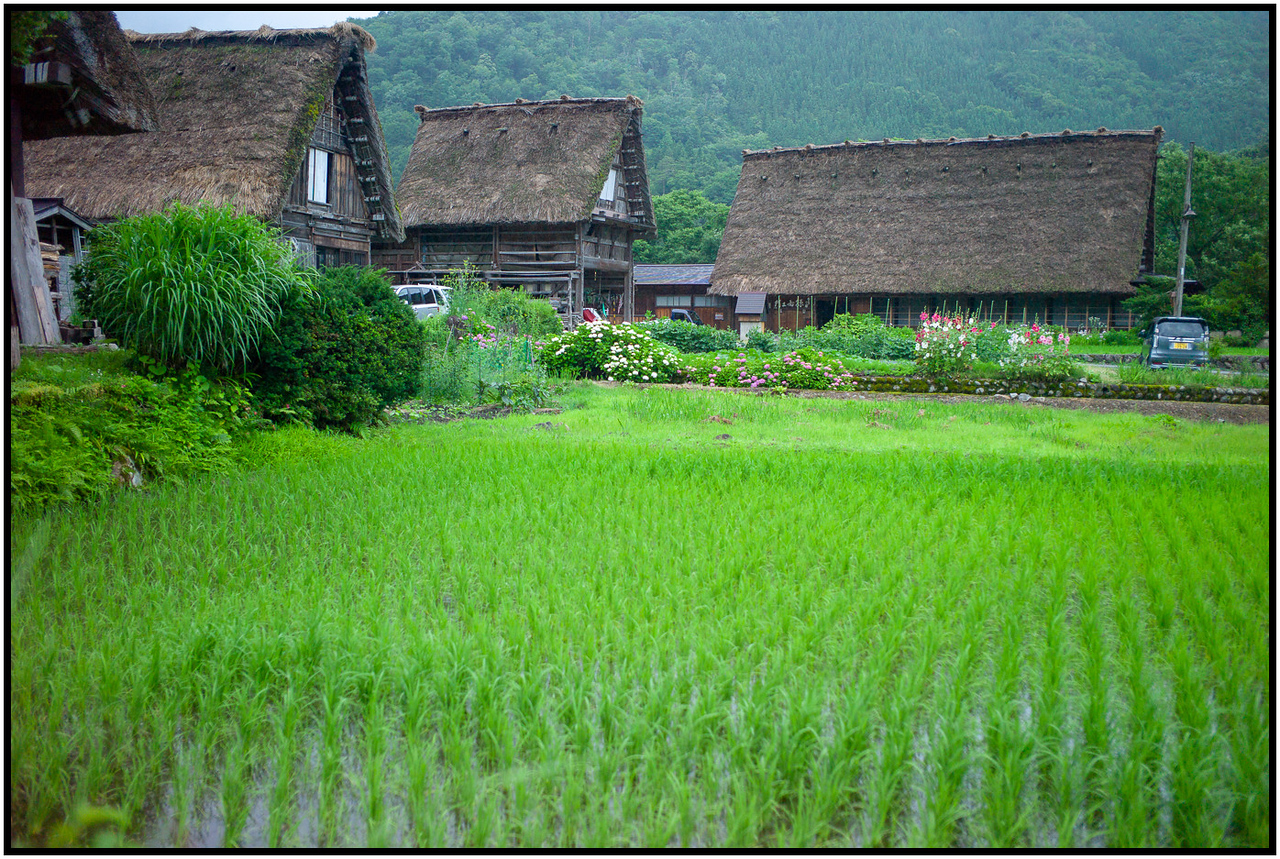
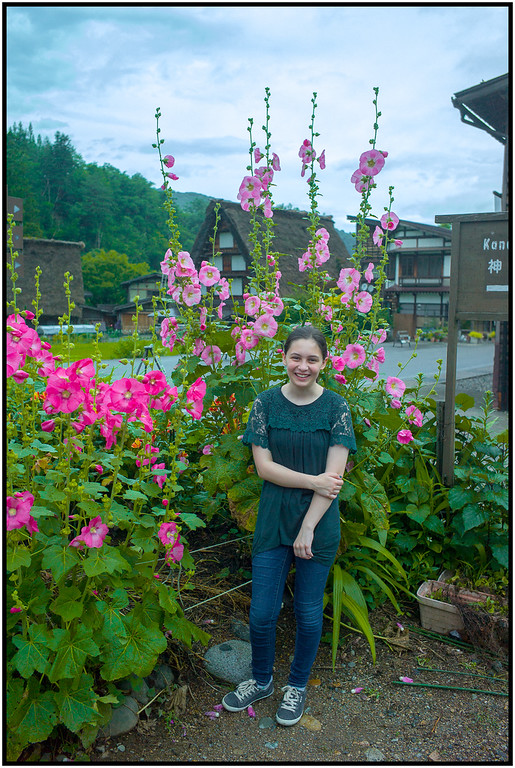
I made Josie stand next to the hollyhocks to show scale; I planted a bunch of hollyhock seeds at our house before we left Georgia earlier this summer and not a single one of them sprouted. This is how impressive they were supposed to be.
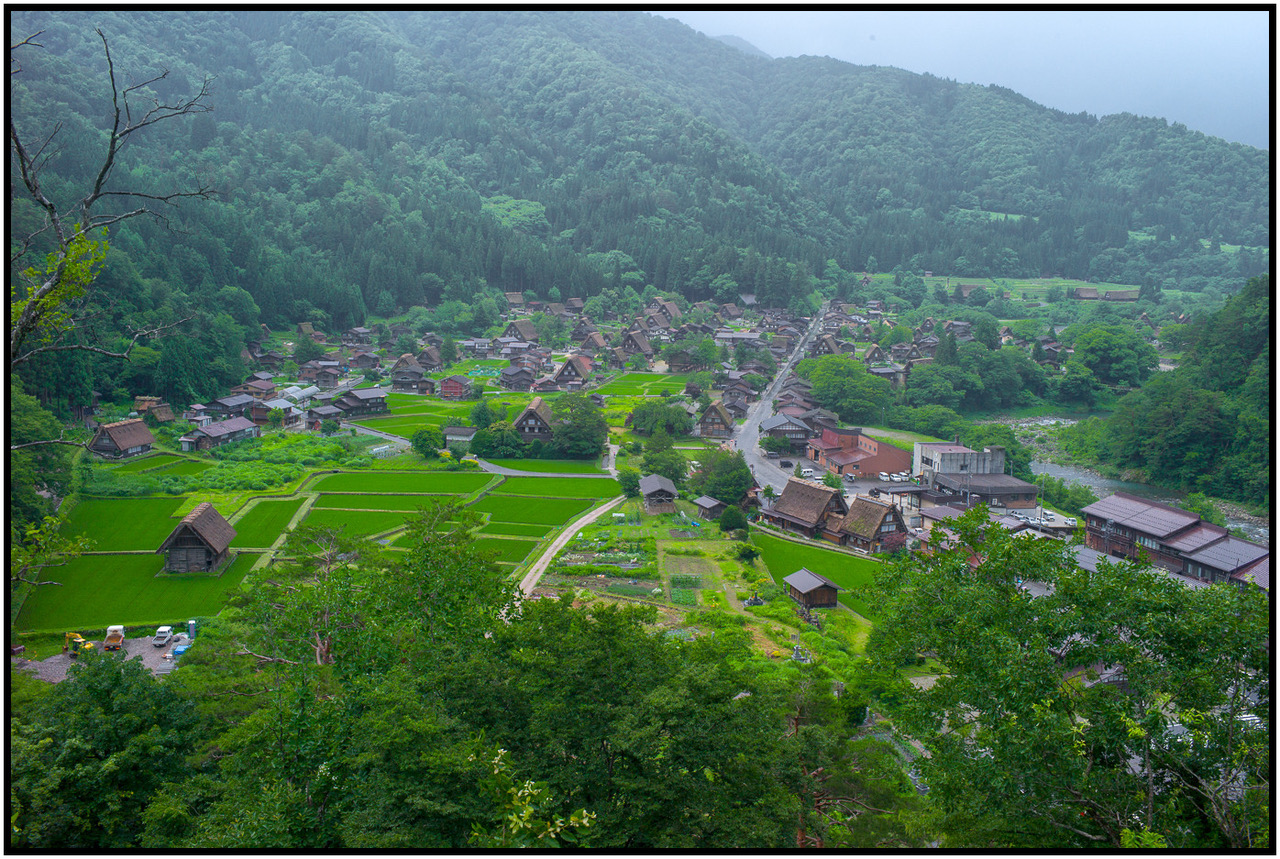
You can hike up a long hill to a viewing point. The village looks like something from a storybook.
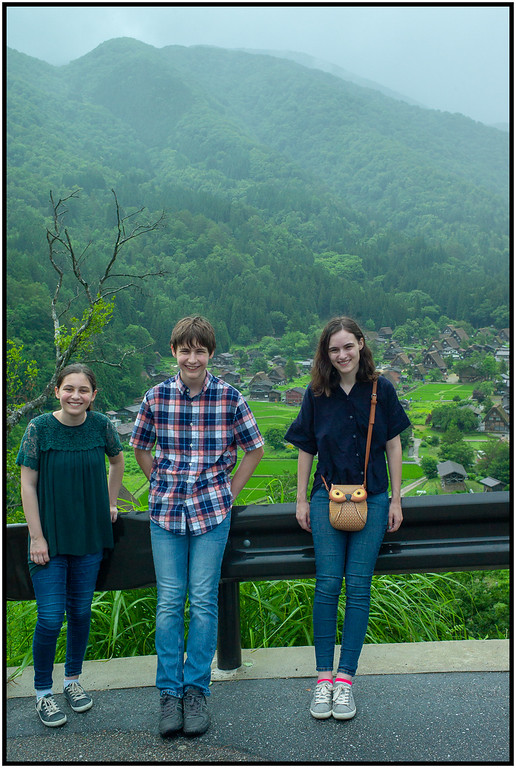
Holden enjoys the view, but is now getting concerned as the rain has picked up and we’re starting to get wet.
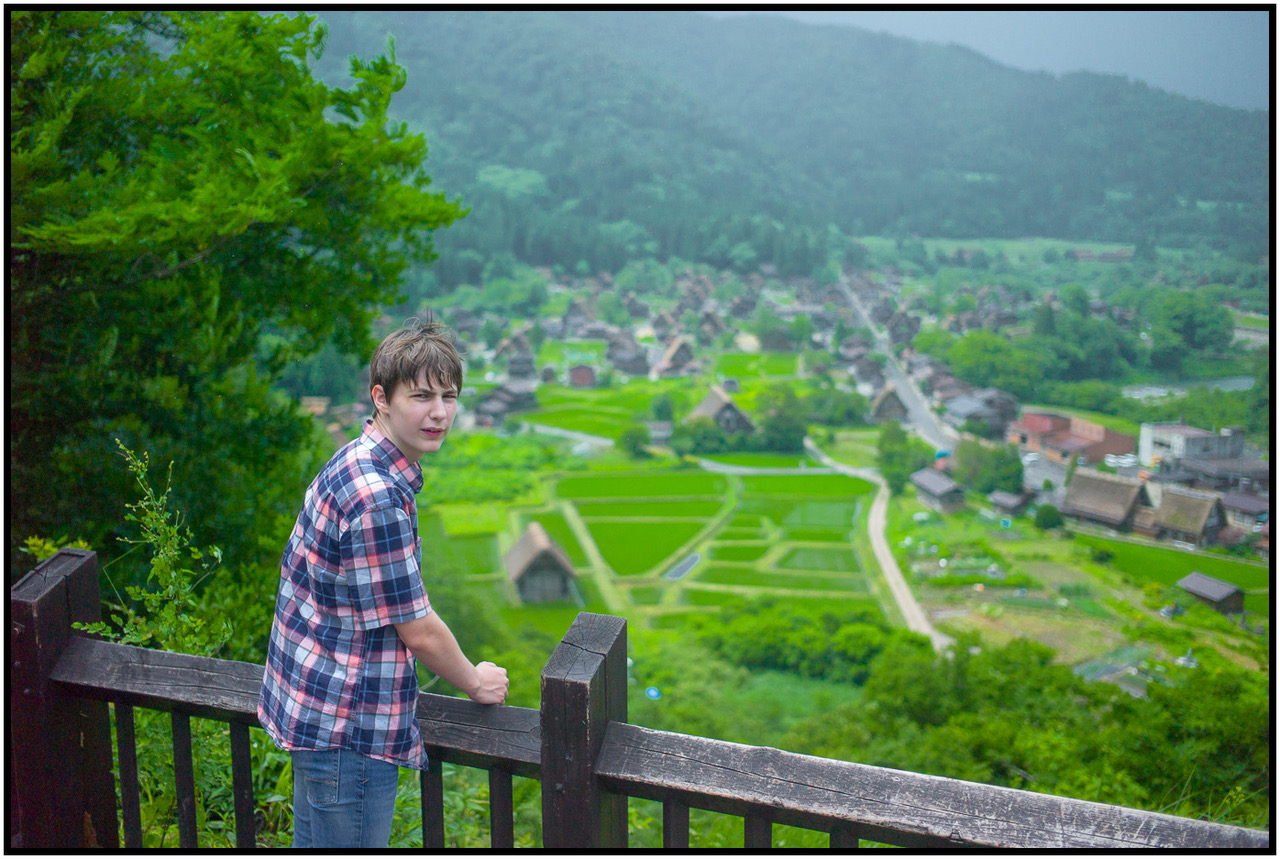
Adam: Brenda was the only person with foresight to bring an umbrella.
Not only did I bring my umbrella, but several of the little shops near the parking lot were selling $5 umbrellas and I urged everyone to consider buying one. It was starting to sprinkle at the time and I said, “Don’t you guys want to buy some umbrellas? We’re going to be walking around a lot today and it looks like it’s going to start raining a lot harder.”
“No,” said everyone … “I’m not going to spend $5 of my own money on an umbrella when I already have one at home.”
“I hope you don’t mind getting wet, then” I said. “The umbrellas at home aren’t going to do you any good right now.”
Adam: (Below) The rest of us are seeking shelter in a Buddhist shrine, while Brenda enjoys the views. It rained off and on during the visit, but really started to come down when we were returning back to the valley floor.
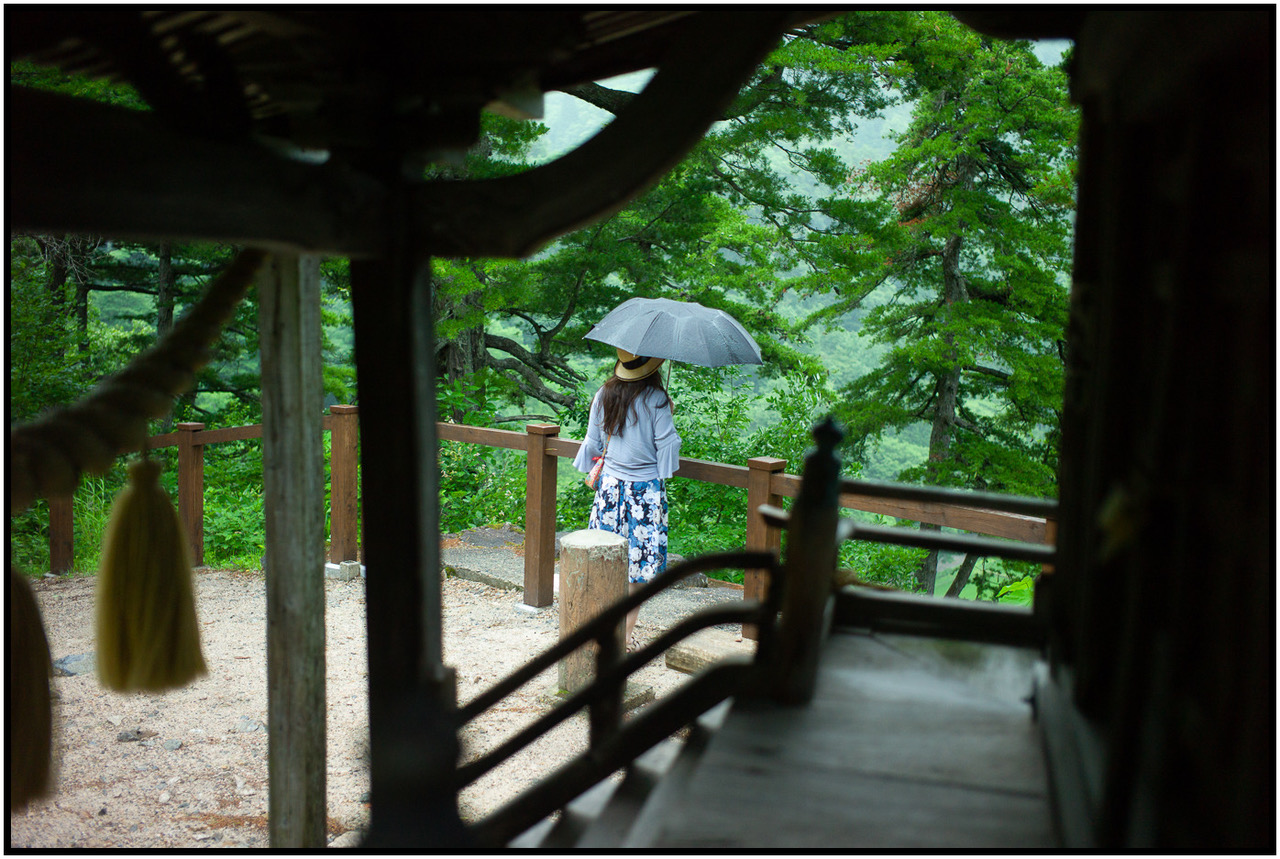
At this point everyone started demanding I give up my umbrella to someone else because I had a hat. “This is a straw hat,” I’d say. “It’s meant for sun protection and isn’t supposed to get wet. Water will ruin it.”
“So what?” they’d say back. “It’s better than what we have, which is nothing. We should get the umbrella.”
This started to become a testy issue, which got testier and testier as the rain intensified.
Adam: The Sho River lies in the centre of this region. It rises in the southern mountains, then flows northwards towards the Japan Sea along a deep, winding and narrow valley, surrounded by mountains rising to a height of 5000’. As a result of this steep terrain, the majority of villages in this area are situated in the narrow strips of land along the valley bottom.
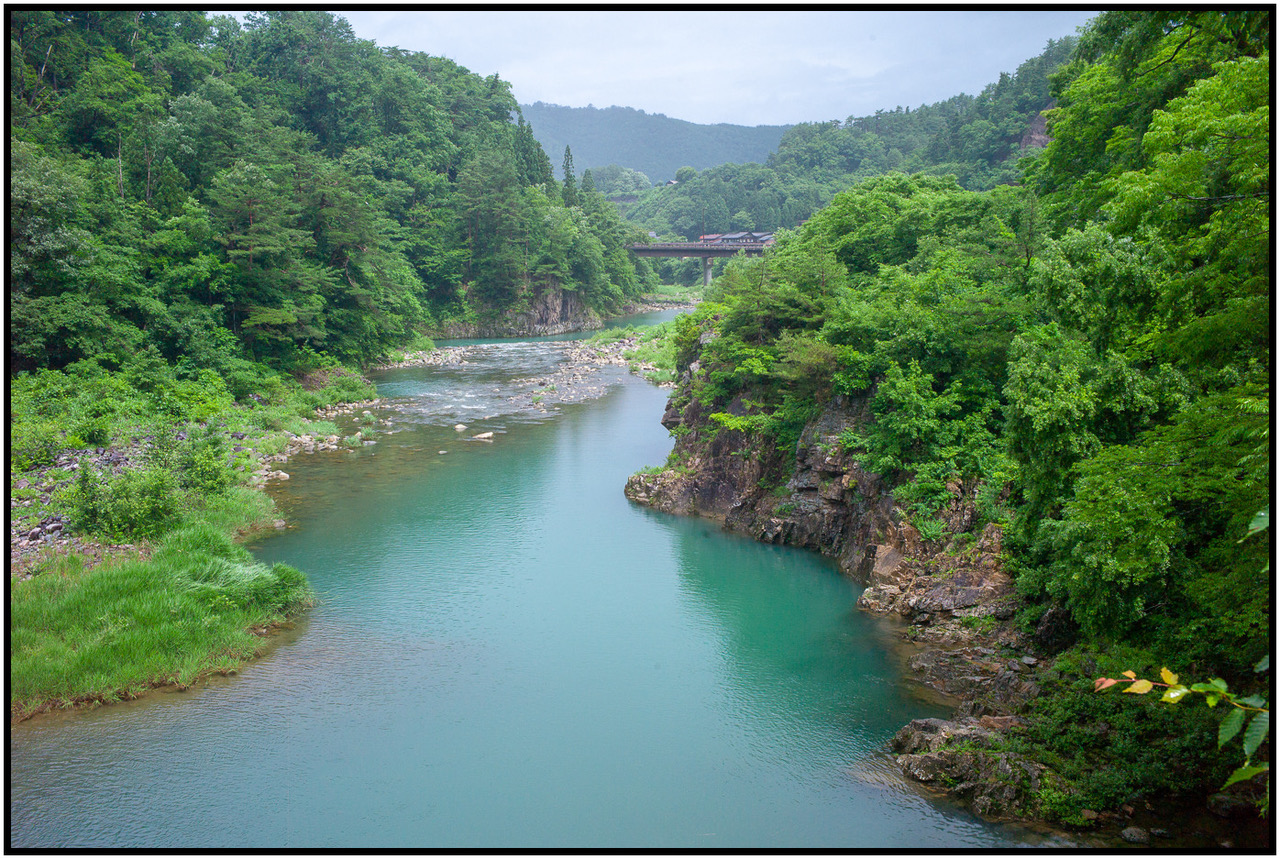
Photo below: kids are still irritated that I won’t give up my umbrella. Later in the day we were discussing economics and the ways different societies distribute goods and wealth. One of the kids (I don’t remember who, Josie or Isabella) said, “The way socialism is supposed to work is that the gulf between the haves and have nots isn’t too wide. You don’t get some people with nothing and someone else getting everything.” Holden said snarkily, “Yeah, but then there is always that one person who has a hat and an umbrella.”
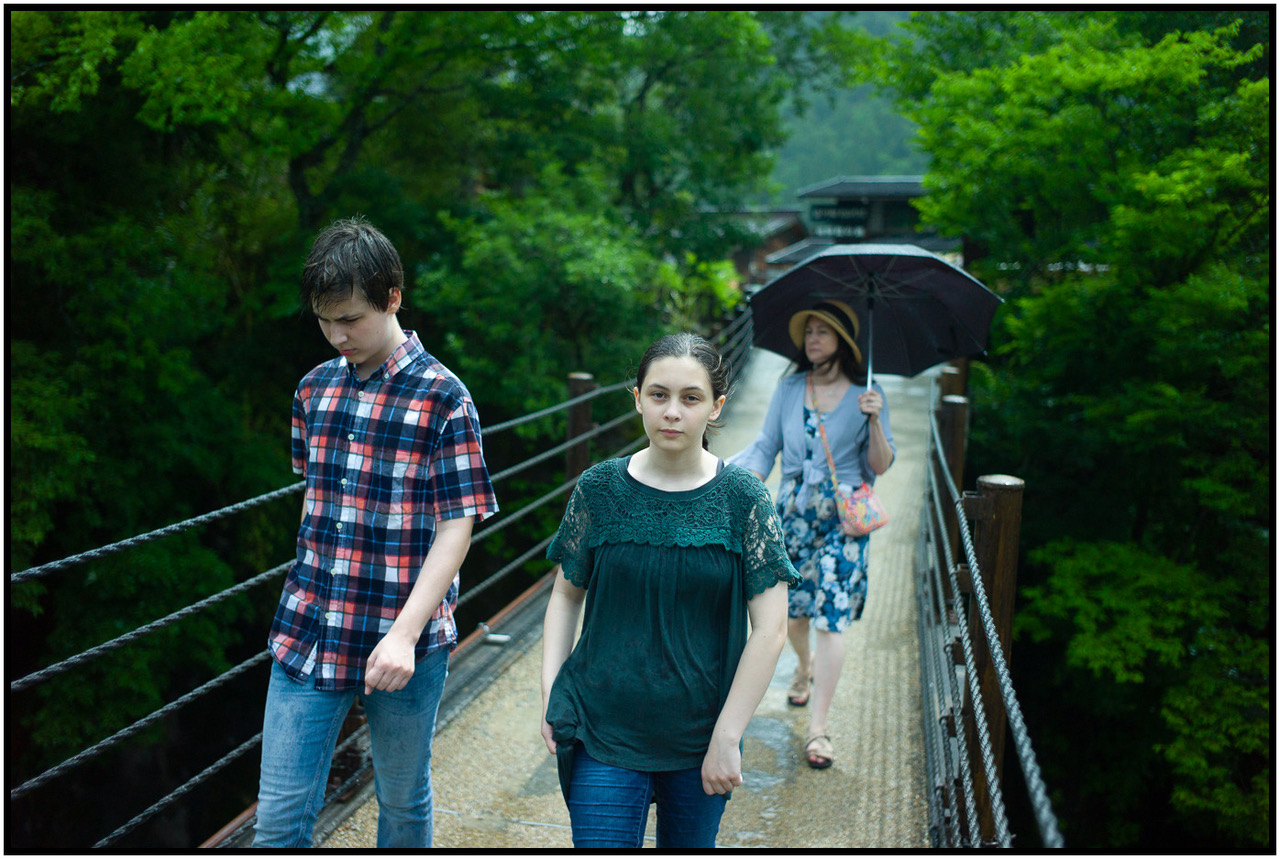
This is now apparently a new shorthand phrase to be used in our family when someone tries to take more than their fair share: “You’re getting a hat and an umbrella!” (I still maintain that I didn’t take anything from anyone … I planned ahead and it paid off. Big difference!)
After lunch, we returned to Takayama. The sun came out and the heat returned.
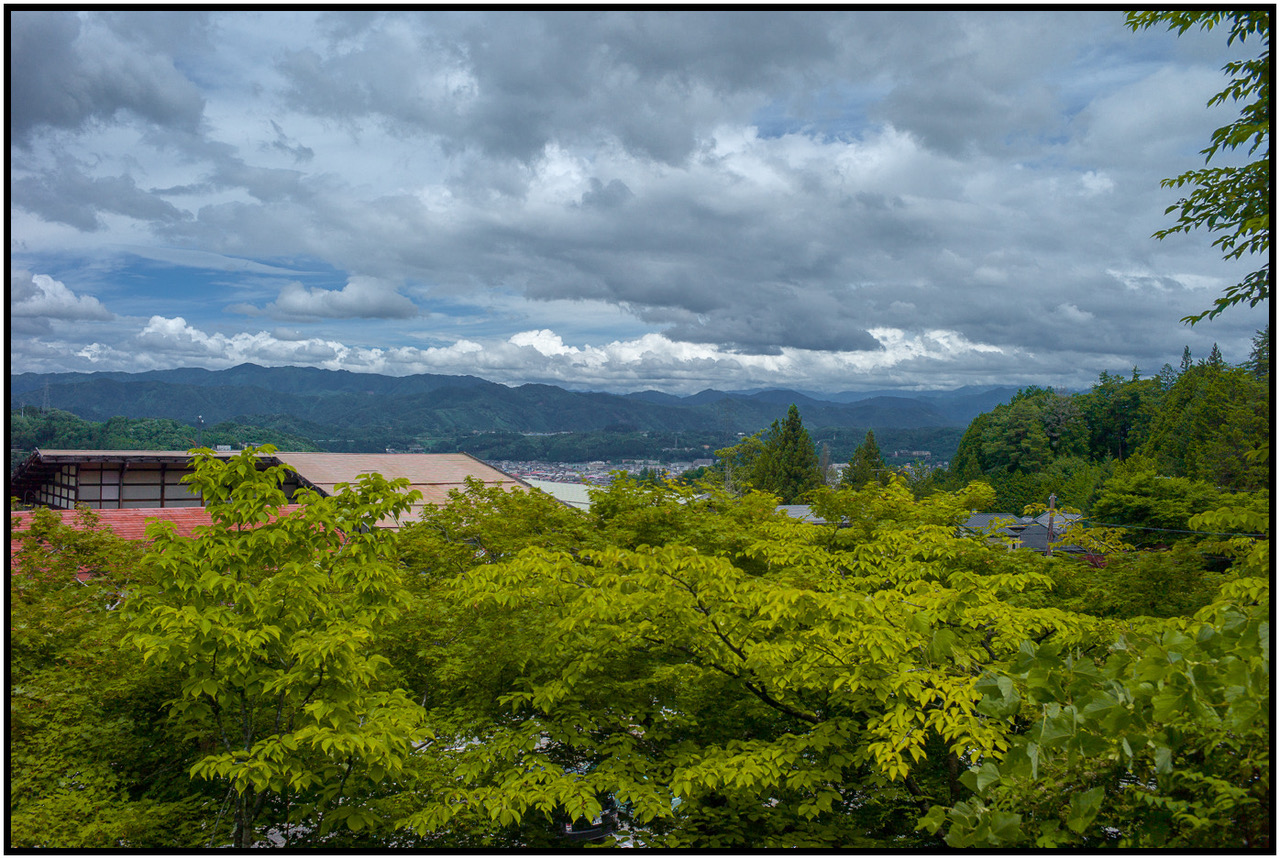
View of the Hida mountain range.
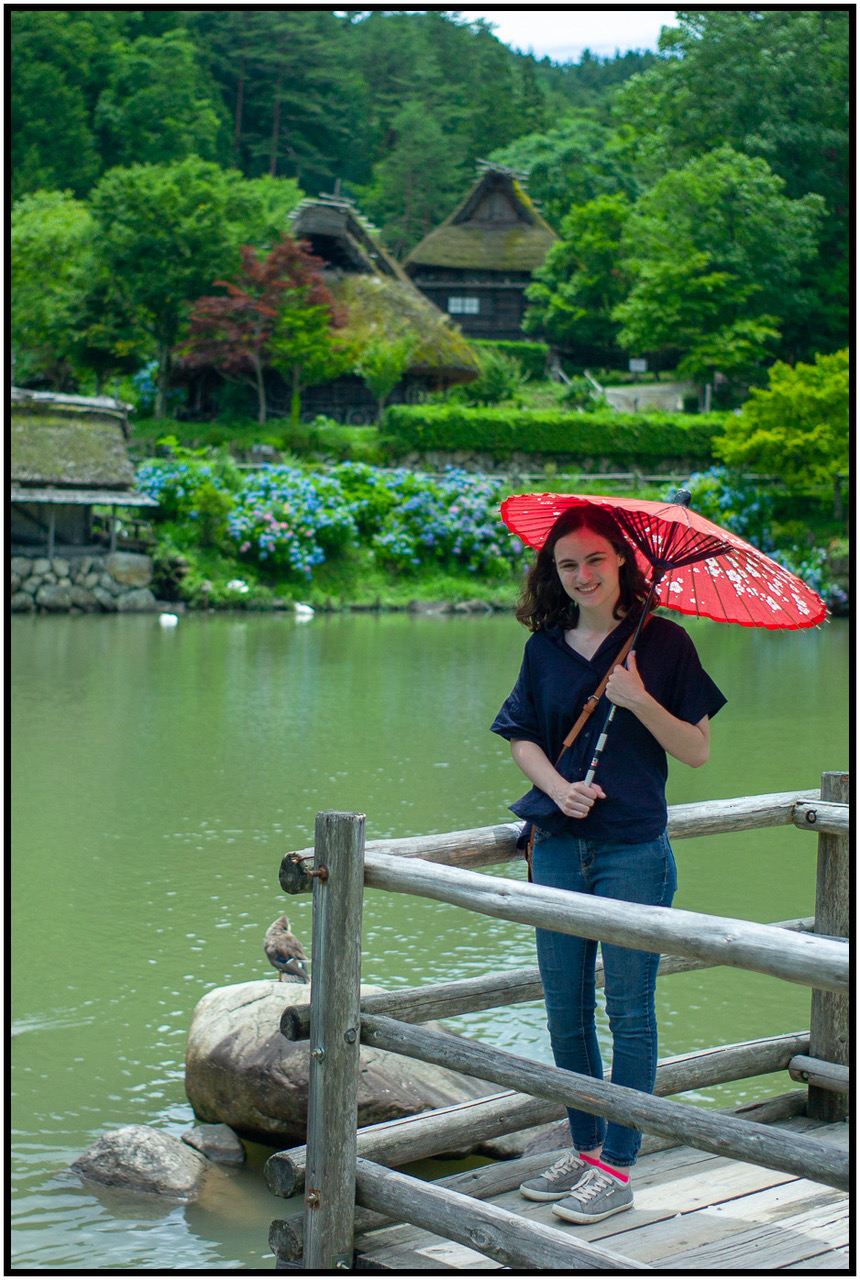
Adam: In Takayama, we went to the “Hida no Sato” (Hida Minzoku Mura Folk Village). This is a sort of open air museum – buildings from all over the region were salvaged and brought to this park. You can walk a lazy trail from building to building – all are accessible (must take off shoes in every building, which gets pretty old after the 5th or 6th time) but have neat displays of what life was like in this region over the past 600 years.
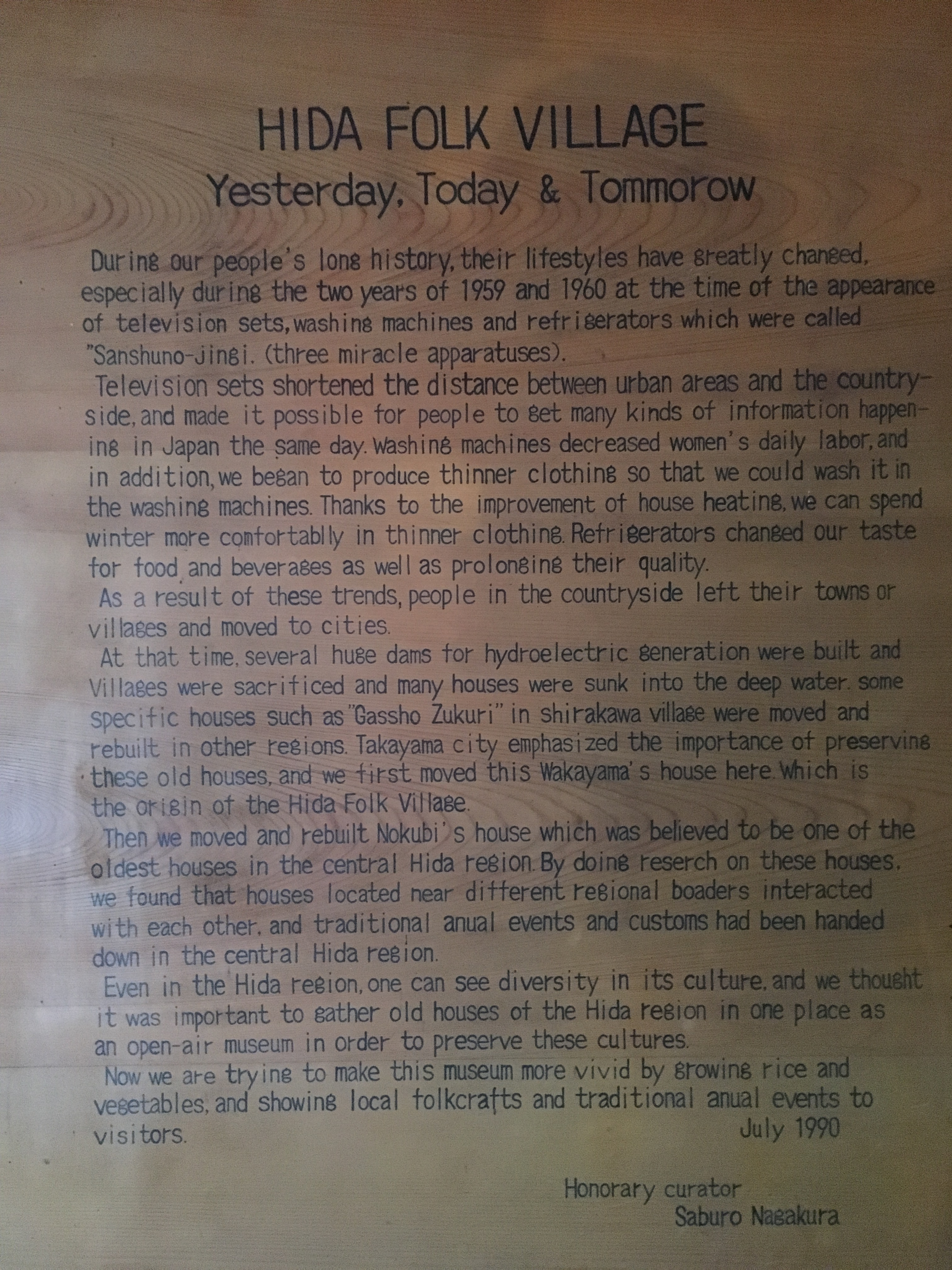
There were also some fun things to do as well – Japanese stilt practice.
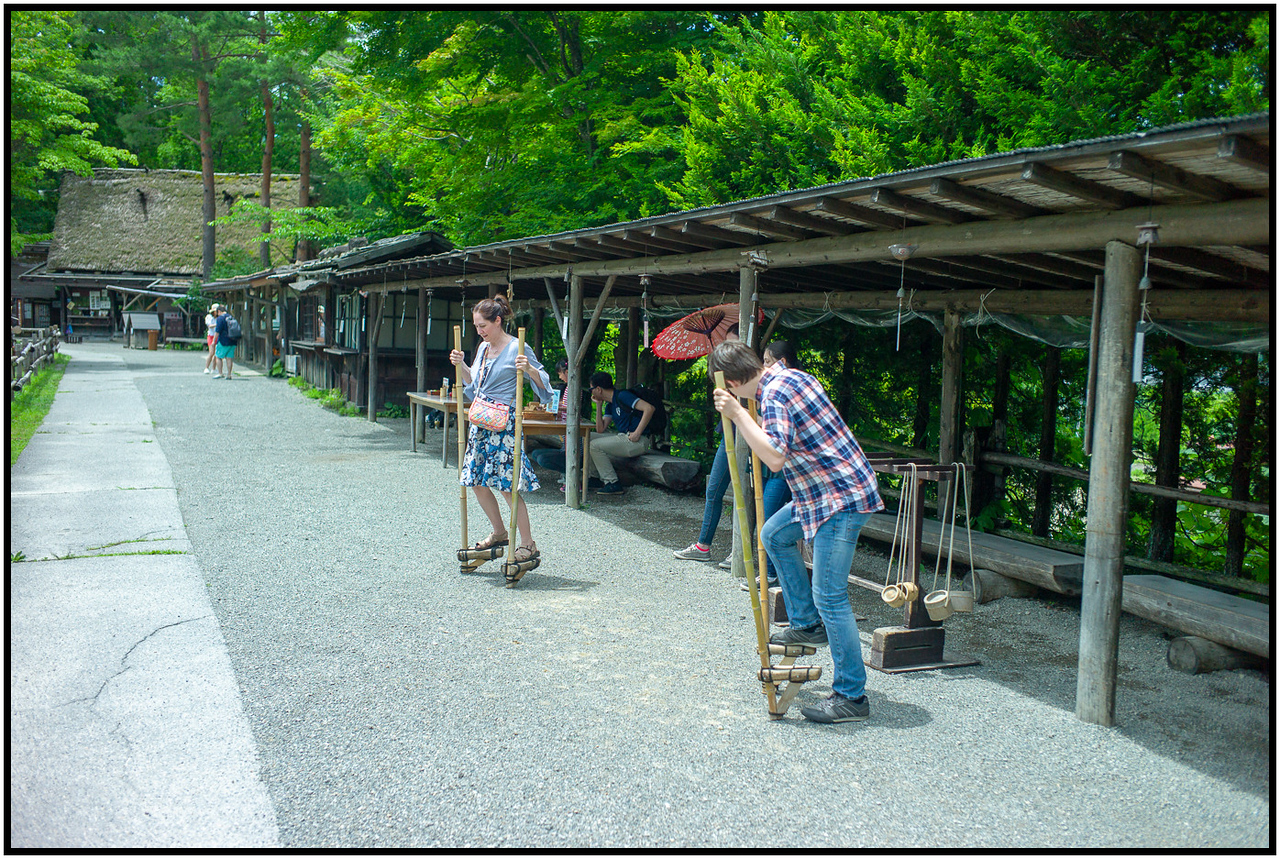
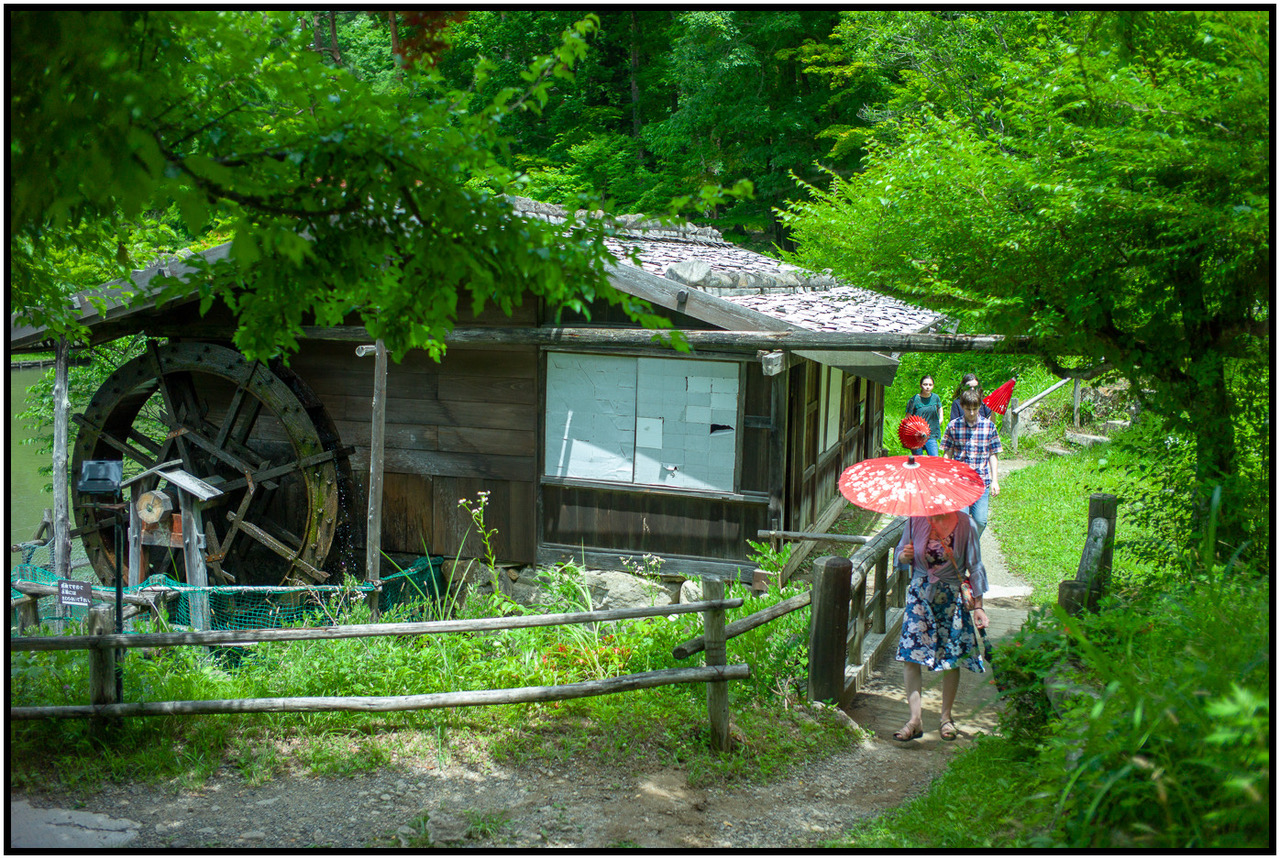
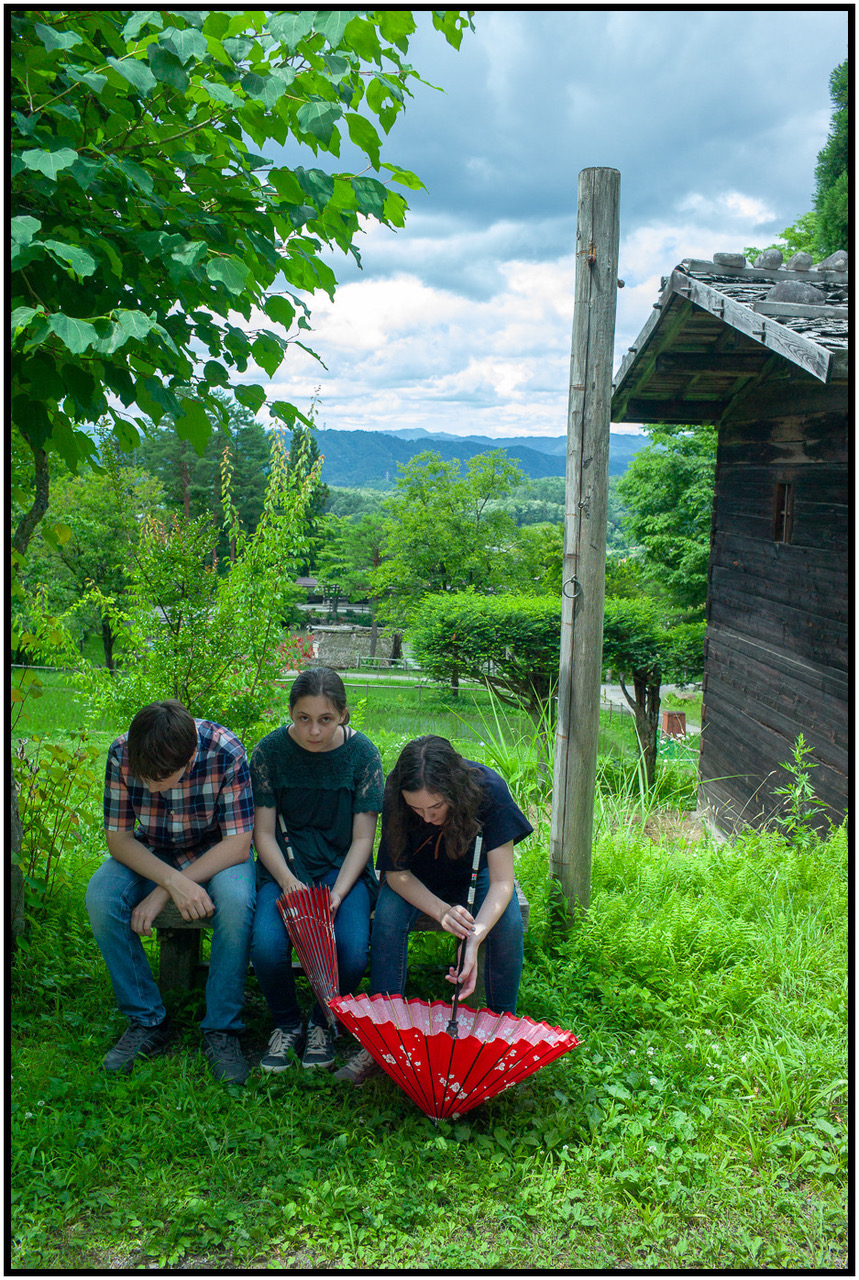
Picture postcard beauty shot. They had free parasols for visitors to use. (They also had free umbrellas for general use, which by this point nobody needed. It did spark some new grumbling about how the other village was going to charge $5 when they could have offered free “rentals” like this place.)
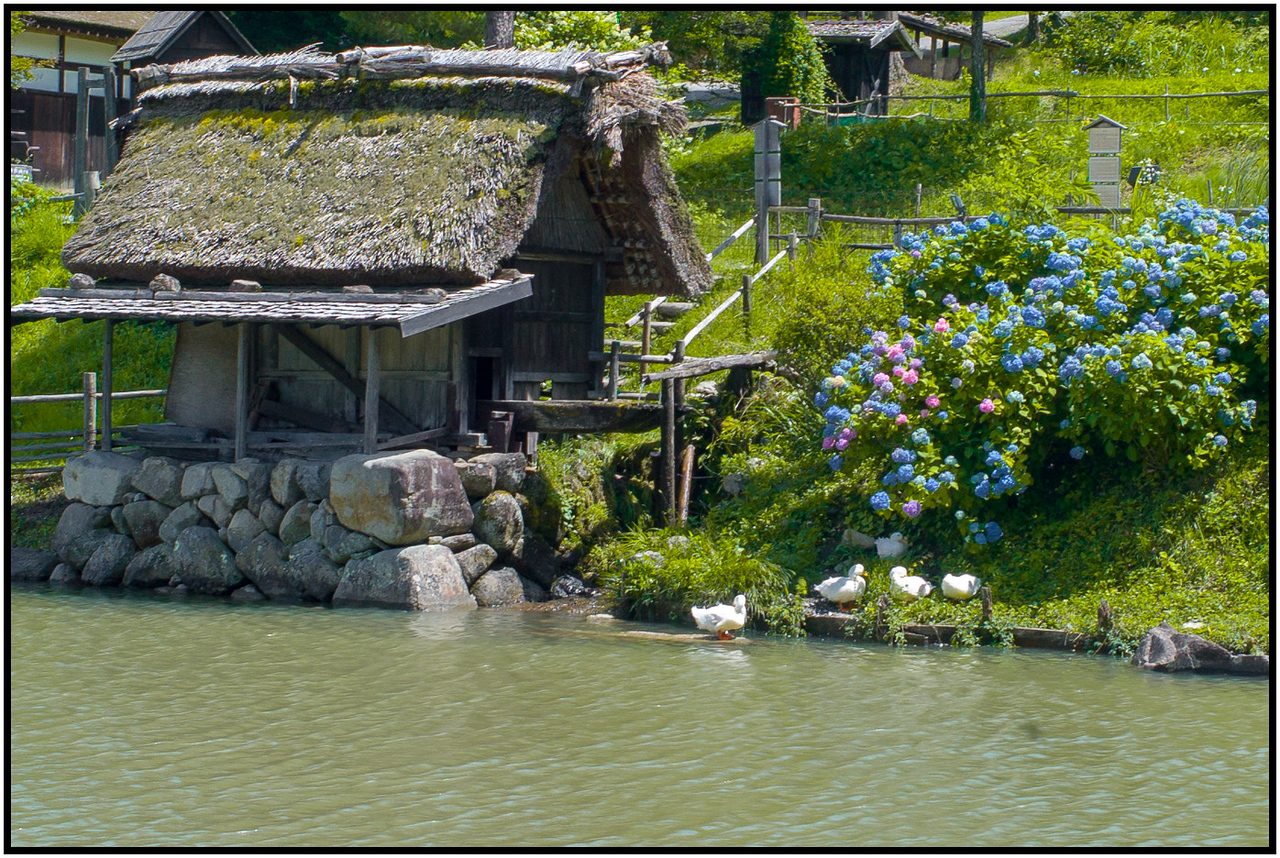
Adam: Here is an example of a what passed for “middle class” in the 1600s. Inside are rooms for the family, sunken hearths that are constantly lit (for heating and cooking – also the smoke keeps away bugs and preserves the roofs), and your livestock.
I found it amazing that any of these wooden houses could survive for 400 years.
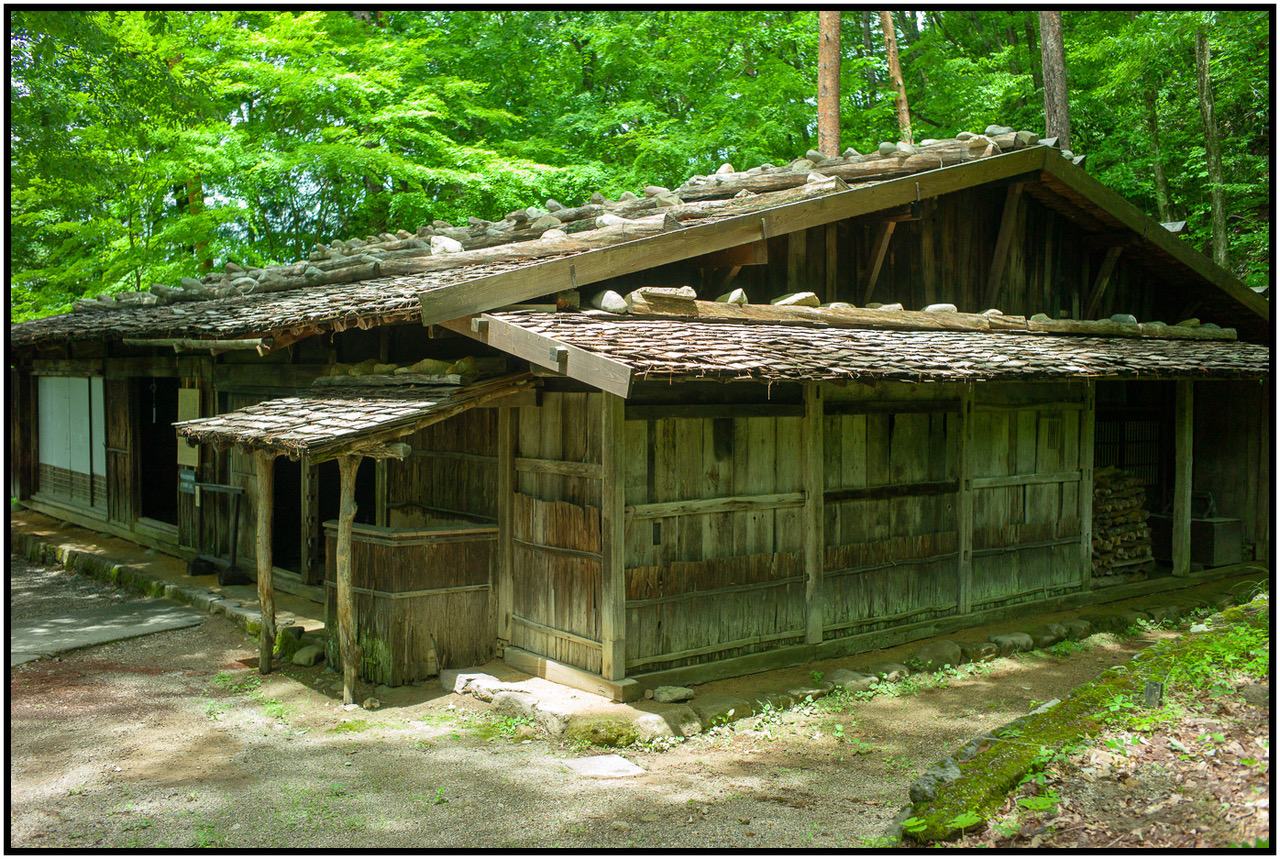
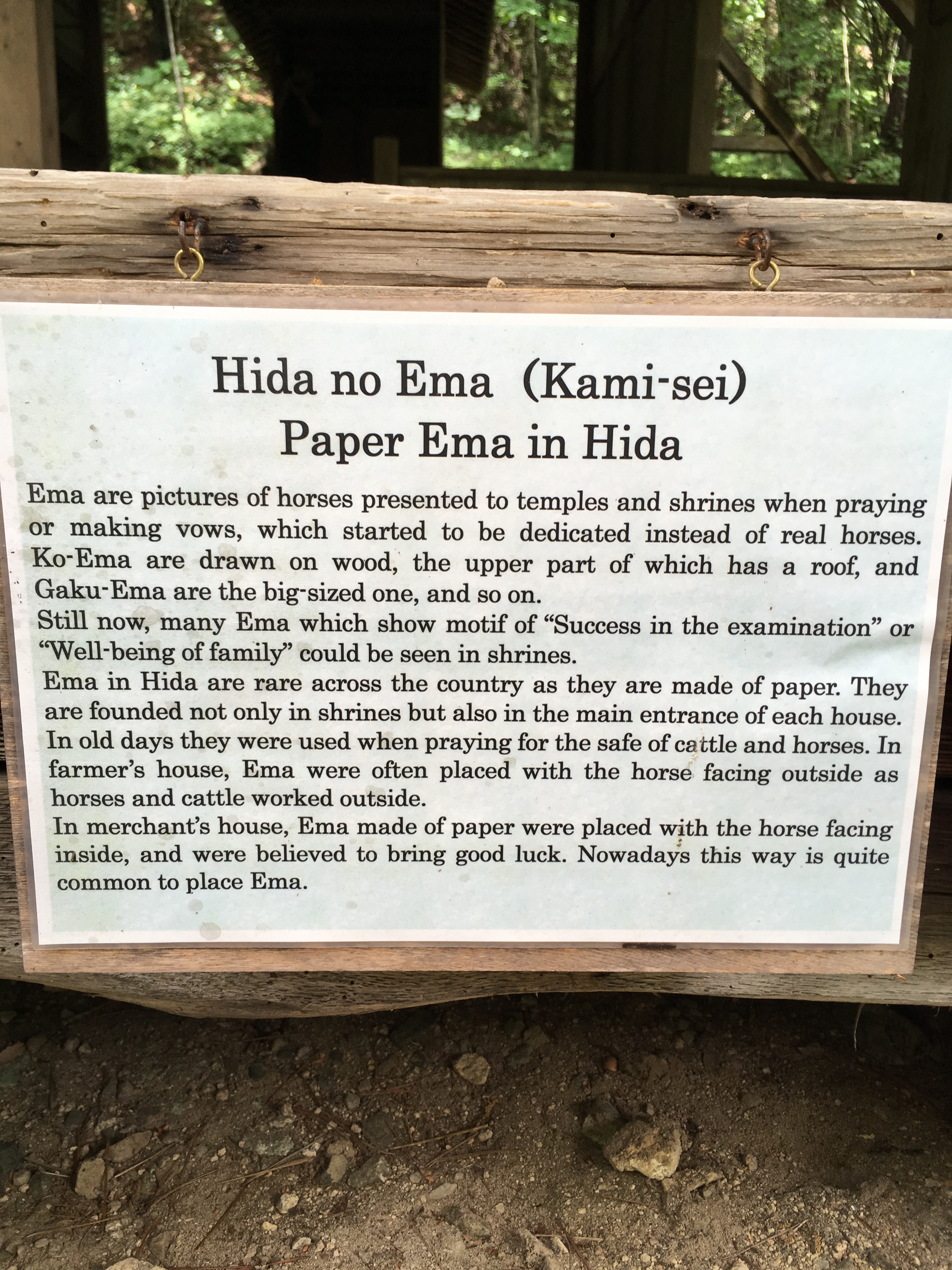
The horse paintings (Ema) displayed in the building below were important:
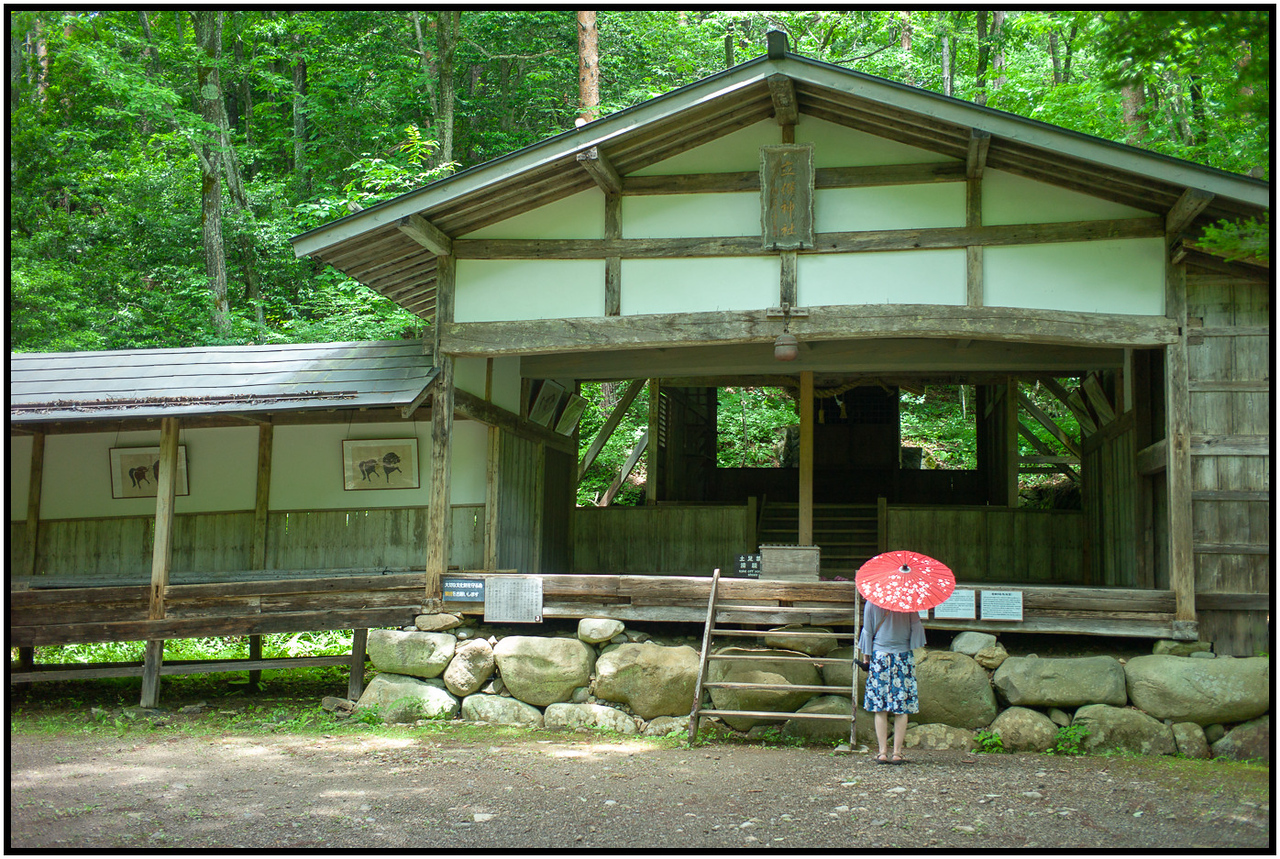
(Closer view)
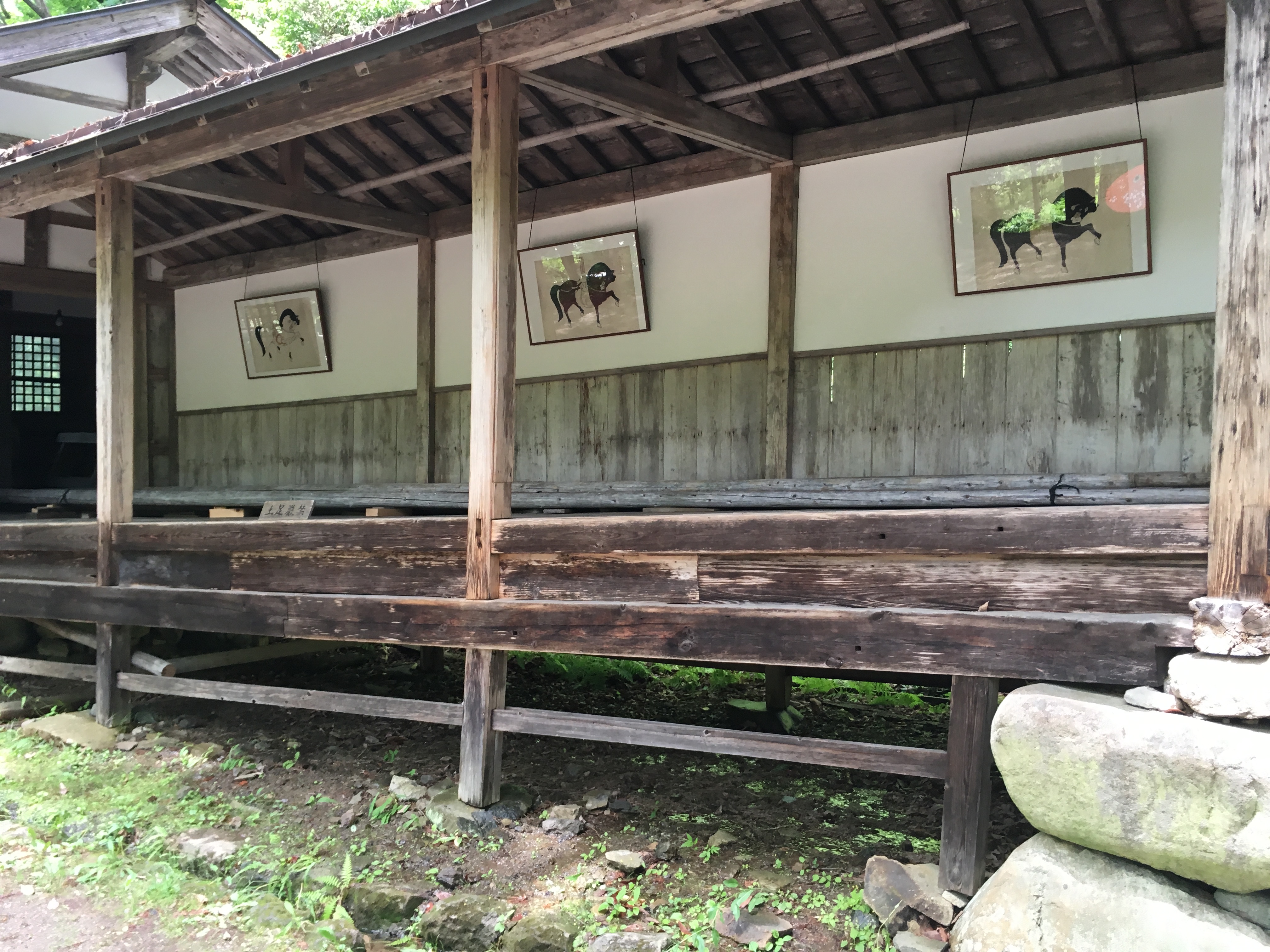
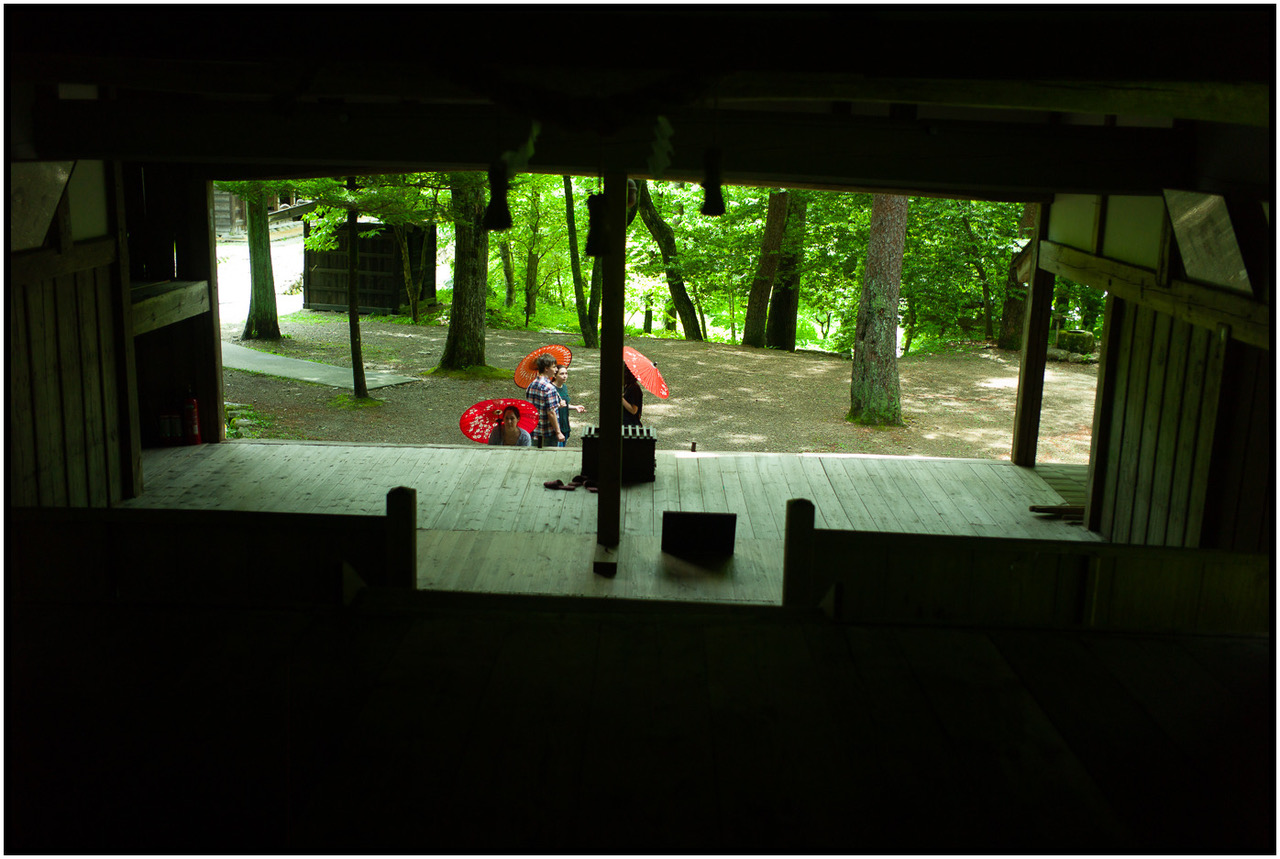
View from inside the house, looking out at the kids sitting on the steps. They didn’t want to take their shoes off.
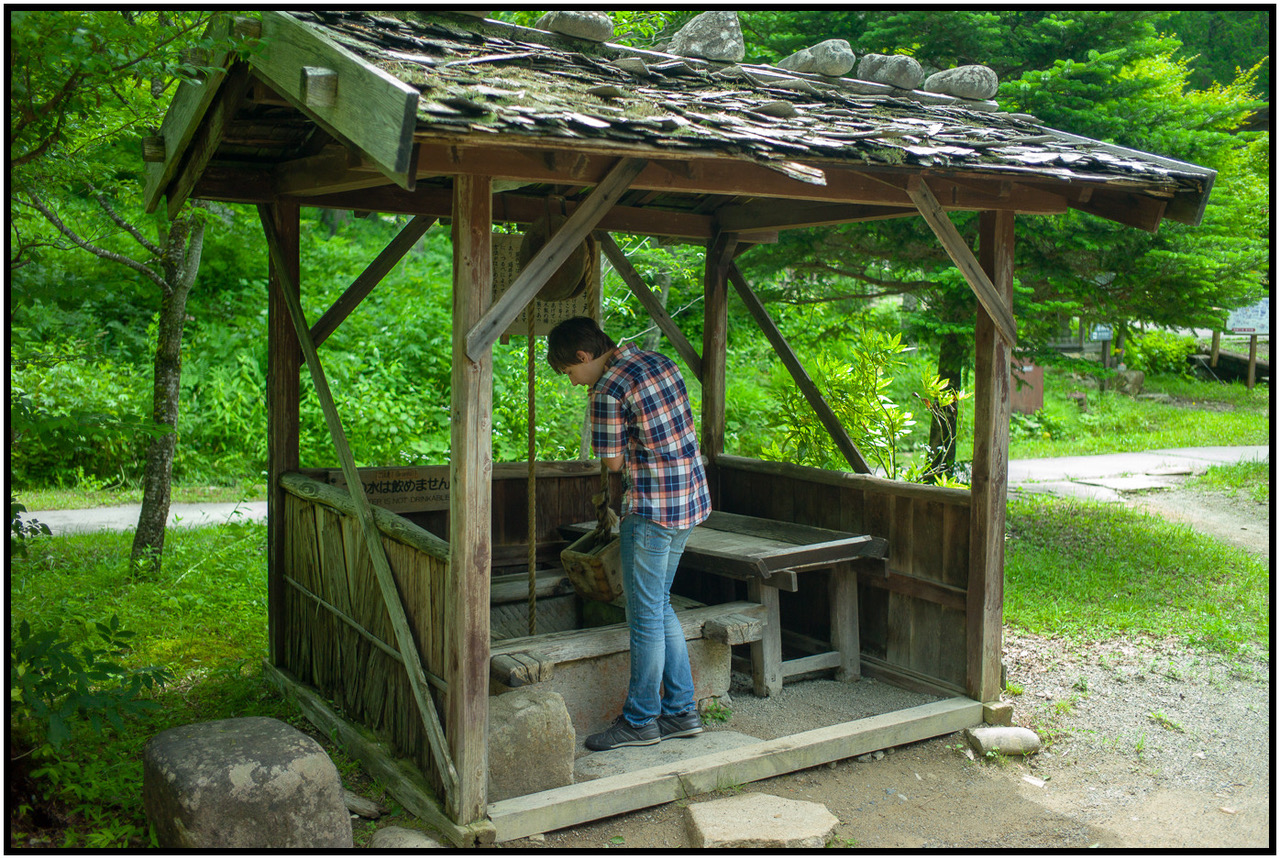
Holden working a live well. There were signs all about begging you not to drink the water.
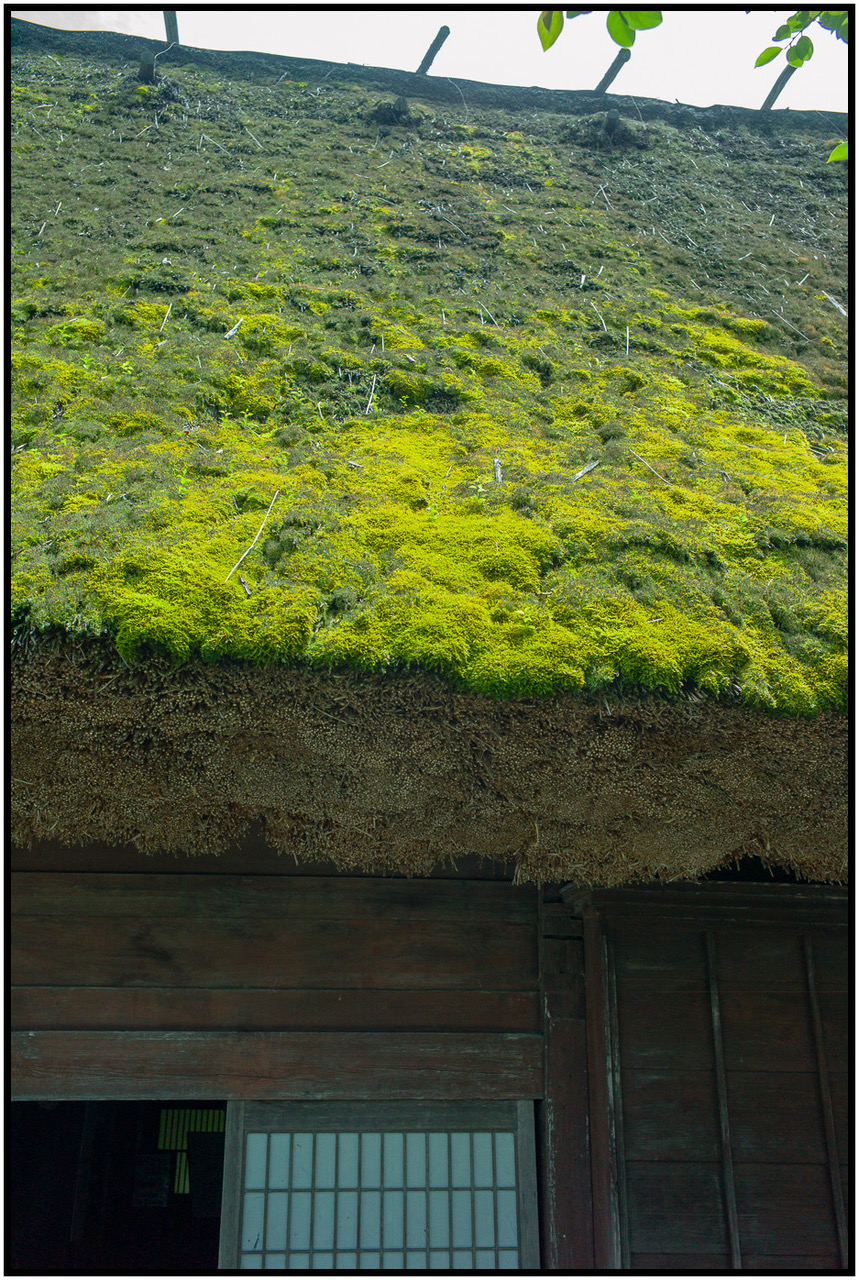
Close up view of the Gasshō-style thatched roof (below).
From a sign at the village:
It took all the village people 4 days to make the thatched roof, which is said to last for 40 or 60 years. The fire at the hearth is always lighted not only because it reproduces the atmosphere of the old days, but also because the smoke is very important for preserving the house in a good state. The smoke protects it from harmful insects, keeps the ropes tight, and gives the house moderate moisture.
The fires going in all the houses added a new dimension to our understanding of what it must have been like to live back then. I never really understood before what these old houses we tour through across the world would have really smelled like. I’m so sensitive to smoke that I got a headache just from quickly walking though the first couple of these homes today, and so did Josie. We both ended up needing to take an Advil about halfway though our tour. If I’d been born back in the old days, I would have spent most of my life ill, I think. I would have probably ended up being an outdoor cat, constantly seeking out fresh air.
Small shrine (Buddhist statue – the apron colors and type all have significance) in front of one of the Hida houses.
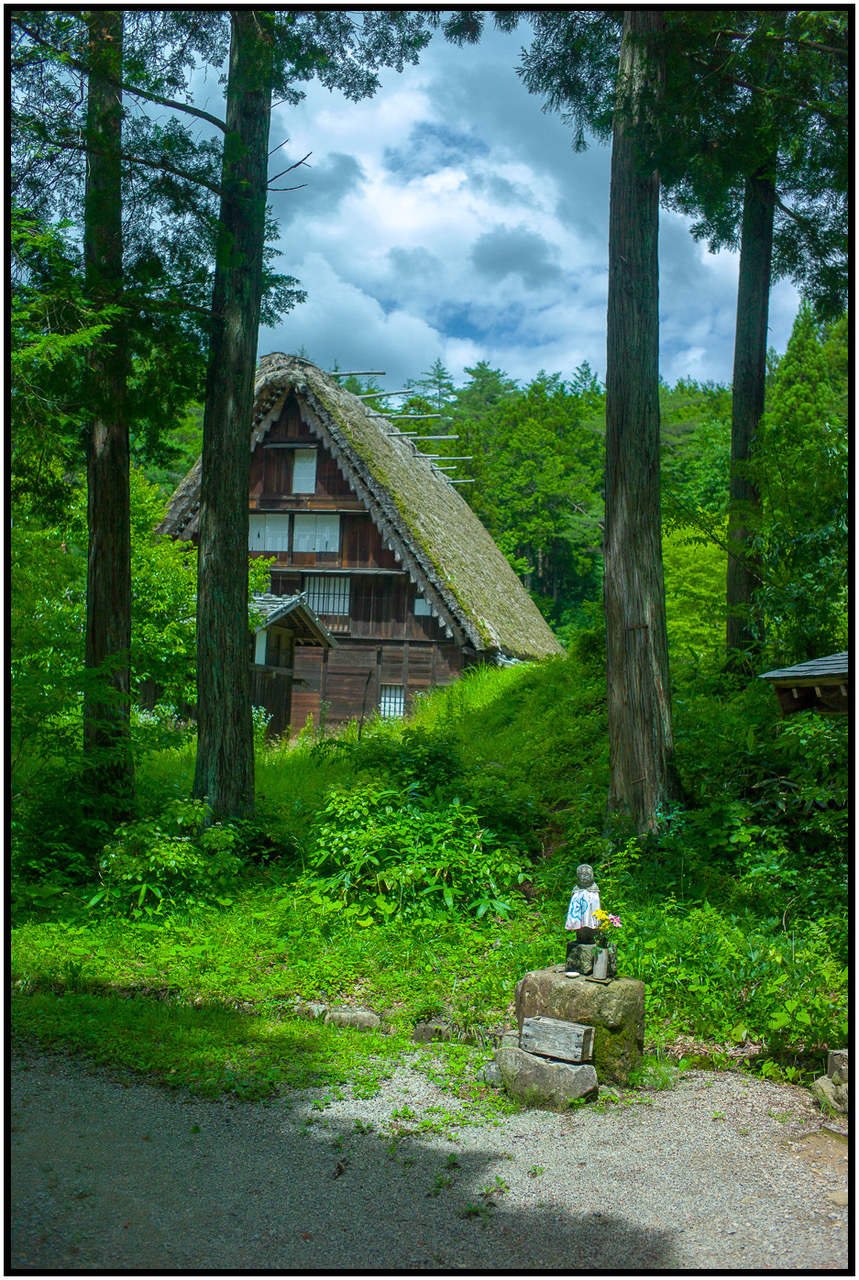
It’s getting late in the afternoon – hot (but dry) and promises of ice cream to keep this party going.
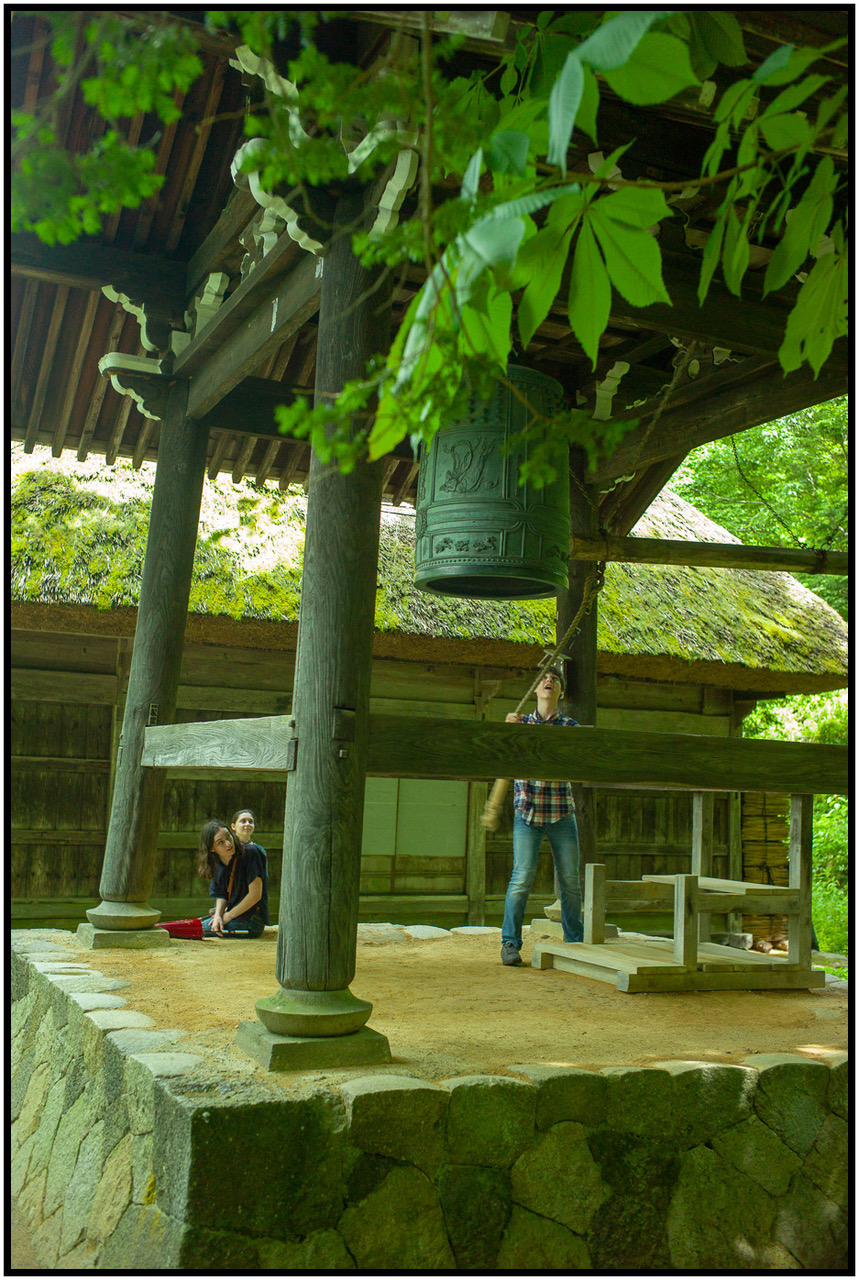
Adam: Holden is re-energized with any opportunity to get active and make a lot of noise. Bonshō are large bells found in Buddhist temples throughout Japan, used to summon the monks to prayer and to demarcate periods of time. Rather than containing a clapper, bonshō are struck from the outside, using either a handheld mallet or a beam suspended on ropes.
The procedure is to bow, ring the bell, and then make your wish before the resonation fades away.
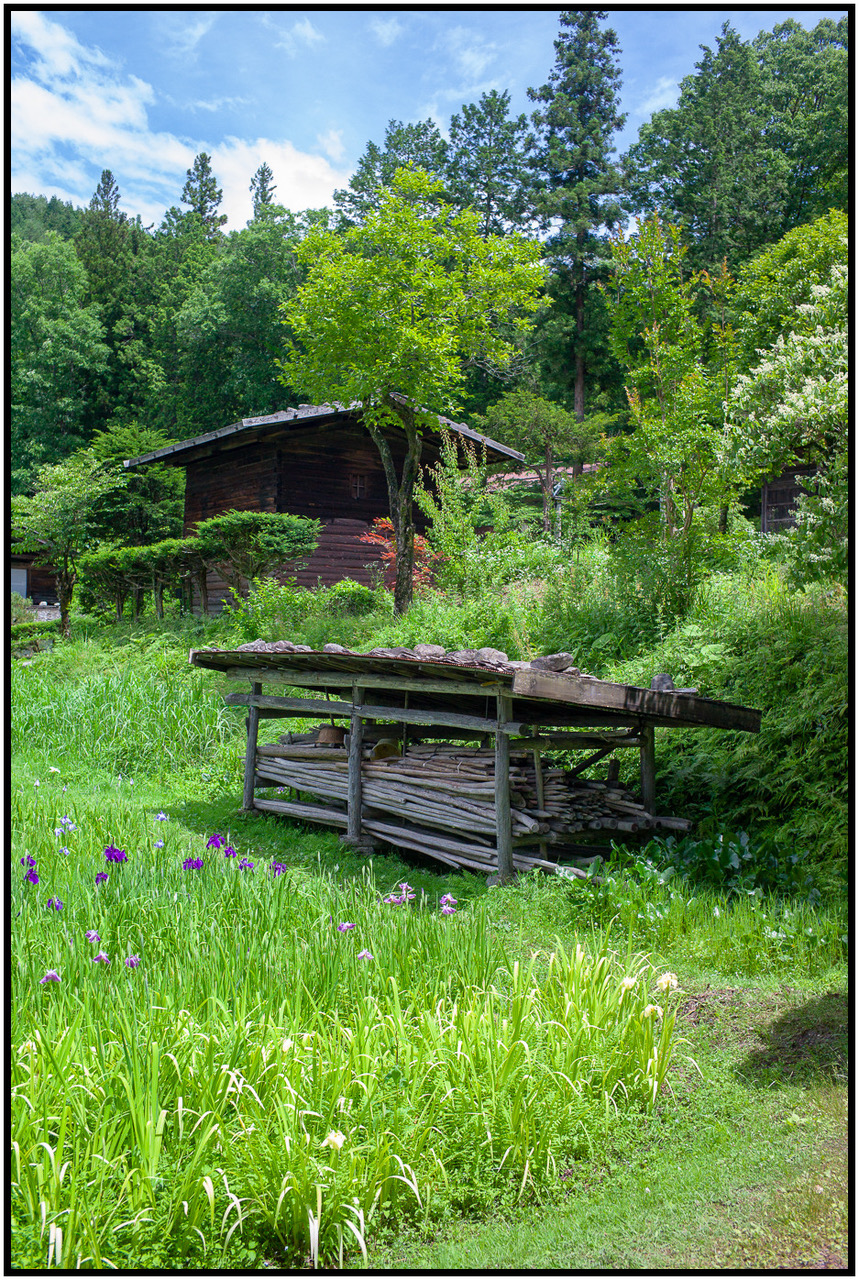
The upper floors of the bigger houses were used almost exclusively for silk worm farming. From a flyer at one of the buildings:
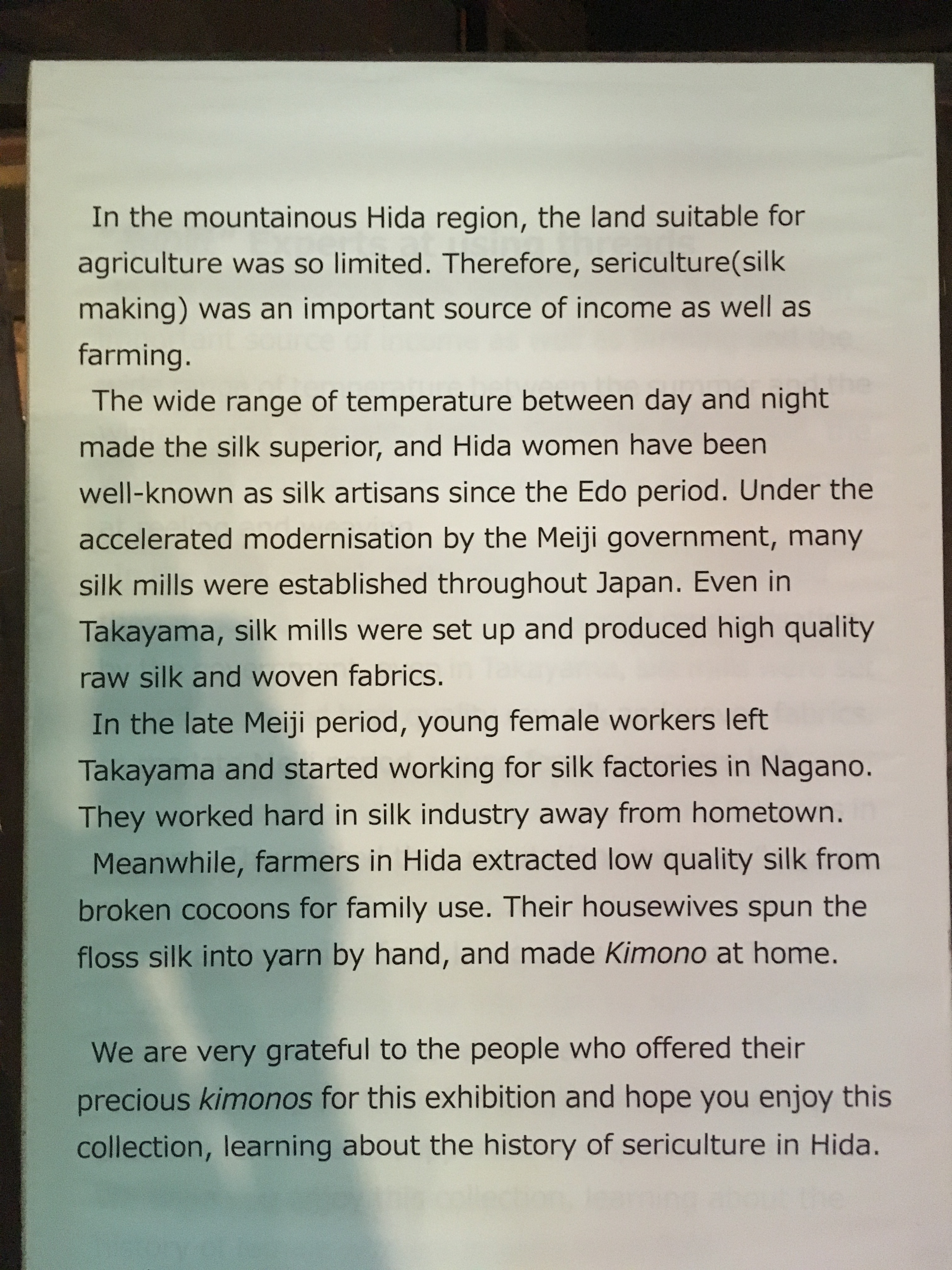
“As Hida region is mountainous, the cultivable land was so limited in the past. Although people had managed to harvest rice and vegetables, sericulture (the production of raw silk by breeding silkworms) became more important source of income than farming, particularly in North Hida area. Grandfather & mother, father, mother and children — they all lived in the same house, worked together and helped each other. They used many tools and found efficient ways to gain as much raw silk as they could.”
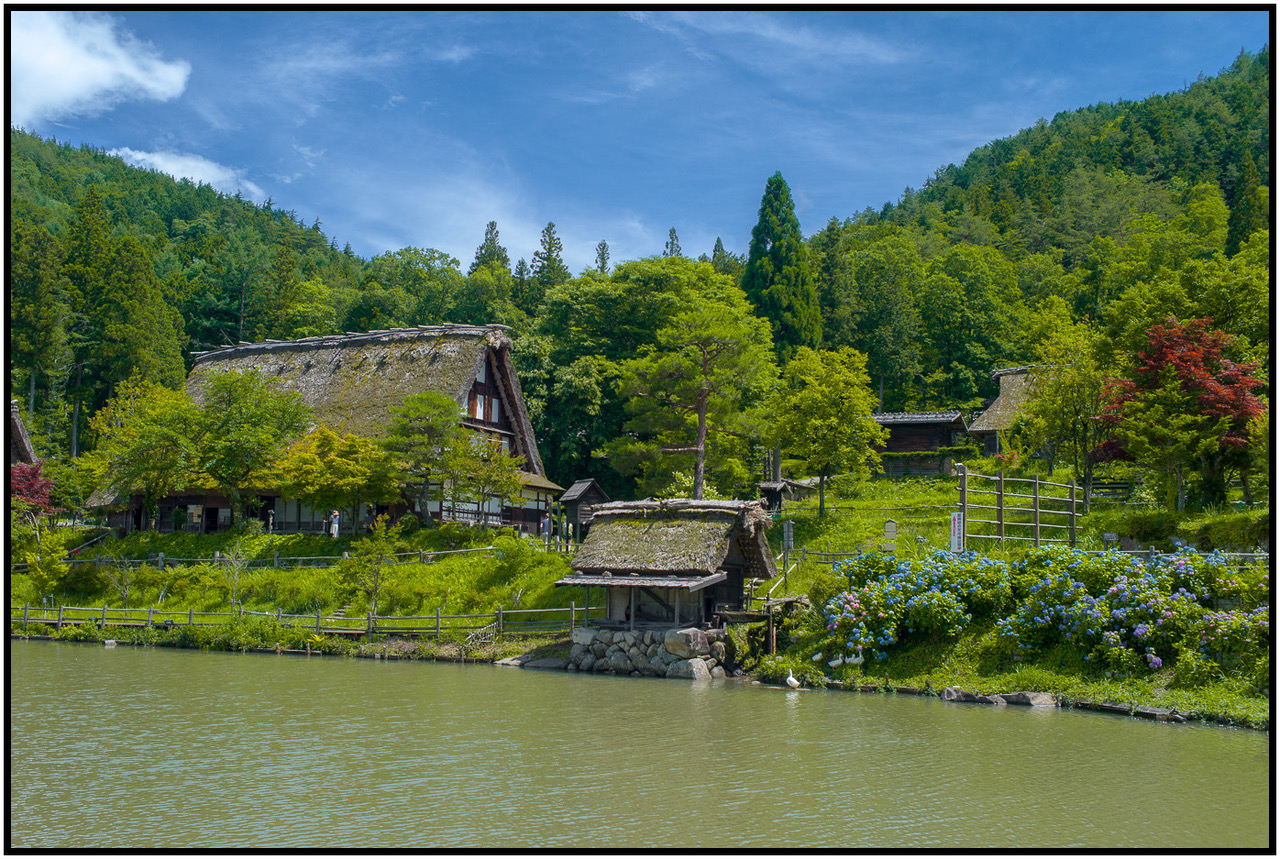
Inside, a couple of women give demonstrations of how the silk was worked.
Silk worm cocoons on a rack.
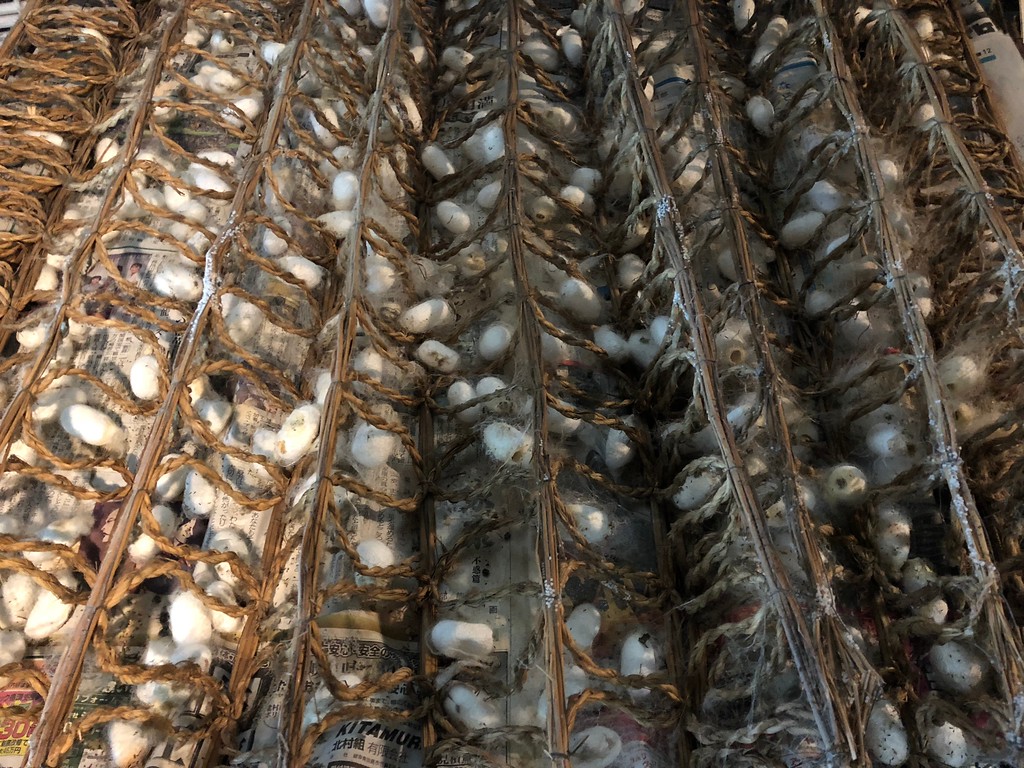
In one of the homes they had some photos of people farming silkworms — feeding them mulberry leaves and showing the different stages of the silkworm life cycle. I didn’t realise (actually, never really thought about) the silk “worm” is a caterpillar, with the adult being a little whitish moth. I rather suddenly realised that these people lived with and worked every day with millions of caterpillars. The photos of people handling huge trays of them was kind of gross. Even grosser, it said that people collected the worm poop (another thing I didn’t consider — worms poop), dried it, and ate it as medicine. They call it an “herb.” It contains chlorophyll, phytol, β-sitosterol, cholesterol, ergosterol, lupeol, amino acid, carotene, and vitamin B and C — which probably was sort of like a vitamin pill for people who didn’t get a wide variety of fresh produce during the long winters. But still — EW.
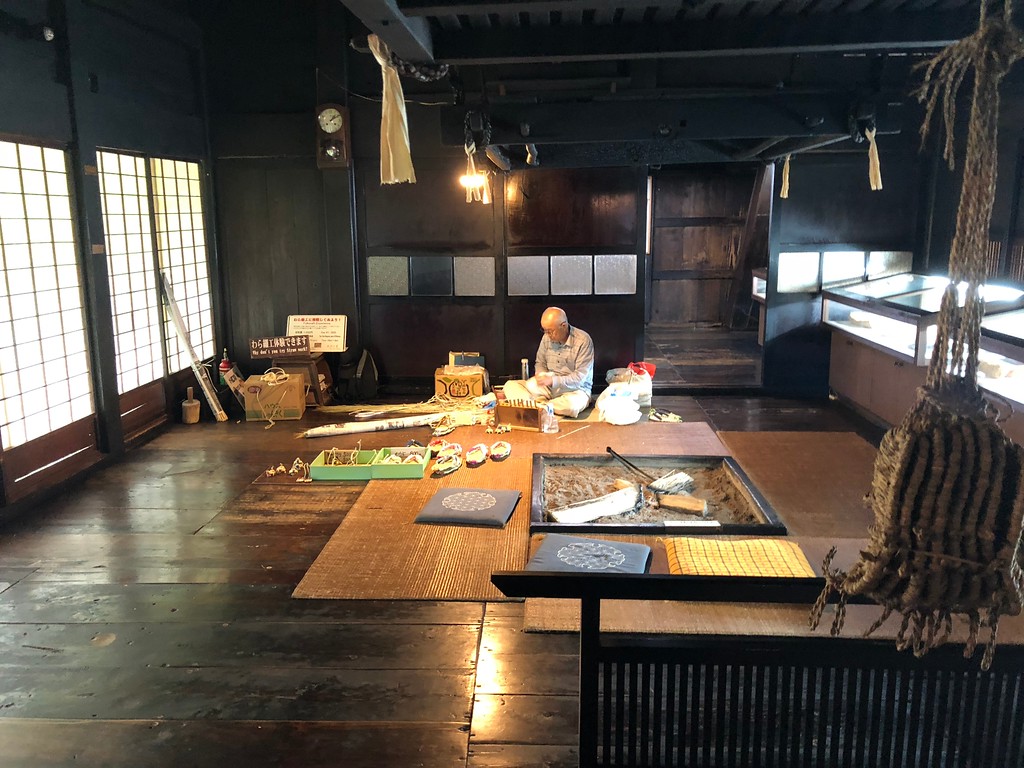
This man (in a different house) is demonstrating how straw is beaten until it’s soft and pliable, then woven into clothing, baskets, kitchen utensils, brooms, floor mats, etc. This work was done in the winter when they couldn’t do much outside. Whatever they were able to make out of straw that they didn’t need for their own use was sold to help bring in extra money.
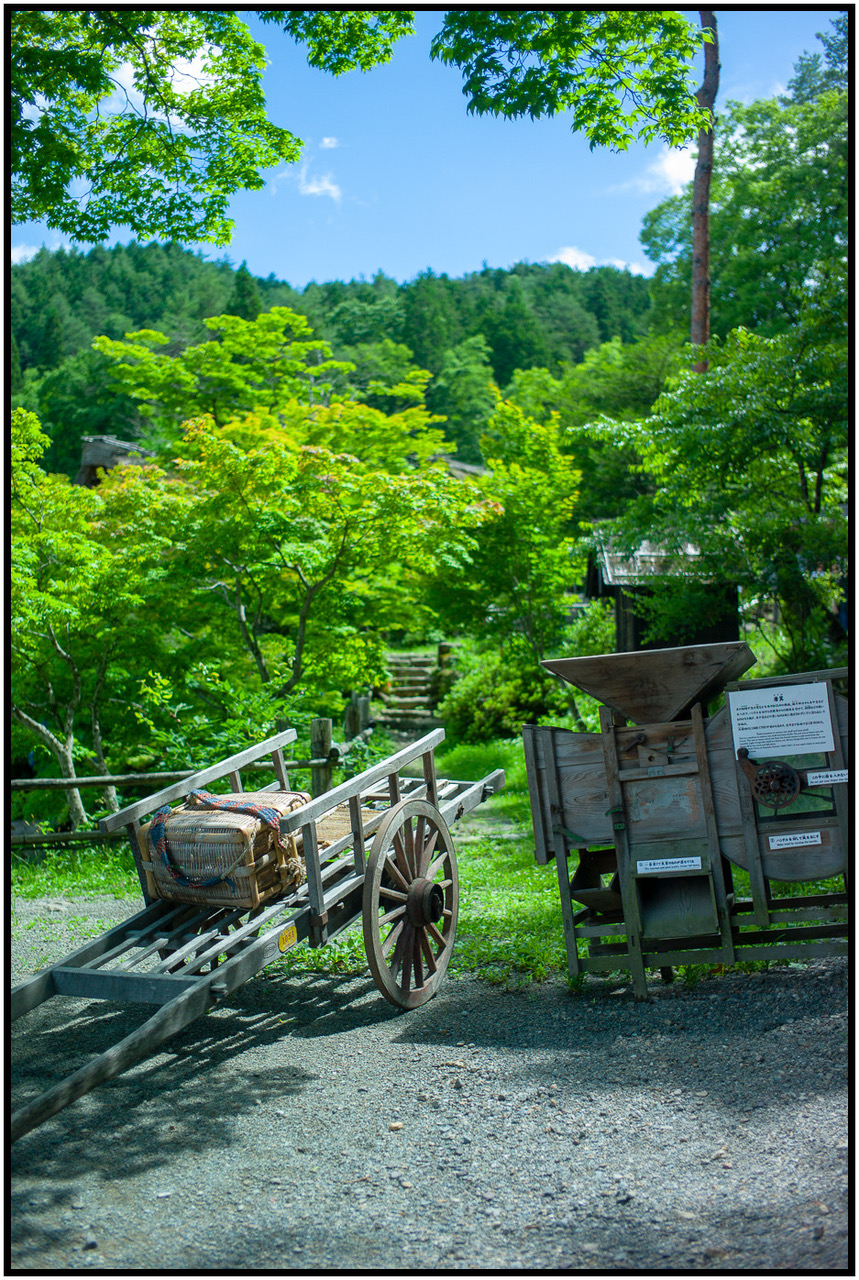
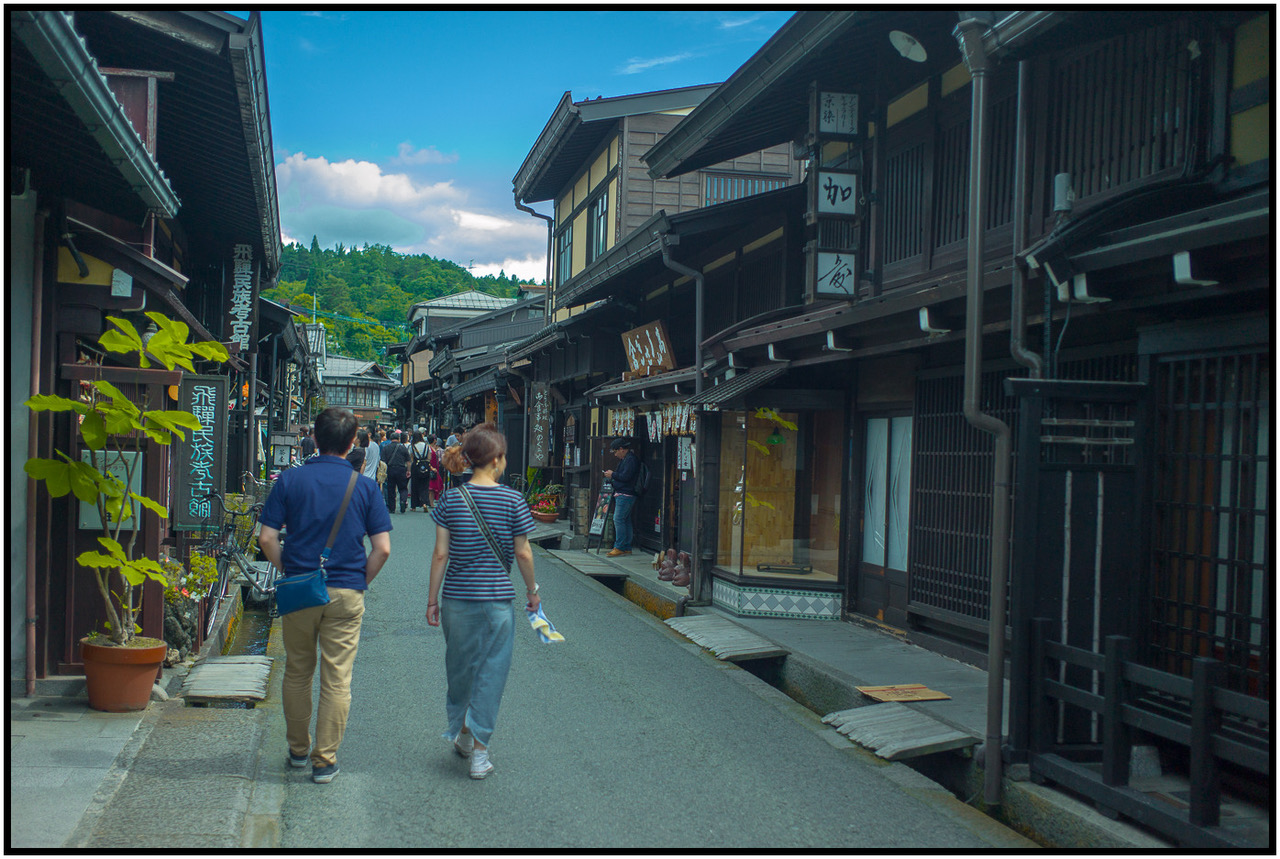
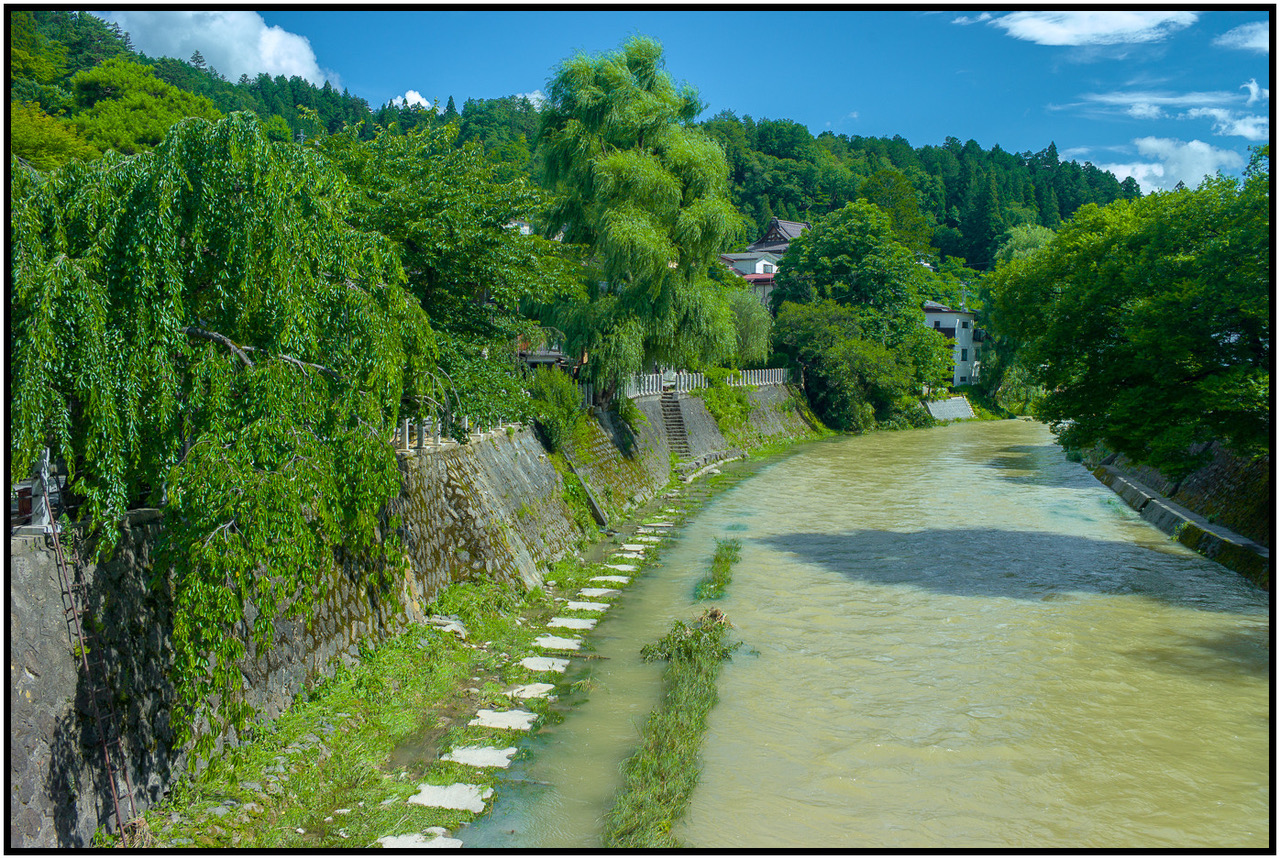
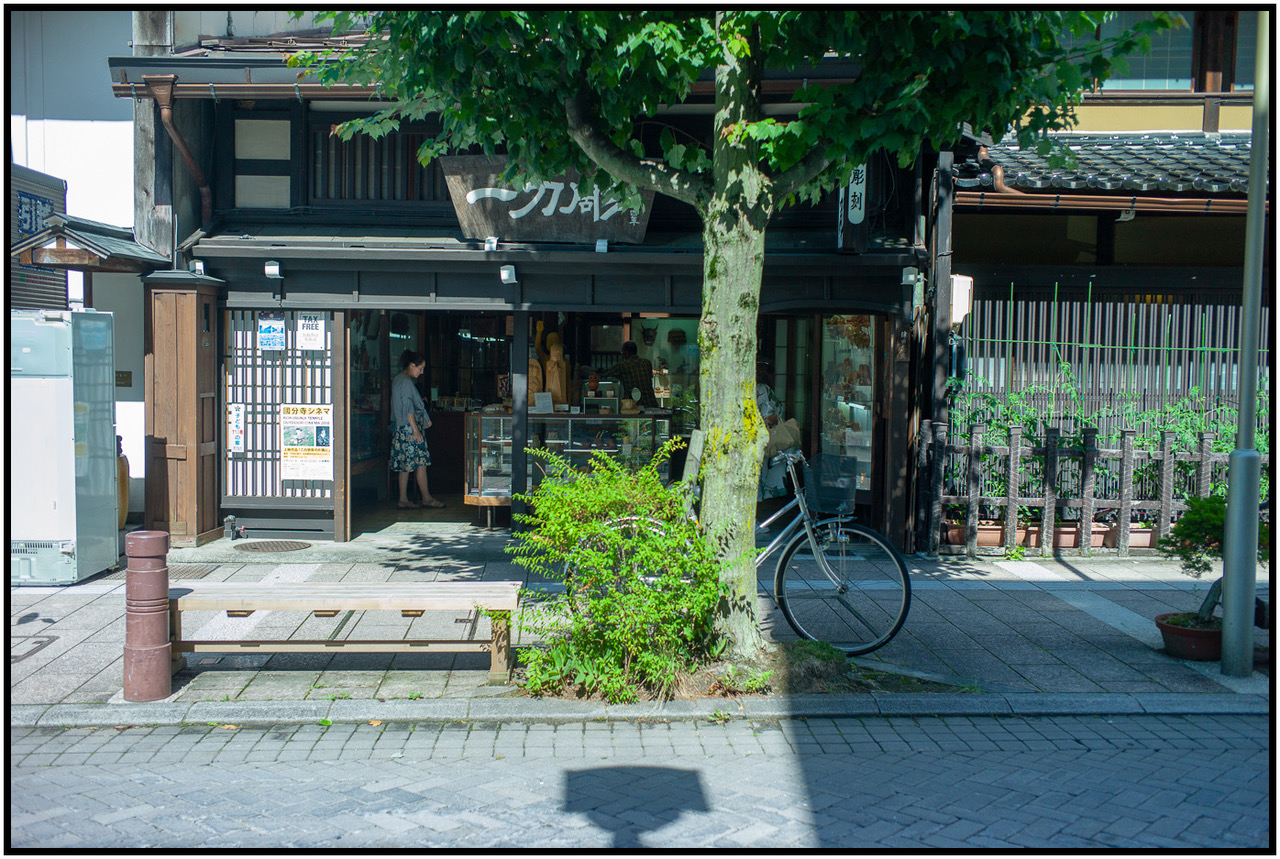
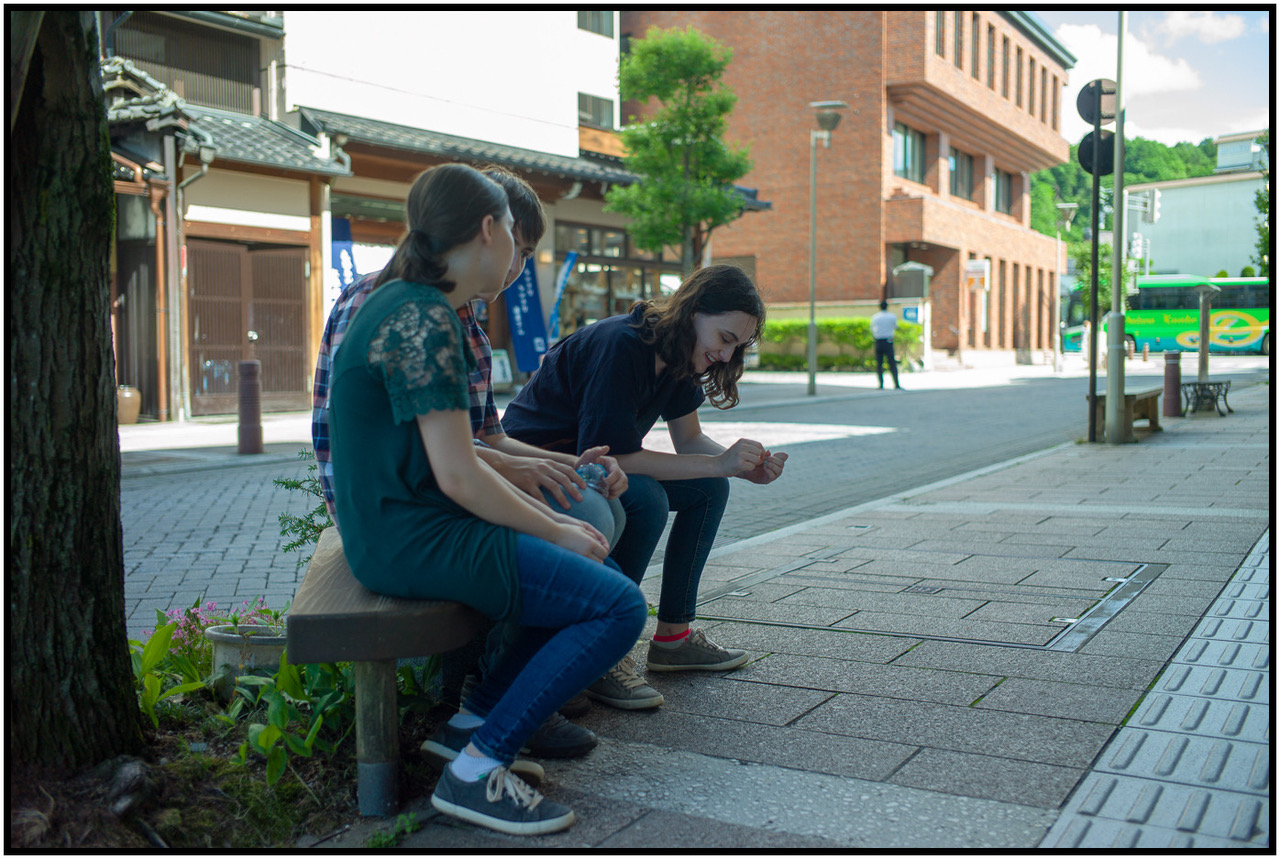
Adam: We finished our day with a visit to central Takayama – the old town Sanmachi Suji district. There are three pedestrian-only streets just to the east of the Miya-gawa River. The streets are lined with traditional merchant houses, shops selling traditional crafts, restaurants serving local specialties, and sake breweries, with many of the buildings over 400 years old.
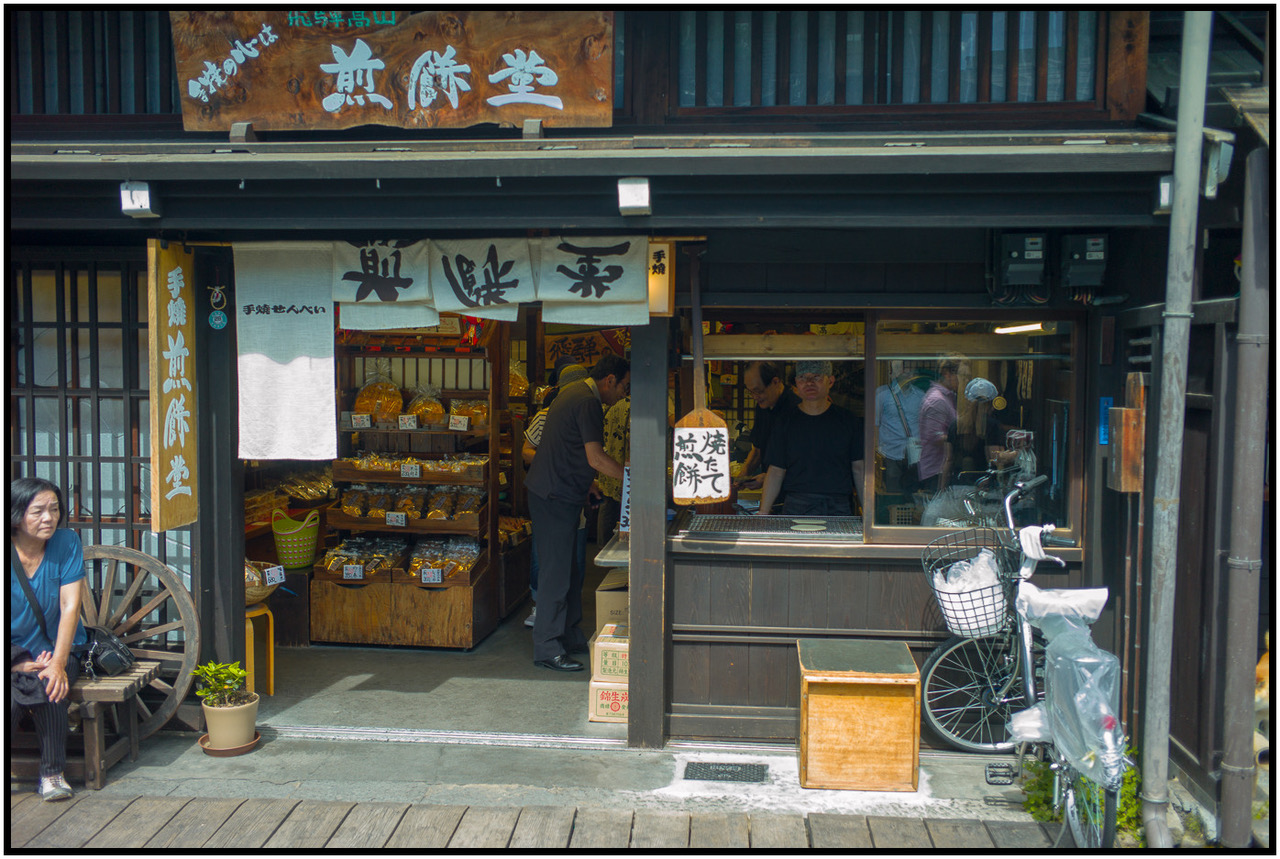
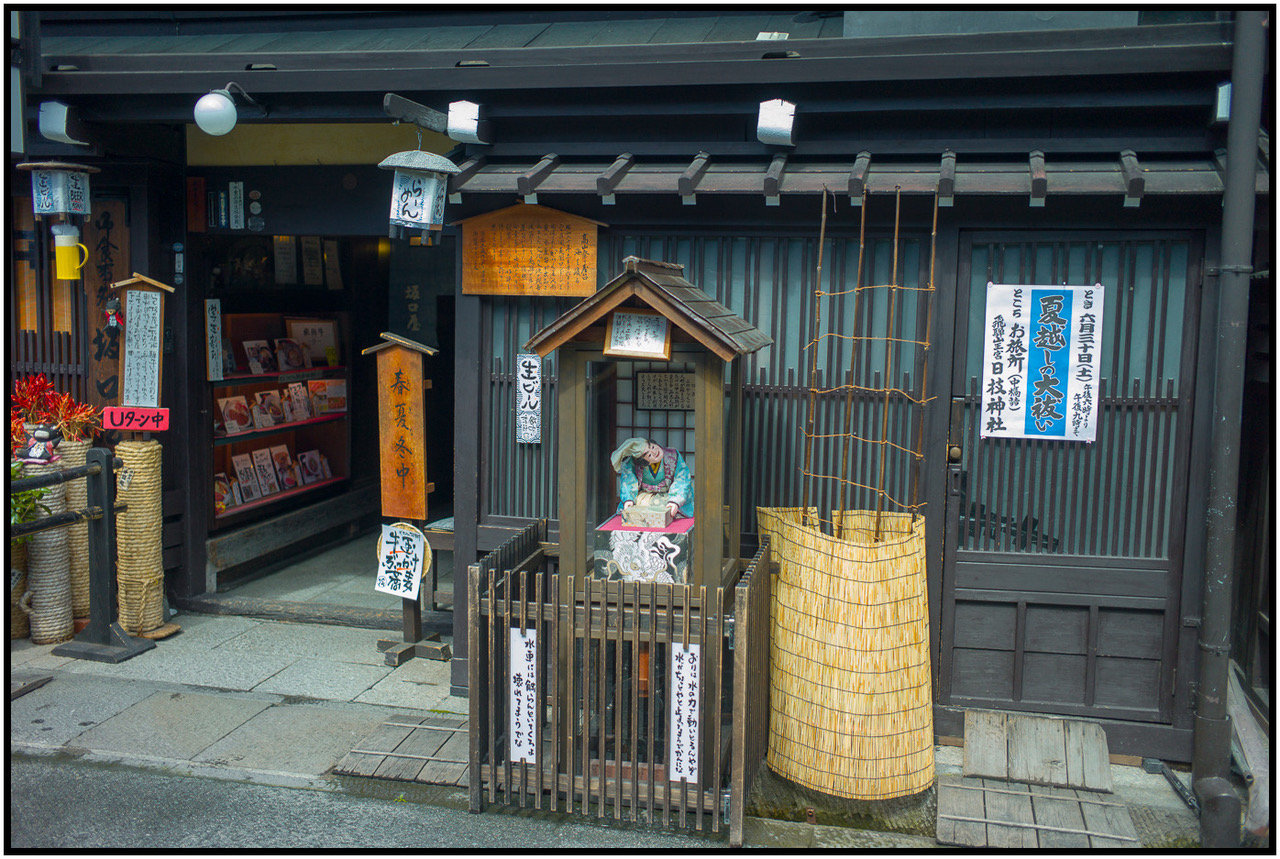
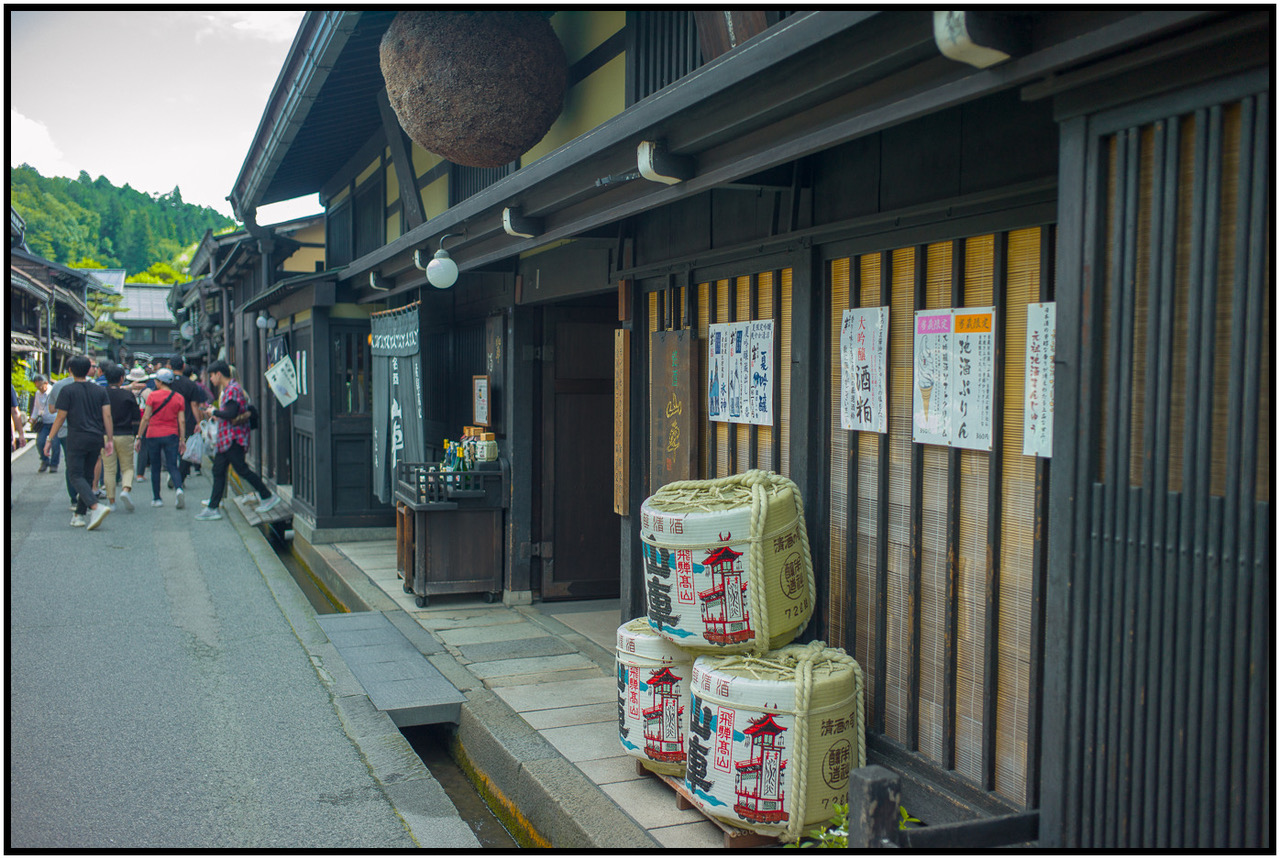
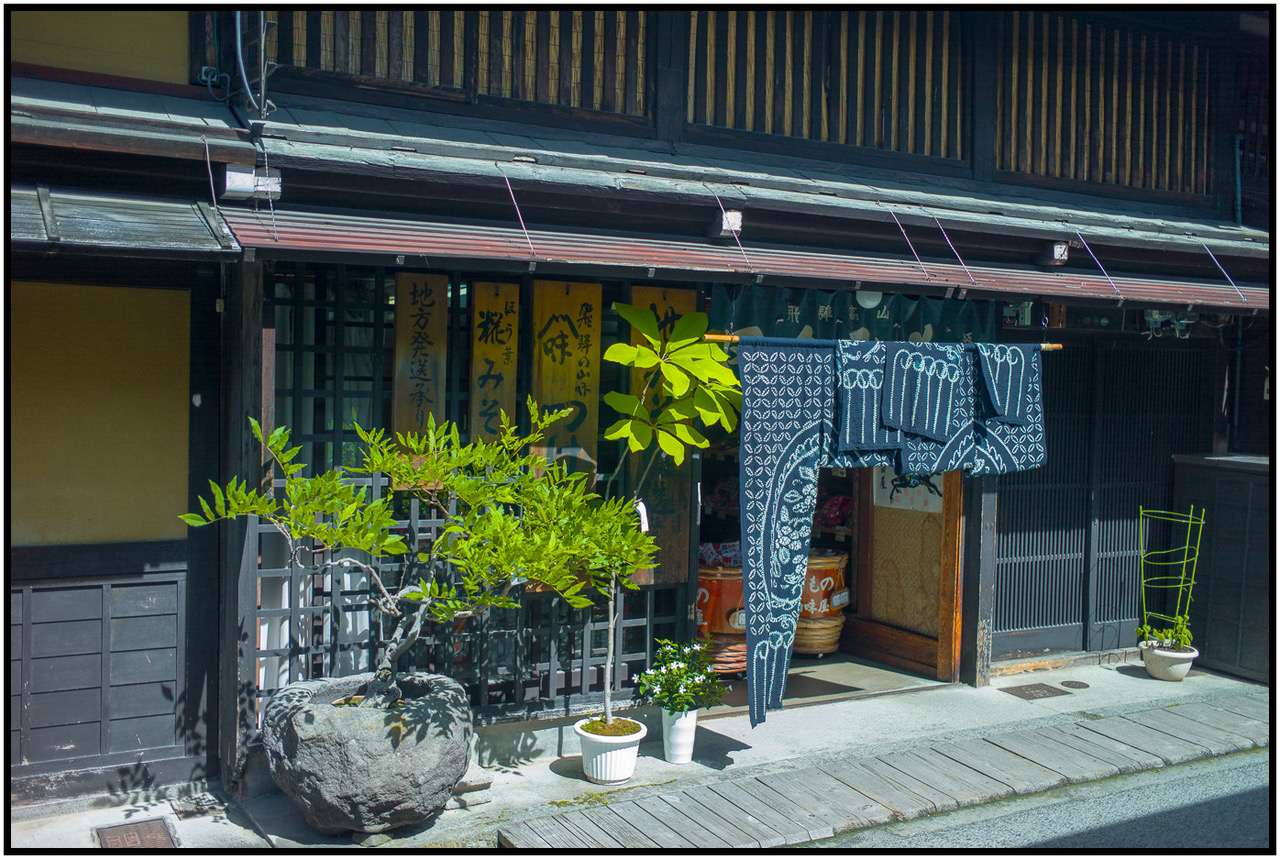
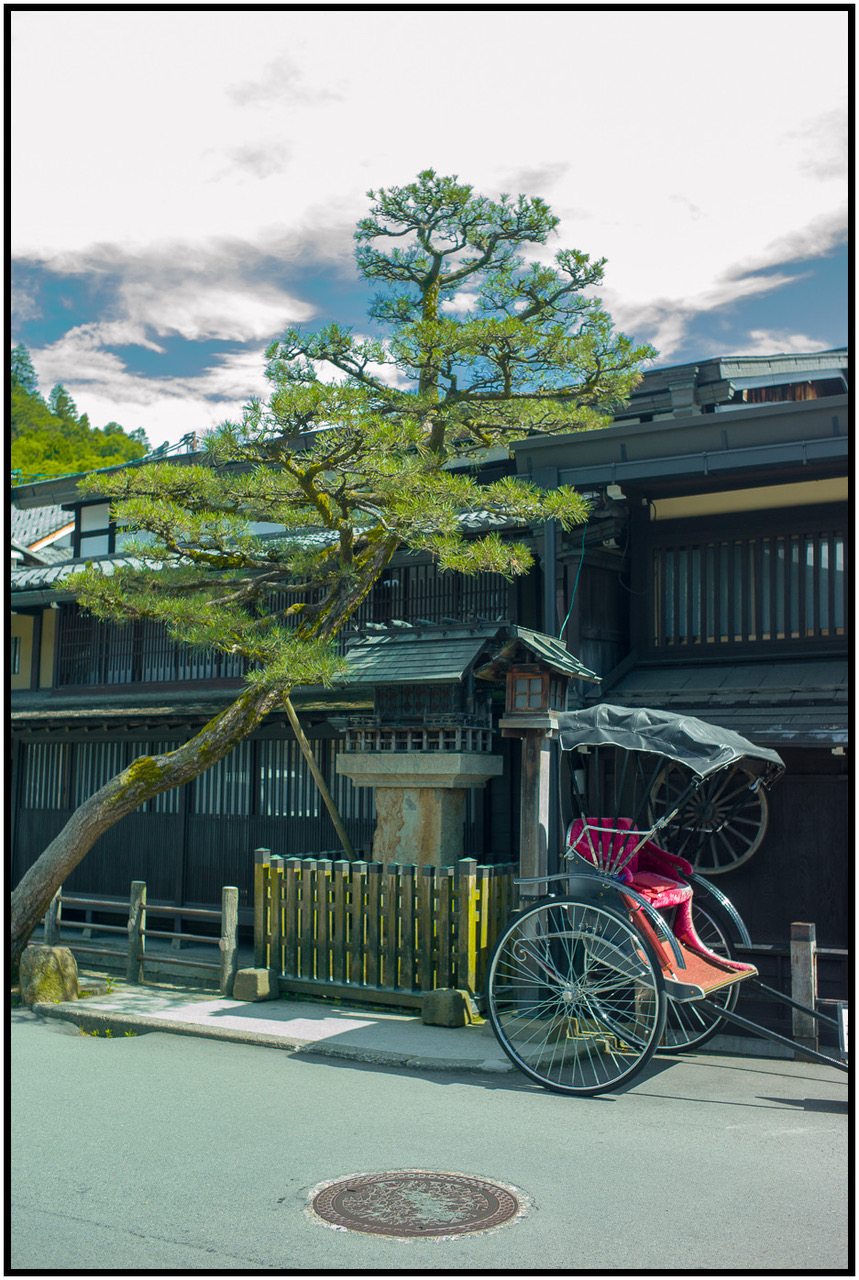
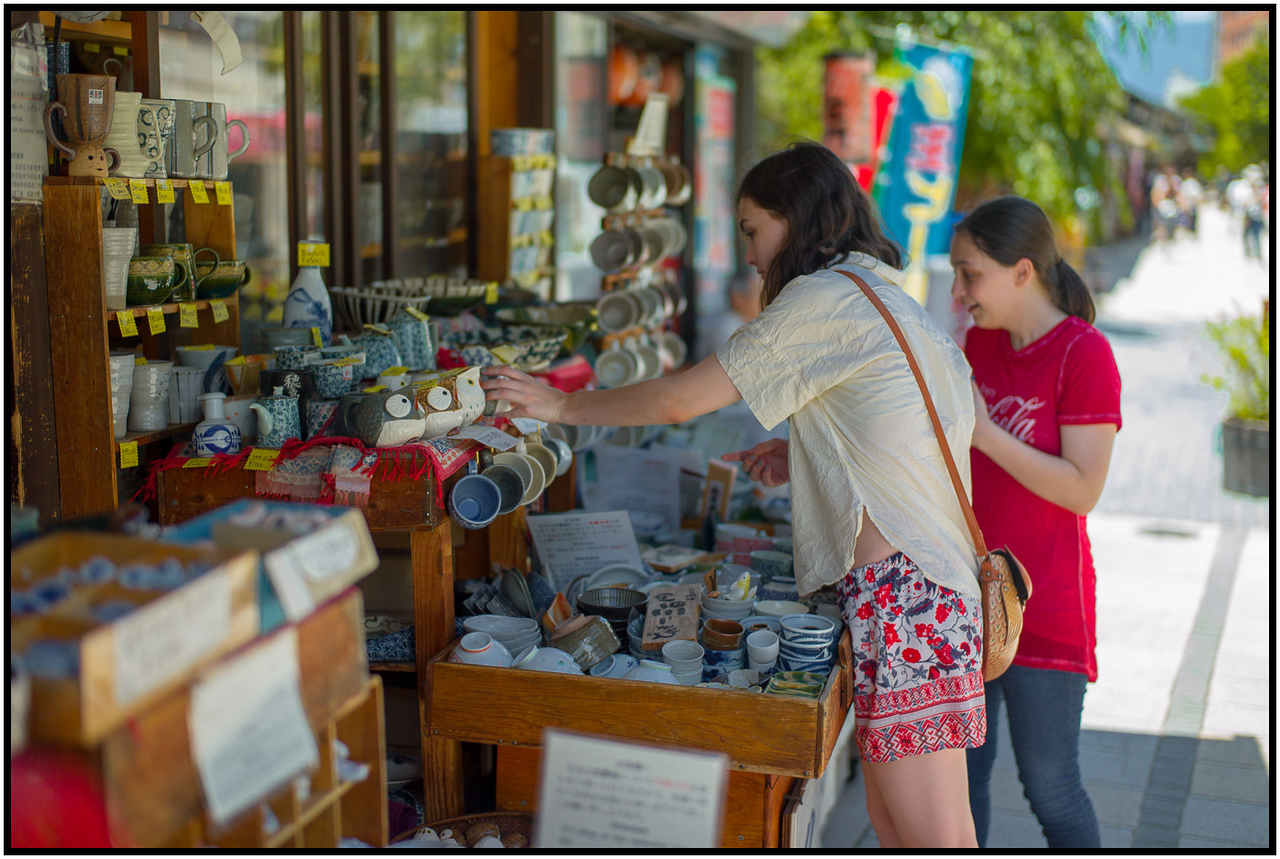
Brenda doing some shopping.. she walked away with several new sets of chopsticks and some wooden tongs. Wood-crafted products are very big here.
Sunday, 01 July 2018
Today we headed about 50km east to Matsumoto – in the Nagano prefecture and is in the area where the 1988 Olympics were held.
.. But not in July.. the temperature hit 90 again today.
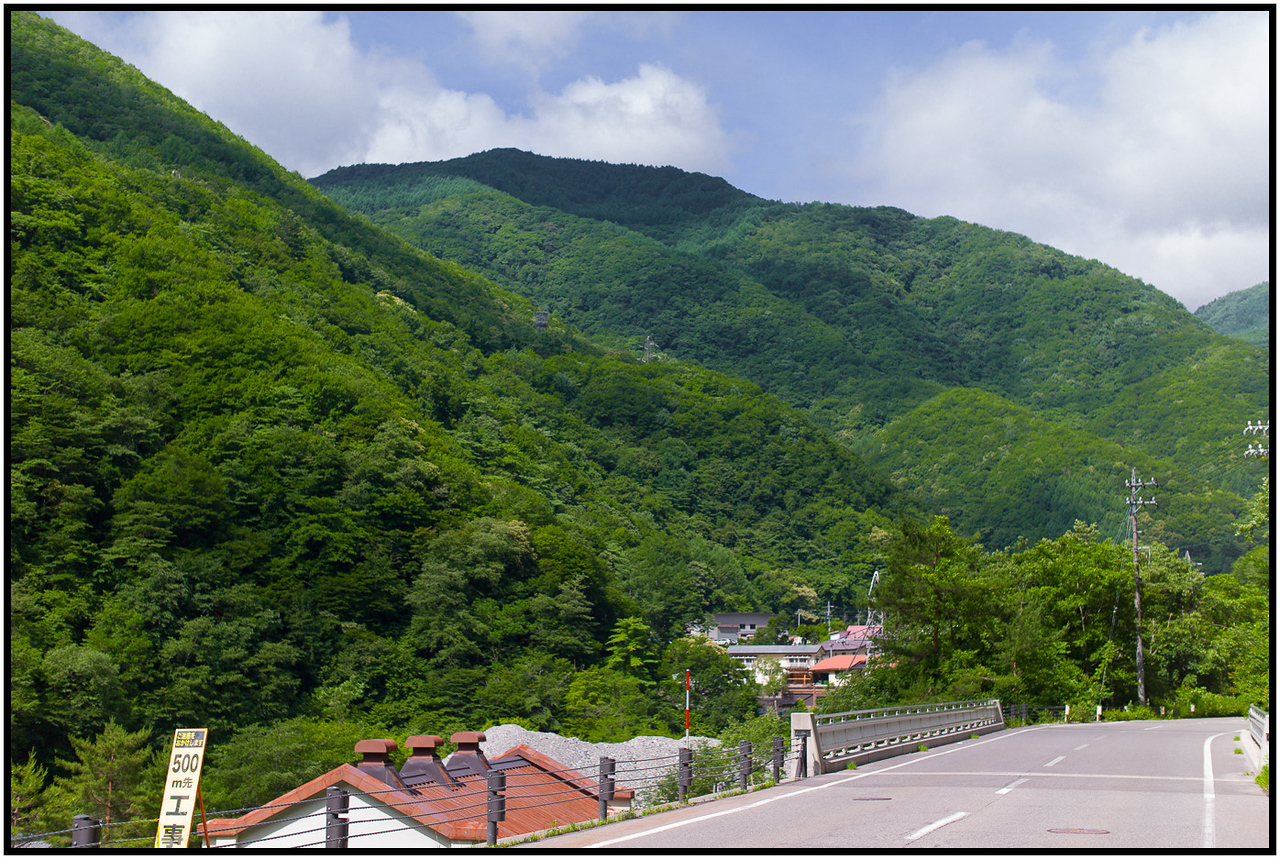
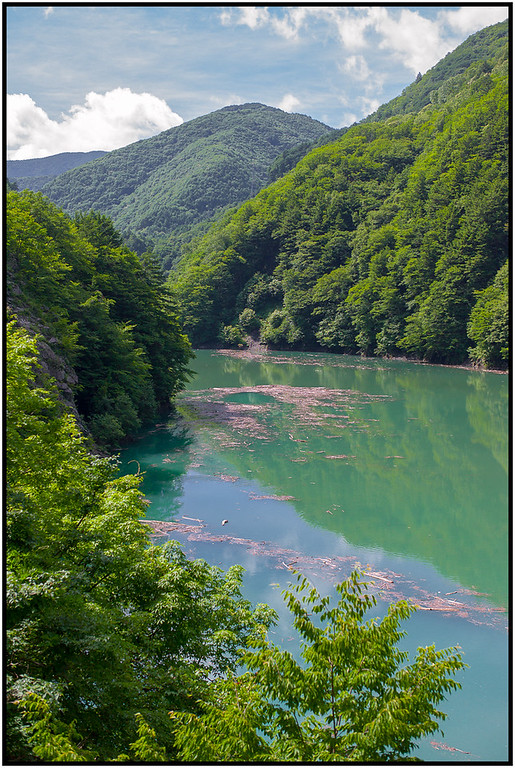
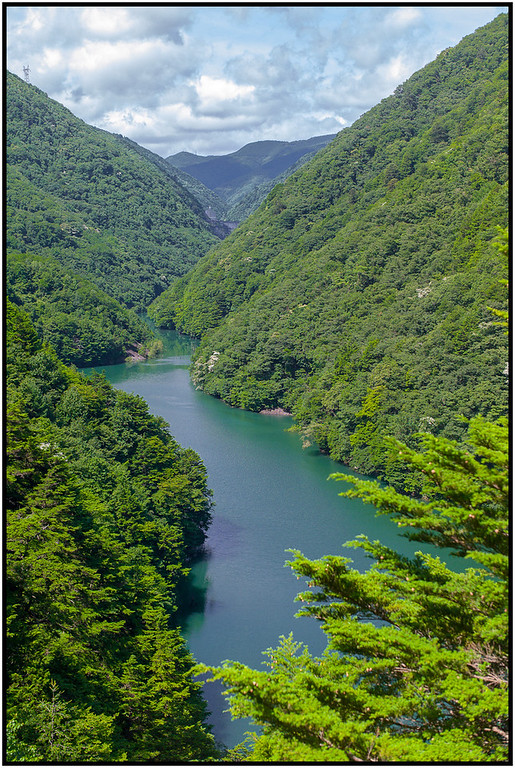
Most of the day was spent on the road – going there and back again. The views were gorgeous but the roads narrow and the Japanese don’t construct places on the sides of roads where you can stop to look around/take photos.
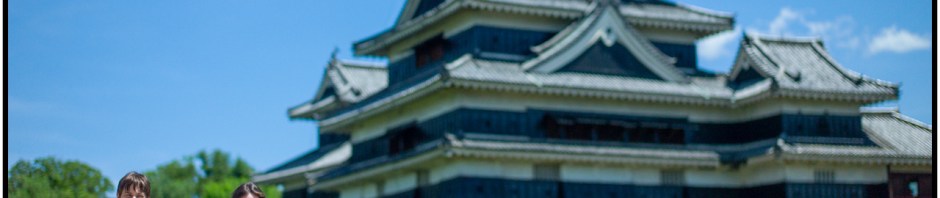
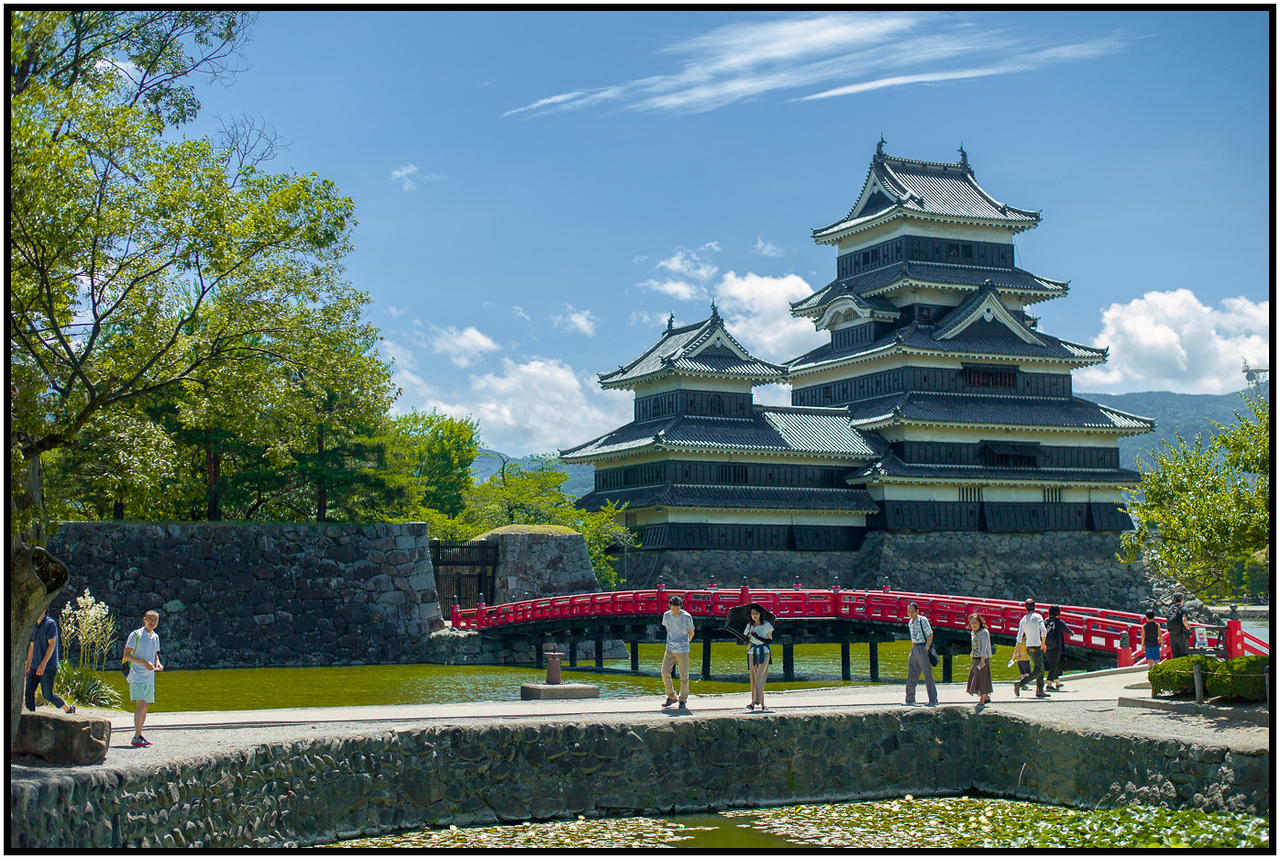
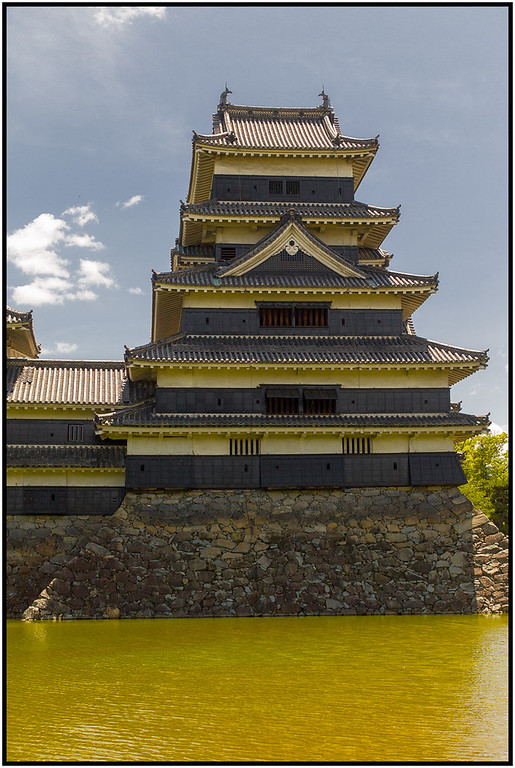
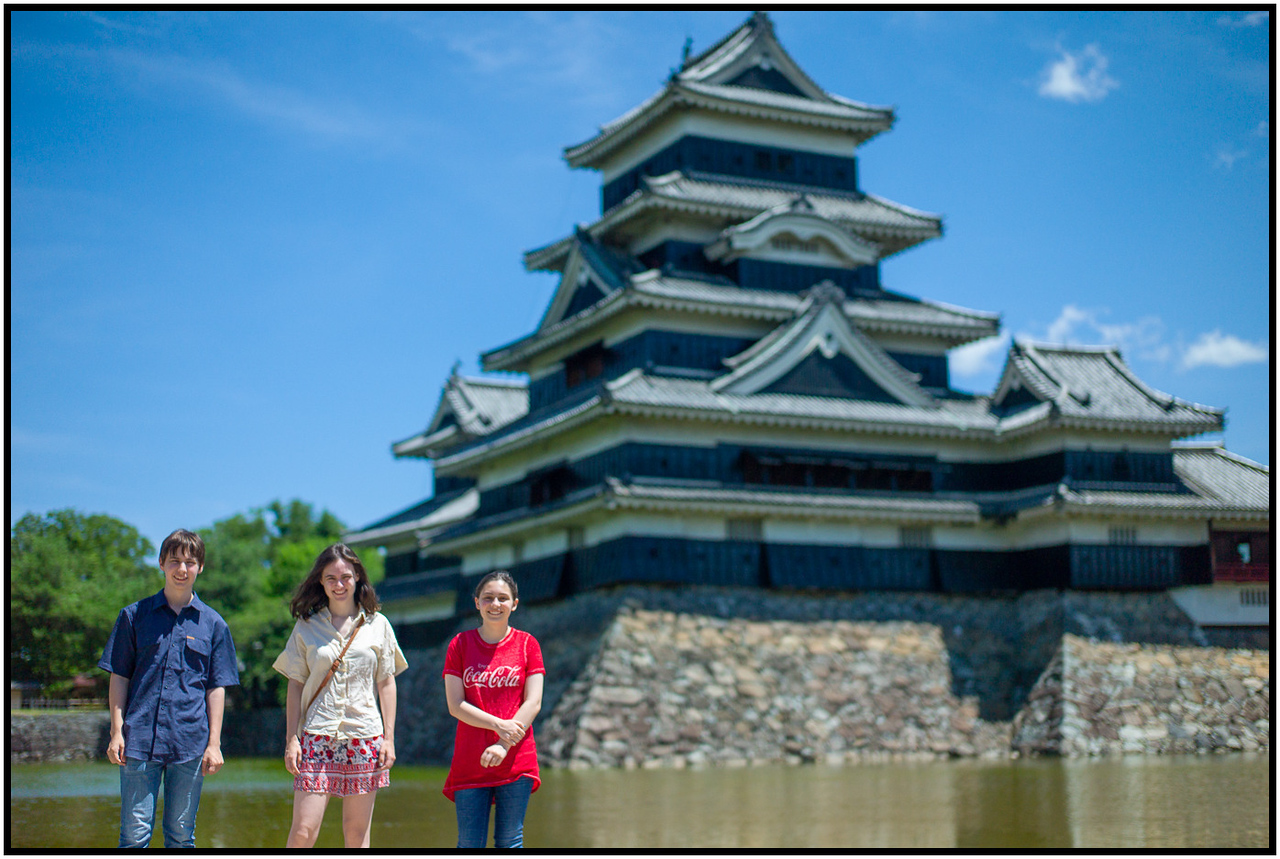
Matsumoto Castle – started in 1504, it is Japan’s oldest existing castle. It has 6 floors and we were able to go through the entire building, all the way to the top.
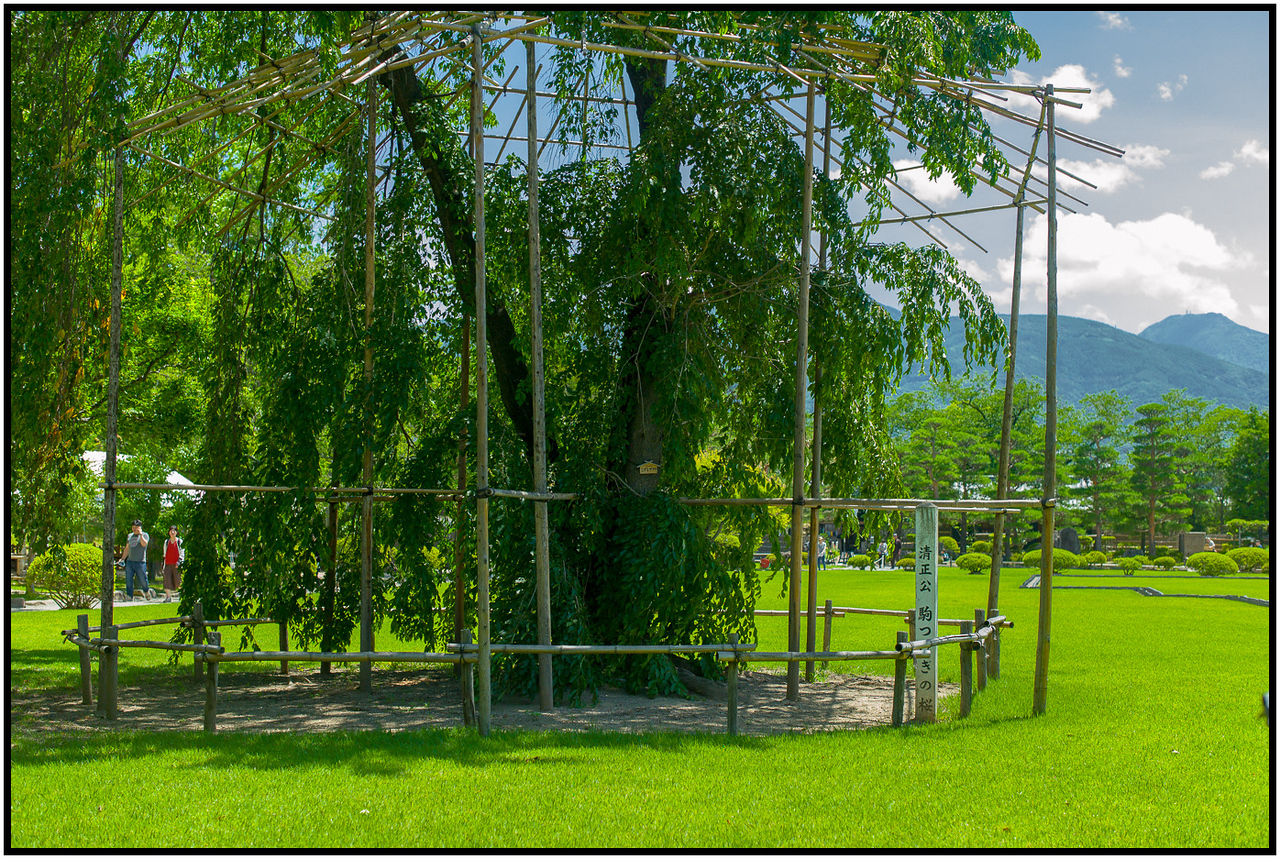
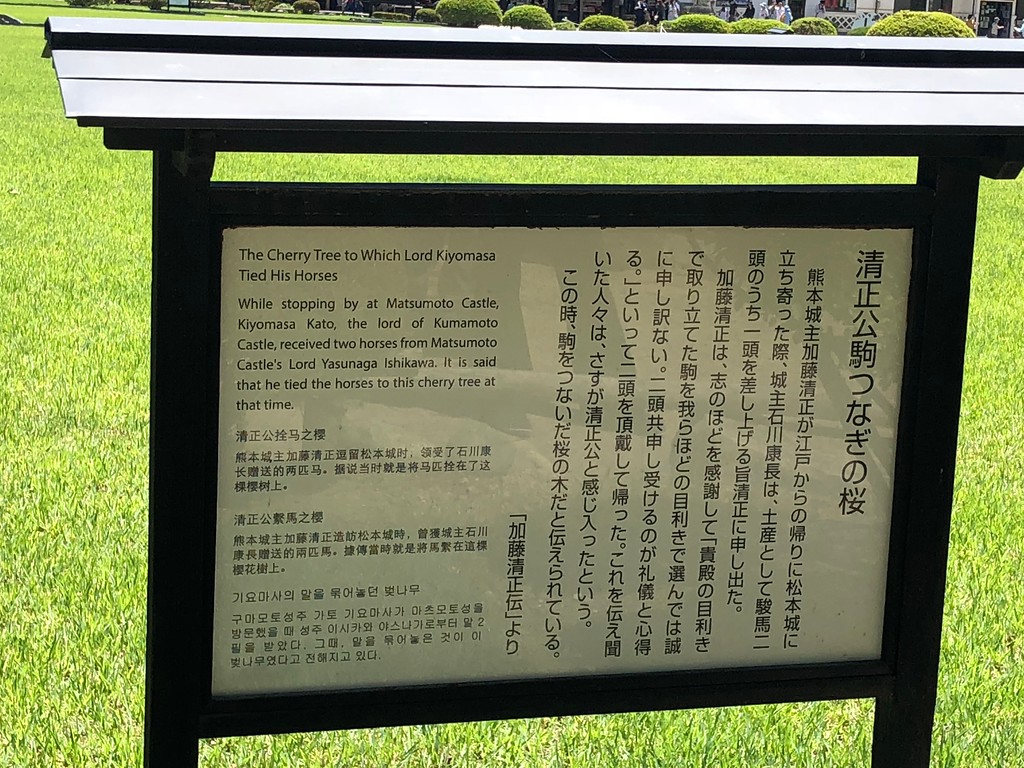
Below: The Cherry Tree to Which Lord Kiyomasa Tied His Horses. While stopping by at Matsumoto Castle, Kiyomasa Kato, the lord of Kumamoto Castle, received two horses from Matsumoto Castle’s Lord Yasunaga Ishikawa. It is said that he tied the horses to this cherry tree at that time.
Standing in line inside the castle, waiting for our turn to go up the stairs. The staircases were incredibly steep and very narrow, and had to accommodate people going both up and down.
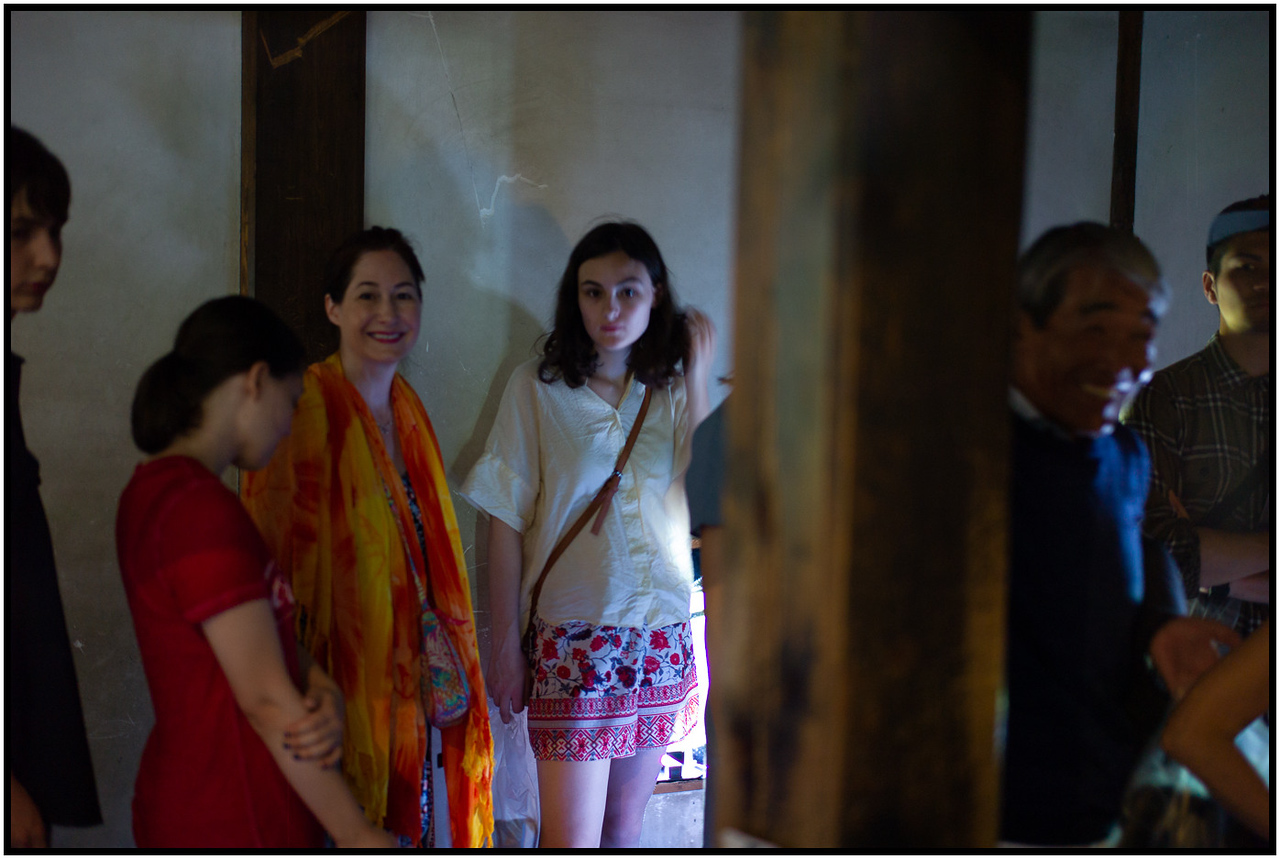
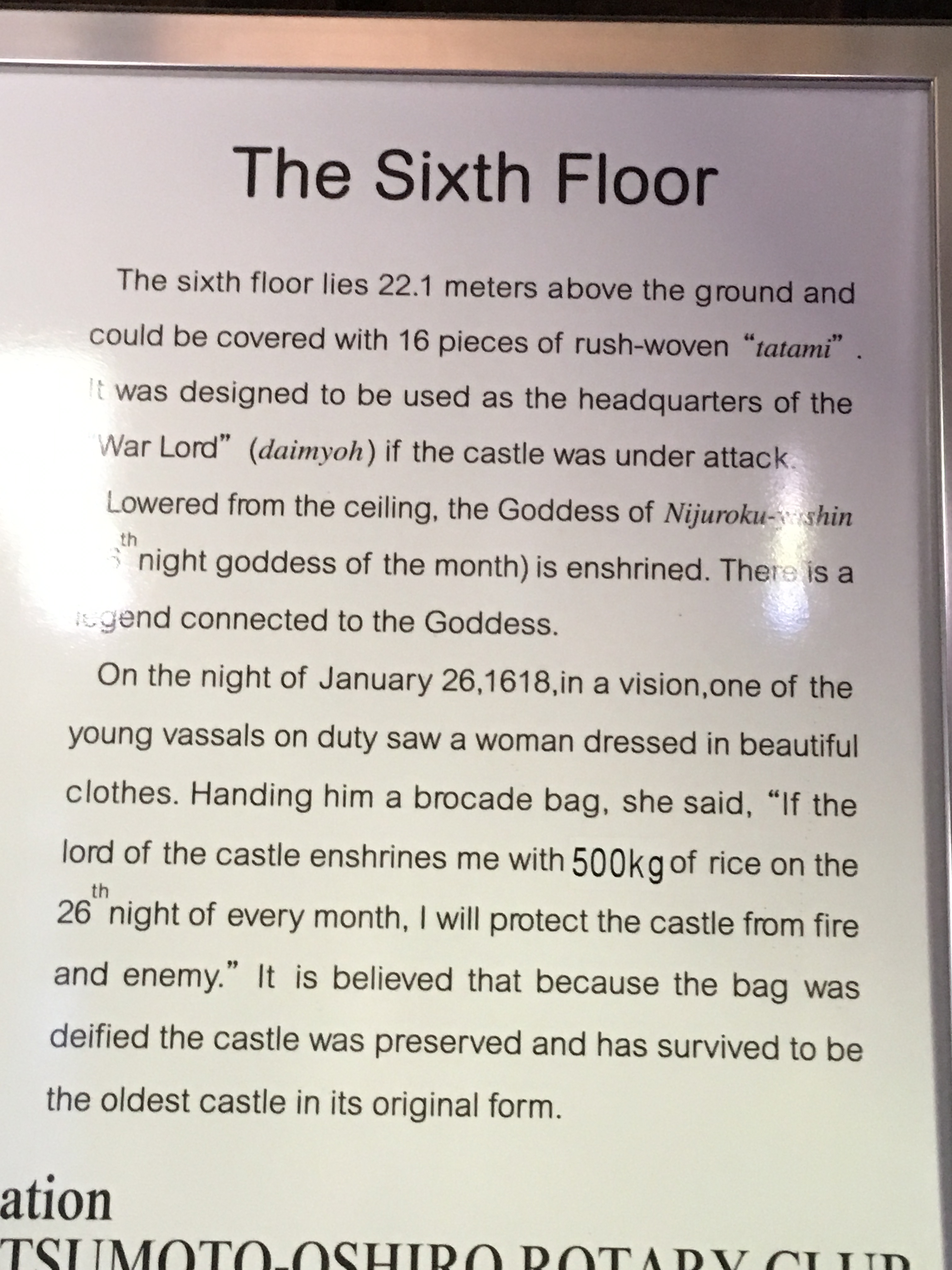
By the time you get to the very top, the 6th floor, you’re up quite high.
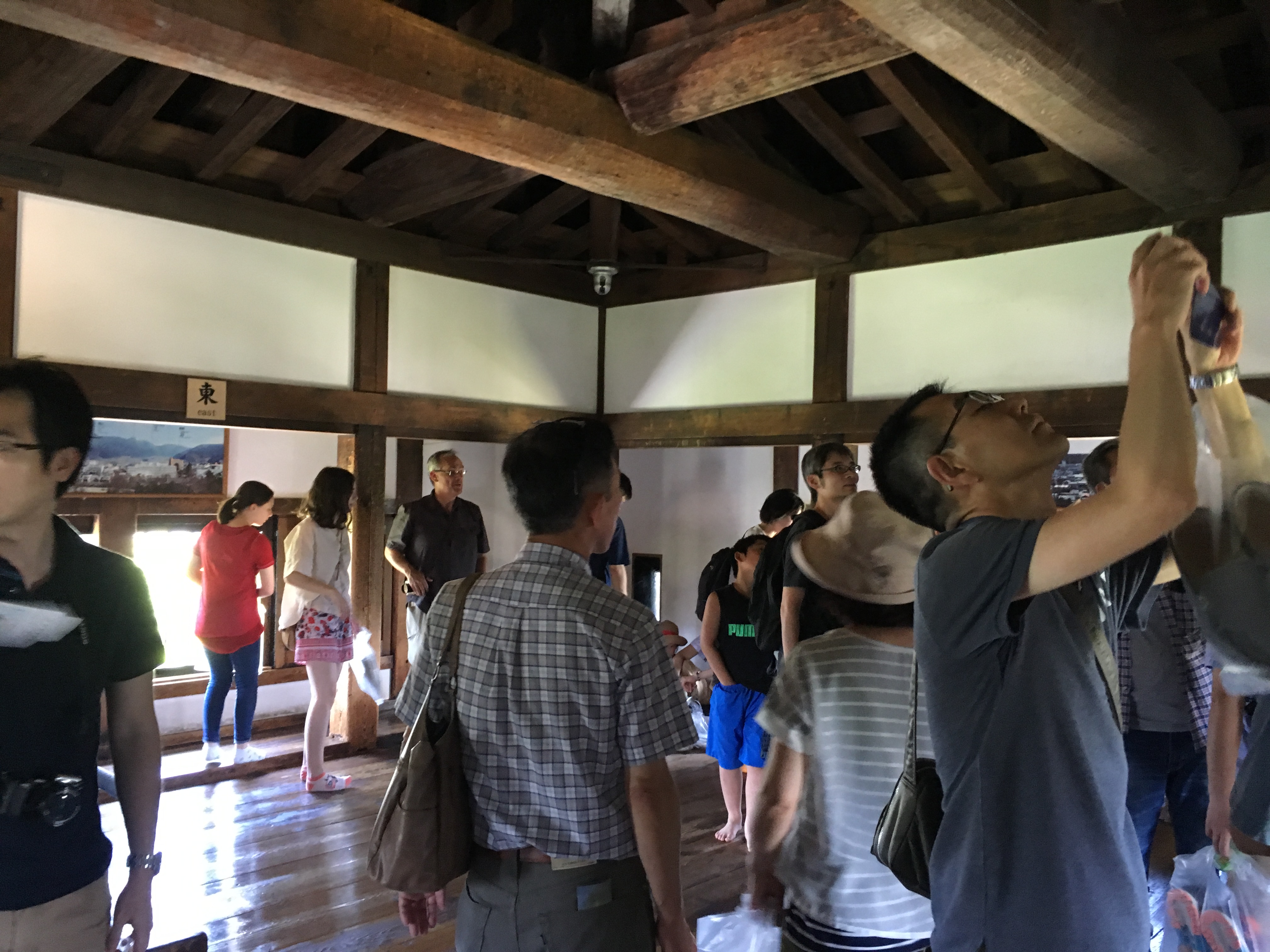
A quick shot of the room. It was hot and crowded in here. The interior of the castle has not been retrofitted with air conditioners.
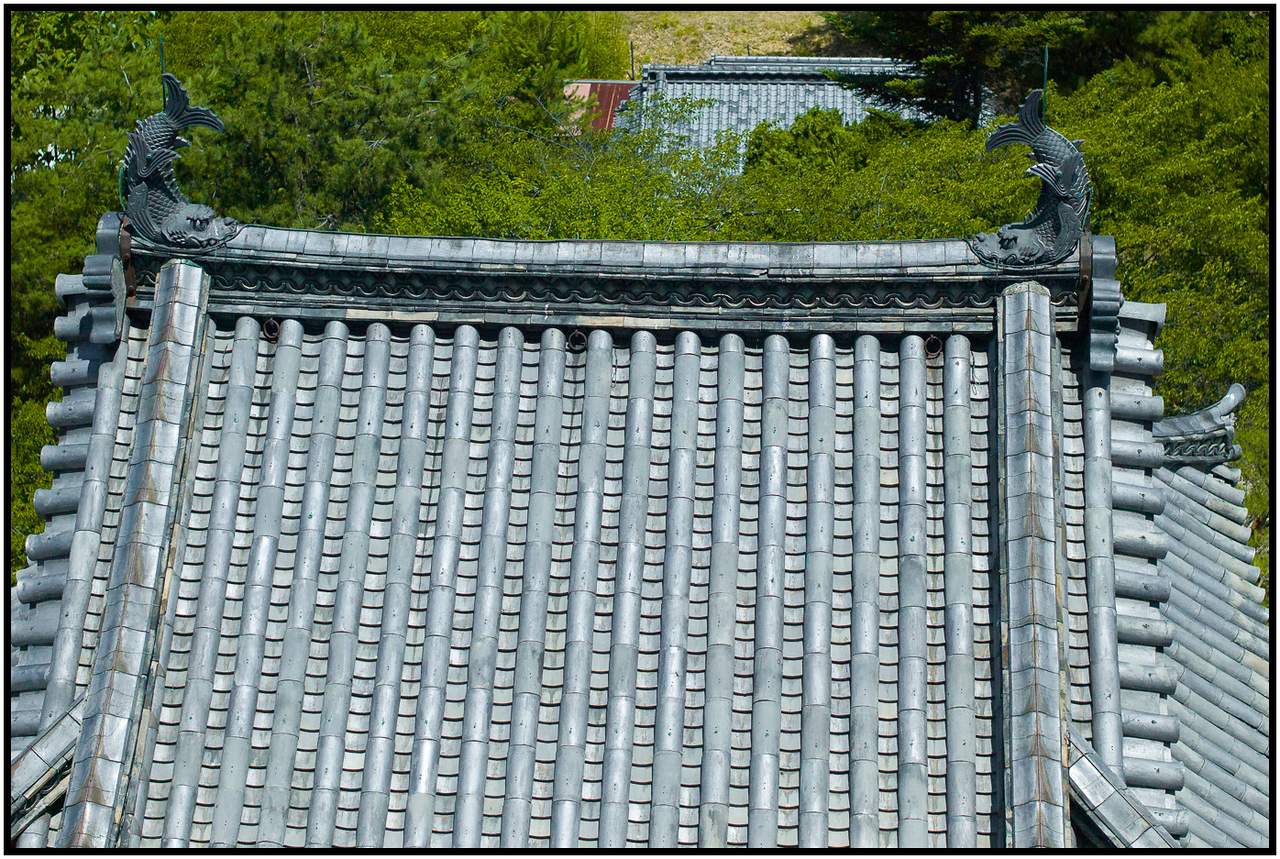
View of one of the roofs from the 6th floor windows.
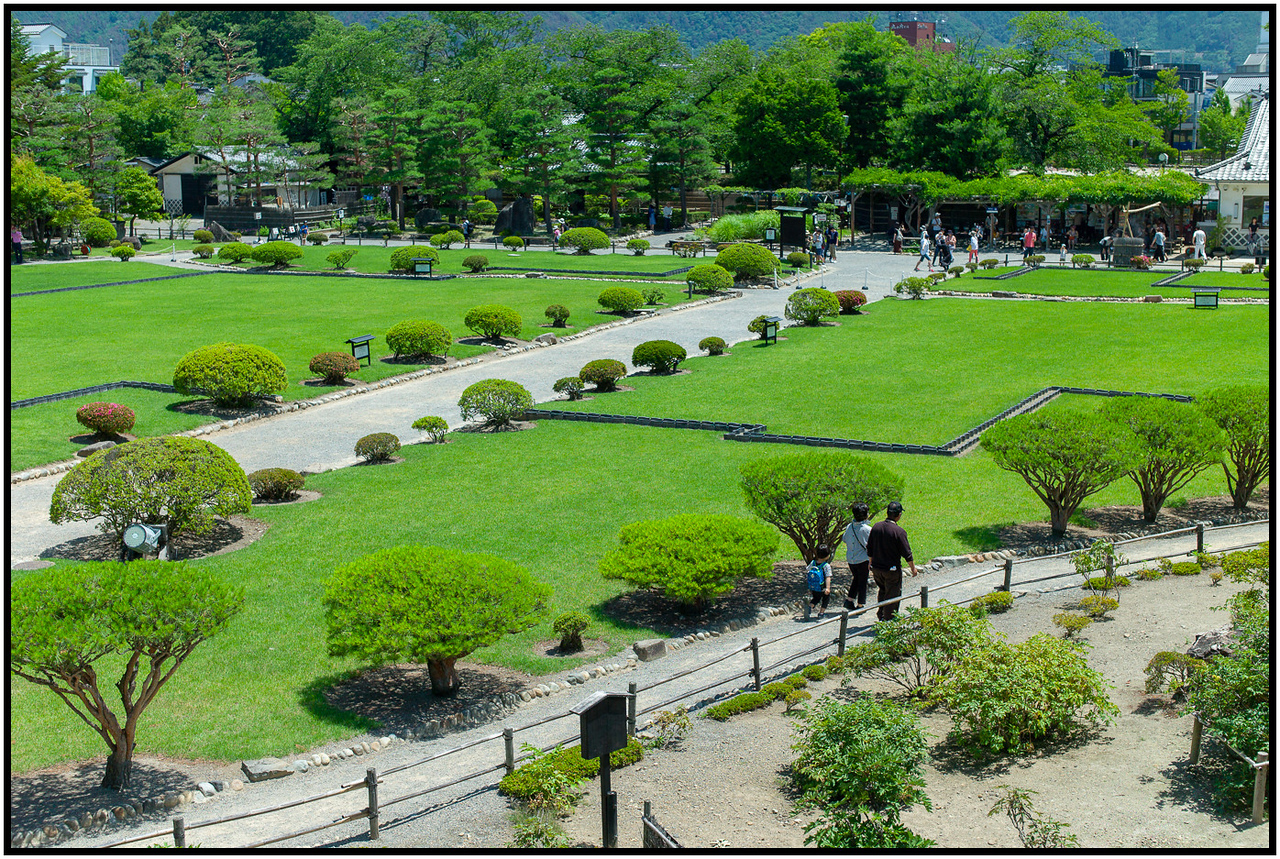
Castle grounds. The 6th floor had 360° views of the surrounding area.
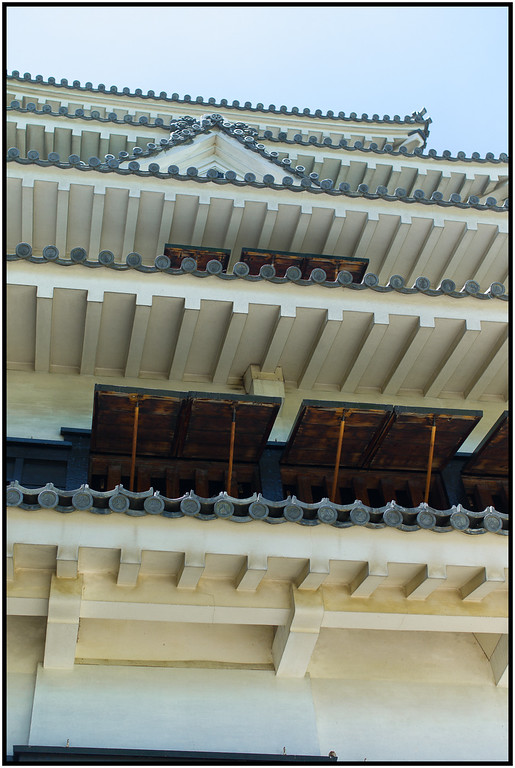
View of the rafters from underneath.
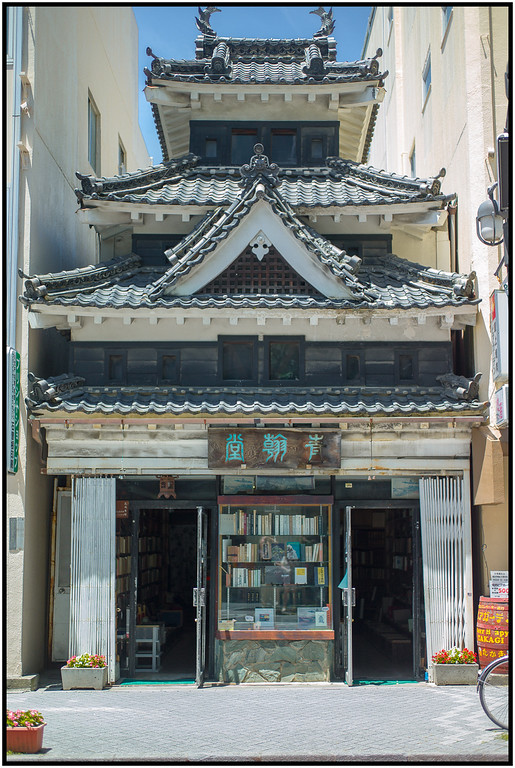
After we left the castle grounds, we walked around the little town. This antique bookstore is in a very cool old building on one of the side streets.
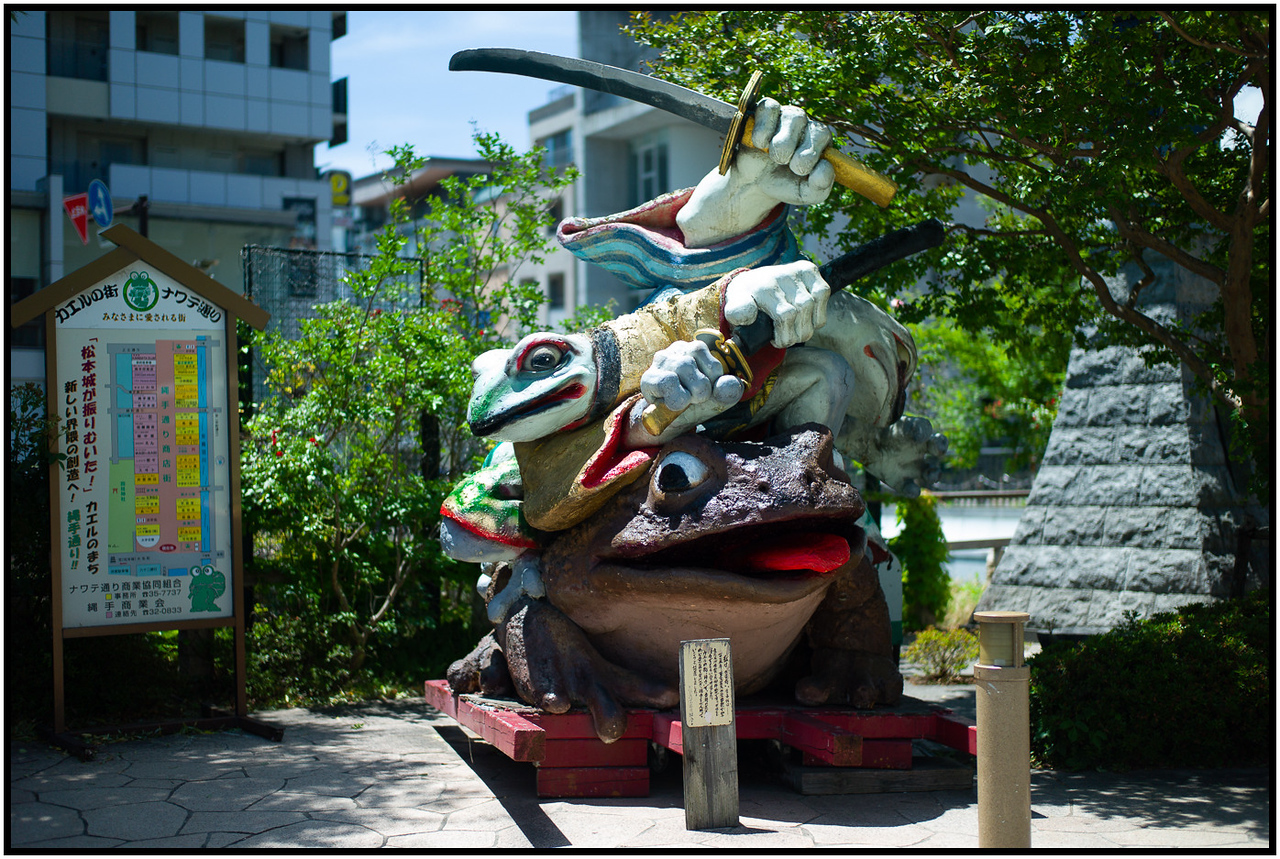
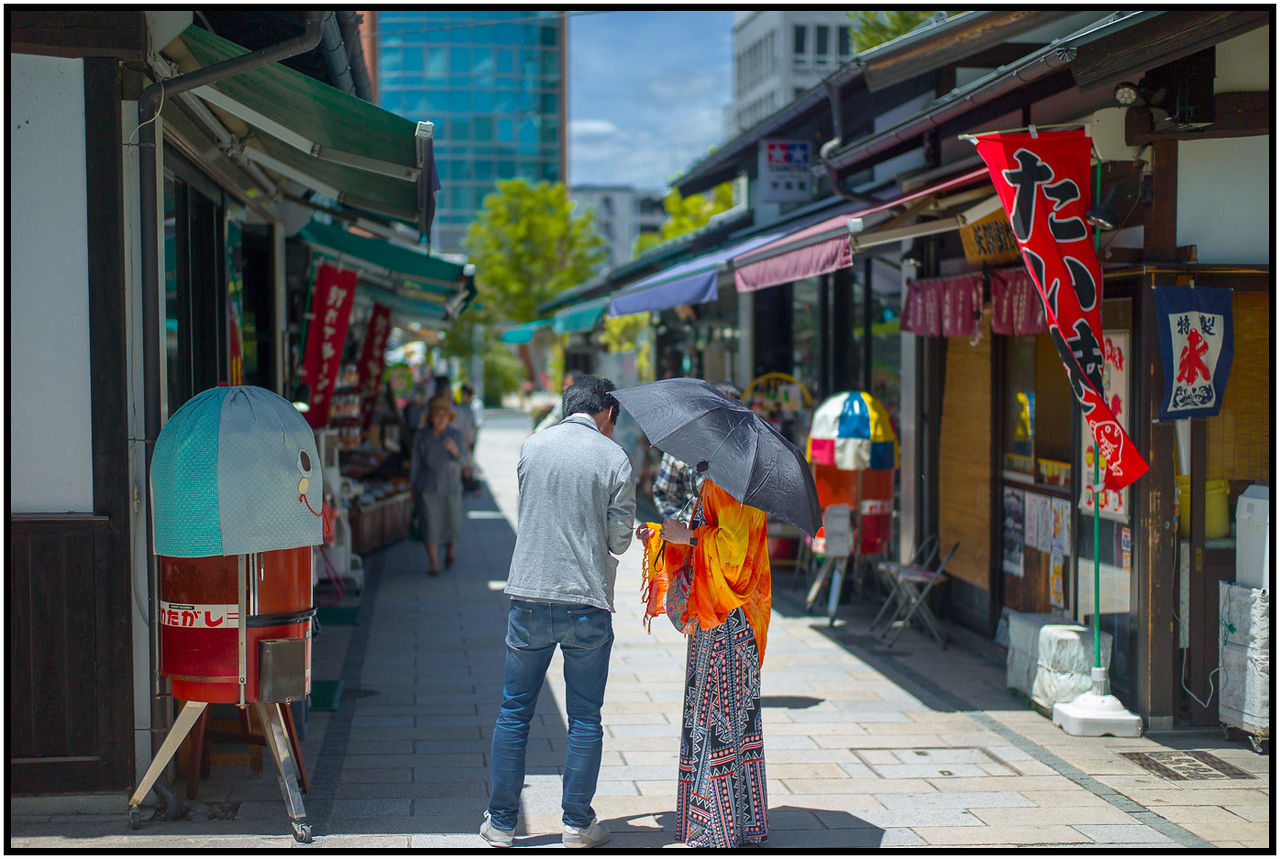
Nawate Street is lined with cute little shops, almost all of them selling frog merchandise. One of the vendors gave us a brochure:
The History of the “frog” on Nawate Street:
Before the Meiji ERA, Nawate St. was just a bank lying between the river and moat. After the Yohashira shrine was built in the year Meiji 12 (1879), the bank became an approach to the shrine. Horse carriages were not allowed to pass through. The shrine began to promote various entertainments to gather visitors and prosper. People began to start businesses there, which attracted many visitors. Because of the vehicle-free street, shop owners on the street said that visitors can buy (Kaeru= 買える) and go home (Kaeru = 帰る) safely. Since then, people started to call the street “Frog (Kaeru = frog) Street.” So they, shop keepers, put a big frog statue at the entrance of the street to watch over us, and keep us safe.
This guy is giving me the flyer with the frog history on it that I typed above. I don’t really get it; it must be a clever play on words in Japanese that doesn’t translate well into English.
Josie fell in love with these owl mugs. She bought a white one that reminded her of Hedwig in Harry Potter.
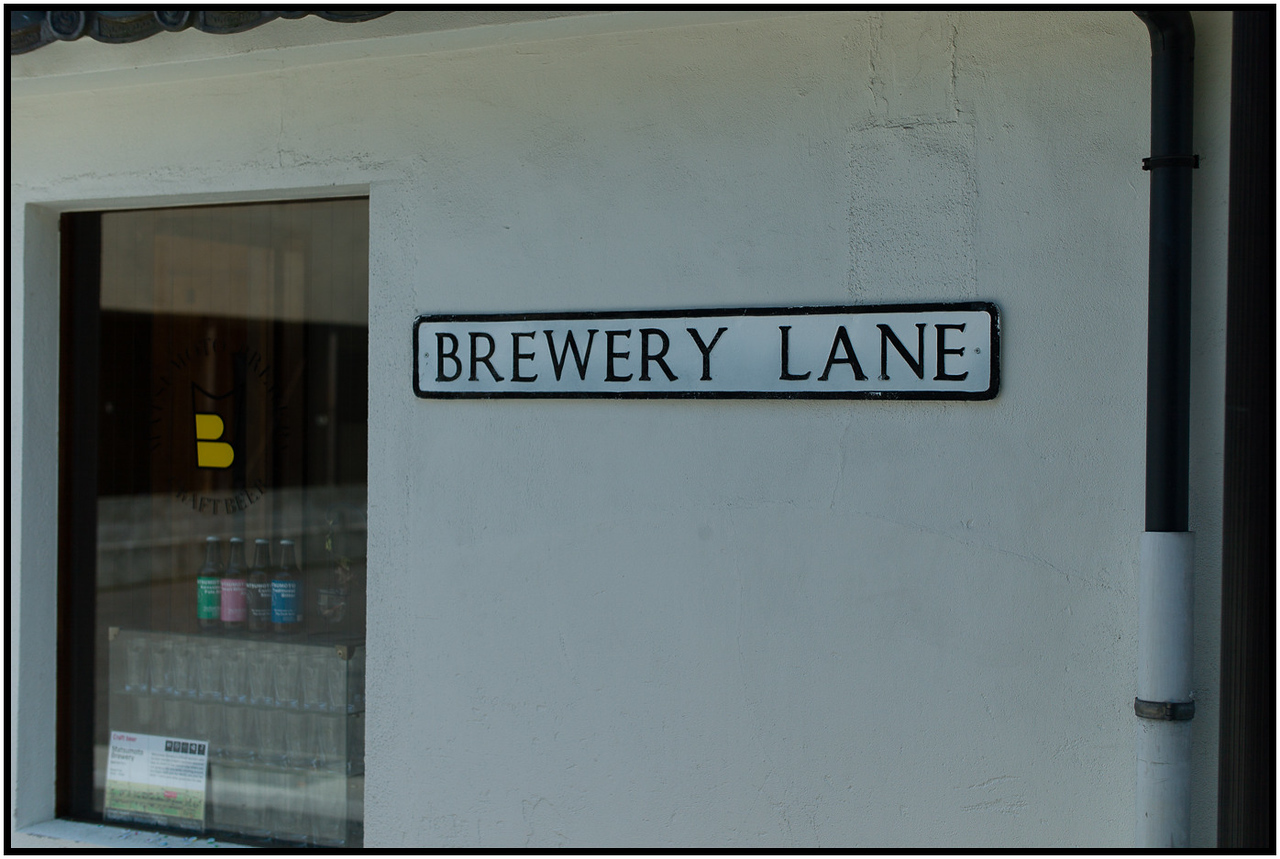
Holden wanted a picture of this sign (below) because it sounds like Drury Lane from the muffin man song. We saw another street in Kyoto named Brewery Lane, too … both times we then had to listen to the kids (led by Holden) perform the scene from Shrek:
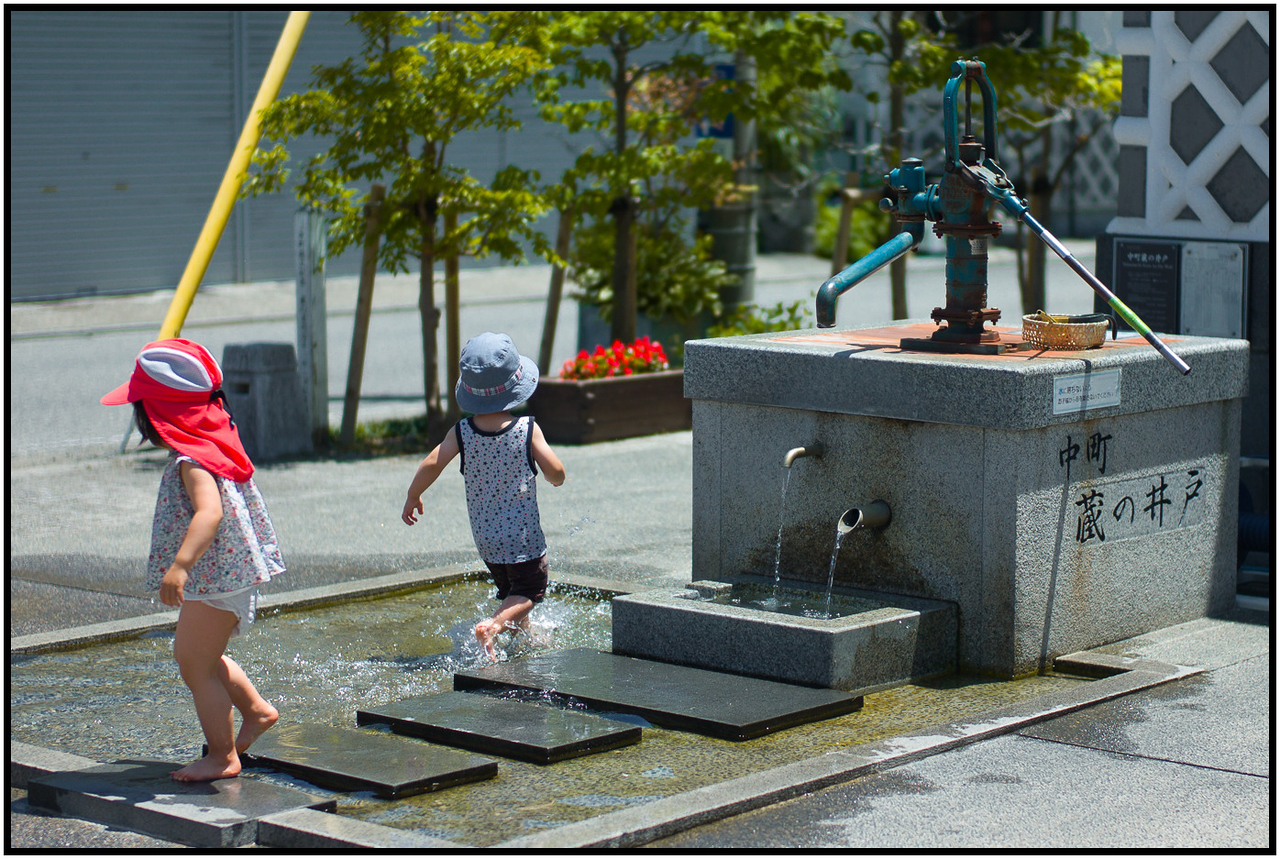
Little kids having fun in a public fountain.
Tomorrow we head over toward Mt. Fuji for a couple of days.

