Today we are in Clayton, GA preparing for a day at the Cherokee Ruby and Sapphire Mine in Franklin, NC tomorrow.
On the way here, we stopped on a whim at the Tallulah Gorge State Park and went on a short hike. Max is with us. The park is pretty enough that we’re contemplating coming back next week to do a test run of our camping equipment. So far we’ve only used it in the back yard, with our house right there as both a physical and emotional safety net. We should probably give a real camping night a try before we pack everything up and head to Europe in two weeks.
All three kids (plus Max) going “Oooooooooo!” as they peer over the edge. The earth just drops away on the other side of that railing.
Isabella and I enjoying the vertigo-inducing drop into the gorge, and discussing the weird feeling of being above the soaring hawks. Looking down on them is a strange sensation.
Gorgeous view down into the gorge.
Tonight is “roughing it” in a Days Inn (motel) that allows dogs. Pretty bare-bones accomodation, but clean enough. The three kids have to share one queen size bed, so we’ll see how tonight goes. We ate dinner in a fantastic local steak house and all five of us enjoyed filet mignon, so the roughing it in our hotel room is a relative thing.
Next morning:
Last night was pretty bad, but not for the reasons we feared. We expected that putting all three kids in one bed, sideways, would cause trouble and a sleepless night. But, once the initial fighting over blanket distribution and foot boundary infractions was settled, they all three fell fast asleep and stayed that way through the night.
We chose this hotel because of their liberal dog policy, and other people must have done the same. The hotel was chock full of dogs. (When we left for dinner, a couple of the hotel employees were desperately trying to tie one of the room doors shut with string. Someone had left a German Shepherd in there and he had figured out how to work the lever-style door handle. He kept letting himself out to roam the parking lot.)
All during the night, one dog would be set off by some little noise or other and cause a Pongo & Perdita “twilight bark” chain reaction that rippled through the hotel like a wave. Max was on high alert. It doesn’t take much to put Max on high alert, either. Under mundane circumstances he goes nuts if he spots a bumblebee out the window, and he hits full-on berserker mode if a neighbor’s cat wanders onto our front porch. His territorial instincts are acute and he feels it’s his responsibility to alert the family to any potential threat or trespasser. Being in an exotic location and knowing that so many strange dogs (i.e., enemies) were in close proximity was more than he could handle.
Finally, I locked him in the bathroom … where he stuck his nose underneath the door and made a high-pitched, worried whine that sounded like a subway car pulling into a station (“hnnnnnnnnnnnnn”) — without pause. I have no idea when he managed to take a breath. Adam and I probably didn’t get more than 2 hours of sleep. (I still can’t believe none of that racket woke the kids. They slept like rocks.)
At 8:00 a.m., blearey-eyed and already tired, we packed up and headed out for the ruby mine with a knackered dog and three well-rested, energetic children. We showed up right at 9:00 a.m. when they opened, and we weren’t even the first ones there. I think we were the only newbies … everyone else seemed to be hard-core rock hounds.
This is an alluvial mine, where the dirt several feet thick along the creek bed is full of all sorts of treasures. There are large deposits of rubies, garnets, and sapphires as well as moonstone, rutile and sillimanite.
Working the sluice line
The folks running the mine were fantastic. It’s very difficult for amateurs to tell which stones are gems and which are just plain old ordinary rocks. Quartz especially is tricky, because it’s shiny and has a jewel-like look to it. As one of the guys explained, you just have to get good at recognizing quartz, because without it there wouldn’t be anything else of worth. The geological conditions that create gems also create copious amounts of quartz. You don’t get one without the other.
We had three different employees spend an extraordinary amount of time helping us sort through our trays and each of them seemed genuinely interested in teaching us about what we were looking at. I highly recommend Cherokee Ruby and Sapphire Mine to anyone wanting a good gem-hunting experience. The folks there are truly top-notch.
All of the other mining customers were serious searchers and I think most of them were regulars. This mine is located near quite a bit of Cherokee land, which means there are casinos around. Hunting for precious stones is much like gambling and I can imagine that a lot of the folks picking through buckets of mud for treasure would otherwise be at the casinos cranking slot machine handles. Each bucket of dirt has the potential big hit inside, so every time you finish one, you want to do just one more … the next bucket will surely have a once-in-a-lifetime stone in it! I’m not much of a gambler myself, but I was definitely feeling the pull for just one more bucket. I easily understand how it can become an obsession.
Kids washing rocks and picking through for gems
Max getting a slightly muddy drink of river water.
The kids lost interest eventually. Then it was time to sit in the car and plug into the iPads. Max just wants to be wherever the kids are, even if it means sitting in a hot car instead of running around outside.
Last one still obsessively picking through rocks. I could have easily done this all day. It was getting near lunchtime, though, and the rest of the family was ready to move on.
The pink sapphire I found, and a small clear (bluish) chip the mine lady found for me. I had missed it.
We had lunch in Sylvan, NC (very cute little town with lots of charm and plenty of arts & crafts shops) and then drove over the Great Smoky Mountains down into Tennessee.
Tonight, we’re staying just outside of the Gatlinburg/Pigeon Forge/Sevierville area — kind of a combination Orlando/Las Vegas for Rednecks and Appalachian mountainfolk.
The best part of the afternoon was visiting the Smoky Mountain Knife Works; the largest knife, sword and machete vendor in the world. It was a lot more fun that it might otherwise sound. Inside they had three huge floors of merchandise, a museum, and an “artifact” section with all sorts of old Civil War through Vietnam war artifacts and relics for sale, as well as gems, crystals, fossils & etc. Each of us left with a little something.
Case on right is where they keep kitchen knives. They have every type and brand of kitchen knife you’ve ever heard of, plus some extra ones you probably don’t know exist.
Checking out the branding irons. They are supposed to be for adding flair to grilled meats, but would probably also make nifty torture devices.
Our second hotel night was a dream compared to the first. We stayed in a Baymont Inn & Suites that was also dog-friendly, but this time the room was on the third floor with an inside door (rather than a door that opened into the parking lot, 1960’s motel-style) so it was much quieter and Max was a lot more relaxed. It even had a small balcony so Max could go outside.
Max was a true champ on this trip, that first night notwithstanding. I’ve never known such a well-behaved dog. Considering that Adam and I are terrible dog trainers, all credit for being an all-around great guy belongs exclusively to Max. (Or perhaps to the breeder, who specifically chooses her Aussies based on their great temperaments. Either way, whether it’s good genes or just good luck, Max is a tremendous dog.) He was welcome almost everywhere we tried to take him.
(Side note: Max ate very well on this trip — the first night, Holden ordered filet mignon and didn’t finish it, so it ended up being Max’s breakfast the next morning. The second night, neither Holden nor Josie was able to finish their Outback burgers, so Max got those also. With all the leftovers, he didn’t eat a single bite of dog food for two days. Now that we’re back home, he’s spoiled as can be and keeps staring at the fridge and only eats his kibble at bedtime when he’s absolutely certain nothing better is in the offing.)
The next morning we drove through Pigeon Forge, which is probably most famous for being the site of Dolly Parton’s Dollywood. From what I could tell, it’s a water park. We didn’t go because neither Holden nor Josie can swim, which is something we’re going to address later this summer when we get back from Europe.
We really want to go to the Galapagos Islands over Christmas break, but we have some hurdles to get over first: my nearly-crippling boat phobia, and Holden’s equally crippling fear of getting water in his eyes. (He can hardly even bring himself to wash his face in the sink.) Passing Dollywood sparked a conversation between Adam and I about how to address these problems and Holden took offense. His argument was “Josie can’t swim, either! She’s as much to blame as me! Work on her!” Josie didn’t even bother to look up from her iPad and said, “Holden, I don’t know how to swim. I’m not afraid to swim. There’s a huge difference.” And she’s absolutely right. We’ll have to come up with some way of fixing Holden and me so that we’re not held back from doing something as exciting and remarkable as visiting the Galapagos Islands. Fears (the irrational ones, anyway) are good for nothing but conquering.
Both Pigeon Forge and Gatlinburg are set up as mini Orlandos, but have a more old-fashioned feel to them. The whole place looks like a movie set for 1955. They offer river rafting, fishing, zip lines, a Ripley’s Believe It or Not museum, an aquarium, dinner shows and a whole bunch of other things. We only drove through, but it looked so neat we’re planning to go back. It’s only about a 4 hour drive from our house.
Once you get past Gatlinburg, you head straight into the Great Smoky Mountains National Park. It is awesome, in the true sense of the word. The road through has lots of little places to pull over and hundreds of walking/hiking trails. We pulled over to explore the woods in several different spots, and hit a few of the scenic overlooks, too.
Playing in the woods near a little clearwater stream.
Holden was so happy he posed for a photo hugging me. Unprecedented! In the foreground, both Josie and Max were overly concerned about not getting their feet wet. They both have mighty cautious natures.
Loving the forest! This little exploration was more fun than any of us expected. And it’s free!
Sweet Josie
Isabella, free as a bird. She felt so at home in the forest, she was simply filled with joy.
One of the scenic overlooks. No trip to the Great Smoky Mountains is complete without the 1950s-style kid portrait with tree tops in the background.
…. and one with Max, too. Can’t leave him out!
This is my favorite photo from the whole trip. A little boy and his dog, running free through the forest. I thought about “Summer of the Monkeys” and “Where the Red Fern Grows” during these little hikes. Both of those stories (if memory serves) take place in the Ozarks rather than the Appalachians, but I imagine the areas look very similar. The Ozarks are a little further west.
The above photo was taken in an old-growth area of forest. Before this area became a national park, it was very heavily logged and most of the old trees were cut down. The areas that remain are extremely valuable now, as they are among the only old-growth forested areas left in North America. With a lot of the trees being 500+ years old, it is exceedingly valuable now to scientists studying climate change.
It’s also great for experiencing wildlife. Plenty of flora and fauna to see. None of it was as interesting as this, though:
First we came to an old grist mill up in the mountains, started in 1886 and still operating. It fell into disrepair in the early 1900s, but was restored by the Civilian Conservation Corps and the Works Progress Administration during the Great Depression. (Something useful gets done, and people get to earn an honest wage for honest work. No handouts, everybody wins. We need more of that now.) It’s been running ever since, and for $8.95 you can purchase bags of ground corn meal or wheat flour from grains grown in the area. The money goes toward upkeep of the mill. We bought a bag of corn meal.
This mill is somewhat unique because it is powered by a turbine rather than a water wheel. It produces 11 horsepower, which is enough to get the job done.
The water in that flume comes from a creek behind us.
Better view of the flume
Just a litte way down the road is Ocanaluftee Mountain Farm Museum and Visitor Center. (FYI, they have great bathroom facilities.)
Old farm buildings were collected from various locations throughout the Smoky Mountains and brought here – mostly during the 1950s – to recreate a farm from the late 19th century. This was one of the only places we weren’t allowed to bring Max (he had to sit in the car) presumably because they have pigs on the farm. We were afraid of Max overheating, so we hustled through here faster than I would have liked.
Holden, with the farm house in the background.
Girls exploring. The setting is idyllic.
By far everyone’s favorite spot: the pig pen. As pigs are cursed with an all-consuming and constant itch, they are more than willing to stand by the fence and beg people to give them a good scratch.
Holden doing what little boys in the 19th century did for entertainment: whittle. Adam gave him a Swiss Army knife and Holden uses it every chance he gets. There was plenty of whittlin’ material on this expedition.
One of the old buildings. I think this was the Apple House (for storing apples) but I’m not sure. They have a kitchen garden behind this shed with crops that would have been grown at the turn of the century.
Blacksmithing station.
Josie contemplating life in the Olden Days. She decided “newen days” were better because back in olden days nobody had video games or the internet.
Finally, before we got serious about heading home, we stopped at this little candy and ice cream shop. We bought ice cream cones to eat on that front porch, and some fudge to take home.
Hand-dipped ice cream and homemade fudge … perfect way to end the adventure before heading home.
I have been feeling guilty for the past week for not liking France. I did the best I could to find the bright side of things, but by yesterday we were all sort of depressed and ready to go home. Our last day in France we went to Reims and Epernay … the weather was bad, we had the worst meal of the trip, a white-knuckled drive back to the hotel due to “vent violent” (violent cross winds on the highway and driving rain) and ended up going back to our hotel around 2p.m. and just hibernating in our rooms until we could leave in the morning.
Reims, rainy and cold. This is a perfect example of a photo capturing a romantic scene that wasn’t all that great in person.
France is full of intensely ugly architecture, which came as a huge unpleasant surprise to me. They have these big tenement apartment buildings all over (including all through Paris) that look like what I picture when I read about the hideous, unwelcoming housing the communists put up all over Russia. I never expected to see that in France. Even the old, neat buildings don’t look particularly well-cared for. The amount of graffiti, everywhere, is distracting. You get the sense that nobody in France really cares about making their little corner of the world a nice place to be.
Driving out into the French countryside on the way to Belgium, the farm land has an abandoned look to it … not a single farm machine to be seen, no animals, no people out and about. It’s just stark. I keep using the word “ugly” but it’s the best word I can think of to describe most of the France we saw.
The border from France into Belgium is a little river; more of a creek than a river. It’s small — and the difference between the two countries is immediate and dramatic. You cross into Belgium, and suddenly there are animals! Geese! Horses! Cows! Chickens! Ponies! Sheep! There are people out doing things in their yards! Farm machinery in use! It looks so much more prosperous and welcoming. The architecture is charming and all the little stone houses and barns are scrupulously maintained. Our spirits were suddenly lifted.
I was worried that the reason I didn’t like France was that our trip was too long and we were suffering from travel fatigue. The kids were not having fun and kept asking how many more days until we got to go home. After today, I can safely say that wasn’t the case. We’re having a great time again.
I’m sorry we wasted so much time in stupid France, but from now on when people talk about vacationing there I will no longer be envious. I can check that off my bucket list and move on.
Holden in cafe in Ypres, Belgium
Bruges is nearly as beautiful as Canterbury. It has a different look to it, but it’s gorgeous and quaint. The little shops and restaurants everywhere are fun and interesting to look at. I’ve never seen so much lace. Shop after shop just stuffed with the most gorgeous lace, and the prices are very affordable. I bought a little antique doily to go on the small round table John made that sits by Grandma Barbie’s chair, under the small Steve Tyree warbler sculpture.
The antique shops here are my favorite. They aren’t nearly as fancy as the ones we saw in France, and the prices are really quite low. I ended up buying another painting; ironically, an oil painting of Paris by a French artist. I couldn’t afford such a treasure in France. Maybe tomorrow I’ll find a great piece by a Flemish artist — although I think Adam is hoping I don’t because I’ve gone a bit crazy with the art purchases on this trip. (I also bought the cutest little pen-and-watercolor painting of geese in Hartepool, England.)
Antique shop in Bruges
Canals in Bruges
Bruges also seems to be the place all the artists are now. Perhaps they once all flocked to Paris, but not anymore. Here in Bruges, I saw two different artists painting en plein air, and if you are looking for affordable artwork (paintings, sculpture, pottery, etc.) this seems a great place.
Old part of Bruges
Tomorrow we’re planning to visit the Diamond Museum. (Antwerp is the diamond capital of the world, and just down the road from Bruges. We won’t have time to go there.) Isabella is particularly excited about that museum.
It’s supposed to rain tomorrow, which may ruin our walking-around plans a little, but there is quite a bit to do indoors so I think we’ll have a great day no matter what the weather is like.
We’re re-energized and ready to have fun. Tomorrow will be our only full day in Belgium, as Sunday we must take the chunnel back to England. We’ll spend the night in a hotel near Heathrow for a very early flight home on Monday morning. That day will not be much fun, as we’ll be in full travel-home mode, although we are hoping we have to time to see the white cliffs of Dover.
January 7, Saturday
Bruges is an art lover’s paradise. We had possibly the very best day of our trip here. It’s simply magical.
It was raining a little when we went out for breakfast this morning and we thought it was going to be like that all day, but it cleared up by 9:30 or so and was sunny and nice the rest of the day. We walked and walked and walked, and still aren’t sure if we’ve seen everything.
Bruges is packed with art, of every type and style imaginable. They have everything from galleries showcasing 17th Century paintings (so expensive we didn’t go inside) and Impressionist paintings (not by the famous guys, but still gorgeous and way out of our price range) to modern artists — paintings, sculptures, lithographs, papier mache, tapestries, photography, pottery, stained glass …. antiques around every corner, the lace market … I know I’m forgetting stuff, and my head has been on a swivel all day long.
This store was the real deal – a 17th Century Paintings ‘R’ Us – selections started at €13,000 and went up from there. Now you know where to go when you’re all ready.
We went to three different museums today. They are all pretty small, but thoroughly enjoyable.
The first was the Diamond Museum. They showed how diamonds are mined all the way through how they are cut and graded, and had a bunch of the tools used for cutting, polishing, and jewelry making. The kids were more interested in this than I would have thought.
The second museum was an exhibit of Salvador Dali. They featured mostly lithographs and series that he’d done as illustrations for various books. Our favorites were his illustrations of Alice in Wonderland. They also had the whole series he’d done for Dante’s Divine Comedy, including the one we purchased in Paris. They had ours for sale and wanted more than double what we paid (and as far as we could tell with careful studying, ours was identical) so we felt really good about our purchases at the Paris shop. I’ve never been particularly fond of Dali, but something about seeing those lithographs and paintings in person has turned me into a big fan. They are powerful images, each more fantastical than the next.
The last museum was lithographs by Picasso, with a special temporary exhibit featuring Miro, Matisse, Chagall, Warhol, James Ensor, and some lesser sculptures by Rodin. I liked the Picasso works a lot, but in my opinion they don’t hold a candle to the Dalis.
Wall of Miro lithographs
Bruges is just simply gorgeous and brimming with ambiance. Horses pulling carriages are running through the streets, and since so many of the streets are narrow cobblestone, car traffic is either limited or impossible. It’s so neat to be walking around those tiny streets and hear the clip-clop of all the horses squiring people around. We would have loved to take a carriage ride, but they wanted €39 for a half-hour (around $50). But even without riding in a carriage, you still get to enjoy the presence of the horses and buggies.
More gorgeous scenery
… and a touch of whimsy.
The Heilig-Bloedbasiliek – Basilica of the Holy Blood. The relic of the Holy Blood, which was brought to the city after the Second Crusade (1145) by Thierry of Alsace, is paraded every year through the streets of the city.
The architecture is also fantastic. The buildings are ancient, small, and many of them hang out over the canals on one side. I would dearly love to go inside one of those houses! They are all private residences, though. One house was just about the coolest house I think I’ve ever seen — it was long and narrow, and basically built as a bridge over a canal. The water passed under the width of the house via three big arches. I think Adam got some photos of it.
Oh, and swans! There are swans everywhere, just being all mean and elegant the way swans are. They certainly add to the romantic, old-fashioned ambience, and probably also do a good job of keeping photo-happy tourists out of locals’ gardens. Nobody messes with a swan.
You can also eat yourself sick on chocolate here. Every forth or fifth shop is a chocolatier, making their treats right there on the premises. That actually caused us some trouble with the kids and the constant begging. We’d pass one and fight off the begging and whining, only to have it immediately resume when we passed the next shop 10 seconds later.
One last look through the window of a Belgian chocolate shop. The candy there stands up to the reputation.
Josie enjoying a fantastic breakfast
I just can’t say enough good things about Bruges. There are several other museums that we won’t get to see due to lack of time, and we didn’t go up the bell tower (Randy, you’ll know it as the one Brendan Gleeson fell out of at the end of “In Bruges”) because they were charging a fee and there was a line. We’d reached the kids’ limit of patience, so we skipped it. We’ll just have to come back another time. That bell tower, by the way, rings every hour and can be heard all around the city. Chiming bells, swans, horses and carriages, canals, artists outside painting … beautiful perfection.
Bell Tower
We’re back in the hotel now, after a mid-afternoon snack of authentic Belgian waffles. (Delicious!!) We need to rest and recuperate a little before we head out for dinner.
Reward for good behavior in the museums – Belgian Waffles with powdered sugar on top!
I’m already feeling nostalgic for Bruges, and sad that we have to leave tomorrow. In most important ways, today is the last day of our trip. We certainly went out on a high note though!
Tomorrow we drive from Bruges back through France (ugh) and take the chunnel to England. We’ll make a quick detour over to see the White Cliffs of Dover, but other than that tomorrow is just a day to get to our hotel next to Heathrow airport and make sure our stuff is all packed according to airline specifications. Then the unpleasant travel day back to the States, which will be loooooooooong. Hopefully all our stuff will make it home undamaged. We picked up some really great treasures on this trip and I’ll breathe a sigh of relief when they are safely in our house.
Sunday morning we got up early and left Bruges to head back to London. After driving through Dunkirk (not much to see; large and industrial port) we made it to Calais early and were able to catch an earlier Chunnel train back to England. This gave us some extra time for a “long cut” back to our hotel near Heathrow airport. Think of US1 along the California coast line and you’ll get a sense of the backroad path we took along the English southern coast that day.
First stop: Dover and the famed white cliffs.
The kids had a great time running along the tops of the cliffs. Dover Castle in the background. There were no guardrails along the cliffs, so I spent most of the time yelling at Holden to keep away from the edge, something he was having trouble doing for some reason.
The kids climbing and getting their samples. They each have large blocks of chalk that they chipped off and brought home for show and tells. Right after this series of shots: more yelling at Holden for climbing up so high he couldn’t get back down safely without my help.
White cliffs of Dover, early in the morning. We did not see any blue birds, though.
After this, we drove to Hastings to see if there was anything 1066-y to see … not much. It’s a typical British seaside village, mostly closed down for the winter but clearly set up to host hordes of Londoners when the weather turns warmer.
This is a view of Hastings from the top of “Castle Hill” – Behind us are the ruins of Hastings Castle – England’s first castle, built in 1070 by order of William I (of Conqueror fame). Unfortunately, the castle was closed for renovations.
That afternoon, we continued on to Brighton and it’s famous seaside attractions and pier.
We ate at the pier – our last meal that had “chips” in the title. We’ve hit our starch intake quota for the next 6 months, already.
Unhappy Josie for some mundane reason.. but I’ll end my email diary with a lie and assert that she was unhappy that our vacation was finally over.
And we are sad that it’s over, but also quite happy to be back at home!
Well, we’ve spent two days in Paris now. It’s probably the single most disappointing place I’ve ever visited. My “Like-o-Meter” needle is squarely in the yellow zone of ick, and if tomorrow is anything like today, will fall into the red zone of hatred.
First the nice things about Paris: the architecture is magnificent, and the food is good.
Now for the bad things about Paris: you can hardly see the magnificent architecture through the blanket of filth clinging to every surface. The streets smell of raw sewage, graffiti is everywhere, trash, homeless people and stray dogs camped out in conspicuous places blocking the flow of foot traffic, exhaust pollution so thick it’s hard to breathe, gorgeous old buildings ill-maintained, and crowds — oh, the crowds are unbelievable. We thought we’d avoid the crowds by visiting in January (a month with awful weather) but no.
Yesterday was better than today, by a slim margin. We first went to the Louvre, as our original plan was to spend the day there. One look at the crowds and we quickly scrapped that idea, deciding instead to try again on Monday and make sure we showed up right at 9:00 a.m. on the dot when they opened.
Tuileries Garden, near the Louvre
Next, we walked to the Hermes flagship store. It was fantastic … once you got past the stench of open sewer wafting right across the front door, which was so bad Josie at first refused to go in, thinking the smell was coming from inside.
It’s a three-story building loaded with one beautiful, unaffordable treasure after the next, but the crowds are so bad you can’t walk through and it’s hard to see anything. Most of those people were just looky-loos, too; not very many people seemed to be actually buying anything. I wanted to buy a scarf and had no trouble at all getting a salesgirl to help me and we didn’t have to stand in line to pay. I do believe it’s the only place we’ve visited so far that we didn’t have to wait in line to do something.
After Hermes, we walked around the corner and had lunch at the famous Maxim’s. That place had superb food, but our ability to thoroughly enjoy it was somewhat lessened by the over $100 check — for water, a cup of tea, a coffee, a bowl of onion soup, an appetizer of ham, a salad, and one hamburger that Josie and Holden split.
Shopping downtown on Rue Royal and the Rue Saint-Honore – one fancy store after another.
The prices of food in Paris are staggering. I expected Maxim’s to be expensive because it’s such a famous place and on the same street as Hermes, Cartier, Lalique, etc. but we discovered over the course of the next day and a half that those prices are par for the course no matter where you go. I have solved the mystery of why French girls are never fat: they can’t afford to buy food.
Lunch was fun – we ate at the famous Maxim’s in Paris. Later, we had coffee, tea and hot chocolate at the Cafe du Trocadero – the kids proclaimed this the best hot chocolate they’ve ever had.
We then hiked over to the Eiffel Tower. It’s a fairly long walk, so we had a chance to see some of the city. The Eiffel Tower is very impressive from ground level. Again, the crowds were so bad we abandoned the idea of going up to the top, and made plans to show up the next morning right at opening time.
Kids at Eiffel Tower
Prototypical Parisian square.
That was pretty much our whole day. We took the train back to our hotel and ate dinner in. Having a full kitchen in our hotel apartment has basically paid for itself by eliminating two meals we have to eat in restaurants (breakfast, dinner). Another huge bonus is the washer and dryer. Being able to wash laundry every day makes life on the road so much easier, and is especially nice after spending all day in the filthy Paris streets.
That brings us to New Year’s Day; welcome 2012!
I cannot begin to describe the putrid, stomach-wrenching nasty mess that is Paris on January 1st. When you read these words, you will have to rely on your imagination to fill in the sights and especially the smells. I guarantee that whatever you are imagining, the reality is worse. It’s like trying to remember how awful you felt the last time you had food poisoning; you think you remember how terrible it was, until you get it again and spend a night on the bathroom floor wishing you could die just to get some relief.
The first train we tried to board was splattered in vomit. I have a hatred of vomit that borders on a clinical phobia, and seeing that mess was almost enough to make me call it day right there. The second car, also splattered with vomit. The third car stank but didn’t have puke in it, so we got in and rode into Paris. To get to the Eiffel Tower, we had to change trains three times, which meant three more attempts to find vomit-free cars to ride in. We were all grossed out and desperate to get out of the subway system and into the fresh air.
Which was not so fresh; the Eiffel Tower is where they hold their fireworks celebration on New Year’s Eve, so it also was awash with puke. And, even though we’d made an effort to get there right when they opened, we were not the only ones with that idea. The crowds were already lining up and we got stuck “queueing” for an hour to get tickets. Then another 20 minutes to get through a metal detector and bag check, and on to standing in line for the first elevator. (There were two.) You spend all that time with your nose shoved into the shoulder blades of the person in front you.
The first elevator takes you to the second level of the tower. You shuffle along in a queue to get on the next elevator, and just forget about seeing the view: you will never shove your way to the railing and still keep track of where your kids are. We got separated from first Josie, and later on Isabella, because people are assholes and don’t mind cutting in between a parent and a 6 year old child in order to gain a few feet of floor space. I spent the entire time in the tower desperately trying to keep track of all my children, and it was NOT because my kids were wandering off.
By the time we got to the top, I was heading toward a panic attack. I’ve only ever had two or so, but they are awful. I was claustrophobic from the crowds of people, worried about the kids, and they have the top of the tower encased in a cage. You are literally trapped in a cage, way up in the air, with people pushing and shoving and separating you from your children. Josie hit her head five times on the railing; twice because she was jumping to see over it and caught it with her chin on the way down, and three times because some jerk bumped into her and essentially hip-checked her into the railing which was right at the level of her forehead. I can’t remember the last time I was so desperate to get out of a situation. Well, actually I can … it was the ferry between Trinidad and Tobago. Fully half the passengers were puking from seasickness, and when we thankfully got to the docks, the dock workers were on strike and held everyone hostage on the boat for over an hour. The Eiffel Tower experience is about equal in suckage to being held hostage in a third world country.
Only photo we have of us on top in Eiffel Tower. We raced ahead of the crowd and Adam snapped this pic before we were engulfed by the masses. Josie is crying because she had her head bonked into that railing earlier.
That took up half our day. After another vomit-and-comatose-body march to the areas with the restaurants, we had a nice lunch.
Pit stop to fix some leg problem. We took advantage of the better weather to walk along the Seine this afternoon – very pretty and the best part of our day.
When we were researching and planning this trip, one of the things I was most excited about was the “art market” across from the Notre Dame on Sundays. I read nice things about it, and according to people on the internet it’s one of the things worth checking out. I envisioned it being like the art market in Rio de Janeiro, where local artists display their works. All paintings are originals, and you can meet and buy directly from the artist. I love markets like that; it’s a great place to get original paintings, and I like the idea of helping to support artists who are trying to make ends meet by doing something they love.
The Notre Dame Cathedral is quite far away from the Eiffel Tower, but we decided to walk along the Seine instead of going back onto the vomit trains. It took around an hour and half to cover the distance on foot. Most of that walk was decent (the further away we got from the Eiffel Tower, the less vile the streets became) but there was still enough ick around to have Josie in tears. She kept wailing in her little Southern accent, “I want t’go back to the hotel! (hoe-tail!) Paris is just too gross, it’s making my tummy hurt! I’m gonna have nightmares! (naght-maires!)” I suppose the silver lining to this cloud is that our kids got a huge dose of the ugly aftermath of partying too hard. Glamorous it was not.
When we finally got to the “art market” I wanted to cry myself. It was nothing but stalls of the same mass-produced-in-China crap that they are selling everywhere else in the city. There wasn’t a single artist to be seen, but you could buy all the plastic Eiffel Tower keychains you could ever possibly use.
Walking along the Left Bank – Sundays were supposed to be particularly fecund for street side sellers of books, art & etc. Huge disappointment. Each stand was a copy of the previous one – all selling the same mass-produced junk.
Holden across the street from Notre Dame – resting his back and waiting while the girls were inside some store checking out treasures. This comes as instinct to Mayse boys.
I feel bad for not liking Paris, like maybe there is some fundamental flaw in my character that prevents me from appreciating something everyone else in the whole world thinks is the cat’s meow. I keep telling myself that my expectations were too high from all the books I’ve read and movies I’ve seen — but even taking that into account, Paris has made a bad impression. I’ve been to big cities before, so I don’t even think I’m being unrealistic about cleanliness standards (bearing in mind that Paris was filthy BEFORE the New Year’s Day aftermath). Hong Kong, for example, is nearly spotless. Shanghai was clean, too. Atlanta is very nice most of the time. Chicago is nice, and so is Buenos Aires. And the cities we were in last week, the biggest being London, were so fantastic I have dreams of living there for an extended period of time, bad winter weather and all.
Compared to any of those cities, Paris just doesn’t hold up. I’m putting it at the top of my list of Overrated Places to Visit. (It’s the only place that has made the list so far.) #1 place that exceeded all expectations is Canterbury, #2 is London. They just blew me away. Hong Kong is right up there, too. I’d dearly love to go back and spend more time exploring China.
In the spirit of giving credit where credit is due, I must report that all of the French people we’ve interacted with have been very polite and friendly, contrary to the stereotypes.
There is one delightfully stereotypical character to be found here, though: The Snooty French Lady. There must be a Snooty French Lady Factory somewhere churning them out, as they are all nearly identical. You can get an SFL in one of two different ensembles; the first is garish lipstick, fur coat, little dog. The second is garish lipstick, fur coat, giant handbag. These ladies are always tiny, always over 50, and always wearing a fierce expression that is equal parts determination and disdain, with a dash of irritation thrown in for good measure. If you’ve seen National Lampoon’s European Vacation, they totally nailed it with the lady on top of the Eiffel Tower; the one with the little dog who jumps off after Rusty’s beret. (Which, by the way, is impossible now, due to the floor-to-ceiling cage. It’s also one of the few places in Paris dogs aren’t allowed. No dogs, and no rollerskates. I was unaware that they once had a big rollerskating problem at the top of the Eiffel Tower, but evidently it was troublesome enough they needed to make a special rule banning them.)
Anyway, I haven’t spoken to one of these women, but I’ve watched them in action. They get immediate and attentive service in any shop or restaurant simply by walking in. They don’t have to speak to get noticed. They also exude some kind of magic force field so that they are always walking around in an invisible bubble of protection; people on the streets instinctively move out of their way. In Paris, that would be a tremendous superpower to have. I am developing an admiration for Snooty French Ladies.
Tomorrow we’re going to try Paris one last time. We’ll go to the Louvre and get there before they open. Maybe being Jan 2 and a Monday, the crowds won’t be as bad. Anyway, if the Louvre turns out to be an Eiffel Experience, we’re working up a “plan B.” If we can get out of our hotel (we’re booked for a whole week), Adam has always wanted to see Luxembourg. If we can’t get out of our hotel, maybe we’ll get in the car and drive to Versailles. Rouen, which we passed through just quick enough to have lunch and see the cathedral, seemed like a really nice place. There is more around here than just Paris.
January 2, Monday
Paris redeemed herself … a little. The majority of the vomit was gone (not all), and most of the passed out bodies were gone (not all) so it wasn’t quite as horrifying to walk down the streets or ride in the subway cars. Bonus point awarded.
The Louvre was an epic fail. We showed up early this time, and the line was already so long we never did find the end of it. We gave up. If the line to get in was that long already, we could just imagine shuffling along inside, lost in a sea of bodies and not being able to see anything.
We trudged to a nearby cafe to sit down and get warm while we tried to come up with another plan for the day. Adam got out his phone and started searching around on the internet, and we discovered that a large percentage of Paris is closed on Mondays. The Louvre was the only museum even open, and a lot of the shops were closed, too, which helped explain the crowds at the Louvre. Our moods soured further. A fair bit of sniping ensued, as we had nobody to take our frustrations out on but each other. As a last resort, we decided to walk over to the Notre Dame Cathedral to see how bad the crowds were … yesterday you couldn’t even get into the courtyard in front.
On the way over, we walked along a street that had some really cool antique shops, but every single one was closed on Mondays. We had to content ourselves with peering through the windows. One of them was a gallery selling original lithographs by Miro and Picasso (unsigned), as well as other well-known and lesser-known artists. They are only open Tuesday-Friday each week, so we are going to go back tomorrow to see about getting one. Adam is going to research the store (he’s the only one with internet access here) to see if it has a good reputation.
Wandering along the shops on the left bank, we came across Shakespeare & Company – one of the sites I wanted to see on this trip, but forgot about. This is an old bookstore famous for its former frequent visitors – folks like Hemingway, Fitzgerald, Joyce, Miller, Stein and on and on all hung out here in the 20’s and 30’s and complained about things in an attitude supérieure.
At Notre Dame, our luck took a sudden turn for the better. Not crowded! We could walk right in. Next great surprise; it’s FREE! The churches in France seem to generally offer free admission, and I guess they are open every single day. Notre Dame is beautiful and very similar to the cathedral at Rouen.
We walk pass endless significant and ancient buildings.. until we reach freezing cold mud puddles full of pigeons. Then, the kids come alive.
Notre Dame! We walked back after checking to make sure at least it was open. It was, and with no lines! Very nice church, with ongoing services.
Thrilled to realize that at least churches were open today, we got on the tube and headed to another part of Paris to see the Sacre Coeur Cathedral. The steps leading up to it are the ones Gene Kelly parked himself on to sell his paintings in “An American in Paris.” It was a little crowded, too, but not unbearably so.
Josie in front of Sacre Coeur
It’s in a rather scummy area of town, however. We thought that since it was in a much lower-class area that the food prices would be cheaper … but no. They were about the same as in the tonier areas. We ate a very good lunch in a cafe, right next to a gorgeous and well-behaved golden retriever. I do love that doggies are allowed just about everywhere, both in England and in France. It’s one thing Europeans do that is cooler than what we do. In my opinion, dogs should be allowed everywhere. After all, they are people, too.
Basilica of Sacre Coeur from Montmarte. Weather behaved beautifully today – much better than was forecast.
Here’s where we had lunch – not enough room to even move around. The places are packed and quite active. Very good food, even for dogs. Some more general impressions – people still smoke in France, and often, and everywhere. Dogs are welcome everywhere, which is fun.
Rarer than a photo of Bigfoot riding on the Loch Ness monster – the 3 kids enjoying each others’ company.
Our plans for tomorrow are to try the Musee d’Orsay (where all the Impressionist works are) and perhaps go back to that art gallery with the Picasso lithographs. We’re hoping that on a Tuesday with everything open (except the Louvre, which is closed on Tuesdays) the crowds will be thinned out some. Our fingers are crossed.
January 3, Tuesday
Finally, SUCCESS!! Our last day in Paris was by far the best one.
We showed up at the Musee d’Orsay about 15 minutes before they opened. We had to stand in line for about an hour, but once we got inside it was big enough that the crowds were able to disperse. We hustled over to the Impressionist exhibits and got there before the rest of the crowds and were able to really enjoy the paintings.
Isabella and Holden were a little bored, but Josie surprised me by being a girl after my own heart and got into the art in a big way. It was worth suffering through the vomitorium that was New Year’s Day just to see her get so excited over the paintings that I’ve dreamed of seeing since I was first truly exposed to them in a college art history class. She prefers the post-impressionists, and is a bit of a prude. She did not approve of all the naked people — her explanation for them was that “the artists must not have been good enough to paint clothes” and the nudes were merely a form of practice. She really admired well-rendered fabrics, such as ladies’ dresses, lace, curtains, tablecloths, etc.
Leaving Musee d’Orsey. Josie & I smiling because we enjoyed the art, Holden & Isabella smiling because we’re on to the next activity. At least everyone is happy!
We spent probably three hours in the Musee d’Orsay (you have to keep things moving along at a brisk pace with three kids) and then headed over to Les Invalides. It was at one time the medical center of France, and the place where modern Western medicine was born. Now it is a French military museum, and a dome-like churchy building was tacked onto the end of it to house the corpse of Napoleon Bonaparte. He has been consecrated in high style; easily the most impressive burial site I’ve ever seen. The floors are made of exquisite, intricate stone inlay with more detail than you’d think possible. Marshall Ferdinand Foch is entombed there, as well. I’m used to thinking of Napoleon as the bad guy, so it was weird to see how revered he is here in France. They are really proud of him and have given him a hero’s treatment.
According to a quick internet search on Adam’s phone, Napoleon died either of stomach cancer, or of a slow poisoning by arsenic. His body is right there in that casket; why haven’t they opened it up and set a CSI team on the body? They could solve that mystery in no time. For all I know they have done exactly that, but I don’t have the means to research it here.
The rest of the museum was more interesting to Adam than to me. He knows a lot more about French military history than I do, and I’ve never been interested in wars and such … I am much more interested in the day-to-day lives of regular people.
Isabella inspecting one of the few remaining German-made Enigma machines.
Les Invalides has an impressive collection of war stuff — weapons, uniforms, armor, etc. One downside is they don’t have English translations on most of their exhibits. Sometimes it’s hard to figure out what you’re looking at. Holden was a lot more interested in this museum, though, and finally perked up. He thought he was “gonna die of boredom” if he had to look at one more painting.
Les Invalides is now famous for housing the Musée de l’Armée, France’s primary military museum. They let kids play with canons from the 1650’s, which is kind of neat.
After a late lunch, we headed back to the little shop selling the Picasso lithographs. It was the neatest little store, and I do mean “little.” It looked like an episode of Hoarders — there wasn’t enough room for all five of us to stand inside at once, the space was so packed with stacks of paper. The owner specialized in old maps, but I don’t know how you’d ever find what you were looking for. They were stacked six feet deep and you had to maneuver through a maze to get around.
Anyway, we ended up buying three lithographs: one by Joan Miro, one by Salvador Dali, and one by Yves Brayer. I am beyond thrilled. I can hardly wait to get them home and framed, and safely hung in our house. Adam has claimed the Miro for his office, to go with the Miro 1969 Chateau Mouton Rothschild wine label he already has framed above his desk. I don’t know where the other two will go yet. I went back for the Picasso, but liked the others better once I got inside the shop. Yesterday I could only see the things visible when shoving my nose against the window glass.
It looks like we will not be spending a day at Disneyland Paris after all. The weather just isn’t good enough. Trying to do roller coasters in freezing rain and high winds sounds awful. The kids are all in tears, but them’s the breaks.
Tomorrow we’ll head to the palace at Versailles. I think on Thursday, our last day in France, we’ll go check out Reims.
Now that we’re done with Paris, my impressions are not quite as bad as they were at first. I don’t, however, have a burning desire to come back. If the opportunity to return for another visit presents itself (like a work trip for Adam or something) I’d take it, but when we’re planning our family trips and have the whole world to choose from, I’d rather see other places.
I don’t feel the least bit done with the UK — I’d love to spend several weeks or months exploring England and Northern Ireland in depth; based on how much I’ve liked those two, I think I’d really like Scotland, as well. The other place I’d love the chance to spend more time is China, although I think 10 days at a time is probably a more realistic way to see it. China can be a tad overwhelming after awhile. I think we’d enjoy it more in several small doses rather than one big one.
January 4, Wednesday
We spent today in Versailles, and I’m happy to report that Versailles is everything we hoped Paris would be but wasn’t. It simply oozes old-world charm, and everything is well maintained and clean. As Isabella remarked, “Versailles is SO much nicer than Paris, why don’t they do all their government stuff here? They should make this their capitol.”
Versailles is basically a suburb of Paris (about the same distance from Atlanta as Marietta or Acworth) but you’d never suspect you were that close. It just has a much more pleasant vibe. There are a lot of antique shops and galleries, but the prices are sky-high in all of them. You’d have to be a serious buyer, but anyone with the means could get some truly gorgeous and unique items here. Looking through the windows is much like looking into museums.
The Palace itself is truly impressive. One opulent room after the next, although I definitely would not want to live like the Royalty did back then. The King’s and Queen’s bedchambers were separate, and each one had a short gilded fence in front of the bed. In front of the fence were about a dozen chairs … for the people who had the job of sitting in the bedchamber to watch His-or-Her Majesty sleep. The King had some kind of rituals that were done before he went to sleep and when he woke up. There would not have been one moment of privacy from the time you were born until the day you died. Can you imagine having a dozen people help you use the chamberpot, or stand over your bed watching you sleep every night? (And what about marital relations? Ew.) You’d never have a private conversation with your spouse or your children, or pick your nose or pass gas without an audience.
In addition to this lack of privacy, the official government meeting rooms where the King met with all the other big wigs were attached to his bedroom. You’d never be more than 15 feet from your office, where people felt free to sit and wait for you to rouse from your royal slumber. No wonder they were all a little bit crazy. No thanks.
What are acres of marble floors good for? Spinning, of course.
The only time on this trip that I’ve really wished we were here in spring rather than January was touring the Versailles Gardens. They are stunning even in dormancy. I can only imagine how spectacular they would be in full bloom. If we ever get back to France in spring or summer (or even fall) I’d like to bypass Paris and head straight to the gardens at the Palace of Versailles. They go for miles and if you had a mind, you could easily spend an entire day just strolling from one area to another.
Back in college, I took a history class that I barely remember now, but one story has stuck in my mind all these years. (Details are sketchy, but I’m pretty sure the gist is correct.) It was about Marie Antoinette and her insanely extravagant parties. She’d have the gardens around the palace all planted with one color of flower (say, red) upon the guests arrival. When the before-dinner stroll was over and while everyone was feasting, she’d have every flower ripped out and replaced with a different color (say, blue.) When the guests came out for their after-dinner stroll, they would find the gardens completely transformed. This colossal waste of money enraged the French commoners so much it led to poor Marie Antoinette getting her head chopped off. Once I saw the size of the gardens, I was appalled by her myself. I think they may have gone a little easy on her. A more fitting punishment would have been to make her live like a commoner for the rest of her life; a reverse Cinderella, with no fairy godmother. (And only one color of flowers.)
Just one tiny little corner of the gardens.
The water that goes waaay back in the distance is just part of the scope of the gardens.
We had a nice time in Hartlepool, despite the fact it’s been voted the 20th worst place to live in England. (The distinction of #1 worst place to live goes to Middlesborough, just a couple miles away — looks like the Detroit of England. It would take a herculean effort to make it any uglier, but I suppose anything is possible.)
Hartlepool (most famous for producing the guy who wrote the Andy Capp cartoon) is situated right on the North Sea, which makes it freezing cold and constantly buffeted by high winds. The guy making Adam’s car told us we were lucky to have such uncommonly fantastic weather for our visit, as last year’s Christmas they were all snowed in. If the weather we were treated to is an example of Hartlepool at it’s best, I can only imagine how bleak and tough life must be even now, much less back in the past. You’d have to come from hearty stock, indeed, just to survive.
Our hotel, right across from the water.
Beach, very cold and windy in late December. It’s probably delightful in the summer.
We visited the Hartlepool Museum, mostly because it was so unpleasant outside we needed something indoorsy to do.
Life in Hartlepool revolves almost exclusively around the sea, and nearly every display in the museum had something to do with the ocean. The remaining non-marine information dealt mostly with wool. They have a vocabulary for wool much like the Eskimos have a vocabulary for snow.
I thought one of the most interesting exhibits was of wool seamans’ sweaters. They were pretty things. The description of how they were made was several paragraphs long, and I didn’t understand a whole lot of it because they assumed readers would already possess a good working knowledge of all things wool. Each town along the coast had it’s own knitted sweater pattern, and this was for the sole purpose of identifying corpses when they washed up on the beach. Sailors would fall overboard, and by the time the bodies washed up they were usually unrecognizable. Wool, however, is quite sturdy and doesn’t rot, so the sweaters were generally still intact. Whoever stumbled upon a corpse could look at the sweater and know which town to deliver the body to. By doing head-counts of sailors from that town who were known to still be alive, they could figure out the identity of the dead guy by process of elimination. Such a morbid history for pretty sweater designs, and telling as to just how rough life must have been.
Braving the wind in Hartlepool. This is St. Hilda’s church – this has been both a church and rectory site since 648 A.D.
Andy Capp – Hartlepool is the birthplace and hometown of cartoonist Reg Smyth.
We had a great meeting with Colin, the man rebuilding Adam’s car. He’s a jolly guy, and he knows everything there is to know about Land Rovers. He spent two full hours with us discussing our car, which right now is a huge pile of rubble in the middle of his garage. He had several other cars in various states of repair, so we were able to get a really good look at his process and the kind of work he does. Top notch, all the way. He came highly recommended by several people in the United States who imported cars he’d rebuilt, mostly in Massachusetts. About 18 months ago, a doctor bought one and drove it to his Yacht Club to show off. Not to be outdone, his envious buddies ordered a bunch more. Colin suddenly found himself positioned as “The Land Rover Guy” for the United States market, despite having never set foot on the North American continent. He has more work than he can keep up with now.
Adam picked out all the stuff he wants on his car, so it is truly going to be customized to our specific needs. We decided on painting it white (cooler in Georgia heat) which is the only thing I cared much about. There are a million other details which Adam can itemize in another email. Colin thinks he can have the car ready for shipping in April, but it might be a little longer. He’s down a mechanic because his best guy recently was hired by the US government to go maintain Humvees in Afghanistan for a year. The guy is getting £70,000, which I think is about 1/4th the amount I’d demand to spend a year in Afghanistan.
Current status of Adam’s car.
Today we are back in the car, headed to Canterbury, a little bit south and west of London. Tomorrow morning we have chunnel tickets and will cross the English Channel into France.
It’s about a 5 hour drive to cross England from north to south. The bartender in our Hartlepool hotel told us he’d never been to London, and that just blew my mind. How can you live 4 hours drive away from one of the most famous cities on the planet and never bop over there to see it?! We’ve crossed twice in three days and it’s not a big deal. The roads are good and everything. England really is such a small place, and yet so jam packed with things of historical significance.
Later ……
We just spent the afternoon in Canterbury and I hardly know how to describe the experience. Words are simply inadequate. It is the coolest place I’ve ever seen, without a doubt.
We arrived in town around lunchtime (that’s how long it took to drive from the far North of England to the far South; late breakfast in Hartlepool, and late lunch in Canterbury.)
We had a hard time finding parking because the place is packed with people here to see the Canterbury Cathedral, one of the oldest Christian churches in England. People have been making pilgrimages here for more than 1500 years; this is the place Geoffrey Chaucer wrote about in “The Canterbury Tales.” The cathedral is enormous and surprisingly awe-inspiring even to modern eyes … what must such a structure have meant to people more than a thousand years ago?
But before we headed to the Cathedral, we needed to eat lunch. We found a little tea shop, in an old house squashed between two bigger buildings. (The Moat Tea Room, Kent & Canterbury; they have a website if you type that into google. And yes, Canterbury is so awesome they have an actual moat, too.)
I’ve never seen anything like it; imagine if Dr. Seuss had designed a house for Alice in Wonderland. The waitress (who delightfully looked exactly as I’ve always pictured the Wife of Bath) seated us in what I think was probably once an upstairs bedroom. The ceilings were only about 6 feet high and there wasn’t a straight line to be seen in the entire structure. The rooms were tiny and oh! so cozy! (Josie said, “I love this house! It’s just my size!”) I don’t know how old the house was, but it had to be at least 500 years if it was a day. Anyway, we ordered tea and buttered crumpets, along with bacon-and-brie sandwiches and poached eggs on toast. I felt like we had stepped into a fairy tale.
Tea room on Canterbury – old, old house wedged between other buildings… not a square angle to be found, creaks, groans, doorways only about 5 1/2 feet high and just lousy with charm.
Getting ready for afternoon tea and crumpets!
With lunch done, we headed over to the cathedral. We didn’t go into the main part of the building because they wanted £9 per adult and £6 per kid, and it was already past 4:00 p.m. You can still walk around a huge part of the cathedral … it’s actually a large series of interconnected buildings; the apartments for the monks, several libraries and archives, a nave, courtyards, etc. as well as the parts used for services. We saw more than enough just wandering around the grounds and in the free buildings. Adam took a bunch of photos, but I haven’t seen if they came out or not. It was already dark by 4:30 so the light wasn’t very good.
Cathedral gate – entrance to the Cathedral grounds.. note Starbucks at lower right.
Nativity scene in front of the Cathedral – consecrated in 1070. Every location is fecund with history and overwhelming with names and “so and so did this on such and such date”. Too much to take in unless you have several days to work through it methodically. The first Archbishop arrived here in 596. This is the site of Thomas Beckett’s murder, Kings Henry II and IV, and the destination of the pilgrims in Chaucer’s Tales.
As impressive as the Cathedral is, though, the best part of Canterbury is the town itself. It’s one ancient, storybook building after the next; crooked cobblestone streets, tea shops, candy shops (“confectionaries”) pubs, pawn shops, houses, apartments, butcher shops, cobblers (they actually have cobblers!), jewelry shops … it seems to go forever, each thing more fairy tale unreal than the next. Walking through Canterbury is like stepping back a thousand years in time and landing in a fictional literary wonderland. It doesn’t seem possible that it’s real, and yet here it is. I desperately want to rent a little Hogwarts-esque flat here and write and paint and sculpt and buy meat from the shops on the street named “Butchery Way” and get my shoes fixed by an authentic cobbler with a leather-working bench.
Houses around Canterbury
Shopping in the evening.
Tomorrow morning we head out at 6:30 a.m. for France. I’m sure France is wonderful, too, but I’m feeling heartsick right now that we don’t get to spend more time in Canterbury.
Adam and I are, for the third time in less than a year, scheming about how to arrange our lives so that we can come back to England. Next summer is already planned out, but the following summer might be the perfect time to rent an apartment in London for 12 weeks. We could use that as a home base and spend three months exploring the U.K. It killed me that we drove straight past Sherwood Forest and Nottingham (twice!!) and didn’t have time to stop. Yesterday we were just an hour or two away from Scotland and didn’t have time to go up there, either. We still haven’t been inside Westminster Abbey …. well, I can’t even list all the things we didn’t have time to do. It’s endless.
We have an early day tomorrow. The chunnel ride is only 34 minutes long (which seems weirdly precise, but that’s what they say) so we’ll get dumped in France while it’s still morning.
We’re planning to drive 2 hours to Rouen for a brief viewing of the cathedral Monet painted over and over (thereby making it world-famous) and then another two hours into the outskirts of Paris.
Our hotel is at the Disney complex … not the most romantic of hotels, but the only one we could find that would accept 5 people in one room. The past three nights we’ve had to rent two rooms — boys in one, girls in the other — and that’s mighty expensive. So, Disney it is. We promised the kids one day at the Disney park, and we’ll probably do that later in the week.
Unfortunately, the weather is supposed to be bad for the next several days. We’ll have to race from one indoor activity to the next, but that shouldn’t be too terrible since one of the things we really want to do in Paris is visit the art museums. The weather doesn’t bode well for the New Year’s Eve fireworks at the Eiffel Tower, though. It’s forecasted for heavy rains and 40-mph winds.
Here we are in England! We spent three days in London, and today we’re headed north to Hartlepool.
Christmas in London was every bit as fantastic and memorable as we were hoping it would be. I’m thrilled because most of the time real life doesn’t quite measure up to the shiny, high expectations in your head. When an experience turns out better than you’d hoped, what a wonderful surprise.
Here are a few excerpts from emails I sent to our folks and a couple of friends, for anyone who is interested in what we’re doing.
Day One:
We spent the afternoon at Harrods, which is near our hotel. It’s a madhouse this close to Christmas, although most of the people seem to be tourists like us. We actually heard very little English being spoken around us. It was hard to navigate through all the bodies, much less get any real shopping done. Josie bought a stuffed dog (to replace the one she bought at Harrods in April, which was ripped to shreds by Max within days of getting home) and now is happy. She’s been lamenting that loss for months.
View from our hotel
Tomorrow we’re planning to go to Trafalgar Square to see the giant tree, and Hyde Park for ice skating. The kids are viewing the ice skating as one of the main attractions of the vacation, so I hope it turns out well. The weather tomorrow is supposed to be pretty good. The rest of the day we’ll just play by ear. We’re not sure what to expect the day before Xmas.
Everything on Xmas day is going to be shut down (including the tube) so we may just wander the vacant, foggy streets of London and pretend we’re back in Charles Dickens’ time. They have an organized Charles Dickens walk at 2 p.m. that could be pretty cool. We visited his house last time we were here and that was really neat.
Day Two: Christmas Eve Day
Great day! We slept in until nearly 10:00 a.m. but that was nice as we all badly needed the sleep. We walked over to a nearby Starbucks for breakfast.
We decided to walk to Hyde Park after Starbucks (going through Green Park) and passed Buckingham Palace on the way there. We happened to show up right at the changing of the guard and got to see the whole drum/marching band parade leading up to it, the changeover, and the old guards all riding away on matching black stallions with huge red capes. All the police officers there for crowd control were on horses, too, so the whole production had a medieval vibe.
Kids in Green Park
The ice skating rink over in Hyde Park was sold out … turns out you have to buy tickets for a specific time and today’s were all gone. Adam bought tickets for us; our appointment is Boxing Day (Dec 26) at 6:30 p.m. We can go over there after dinner and skate in the dark. It should be really pretty with all the Christmas lights up. The entire park has been magically transformed into a circus — what we would more accurately call a street fair. It’s called “Winter Wonderland.” They have all kinds of shops, booths, food, beer gardens, rides, games, people dressed up in costumes. It’s very festive and really cool. Anyway, we can go back the day after Xmas for our turn on the ice rink.
Winter Wonderland in Hyde Park
We spent quite a bit of time at the circus in Hyde Park, then walked over to Trafalgar Square. The tree is big, but not a very pretty specimen. I don’t know what kind of evergreen it is, but it’s kind of ratty and only had a few strings of blue lights on it. Not super impressive. The art museum was closed (so was the Natural History museum) so there wasn’t much to do there. We ate lunch in a pub, then walked over to the London Eye where they had another (smaller) street fair going on.
Kids in Trafalgar Square
The weather has been pretty much what we expected. Yesterday was supposed to be the only rainy day (phew!) and today was overcast and probably around 35 or 40 degrees. We brought enough clothes that we were all warm enough, but I bought Josie a new scarf because she was getting a chill down the front of her coat. It’s really amazing how much warmer you are with a scarf wrapped around your neck. It was only $7 or so.
Getting bundled up — cold but not rainy
Tomorrow a lot of things will be closed, but they are having two different walking tours – one at 11:00 a.m. for Samuel Pepys, and one at 2 p.m. for Charles Dickens — that are free. You just show up at Trafalgar Square by the big tree and join up. They take you by restaurants that are open, so we should have no trouble getting food.
“Hey, look kids — there’s Big Ben and there’s Parliament.”
One of many hot chocolate, tea, and coffee breaks.
Day Three: Christmas Day
Merry Christmas everyone!
We had a great day here in London. Not very many things were open, so after finding a place for breakfast, we spent a couple of hours just wandering the streets. It was peaceful and nice. We had a chance to see things like Westminster Abbey without throngs of people. It was closed to visitors on the inside, but even walking around the outside of the buildings was interesting. The weather was great — above freezing, not very windy, and no rain. All bundled up, we were perfectly warm and comfortable.
Josie in front of Westminster Abbey
No visit to London is complete without cramming into a red phone booth
Breakfast — a wee bit chilly next to the door
After we found another open restaurant for lunch, we took a taxi to Piccadilly Circus (the theater district) and were surprised to find a lot of things open and crowds of people. All the tourists here in London who don’t have homes to be on Christmas Day ended up in Piccadilly Circus it seems. Anyway, we decided to skip the Charles Dickens walking tour because the kids complained vociferously about “boring learning stuff and walking” (we missed the Samuel Pepys tour because we slept too late) and ended up visiting the Ripley’s Believe It or Not museum.
Heavy crowds at Piccadilly Circus this afternoon. Holden in blue coat racing off to the M&M Store – thank goodness it was closed or we would never have been able to pull him out.
Hot beverage break before we head into Ripley’s Believe It or Not Museum
Ripley’s Believe It or Not Museum
Giant chair inside Ripley’s
That was way more fun than any of us expected. It’s a 5-story building just stuffed with weird things ranging from two-headed sheep and 6-legged deer to Spanish Inquisition-era torture devices, and took several hours to go through. We saw The Last Supper painted on a grain of rice, went through a very disorienting mirror maze (that actually started to get scary when we couldn’t find our way out), Marilyn Monroe’s bedroom furniture and make-up case, shrunken heads, a lock of Napoleon Bonaparte’s hair, a nest of petrified dinosaur eggs … the collection of weird and fantastical stuff in there is truly amazing and nearly endless. The kids LOVED it, so money well spent. We were grateful to have something entertaining to do today, too, since we thought it would be our worst day on the trip with nothing to do.
The maze of mirrors at Ripleys – definitely the highlight for the kids today.. we got lost and spent WAY too much time trying to find our way out.
London at Christmas is an interesting experience. The English take it pretty seriously as a holiday, but (like everything else they do) it’s all dignified and somewhat reserved. There isn’t any of that manic, almost frantic American Christmas vibe at all. It’s really nice, and seems to be a lot less stressful for everyone. I don’t think they have that sense that they MUST HAVE A MAGICAL TIME, NO MATTER WHAT!! that we all pressure ourselves into feeling. I also get the sense that present-giving is much less a part of the tradition. Most of the shops have a few Christmas decorations up (strings of lights, santa hats on the mannequins) but aren’t aggressively selling merchandise labeled as Christmas gifts, Christmas sale, etc. It’s just lower-key.
Tomorrow we’re getting up early and driving out to see Stonehenge. According to what we’ve read, it’s about an hour and a half drive from our hotel. We’ll toodle around in the countryside for most of the day, then head back to London for dinner. We have our ice skating appointment at 6:30 in Hyde Park.
Day Four, Stonehenge and Ice Skating
Remember how I said the English are dignified and reserved? I take it back. Last night after dinner in Piccadilly Circus, we went window shopping. It was dark by then but even the closed shops had lights on in their windows, so everything was lit up and really pretty. We stopped at one window display that had brightly colored silicon-and-stainless steel items arranged on little stands. It looked at lot like an Apple Store display, but Isabella and I couldn’t figure out what the items were. After discussion, we decided they were some kind of cool new ergonomic curling irons. Then Adam whispered in my ear “Brenda, this is a sex shop.” So, not new-fangled ergonomic curling irons. I grabbed the kids and said, “Oh … time to move along!” Isabella picked up on the change of attitude and kept badgering me to tell her what was in that window (“just never mind, it’s not important” only made her more determined to know) until I finally took her aside and filled her in. She barely had time to process her horror that such things existed when we turned a corner and came face-to-face with a lingerie window display featuring anatomically correct mannequins. She said in a thoroughly disgusted tone, “This country is full of perverts. When are we going to France?” I didn’t have the heart to tell her what the French are famous for. She’ll find out next week.
Wandering through the West End
This morning we got up earlier and headed out in our rental car for Stonehenge. It’s about an hour and a half drive from London, out in the middle of a windy field. They have it all cordoned off now so you can’t get near the stones. Too many people were chipping off bits to keep as souvenirs, and therefore ruined it for everyone. There actually isn’t much to do there. You walk around a big circle admiring the stones from afar. All around the site is an electrified fence with grazing sheep on the other side. It really is just a big pile of rocks standing in the middle of still-used farm land. The sheep don’t seem impressed that they are living right next to a world-famous archeological wonder.
Stonehenge
An aside: the expression “the grass is always greener on the other side of the fence” takes on new meaning. It’s literally true, with “other side” being the one without the sheep. The sheep field is always practically bare dirt, while the field on the other side of the fence is filled with thick, juicy green grass. No wonder they are always trying to get over there.
Our days have mostly been structured around Holden’s stomach. His life revolves around his digestive system. He wakes up in the morning talking about food. “What’s for breakfast?” While we are eating breakfast, his focus turns to lunch. “What’s going to be for lunch? What about snacks? Where will we eat dinner? Are we going to have a dessert? Will we stop for drinks later? Can we have hot chocolate? If they don’t have hot chocolate, what can I have?” This leads directly to his secondary concern: scoping out bathrooms. We’ve spent a lot of time each day alternating between finding restaurants and finding toilets. This wasn’t a problem in London because it’s thick with both, but Stonehenge is out in the middle of nowhere.
After Stonehenge, we drove to another henge about 20 miles away in Avebury. This one is less famous, but much bigger and not cordoned off. If you are willing to hike through the mud, you can go right up to the stones. The sheep here are right in with you, not separated by a fence or anything. Needless to say, the kids were more interested in the sheep than in the henge. Since it was Boxing Day, the one restaurant was closed — no food, and no bathrooms. Holden was getting desperate, so we left without seeing much.
Henge at Avebury Village. This is precisely what they would frown upon at Stonehenge.
Ram telling us to get lost.
On the way back to London, we found a little restaurant called The Bell. It didn’t look like much from the outside, but it turned out to be the coolest little quintessential English pub, right outside Marlborough. They had a big sign saying “Dogs are welcome, and if they stay on their lead they can have a treat from the bar.” (The English love their dogs. They seem to be allowed in nearly every establishment.) There were two dogs in there already, which the kids thought was just about the neatest thing they’d ever seen. Dogs in a restaurant! The food was fantastic, too.
Back in London, we parked our car at the hotel and took a taxi to Hyde Park for our turn on the ice rink. Our tickets were for 6:30 p.m. and it’s a good thing we got there early; ticket holders were already lined up at 5:45.
The kids have never been ice skating before and it was a lot harder than they expected. There was a lot of falling down. My upbringing in Alaska came in handy in this one instance and I was able to impress them with my mad skillz (which basically means I’m able to skate backwards and I didn’t fall down even one time).
But I must say, the kids did a better job than all the Arabs. Lots of Arabs were on the ice, and they did not fare well. Grown men were clinging to the wall, falling hard, and looking both pissed and embarrassed. The women at least were laughing and having fun anyway, but I got the idea the men thought they were going to hit the ice and be awesome, because they are accustomed to being rich and awesome and manly at everything they try. Having little girls literally skate circles around them wasn’t doing their egos any good. Adding insult to injury, a peanut-gallery of young boys was grouped on a bleachers-type structure above the rink, pointing and laughing at everyone who made the mistake of falling down in front of them. They sounded like a group of British Nelson Muntzs (“Ha ha!” with an accent). They saved their most derisive jeering for the Arab men. The grimmer and more clench-jawed they became, the funnier it was. Adam said to me, “Oh, come on. You have to give them a pass … they’re from the land of sand and camels, they can’t be expected to know what to do with ice.”
We were allowed to skate for one hour. Adam and I figured we’d only stay for 30 minutes or so, but the hour just flew by and suddenly they were kicking everyone off the ice. Over! As we were leaving the circus, Isabella marveled over the fact that the first time she ever ice skated was in Hyde Park at Christmas. How many people have that experience? I think the kids will all remember last night for the rest of their lives. It made a big impression.
On the ice rink
Day Five: Hartlepool, Northern England
Well, that brings us up to today. We’re in the car headed north, and we just passed the edge of Sherwood Forest (of Robin Hood fame.) The next town is Nottingham. There is something mindbogglingly famous around every corner of this country; so much so that it starts to get overwhelming. American literary heritage and traditions are so heavily influenced by England, it creates a bizarre sense of having stepped into a fictional world made real. It would take years to see it all, and we only have a few days.
Tomorrow we have an appointment with the guy rebuilding Adam’s Land Rover in Hartlepool. He has to pick out all the goodies he wants included before they ship it to Savannah. Adam has been looking forward to that for months!
Middle of the day, bright and hot. I was trying out a new Neutral Density filter for my camera lens that darkens things down a bit to allow for faster aperture settings.
Isabella has a couple of friends over for a sleepover tonight – Brenda sent them down to the grocery store to pick up supplies, and then immediately worried about how long they were taking to return. Standing in the driveway, watching down the road, cordless phone in hand, makes them come back sooner.
We rented a cabin by Lake Buckhorn in the north Georgia mountains for a weekend getaway.
Hot tub! They could only stay in for around 10 minutes at a time. The water was 100 degrees, and so was the outside air temp. Luckily the bugs weren’t too bad, and the deck area was almost always in shade.
Isabella and Max, contemplating life on the end of the dock.
Holden learning the art of casting. We never got a single nibble, but had a lot of fun watching the wildlife on the lake. It was an incredibly idyllic setting — peaceful, private, beautiful. We’re already trying to book another weekend there for the Fall when it’s not quite so hot and we can spend more time hiking and sitting around fires.
Josie happy as can be — eating a bag of chips in a shady hammock.
Me in my pajamas testing out the canoe. Neither Holden nor Josie can swim well, so I needed to see how the canoe was going to be before I took them out. Isabella and I ended up in the canoe, and we took the other two out in the paddle boat, which was much more stable.
Holden getting in some very early morning fishing. A boy, a fishing rod, and his dog … he had a fantastic and memorable time.
Josie trying to fish. She was too young to manage the pole and found the whole fishing process frustrating. Her line was constantly tangled. Luckily there were a lot of other things for her do.
Roasting marshmallows. It was so hot you had to stand by the fire for as long as you could stand it, then run away and cool down before resuming the roasting process. Campfires are more pleasant in fall, but we still had a lot of fun with it.
Here we are in Trinidad! So far this trip has been somewhat of an eye-opening experience. We spent the first two days in Port of Spain, Trinidad’s main city. It’s a grungy, stinky place — I was expecting something a lot more tropically beautiful, like Puerto Vallarta or Rio. Instead, it’s just a big, dirty, crowded city, with polluted air. You can’t get the stench and taste of car exhaust out of your sinuses and throat.
Yesterday we went to their zoo, which was another weird experience. I’ve never been to a zoo like it, and it’s probably more like what the old-fashioned zoos used to be like in the United States. The animals are kept in cages (nice big ones) rather than “habitats” and there aren’t any railings or moats keeping people from walking right up to the bars of the cages. It’s cool that you can get really close to the animals, and the animals seem to like interacting with people. Monkeys would stick their hands out to touch people and you can get a fantastic, up-close look at them. (I was surprised at the fact their fingernails are almost identical to human fingernails.)
Josie found a parrot feather on the ground, and when she held it too close to another bird’s cage, he stuck his beak through the bars and stole the feather from her. She cried a lot until Holden found a new feather in the grey hawk cage. That feather caused some problems in the toucan area — they took one look at it and panicked. I was impressed that they could identify their enemy from a single feather. Once we figured out that’s what was causing them to be so agitated, we put it away and then they were really friendly. They were attracted to the shiny silver metal parts of my purse and kept sticking their bills through the bars to pick at it. The kids all got to touch a toucan beak, which was really neat.
They had a lion who was slowly eating what looked like a goat, and then a few minutes later we passed a big pen full of goats and rabbits — clearly they were “feeder animals” for the predators in the zoo. We didn’t see it happen, but I’m pretty sure that they just stick a live goat in his cage and let nature take it’s course. Ditto for the poor rabbits and the pythons and eagles. In other cages for smaller birds of prey and snakes, we saw dead chicks in the food bowls, that looked like fetuses. I think they were cracking eggs about 2 days before they were set to hatch and using almost-done chicks as feed. The only reason I can think of for doing it that way is maybe if they used hatched chicks (which can walk and run) they’d get away through the bars or something. Anyway, it was pretty gross. In US zoos, they make sure you never have to see evidence that predators actually eat cute little rabbits, goats, and chicks. US zoos are more like the Central Park zoo in the movie Madagascar, where they throw a nice, clean steak to the lion after all the visitors have gone for the day.
Right now we’re on a boat headed to the other island, Tobago. I HATE boats and am writing this on the computer to try to keep my mind off the fact that we’re pitching around in the ocean. I get seasick. Ugh. We all took seasick pills before we got on the boat, but I’m worried they won’t help me because I’m such a psycho about nausea and that’s all in my mind, rather than a real phenomenon. I hate being like this. Mind over matter!! Adam took all the kids out on the deck so they could see the water, and I’m sitting in the cabin. I can’t decide if I’d be better off going outside, or sitting here trying to trick myself into believing I’m on a turbulent airplane. Airplanes don’t bother me.
Well, I’m out of stuff to say now. To be continued …
Brenda
Well, a couple of days later now. The ferry ride turned out to be really, horribly awful. None of my family got sick –presumably because we took the medicine — but it seems nobody else on the boat took medicine. There was puking from every direction, and Adam described the bathrooms as “war zones” although I didn’t go anywhere near them. I sat curled up in my seat with Adam’s noise-canceling ear phones on refusing to move or even look up. Then the captain announced that one of the engines was broken and the trip was going to take longer than scheduled, turning a 2 1/2 hour excursion into more like 3 hours 20 minutes.
Once we docked, everyone was desperate to get off the boat. So many people were still green around the gills. But the gangplank wouldn’t come down, so we were all trapped on the boat, everyone huddled in a big, shoving mass at the front of the ship. Turns out the dock workers were on strike and picketing, and refusing to lower the gangplank. Essentially, we were being held hostage. I was scared that it may turn violent because people were starting to get really angry and there was a whole lot of yelling, but after about an hour, they finally let us off.
The taxi driver who was waiting for us said the dock workers were angry because Trinidad & Tobago contracted out the ferries to Canadians … the ships are all owned by Canada and run by Canadian crews. The reason for this is that when the locals were in charge, they would “sell” (for bribes and kickbacks) so many fake tickets to their own friends and family that people who paid for legitimate tickets were unable to board because the boat capacities were at their limit. Turning it over to the Canadians solved the corruption problem, but now the locals (who still run the docks) are mad. Our taxi driver, and all of the locals held hostage on the boat, were pissed off at the dock workers. There were a bunch of people on the boat coming over that morning for a graduation ceremony that started at 10:00 and they missed it because they couldn’t get off the boat. The taxi driver called the protestors “foolish and heartless” and kept saying that’s not how mature people behave. They did their protest in the stupidest way possible — the boat wasn’t set to return to Trinidad until 5:00 p.m., so the ferry line wasn’t losing any revenue by sitting idle in the docks at 10:00 in the morning. The passengers were the ones being punished, and many of the passengers were people related to the dock workers. (It’s a really, really small population in Tobago.) The taxi drivers who do the ferry route were likely to lose business, too, since you can buy a plane ticket for just a tiny bit more money than a ferry ticket, and it’s only a 20 minute flight. People who have a bad experience on the ferry will likely just fly on the plane next time. That will eventually hurt the ferry company, but it will hurt the local taxi drivers a lot more. Anyway, that whole experience left a very sour impression in our minds.
We finally got our rental car and checked into our villa, which is very nice. It’s a 3 bedroom house that sleeps 8 people (so we all get our own bed and some privacy! yay!) and has a fantastic private swimming pool. We went to the local grocery store and bought a bunch of food so we could eat here at the house. We had one incredible dinner in Trinidad at a Thai restaurant (US$150, and we shared meals!), but the rest of our restaurant meals have been almost as expensive and very disappointing. So, we’re content to buy cheap groceries and eat peanut butter sandwiches instead.
The local grocery store was kind of cool — every egg in the place, for example, came from local chickens and were packaged in little old-fashioned containers, and they were incredibly cheap. You can’t buy farm-fresh, organic eggs like that in the US without paying between $5 and $8 for a dozen. We bought a pack of 6 eggs and it was something like $US 0.15. So, food is actually pretty cheap here if you buy at the store, and astronomically expensive if you buy it in a restaurant. Renting a villa with a kitchen is more expensive per night than a regular hotel room, but you will quickly make up the difference by not eating out, and get the benefit of a whole house and private pool. It’s definitely the way to go. (In Trinidad at our hotel, they were charging US$25 per person for a crappy breakfast buffet, and the kids and I had to spend US$75 on an equally crappy lunch buffet because Adam was gone to his meetings and we were kind of trapped at the hotel. I didn’t feel safe walking around Port of Spain without a man. It’s really a rough-looking place.)
Yesterday here in Tobago, we were visiting one of their forts and man approached us, very friendly, and pointed out another man loitering around a little ways down the road. He said, “Don’t stop for that man in the yellow shirt. If he tries to get you to stop, call the police. He’s a very bad man.” I know that T&T has a pretty good reputation for safety and a very low crime rate, but things like that, coupled with the striking dock workers taking the passengers hostage for an hour, have left me feeling distinctly not safe. The last two nights I’ve had nightmares about lost children, which is probably my subconscious fears about being here manifesting in my sleep.
So, that brings us to today, Saturday. Adam bought airplane tickets back to Trinidad for tomorrow morning, so thank goodness we don’t have to face that ferry again. We’ve had a very nice past two days, mostly hanging out at the villa and going to the beaches. The kids are having a blast, and it is a really beautiful setting. It’s also sparsely populated, so there aren’t any crowds. We’ve had every beach totally to ourselves, which is fantastic. We went to an awesome one this morning and had the best time, until Josie stepped on a sharp seashell fragment and impaled her heel. That was pretty much the end of the fun at the beach. We’re back at the villa right now hanging around the pool. She feels fine now and is swimming, but I’m a little worried about her heel getting infected. Isabella got a puncture wound on her heel in almost the exact same place a few years ago at my parent’s house (on a rock) and it got horribly infected. The doctor said puncture wounds on feet very often get infected because there is so much bacteria on the ground, in shoes, etc. A seashell in the ocean is probably teeming with germs. But oh well — nothing to do but wait and see what happens. Hopefully if it does get infected, it will wait a couple days until we’re home. Tomorrow (Sunday July 3) we fly back to Trinidad and spend the rest of the day, and very early Monday (July 4) we fly back to Georgia.
Overall, my impressions of Trinidad & Tobago are that they are definitely beautiful islands with great natural habitats and phenomenal weather, but the people have, in my opinion, ruined it. If you are wanting sun, sand, and swimming in a laid-back, jungly environment, there are plenty of other places that are a lot better. Puerto Vallarta, Mexico comes to mind, and so do Costa Rica, Rio de Janeiro, and Hawaii.
To be continued again ….
The flight from Tobago to Trinidad was great, and definitely the way to travel between the two islands. It’s about US$25 per person one way, so not even that expensive. The flight itself is only 20 minutes long. So much better than the ferry experience!
When we got to our hotel in Trinidad yesterday morning (same one we stayed in before Tobago) we pulled up in our taxi to find a bleeding homeless man passed out right in front of the hotel doors. Several folks were milling around, and eventually someone came out with a pitcher of cold water and dumped it on the guy, but he wouldn’t wake up. He moved a little, so we at least knew he wasn’t dead. Around 20 minutes later, an ambulance showed up and took him away.
We took a taxi and spent a good portion of the afternoon at the best mall in Port of Spain, called Movie Town, because we had the rest of the day to kill and didn’t know what else to do. We had a nice lunch, and were delighted to discover that kids ate free on Sundays. That brought the price of the meal down to something resembling reasonable. Then we went to the movies and saw The Green Lantern, which turned out to be terrific. After that, we went back to the hotel and rested for a couple of hours before heading out for dinner. Adam asked the hotel concierge where we could find a good, clean restaurant within walking distance, and they recommended we go back to Movie Town, but eventually named a local place we wouldn’t need a taxi to get to. We headed out on foot, and I quickly wished we hadn’t. Garbage everywhere, heavy traffic, polluted air, homeless men, and a crew of workers pumping sewage in front of the restaurant. Both Trinidad and Tobago have a pervasive, faint scent of sewage no matter where you go, but this was really bad. The meal was OK — but it took FOREVER. We sat there for more than an hour and half before the food finally arrived, which we scarfed down in about 15 minutes and got out of there. We were nervous about walking back to our hotel in the dark.
Right now we’re on the plane back home. We will be landing in Miami in less than 20 minutes. I’m glad we went on this trip; it fits nicely into the Eye-Opening Educational Experience category — and there were quite a few really neat moments interspersed with the overall scumminess of everything, but I will be very happy never to set foot there again. (I didn’t mention earlier that there was no hot water in our hotel — just another one of the multitude of things that weren’t quite up to par. We had to take cold showers, which the kids refused to do, so they haven’t had a bath in days … just swimming pool water. I can hardly wait to get home tonight and give them a good scrubbing down. Isabella developed swimmer’s ear and now has a pretty severe and painful ear infection. We’ll likely need to take her to the doctor tomorrow first thing. The good news, however, is that Josie’s heel puncture wound from the sea shell is healing perfectly and looks like it won’t get infected. At least we’re in the clear on that one. I was right to worry about infection, but got the kid and the body part wrong.)
July 5:
We’re back home! Isabella’ poor ear has gotten worse and she’s in a tremendous amount of pain. We’re headed out to see the doctor in 10 minutes, as soon as the clinic opens. Hopefully they can get her sorted out and offer some pain relief during the healing process. Everyone else is healthy and happy; no more trouble with Josie’s foot, and Holden’s mild sunburn resolved within one day.
Yesterday on the plane ride home, the weather in Atlanta was so bad we had to circle the area waiting for it to get better, and finally the pilot announced we had to head back to Jacksonville, FL to land because we were running out of fuel. After a 45 minute flight to Jacksonville, we had to refuel and then wait on the ground for another flight plan, and for the Atlanta airport to reopen. The pilot finally announced we had a flight plan and we taxi’d to the runway, but had to sit there for awhile waiting our turn to take off — there was a lot of extra activity in Jacksonville because so many of the Atlanta flights were redirected there. Anyway, after awhile Holden asked me, “How much longer until we land?” I said, “We haven’t even taken off yet. We’re still on the ground.” He looked out the window and said, “Oh, fuck.” I couldn’t believe what I’d heard, so I said, “What did you say?”
“Oh, fuck.”
“Spell that.”
“F U C K.”
“Where did you hear that?”
“On a video game on bored.com”
Holy cow. I didn’t even know they were playing video games online. Adam even put parental controls on their computer, so somehow stuff is slipping through anyway. Ugh. Anyway, I explained to Holden how that was the mother of all bad words and he should never say it, and that’s the word the kid says in A Christmas Story when he is helping his dad change a tire and drops all the lug nuts in the snow. (“Oh fudge … only I didn’t say fudge.” — and then the mom calls the other kid’s mom and you hear the other kid getting a beating over the phone, and later poor Ralphie gets his mouth washed out with soap. The kids always want to know what the word really was, and I wouldn’t tell them. You should have seen Holden’s face yesterday when I finally revealed that he’d stumbled on the word.)
Then a few minutes later I noticed he was crying silently, and I asked him what he was crying about. He wailed “But I didn’t even know! And now when we get home you’ll tell Daddy and I’ll get in such big trouble and I didn’t even know!” Poor guy! He didn’t get in trouble … I just told him not to say it anymore.
I am SO GLAD to be back home! I’ll post some of the Trinidad photos on facebook later … it looks in photos like a paradise. We didn’t take pictures of the gross things, and beaches always photograph well. It will be somewhat misleading to the facebook crowd since it will look like a fantastic vacation, but I’m not going to say anything in public about how much it sucked. I don’t want to offend anyone, or look like a big complainer. I felt bad at first about not liking Trinidad, until I started thinking about all the places I’ve been that I truly loved and want to see again, and decided it wasn’t an attitude problem of mine. Some places just suck. But as I mentioned in my previous email, it really is a beautiful tropical paradise — too bad the people who live there grossified it. I can’t even figure out why they have. Trinidad is the wealthiest of the Caribbean islands, and has a whole lot of oil. They supply almost all their own energy, and gas for a car is only around $US 1.50 per gallon. So, poverty isn’t even much of an excuse, and they charge more (hotels, restaurants, etc.) than most other beach locations. They should have plenty of money for infrastructure, and I wasn’t even under the impression the individual people were poverty-stricken. (Aside from all the homeless alcoholics, that is.) Two of our taxi drivers, for instance, have spent a lot of time in the US. One guy had family in Orlando and comes to Florida frequently, and the other guy was a musician who toured the world with Tito Fuente for several years. That’s not something a poor person gets to do, and I’ve never run across even ONE taxi driver before who had been able to travel very much, much less two in one trip. So, I don’t understand why everything there is so dirty and disorganized. But oh well. I guess they are happy being the way they are, and I don’t have to go there if I don’t like it.
Now for the photos:
Shot of Port of Spain, capital of Trinidad, from our hotel room.
Kids taking a break during a walk through Port of Spain. It was hot!
Sign in our hotel in Port of Spain. What they didn’t exclude is music from late night parties.. but the joke’s on them, we snuck the kids in and can only hope that the guests below us suffered a little.
On the awful ferry ride.
Girls lost in thought on the back of the ferry from Trinidad to Tobago.
Menu – we like help filtering out what we can and can’t afford there. (Amounts are in $TT)
The rest of these shots are from the beach at Pigeon Point, on the western side of Tobago.
Ruin of an old British fort. The Islands are thick with them. Control of both Islands changed hands numerous times through the years, but more often than not, was a British possession. What fighting that took place was always against the French.
Holden waiting out the rain under a veranda. It being the Rainy Season there, it rained every day of our visit – not a bad thing – the skies would open up 3-5x per day for about 5 minutes each. Then the skies would immediately clear up and leave little evidence behind that it had ever rained at all. It was actually a blessing to help keep the heat down, but you did have to plan your day around the bursts and always keep one eye on the sky.
Old Land Rover that I’m eager for Jim to take home and get started on.
Ubiquitous goats tethered up all over the island with no apparent owners.
The house we rented on Tobago.
Around the island.
More private swimming pool fun.
Here is the painting I bought in Trinidad from a street artist, and also included in the photo is our worthless cat Millie. She’s so lazy that she literally only wakes up to eat and use the litter box. This is a very rare sighting of her with her eyes open.
Anyway, the painting depicts the annual goat and sheep races they hold on Tobago every year. For some reason most of the houses are on stilts like the one in the painting, and I’m not sure why. The houses were on the sides of mountains and not on flood plains, so we did a lot of speculating as to why they would build them that way, but there must be a practical reason that wasn’t obvious to an outsider. We need to buy stretchers for the canvas, and then get a frame.
We’re in Williamsburg. Today was Colonial Williamsburg and Jamestown. It would have probably been fun without the kids, but wasn’t very great as it was.
At Colonial Williamsburg, they have it set up that you can’t really see anything or go into any buildings without sitting through their tours, which are long and (for kids and even for me, at times) boring. That irritated me because the park itself wasn’t busy at all, but they would force you to get into a group of 30 or so people anyway, which made it feel crowded unnecessarily. And, since I’m so short, when we’re being shuffled along in groups my nose is always in somebody’s armpit and I can’t see a darn thing. You zip past interesting stuff you can’t stop to really look at because there are 25 people behind you waiting for you to move along. And lots of standing in boring rooms listening to history lectures about stuff that happened in the rooms you had to rush through. I hated that way of seeing things, and the kids really hated it.
Just a couple months ago in London, we toured Charles Dickens house and it was really cool. You walk through on your own (you can go on a guided tour if you want, but it’s not required) so you can spend as much or as little time as you want in each room. You can also go back to rooms you’ve had a chance to think about and want to see again. They have written histories all over the place, so you can also read as much or as little as you want. It was awesome, not crowded, we were allowed to linger and read at our own pace, and really get a feeling for what it would have been like to live there. Nobody wrecked anything there, and I can’t see why a place like Colonial Williamsburg couldn’t be operated in a similar fashion. It would be way more user-friendly.
Seeing the trades people doing things was the only real fun part. We saw a lady making baskets, an ironmonger, a silversmith and, over at Jamestown, a glass blower. I expected it to be more kid-friendly than it was.
Jamestown was quite a bit better, as you can just walk around and look at stuff at your own pace and read the placards they have posted if you’re interested in what you are seeing. But it’s also mostly ruins, so you have to really use your imagination (and already have a good grasp of the history) to see it as anything but piles of bricks. If you aren’t interested in reading placards, you can chase the 300 wild geese who have moved in and taken over. Guess what the kids decided to do.
The kids didn’t have a very good time today, and therefore neither did Adam and I. Tomorrow we’re going to Busch Gardens — a theme park — that Adam didn’t want to go to, but we want to salvage what’s left of our trip. We’re learning all over again that historical sites are largely wasted on kids. Today had shades of “trip from hell” written all over it.
We leave VA on Thursday and are driving to Charlotte, NC, which is about halfway between Williamsburg and Acworth. We’ll find something fun to do in Charlotte Thursday afternoon, and then drive the rest of the way home Friday morning. Then we have two weeks at home before we leave for Trinidad.
On to the photos:
Colonial Williamsburg, VA. They have shops selling items made using the old techniques. The kids were interested in the games and toys children played with back in the day.
Isabella in the stocks.
Isabella and Josie demonstrating how this form of protection was too easily thwarted.
Holden’s critique: “This doesn’t look like a good fence. Anybody could just climb through it. And it wouldn’t keep a dog in, either.”
Jamestown, VA. They spelled it Jamestowne back in 1607, when it was the first English settlement. Most of the first settlers died from starvation.
Here is an archeological dig. They discovered another part of the church grounds. The students and professor digging it up were nice enough to take a little break and answer Josie’s millions of questions.
The place is now overrun by geese. There is a guy whose job it is to chase the geese back into the river. The geese see him coming and jump in the water, then immediately get back out as soon as the guy has passed by. The geese are winning this battle.
The temp gauge on our car said it was 103 F that day. It was TOO HOT.
A partially reconstructed building so people can get a better idea of what they would have looked like.
Holden resting for a bit in a patch of shade. He’s sitting on the foundation of some row houses built in the 1660s. Each house was 20 feet deep and 40 feet long … and these were just about the best houses in the settlement.
8 June 2011
Hotel swimming pool.
Two kids ready to take on the worst the Roller Coaster gods can throw at them.. only to find out (still…) that they’re too short to ride. Isabella qualified for every ride in the park and, consistent with her personality, showed no fear and a willingness to take on yet even scarier rides if she could find them.
Very appropriate caption for Josie, and definitely the reason she’d ever get thrown in the stocks.
Kestrel Hawk
Feeding nectar to the lorikeets.
Here is what Adam wrote about this coaster, which I’m putting here because I was too chicken to ride it myself: “This ride, The Griffon, was the most impressive coaster I’ve been on in my life. Isabella and I got seats in the front, which I regretted immediately. It sports the world’s fastest dive … after bringing you up to the 205′ top, the cars go just past the brink of the drop and then stop for about 3 seconds, forcing you to hang on your belly looking straight down at a 90 degree free fall. This ride brings out a cacophony of exclamations from all of the riders that would make a sailor blush.”
The highlight of Josie’s day was finding this Pokemon stuffed toy. We wouldn’t let her pick it up in case someone came back for it, but it was still there over an hour later so qualified as officially lost (according to the unofficial Mayse rulebook). Score.
A “freefall” ride in the kiddie section of the park. Josie immediately regretted getting on this one, and unfortunately for her, the park was nearly empty so the ride lady gave them an extra long turn. Two kids thrilled; one kid ready to cry.
Kids with bald eagle. They have a whole bunch of rescue eagles at the park. One of them is from Alaska and is missing a wing from a horrible mite infection (and is therefore named Itchy); this one pictured is named Liberty and was rescued from an oil spill. His wings and lungs were damaged, so he can’t fly well and now lives here. They have probably around 20 rescued bald eagles.
9 June 2011
On the final morning in Virginia, we visited the Yorktown battlefield … site of the final significant skirmish that ended the “War of the American Rebellion.”
Yorktown: Pretty much acres and acres of open fields with occasional man made hill positions. You need to add a lot of imagination to make it work.
Baby deer out on his/her own. No mama in sight.
The famed “Redoubt 10”. Alexander Hamilton led 400 men to get up to the top of a small knob no more than 20 feet tall and about 40 yards in diameter. Of course, there were plenty of British and Germans on the top of the hill firing down as quickly as they could.
Buddhist monks now storming one of the British positions.
There were more French than Colonists fighting at Yorktown. There were more Hessians than British fighting at Yorktown. In fact, the Germans refer to this as “The German Battle,” since German/Hessian troops were involved, fighting in the French, Colonist and British brigades.
Only 244 men died there across all 3 sides. This is about 1/200th of the total seen at Gettysburg or 1/1850th of the invasion of Normandy.
We spent four days in London with my parents before heading to Northern Ireland for five more days. My dad has a dear friend who lives near Belfast.
Our first stop, once we got our bearings, was the Tower of London.
Josie learning the technique to arm a crossbow from atop one of the tower’s defense walls.
Locked in jail – in the same room where George Plantagenet was drowned in a cask of malmsey.
View of some of the Queen’s houses inside the tower as well as the famous Ravens.
Discussing the beheading of Anne Boleyn – which took place in 1536 and about 3 feet from where we stand.
Inside the Gaoler’s House – Jim is showing off various carvings of graffiti left by convicts (mostly Catholics) waiting for upcoming torture and/or death.
Outside, in front of Tower Bridge.
Traitor’s Gate – the main entrance into the tower from the 1300’s up until the 18th century.
The Tower of London.
Holden leaping off of Admiral Nelson’s column in Trafalgar Square.
The square (and London) looking every bit the stereotype of what everyone imagines London to look like.
Holden demonstrating the proper use of the Neck Pillow – each kid bought one with their savings – during long airline flights.
Harrod’s main store – one of Brenda’s targets on the trip.
Josie trying on Grandpa’s glasses
Shopping in Harrod’s – stuffed animal wing.
An entire floor of sweets.
Shot of the London Eye – we went around one revolution to get a much better view of the entire city.
Posing in front of Big Ben and Parliament.
Kids playing with their stuffed animal purchases – riding the London Eye after they had been rendered bored of the views.
Holden in front of Westminster Abbey.
None of the old buildings lacked their fair share of detail.
Riding the Underground tube back to our hotel.
Holden on the fountain in front of Buckingham Palace. Wasn’t much to see here.. nice big building. Most of the surrounding area was under some sort of construction or just cordoned off – folks getting ready for the wedding later in the month.
Green Park, across the street from Buckingham Palace.
The downstairs washroom of Charles Dickens’ house. The kids had fun trying to identify what each thing did or how it was done. They’ve decided that Momma has it made.
Holden at one of Dickens’ writing desks. Insert joke here about our diminished level of Expectations with the boy.
Isabella trying to figure out why people were so small and slept so close to the floor 150 years ago.
British Museum: The Rosetta Stone and the kids in front of one of the many Egyptian friezes at the Museum.. the collection there was really quite amazing and is very accessible.. the kids had a great time there.
After four full days in London, the 7 of us boarded a quick commuter flight from London to Belfast, arriving late in the evening.
On the next day (Sunday) we got our first chance to properly meet Maurice and Helen, and then the rest of the McCavery clan via a Sunday afternoon dinner – all four of M&H’s children where there as well as all of their grandkids (9?)
Moydalgan Barn (a late 18th century barn converted now as a sort of B&B) – this is where Adam and I and the kids stayed during the 5 days in County Down, N. Ireland.
Maurice (my dad’s Irish friend) explaining to Holden how nettles work in Ireland. Once turned loose, it took Holden less than 30 seconds to run up a hill and into a patch.
Holden, clearly over his nettle injury and ready to explore some more.
We saw lots of sheep. It was lambing season and the babies were so cute!
View of countryside.
Maurice and Helen’s house. They graciously hosted my parents.
View of the countryside when you step out of Moydalgan Barn.
On our first full day in Northern Ireland (Sunday) we enjoyed a fantastic Sunday dinner with the complete McCavery family … all children and grandchildren came to visit. It was a perfect opportunity to meet everyone in a relaxed and welcoming setting. All families were just fantastic, and the kids all got along from the get-go. Just yesterday Nicole (Judith and Neal’s daughter) called Isabella to make sure she got home ok. They’ve exchanged information and promises to email and call regularly.
Kids playing some kind of game out in the back garden.
Slieve Donard hotel in Newcastle – a seaside resort that lies on the Irish Sea coast at the base of Slieve Donard, one of the Mourne Mountains, and is known for its sandy beach and the Royal County Down Golf Club.
The town aims to promote itself as the “activity resort” for Northern Ireland and its most special attribute is its location at the foot of Slieve Donard. The town has benefitted from a multi million upgrade which makes it a high quality seaside attraction. That is my mom in the red coat.
View of the Irish sea and the Mourne mountains.
Lots and lots of rock walls in Northern Ireland.
The kids rolling down a steep grassy hill that serves as part of the Silent Valley reservoir.
Having fun discussion with my parents at Silent Valley reservoir.
Typical views from Could-be-pretty-much-anywhere, N.I.
Maurice and Jim deep in conversation inside Belfast’s City Hall.
Isabella and Holden in a slightly less scholastic activity inside Belfast’s City Hall.
Rainy day in Belfast.
Our buggy – the Toyota we rented and used throughout the week. In front of Stormont – the Parliament building for Northern Ireland.
Holden irreverently sitting on the grave marker of St. Patrick – yes, the real dude who died in 493 A.D. and rests near Down Cathedral in Downpatrick.
Leaving Maurice & Helen’s house in County Down. We had to sit in the road for a full 10 minutes while farmers moved a herd of cattle from one grazing spot to the next. They just march them right through the streets.
One day just the five of us took off to explore more of Northern Ireland. He headed due north, past Belfast, to the very northern tip of Ireland – against the North Sea in County Antrim.
There we visited the Giant’s Causeway – A World Heritage Site.
Legend has it that the Irish warrior Fionn mac Cumhaill (Finn McCool) built the causeway to walk to Scotland to fight his Scottish counterpart Benandonner. One version of the legend tells that Fionn fell asleep before he got to Scotland. When he did not arrive, the much larger Benandonner crossed the bridge looking for him. To protect Fionn, his wife Oonagh laid a blanket over him so he could pretend that he was actually their baby son. In a variation, Fionn fled after seeing Benandonner’s great bulk, and asked his wife to disguise him as the baby. In both versions, when Benandonner saw the size of the ‘infant’, he assumed the alleged father, Fionn, must be gigantic indeed. Therefore, Benandonner fled home in terror, ripping up the Causeway in case he was followed by Fionn.
A more boring scientific explanation: It’s an area of about 40,000 interlocking basalt columns, the result of an ancient volcanic eruption about 50-60 million years ago.
The kids on top of one of the Giant’s Causeway mountains. Windy and not a little dangerous up top.. Had to snap the photos quick and get kids back down to a nervous mama. Josie was still recovering from a slight injury on the way up.
Always windy!
Another photo better showing scale of some of the basalt stacks.
Isabella and Holden
Josie. This area on the walk to the Giant’s Causeway was filled with little tide pools. The kids spent a long time looking for creepy-crawlies but didn’t really find any. The area was full of shells, but nothing seemed to be alive.
Tide pool area.
More tide pool area on the way to Giant’s Causeway.
Further along the North Sea coast.. Ruins of Dunseverick Castle. St. Patrick visited this castle in the 500s, and it was invaded by Vikings in 870. Not much left now, most has eroded and fallen into the sea.
Picturesque little house.
Isabella and Holden contemplating the natural beauty.
Our group crossing the Carrick-a-Rede rope bridge: Ballintoy, County Antrim
Adam took this shot later in the day when we were starting back toward home … the clouds broke and the sun burst brilliantly out for just a few seconds. He was snapping away as quickly as possible and had only about 10 seconds before the clouds rolled back in.
On our last day, we left J&S, Maurice & family, and drove down on our own to Dublin, Republic of Ireland. We were scheduled to fly home from Dublin the next day, but we had one afternoon and evening to wander about.
Holden finally found the Leprechaun he had been searching for all week. He also got a full dose of Blarney from one of the pub’s regulars.
Shots of Downtown Dublin.
I wish we’d had at least a couple more days to spend in Ireland.
When our kids went back to school and all the children told about what they had done for spring break, all three of our kids were voted “Neatest Spring Vacation.” It whetted their appetites for international travel and they are already begging to visit again.
Holden especially loved telling people about visiting St. Patrick’s grave. He didn’t act like it was a big deal while we were there, but in hindsight it really made an impression on him. Those little moments of unexpected meaning are why traveling is so valuable. We feel like we barely scratched the surface of Ireland (and England, too) and need to make a few return visits. So many places to see, so little time.
We’re finally here in Costa Rica. Yesterday was LONG. Adam used frequent flier miles for all the tickets, so we had to fly from Atlanta to New Jersey for a 3 hour lay-over and then fly back down to CR. Frustrating to have a 2 1/2 hour flight north, then a 5 hour flight back south, looking at the flight path on the TV screen and realizing that 7 hours after we left our house, we were flying right over it again. But at least that day is over now! The kids actually did really well. It helps that each airline seat had a private TV in the headrest with on-demand movies and TV shows.
This morning the kids woke up at 5 a.m. complaining that “monkeys” were screeching in their bathroom window. It turned out to be parrots, but that’s pretty exotic in itself. This being Latin America, everyone stays up past midnight and nothing opens until after 10 a.m., so we’re hanging out in the hotel room after breakfast waiting for shops to open for business. Adam and his partner, Sal, left for a meeting so I’m on my own with the kids until lunch. Sal & Adam come back to have lunch with us, then leave again for a 2 p.m. meeting. After that is over, Adam is totally free of obligations and the vacation part starts in earnest.
We’ll spend one more night in San Jose (a dirty, ugly, stinky capital city) and then rent a car and head into the jungles. I was here 12 years ago and remember being so relieved when we drove out of the city — I expect to feel exactly that way again. San Jose really is quite disgusting. The rest of the country (from what I remember) is gorgeous. From our hotel balcony, I can see glimpses of beautiful mountains peeking over the hideous concrete bunker buildings encrusted in decades worth of pigeon poop. It’s also very crowded … lots of people living and working in San Jose, and all of them seem to be in a hurry. It’s chaotic, even by Central American standards.
Well, better go see if anything is open yet. Our hotel is right in the downtown area with a big pedestrian mall right outside the front door. I guess we’ll go poking around in shops until lunch. The kids are getting restless. We’ll have internet access through tonight, then we head to the Si Como No resort somewhere in the jungle. I don’t know if we’ll have internet there or not.
Here are some excerpts from Isabella’s travel journal:
“We are at the airport and waiting for daddy and Holden to park the car. Now we are waiting until 10:30 to go on our plane. Mama said no Pokemon dolls are to be thrown. Holden and Josie are across from me and playing together. I want to play too. Mama is a killjoy.”
“I tried to get Holden and Josie to be my models but they move too much. I don’t like how any of my pictures turned out. Worst of all, I can’t rip them out or Mama will never stop yelling at me. AAAAAA. Now Josie is making funny drawings of me. If she does any more, I will write “I am a terrible drawer” on her forehead. Now she is drawing egg grandmas.”
“We got on our plane and got bored to death. AAAAAAA! Then we got some pizza and are now in New York waiting for our next 5 hour flight to Costa Rica. Daddy said that there will most likely be TVs on the backs of the seats. I hope he’s right because I can’t look at the AirMall magazine for 5 hours straight without screaming. Holden and Josie are right now doing Pokemon battles with their Pokemon dolls. ”
“On the way home, we have 2 first class seats. Holden and I were originally supposed to be in them but Holden lost his. At the pizza place, Holden got a straw and tried to do the trick where you blow on it and the wrapper blows at another person, but Mama caught him. She said that if he did it again, he would be in big trouble but then he did it on his cup. Even if he didn’t shoot it at a person, Mama still was mad and he lost his privilege.”
(I am making all 3 kids keep a travel journal so they will be able to keep their memories. They are thinking of it as homework, but hopefully in years to come they will be really glad to have a record of their first real international experience.)
So far, at least in Isabella’s, Mama being a “killjoy” is one of the main themes. I think this is unfair, considering the things I forbid them from doing are throwing Pokemon dolls across the airport, blowing straw paper at people across the restaurant, jumping on hotel beds and slamming doors, and tripping each other on purpose as they come off escalators. If anything, I’m not being strict enough!!
June 27, 2010
I hardly know where to begin. The past two days have been simultaneously a whirlwind of activity, and a doldrums of sitting doing nothing. Mornings are busy as can be, but in the afternoons it rains. We return to our hotel room to sit on our covered balcony and read or talk, while the kids use the computer to watch movies.
First of all, traveling with the kids kind of sucks. Here is a sample conversation:
Parent: “Hey kids! Look at this incredible rain forest! Do you know how lucky you are to see this? Most people only see this on TV or read about it, yet never see it in person in their entire lives!”
Kid: “Yeah, yeah. Plants. So … when can we go hang out at the pool?”
Adam and I have spent a lot of time with grimaces of frustration and disgust on our faces. Yet, in spite of it all, we’ve managed to have a really good time.
This afternoon we went to Manuel Antionio National Park (rain forest you can walk around in) and were lucky enough to have quite a few wildlife sightings. The weirdest, by far, was a raccoon. We’ve all seen raccoons before, so that wasn’t the strange part: it was his behavior. A lady was relaxing on her beach towel, contemplating the beauty and vastness of the ocean, when a raccoon moseyed up to her beach towel, opened her backpack, and began rummaging through it. The lady’s friends all screamed “Oh My God! Look behind you!” and the beach-towel lady sprang up faster than you’d have thought possible. The raccoon kept rummaging through her backpack. Clearly, raccoons in this national park have learned that people sometimes have food in their backpacks, and that people pose no threat whatsoever. Finding nothing of interest, he shoved her stuff aside with disappointment and continued on down the beach with a gaggle of people following him snapping pictures.
We also saw a couple of wild monkeys swinging around in the trees, and a mother deer with a baby that was so used to human contact that she didn’t blink an eye with a group of probably 15 people gathered around taking pictures of her an her nearly-newborn. In that national park humans simply aren’t considered a threat. We also saw a sloth, hanging around in a tree staring at us as though we were the exhibit and not him. We also ran into crabs, snakes, lizards, weird caterpillars, different kinds of birds, and a thing called an agouti. An agouti is basically an enormous rat that is cuter than a regular rat, so people don’t freak out when they see it. It’s bigger than the average house cat.
The remainder of our days has been spent at the pool (kids swimming, Adam & I reading poolside), eating, and in our room. It’s the rainy season here, so the afternoons are cloudy with bouts of sudden downpours. Today was the longest and hardest rainfall we’ve had since we’ve been here.
That brings us to our hotel room. The kids watched a movie we’d brought on the computer (no TV at this hotel, since you’re supposed to be communing with nature) while Adam & I sat on the balcony and read books and drank wine. The big entertainment was across the jungle valley: the hotel room opposite ours. We noticed a person check in, alone. From this distance, we couldn’t tell if the person was a man or a woman. I said lady, Adam said man. This led to bets being placed. The Person came out onto It’s deck and we still couldn’t tell because it was just too far, so Adam got out the camera’s zoom lens and we set up a spying station. Two hours of surveillance and all we managed to glean was that the person definitely checked in alone, was wearing a manly watch and manly socks, and spent a lot of time on a laptop computer. But It also crossed It’s legs in a ladylike fashion and perhaps had some bosoms. We’re aware that we’re behaving like British people visiting Italy in the movies. That’s what happens when you take away internet access and television.
Back to the kids: we’re experiencing the same frustrations as parents throughout the ages — ungrateful kids. Instead of being awed by the magical experience we’ve worked so hard and spent so much money to provide, they are constantly bickering with each other, complaining about whatever activity we are currently doing, complaining in advance about whatever activity is planned for later, and whining about food. Adam & I sat on our hotel balcony during the daily afternoon rainstorm and decided that we just can’t take them places expecting them to appreciate anything, so we have to switch our attitude about the whole process. Instead, we’ll take trips we want to take and drag them along as part of our life’s baggage. They can either spend their adulthoods reminiscing about all the horrible trips Mama and Daddy forced them to take, or (hopefully) appreciate all the experiences in retrospect. Either way — torturous fodder for future therapy sessions, or long-term investment into their memory banks — Adam & I will get to take trips to exotic locales and not be held hostage by them. Until now, we’ve only gotten to go places when we can coerce a set of grandparents to come babysit for long periods of time. The kids are now old enough to come along and sulk quietly in the background if they can’t muster up some enthusiasm. Adam & I have decided we’ll ignore the sulking and have a good time in spite of it.
Actually, they are enjoying the trip, just not enjoying the things I keep trying to get them to enjoy. Josie, for example, doesn’t care one bit about the setting; she is having a fabulous time chatting up all the other hotel guests. Everyone at this resort is from the US and speaks English. Josie will talk to anyone, at any time, about any subject. Yesterday we came to the pool area and some other kids were already in the hot tub. As we were claiming a couple of chairs and setting up our towels and sunscreen station, I heard Josie exclaim to the hot tub crew, “Hi friends! I’m here!” A chorus of genuinely happy voices said, “Hey, it’s that girl Josie from yesterday! Come sit with us!” She was finally out of the jungle and in her element. The day before, she struck up a conversation with those kids’ grandmother. Her opening line was, “Hi. You look like a Grandma.” The lady said, “Yes, I am a grandma. Those are my grandkids over there.” Josie said, “Then you’re super lucky. It’s great to be a grandma because if you don’t have any grandkids, then you’re just an old lady.” Her voice is so bright and she’s so obviously friendly that she can say practically anything and it’s charming.
Meanwhile, Holden has the social graces of the Three Stooges. Yesterday, he ran out of the pool and said loudly to me, “Hey Mama, want to hear something weird about that kid Aiden?” I started panicking because Aiden’s grandmother was sitting less than 18 inches to my left, with her ears pricked to hear every single word. I could tell by her body language. I said to Holden, as quietly as I could, “No thank you, I don’t want to talk about other people right now.” (PleasepleasePLEASE get back in the pool without saying another word!) No such luck. He just kept talking. “The weird thing about that kid Aiden….” (don’t be anything bad!!! ) “….is that he’s wearing the same shirt today as he did yesterday.” (Thank God! It was OK this time.) Whenever Holden opens his mouth in public, I cringe because there is such a high probability that whatever he says is bound to be embarrassing. You just never know what to expect.
Isabella, I think, is more impressed by Costa Rica and more aware of how exotic it is, than the other two. Her problem is that it’s uncool to think anything is interesting. This leads to her getting carried away with fun, then catching herself and reigning it in with a dismissive “Whatever.” As in, “Oh, there’s a monkey! Look at that monkey! But, I mean, Whatever. I’ve seen monkeys in the zoo lots of times. That’s not so awesome.” And then she spends a lot of time gazing into trees hoping to see another one.
Right now everyone else is asleep. I’m sitting on the porch listening to the strangest animal sounds I’ve ever heard. They have either a bug or a frog here that makes the EXACT same noise as our smoke alarm when the battery is dying. Chirp! Chirp! It’s such an electronic sound it’s hard to reconcile it coming from a living creature. It’s actually a very annoying sound. I’m sure the smoke alarm manufacturer chose it because it’s so jarring and unpleasant that people immediately put new batteries in just to make it stop producing that noise. (Or, if no batteries are in the house, disengage the horrid thing and then forget about it until someone visits and notices it hanging by wires from the ceiling.)
Anyway, I better get to bed. Everyone else is going to be up at 5:00 a.m. and expect me to get up, too.
Now for the photos:
A few street shots of San Jose.
Conures in San Jose, Costa Rica. This is the ONLY wildlife shot taken with a telephoto lens.
Josephine watching a street artist in San Jose.
Isabella and a baby bird eyeing each other in San Jose.
View from our Hotel in Quepos, about 3 hours outside San Jose. Note the rainbow.
Capuchin monkey tribe near beach. One of these monkeys tried to snatch a lady’s camera from around her neck and freaked everybody out.
Coatimundi, a member of the raccoon family. Adam took this shot in the jungle as this guy came down from a tree to get a better look at us. This was not shot with a telephoto — he really was that close.
Random jungle lizard on the path.
Crocodile — shot taken from a bridge right next to the crocs.
Butterfly.
Sloth. Again, not taken with a telephoto. He was hanging out right there on the jungle path.
Scenic view.
More coatimundis, this time raiding garbage cans. This group had several babies and they were really, really cute. They got too close to people though. We stayed back this far because who knows, maybe they have rabies or something.
On way up Irazu Volcano near San Jose.
Small town on outskirts of San Jose, on side of Irazu Volcano.
Irazú Volcano. This is still an active volcano, although the last eruption was in 1963. Still, we are able to drive right up to the lip of the craters (there are 5 at the top, elevation 3400 meters) and walk around.
The kids had a wonderful time running around on lava beds, but complained about the cold – at over 10k feet up, it’s perpetually cold in Costa Rica. Josie was not a little worried about the chances of an eruption during our visit, and was relieved once we were back in the car and heading down the mountain.
Holden had to pee, so we stopped by side of road and these cows came over to check us out.
Holden and Isabella having a grand time at the beach in Manuel Antonio National Park.
We stayed at Si Como No resort in Quepos. We were there during their off season, so we had this pool all to ourselves most of the time. Fabulous hotel, highly recommend it. (It’s one of the nicest ones in the country.)
Isabella turned around in the hot tub and discovered she was being watched. This iguana liked to hang out around the pool and snatch people’s unattended food.
Holden bellying up to the pool bar. They could get lemonades without having to get out of the water. The blur under the water is Isabella.
Today, the first day of our spring break, we made our annual pilgrimage to Helen, Ga. It’s a small tourist town in the north Georgia Appalachian foothills. It’s been redone to look like a Bavarian town.
We ate various wursts with numerous types of mustard, sauerkraut, cabbage and pretzels. Then the kids posed for their annual “Old Timey” photo. After that, it was window shopping and ice cream.
Old Timey photo.
April 2010
Our annual trip to Helen, GA. Kids feeding carrot to one of the coach horses.
Getting costumes ready for this year’s old-timey photo.
Isabella posing.
Finished picture! Annual old-timey photo. We have 5 years of these now, all taken almost exactly 12 months apart. It’s fun to see how the kids change from year to year.
Isabella and I in the horse-drawn carriage.
Adam
Girls taking a break to look at our treasures.
Josie & Holden running around while Isabella and I poke through shops.
Our family Helen tradition — ice cream after a German lunch.
Injured Josie. She fell and scraped her knee. She didn’t put her hands down to break her fall because she was protecting her ice cream. She saved the ice cream, but got a bloody knee in the process. One of the nice shop ladies gave her a band-aid.
April 2011
For this year’s Mother’s Day, we made our annual trip up to Helen, GA (about 1 1/2 hrs away in the North Ga mountains). We had our traditional lunch of German food, Old Timey Photos and ice cream.
This is our sixth consecutive year of visits.
Holden waiting for the girls to finish dressing up.
The girls waiting outside the public restrooms for Holden to finish up.
Messy face and brain freeze headache.
April 2012 — same outfits for the girls, new one for Holden.
21 April 2013
Today we made our annual trek up to Helen, GA in the Appalachian foothills. We had plenty of sun, if not heat, and because we went up early in the season, the crowds in the tourist town here absent. (But before we left, a quick shot of Josie in a tree in our back yard.)
Momma cleaning up her boy and making him presentable. It won’t be too many years before she’ll have to reach up to get at his face.
Lunch on the Chattahoochee river.
Miniature golfing has become a fun, must-do event in Helen each year.
The Old-Timey photo from this year – our 8th consecutive year.
April 2014
Sadly, we didn’t make it to Helen this year. Other travel took priority and we just didn’t have time. 😦
“Adam, look.” I pointed out the airplane window. “I was expecting to see jungle growth, but it looks like the vegetation around Atlanta.”
From the air, San José was a disappointment. The city was smaller than Atlanta, to be sure, but the overall feeling was not one of having entered a dramatically different world. “Give it a chance, Bin. We haven’t even landed yet.” Adam, always the rational one. I thought he look a little disappointed, too, though.
We had crammed all our gear into backpacks. In theory, this was to insure we wouldn’t be bogged down with excess baggage that hampered our adventures. In reality, I developed a crick in my neck and a strained back before we even got off the plane. However, backpacks fit in the overhead compartments so we avoided having to check any luggage. This more than compensated for the back pain when I saw the “baggage claim” area of the San José airport. Luggage was taken from planes and dumped into a big pile in the middle of the airport floor. It was up to individual passengers to dig through several flights’ worth of bags to find their stuff.
Customs (migracion) was another surprise. Nothing was computerized. No one had bothered to put up signs with instructions, either. Debarking passengers walk down a long flight of stairs (no escalators here!) and find themselves in a huge room with dozens of very long lines. Confused people simply choose a line and stand in it. This turned out to be great for people with passports, like me, but for people like Adam who just had a driver’s license and a birth certificate, they didn’t bother to advertise another line you must go through first to obtain a tarjeta de turismo. We ended up standing in the very long line twice. To add to the misery, the building was not air conditioned and several people were smoking. 200 people standing around can make a room stifling even in northern climates. By the time we got through customs, we were rather wilted.
Immediately outside the airport, dozens of cab drivers were accosting tourists. “Taxi! Taxi! Hey, lady, you want a taxi?” They were all yelling in English and weren’t shy about tugging on someone’s sleeve to get attention. They also managed to squeeze in between couples to separate men from women, which added to the confusion. I grabbed Adam’s hand and tried to stay as close as possible. At this point, I was fearing for our safety and half wondering if we should just go home.
“Don’t make eye contact, Bin. It only encourages them.” Adam shoved his way through the crowd, me in tow, until he spotted the Dollar Rental Car office where he’d made reservations for a Suzuki Sidekick. Several tourist guides mentioned Costa Rican roads were rough, at best, and that a four-wheel drive vehicle was a necessity. Costa Rica has a very reliable bus system that is recommended as an economic means of travel, but we only had six days in the country and didn’t want to be constrained by a bus schedule. A week’s rental of the Suzuki was $324, which we decided was well worth the freedom it provided.
As “American” as San José looked from the air, it was a shock at ground level. San José was a madhouse. No street signs were posted, no one drove in their lane, and masses of pedestrians walked through the streets without a second glance at the motorized vehicles. Motorcycle drivers weaved in and out of traffic, utilizing sidewalks when convenient. No one seemed to mind. Most of the streets were one-way, but you could only tell which way by watching the cars. There weren’t any one-way signs, nor were there lines painted on many of the streets. Hundreds of busses, all of which were wider than the “lanes,” crowded cars, motorscooters, and pedestrians alike. Bus drivers maintained an interval of approximately 8 inches between their noses and the butt of the vehicle in front of them. The road surfaces were rough and terribly uneven, so the maximum speed was around 45 mph. People blared their horns for any and all reasons. Everything was in Spanish, which I fully understood would be the case, but it was still something of a shock. Street scene in San JoseIt was like an idealistic Disney World “Latin Americaland” gone bad.
Adam glanced at me out of the corner of his eye. “What are you thinking?” he asked. “I’m feeling a little overwhelmed” I admitted. “Me too. Now do you feel like you’re in another world?”
“Yeah” I said. Adam was usually very self-confident and it was nerve-racking for me to see him looking sort of lost. It was a side of him I very rarely see. “It’s Mr. Toad’s Wild Ride out here!” Adam said as he tried to navigate and dodge traffic at the same time. “I’m really glad for my Metro training. I don’t think I could do this otherwise. What street are we on now?”
I had the map. I couldn’t read the map because it was labeled no better than the physical streets were. I couldn’t even find a sign at an intersection to get our bearings. “I don’t know!” We were both stressed out and getting crabby. “Why don’t you pull over so we can figure out where we are.” “Just where do you suggest I pull over, Brenda?” Adam was getting sarcastic, which is never a good sign.
“Everyone else is just stopping in the middle of the road. Pull in behind one of them.” “I’m not going to do that. It’s got to be illegal and the last thing we need is to land in a Central American jail.”
We fought through San José into the neighboring San Pedro, where our hotel was supposed to be, and found a Kentucky Fried Chicken with a parking lot. Adam took the map from me and tried to do a better job of reading it than I had done. He failed. Not only did we not know where the hotel was, we didn’t know where we were. The guidebook offered the directions: “Following Avenida 2 east from San José, turn left 100 meters beyond Centro Comercial M&N in San Pedro, then the first right. The hotel is 50 meters on the left.”
“The street Hotel Milvia is on doesn’t appear to have a name. What’s the address?”Hotel Milvia’s
“It doesn’t have one. They just have a post office box.” Adam folded the useless map and handed it back to me. “I guess we should just drive back the way we came and look for the Centro Comercial M&N. I think we’ve gone too far.”
On the second pass we finally spotted the M&N sign. It was hidden in amongst a dozen other signs and not terribly easy to see.
Milvia’s was on a small residential road. Like the businesses we saw in San José, the private homes all had wrought iron bars on the windows and huge locked gates in front of doorways and driveways. I didn’t feel safe in a place where residents turned their homes into fortresses, but I was also amazed at how many small children and single women were walking freely in the streets. It led me to think that perhaps violent crime wasn’t much of an issue, but people would steal from you if given half a chance. Hotel Milvia had a large gated area for us to park our car and a beautiful courtyard with a fountain and fish pond. The house dated from the 1930s. Milvia had restored it and turned it into a quaint bed and breakfast. It was an oasis of serenity in the middle of a chaotic city. Once you were behind the gates, it was a peaceful little country cottage that could have been on a farm instead of 5 km from the biggest city in the country.
“Is there someplace near here I can exchange some money?” Adam asked the hotel receptionist. She spoke English very well and gave us directions to a bank about three blocks away.
Interfin bank was very small and had a uniformed guard standing in front of the entrance with a huge shotgun. I suddenly had a lot of respect for the Costa Rican banks. Unlike in the US, I had no doubt that the Costa Rican guard would shoot to kill and then be awarded a medal instead of a lawsuit. It was a very effective deterrent to bank robbery. I felt like a criminal just walking in.
“Habla usted ingles?” Adam asked the bank teller.
“No ingles” he replied with a shrug. Adam shot me a panicked look, then in Spanish asked to exchange some money. He was a little bashful to be speaking his very limited Spanish, but the teller understood perfectly and did the transaction. As we were leaving, a Canadian couple behind us in line was dealing with the same language barrier but didn’t do nearly as well with Spanish as Adam had done. “Good job.” I told him. “I’m impressed. You handled that well.”
“Thanks.” With a sheepish grin, he said “I was kind of nervous. It feels different to speak Spanish for real instead of to another English-speaking person who doesn’t know any more than you do.” The grin broadened. “I did do a good job, didn’t I! See, I take good care of my Bin.” His usual self-confidence was starting to return already.
With a pocket full of cash, we decided to take a bus into downtown San José. We were both tired and emotionally drained from traveling, but didn’t want to waste any of our precious time sitting in a hotel room. We walked about 4 blocks from Milvia’s to a bus stop in front of a mall.
I felt like I was naked … men openly stared at me even though I was holding Adam’s hand. They blatantly tried to make eye contact with me and I ended up studying the sidewalk. (Men in the States like to ogle women, too, but in general they are more discreet and don’t want to get caught staring. Years of hearing their mothers snap “Don’t stare! It’s rude!” forge habits that are hard to break.) The Tico men, on the other hand, gawked at women as if they were studying a zoo exhibit. I was grateful I was with my husband when I realized that men were actually honking and calling out to single women. They were leaving me alone as a sign of respect for Adam. I did not look like the average Costa Rican woman, either, so I suppose I stood out in the crowd.
Most of the native women had thick, black hair, dark skin, and were, on average, about 10 pounds heavier than the US “ideal” but a good 20 pounds lighter than the average US reality. This gave them a very curvy, sexy look. Coupled with their exotic Latin features, they were a good-looking group. The men were rather good-looking, too. They tended to be quite muscular and on the short side. Adam is 5’10” and he looked tall compared to the population of Tico men. We didn’t see any obese Ticos. We assumed this was due to eating healthier foods and having a physically active lifestyle. I was amazed at how fat Americans were in comparison. I’d quit noticing the obesity at home, but seeing a population of physically-fit people made the difference painfully obvious.
The busses don’t have a set schedule; you simply stand in the road and look for a bus with the name of the place you want to go painted on it. We found a bus to San José and hopped on. The bus fare was only $0.22. “I can’t believe how cheap it is!” marveled Adam. “It’s at least $1.25 in Seattle.” It was interesting to watch the bus driver battle the congested traffic. “Rita and Randy would freak out if they saw this! Metro it ain’t!”
The bus dropped us off near a big square in the center of San José. For a city of only 300,000, the air was incredibly polluted. The busses belched diesel fumes which hovered in big, eye-stinging clouds that slight breezes couldn’t sweep away. Every once in a while we would catch a whiff of raw sewage running through a gutter. Adam would sniff audibly, wrinkle his nose, and say, “Oh, Bin! Is that you?” (Ha ha. No one ever gets tired of hearing that joke.)
As dirty as the air was, however, the streets and stores were surprisingly clean. The city looked rather poor by US standards, but shopkeepers took a lot of pride in their little stores and kept them spotless. There was also a noticeable lack of homeless people in the streets. We tried to get some photographs of the city and it’s inhabitants, but the day was overcast and too dark. We finally gave up and decided to try our picture taking the next day. We found a bus headed back to San Pedro.
“I’m hungry. What time is it?” Adam consulted his watch. “Almost 5:00 p.m.”
“Let’s find some food. All we’ve had today was that gross airplane meal. My stomach is starting to hurt.” One of the employees at Milvia’s had given us a list of restaurants within walking distance of the hotel. The nicest one was called Ambrosia. We decided to eat there, assuming the better places would have “safer” food. We got to Ambrosia at 5:20 only to find the restaurant didn’t open until 6:00 p.m. There were several other restaurants in the area and not a single one was open. Costa Rican’s eat later than North Americans do.
Adam found a tobacco shop (tabaqueria) nearby and bought an $8 Habana (Cuban) cigar. The shopkeeper spoke adequate English. He was about 30, had long, curly black hair and wore a lot of jewelry. He put heavy pressure on Adam to buy a whole box of cigars instead of only one. Adam attempted to turn him down politely. “I have to smoke what I buy before I leave the country. I can’t take these back to the United States.”
The shopkeeper raised a conspiratorial eyebrow and said, “There are ways.” “I’m sure there are.” Adam tried a different tactic. “Nevertheless, I should just get one to see if it’s any good before I invest in a whole box.” The shopkeeper leaned back, insulted. He pointed to a framed certificate hanging on the wall above the glass display counter. “This is a certificate of authenticity. I am one of the only tabaquerias in Costa Rica licensed to carry these Cuban cigars.” His behavior indicated the certificate was something special, indeed. “They are the best.” he proclaimed proudly. Adam asked what time the tabaqueria opened the next day, promising to come back if he found the cigar satisfactory.
We wandered back to Ambrosia, which was now open. We walked in and were the only customers in the place. We stood in the doorway waiting for someone to show us to a table. Finally a waiter came forward and indicated we were to sit wherever we chose. Restaurant lesson #1: you always seat yourself in Costa Rican restaurants.
The waiter spoke very little English. Adam ordered a chicken entrée. “Dos?” asked the waiter, holding up two fingers. “No, uno.” Adam looked to me to place my order. I ordered steak. The waiter became confused and looked back to Adam, who didn’t say anything. The waiter came back a while later and gave my food to Adam.
Restaurant lesson #2: In Costa Rica, men always order for women. We eventually got the food straightened out and had a fantastic meal. By the time we finished eating, I was tired and had to go to the bathroom. I didn’t see a ladies room at the restaurant. “Let’s get the bill and go.” The waiter came back and asked if we wanted dessert or coffee. Adam said, “No, we’re finished, thank you.” We waited for the bill. And waited. And waited. I was getting desperate for a bathroom and wanted to leave. “Adam, ask for the bill!” “I will if he doesn’t bring it in a minute.” Still no bill. Finally, Adam asked the waiter for the check. It was on our table within two minutes.
Restaurant lesson #3: It is considered rude for a restaurateur to deliver a bill to a customer who is not ready to leave. Once a bill is asked for, however, things move along quickly. For two glasses of wine, an appetizer, and two entrees the total bill was only ¢6.200.
With full stomachs, we walked back to the hotel and I fell asleep by 7:45 p.m. Adam stayed awake a bit longer and called his parents to let them know we had arrived safely. Later that night, the car alarm on our Suzuki went off and Adam had to figure out how to shut it down. I slept through it all.
San Jose, Cartago and Volcan Irazu DAY 2 26 March, Thursday
“Brenda, time to get up.” I felt like I had sand in my eyes, despite almost 11 hours of sleep. “What time is it?” “6:00 a.m. You can shower first.”
The bathroom had a large open window high on the wall perpendicular to the sink. While brushing my teeth, I heard the unmistakable screeching of conures outside. “Adam!! Do you hear the conures? I can’t believe it! Do you hear them?” We both stood on tiptoe trying to get a good look outside. We could hear what sounded like dozens of birds flying overhead, but we couldn’t catch a glimpse of even one.
Hotel Milvia advertised with pride that they had hot running water. I couldn’t get any out of the shower. Believe me, I really tried. I took the fastest shower I could, dried my hair, and got out of the bathroom with blue lips. “Good luck with the shower, Adam. It’s cold.”
15 minutes later Adam announced, “That was a great shower. I had warm water. I don’t know what you did wrong.” The hot water secret turned out to be that the faucet knobs were labeled incorrectly. The cold knob actually produced hot water, the hot knob turned on the shower head, and the shower head knob offered icy water. We found this disregard for knob labels throughout the entire country. The plumbers must hook up whichever knob they happen to grab out of the box.
Milvia’s offered a continental-type breakfast of cold cereal, hot biscuits with marmalade, fresh fruits, and a delicious frothy juice we assumed was a combination of cantaloupe and watermelon. After breakfast, we decided to take a bus into San José. We’d been unable to get satisfactory photographs the day before due to threatening weather. Adam, in particular, wanted some cityscapes and good photos of Costa Rican people. Unfortunately, the weather today didn’t seem much better. Dark storm clouds gathered on the horizon.
We were completely overwhelmed by the sheer mass of traffic clogging the street into San José. I’ve been in bad traffic jams in the United States; however, the United States could never produce this tangled web of cars, busses, motorscooters, and pedestrians. Cars literally sat sideways in the middle of the thru-way. Pedestrians easily out-sped the vehicles. Furthermore, every bus into the city was at full capacity with people packed into the aisles subway-style. Bus drivers refused to pull into the bus stop because it was impossible for them to reenter the main body of traffic.
Adam and I stood for quite a while waiting for a bus to pick us up, and finally realized our only chance was to be a lot more aggressive. We ventured into the street to get on a bus headed for San José, but the bus driver turned us away. He didn’t have any room. Adam was disgusted. “I don’t want to get stuck in this anyway. Do you want to go do something else?” “Sure. What else is there to do?”
“Let’s get the car and drive to Cartago to see what that’s like. By the time we get back, traffic into San José should be betteIn line at the tollbooth, road to Cartagor.” Cartago was a small historical town several kilometers southeast of San Pedro – the opposite direction of the rush-hour flow.
In Costa Rica, gas stations are few and far between. Dollar Rental gave us the Suzuki with less than a quarter tank of gas and we were getting concerned about running the tank dry. Immediately out of San Pedro we saw a filling station, but it was on the other side of a divided highway and we couldn’t gain access to it. Adam decided we would chance it and continued toward Cartago. Another 10 minutes of driving and one tollbooth later (¢60, $0.24), I suggested we turn around and drive back to the single known station. The gas gauge was registering below “E.” When we got there, Adam fumbled out something in Spanish about “filling” and “regular gas” to the attendant. He was still uncomfortable with Spanish, but already making smoother transactions. I was still having trouble remembering to say “perdón” instead of “excuse me” when I bumped into someone. Adam learns remarkably fast.
Once we were on the road with a full tank of gas, getting to Cartago only took about 20 minutes. Cartago had a couple of neat-looking old buildings, but there wasn’t much to do. We took in most of the sights in half an hour and headed back to Milvia’s.
Hotel Milvia had several tourist pamphlets sitting on a table by the front entrance. We didn’t have any specific plans for the day, so we grabbed a couple of the more interesting brochures. We decided to check out Simón Bolivar Zoo and a butterfly farm called Spyrogyra.
Traffic had subsided enough that we were able to board a bus to San José. From the center of town, we walked several blocks to the zoo. The sky had cleared up and I got several decent photographs of the town on our way. Most of the zoo’s exhibits were of Costa Rican wild animals. (There was a tiger, but I think that was the one exception.) Featured were a large number of birds and reptiles, several different species of monkeys, and a couple of Costa Rican wild cats. I was studying a huge cage full of birds I didn’t recognize when I heard Adam calling to me from the other side of a tree easily 6 feet in diameter. “Brenda! You’ve got to come see this!”
I found Adam peering into the top of the giant tree. I didn’t see what he was looking at so intently. “What’s up there?” “Don’t you see it? There’s a wild conure up there. It looks like a cherry head.” Sure enough, sitting beside a large hole in the tree trunk was a green conure with a red head. It was the first wild parrot we’d seen, and we got lucky enough to see it beside it’s nesting cavity. “It must be the same kind we heard from the bathroom this morning.” I tried to get a picture of it, but my 300mm zoom lens wasn’t long enough to make a decent image. How exciting though! Our first wild parrot sighting!
A large group of young school children on a field trip, each wearing the standard blue uniform we’d seen on students throughout the city, was just as much fun to watch as the animals were. We spent a little more than an hour taking photographs and wandering along the overgrown paths cut into the steep hill above the main part of the zoo.
Next, we wanted to go to the Spyrogyra butterfly farm. The tourist guide promised it was only a few blocks from the zoo, but after 30 minutes of wandering through unmarked streets unable to find it, we gave up and decided to get some lunch instead. Finding things in Costa Rica was turning out to be difficult.
Adam had read about a good restaurant near the central square called La Parisienne. It catered to tourists rather than to locals, so they had menus in English. Most of the people at the tables around us were also speaking English. We ordered chicken with black beans and rice, two cokes and a dessert called flan. I hated the flan – it was soggy cake roughly the same texture as tofu – but Adam loved it. Aside from the flan, the meal was excellent. The total bill for lunch was $12.00.
La Parisienne had a roof but no walls. Tables were set out on a terrace-like area adjacent to the Square. A group of Marimba musicians played requests on their kettledrums and lent a festive air to our meal. While we ate, street vendors offering hammocks, local cigars, candy, and wooden trinkets paced by the tables, allowing tourists a closer look at their wares. Vendors were not permitted to come onto the restaurant premises, so they leaned over the waist-high fence and sold to diners sitting nearest the street. A dog came and sat by the fence, too, but never once attempted to set foot on the restaurant floor. I gave him a couple of my french fries (papas fritas). For a stray, he was extremely clean and well-behaved. “What do you think of Costa Rica so far?” Adam asked me.
“I thought I’d like San José more that I do. It’s smaller and more crowded that I thought it would be. I don’t know. I guess I was just expecting it to be more … tropical or something. Instead it reminds me of the scummy areas of US cities. I get the feeling San José is trying to be like the United States but doesn’t have the money to pull it off. And the air is dirty. My eyes and throat have been bothering me since we got here. It’s interesting though. It certainly is different.”
Adam laughed through a mouthful of beans and rice. “So you don’t want to move here?” “No. Not to San José, anyway. What do you think of it?” Adam watched people bustling through the square. “I guess it’s pretty much what I expected. I mean, it is Central America. But I don’t think I would want to live in San José, either. I hope we like the rest of the country better.” “I want to get out of the city and see the jungle. Are there any rain forests on our route?”
We had hotel reservations at a bed and breakfast called Finca Los Caballos near Montezuma for the next day. “There’s a national reserve south of Montezuma, but this is the dry season. I’m not sure how green it will be. Tomorrow we’ll drive to Puntarenas and catch a ferry to the Nicoya Peninsula. Montezuma is on the beach, so maybe we’ll like that better. It certainly won’t be as crowded.”
Before finding a bus back to San Pedro, we stopped at a bookstore and purchased a quality map of Costa Rica – something that would definitely be useful once we headed out of the city.
On the bus trip back to San Pedro, we decided to drive to another butterfly farm we’d read about. Once back at the hotel, we realized the farm’s brochure indicated they closed at 3:00 p.m. It was already past 2:00 o’clock and we didn’t have enough time. Improvising, Adam suggested we visit the nearby Irazu volcano (Volcan Irazu).
CartagoVolcan Irazu is reached by way of Cartago, so we found ourselves in downtown Cartago for the second time that day. The guidebook said a sign showing the way to the volcano could be found near the basilica, a remarkable building that was very easy to find (picture at left). We did see an Irazu sign, but it led us to a forked road with no indication of which fork to take. We chose the one appearing to head up the mountain, but less that 2 km along this road we ran into a poor-looking residential area and the pavement gave way to a very narrow dirt road. “This can’t be it.” I said. We must have picked the wrong way. Let’s go back.” “You’re right. This doesn’t look too promising. But the other road looked like it went back into town. Maybe we missed something.”
We drove back to the basilica and tried again, going slower and trying to spot a hidden sign we must have overlooked the first time. We came to the same fork in the road without having seen anything new. We chose the second road this time, and wound up back at the basilica. Adam looked at me and shrugged. “Well, we must have had it right the first time. I can’t believe how poorly marked everything is. You’d think at least the tourist spots would have signs. Let’s try it one more time. If we can’t find it, we can go do something else.”
This time we stayed with the dirt road regardless of how wrong it seemed and after 15 minutes of driving, we found another Irazu sign. We were on the right track after all.
On the road up Volcan IrazuThe road to the summit of the volcano gave us a good opportunity to view Tico life outside of the big city. As the road meanders ever upward, you pass numerous small villages. Because the soil is unusually fertile (owing to the fact that this is the side of an active volcano) and the weather much cooler at the higher elevations, the entire mountainside is filled with small, well-groomed farms. Horses and cattle wander freely and their occasional appearance on the road around the next corner made for a long, cautious journey to the top. School children, brandishing umbrellas, trudged through the misty rain on their way home from a one-room school house we passed on a steep hill.Volcan Irazu, higher elevations.
Near the apex we passed into the clouds, diminishing our visibility to well under a quarter of a mile. It also began to rain steadily. Once we reached the ranger station at the entrance of the crater park, the weather was quite dismal – an amazing change from what we were experiencing only 30 minutes before. We arrived at the entrance at 3:50 p.m., 20 minutes after the park had closed. “Well, this sucks. The book didn’t mention anything about it closing so early.” We were disappointed, but not getting to see the crater didn’t depress us too much, given that it was cold, foggy, and pouring.
At 6:30 p.m., we drove back to a restaurant we’d seen on the road to Cartago called The City Club. The restaurant looked like a tropical bungalow and we figured it was a fancy place that catered to foreigners.
Black-and-white Hollywood glamour shots of ’40s and ’50s movie stars – Marilyn Monroe, Cary Grant, Elvis Presley, Vivian Leigh, Betty Grable, James Dean – wallpapered the entire dining room. Adam spotted a picture of Paul Hogan (Crocodile Dundee) and laughed. “I wonder if they know he’s not from the US, nor from the ’50s. He’s the only one who doesn’t fit the theme.”
The restaurant had a very nostalgic American feel, but the patrons didn’t understand a word of English and we were the only non-Ticos in the dining room. They did have a little English on the menus, though, so we were able to figure out what they served.
The food was outstanding. We dined on filet mignon, fresh salmon imported from Chile, several beers, soda water, and a strange three-layer cake marinated in a sugared liquid. This was the second piece of wet cake we’d been served in one day. I hated it, but Adam liked it and ate both his piece and mine. The total bill came to ¢8300 ($33) that included the tax and service charge.
The service we received in Costa Rican restaurants was always impeccable. The ratio of waiters to guests is much higher than in the United States, which allows the help to stand in a conspicuous location waiting for the slightest inclination that the diners might desire his attention. We felt like members of royalty every time we ate out. The price for this service is a 10% charge automatically placed onto your bill. Tipping is not expected. Considering that paying anything less than 15% in the States seems unappreciative and miserly, we definitely got our money’s worth in Costa Rica.
We noticed there are very few “no smoking” areas in Costa Rica. People felt free to light up at the airport, in the mall, and at restaurants. Costa Ricans have much more personal freedom than people do in the US, and with that you must put up with a bit of inconvenience once in a while. In many ways, it was very refreshing. This trip was showing us how much day-to-day freedom we don’t have back home. We were to find that the entire country has very few “rules;” therefore, people are much more responsible for their own behavior and must suffer the consequences of poor judgment. It’s how I imagine the United States must have been 60 or 70 years ago.
We liked Hotel Milvia, so Adam made reservations to stay there again on our last night in Costa Rica. We went to bed at 9:00 p.m. so we could get an early start the next day and hopefully avoid the hellish morning rush hour through San José on our way to Montezuma and the Nicoya Peninsula.
Montezuma and The Nicoya Peninsula DAY 3 27 March, Friday
In spite of the good map we purchased, we still had an impossible time finding our way through San José to Route 1, the main road out of the city and over the mountain range. We managed to beat the majority of the morning traffic, but San José’s lack of adequate signage found us traveling the wrong direction on a one-way street. This particular stretch of road not only had yellow two-way lines painted on it, but it also had giant white arrows indicating we could turn the way we needed to go. Once on the street, we faced three lanes of honking cars headed straight for us. Apparently this avenue was converted to one-way use during heavy traffic times, but again this was labeled neither by a sign nor with traffic lights. Adam made a panicked right-angle turn onto a nearby surface street and narrowly missed being hit head-on by a bus.
“S—!” He didn’t even slow down!” We now appeared to be backwards on yet another one-way street, but thankfully this one was traffic-free. We spent the next 30 minutes driving in circles through San José, trying to find a way out. By the time we finally located Route 1, I was practically in tears and Adam was frustrated and angry. Driving in San José can be downright dangerous for the inexperienced.
Our moods were elevated just a few kilometers beyond the city limits. The countryside suddenly became dazzlingly beautiful. We had a clear, warm day and the drive from this point on looked like it was going to be pleasant. Route 1 was in decent shape, although narrow, so travel was limited to about 30 mph. The lack of speed didn’t bother us, however, because there was so much to see along the way.
Even at the end of the dry season, the mountainside was emerald green with so many different species of plants that it looked like a man-made nature park. I kept noticing common “house plants” growing in the wild, but so large they were barely recognizable. Huge expanses of land had been fenced off with scraggly trees tied together with barbed wire. (We later found out from Robert, our bird guide in Montezuma, that soil in this region is so fertile that 4″ and 5″ diameter branches used as fence posts sprout roots and begin to grow into full-sized trees. The resultant “living fences” need very little maintenance.)
Tiny huts and cabins lined the highway. The poverty-stricken nature of these dwellings was softened considerably by the lush surroundings. Living in a one-room hut with no electricity or running water seems quaint in paradise, whereas in any other setting it is heartbreaking. Most of these families grew and harvested fruit to sell to travelers.
Puntarenas is a quaint seaside town that offers ferry service to several points on the Nicoya Peninsula. We arrived around 10:00 a.m. and only had to wait 30 minutes to board a ferry. The weather on this side of the mountain was very hot and we were grateful for the breeze at the bow of the boat.
A small snack stand on board sold over-priced food and soft drinks, but we’d left Milvia’s before breakfast was served and were starving. We bought a couple of Sprites and a little cake that looked like a Twinkie but had generic packaging and no creamy filling.
A flock of sea birds gathered to catch plantain chips people were throwing overboard. Several of the bolder birds got close enough to take food from people’s outstretched hands. Using the 300mm zoom lens on my camera, I managed to sneak a few shots of the passengers without them knowing they were being photographed. I don’t know how ethical that is, but I did it anyway.
The ferry ride was approximately 1.5 hours. Near the dock at Cabo Blanco, everyone with a vehicle headed to the lower deck. We followed the crowd. Adam, buried in the back seat organizing our camera gear, didn’t see an older man approach me. The man said something in Spanish I didn’t understand. He did not speak English. I was getting nervous because I thought he might be demanding money, assuming I was a single woman traveling alone. He finally pointed to the rear of the Suzuki and, mashing his hands together, said, “squoosh!” Adam had finally noticed the man and suddenly realized what he was trying to tell us: we had a dangerously low tire. Adam’s Spanish had improved enough over the last three days that he was able to gather from the kindly gentleman that there was a service station 3 km from the ferry dock.
The main road was unpaved and incredibly bumpy. It was also dry, and with every car going the same direction, a thick cloud of dust kicked up making both visibility and breathing difficult.
“Do you think we can make it with that tire?” I was worried about getting stranded in the middle of nowhere, unable to speak enough Spanish to get help. “I think we’ll be OK. That guy said the gas station was only 3 km away. That’s about a mile and a half. Plus, we don’t know if the tire suddenly went flat or if it’s got a slow leak and has been low for several days. We didn’t really look at it before. Worst case scenario is we blow the tire and have to put on the spare. We won’t be stranded, so don’t worry, Bin.”
Nearly 4 km later, we found the gas station. “Thank God!” We both breathed a sigh of relief. Our happiness was short-lived, however. The gas station was closed for repairs. A guy working on the pumps indicated there was another station in Cóbano – nearly 20 km away. The poor Suzuki was going to have to tough it out.
Peaceful-looking villages dotted the drive from Cabo Blanco to Cóbano but we were too worried about the tire to appreciate them. We were also hungry and thirsty. The pseudo-Twinkie and small bottle of Sprite we’d shared two hours before weren’t enough to sustain us in the 100° heat. The only saving grace at that point was the Suzuki’s air conditioner, which worked like a charm.
In Cóbano we got air for the tire and found a little fast-food place (soda or pulperia) to eat lunch. Costa Rican “fast food” is not the same as in the US — generally, it is a tiny privately owned restaurant with a limited menu. Your order is cooked on the spot using fresh ingredients. The food was outstanding.
A young American-looking couple with huge backpacks trudged into the soda while we were waiting for our food and collapsed at a nearby table. They looked like they had been doing some serious hiking and were exhausted.
Earlier, Adam and I had realized our anti-social natures were robbing us of interesting experiences, so Adam went out of his way to start a conversation with these people. (We found, to our surprise, that most people welcome friendly conversation and we met some very diverse individuals from this point on.) “Where are you headed?” Adam asked. “San Jose. How about you?” “We just came from there. Where have you been?” “We walked from Montezuma this morning (about 10 miles). We’re catching a bus here in Cóbano to the ferry.”
They had been traveling throughout the country for over two months, taking busses when possible and hiking/camping the rest of the time. Their experience must have been very different from ours. I overheard them debating whether or not they could afford to each get a second coke, so I figured they had a lot of time and very little money. We, on the other hand, had enough money to enjoy the luxuries of our own car, staying at nice hotels and eating at nice restaurants, but we only had six days before Adam had to be back at work. In a way I really envied this couple’s lifestyle, but they probably envied us a little, too.
We arrived at Finca Los Caballos around 1:30 that afternoon. (A finca is much like a ranchero: a ranchero is a working ranch and a finca is a pleasure ranch. Caballos is Spanish for horses — therefore, we were staying at a horse ranch aimed at entertaining tourists.) The “house” was an eight-room building at the top of a beautifully landscaped hill with a breathtaking view of the ocean. The common areas included a small swimming pool with a fabulous view of the valley below, and a covered deck. The latter was used as a restaurant at meals and a place for relaxing in the shade with a drink or good book the rest of the time. I fell in love with this paradise at first sight.
Barbara McGregor, the Canadian owner, and one of her employees, a woman in her 20s named Sarah, were both wearing bathing suits when we arrived. Other guests were either lounging by the pool or relaxing in large reclining chairs in the shade. Everyone greeted us warmly, guests included, and made us feel very welcome. It was a wonderfully casual place and we felt like we were visiting someone’s home instead of staying at a hotel.
The rooms at Los Caballos are spartan. Each has two beds (one double and one twin), a floor fan, a small private bathroom with a shower, and a shelf with a few hangers for clothes. The main buildings are concrete block construction with stucco finish, all painted vibrant colors. Barbara designed them herself to fit unobtrusively into the landscape. You felt as though you were comfortably living right out in the jungle.
After stowing our gear in our room, we returned to the common deck for cool drinks and to relax a bit before we drove down to Montezuma’s beaches. We met a young Canadian woman by the pool named Alia. She was a true free spirit, complete with shaved head and multiple face piercings. As far as we could tell, she was traveling alone. We visited with her for a couple of hours, mostly about her Costa Rican experiences. This was her third trip to the country, so we considered her a “pro.”
We soon discovered that Montezuma and the surrounding areas attract a very eccentric group of people. The town itself has many resident drop-outs from life in the States, Canada, and Europe seeking a much simplified lifestyle.
In Montezuma, we enjoyed watching people live their outdoor lifestyles; everyone had a friendly word. Children played in the dirt streets, dogs and horses alike roamed freely, and the festively colored shops offered fresh fruit drinks from mango and banana trees growing in their back yards.
Feeling sunburned, we returned to Los Caballos for a quick shower before dinner, served between 6:30 and 7:00 p.m. Hummingbirds came to feed from the hibiscus flowers dangling over the pool and we got a close view of them. We saw four different species of parrots flying by in pairs, headed back to their roosting spots for the night, and, although we couldn’t see any, we heard howler monkeys barking from the nearby tree tops.
Six guys from New York, all in their late 20s or early 30s, were vacationing together and we traded adventure stories with them before the family-style dinner was served. We compared road condition horror stories — they won. Between the six of them, they had rented two Suzukis just like ours. They had managed to blow two tires, and when we saw their vehicles they were coated with road dust so thick we could not tell what color the paint was. The next day these guys were going to Isla Tortuga (Turtle Island) for a day of tropical beach-combing. It sounded like fun, but Adam and I wanted to get up early for bird watching and go on an afternoon horseback excursion with Barbara. We, too, had a full day planned.
Day of Relaxation and Reflection in Montezuma DAY 4 28 March, Saturday
At 4:00 a.m. we dragged ourselves out of bed and hiked down the long dirt driveway to the main road into Montezuma. We were meeting Robert, our bird guide, at the bottom of the hill at 5:30 a.m. One of Barbara’s dogs followed us.
Robert hadn’t arrived yet. A very friendly young man, an Italian named Bruno, was waiting for the bus. He struck up a conversation with us even though we didn’t understand Spanish well. Bruno gestured at the bend in the road. “Bus muy rapido.” Barbara’s dog was happily playing the street. “Perro en peligro.” The bus always came around the corner fast and the dog was in danger of getting hit. Bruno wanted us to tell the dog to go home in English because the dog didn’t “speak” Spanish.
15 minutes later the bus arrived and we traded Bruno for Robert; a small, wiry Brit, most likely in his mid 30s. Sarah told us later that Robert had been a professional drummer in his “former life,” touring with Sinead O’Connor.
Robert brought an additional pair of binoculars (Adam and I only had one pair between us) and we started off down the road, Robert intently surveying the surrounding trees for movement.
The hike took nearly 2 hours, although we didn’t cover much distance. The area was so thick with birds we would only walk a few feet between sightings. Robert identified most of the birds by their songs before he was able to locate them with his field glasses. We must have seen roughly 25 species. We also lucked into several different lizards, squirrels, and monkeys. It illustrated just how many creatures are packed into these forested areas. (Unfortunately, we couldn’t get close enough to any of these animals to take decent photographs. We didn’t have a big enough lens or a tripod, and the lighting was inadequate. The best photo we took was of the Motmot pictured at left, and the quality isn’t very good. In person, this bird is absolutely stunning.)
It was nearly 8:00 a.m. by the time we got back to Los Caballos. Having eaten nothing since dinner the previous night, and were starving. Walking for several hours in stifling heat had made me feel sick. Adam looked beat, too.
“Are we too late for breakfast?” I asked Sarah. “Are you still serving food this morning?” Sarah, in a quiet voice, calmly said, “Slow down. Take a deep breath … now, would you like something to drink first?” Impatience and worry simply were not tolerated. I forced myself to relax and ordered fresh-squeezed orange juice and a plate of mixed fruit. Like the rest of the food we’d eaten in Costa Rica, it was marvelous.
After breakfast, we drove back down to Montezuma to hike to a waterfall Barbara had mentioned. The trail was rough and tended to suddenly disappear, rendering it difficult to follow. Hikers were forced to wade through the river in several places. We were so unsure of ourselves that we almost turned around, but we happened upon a Tico going to the waterfall himself and he showed us the way. He spoke very limited English and was almost impossible to understand, but he claimed he was from New Jersey. Later he added, “I’m also from Costa Rica.” No kidding.
The waterfall was pretty, although I’ve seen much more impressive ones in Alaska. Costa Rica was at it’s very driest part of the year, however, so the waterfall may be more of a spectacle during other seasons. Too many people were swimming in the natural pool at the base of the falls to suit us, so we didn’t spend much time there.
Back at Los Caballos, everyone else was off doing their own things. We pretty much had the place to ourselves. Horseback riding with Barbara was scheduled for 3:30 p.m., but other than that we didn’t have any plans.
I have been few other places in my life as peaceful as Los Caballos. It’s an ideal destination for anyone wishing to do some soul searching. It offers guests a chance to really get in touch with the most basic and important aspects of life that unfortunately get overlooked with hectic schedules and routines.
For the past 20 years or so, I have been trying to figure out what I need to be happy with my life. In many respects I keep failing over and over again, unable to determine where I am making the mistakes. I have sought happiness through many different avenues, the most successful being through my relationships with other people, but even marriage to a man I dearly love has not been able to completely fill that void. I frequently feel trapped by decisions I have made, almost as though they were made by another person, and now I am stuck living out the consequences.
This hotel out in the middle of a Central American jungle enabled me to finally grasp meaning that has been eluding me. Adam and I spent a lot of time sitting by the pool talking about the direction we want to steer our lives and, after 5 years of coming up with plans that ultimately get discarded because they don’t meet the needs of us both, we were finally able to see a path we were both excited about taking.
“Can you see yourself living here?” he asked me. “Yes. This is what I mean when I say I want to sell everything we own and go live in a grass hut on the beach. I just didn’t have the specifics worked out and I haven’t articulated it well. But this is what I’d like to do. What do you think? Could you run a place like this and be happy?”
Adam said, “I could easily live in a place like this as long as I had something to keep me busy. I’d need to run some other kind of business and have my computers and stuff, but everything I like to do could easily be done from here. I think we should work toward getting our own Finca. I’ll start looking into the details when we get home.” We talked about our future plans for several hours and, for once, agreed on almost everything. I will never forget that afternoon by the pool at Finca Los Caballos.
Horseback riding was fun. Adam and I have very little experience with horses, but Barbara tries to match the personality of horse to rider and the horses she had for us were very gentle and easy to control.
My horse’s name was Flora and Adam was with Romeo. Flora and Romeo had a pecking-order competition going and the only problem we had was when Romeo tried to pass Flora on the trail. She started running to keep her lead, which I was not expecting and had a scary moment before she obeyed my command to slow down. Adam needed to make sure Romeo didn’t come up behind Flora too close because Flora had been known to kick him in the past. Once that bit of excitement was over, though, the rest of the ride was peaceful. Flora had a large patch of dried blood on her ear. I asked Barbara if it was the result of fighting with another horse. “She was bitten by a vampire bat.” I was not expecting that answer! I’ve heard of vampire bats, but I never expected to witness first-hand the evidence of one. Barbara said bats in that area didn’t carry disease, but they would go back to the same animal night after night, making the animal anemic. Other than that, the bats weren’t a big concern.
That evening, we went into Montezuma for dinner at a restaurant Alia recommended called the Sano Banano. It was the most “American” restaurant we’d been in as far as service was concerned and most of the other diners were speaking English. Our waiter also spoke English very well. Adam and I assumed it was a place the “imports” could afford to eat but was too spendy for the true Ticos. It was still cheap by US standards, but more expensive than anywhere else we’d eaten. Most of their dishes are vegetarian. They boycott beef products in protest of the forested areas destroyed each year to make grazing land for cattle.
Sano Banano also serves as the local movie theater. On Saturday nights at 7:30, a huge screen is pulled down over the restaurant’s entrance and a Hollywood movie featured. This time it was Jerry McGuire, starring Tom Cruise. Since we’d already seen it, we finished our food and went back to Los Caballos. We needed to get an early start in the morning to ensure we didn’t miss the 8:00 a.m. ferry back to Puntarenas. I would have loved to stay one more night but Barbara didn’t have any more vacancies.
The Suck Day
DAY 5 29 March, Sunday
Fisherman with flock of pelicans
Upper deck of our ferryDay 5 will forever be known to us as “The Suck Day.”
We had an uneventful drive to the ferry terminal. The ride back to Puntarenas was peaceful … there were very few other passengers on the boat early on a Sunday morning, so we were able to sit back and enjoy the scenery. An old man in a tiny dilapidated boat was fishing off in the distance and had attracted a flock of pelicans. The pelicans were probably hoping for a free meal. This was to be the only pleasant experience in this whole cursed day.
I was depressed because I wasn’t ready to leave the Nicoya Peninsula and felt that my vacation was more or less over at this point. We didn’t even have a hotel reservation for tonight, so we were completely up in the air about where we were going to stay. Plus, Barbara hadn’t been equipped to take credit cards so we used up almost all of our cash there. Since it was a Sunday and banks were closed, we were edgy about our money situation. We didn’t like this arrangement at all because hotels in Costa Rica tend to be small privately owned places that get booked weeks in advance. There aren’t any Motel 6’s available. We decided our best bet was to go back to San Jose and look for one of the big US chains. We both hated to do it that way, but didn’t like the alternatives. We didn’t want to find ourselves sleeping in the car. I especially didn’t want to go back to the city. Now that I’d seen what the rest of the country had to offer, I didn’t want to waste one more minute there.
Enhancing the dark mood we were both already in, we got pulled over by a local policeman for “illegally” passing a bus on our way through a small town between Puntarenas and San Jose. Since he did not speak any English, it took a while to get his message across. However, he was quite able to ask in English for $25 in cash (we noticed that he specifically asked for US currency), which we didn’t have. We only had about $30 worth of colones on us. The policeman accepted ¢5000 (approximately $20), which he put in his pocket and sent us on our way. He didn’t bother to issue a ticket. Adam became angry after we left the scene of our crime.
“I haven’t noticed one single instance where it appeared to be illegal to do anything! People drive on sidewalks here. That guy was just waiting for an obvious tourist to drive by so he could nail them and pocket the money.” Adam stewed for awhile, then said, “I wonder what he would have done if we hadn’t had any money. I guess we should just chalk it up to paying off the local authorities for a safe passage. That’s the way things seem to be done here.” (We later read in several different sources that you should NEVER give cash to a policeman. You are supposed to demand a ticket, which can be paid at any Costa Rican bank. If you speak enough Spanish, you should get the officer’s name and badge number and report him to the authorities. It is completely illegal for a policeman to take cash from you.) However, this is Central America, and when La Policia asks for $20, you give them $20 and go on your way.
Broke, depressed, and now scared of getting pulled over a second time with no money, we were a sorry couple. Today was not a good day.
We made it back to San Jose without further incident, but had a hard time finding a hotel. We stopped at the Hampton Inn near the airport, but they couldn’t give us a room because no one had checked out yet. Twelve people were scheduled to leave, but they couldn’t promise us a room that was technically “sold.” It was 11:00 a.m. and the clerk told us to come back at 2:00 p.m. We decided to find the butterfly farm we missed our second day.
The Butterfly Farm, in La Guacima, Alajuela, was very expensive ($14 per person) and, in our opinions, not worth the money … although, to be fair, we got bored after looking at the butterflies and didn’t stay for the 2 hour tour. They had a 1 hour video for people to watch, then a guide to take you through the hatchery. We got there early and waited in the adult butterfly area. One of the guides was taking a group through and, after listening to him, we decided we didn’t want to bother with the tour ourselves. It may have been really neat, but we left anyway. I still don’t think it was worth $14 per person. (Incidentally, this place accepts credit cards.)
At 2:00, we went back to the Hampton Inn, hoping for a room. We were tired, hungry, and wanted to shower. They still couldn’t give us a room. Disgusted, we headed out to find another hotel.
We ended up at the Best Western Irazu. It was the nicest Best Western we’d ever seen, but it was very Americanized and we didn’t like staying there. Most of the guests looked to be Americans in their 50s and 60s. It was very much like a resort, complete with a gambling casino. We sat by the pool for awhile listening to conversations around us and realized most of the people there had not bothered to ever leave the hotel grounds. A 45 year old bottle-blonde American woman had a conversation going with a young Italian man. He was saying, “There are more things to see in Costa Rica than this hotel.” She replied, “I know, but I’m having fun. What could I possibly be missing?” They made a date for later that evening and both retired to their separate rooms to get ready. Adam watched the woman walk away and said, “She’s going off to her room all excited isn’t she.”
I said, “She’s going to shave her legs, make sure her makeup is on perfect, put perfume in naughty places …. she’s thrilled to be having a love affair with a young Italian in an exotic country.” “And the guy is telling his friends, ‘American women are sluts.'” We laughed and felt smug that our own trip was so much more than just a hotel and a seedy one-night stand. We were also embarrassed by the stereotypical arrogance we witnessed in our fellow countrymen.
Too tired to go out and find a restaurant, we ordered from the room service menu. The food we received was by far the worst meal we’d had since arriving in San Jose Wednesday afternoon, not to mention the most expensive. Afterwards, we both felt slightly sick. I washed some of our clothes in the sink and hung them out to dry on the balcony. At least the Best Western had a clothes iron.
We had replaced Finca Los Caballos, the personification of my idealistic “grass hut on the beach” fantasy, with a cheesy American semi-resort full of uninteresting, aged American socialites gambling and drinking the night away in a neon-soaked den of iniquity. I cried.
We ended up watching TV in our room the rest of the evening. Almost all of the shows were American, and the majority of them didn’t even have Spanish subtitles. We watched Joan Rivers take pot-shots of celebrities’ outfits at the Academy Awards. (She, of course, was wearing something garish and hideous.) We went to bed with broken spirits.
DAY 6 30 March, Monday
This was to be our Jungle Day. I’d been looking forward to seeing a real-life rain forest for months, and it wasn’t until our final day in Costa Rica that we had the opportunity. We drove from San Jose down to the Carara Biological Reserve, one of only two areas of Costa Rica that has a natural scarlet macaw habitat. We paid at the ranger station, then headed alone down the path into the depths of the forest. Almost immediately we heard a creature rustling through the dead leaves covering the forest floor. It was a small brown lizard. He caught a bug and ate it, watching us disinterestedly the whole time.
The trees in the Biological reserve were enormous and crawling with life. One tree would support several different vines and small-leaved plants grew in the cracks of the bark. Lizards skittered everywhere. Most of the time we could hear them running away but their camouflage was so perfect that we had a hard time seeing them. We also saw a lot of birds, but without a guide we didn’t know what we were looking at. We did see one pair of scarlet macaws flying overhead, but we never got a chance to see some up close.
We’d worked up an appetite by the time we got back to our vehicle at the reserve’s entrance. Our two bottles of water were empty but we were still thirsty because of the heat. Adam suggested we get a meal at a Soda located across the bridge about 2 kilometers up the road. We pulled ourselves up onto bar seats and asked for menus. We were hot, hungry and thirsty and everything looked good. Adam ordered a beer (Imperial, of course) and a plate of rice and chicken. I was tired of the ubiquitous gallo pinto offering, and opted for the exotic sounding “hamburguesa con papas fritas”. Adam was embarrassed and pleaded with me to pick something else, but my mind was made up. I justified it by explaining that I was curious to see how a hamburger in Costa Rica differed from one at home. I also ordered a drink made from the Tamarind fruit. Both meals were excellent.Adam standing by tree in Carara National Forest
While we were eating, a couple in their fifties, obviously not Costa Rican, sat down on stools to our left and ordered two beers. The man had a Ketchum Air (from Ketchikan, Alaska) hat on so I asked him if he was from Alaska.
“No, but I’ve been there several times on fishing trips. We’re actually from Oregon.” This couple had a daughter attending Oregon State University, which is where Adam attended his first two years of college. Small world! He asked us what we were eating. They both laughed at me for ordering a hamburger, too. Then, wife embarrassedly admitted that she, too, was in the mood for a hamburger, but couldn’t bring herself to ask for one. This was also their first trip to Costa Rica, so we swapped adventure stories about our experiences. They had spent most of their time over on the Caribbean side of the country and recommended several placed for us to see on a future trip. They decided not to hike into the Reserve when they found out we’d seen lizards on our walk. The wife said seeing crocodiles from the safety of the bridge was adventurous enough for her.
After our meal, the four of us drove our cars to the bridge, hoping to see crocodiles. We were not disappointed. It was a perfect way to end our trip down to the Reserve. We packed up our gear, and headed back toward civilization once again.
Barbara (Finca Los Caballos) told us before we left her hotel that we should stop at Zoo Ave, located in a suburb of San Jose. We had seen large billboards advertising the place on our initial stay in San Jose, but did not have a very good idea on how to find it. As the week wore on, the prospect of searching around through the labyrinth of suburban streets, where street signs and address markers were sparse, seemed less and less appealing. This changed, however, as we happened to pass right by the front gates of the zoo while we were on our way to the Carara Biological Reserve. We made a note of it and promised ourselves that we would give this place a visit on our way back to San Jose, near the end of the day.
Later that afternoon we visited Zoo Ave. This zoo is small by American standards, but quite diverse and better kept that the Simon Bolivar zoo. Although the zoo was initially founded to house all sorts of bird species, and they represent by far the majority of animals in this zoo, there were quite a number of other native animals – monkeys, turtles and snakes, and various indigenous mammals.
Zoo Ave does not have off-the-street parking and this exposed our vehicles to all sorts of interested passersby. An old man holding a broom stood outside the front gates and tried to give the appearance of legitimately sweeping the neighboring sidewalks. As we exited our Suzuki, he approached Adam and offered to “watch” the vehicle for ¢200 ($0.80.) Adam’s Spanish was not good enough to get the entire story, but he did make out enough to know that this old man was suggesting that this protection money would be a good investment on our part. We were bringing the majority of our camera gear into the zoo, but were still leaving both our backpacks and the rest of our belongings. Adam offered ¢100 for the job, and he accepted. We knew that he would not be able, or interested, in offering any real protection from would be thieves, but reassured ourselves that the ¢100 ensured that at least he wouldn’t be the one to break into our car.
Afternoons in the central valley are quite pleasant, and walking amidst the abundant park plant life was a fun way to kill an afternoon. We shot several rolls of film trying to get unique shots of the local wildlife (all without some sort of cage bar foreground or background).
It was also at the zoo, unfortunately, that Adam made perhaps the biggest mistake on the trip. Throughout the entire trip, we had been very conscientious about bringing along bottled water. Although all of the tourist books had stressed that the water was safe to drink, once we left San Jose, we were warned it would be a good idea to avoid drinking tap water. At one point along the walk at the zoo, Adam forgot this sage advice and drank from a public water fountain. This lead to sharp intestinal pains the following day and a week-long battle with a bug bent on making bathroom visits a frequent and altogether unpleasant experience.
After the zoo, we found our way back to San Pedro and Milvia’s. We had made reservations for our final night at Milvia’s during our first stay, and after the prior days’ problems with hotels, we were glad to have that load off of our mind. By this time, the sun was beginning to set and we were tired from the hiking done earlier in the day. We had to rise early the next day to get to the airport, turn in our rental car, clear export and catch an 8:00 am flight.
We walked several blocks down to a restaurant that we wanted to try for dinner but found they were closed on Mondays. Not in the mood to keep searching for something else, we decided to give RostiPollos a try. Even though there were plenty of American-based fast food restaurants in San Jose, RostiPollos was a quick service restaurant based in Latin America. We though it would be neat to try out their version of fast food. True to its name, RostiPollos displayed a large rotating spit filled with a dozen roasting chickens. All meal options centered on the main course of roasted chicken. Adam ordered a “numbered special” that appeared to have a little of everything. We soon discovered, also, that we had mistakenly ordered a meal that is only served “to-go”. We were handed two large plastic sacks containing our order and sent on our way. We took the food back to Milvia’s courtyard and ate under the stars. The chicken was far better than anything you would find at an American fast-food chicken place, but the tortillas, refried beans and salad were served a la KFC, and the quality was below that of the Colonel’s.
The following morning we made our way through the pre-dawn deserted San Jose streets toward the airport. After returning the rental, paying airport export taxes, confirming tickets and passing customs, we were on our way back to Miami and the rest of “our life”.
I will not labor over a long summary of the trip and what it meant to us. For those who have gone before, you will understand it when I say that “it is a whole other world down there.” The country offered extreme frustrations and incredible excitement. Barbara MacGregor recollected about a common complaint from her guests:
In between adventures, many of her patrons would complain about the lack of national organization, or infrastructure, or a seeming inability of Costa Rican citizens to get through life in the most efficient of manners.. Tourists would offer “Why don’t they….?” Barbara would cut them off right there. Costa Rica is unique and wonderful precisely because “they don’t …” and the moment that they do, something special in this world will be lost forever.
We plan on returning this fall. You are welcome to join us.
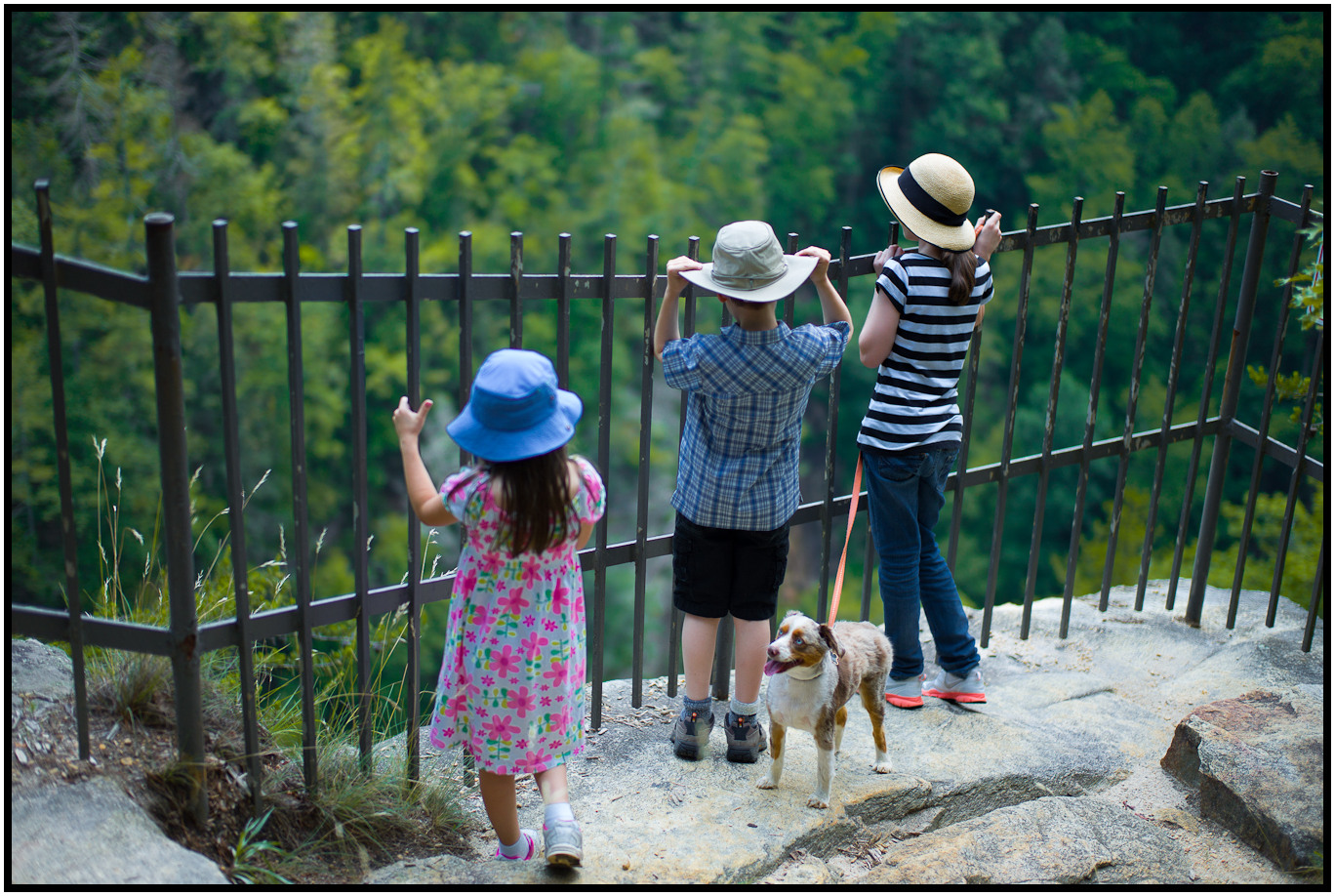
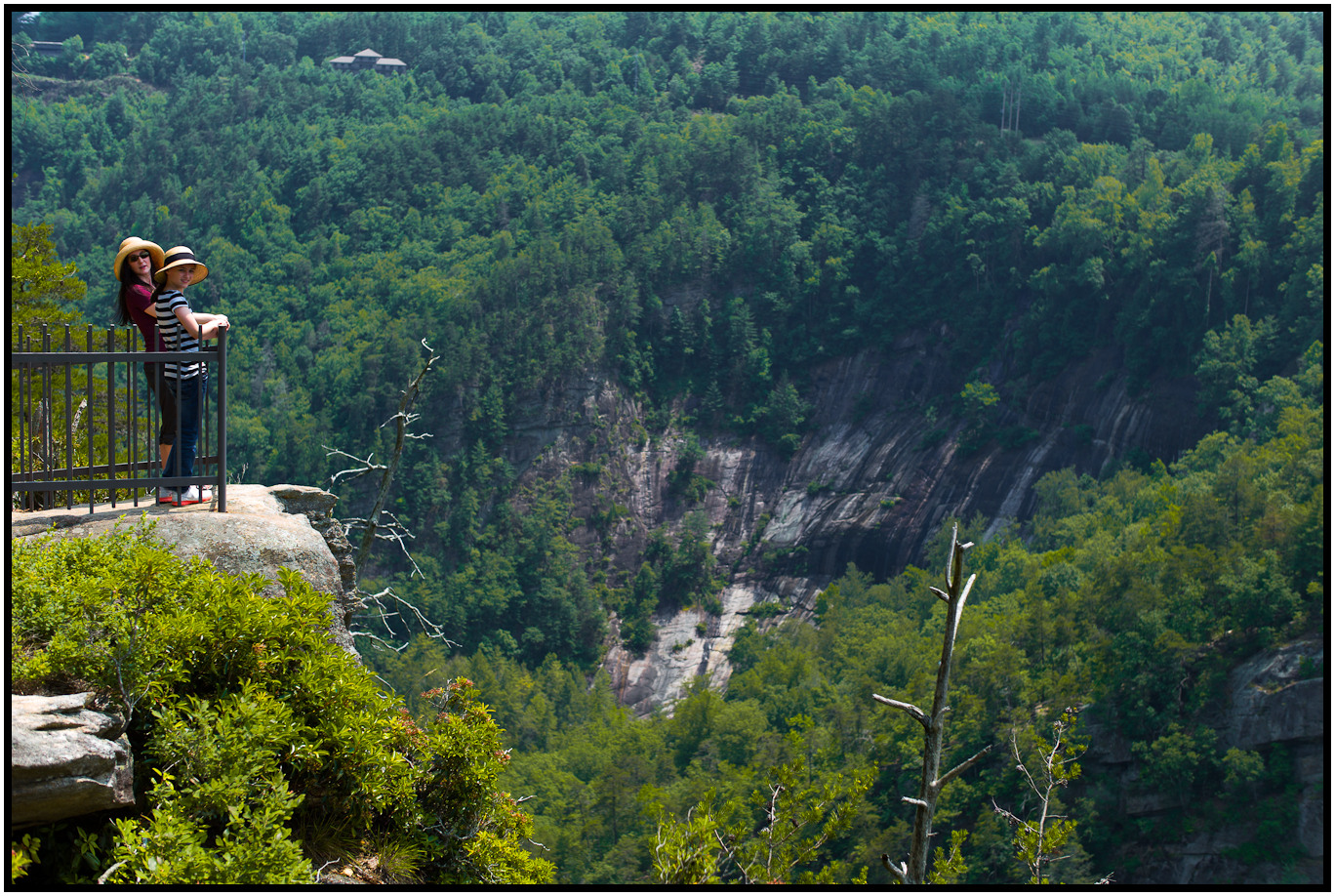
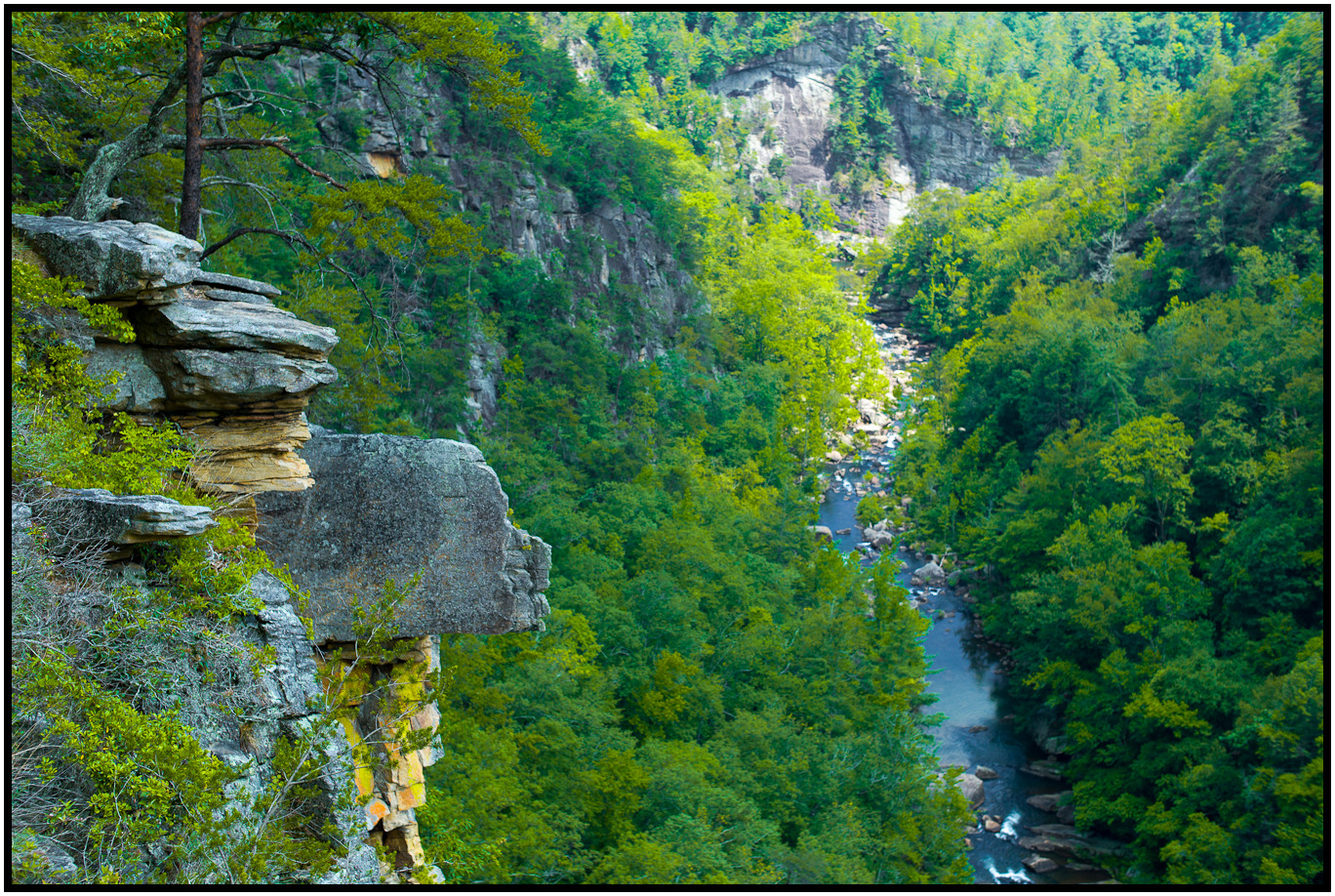
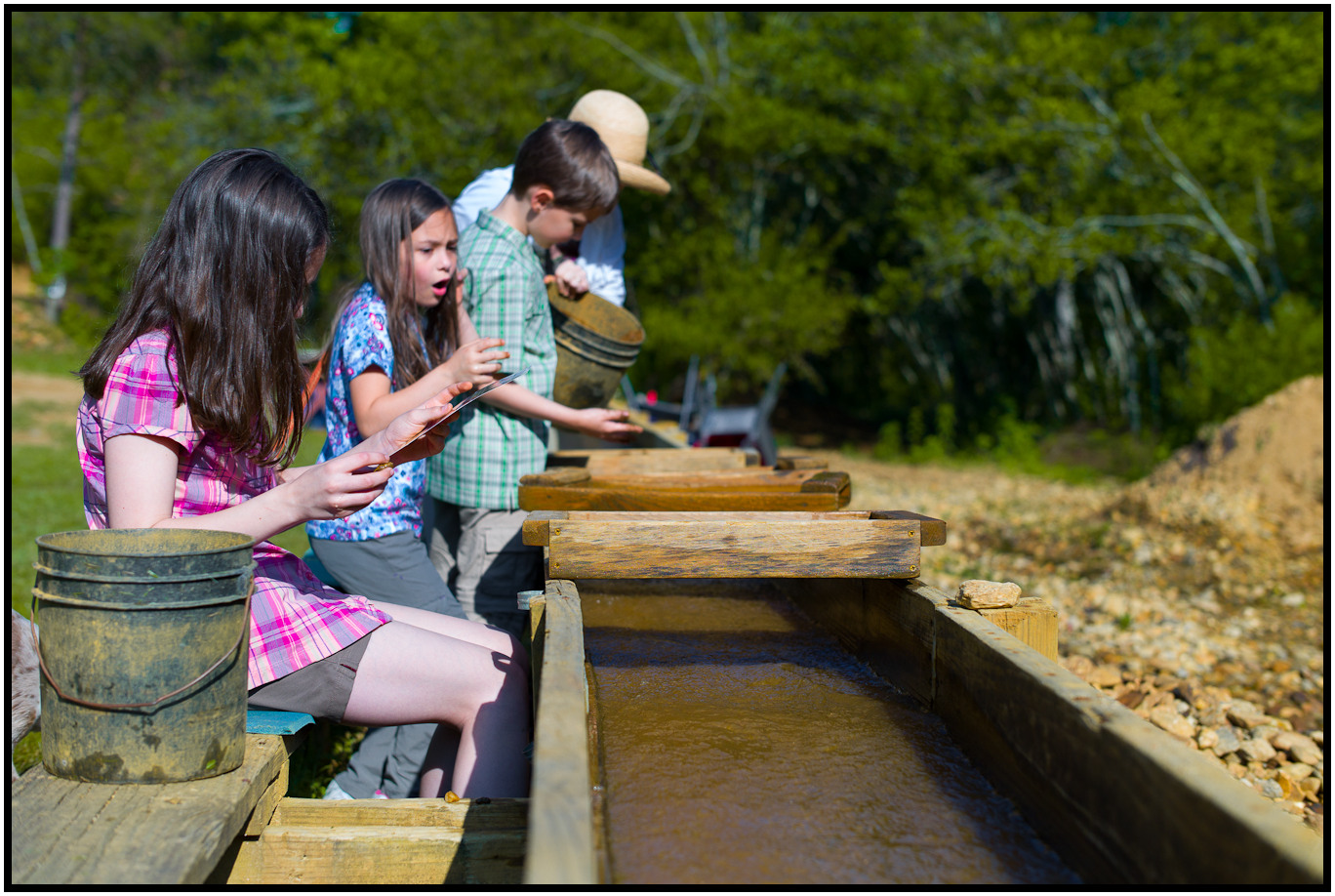
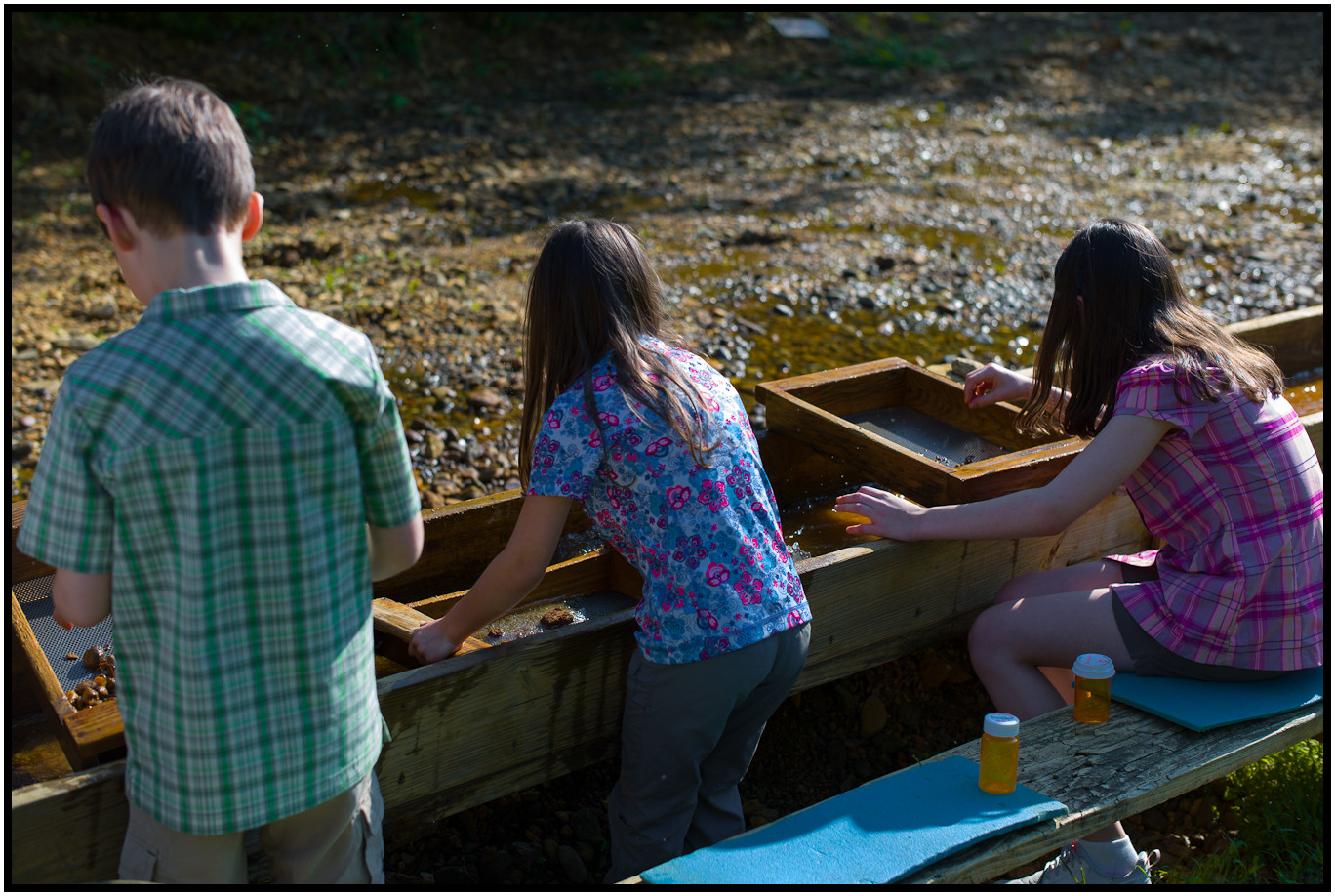
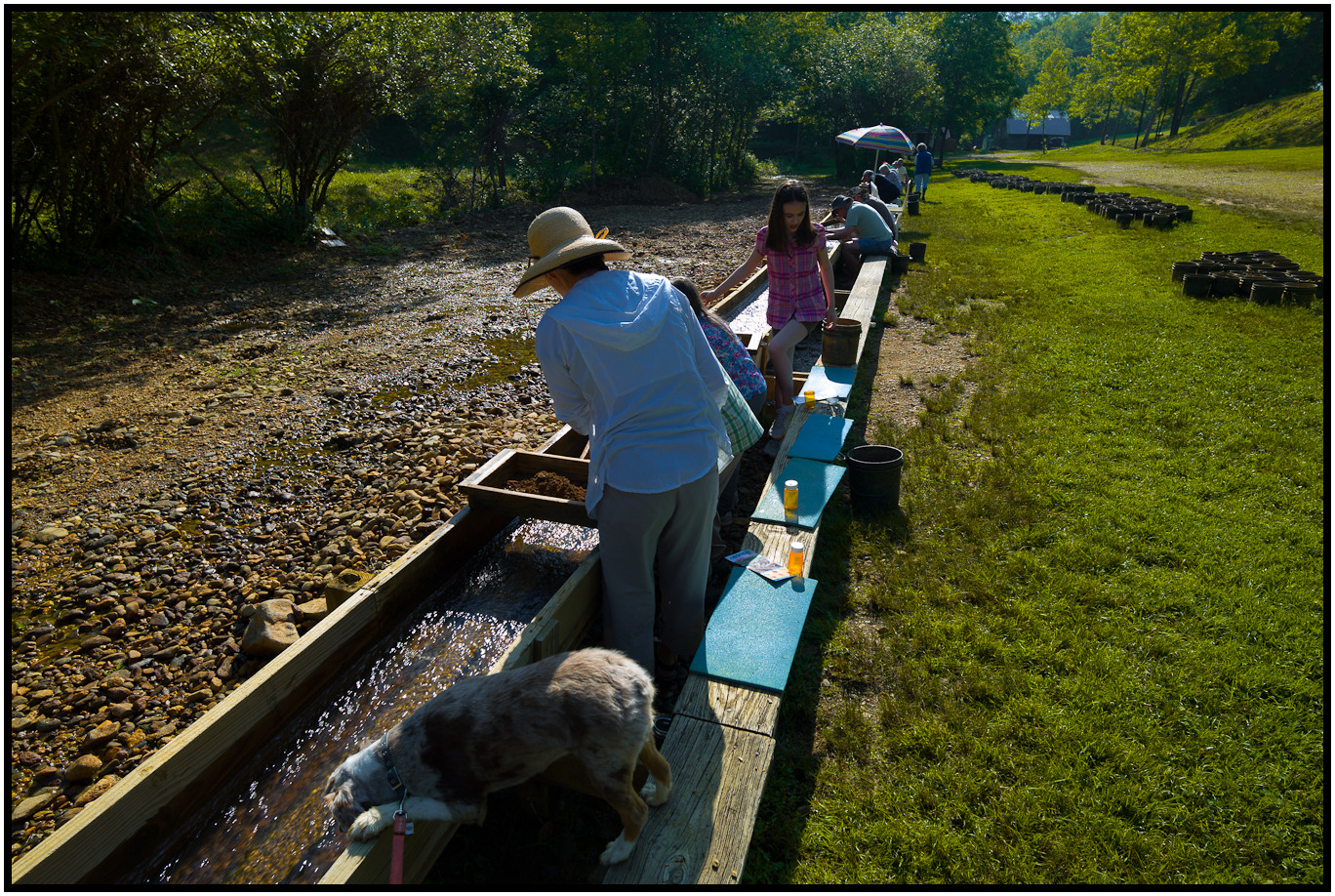
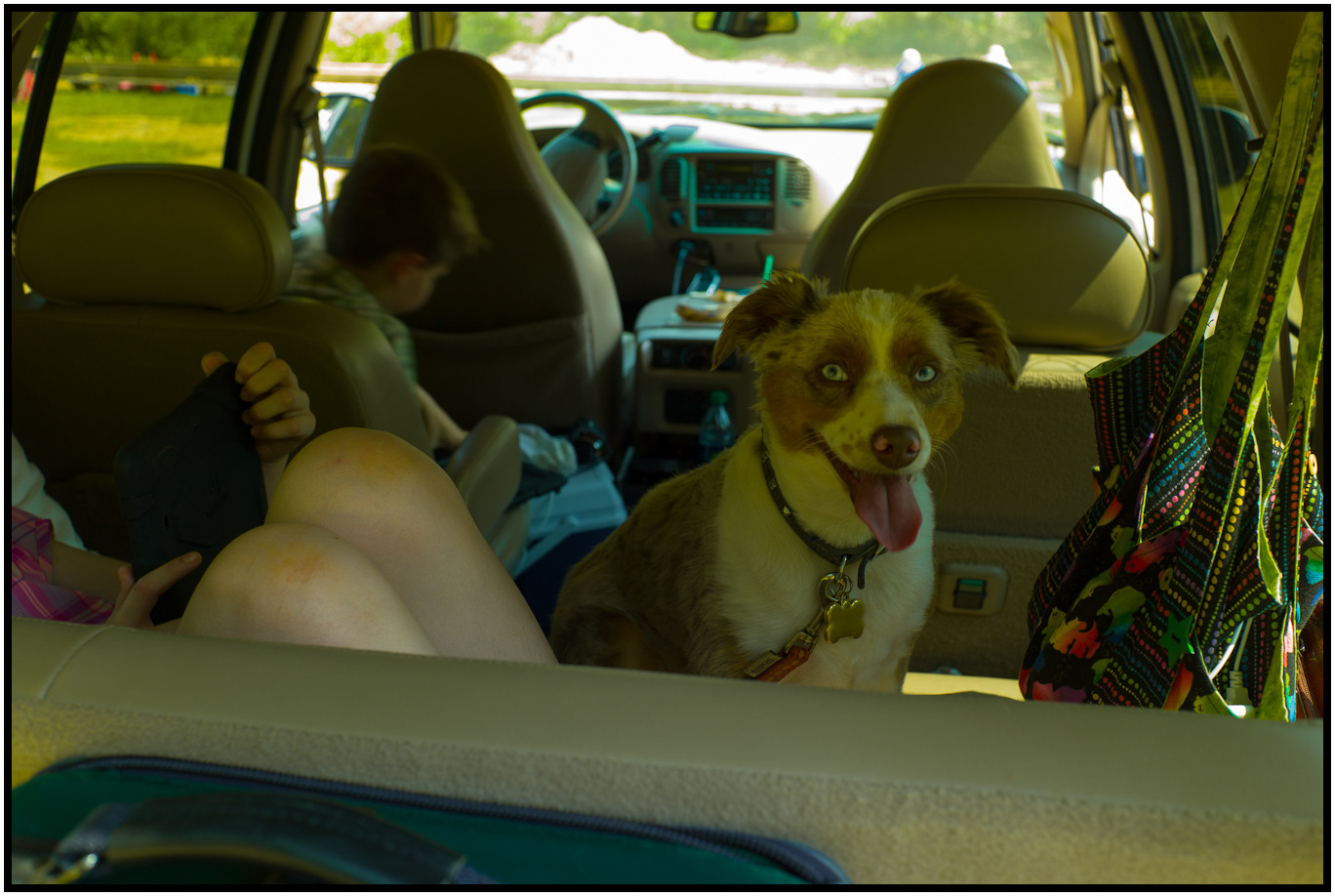
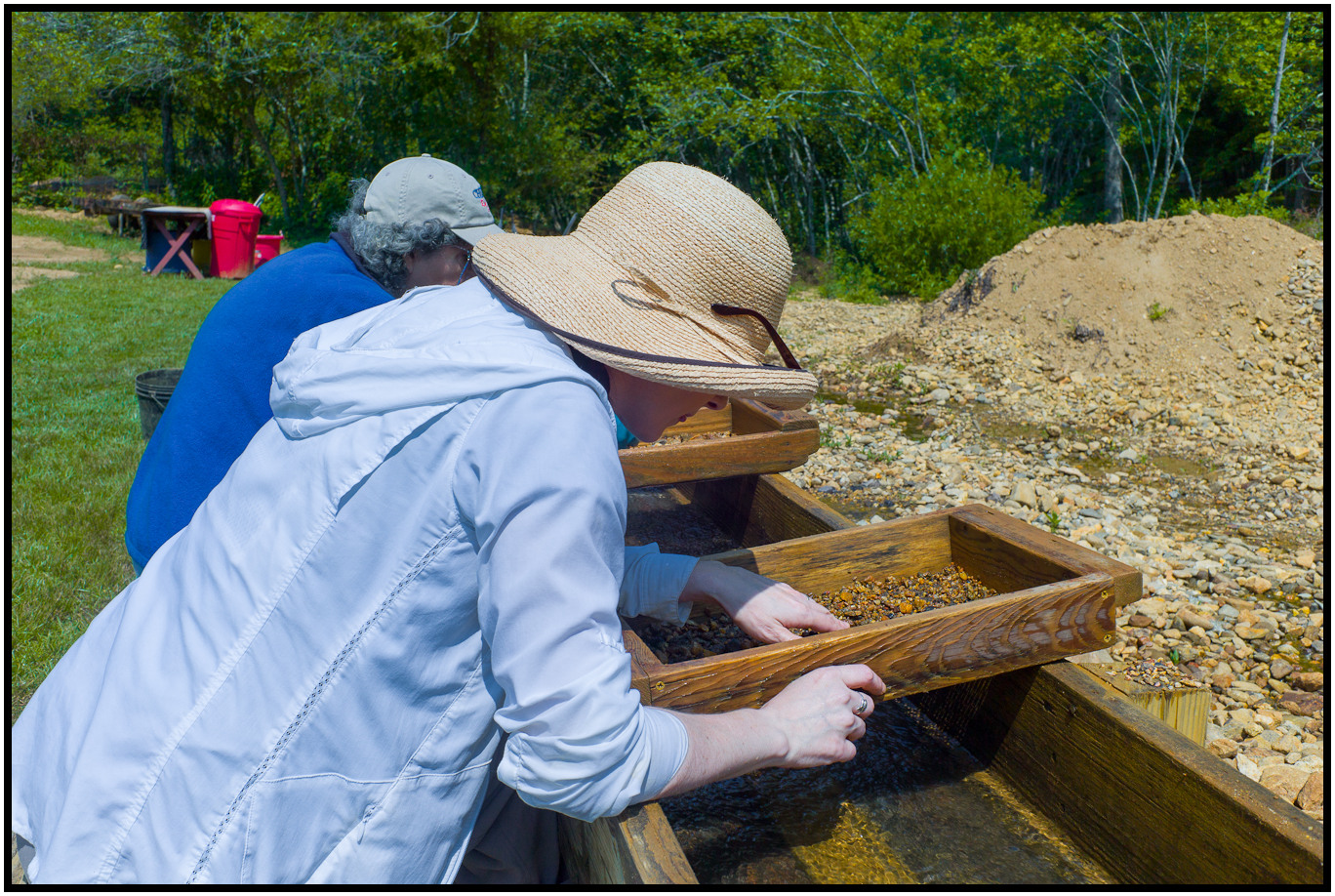
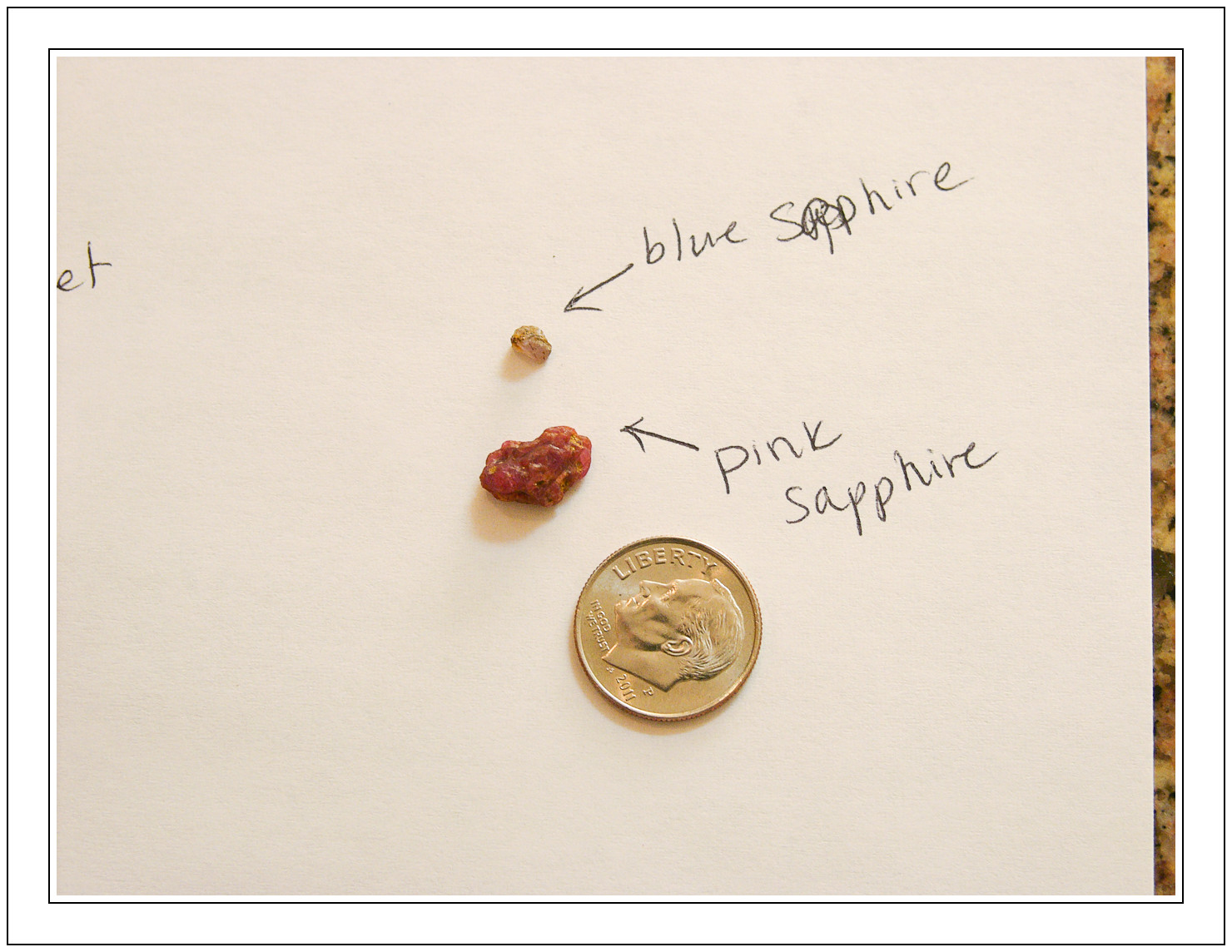
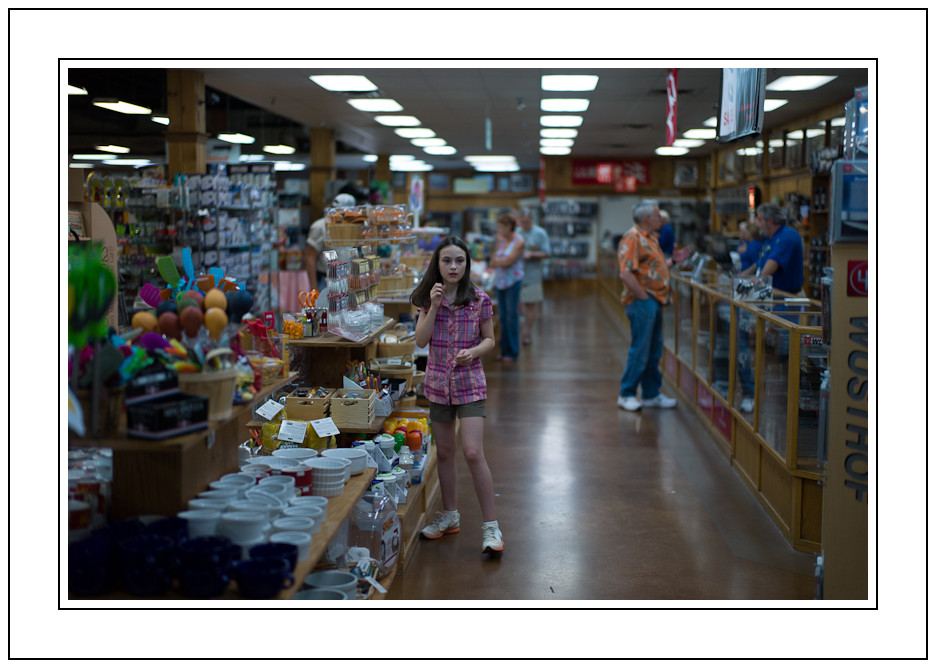
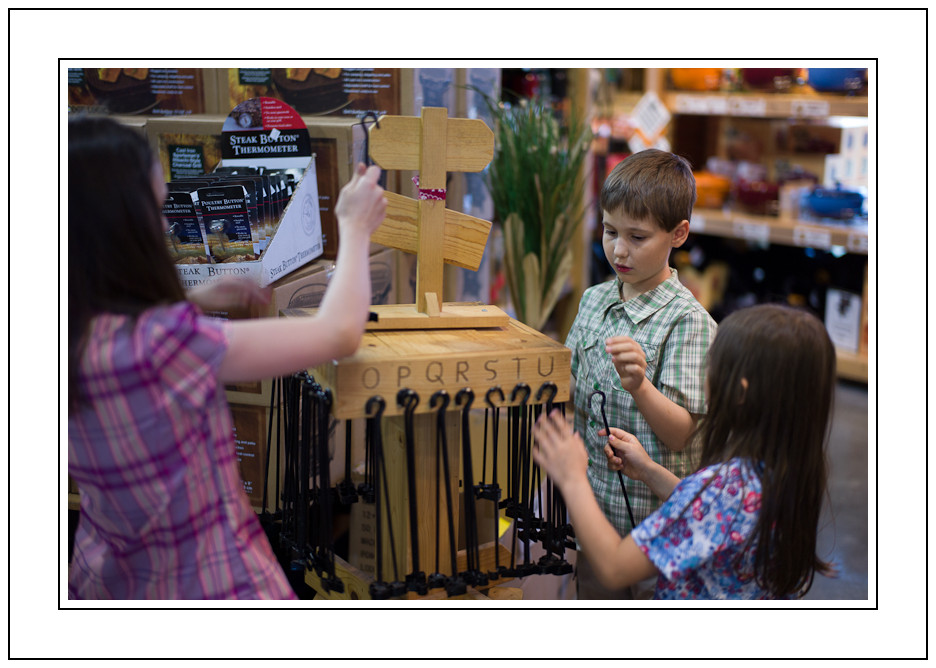
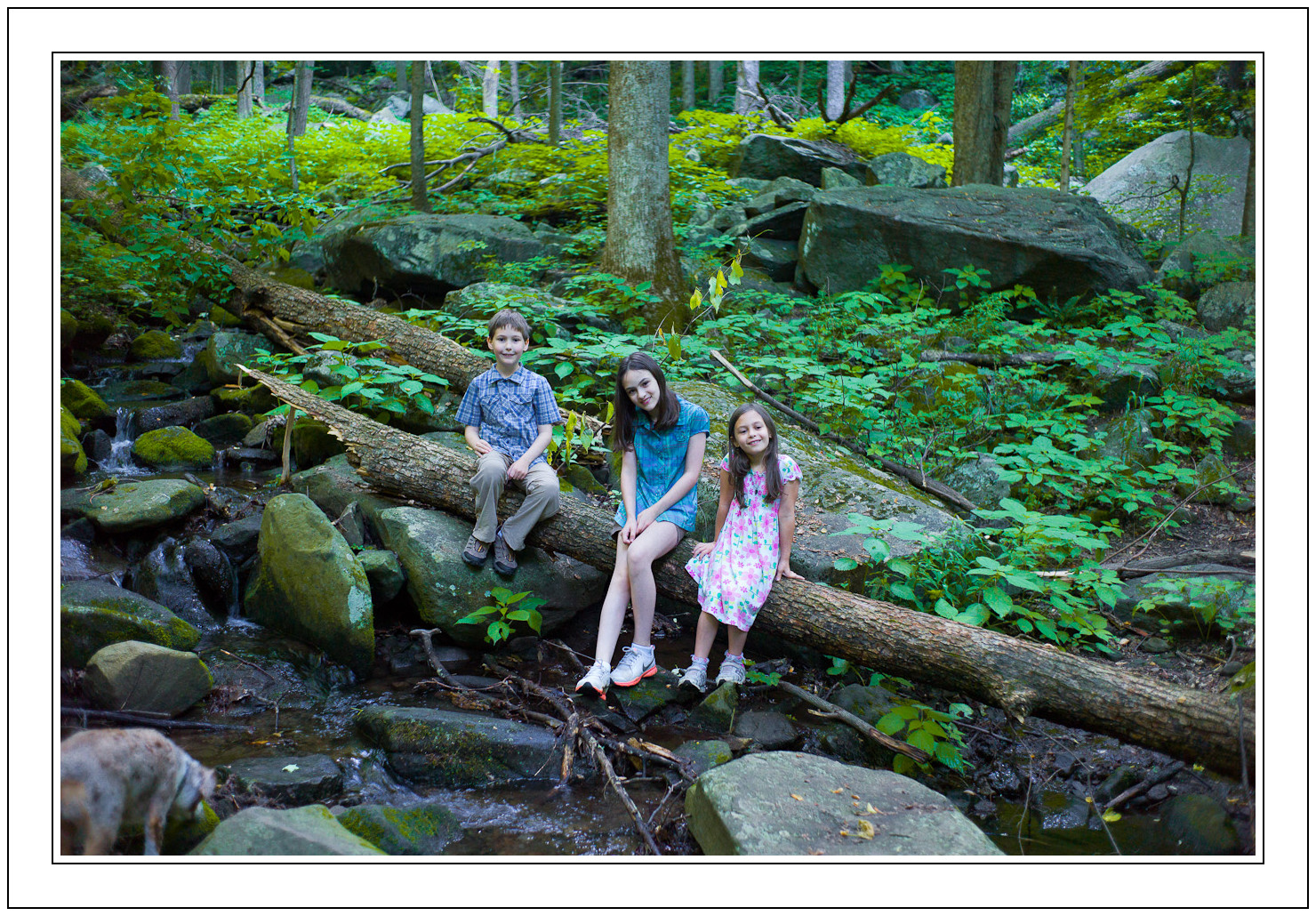
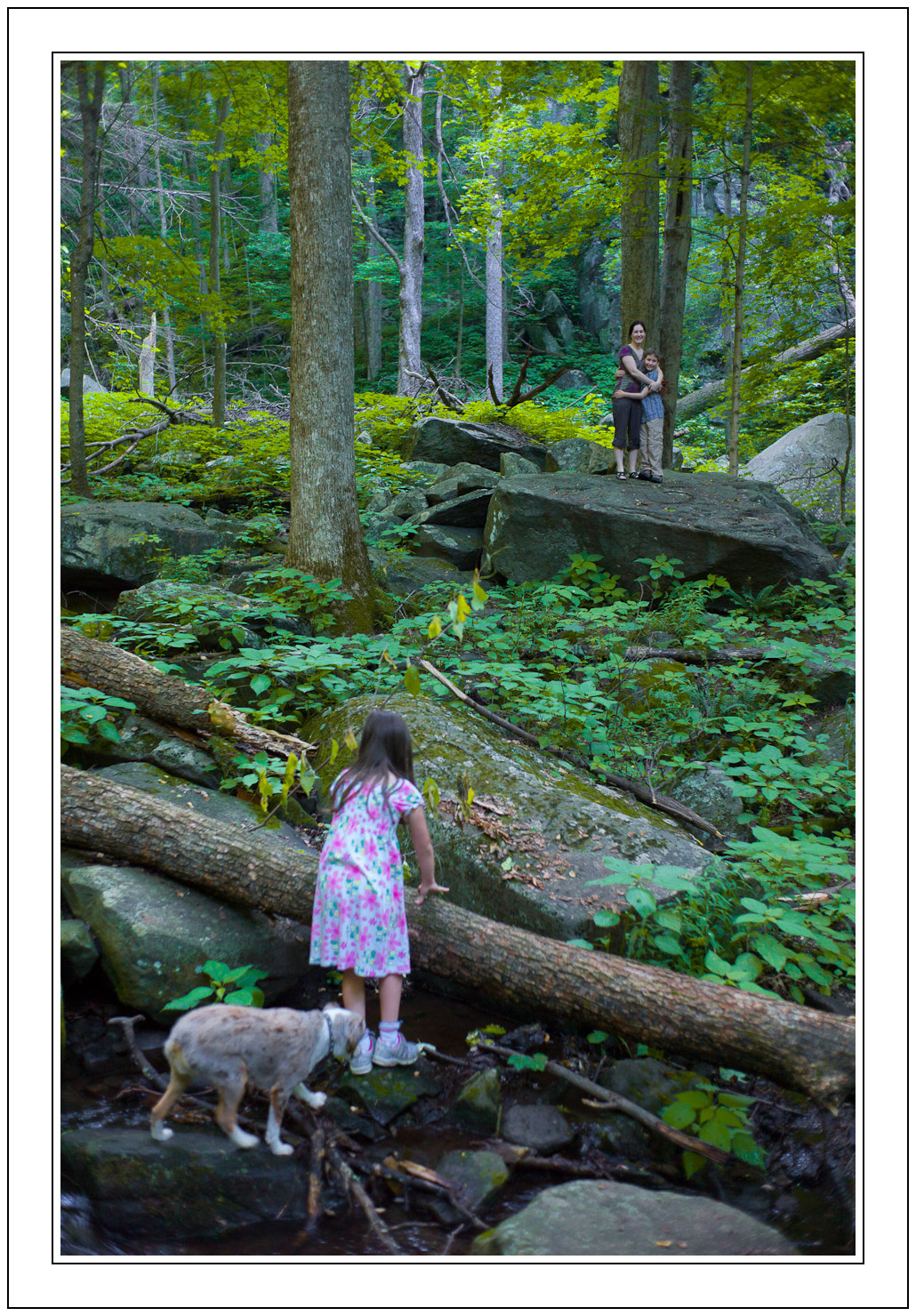
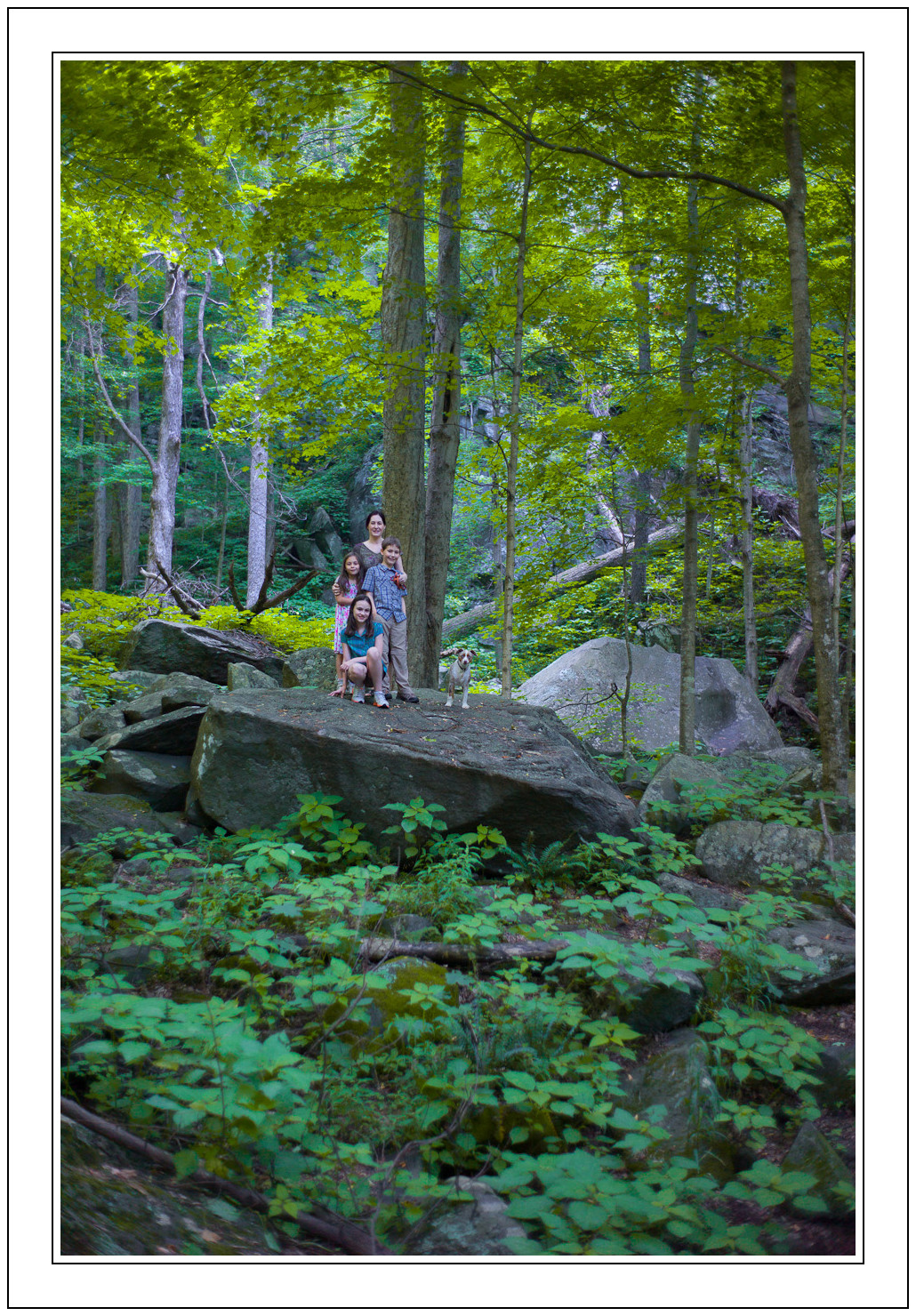
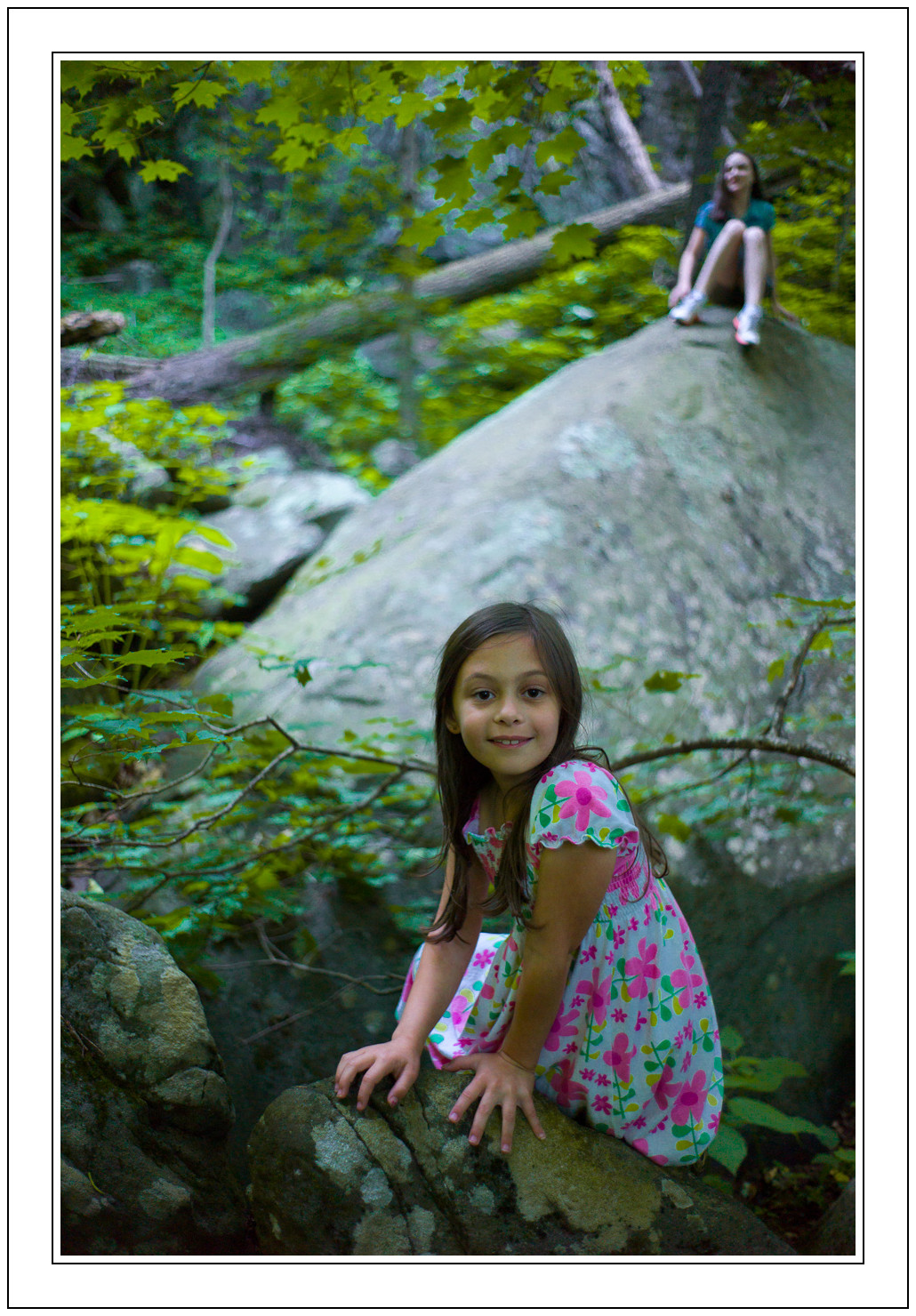
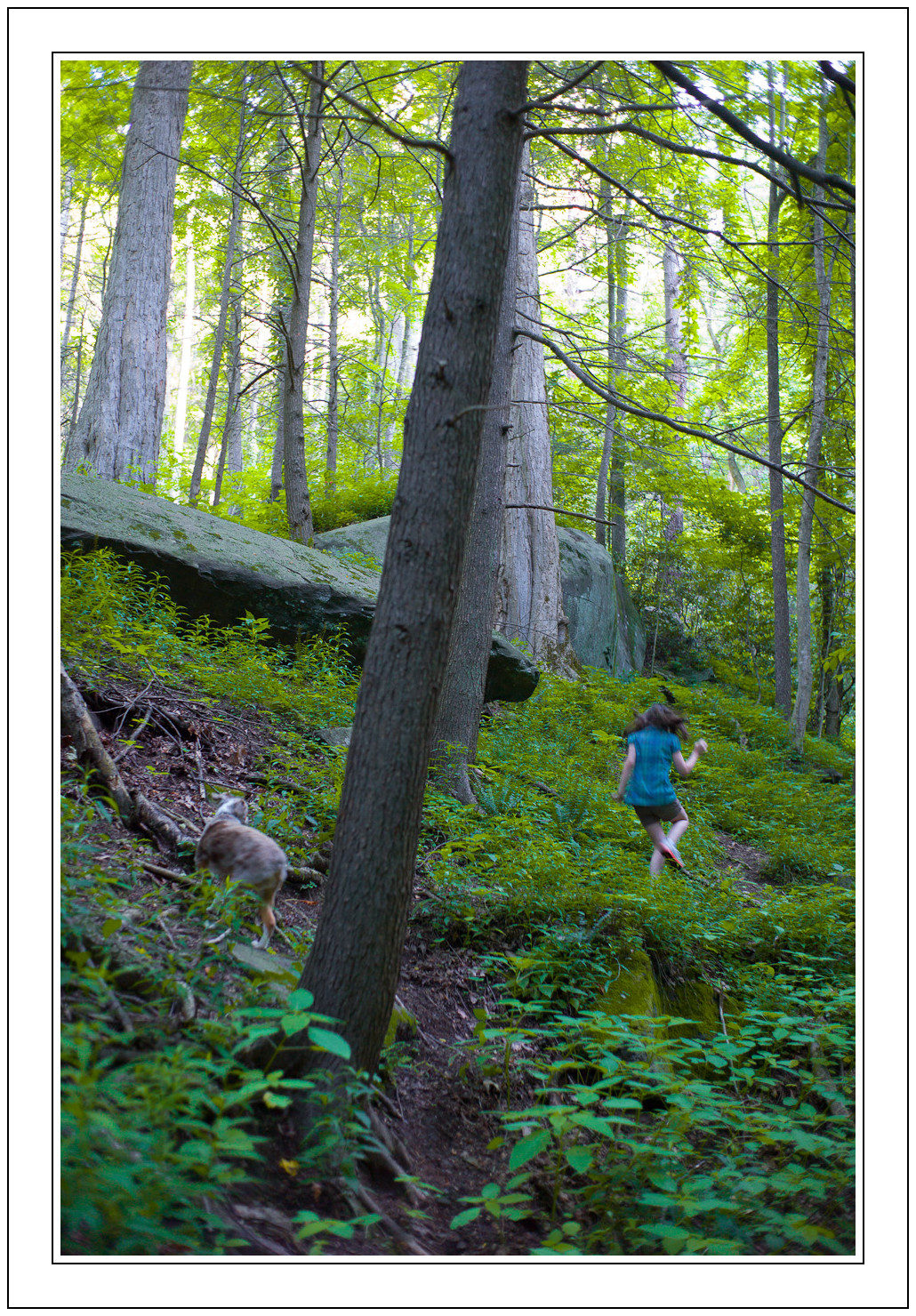
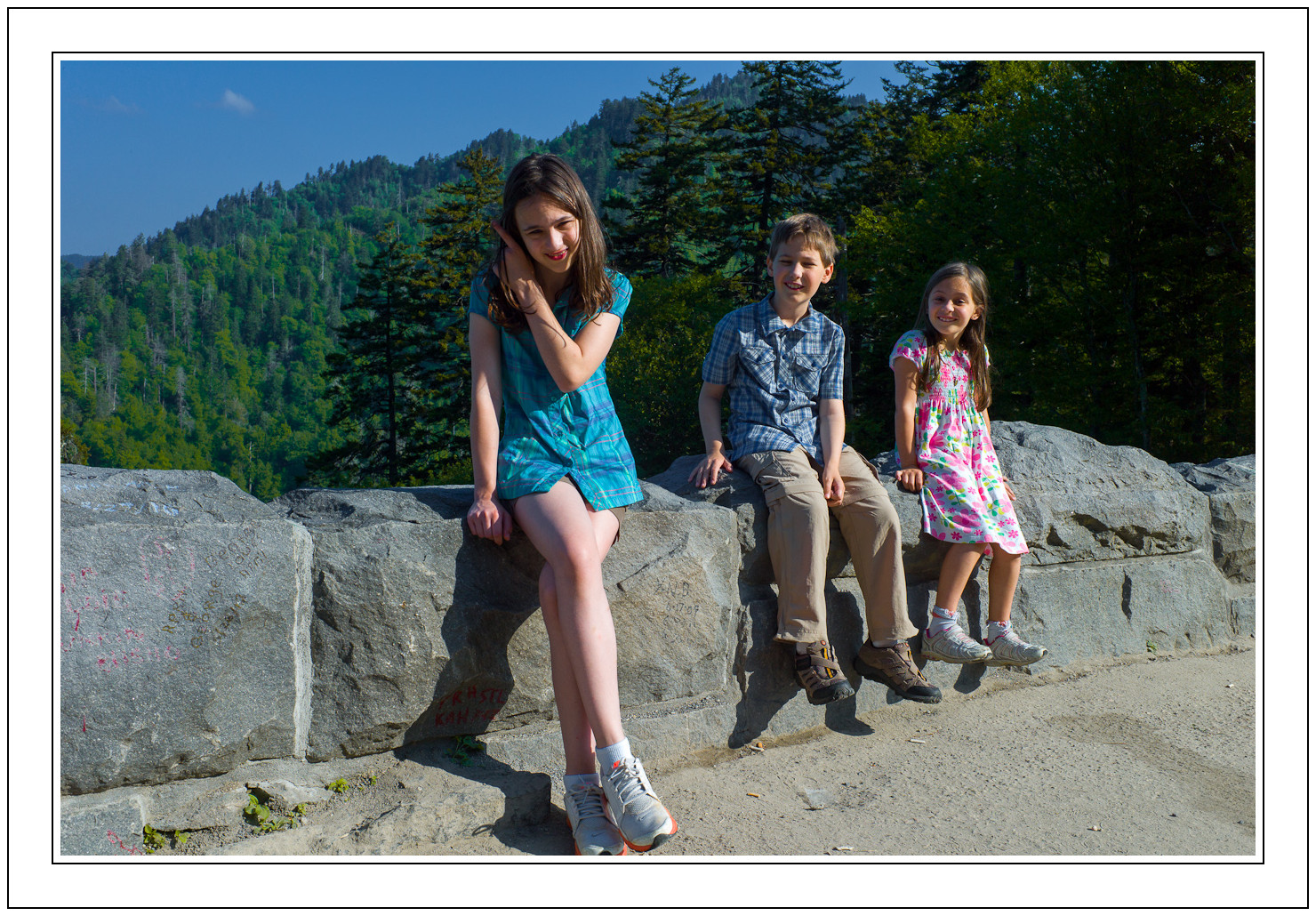
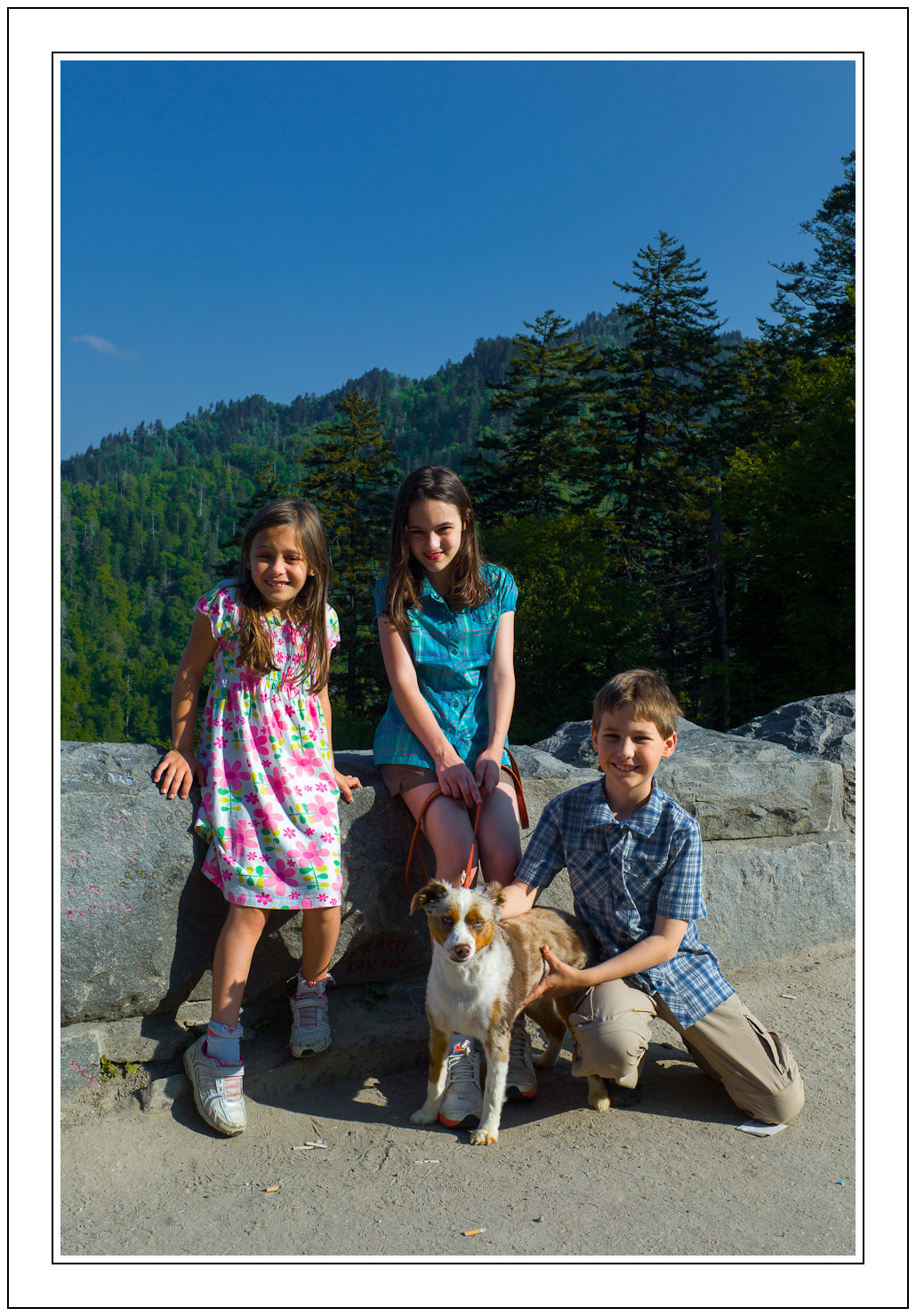
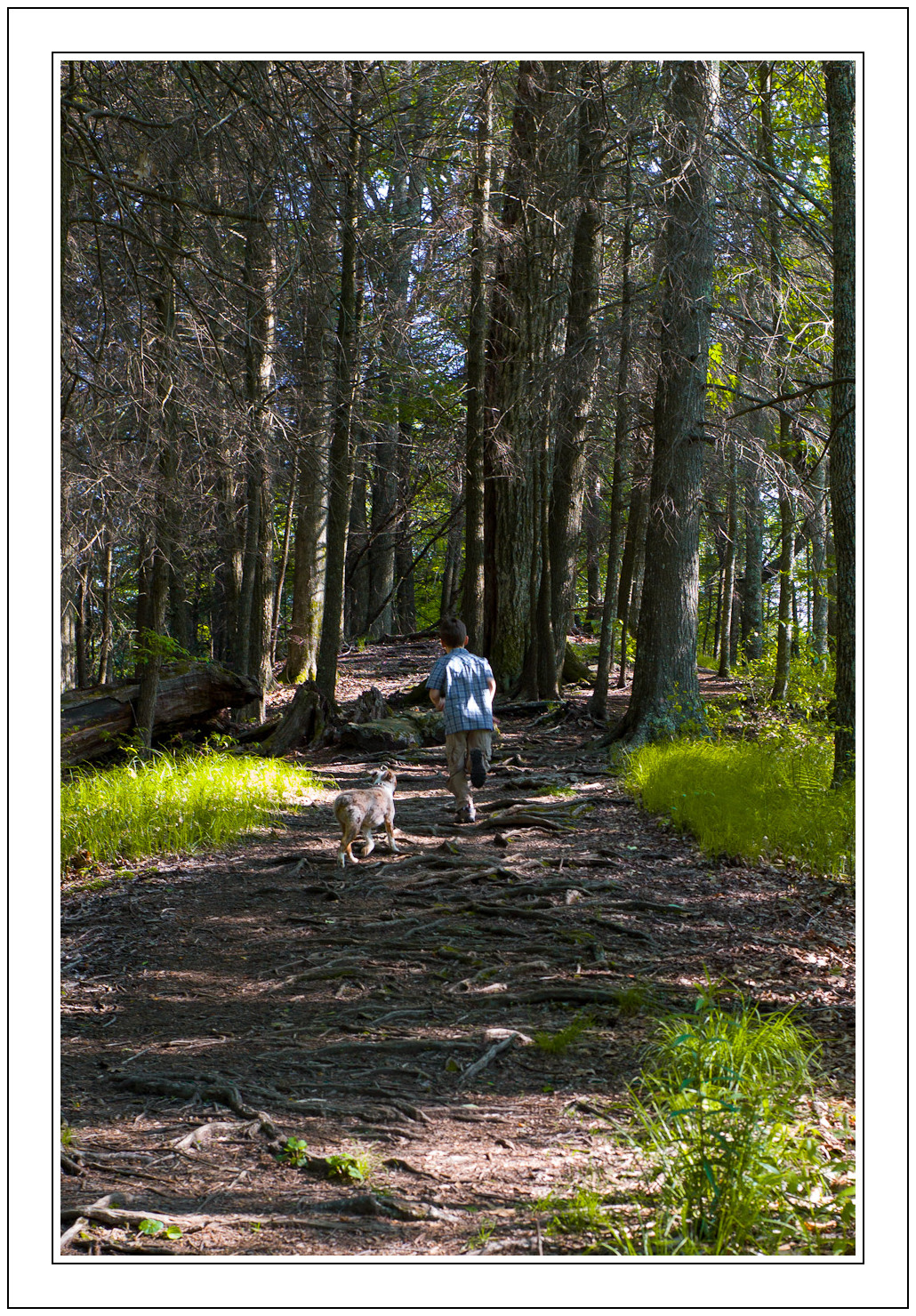
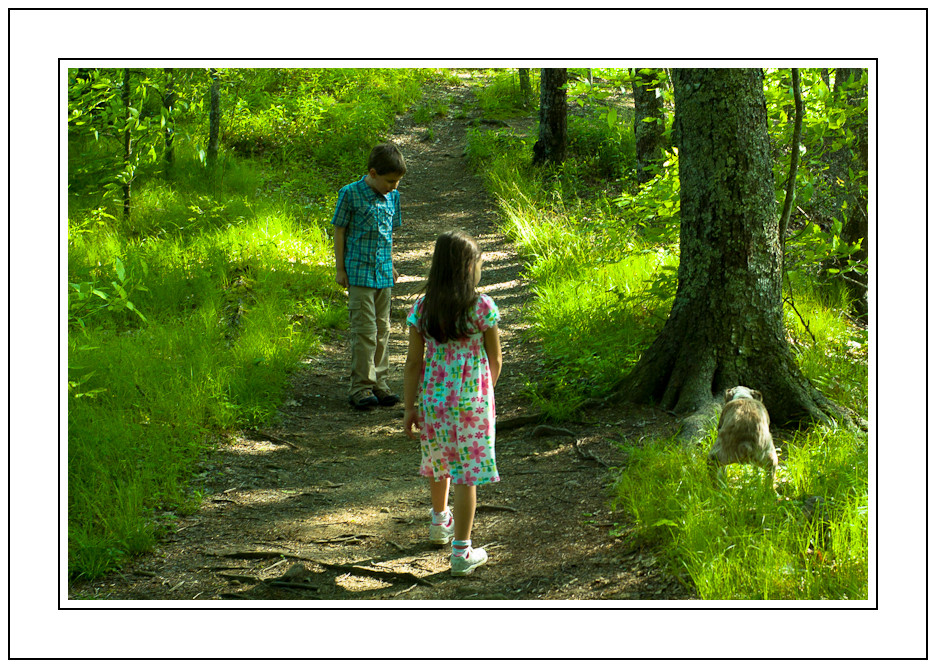
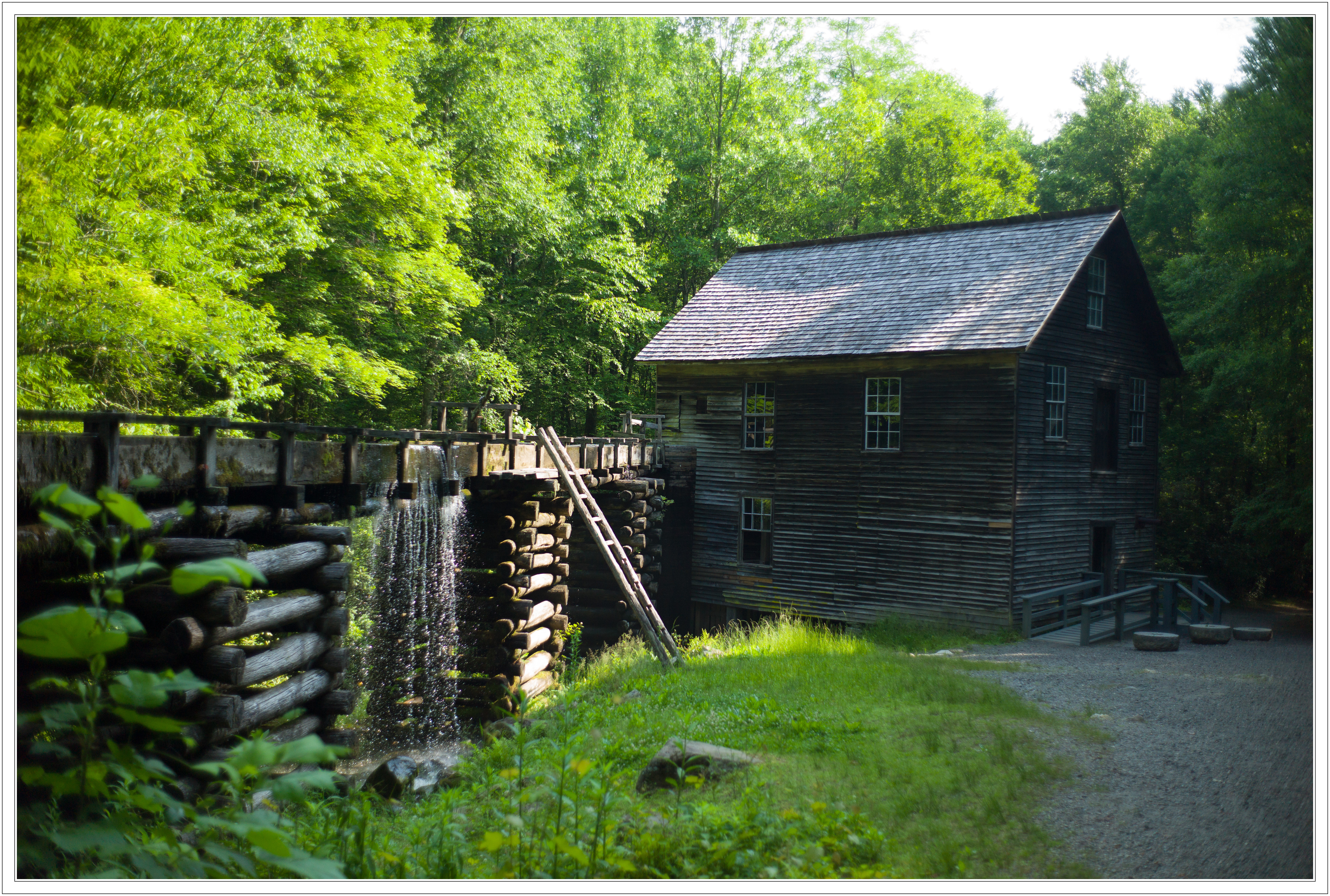
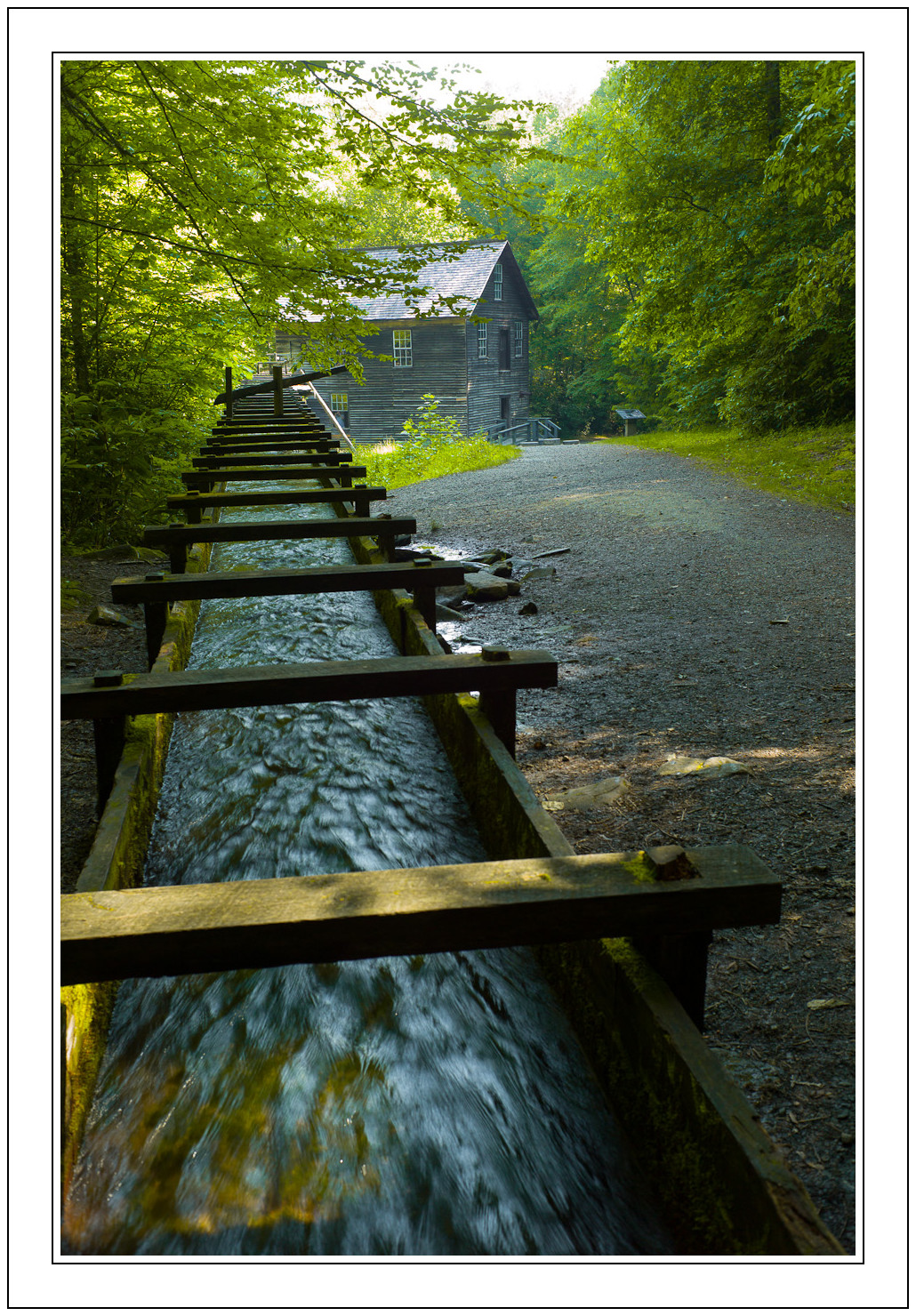
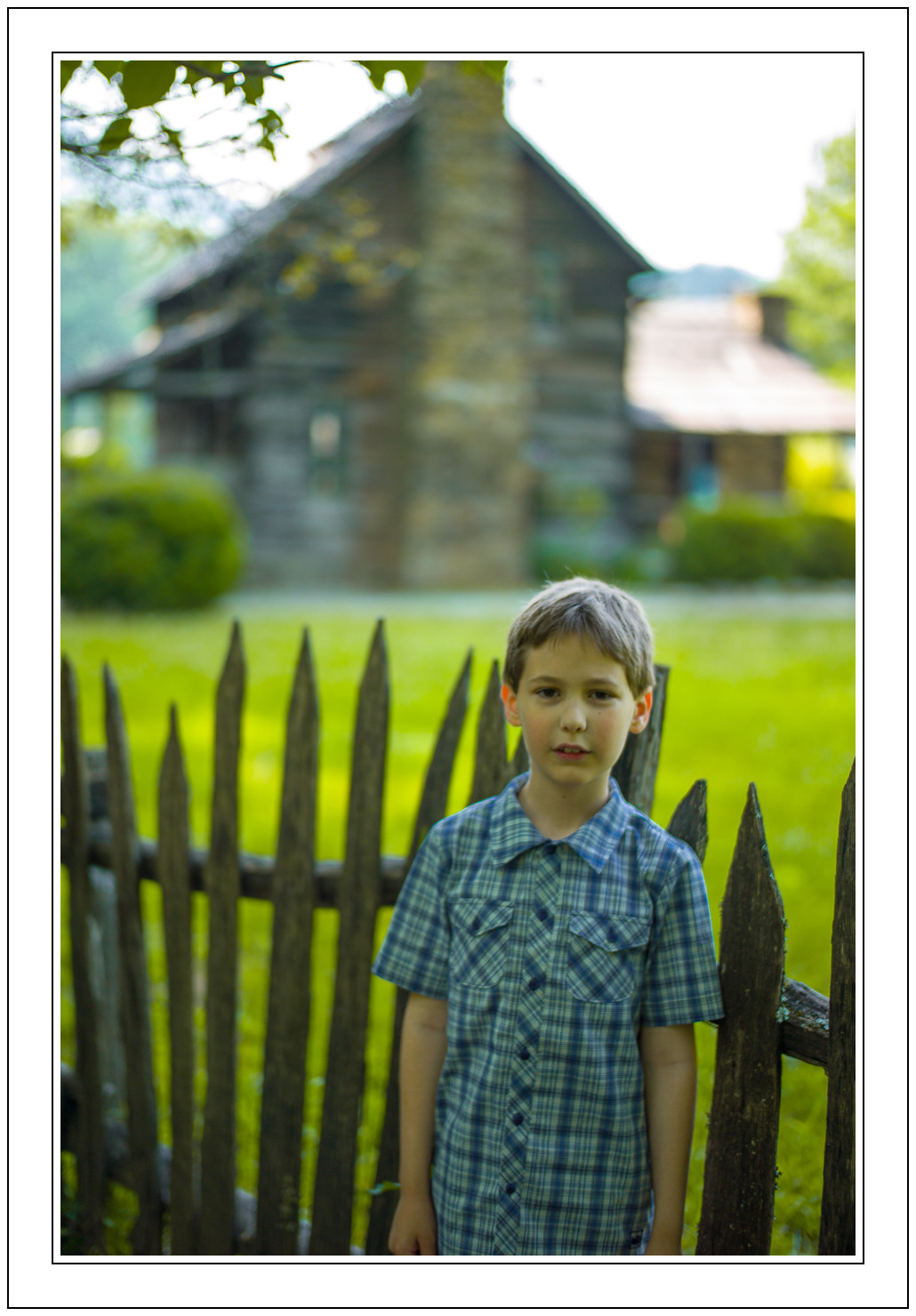
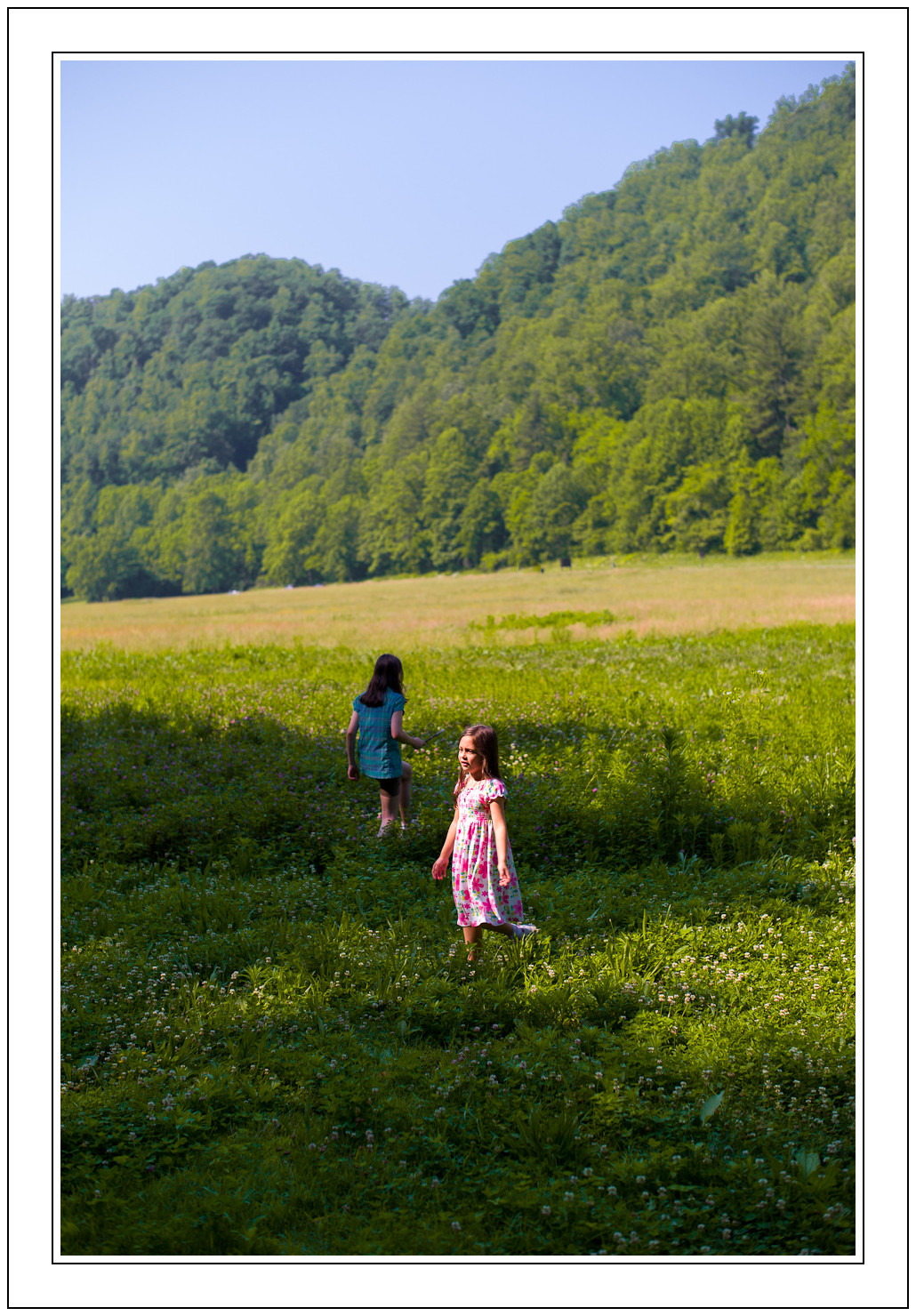
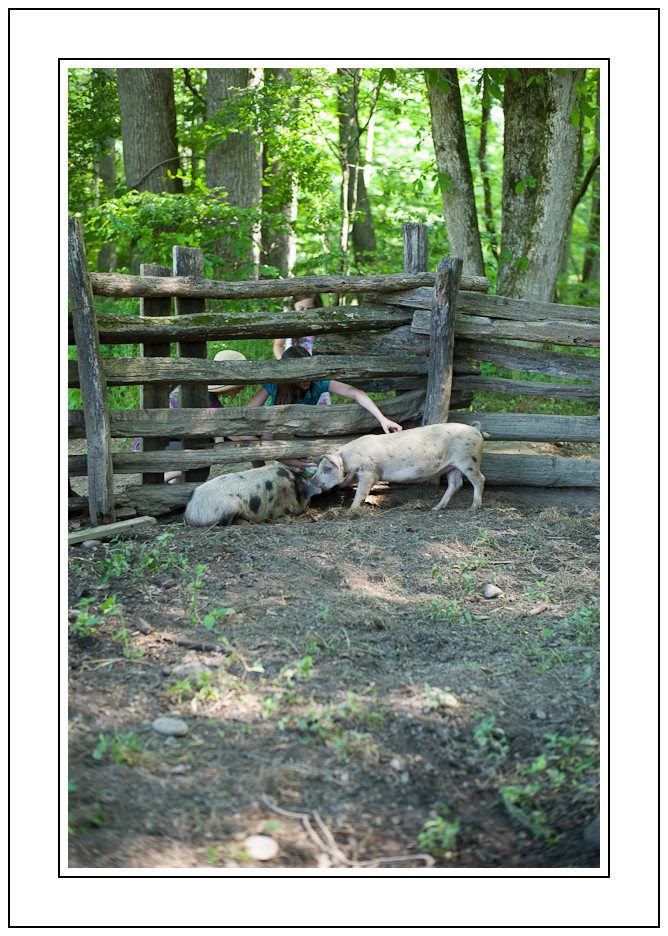
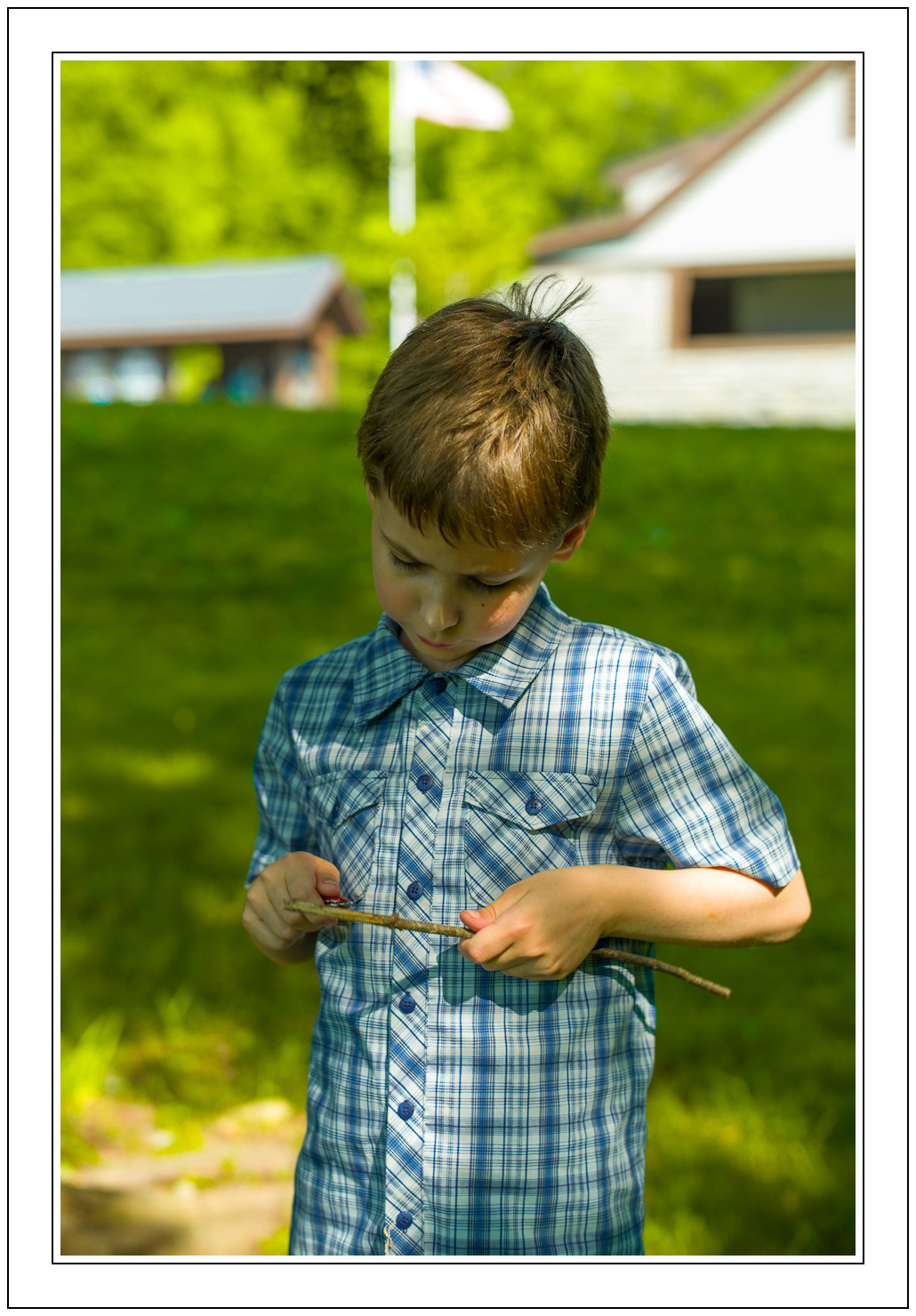
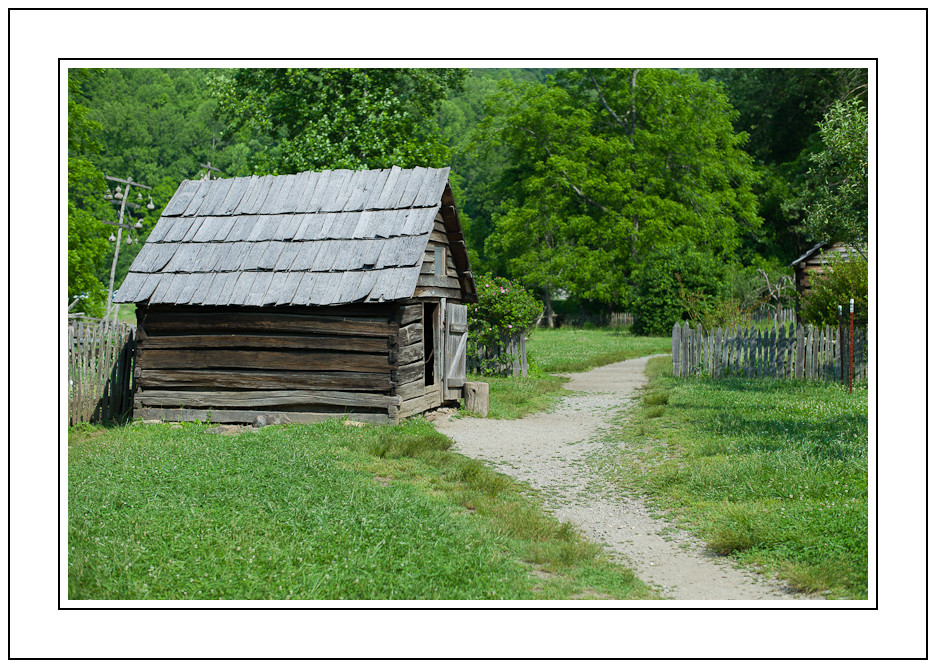
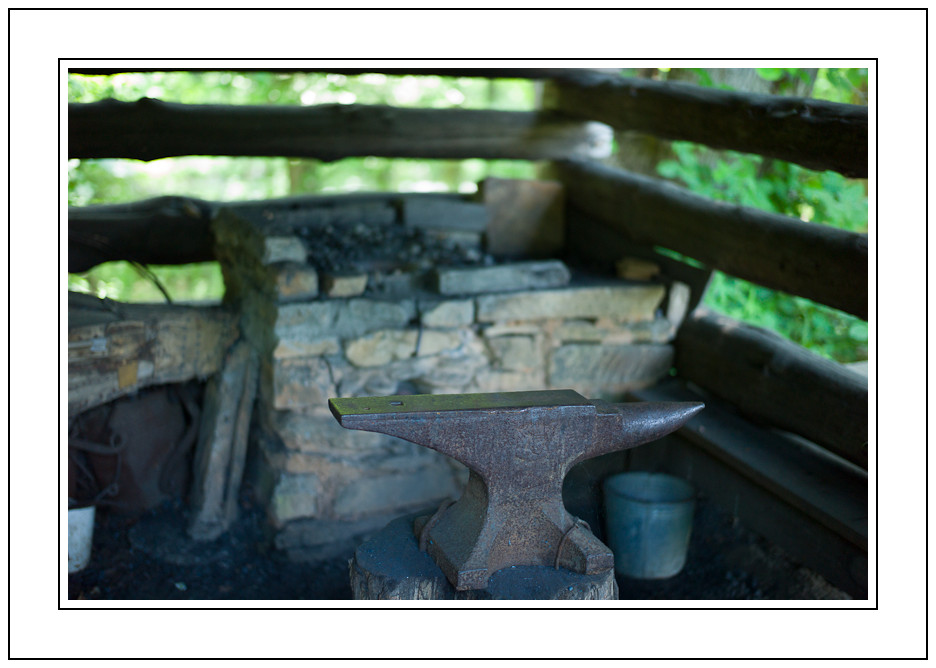
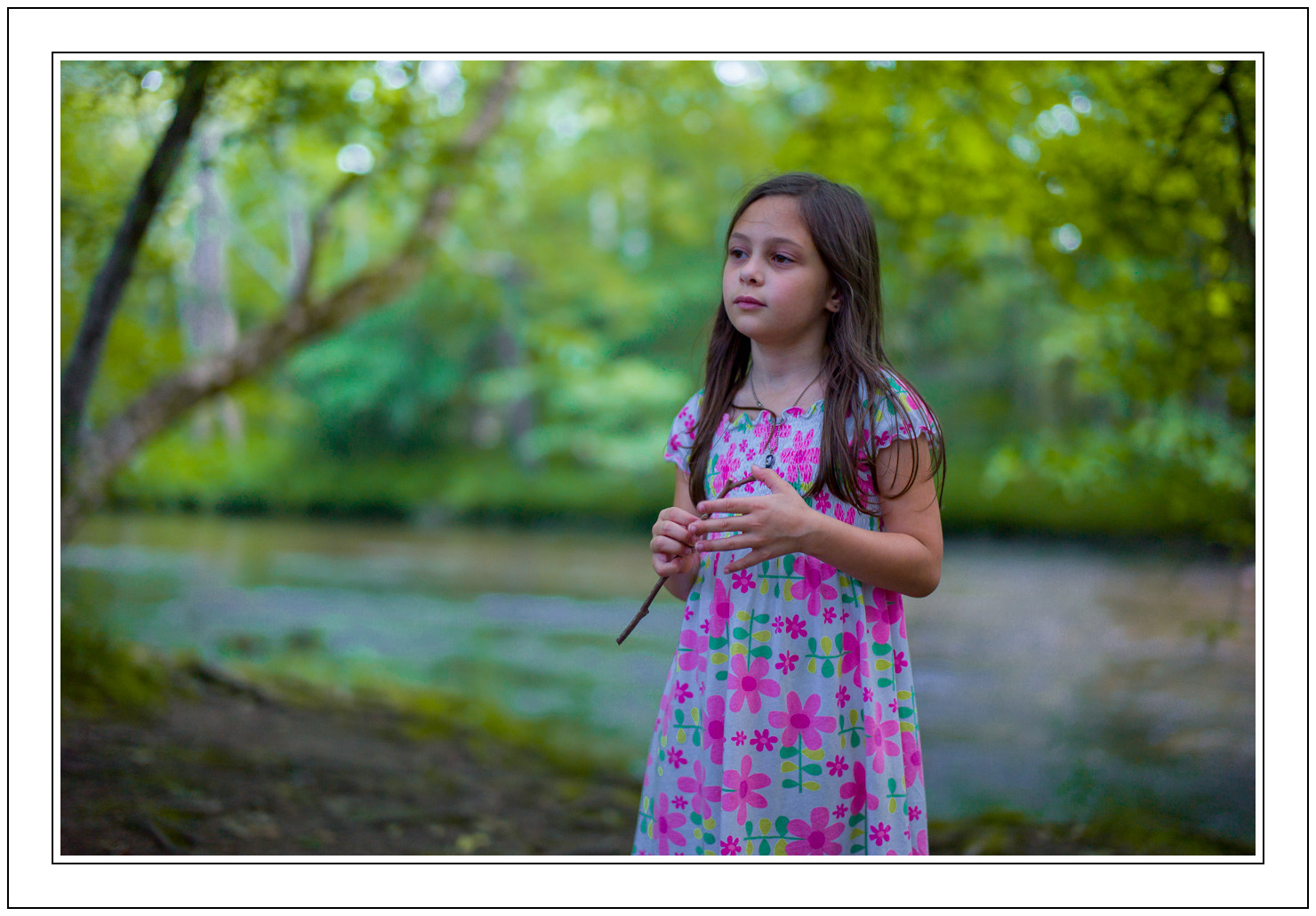
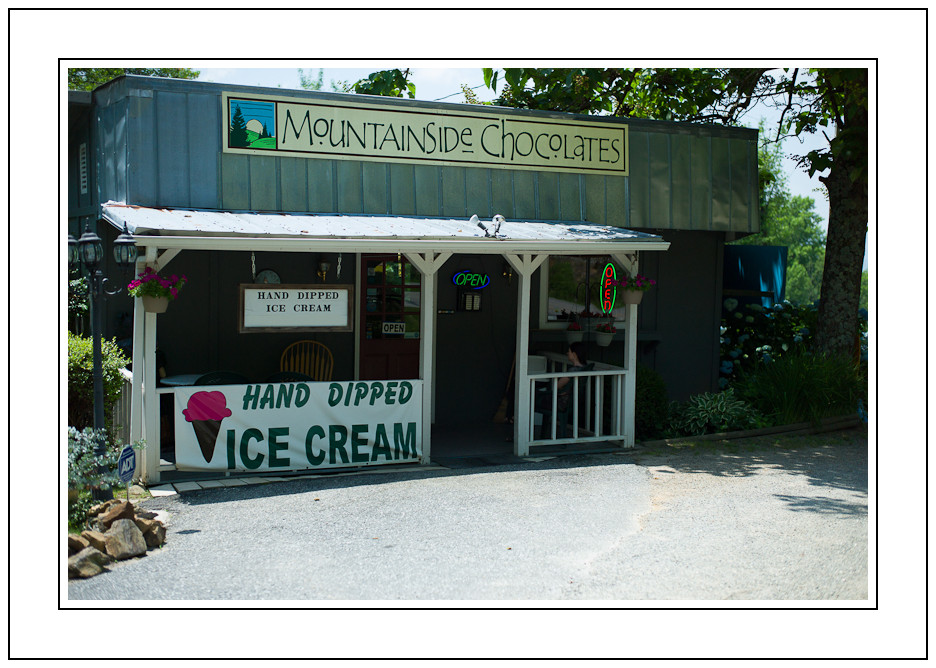
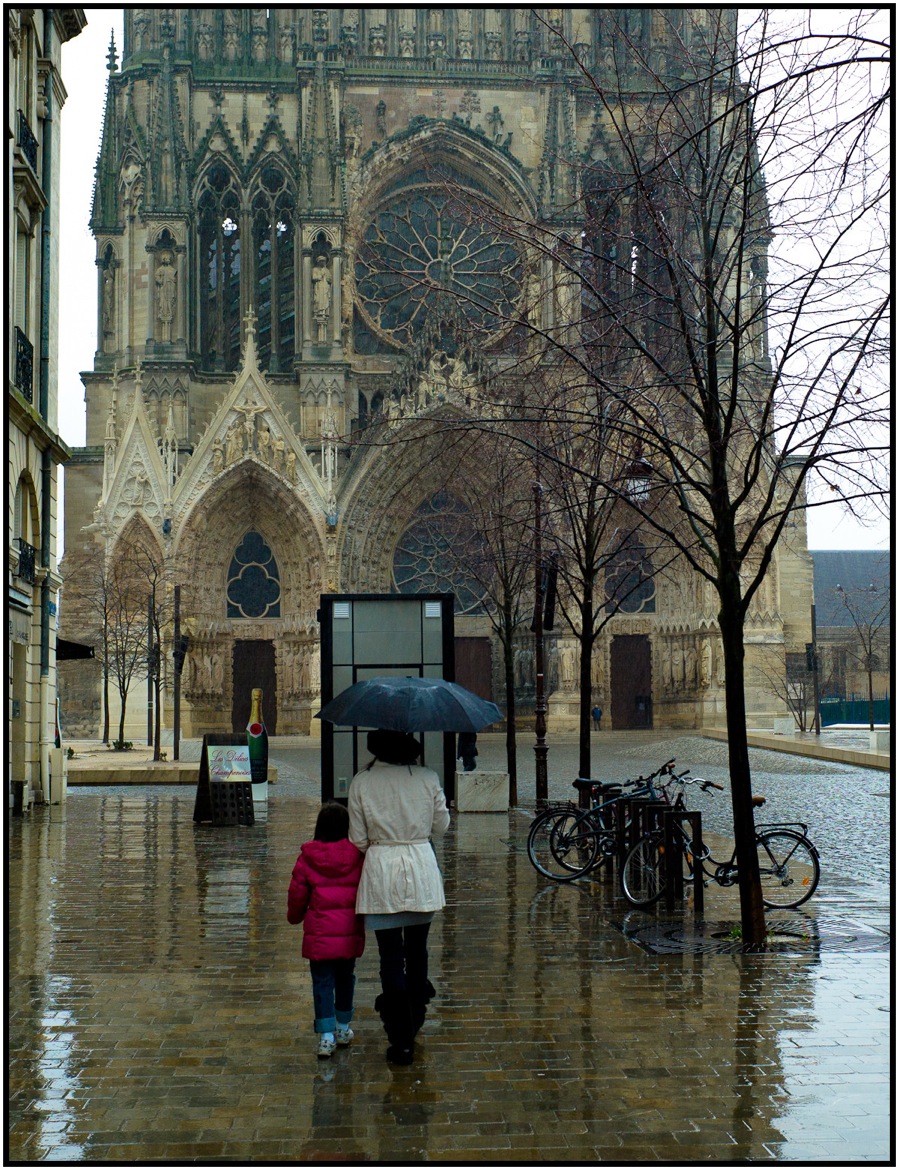
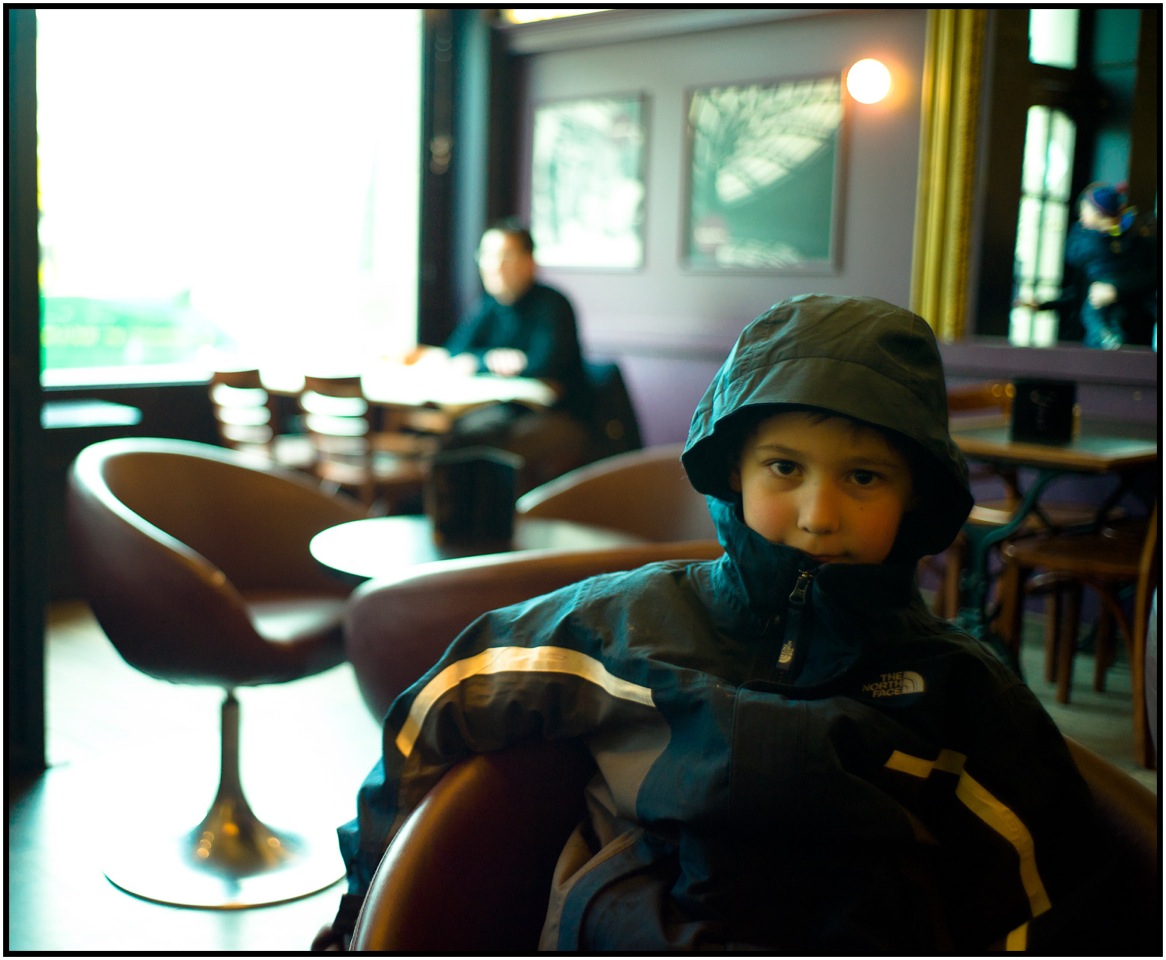
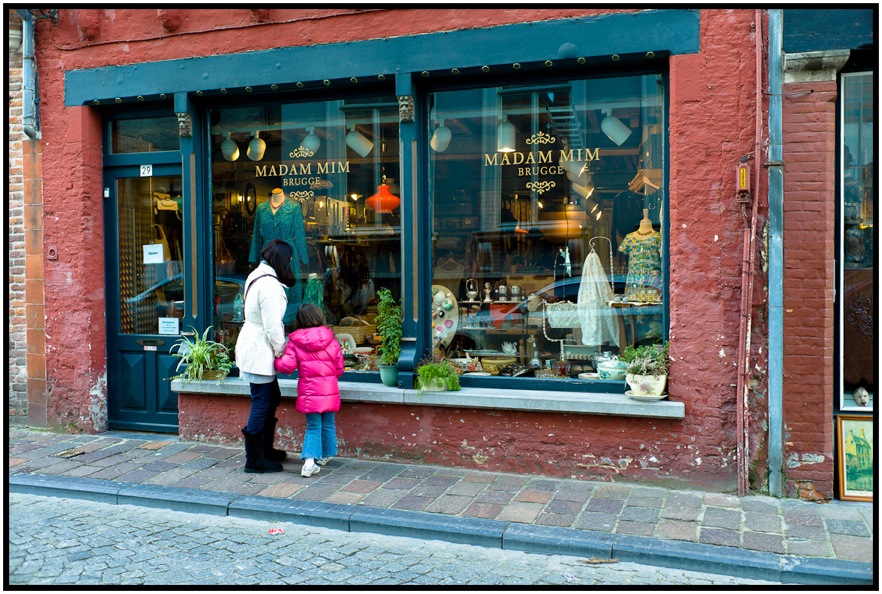
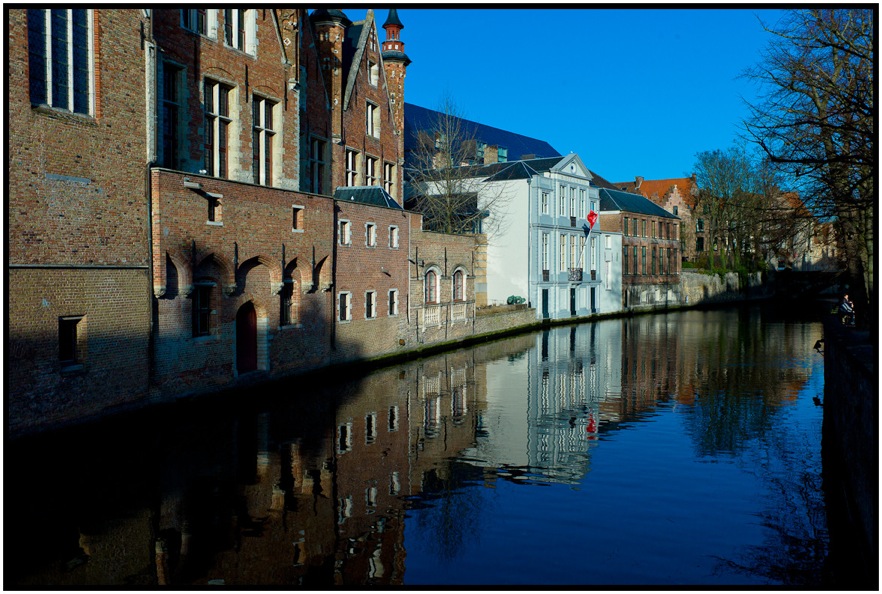
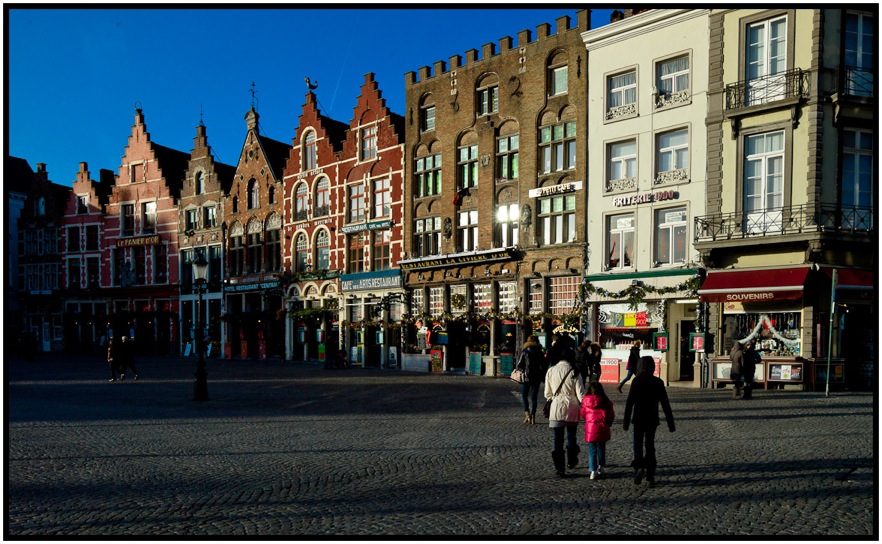
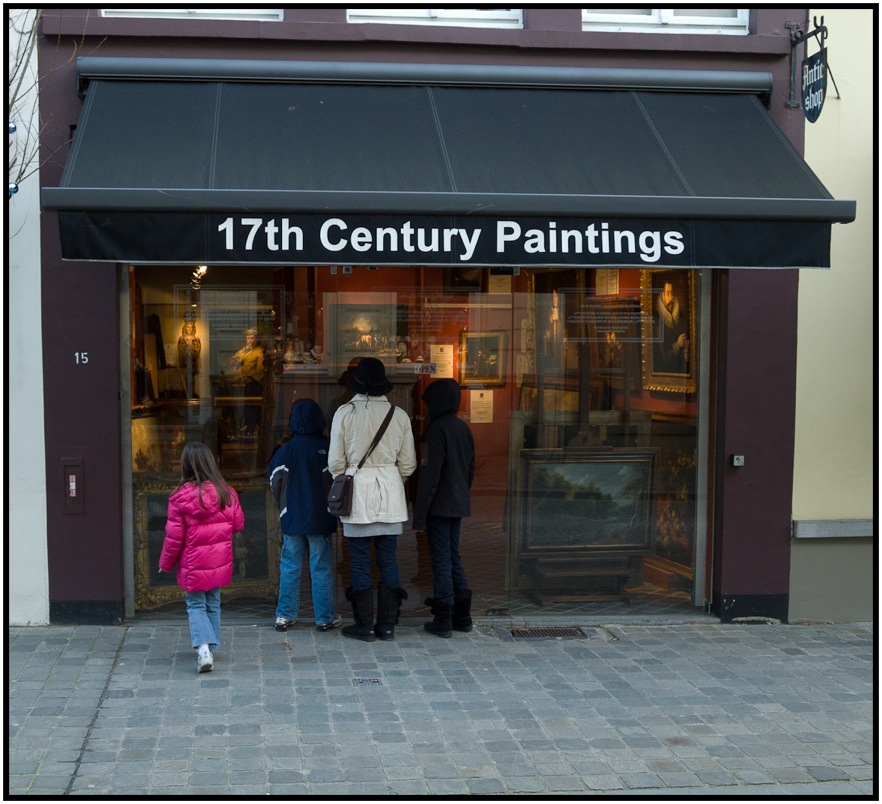
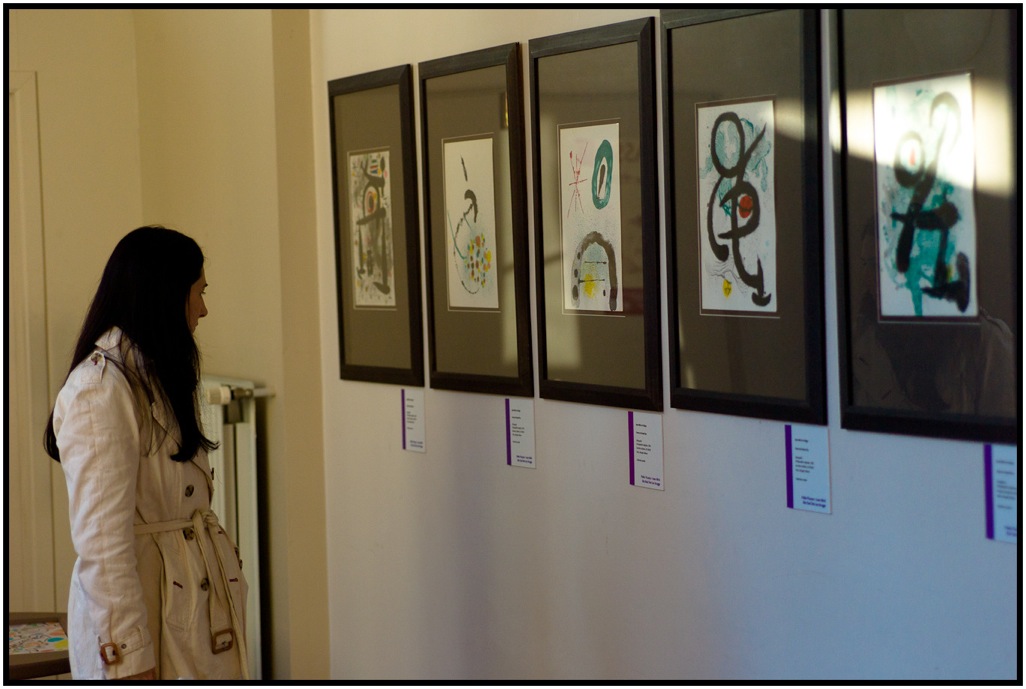
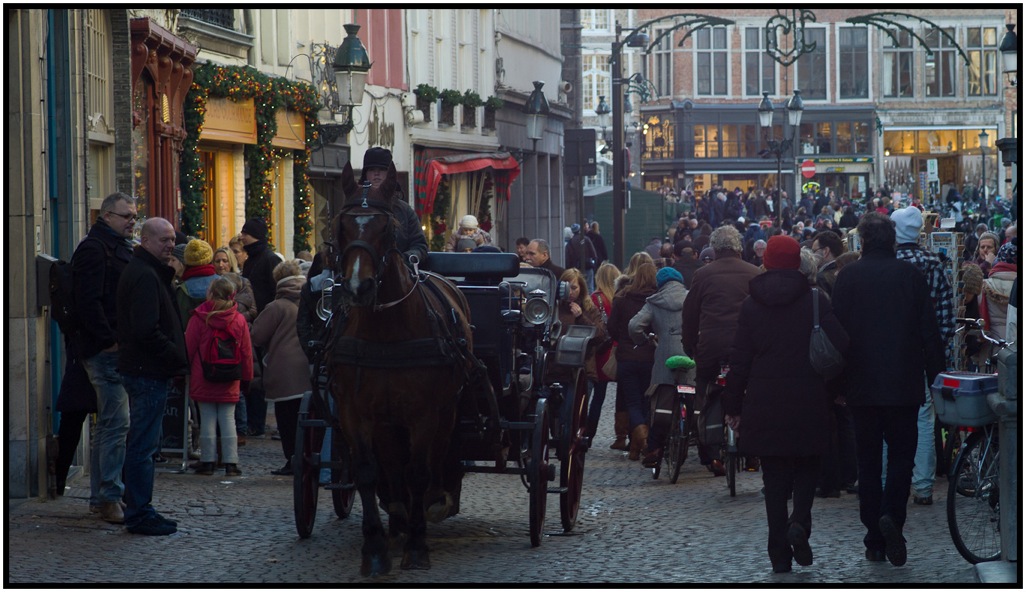
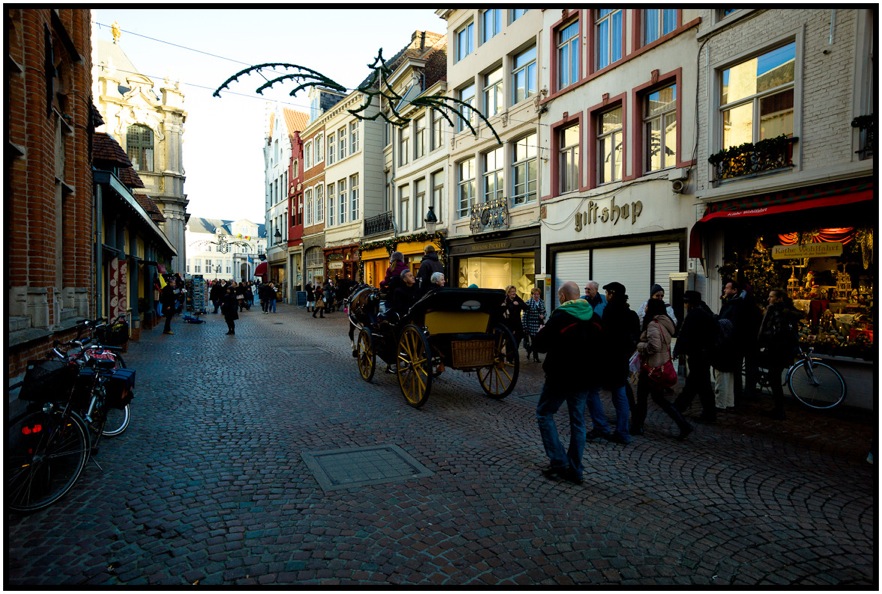
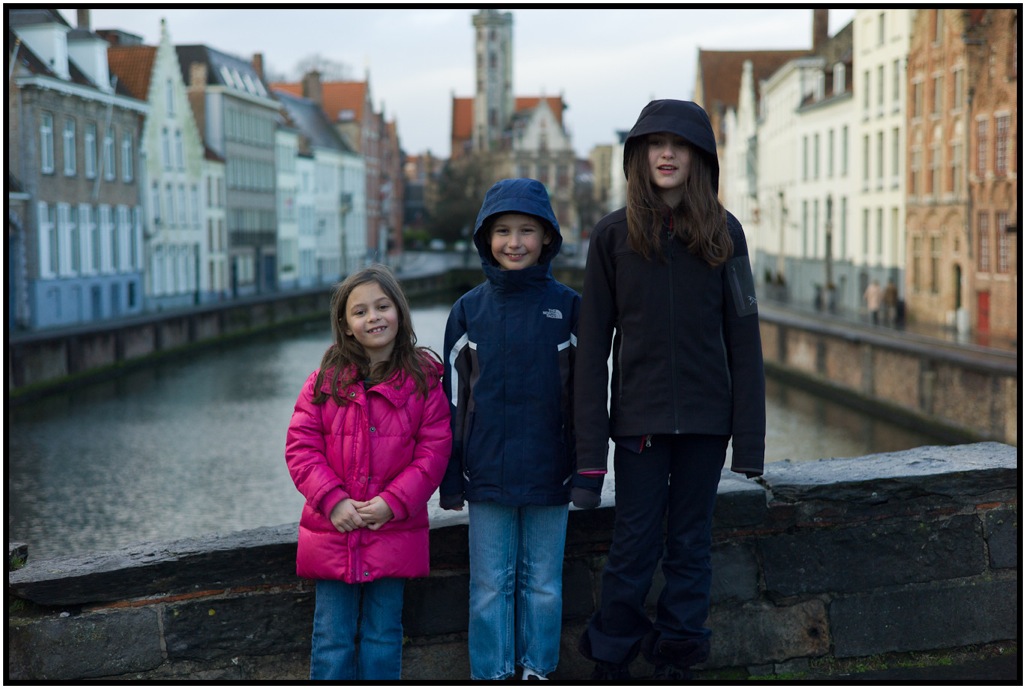
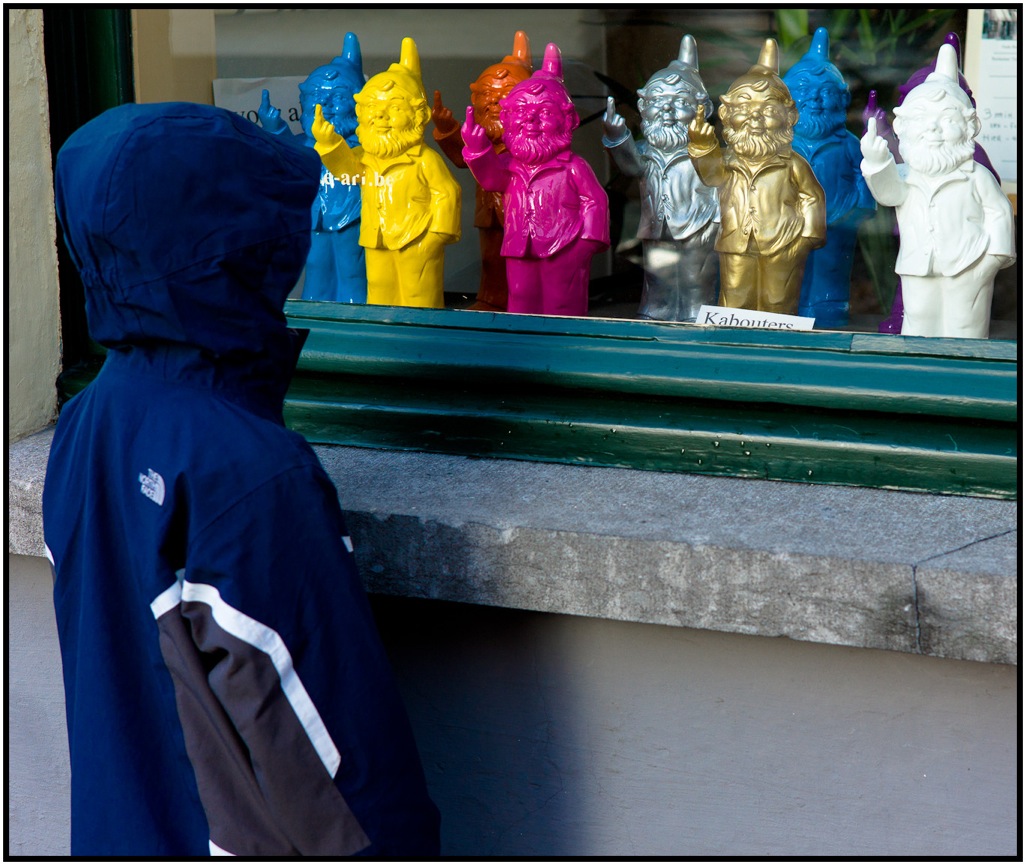
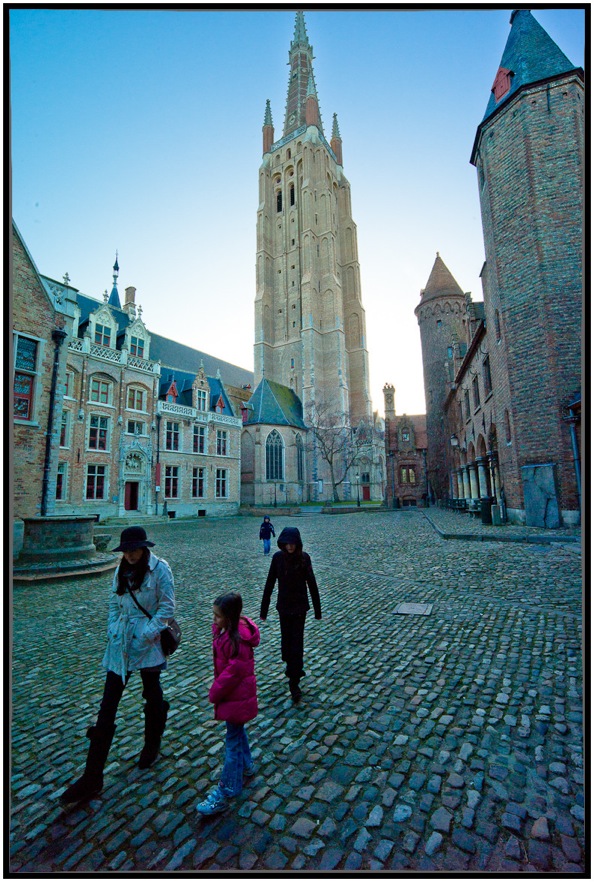
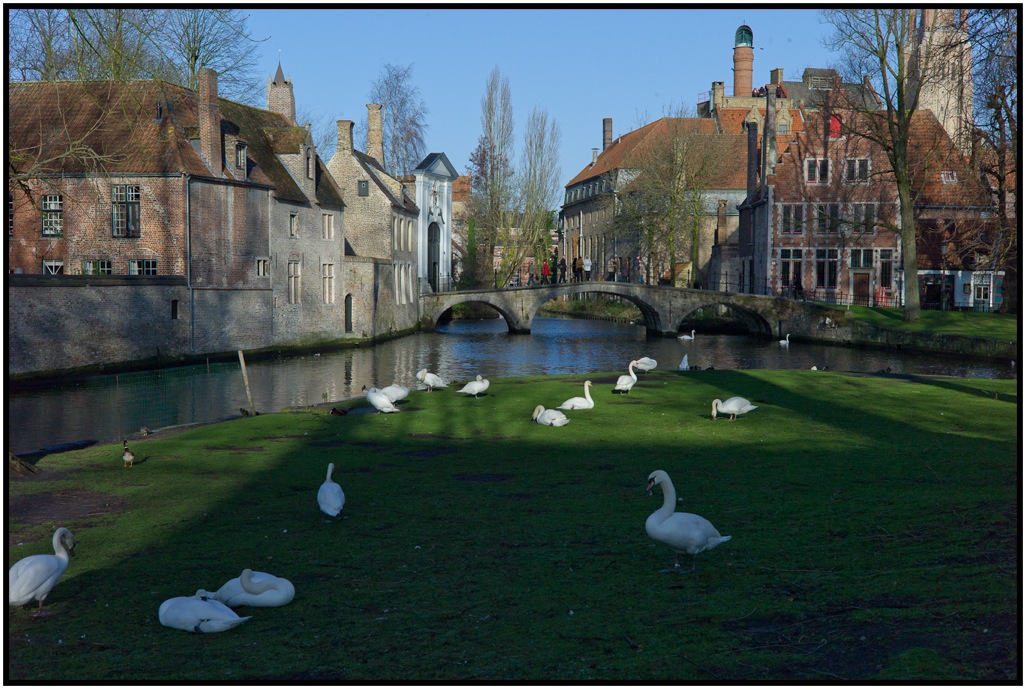
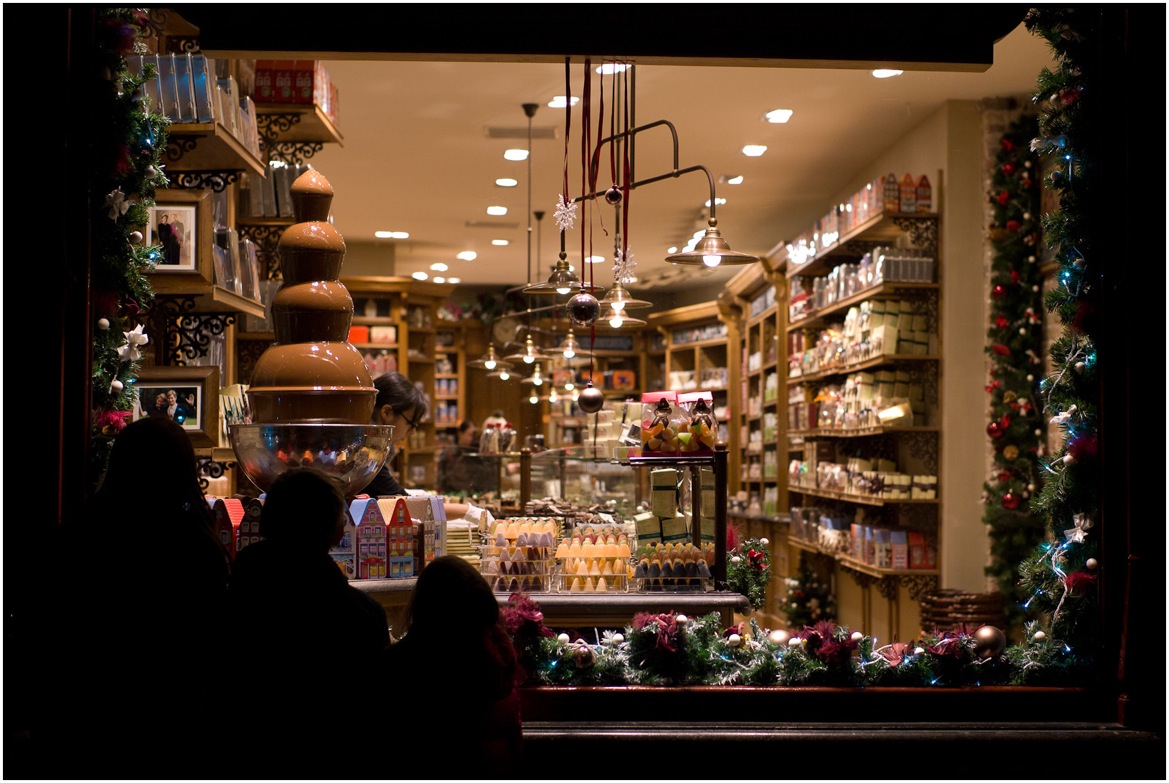
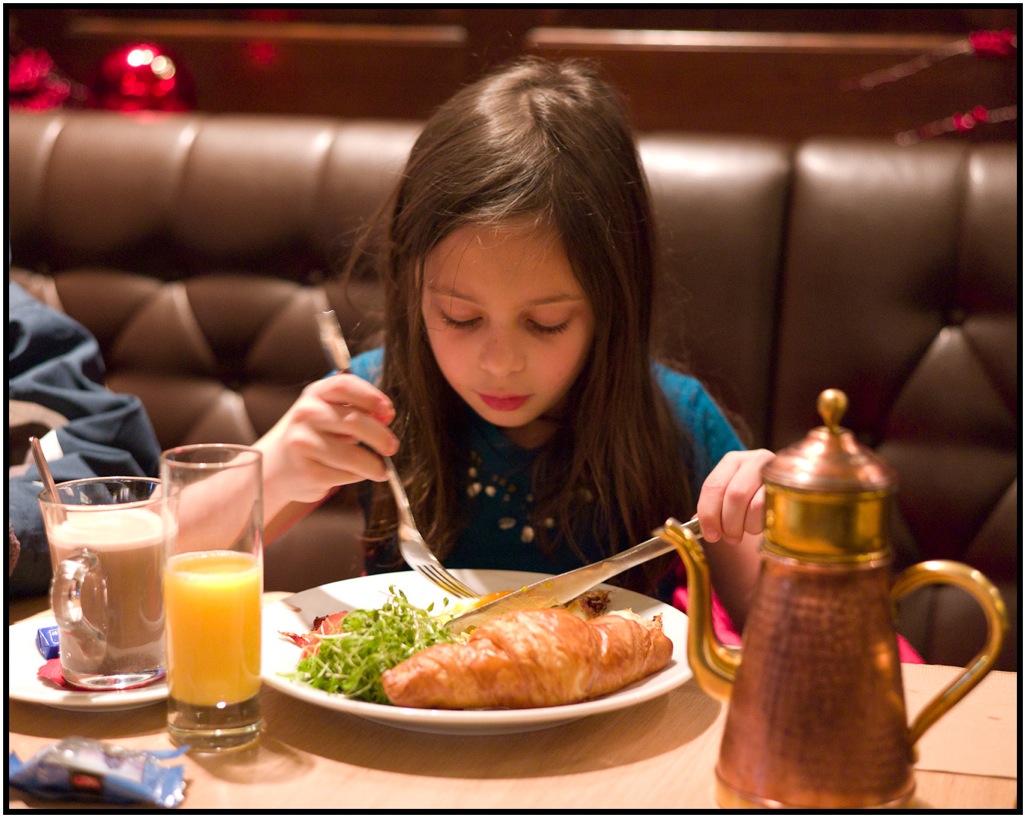
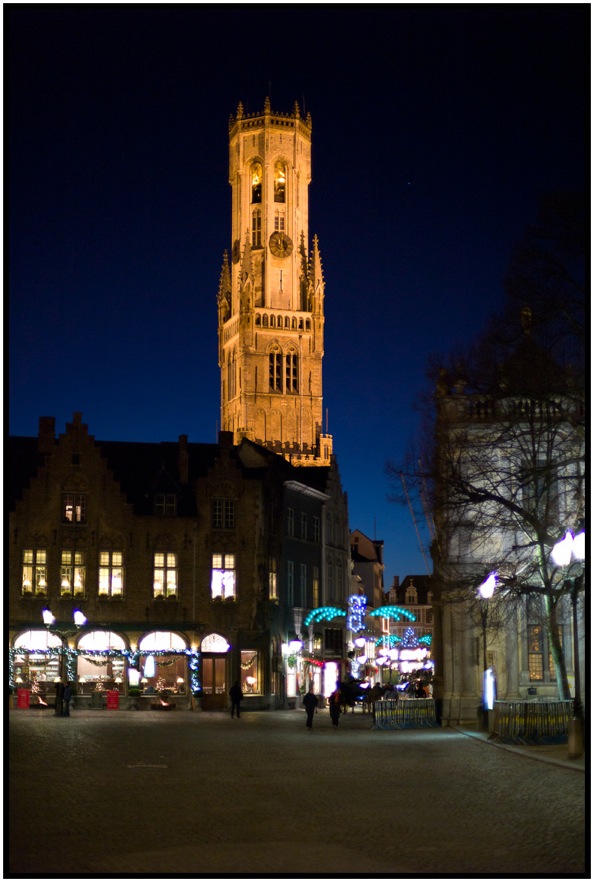
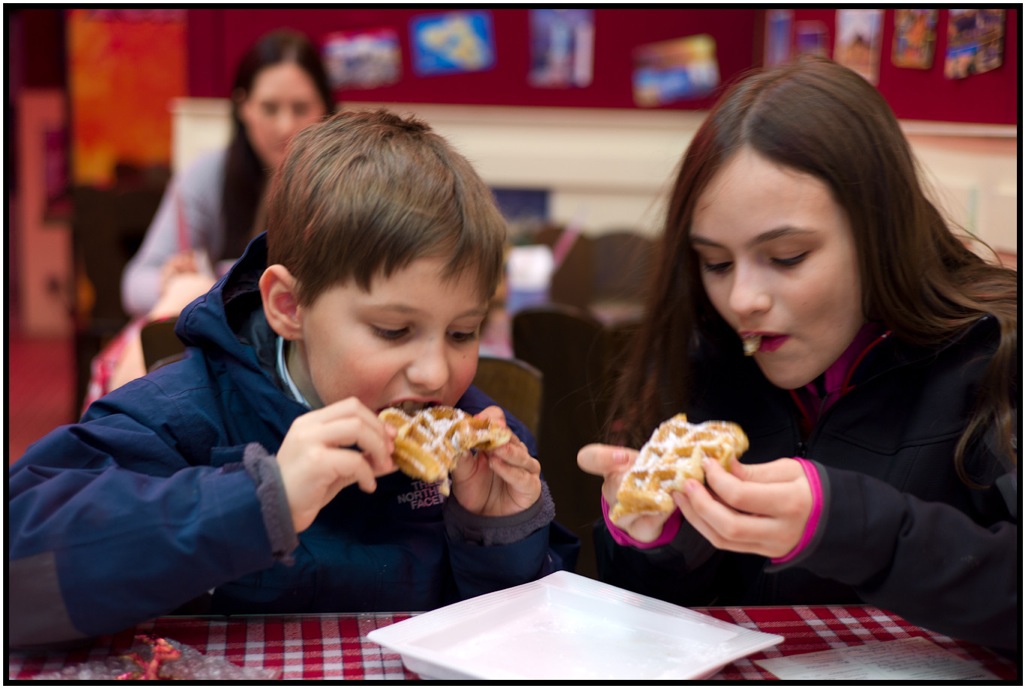
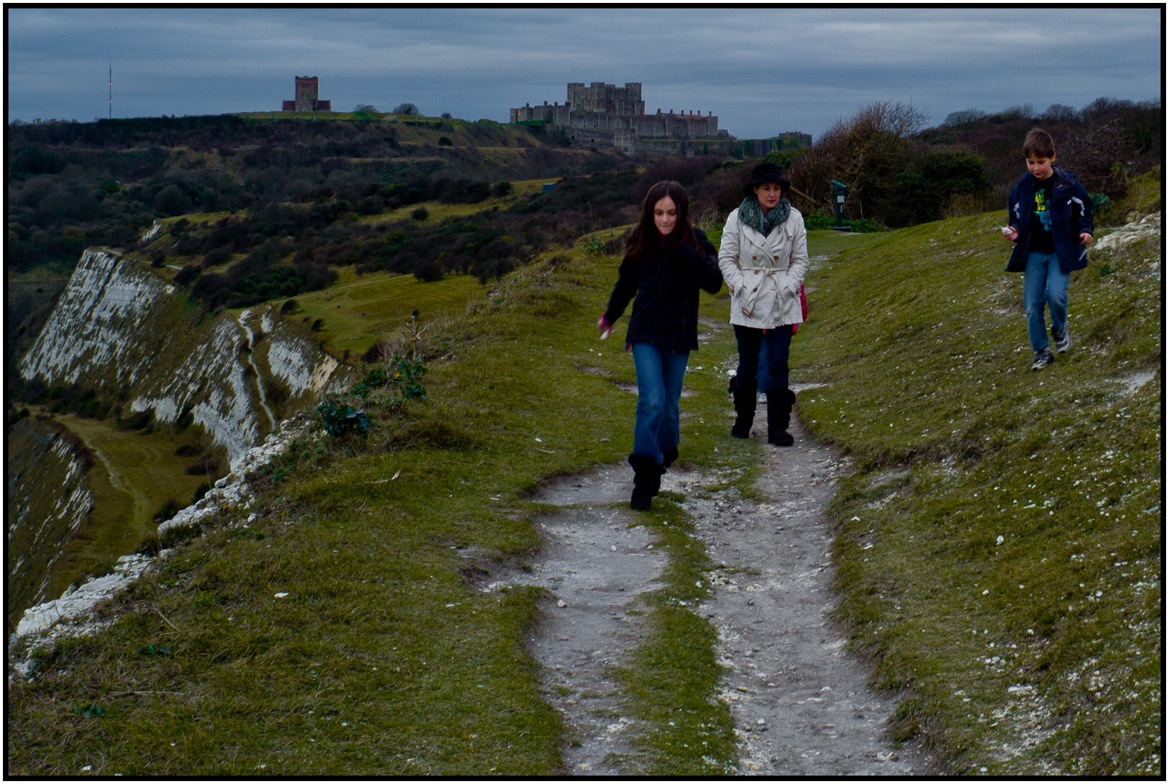
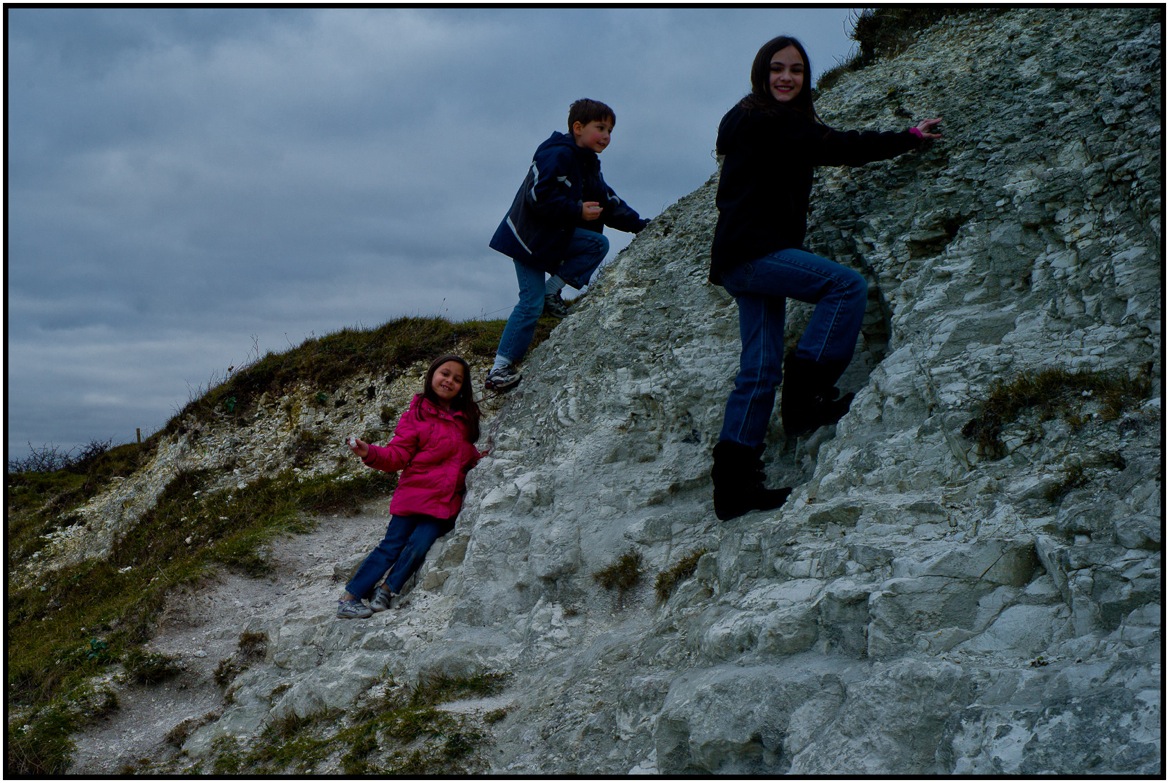
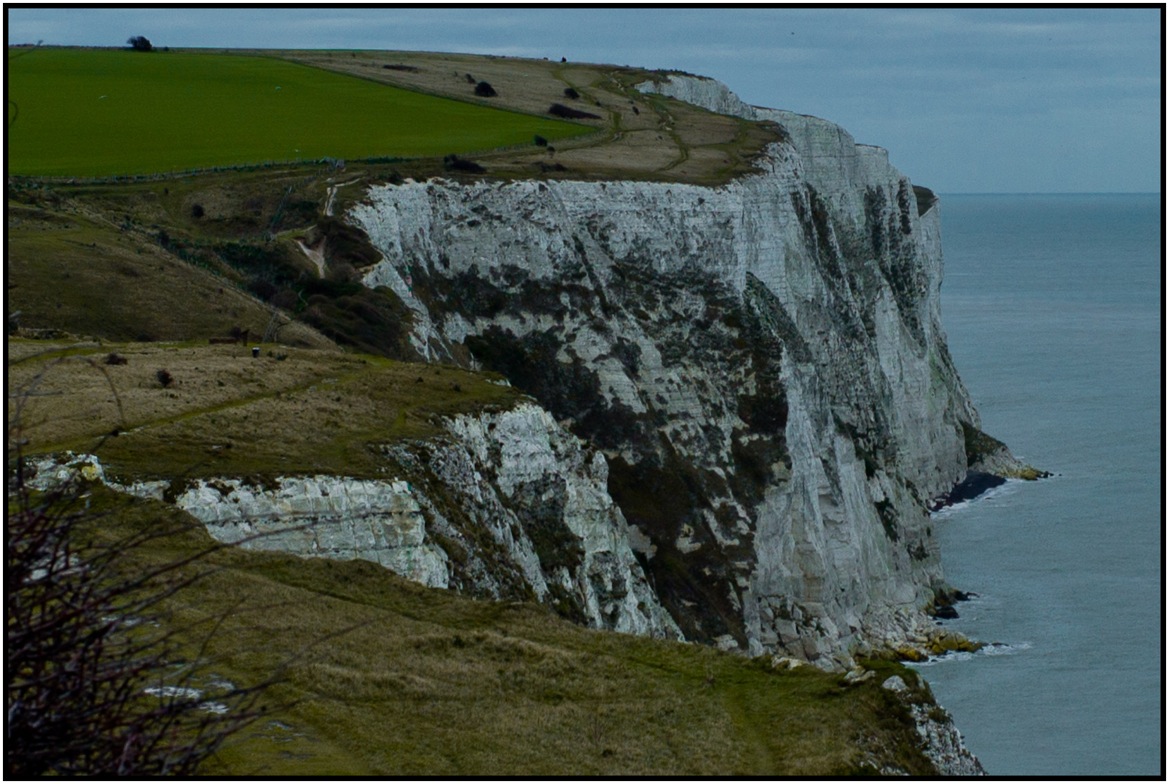
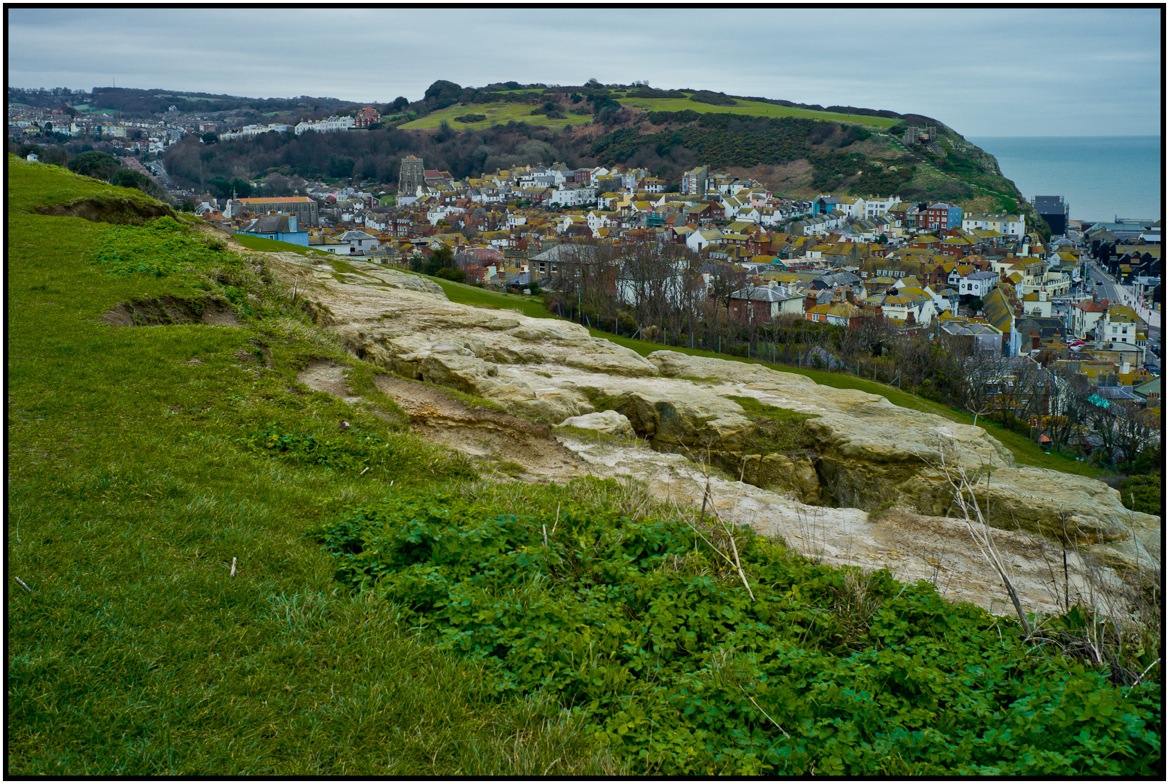
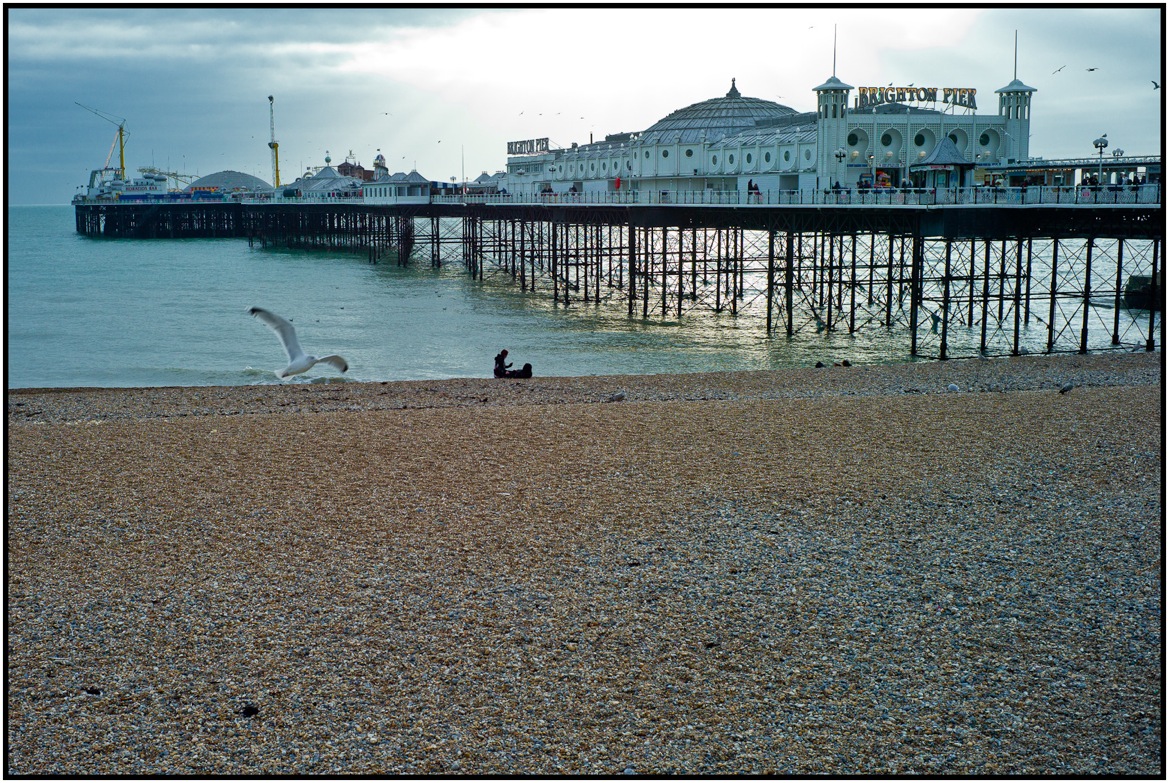
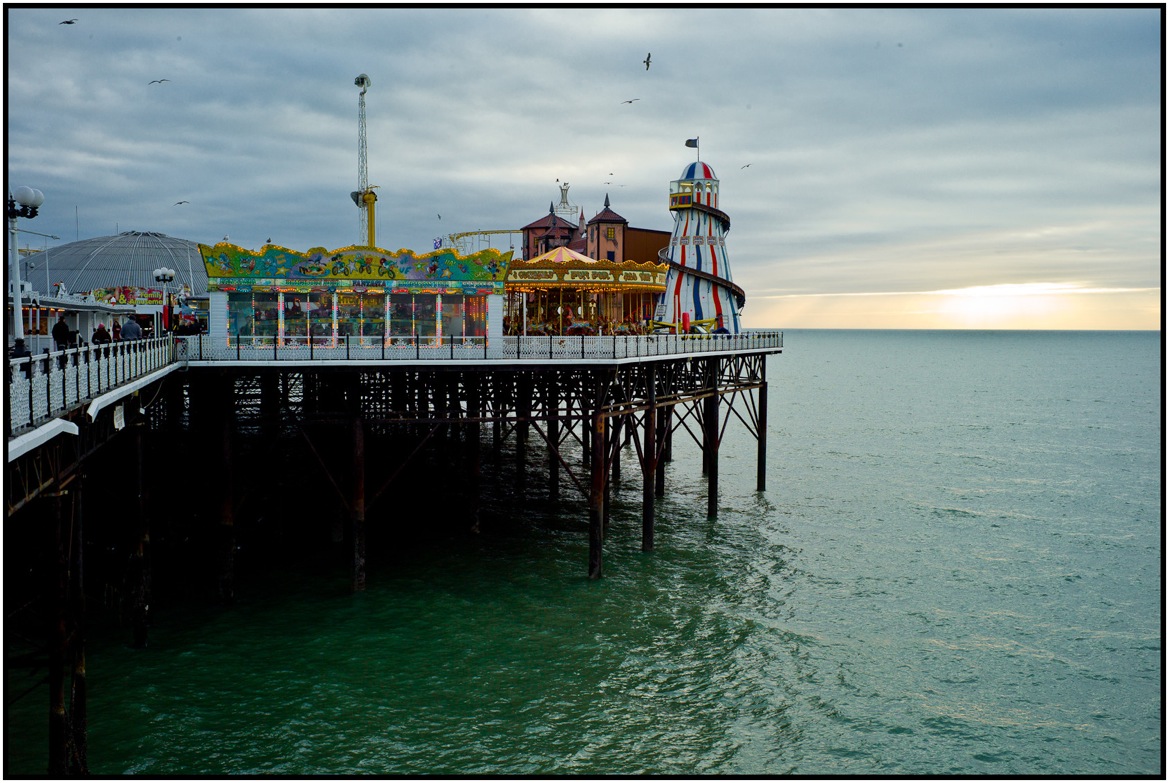
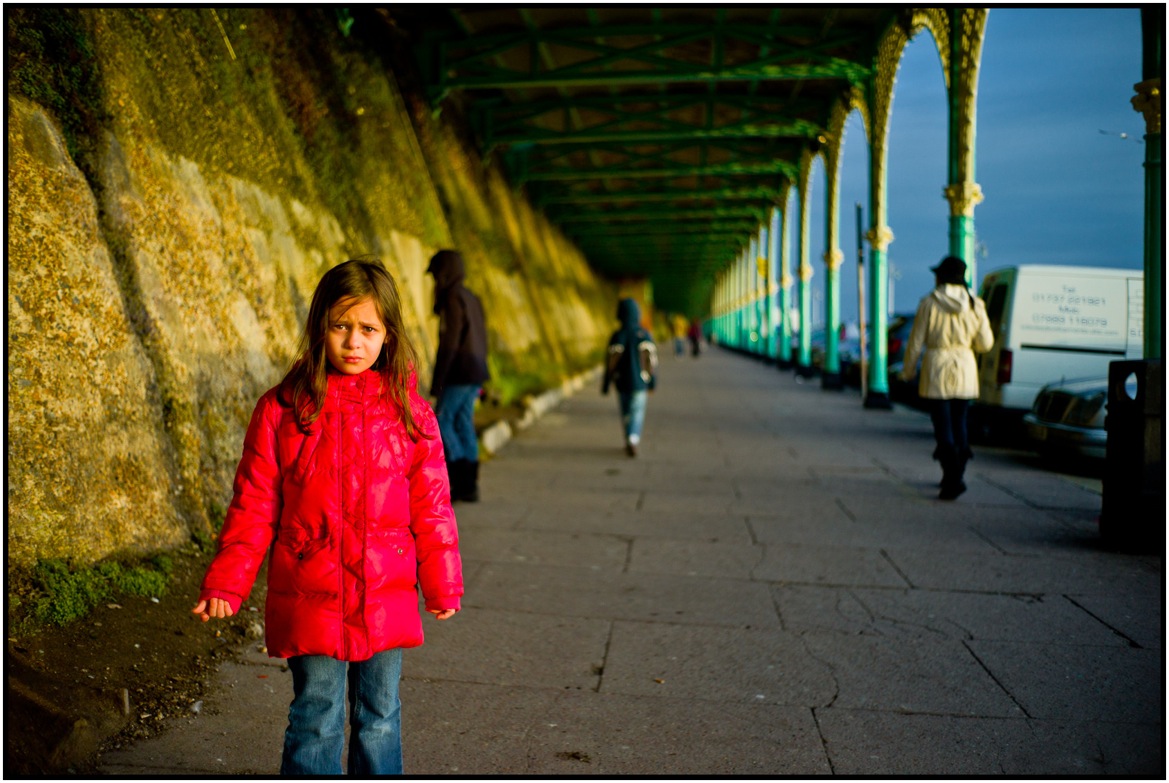
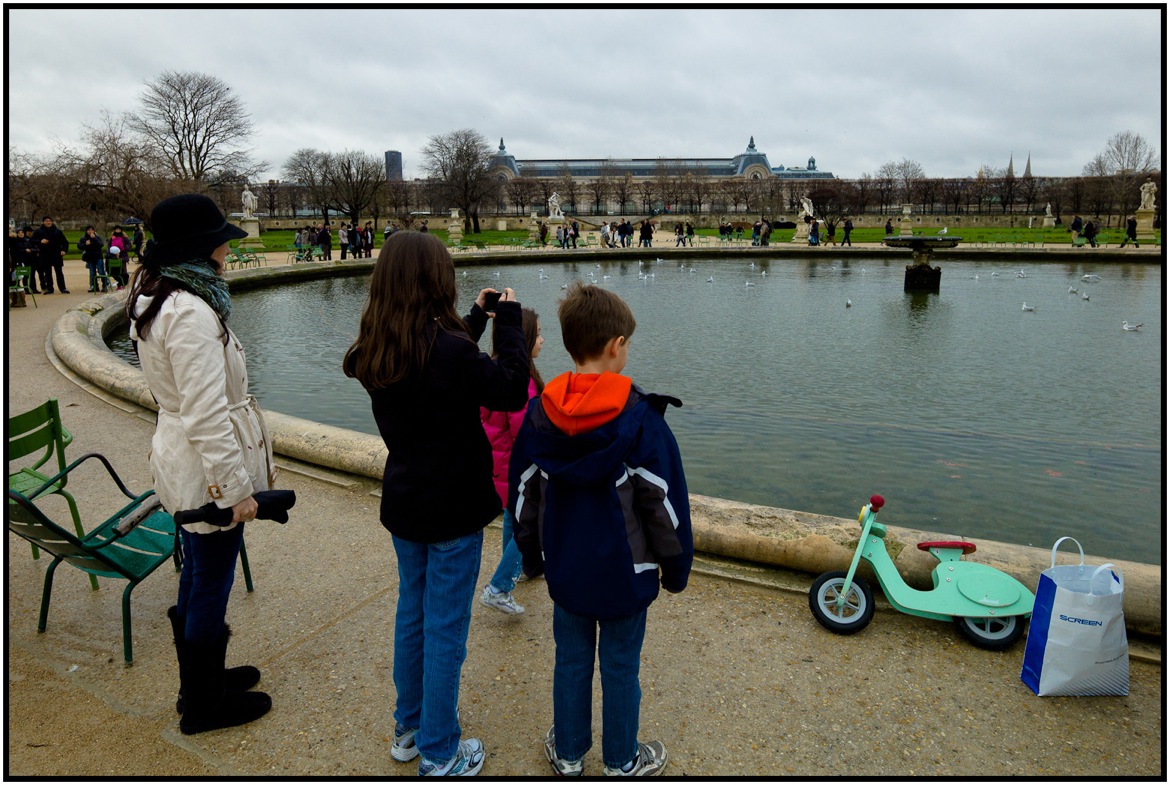
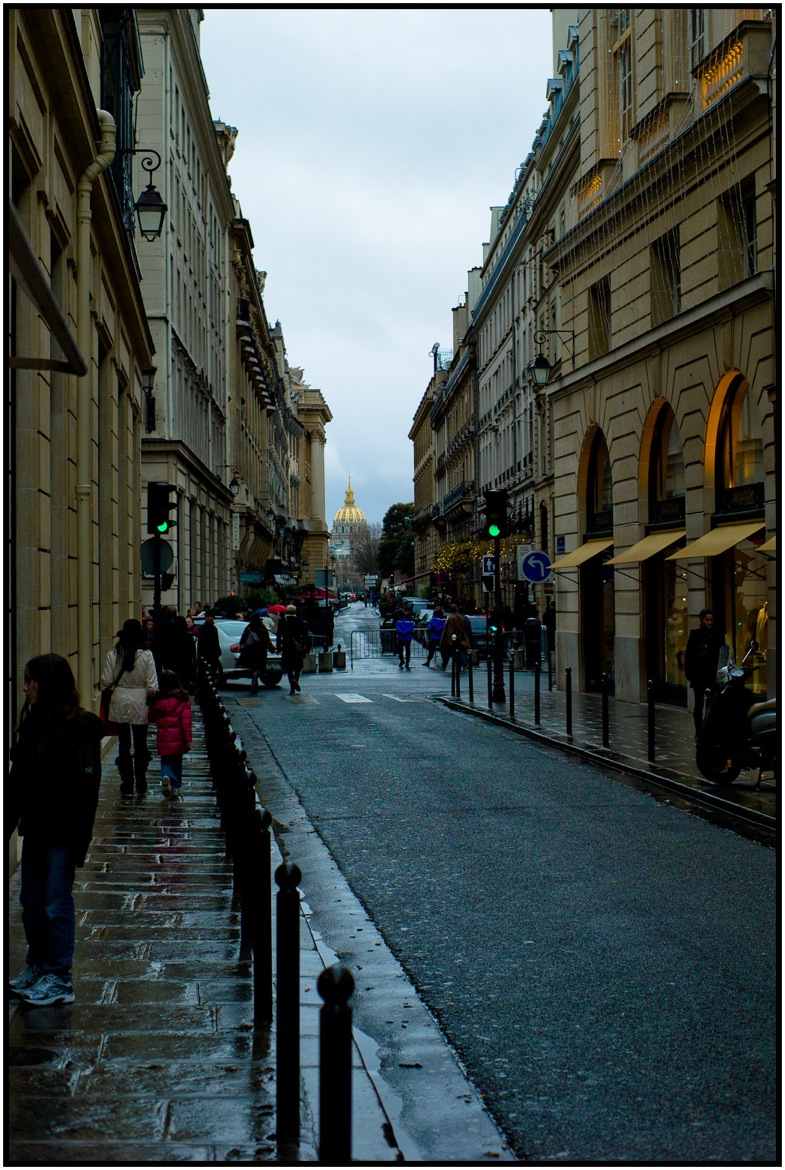
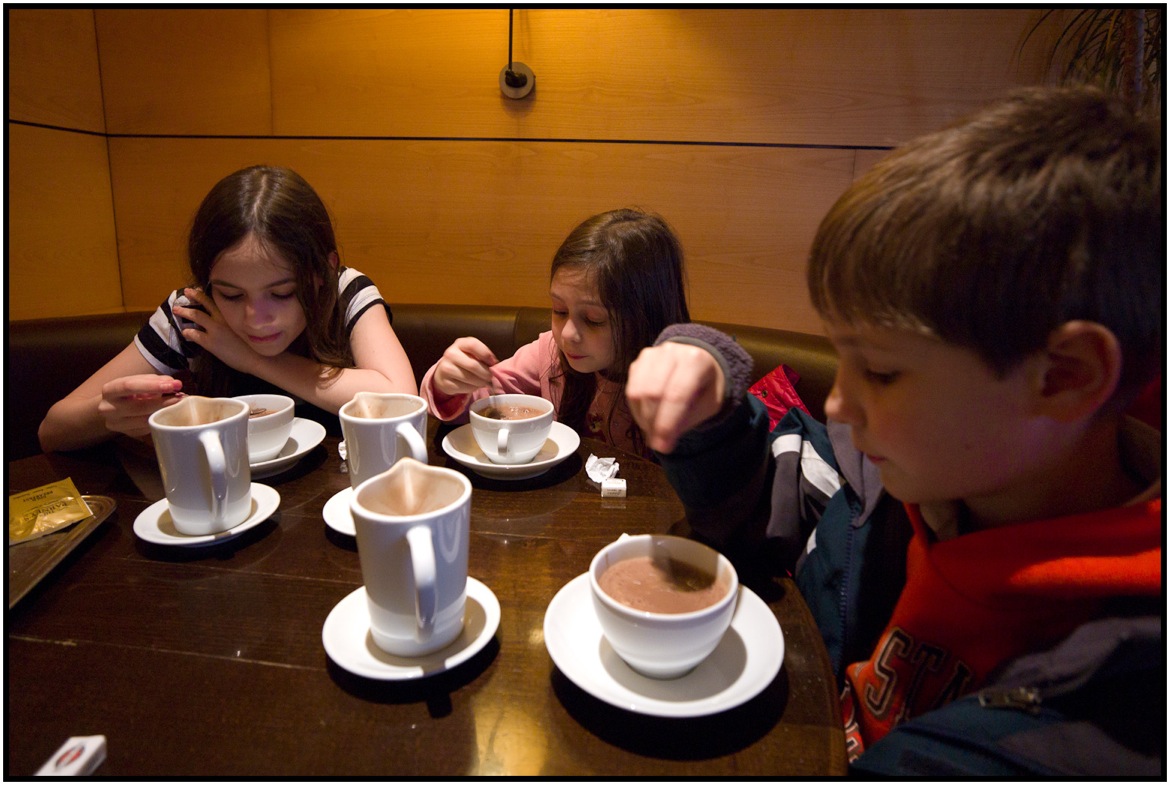
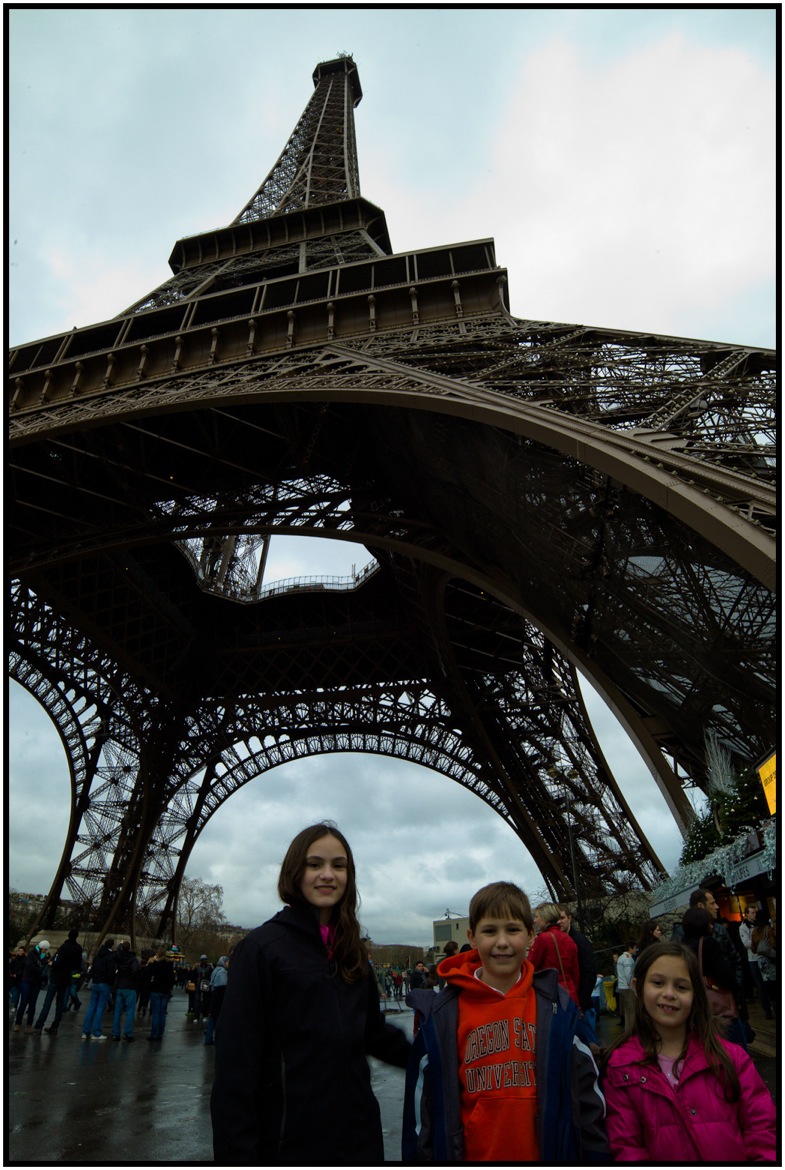
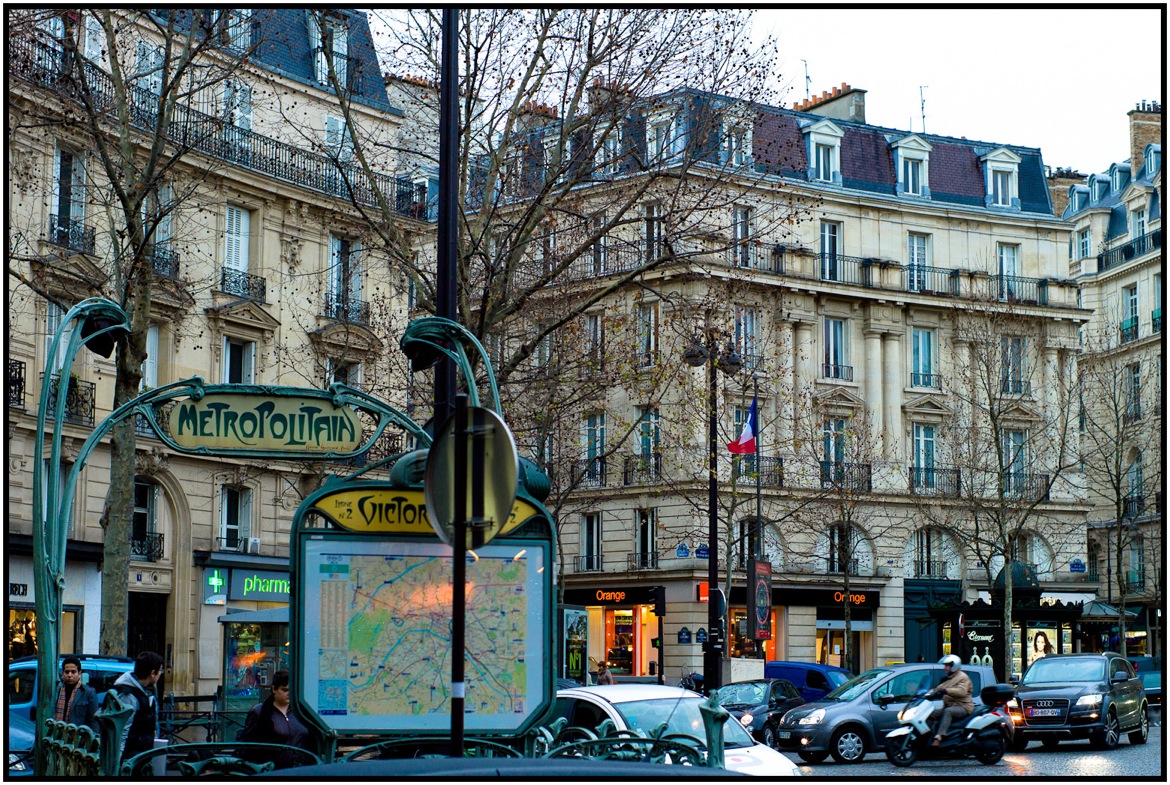
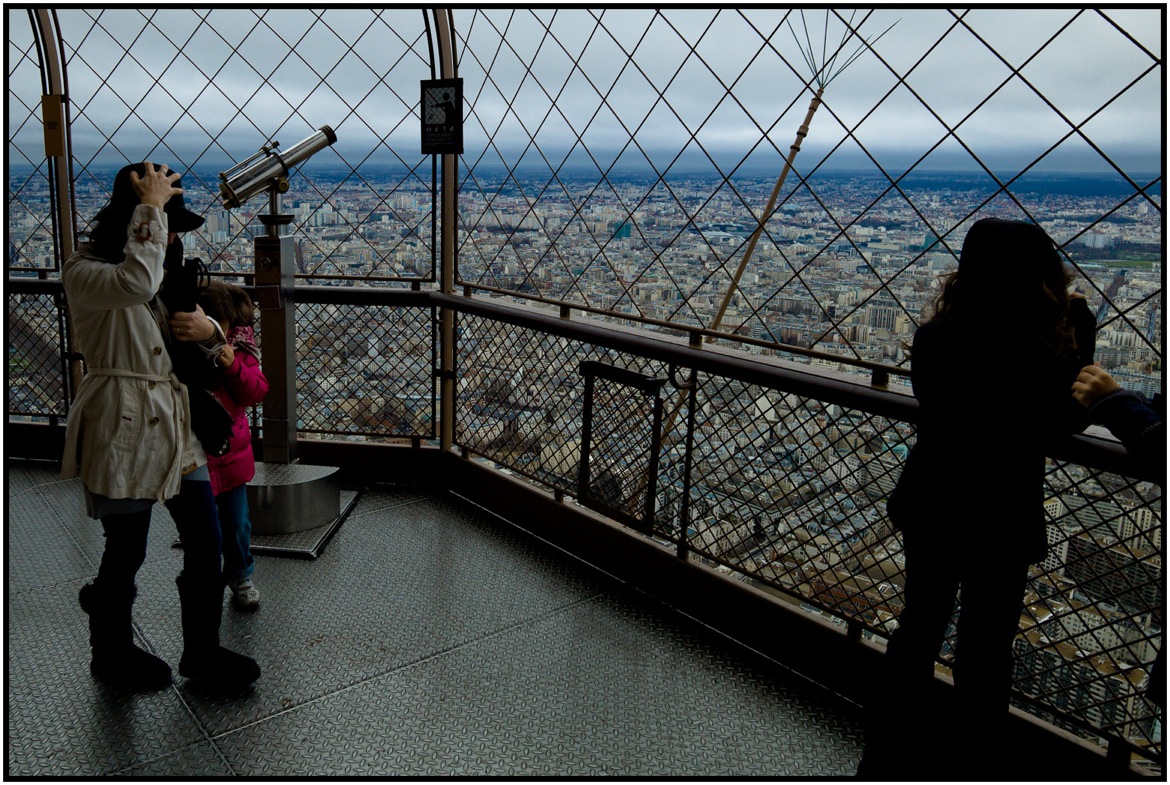
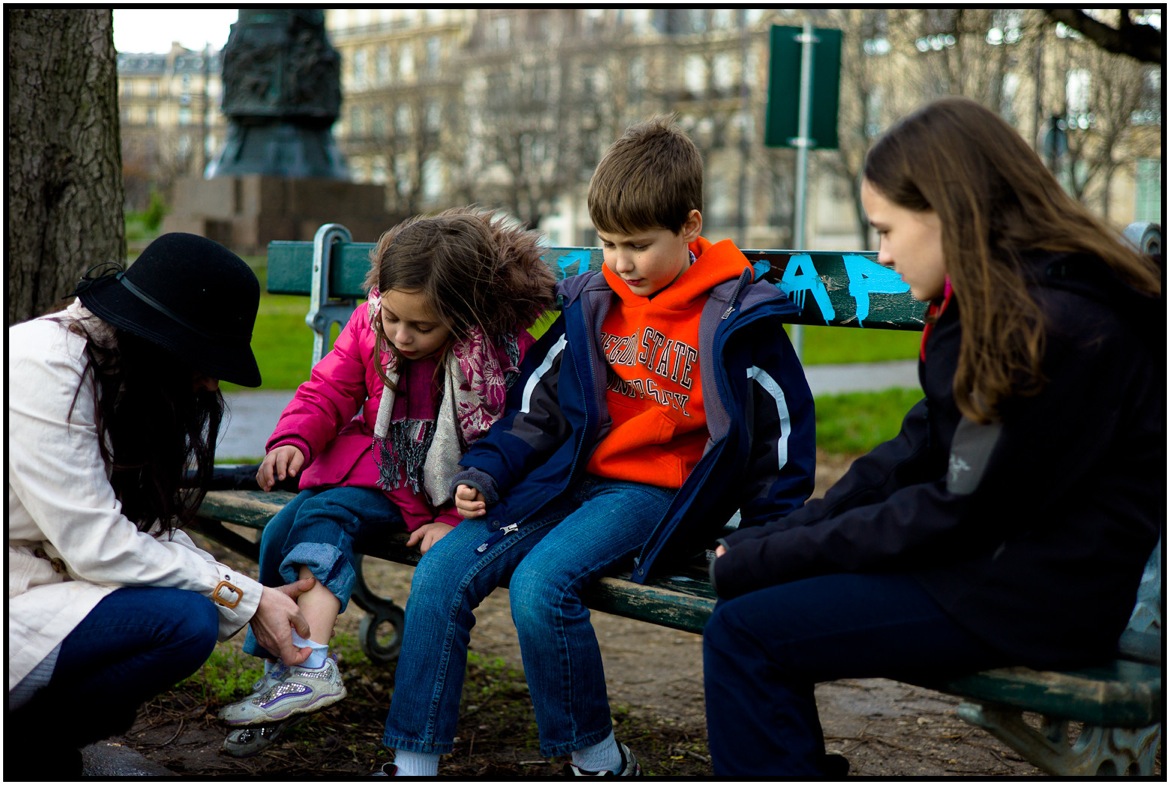
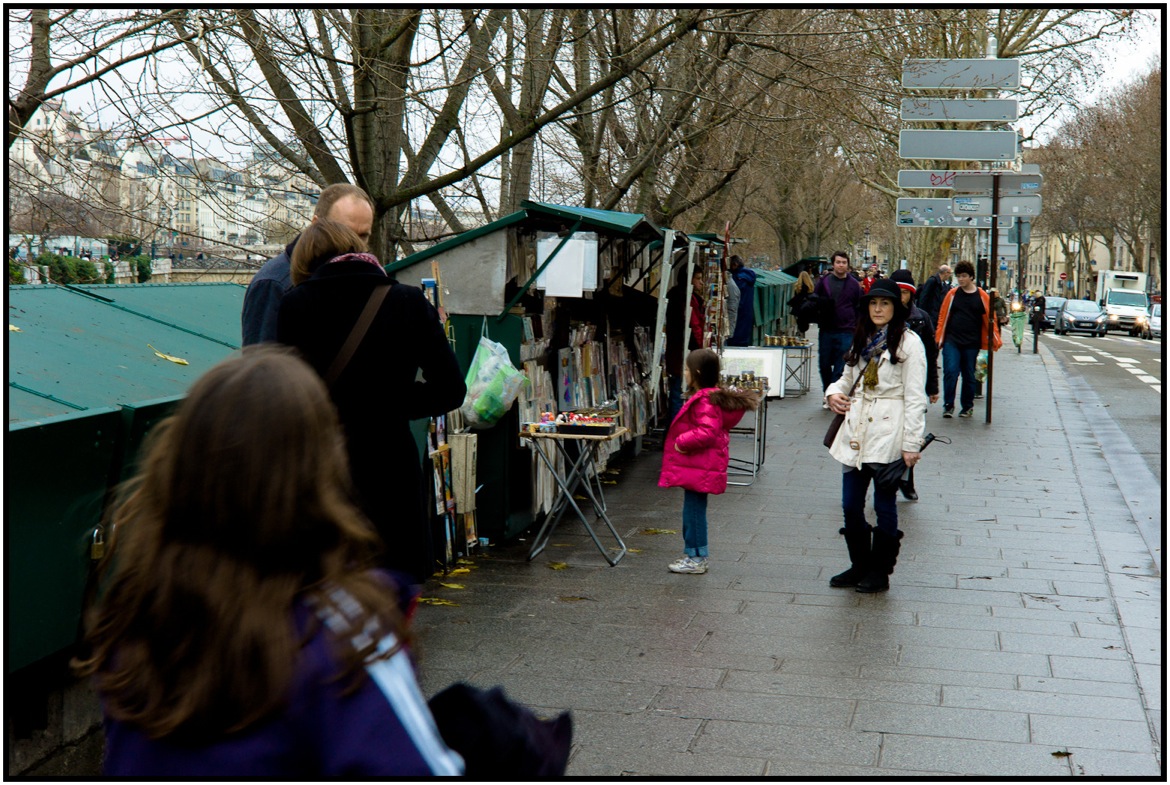
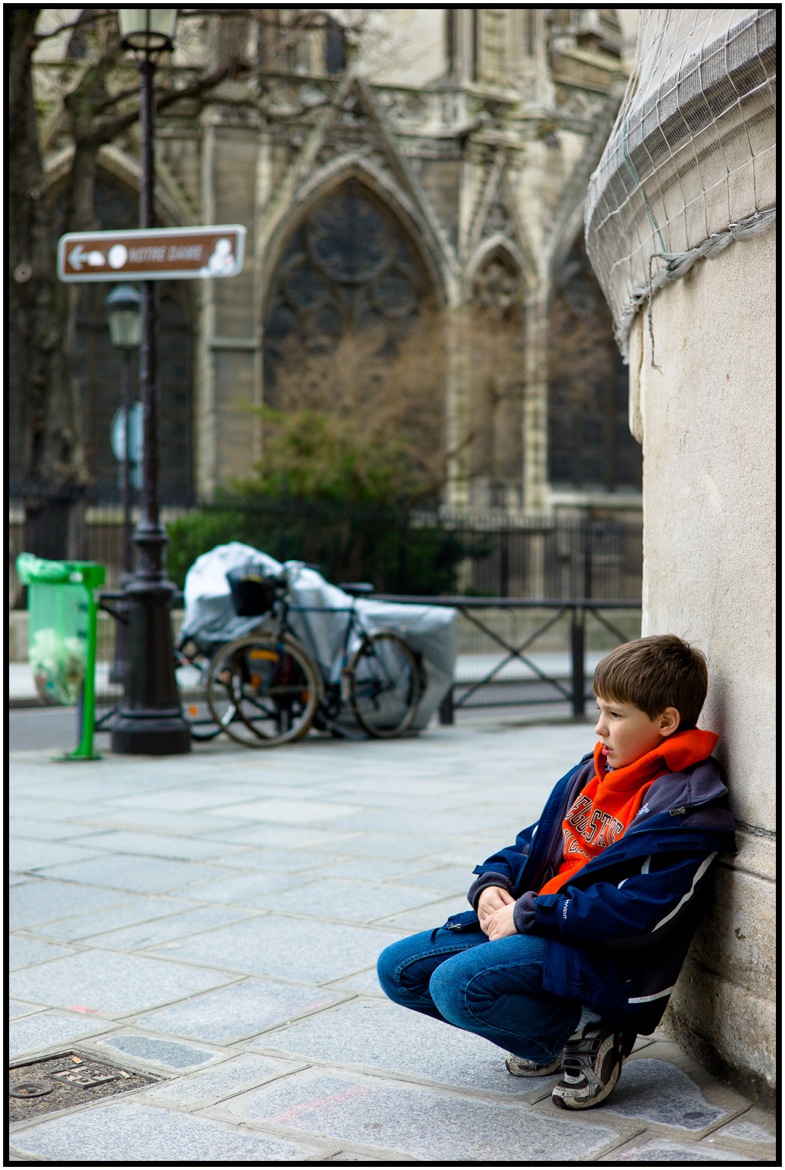
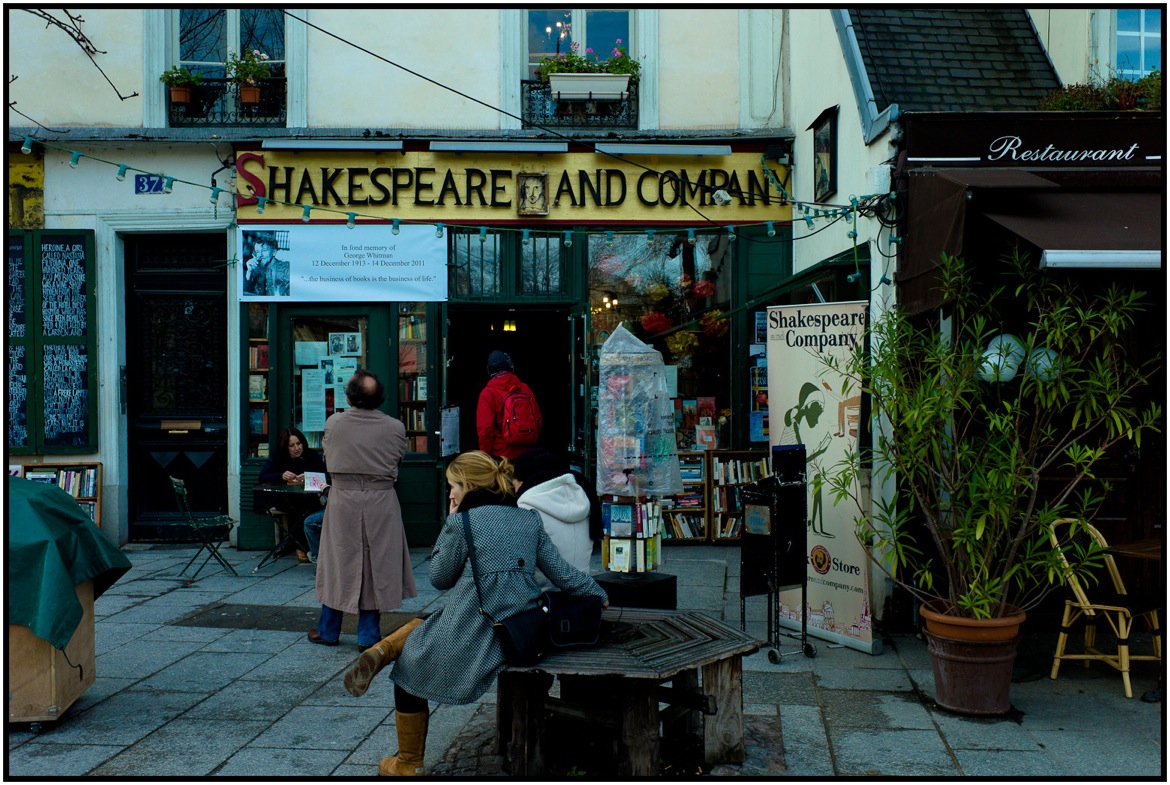
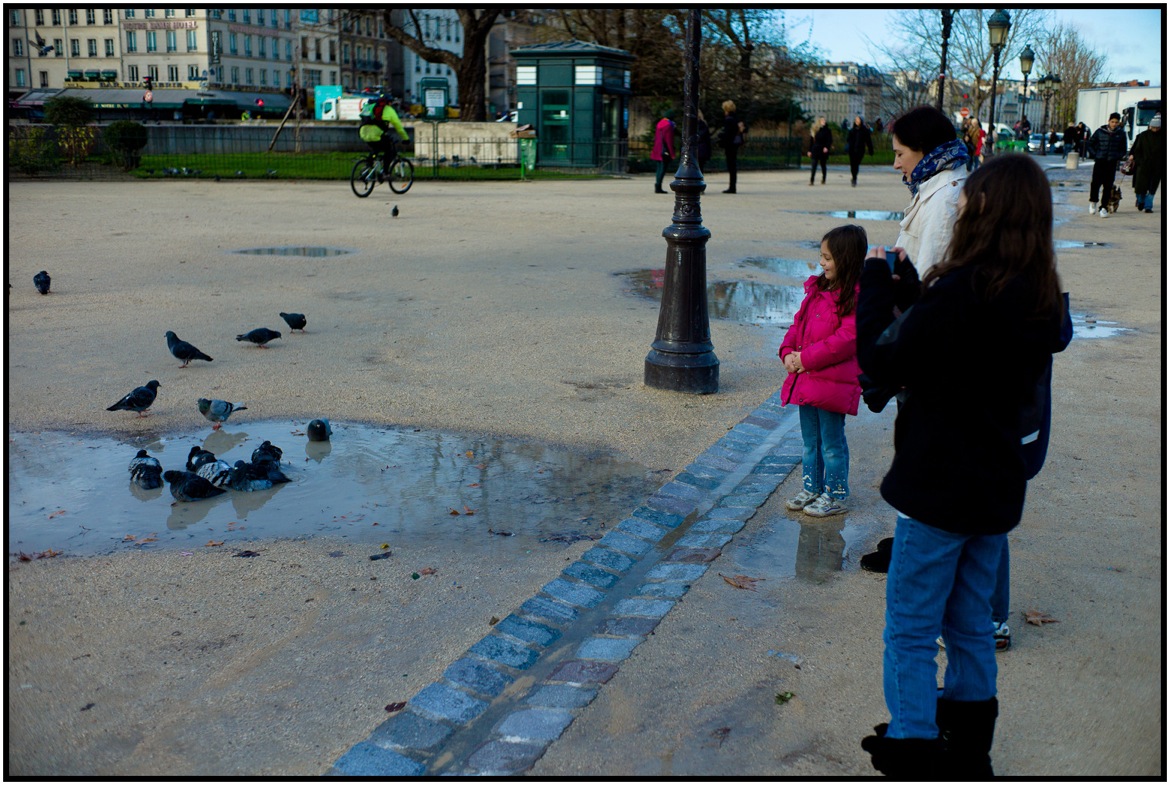
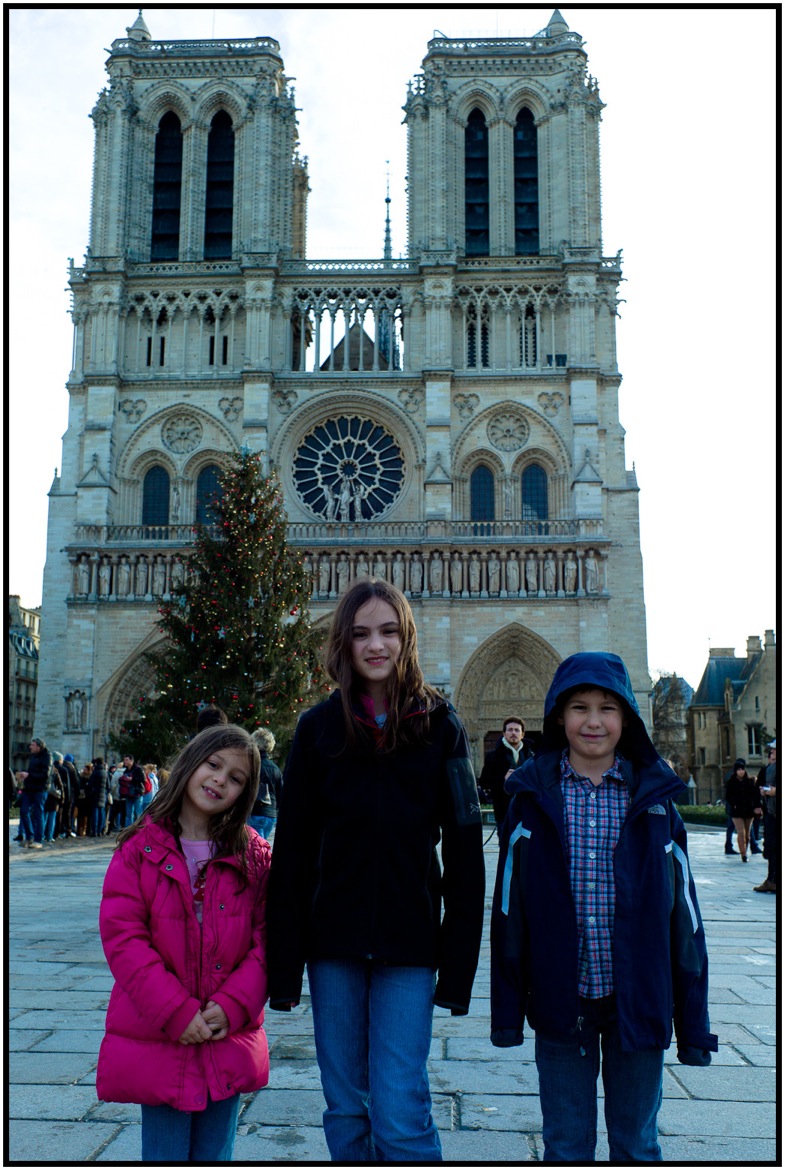
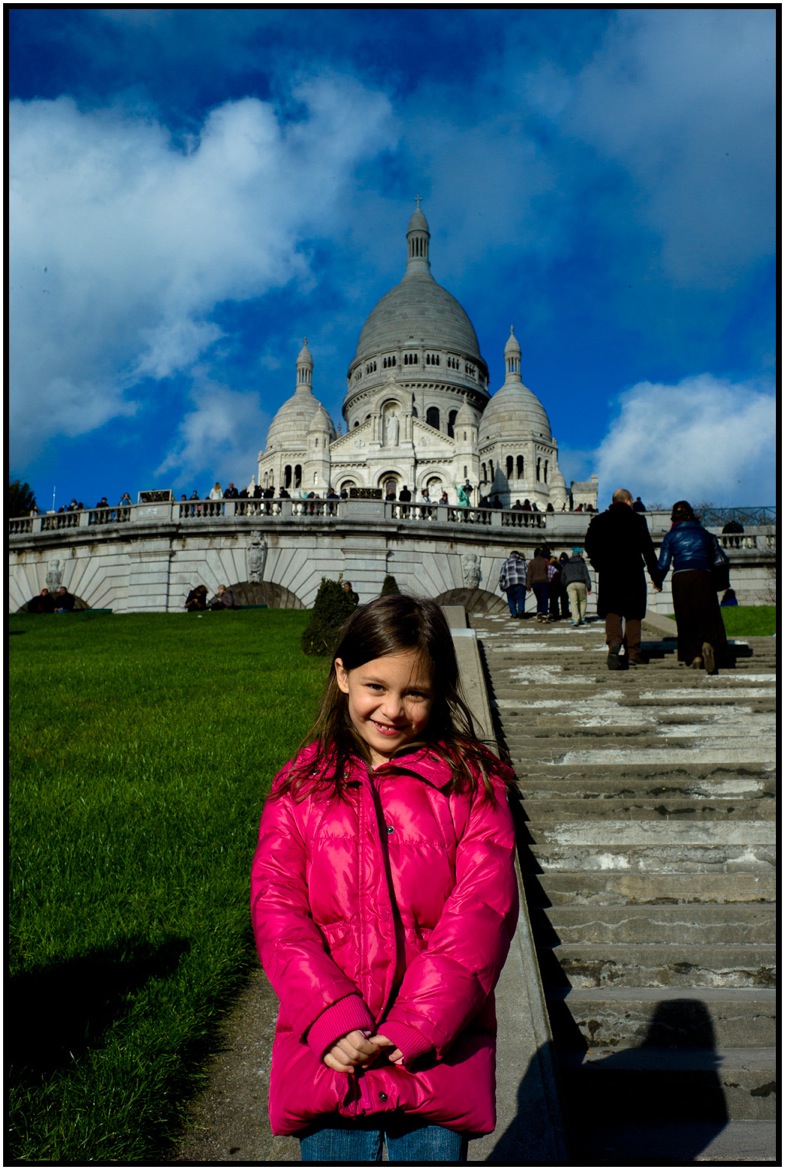
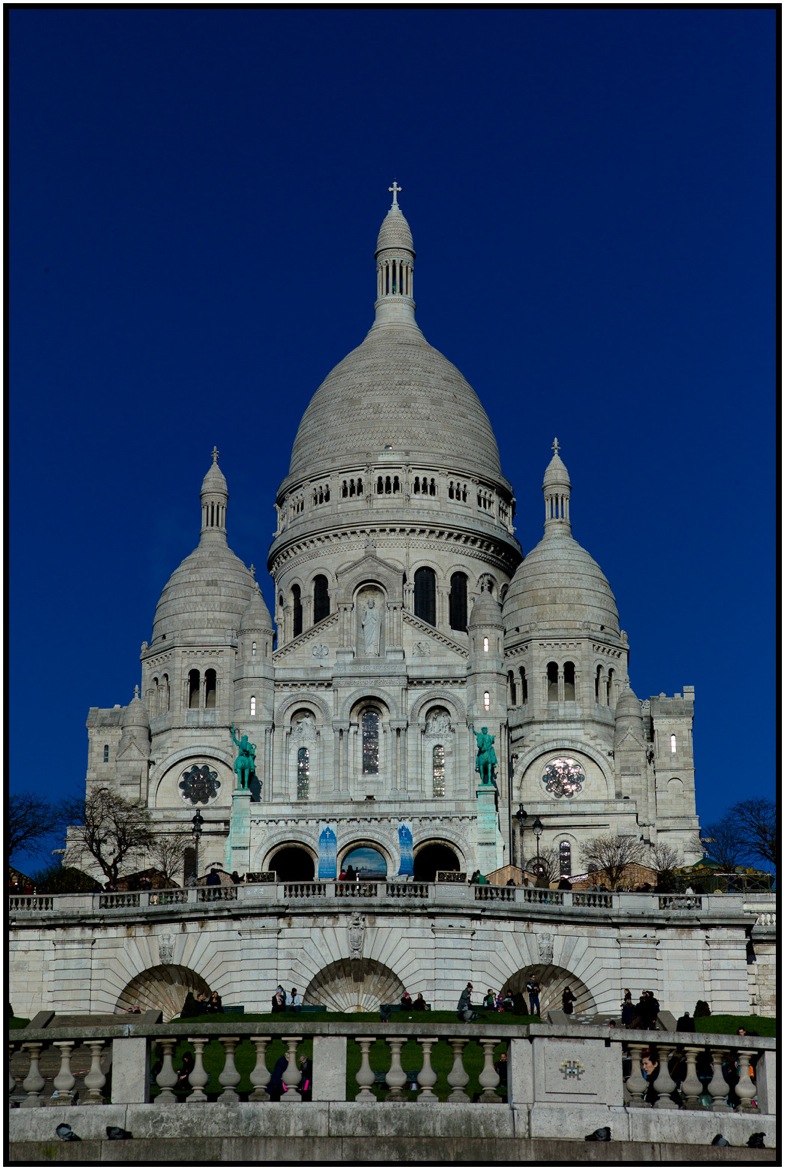
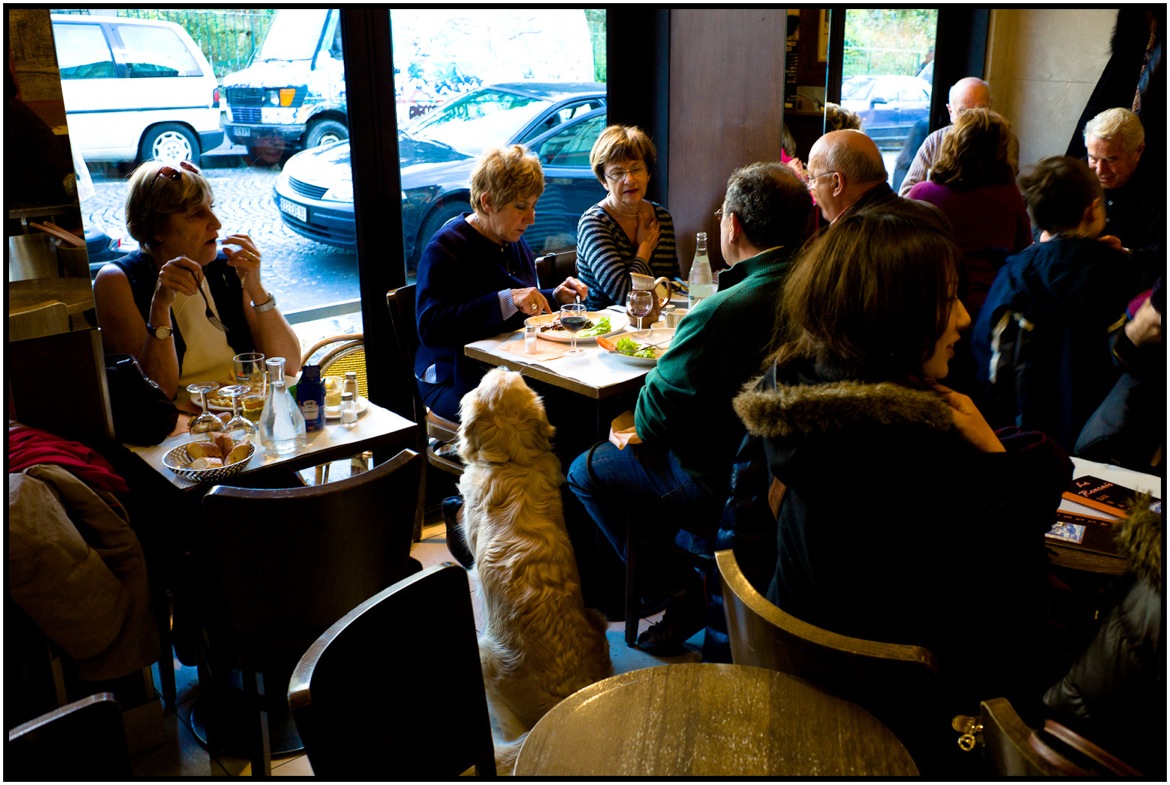
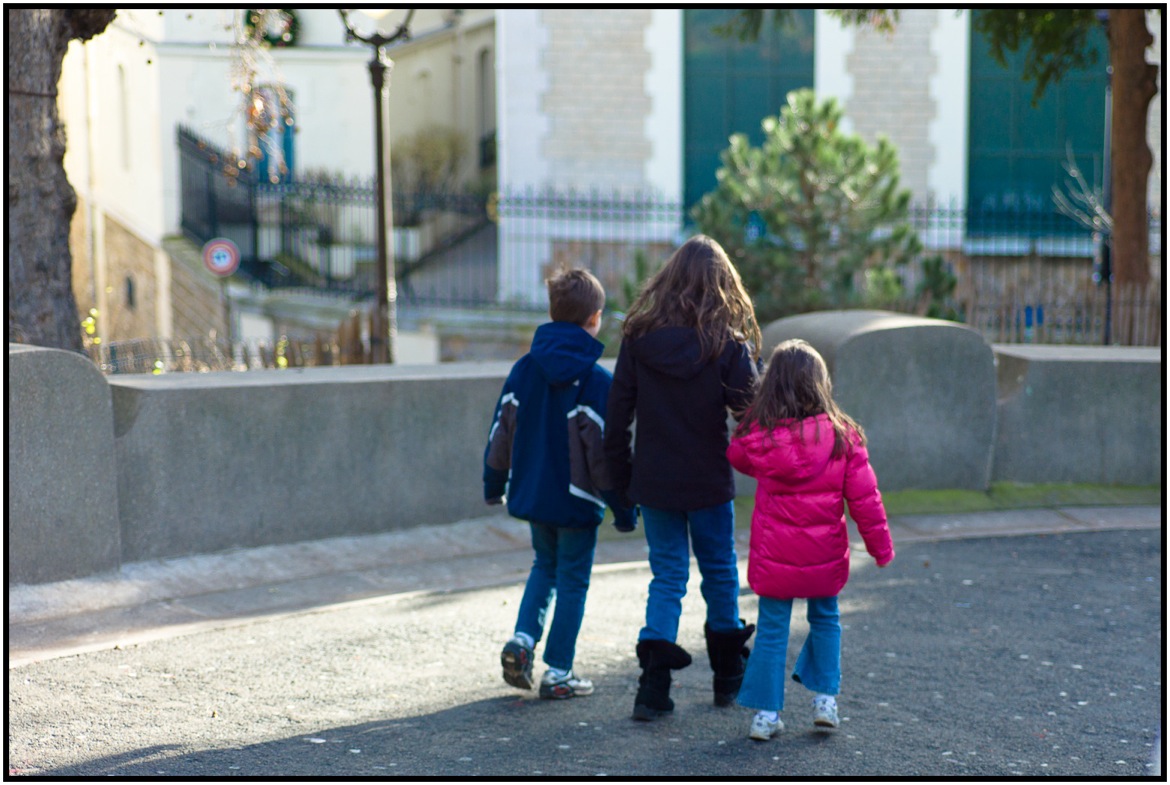
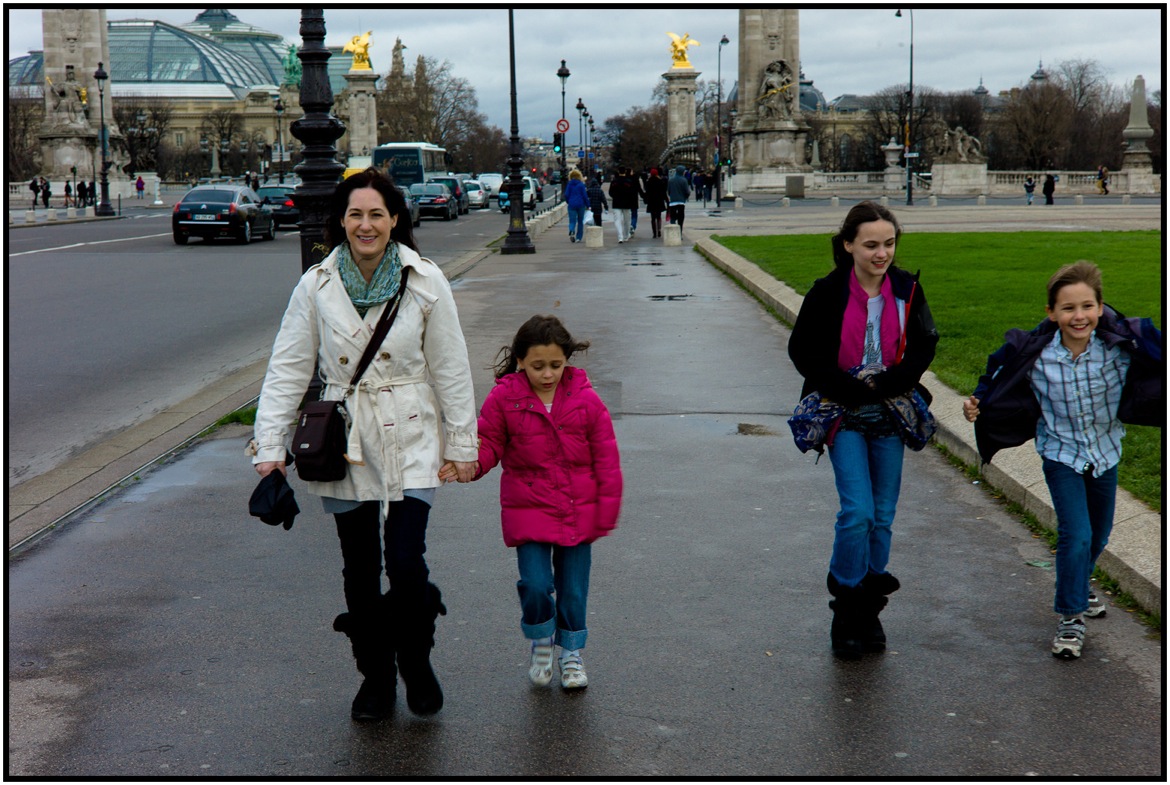
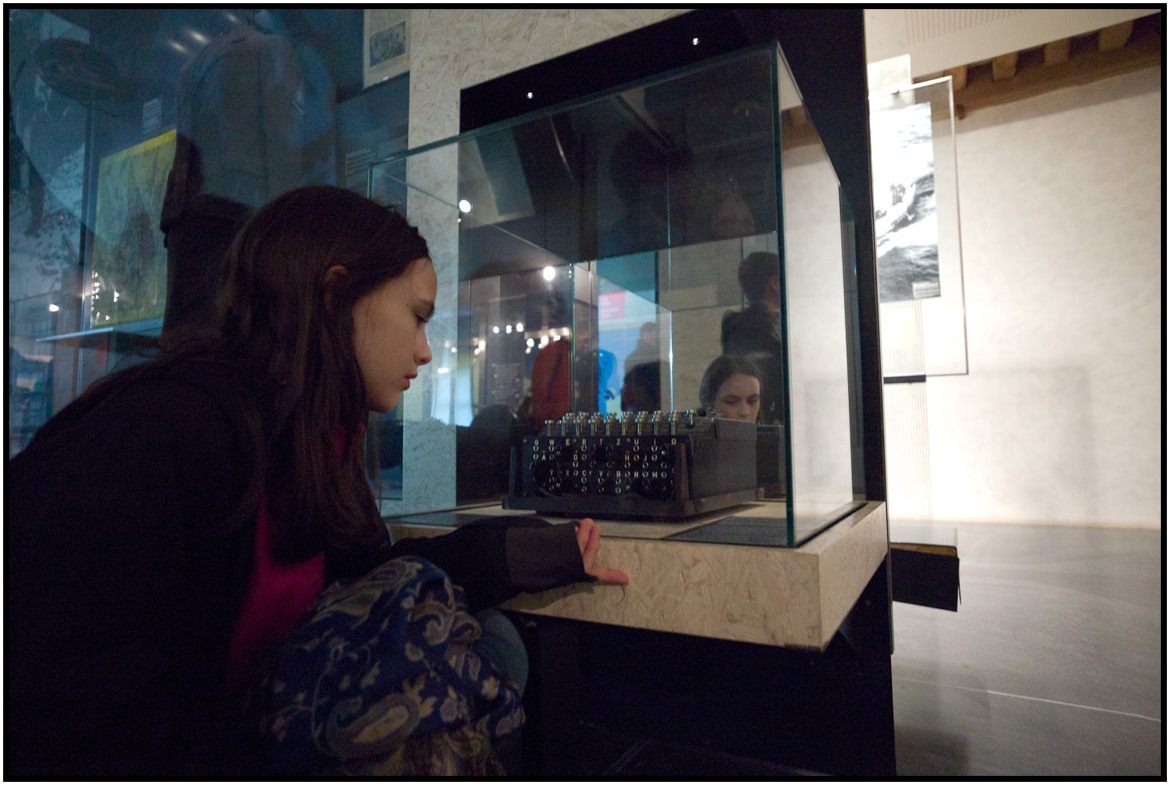
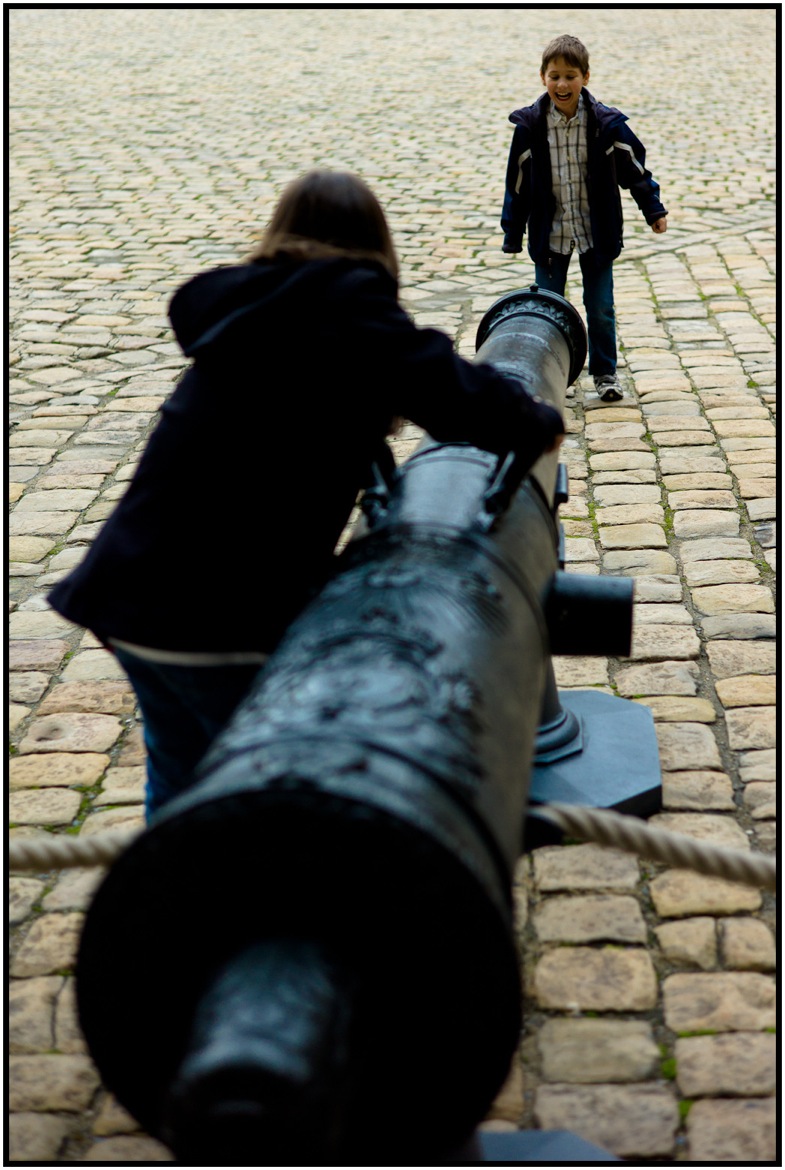
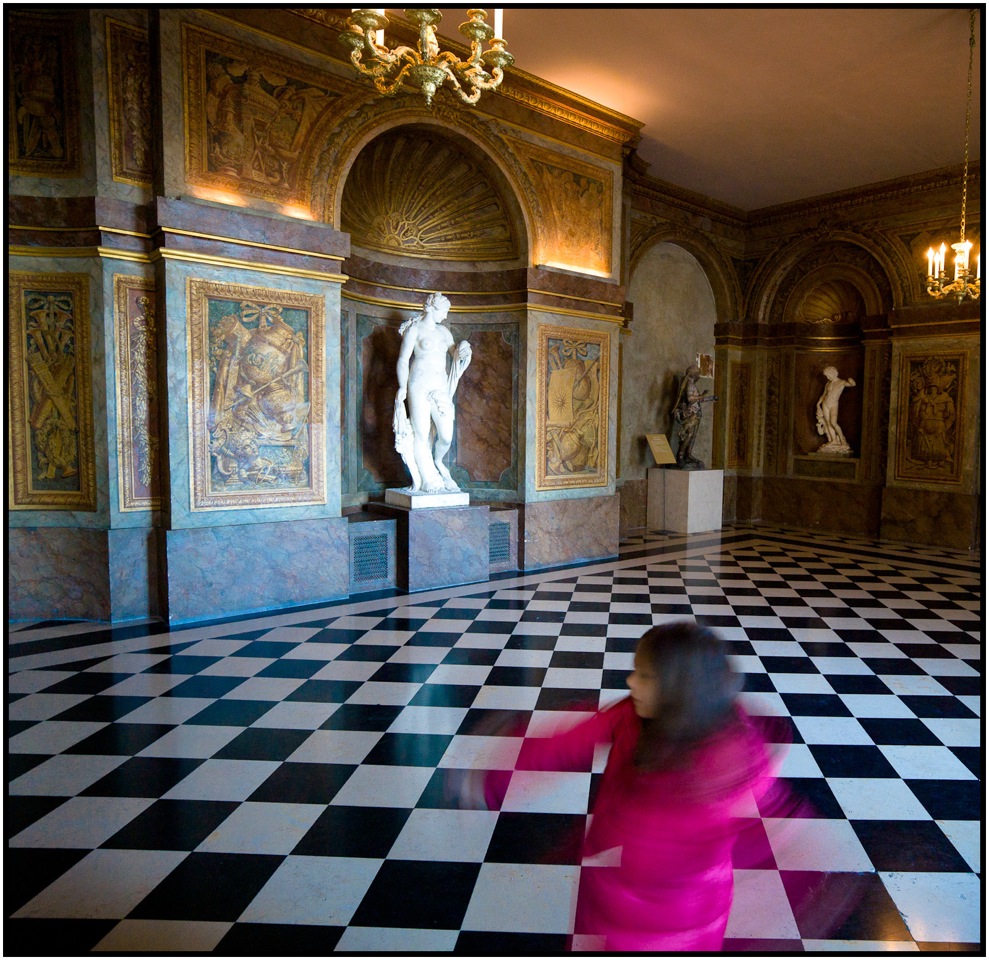
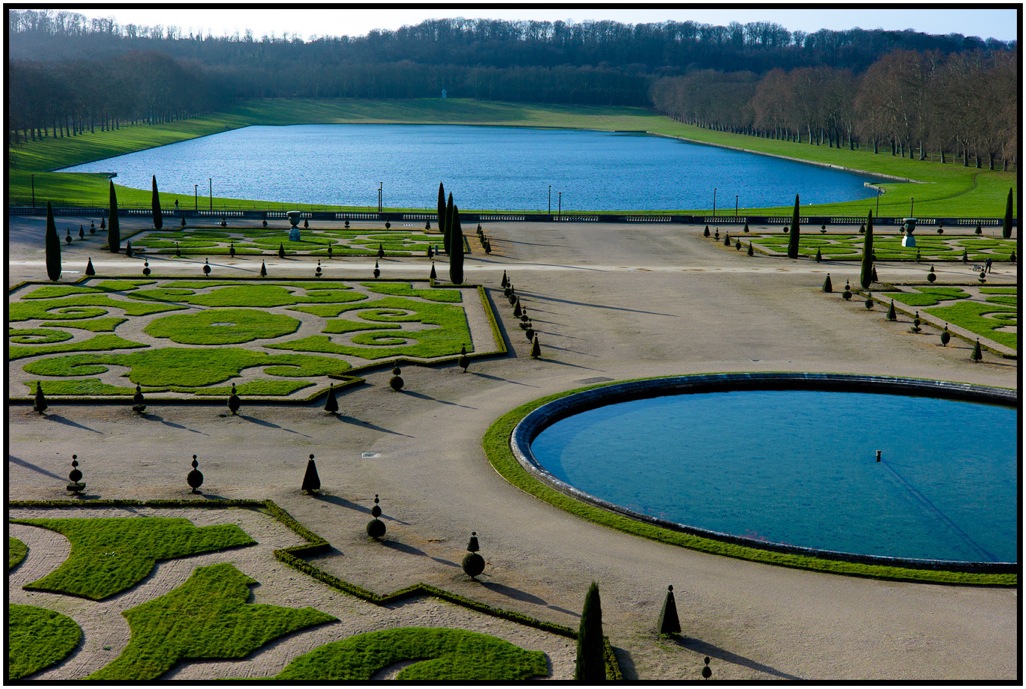
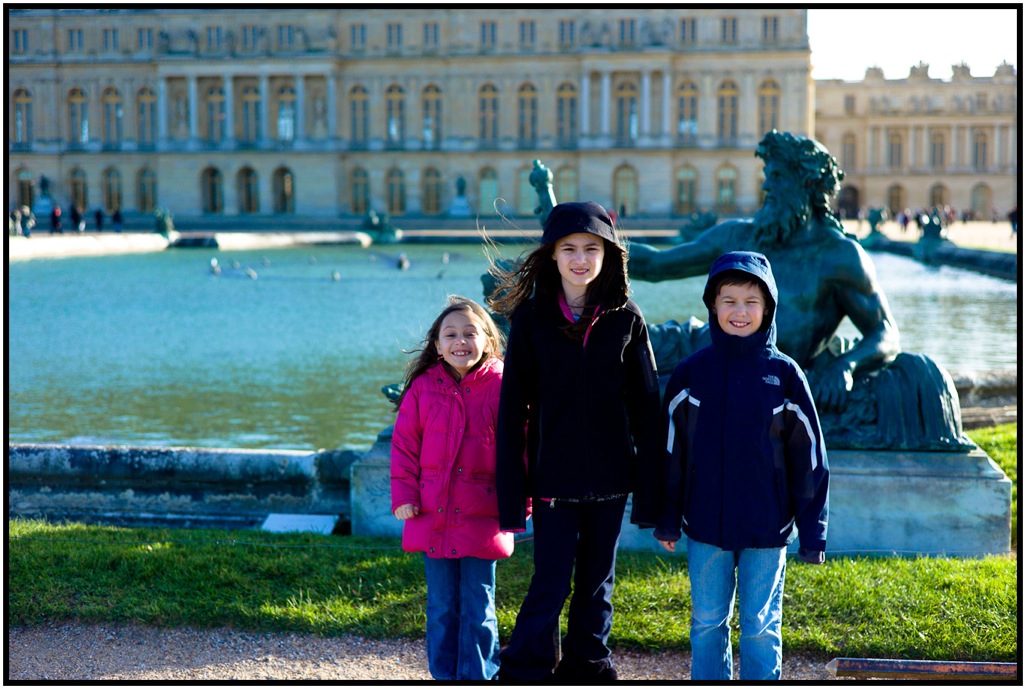
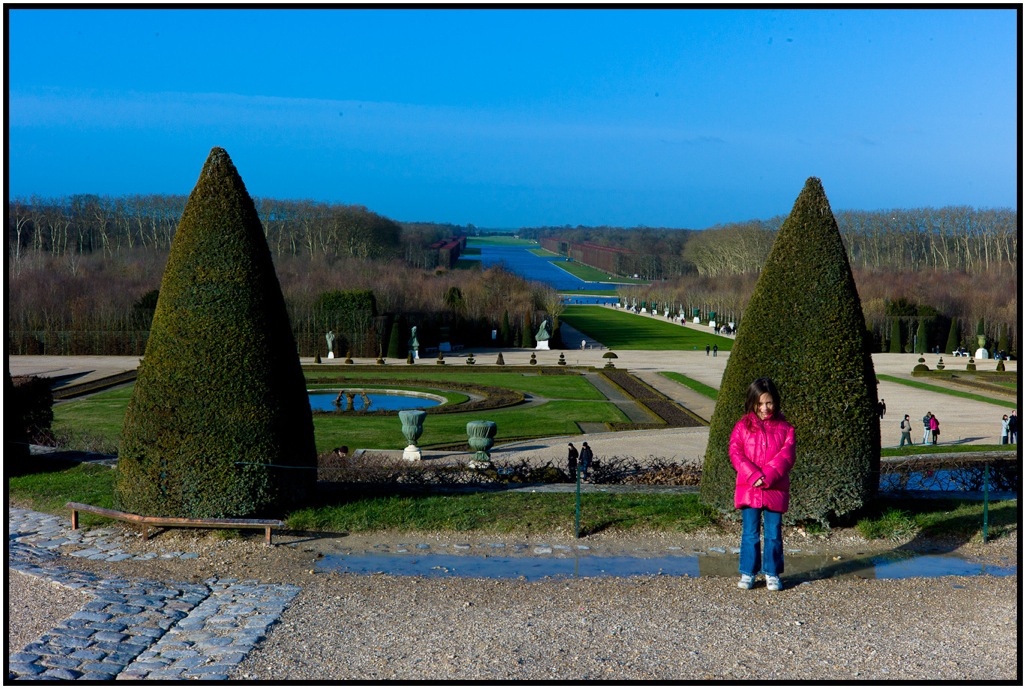
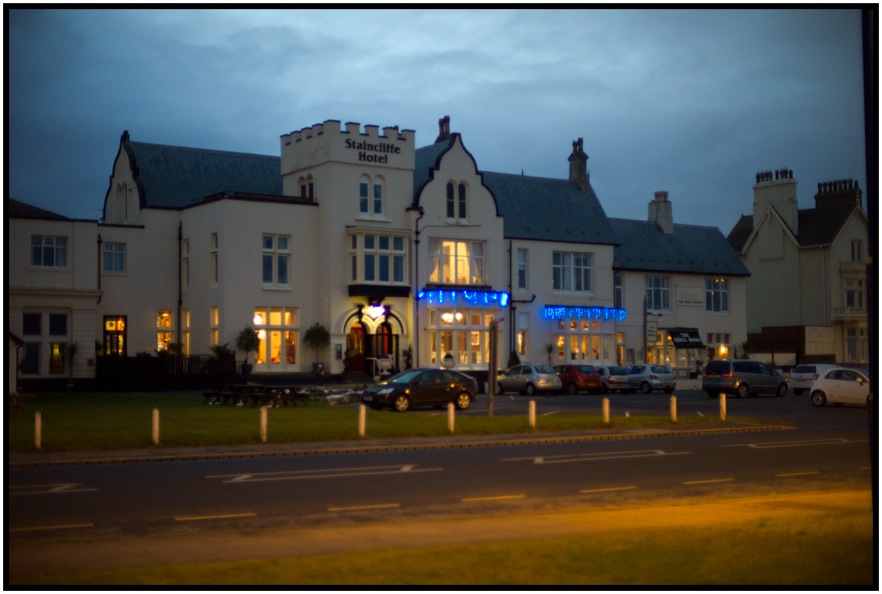
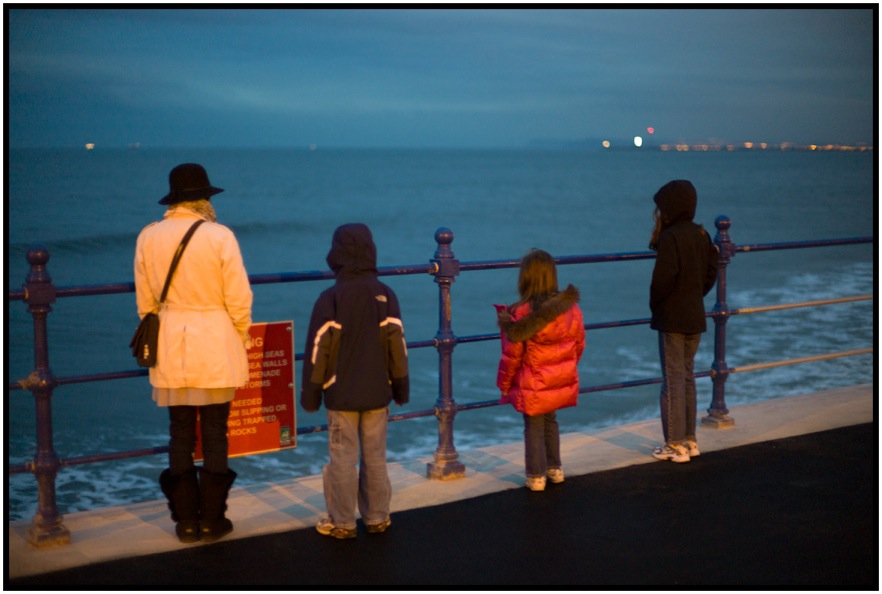
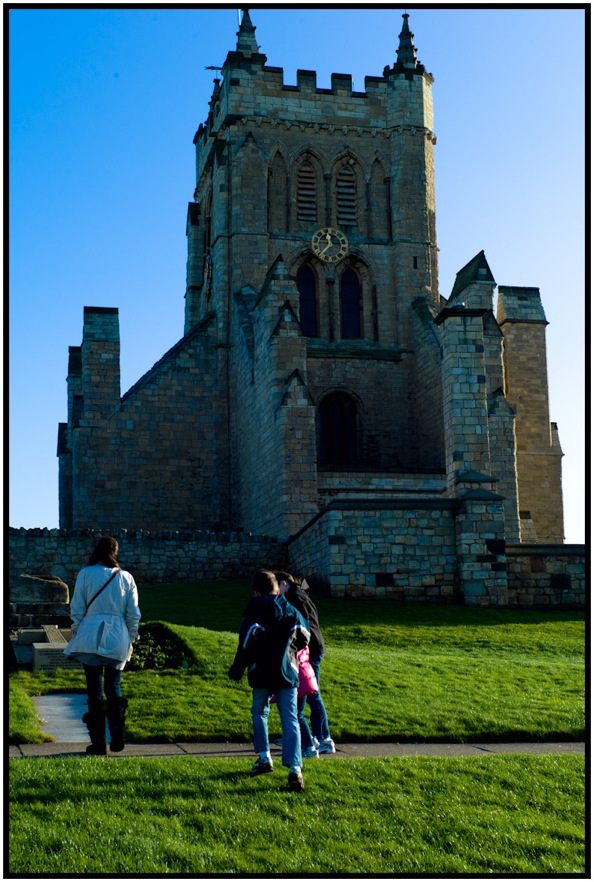
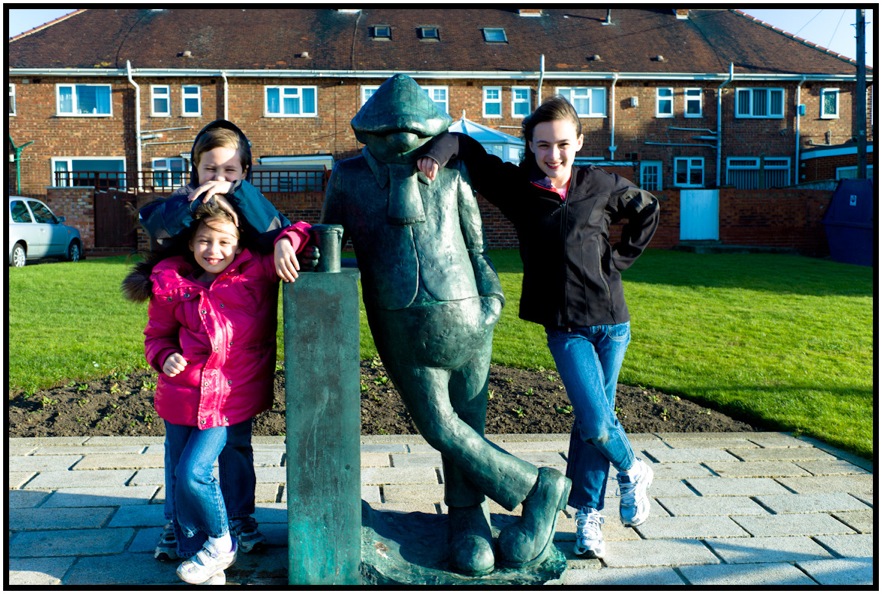
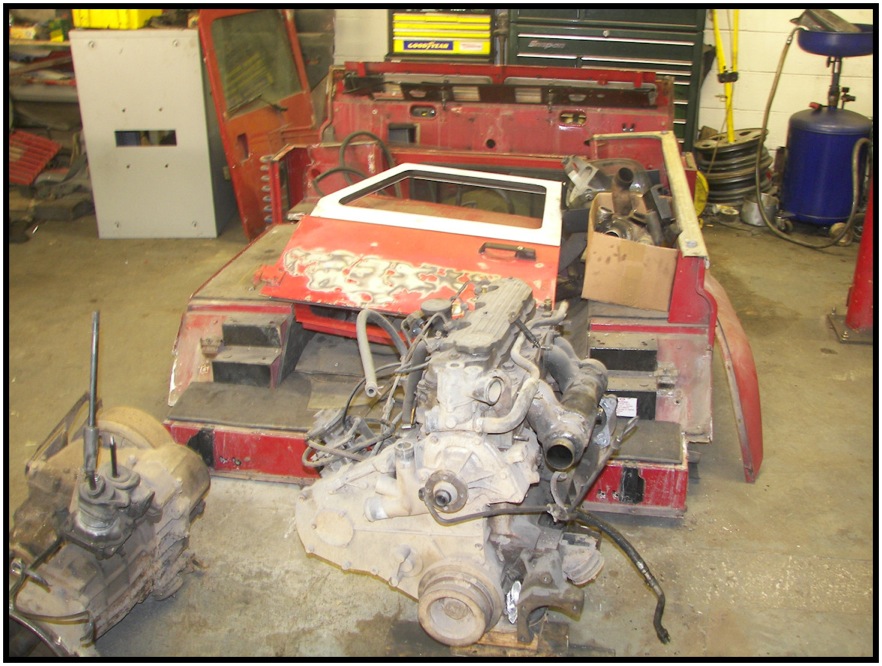
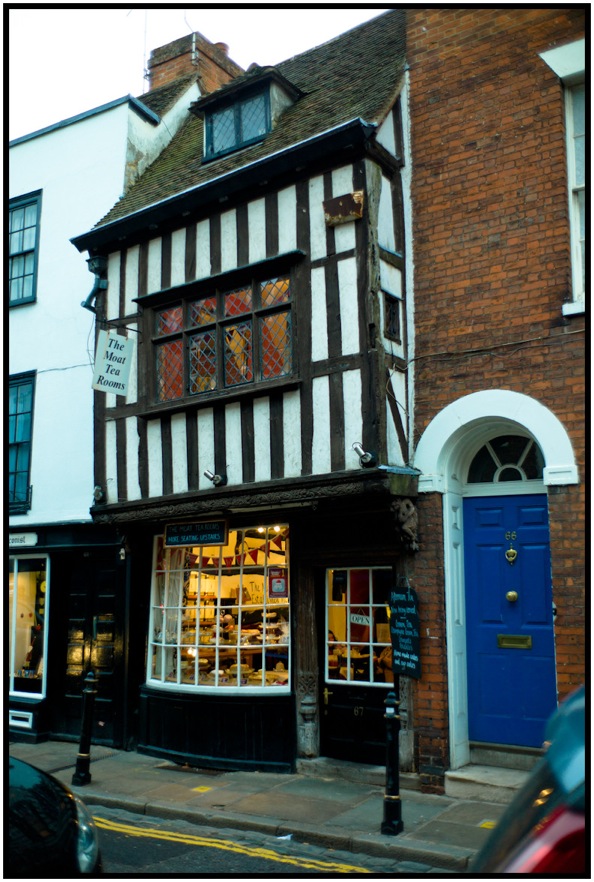
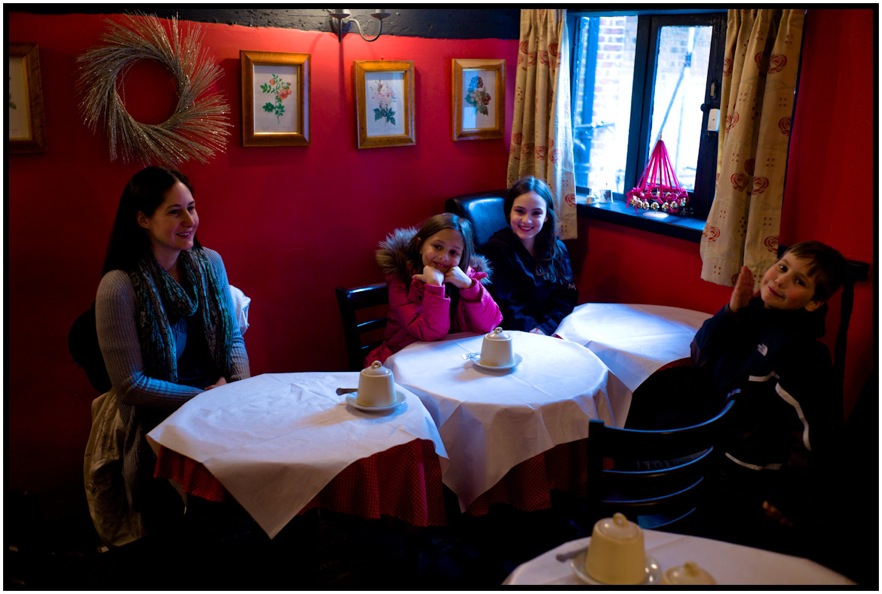
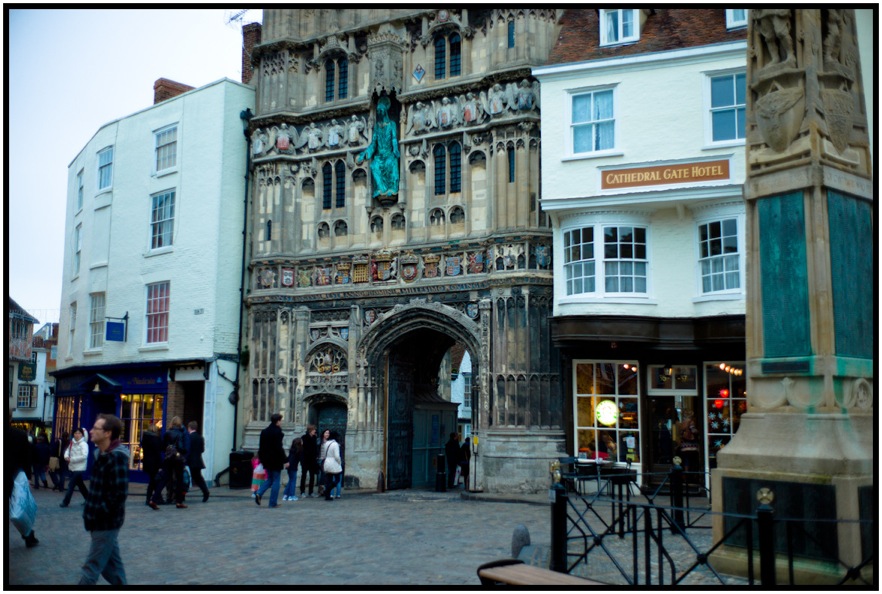
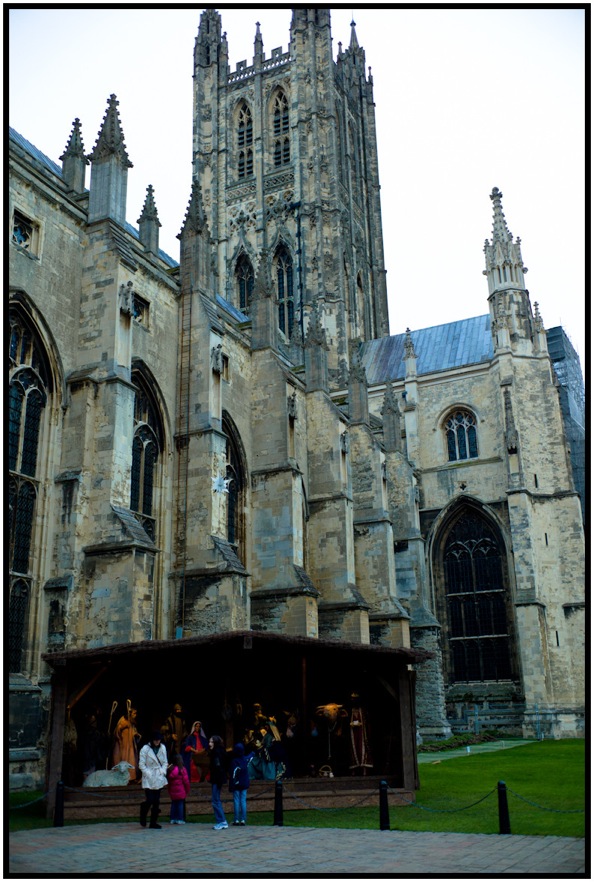
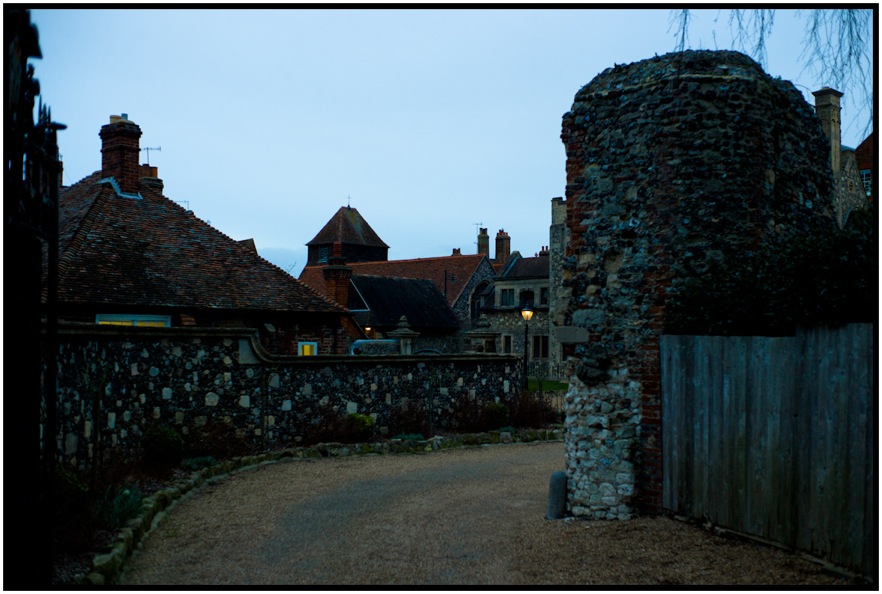
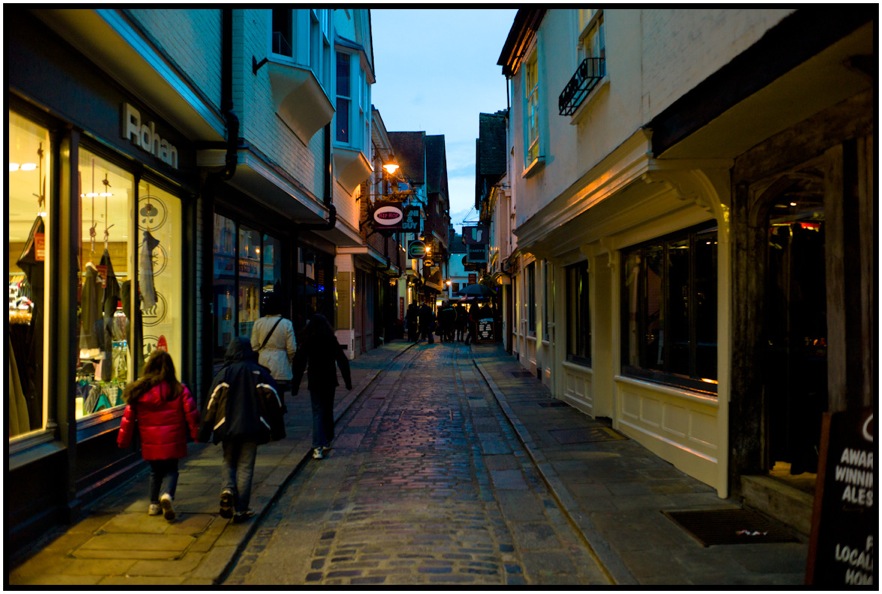
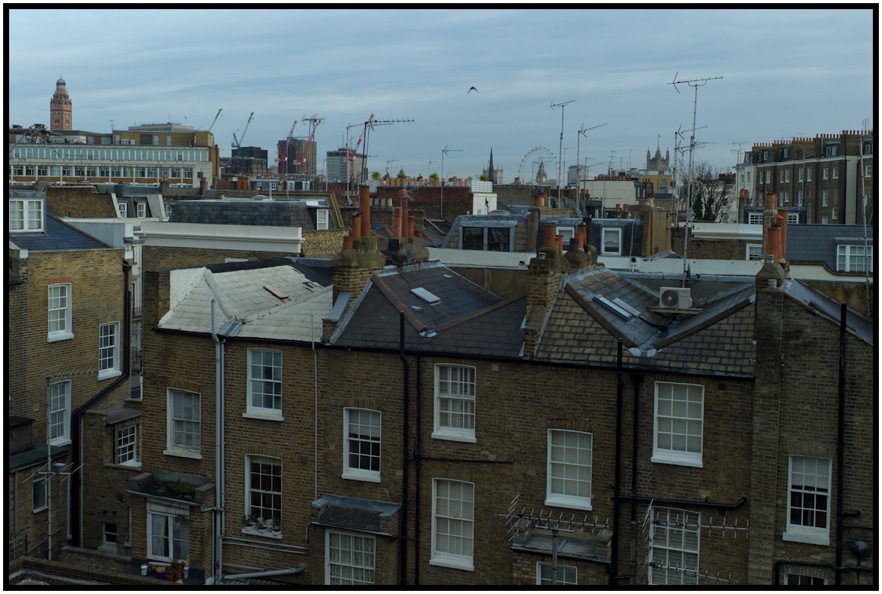
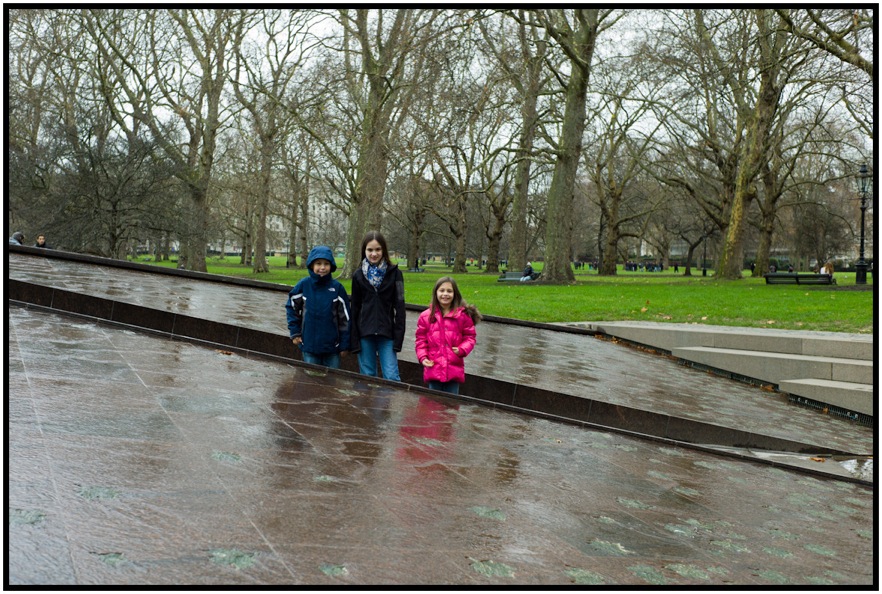
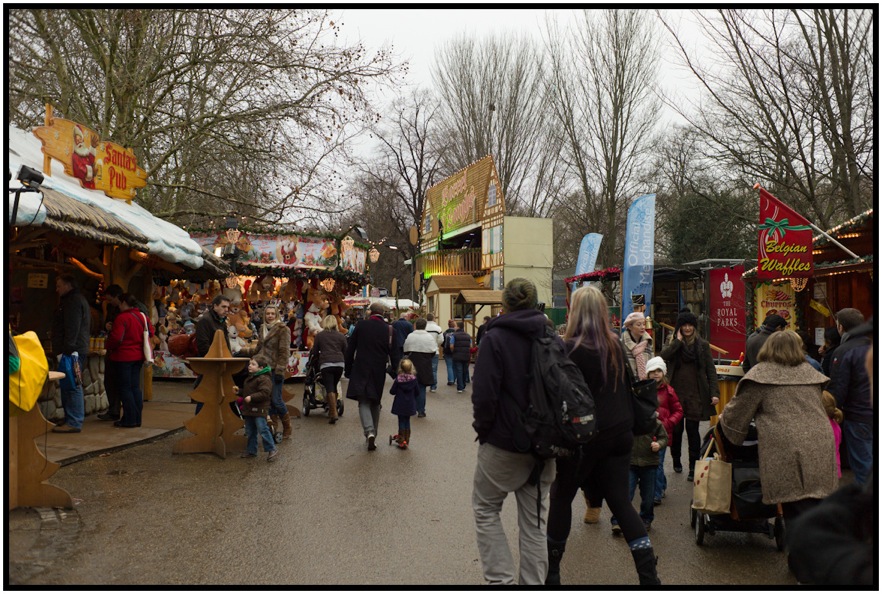
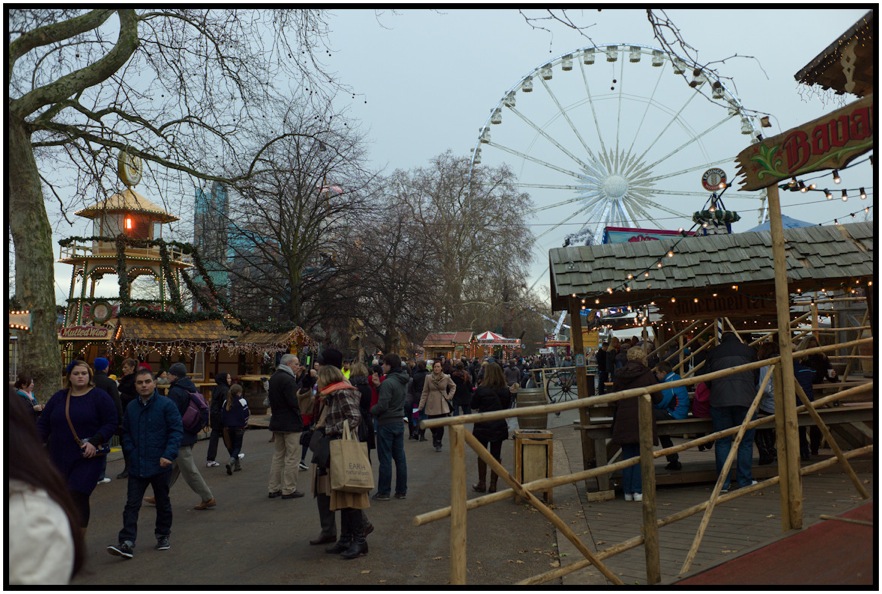
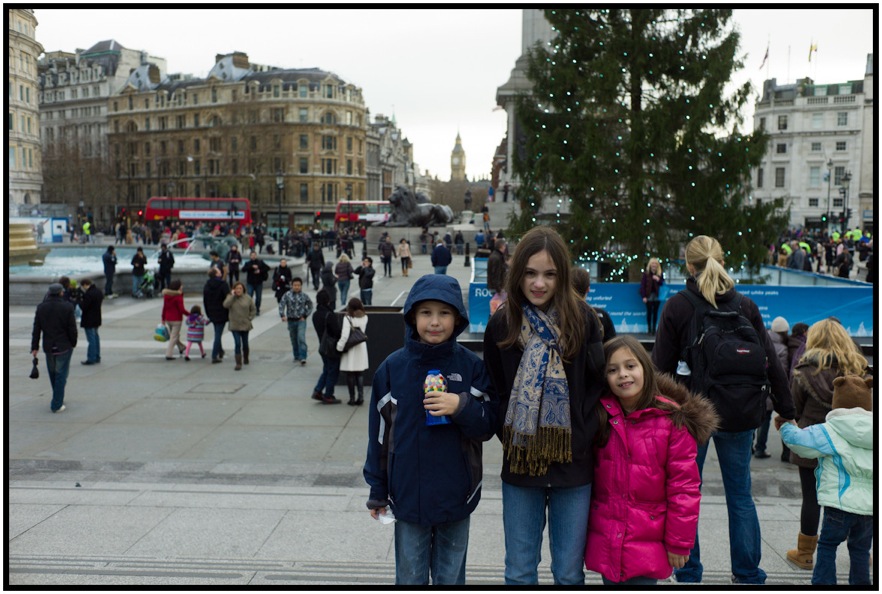
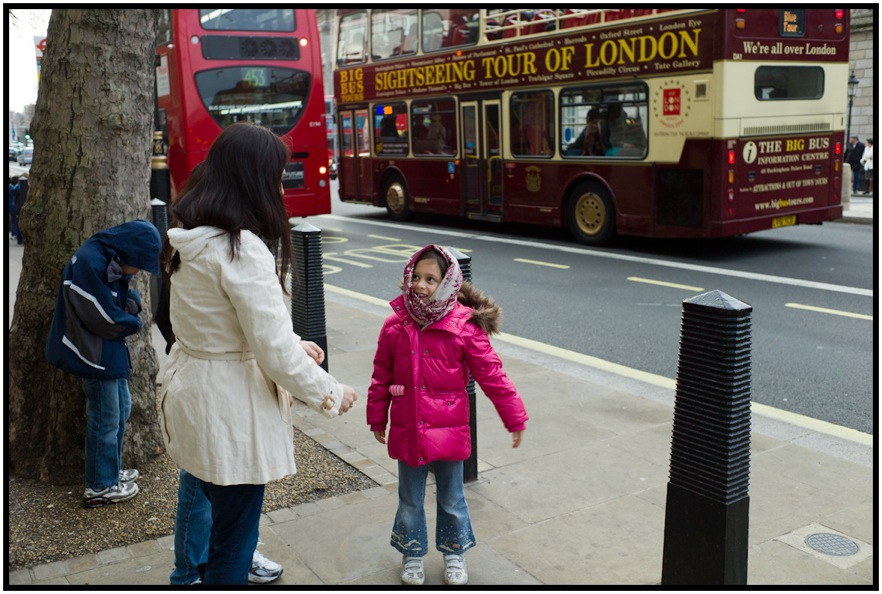
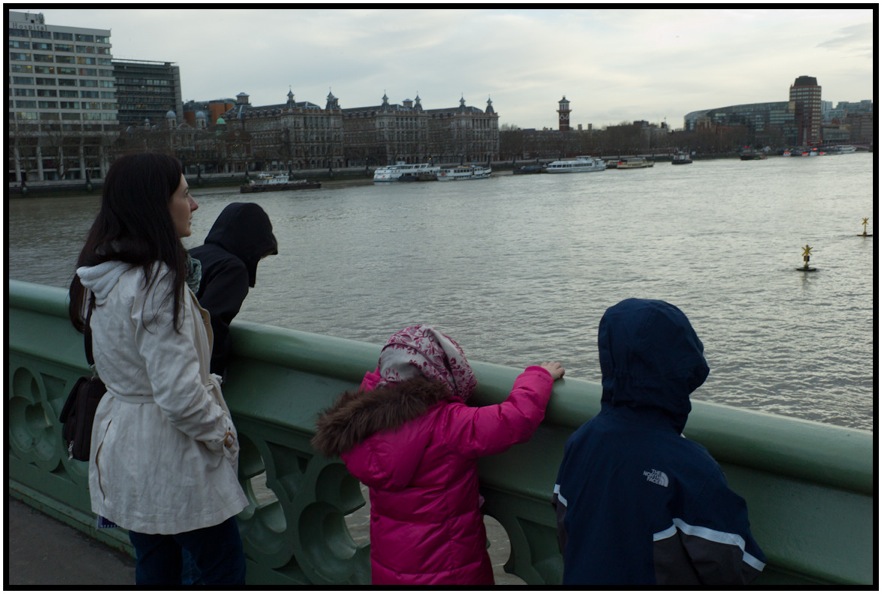
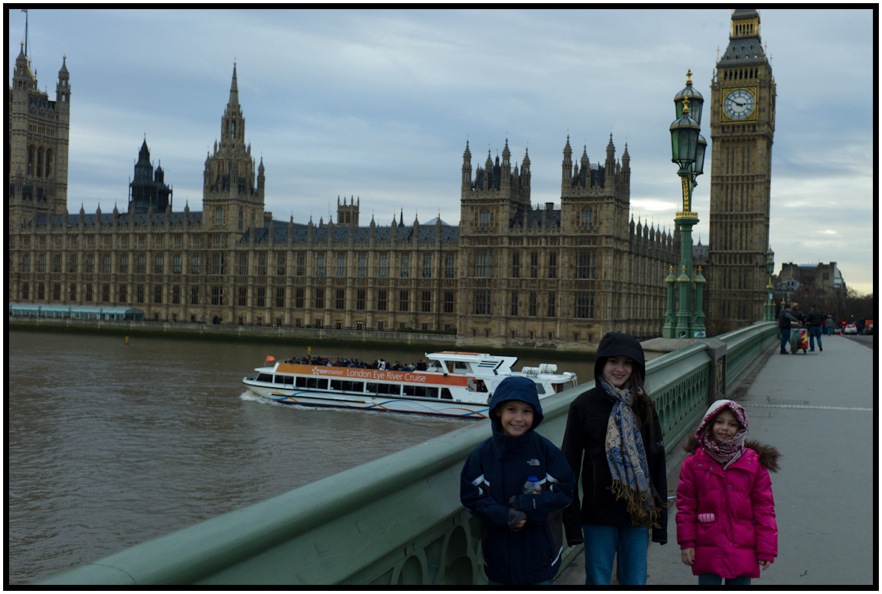
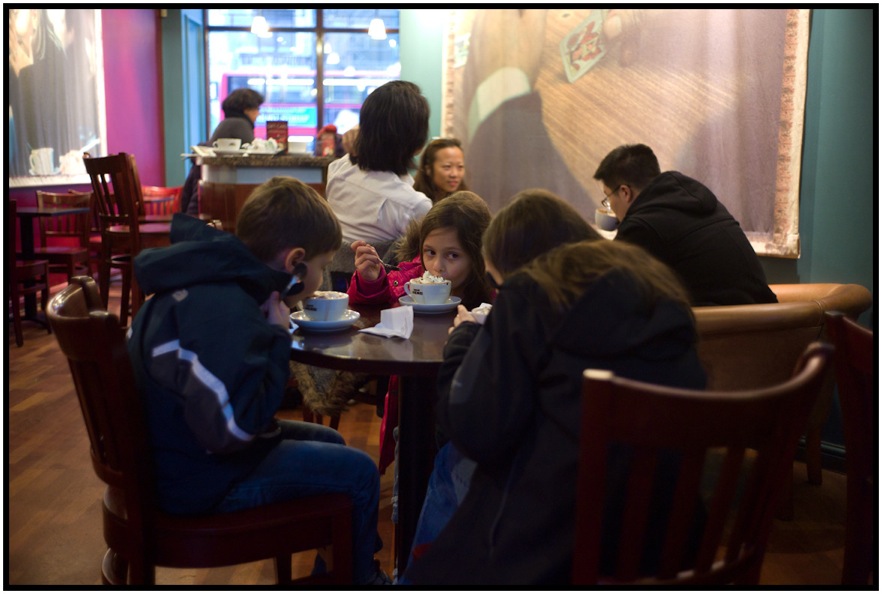
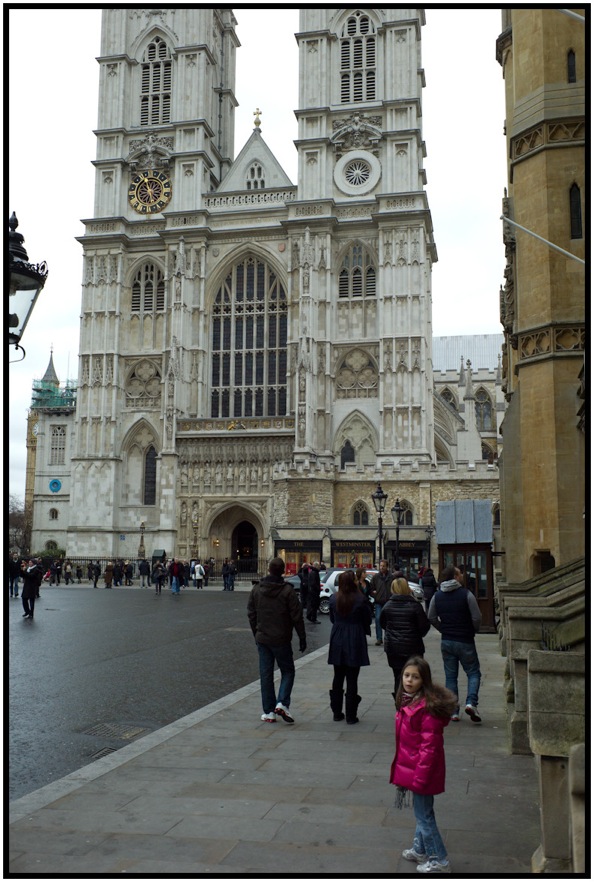
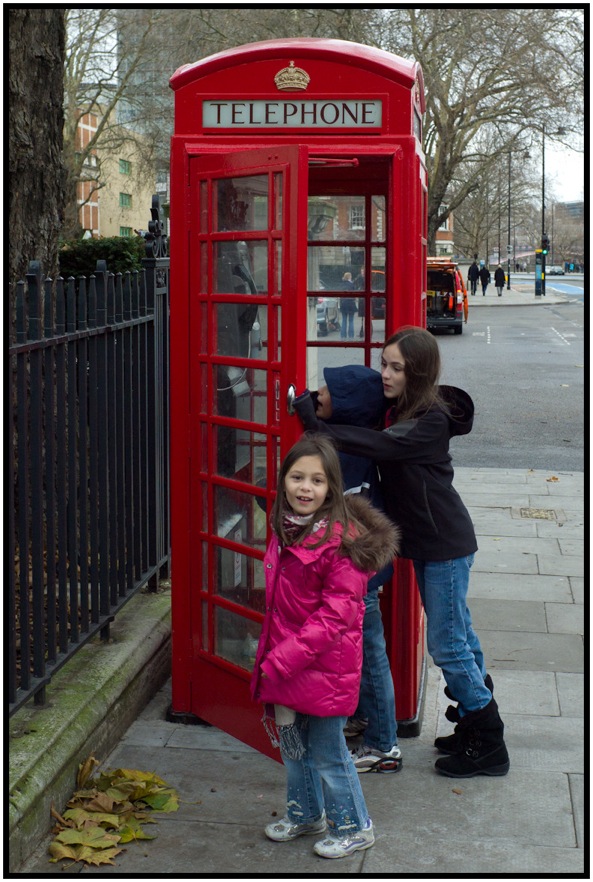
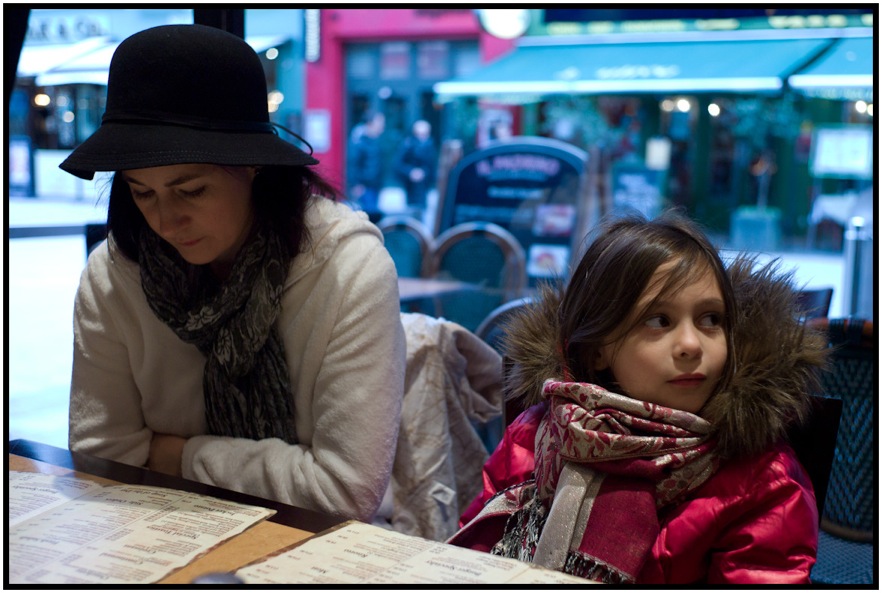
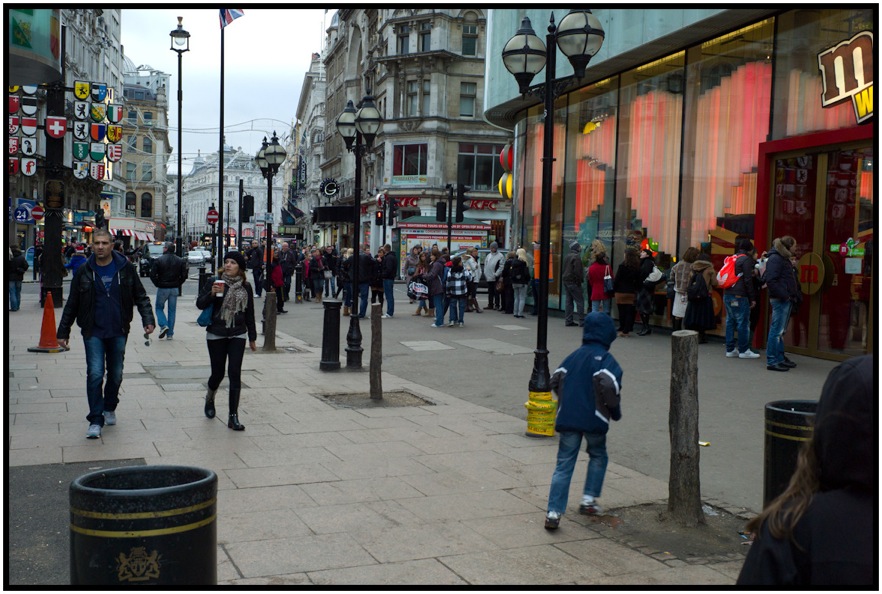
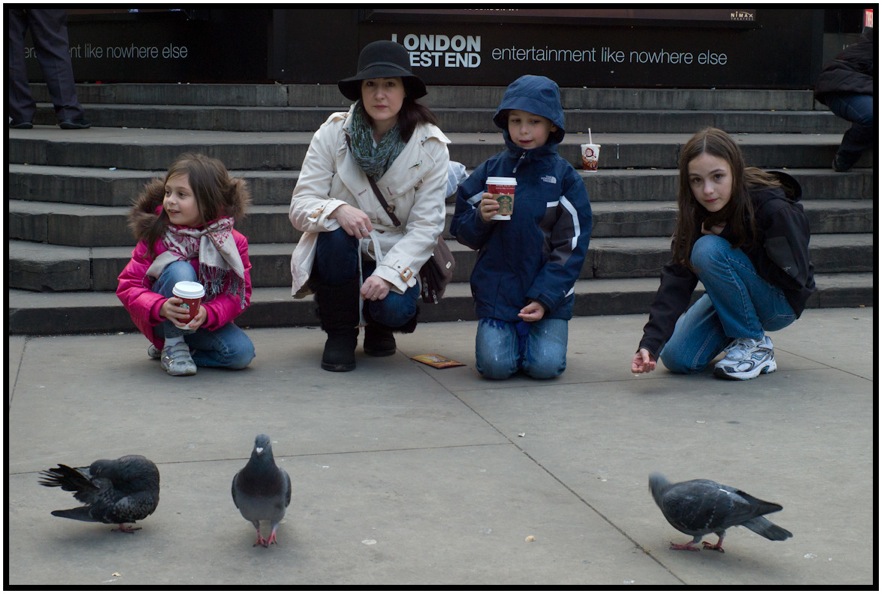
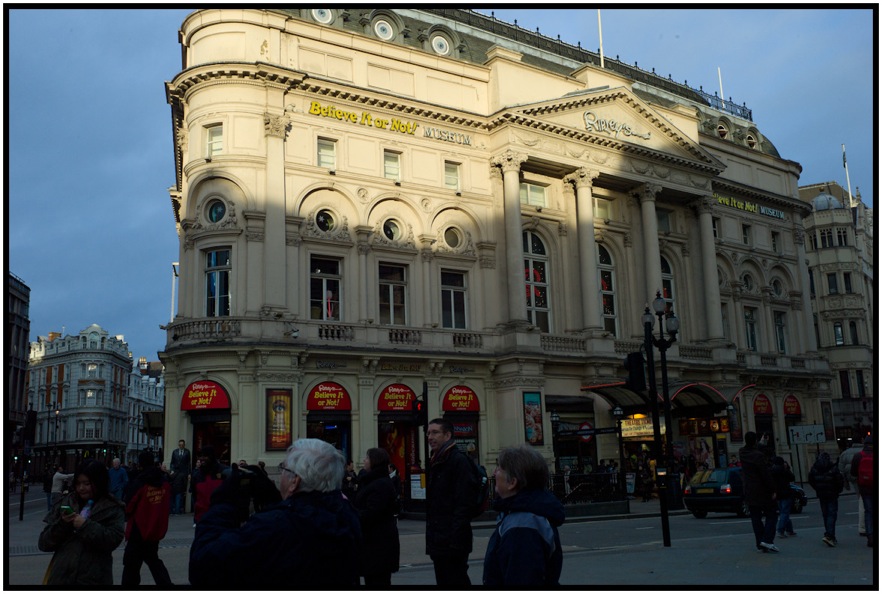
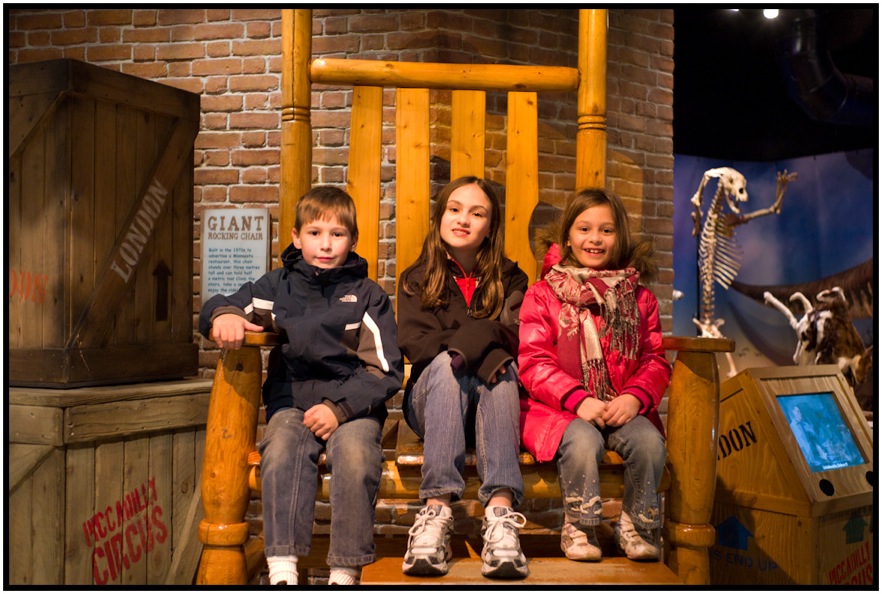
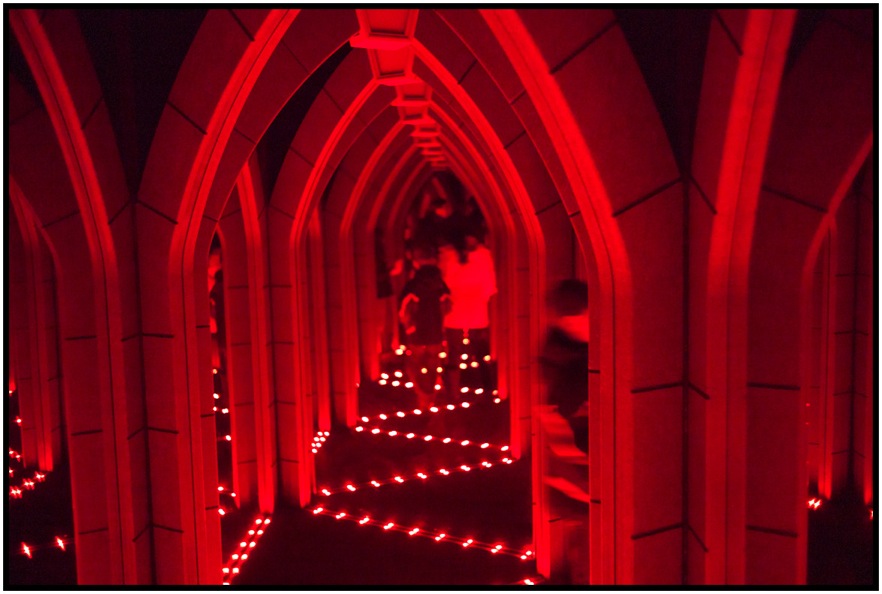
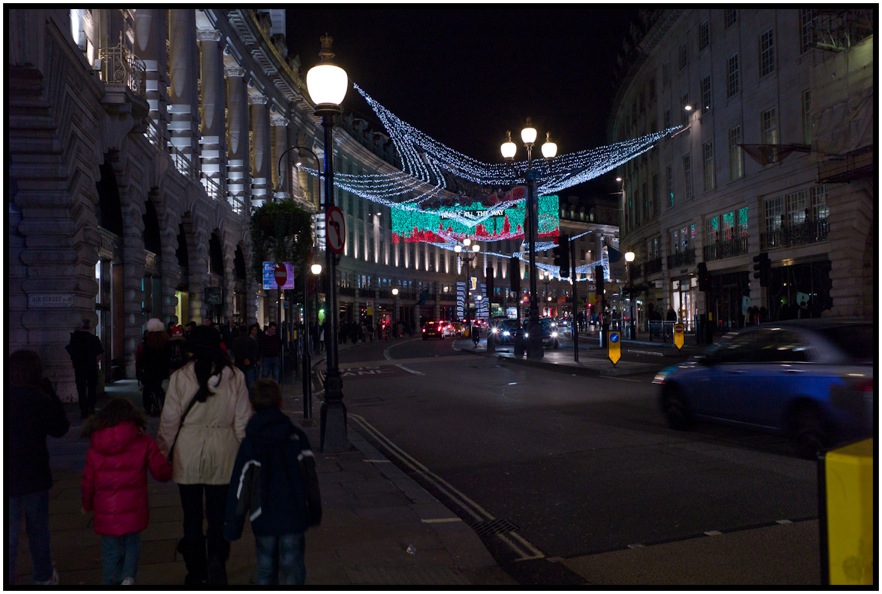
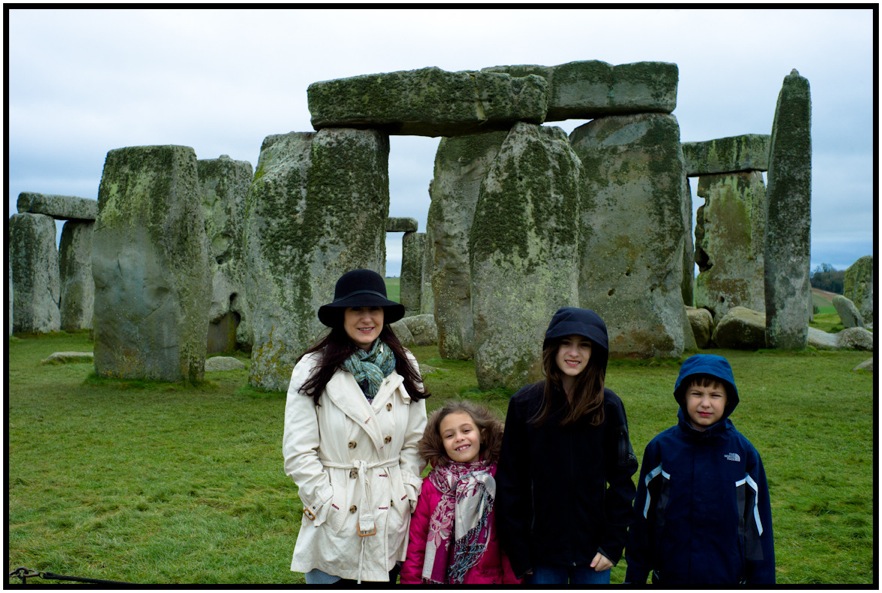
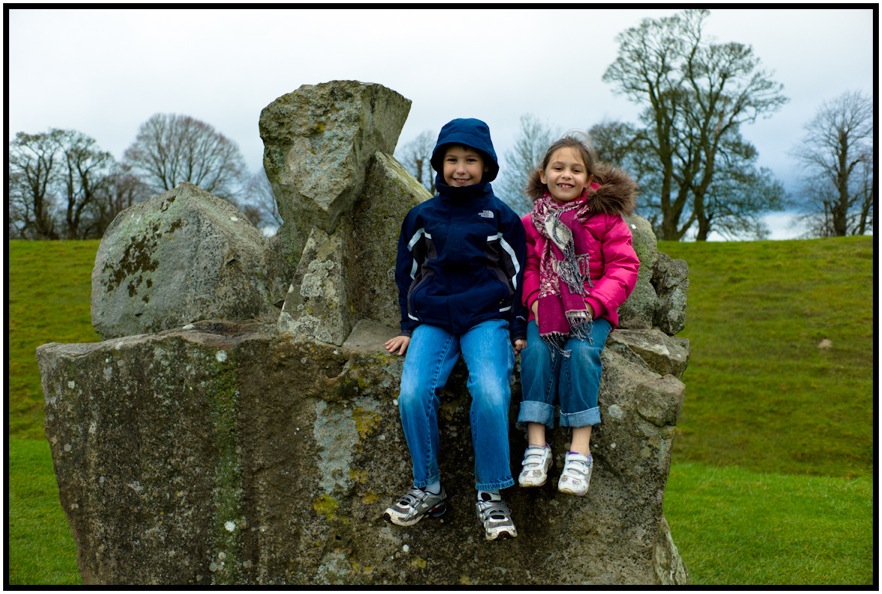
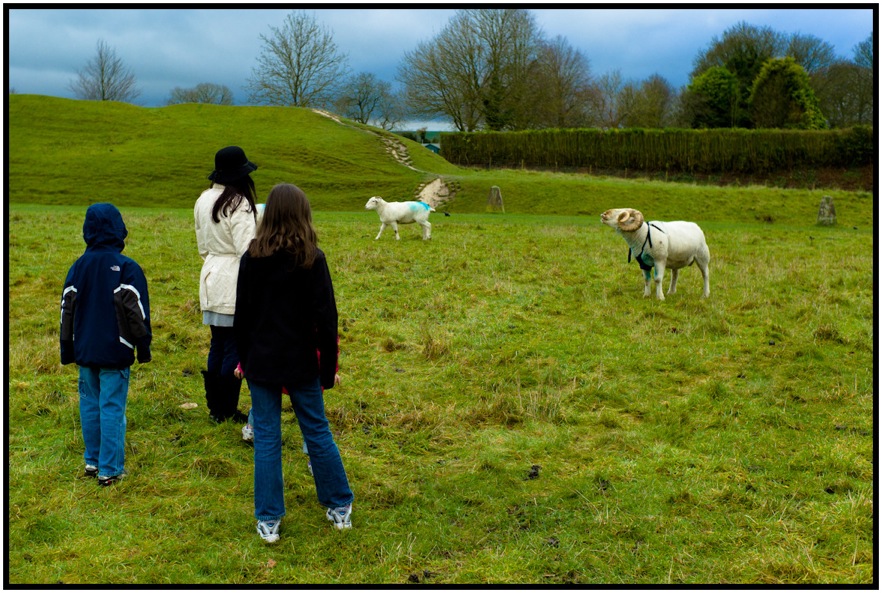
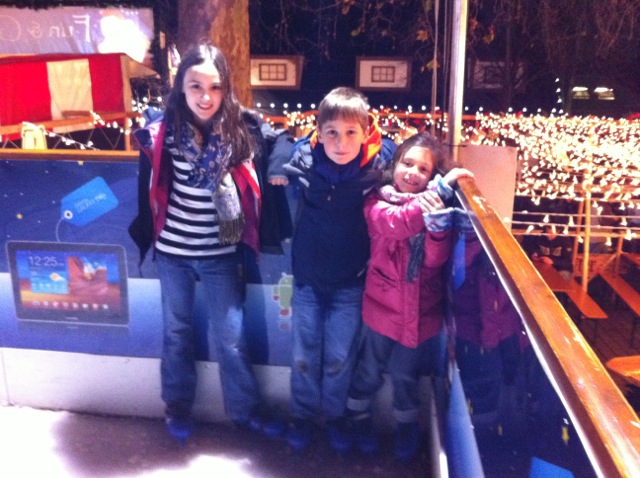
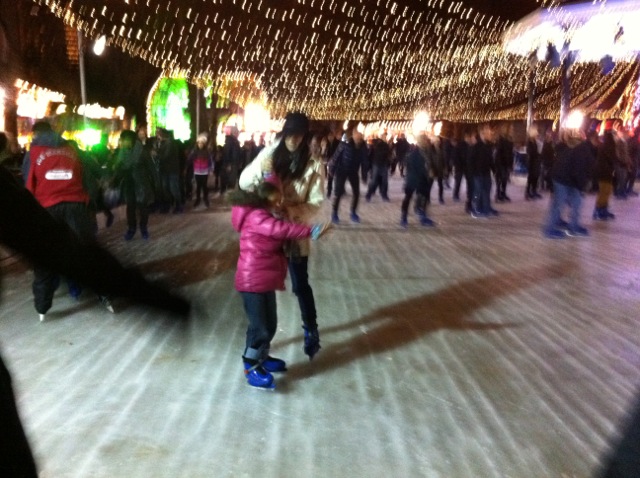
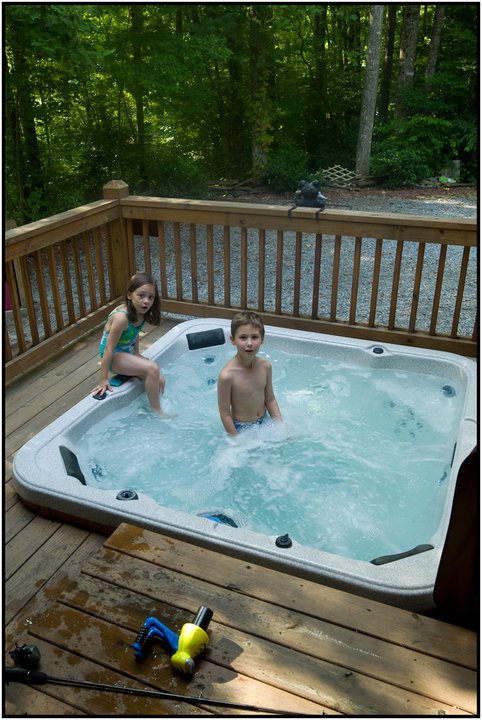
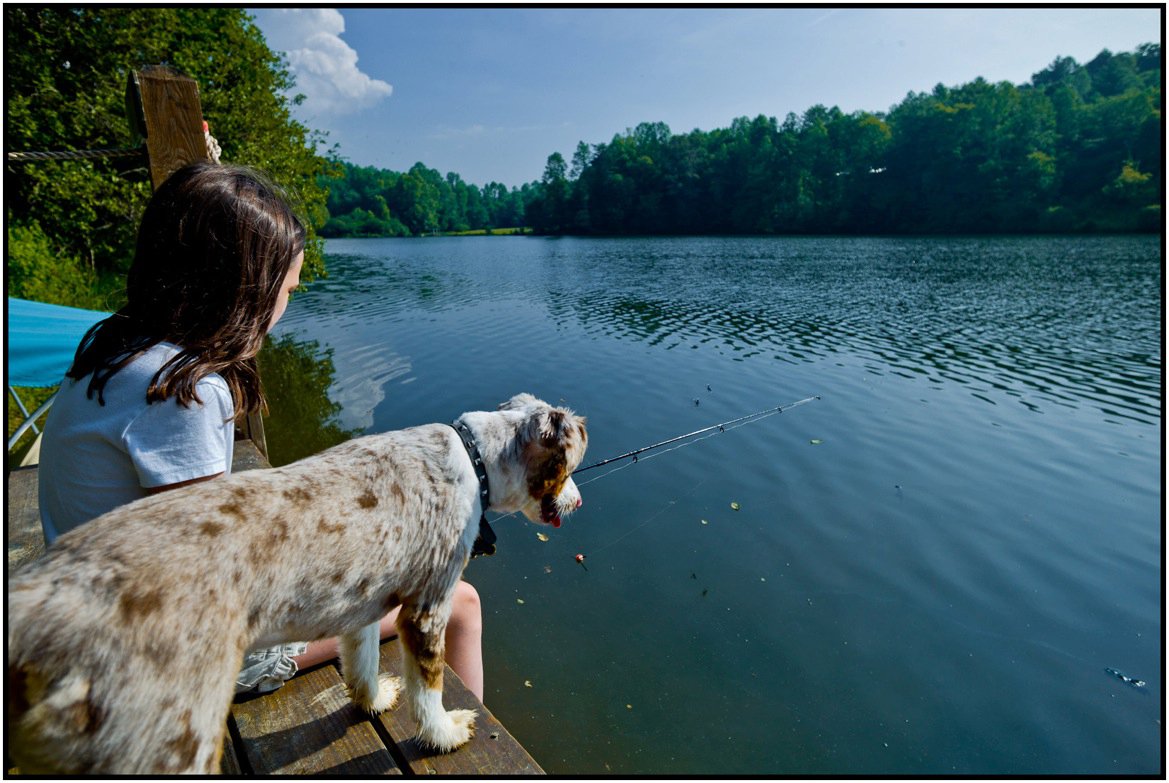
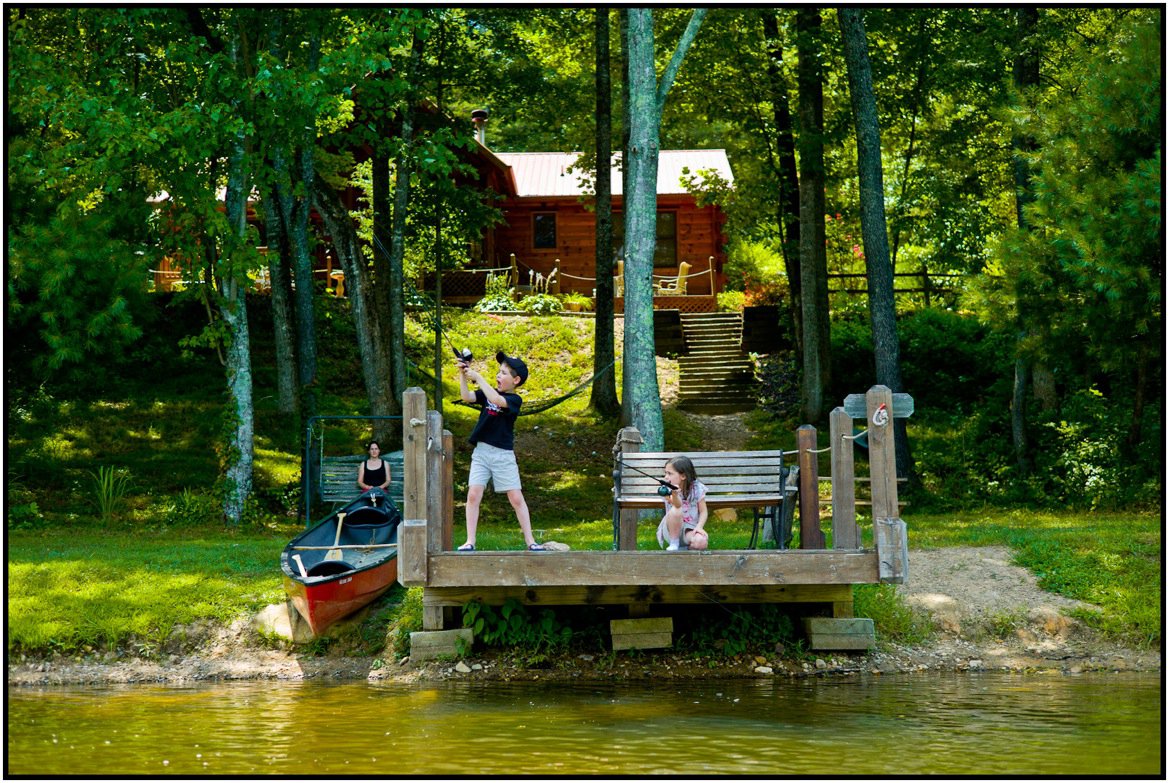
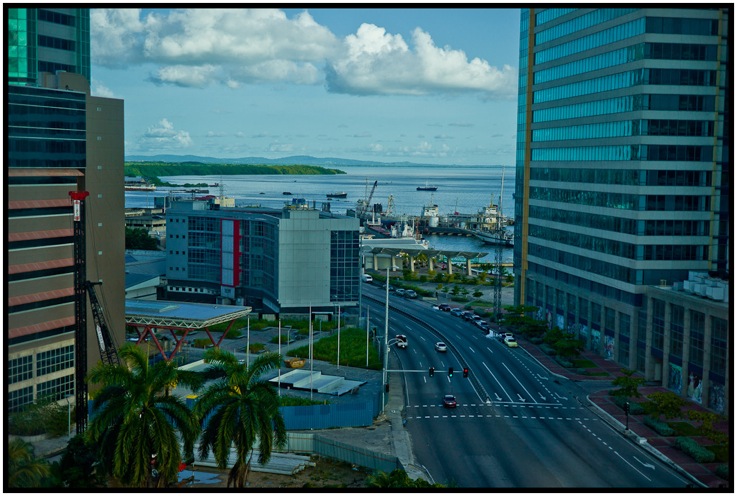
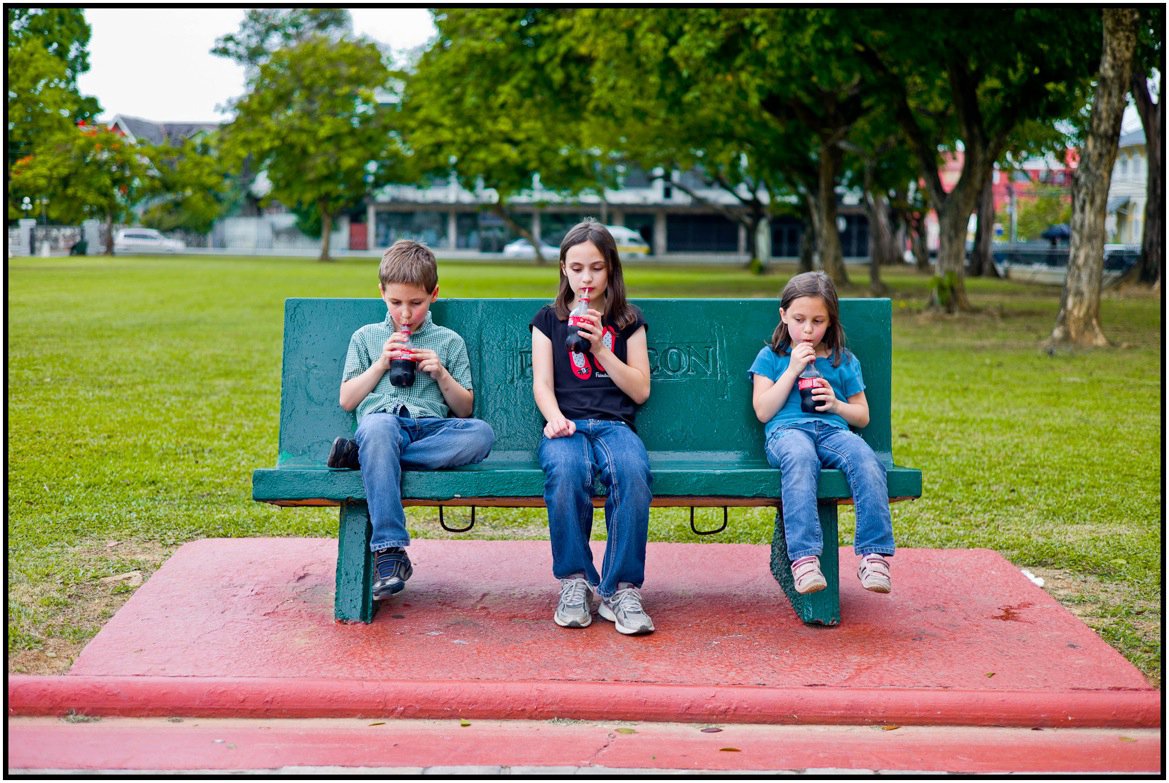
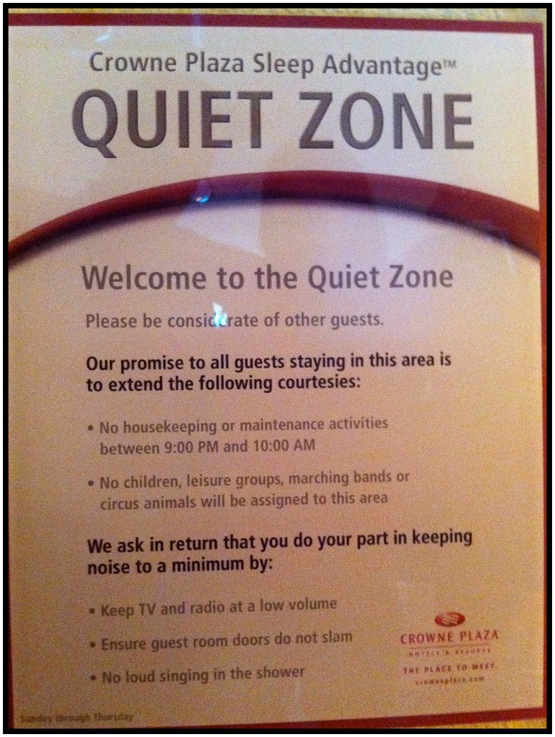
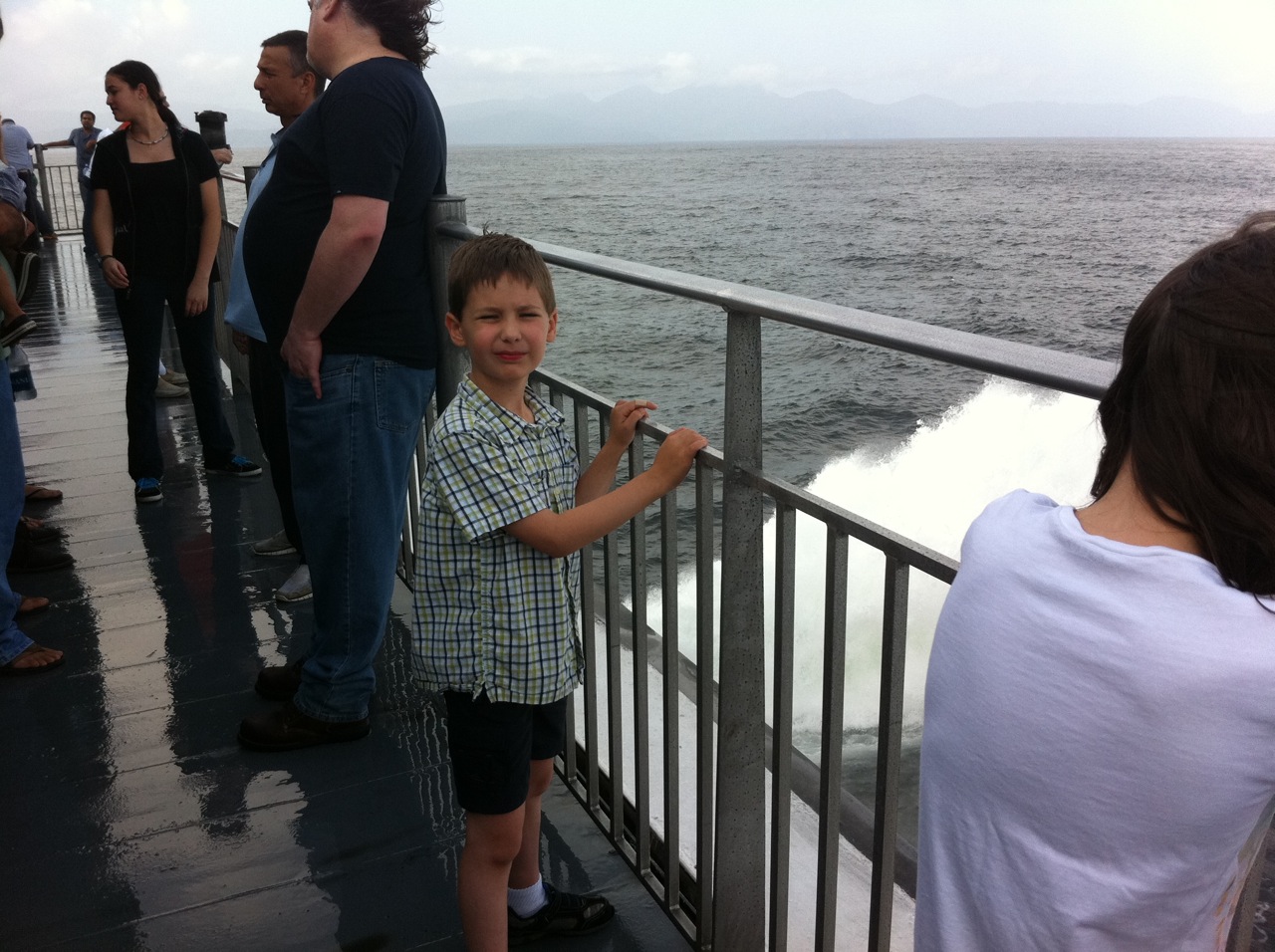
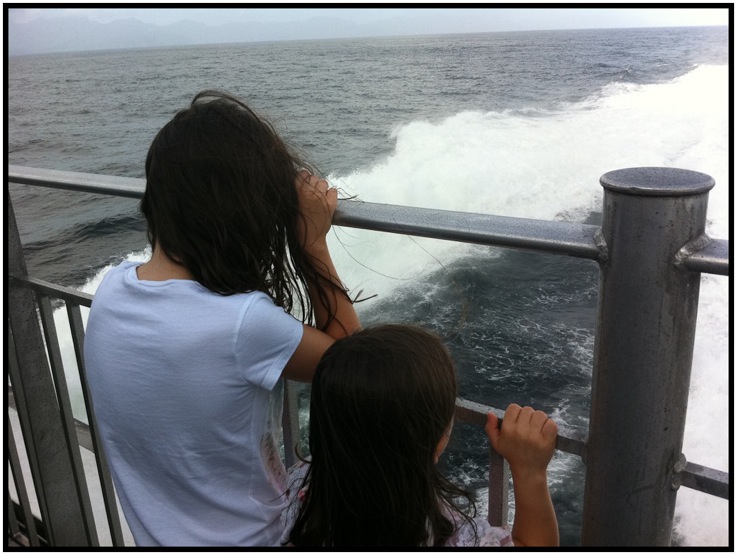
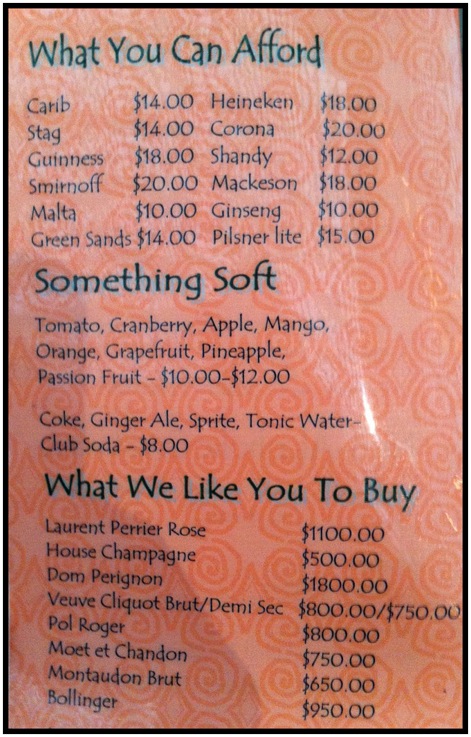
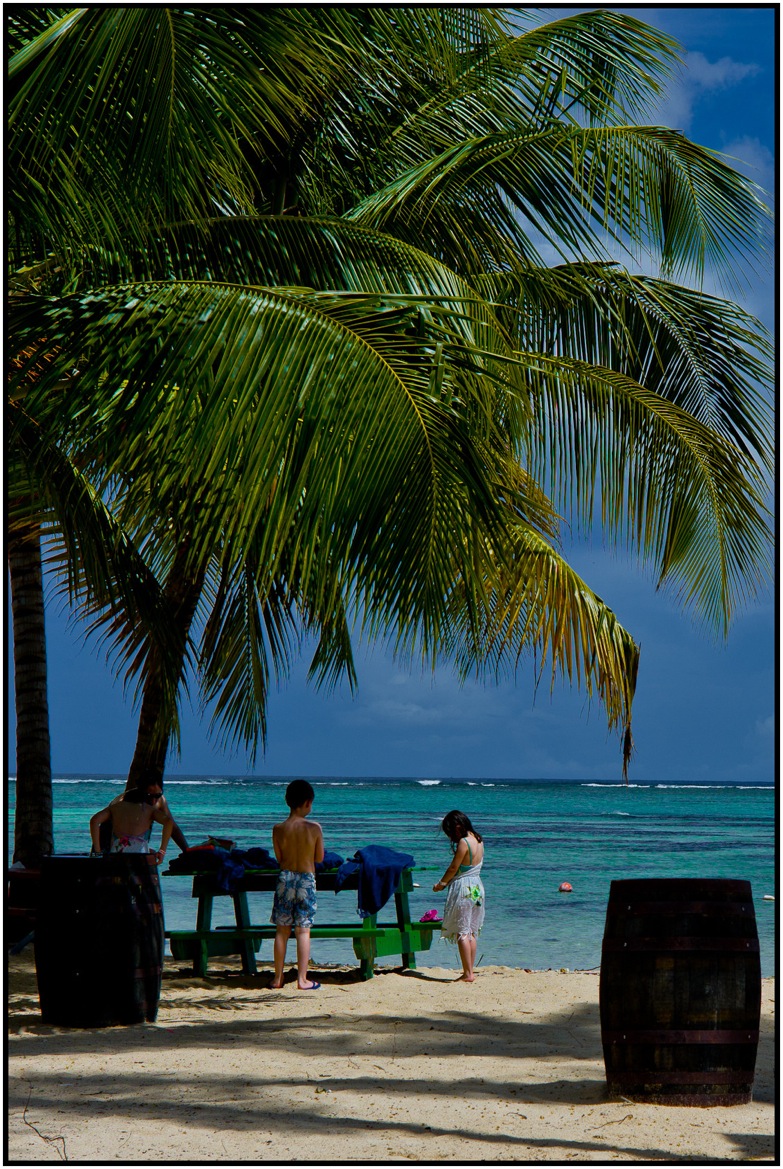
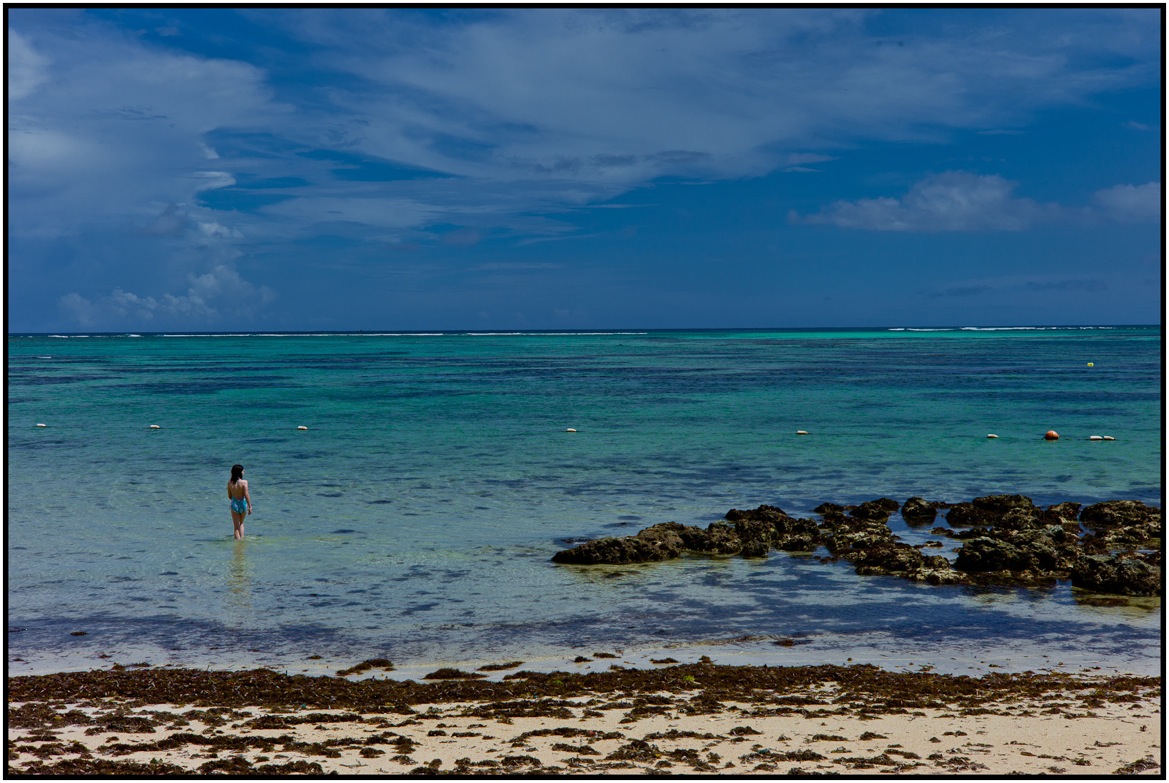
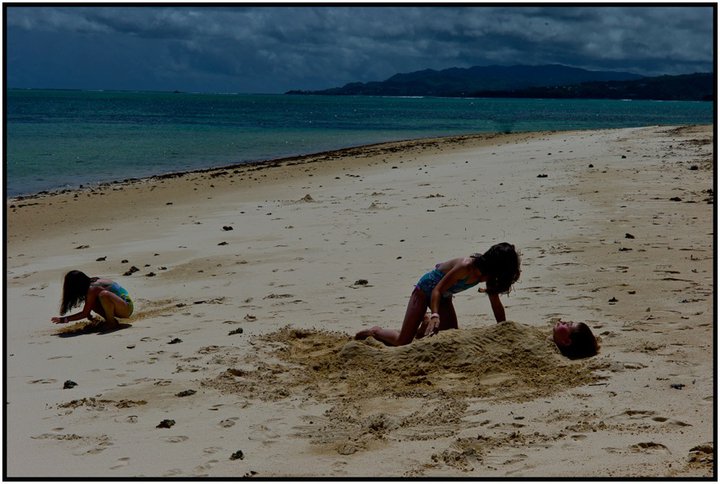
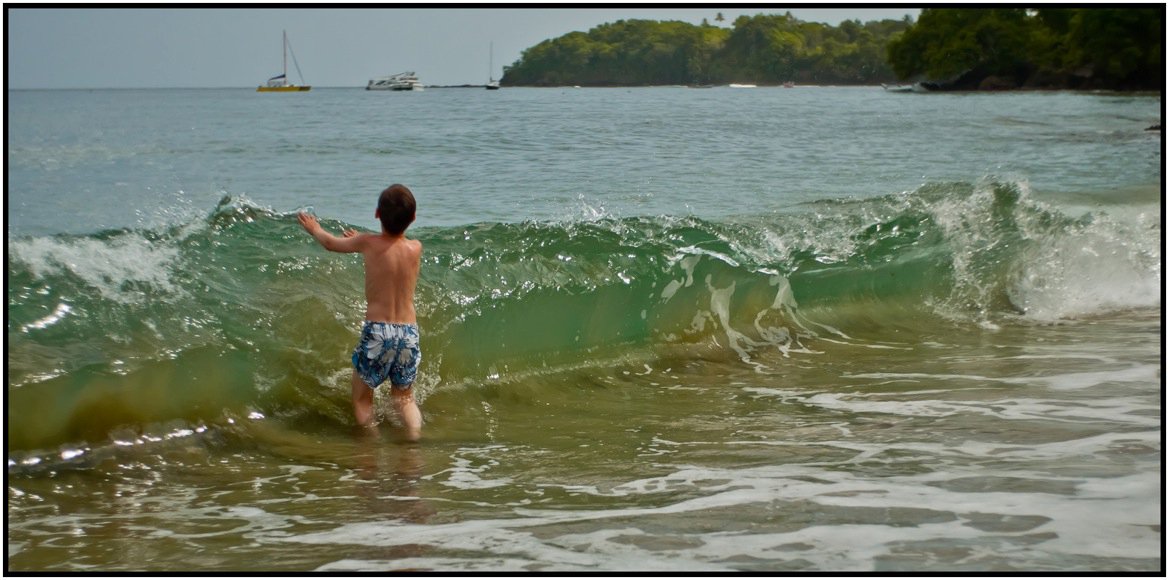
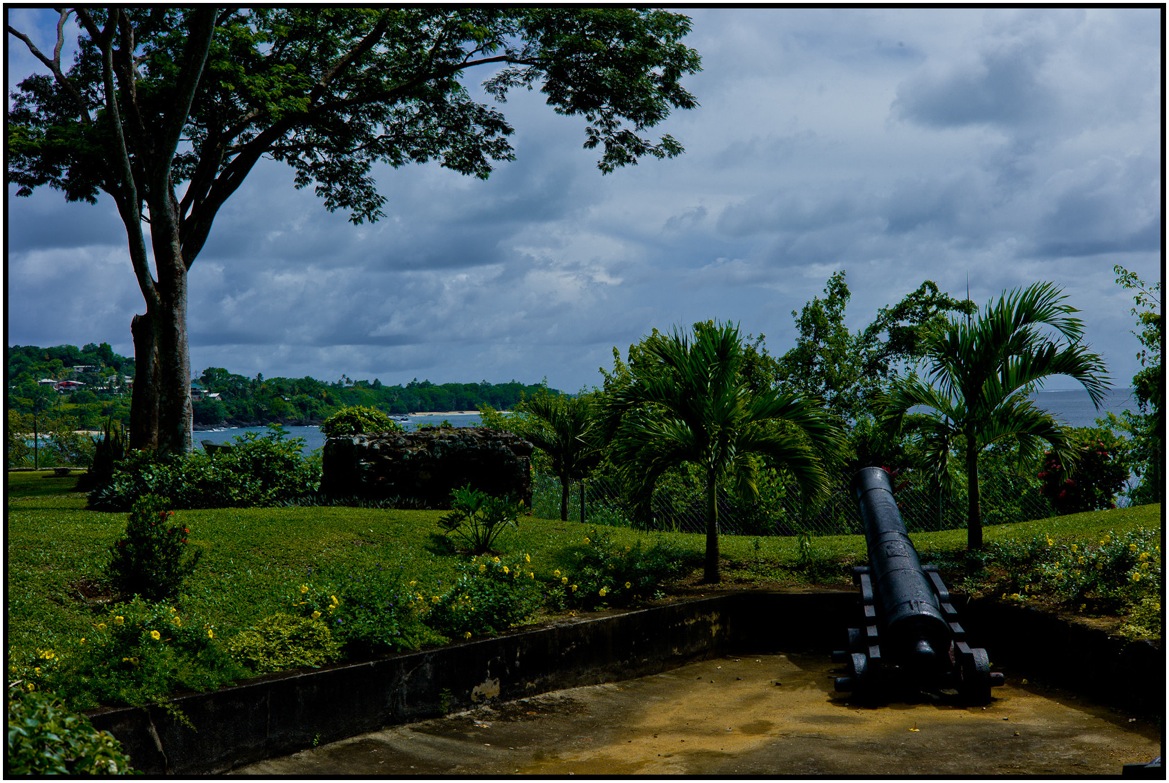
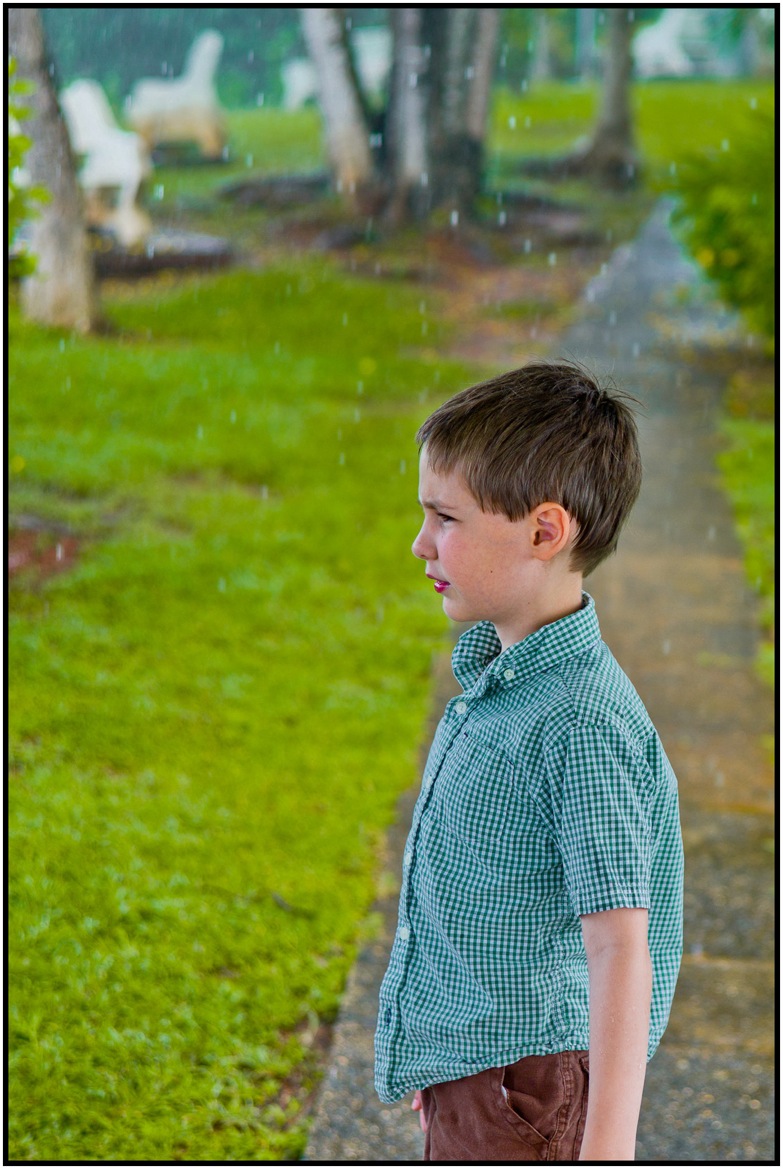
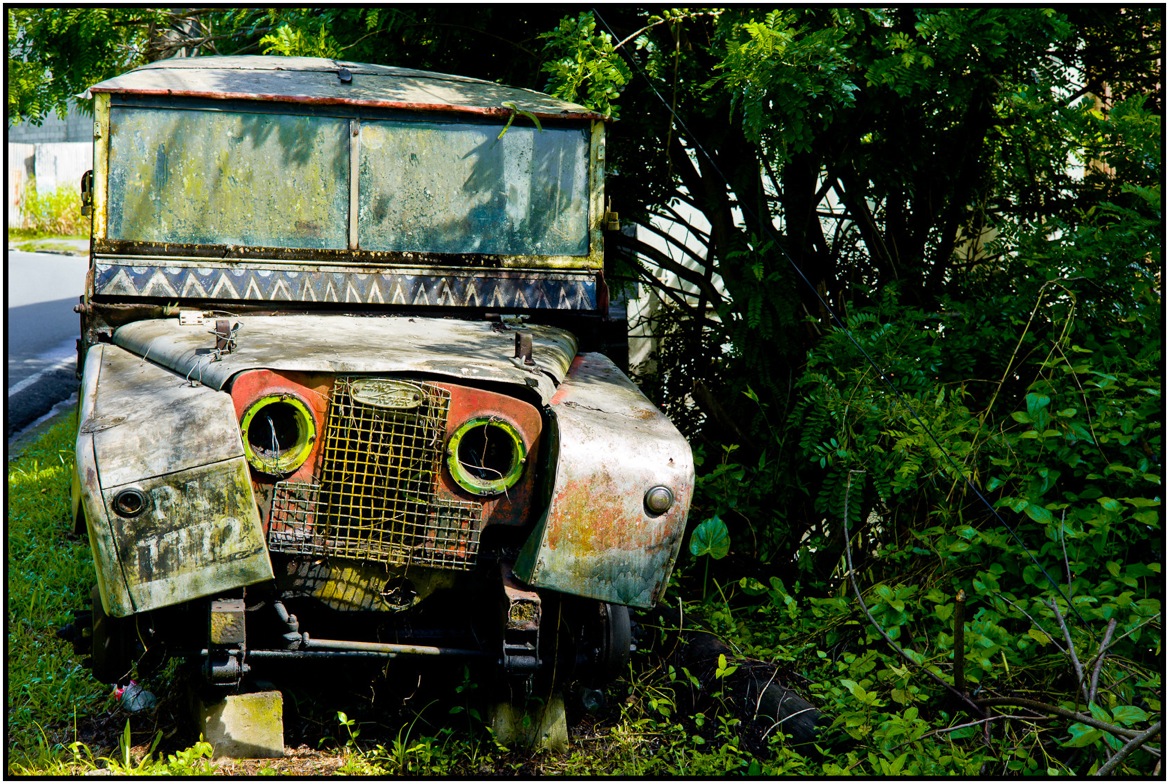
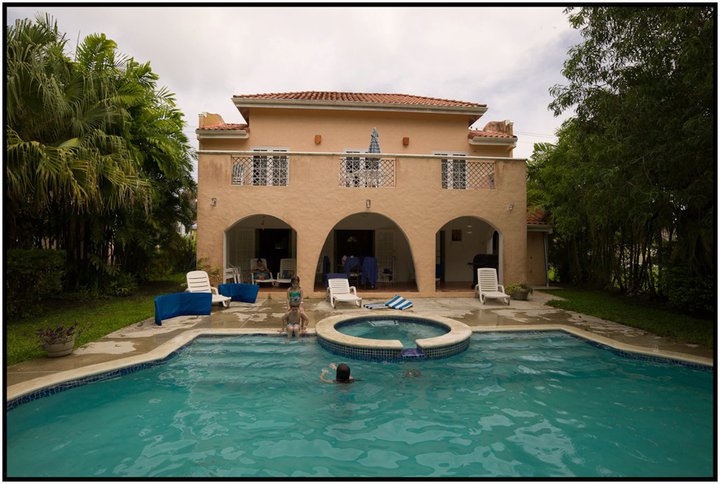
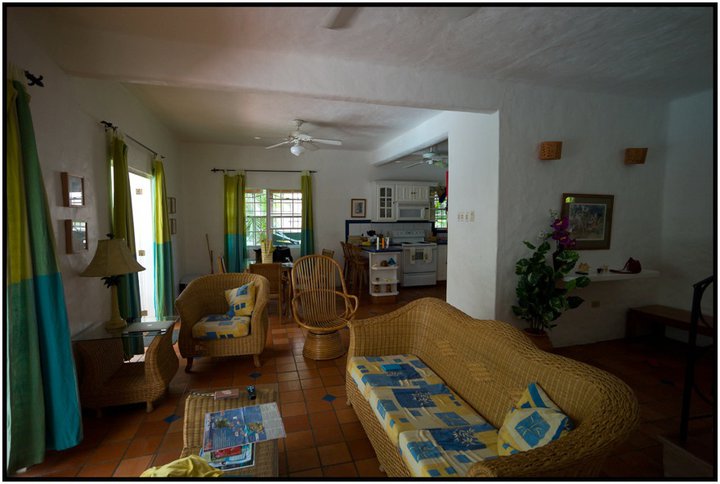
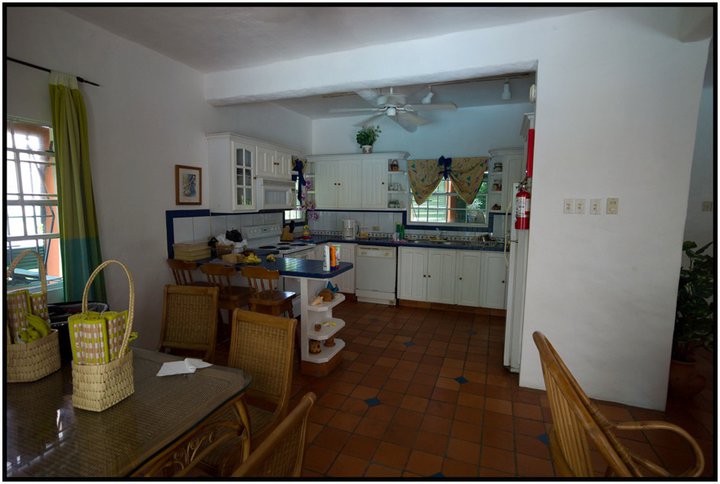
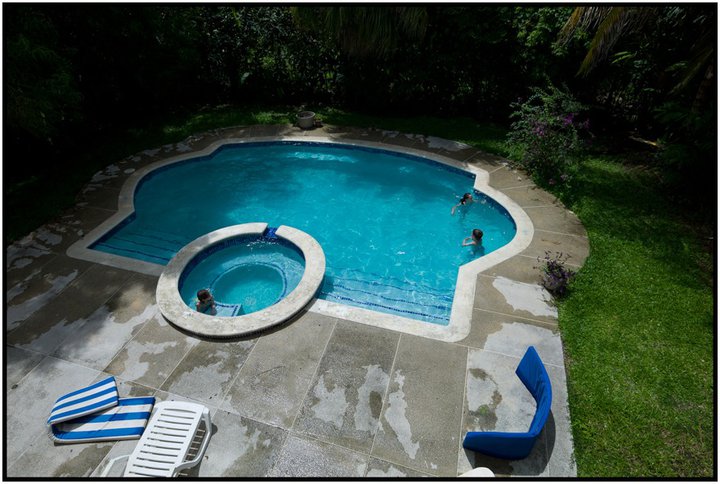
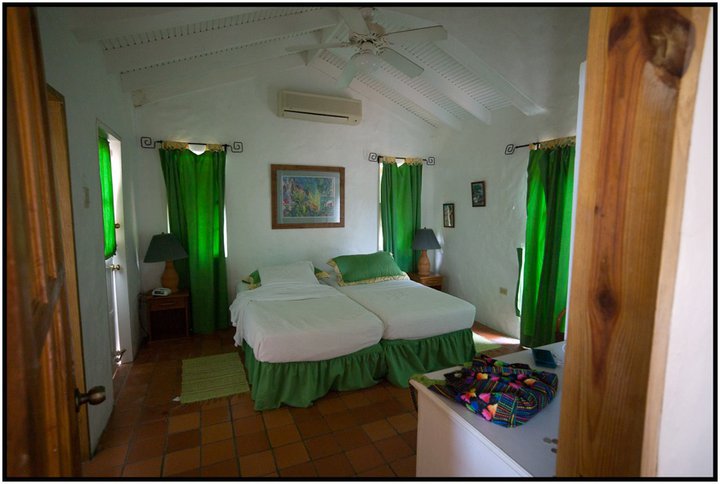
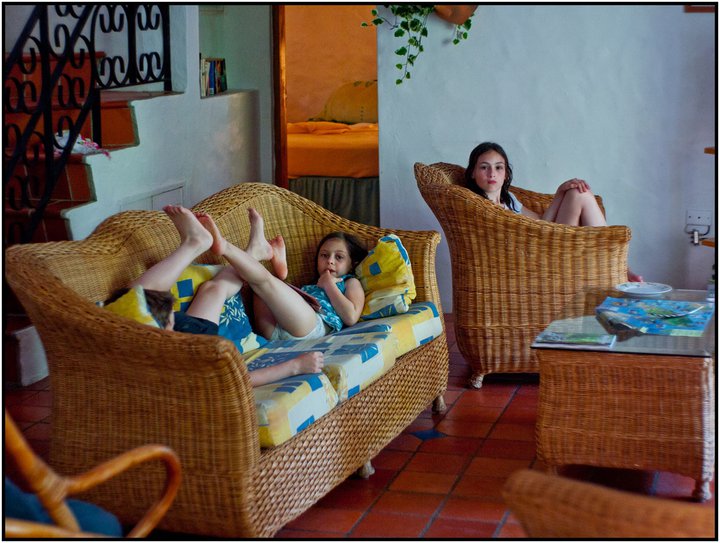
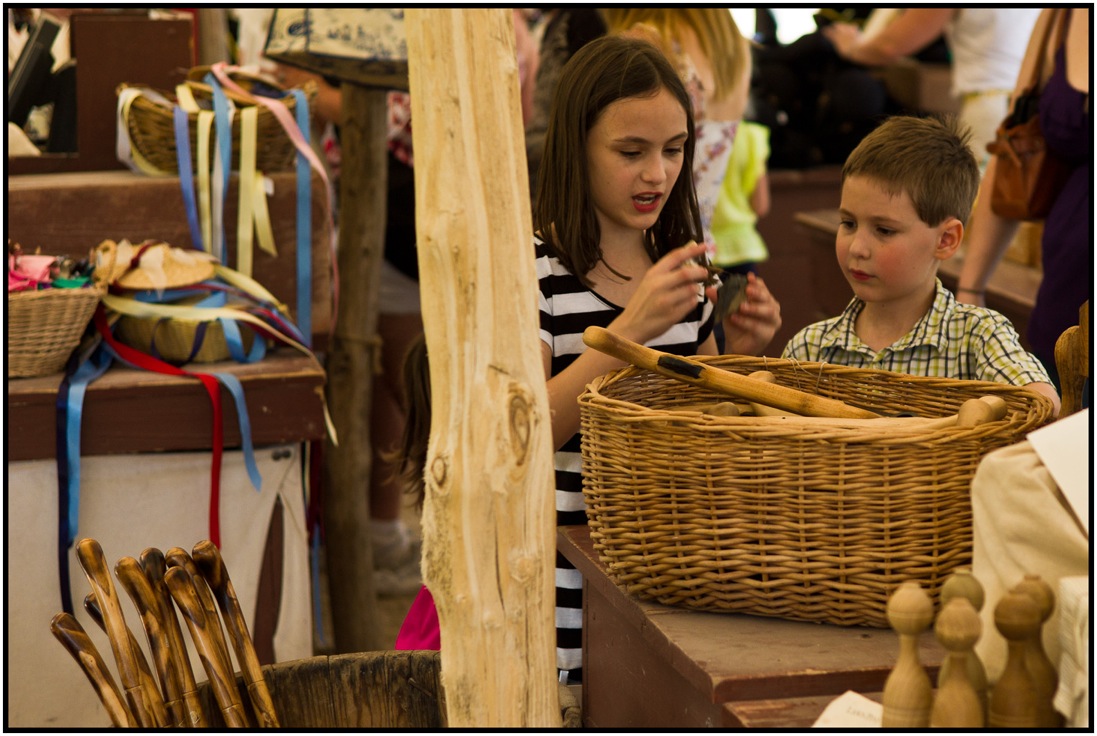
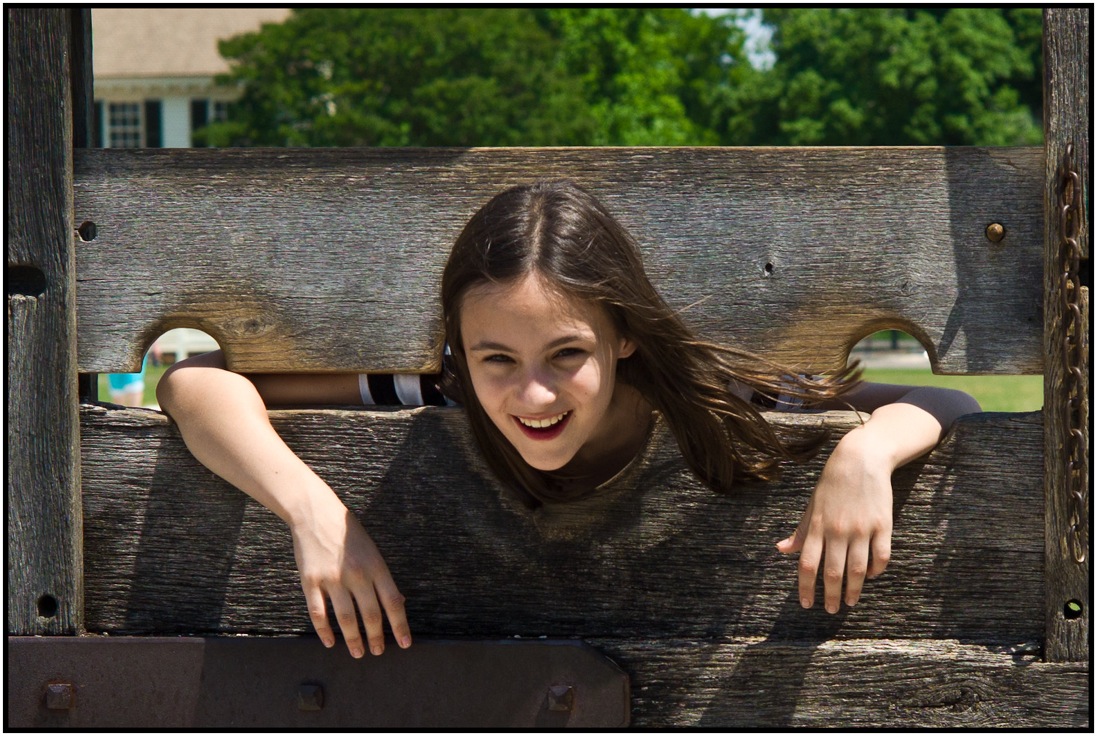
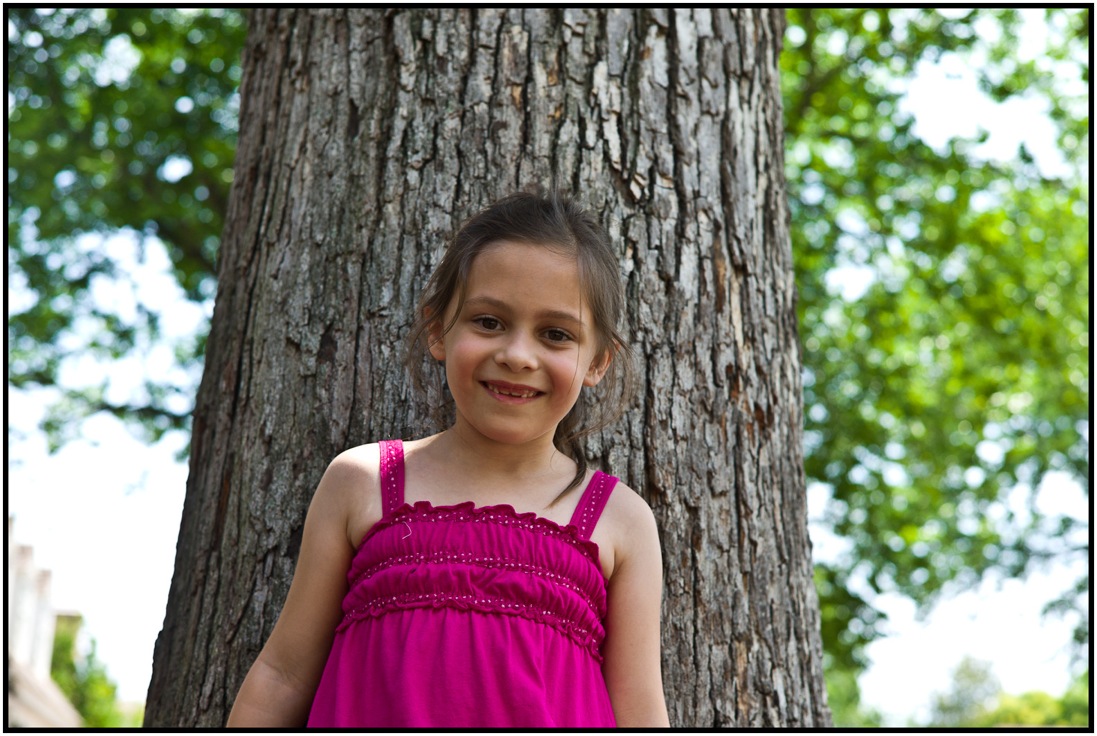
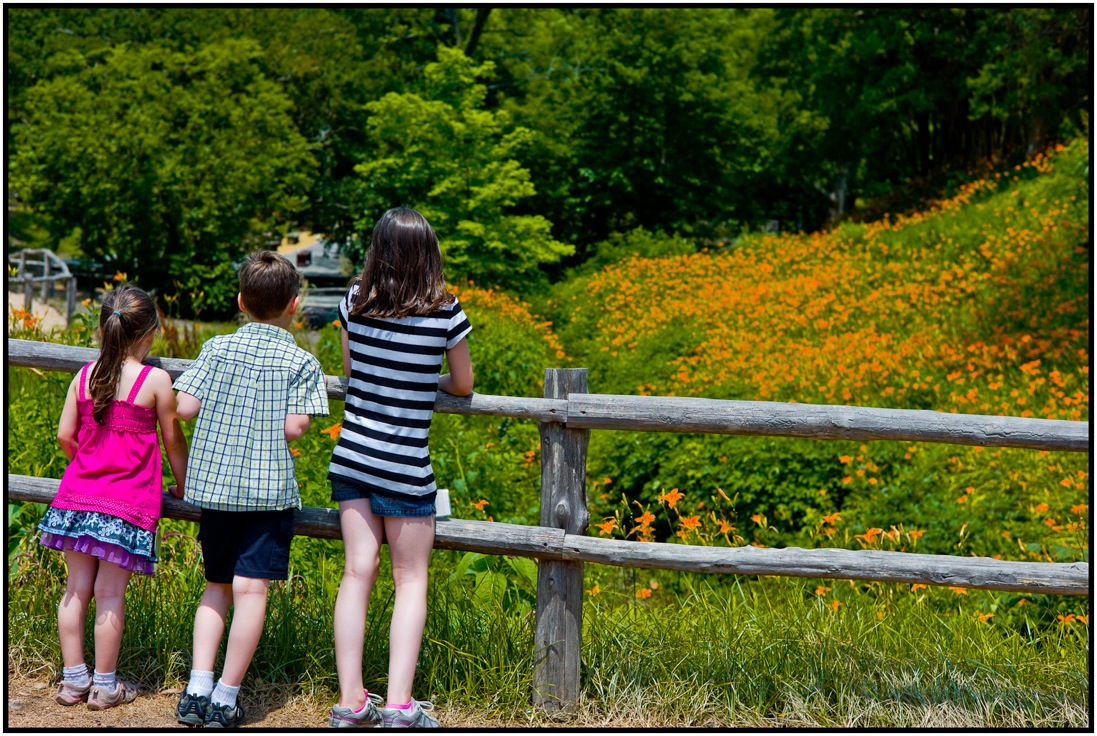
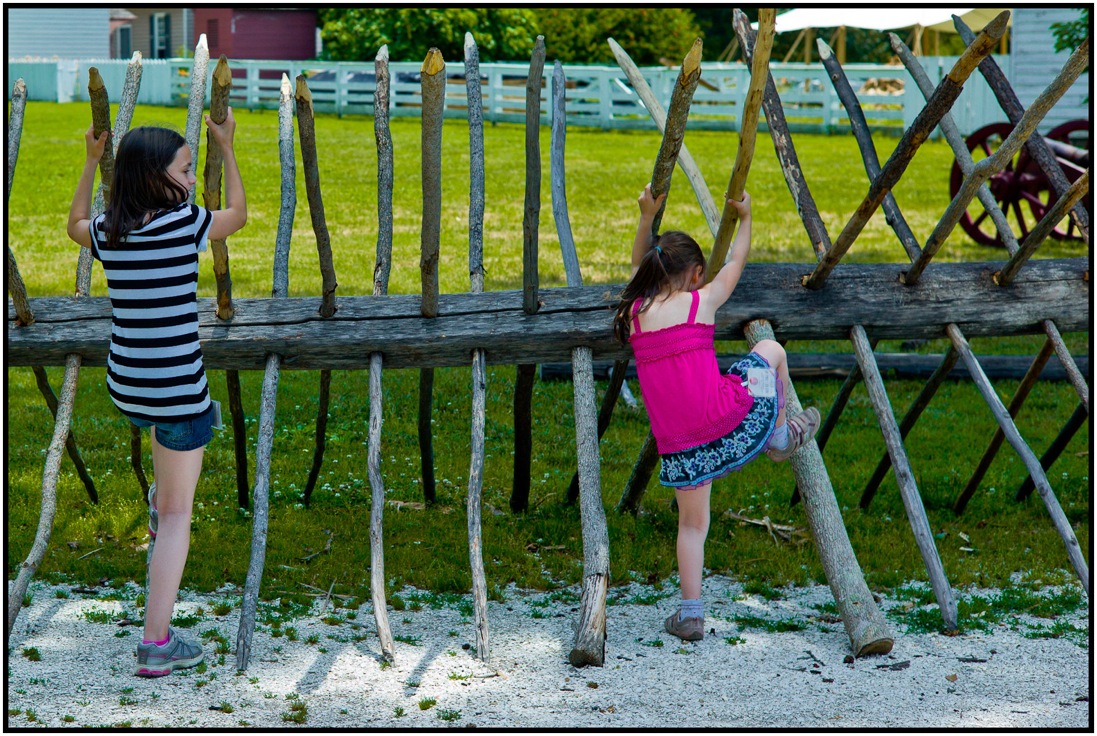
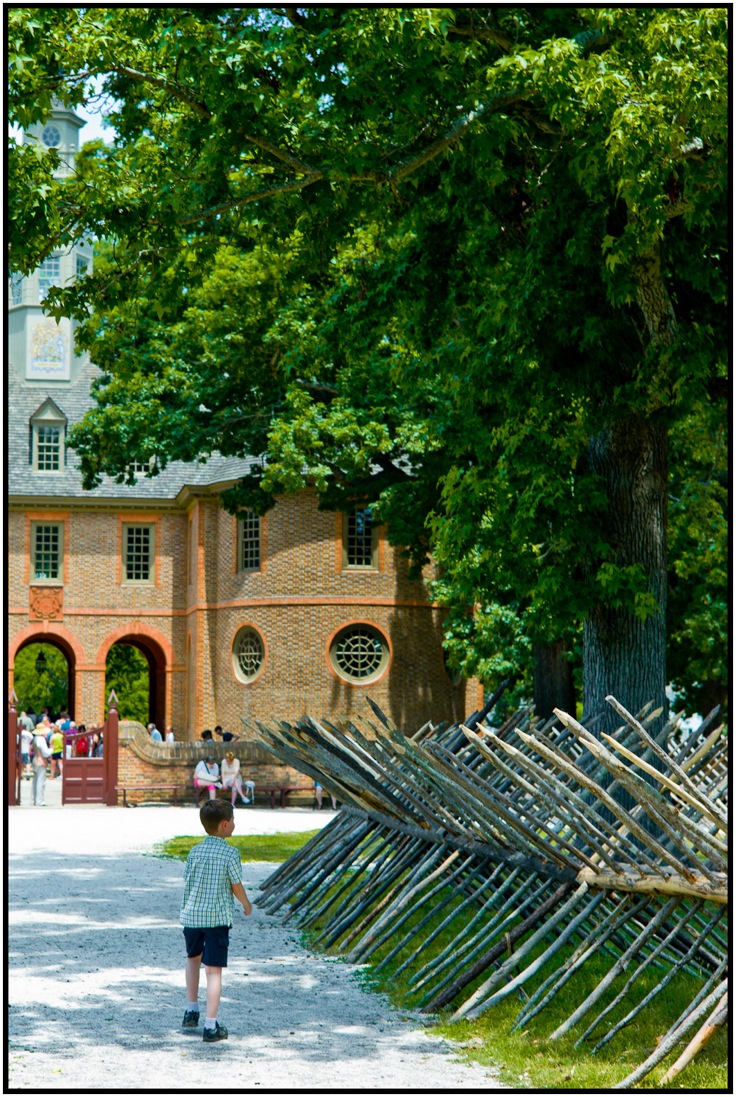
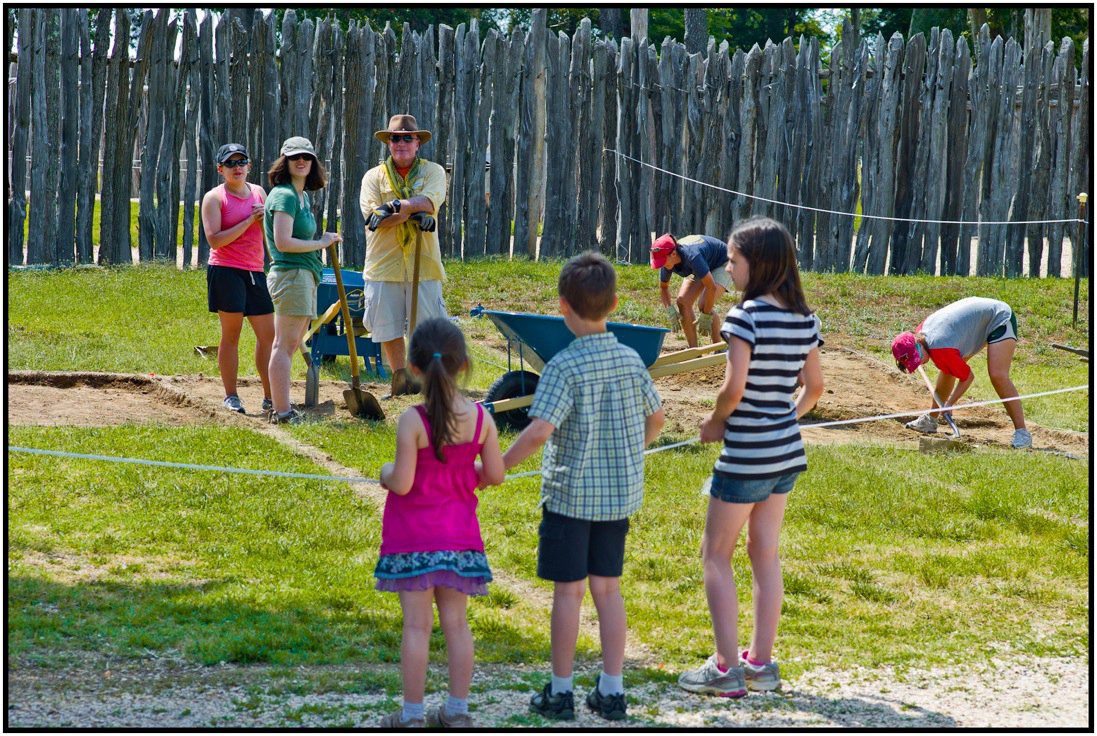
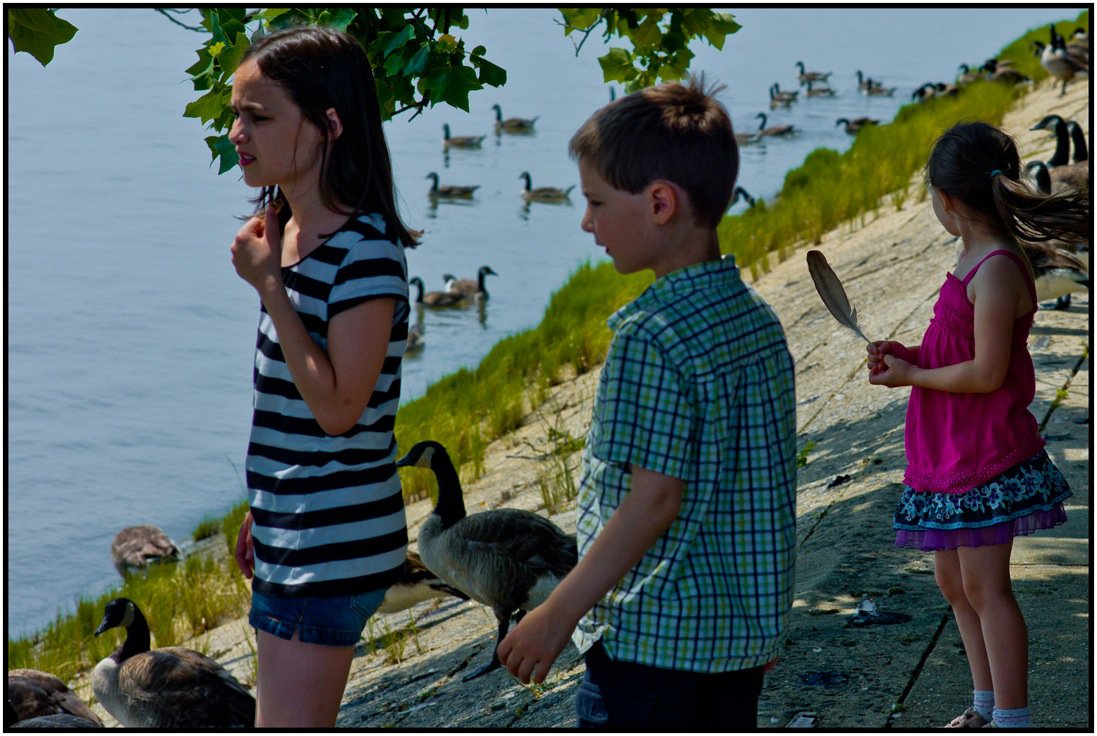
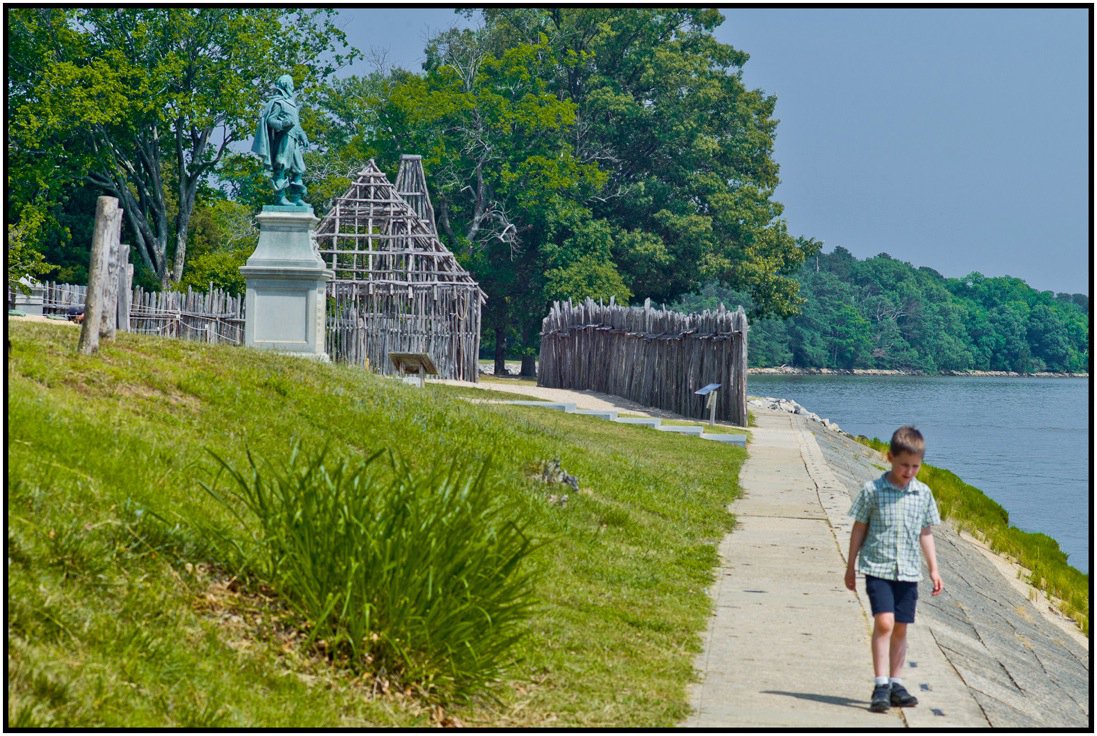
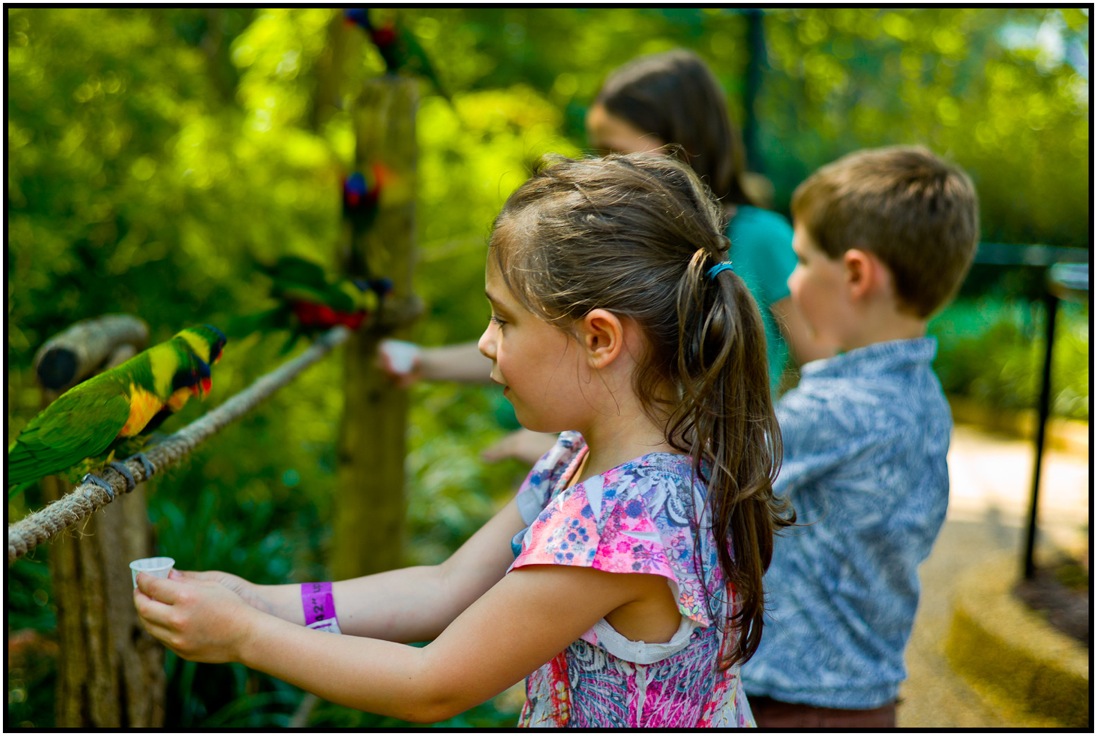
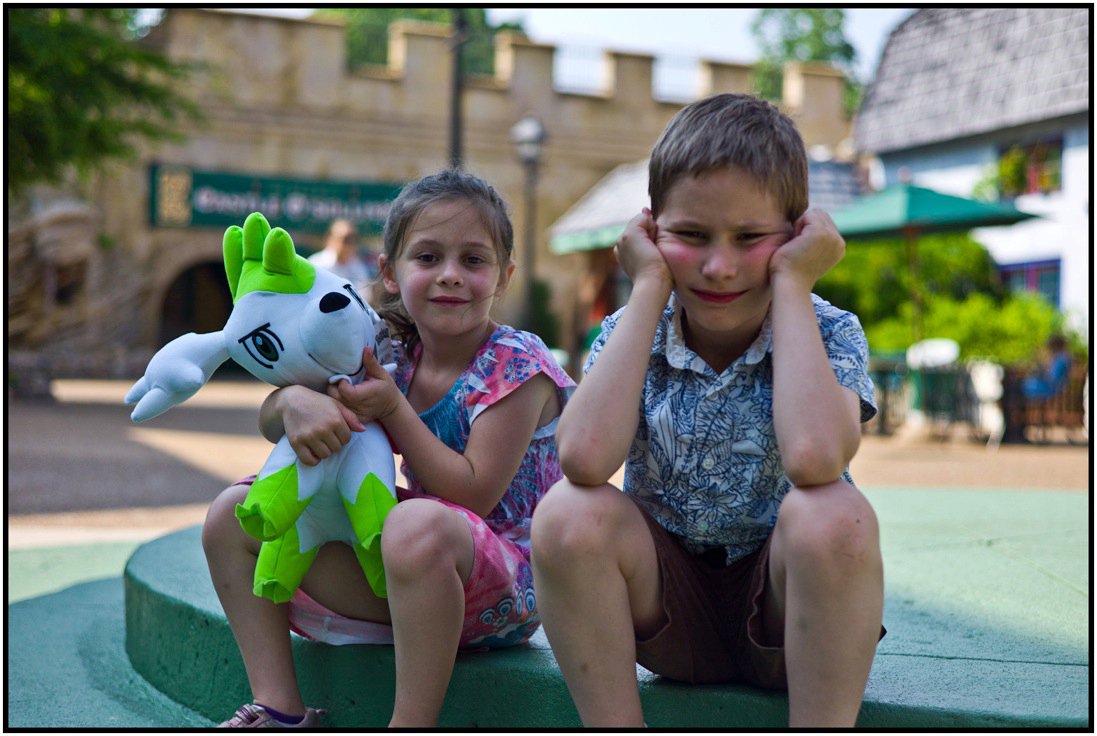
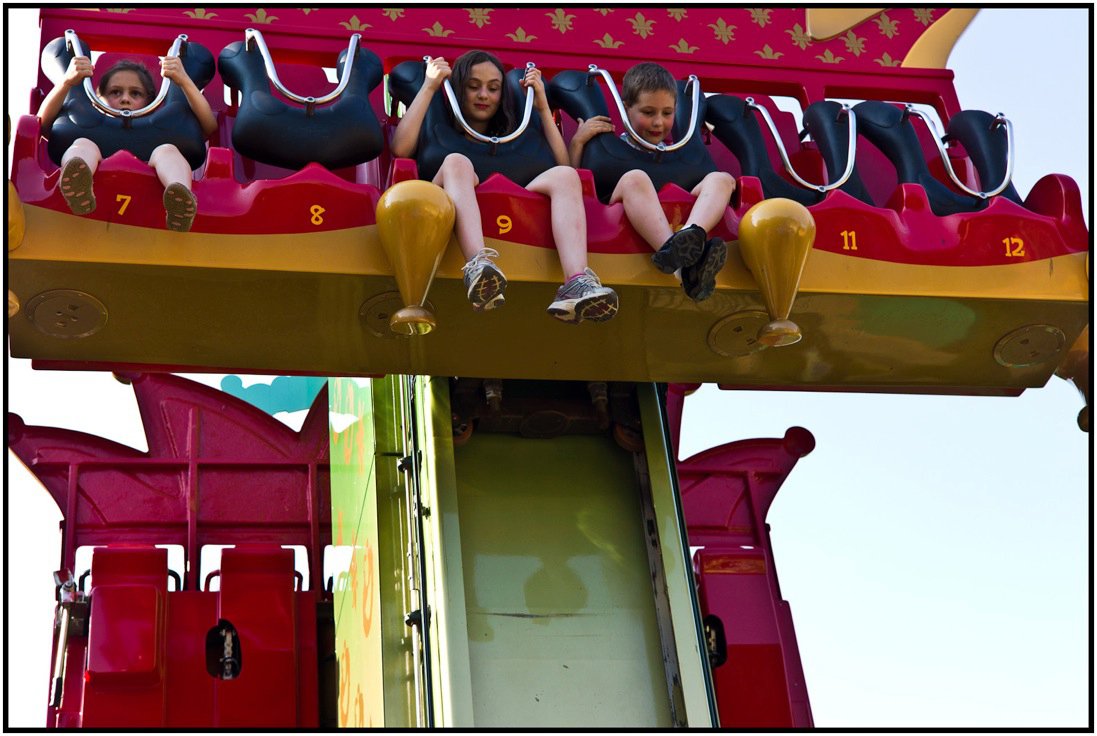
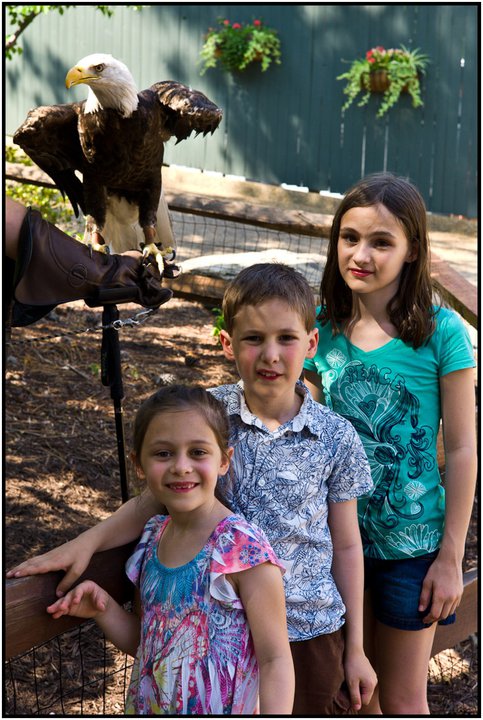
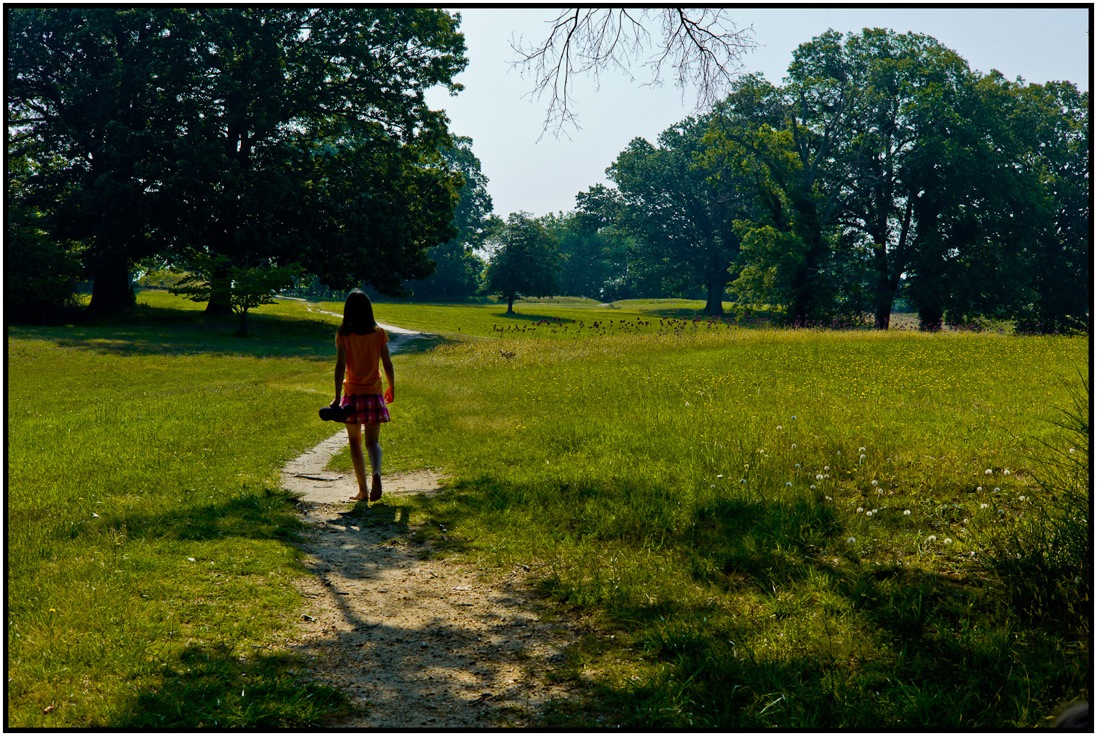
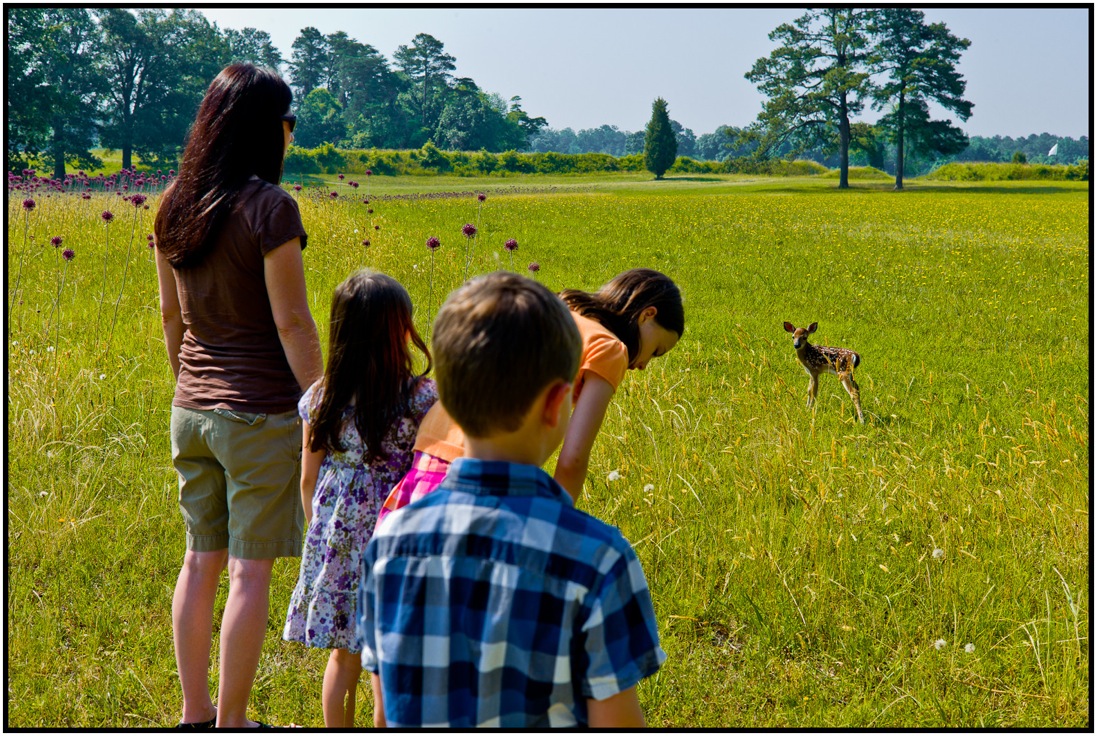
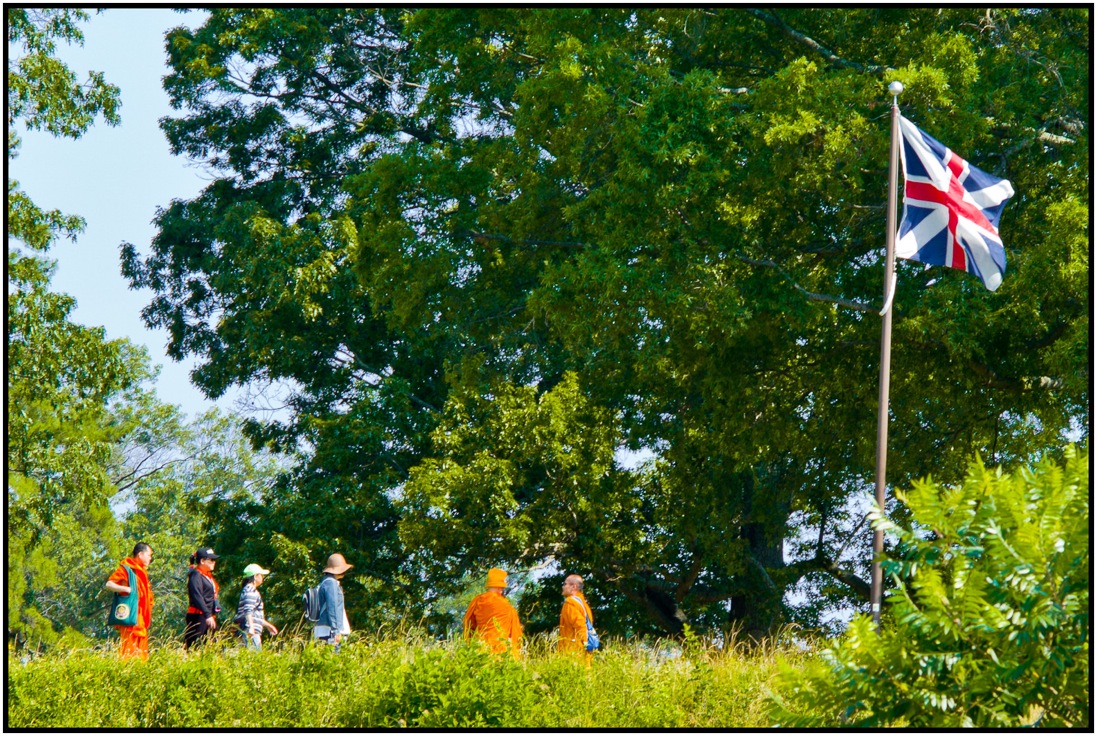
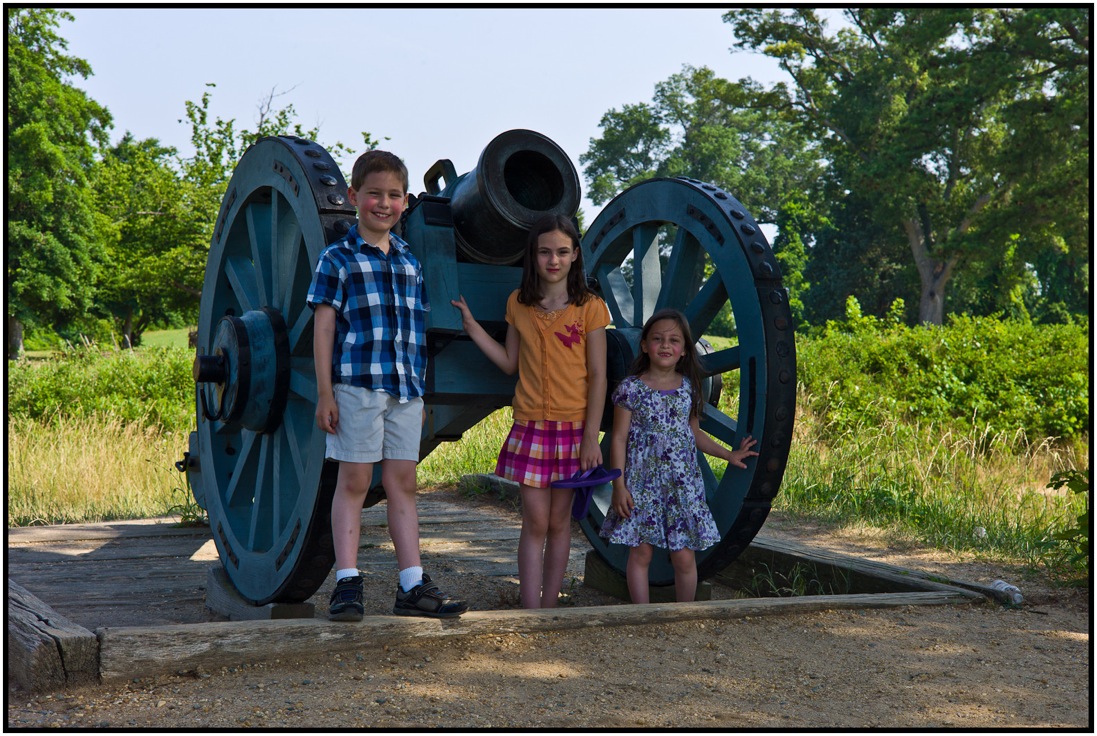
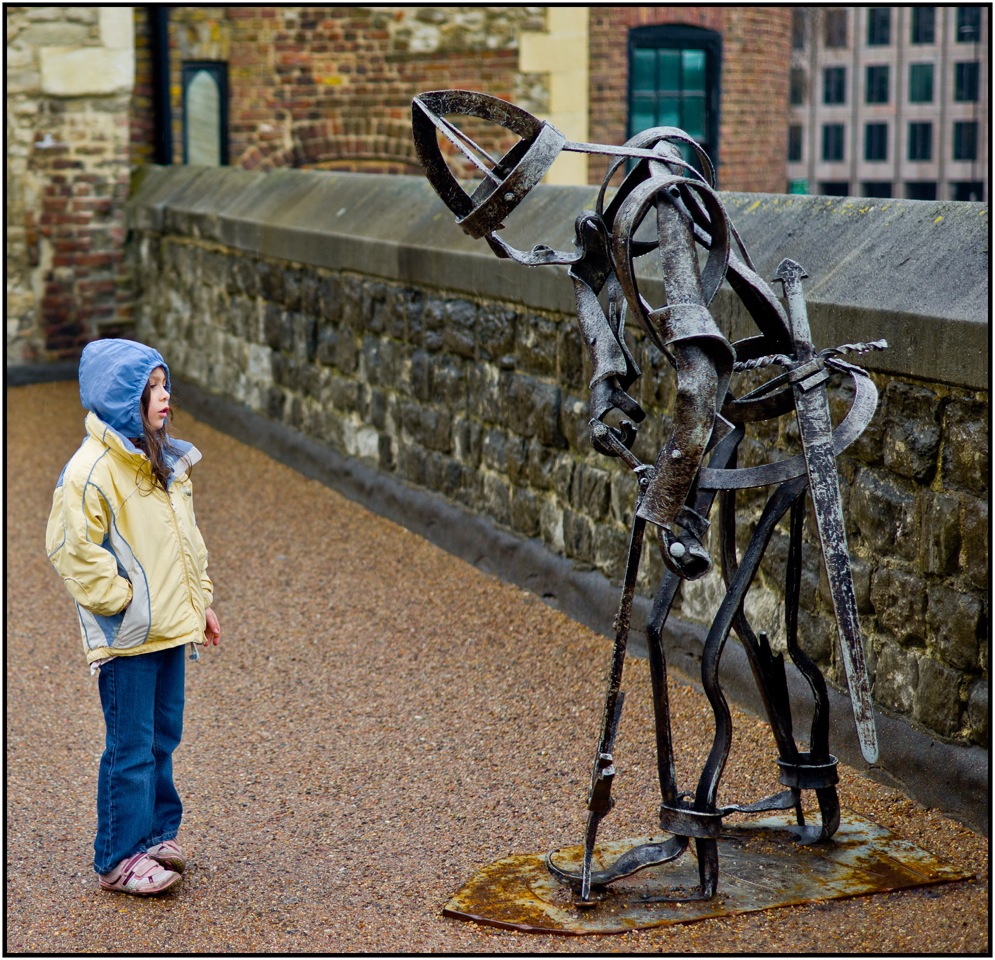
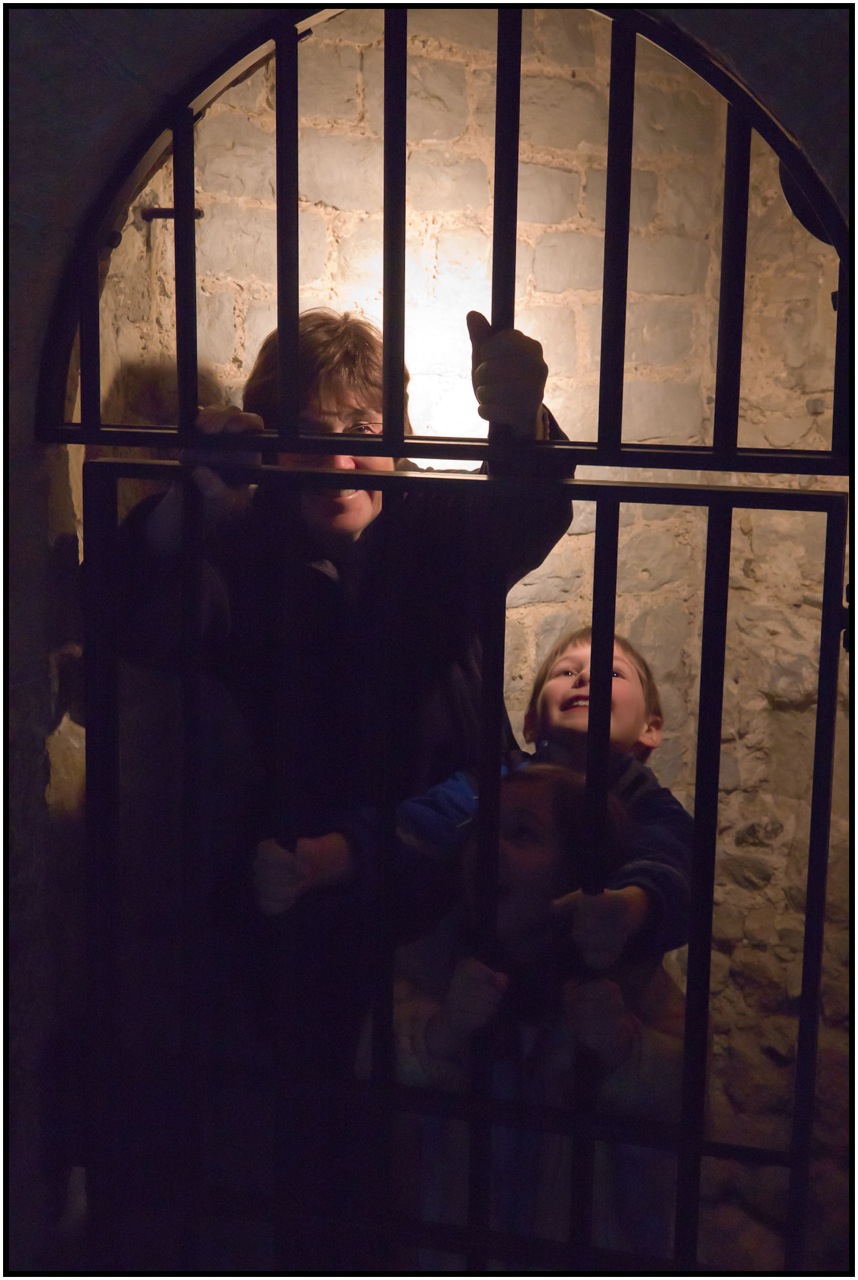
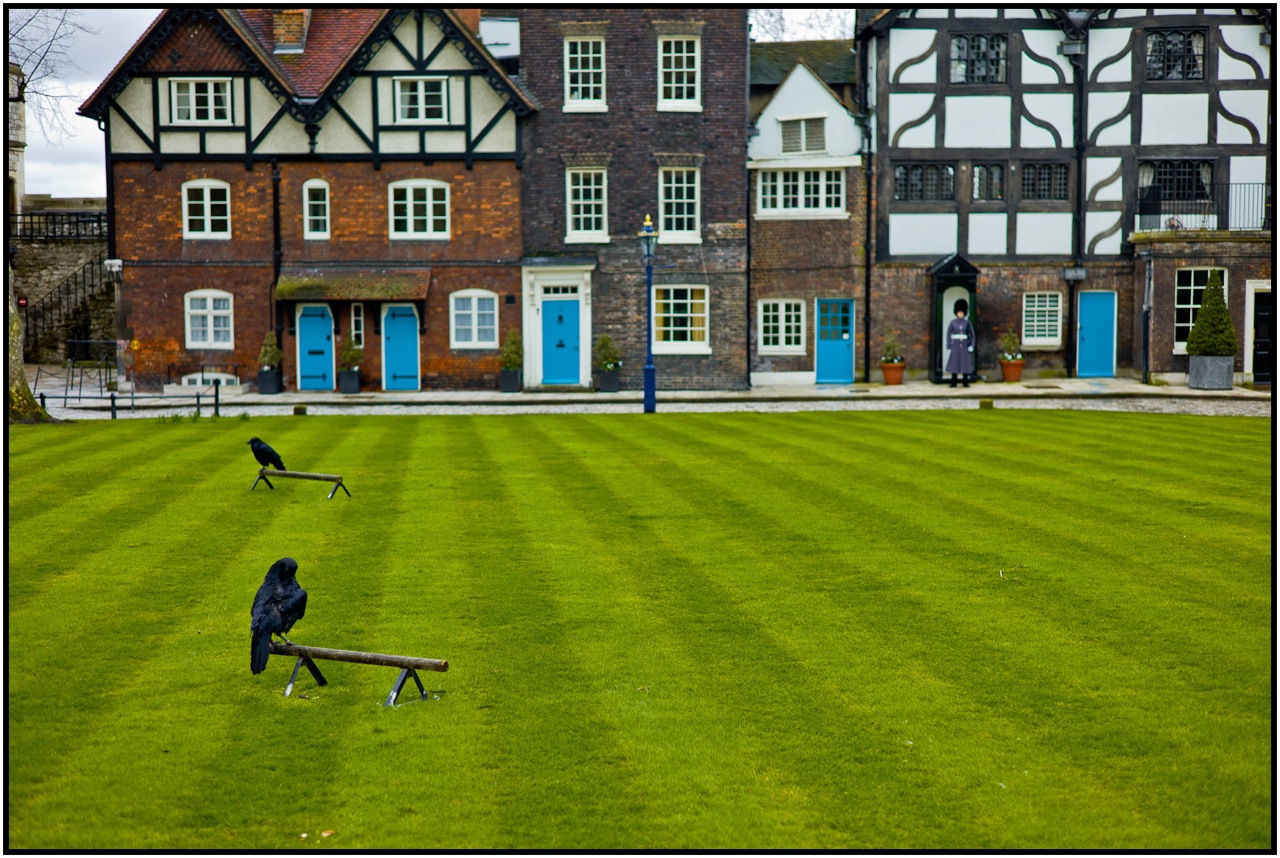
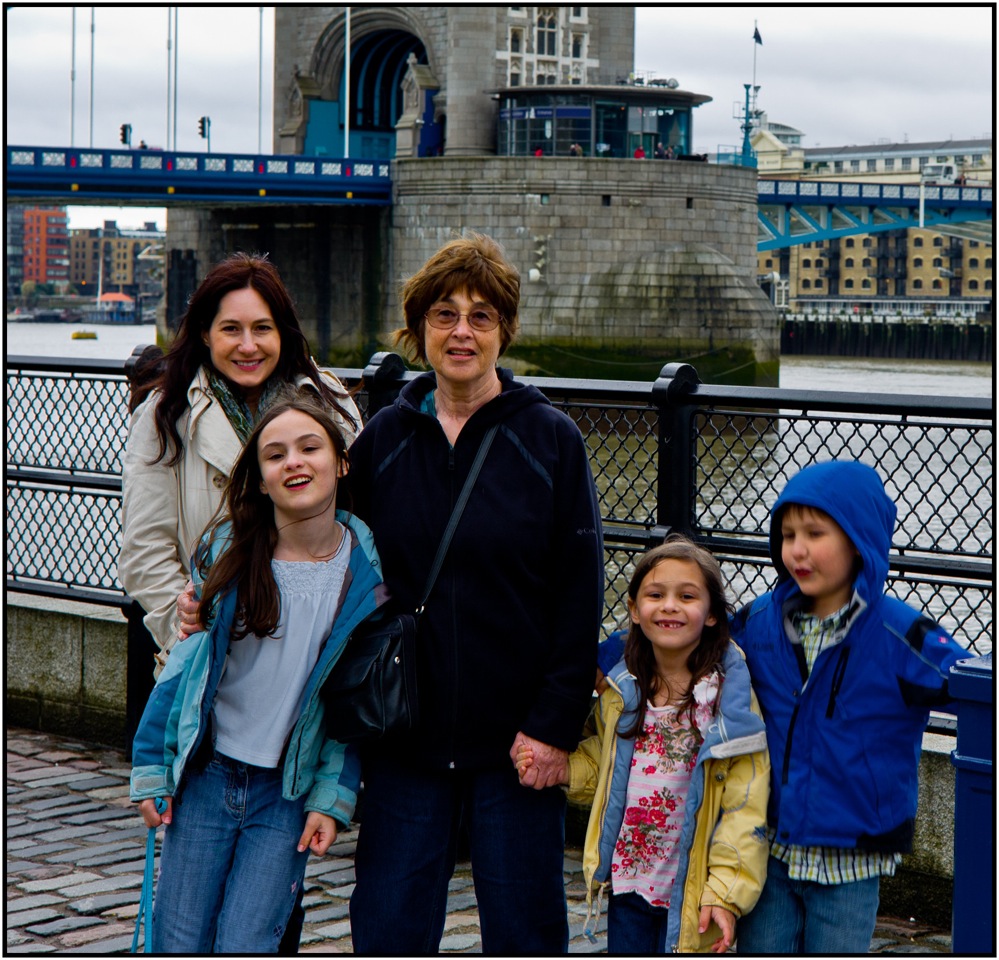
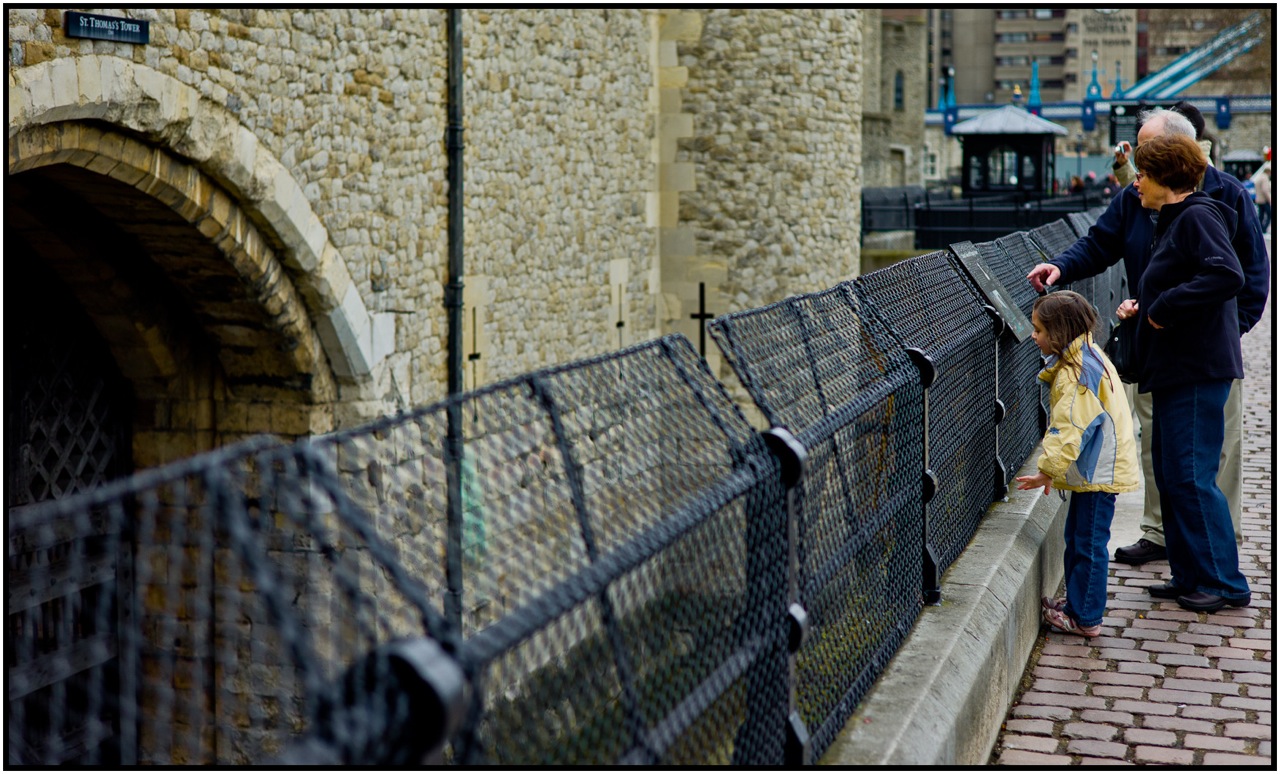
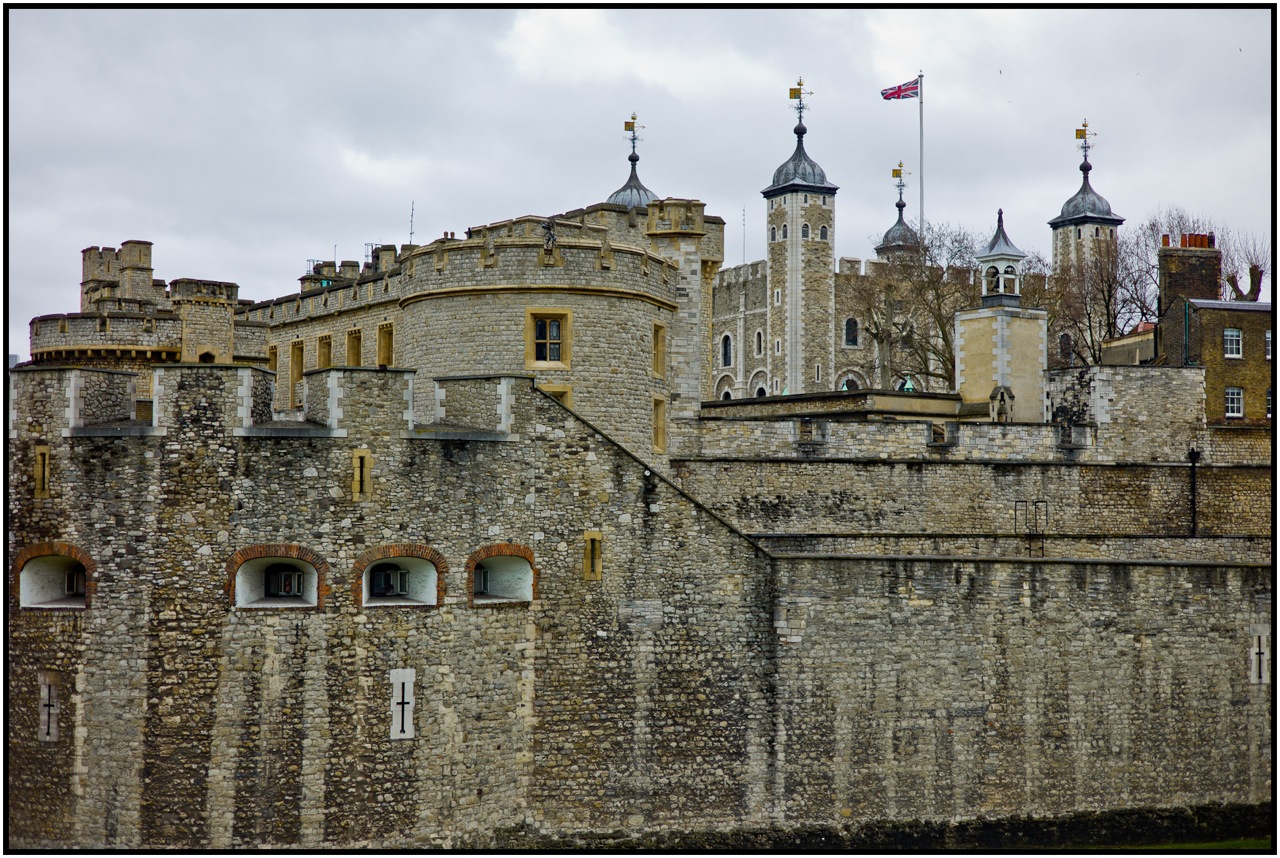
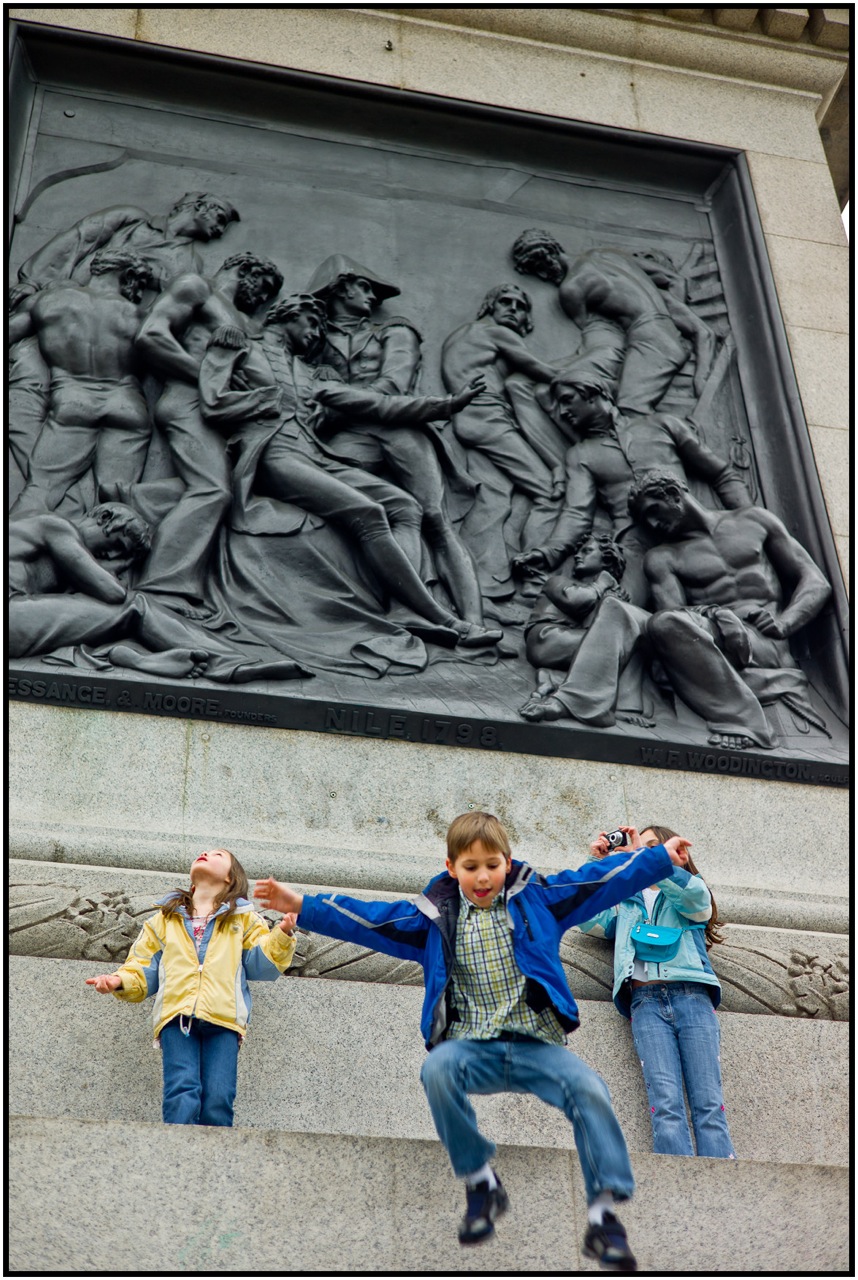
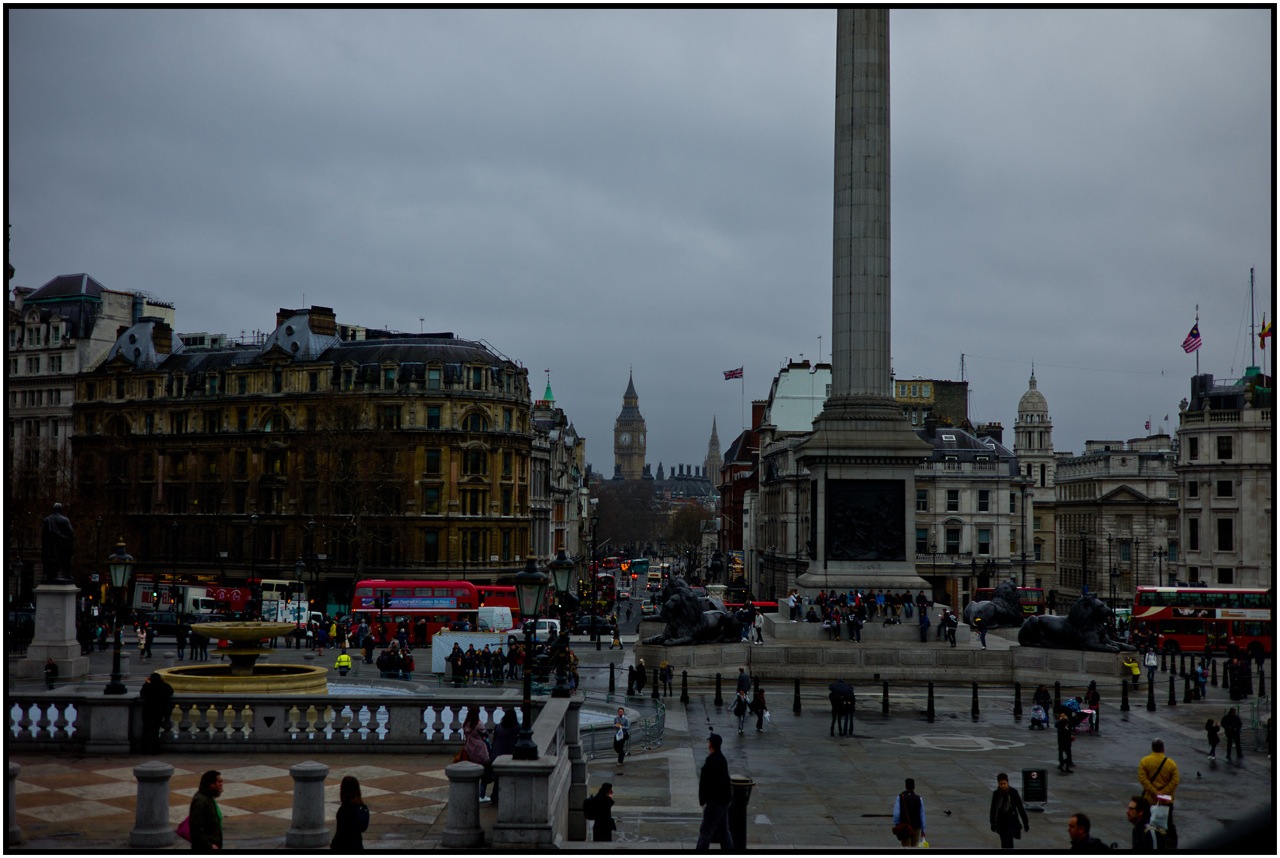
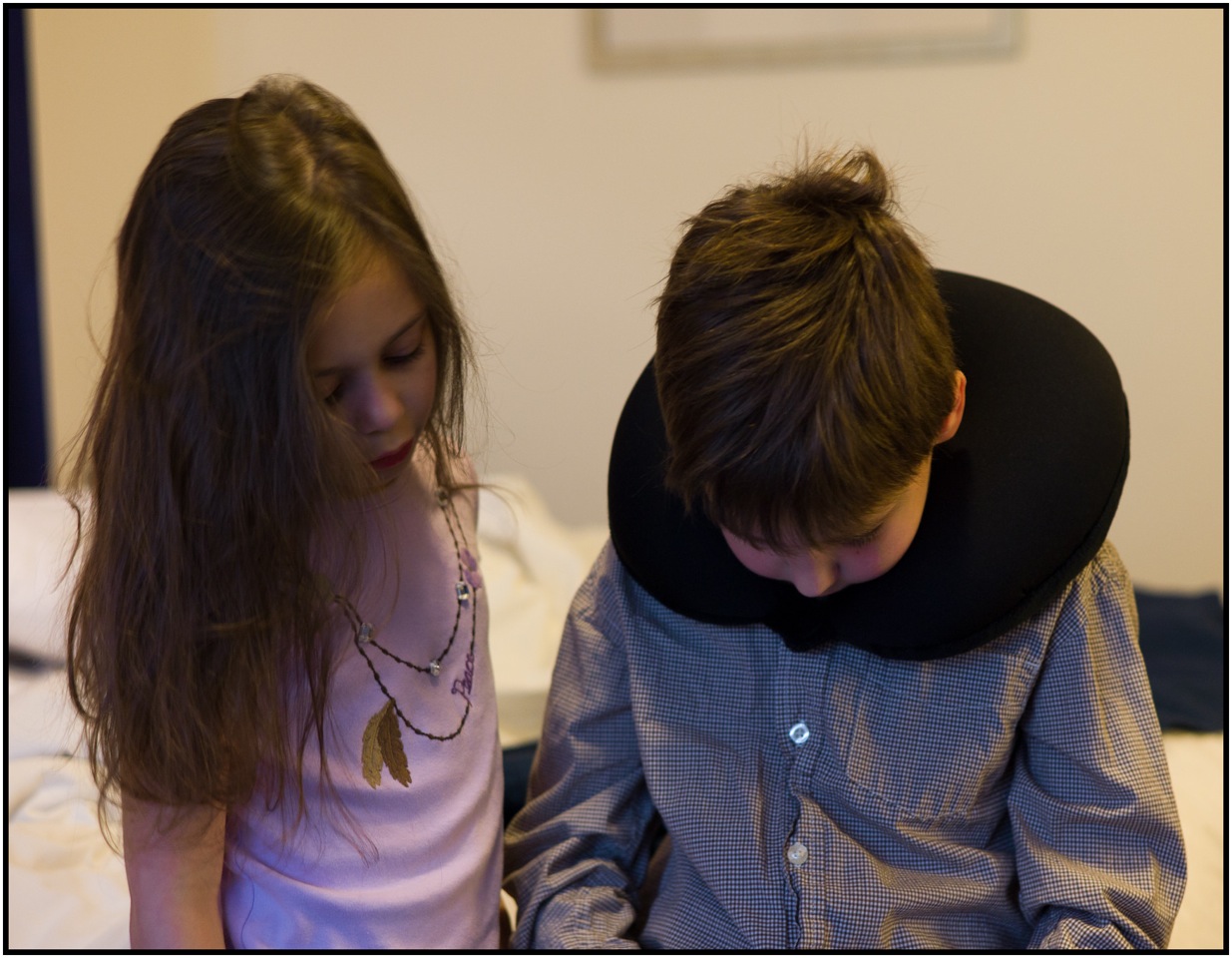
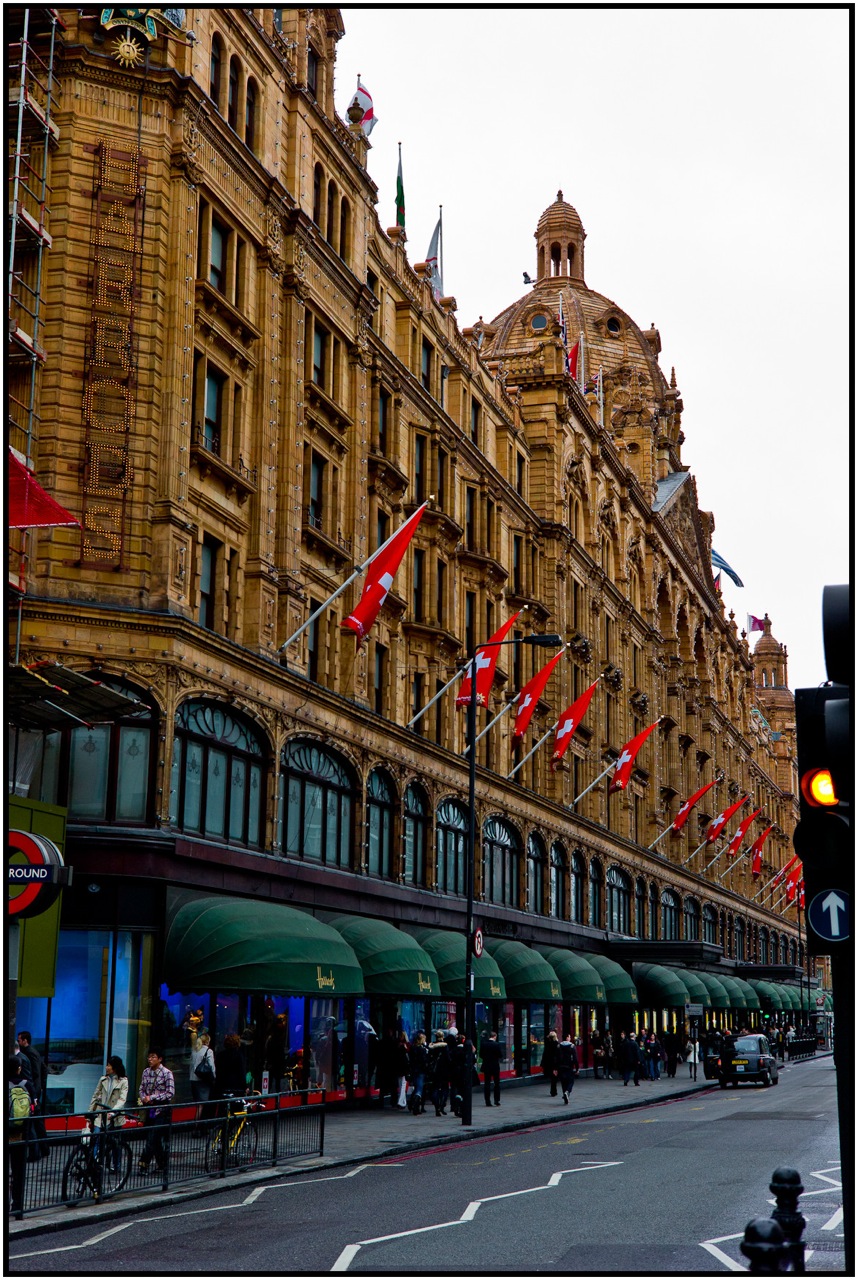
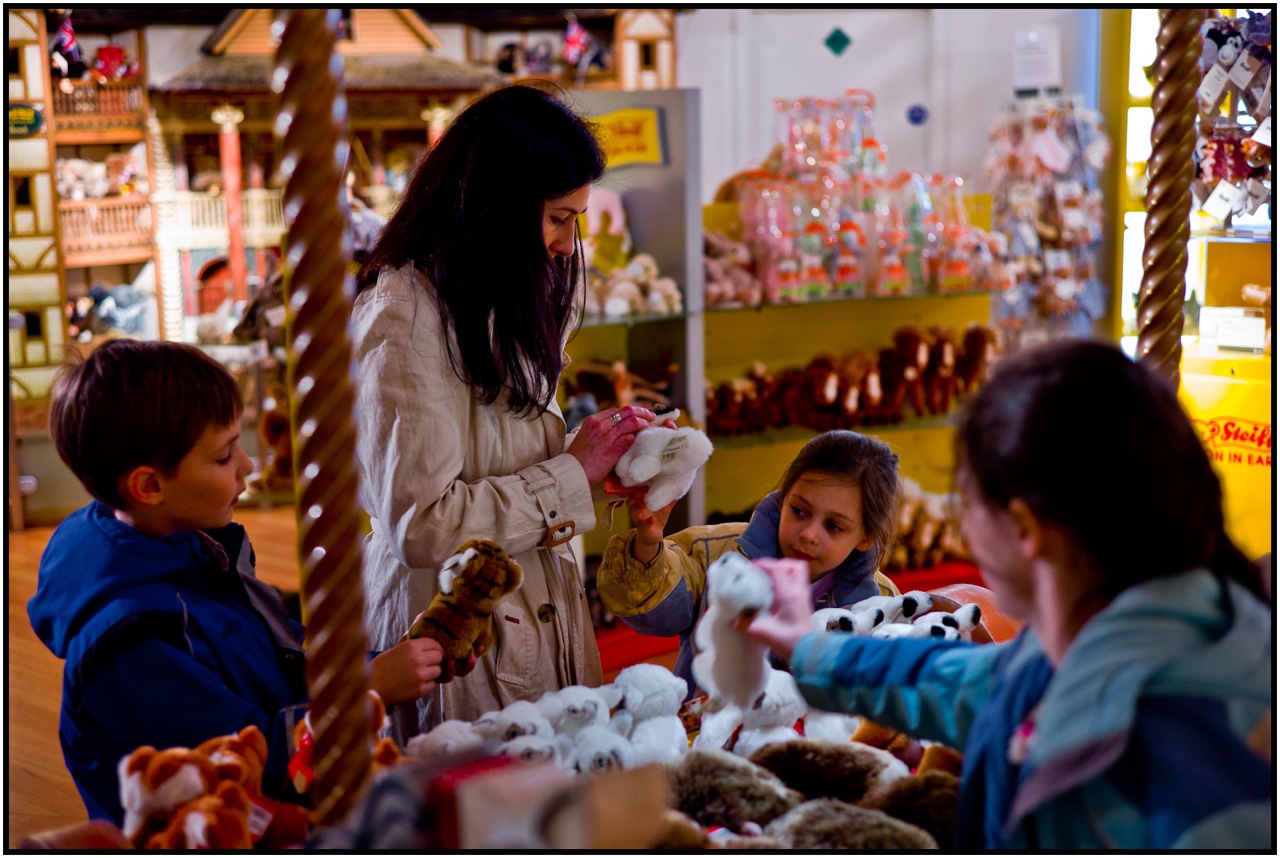
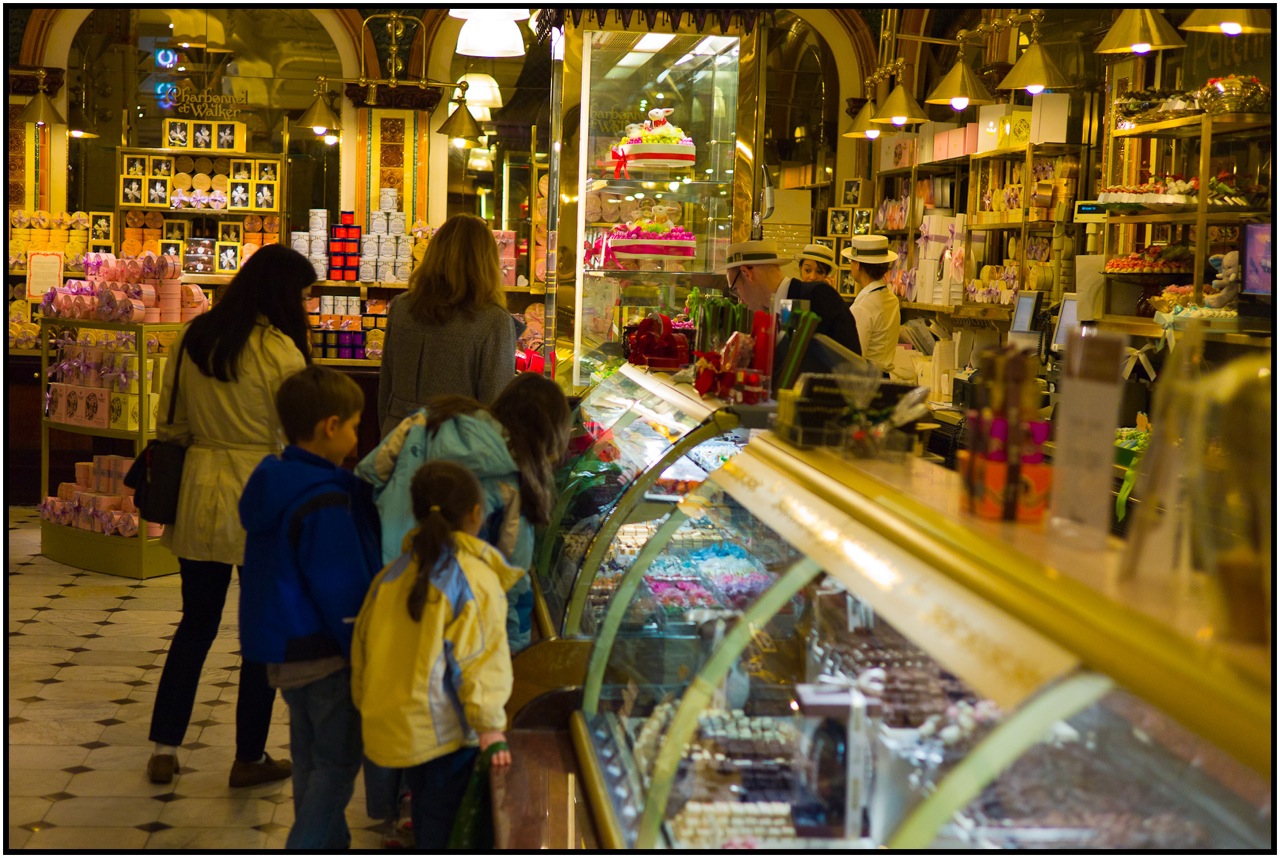
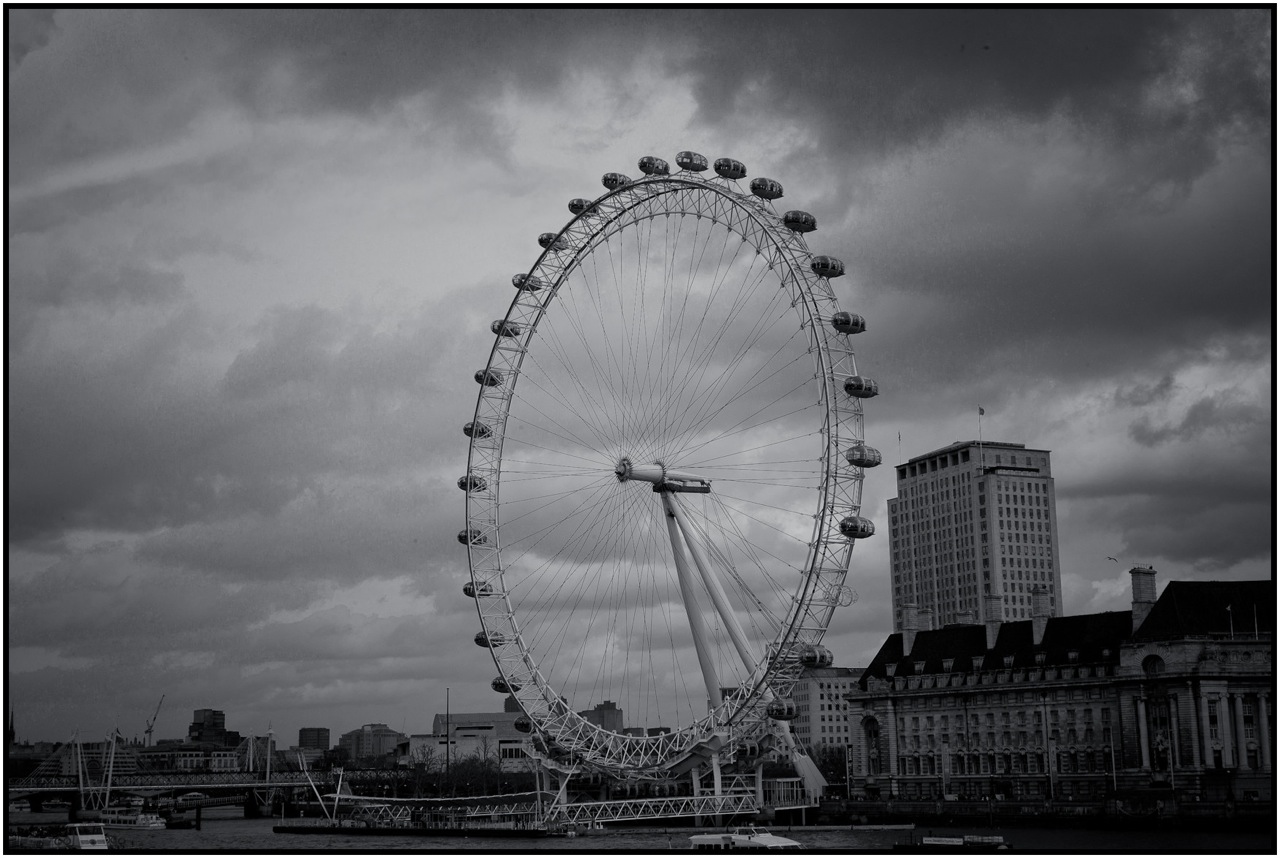
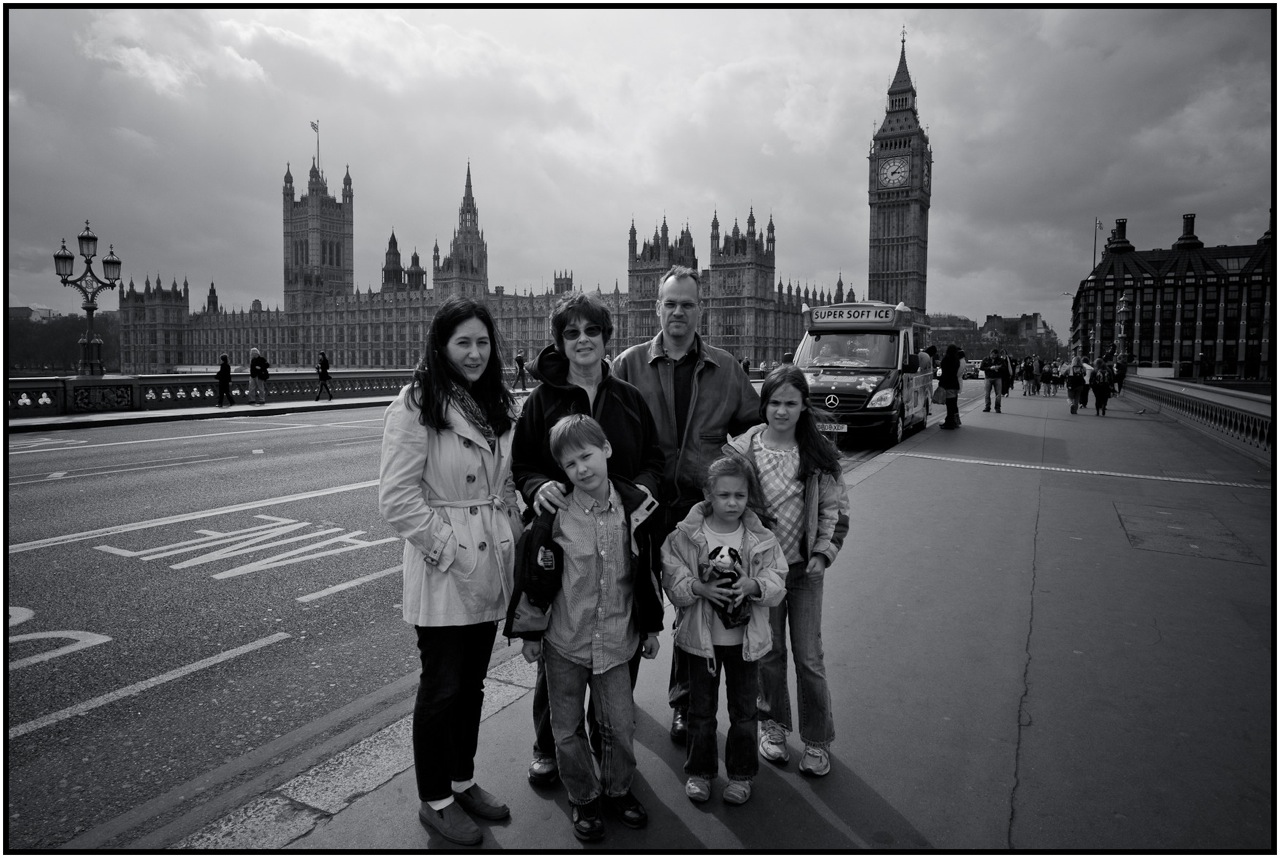
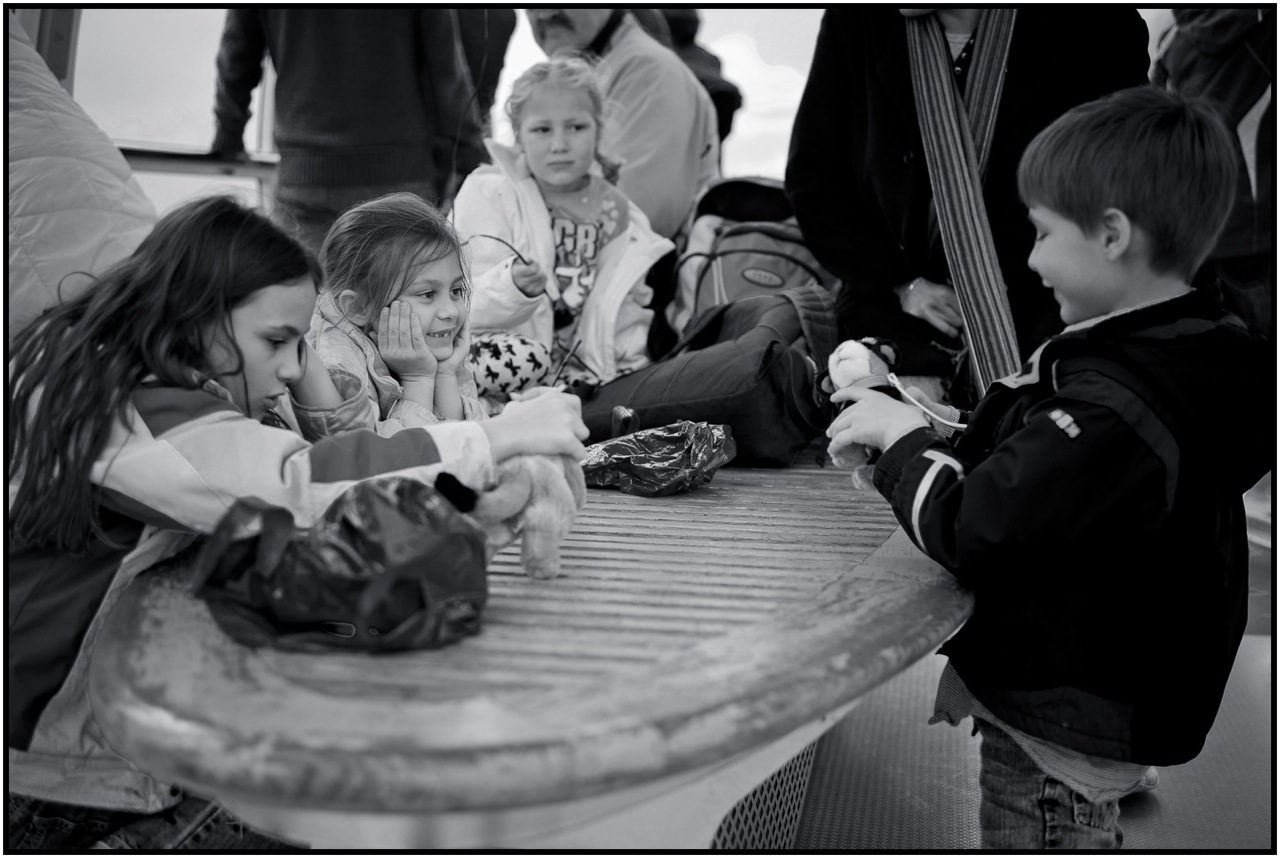
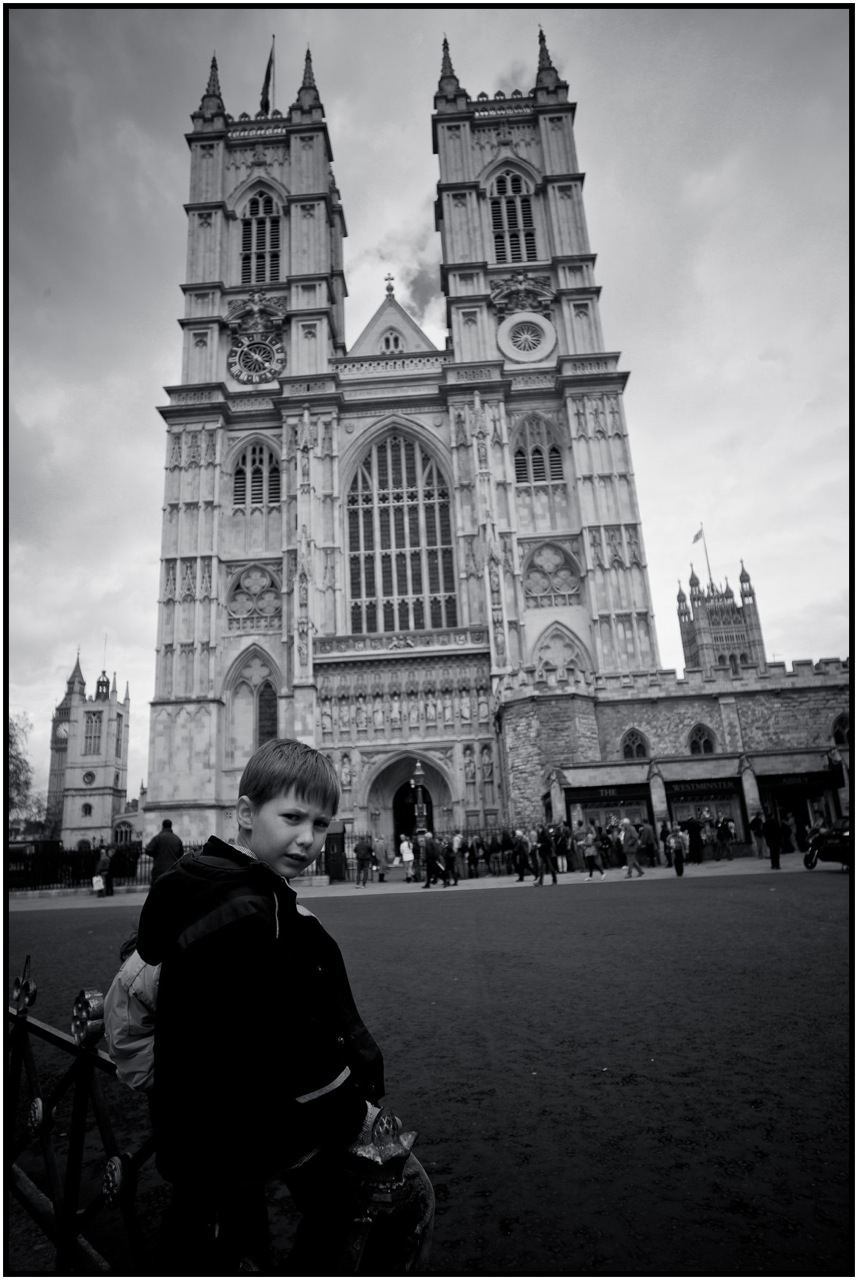
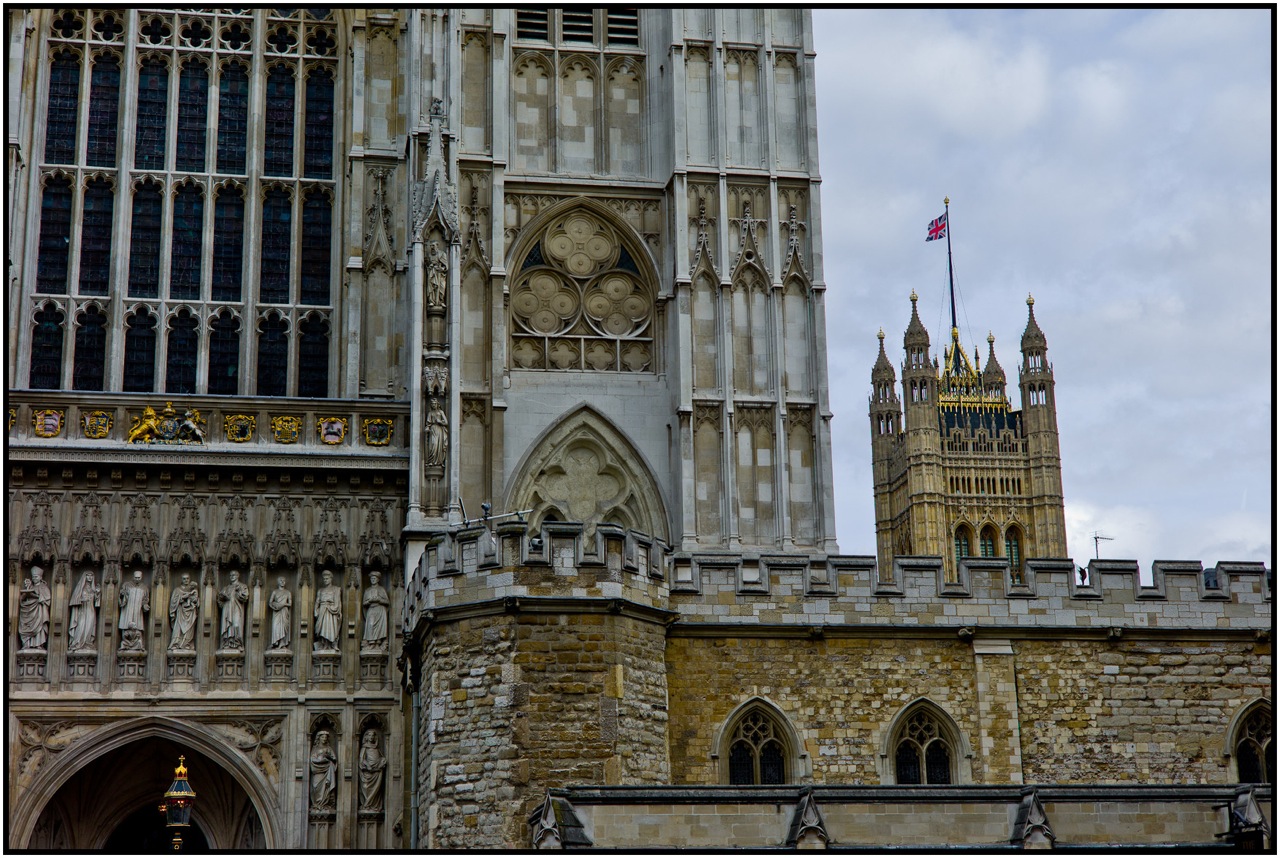
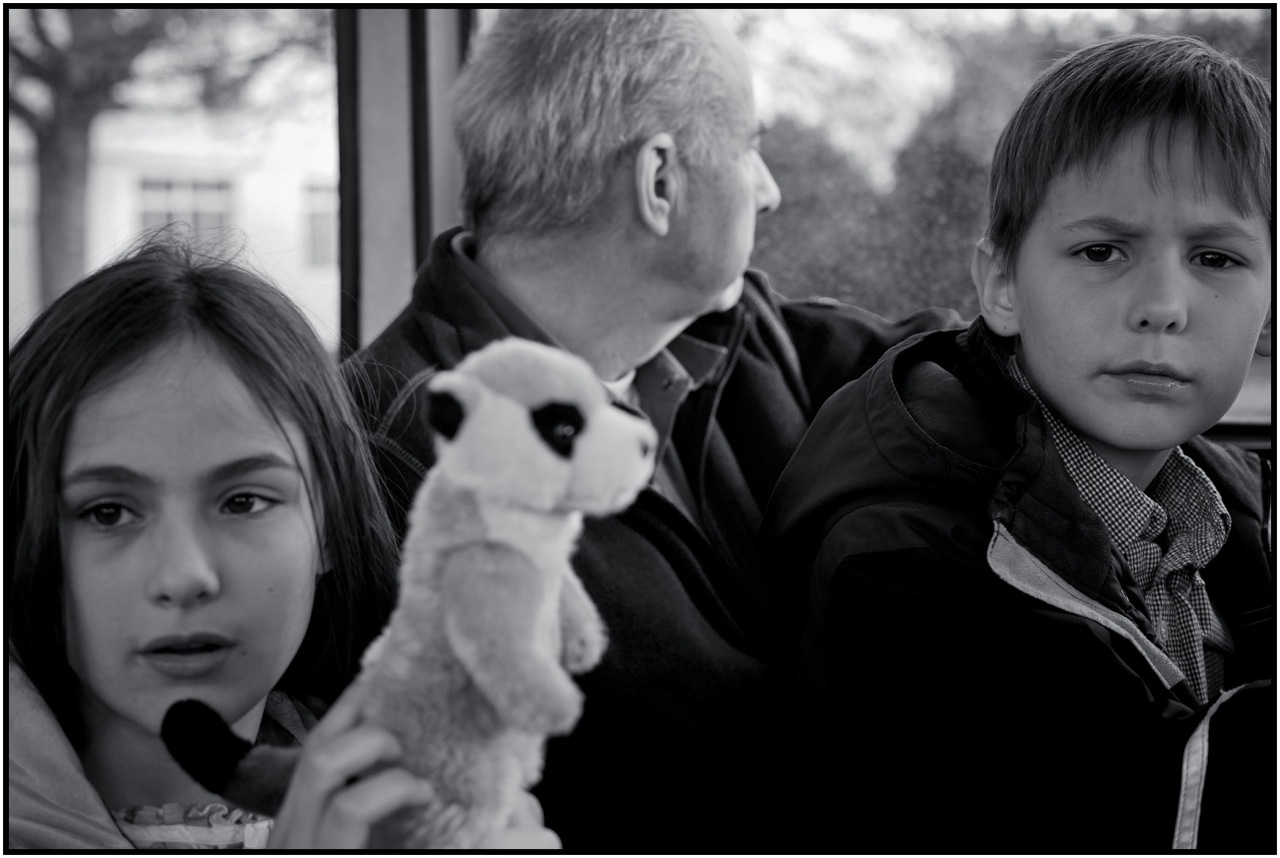
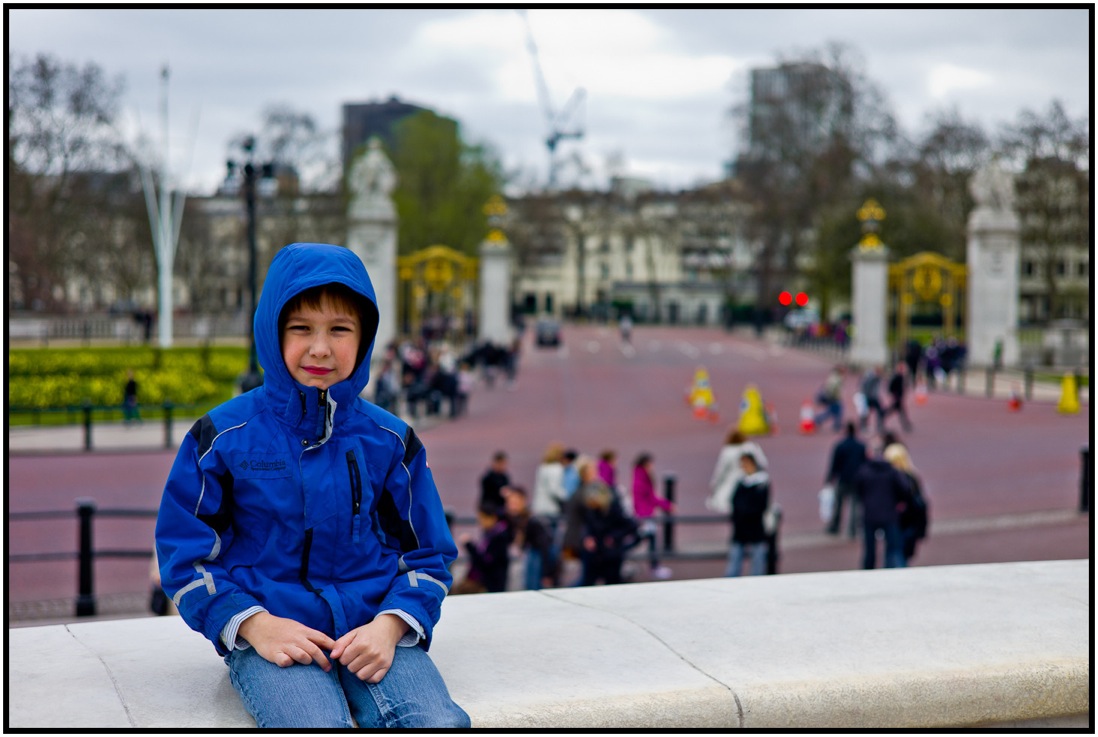
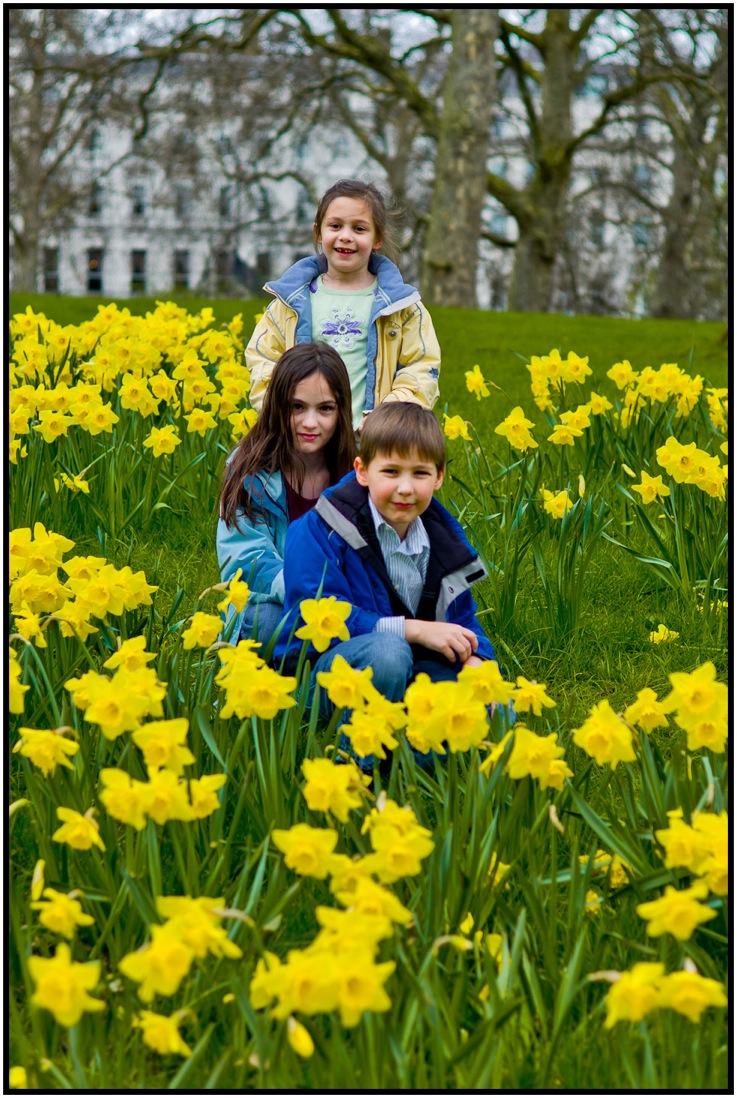
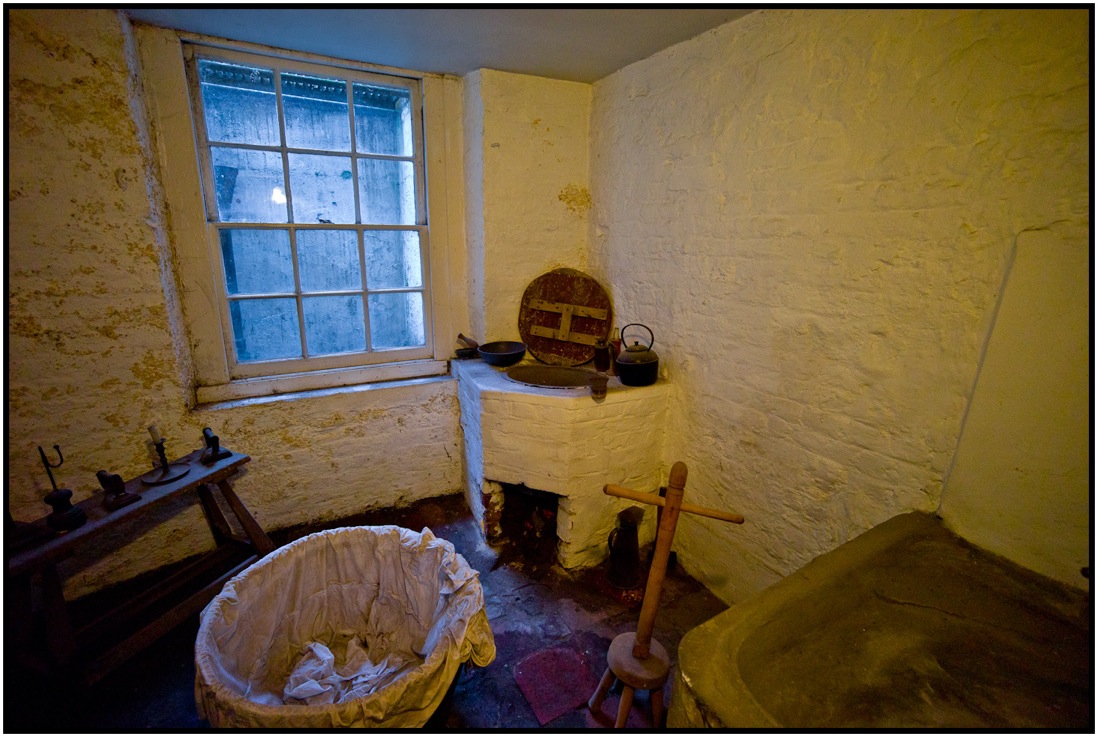
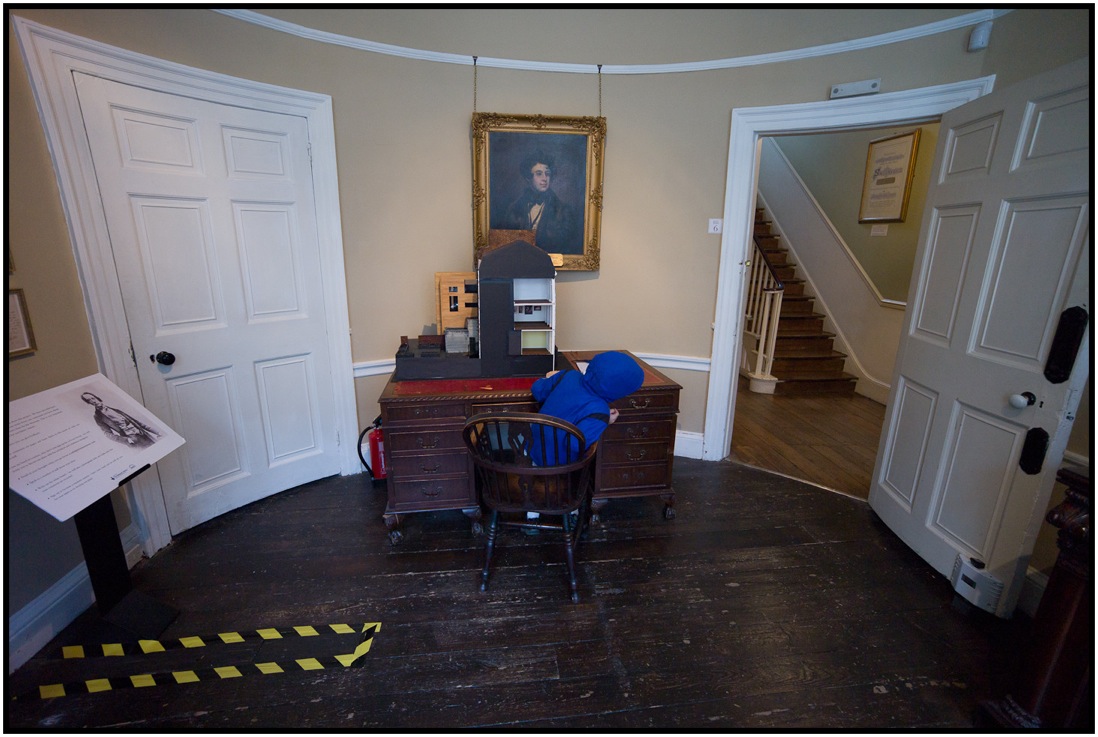
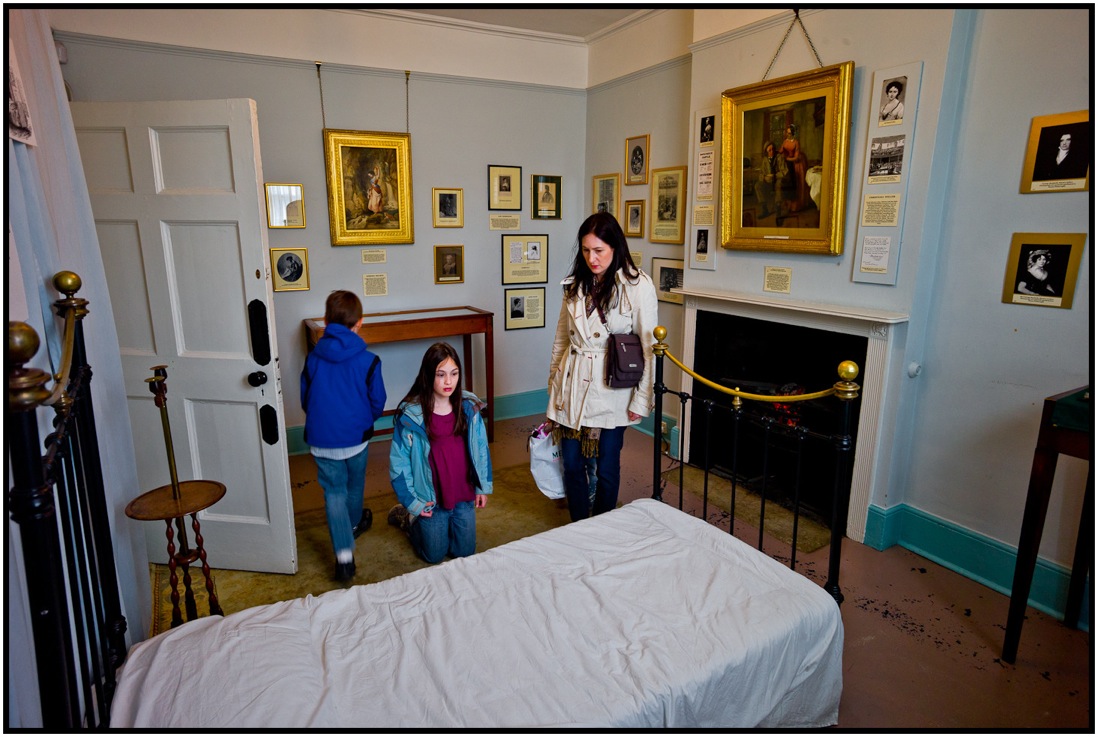
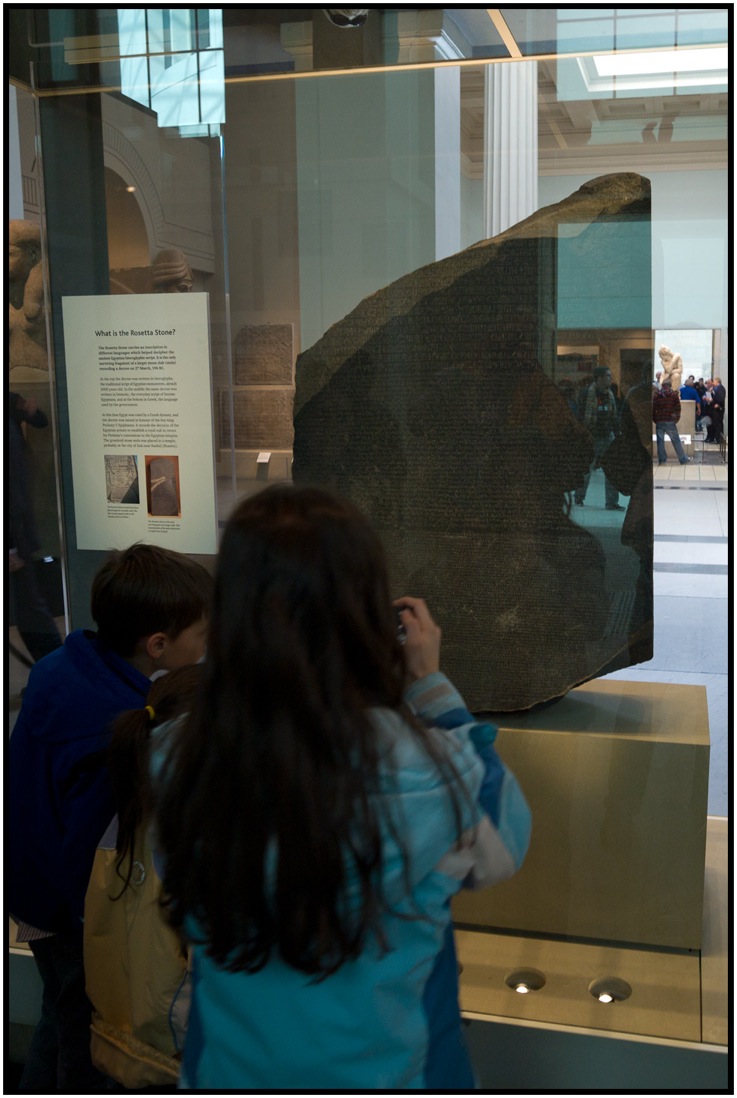
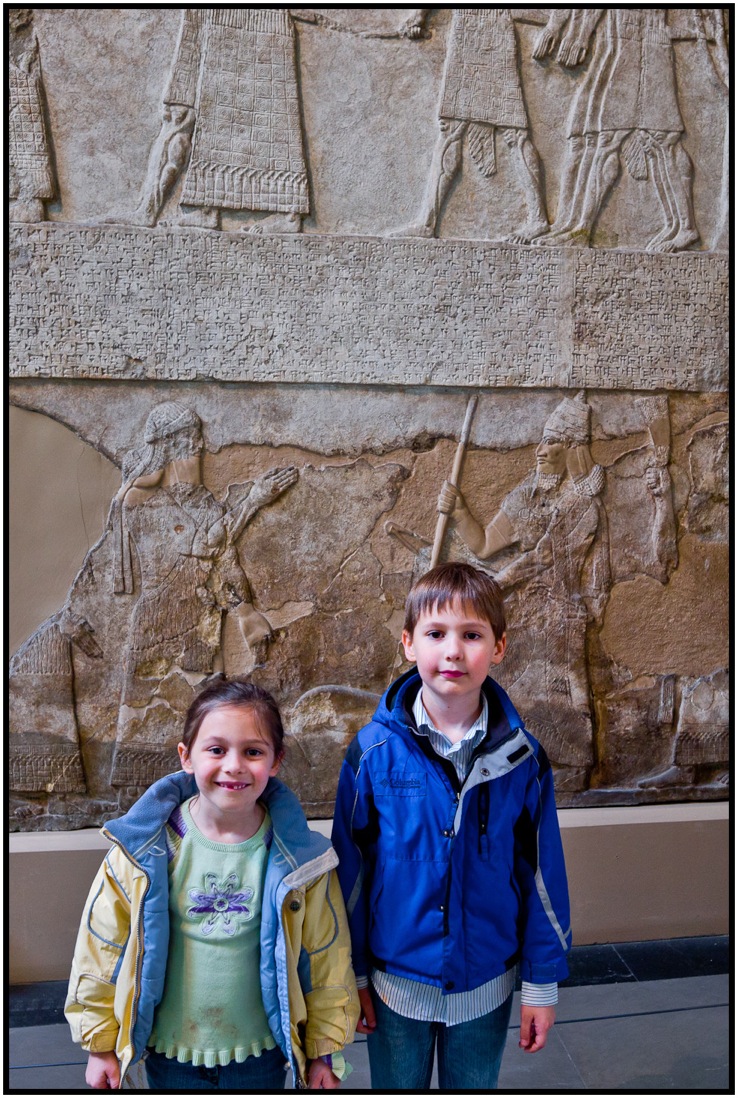
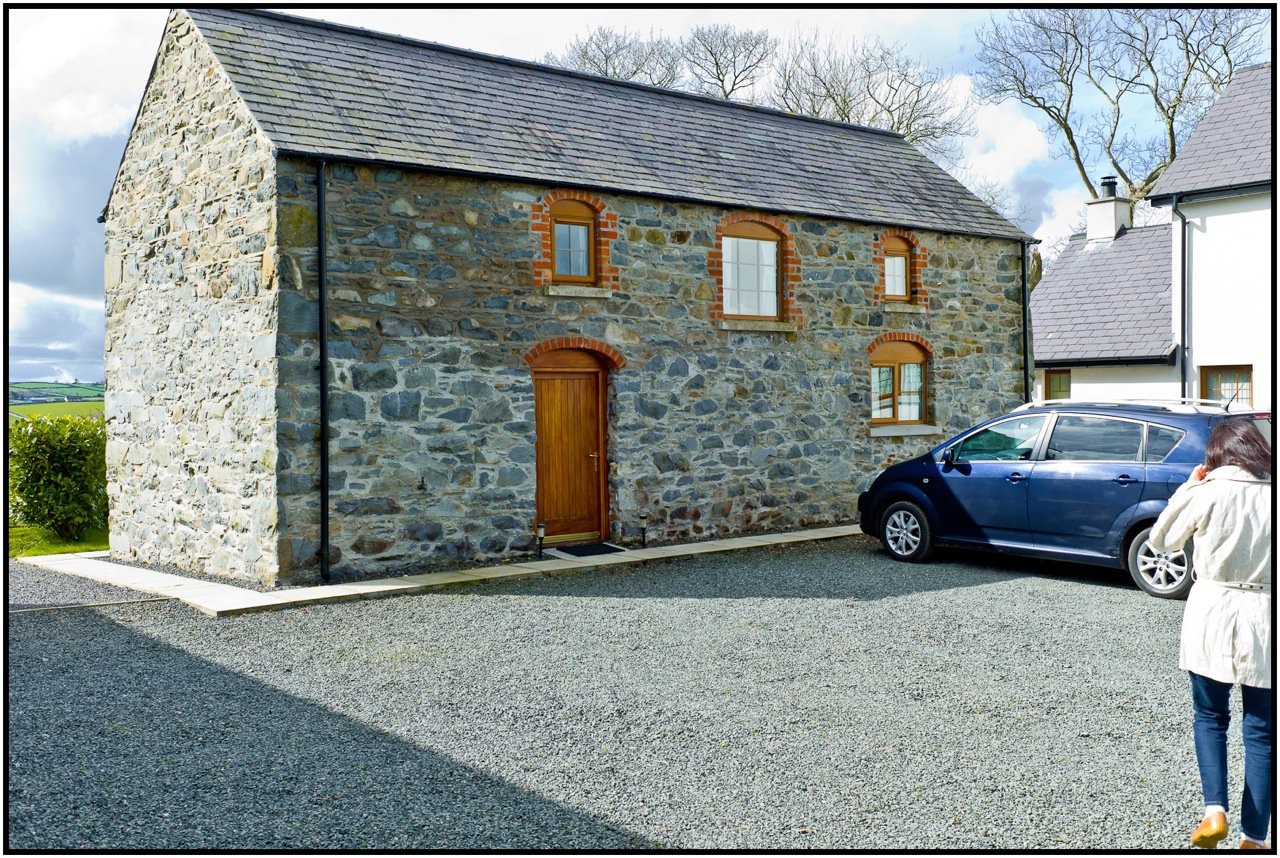
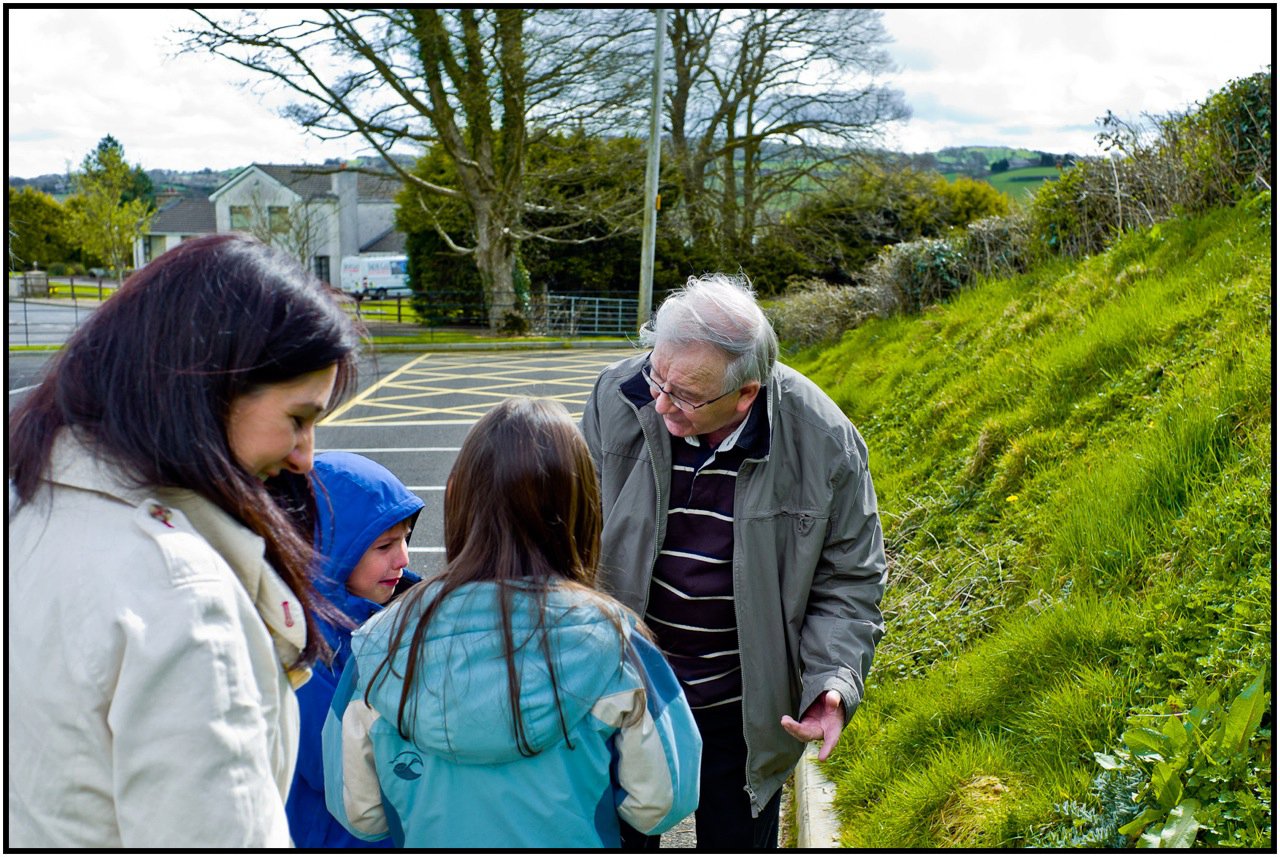
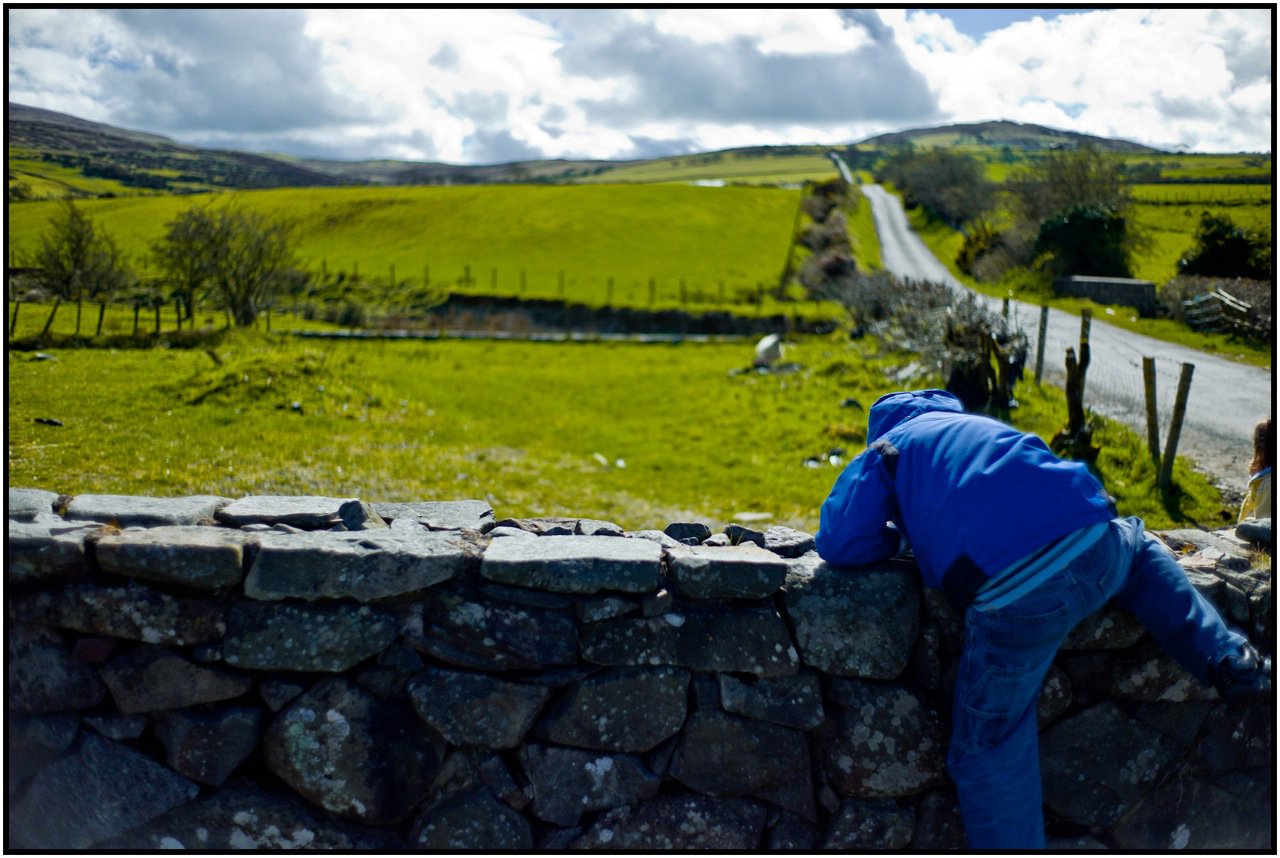
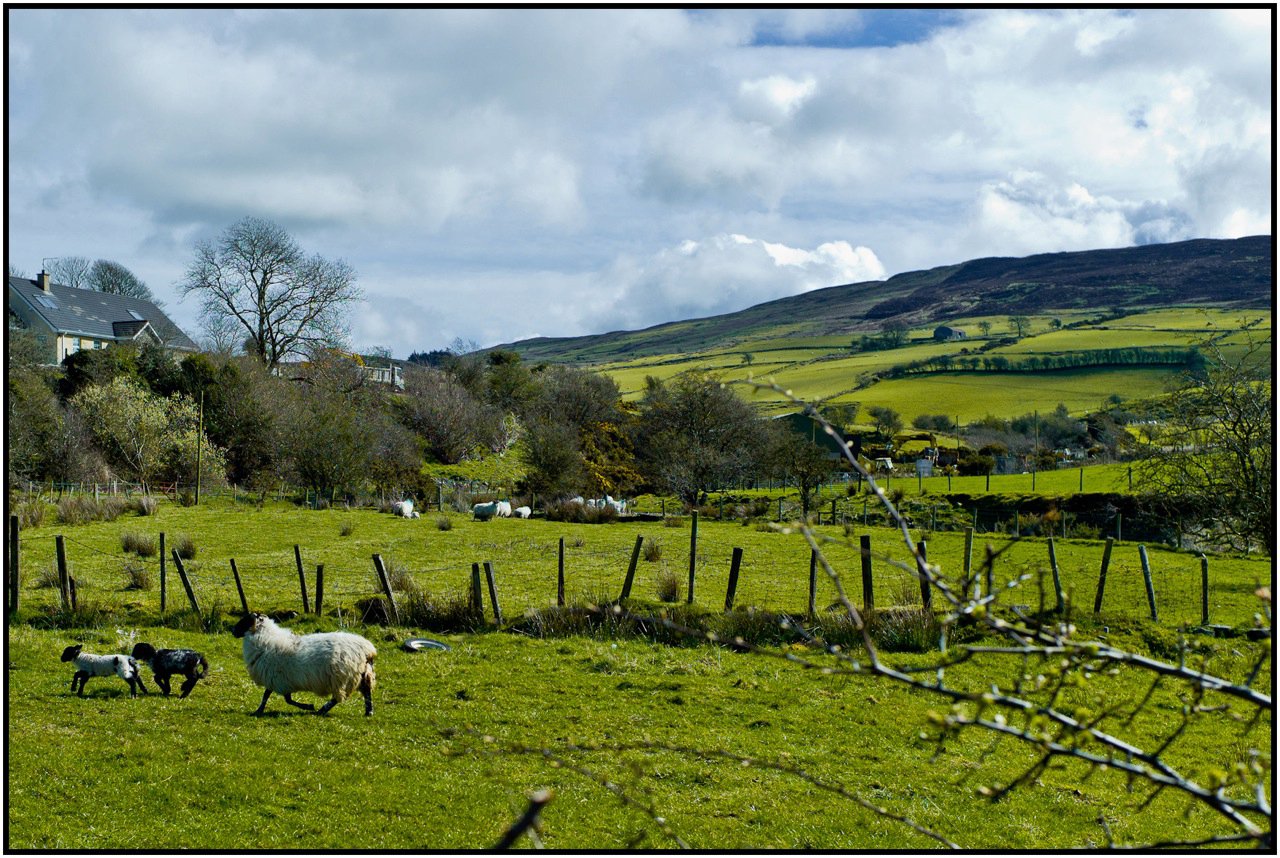
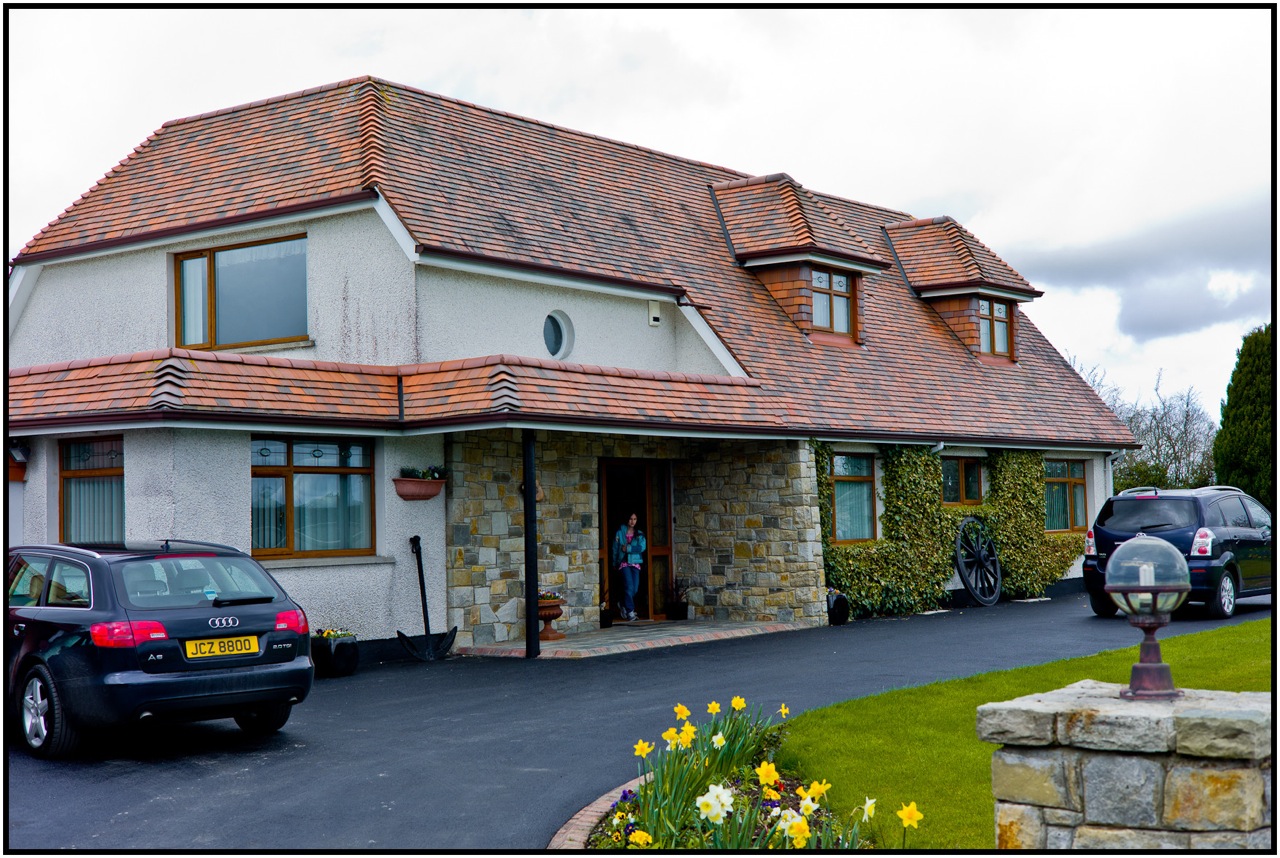
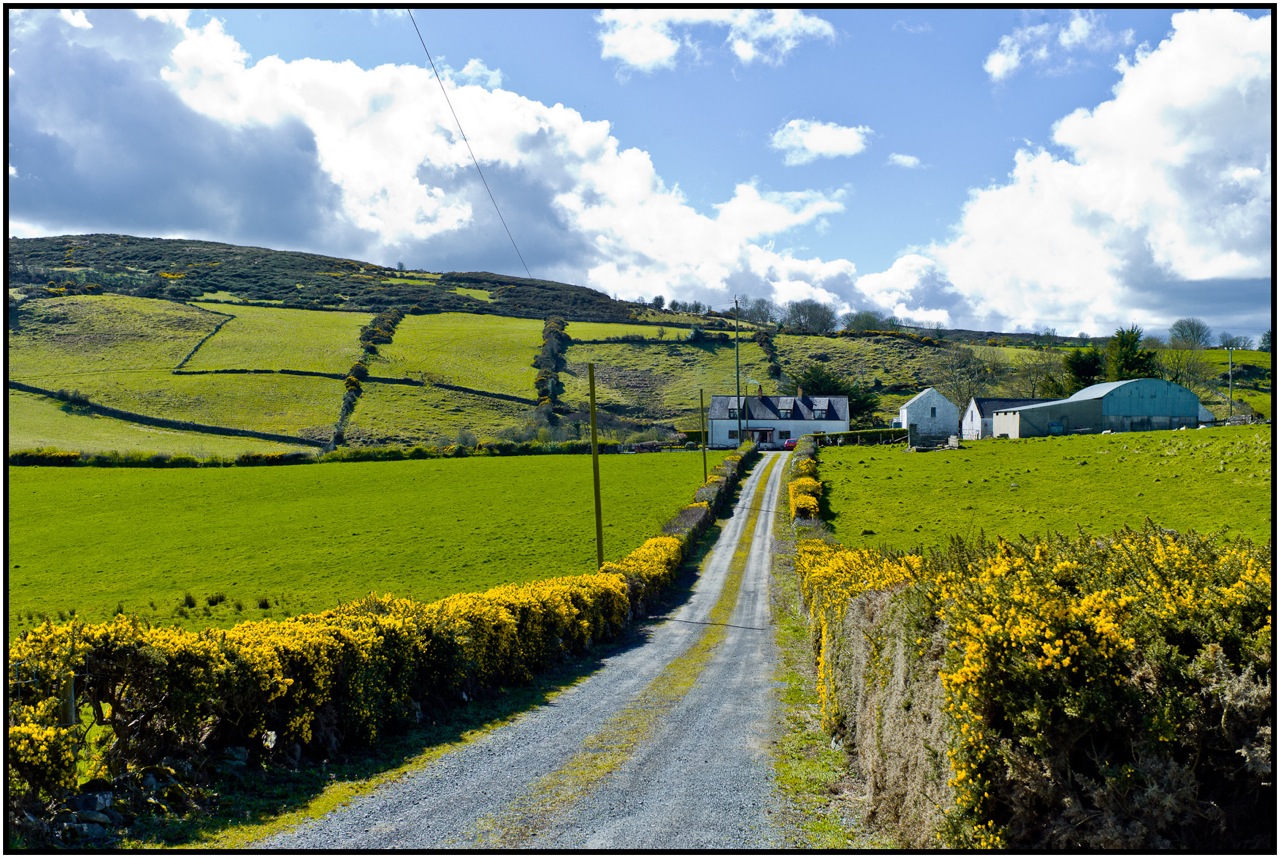
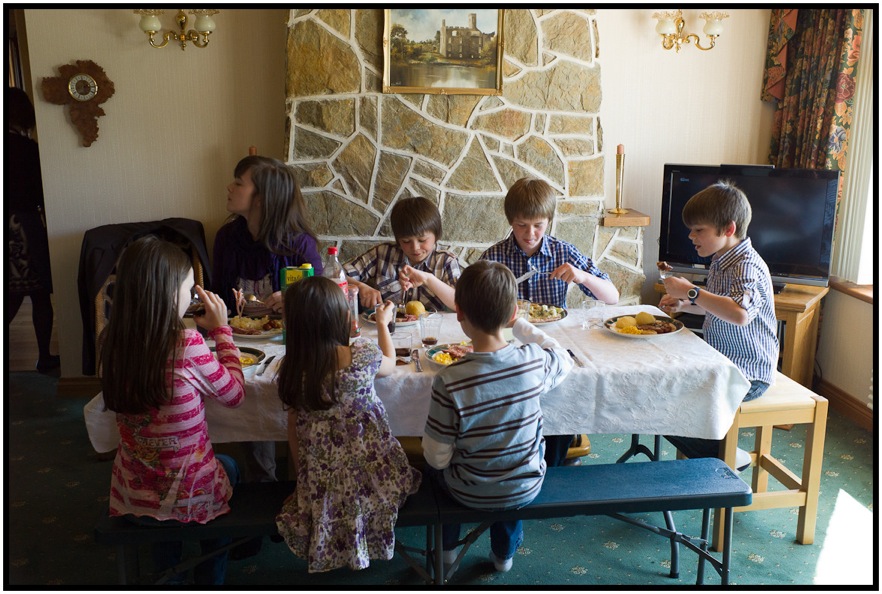
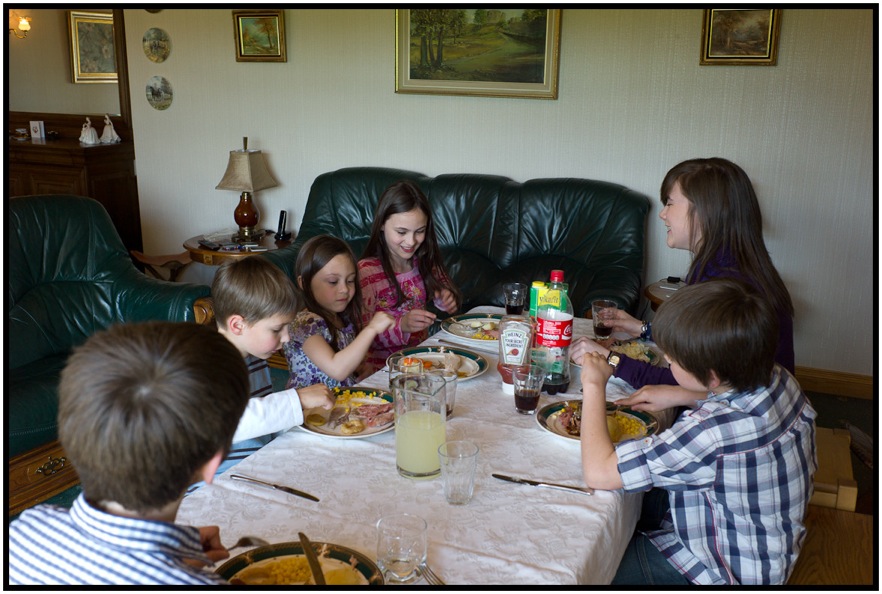
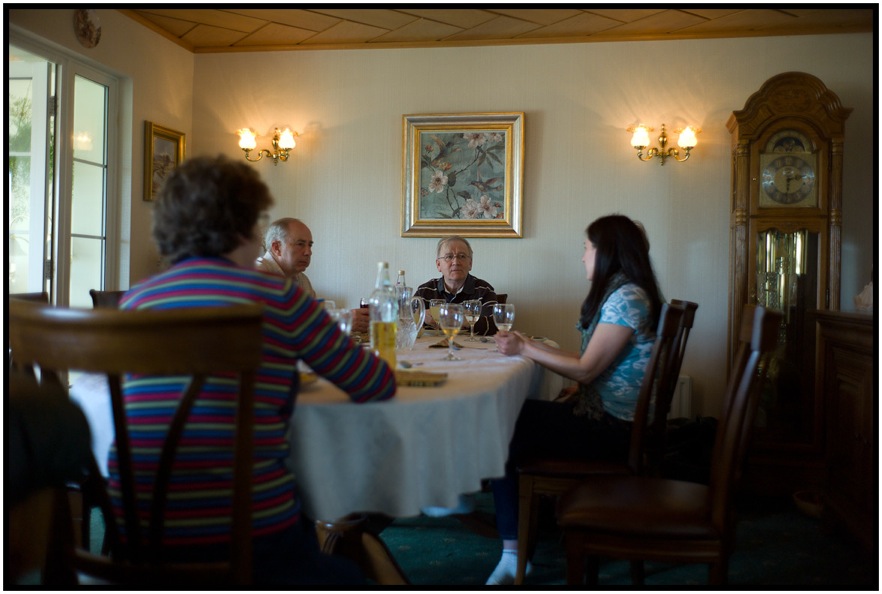
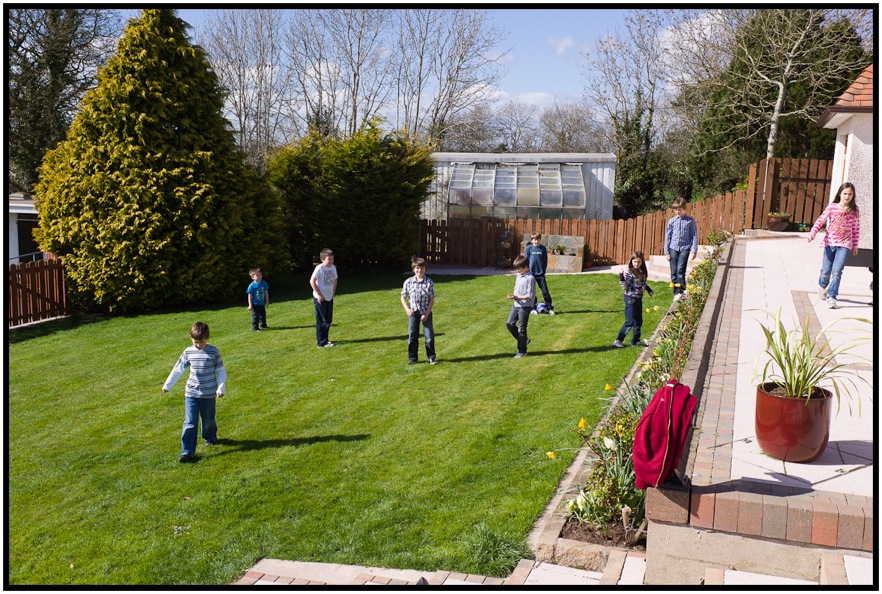
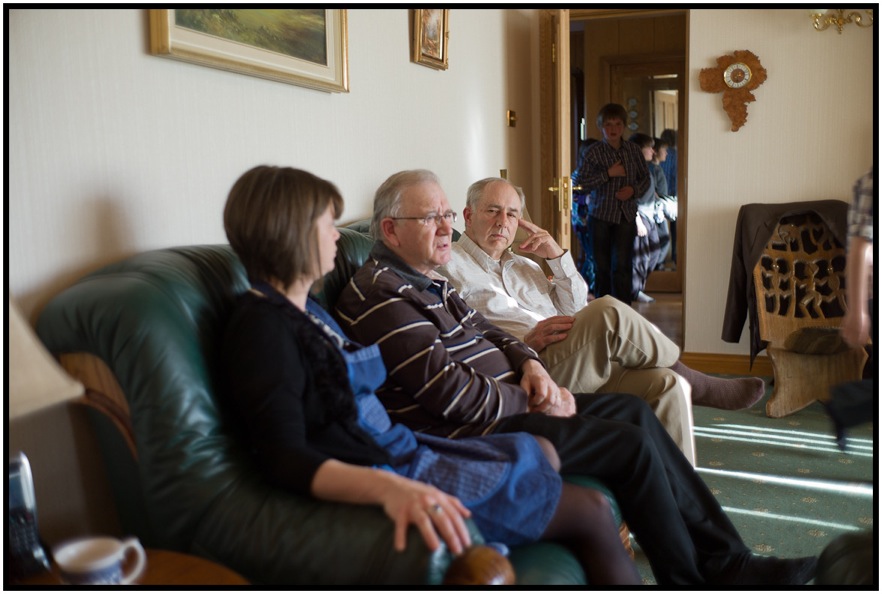
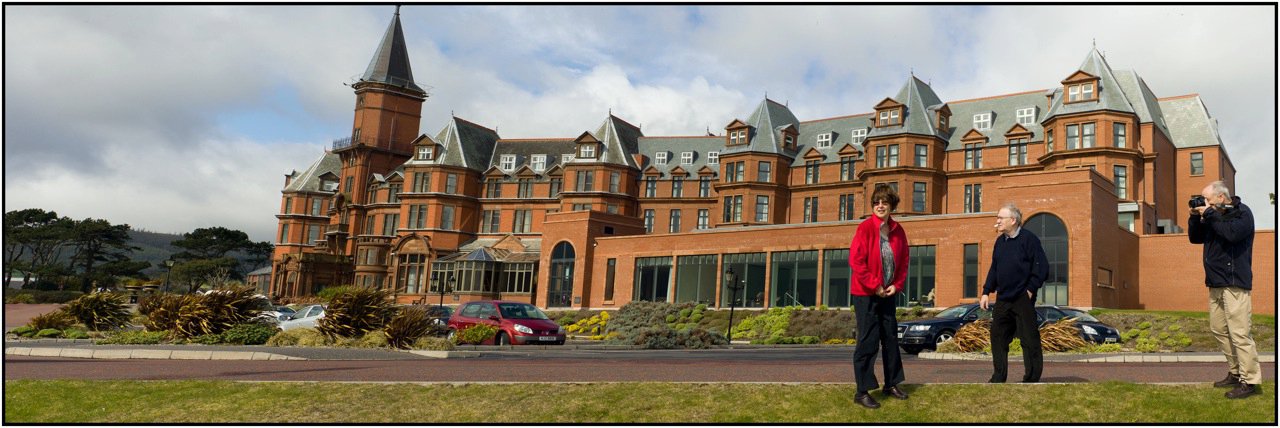
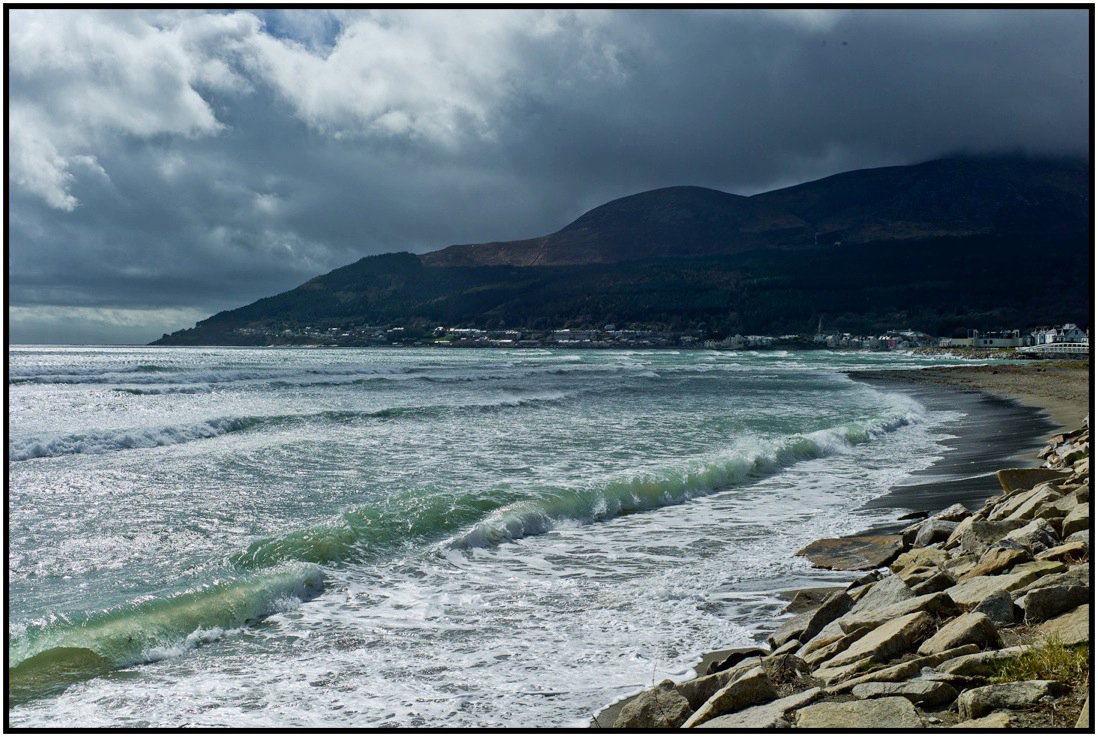
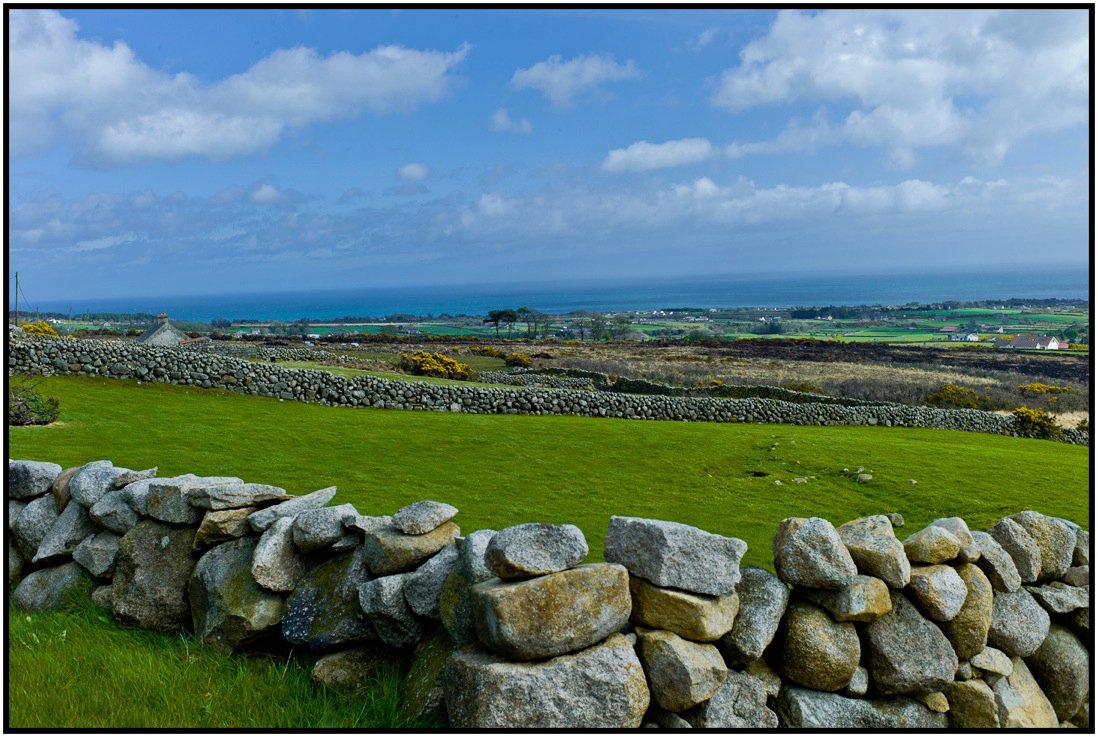
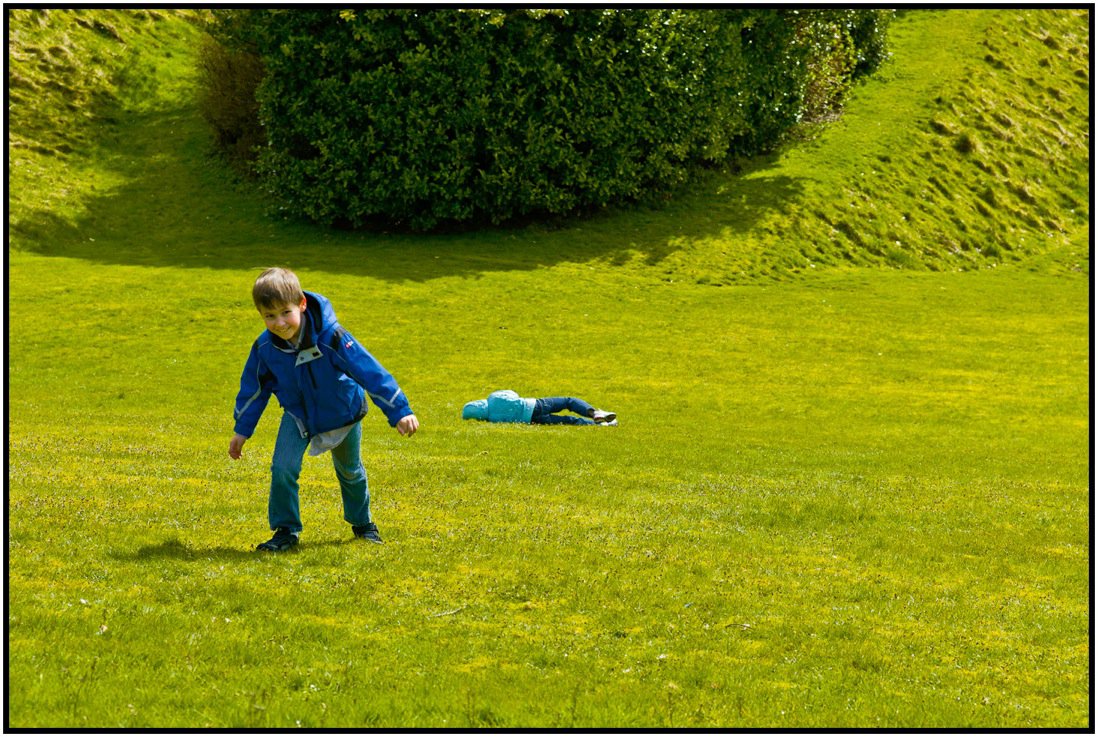
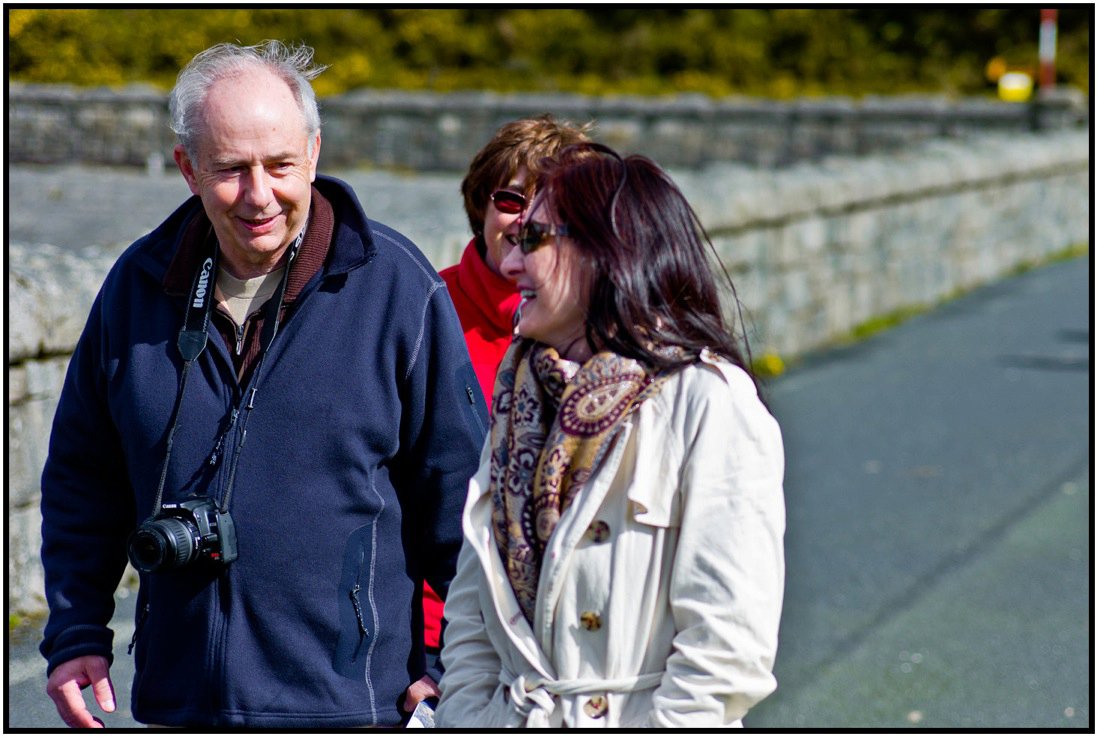
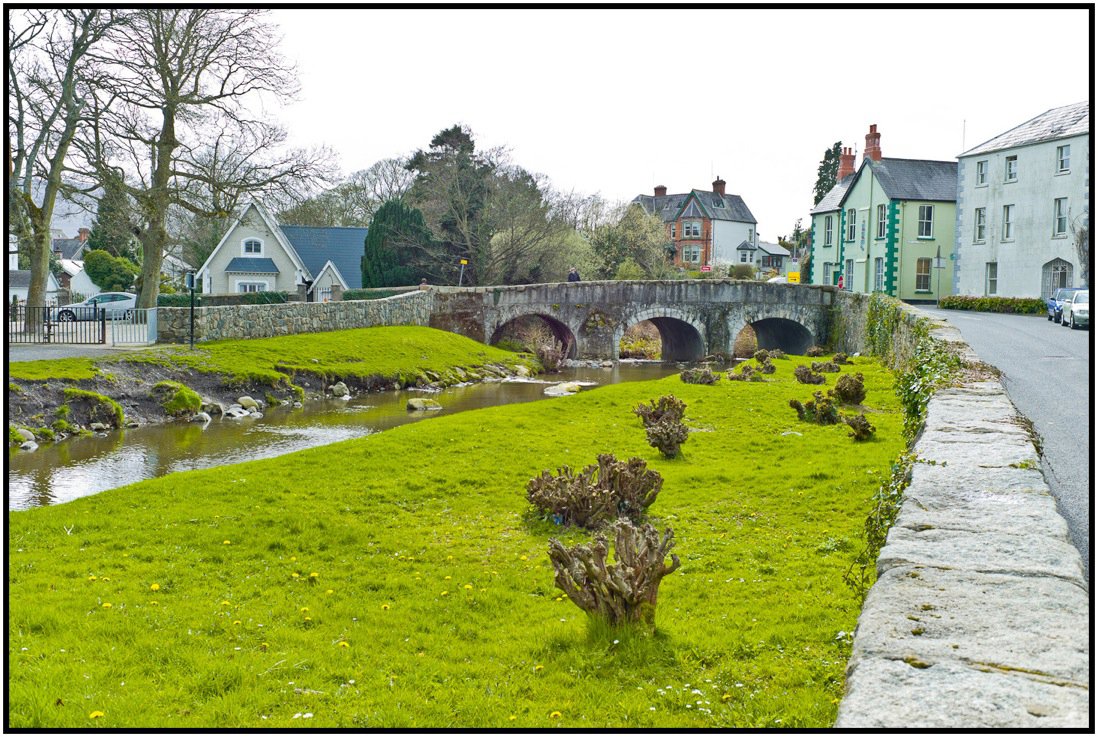
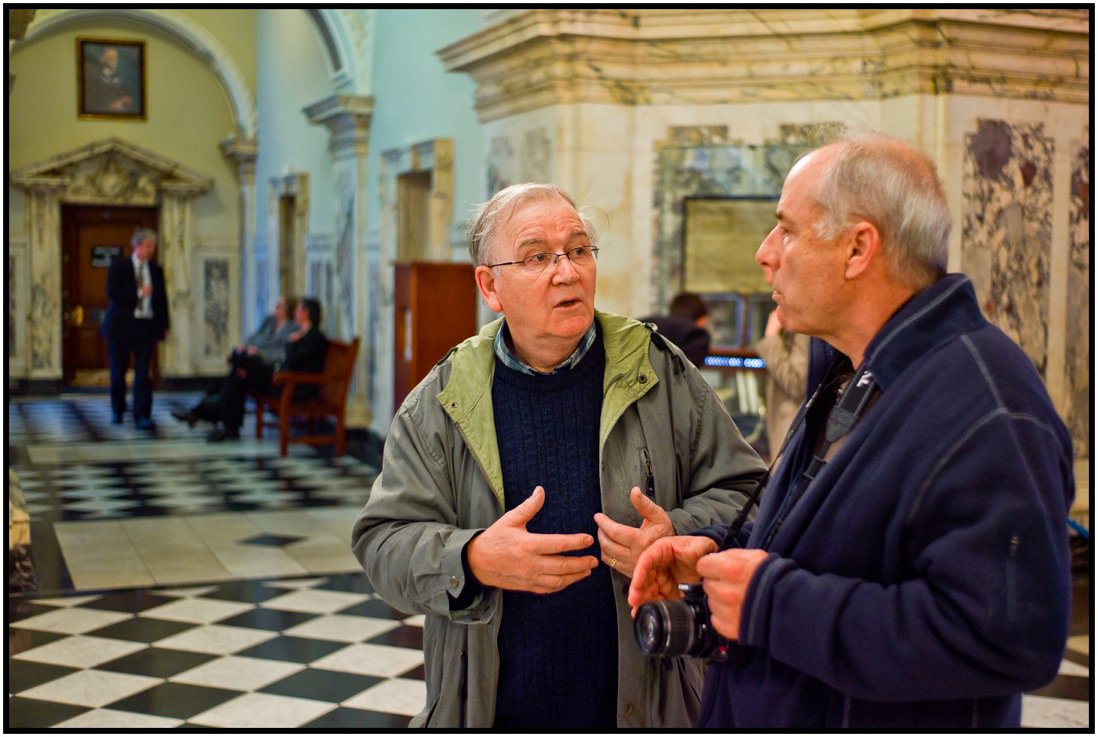
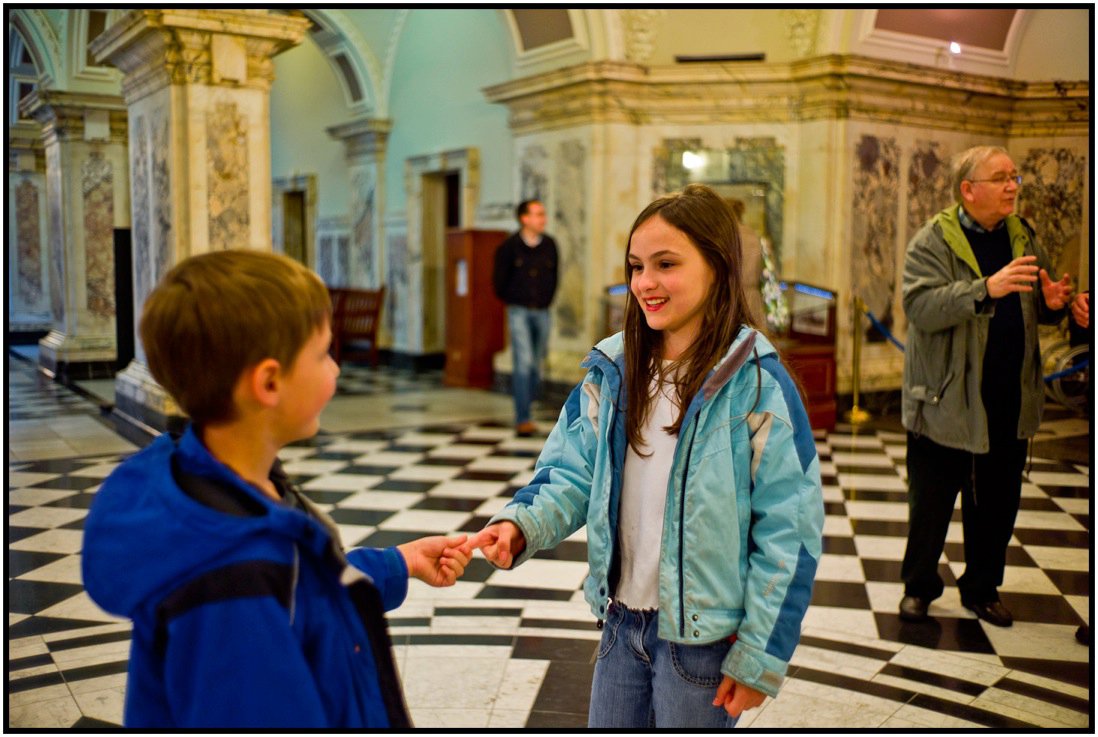
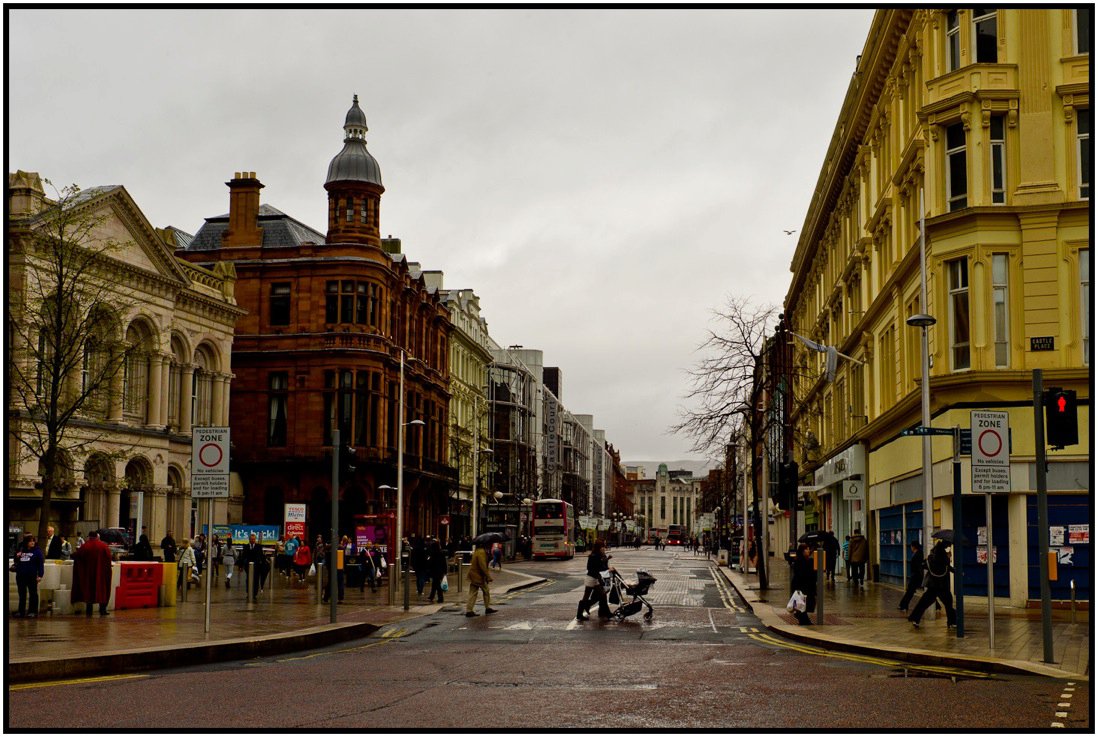
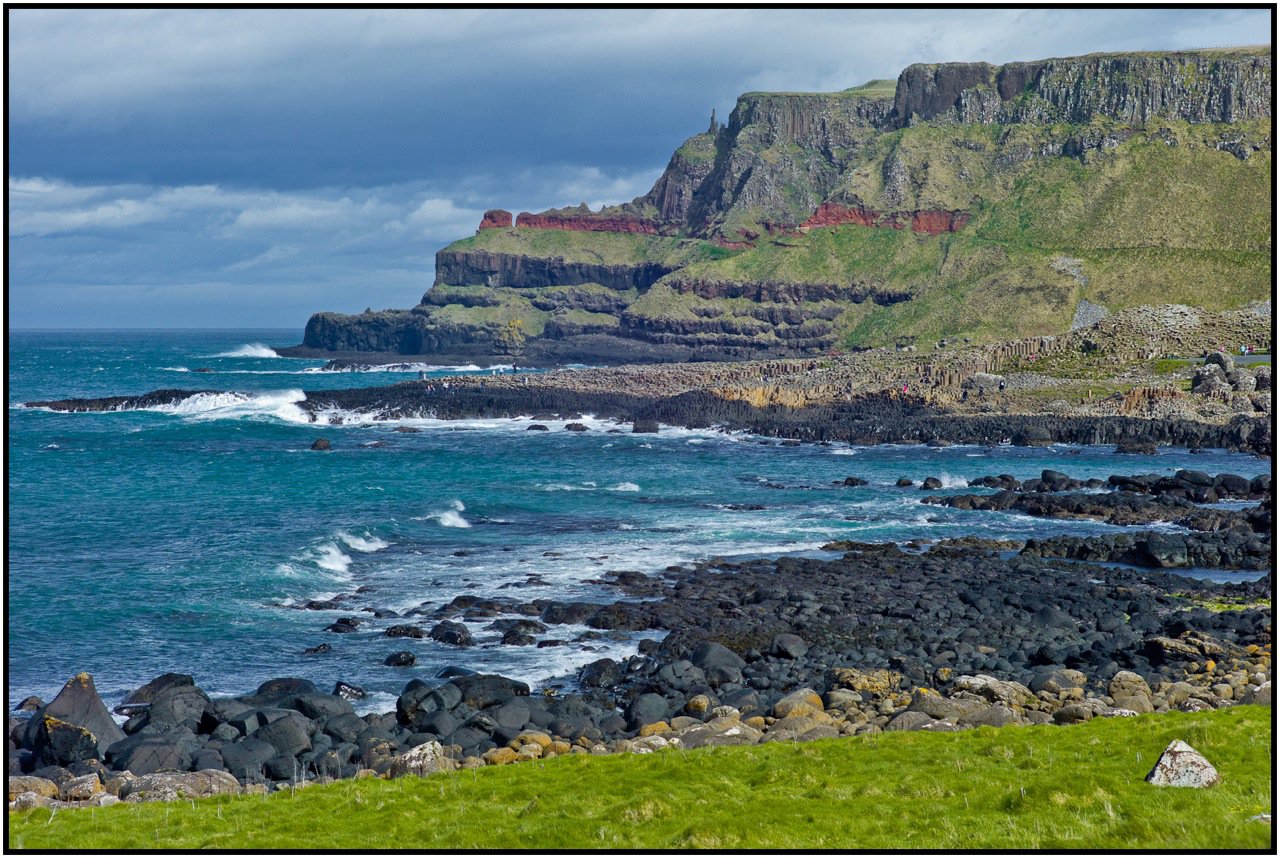
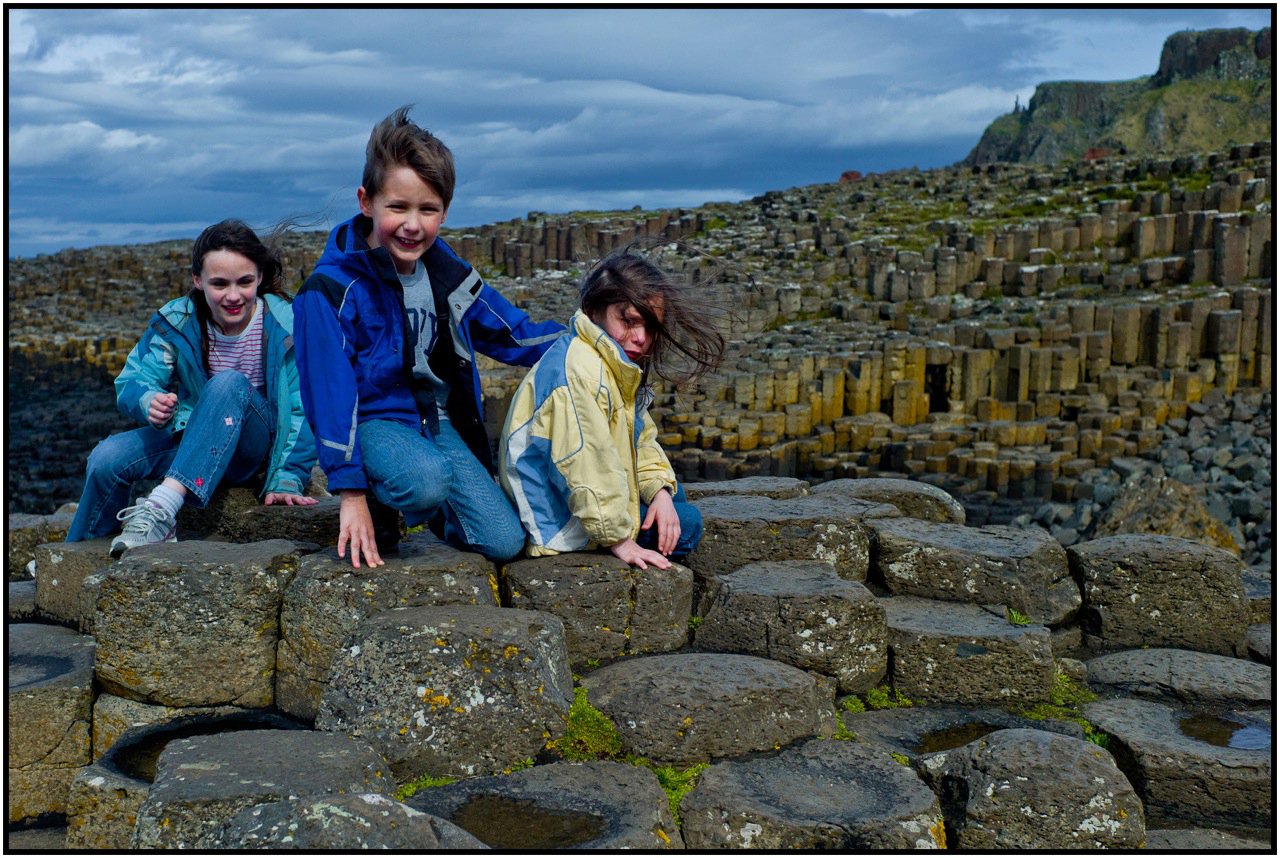
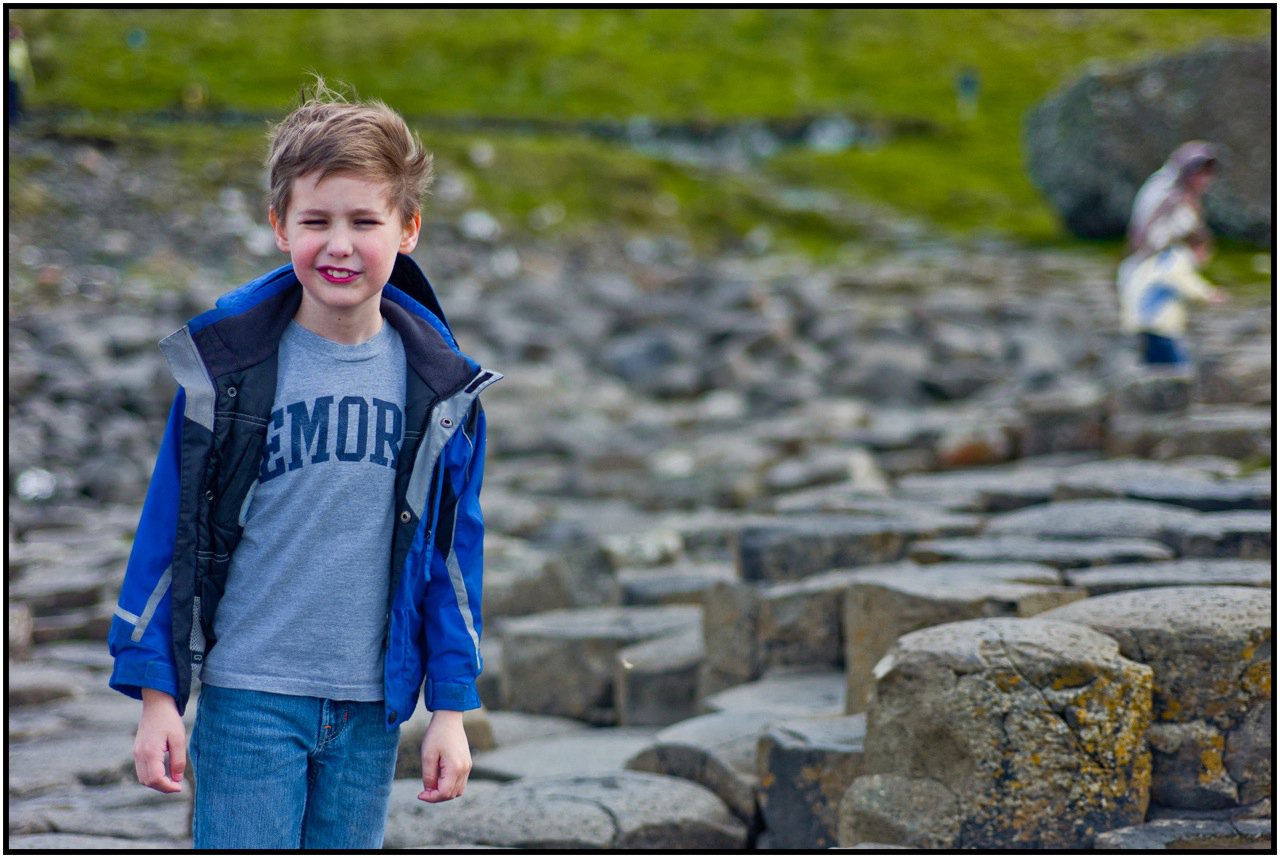
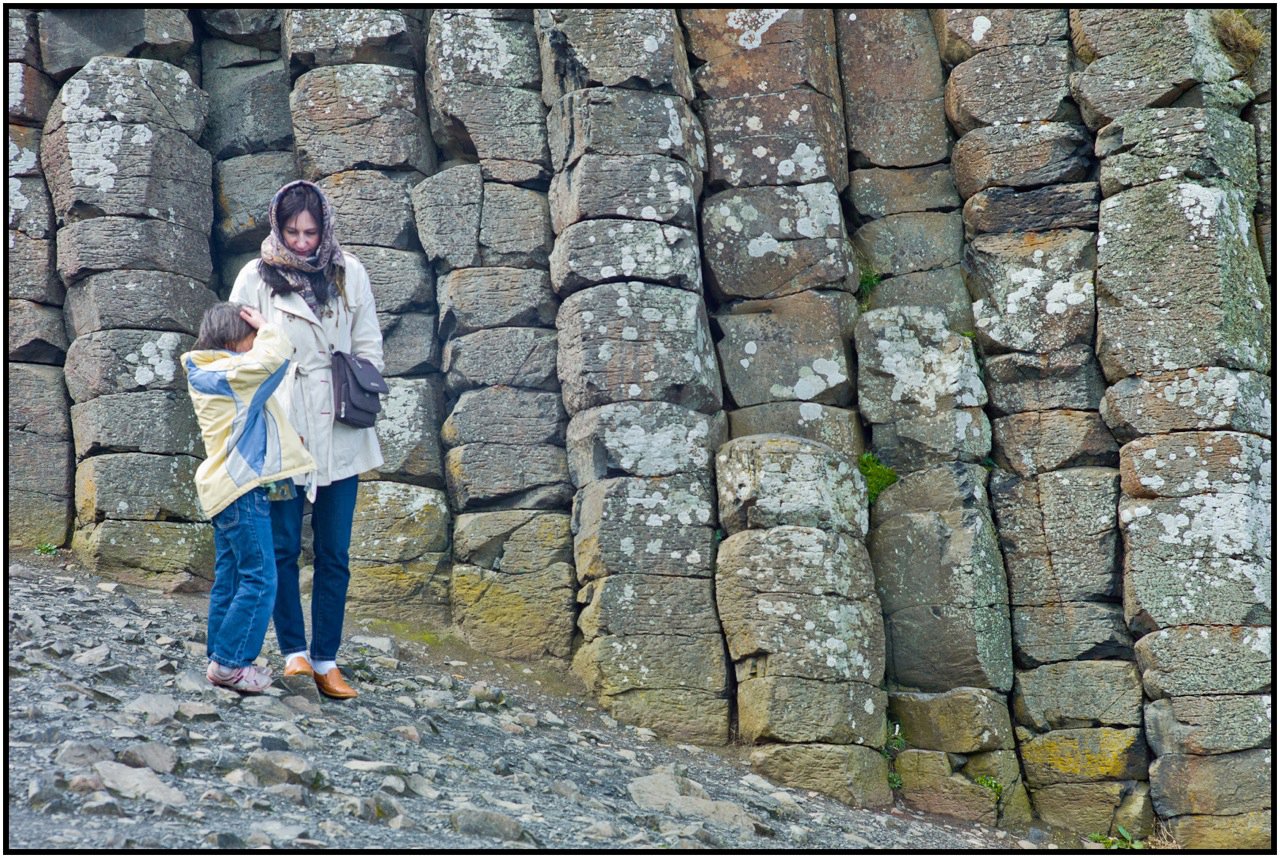
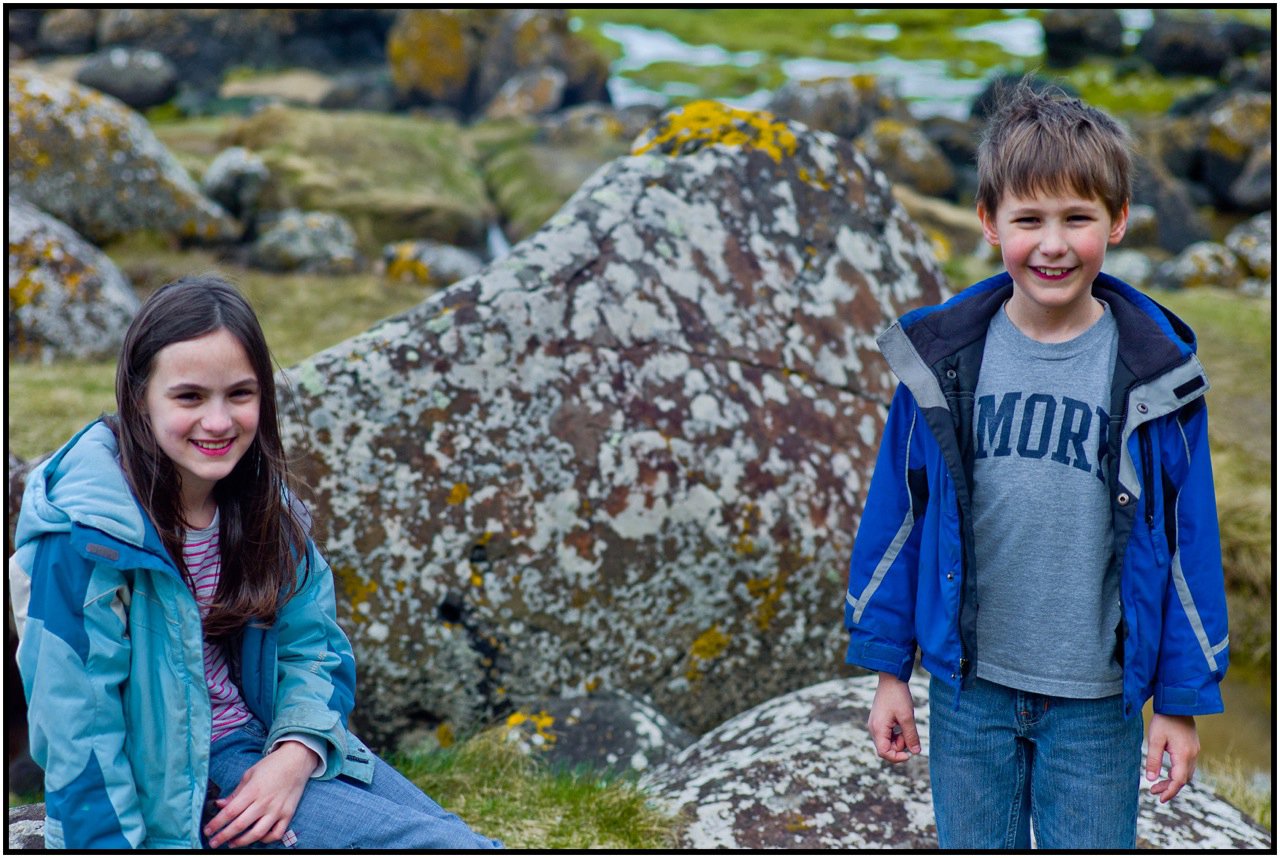
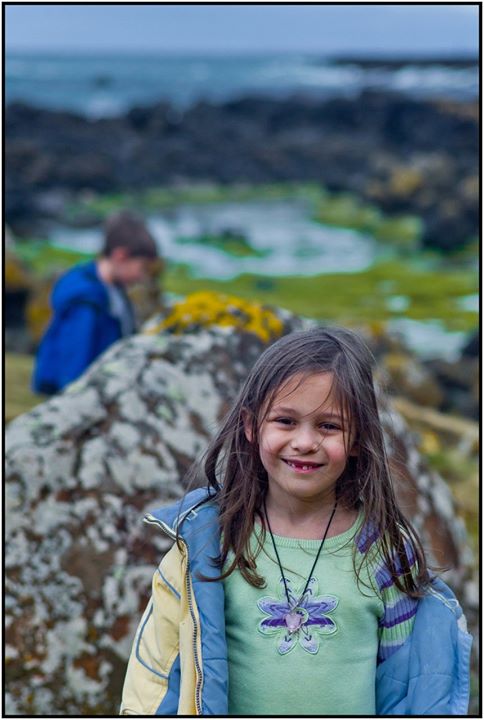
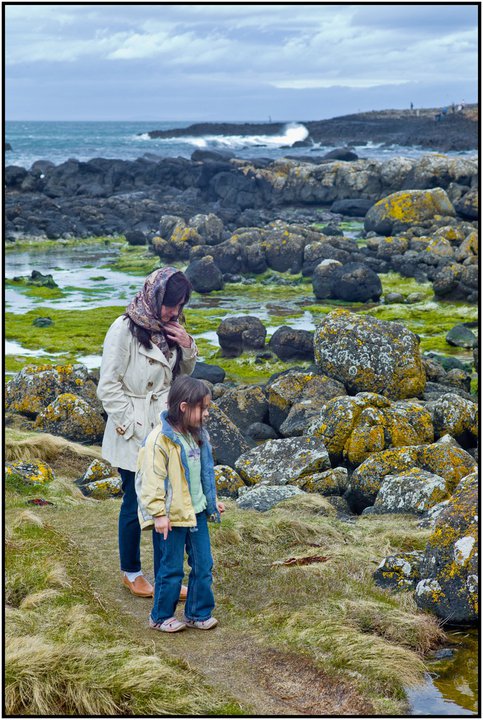
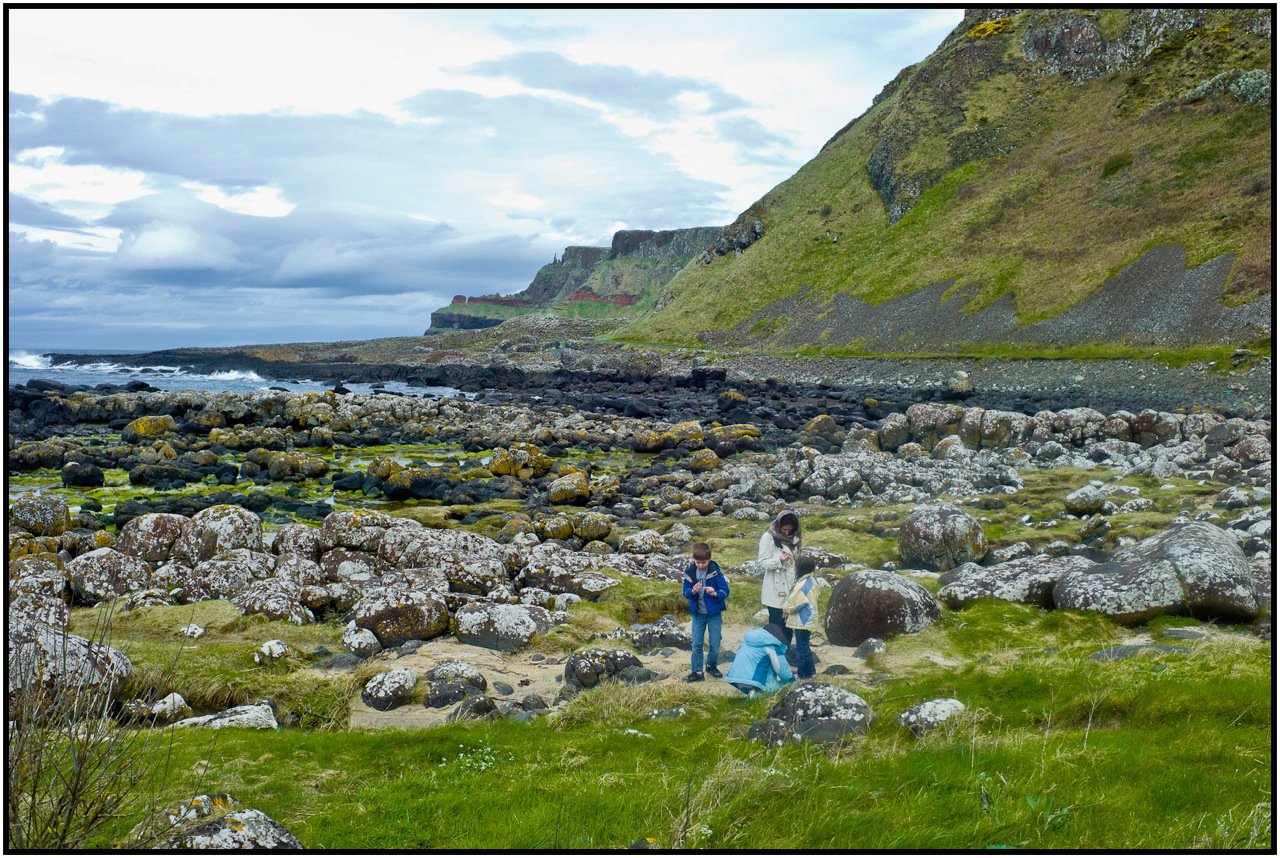
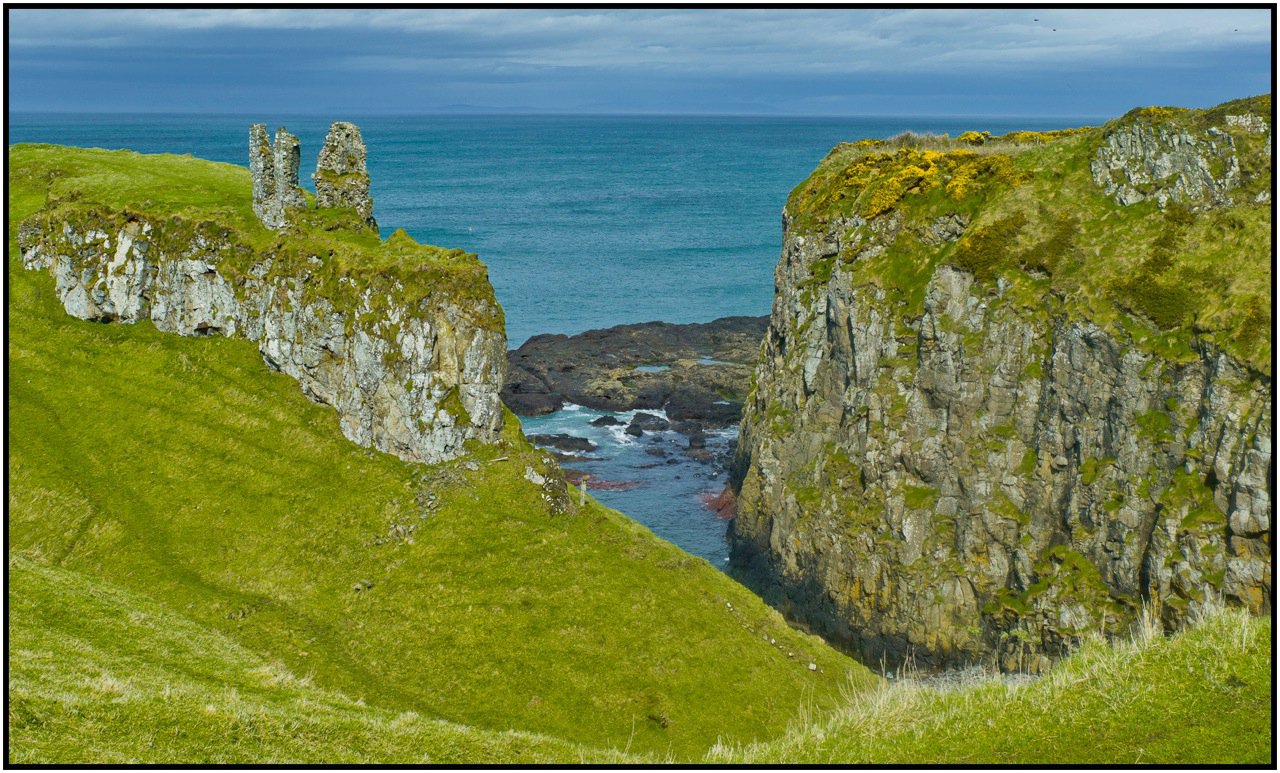
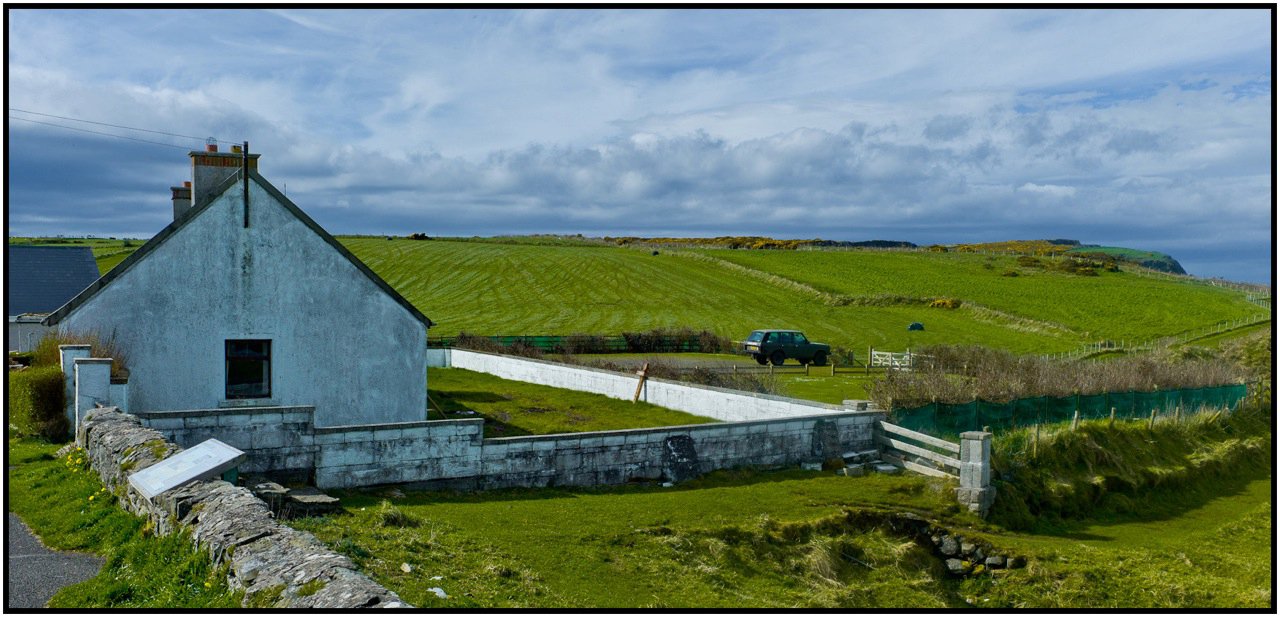
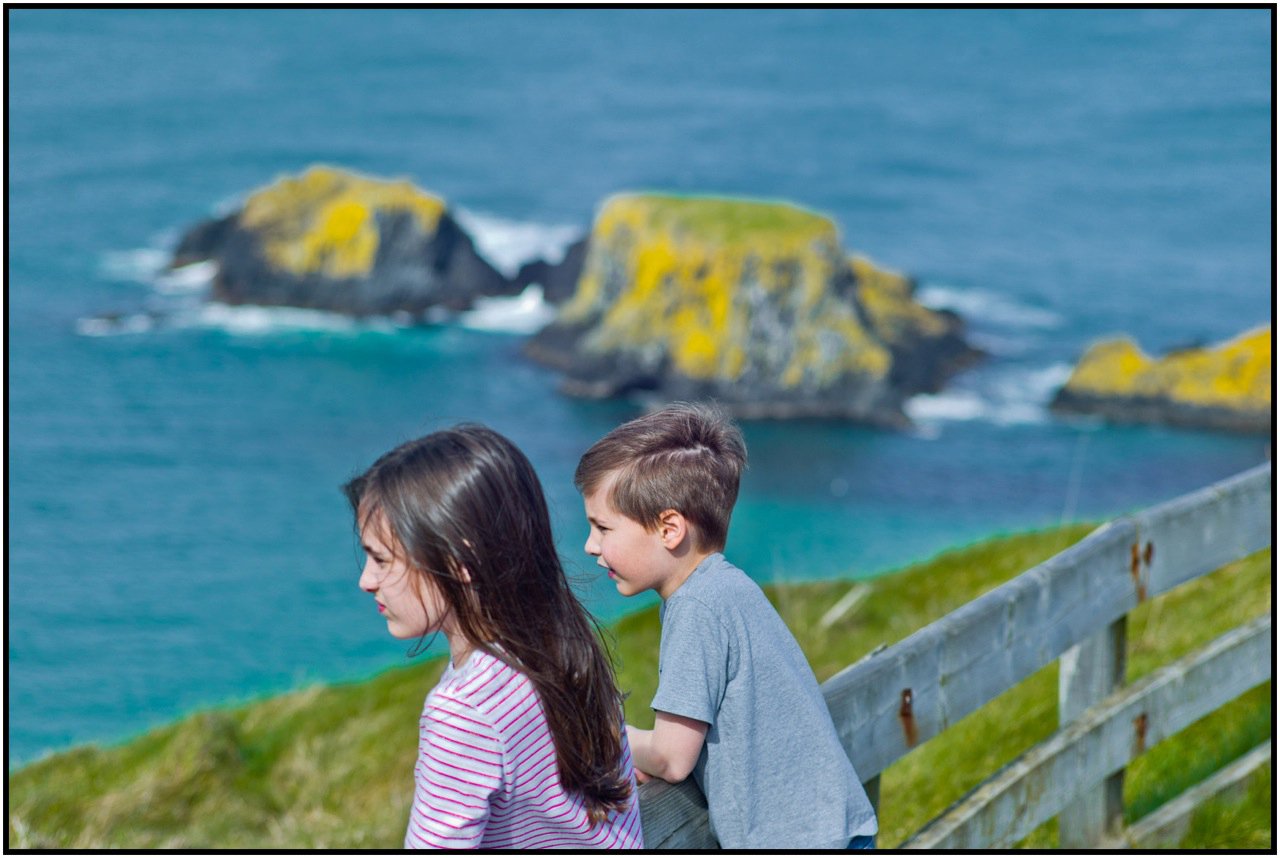
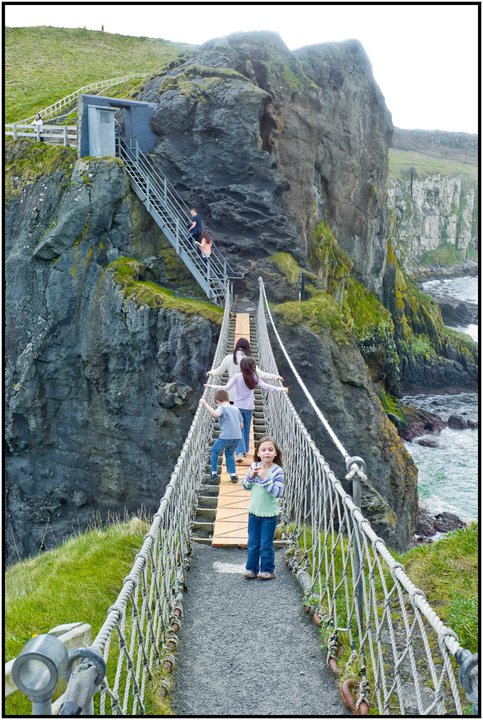
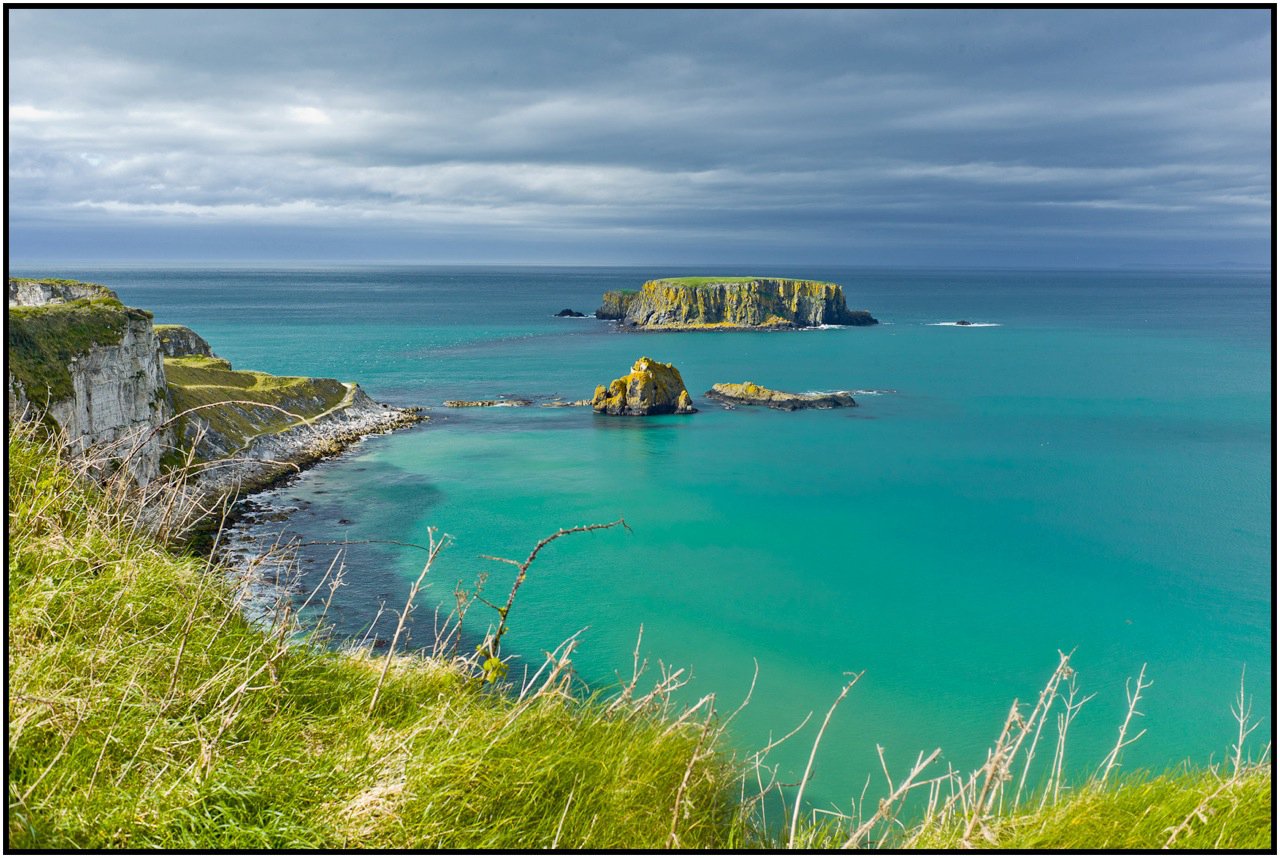
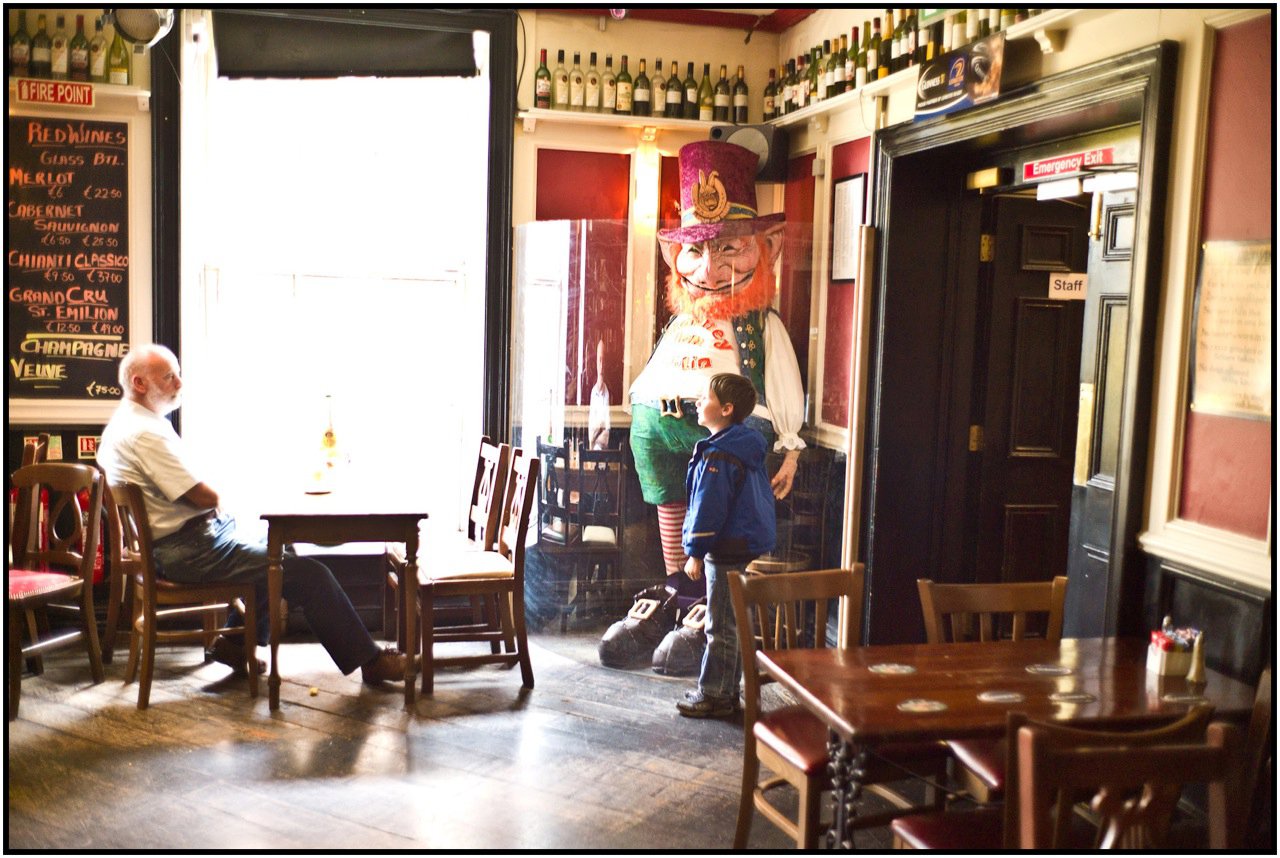
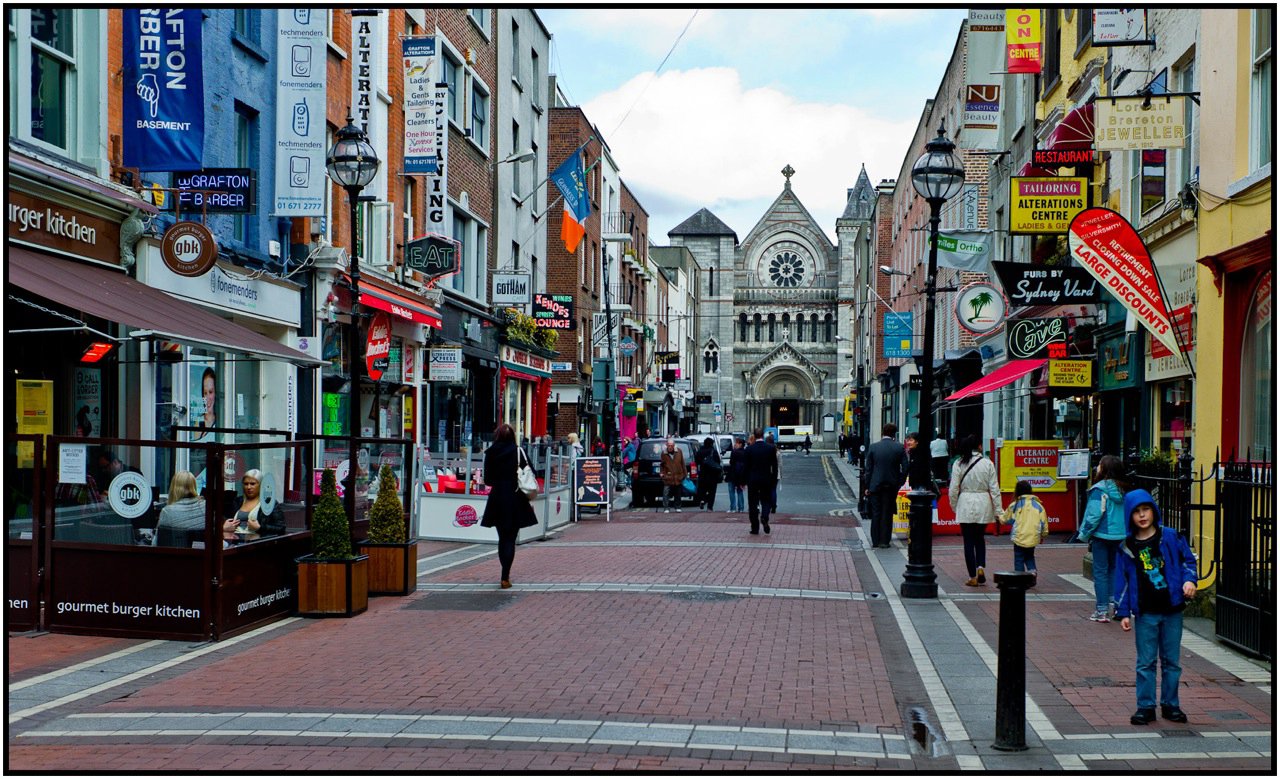
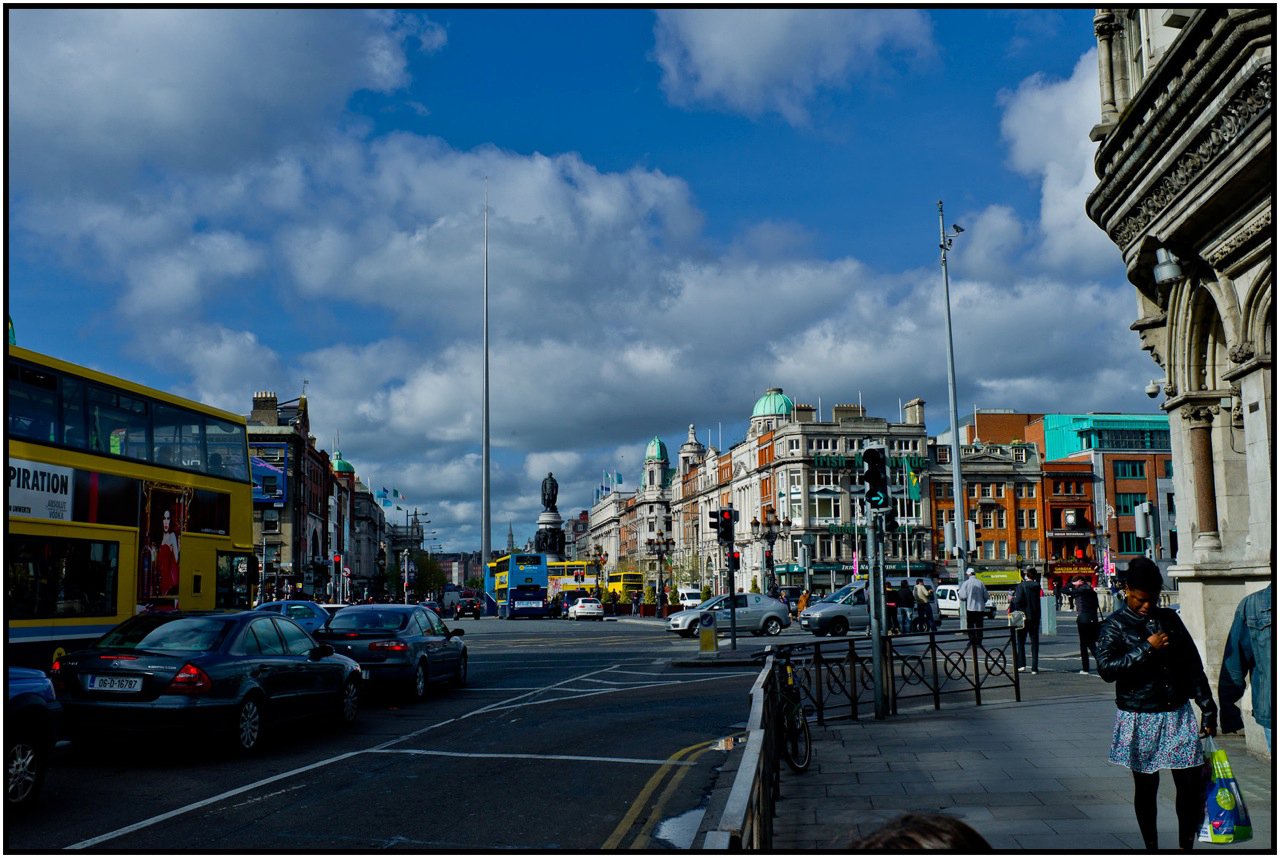
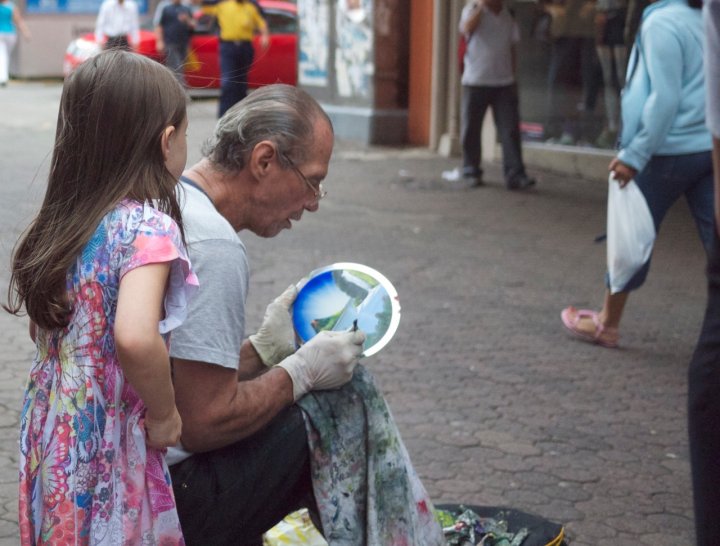
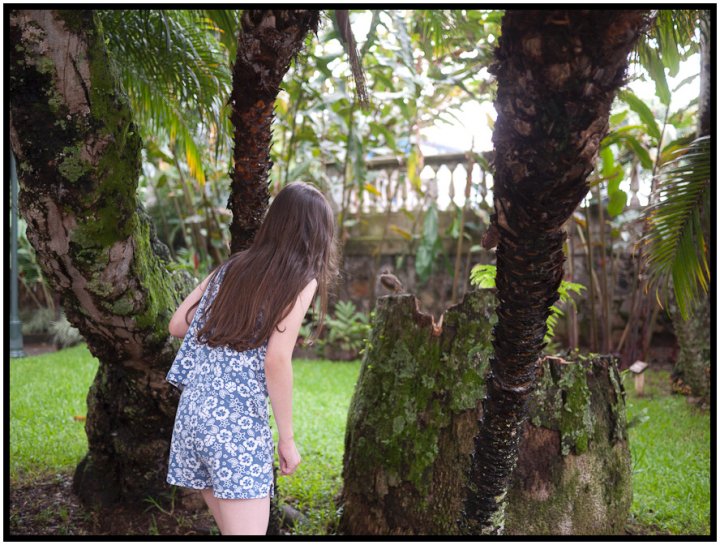
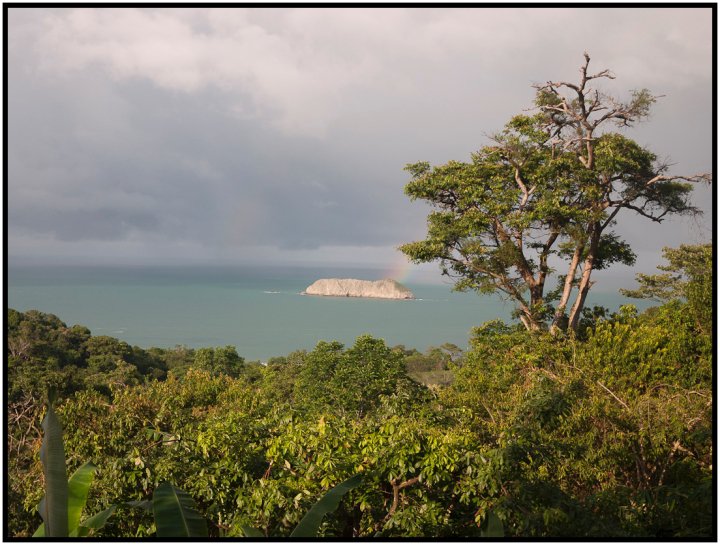
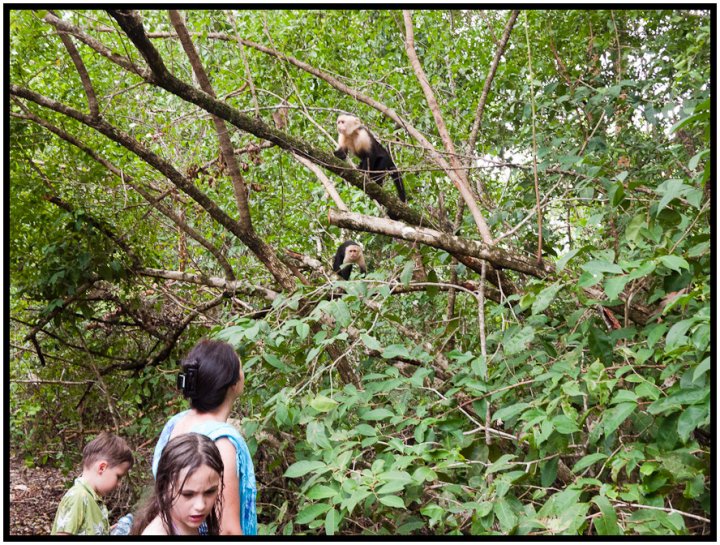
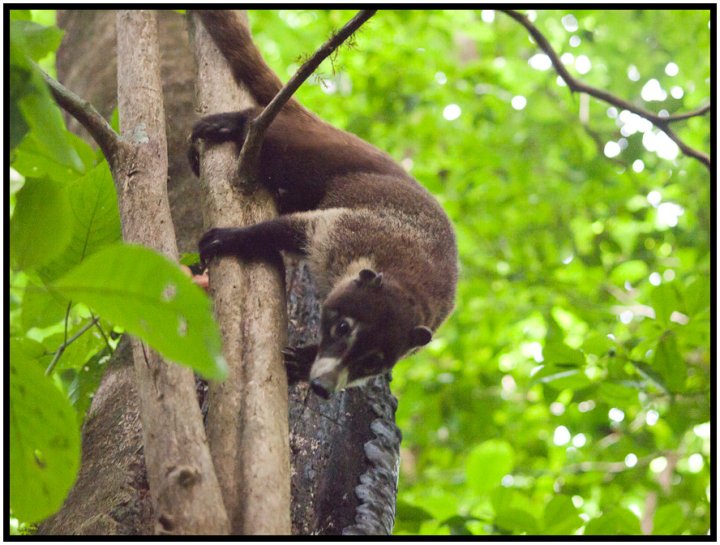
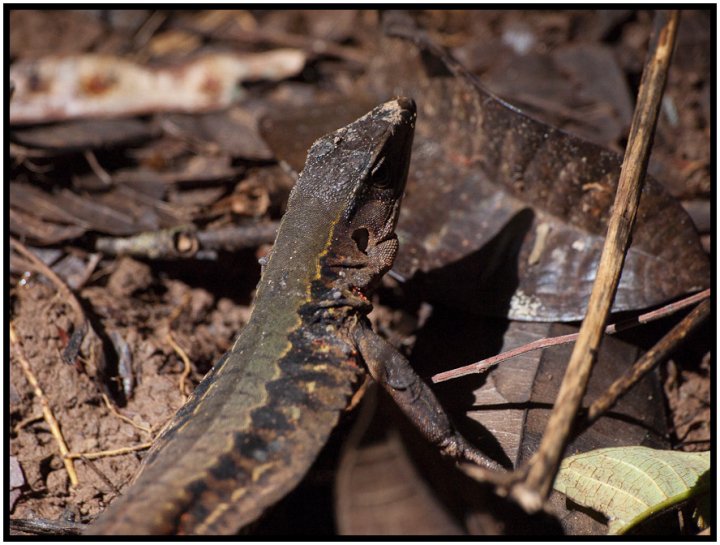
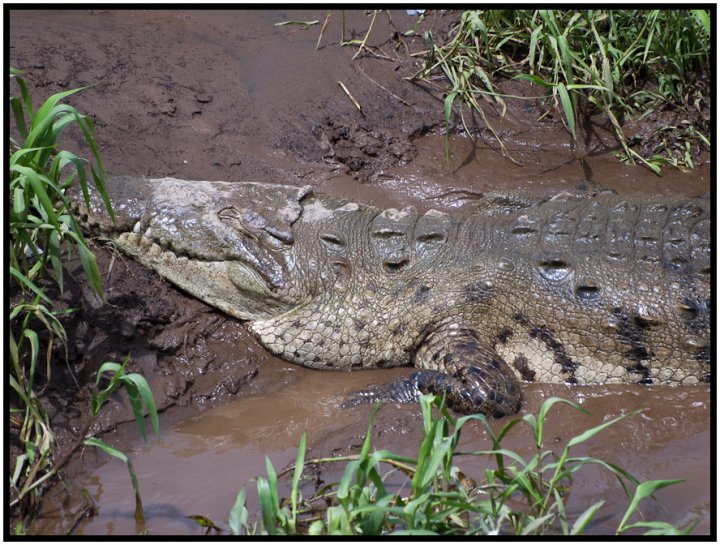
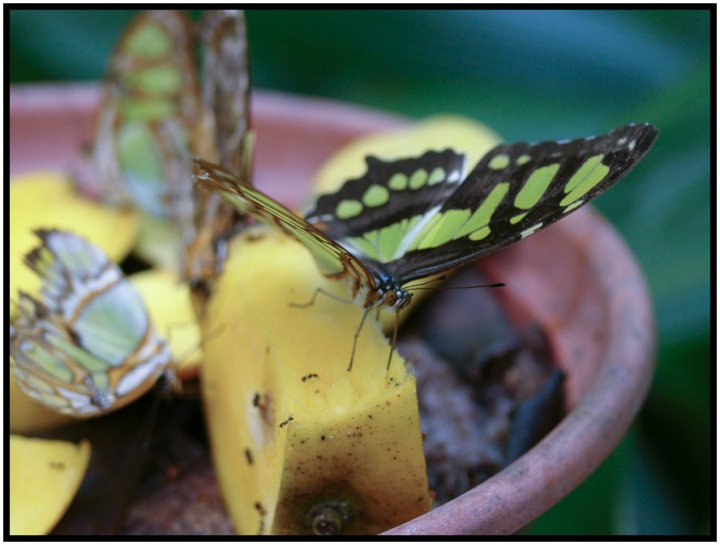
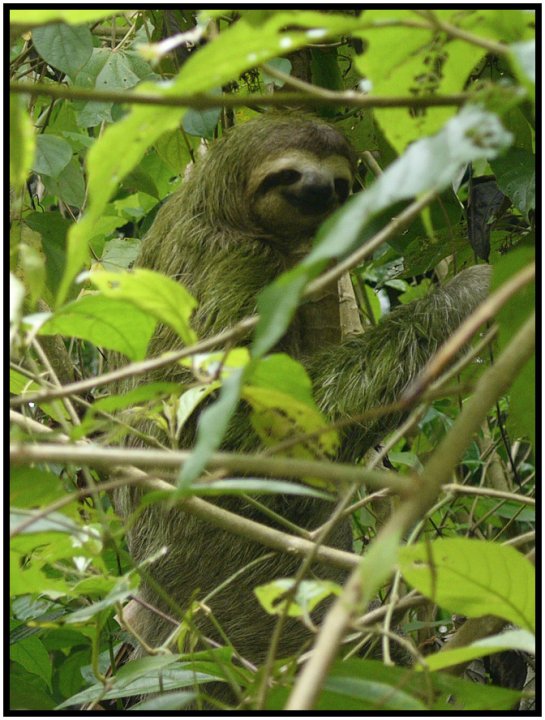
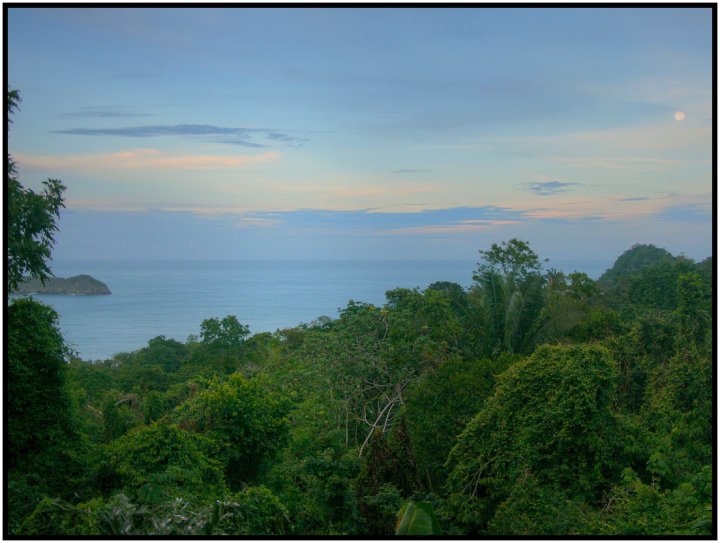
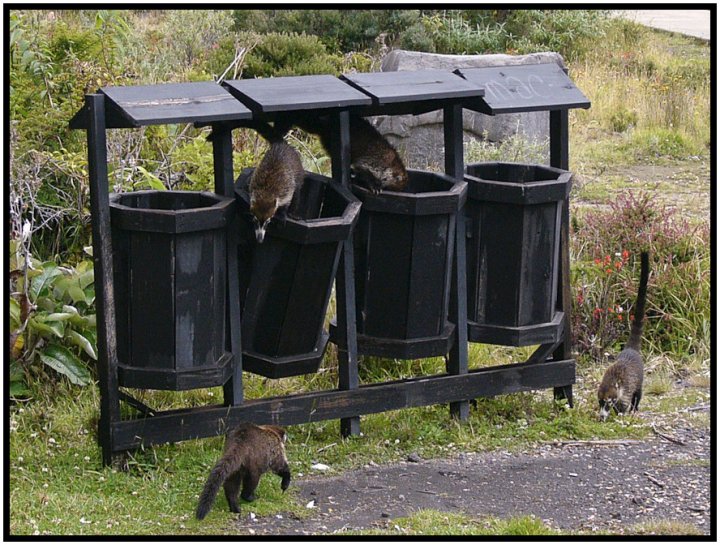
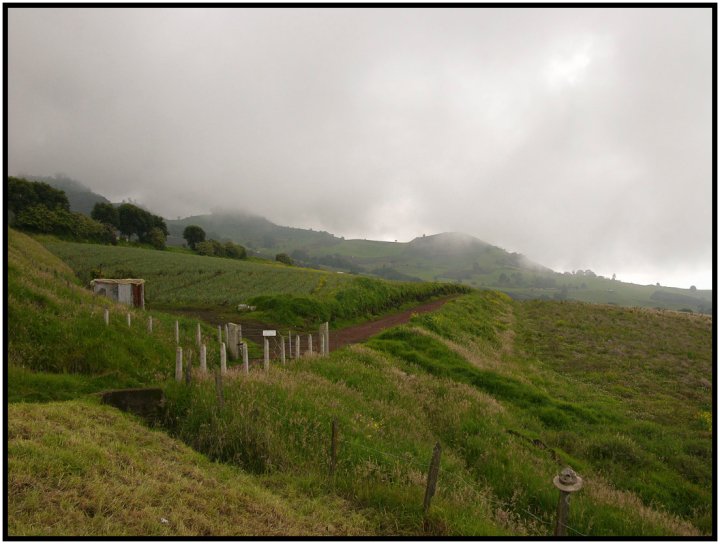
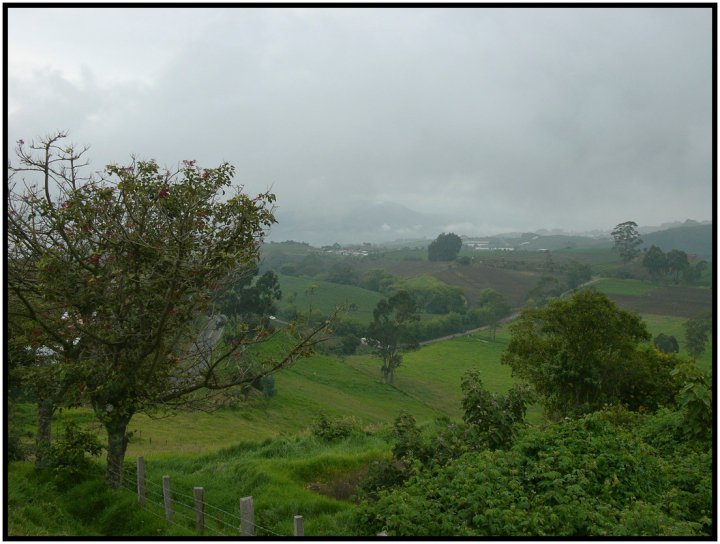
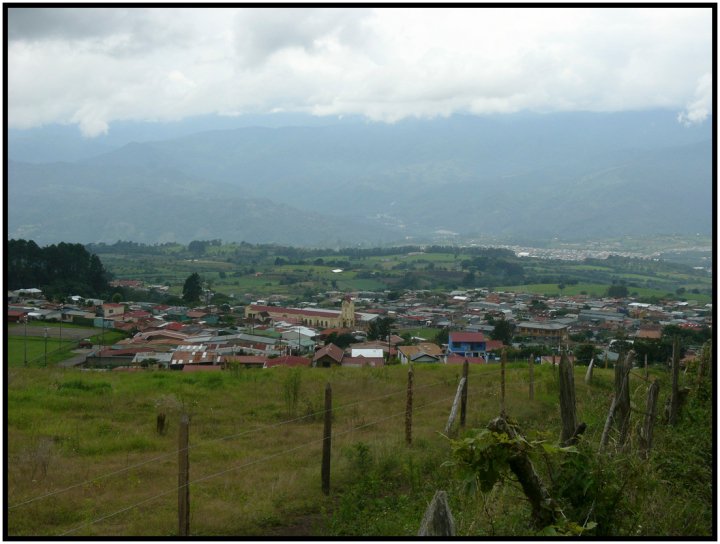
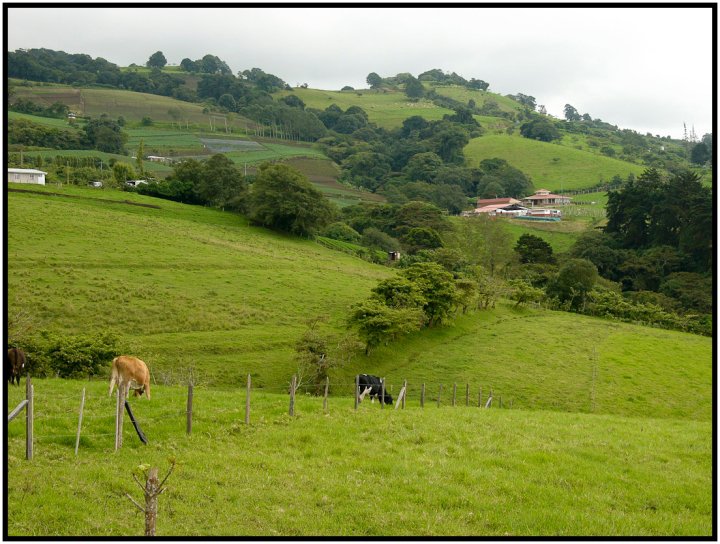
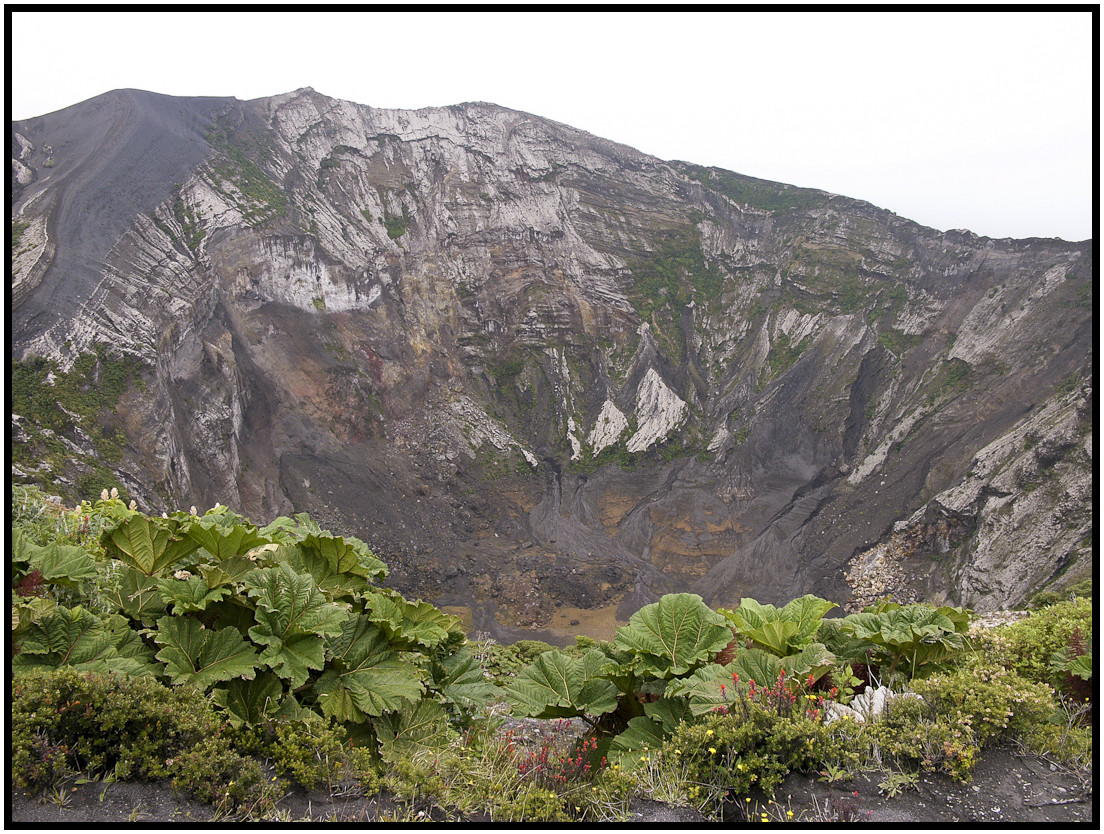
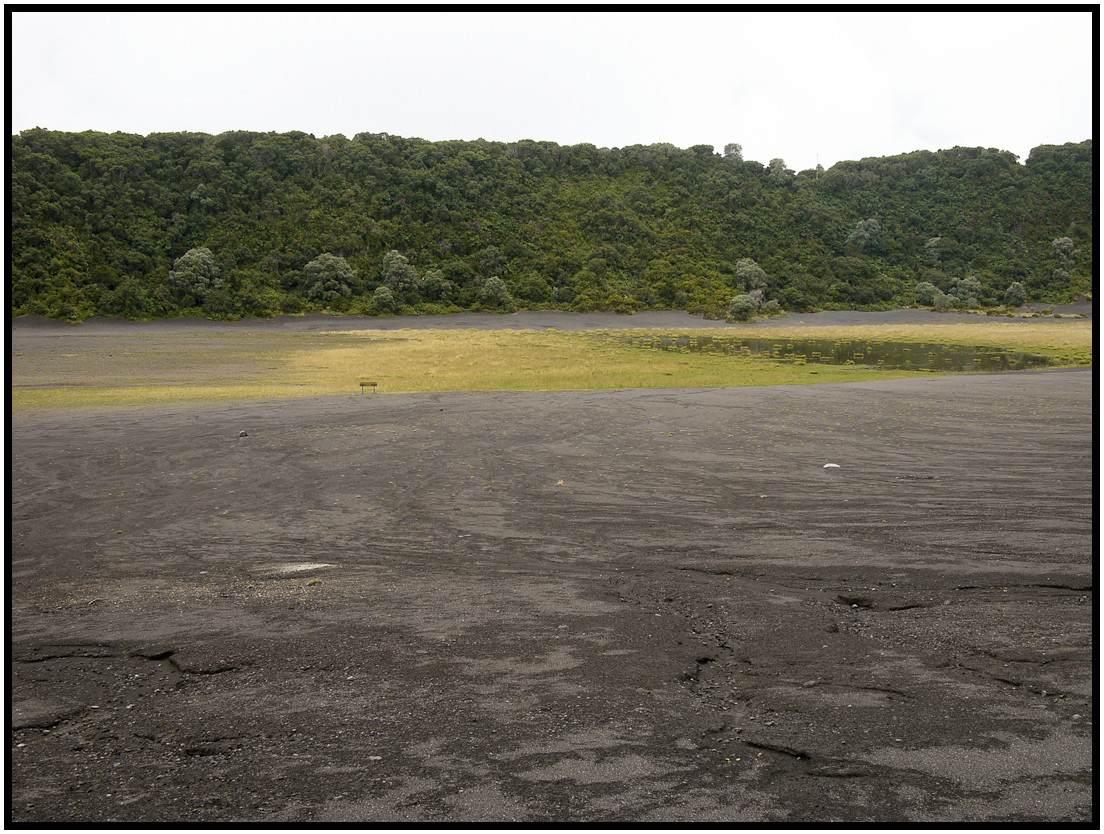
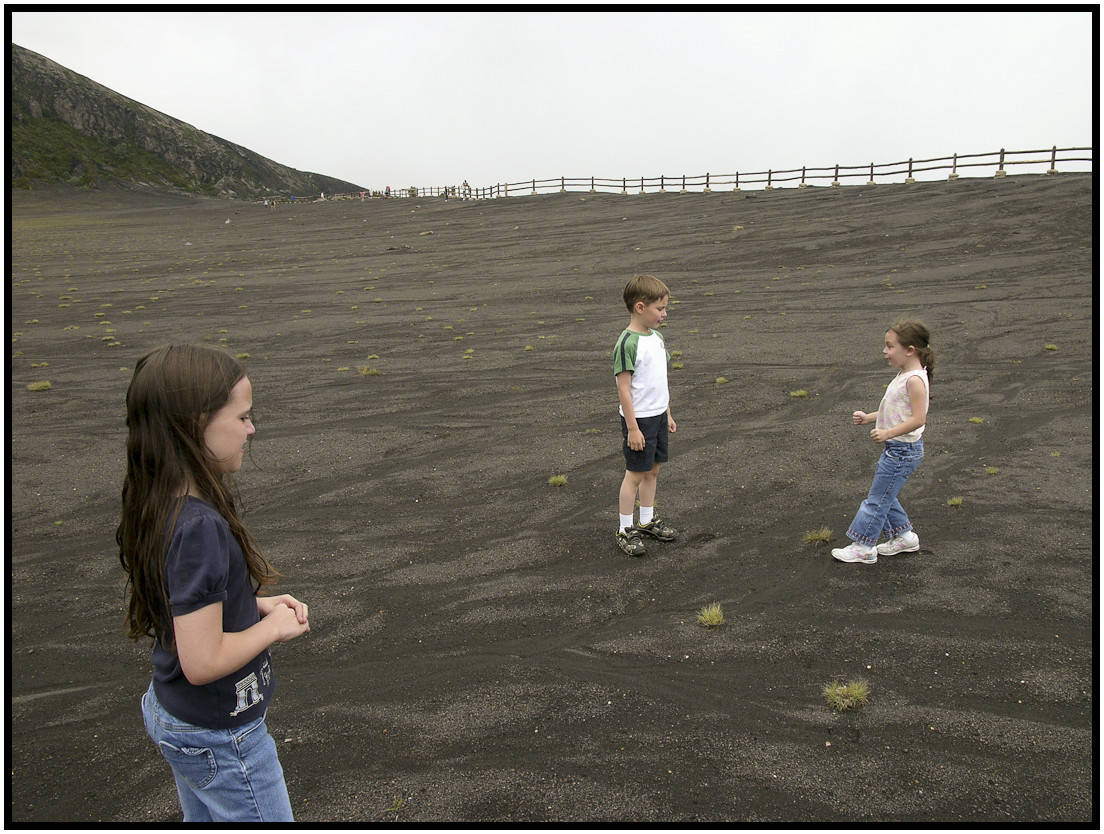
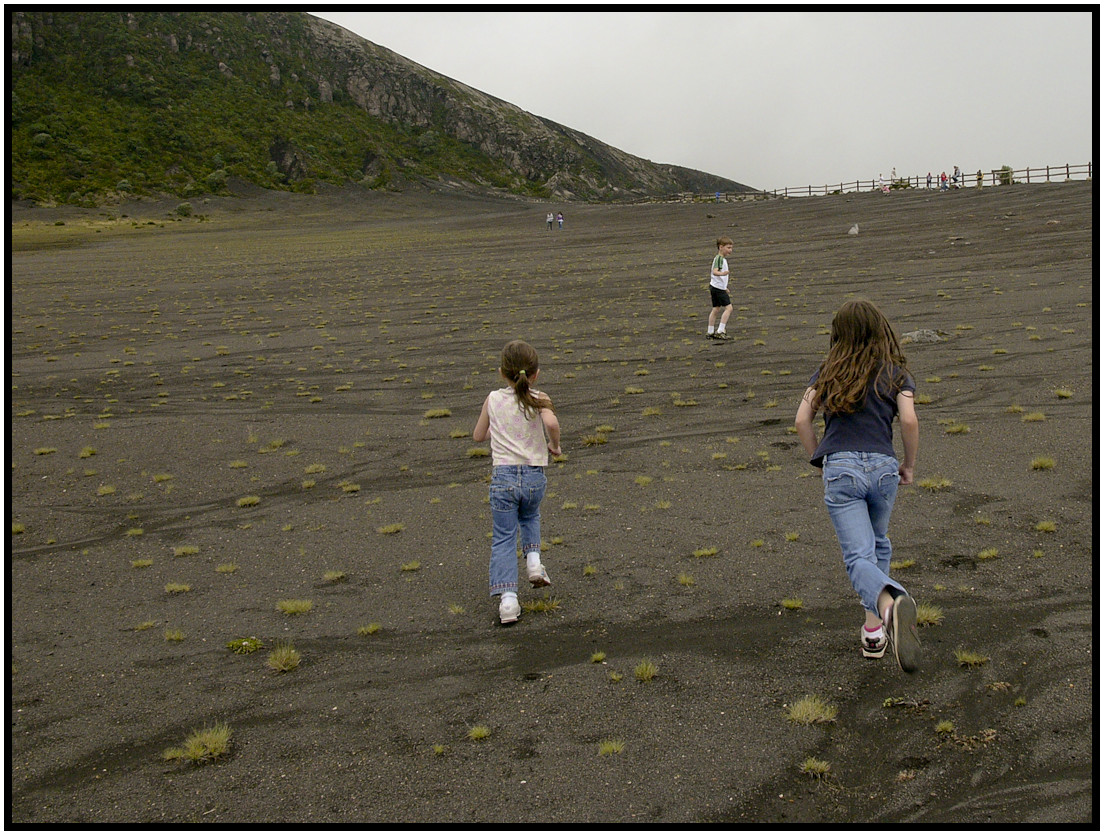
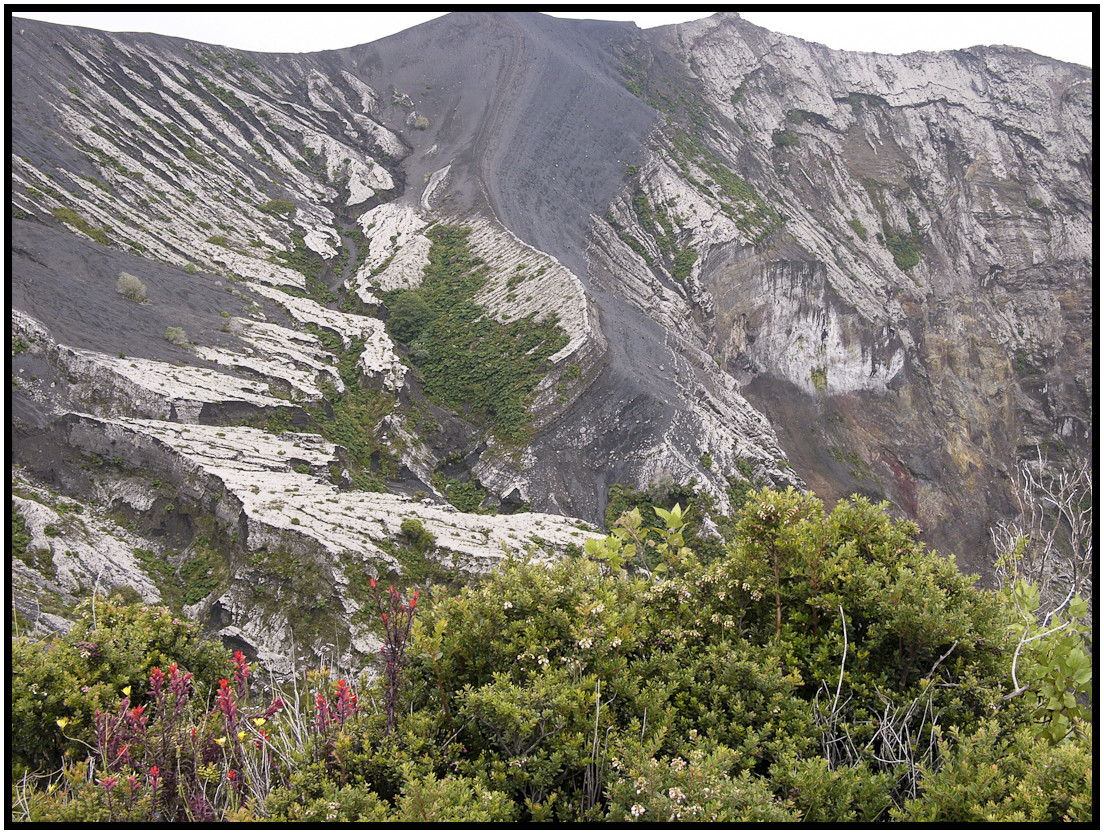
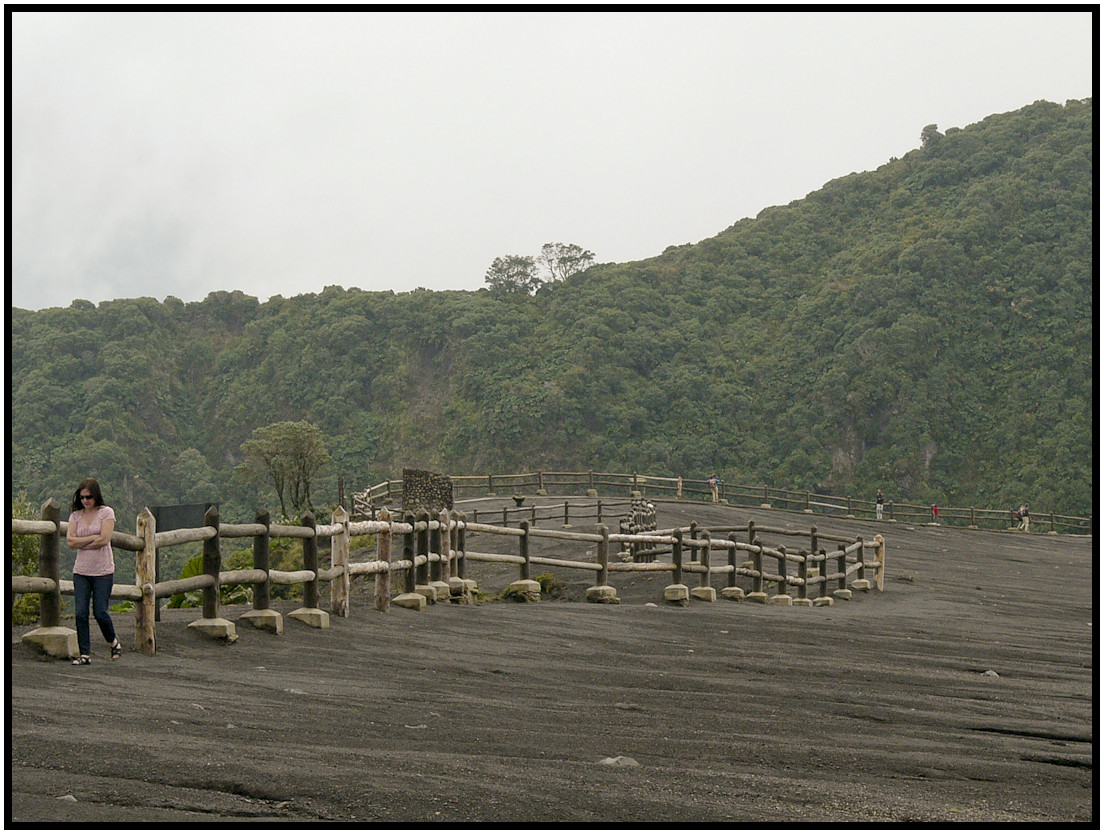
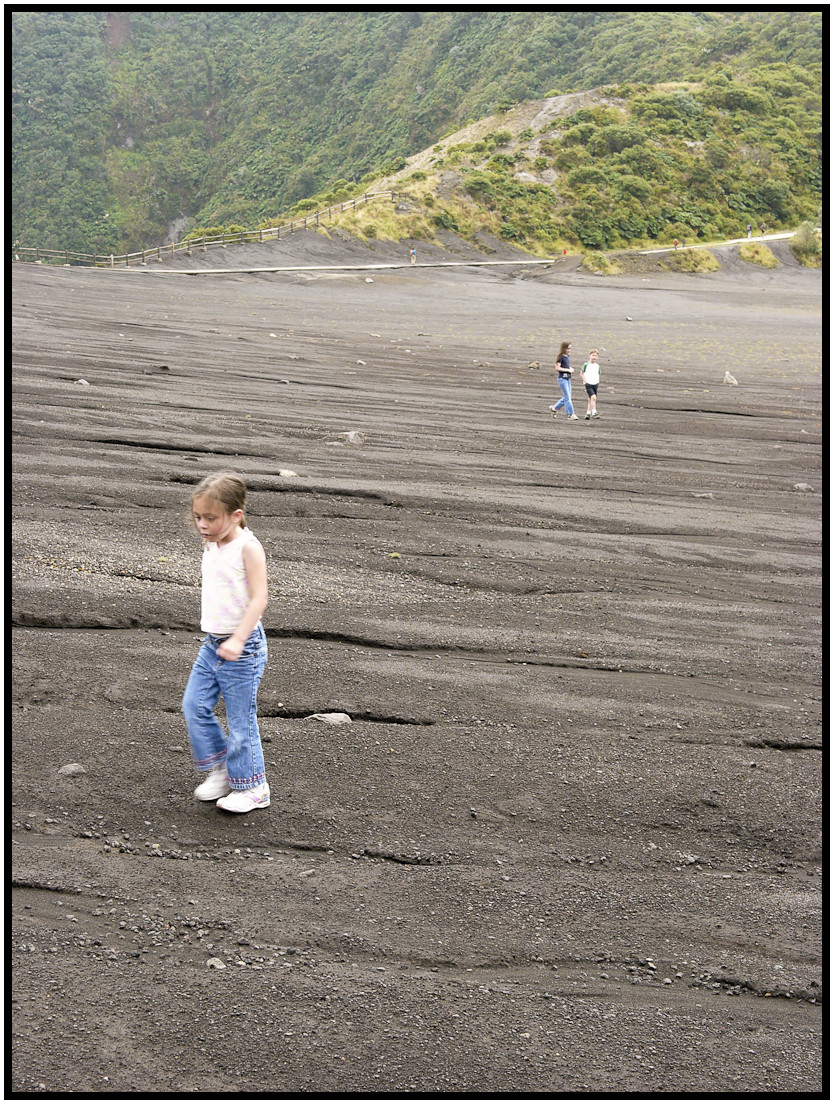
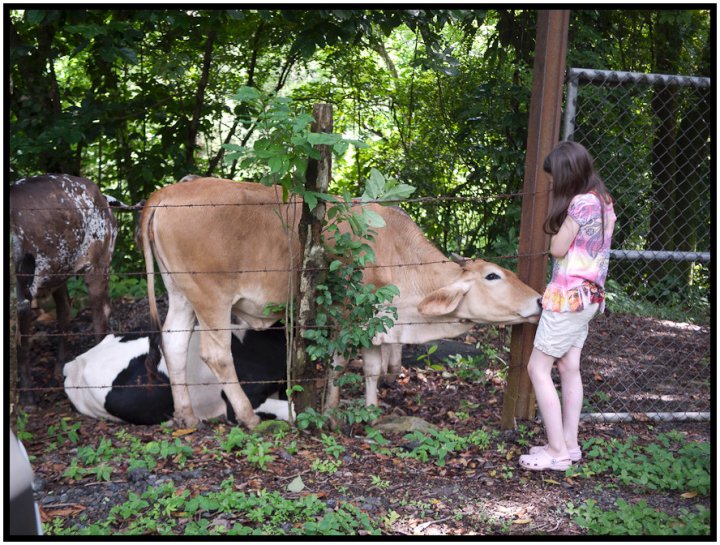
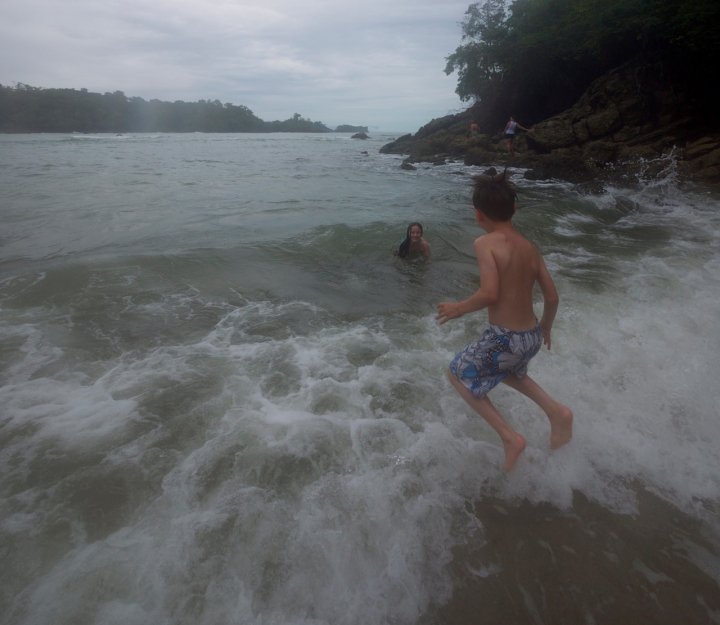
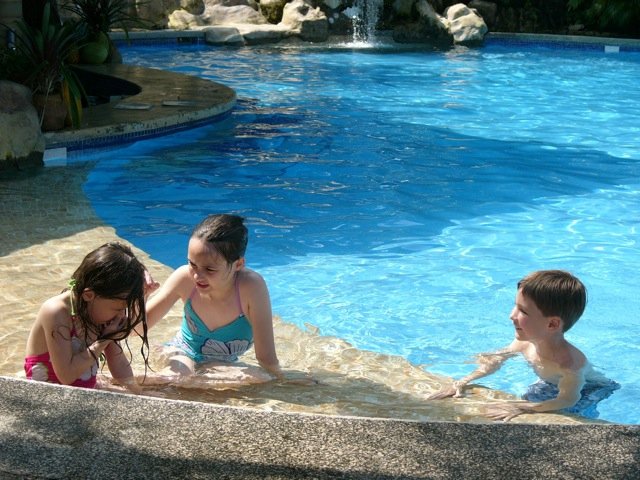
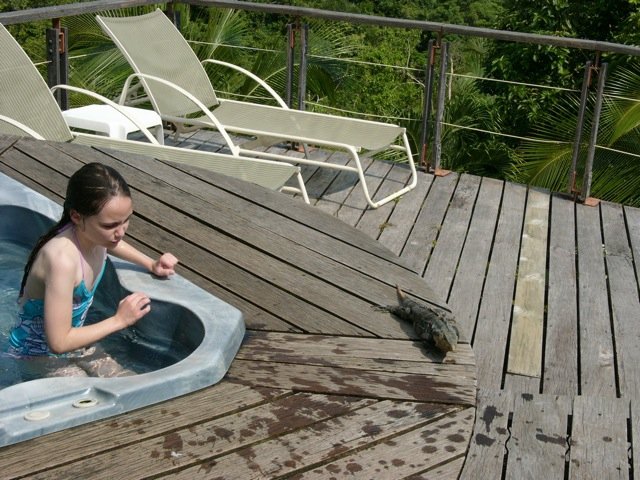
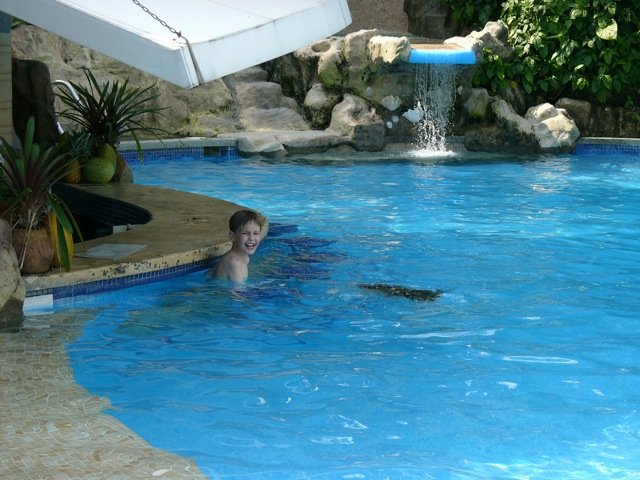

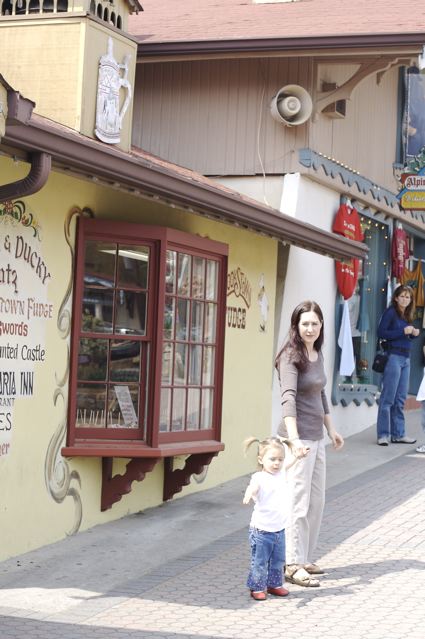
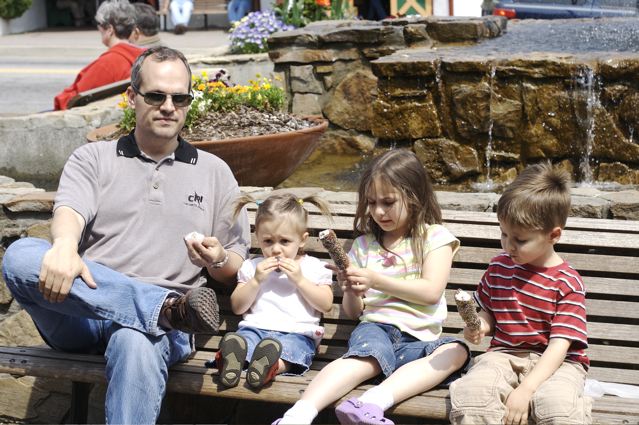
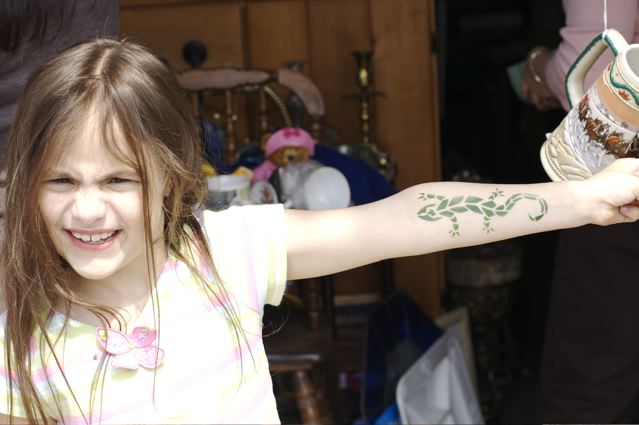
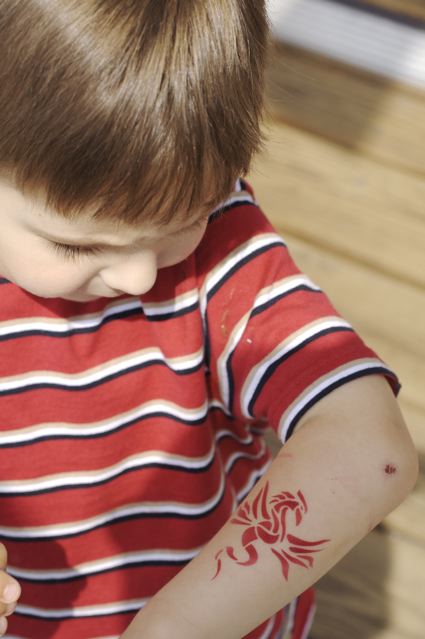
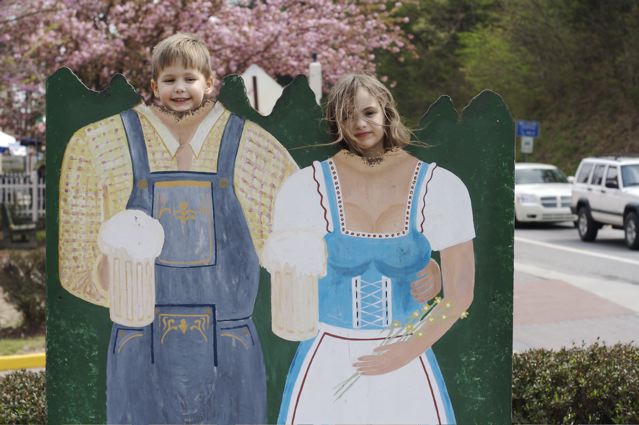
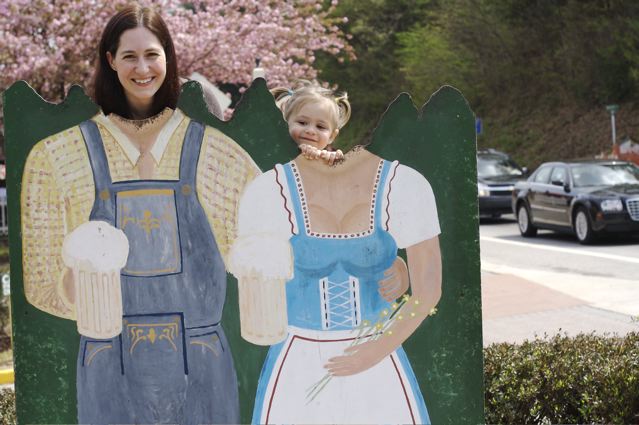
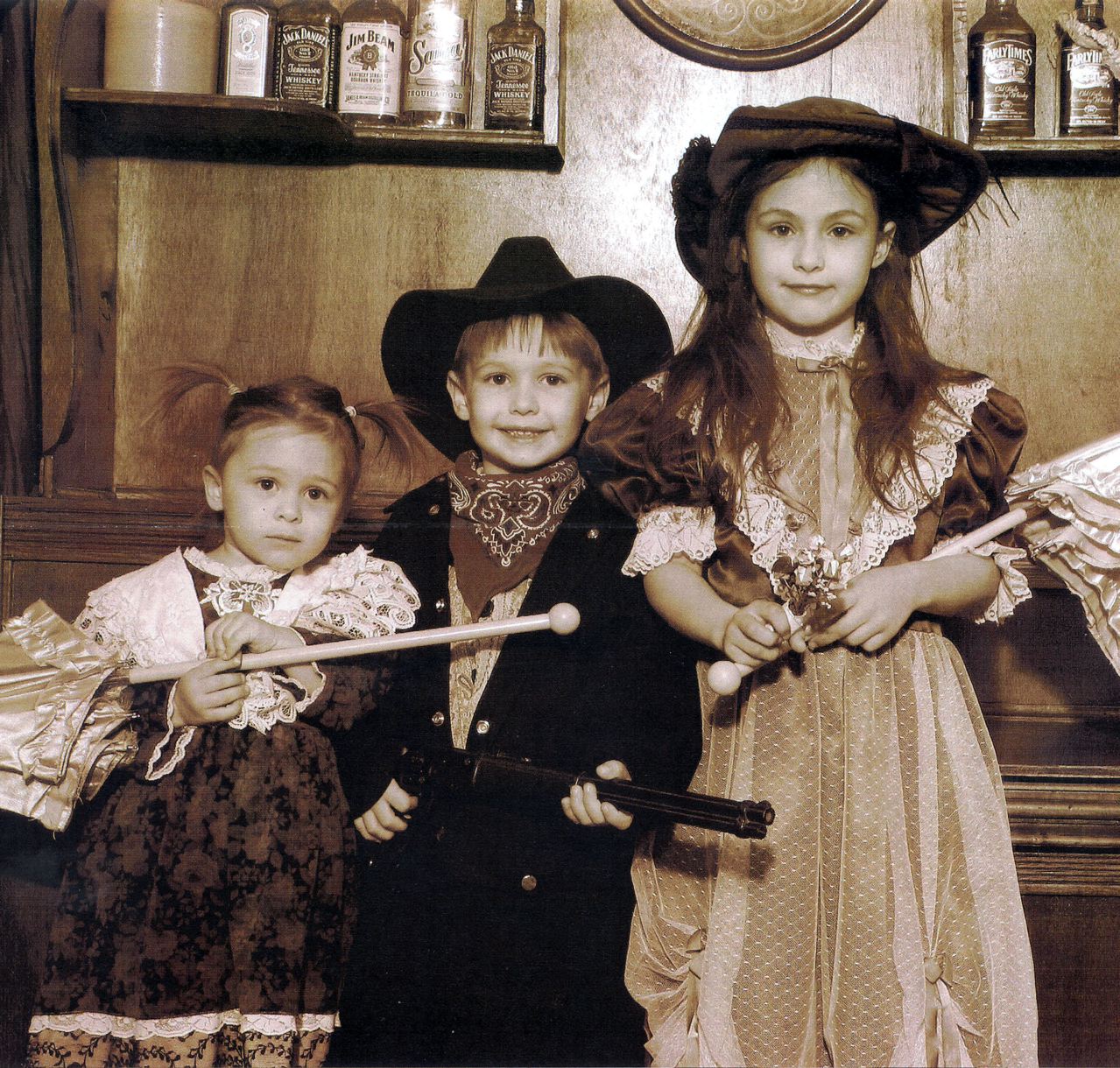
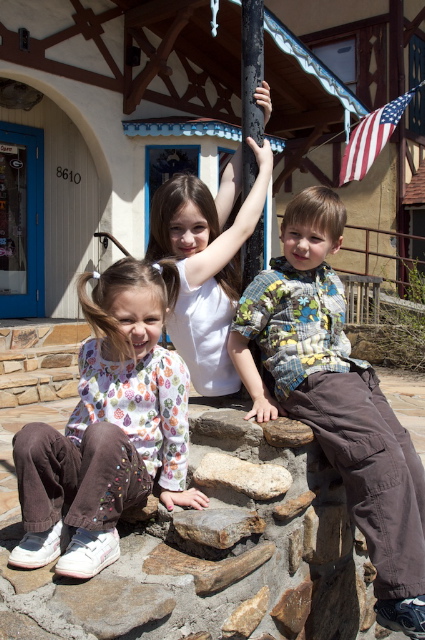
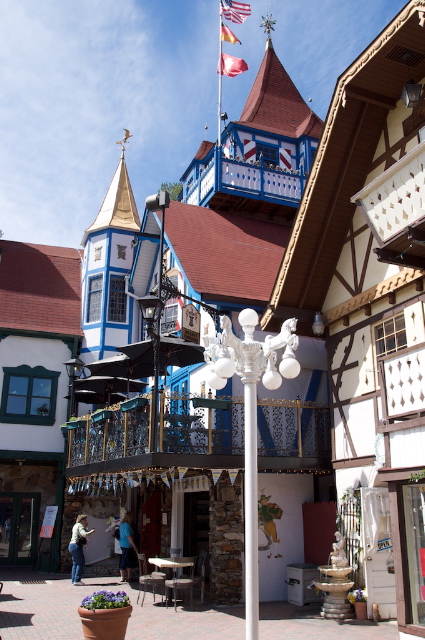
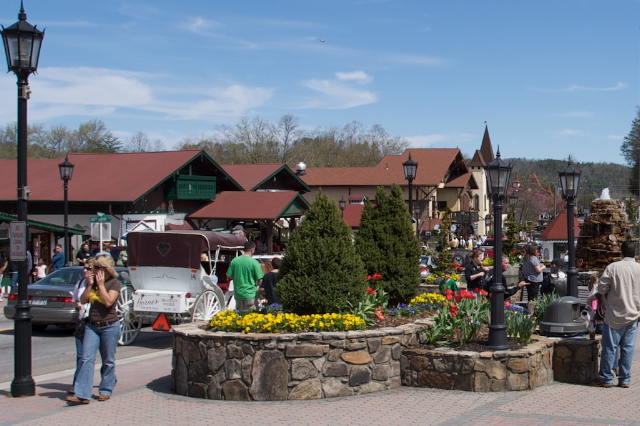
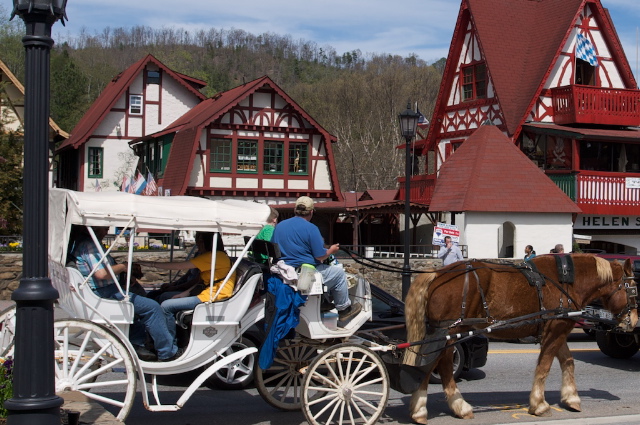
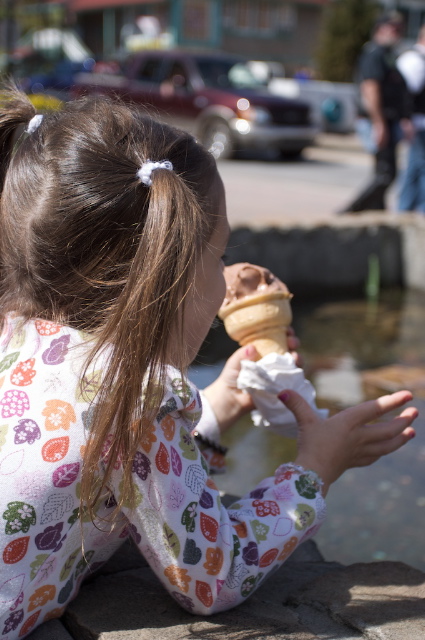
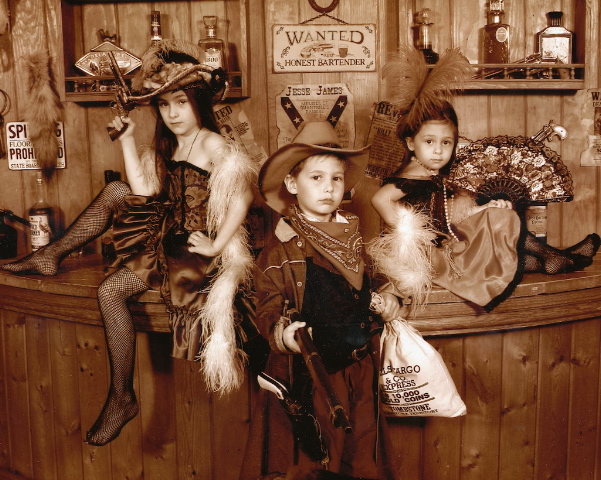
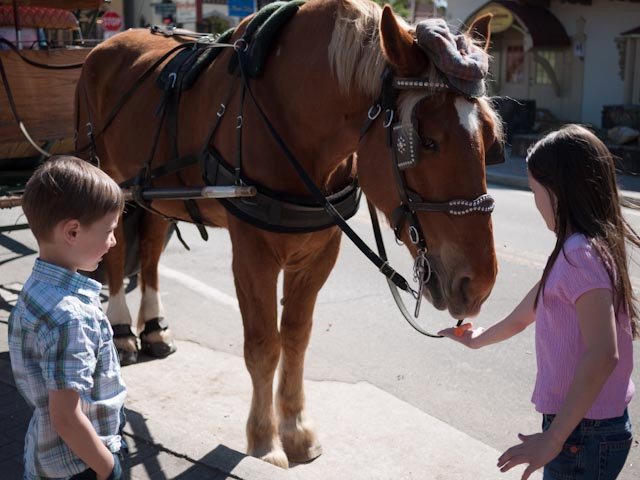
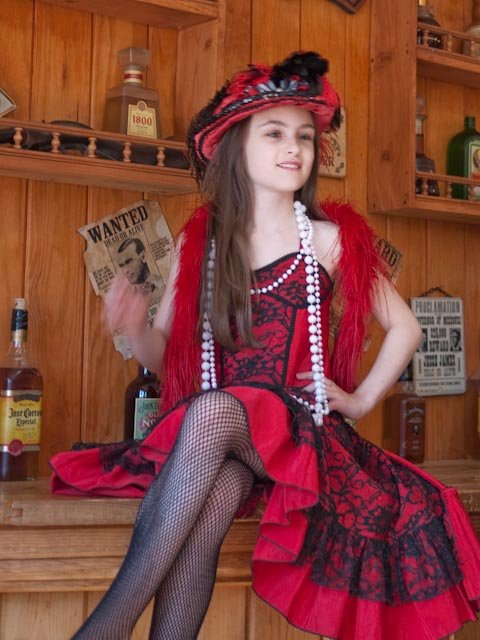
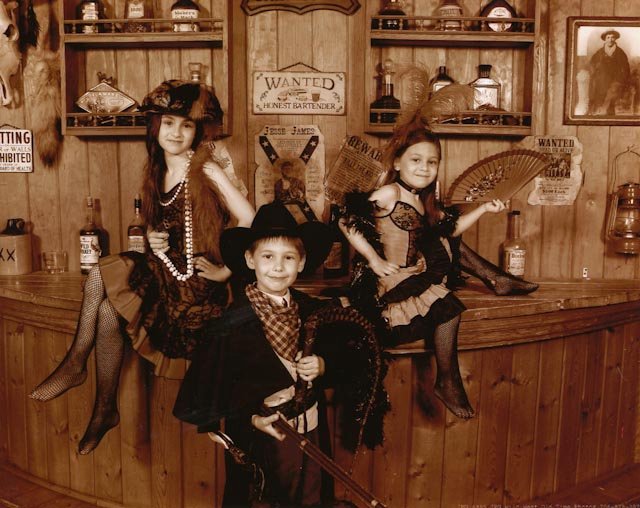
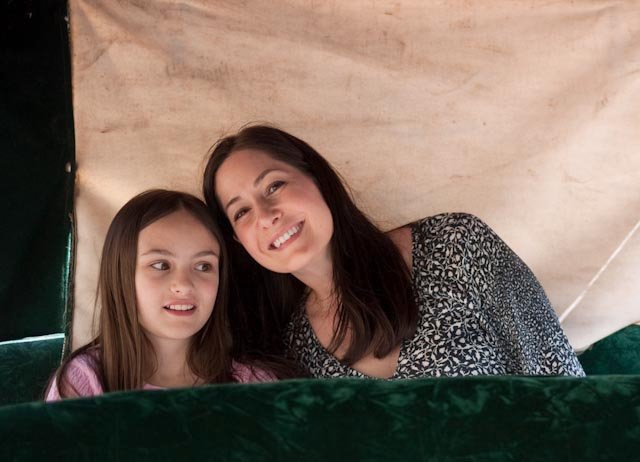
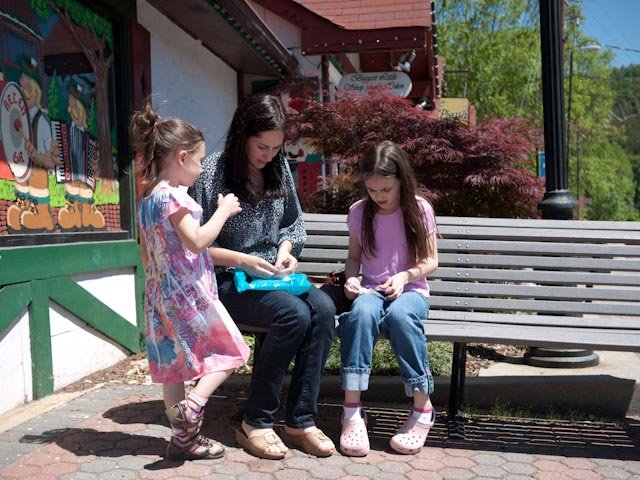
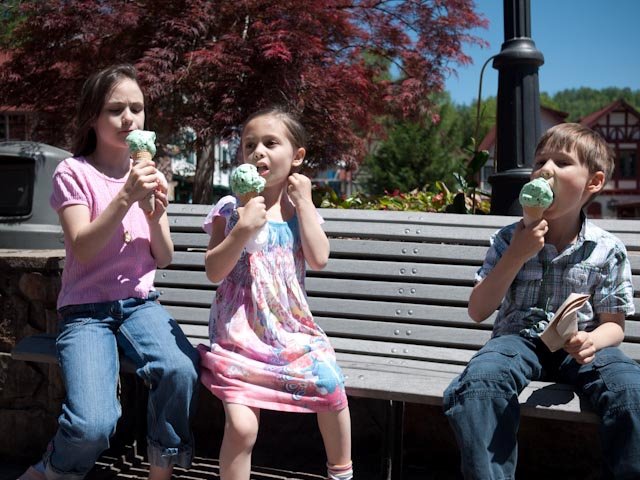
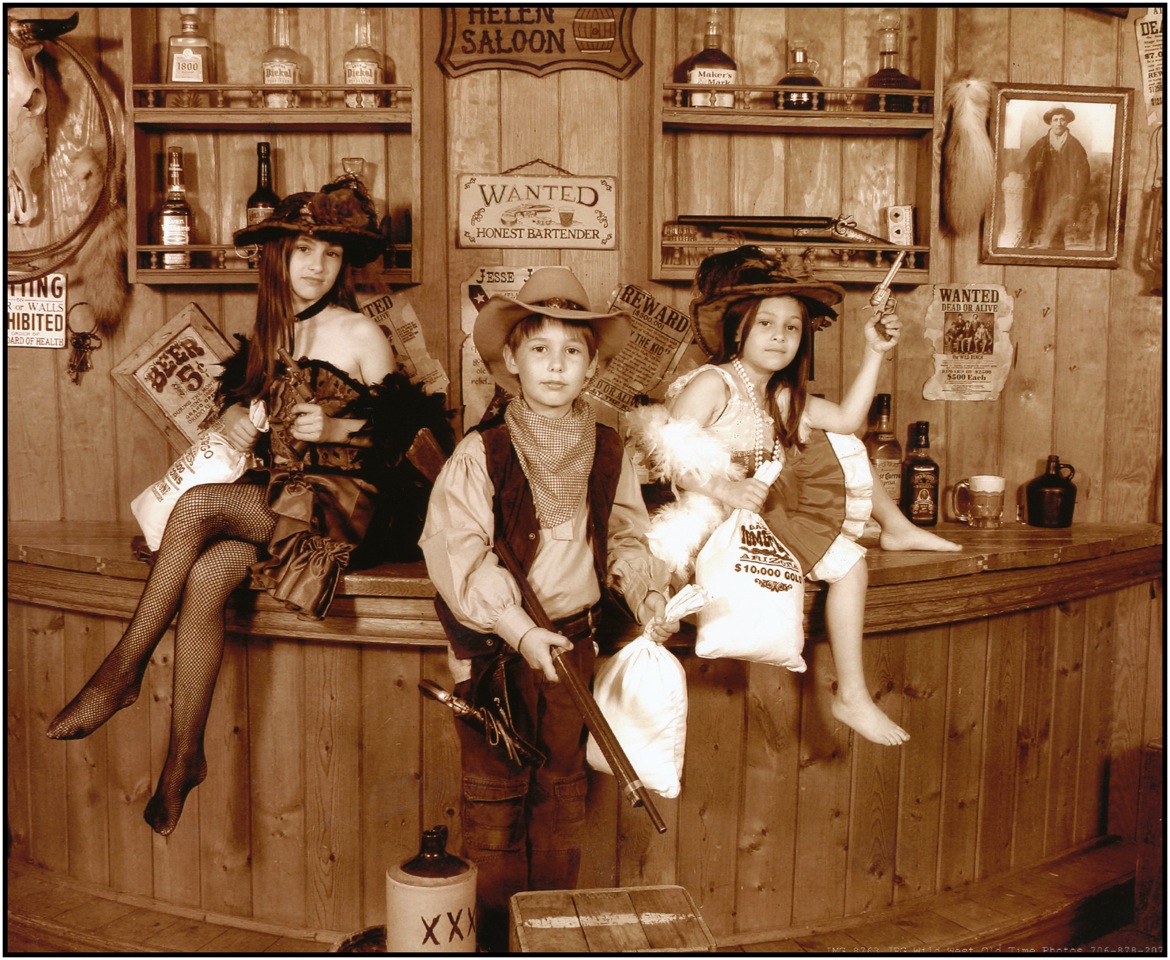
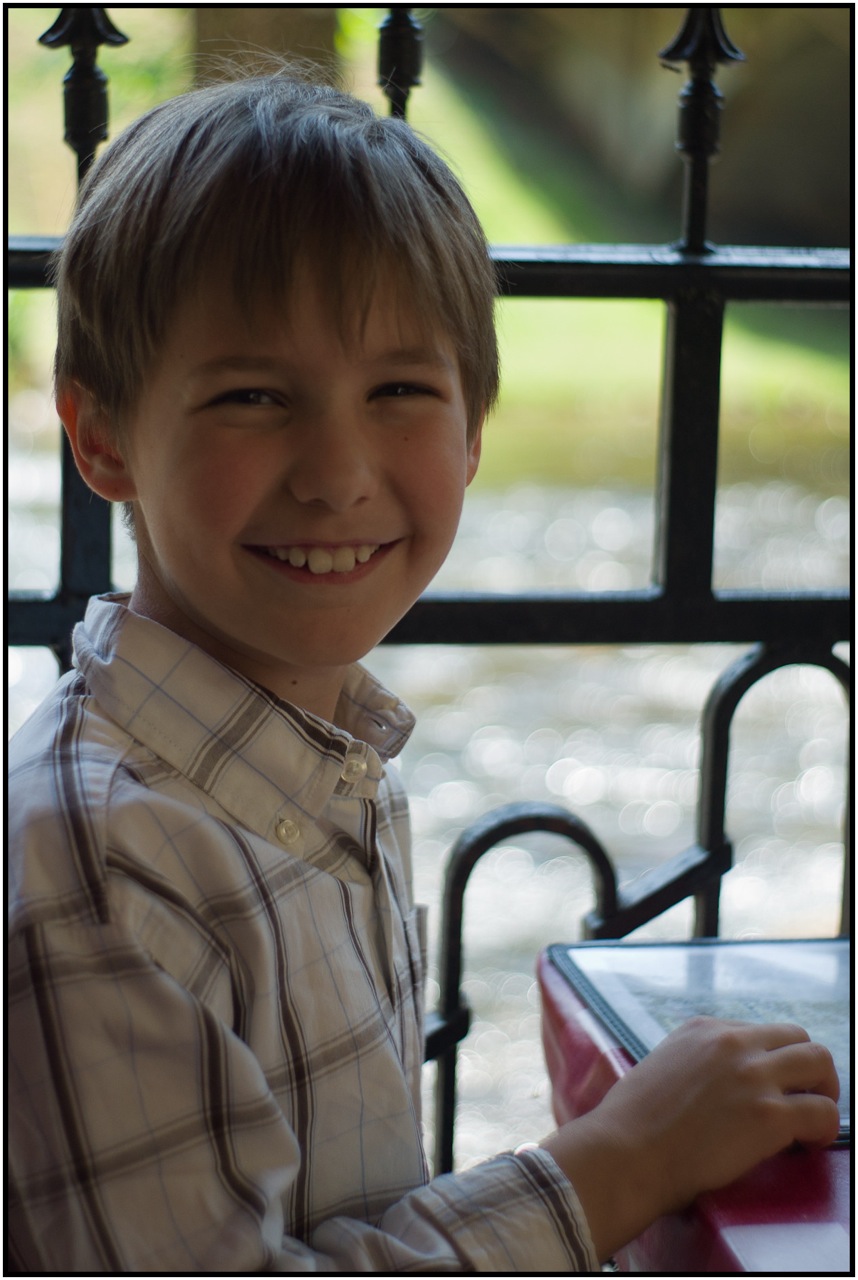
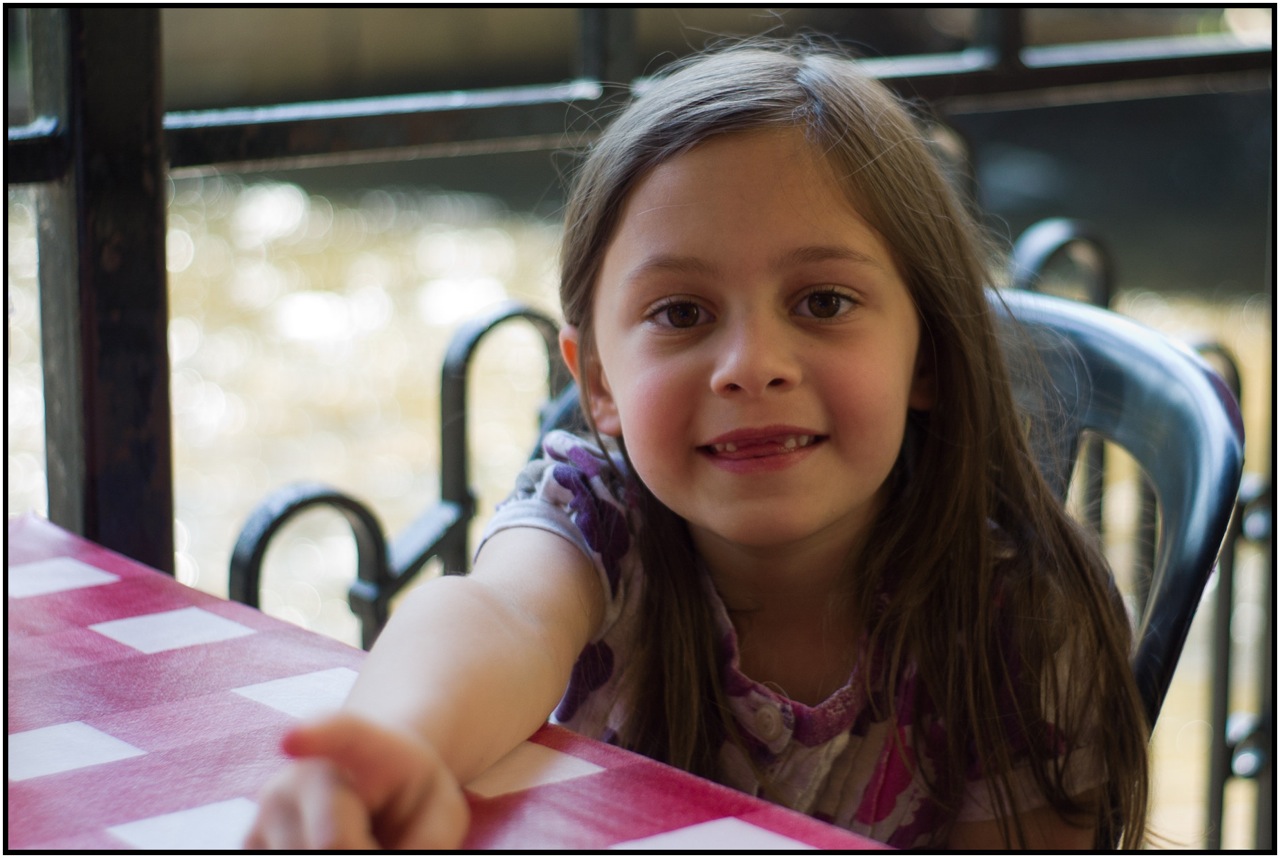
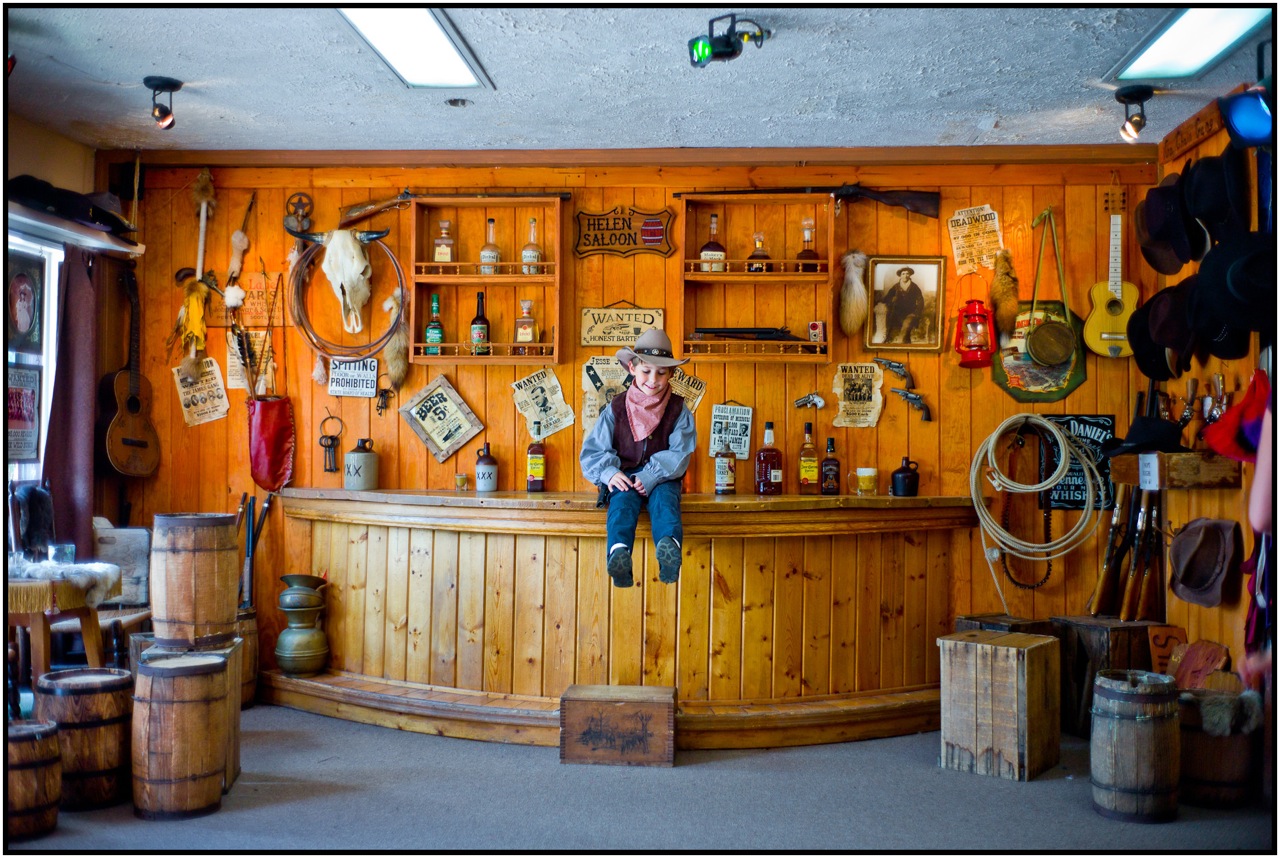
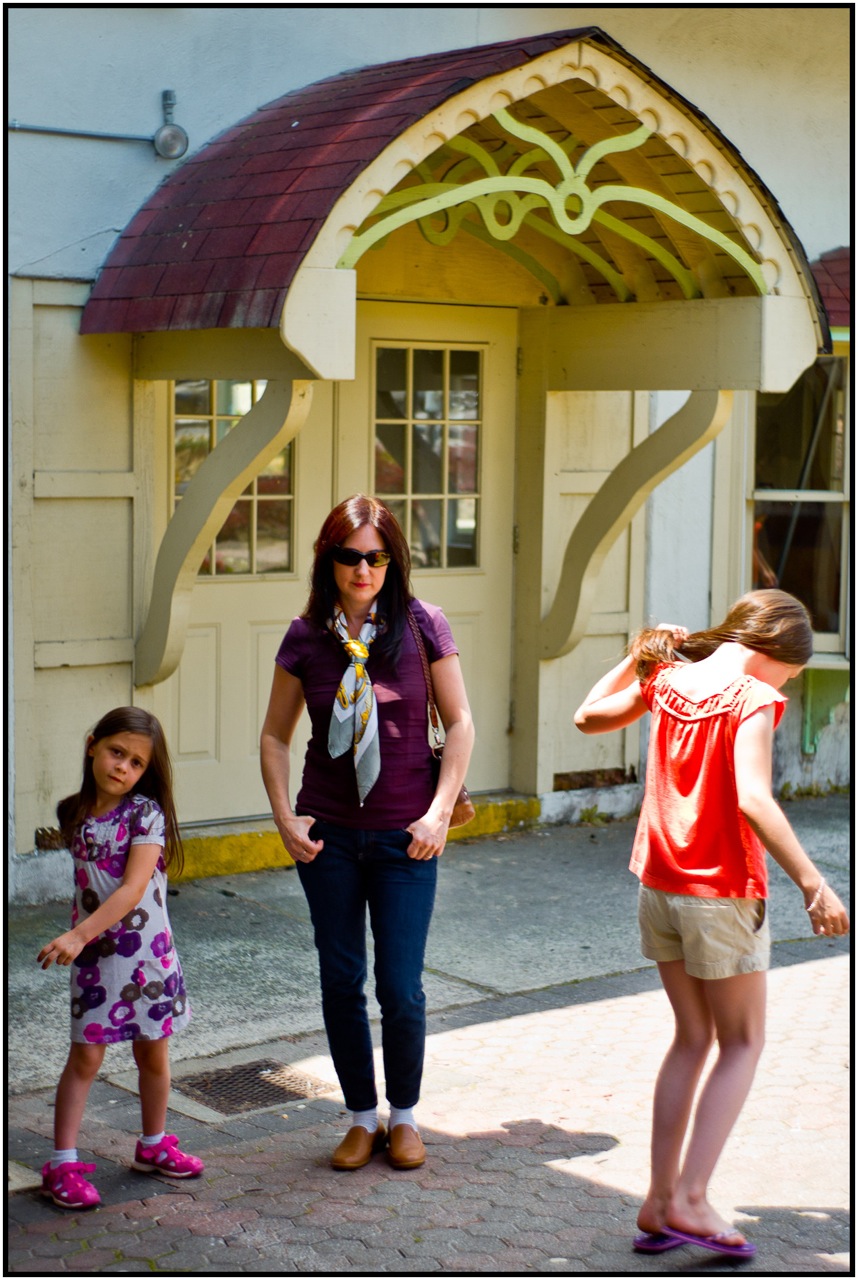
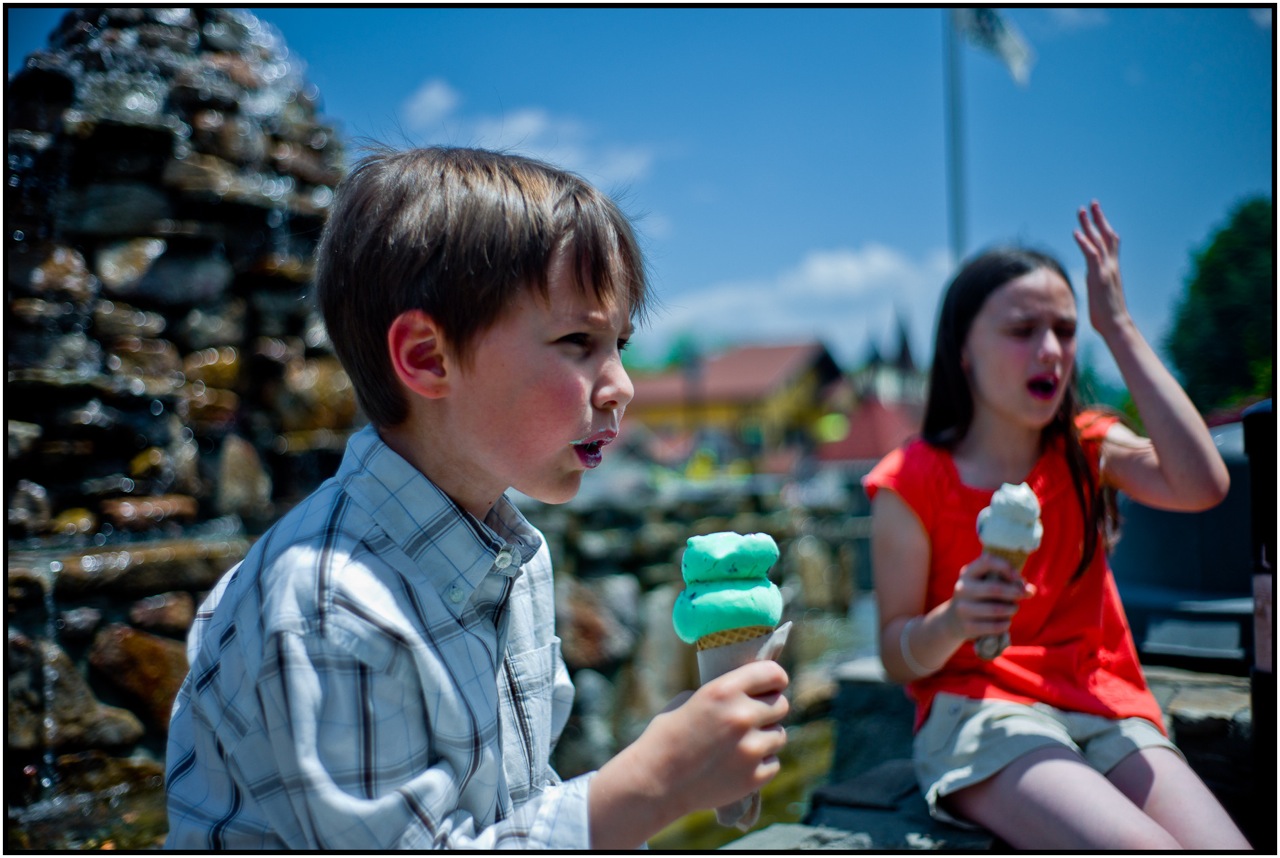
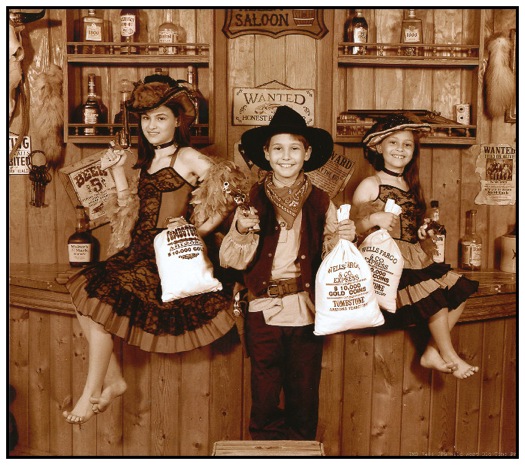
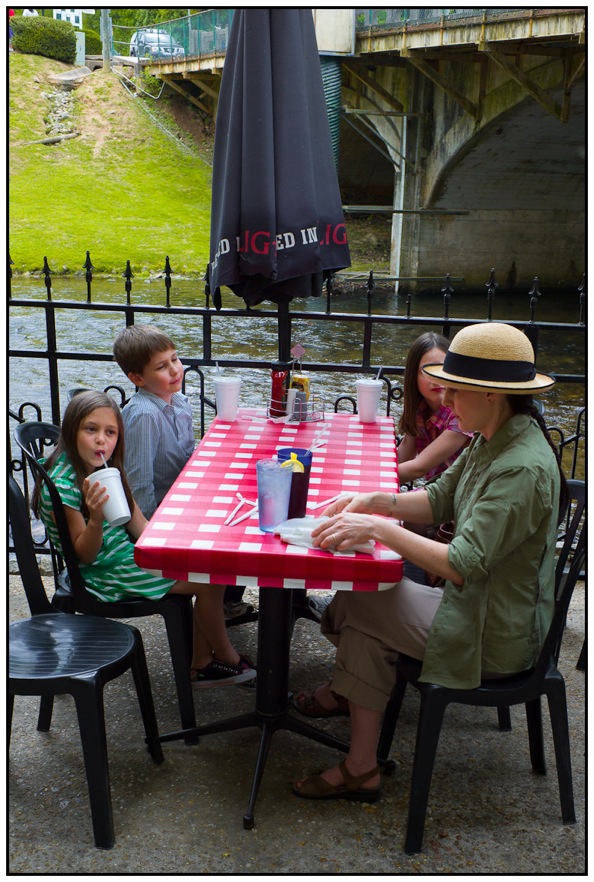
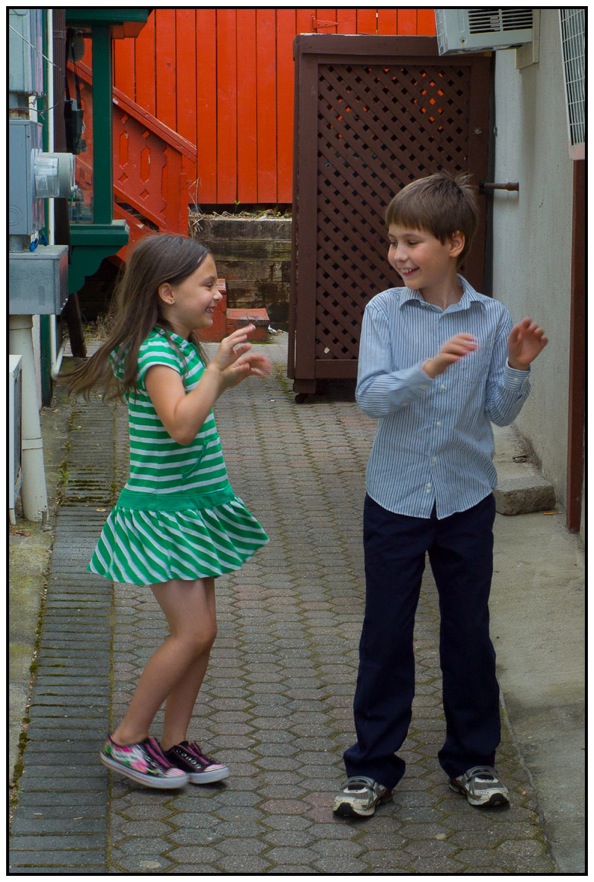
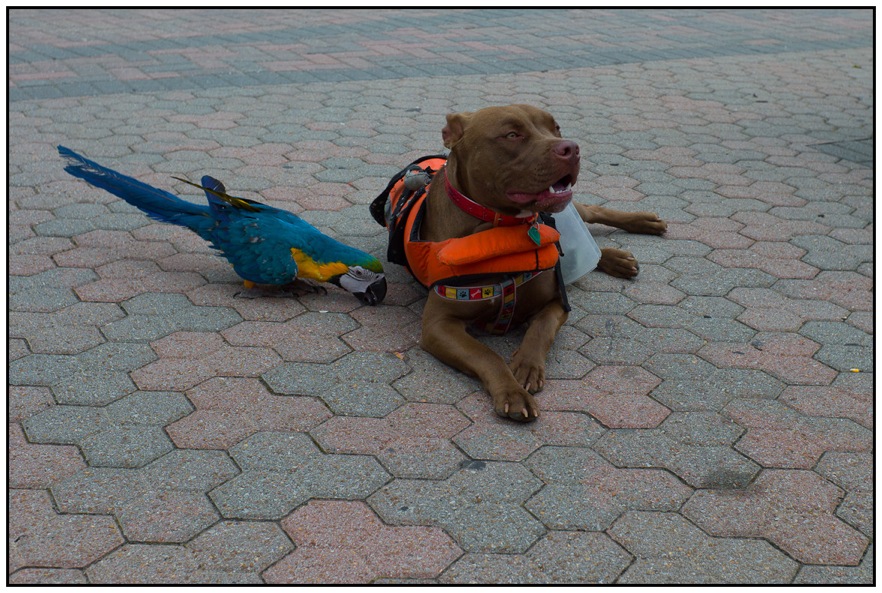
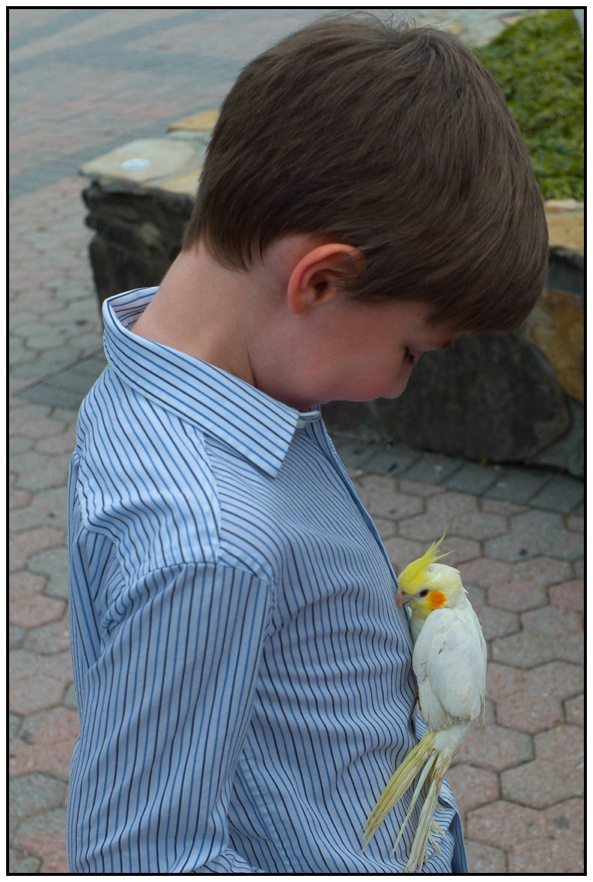
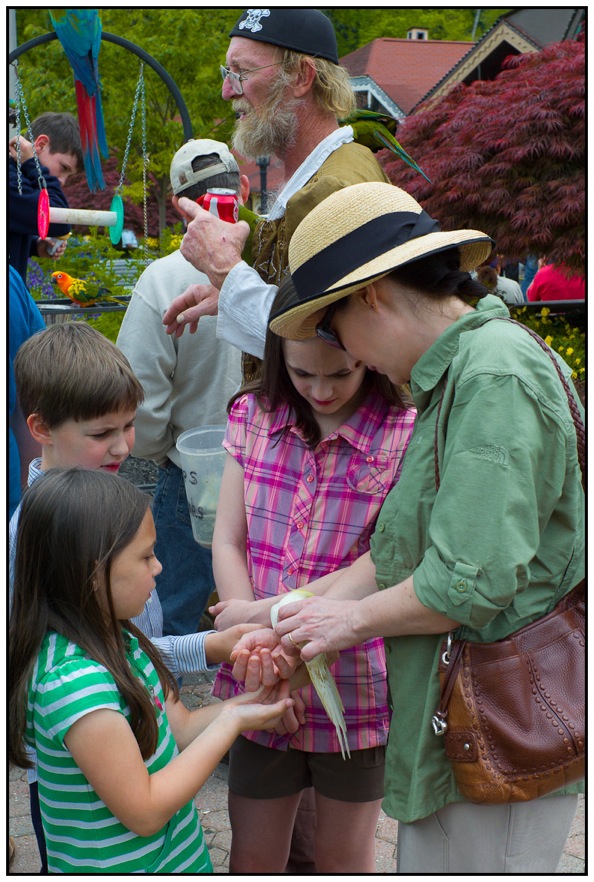
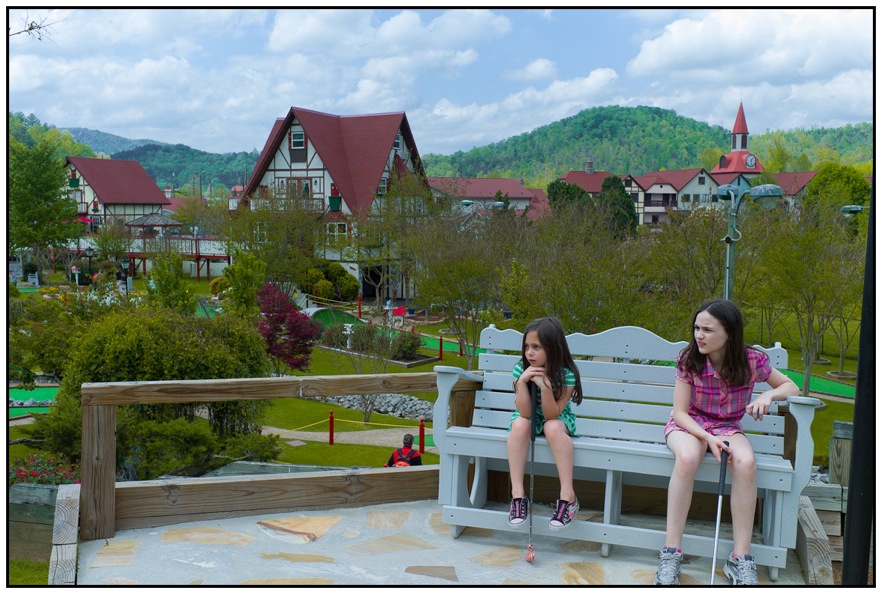
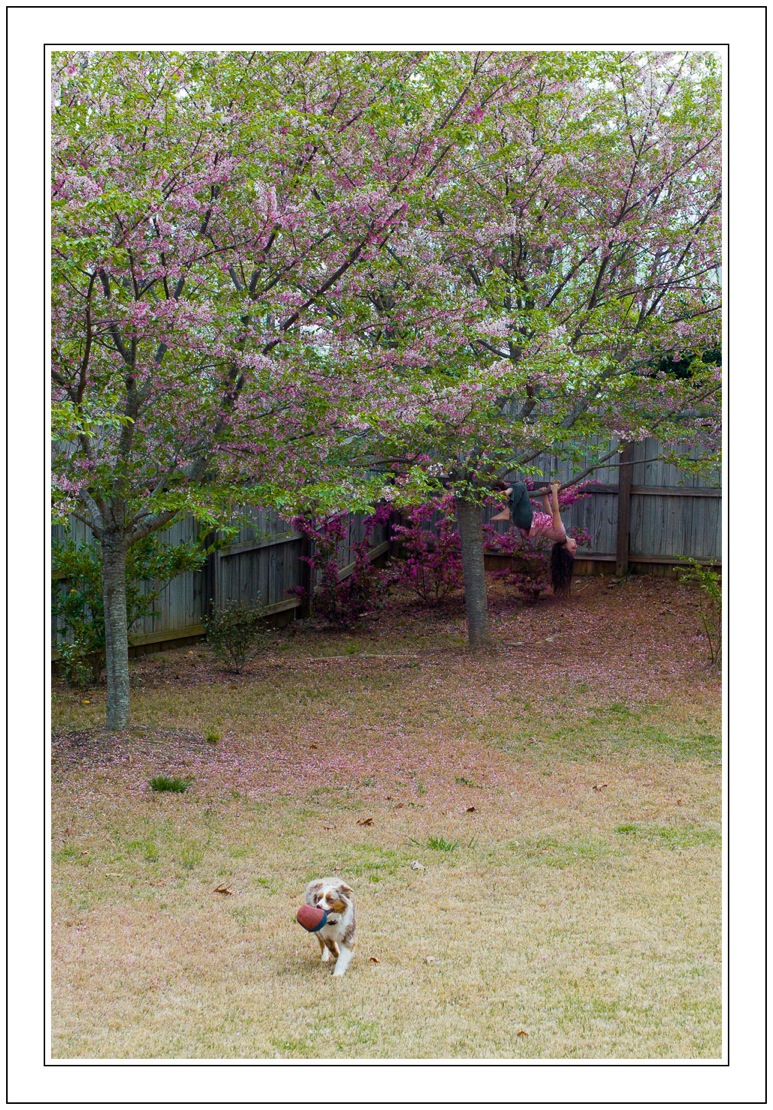
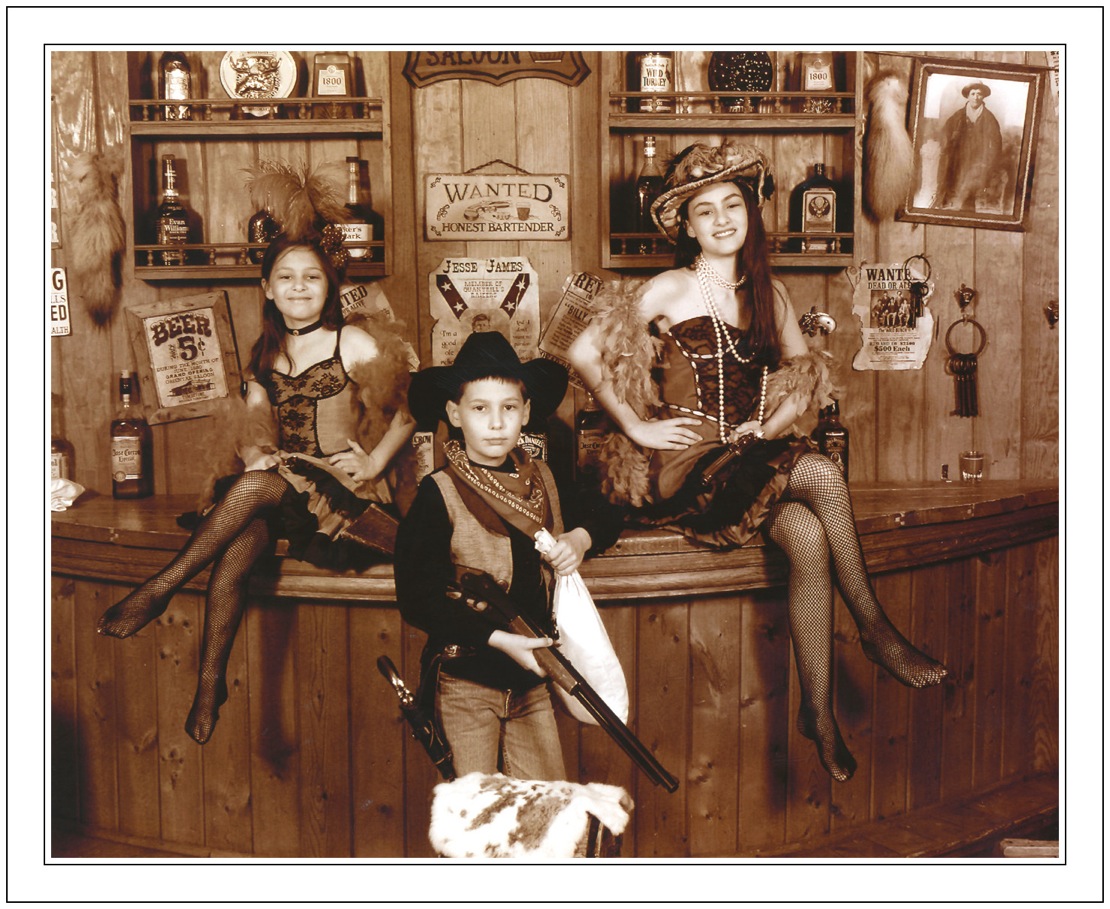
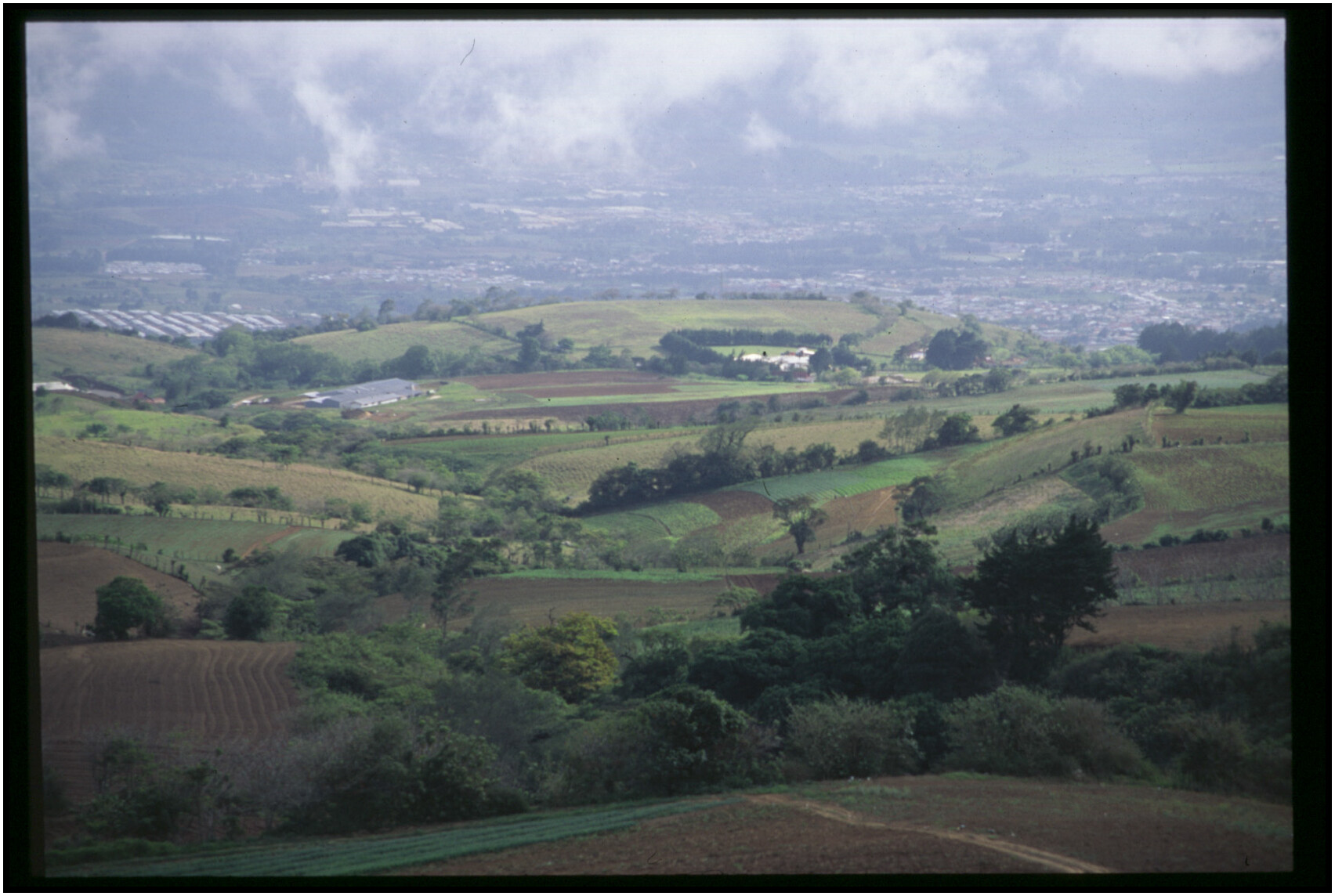
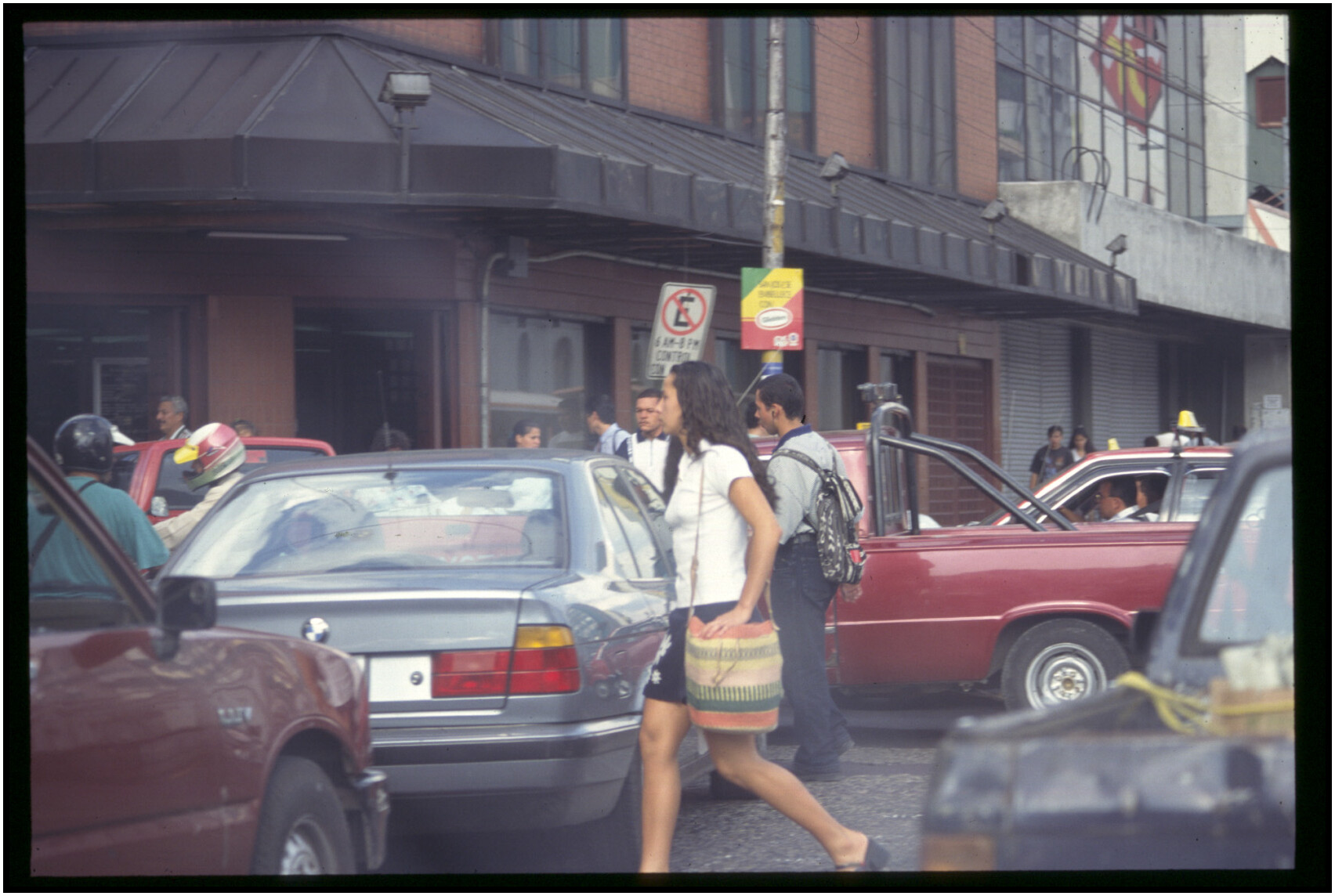
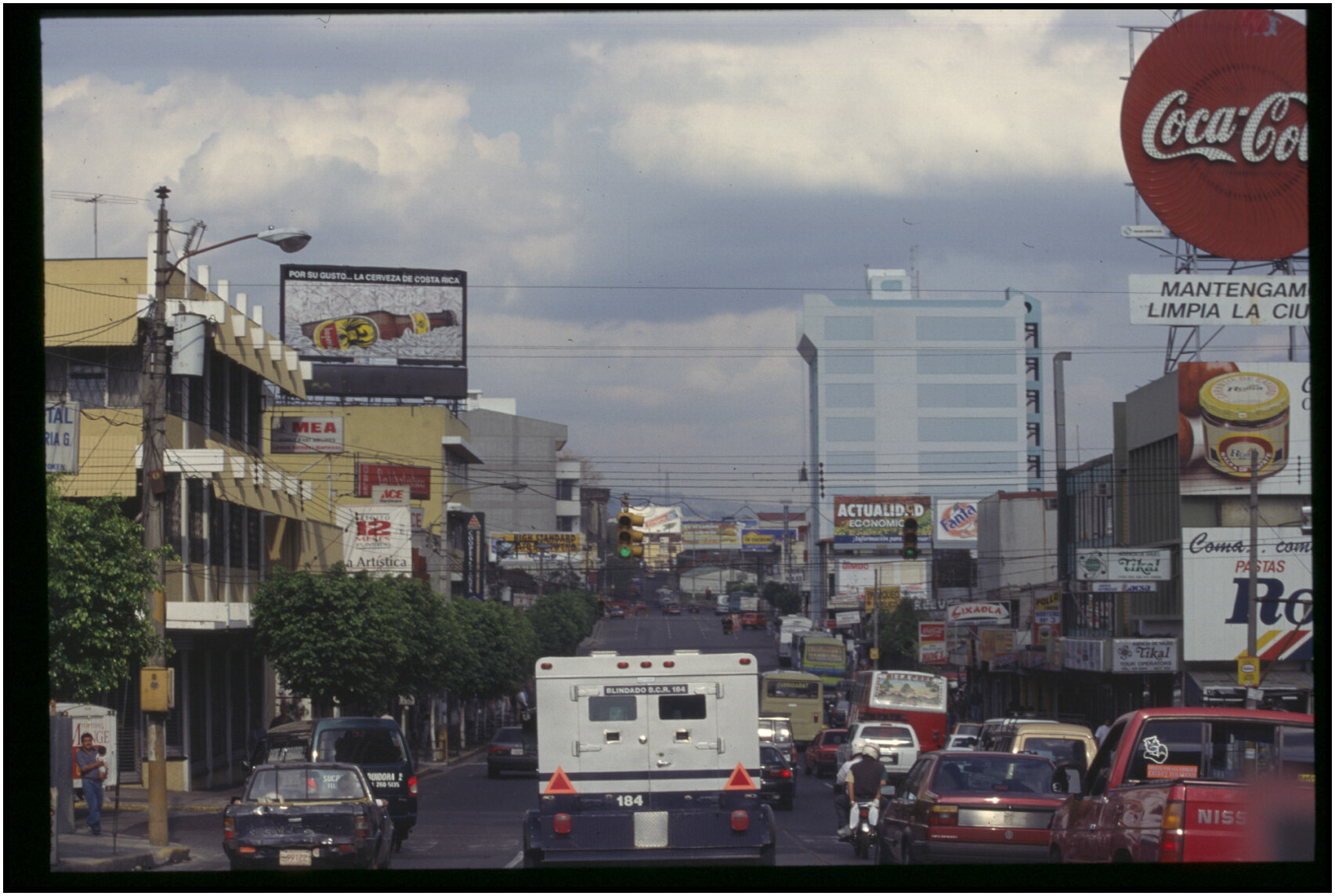
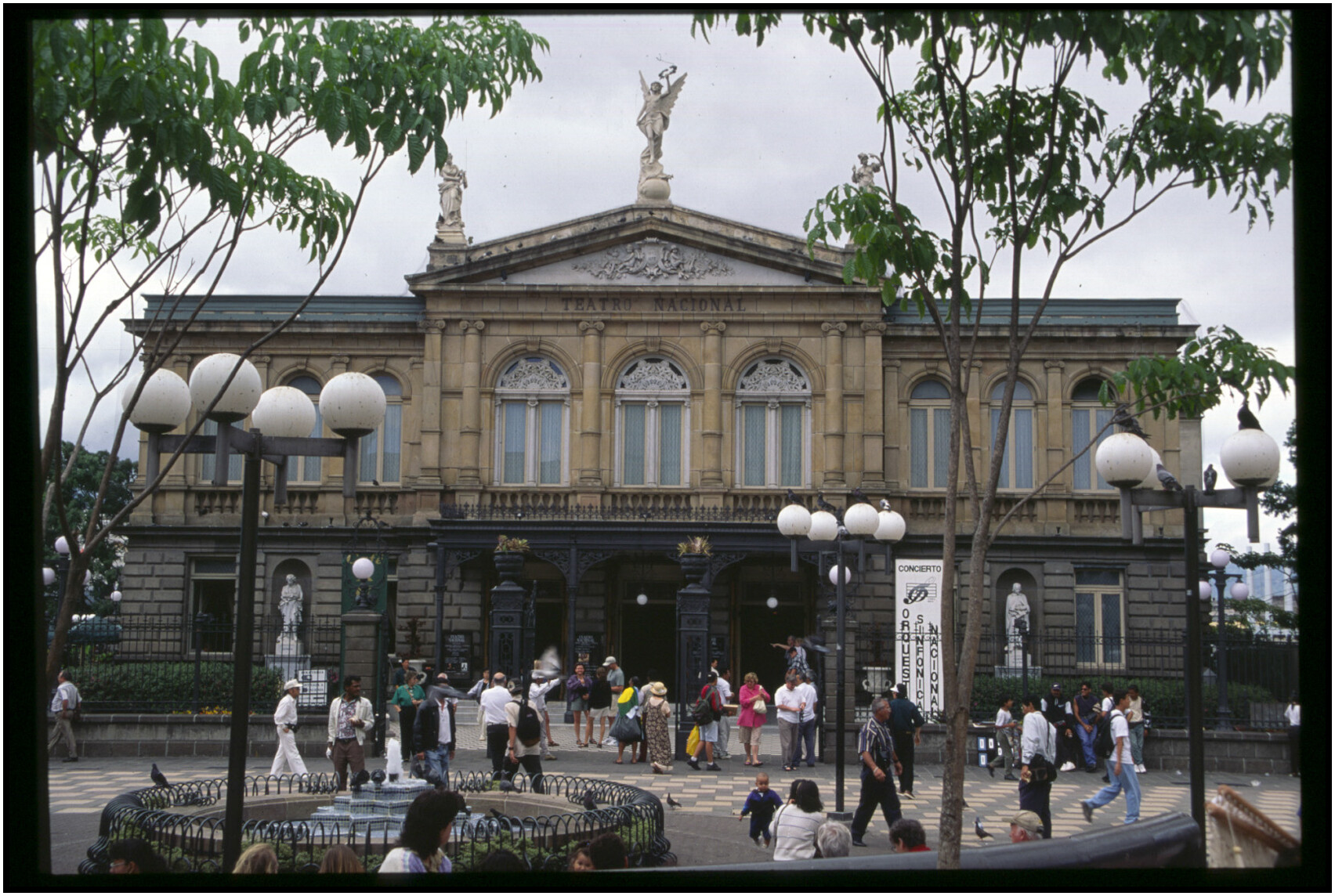
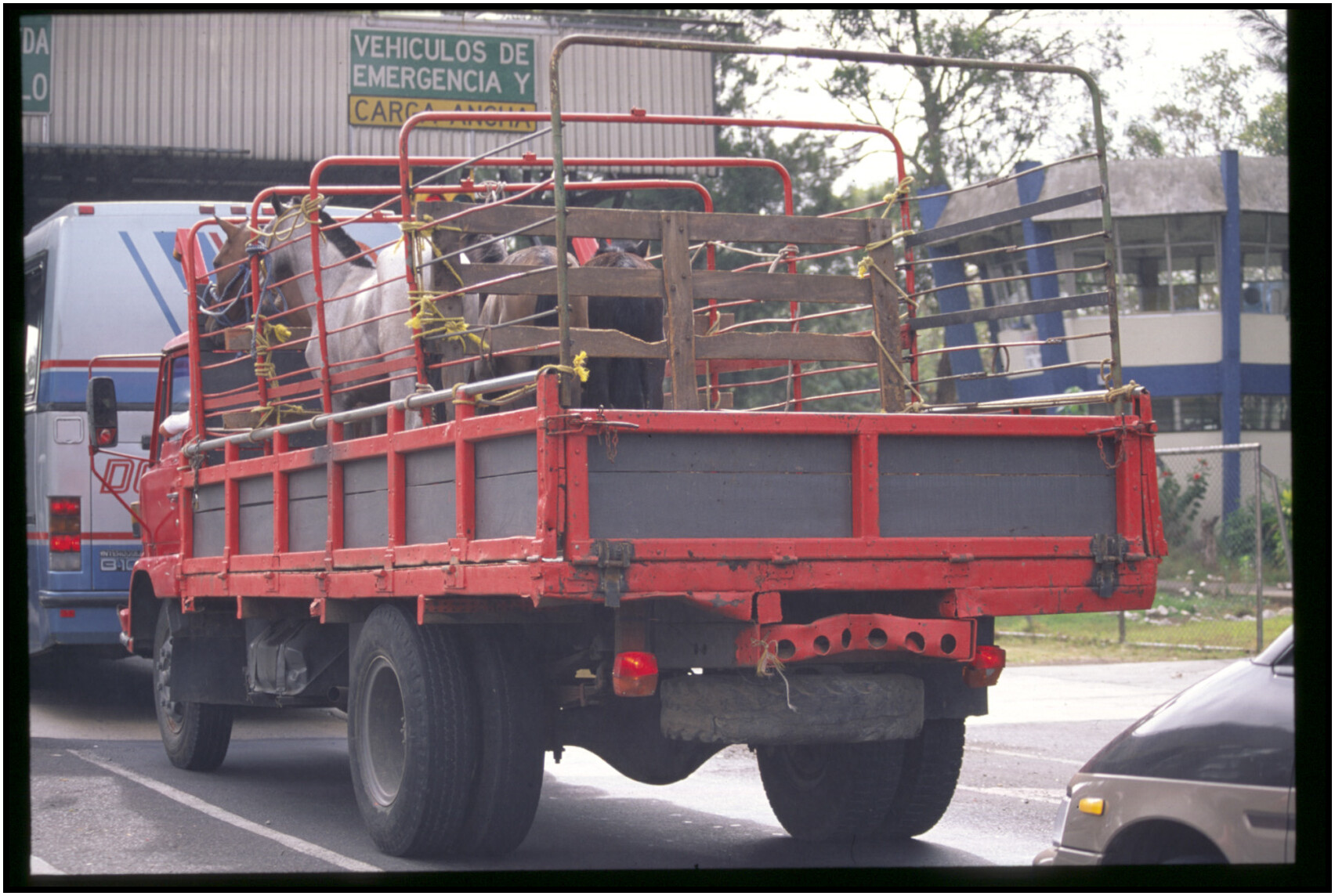
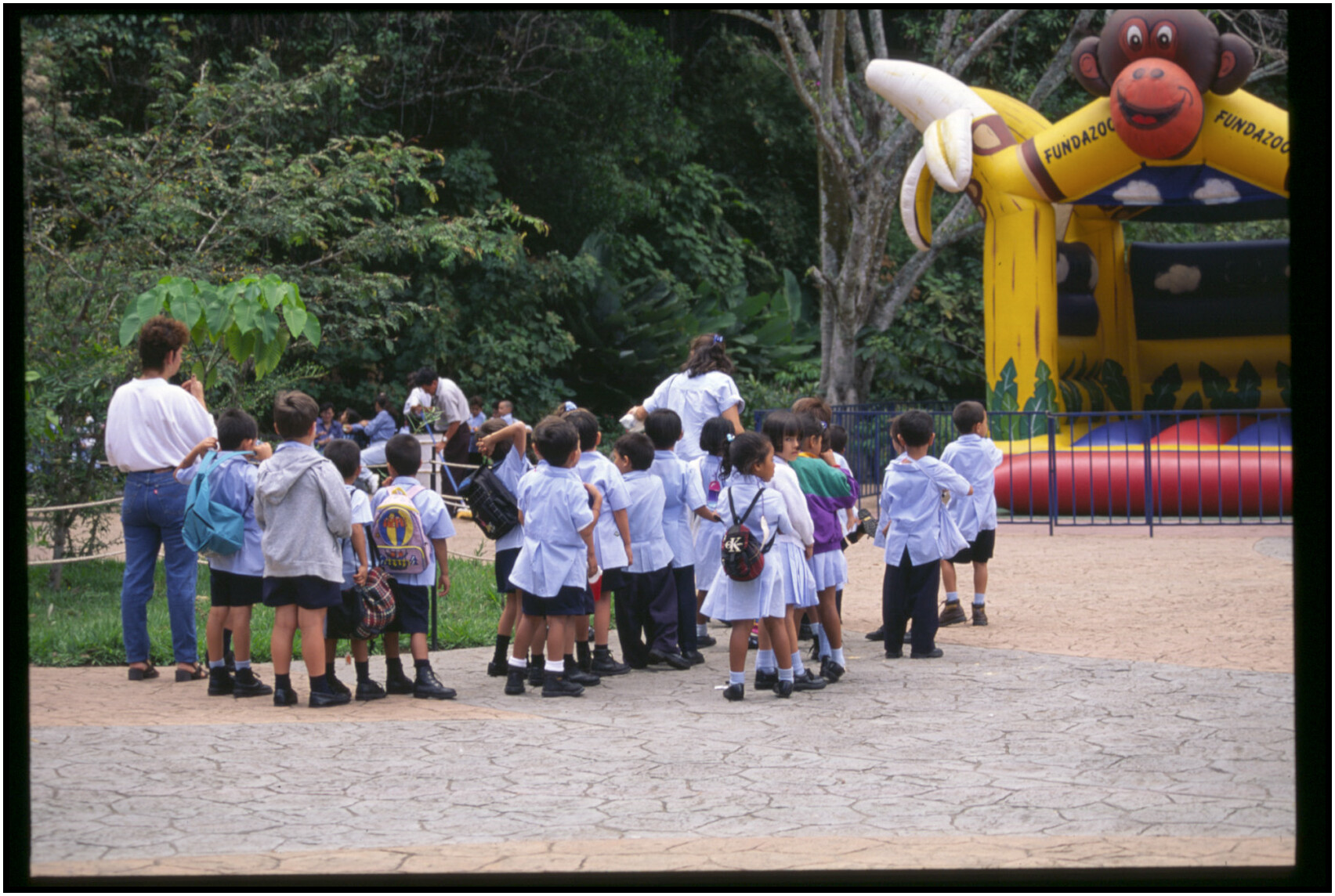
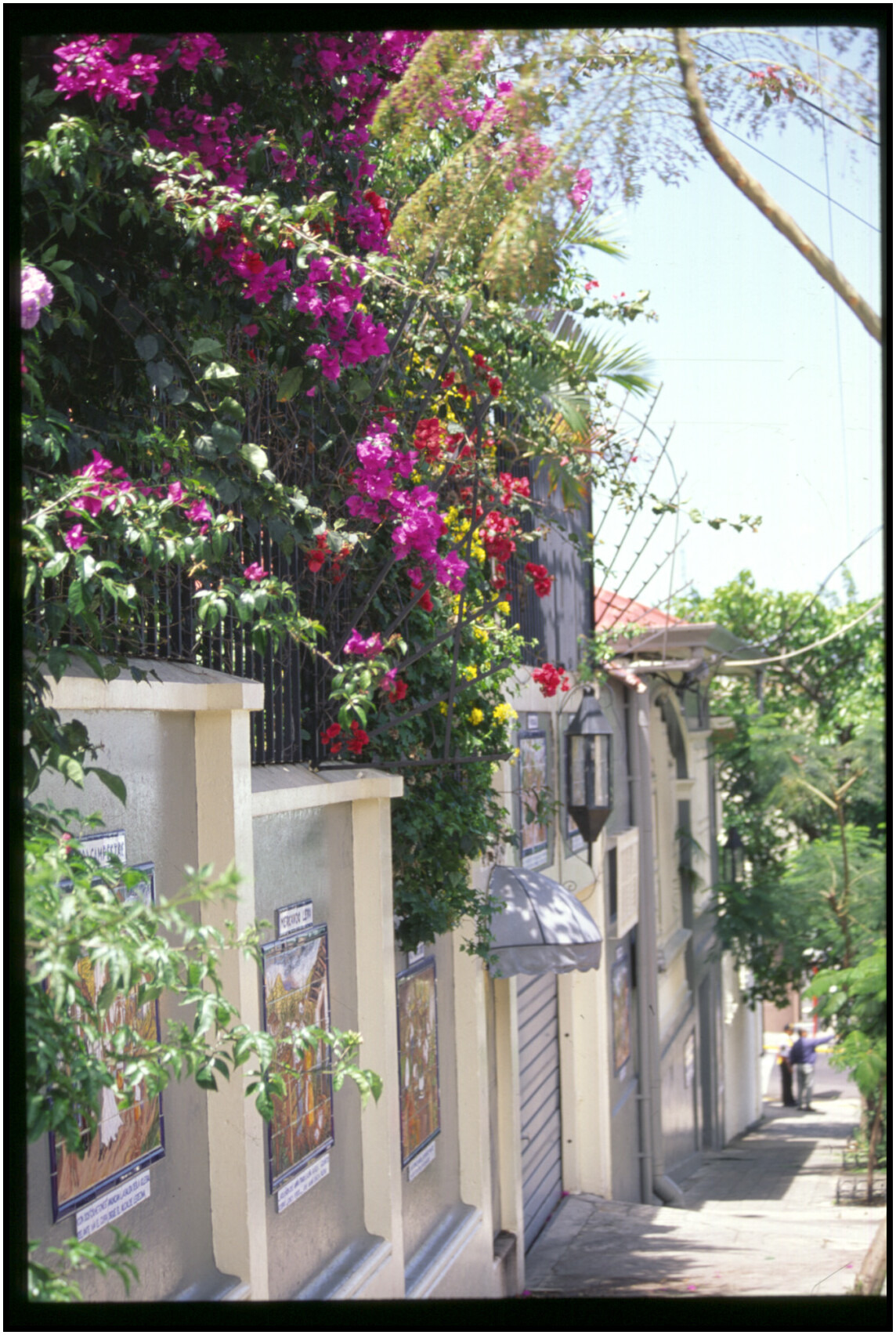
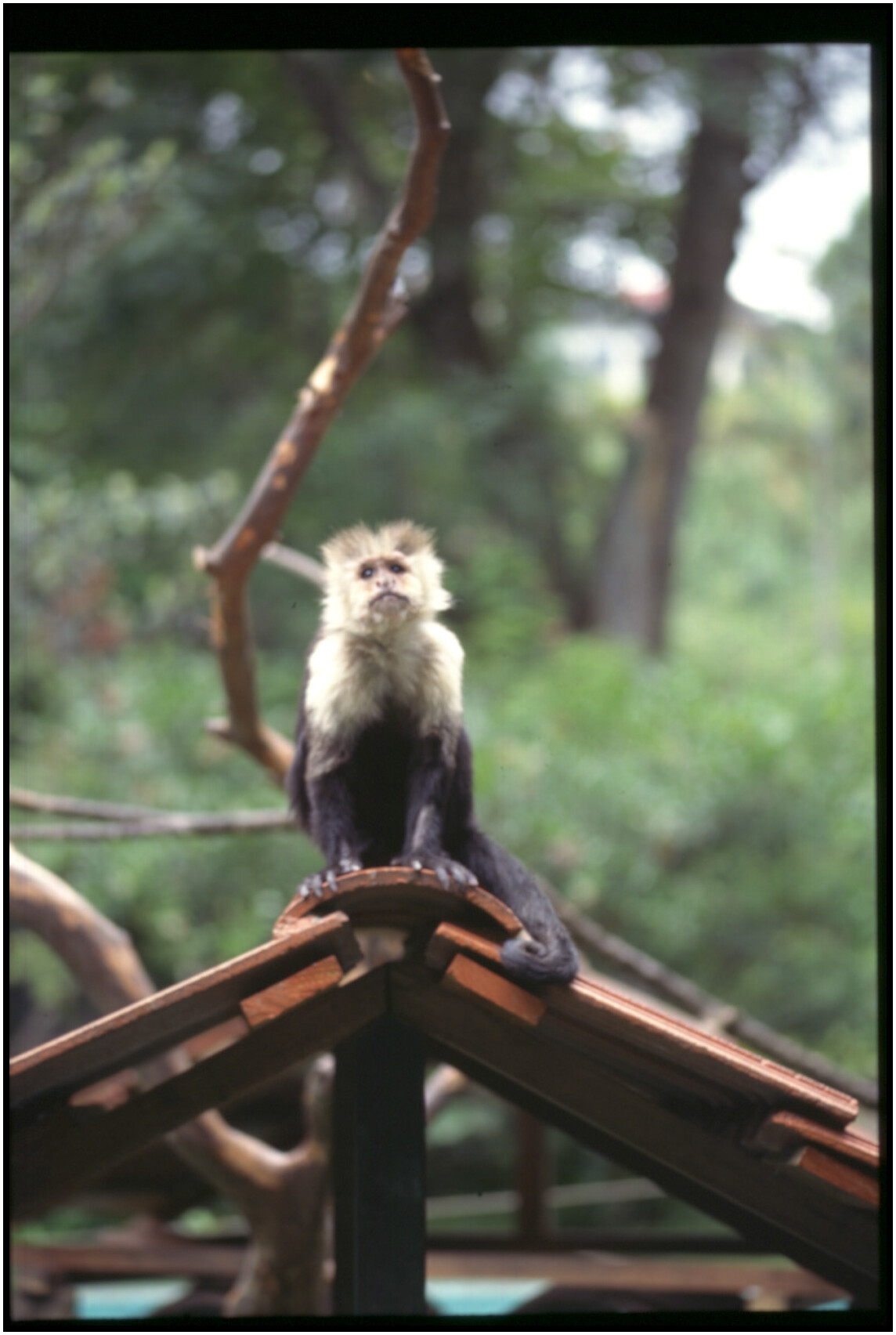
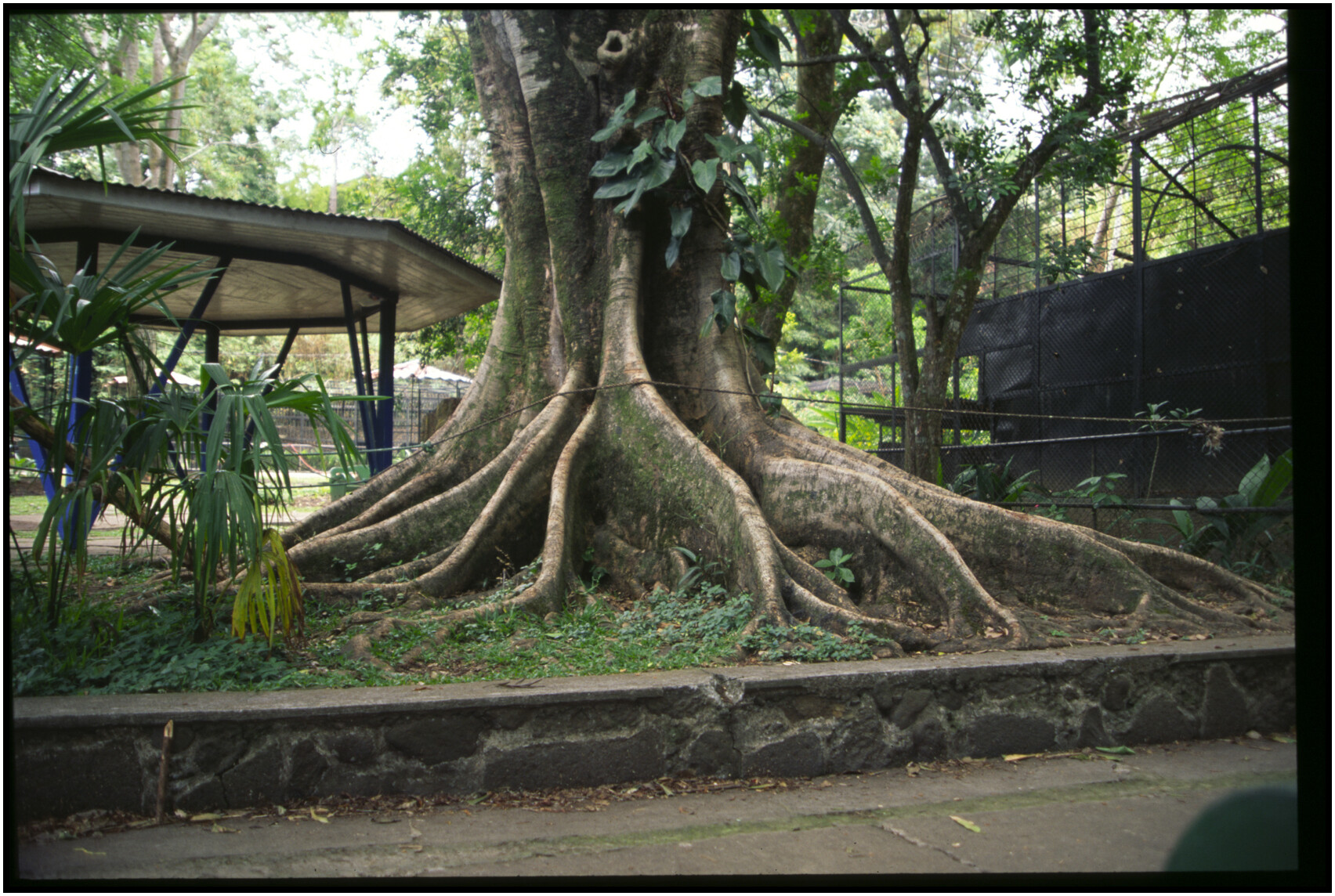
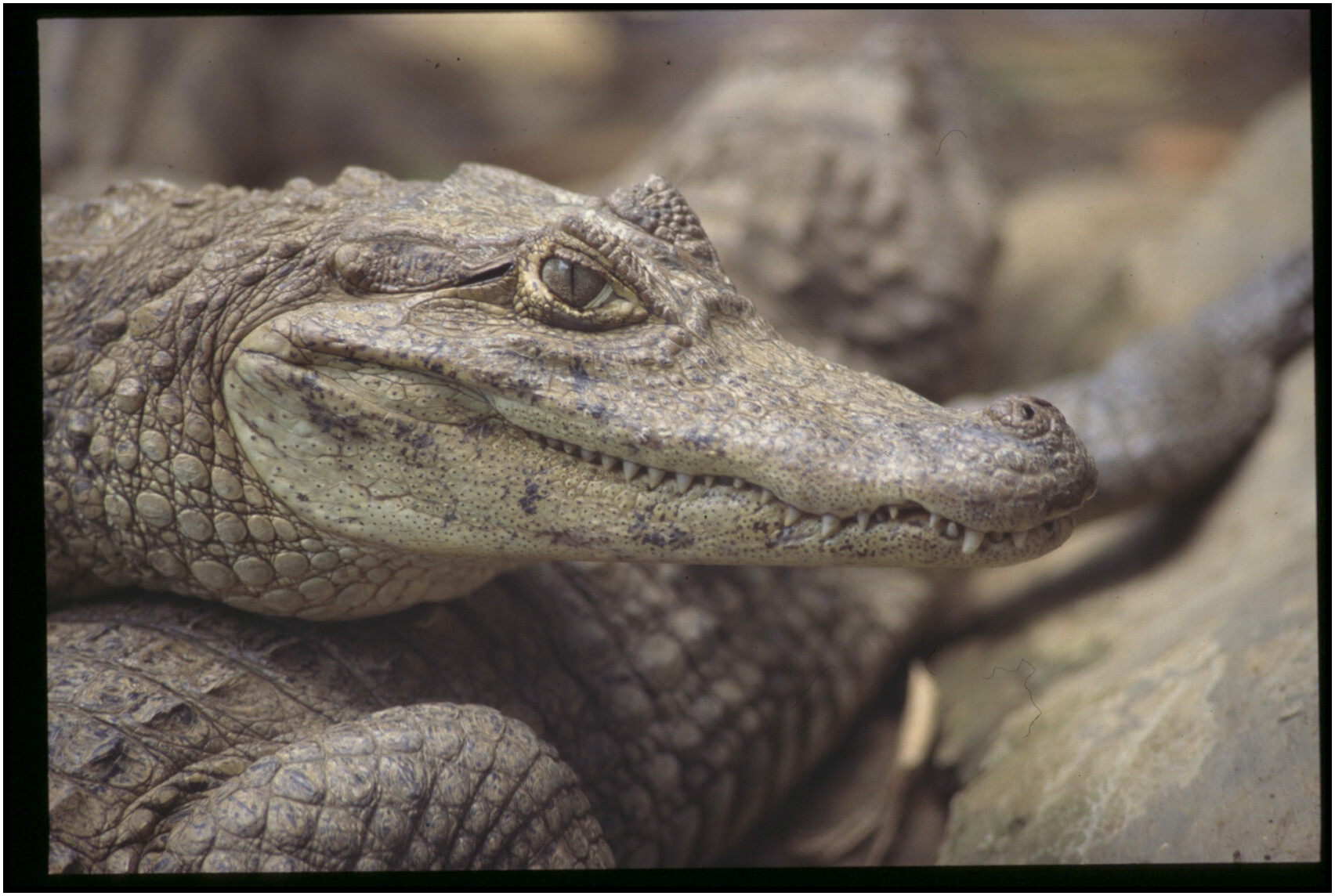
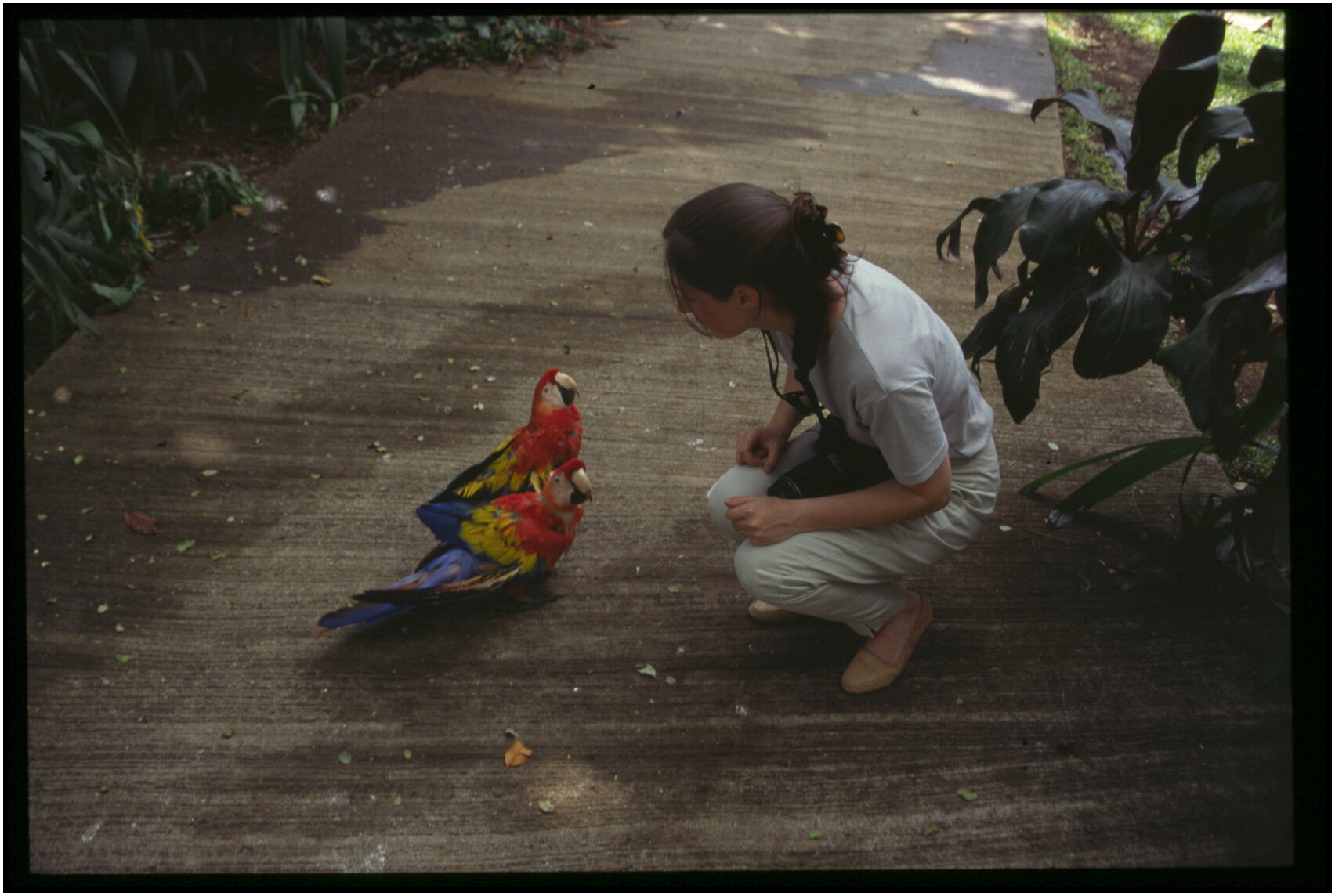
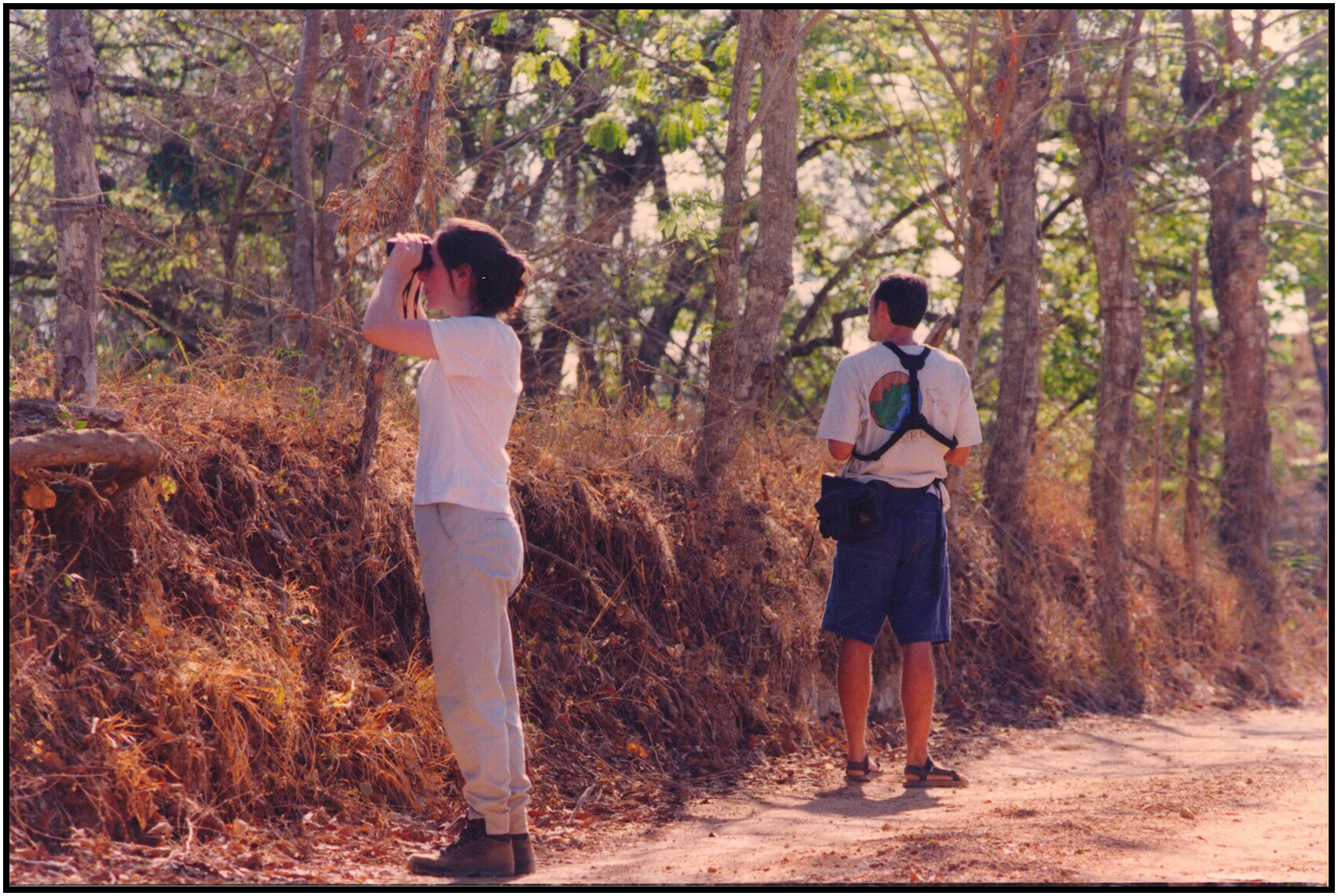
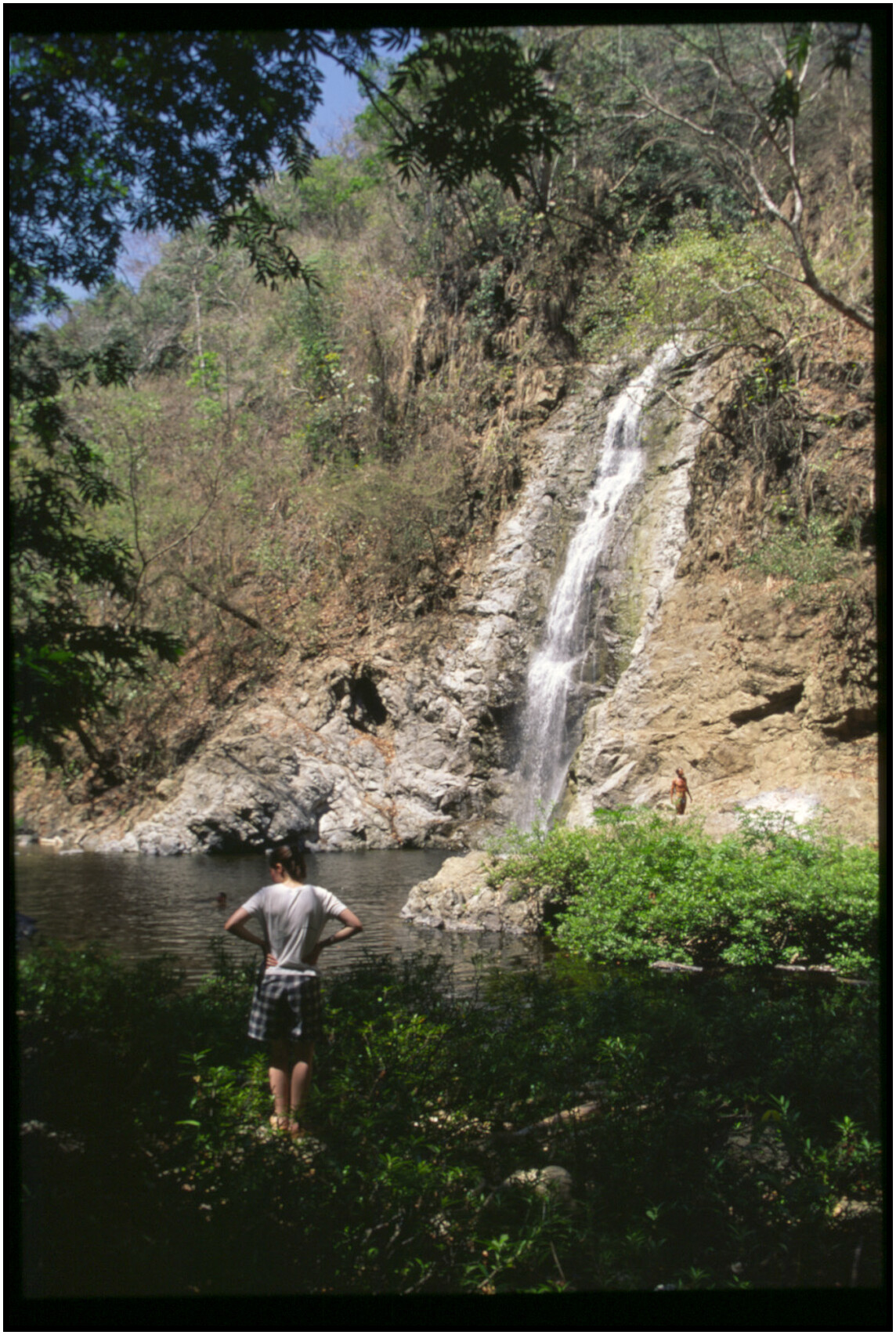
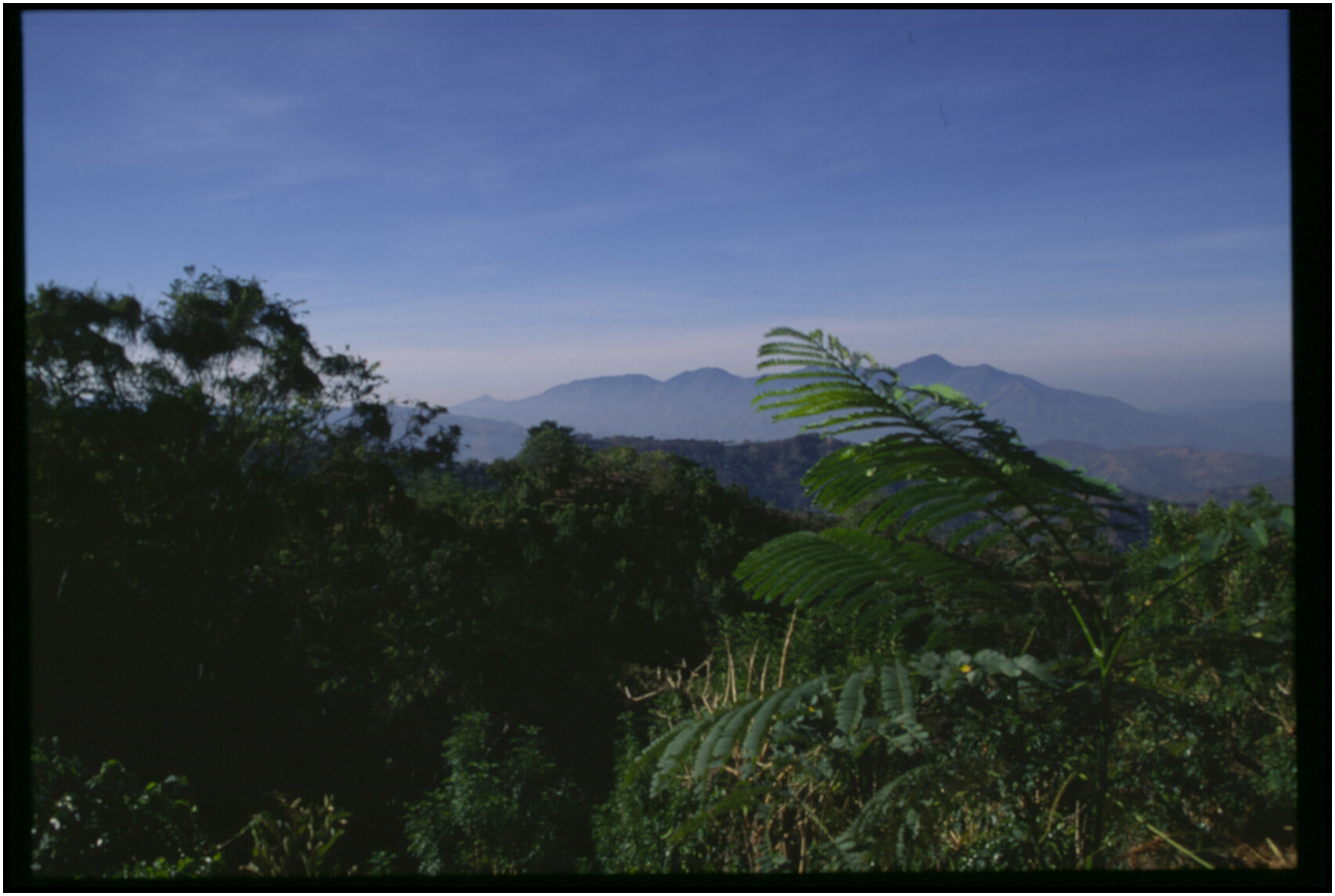
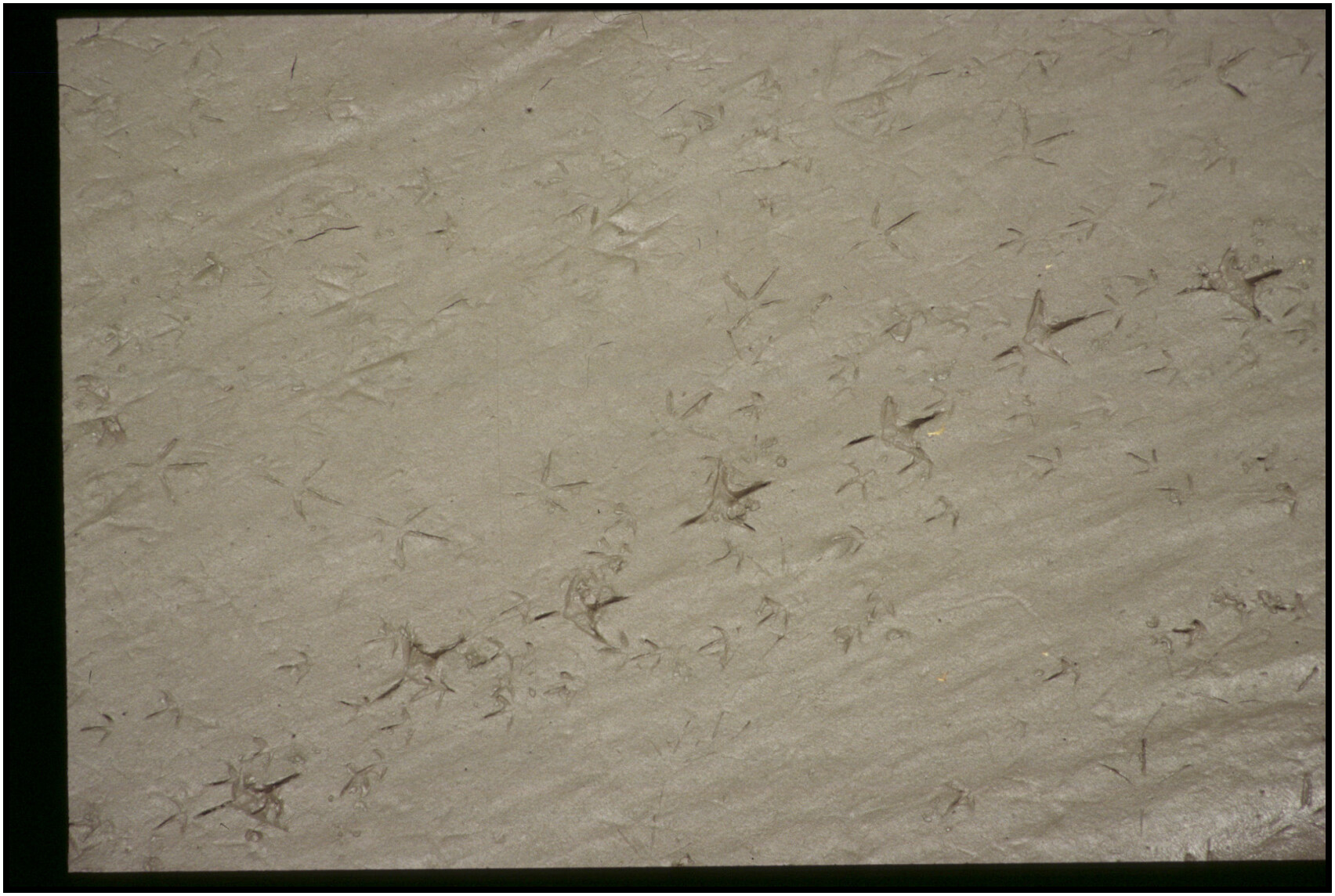
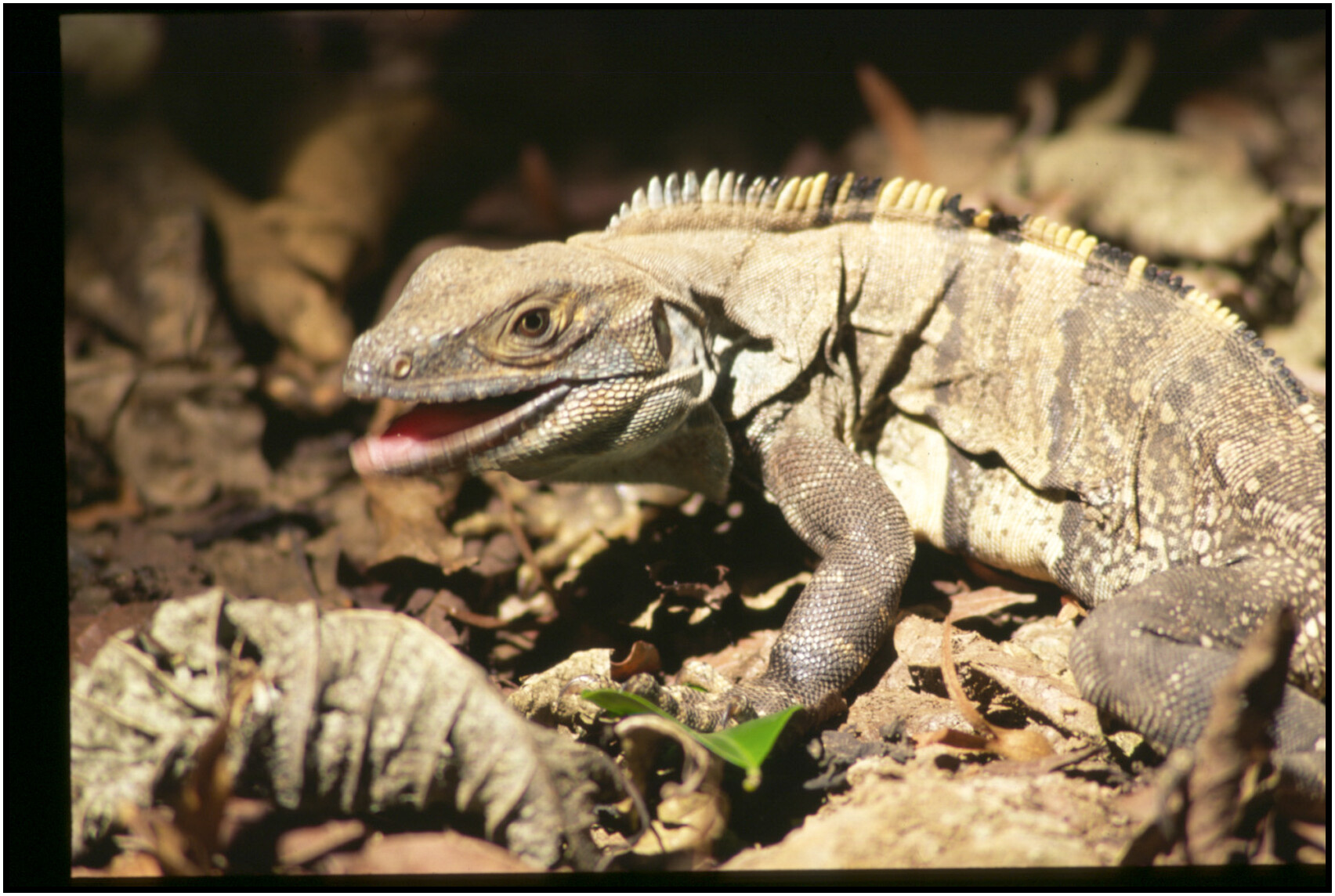
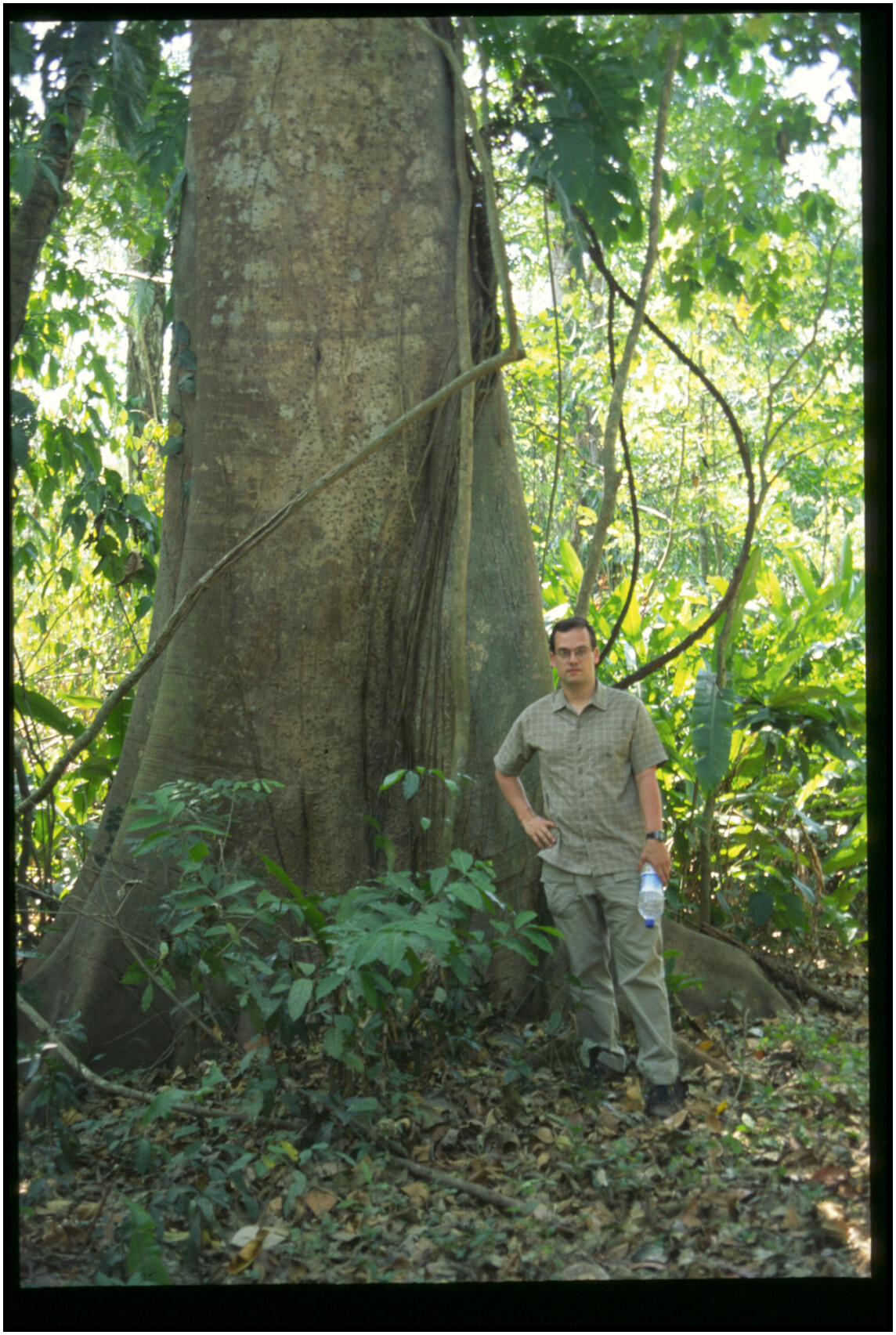
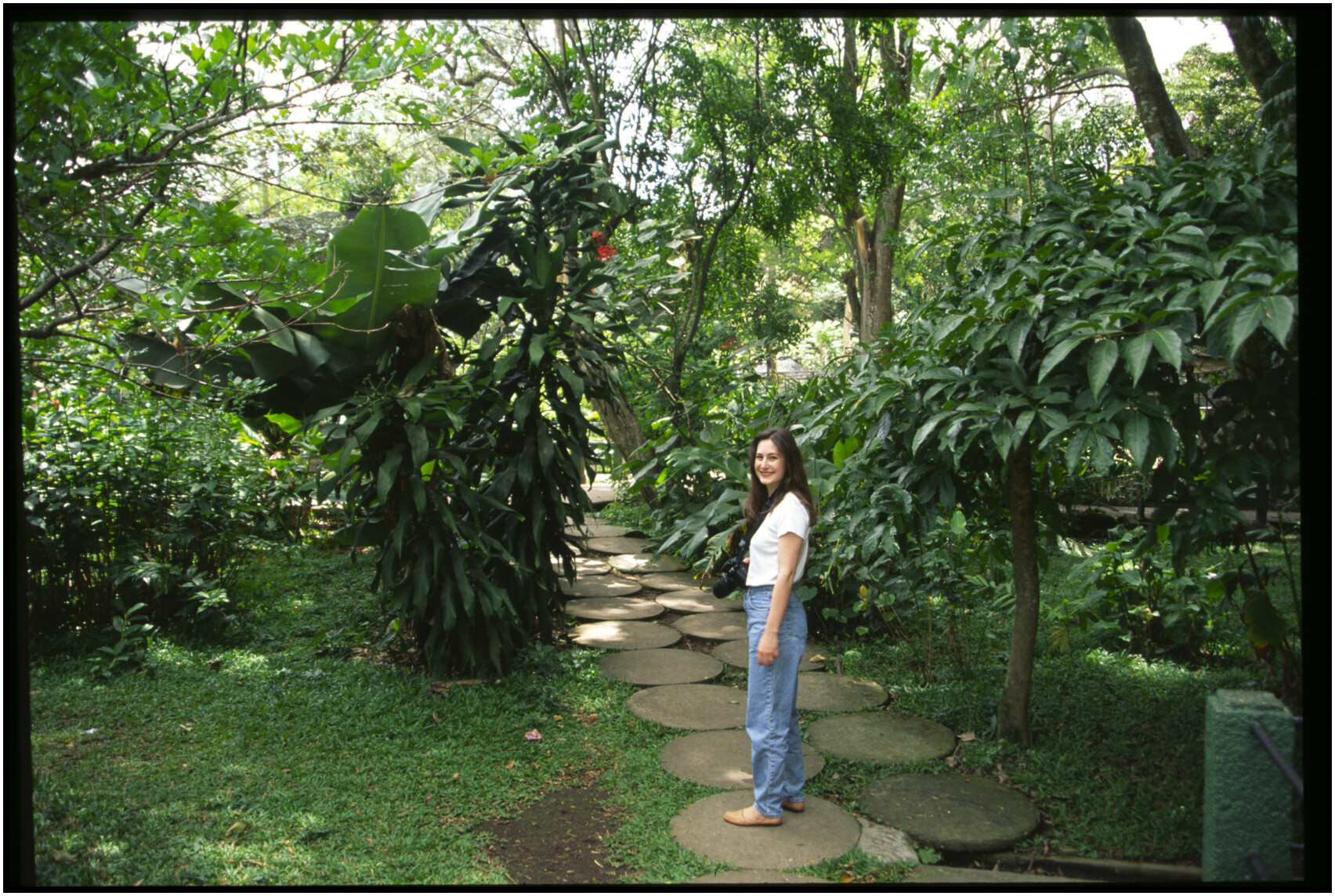
 MayseStomp