
Last Tuesday was spent driving from Baltimore up to Providence, RI. We checked into a hotel between PVD airport and Newport and awaited the arrival of a flight from the west coast that is carrying Josie’s roommate, Zoey. She’s staying with us one night so that the four of us (+ dog) can drive down to Salve Regina Wednesday morning for upper-classmen dormitory checkin. Today is moving day; we’ve got a full car to unload + Zoey’s luggage + a rental unit the girls used during the summer to store much more of their stuff between semesters. We will say good-bye to Josie later this afternoon, stay one more night in the area and then start the long drive back home tomorrow morning.
Here are some shots of stops along the way heading north.
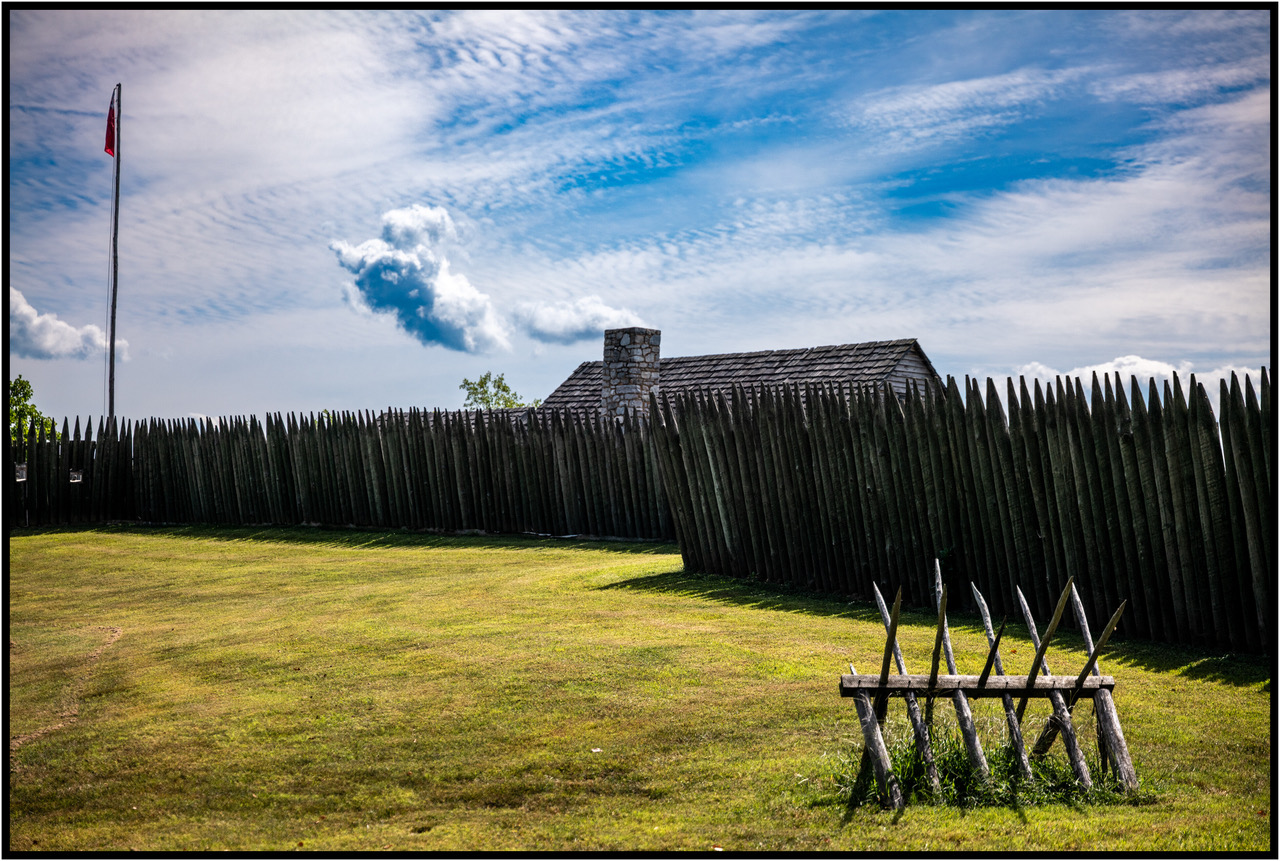
Fort Loudoun, Tennessee.
This fort was built in 1756 during the French and Indian War (aka 7-years War) and was meant to secure the allegiance of the Cherokee Nation against the French. This was the first British fort established west of the Appalachians.
The British hoped to establish better trade relations with the Cherokees – guns, ammo, tools and miscellaneous goods.. all for deerskins and other animal pelts.
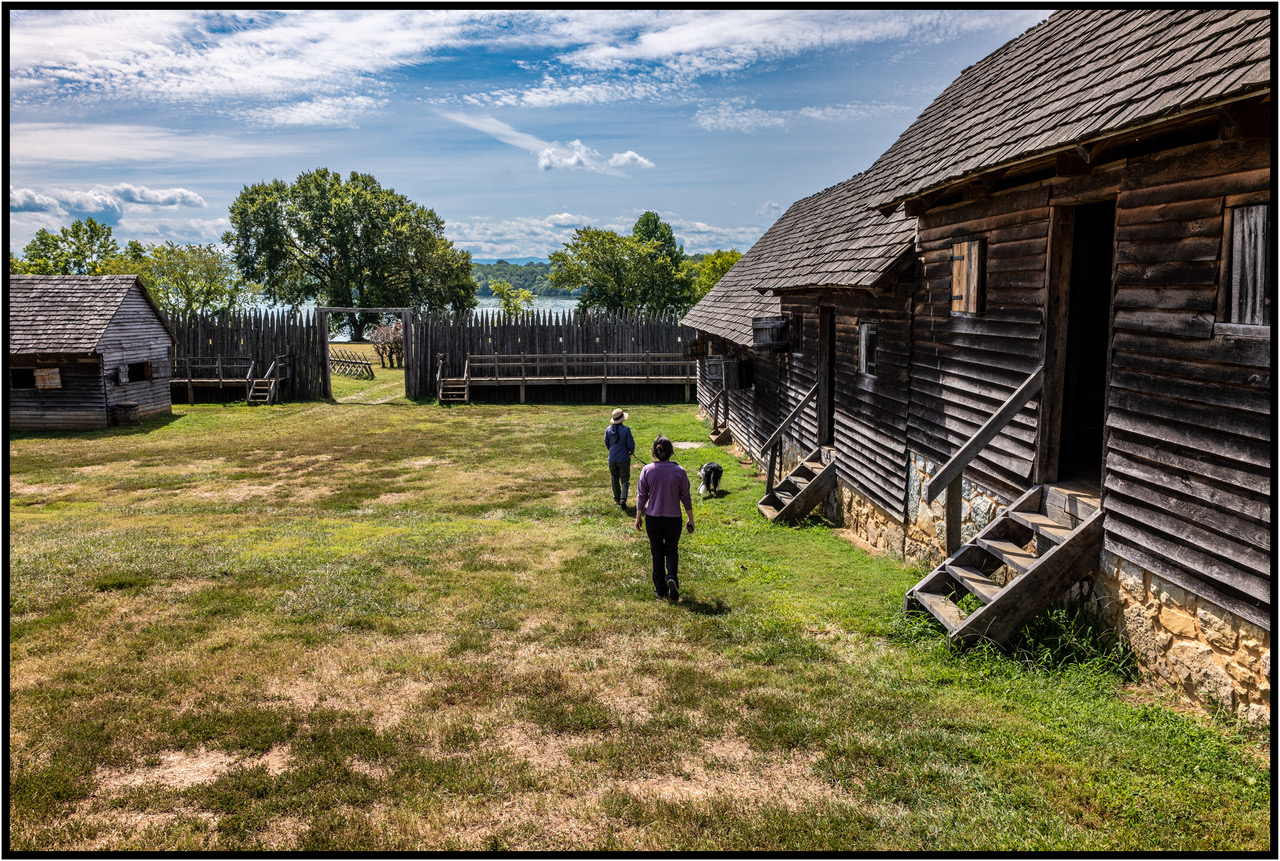
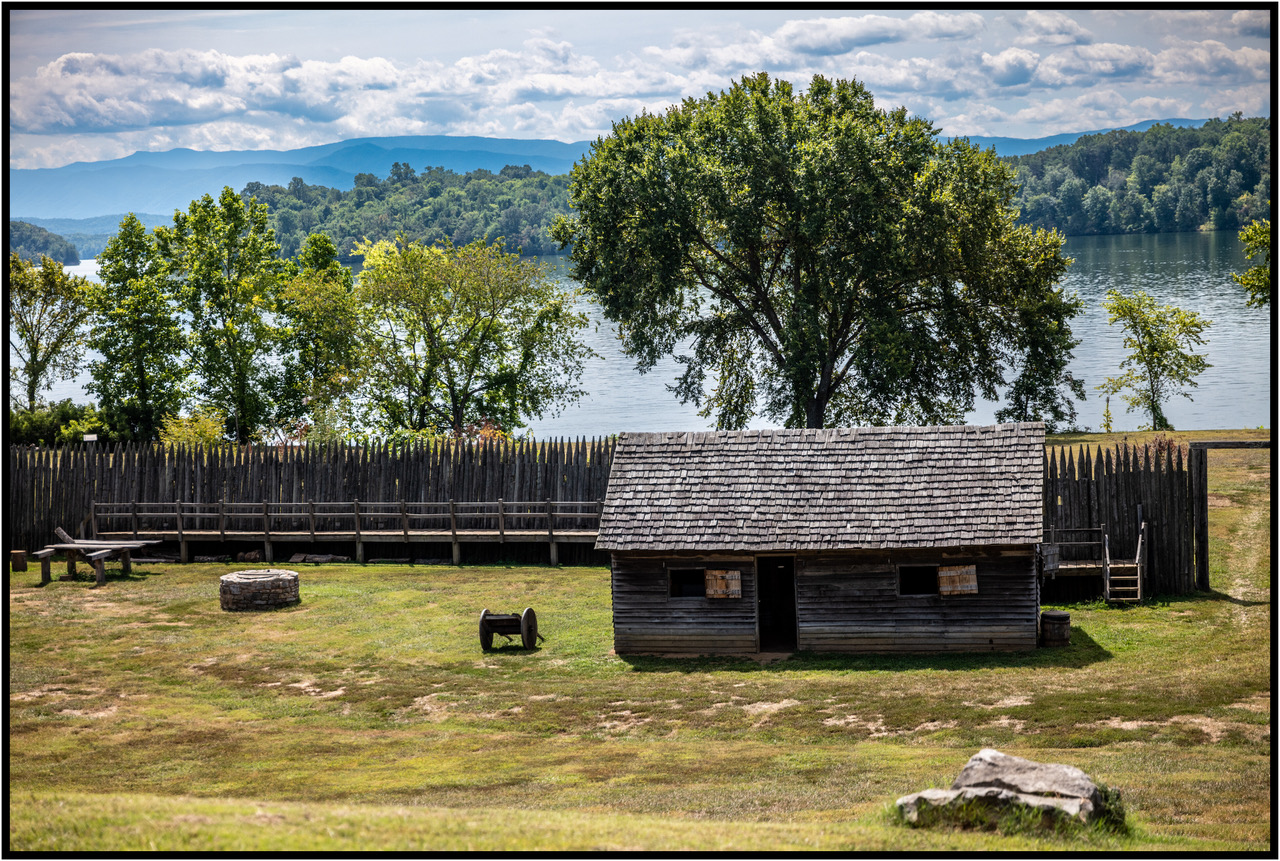
Unfortunately, the good times didn’t last too long. In other locations in North Carolina and Virginia, Cherokees were attacked and killed by some settlers. Other British soldiers insulted Cherokee warriors who were fighting alongside them against the French.
By 1759, the Cherokees had switched sides and fought with the French. They surrounded this fort and laid siege for over 6 months.
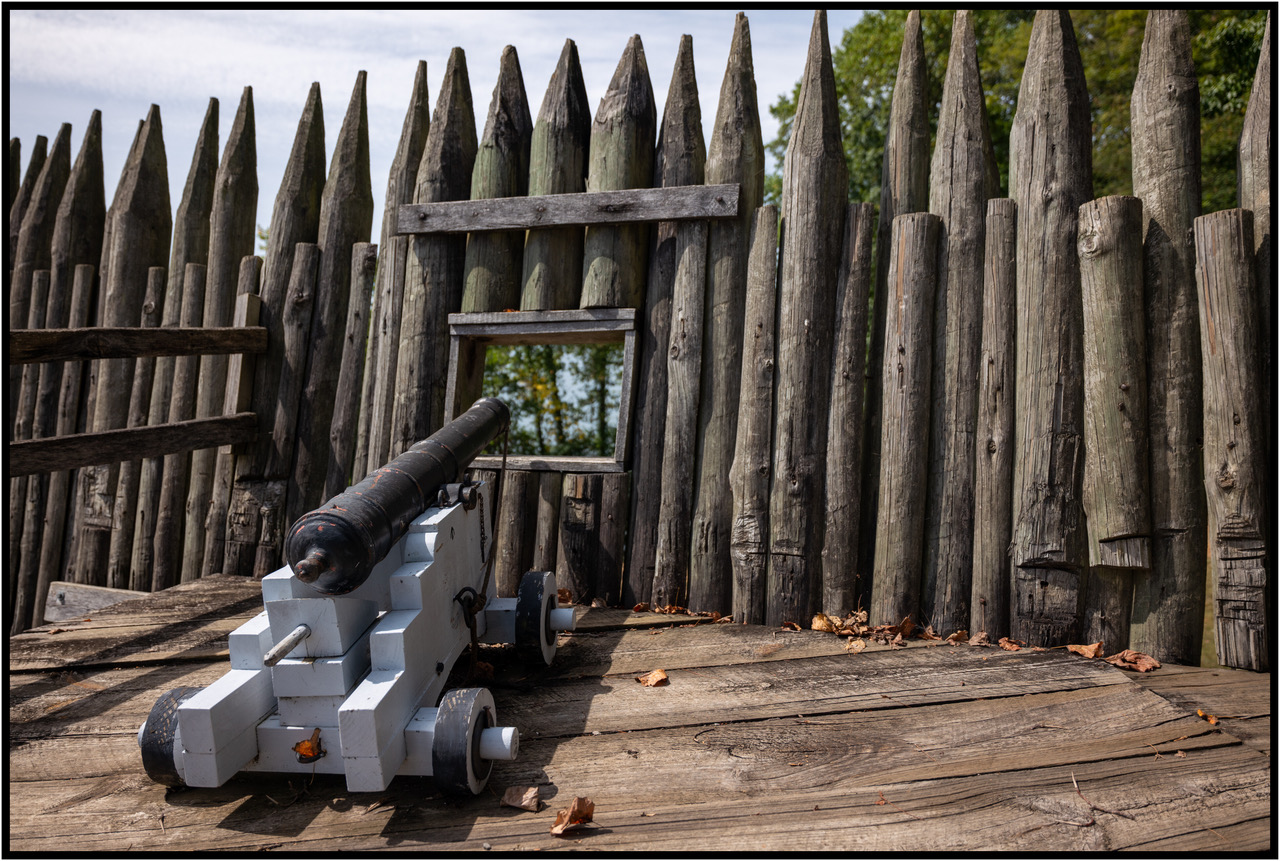
The Cherokees couldn’t rush the fort due to the well placed canon and other defensive measures,, but they did starve out some 200-250 soldiers and family members. In the summer of 1760 they surrendered and were allowed safe passage to South Carolina as long as the British left behind all guns an ammunition.
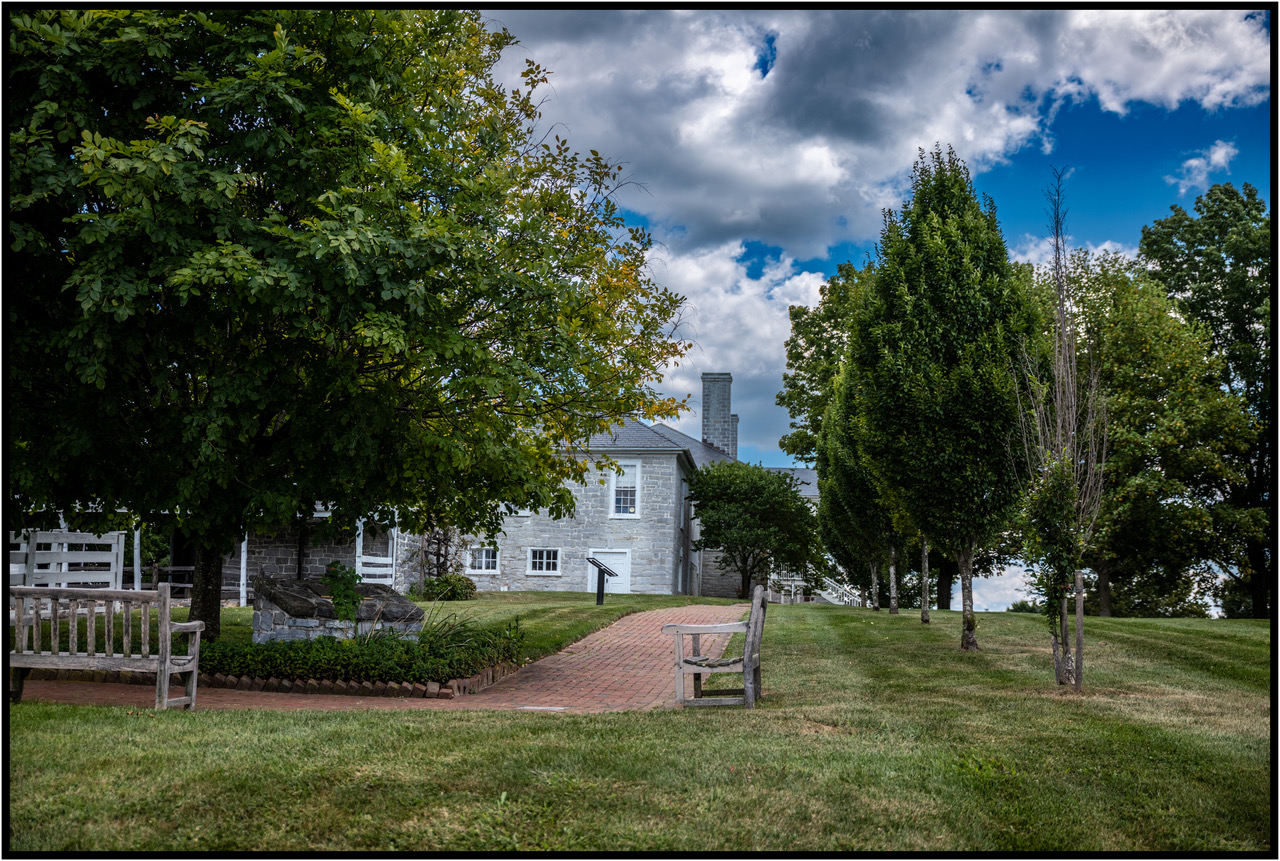
Belle Grove plantation in northern Virginia. This was built in 1797 by the grandson of president James Madison. This was a farm that grew wheat, corn and livestock for more than 100 years.
It was also the unfortunate location of the Battle of Cedar Creek (October 19, 1864) during the Civil War. Confederate General Jubal Early launched a successful surprise attack that initially routed US forces, but in the afternoon US General Sheridan rode hard to backstop and rally his units.. leading to a counter-attack in the early evening that repelled and reversed what should have been a Confederate victory.
This battle has some significance as the last conflict just before the election of 1864.. a victory here greatly augmented Lincon’s image and chance to win re-election… something that was very much in doubt throughout the summer of 1864.
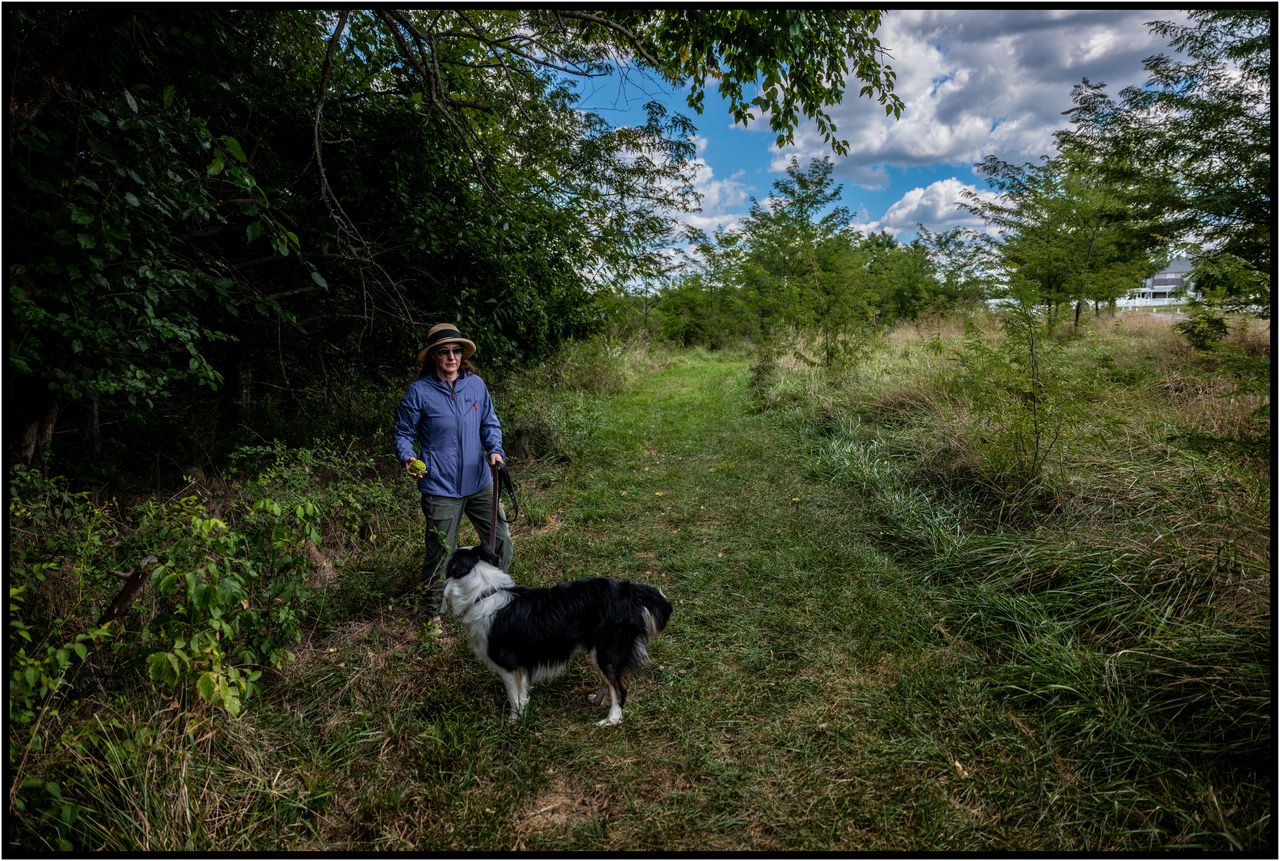
Here we are walking the grounds to stretch our legs. Brenda has found some walnut fruit on the ground and is trying to break them to get at the walnuts.
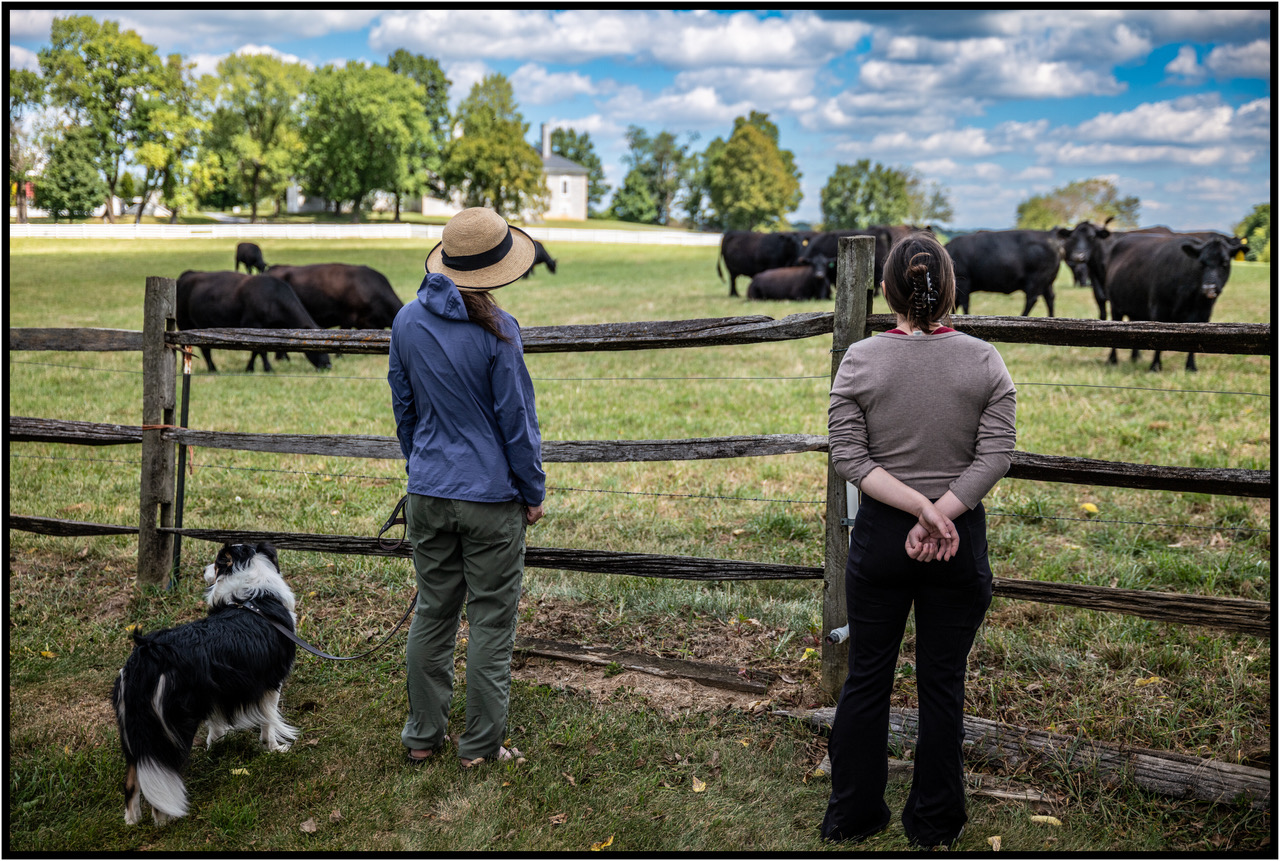
They still have some livestock for show on the farm.
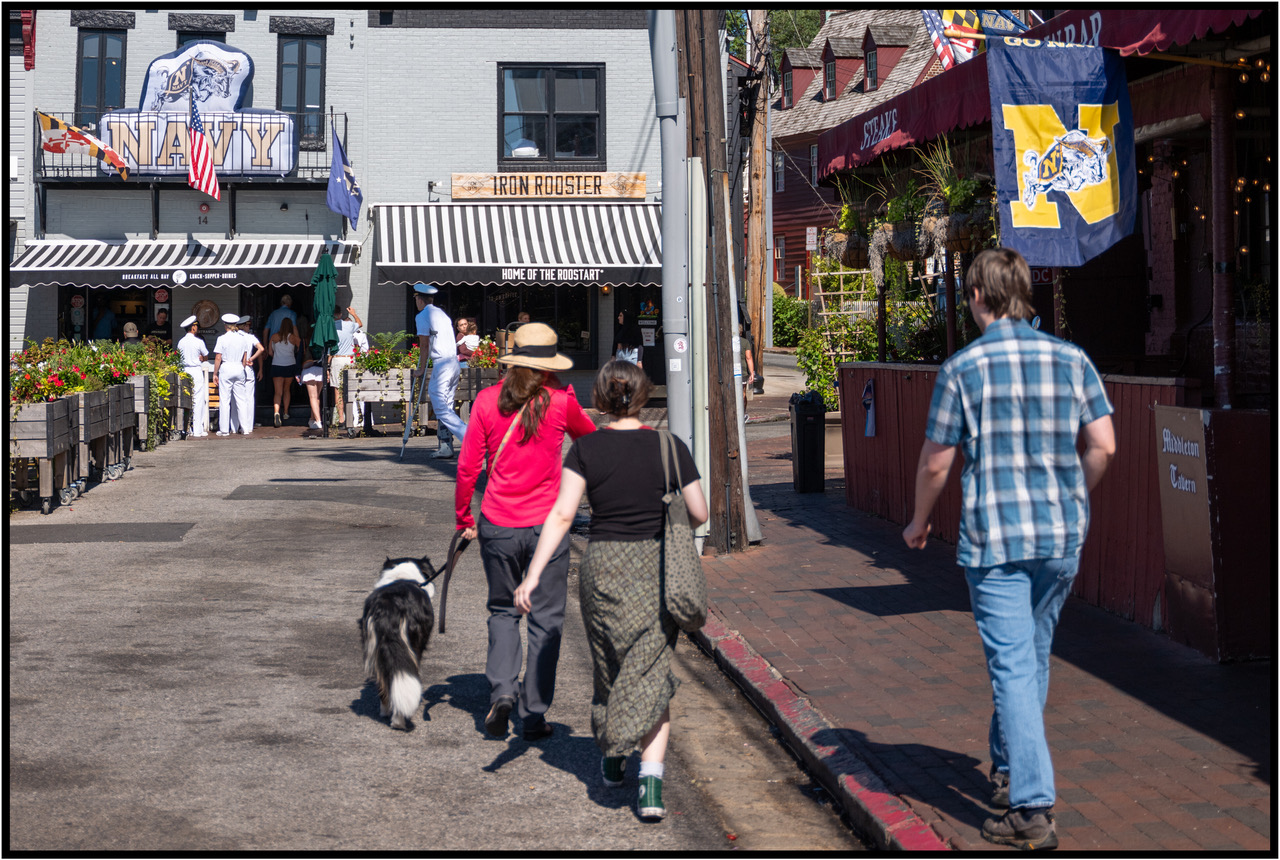
Annapolis, Maryland.. home of the US Naval Academy. It was a sunny, Sunday morning and the midshipmen were out and about.. the Academy sits adjacent to the historic downtown area… plenty of restaurants and tourist shops along the waterfront.
We didn’t tour the Navy grounds.. they were doing security checks and we were pretty sure dogs weren’t allowed, so we made the most by walking up and down the pretty streets.
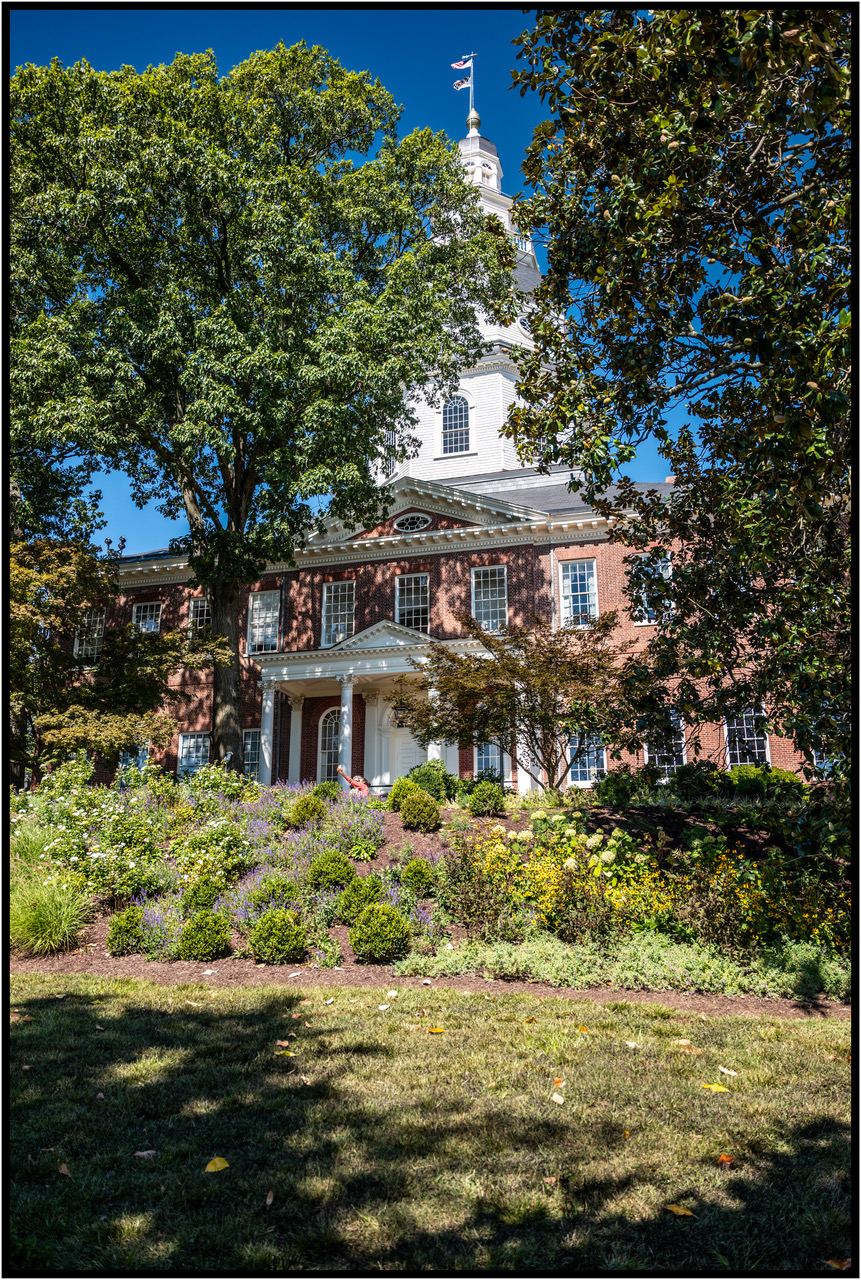
The Maryland State House – completed in 1779 and the largest wooden dome in the US.. built without nails.
From 1783 to 1784, during the Revolutionary War, this building was where the Continental Congress convened and was the US Capital. George Washington resigned his commission here in 1783 and this is where the Treaty of Paris was signed in 1784 to end the war.
Annapolis is the capital of Maryland and this is where current governmental work continues.
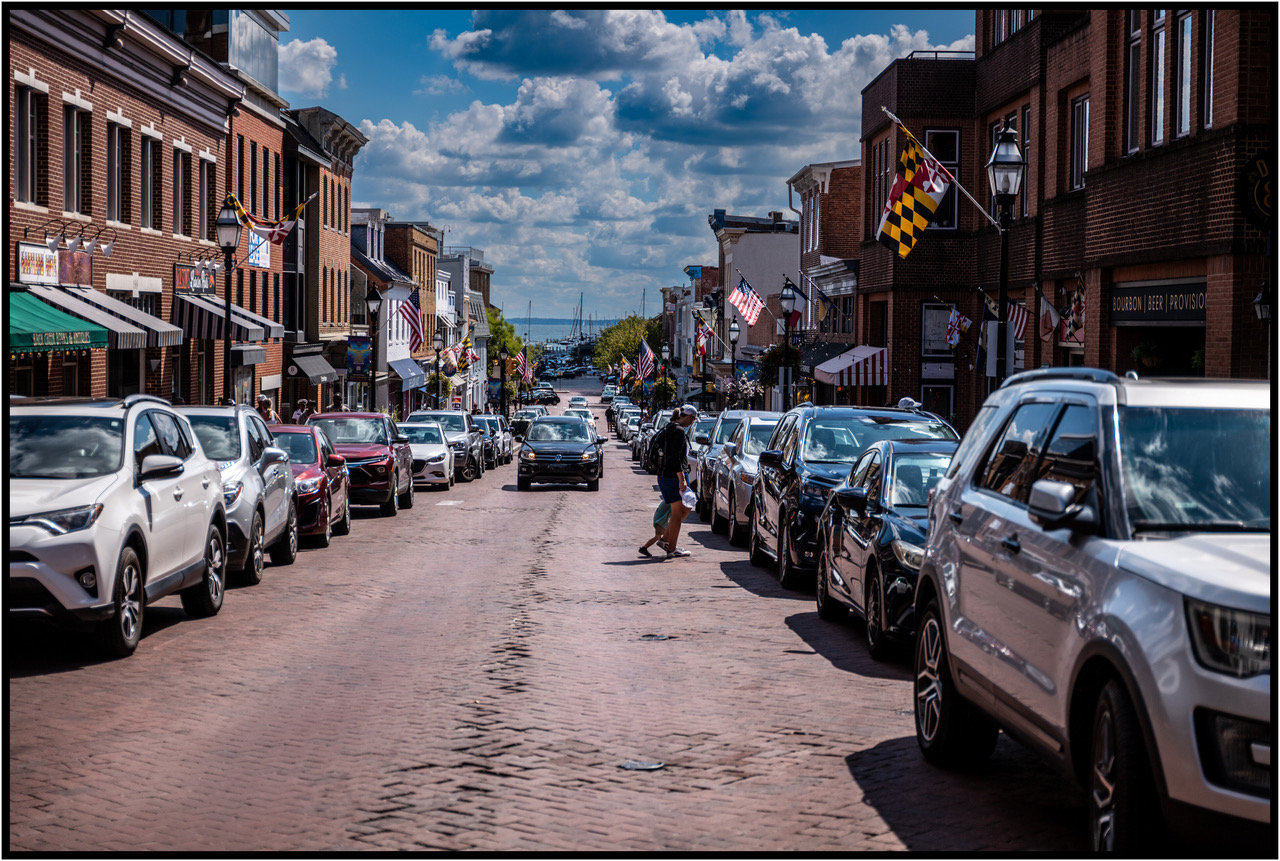
View of the main street, cobblestones, shops and waterfront in the distance.

