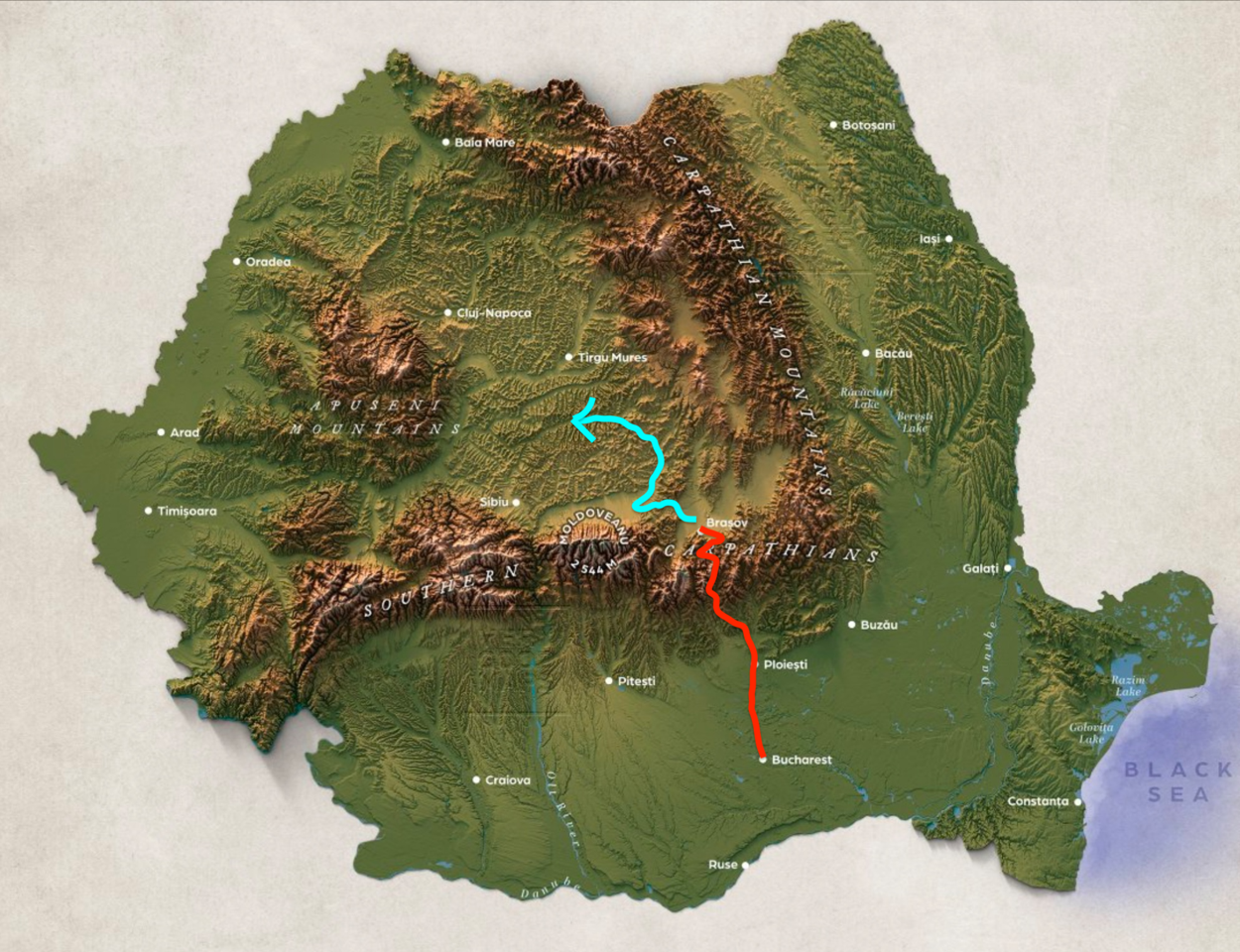
Today we continued north to the rolling hills of Transylvania. Our final destination is Sighişoara, but we spent most of the day hitting a couple of stops along the way.
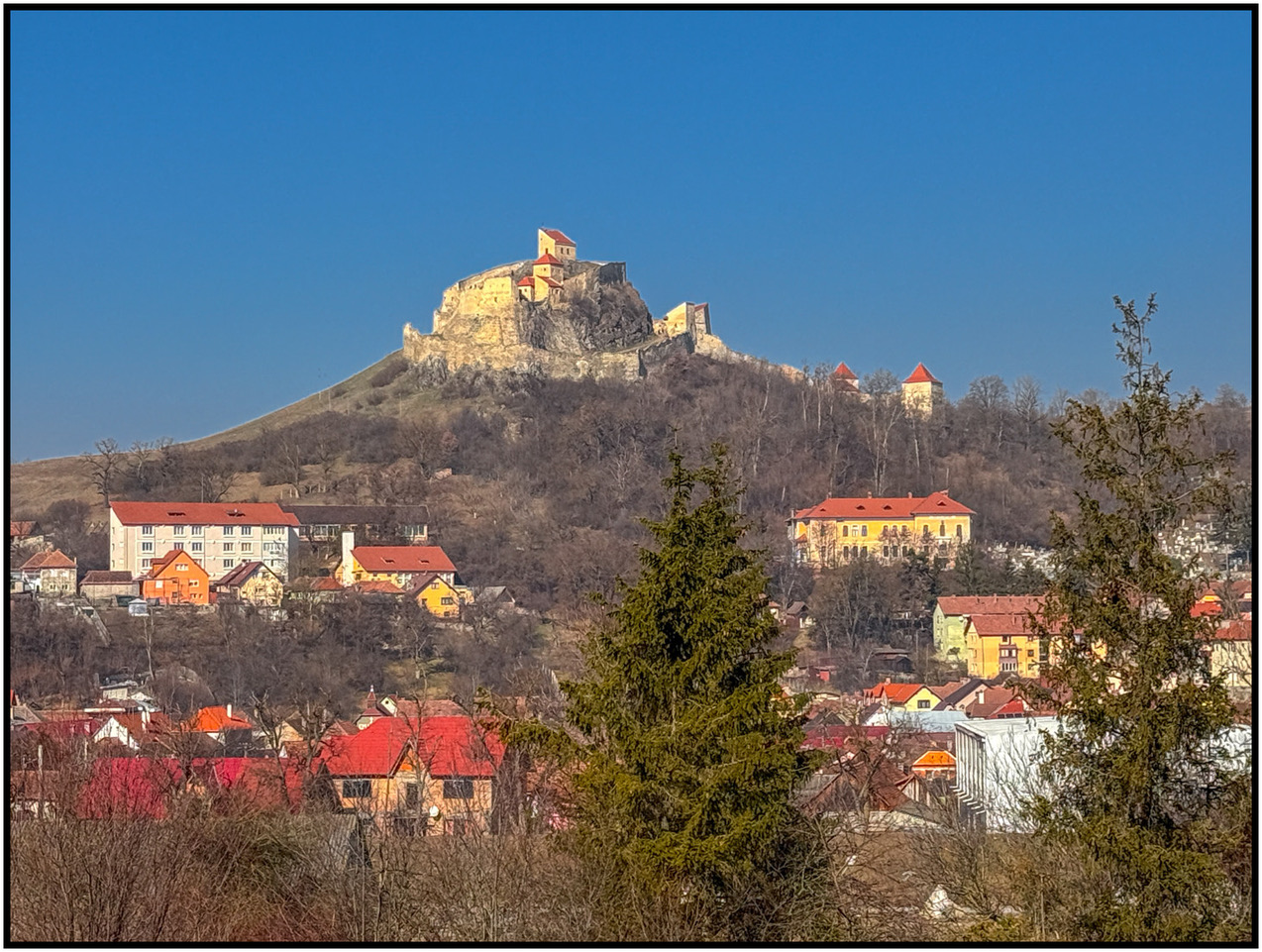
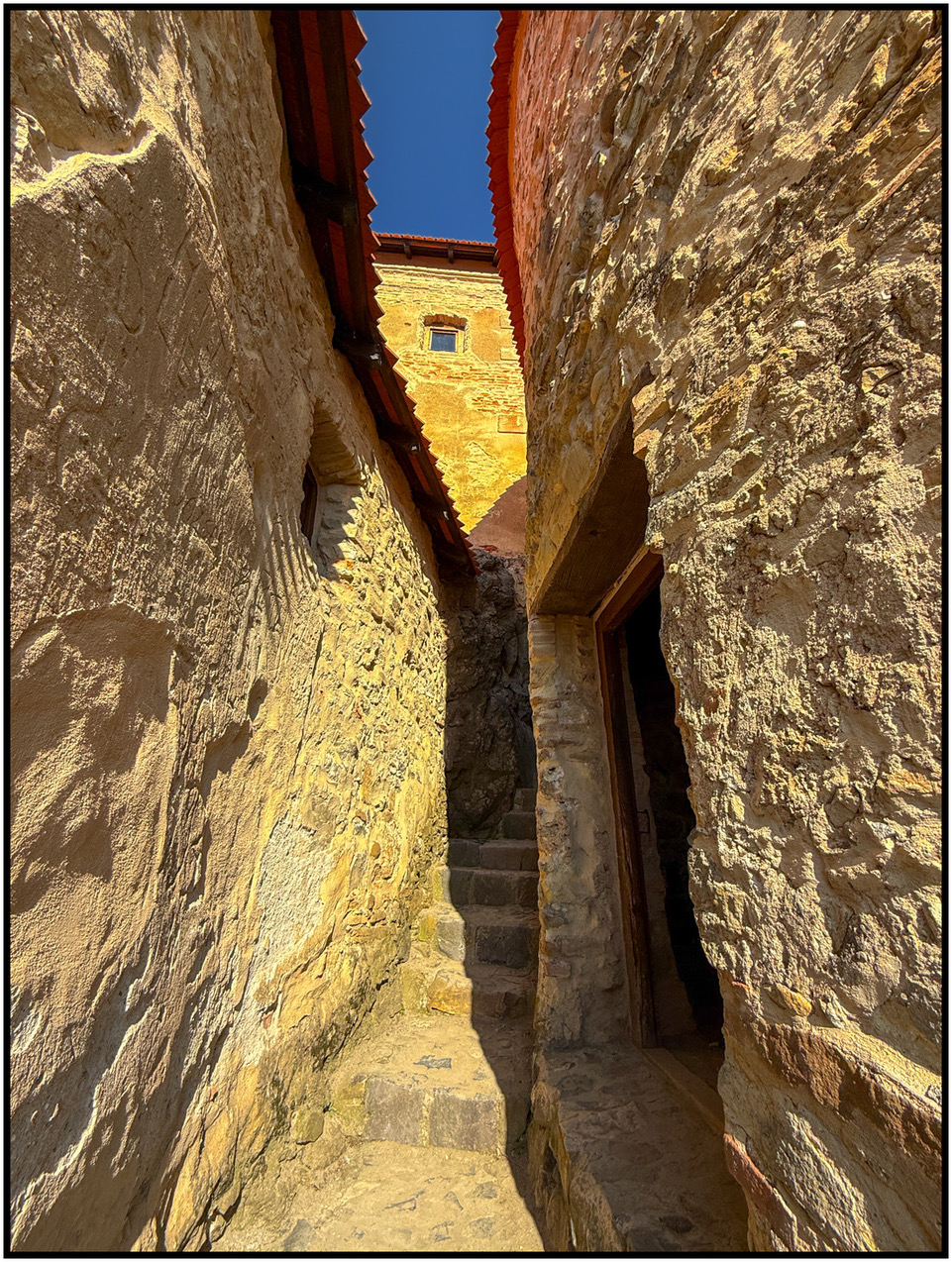
Cetatea Rupea – Rupea Fortress. This is a fortress built by the Transylvanian Saxons in 1324. Throughout our drive we have passed many villages that have fortified churches and other bastions that are remnants from a violent medieval past. Like the others, this served as a final defensive point against endless Turkish/Ottoman invasions from the 1400-1700s. Worse case scenario, the farmers from the village would hole up in the fortress and hope to survive yet another siege.
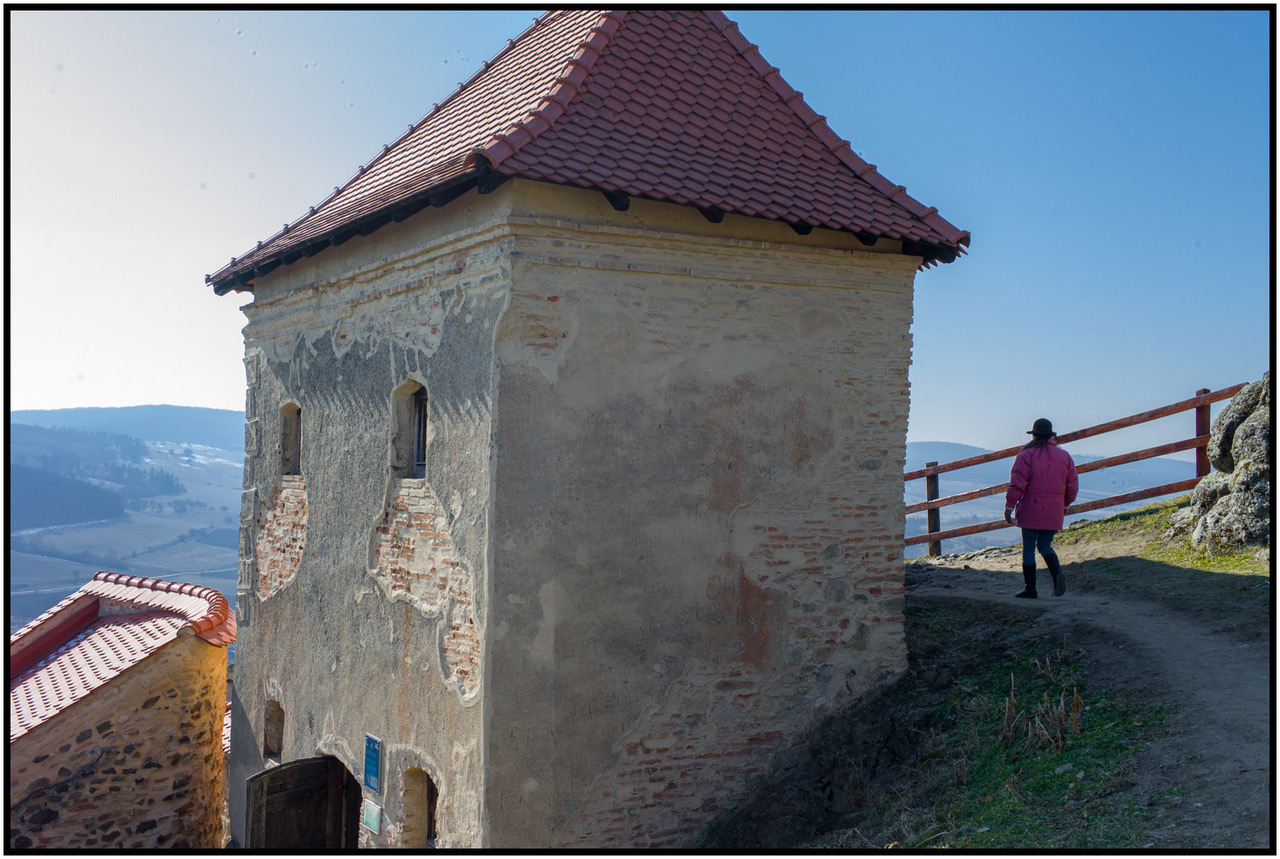
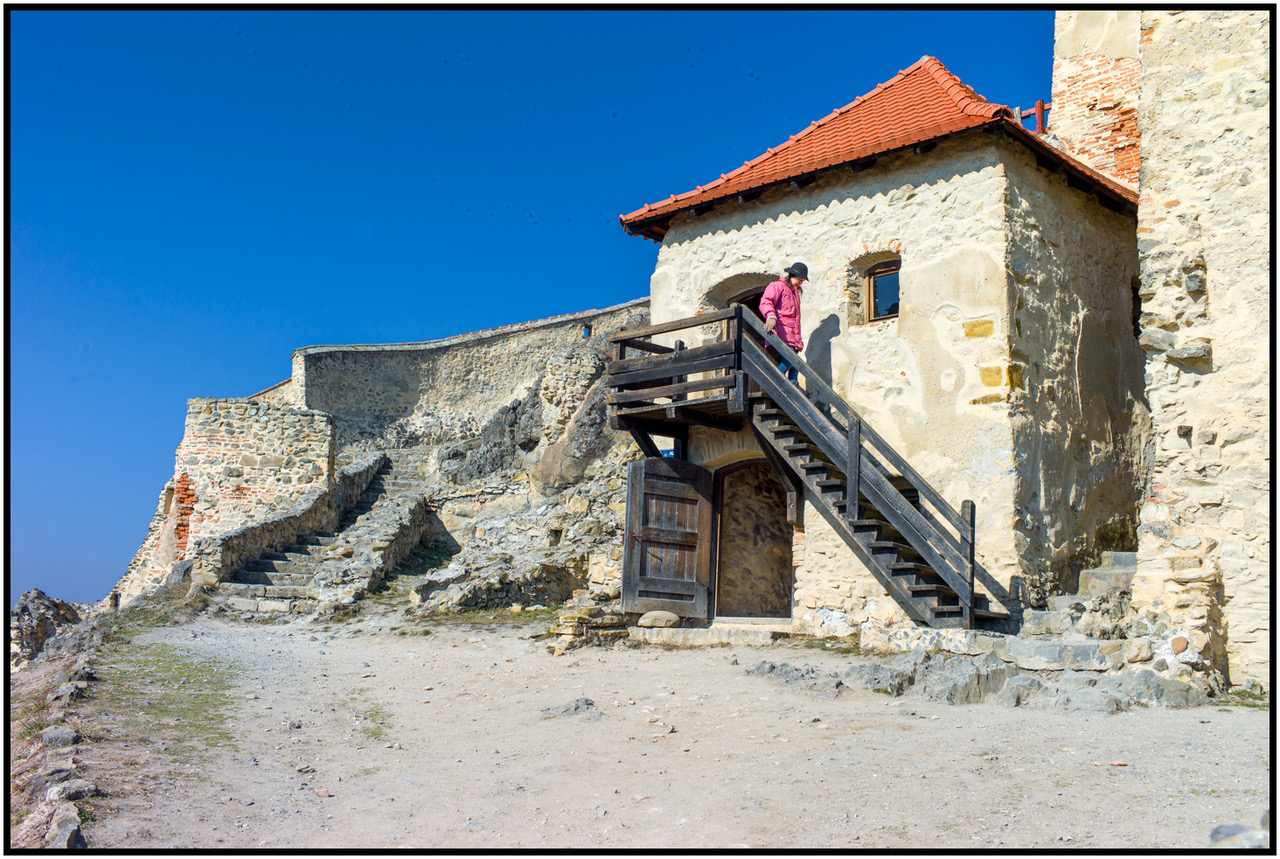
Rupea Fortress stands on one of the oldest archaeological sites in Romania, the first signs of human settlements dating from the Paleolithic and Early Neolithic (5500–3500 BC). Archaeological investigations have revealed objects from this era, testimony of settlements in the region: stone tools, pottery, funeral urns, etc.
Perfect day for touring.. not much snow in this part of the country and temps got into the 40s. We practically had the place to ourselves – tourism is dead this time of year.
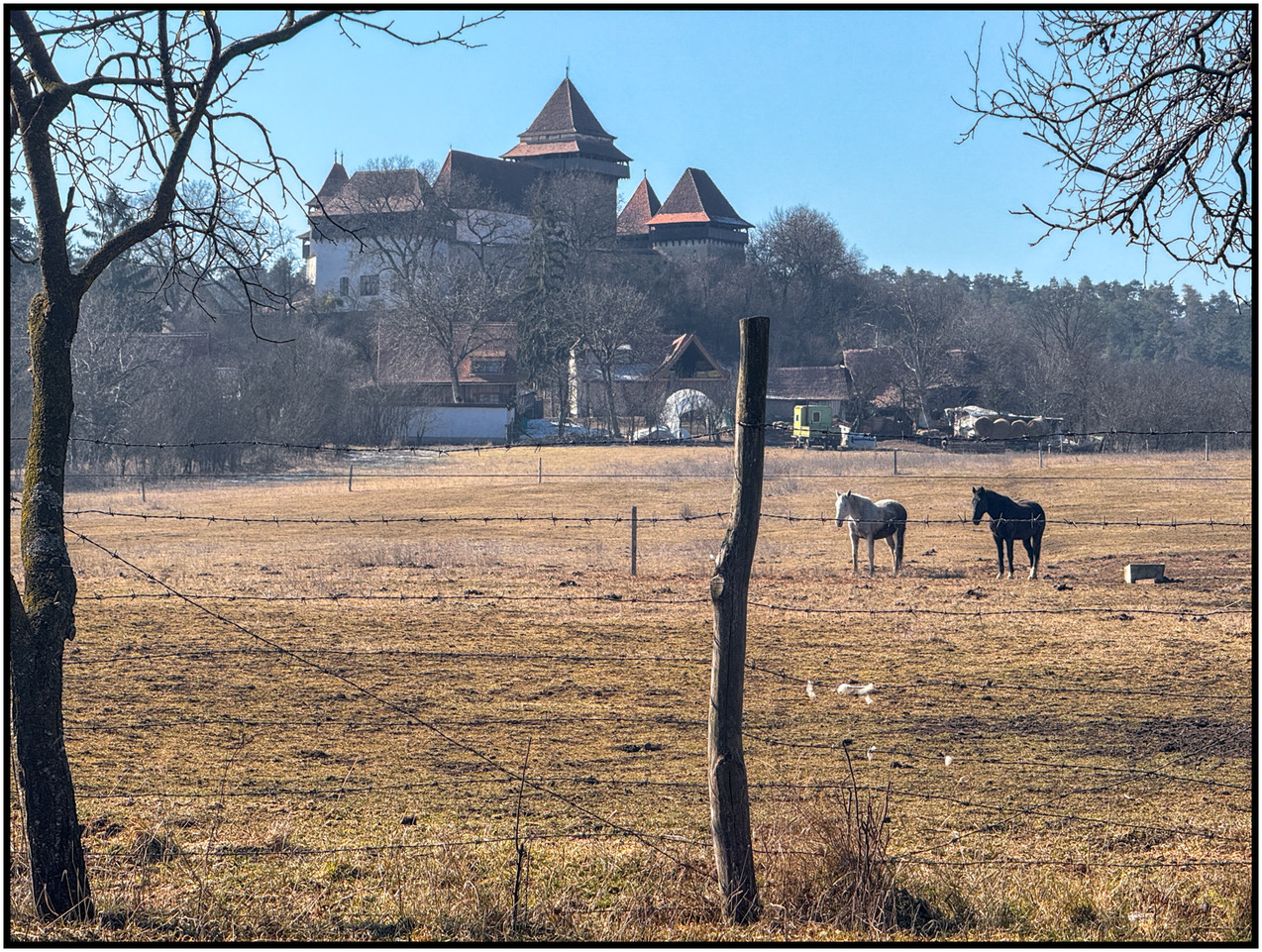
We then stopped in a village called Viscri.. this is one of several preserved villages that have kept their old buildings from the 1700-1800s. People still live in the houses and the area farms in a manner much like they did hundreds of years ago.
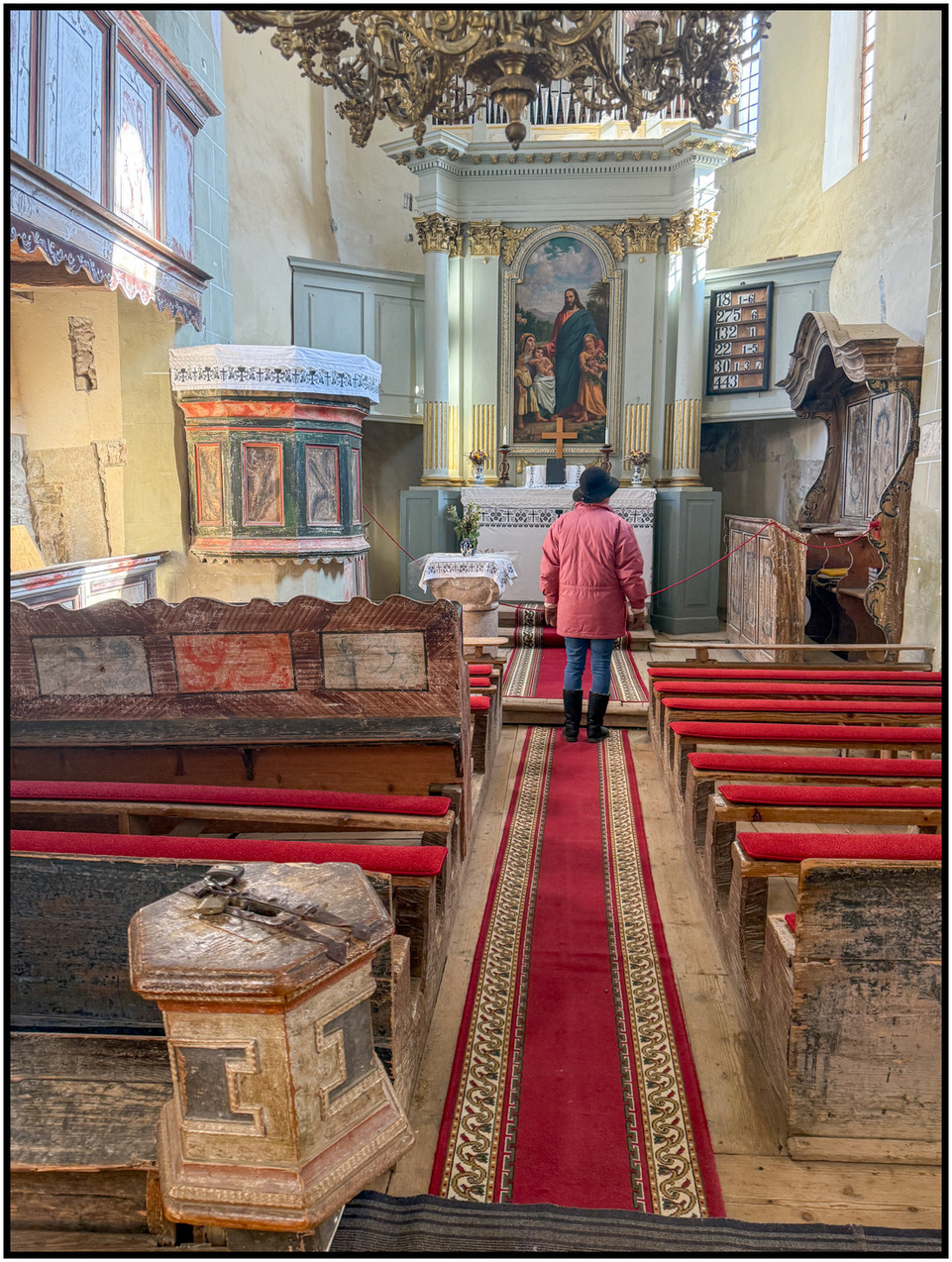
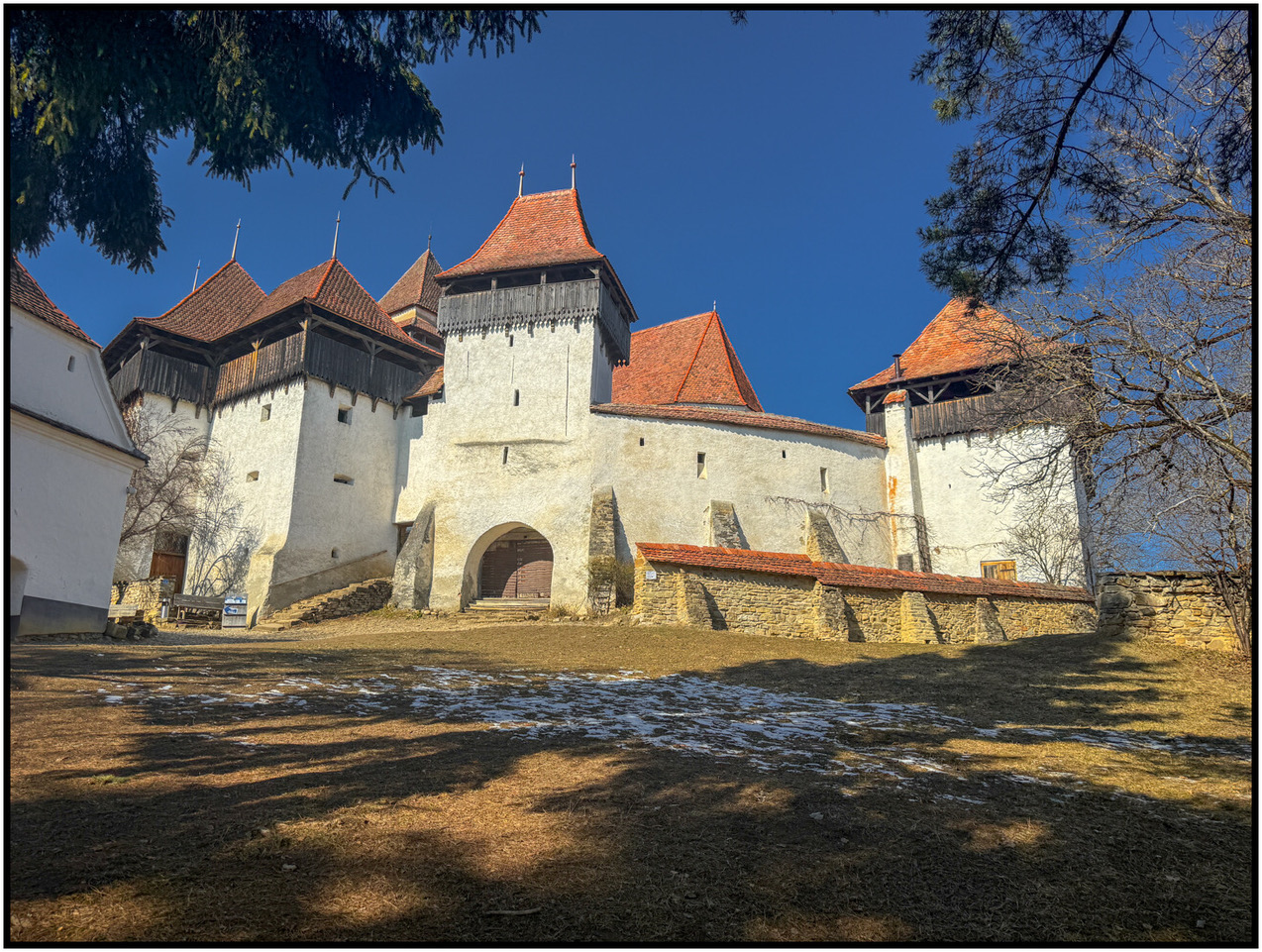
Viscri fortified church – Chapel construction began in 1141. In the 13th century, the Saxons built a Romanesque hall church that integrated the chapel but also introduced changes, such as a wooden seat gallery at the western end.
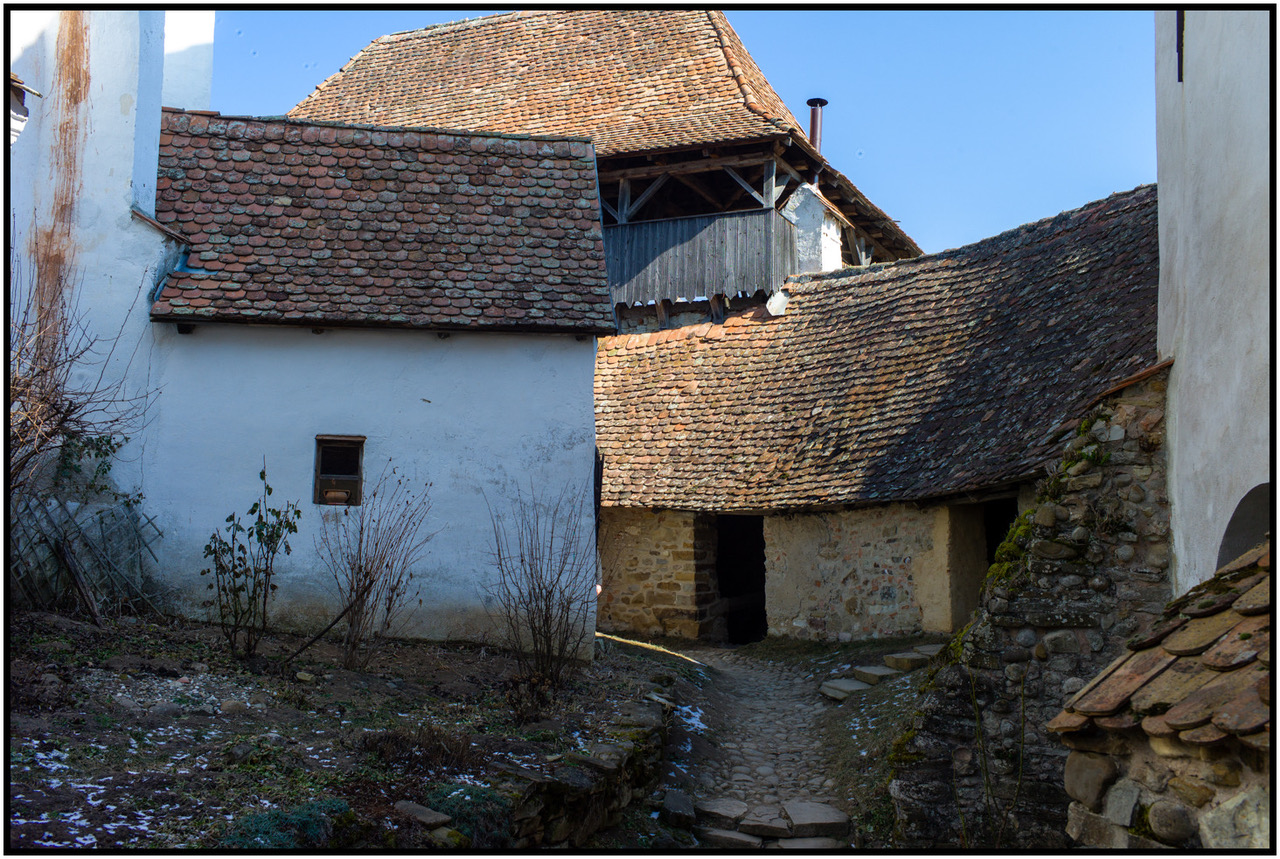
Like the rest of the churches we visited, the Lutherans took over during the Reformation.
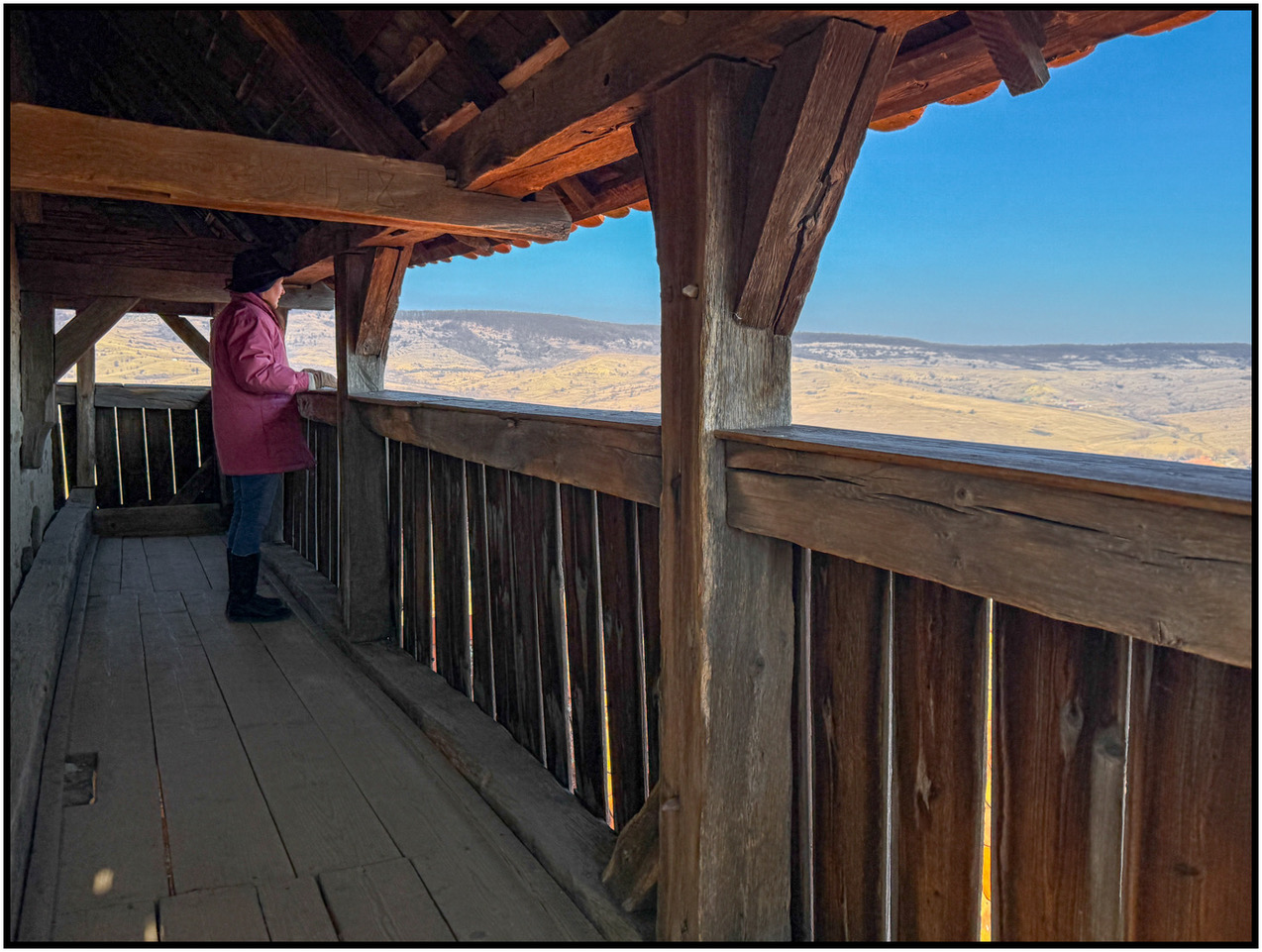
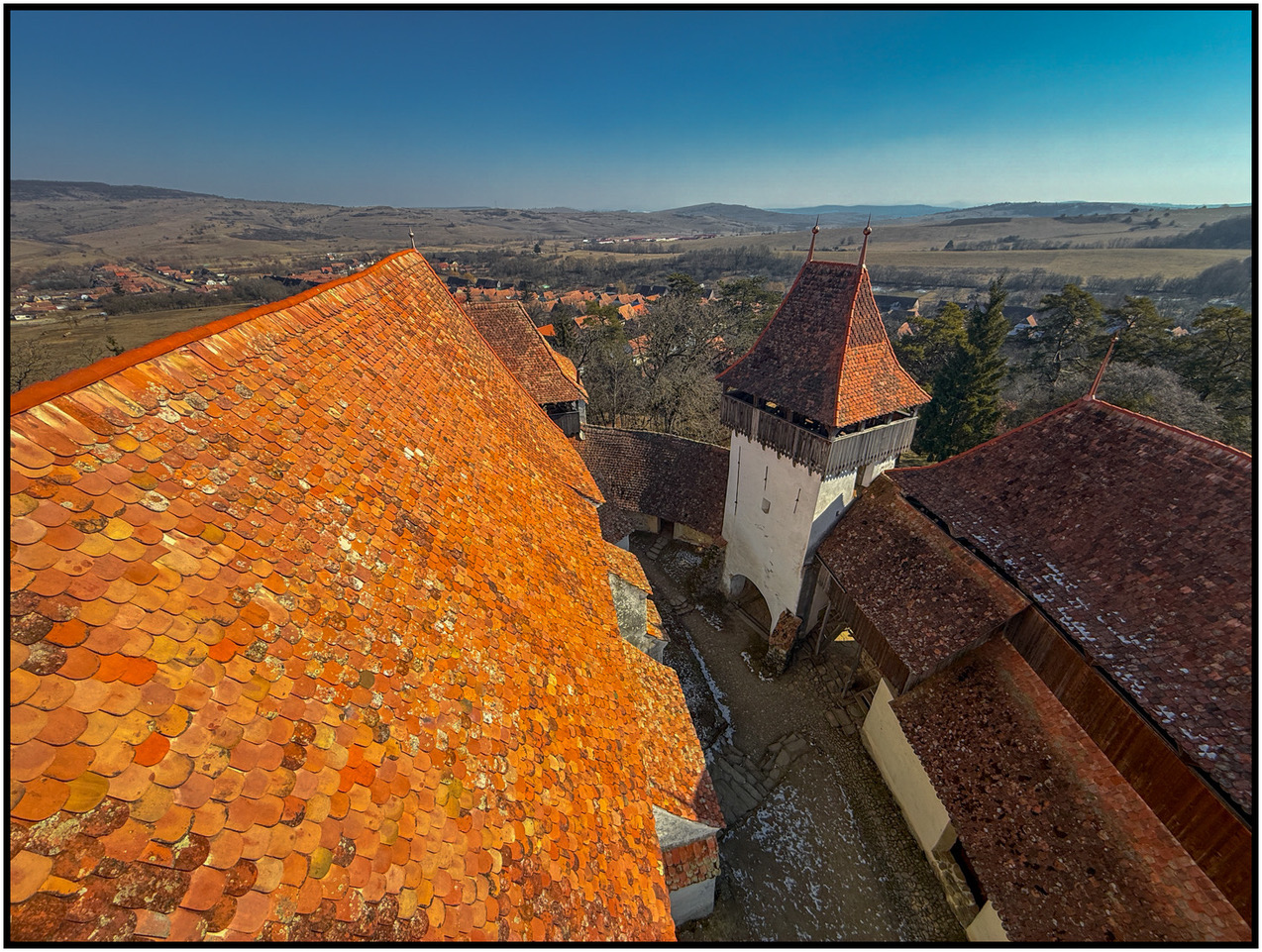
View from the top of the church bell tower.
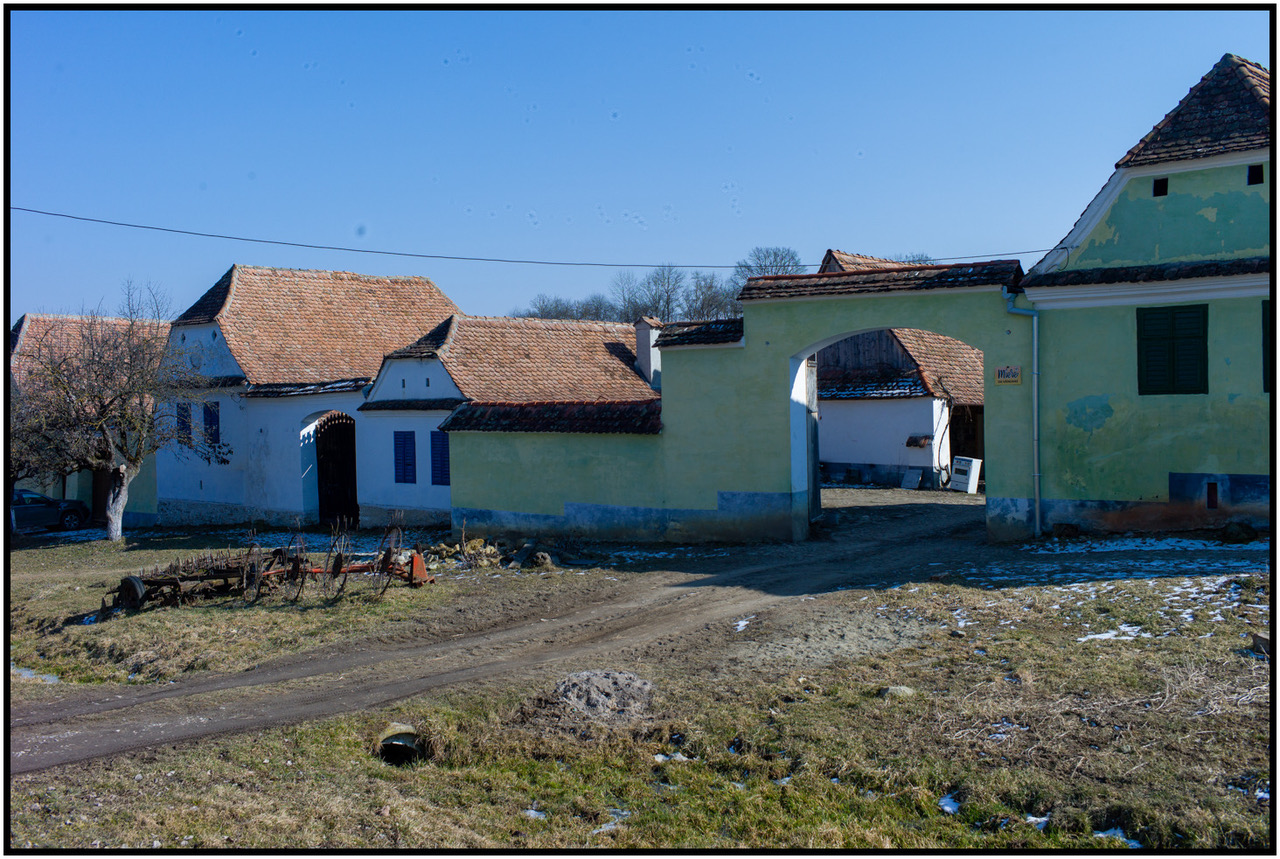
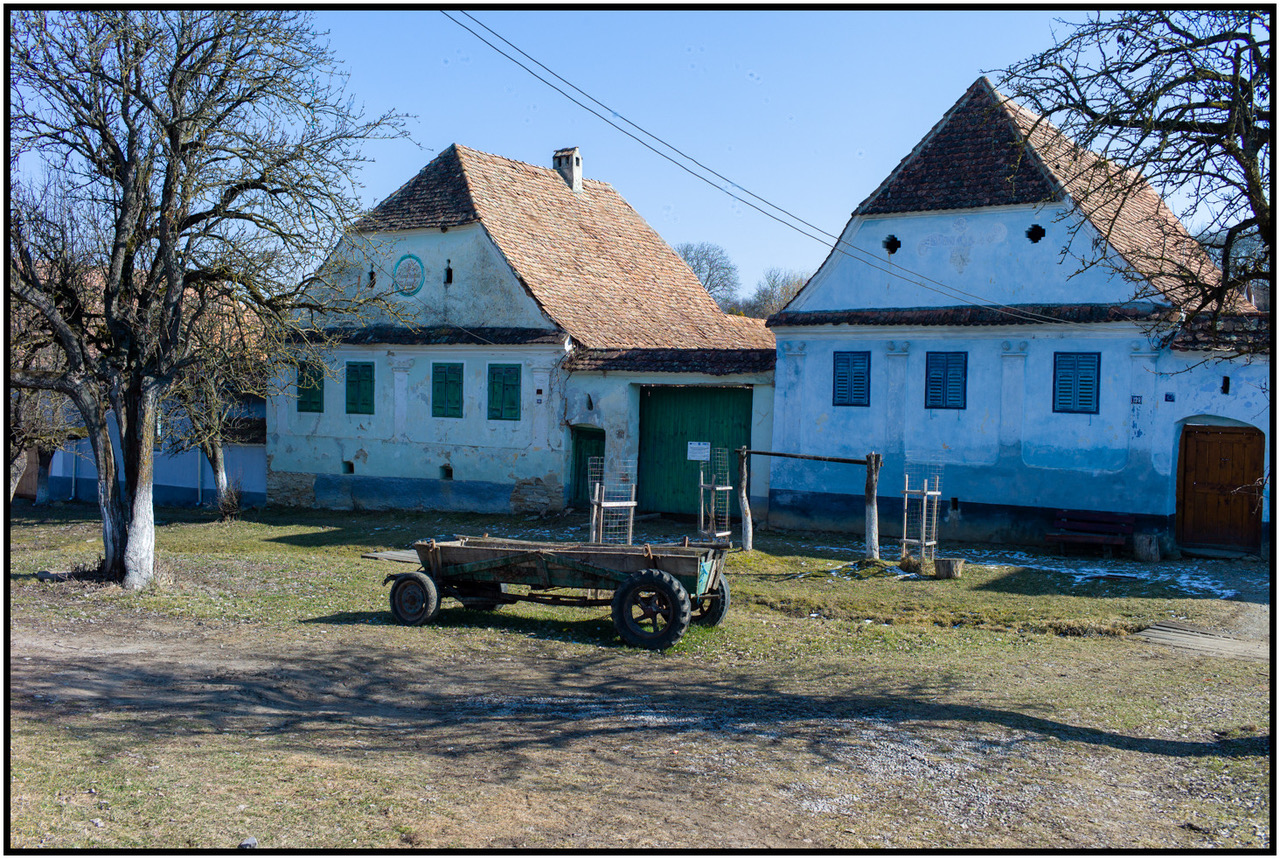
Typical homes of Viscri
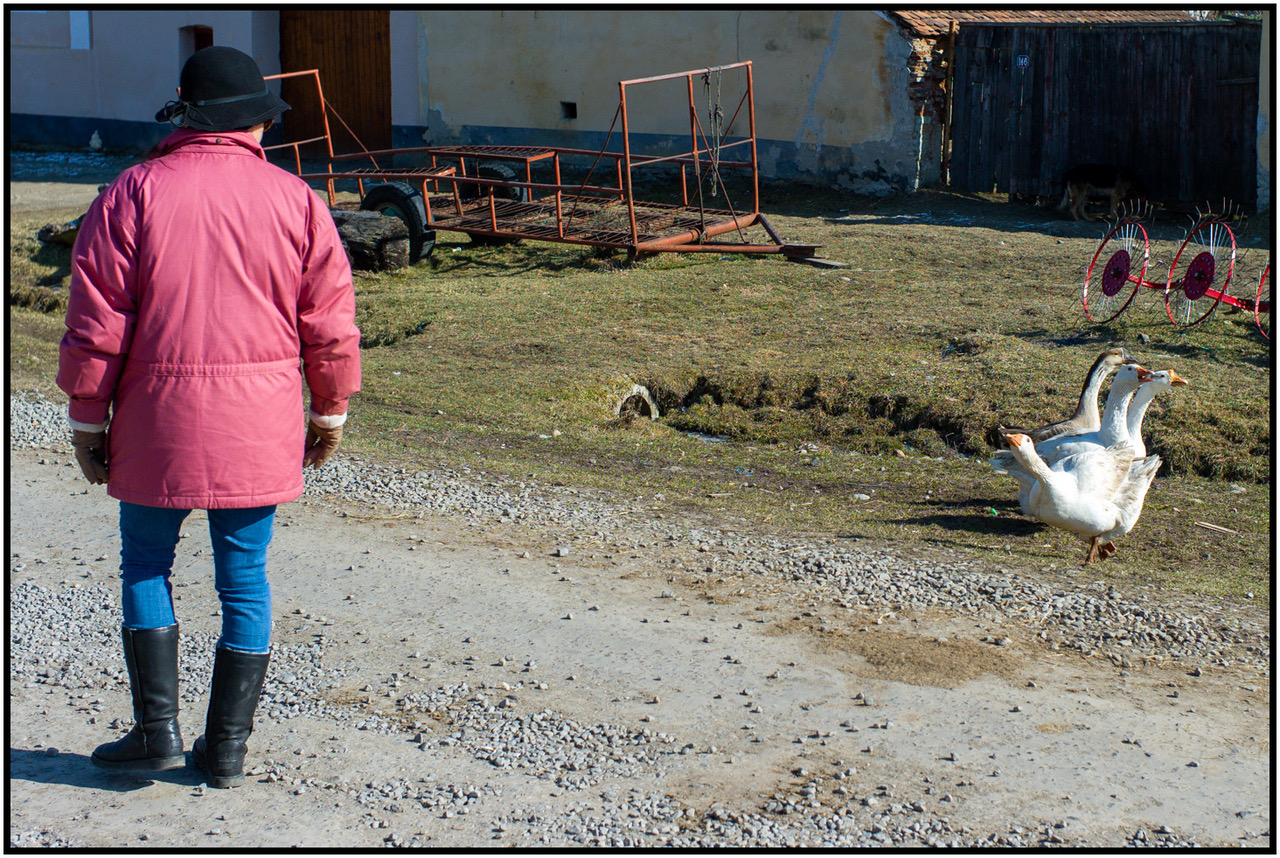
Brenda getting chased away by guard-geese.
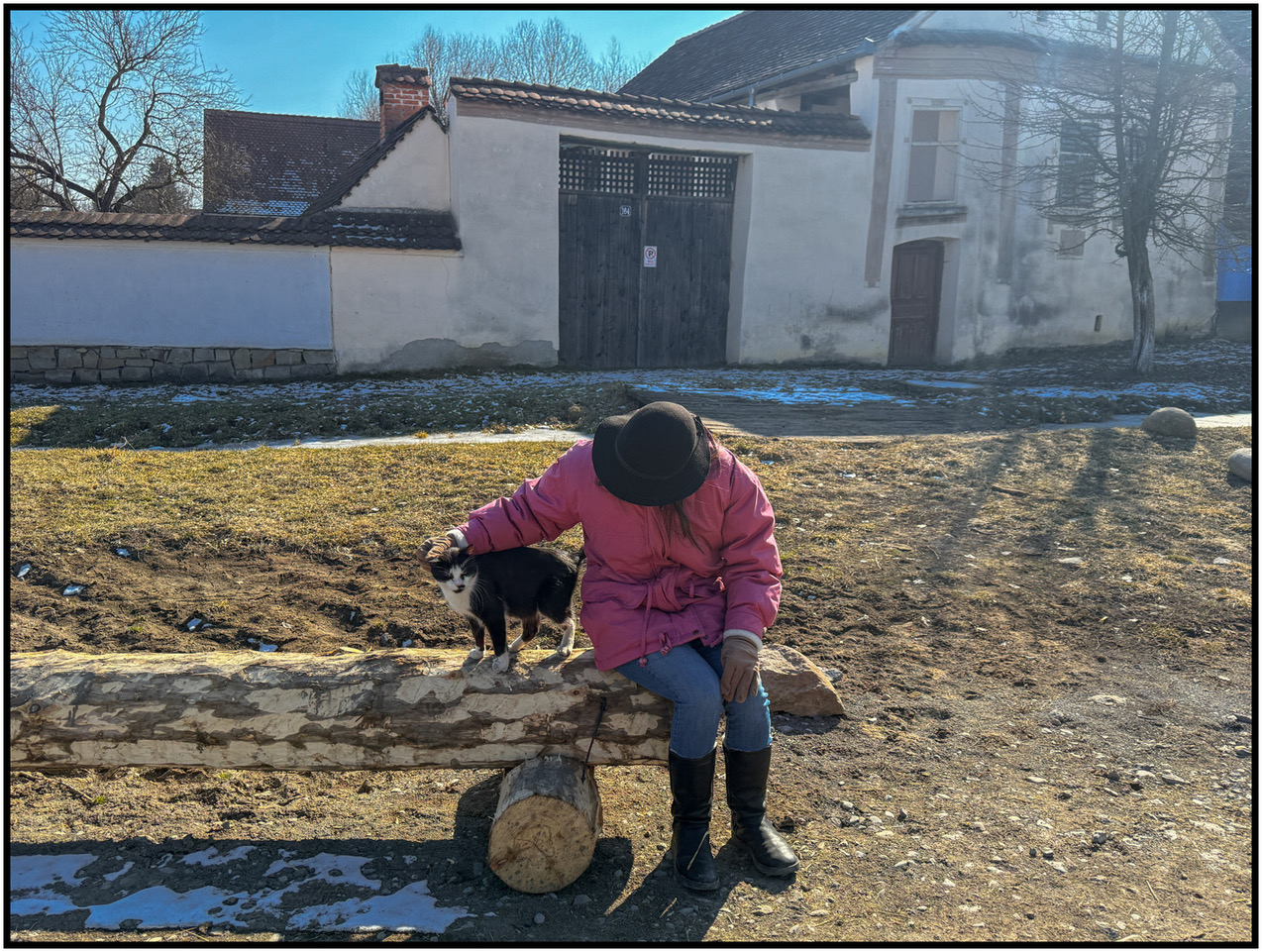
Brenda making yet another friend.. She is sitting in front of a house that is owned by King Charles III (UK) who purchased a place about 20 years ago because he thought the area was beautiful and the region historically significant. It was closed on the day we visited but is open later in the year.

