Saturday, 09 June 2018
The typhoon seems to have passed and the weather today was fantastic. We decided to go ahead with our plan to visit the Big Buddha (officially Tian Tan Buddha — Tian Tan means “Alter of Heaven”) and the Po Lin Monastery. You reach the buddha via the longest bi-cable ropeway in Asia. You can also hike up the mountain or take a bus, but the hike is 6 miles one way and the bus sounds boring.
The Ngong Ping 360 Cable Car was opened in 2006 and is a very popular tourist attraction. I read that the lines can be several hours long so we decided to arrive when they opened at 9:00 a.m. and try to be first ones there. Mornings seem to be the best time to do much of anything in Hong Kong …. people here are definitely night owls. By 2:00p.m. the streets are so packed they are hard to walk though and are still busy well after midnight, but at 7:00 a.m. we have the city to ourselves. The downside is that nothing is open at that hour.
We found a new breakfast place to try that opens at 7:30 a.m. so our plan was to eat first, then take the MTR (subway) out to Lantau Island for Big Buddha. Unfortunately, we walked to the address for the restaurant and couldn’t find it. We couldn’t tell if it was no longer there or just so hidden we couldn’t figure out where it was. The area was under construction and store-front signs had been taken down or obscured.
After walking around looking for something else open and finding nothing, we gave up and decided our best bet was probably the MTR station. We could take the train to Lantau and hope to find some food in a train station stall.
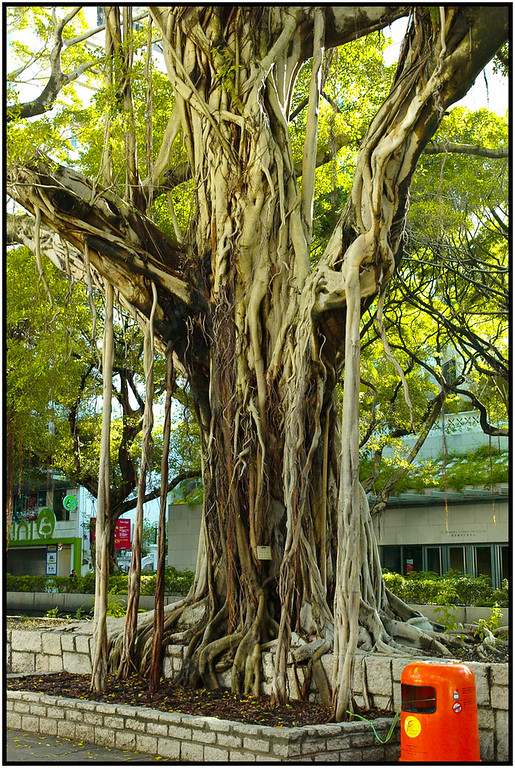
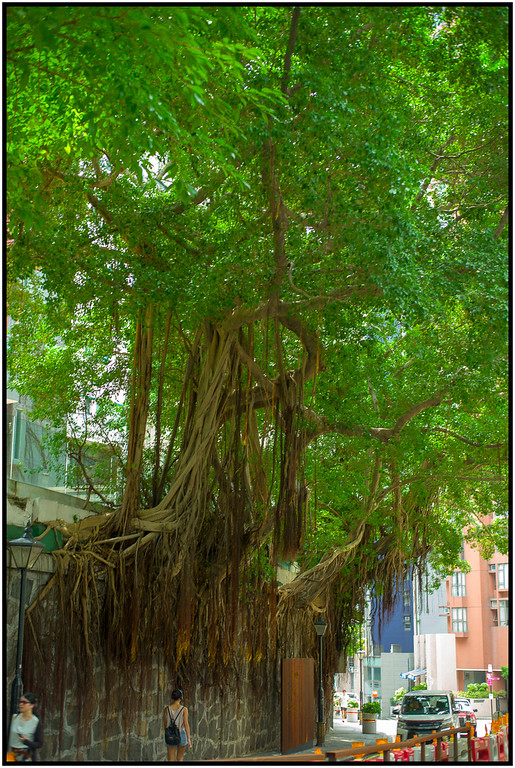
From our walk this morning (below:) Chinese Banyan tree (ficus macrocarpa, part of the fig family.) The biggest one in the world is in Hawaii and is 28 feet thick at breast height, so they can become truly enormous. I love these trees, growing all over town. The tree provides it’s own structural supports, starting as little wisps of aerial prop roots that mature into thick, woody trunks. Wikipedia: The prop roots develop over a considerable area that resembles a grove of trees, with every trunk connected directly or indirectly to the primary trunk. In a banyan that envelops its host tree, the mesh of roots growing around the latter eventually applies considerable pressure to and commonly kills it. Such an enveloped, dead tree eventually decomposes, so that the banyan becomes a “columnar tree” with a hollow, central core. In jungles, such hollows are very desirable shelters to many animals.
It was a good thing we went to the train early. From Tsim Sha Tsui you have to go 9 stops on one train, then switch to another train for an additional 3 stops. The first train takes a long time because of all the stops and the second train covers way more distance than we expected. It took nearly an hour to reach Lantau Island. We arrived at Lantau’s Tung Chung MTR station right at 9:00 a.m. We grabbed some quick to-go food from Pret A Manger and hurried across the street to the cable car station.
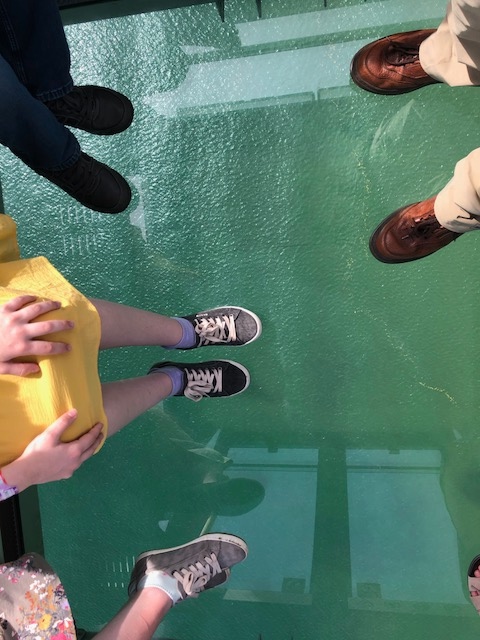
You have two choices for the cable cars: Standard Cabin and Crystal Cabin. The Crystal Cabin is a little more expensive and has a 2-inch thick glass floor. Reviews online suggested that the crystal cabin is well worth the extra money so we sprung for the upgrade. A round trip in the standard cabin is HK$210 (US$26), the crystal cabin is HK$290 (US$36).
We lucked out — there was practically nobody else there that early. We bought our tickets and walked right on to a car, which we had all to ourselves.
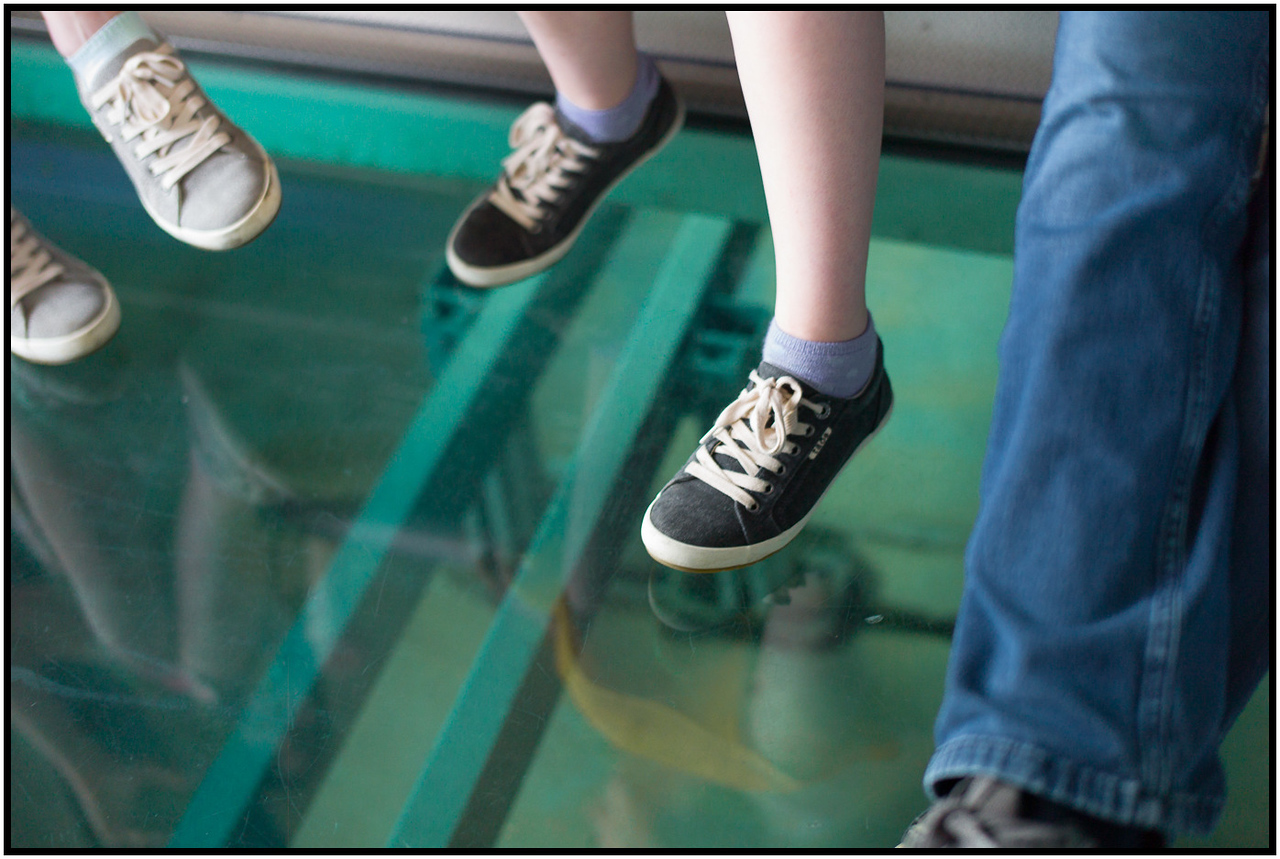
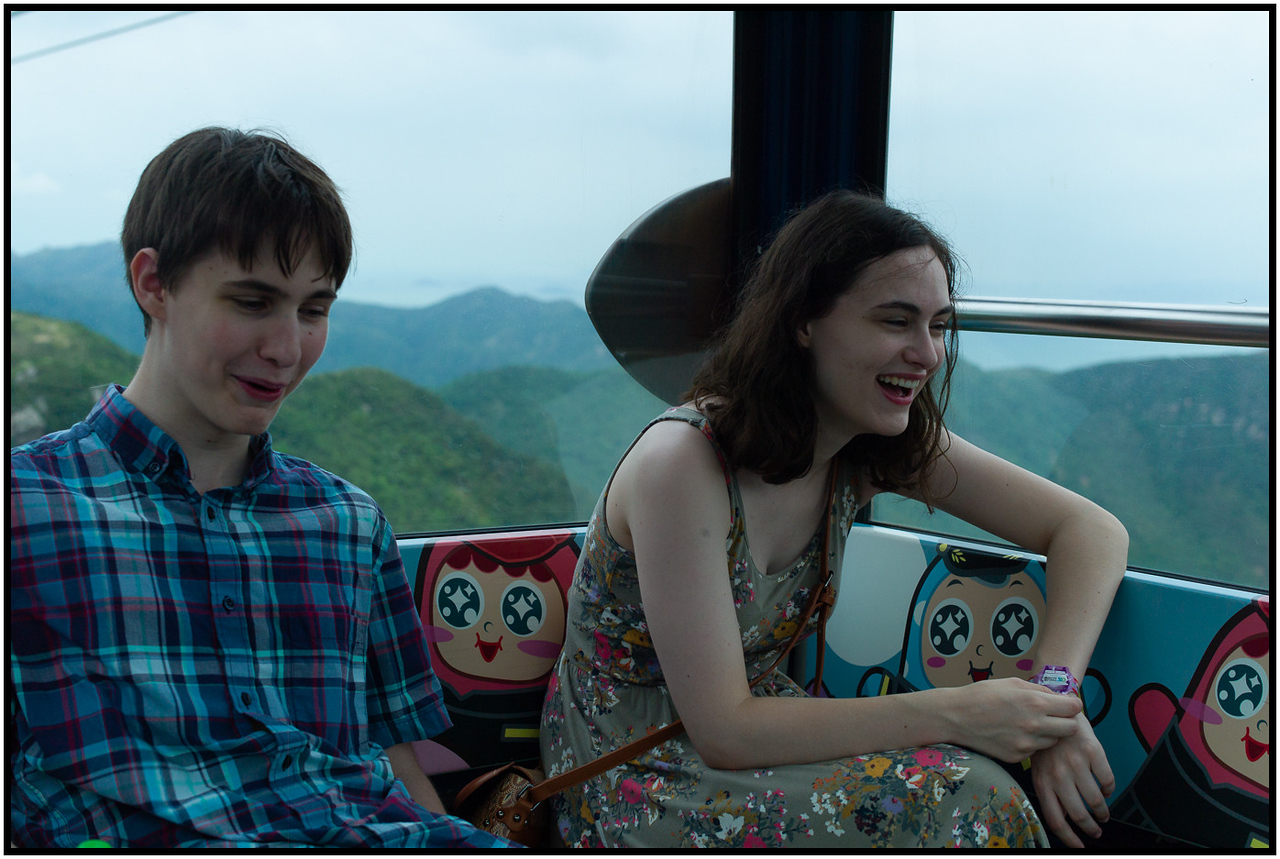
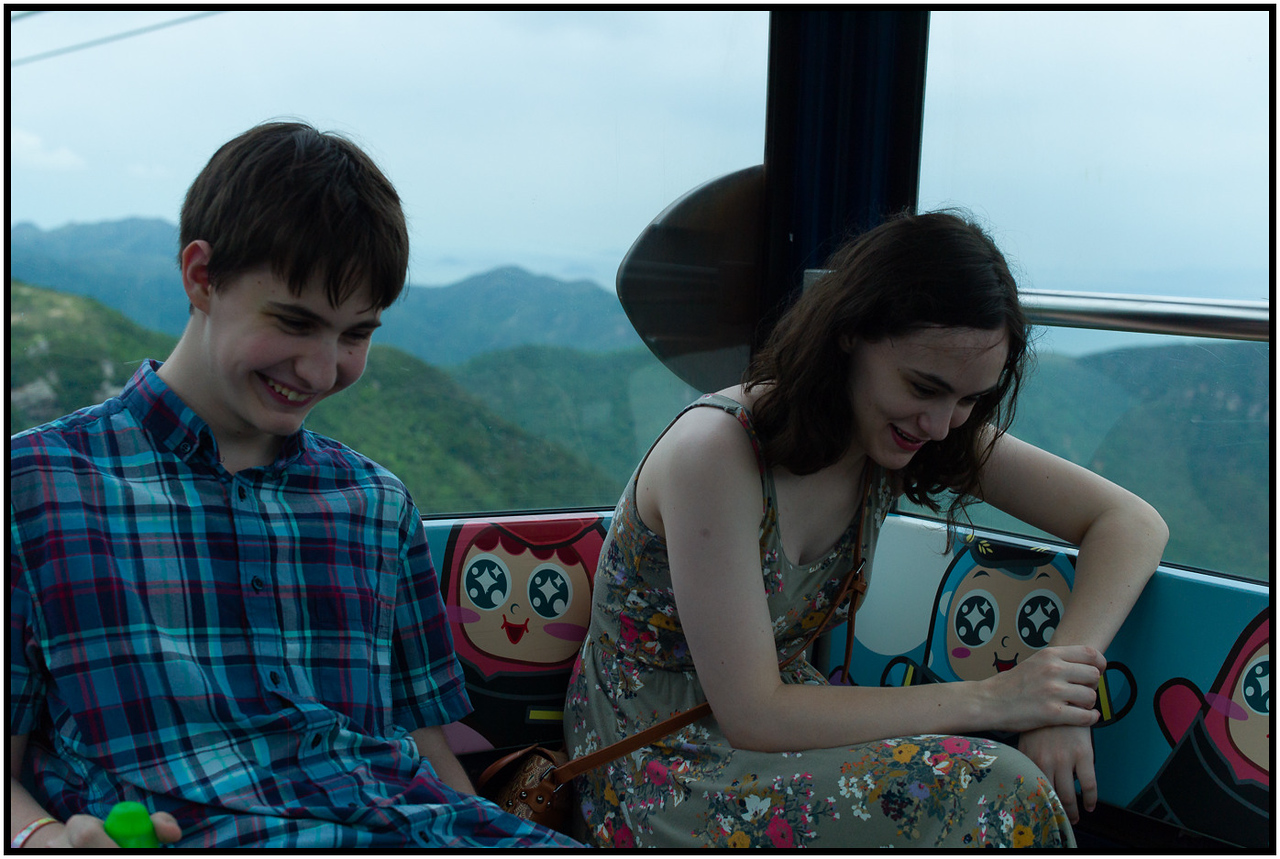
The crystal floor was a lot of fun.
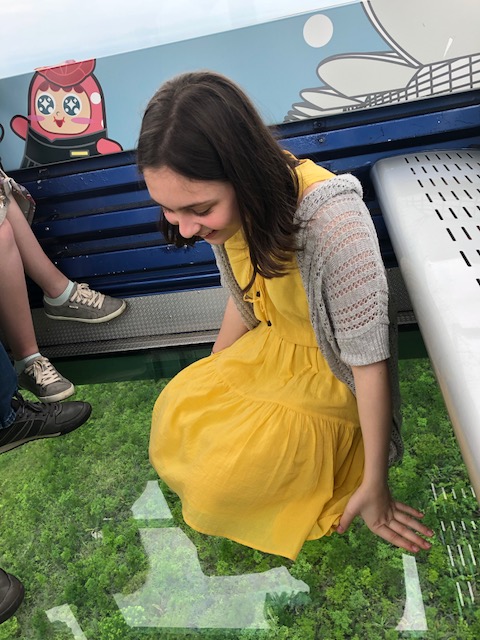
Josie sitting on the floor. She was worried that since she was wearing a dress, people on the hiking trail would be able to look up and see her underpants. She chose her sitting position very carefully.
Spectacular views.
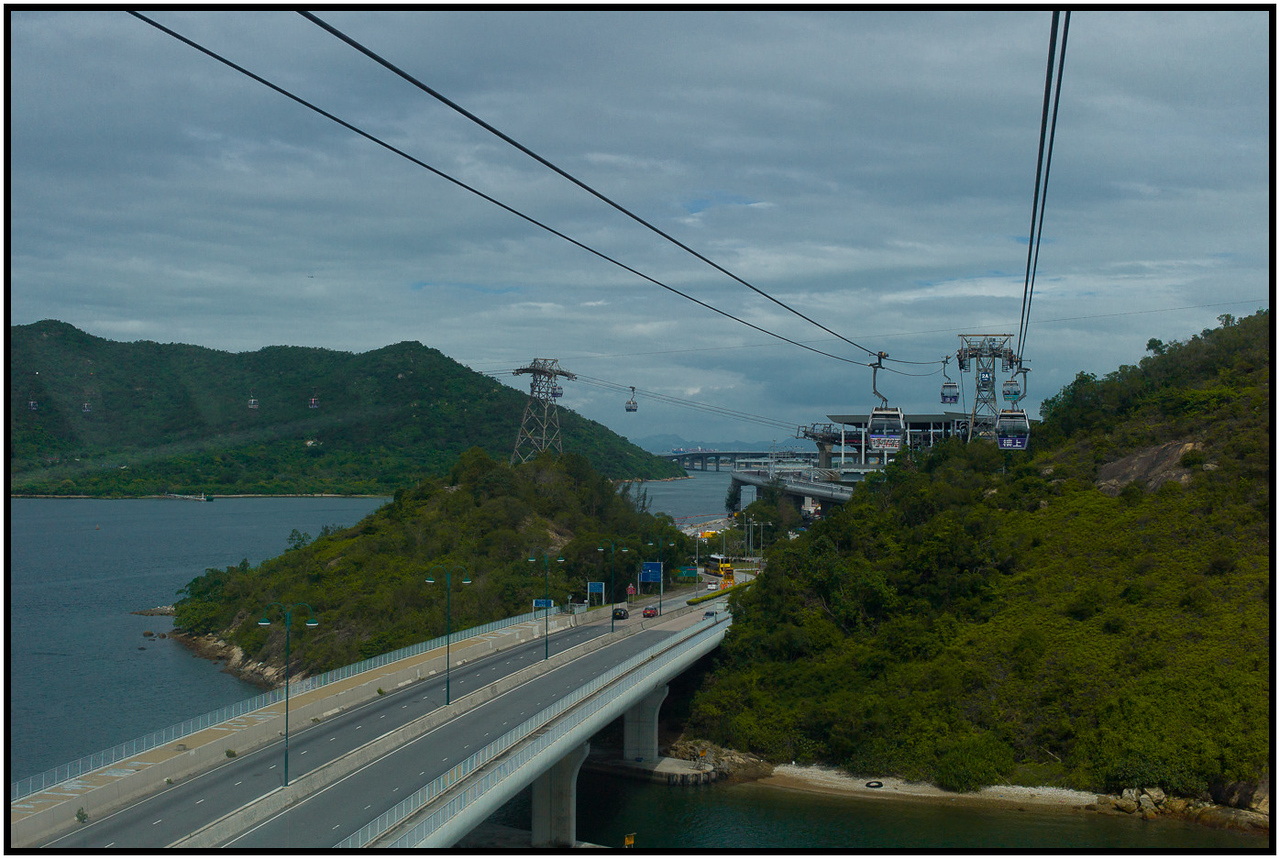
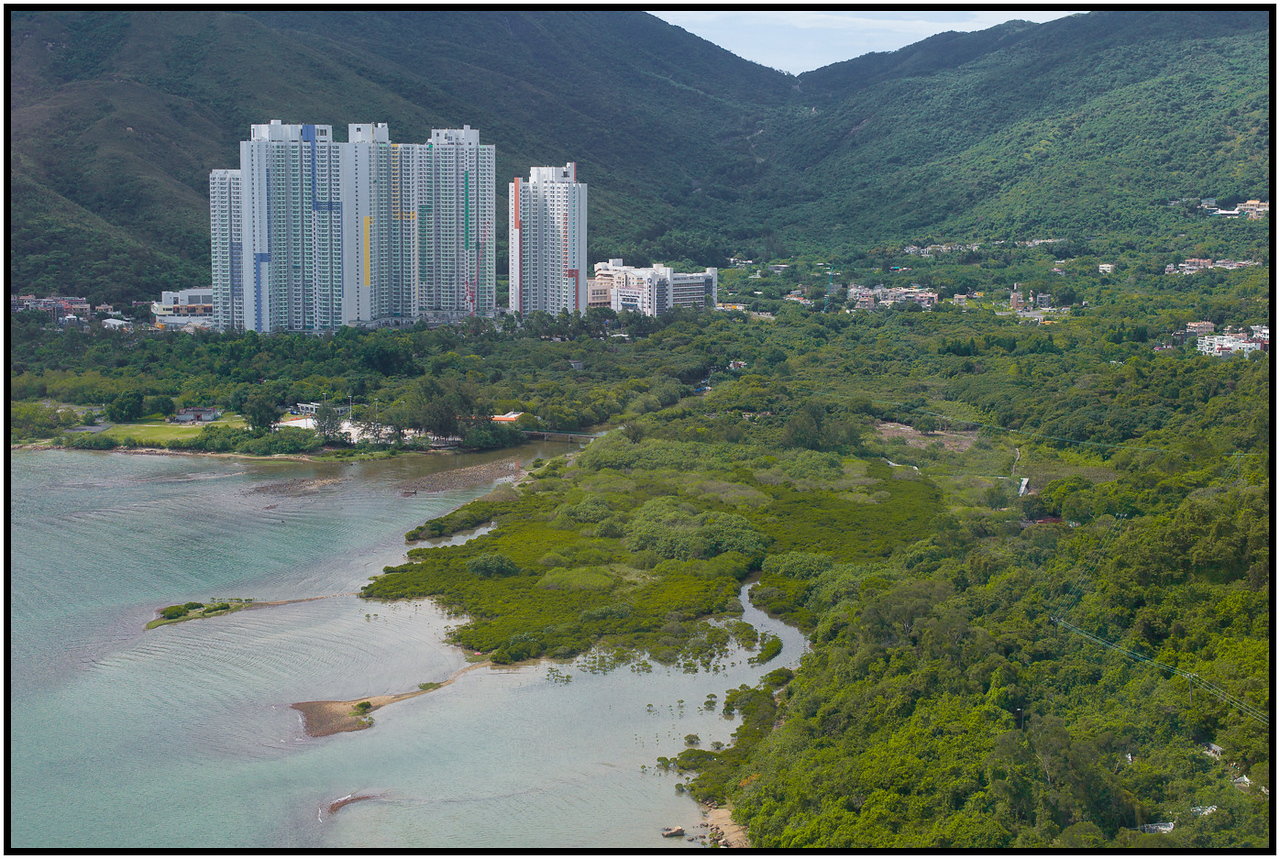
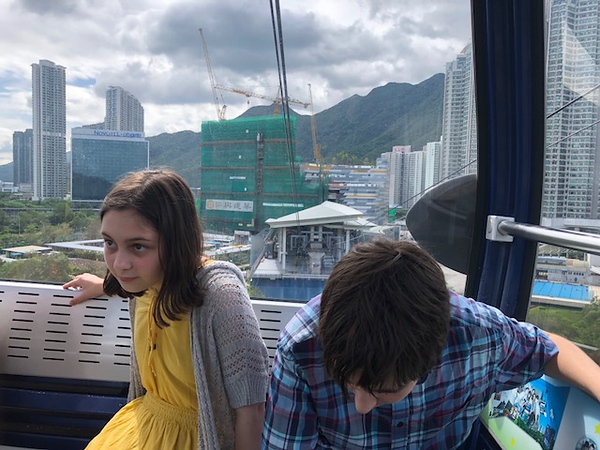
The ride takes about 25 minutes and is 5.7km (3.5 miles) long.
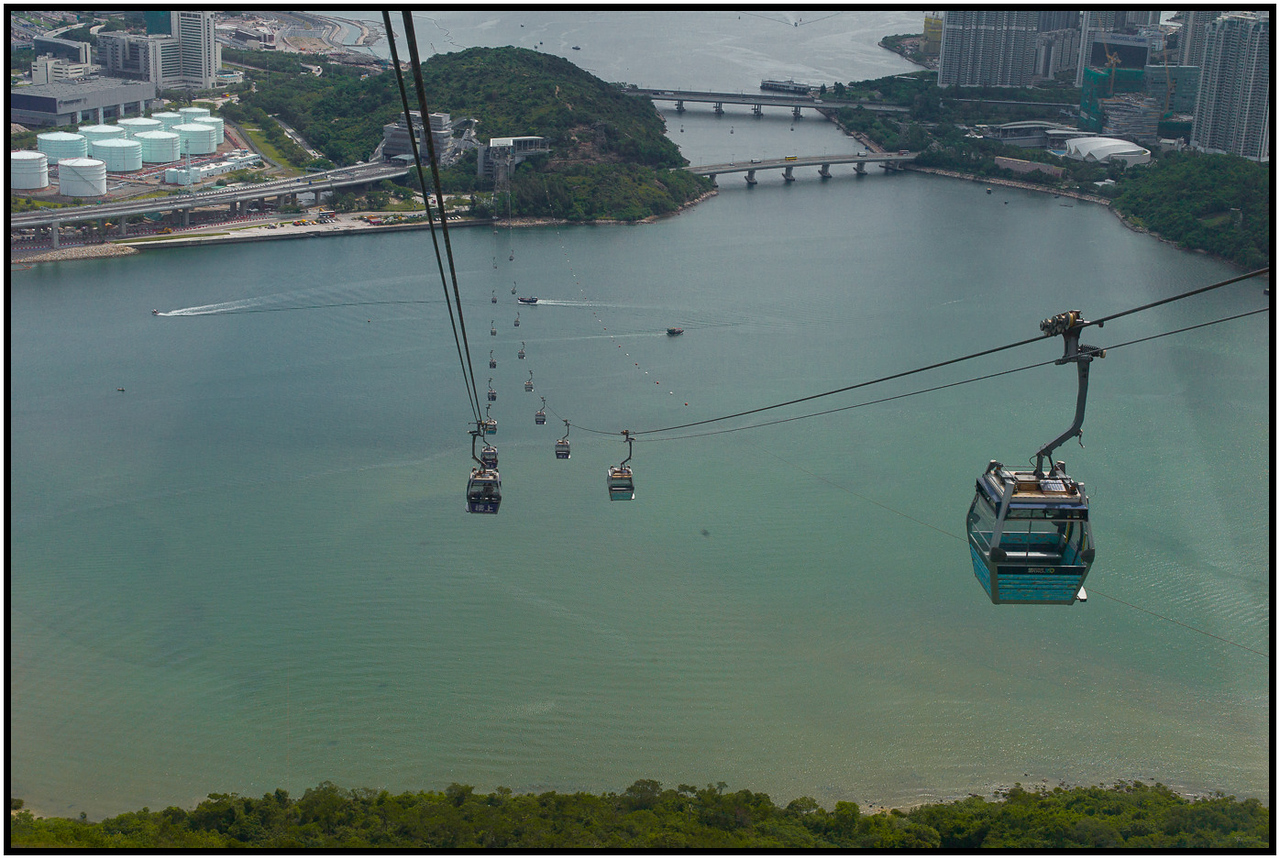
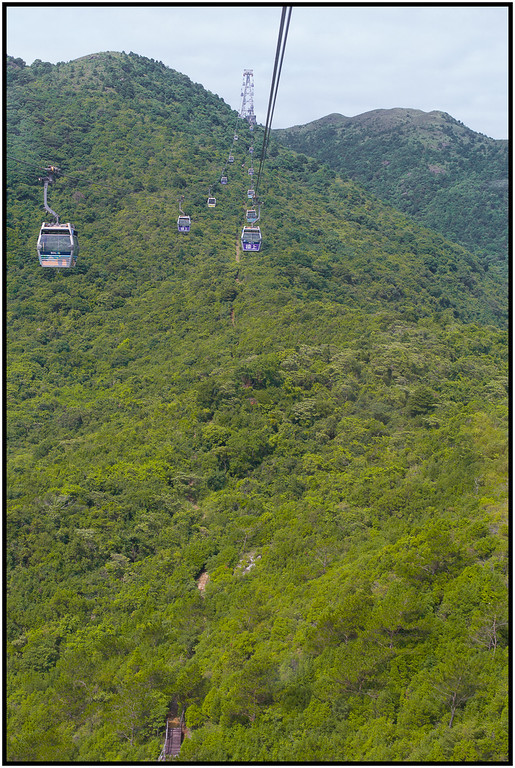
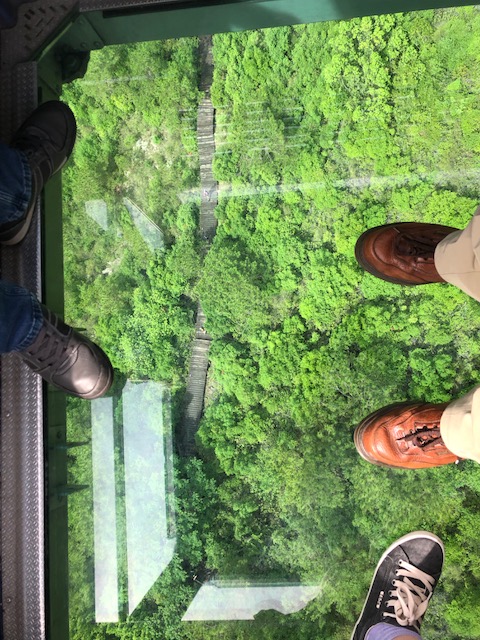
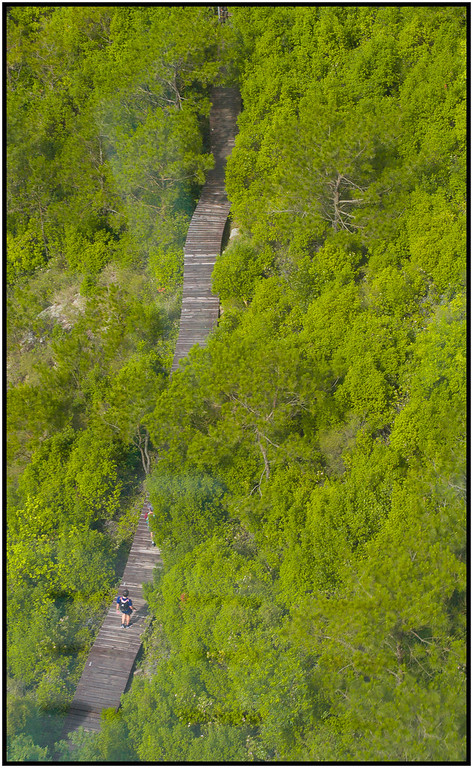
Part of the hiking trail viewed through the cabin glass floor.
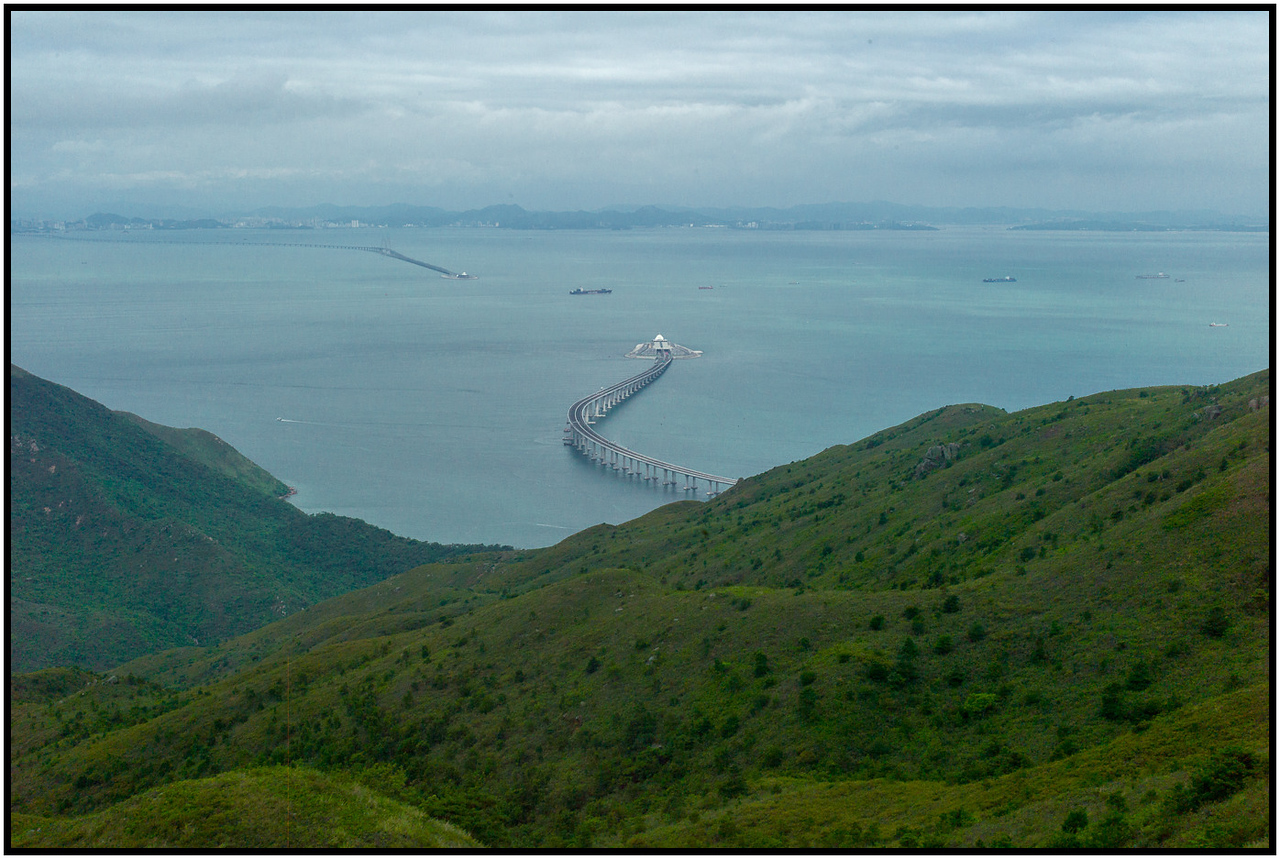
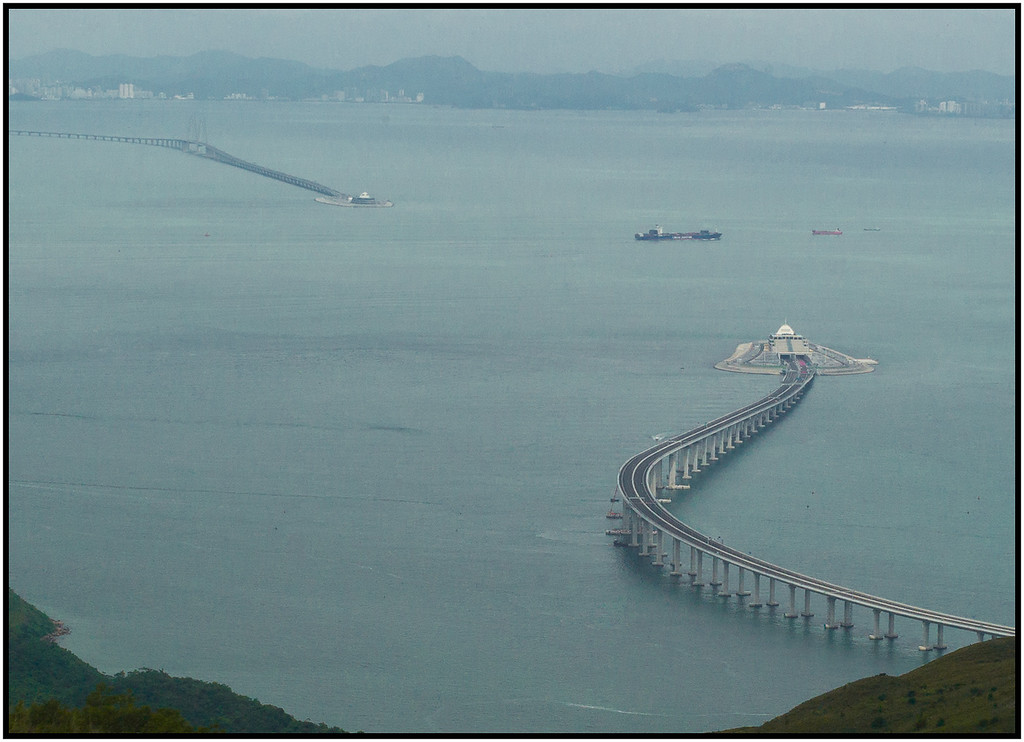
Roadway for cars … it goes down into a tunnel underneath the water so boats can cross at their leisure. You can see where the road comes back up again on the far side.
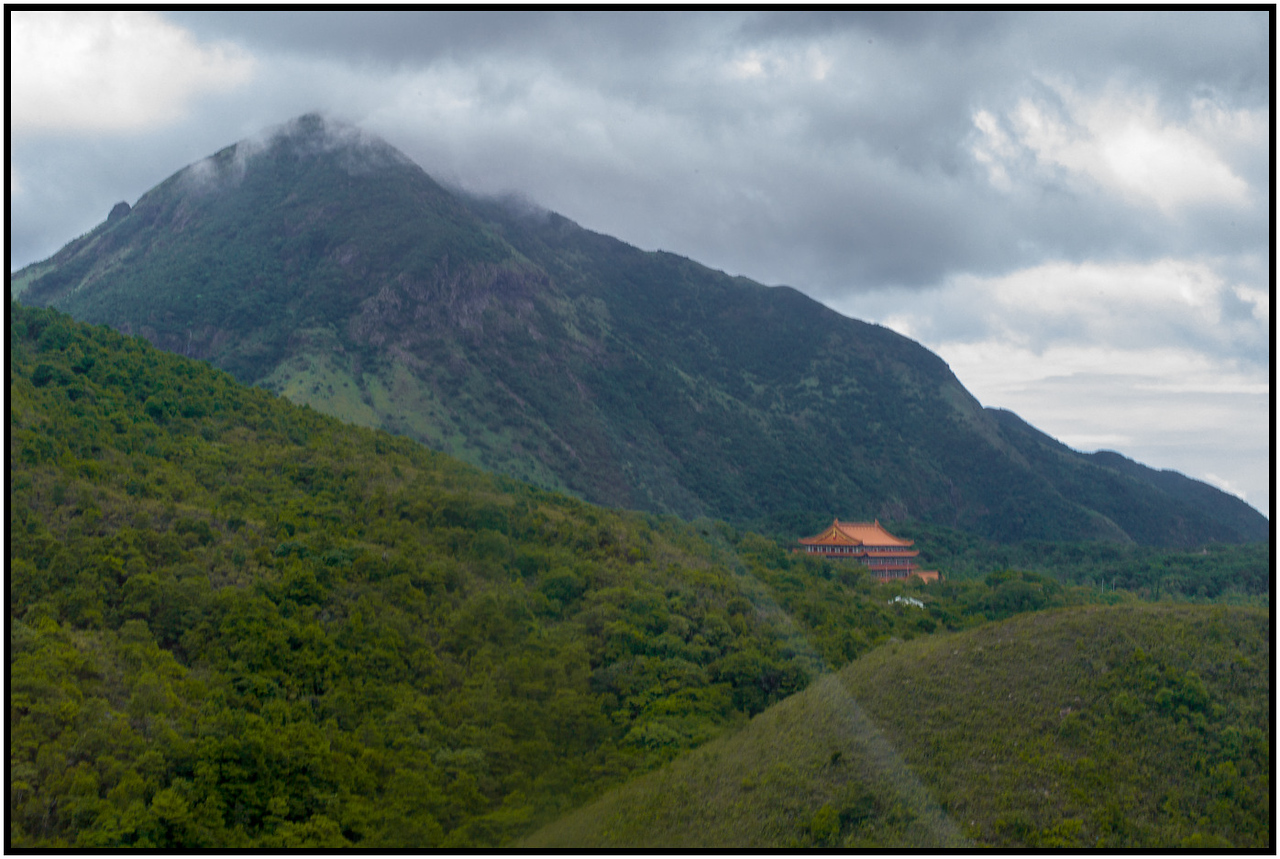
Our first view of the Po Lin Monastery.
You exit the cable car into Ngong Ping Village, a series of restaurants and shops. It is very neat and clean. The kids were a little disappointed with it because it feels like a sparkly, sanitized theme park version of China. Isabella looked around and said, “If you blindfolded me and dropped me here and told me I was in the United States right now I’d believe you.” That said, it was a relief to go into shops and be allowed to browse at our leisure without salespeople bombarding us like hungry seagulls.
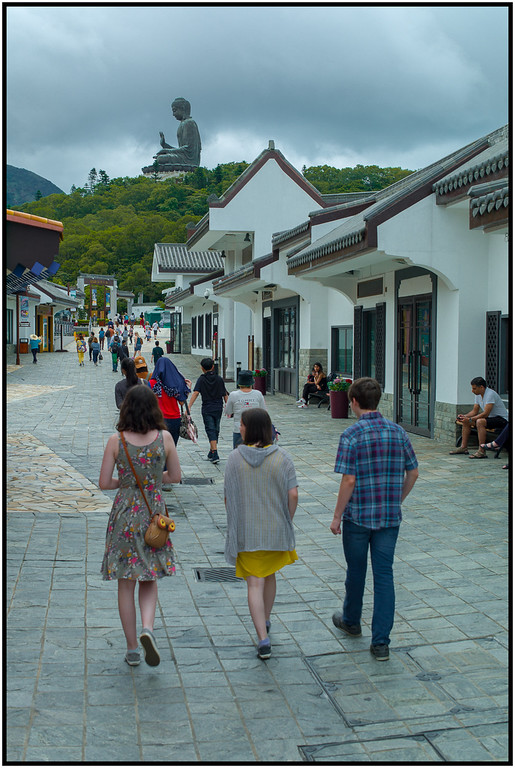
Po Lin Monastery. The lower floor is open to the public and the upper floors are home to monks. It’s a working monastery.
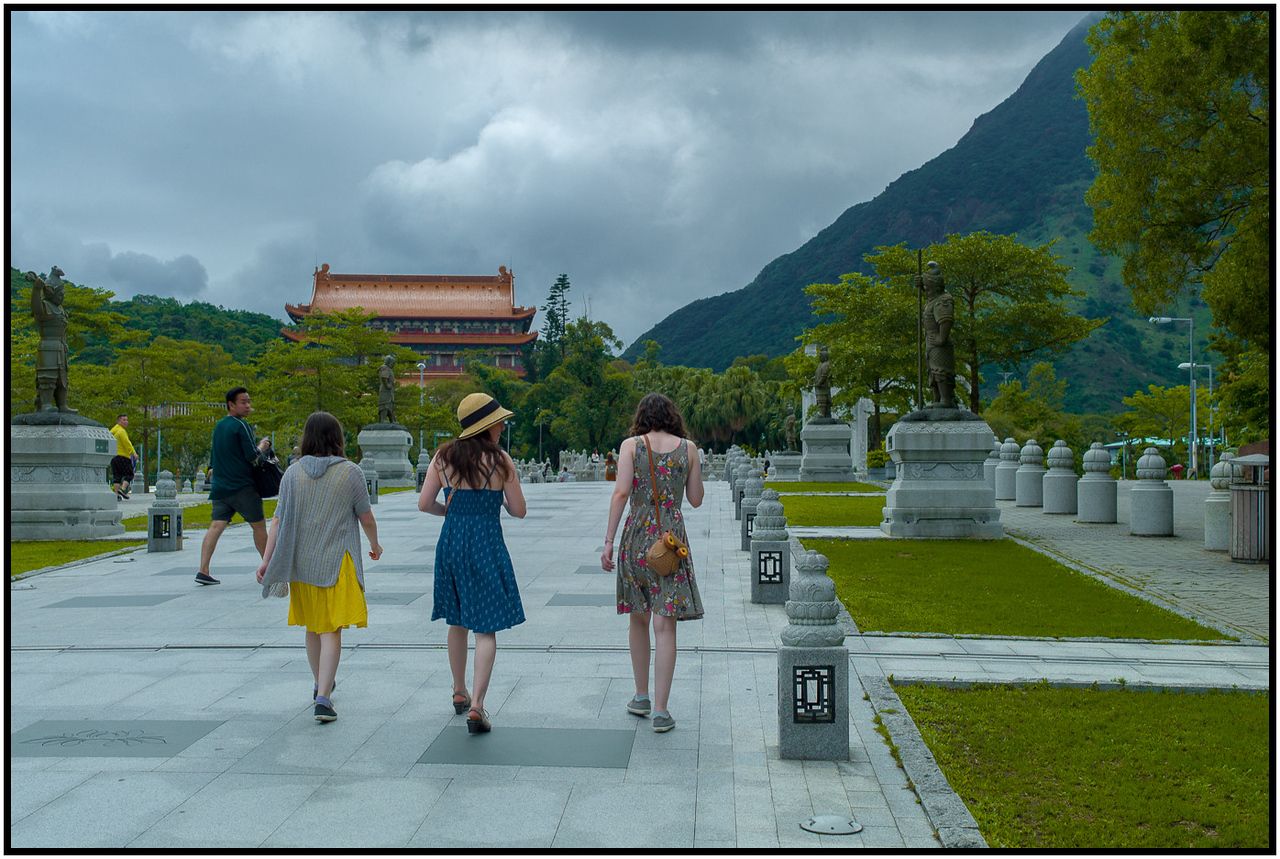
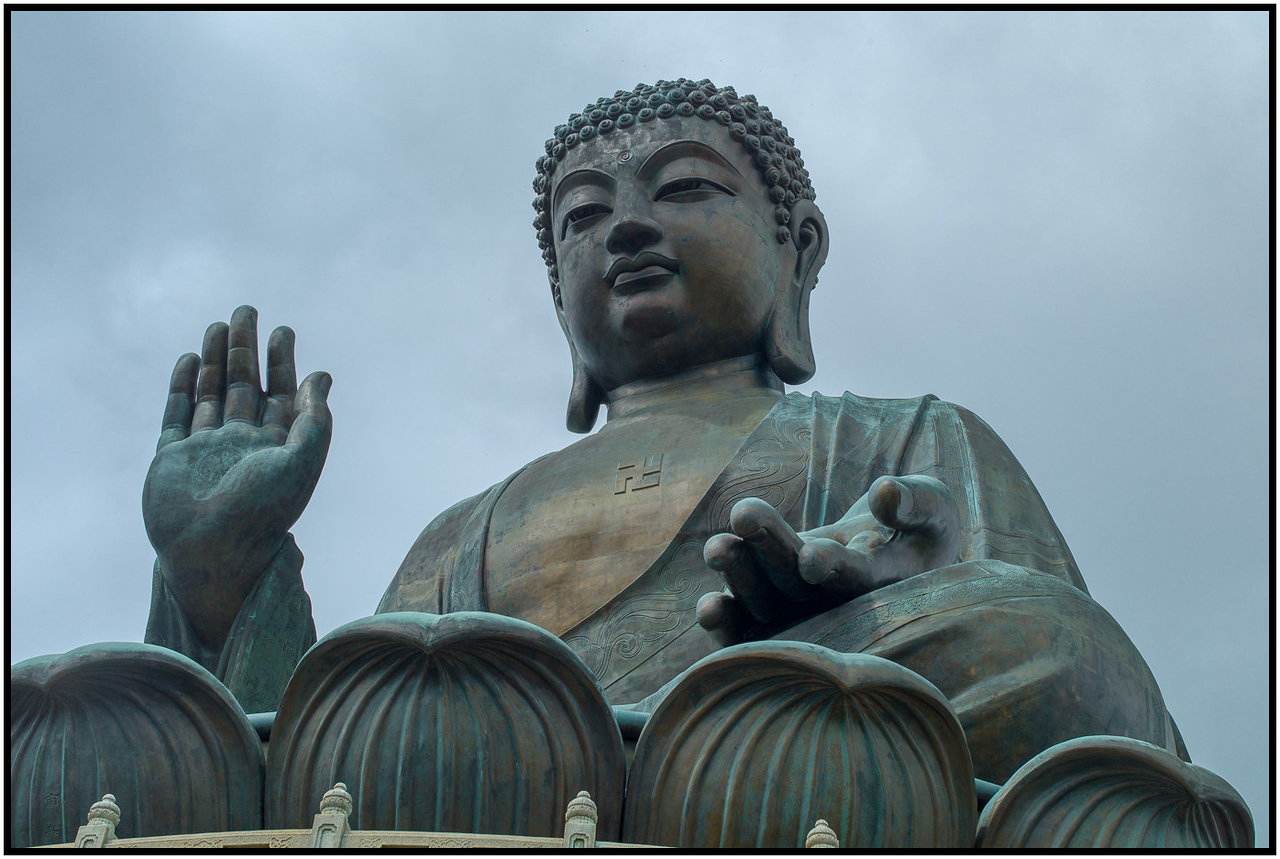
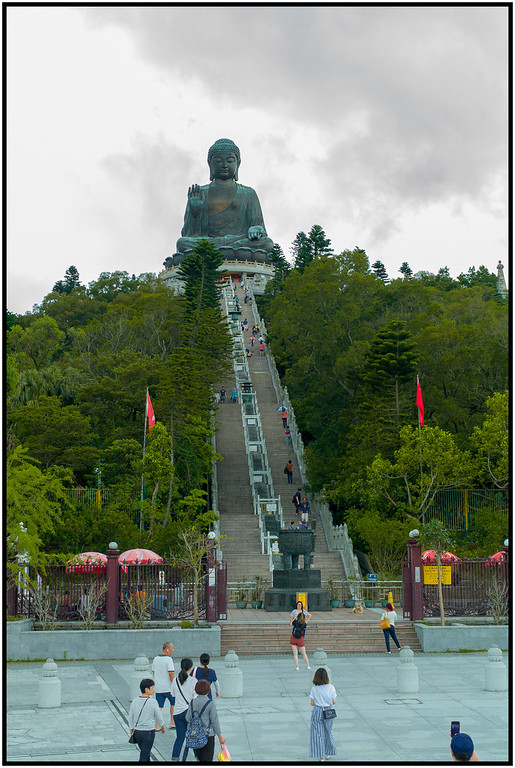
268 steps up to the bronze Tian Tan Buddha. After 12 years of construction, he was completed in 1993. He is the second-largest outdoor sitting Buddha in the world (the biggest is in Taiwan.) He faces north which is unusual (towards mainland China). Most of the great Buddha statues face south.
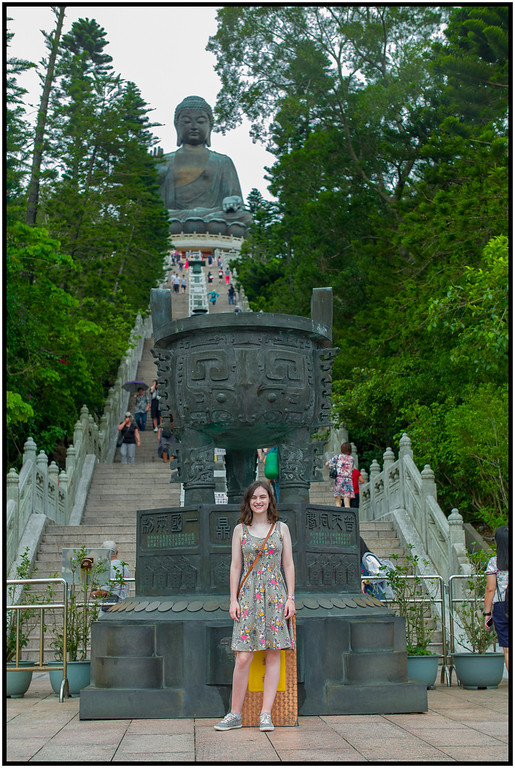
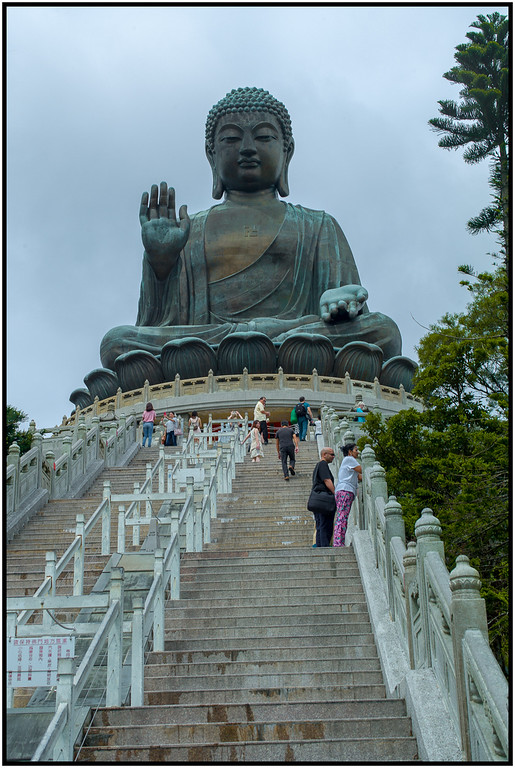
From the Po Lin Monastery website: The right hand is in the mudra of “imparting fearlessness”, indicating the compassion of the Buddha to save all sentient beings from their sufferings. The left hand rests on the lap, with the palm turning up and fingers pointing slightly downward. This is called the mudra of “fulfilling wishes”, implying the vow to grant blessing and happiness to all.
The Buddha sits cross-legged on the lotus throne, like a lotus which grows out of sludge, symbolizing that the Buddha is pure and without any defilement. He can live in this world of turbidity and save all recalcitrant and unyielding beings.
The 卍 sign on the chest represents that the Buddha possesses all virtues. (Personal note: This symbol was effectively ruined by the Nazis. It’s hard, as a Westerner, to see that symbol on something and not be filled with revulsion.)
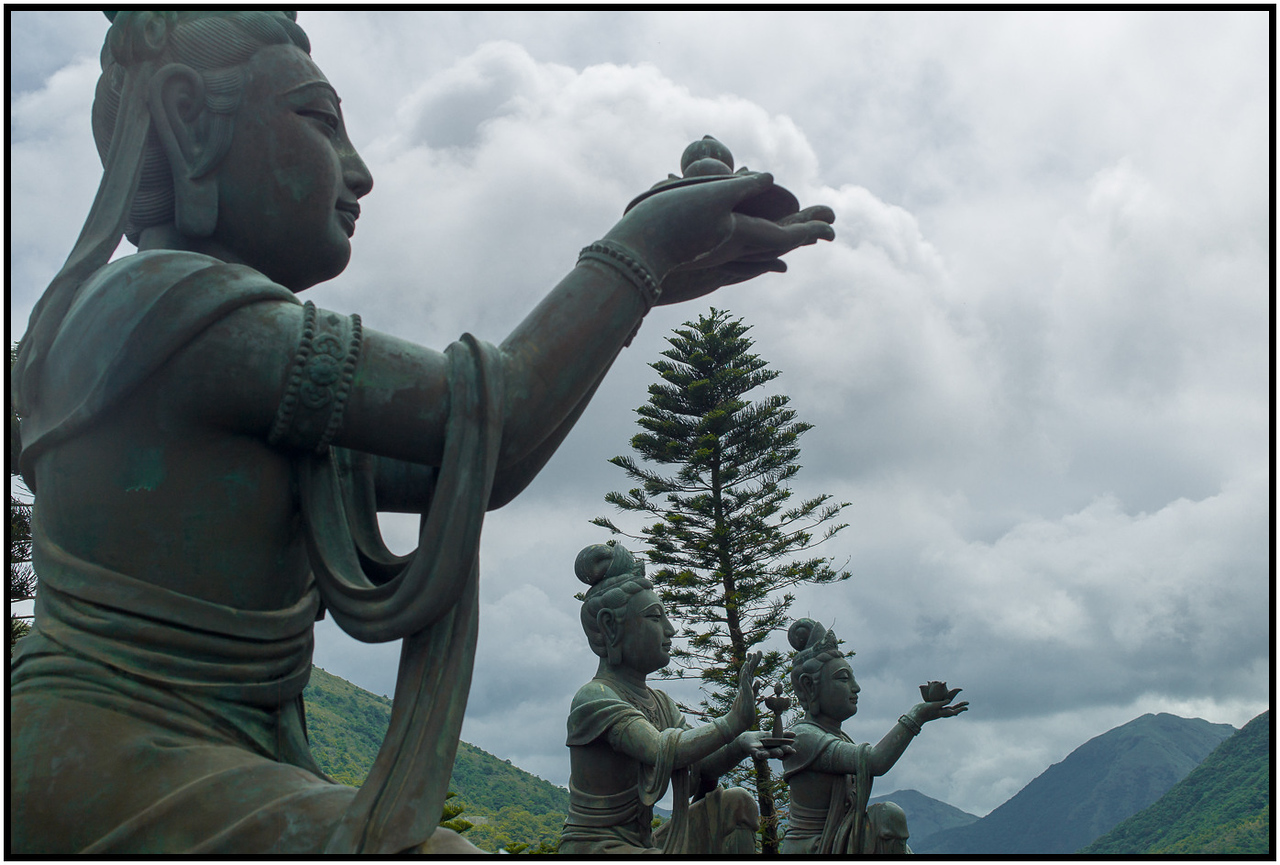
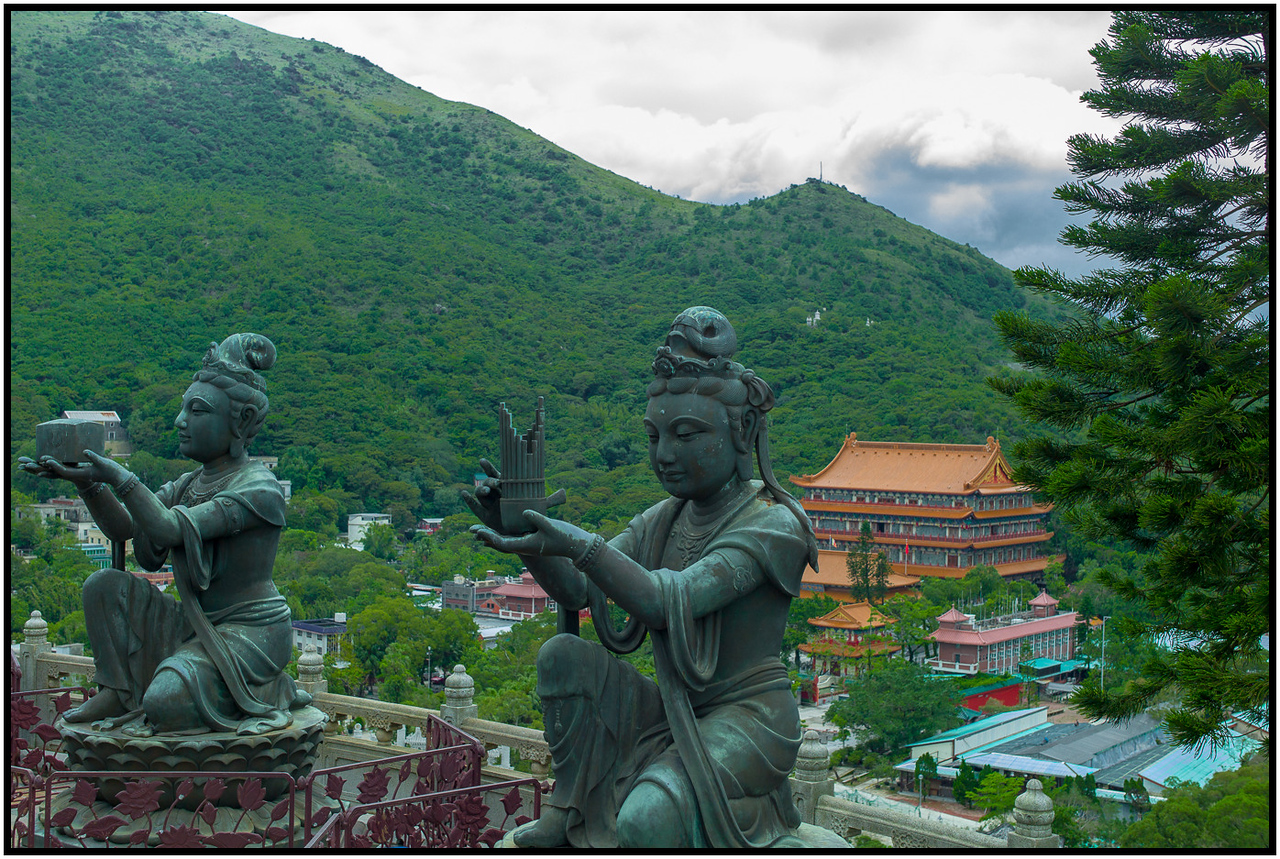
Six smaller bronze statues surround the Big Buddha in a circle, called The Offering of the Six Devas. Each holds up a different item: flowers, fruits, incense, music, ointment, and light (a lamp.) These symbolize the Six Perfections and represent patience, morality, wisdom, charity, zeal and meditation, all of which are necessary for enlightenment.
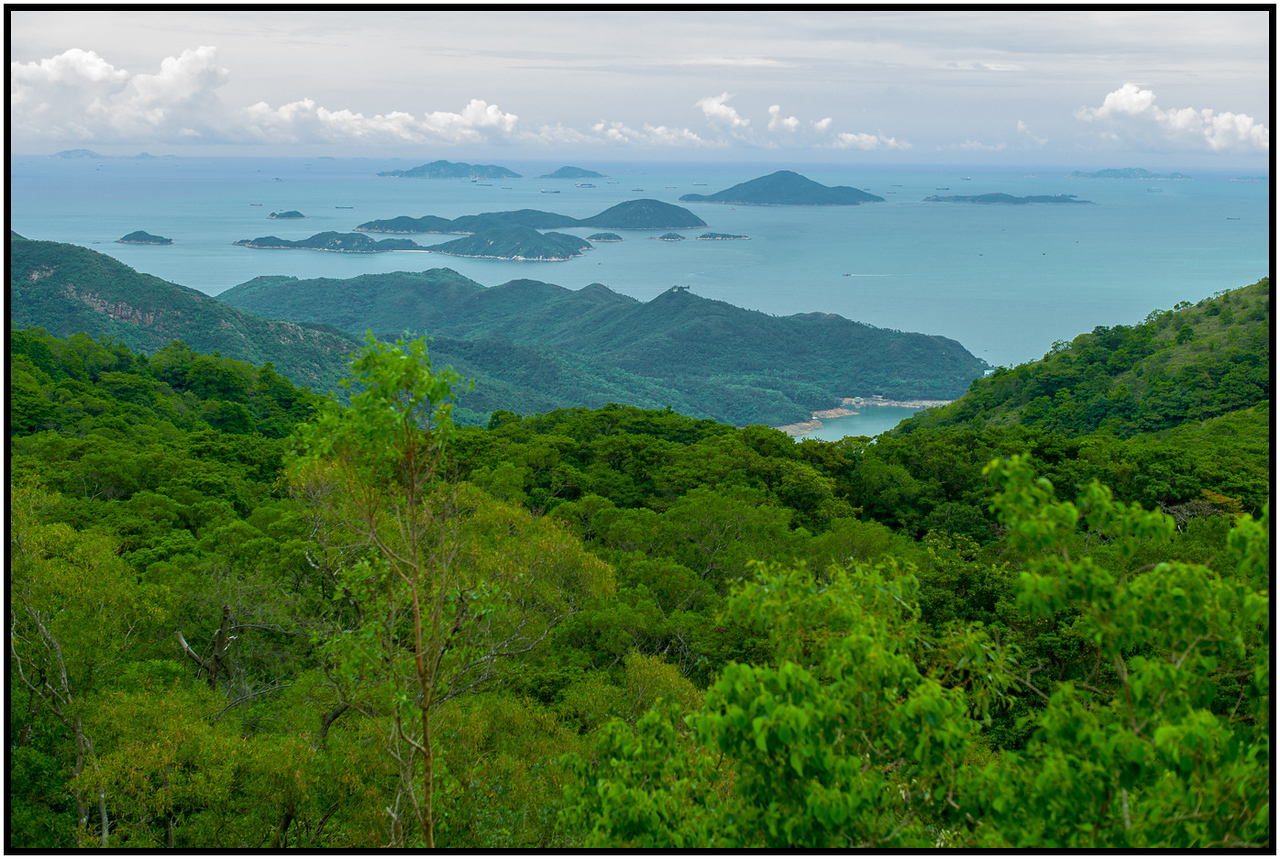
View from the Big Buddha platform.
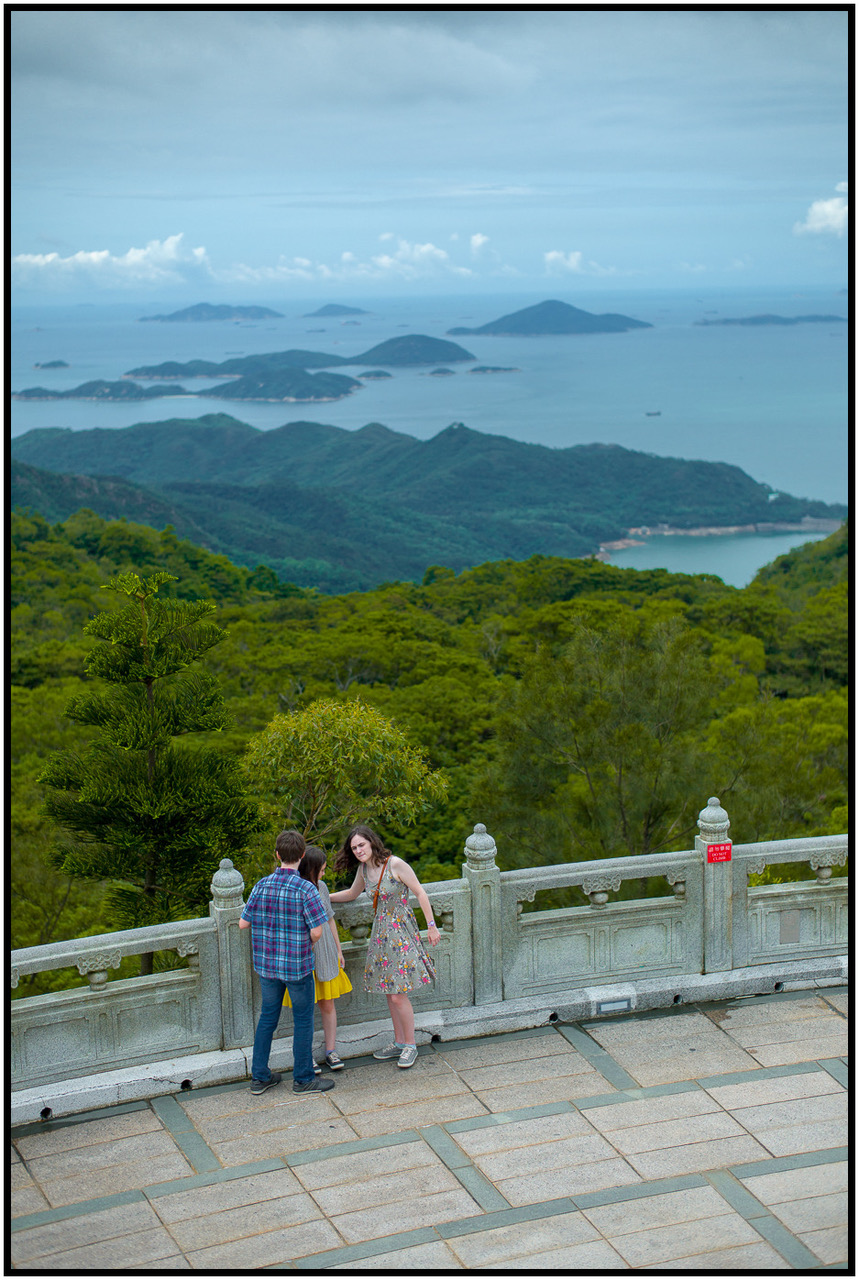
Adam: The three kids jibber-jabbering about complete nonsense and ignoring the views. Brenda keeps getting mushy about the time the 3 kids spend together – knowing that Isabella heads off this fall. She’s worried the five of us will NEVER be together again!
View of Po Lin Monastery.
Time to hike back down.
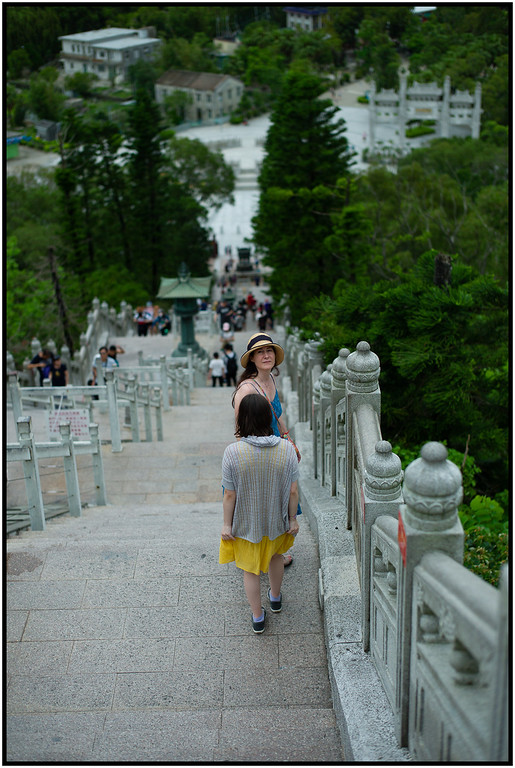
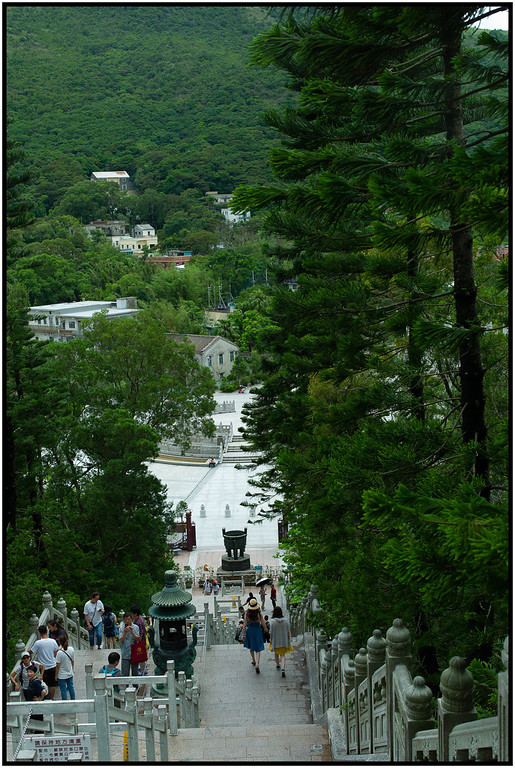
We’re thrilled it’s not too crowded.
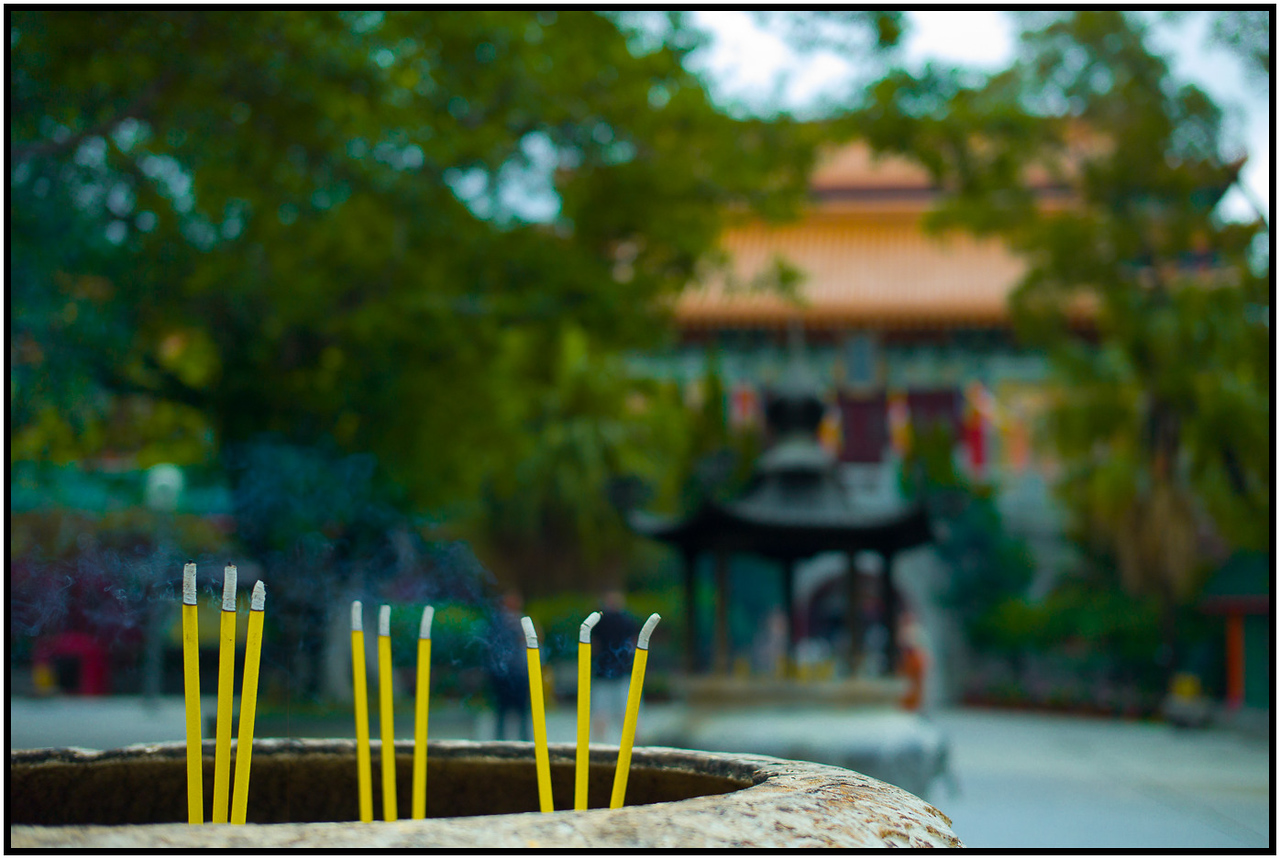
Huge incense sticks.
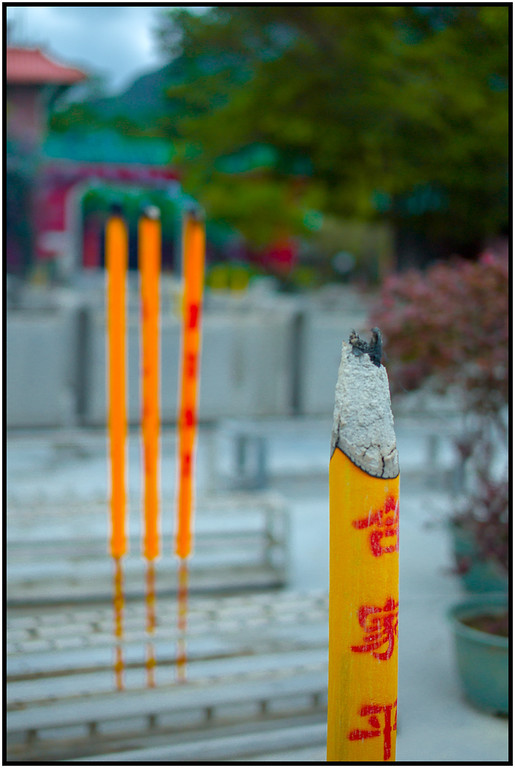
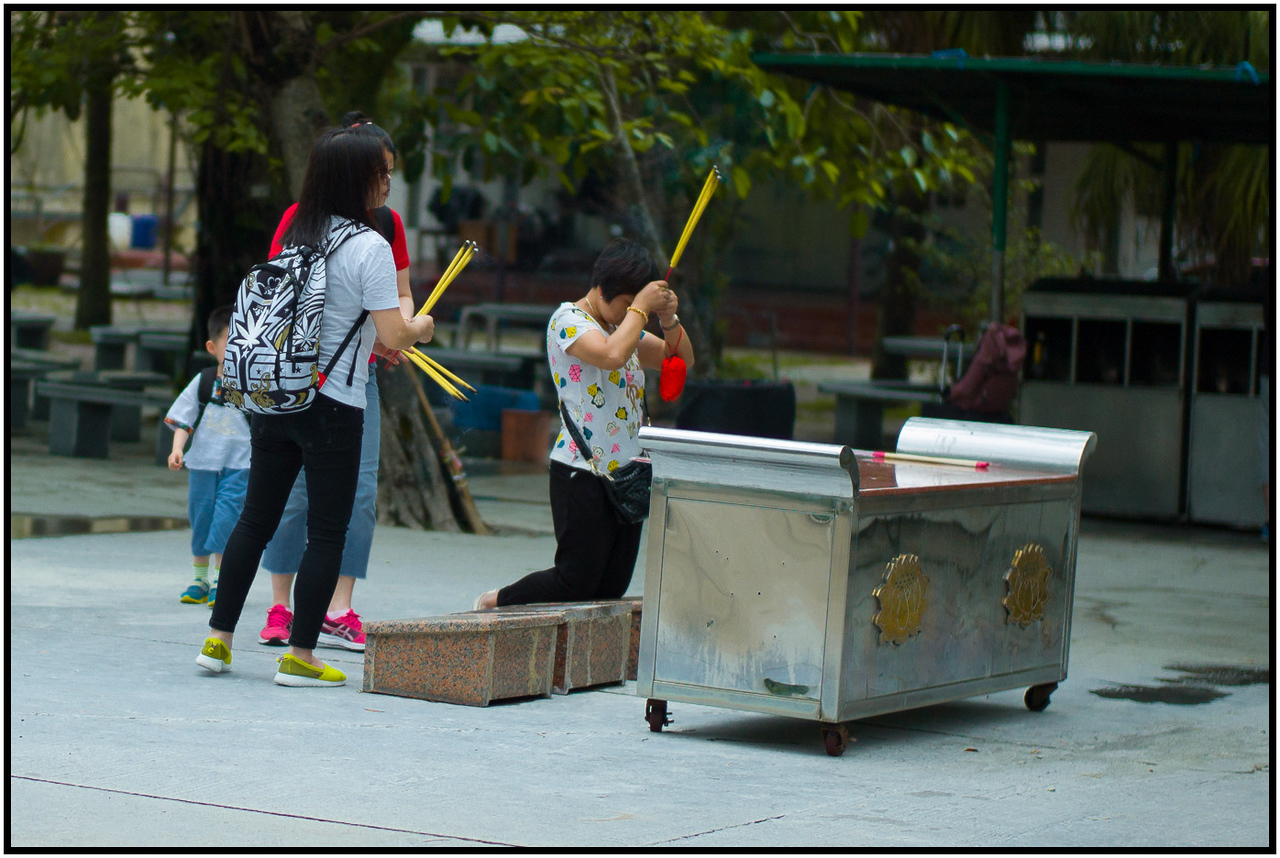
Lots of people come to pray outside the temple.
Po Lin Monastery. (Po Lin means “precious lotus.” The lotus represents purity.) The small temple was originally built in 1906 and initially called “The Bug Hut.” It was renamed Po Lin in 1923.
The biggest structure is the Hall of the Ten Thousand Buddhas which has been built behind the original main shrine.
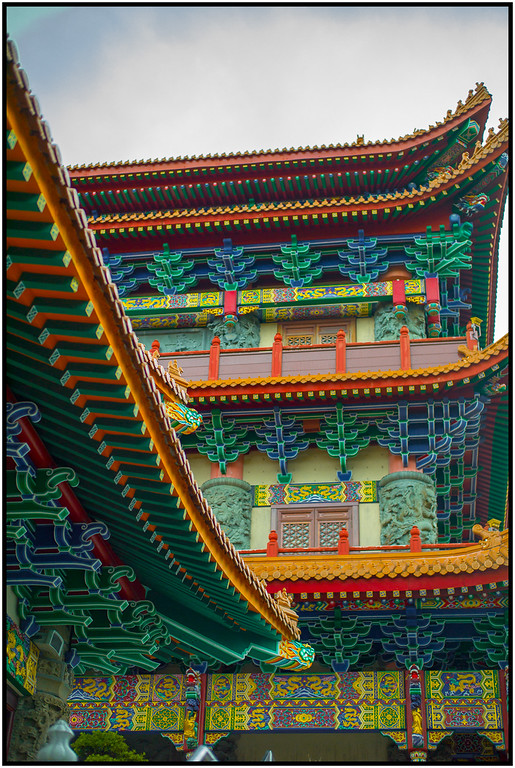
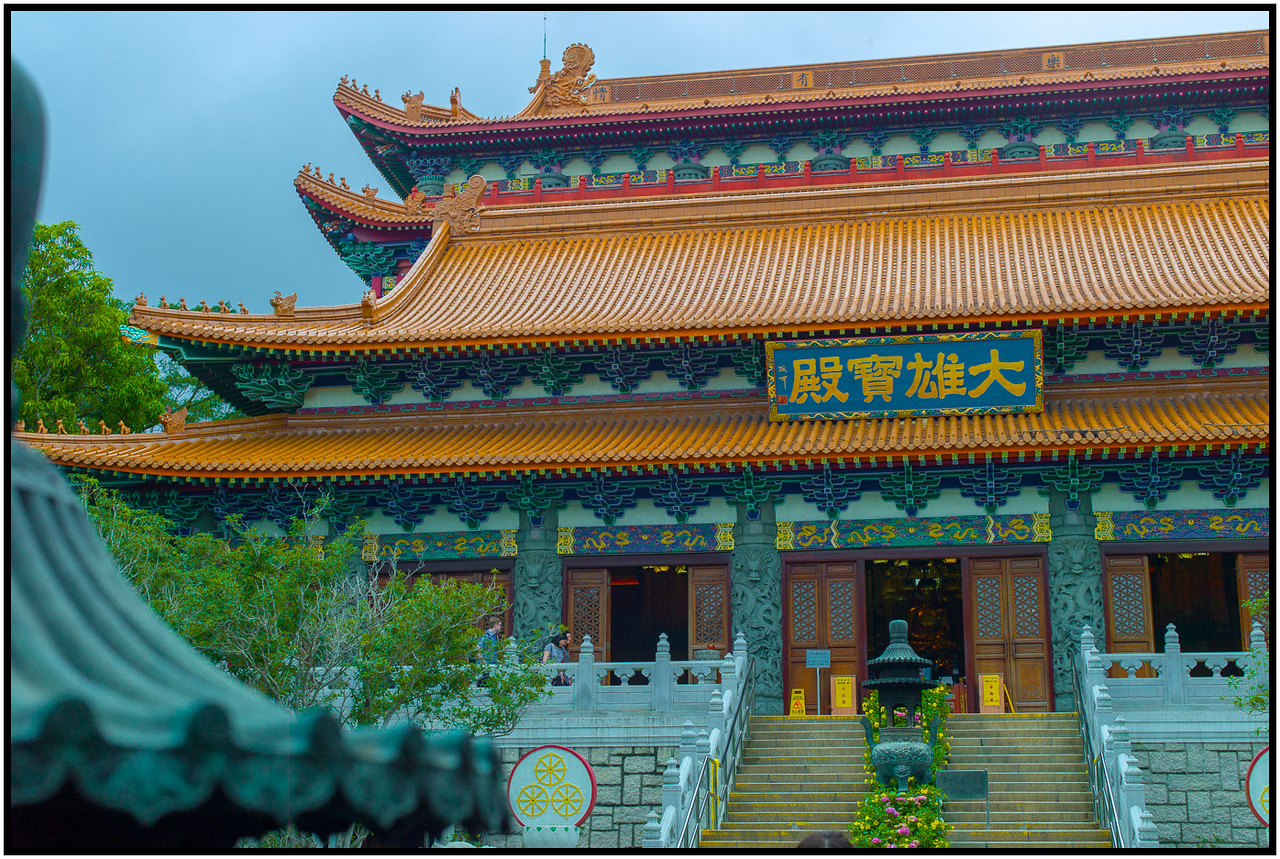
Photos inside the temple are forbidden. They have a huge shrine to Buddha and some impressive architecture. It’s solemn, beautiful, and quiet.
Incense offerings.
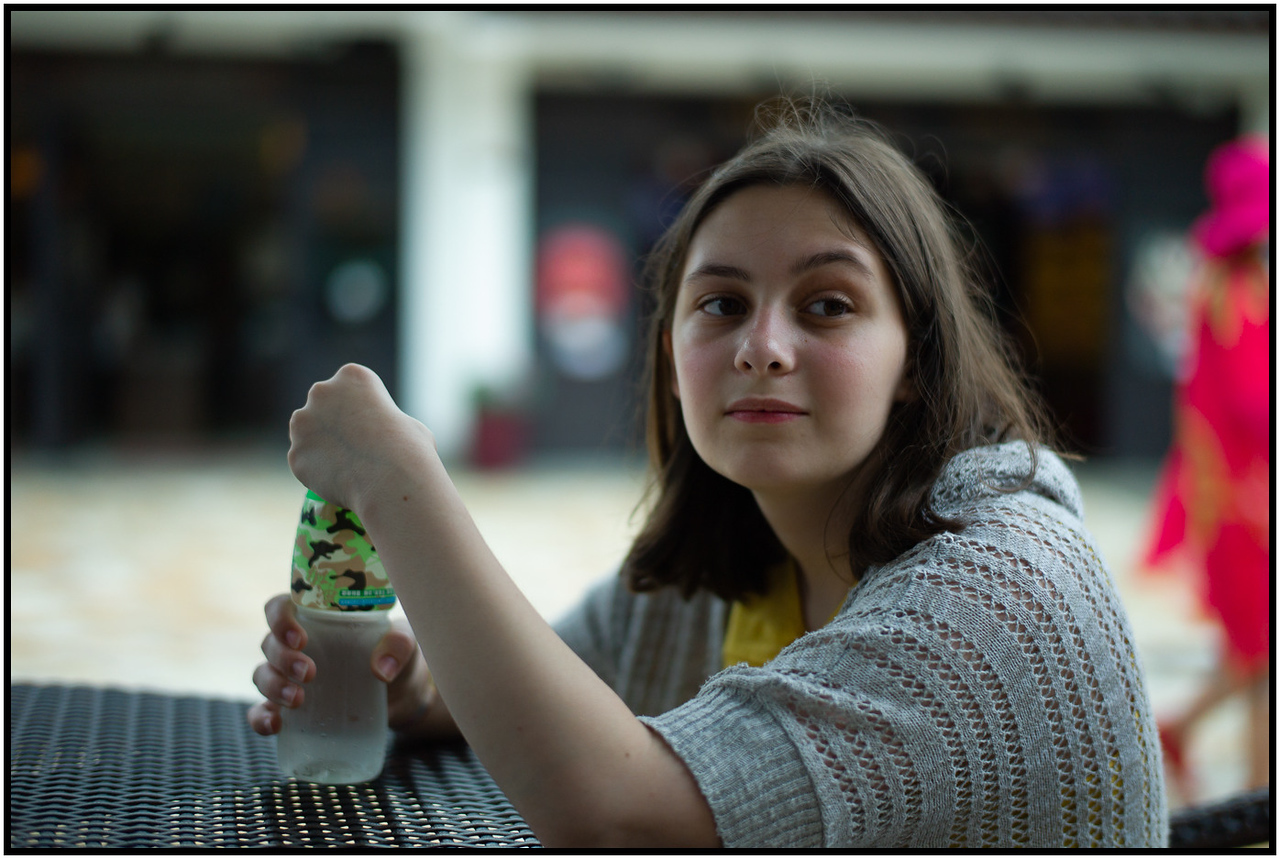
Very hot and humid. Time for a water break back down in Ngong Ping Village.
It was starting to get crowded by the time we were done. When we exited the cable car at the end of our visit, the line to go up was huge. We were so very glad we got there early!
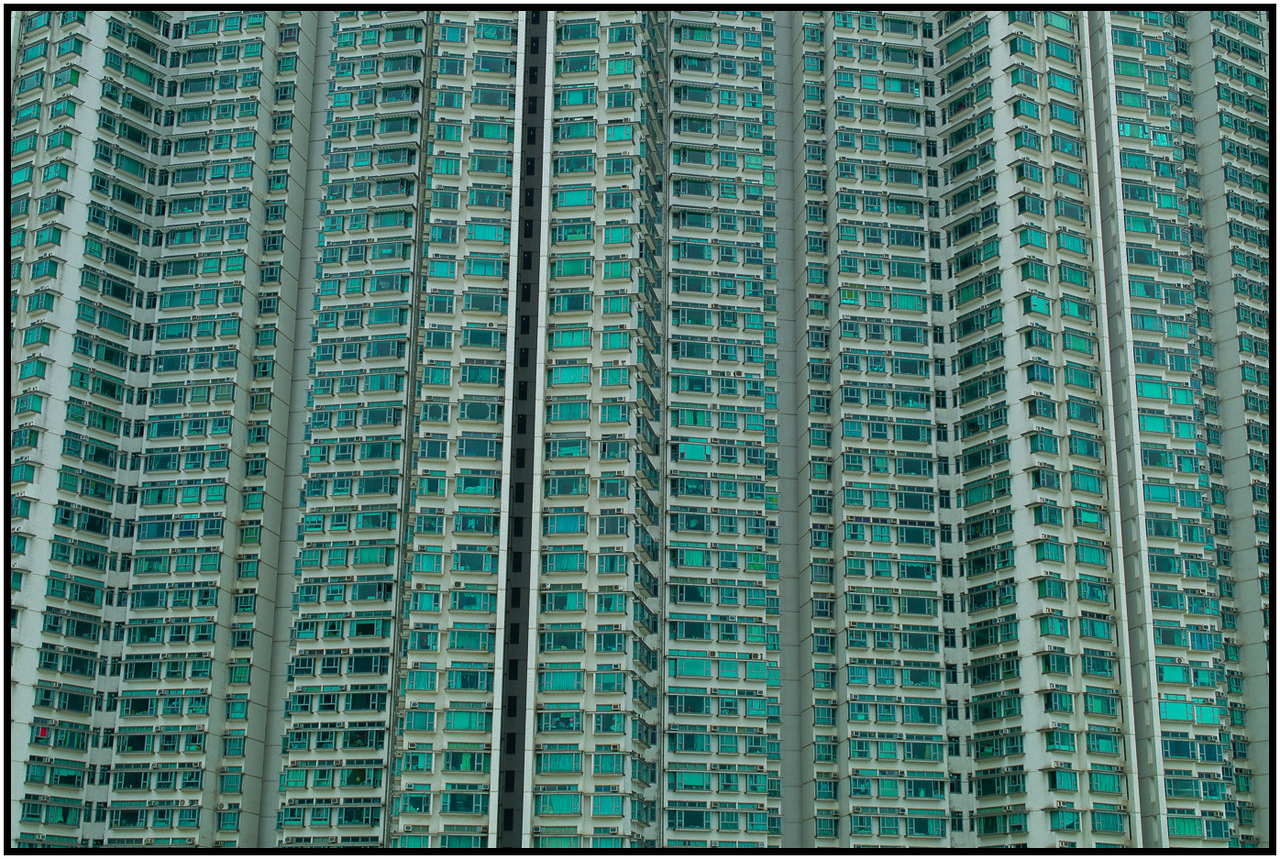
Massive apartment high-rise in Lantau as seen from the cable car.
In our neighborhood after the long train ride back, we chanced upon Mak’s Noodle, a Cantonese wonton noodle shop near our apartment. While we were waiting for our food, we happened to notice a magazine article framed on the wall: Anthony Bourdain ate here and recommended it in one of his articles. Bourdain committed suicide yesterday and we just found out about it today, so it felt a bit like kismet that we should happen to eat here.
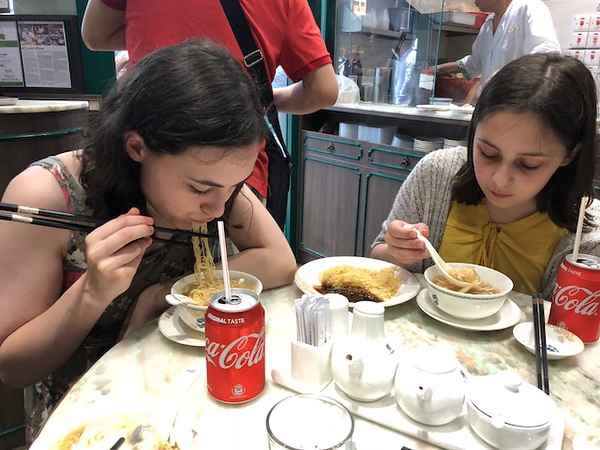
Adam and I were both up most of last night and therefore exhausted today. We went back to the apartment after lunch with the intention of taking short naps and heading back out later in the afternoon to visit the Goldfish Market. That didn’t happen. We both woke up at 5:30 p.m. (three-hour long naps!) to find the kids all asleep, too. We ended up staying in for the evening, eating fruit, ham and crackers and watching Netflix. Hopefully we’ll all be refreshed for tomorrow’s adventures.
Sunday, 10 June 2018
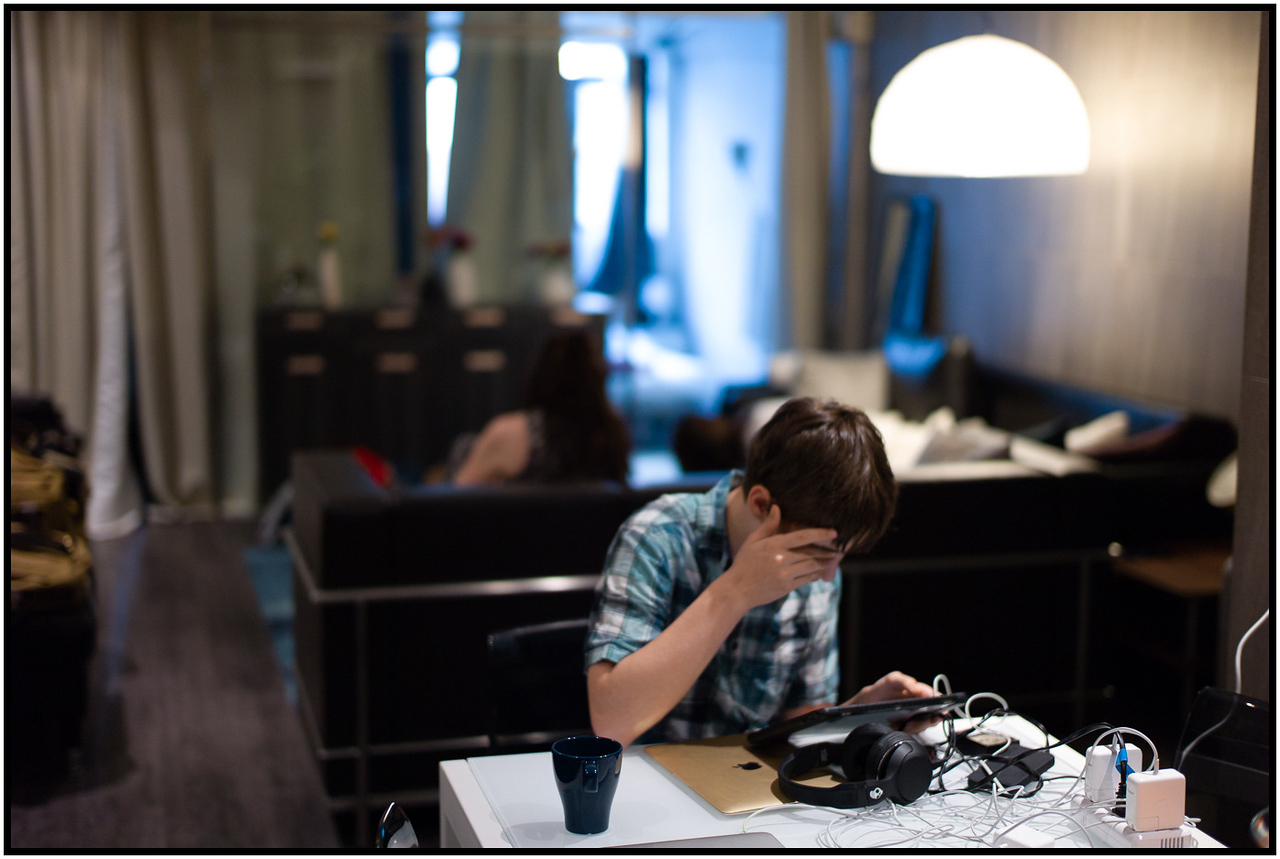
Holden at 5:00 a.m. at the “technology center” on the kitchen table of our apartment. His bed is the couch against the wall in the background. The two curtains on the back wall are the two “bedrooms.”
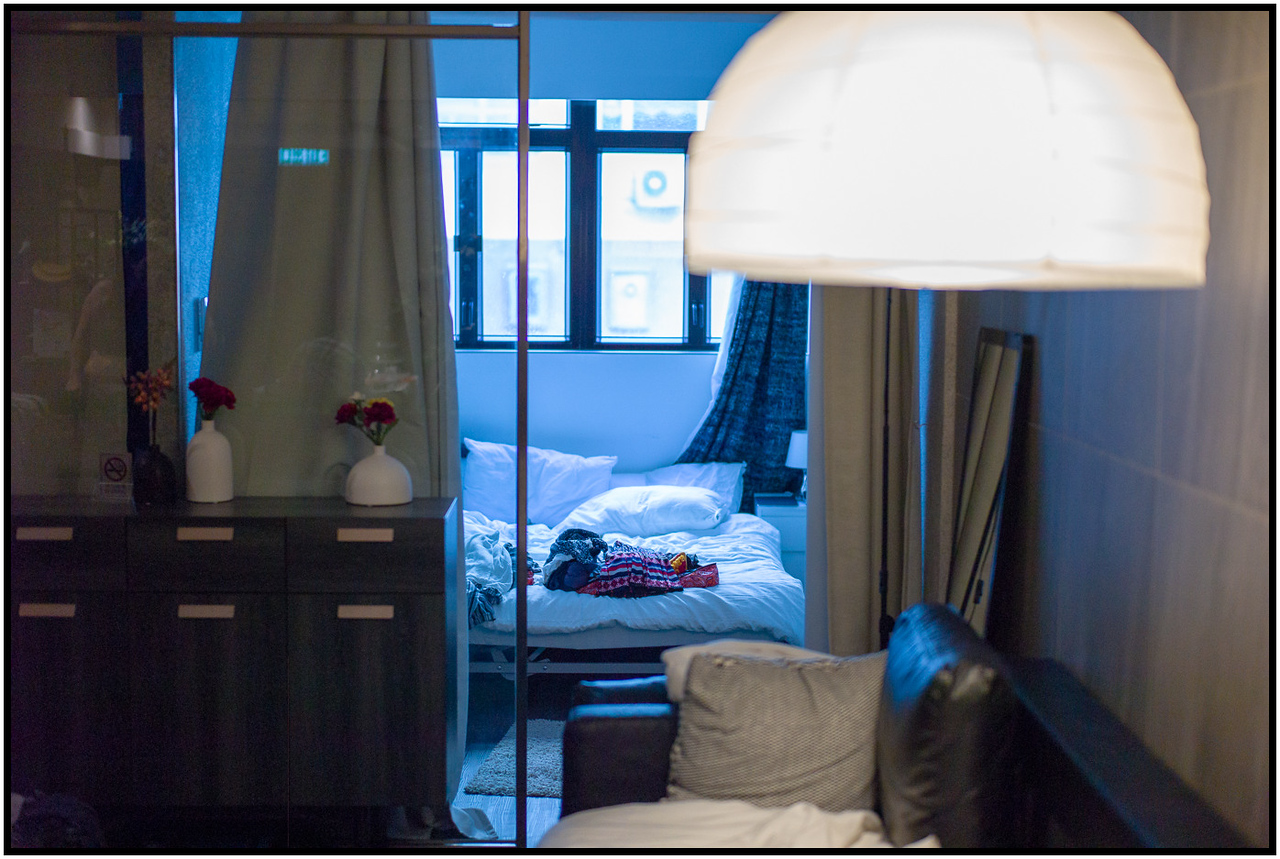
A view of Adam’s and my bedroom … glass half-wall and curtain as barrier, Holden’s couch/bed in the foreground.
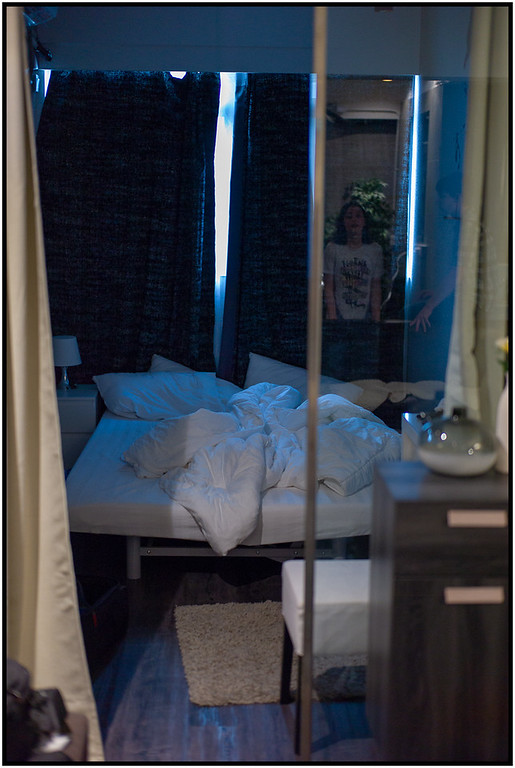
Isabella and Josie’s bedroom on the other side of the glass partition.
Living room, entrance, kitchen table.
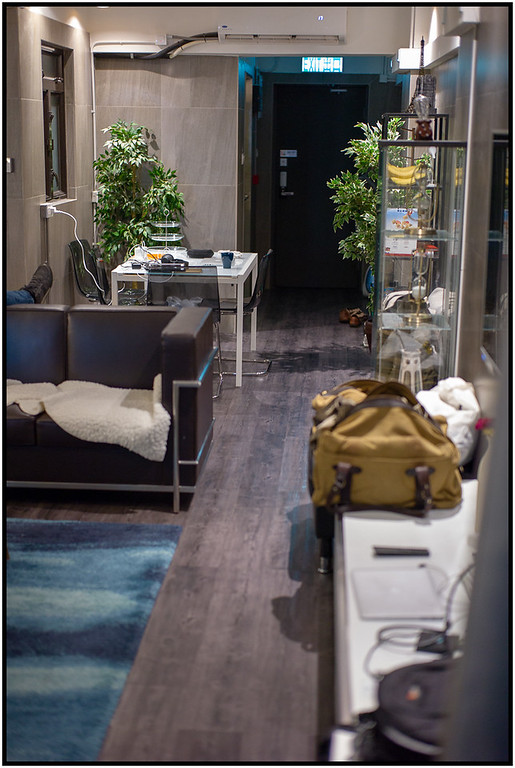
Living room (aka Holden’s bedroom) and kitchen.
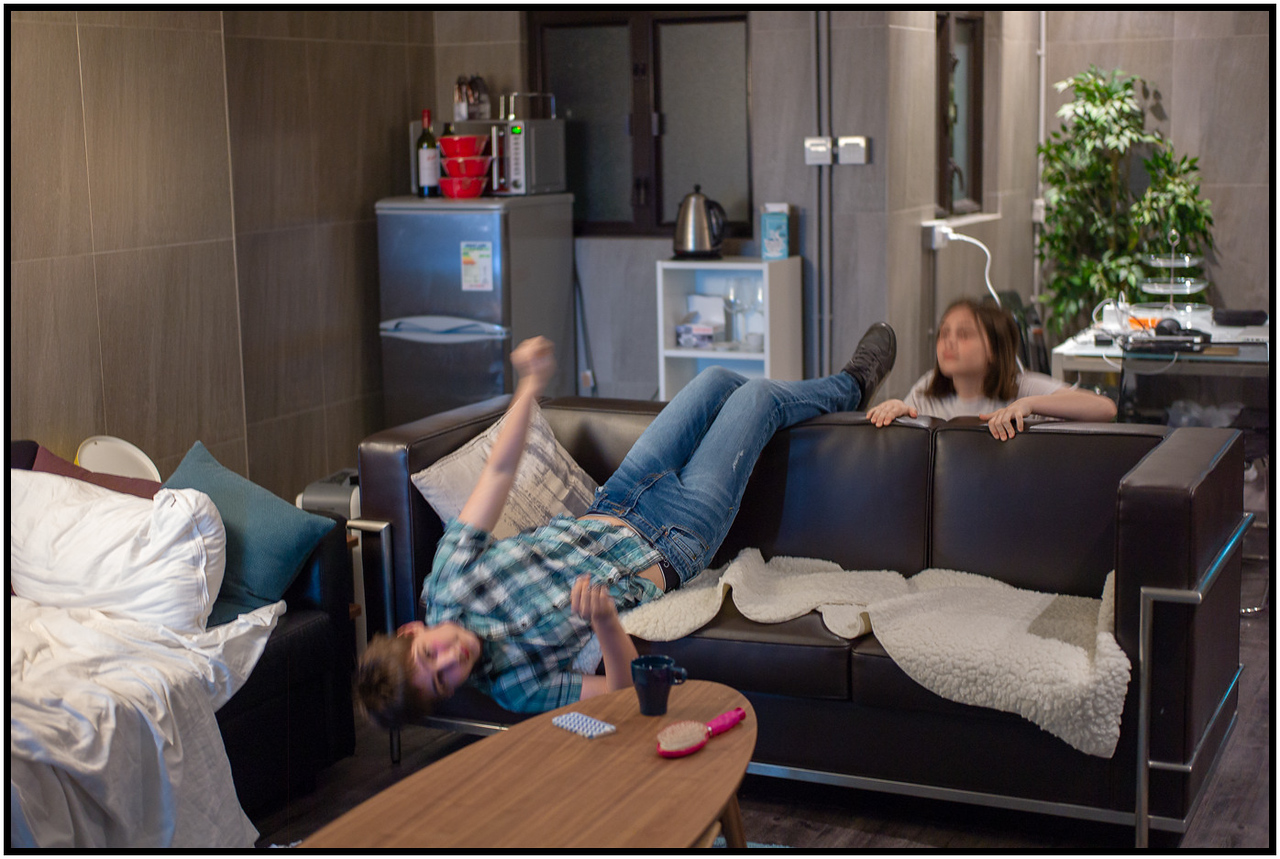
Holden’s life revolves around meals. At 15 years old, he is constantly starving. He has been pretty vocal about his disappointment regarding our bad luck finding breakfast. Adam got tired of hearing it and said, “Then why don’t you get online and find something?” So, he did. He found a great looking place that serves traditional Chinese breakfast foods and he was quite excited about the experience. The restaurant’s website said they opened at 8:00 a.m. so we waited around hungry for two hours at home, then headed over and found the place. They were, indeed, open, but … “We don’t serve food until 8:30 or 9:00. You come back half hour.” Holden was piiiiiiiiiiiissed. “WHY?! What kind of restaurant opens but doesn’t serve food? They couldn’t be bothered to put that on their website? That’s some bull shh-sorry mom but come on, I mean really …” He was still muttering about it when we ended up at a Starbucks a couple blocks away. Arms crossed, he mumbled “Guess I’ll have a blueberry muffin.”
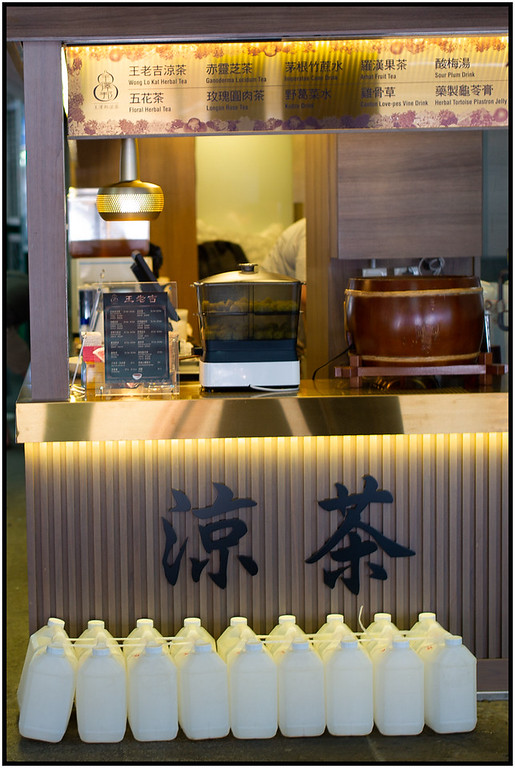
On to the ferry station. This food booth near the terminal may be our best bet for breakfast in the future!
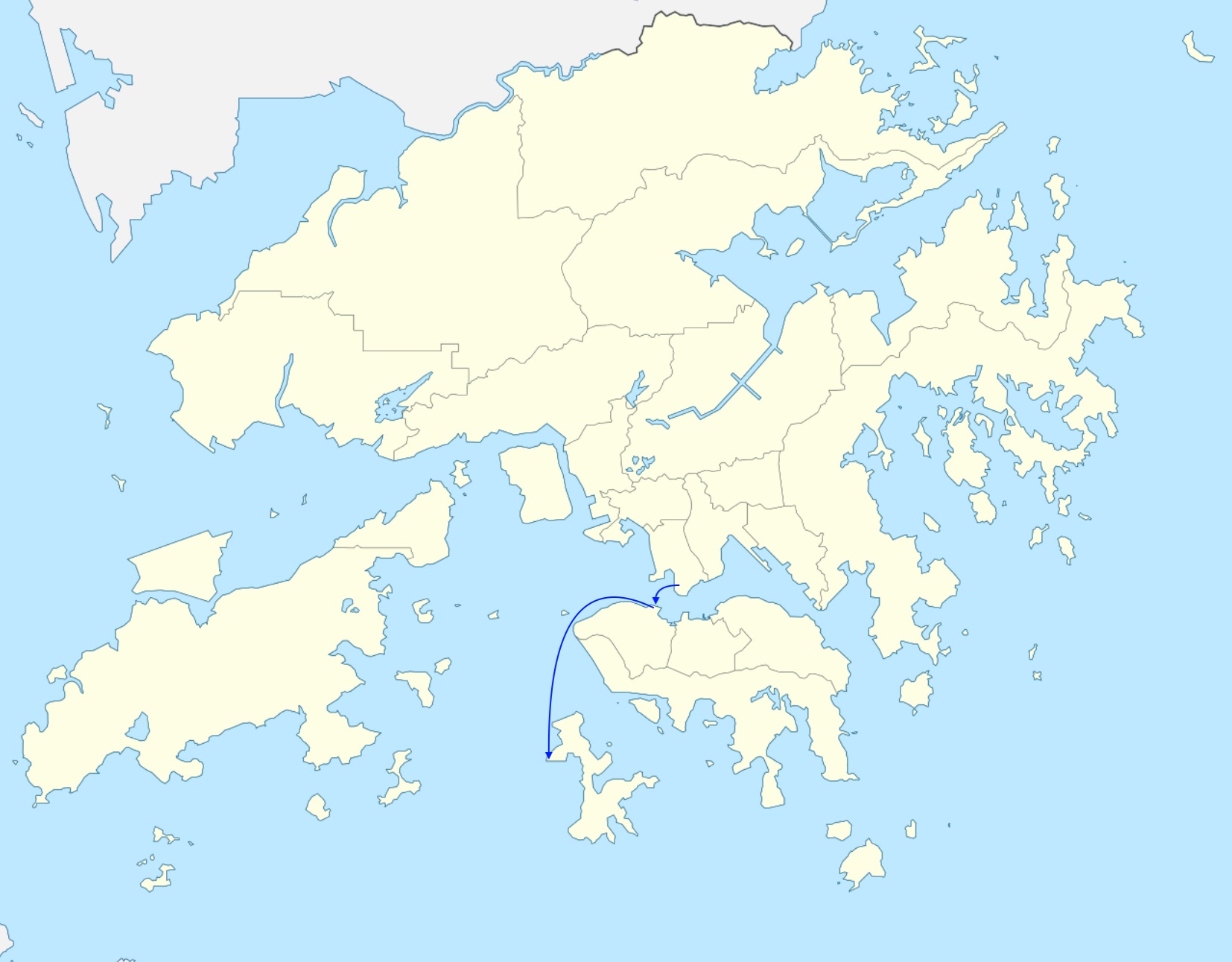
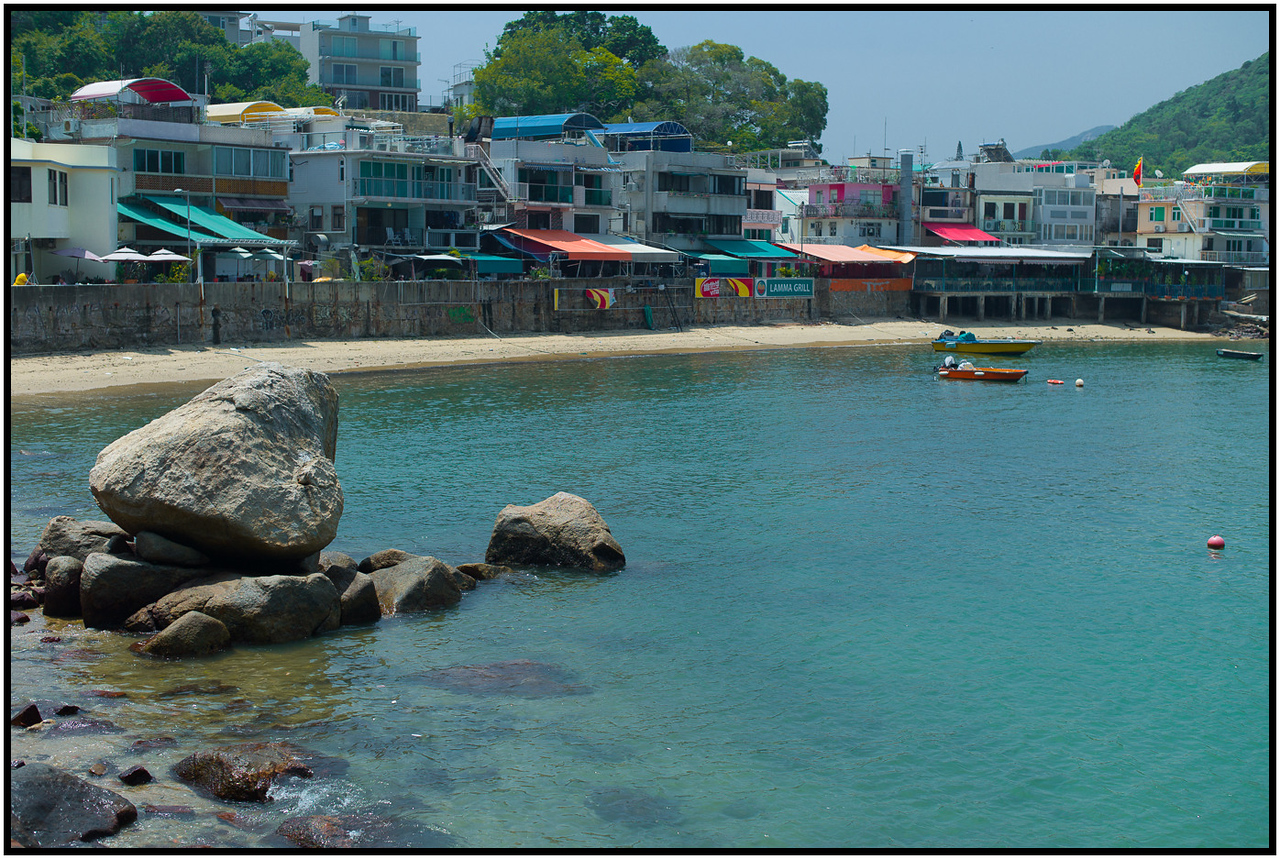
Today we went to visit Lamma Island. This island gets few tourists; it still qualifies as “sleepy” in every guidebook you read. Archaeologists have found evidence of settlements here since 4000BC.
Wikipedia: In contrast to Hong Kong Island and Kowloon, Lamma is peaceful and tranquil with an abundance of natural scenery. Buildings higher than three storeys are prohibited and there are no automobiles but diminutive fire trucks and ambulances, as well as distinctive open-back vehicles to transport construction materials. The community’s only means of transport is either by foot or bicycle.
We took a 5 minute ferry over to HK Island to catch the bigger ferry over to Lamma. I was worried about sea sickness on the longer ferry rides because the water around Hong Kong tends to be choppy, but the ferry to Lamma only takes about 20 minutes (to the closest of it’s two ports) and the sea was calm today.
Side note: I’ve noticed there are no seagulls in Hong Kong. Usually places like this are swarming with them. I finally looked it up online and discovered that here kites have taken over the ecological niche usually occupied by seagulls. In addition to being scavengers that will eat just about anything (just like seagulls do), the kites are also birds of prey and will eat the seagulls, as well.
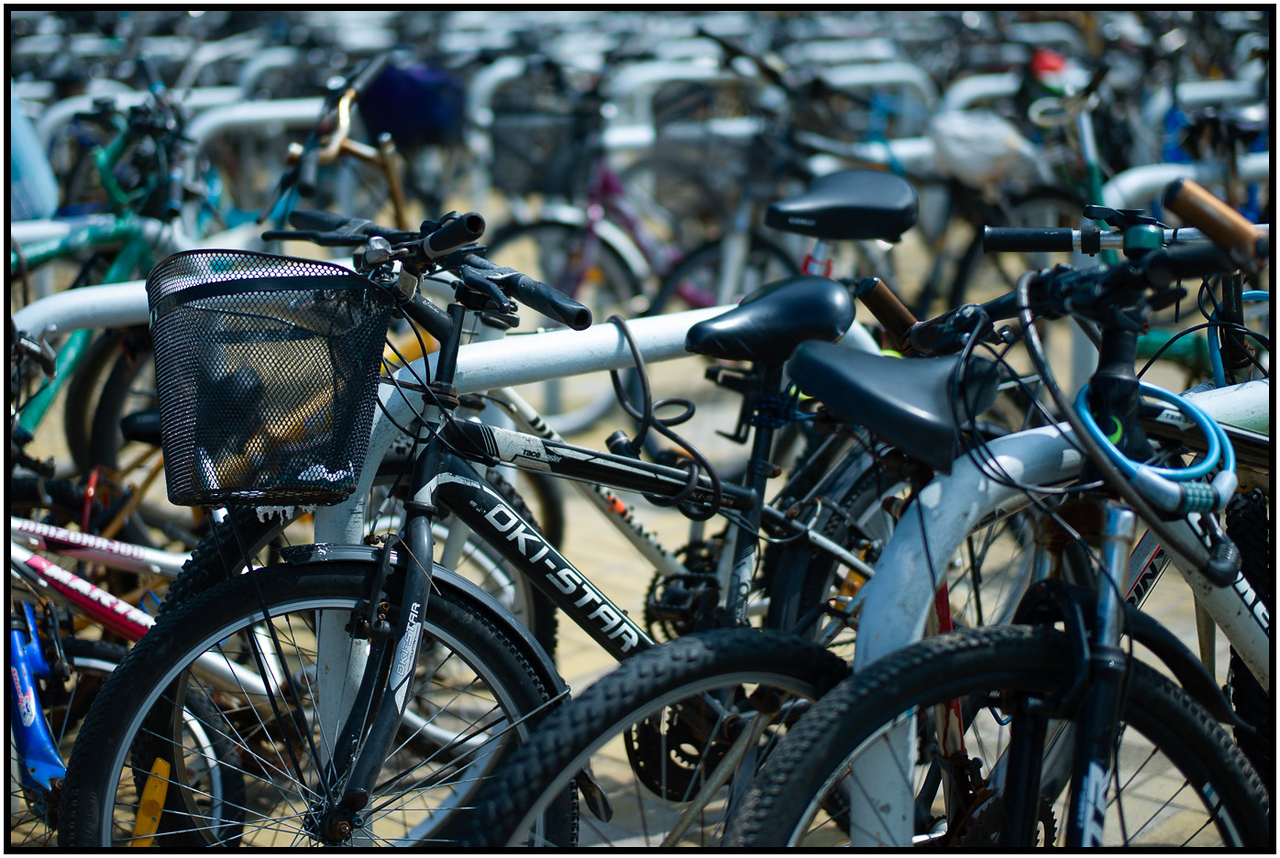
A sea of bicycles near the Yung Shue Wan ferry terminal.
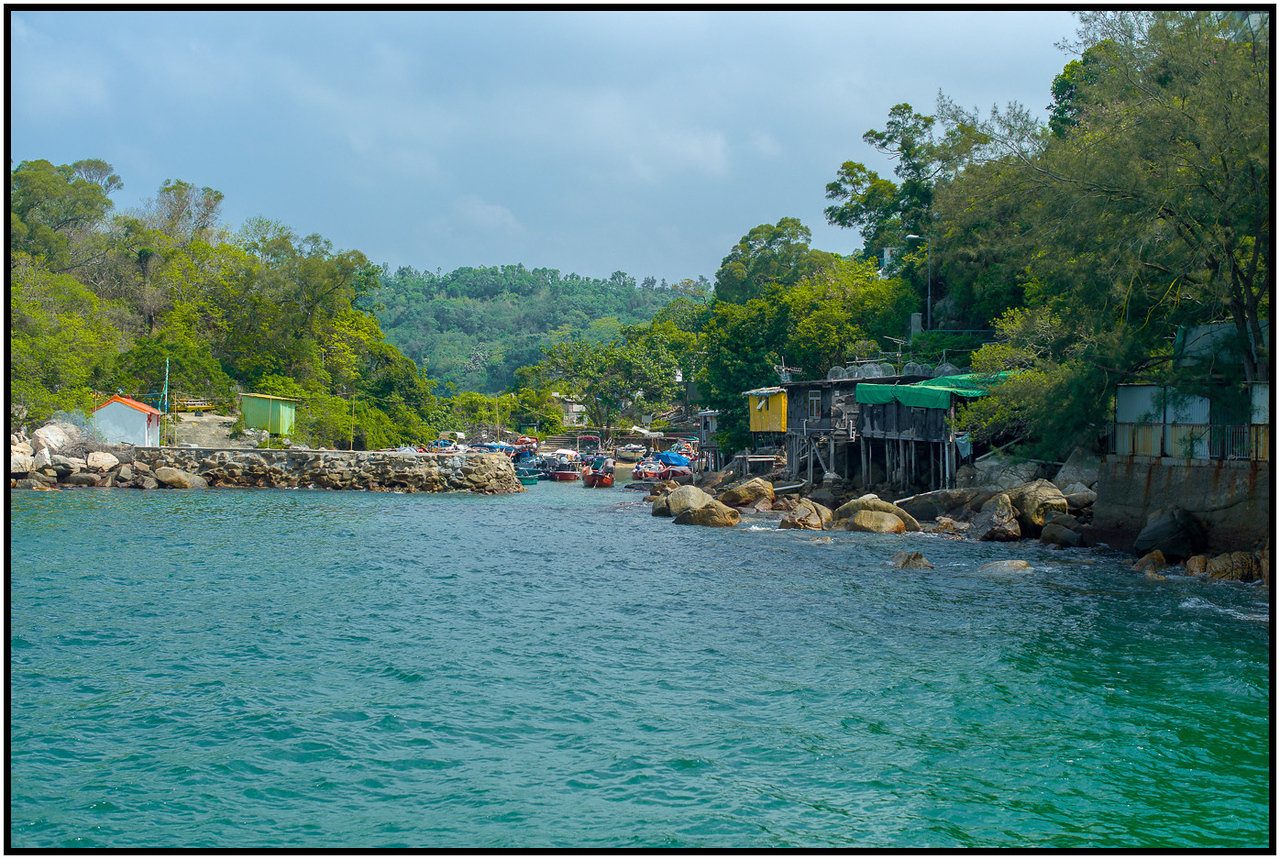
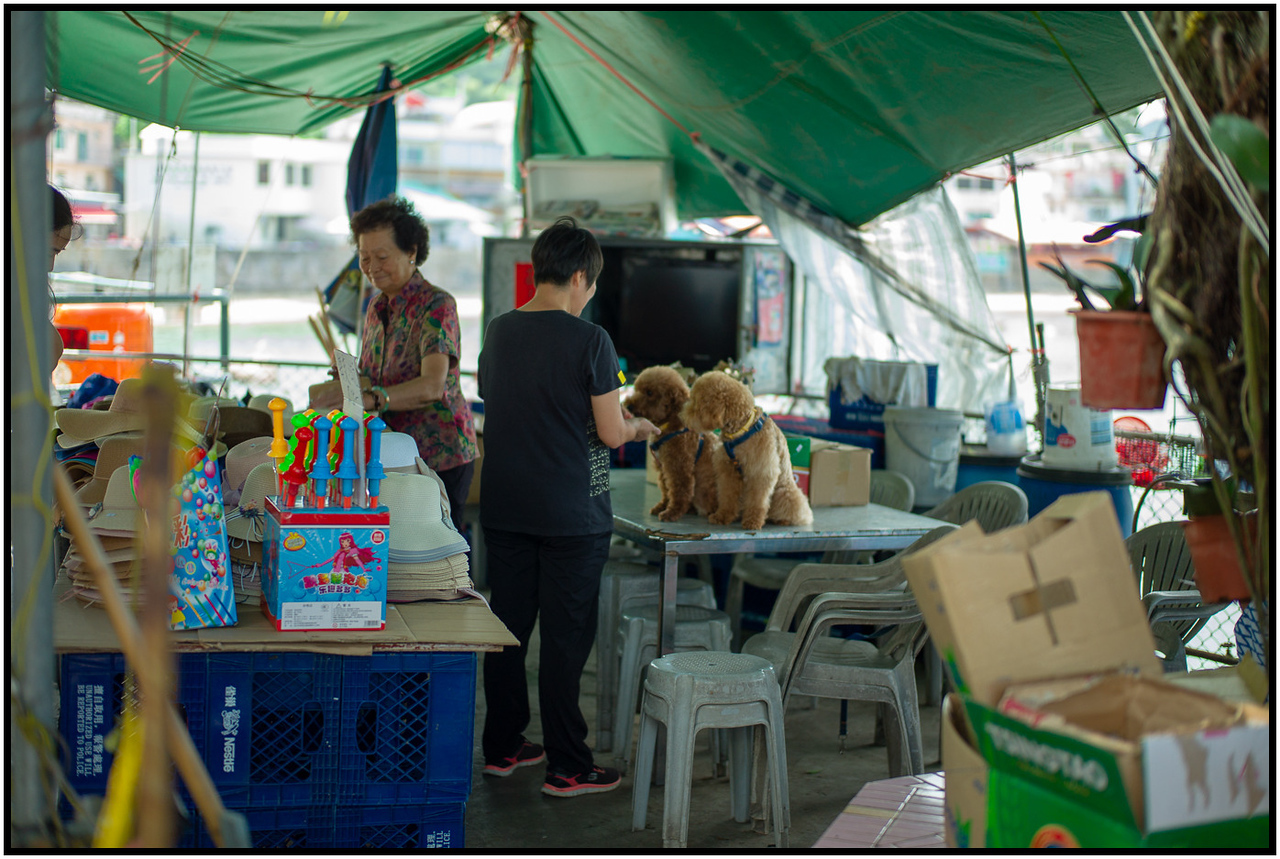
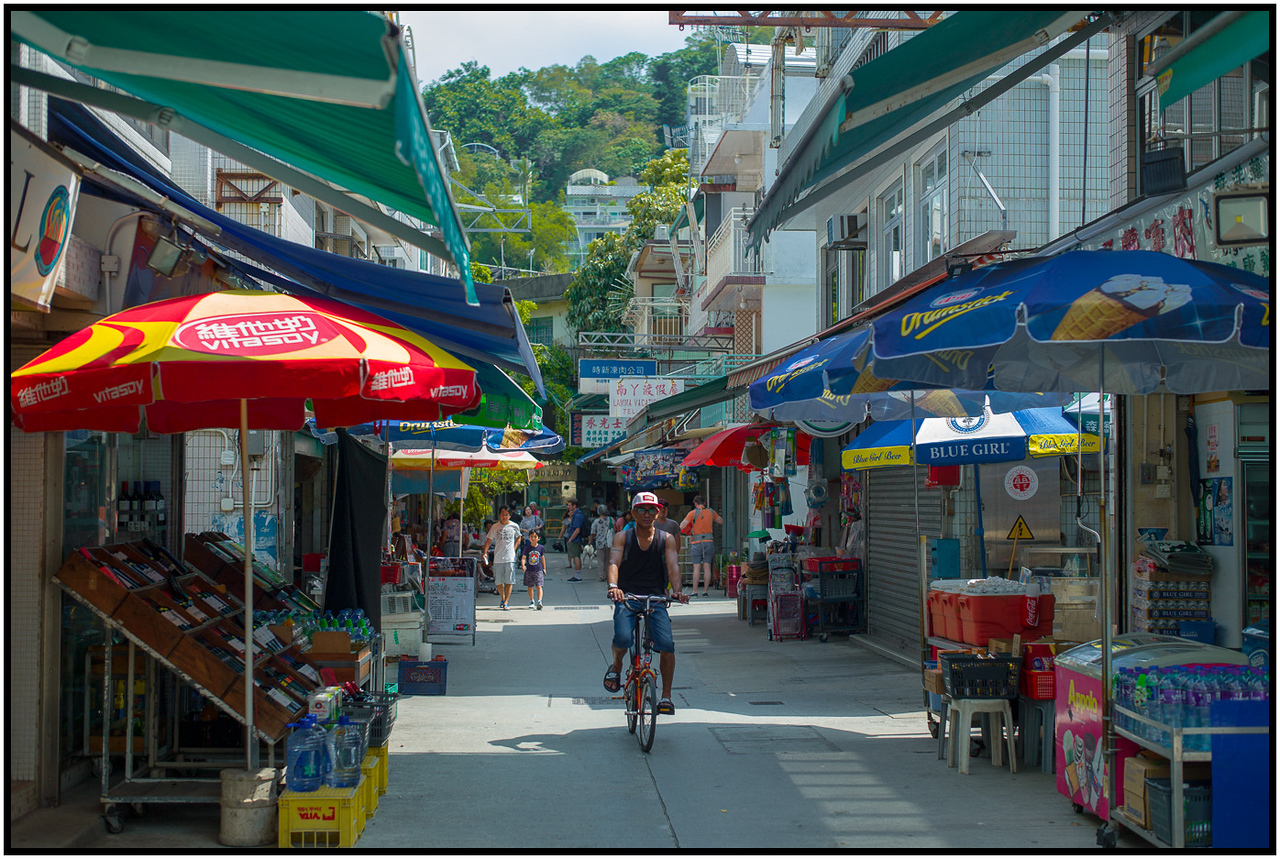
The ferry dumps you out into a small fishing village called Yung Shue Wan. The walk through town is lined with seafood restaurants and shops, and a lot of dogs.
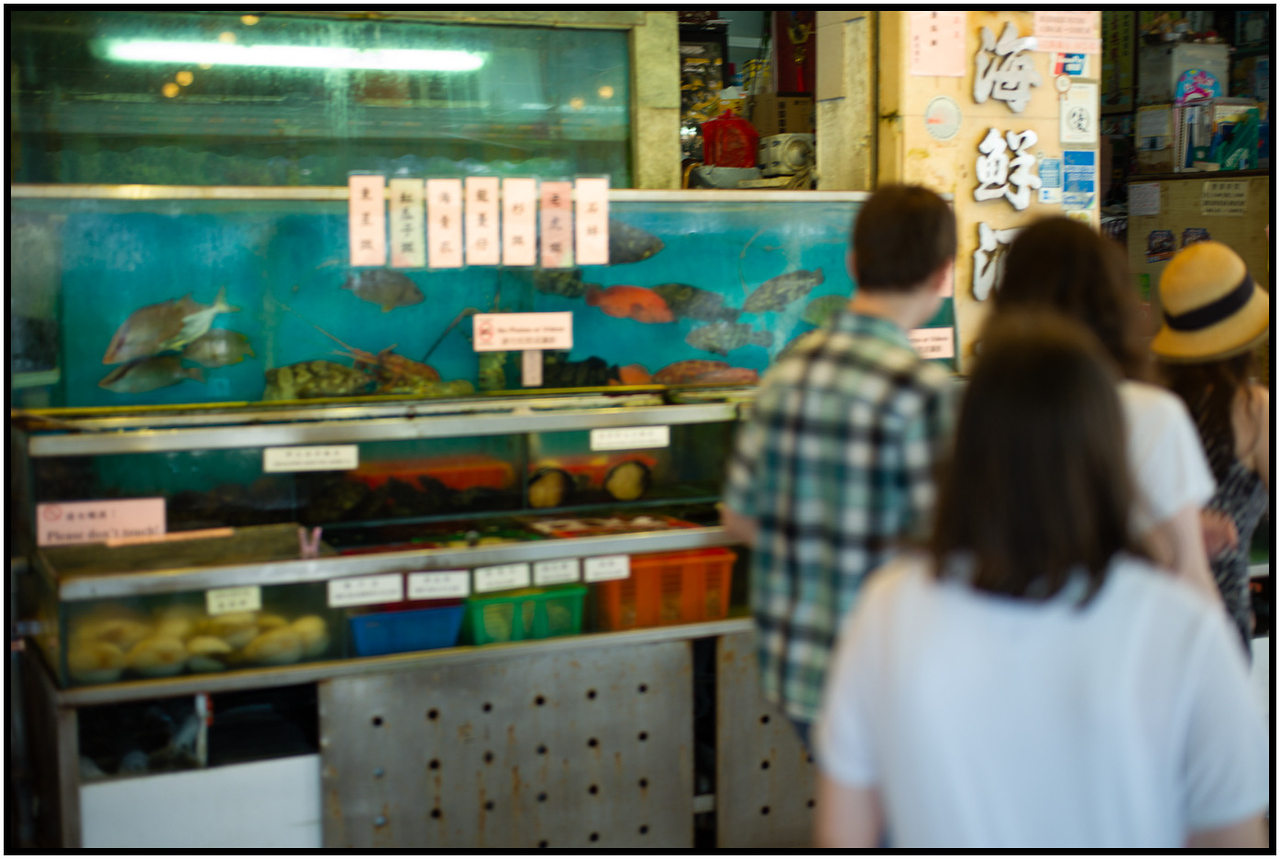
This is the place to come if you want fresh seafood.
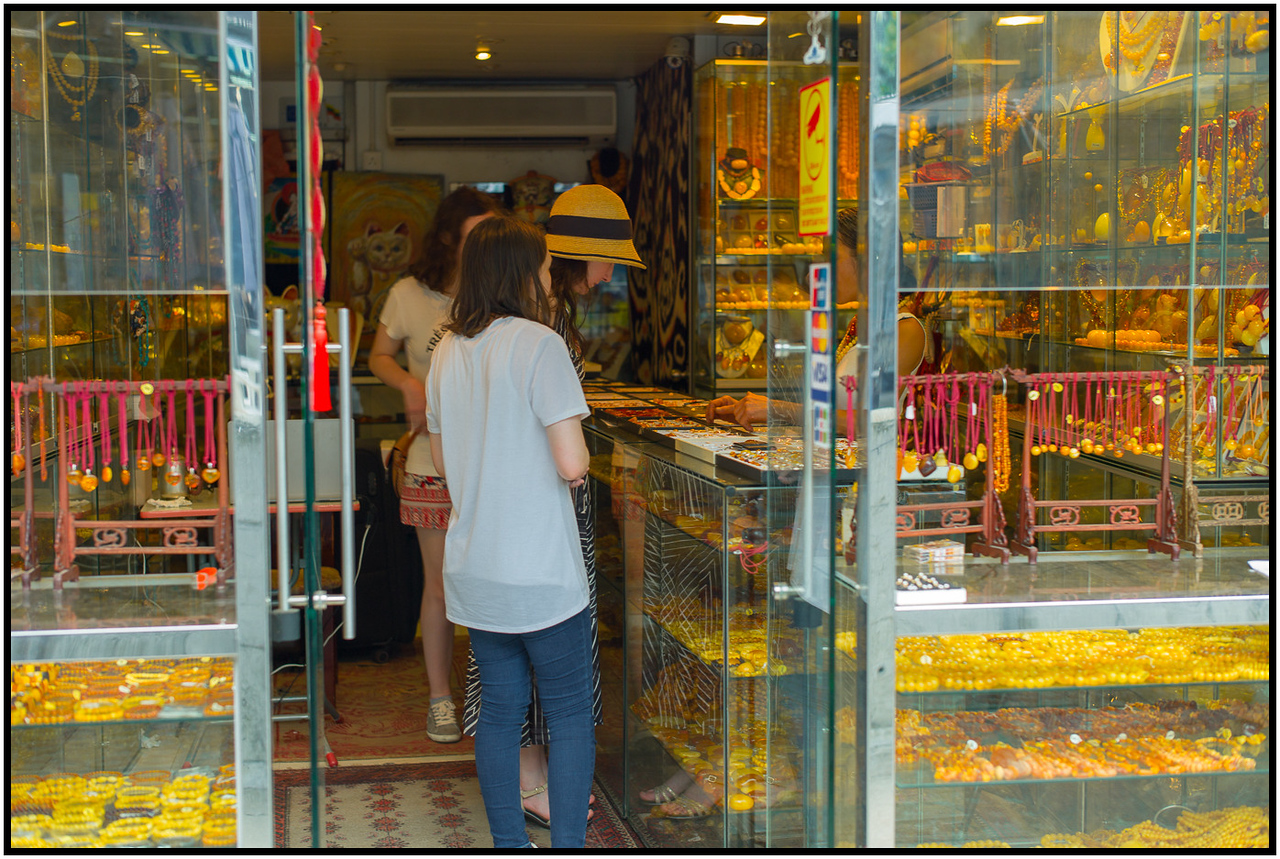
A shop selling amber jewelry. It was beautiful but way too expensive.
We attempted to do The Lamma Island Family Walk, which meanders through the village to a beach and ends at the other ferry terminal. It said on the sign it was a little more than an hour’s hike. It started out nice, but once we got further away from the water I started getting eaten alive by bugs. It was also much hotter away from the water and we soon found ourselves miserable. We gave up and turned around.
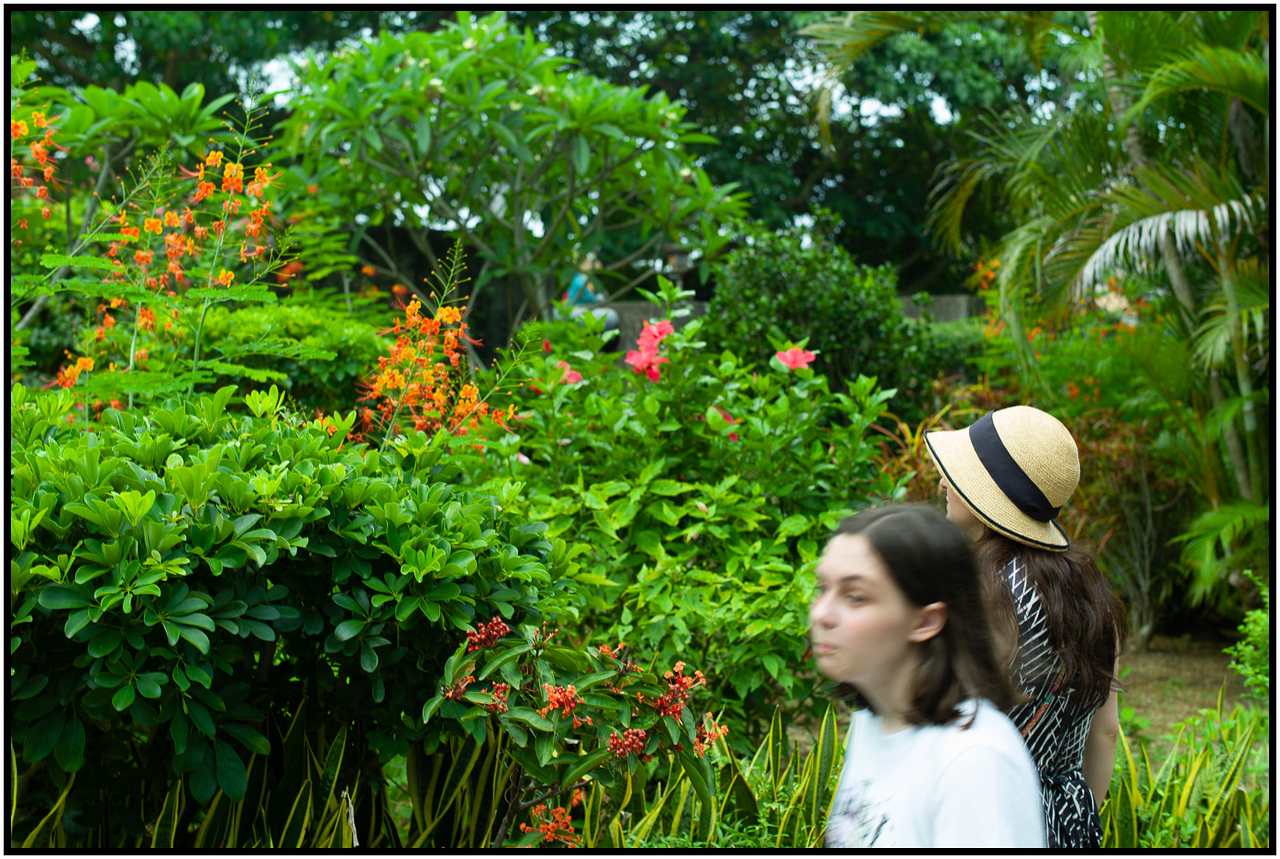
One of the most unusual flowering shrubs I’ve ever seen. The orange flowers look almost exactly like little butterflies. After some online sleuthing, I finally identified it as the peacock flower tree (Caesalpinia pulcherrima), a member of the pea family.
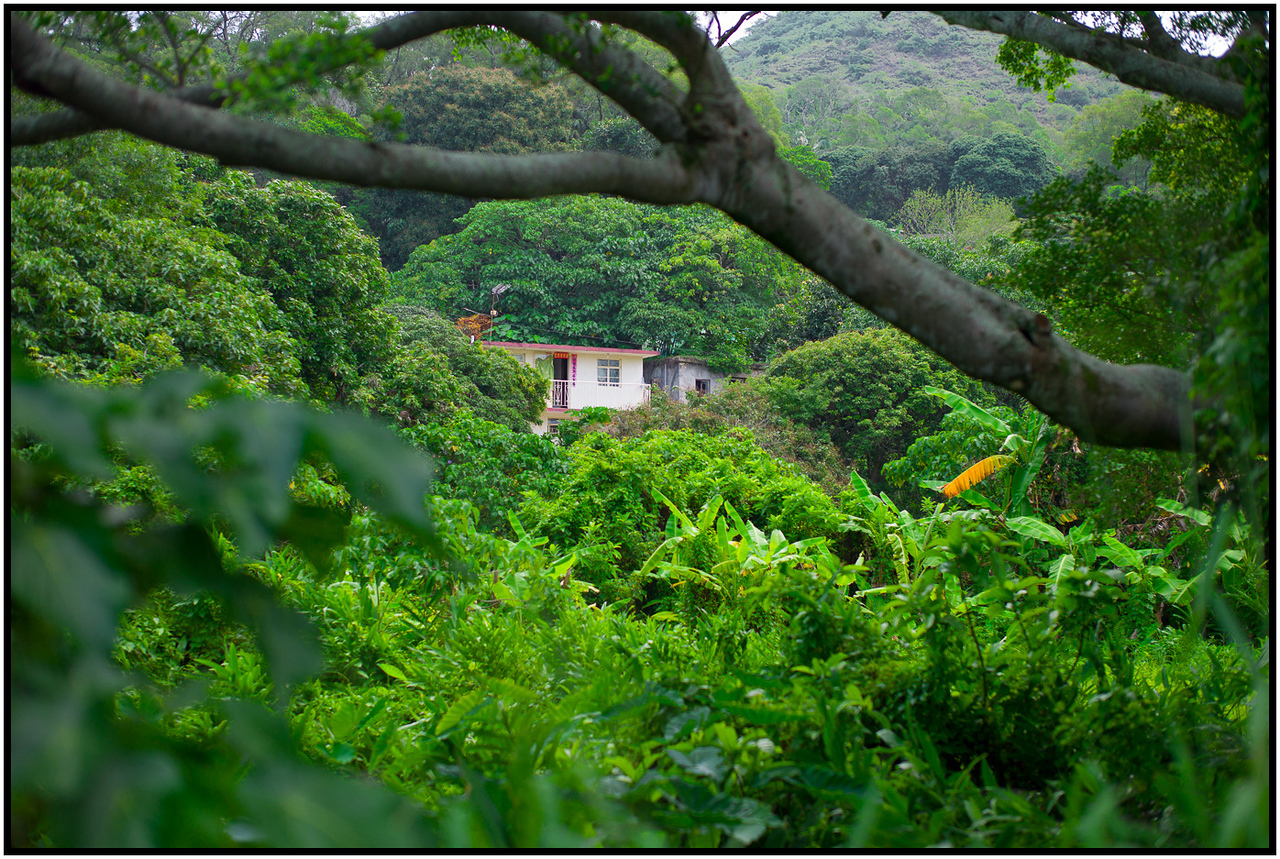
Jungle residence.
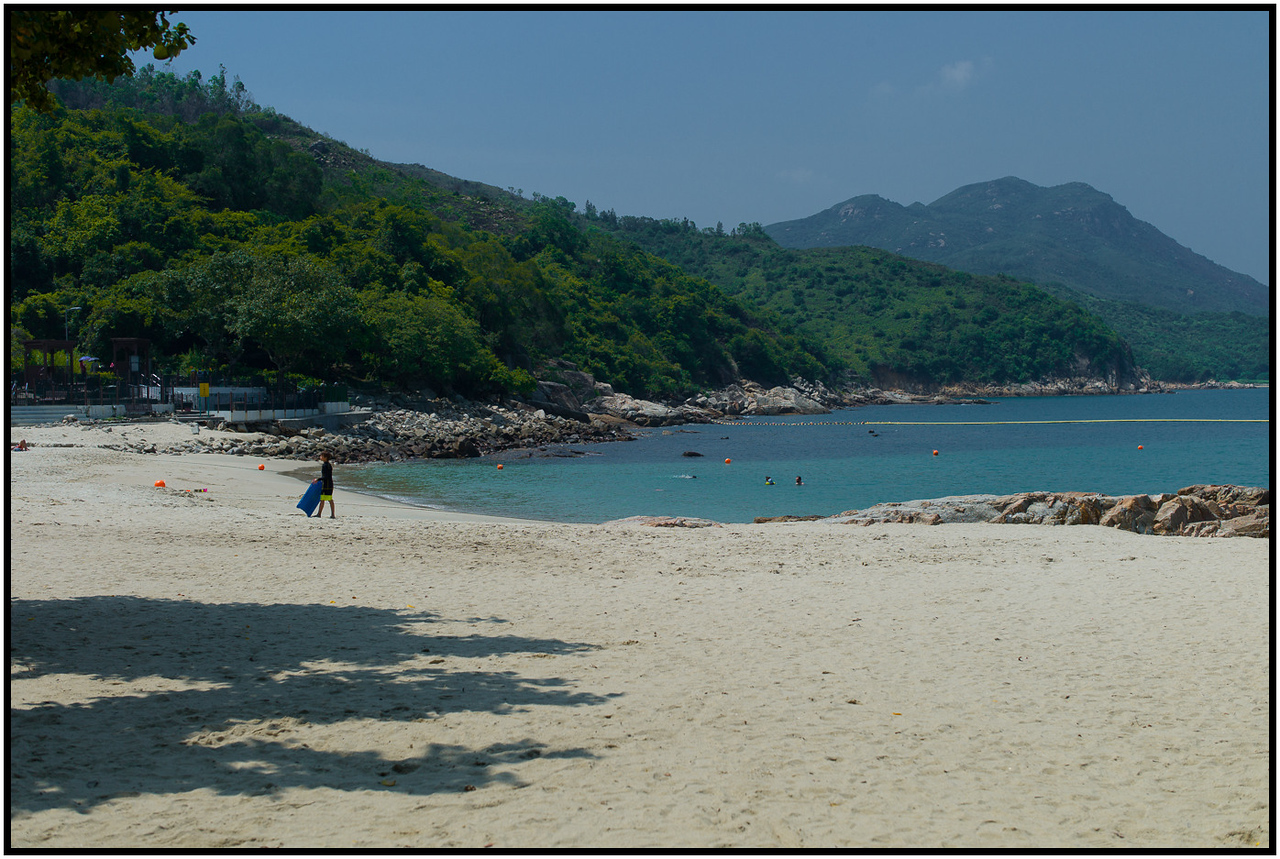
We made it as far as the beach before heading back to the town.
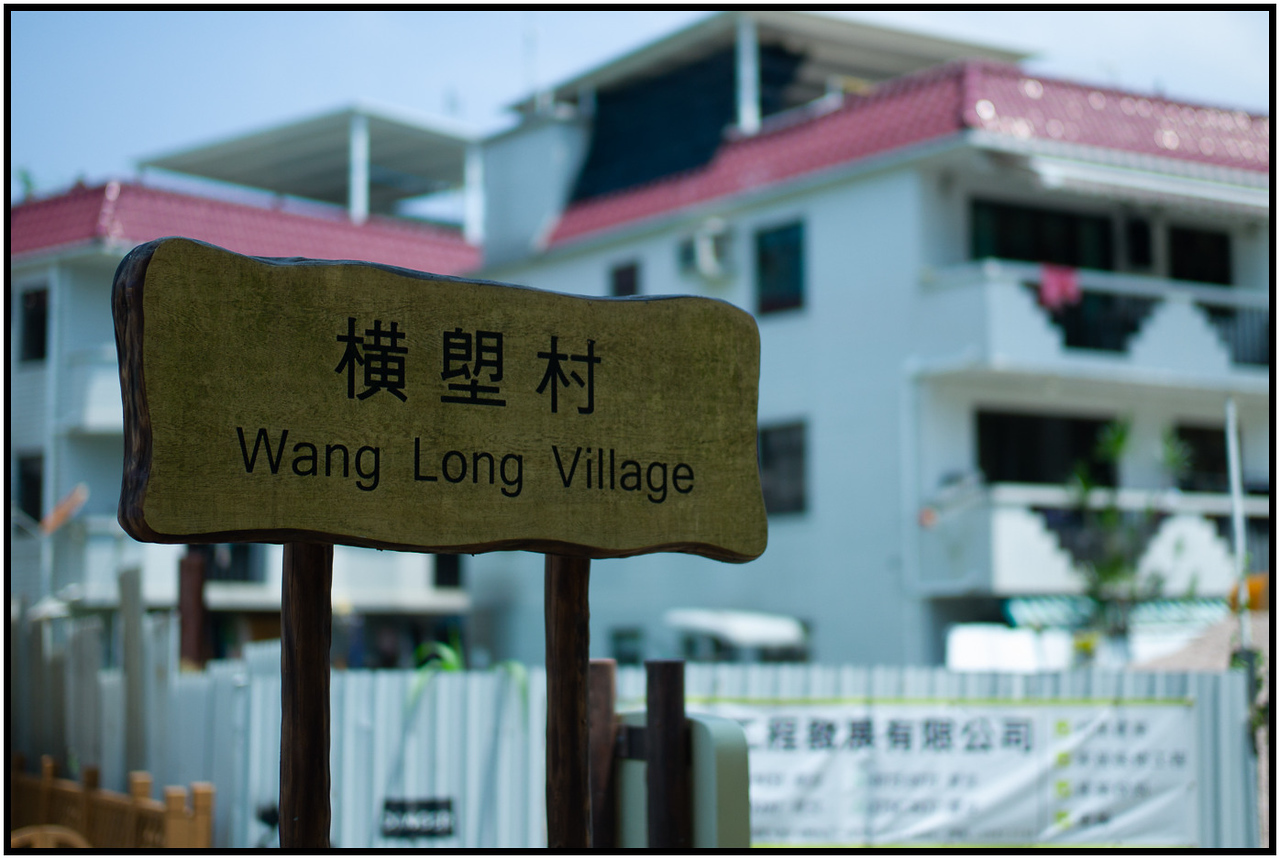
Adam and Holden had to giggle at this sign.
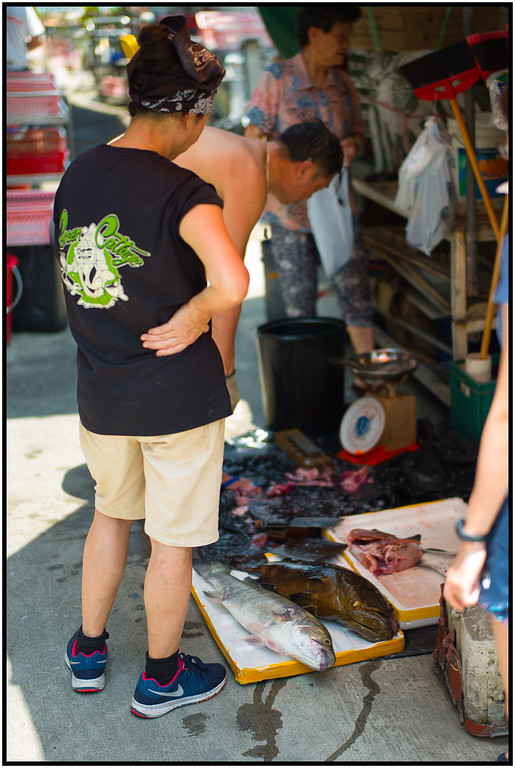
Preparing today’s catch.
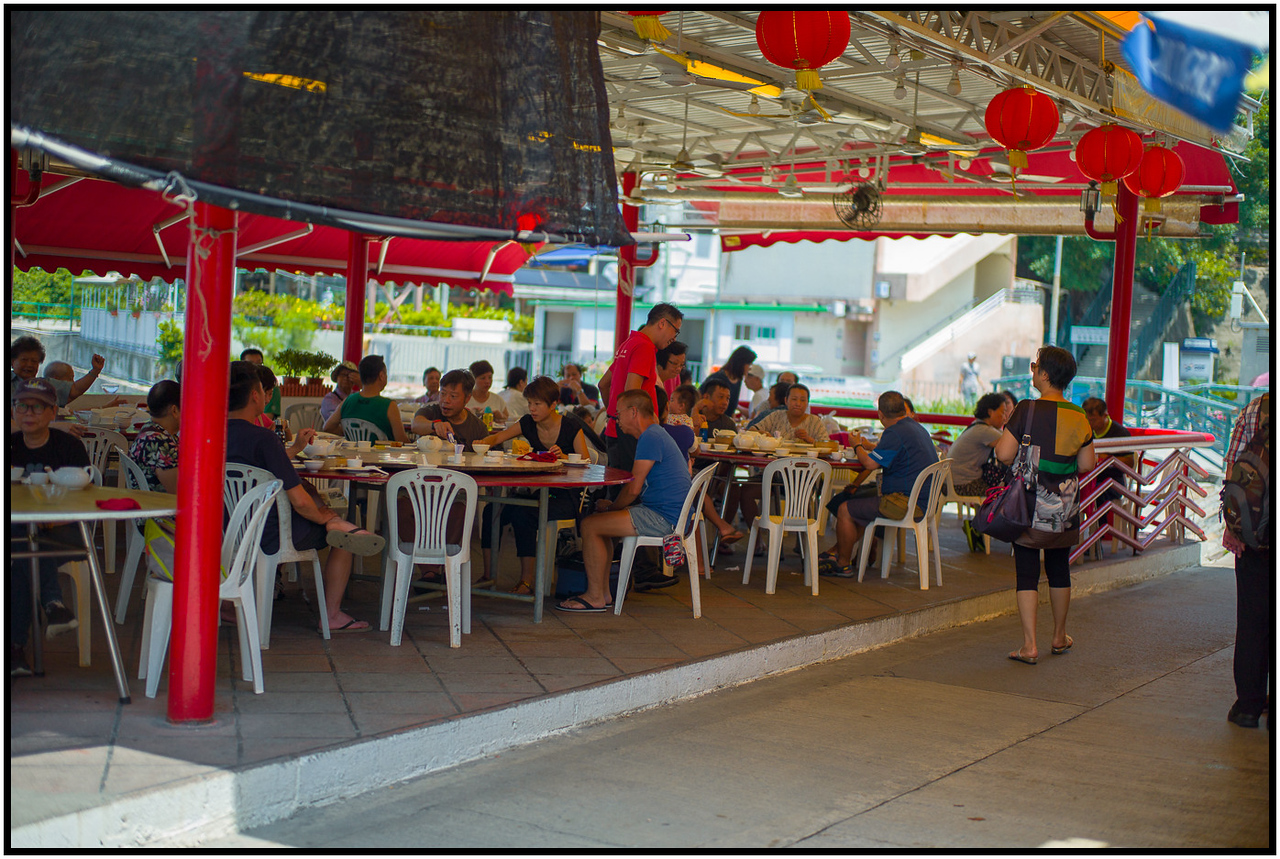
This appeared to be the most popular restaurant on the island. It was packed.
Homes near the Yung Shue Wan ferry port.
After leaving Lamma Island, we returned to HK Island for lunch and to do some sight seeing. A restaurant we just happened by (Tsui Wah Restaurant) turned out to be the best meal we’ve yet had on the trip.
We then walked up the hill toward Hollywood Road – it is famous for antique stores – but, being a Sunday, almost everything was closed. Built in 1844, it was one of the very first roads in Hong Kong, named for the holly trees that lined it.
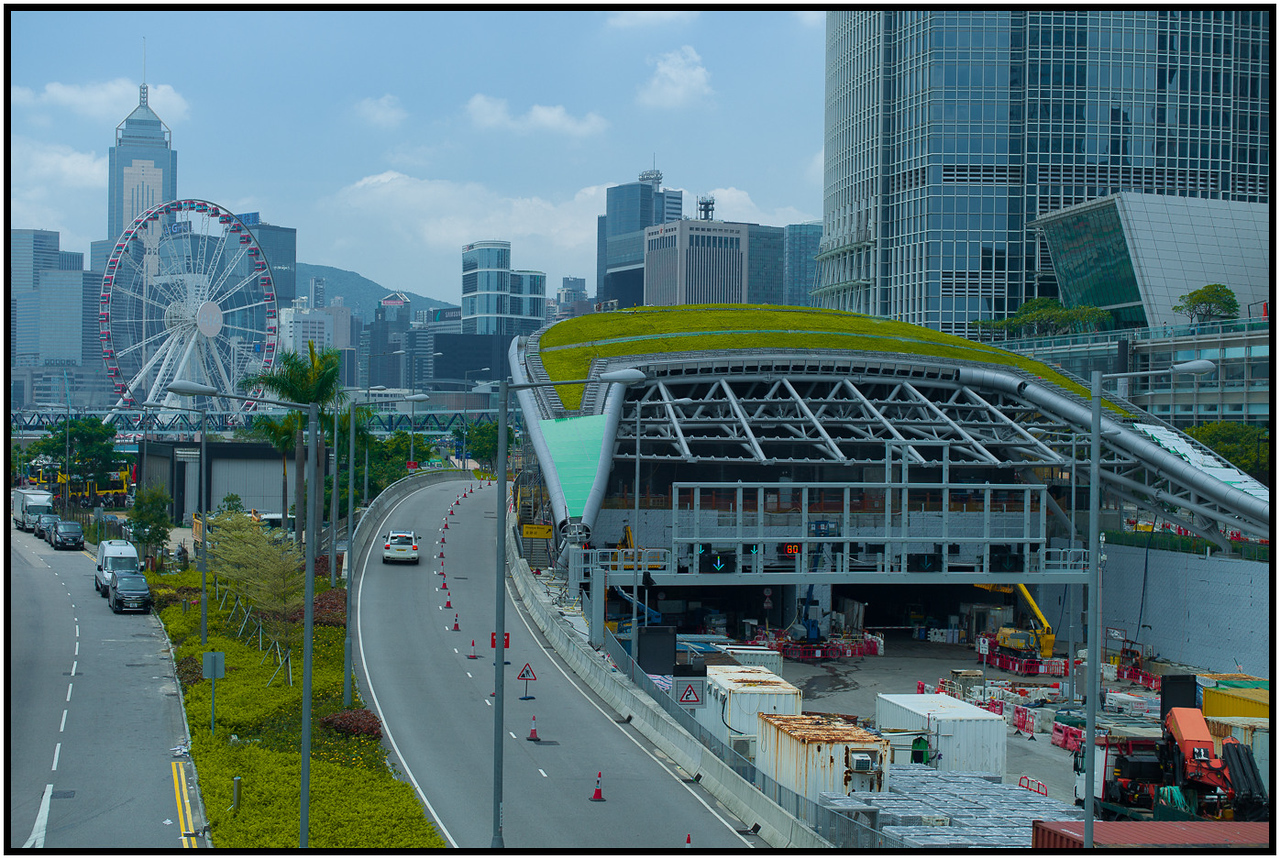
It looks like they are building a new road/underpass. The top of it is covered with vegetation.
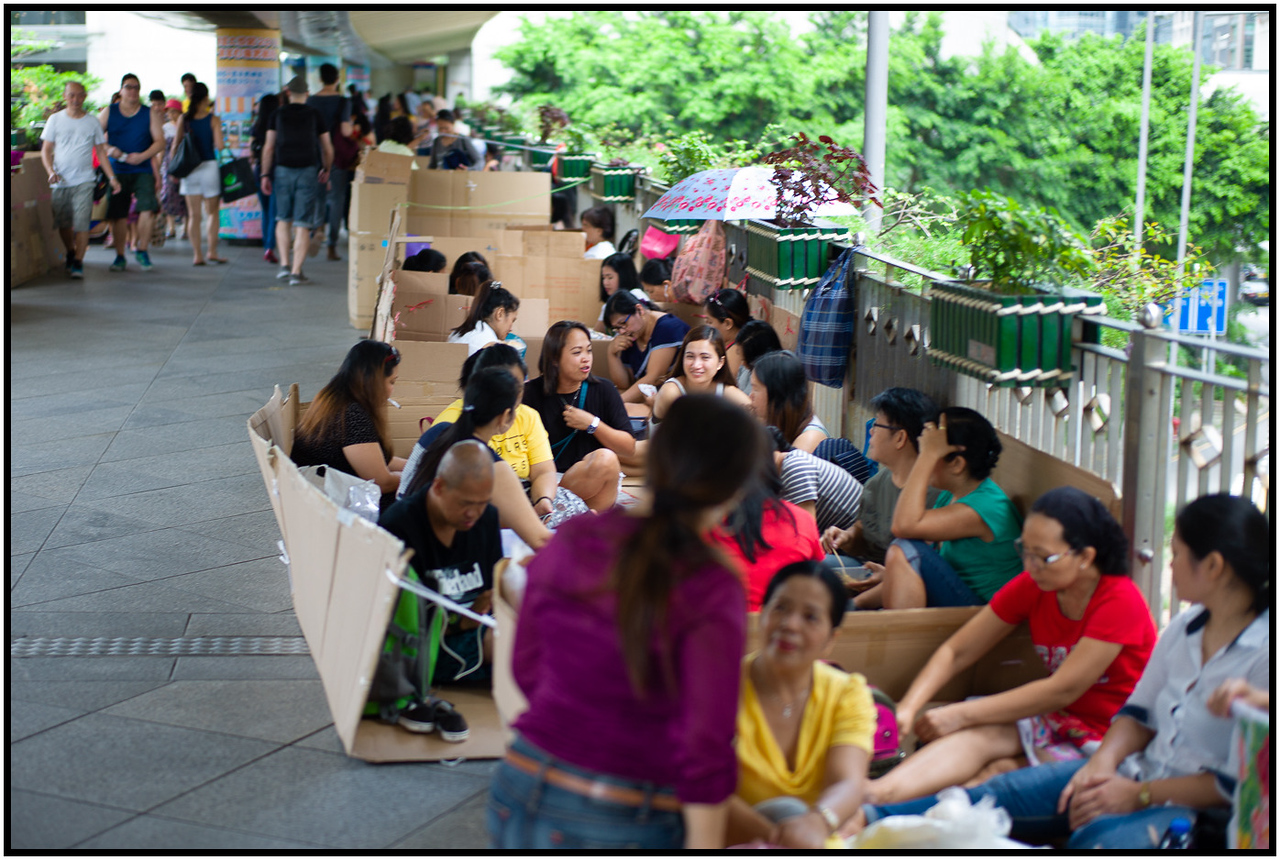
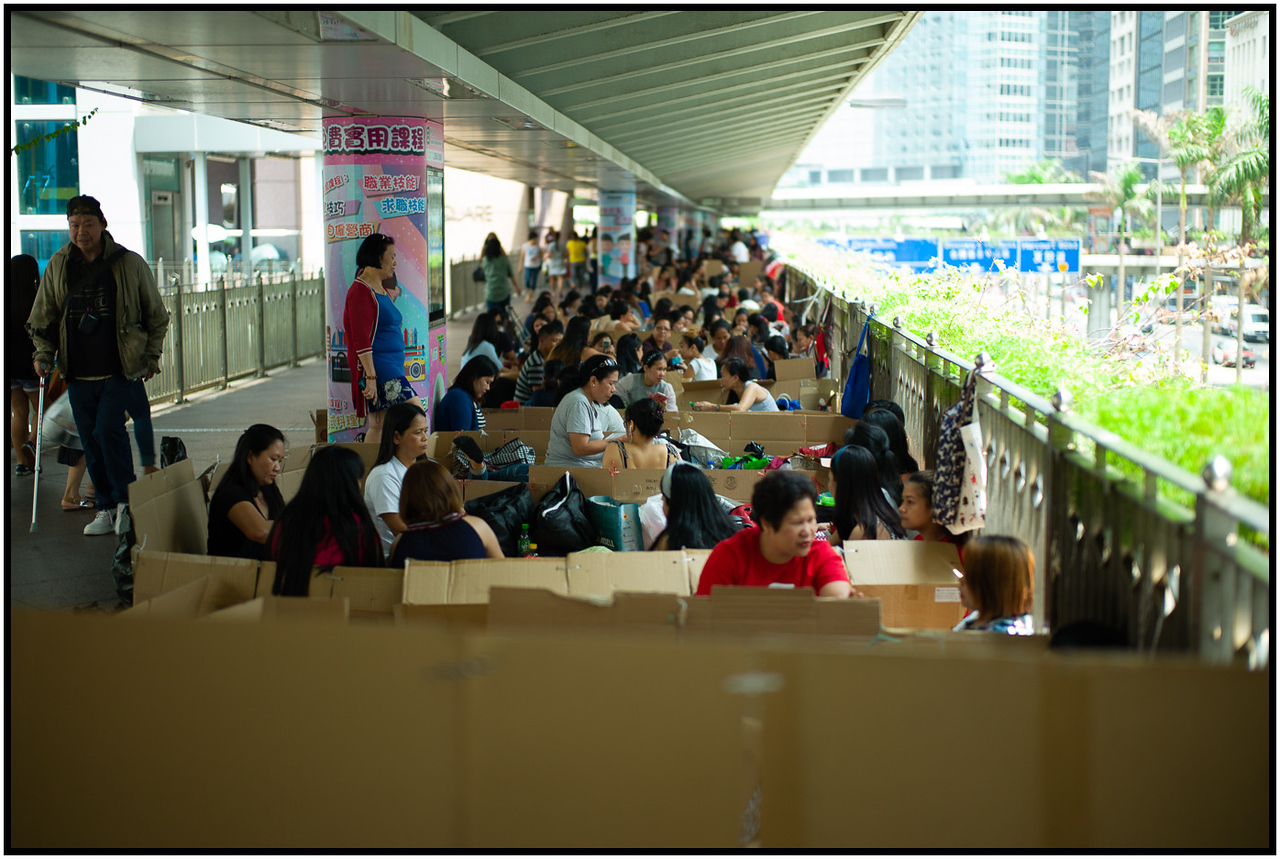
Every Sunday foreign (mostly Filipino) domestic workers stage a protest along the sidewalks of HK Island. Thousands of them line the streets, all sitting on cardboard boxes they’ve turned into makeshift picnic areas. They’ve been doing this for years. Sunday is their one day off each week and they spend it socializing: doing each other’s hair, nails and make-up, eating, napping, doing needlecrafts and artwork, singing, talking to people back home on their phones.
Another gorgeous banyan tree.
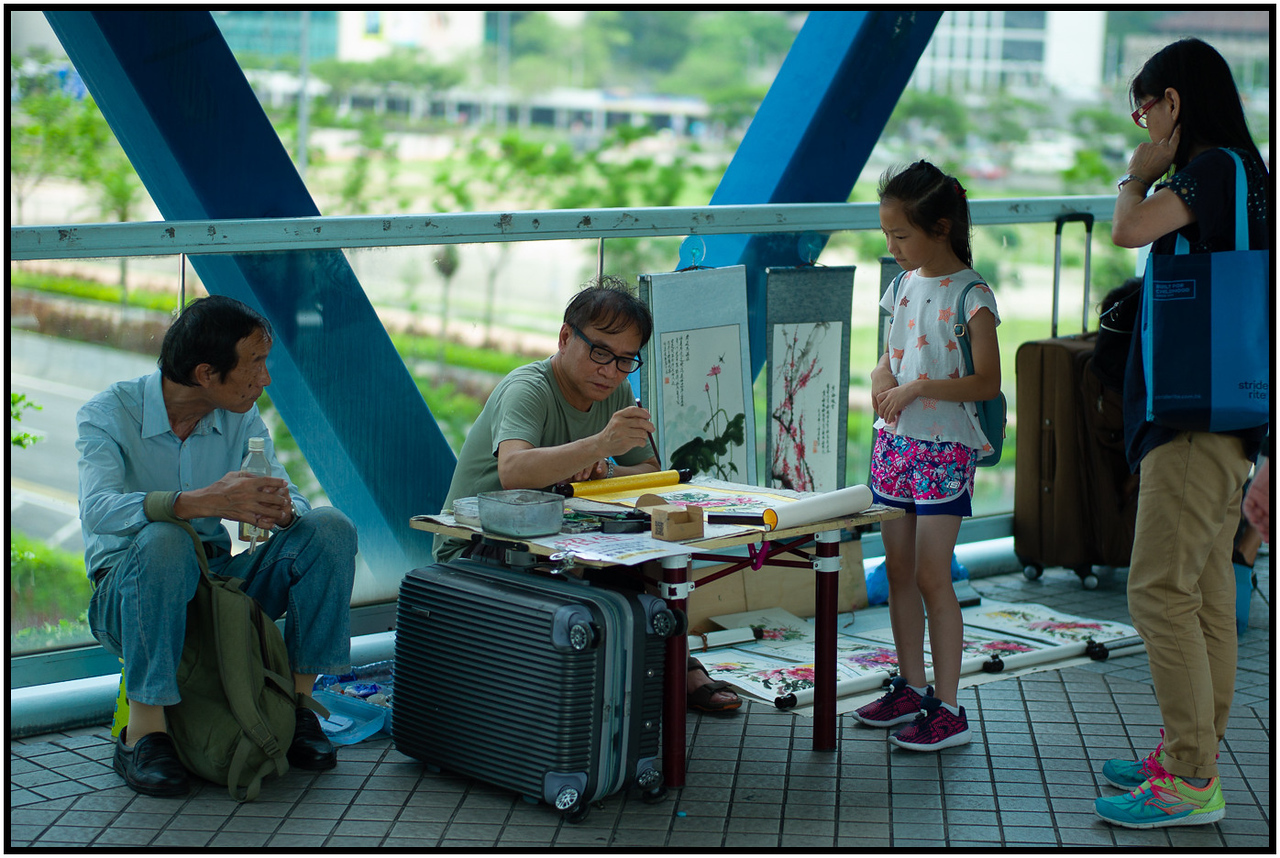
This guy was painting scrolls near the ferry terminal. “Hang one in your home to bring good luck” he told me when I bought one.
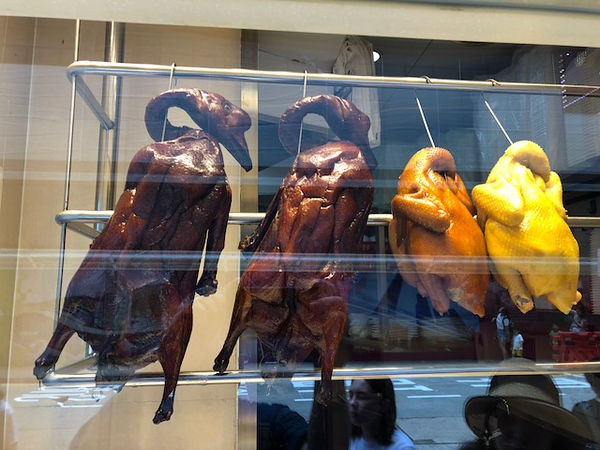
Ducks for sale in a shop window.
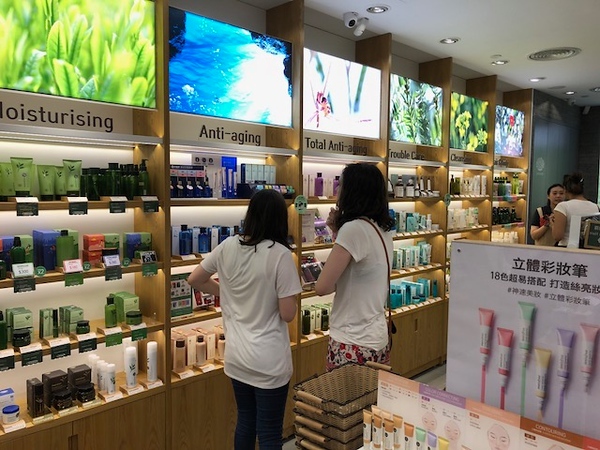
The girls shopping in a cosmetic store in the lobby of our building. (They are worried about aging?!)
Tomorrow we have an appointment to play a virtual reality video game at a place called Sandbox VR. We signed up for their newest game, Curse of Davy Jones. Until tomorrow!

