
July 6, Sunday
We didn’t have any plans for today, aside from driving to our next rental house in Devon. We just headed out in the morning and started looking for interesting road signs. It turned out to be one of our more interesting days. It’s always so fun and rewarding when spontaneity works out. It has a dangerous potential for going the other way.
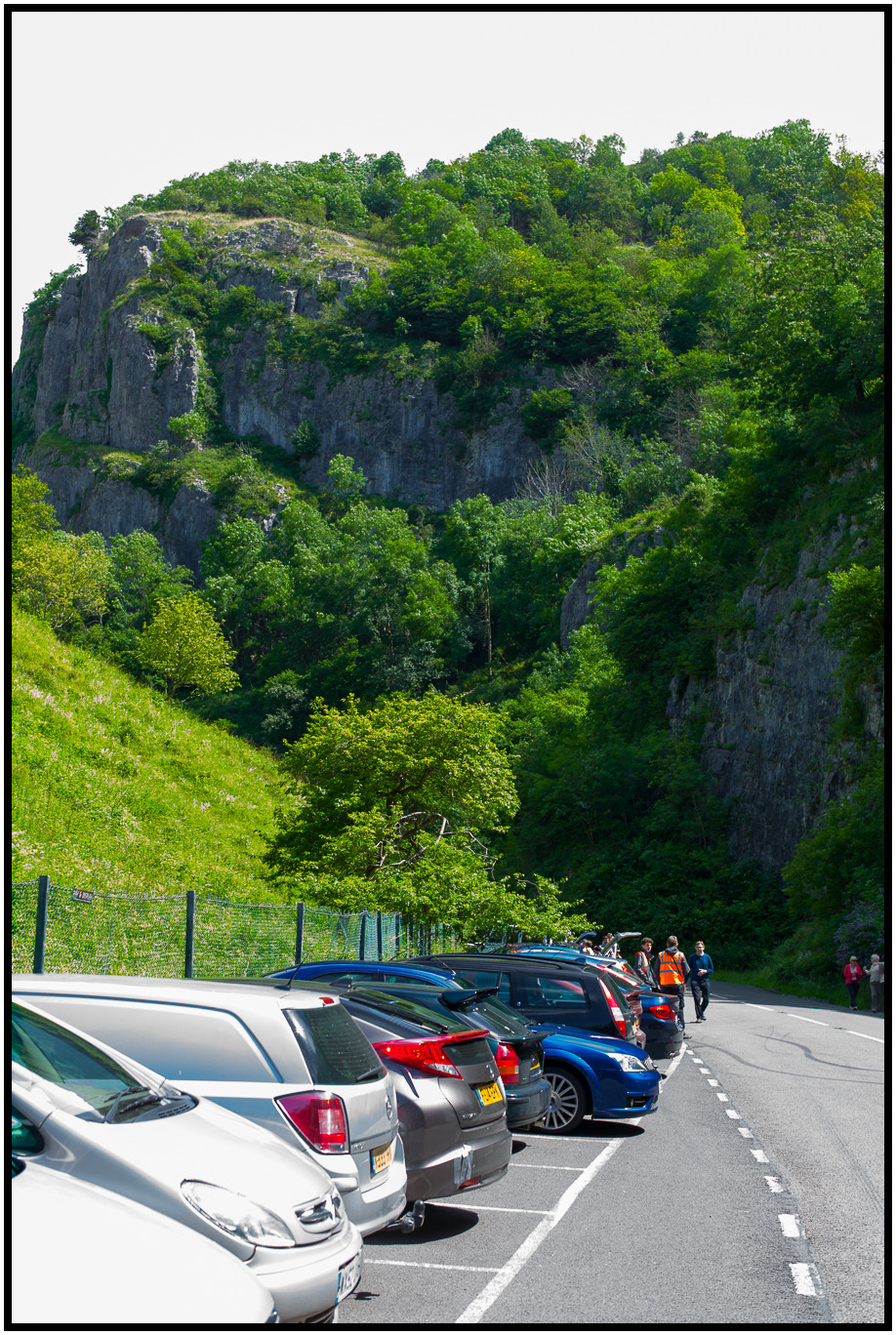
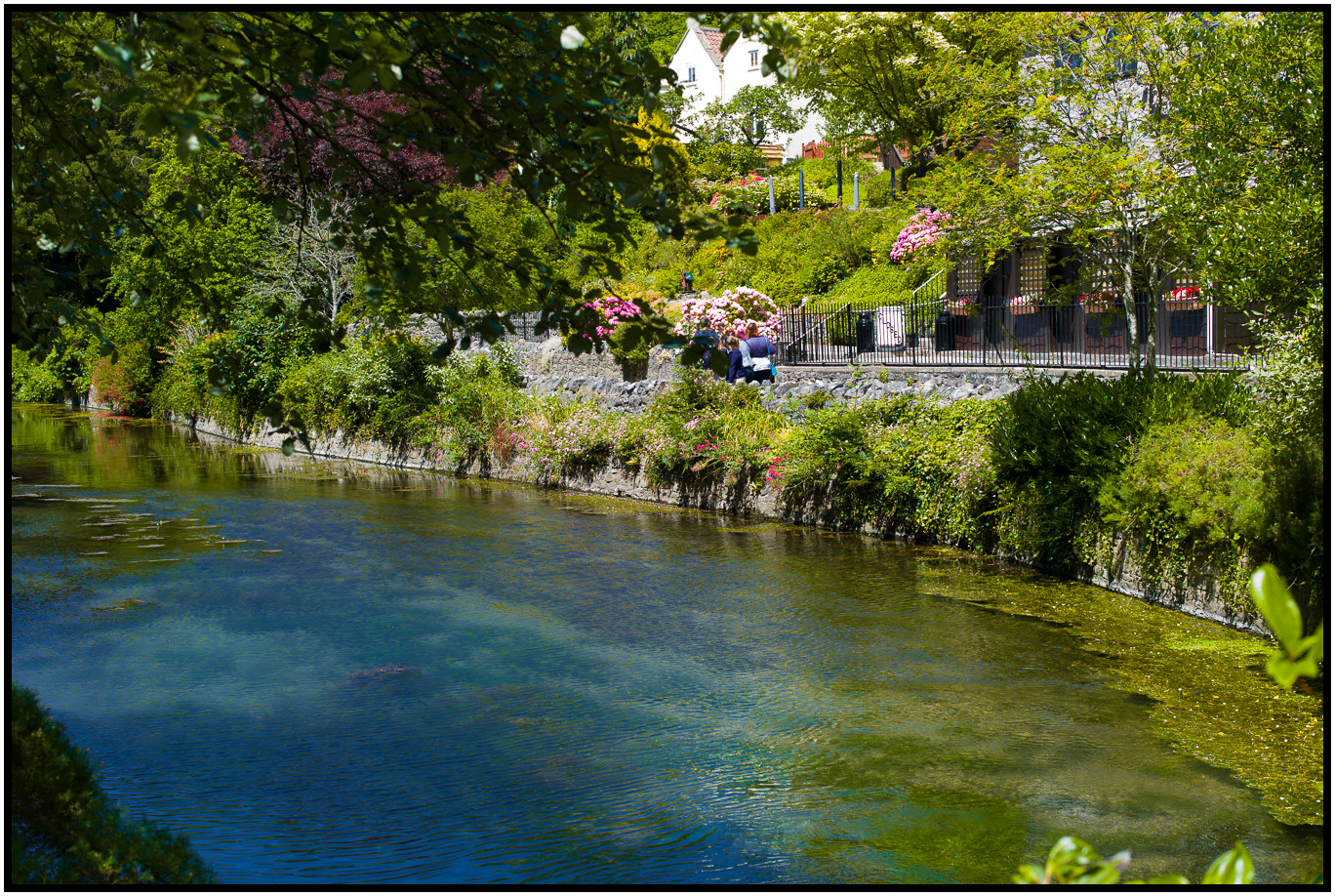
So, we ended up in Cheddar … the town where cheddar cheese was invented. It’s in a beautiful and unique geological region, part gorge and part cave system.
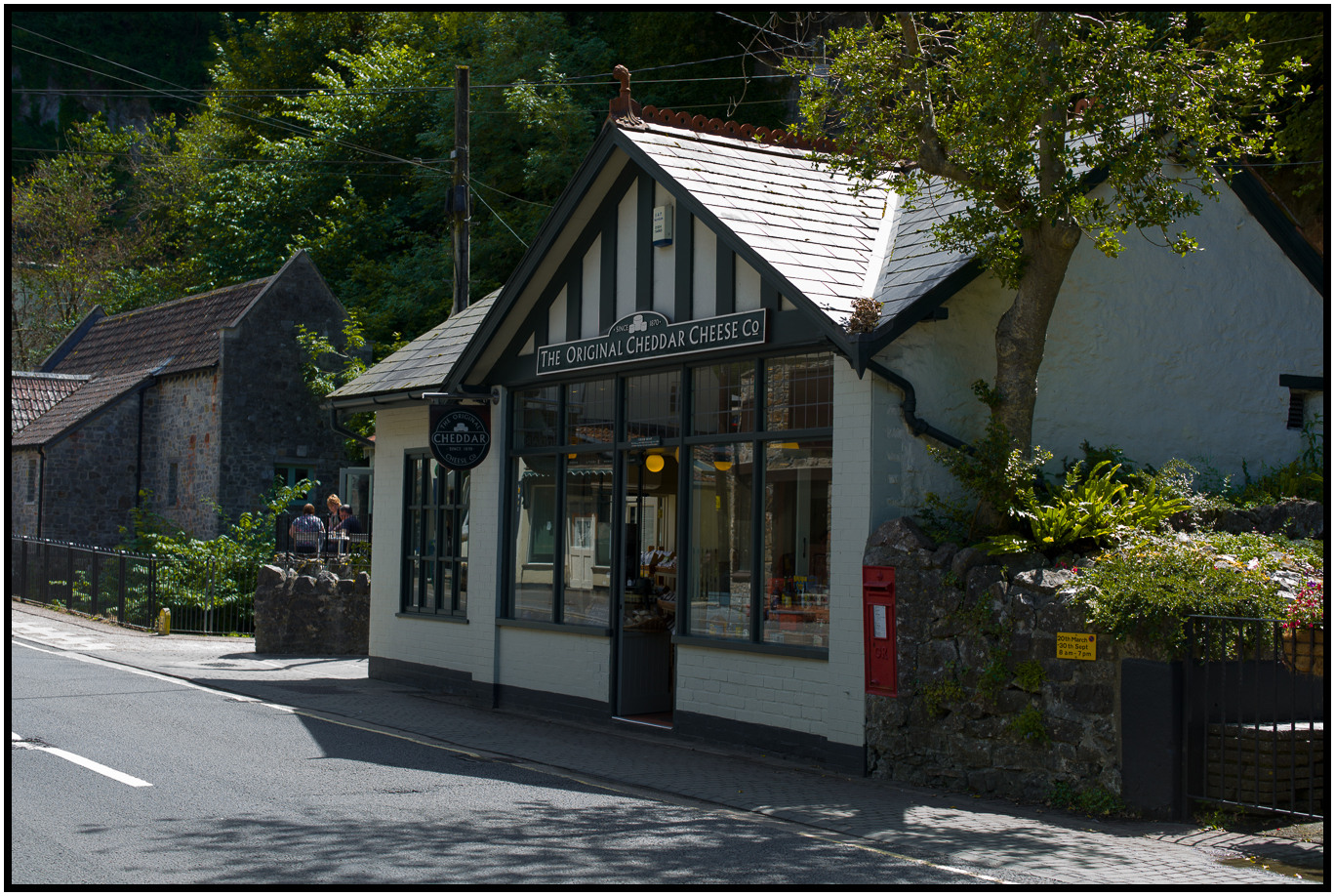
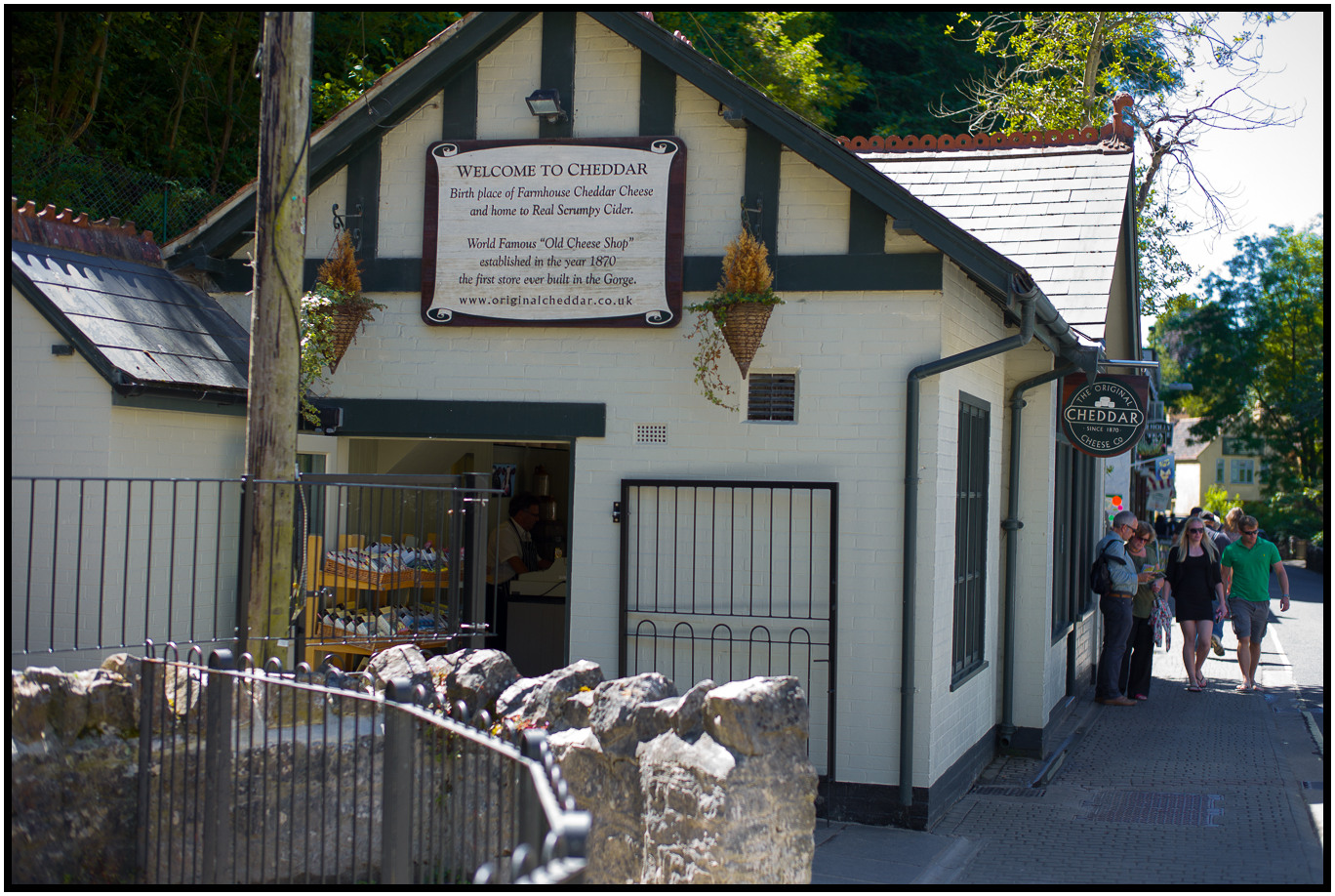
This is the original cheese shop where cheddar cheese was first created and offered for sale. We made note of it because we wanted to buy some cheese there on our way out of town. But first, there were caves to explore.
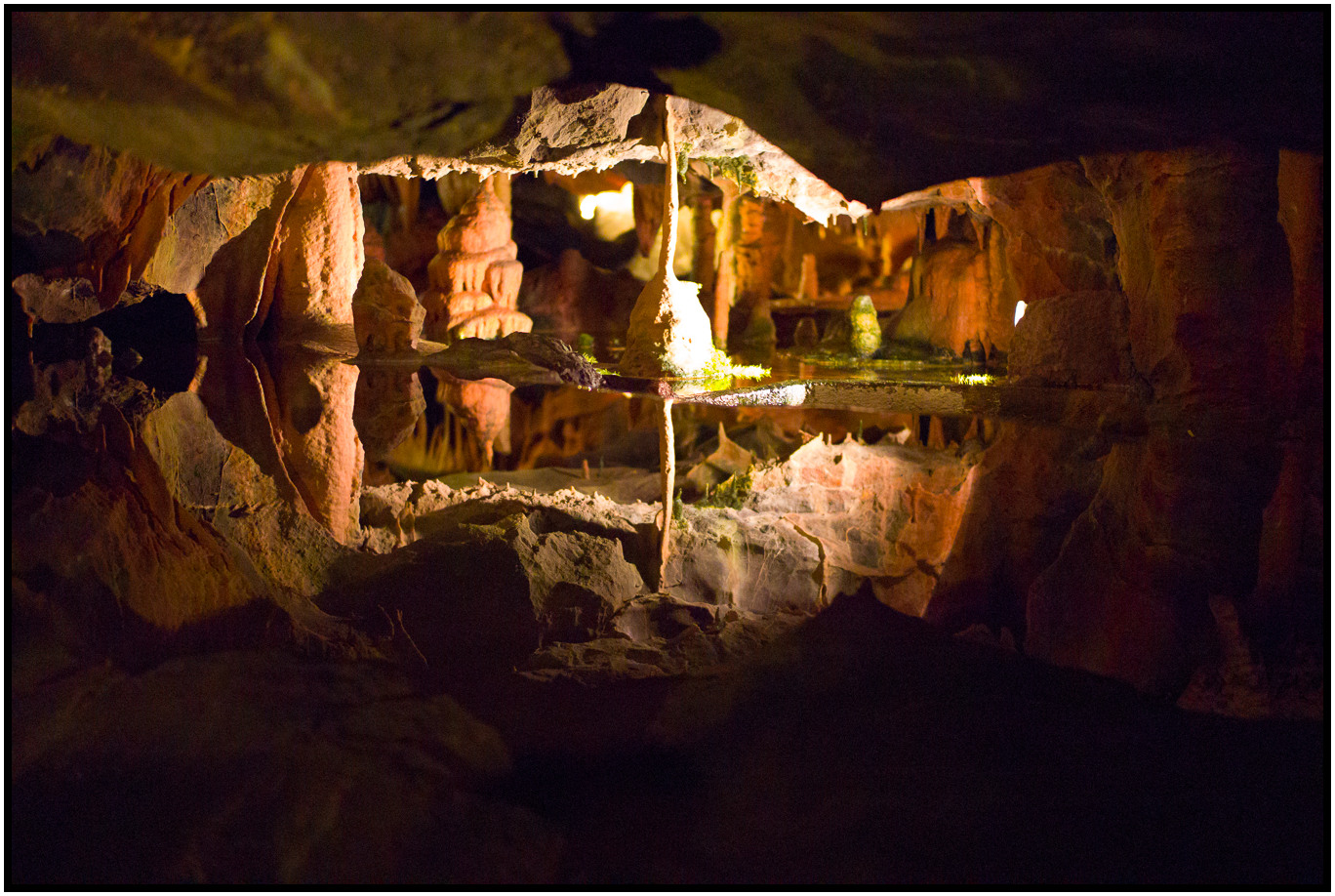
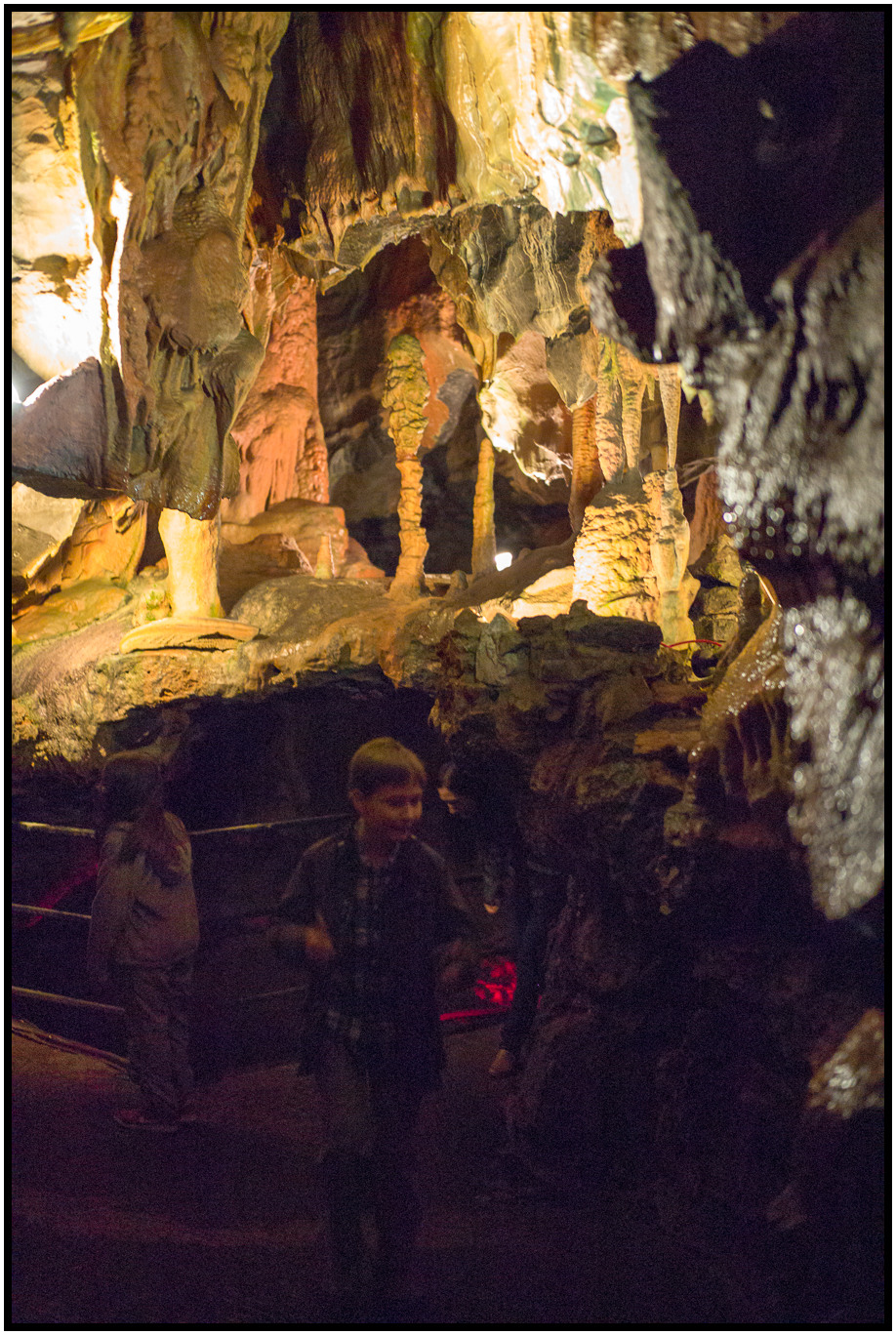
They have two caves in Cheddar. The small one only takes about 10 minutes to go through, but is neat and worth seeing.
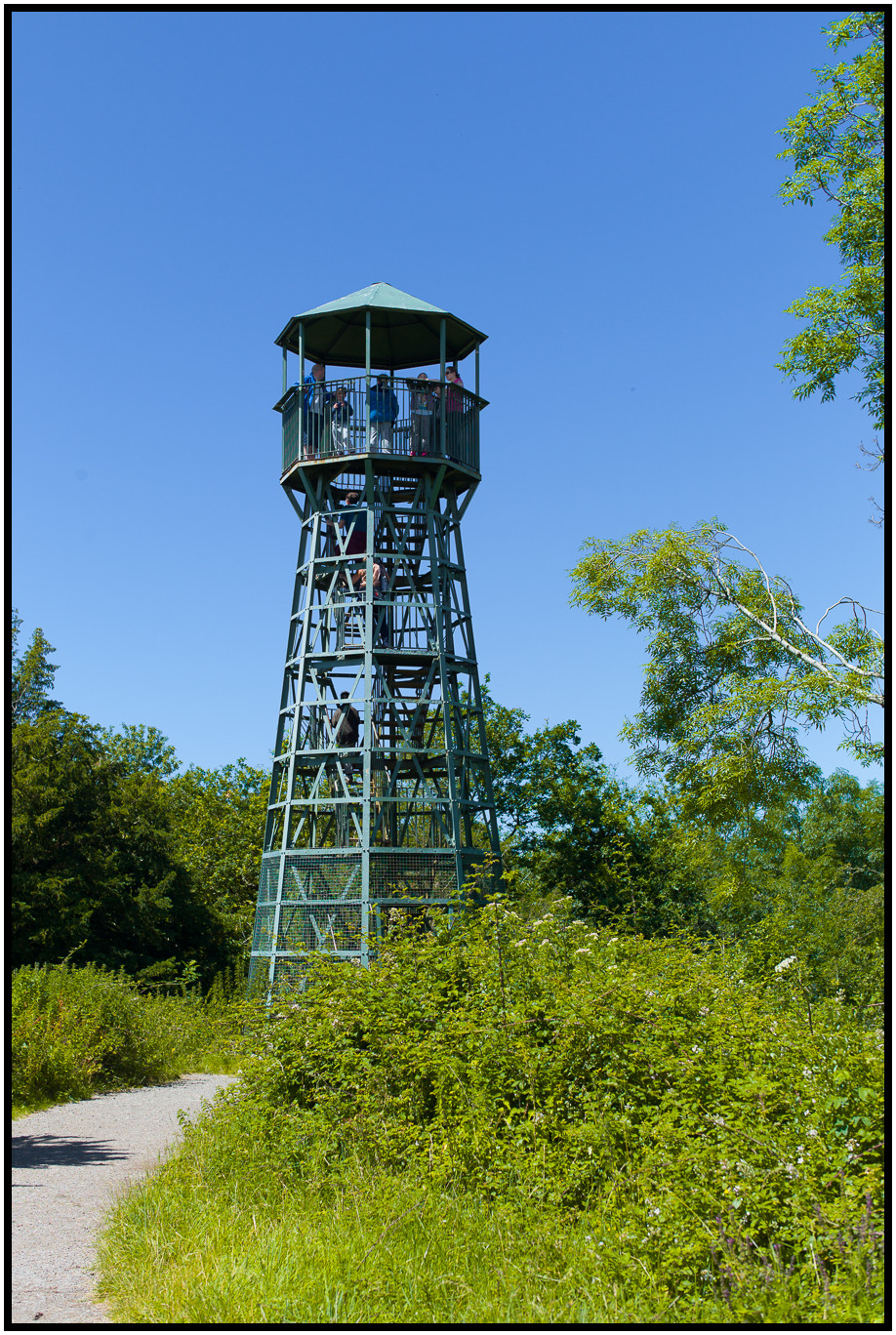
Next up was Jacob’s Ladder and the Lookout Tower. Jacob’s Ladder is a hike cut into a big hill, straight up 274 steps. They have markers at different levels detailing what was going on during that period of time …. 184 million years ago, the first ocean animals were found here, etc. At the top, it says if you place a sheet of paper on the last step, the thickness of the paper represents the amount of time modern humans have existed.
The Lookout Tower is another 48 steps.
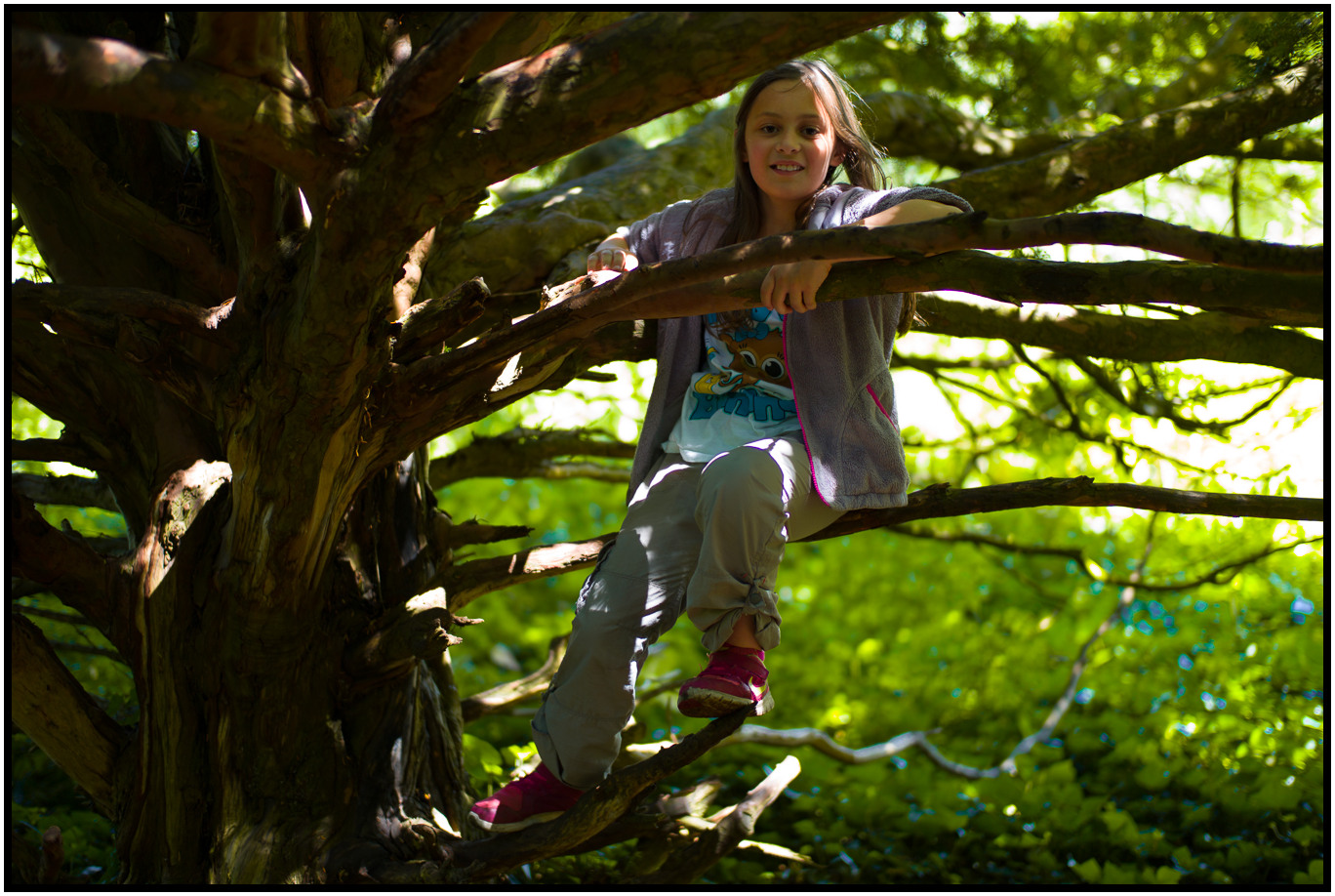
Even after all those stairs, there is still energy for climbing a tree.
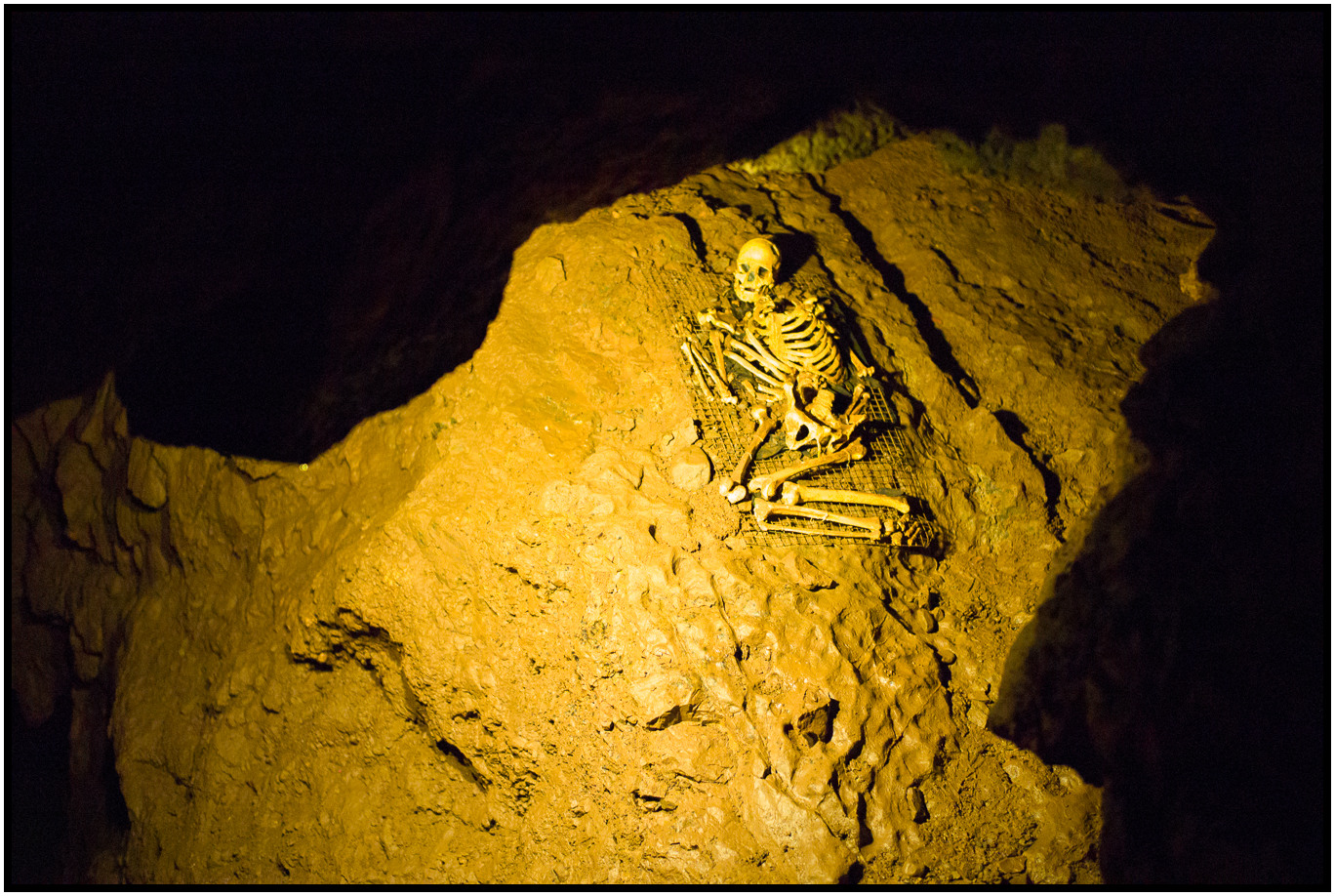
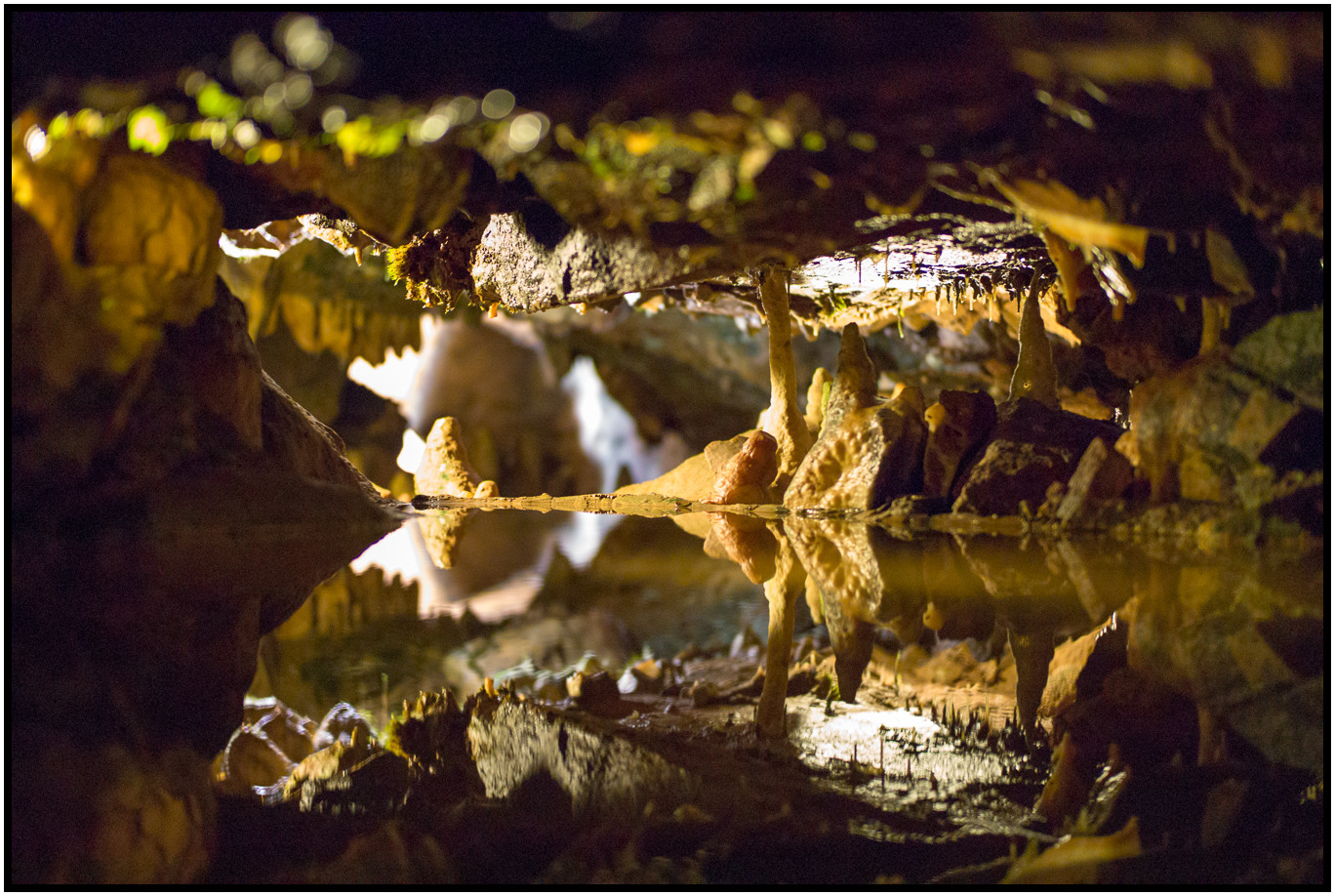
The bigger of the two caves was called Gough Cave. This is the one where they store and age the cheese. It’s also the site where the remains of an ancient human body were found, now called Cheddar Man and dating back to 7150BC. (The skeleton was a replica.)
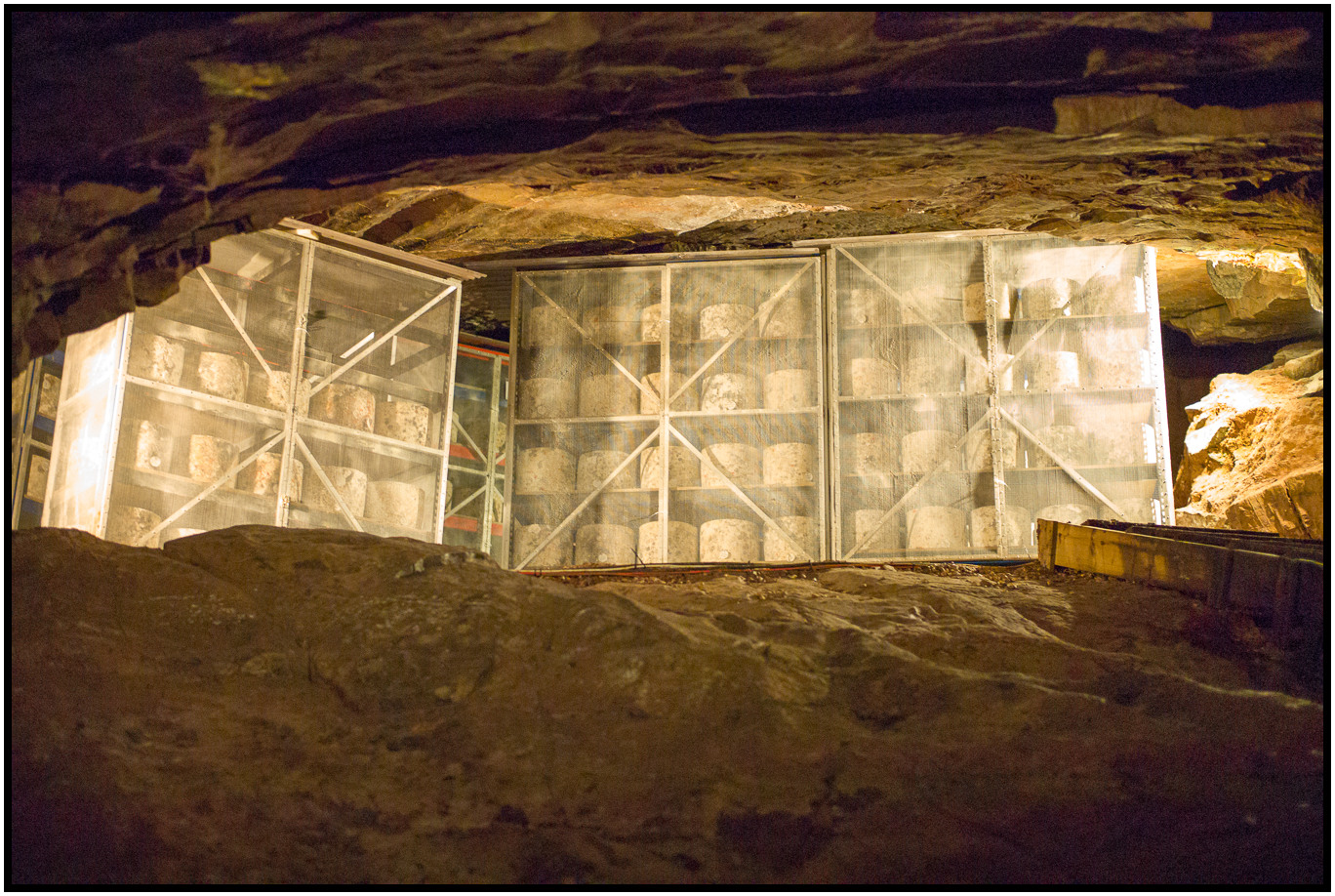
Stacks of cheese. They are covered with the special mold found in this cave system which gives cheddar cheese it’s flavor.
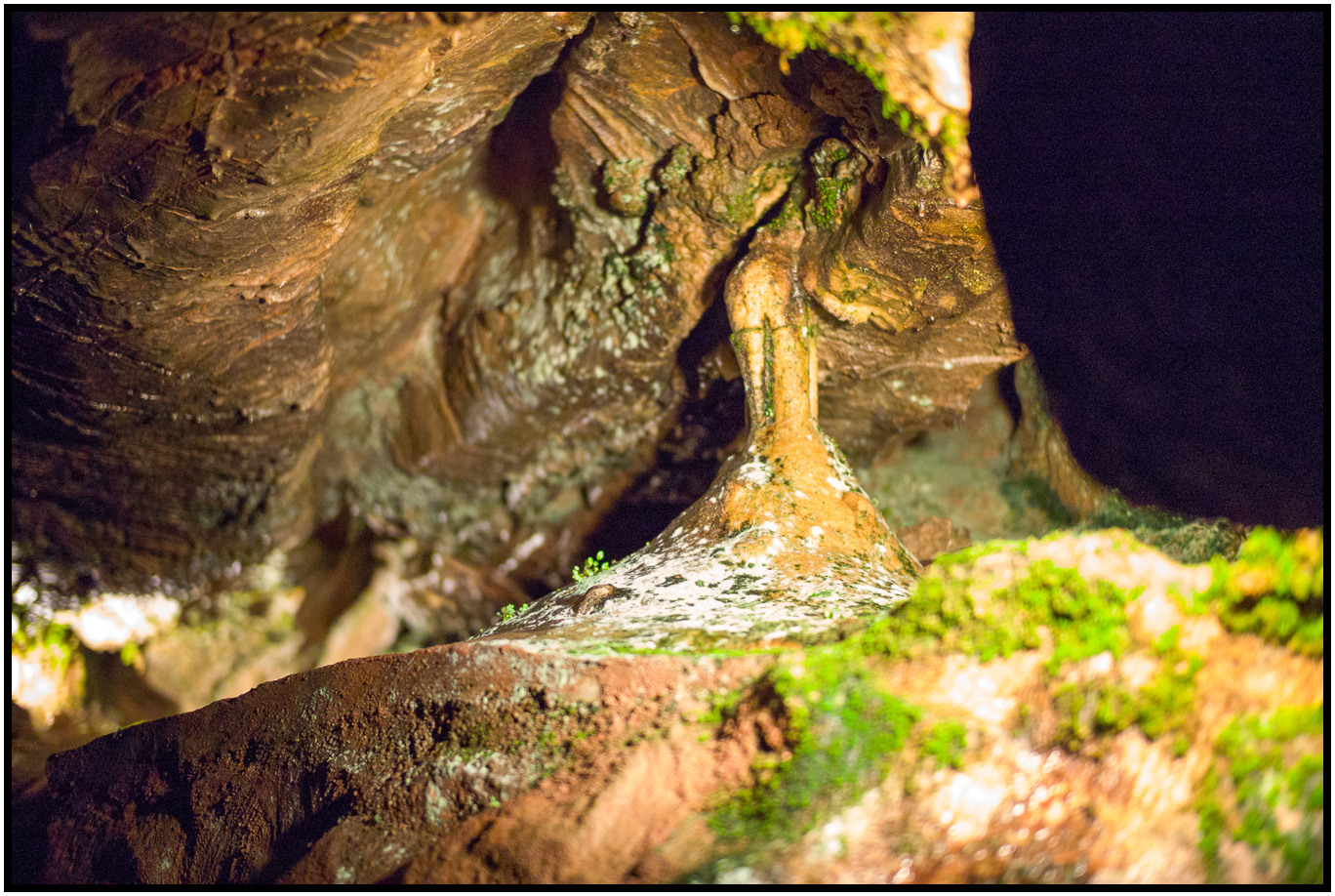
A photo of the mold growing all over the walls of the cave. It looks gross, but makes good cheese!
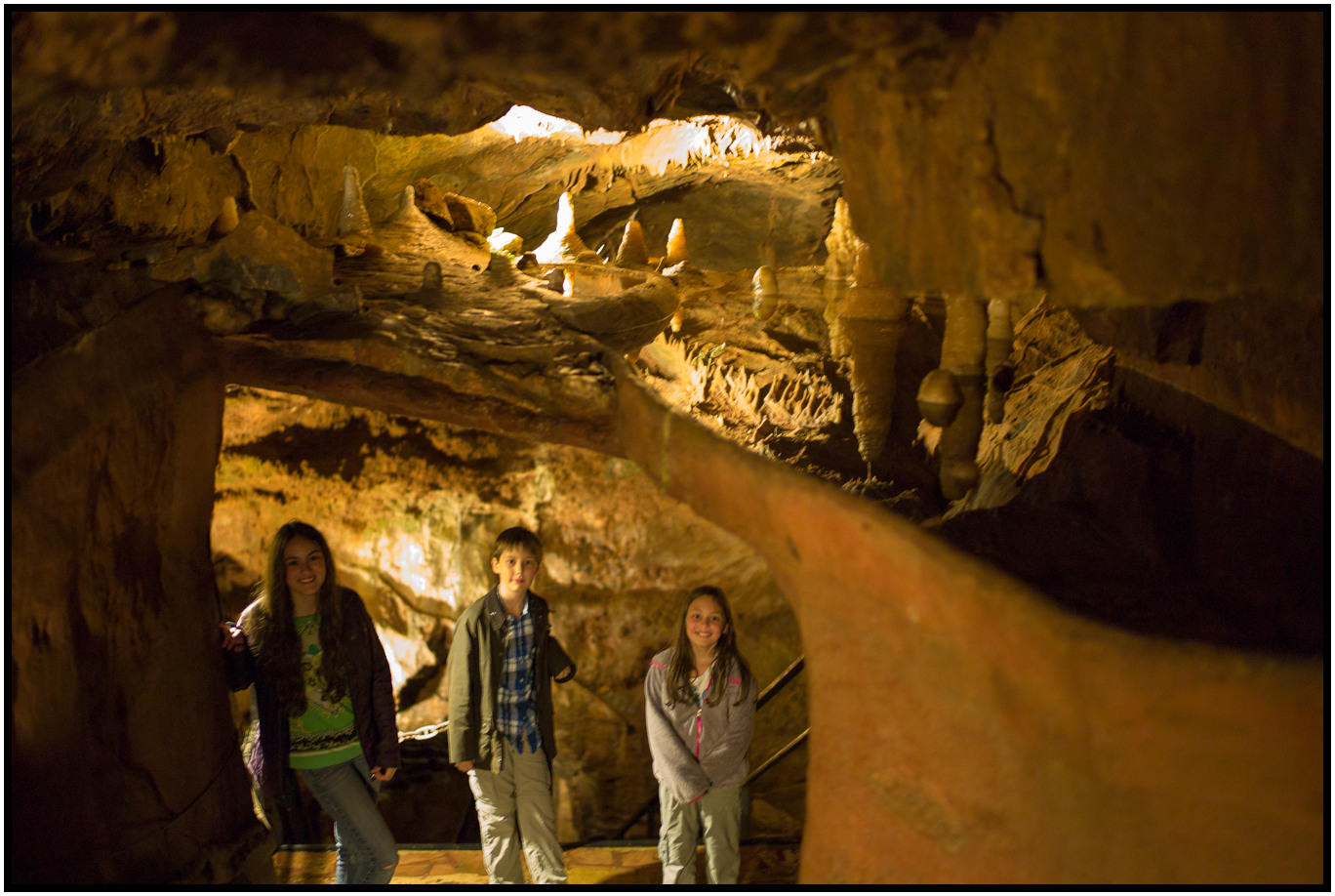
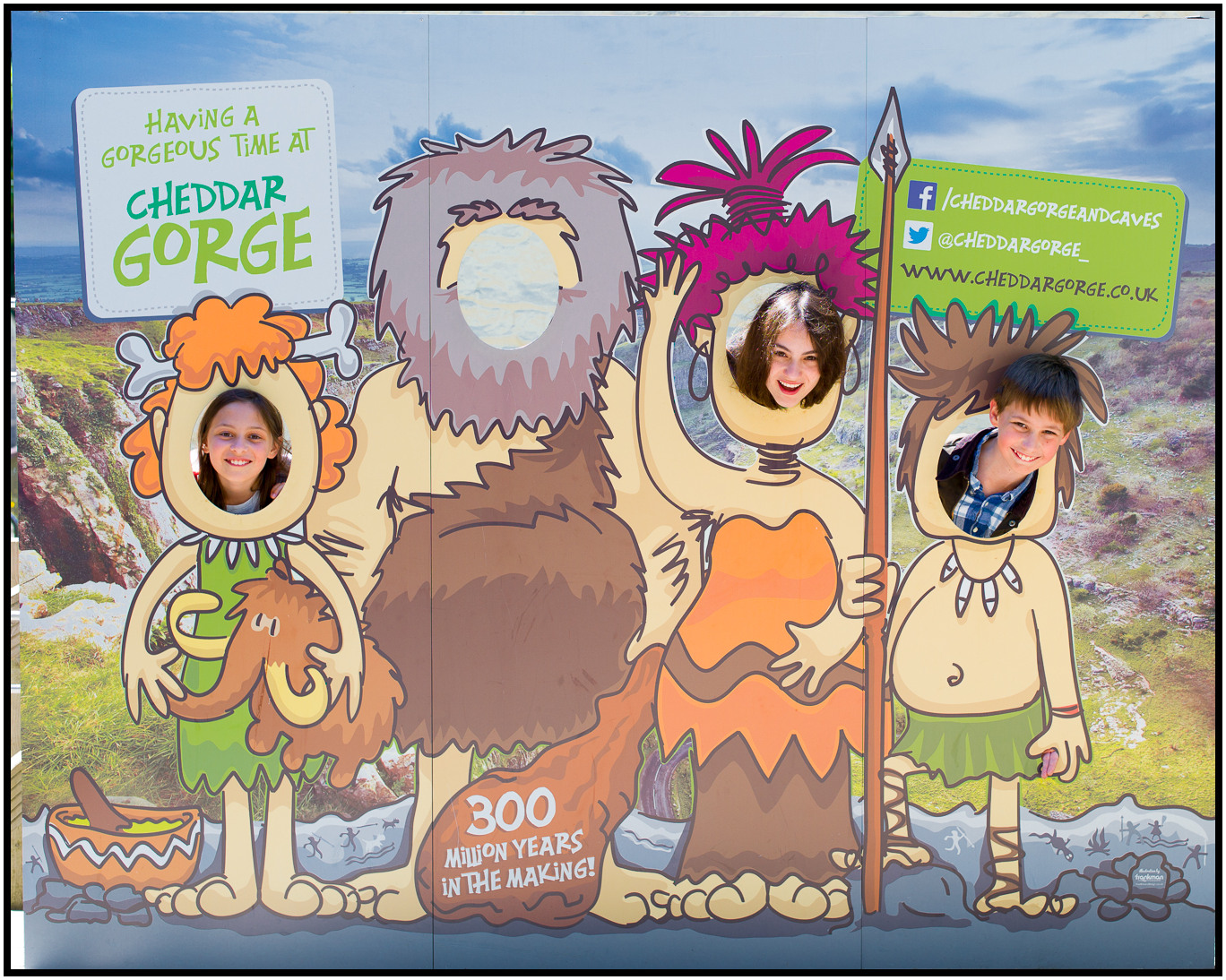
Dumb obligatory tourist photo.
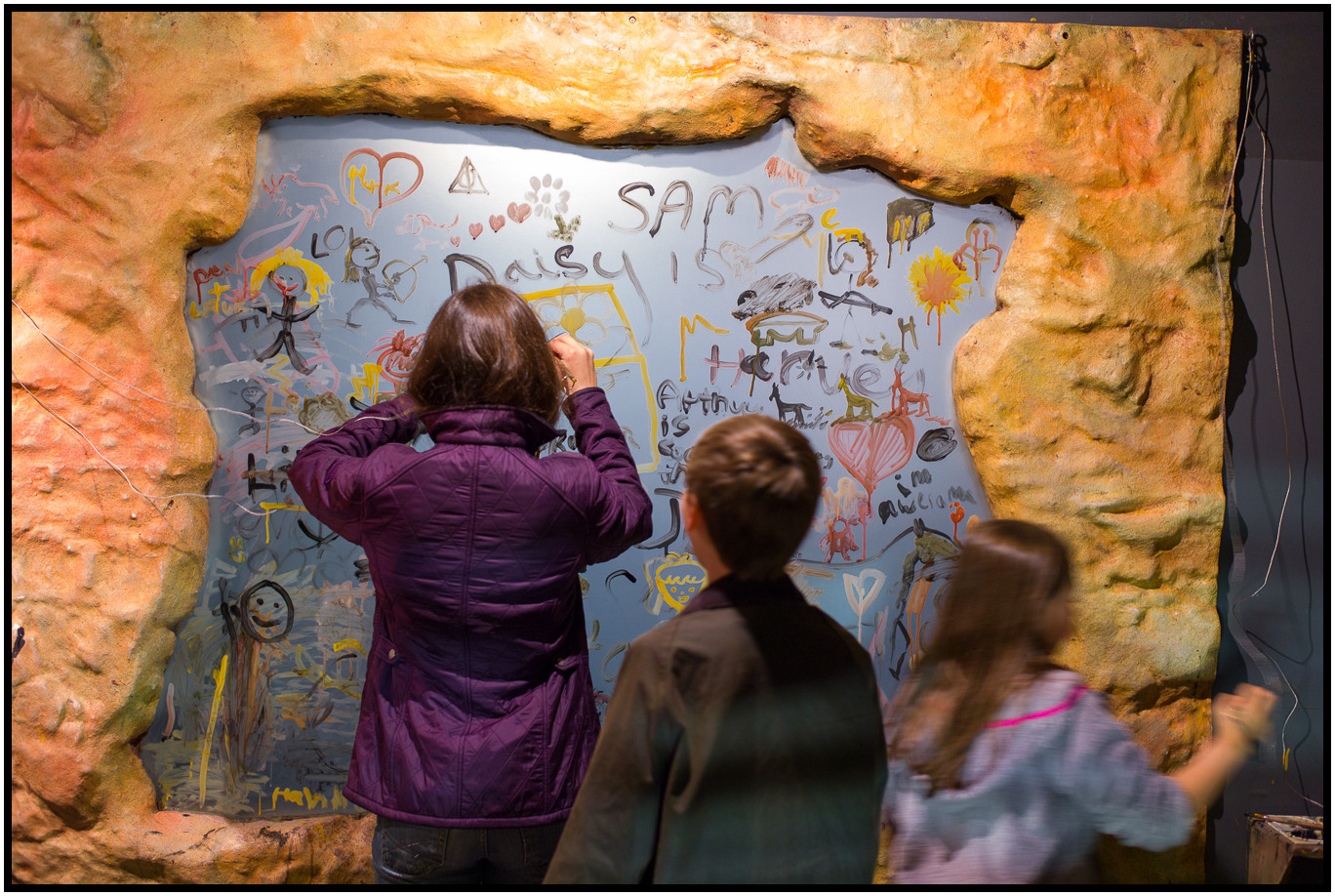
At the Cheddar Man and the Cannibals Museum. This was a display for kids to try their hand at cave painting.
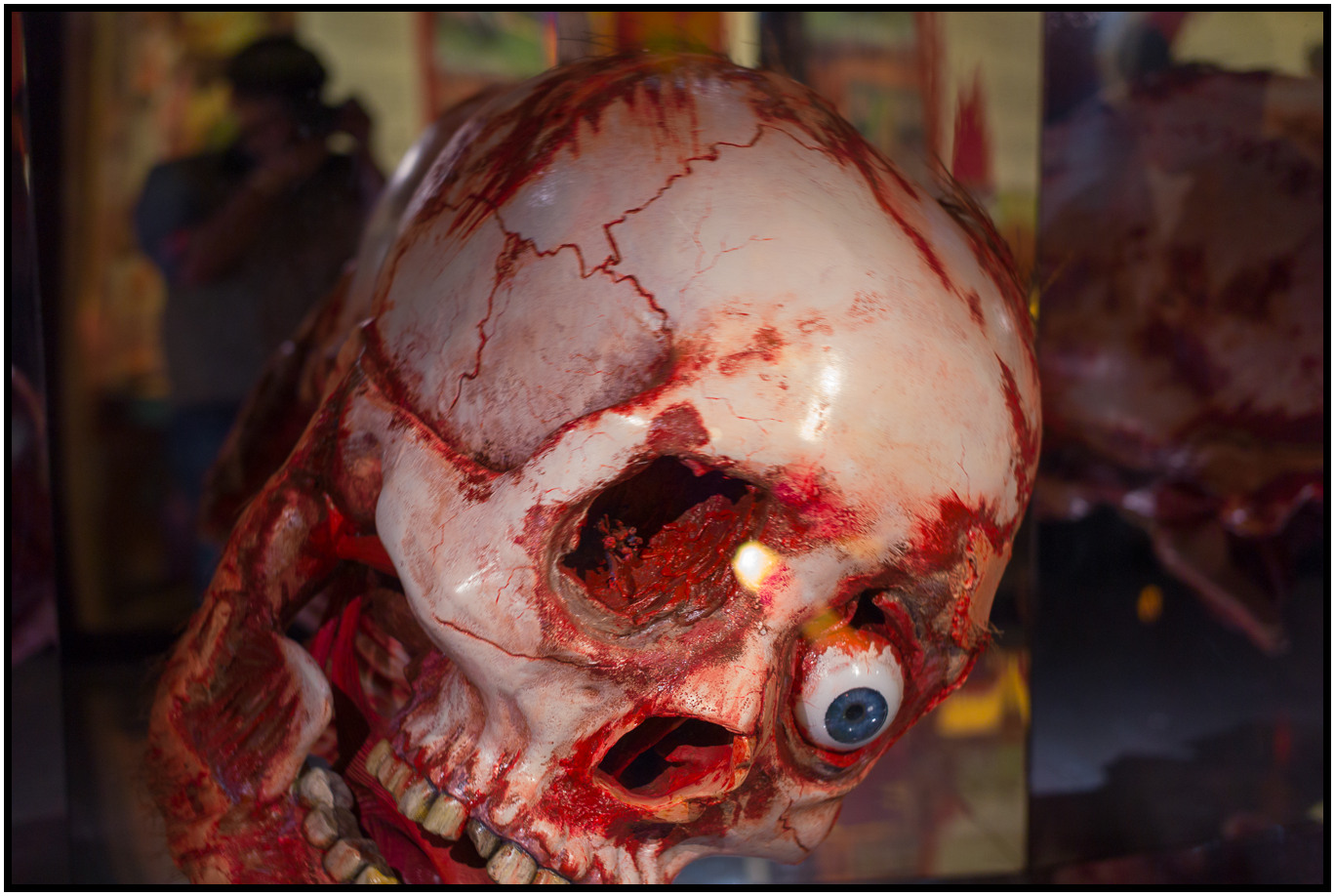
What is a lesson about human cannibalism without a nice visual to help you imagine it?
Back at the Original Cheddar shop. We bought a wedge of cheese aged in the cave we’d just toured, and I bought a stoneware cheese plate.
Cheddar was much more interesting and time consuming than we expected, so once we were done we didn’t have time to stop anywhere else. We needed to drive another 90 miles to check into our house.
This is the coolest house we’ve ever stayed in. We’re here for the next 4 days in a cottage that was built in the 1200s. It looks like a museum … no structure like it exists in the United States. It smells funny — what we’ve come to realize is that when people say “It’s damp,” what they really mean is “It stinks of mildew.” That’s what you get with uninsulated stone walls that can’t breathe.
Just to put the timeline in perspective: when Henry VIII was giving the middle finger to the Catholic church, chopping off Anne Bolyne’s head, and strutting around with a turkey leg in each hand and an ermine stole wrapped around his shoulders, this cottage was already 300 years old. This cottage was already the same age as the United States is now when Christopher Columbus set sail for his first voyage.
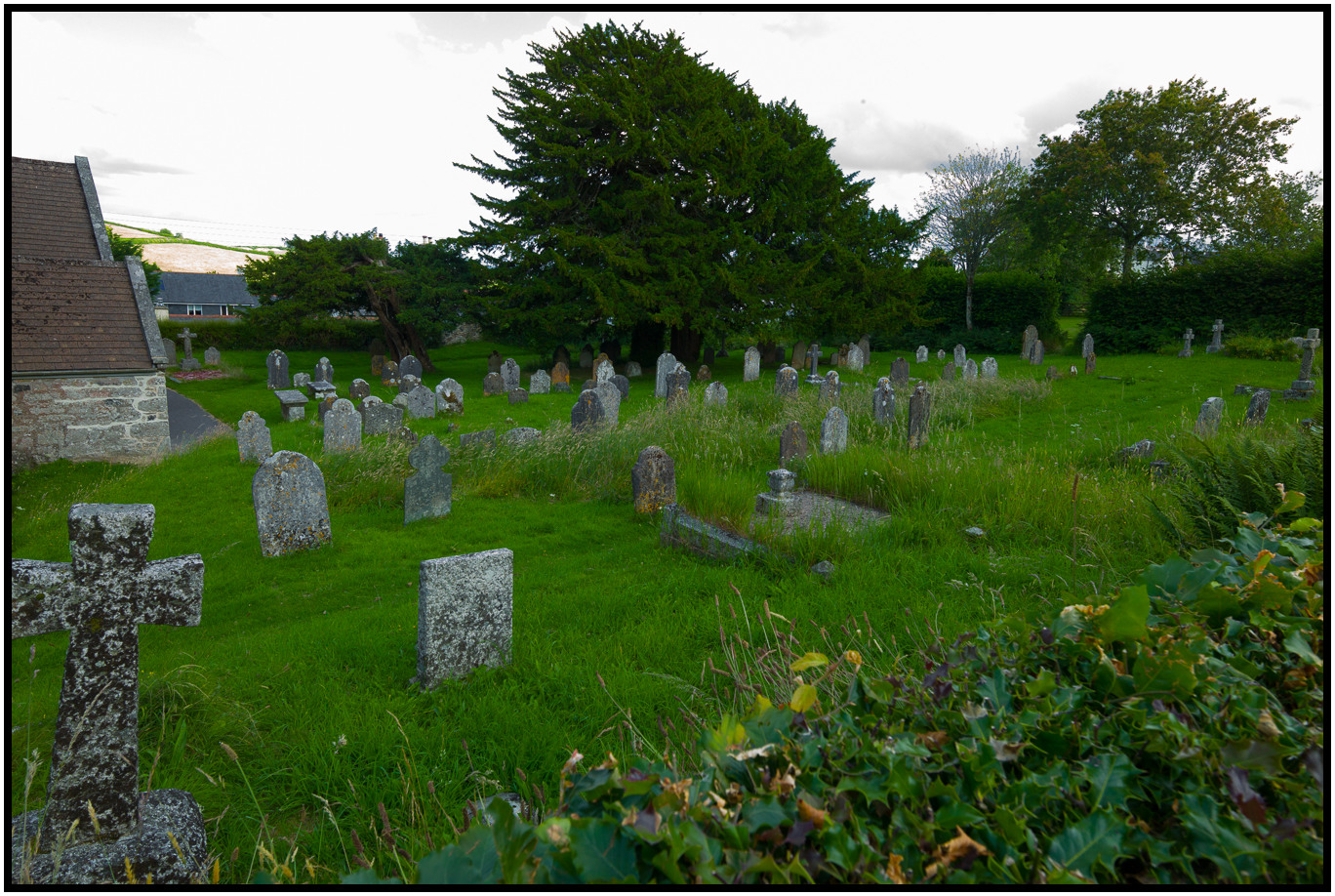
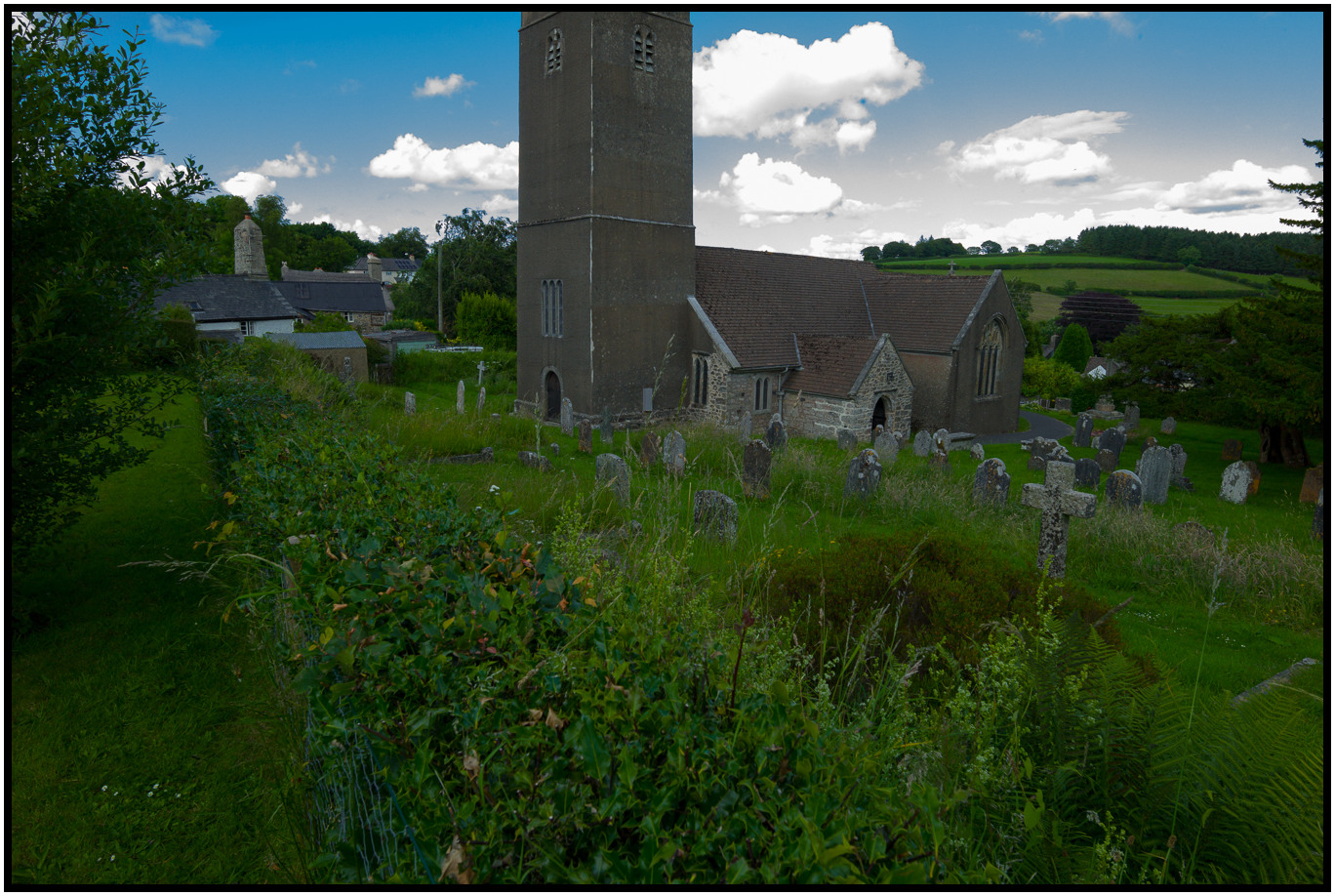
The ceiling is so low Adam keeps bonking his head. It’s also right behind a church with a creepy graveyard, so I’ve promised the kids can they can go over there after it gets dark and see if they are brave enough to handle the ghosts.
The town is called Holne. A community has existed here since at least the 11th century. The current population is 250 and is served by one church and one pub. That is ALL. We made do for dinner tonight with 6 eggs we happened to have in the car and the wedge of cheddar cheese we’d just purchased, because we didn’t want to drive to the next nearest town for a grocery store and the pub in this town was closed.
We’ve taken a lot of pleasure in our “Skyrim dinners” before, but this is probably much closer to something the people of 1200-something would have had to eat …. a half-dozen eggs, some cheese, and a few crackers. The kids scavenged a bowlful of strawberries, raspberries, and some apples out of the yard. The apples on the tree aren’t quite ripe yet and pretty sour, but still edible. We were grateful to have them. 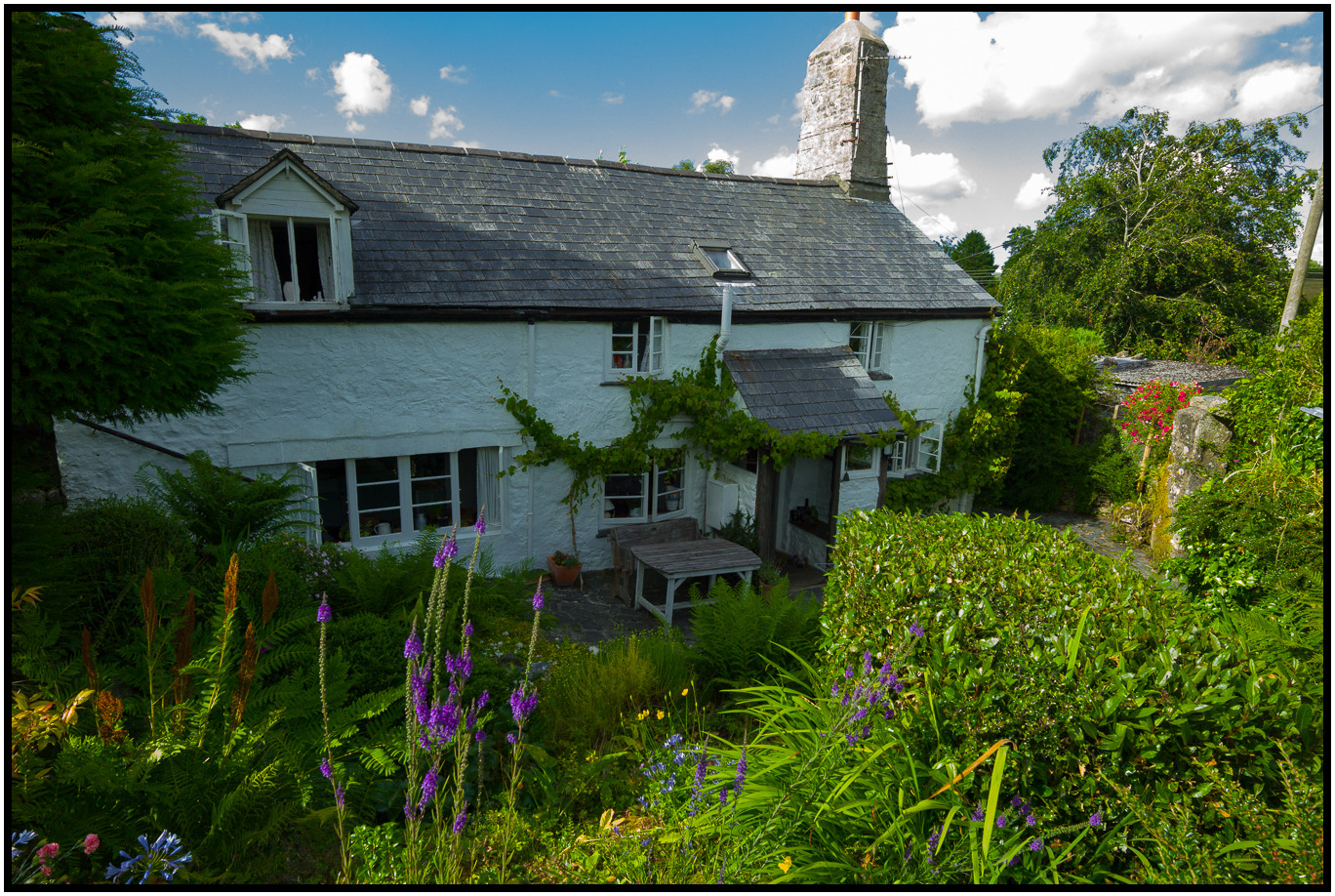
The church and graveyard right next door.
The front room of our cabin [photo below]. From what we can tell, this room most likely was the kitchen back in the day. The fireplace (where the wood burning stove is now) has a big opening in the back for bread and other foods.
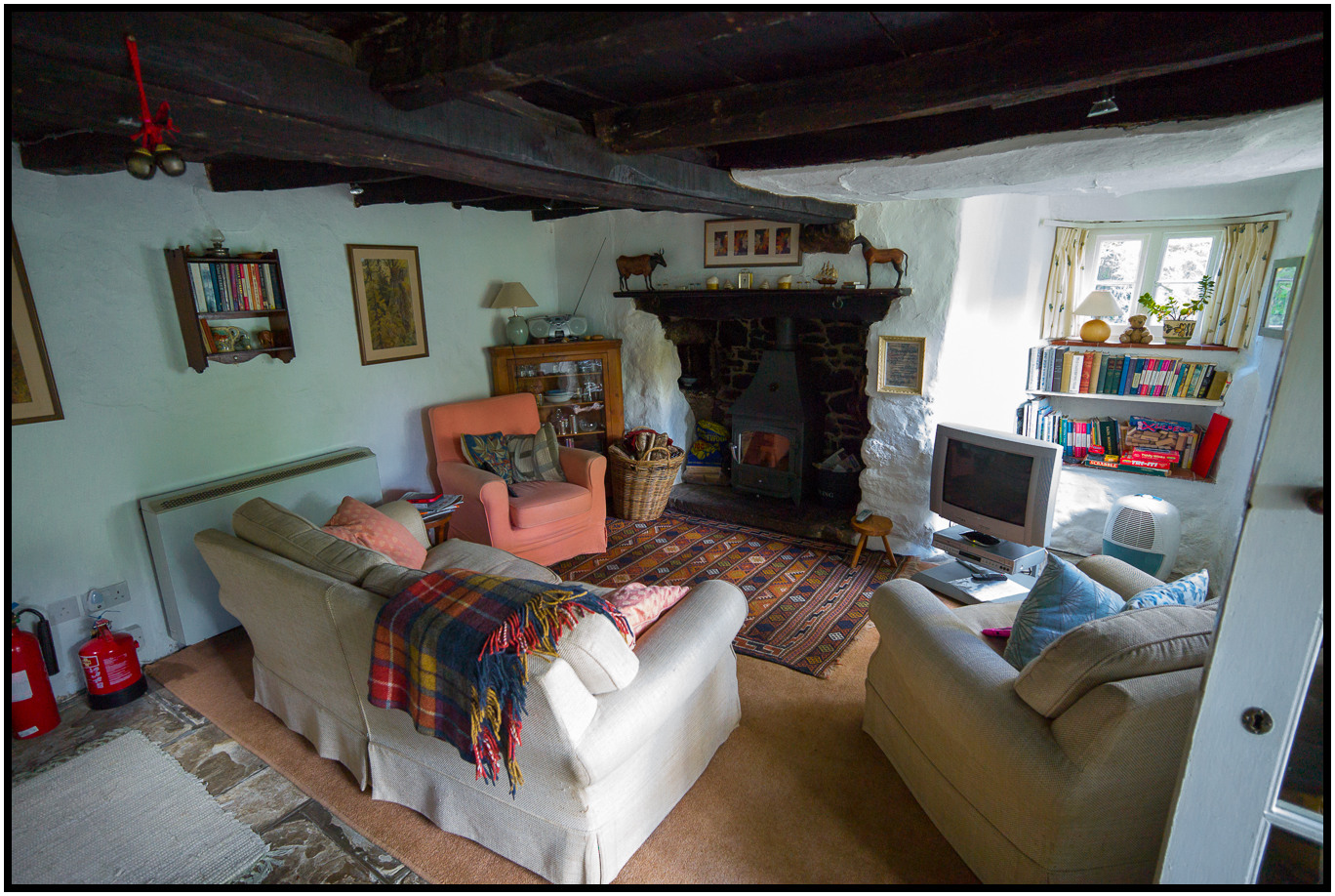
We sat in this room on our computers, watching satellite TV. I said, “Can you imagine what someone from 1200 who used to live in this house would think if they could see what we’re doing right now?”
Isabella said, “They’d think we were witches.”
They probably would, too. I communicated with a friend who is visiting Dublin at the moment, 3 minutes after she sent a message. I also communicated with a friend living in Kansas who is having a birthday today, my parents in Idaho, and another friend in Anchorage, Alaska. All from this 1200s cottage in the south of England. We are living in an age of magic become real.
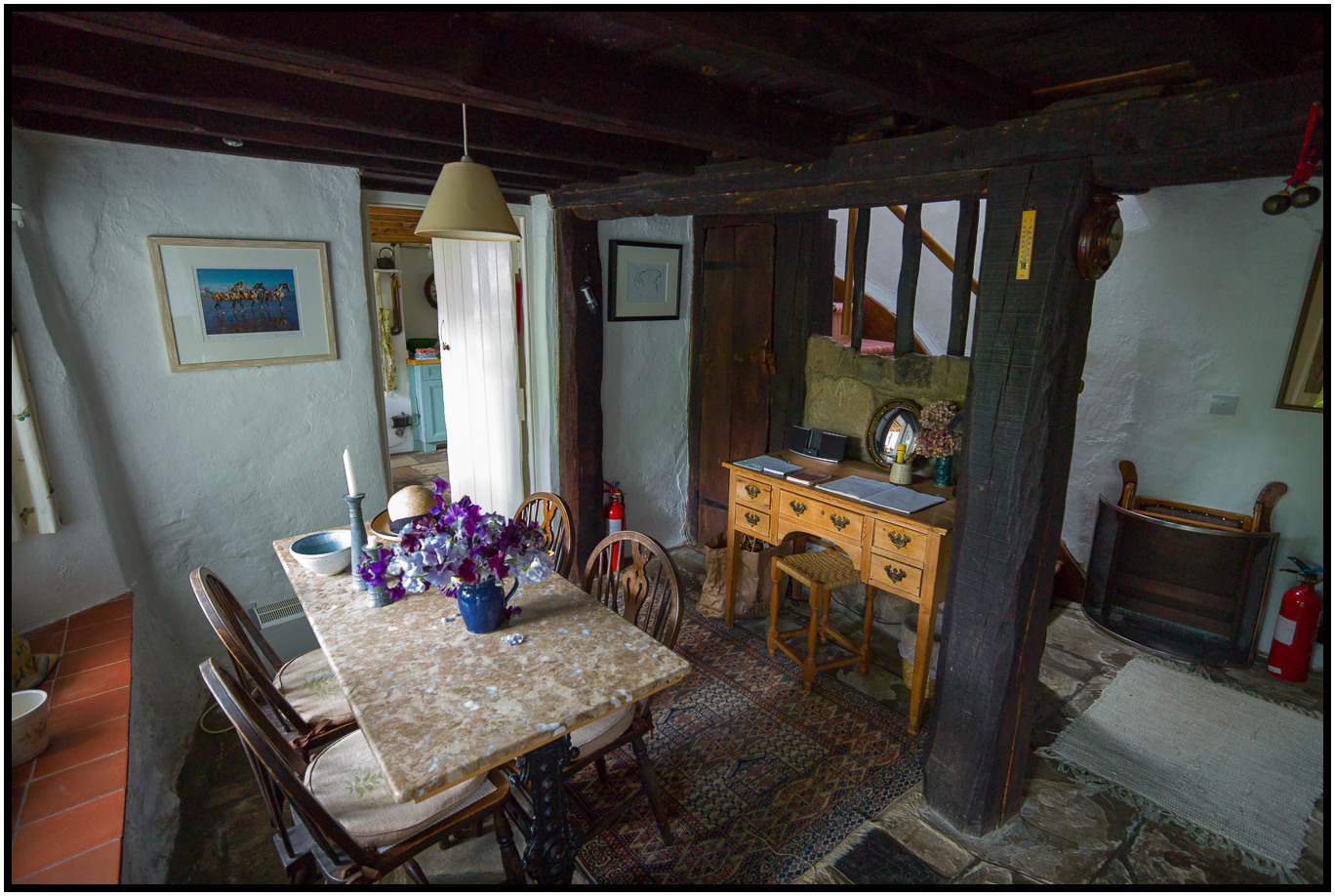
Dining area.
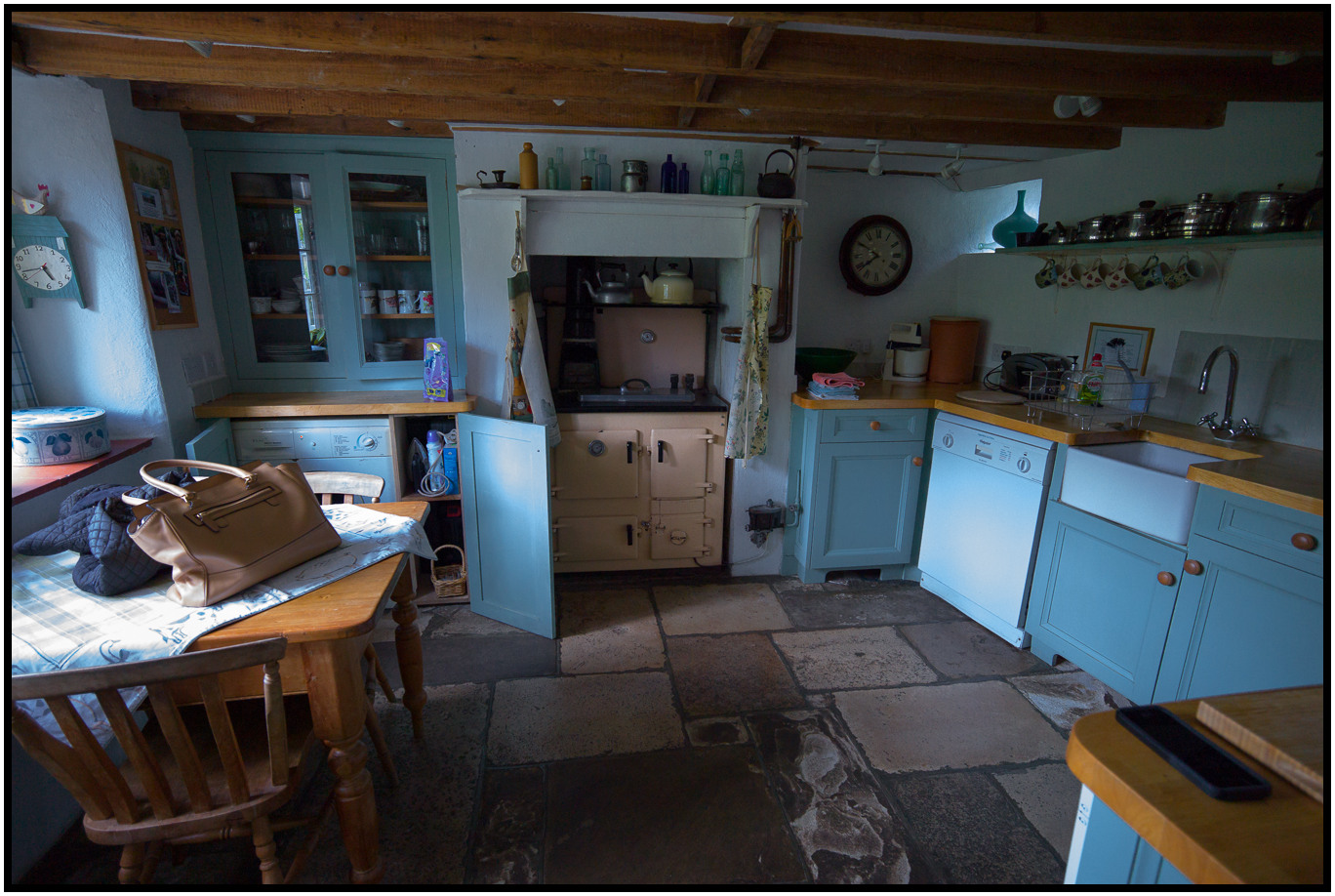
The kitchen has been somewhat modernized, in that it has an electric stove, running water, a dishwasher and a washing machine. (No dryer.) The old-fashioned stove (pictured) works and is warm because of a pilot light. I have absolutely no idea how to control the temperature for cooking, so I took the easy way out and boiled our eggs on the electric stove (not pictured.)
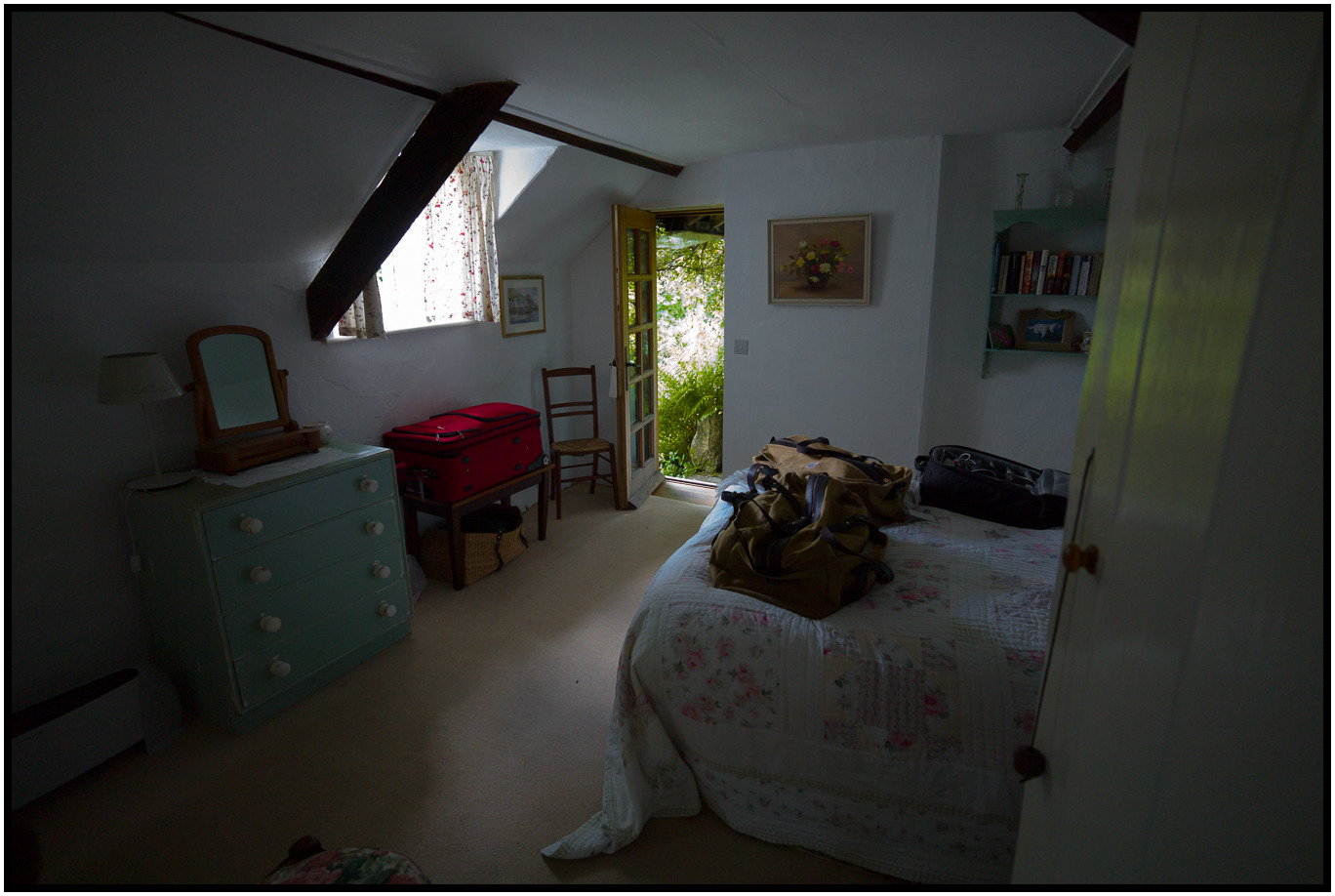
The master bedroom.
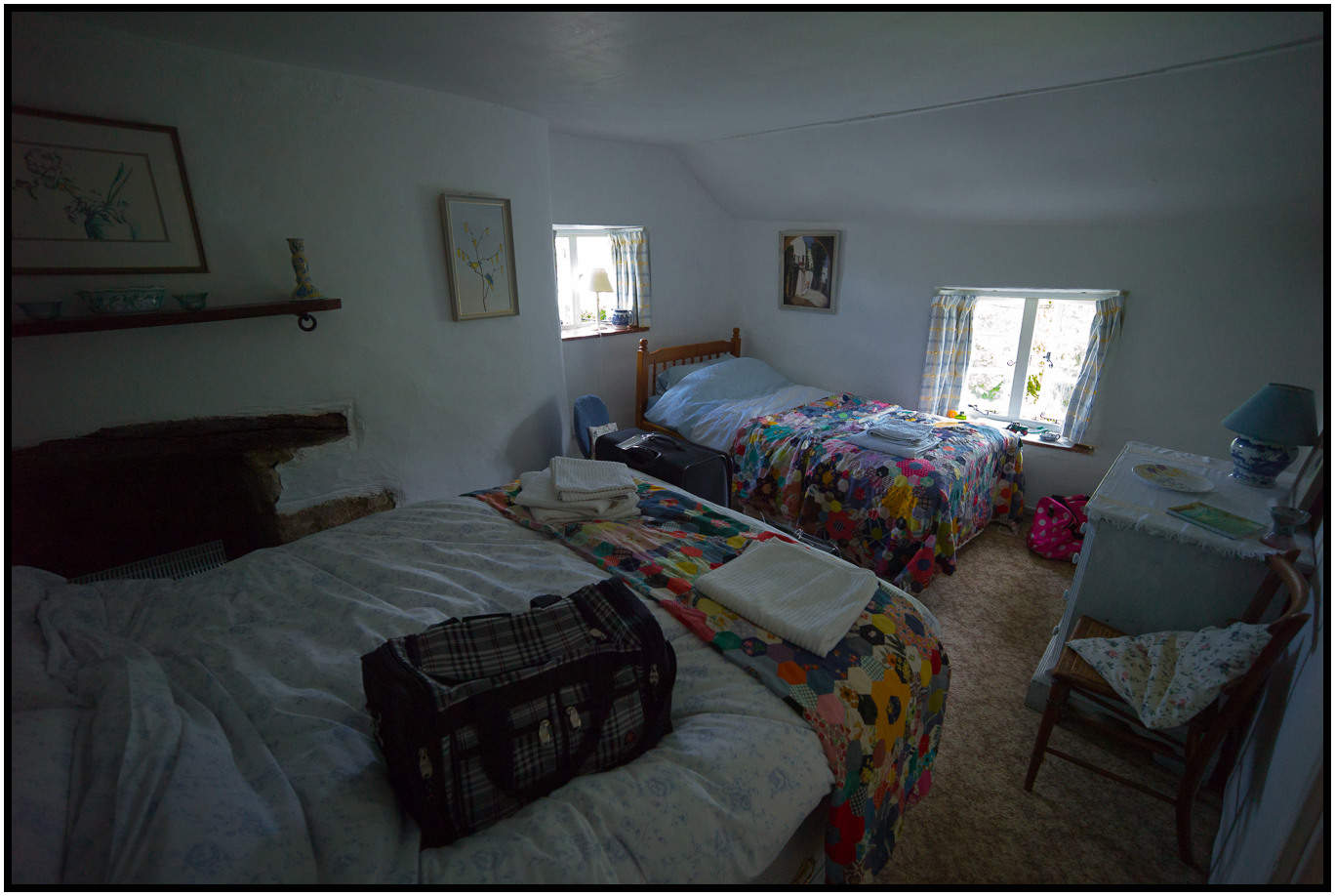
The second bedroom. All three kids are crammed in here. You can see the old fireplace behind the main bed. It’s directly above the fireplace in the living room, sharing a chimney.
July 7, Monday
This morning our plans are to visit the Dartmoor Zoological Park. This is the park that is the subject of the book and movie “We Bought a Zoo.” On the way, we stopped in the town of Plymouth for breakfast.
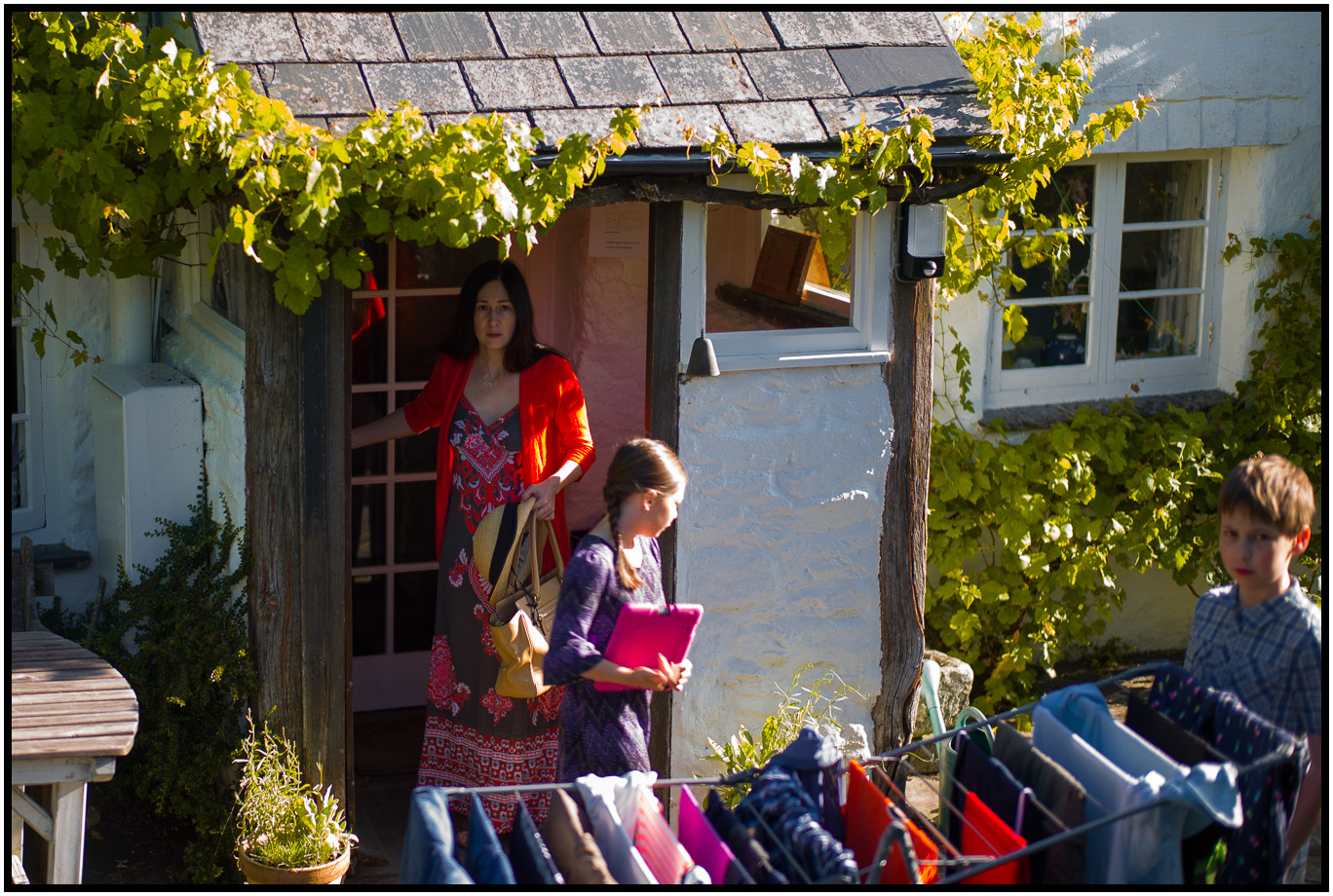
Getting ready to leave for the day. Laundry hanging out to dry. When we left, there wasn’t a cloud in the sky. By the time we got home later that afternoon, the clothes had been rained on and were wet again.
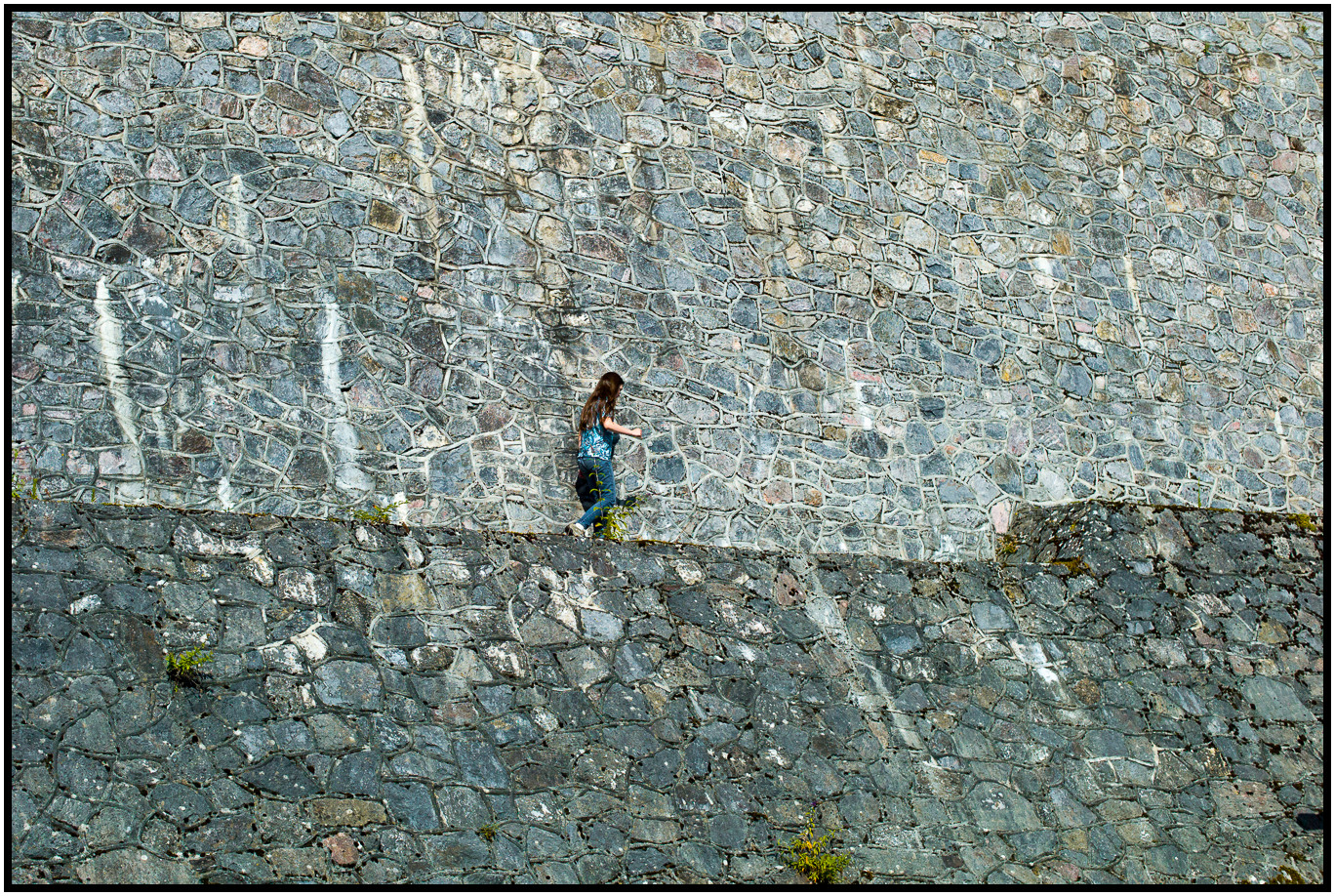
Isabella walking along the Royal Citadel in Plymouth. This was built in the 17th century to defend the coastline from the Dutch, and keep a watch on a recently rebellious town. It is not open to the general public as it is still used as an operational military establishment.
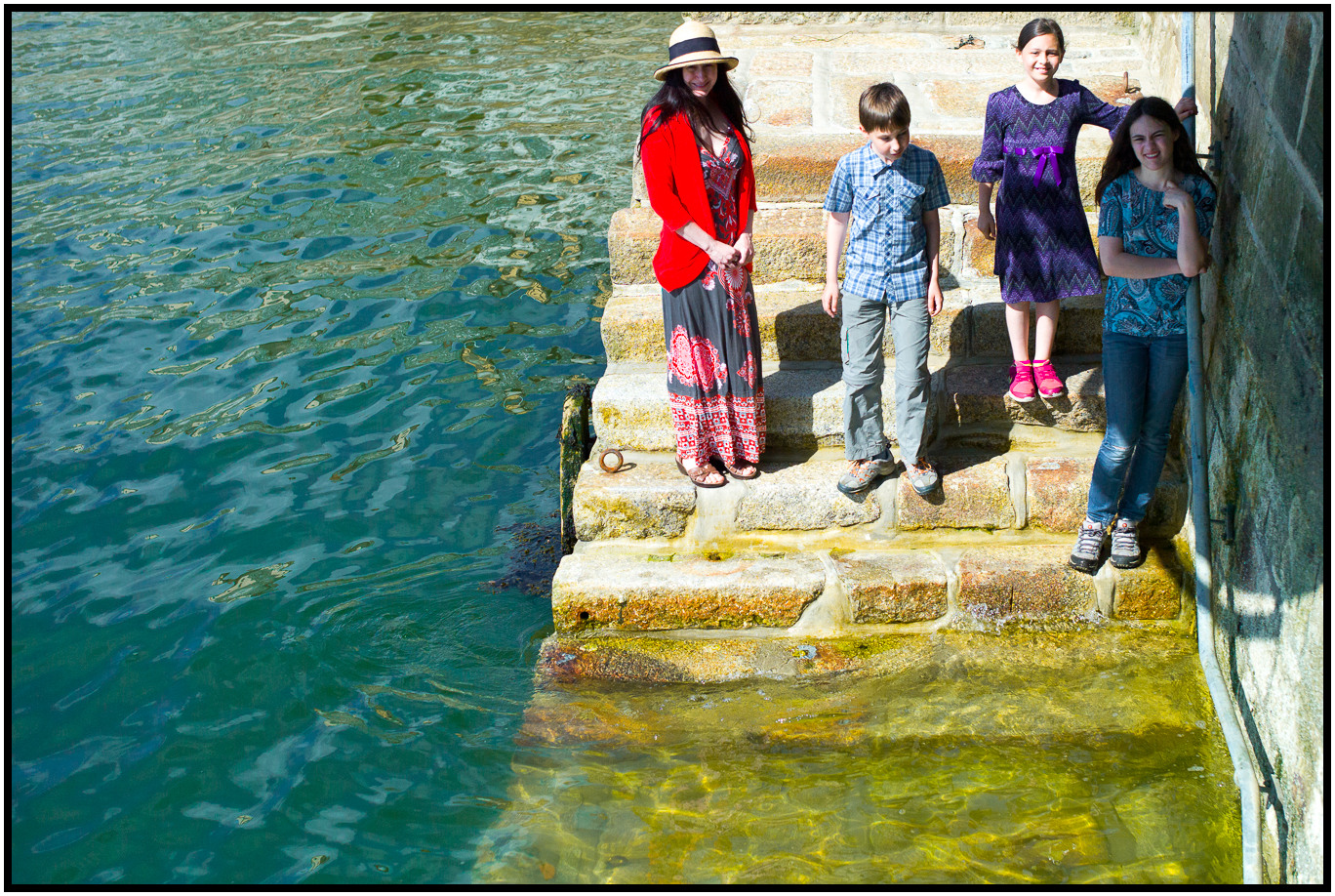
That plaque the kids are standing in front of reads: Mayflower 1620. This is the very spot where the Pilgrims set sail for the Americas.
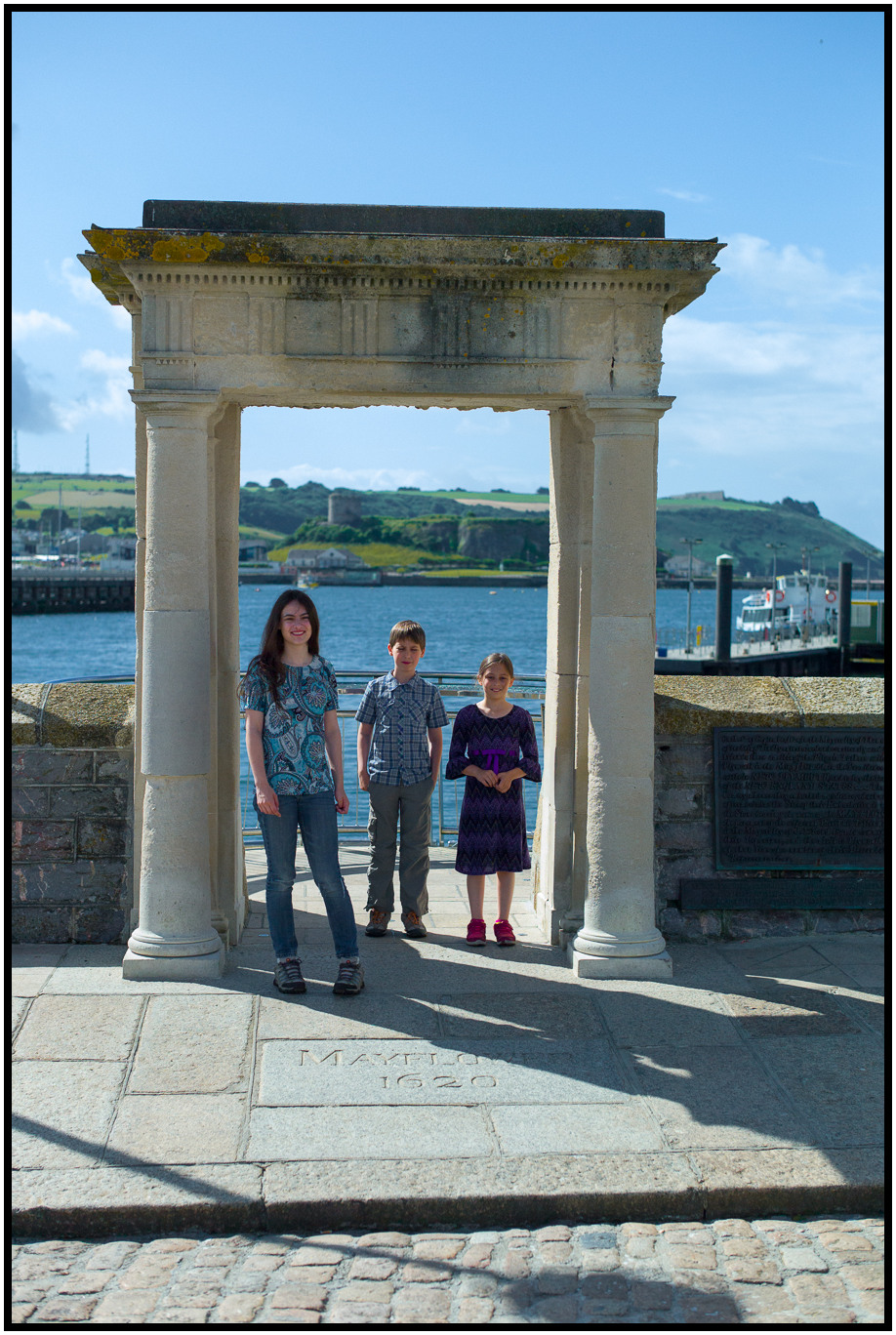
The Pilgrims’ Steps. At this location on the quay, and down these actual steps walked William Bradford and the Pilgrims of 1620, boarding the Mayflower for Plymouth Colony.
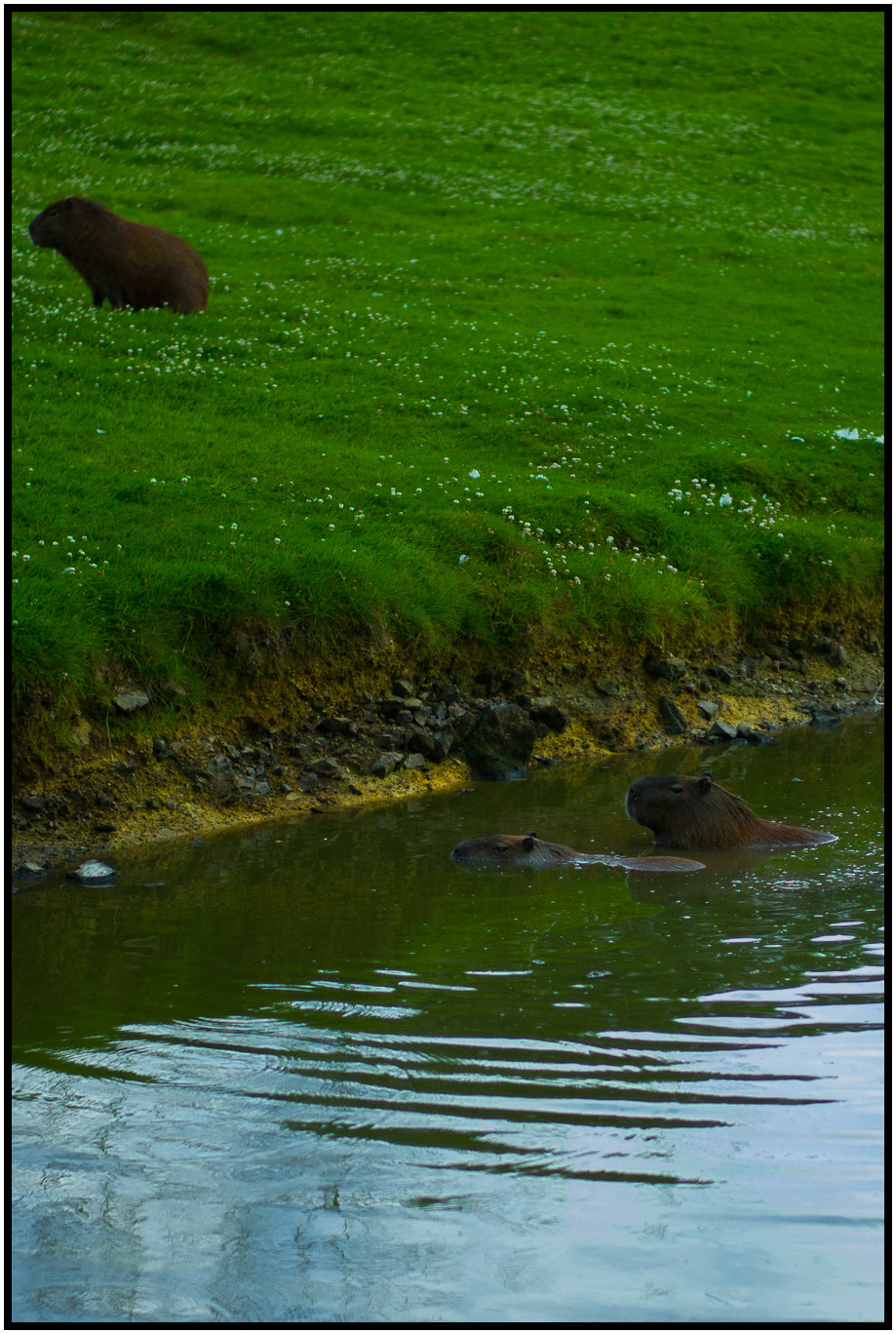
Dartmoor Zoological Park. Capybaras, the largest members of the rodent family.
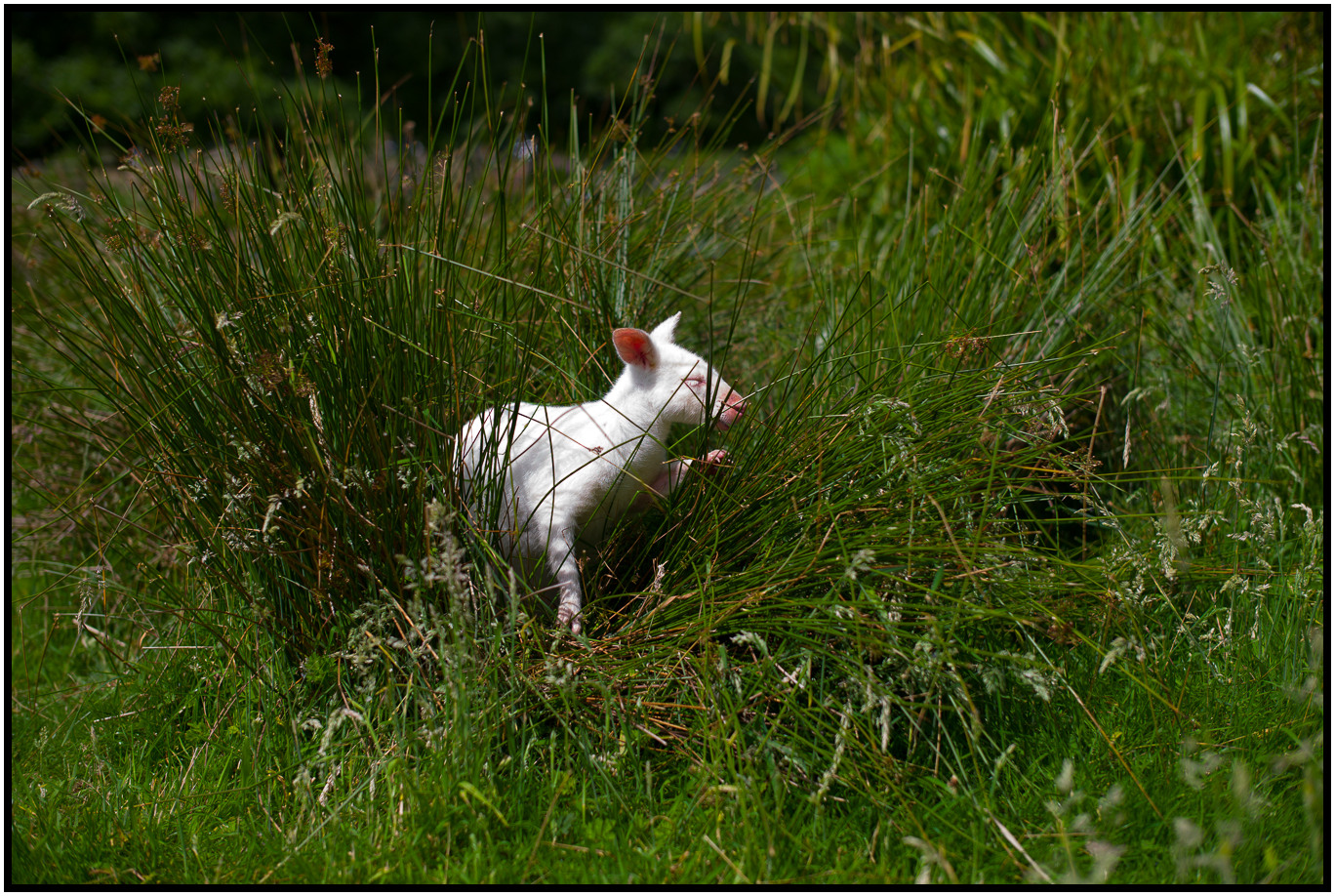
What was different about this zoo – and this is meant as a bit of a compliment – was because it was privately owned, and a bit low budget, they were very relaxed about regulations and provided better access to the animals. Here is a blind albino wallaby …
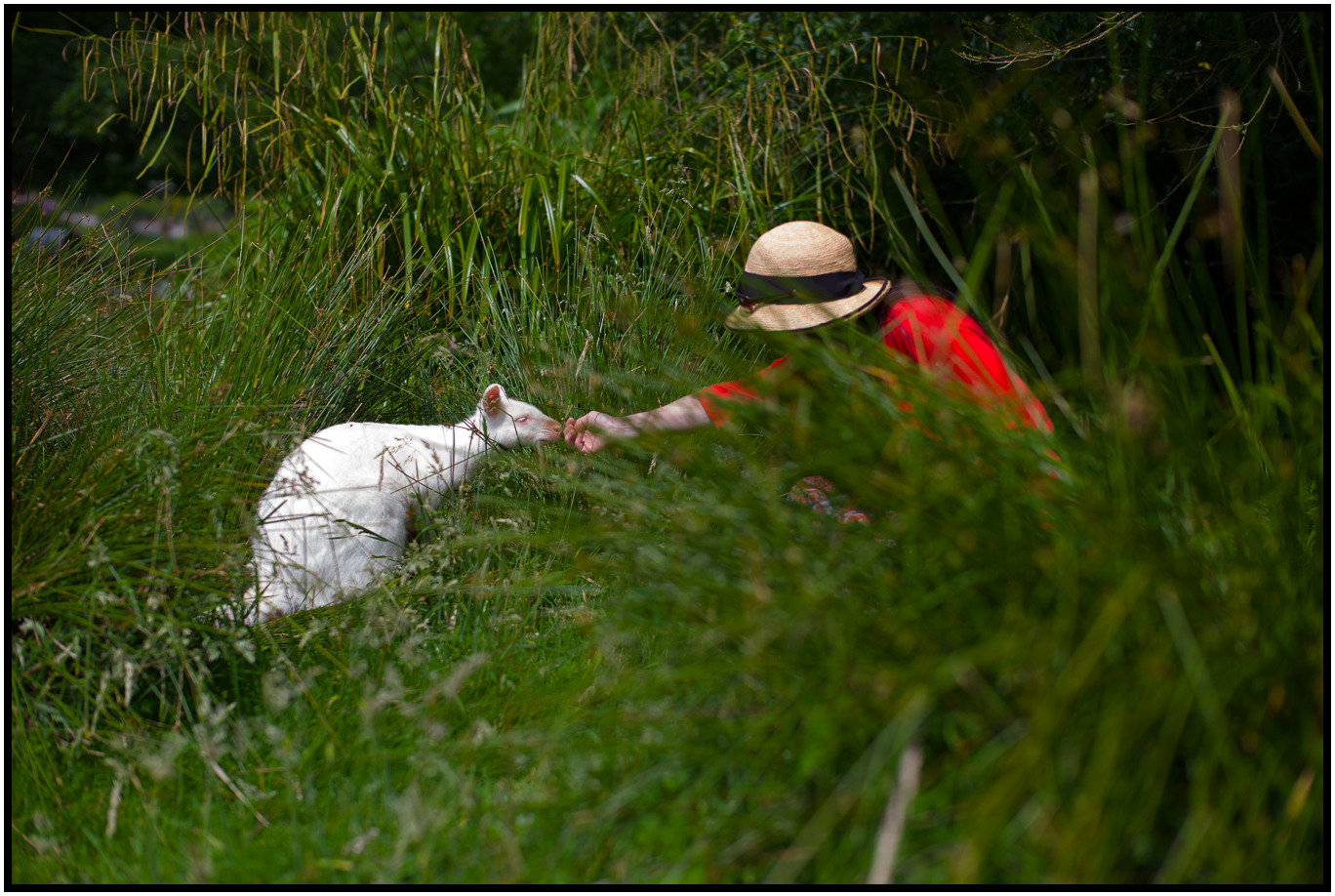
…. and here is me, getting right in with him. He seemed friendly and willing to get petted, until he smelled my hands. Back in one of the shops in Plymouth, I tried a sample of heavily-perfumed hand cream. Once we got to the animal park, I wished I hadn’t. The animals all hated it …. goats, sheep, the wallaby, the fox.
Immediately after this photo was taken, he yanked his head back like he’d gotten a big sniff of something hideous and hopped away into the grass.
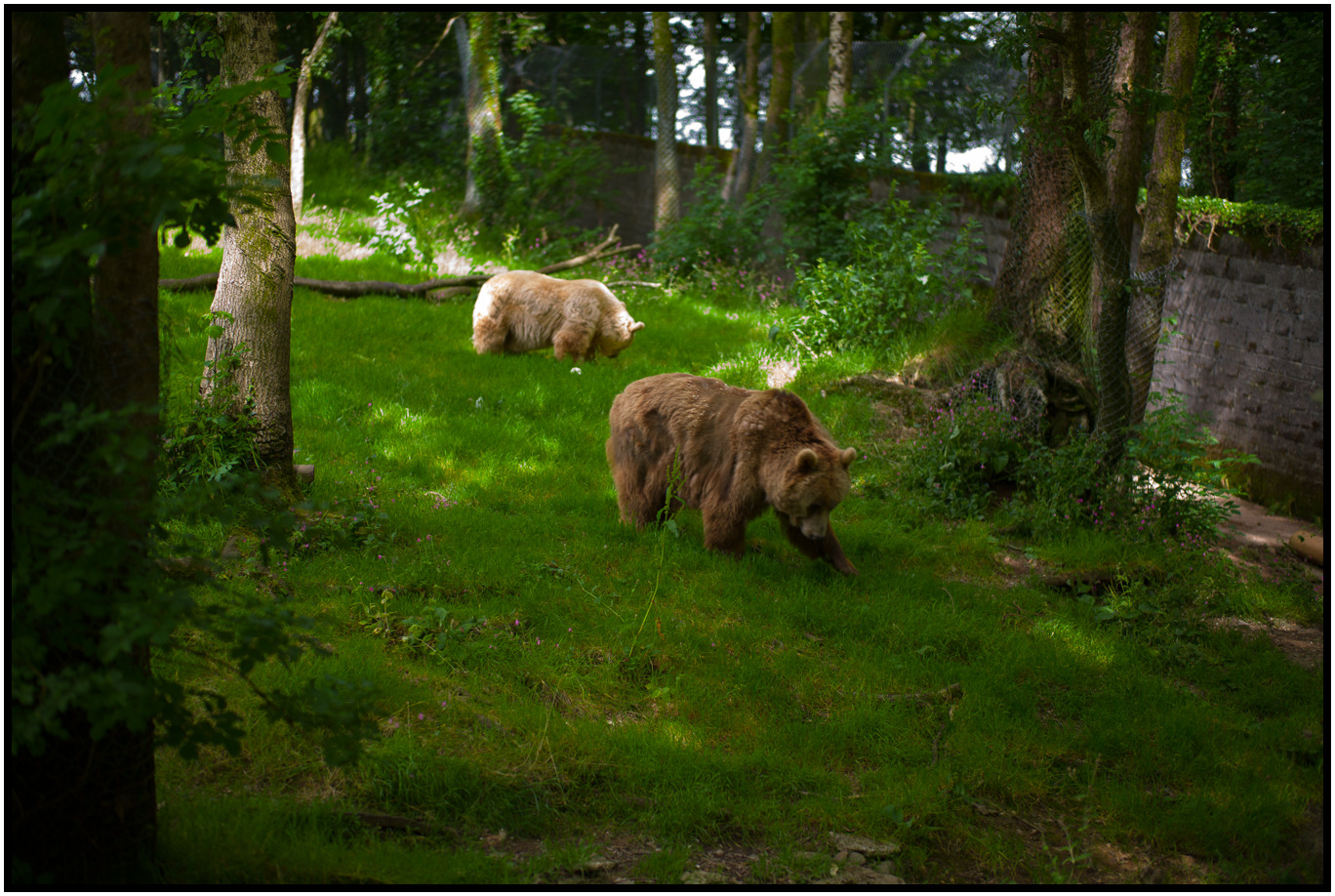
European brown bears.
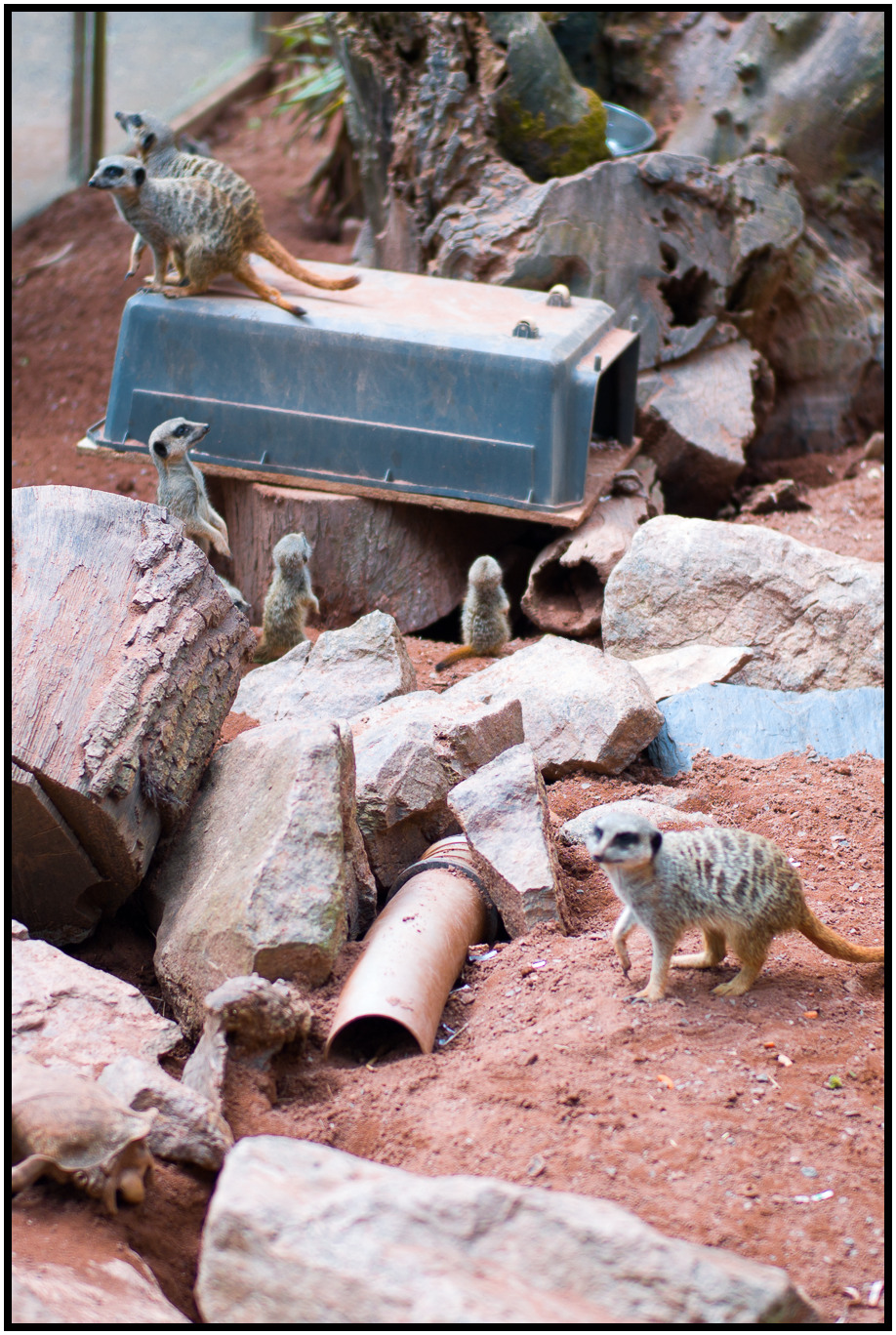
Meercats with babies.
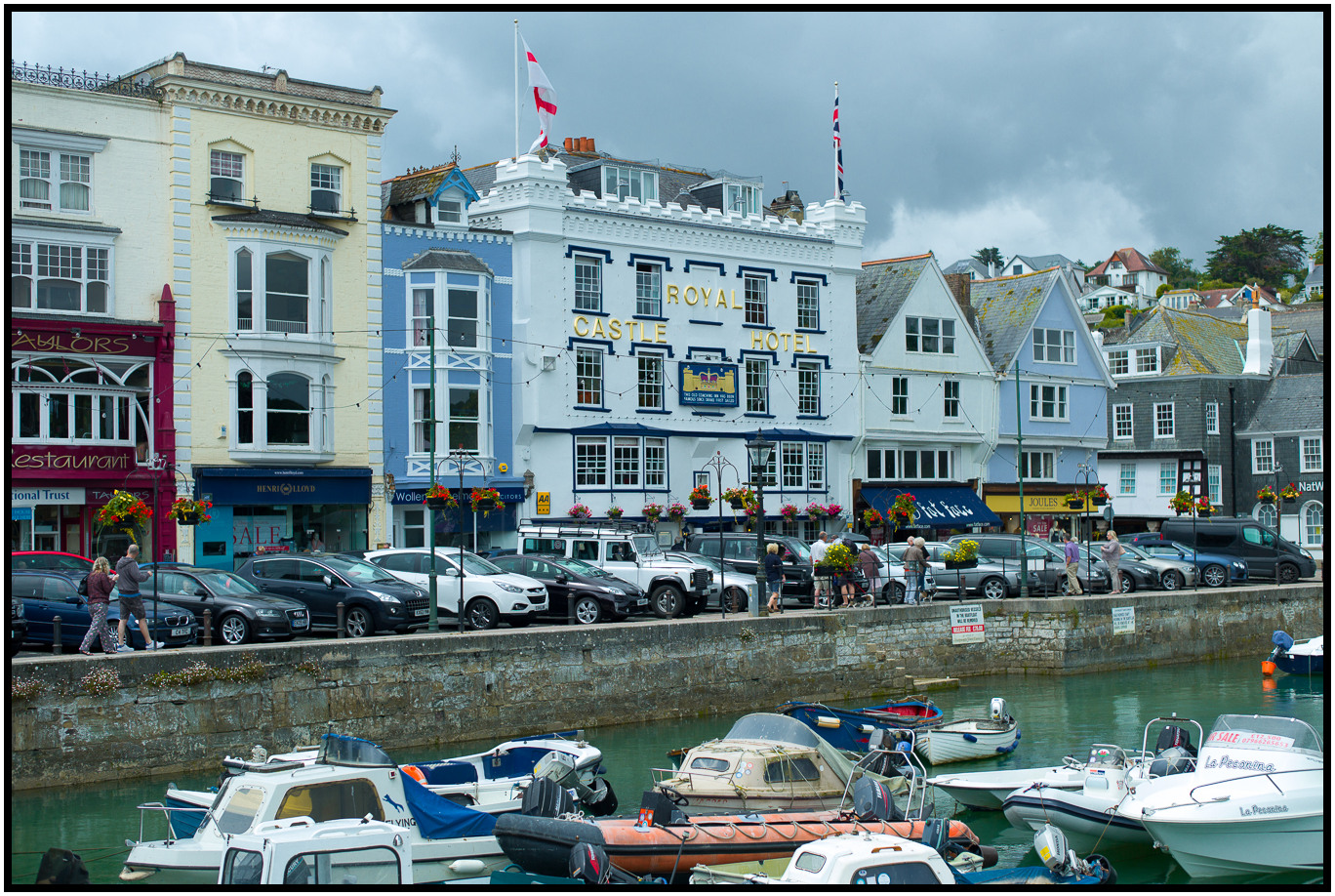
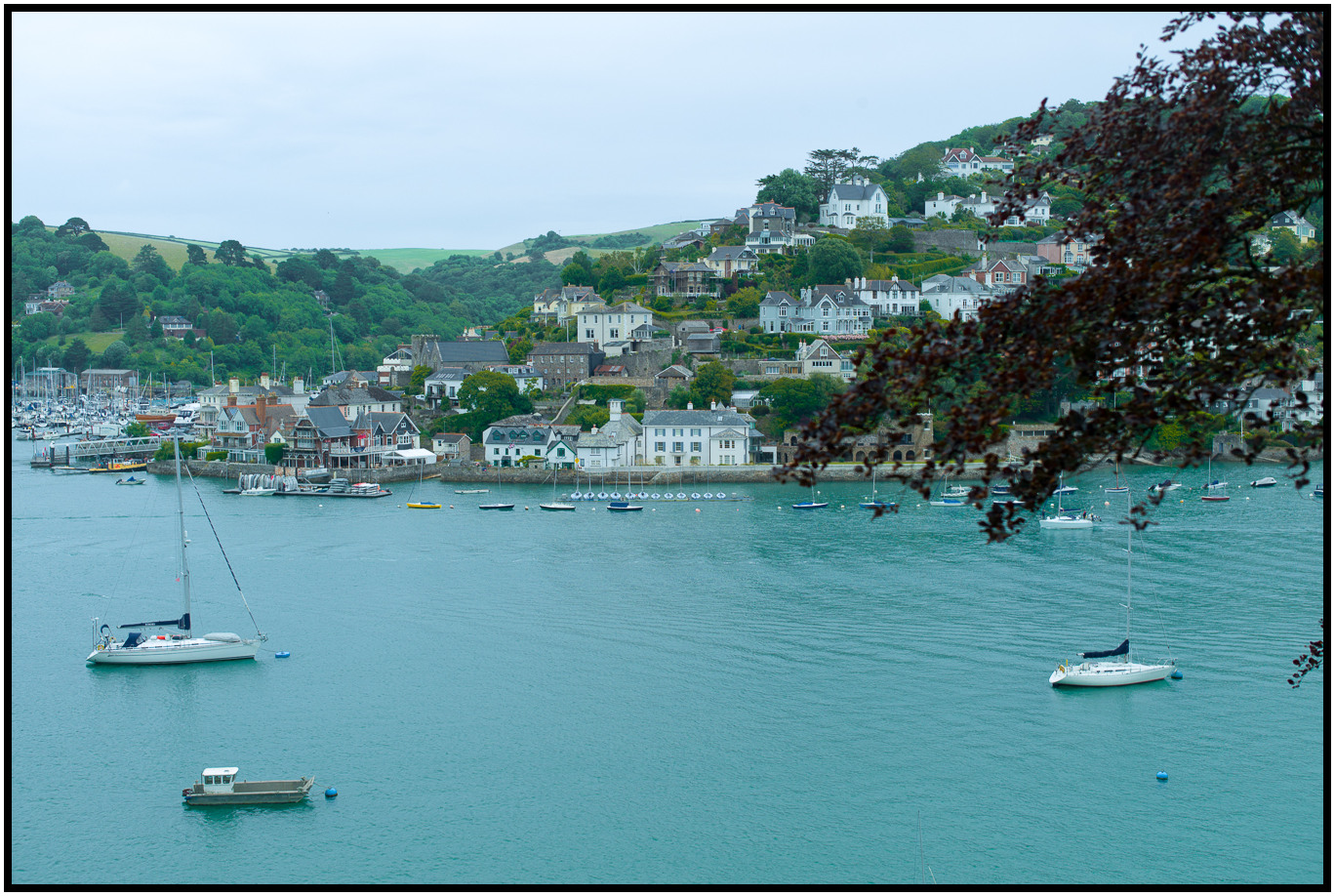
On to Dartmouth. The town is set on steep hills, almost falling down into an estuary of the river Dart which empties to the sea. This port served as the sailing point for the Crusades of 1147-1190. It later became a major base for pirate privateering in the Middle Ages. Some of the big names of past sailing/exploring (Drake, Raleigh, Hudson) made this their base.
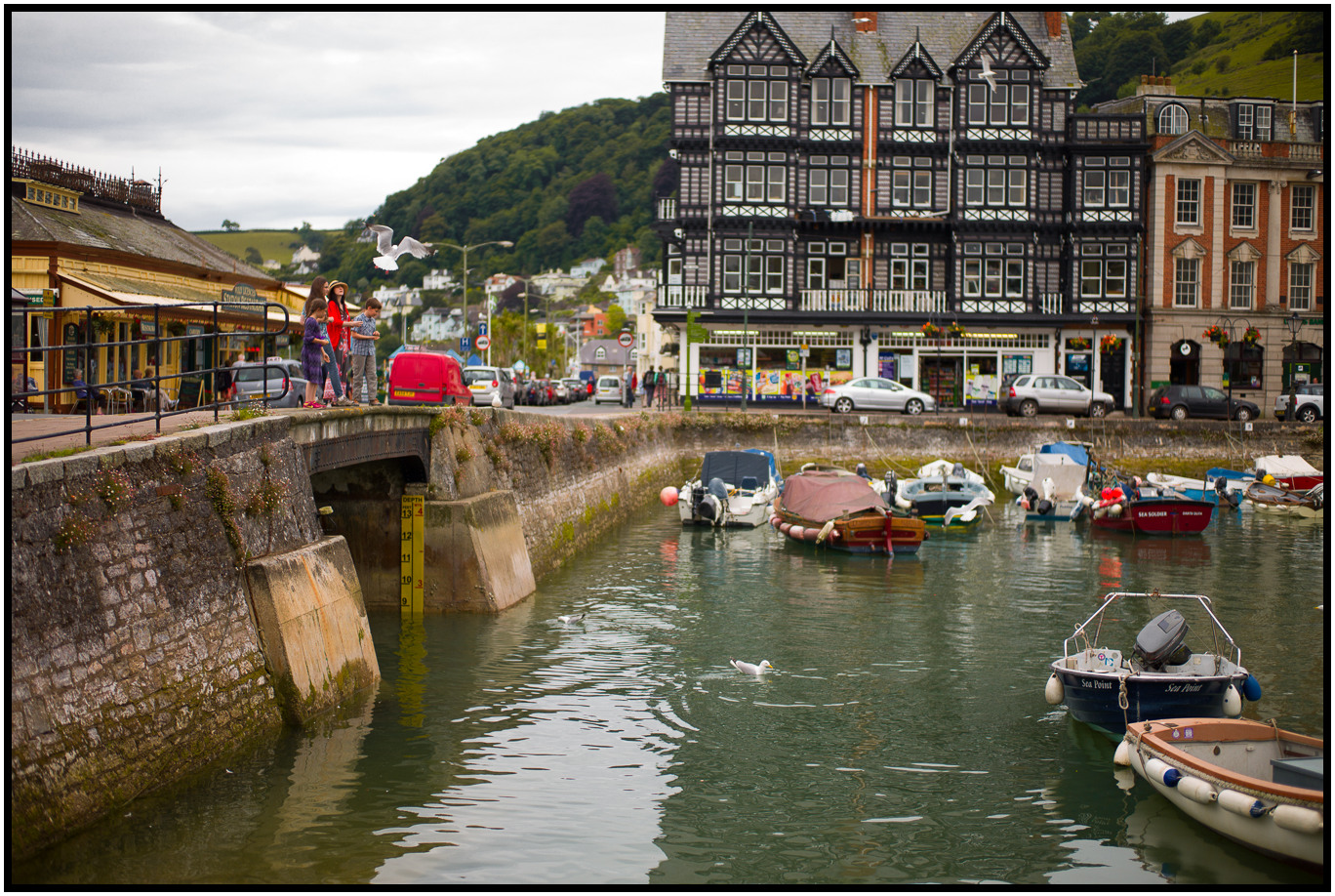
The kids and I saved a few french fries and whole wheat bread to feed to the seagulls. You can see us standing on the bridge if you look closely.
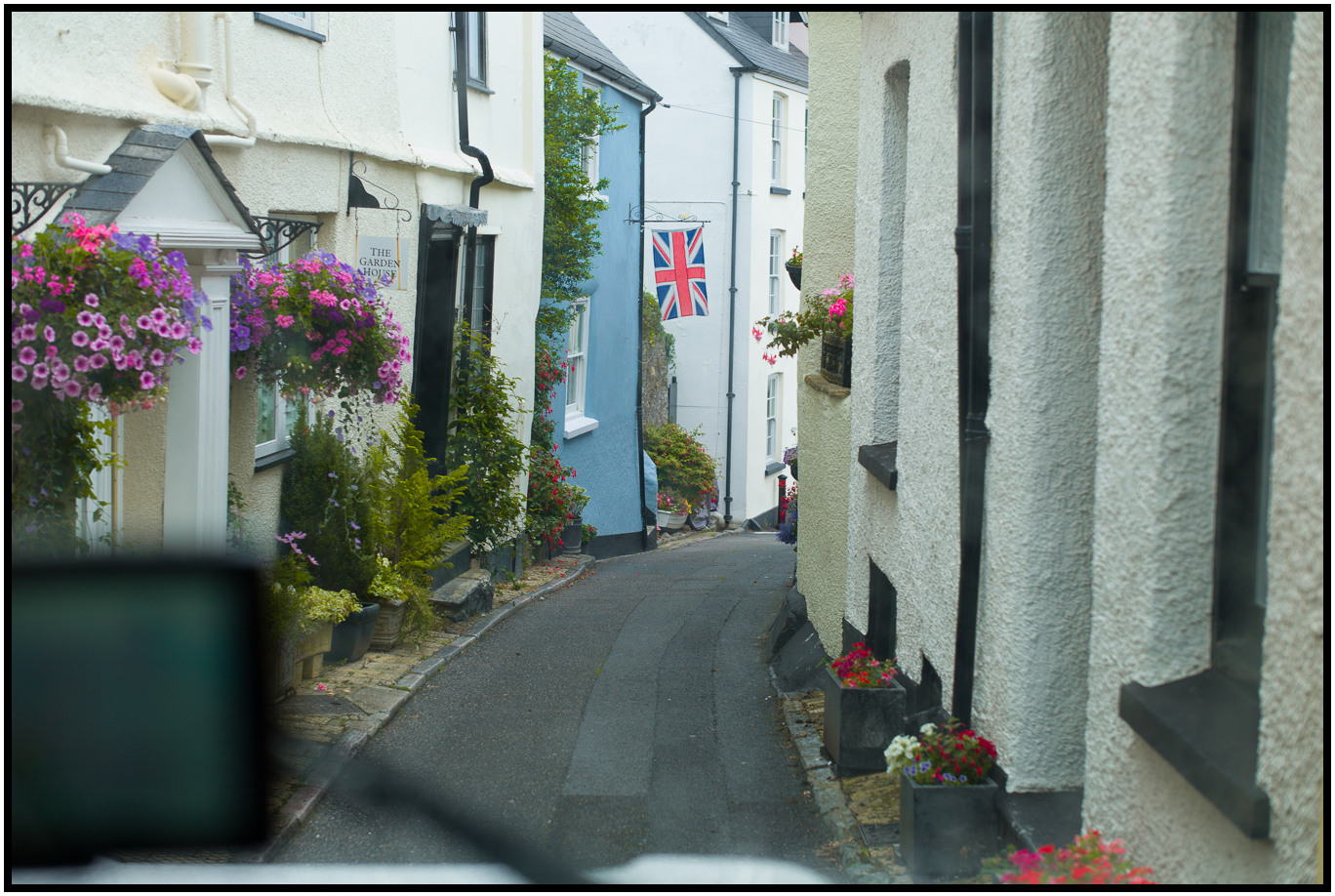
Adam: I just about got us into some trouble yesterday in Dartmouth. The hills are very steep and some of the roads are very narrow. In an effort to leave the town, my GPS got me into some alleyways that I almost couldn’t get out of.
At one point, we came down a steep area to find another car (modern Range Rover) pointed the other way. I couldn’t back out, because it was so steep and winding; he had to back down about 50 yards of the passage to find a side street wide enough to get out of my way.
Further down the hill, we came to this section which was only 6′ side (72″). We pulled in our side mirrors and creeped down the road, brushing by all of the flower pots. Everyone was looking out a corner window to make sure we could get through. We made it without scratching anything up, but everyone was sweaty after it was over.
When I got home later that evening, I looked up the width of my Land Rover – 70.5″. We were worried over nothing.. I had 1.5″ to spare!
Very pretty town and one I wished we had more time to investigate… Very difficult to get here, unless you have a boat.


The orange pod in the Dauphine flea market was created by Finnish designer Matti Suuronen. More information on this page http://uk.tourisme93.com/scandinavian-design-paris.html
Thank you for the information!